Get accurate results in your research with our Monoclonal Antibodies, which are specially made to target exactly what you require for your research, and will produce consistent, reliable performance in lab tests.
Application Data (Staining of mouse peritoneal macrophages with Rat anti Mouse Beta-glucan Receptor: FITC)
Application Data (Staining of mouse peripheral blood monocytes with Rat anti Mouse Beta-glucan Receptor)
Application Data (Immunoperoxidase staining of a mouse lymph node cryosection with Rat anti Mouse Dectin-1 antibody, clone 2A11 followed by horseradish peroxidase conjugated Goat anti Rat IgG antibody . Medium power)
Application Data (Staining of mouse peripheral blood granulocytes with Rat anti Mouse Beta-glucan Receptor:Biotin)
Application Data (Immunoperoxidase staining of a mouse lymph node cryosection with Rat anti Mouse Dectin-1 antibody, clone 2A11 followed by horseradish peroxidase conjugated Goat anti Rat IgG antibody . Low power)
Application Data (Immunoperoxidase staining of a mouse lymph node cryosection with Rat anti Mouse Dectin-1 antibody, clone 2A11 followed by horseradish peroxidase conjugated Goat anti Rat IgG antibody . High power)
Application Data (Immunoperoxidase staining of a mouse skin cryosection with Rat anti Mouse Dectin-1 antibody, clone 2A11 followed by horseradish peroxidase conjugated Goat anti Rat IgG antibody . Low power)
Application Data (Staining of mouse peripheral blood granulocytes with Rat anti Mouse Beta-glucan Receptor:FITC)
Application Data (Staining of mouse peripheral blood granulocytes with Rat anti Mouse Beta-glucan Receptor: RPE)
Application Data (Published customer image: Ex vivo recognition of yeast particles and live fungi by inflammatory cells. A) Representative flow-cytometric analysis, gated on Ly-6G+ neutrophils, after coincubation of BIOgel-elicited inflammatory cells from wild type or dectin-1-deficient (Clec7a-/-) 129S6/SvEv interaction with serum-opsonized or non-opsonized zymosan. Positive staining for the A405-labelled zymosan identifies the neutrophils that are associated zymosan and only these cells exhibit conversion of APF, the ROS reporter. B) Representsative flow-cytometric analysis of CD11b and dectin-1 expression by inflammatory neutrophils and monocyte/M˜. Data represents specific receptor staining (shaded histograms) and isotype control staining (bold lines). Data representative of 2 independent experiments and consistent with previous experiments with thioglycollate. C) Inflammatory cells were loaded with APF and then incubated with serum-opsonized or non-opsonized A405-labelled zymosan or Pacific Orange-labelled C. albicans for 15 minutes. After this time the association of the inflammatory cells with zymosan was measured by flow-cytometry (upper panels) and in those cells that were interacting with zymosan the evidence for fluorescent conversion of APF was also quantified (lower panels). Data is derived from three independent experiments and the data derived from the use of dectin-1-deficient cells is shown relative to wild type cells (100%) as mean+/-95% confidence interval (raw representative data from one of the 3 independent experiments are shown in the Figure S1). The impact of complement osponization (˜C') and the use of different fungal particle used (˜F') were assessed by Two-way ANOVA (˜I' = Interaction statistic). Samples in which the 95% confidence intervals do not overlap with the mean wildtype are specific indicated with a # symbol. Differences in impairment of response observed with dectin-1-deficient cells were further analysed by Bonferroni post-tests. P values derived from individual Bonferroni post-tests are indicated with bracketed pairs of samples.From: McDonald JU, Rosas M, Brown GD, Jones SA, Taylor PR (2012) Differential Dependencies of Monocytes and Neutrophils on Dectin-1, Dectin-2 and Complement for the Recognition of Fungal Particles in Inflammation. PLoS ONE 7(9): e45781.)
FCM (Flow Cytometry) (Flow Cytometric Analysis of human Raji cells using HLA-DR MAb (SPM423) followed by Goat anti-mouse I G-CF488 (Blue); Isotype Control (Red).)
IF (Immunofluorescence) (Immunofluorescence Analysis of Raji cells labeling HLA-OR with HLA-DR Monoclonal Antibody (HLA-DRB/I067) conjugated with APC (Green). The nuclear counterstain is Reddot (Red))
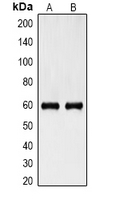
WB (Western Blot) (Western Blot Analysis of Ramos cell and human spleen tissue lysate using HLA-DR MAb (HLA-DRB/I067).)
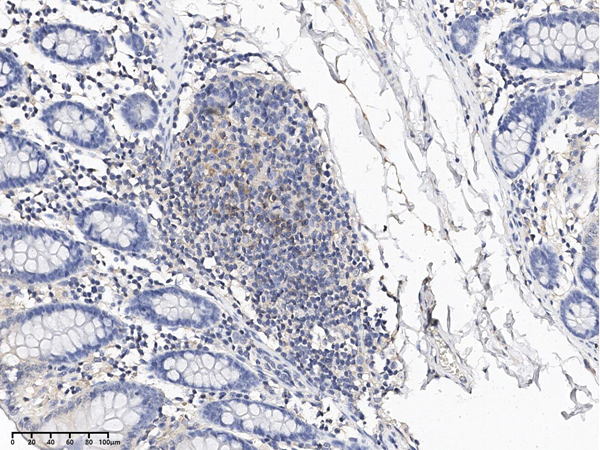
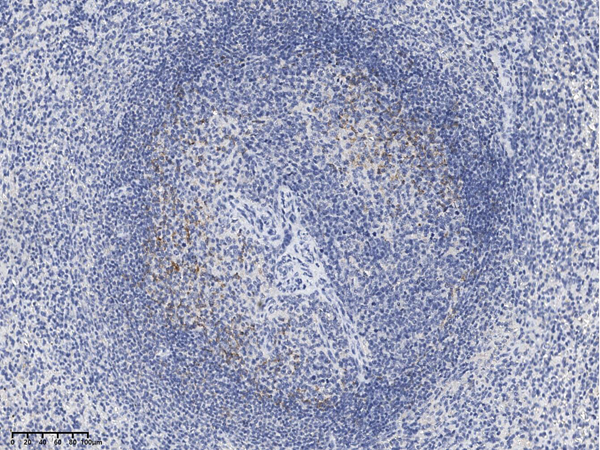
IHC (Immunohistochemistry) (Formalin-fixed, paraffin-embedded human Tonsil stained with HLA-DRB Monoclonal Antibody (HLA-DRB/1067).)
IHC (Immunohistochemistry) (Formalin-fixed, paraffin-embedded human Histiocytoma stained with HLA-DRB Monoclonal Antibody (HLA-DRB/1067).)
WB (Western Blot) (Western Blot Anaysis of Ramos Cell Lyste using HLA-DRB Monoclonal Antibody (HLA-DRB/1067).)
Application Data (Immunofluorescence staining of rat lymph node cryosection with Mouse anti Rat CD163 antibody , red an A and Mouse anti Rat CD8 MCA48), green in B. C is the merged image with nuclei counter-stained blue using DAPI. High power)
Application Data (Published customer image:Analysis of graft-infiltrating T cells. Activated CD25+ T cells and CD4+ and CD8+ T cell subsets were stained at the time points of corneal allograft rejection and calculated within the graft. A, C, and E show representative histological staining for CD25, CD4, and CD8 in grafts of treated and control animals, respectively. CD25+ (B) and CD4+ (D) cells infiltrated to a statistically significantly stronger extent in 3.2.3-treated animals when compared to control treated animals (*p)
Application Data (Immunofluoescence staining of rat lymph node cryosection with Mouse anti Rat CD11b antibody , red in A and Mouse anti Rat CD8 , green in B. C is the merged image with nuclei counter-stained in blue using DAPI. High power)
Application Data (Immunofluorescence staining of rat lymph node cryosection with Mouse anti Rat CD25 antibody , red in A and Mouse anti Rat CD8 , green in B. C is the merged image with nuclei counterstained blue using DAPI. High power)
Application Data (Published customer image: CD4 and CD8 T cell infiltration. Photos show SN sections of an animal of the cell death group immunostained with antibody against CD4 (A and C) and CD8 (B and D). The small panels show insets in A (C) and in B (D) at higher magnification. Scale: 50 um, applies to A -B, 10 um applies to C -D. (E) Graph shows average (dash) and individual numbers of CD4+ cells found in one SN section per animal of each group plotted per time. Two-way ANOVA [F (8,42) = 4.1, p = 0.001 effect of group and time interaction] followed by Tukey HSD post-hoc analysis. ## or § p)
Application Data (Immunofluorescence staining of rat lymph node cryosection with Mouse anti Rat CD25 antibody , red in A and Mouse anti Rat CD8 , green in B. C is the merged image with nuclei counterstained blue using DAPI. Low powe)
Application Data (Immunofluorescence staining of rat lymph node cryosection with Mouse anti Rat CD25 antibody , red in A and Mouse anti Rat CD8 , green in B. C is the merged image with nuclei counterstained blue using DAPI. Low power)
Application Data (Immunofluorescence staining of rat lymph node cryosection with Mouse anti Rat CD25 antibody , red in A and Mouse anti Rat CD8 , green in B. C is the merged image with nuclei counterstained blue using DAPI. High power)
Application Data (Staining of rat peripheral blood cells with Mouse anti Rat CD8 Alpha Chain:Alexa Fluor 488)
Application Data (Published customer image: Qualitative and quantitative flow cytometric analysis of lymphocyte populations in draining lymph nodes. A: Representative FACS plot of CD4+ CD8+ staining used to count T-helper cells, cytotoxic T-cells and CD4+ CD8+ double positive T-lymphocytes. Events acquired: 2x10⁵. B: FACS plot example for B-cell detection. C: Representative FACS plot for NK cell assessment. NK-T cell were confirmed by CD3 expression (not shown). Bar diagrams: Cumulative results for the quantification of major and minor lymphocyte populations in draining LN of cornea transplanted animals. An asterisk (*) indicates statistical significance at p=0.05 determined by Mann -Whitney U-Test. Allo-Tx-d7 - animals allo-grafted and analyzed at day 07 post op, n=6; allo-Tx-rej - animals displaying allo rejection of grafted corneas analyzed after the onset of rejection, n=5; syn-Tx-d7 - syngeneically grafted animals analyzed at day 7 post-op, n=3; syn-Tx-LT - syn-grafted long-term survivors analyzed at the end of the observation period at day 42; n=3.Maenz M, Morcos M, Ritter T. A comprehensive flow-cytometric analysis of graft infiltrating lymphocytes, draining lymph nodes and serum during the rejection phase in a fully allogeneic rat cornea transplant model. Mol Vis. 2011 Feb 8;17:420-9.)
Application Data (Fig.2: Wells of a 96-microtiter plate were coated with different concentration of a mammalian expressed full-length SARS-Co2/Covid2019/nCov Spike protein. The binding was detected by addition of 200 ng AAA14885 monoclonal antibody per well. The reactivity was detected by a HRP-conjugated goat-anti-mouse IgG monoclonal antibody.)
WB (Western Blot) (Fig1: Western Blot analysis of spike antibody: Anti- Spike antibody (COVID-19) (Clone: ABM19C9) was used at 1 µg/ml on mammalian expressed full-length COVID-19 Spike protein (50ng/ lane).)
FCM (Flow Cytometry) (FACS analysis of ES-2 cells stained with STIP1 monoclonal antibody clone 2E11 (Green) and non-stained ES-2 cells (Black) as negative control.)
FCM (Flow Cytometry) (FACS analysis of 293 cells stained with STIP1 monoclonal antibody clone 2E11 (Green) and non-stained 293 cells (Black) as negative control.)
FCM (Flow Cytometry) (FACS analysis of HeLa cells stained with STIP1 monoclonal antibody clone 2E11 (Green) and non-stained HeLa cells (Black) as negative control.)
IF (Immunofluorescence) (Immunofluorescence analysis of THP-1 cells using FRS2 Rabbit PolymAb® (AAA28559) at dilution of 1:300 (40x lens). Secondary antibody: Cy3-conjugated Goat anti-Rabbit IgG (H+L) (AS007) at 1:500 dilution. Blue: DAPI for nuclear staining.)
IF (Immunofluorescence) (Immunofluorescence analysis of PC-12 cells using FRS2 Rabbit PolymAb® (AAA28559) at dilution of 1:300 (40x lens). Secondary antibody: Cy3-conjugated Goat anti-Rabbit IgG (H+L) (AS007) at 1:500 dilution. Blue: DAPI for nuclear staining.)
IHC (Immunohistchemistry) (Immunohistochemistry analysis of paraffin-embedded Rat testis using FRS2 Rabbit PolymAb® (AAA28559) at dilution of 1:100 (40x lens). High pressure antigen retrieval performed with 0.01M Citrate Bufferr (pH 6.0) prior to IHC staining.)
IHC (Immunohistochemistry) (Immunohistochemistry analysis of paraffin-embedded Rat testis using FRS2 Rabbit PolymAb® (AAA28559) at dilution of 1:100 (40x lens). High pressure antigen retrieval performed with 0.01M Citrate Bufferr (pH 6.0) prior to IHC staining.)
IHC (Immunohistochemistry) (Immunohistochemistry analysis of paraffin-embedded Mouse testis using FRS2 Rabbit PolymAb® (AAA28559) at dilution of 1:100 (40x lens). High pressure antigen retrieval performed with 0.01M Citrate Bufferr (pH 6.0) prior to IHC staining.)
IHC (Immunohistochemistry) (Immunohistochemistry analysis of paraffin-embedded Human kidney using FRS2 Rabbit PolymAb® (AAA28559) at dilution of 1:100 (40x lens). High pressure antigen retrieval performed with 0.01M Citrate Bufferr (pH 6.0) prior to IHC staining.)
WB (Western Blot) (Western blot analysis of lysates from mouse kidney, using FRS2 Rabbit PolymAb® (AAA28559) at 1:500 dilution.Secondary antibody: HRP-conjugated Goat anti-Rabbit IgG (H+L) (AS014) at 1:10000 dilution.Lysates/proteins: 25ug per lane.Blocking buffer: 3% nonfat dry milk in TBST.Detection: ECL Basic Kit (RM00020).Exposure time: 10s.)
Application Data (Immunoperoxidase staining of human tonsil cryosection using Mouse anti Human CD1a antibody followed by HISTAR detection system. Medium power)
Application Data (Immunofluorescence staining of human tonsil cryosection using Mouse anti Human CD1a antibody and Mouse anti Human CD21 . C is the merged image. Low power)
Application Data (Staining of MOLT 4 cells with Mouse anti Human CD1a)
Application Data (Staining of MOLT 4 cells with Mouse anti Human CD1a:RPE)
Application Data (Immunofluorescence staining of human tonsil cryosection using Mouse anti Human CD1a antibody and Mouse anti Human CD21 . C is the merged image. High power)
Application Data (Immunoperoxidase staining of human tonsil cryosection using Mouse anti Human CD1a antibody followed by HISTAR detection system. Low power)
Application Data (Immunoperoxidase staining of human tonsil cryosection using Mouse anti Human CD1a antibody followed by HISTAR detection system. High power)
Application Data (Staining of MOLT 4 cells with Mouse anti Human CD1a:FITC)
Application Data (Immunofluorescence staining of human tonsil cryosection using Mouse anti Human CD1a antibody and Mouse anti Human CD21 . C is the merged image. Medium power)
Application Data (Published customer image: CLR expression on various DC subsets present in the endometrium. (a) Langerin positive cells were mainly detected within the luminal and glandular epithelium. Positive co-localization (yellow) was detected with Langerin+ cells (green) and (b) CD1a (red) and (c) CD11c (red). (d) Double-positive cells (yellow) expressing Langerin+ (green) and CD4+ (red) cells were also detected within CD4+ lymphoid aggregates. (e) DC-SIGN and (f) MR were detected in the lamina superficialis, just beneath the luminal epithelium (I: minimum distance of cell body to endometrial lumen: 49 um and 40 um, respectively). Both (g) DC-SIGN (green) and (h) MR(green) were co-expressed (yellow) on CD68+ cells (red) as well as (i and j, respectively) CD11c+ cells (red). Neither (k) DC-SIGN (red) nor (l) MR (red) were expressed on CD1a+ (green) cells. Scale bars: a: 500 um; b -d: 25 um; e -l: 100 um.From: Kaldensj¶ T, Petersson P, Tolf A, Morgan G, Broliden K, et al. (2011) Detection of Intraepithelial and Stromal Langerin and CCR5 Positive Cells in the Human Endometrium: Potential Targets for HIV Infection. PLoS ONE 6(6): e21344.)
ICC (Immunocytochemistry) (Confocal imaging of PC-12 cells using HADHA Rabbit PolymAb® (AAA28565,dilution 1:200) followed by a further incubation with Cy3 Goat Anti-Rabbit IgG (H+L) (AS007,dilution 1:500)(Red).The cells were counterstained with ?-Tubulin Mouse mAb (AC012, dilution 1:400) followed by incubation with ABflo® 488-conjugated Goat Anti-Mouse IgG (H+L) Ab (AS076, dilution 1:500) (Green).DAPI was used for nuclear staining (Blue). Objective: 100x.)
ICC (Immunocytochemistry) (Confocal imaging of HeLa cells using HADHA Rabbit PolymAb® (AAA28565,dilution 1:200) followed by a further incubation with Cy3 Goat Anti-Rabbit IgG (H+L) (AS007,dilution 1:500)(Red).The cells were counterstained with ?-Tubulin Mouse mAb (AC012, dilution 1:400) followed by incubation with ABflo® 488-conjugated Goat Anti-Mouse IgG (H+L) Ab (AS076, dilution 1:500) (Green).DAPI was used for nuclear staining (Blue). Objective: 100x.)
IHC (Immunohistochemistry) (Immunohistochemistry analysis of paraffin-embedded Human thyroid cancer tissue using HADHA Rabbit PolymAb® (AAA28565) at a dilution of 1:200 (40x lens). High pressure antigen retrieval performed with 0.01M Citrate Bufferr (pH 6.0) prior to IHC staining.)
IHC (Immunohistochemistry) (Immunohistochemistry analysis of paraffin-embedded Human liver tissue using HADHA Rabbit PolymAb® (AAA28565) at a dilution of 1:200 (40x lens). High pressure antigen retrieval performed with 0.01M Citrate Bufferr (pH 6.0) prior to IHC staining.)
IHC (Immunohistochemistry) (Immunohistochemistry analysis of paraffin-embedded Human colon carcinoma tissue using HADHA Rabbit PolymAb® (AAA28565) at a dilution of 1:200 (40x lens). High pressure antigen retrieval performed with 0.01M Citrate Bufferr (pH 6.0) prior to IHC staining.)
WB (Western Blot) (Western blot analysis of lysates from wild type (WT) and HADHA knockout (KO) 293T cells using [KO Validated] HADHA Rabbit PolymAb® (AAA28565) at 1:1000 dilution.Secondary antibody: HRP-conjugated Goat anti-Rabbit IgG (H+L) (AS014) at 1:10000 dilution.Lysates/proteins: 25 ug per lane.Blocking buffer: 3% nonfat dry milk in TBST.Detection: ECL Basic Kit (RM00020).Exposure time: 20s.)
WB (Western Blot) (Western blot analysis of various lysates using [KO Validated] HADHA Rabbit PolymAb® (AAA28565) at 1:1000 dilution.Secondary antibody: HRP-conjugated Goat anti-Rabbit IgG (H+L) (AS014) at 1:10000 dilution.Lysates/proteins: 25 ug per lane.Blocking buffer: 3% nonfat dry milk in TBST.Detection: ECL Basic Kit (RM00020).Exposure time: 20s.)
Application Data (Staining of human peripheral blood lymphocytes with Mouse anti Human CD40:RPE)
Application Data (Immunofluorescence staining of a human tonsil cryostetion with Mouse anti Human CD40 antibody, clone LOB7/6 , red in A and Mouse anti Human CD21 antibody, clone LB21 , green in B. The merged image is C with nuclei counterstained blue using DAPI. Low power)
Application Data (Published customer image: LEF-M interferes with DC differentiation. (a) Monocytes were cultured for 5 days with granulocyte -macrophage colony-stimulating factor (GM-CSF; 50 ng/ml) plus IL-4 (10 ng/ml) in the absence or presence of 150 umol/l of the active metabolite of leflunomide (LEF-M). Subsequently, surface marker expression was determined using fluorescence-activated cell sorting (FACS) analysis. Open profiles with dotted line represent staining pattern with an isotype control antibody, open profiles with fine line indicate the staining pattern of differentiated control dendritic cells (DCs) stained with the indicated mAbs, whereas solid grey profiles show staining of DCs differentiated in the presence of LEF-M. (b) Myeloid precursor cells differentiated in the presence of LEF-M are resistant to maturation. Cells were treated as described above and then stimulated with lipopolysaccharide (LPS; 100 ng/ml) for 48 hours. Open profiles with dotted line represent staining pattern with an isotype control antibody, open profiles with fine line indicate staining of activated control DCs, and solid grey profiles show staining of DCs differentiated in the presence of LEF-M and subsequently exposed to LPS. Data are representative of at least four independent experiments. (c,d) The effects of LEF-M on DC differentiation are independent of pyrimidine depletion. The respective change in mean flourescence intensity (MFI) are shown (c) after the differentiation phase for CD40 and CD1a and (d) after subsequent maturation with 100 ng/ml LPS for CD40 and CD83 with and without 50 umol/l uridine. White bars represent control DCs, and black bars indicate LEF-M-treated cells. Shown are mean percentage control responses +/- standard error of the mean, calculated from five to eight independent experiments. Student's t-tests were calculated for control versus LEF-M-treated DCs and for LEF-M-treated DCs versus without uridine addition, as indicated. *P < 0.05, **P < 0.01.From: Kirsch BM, Zeyda M, Stuhlmeier K, Grisar J, Smolen JS, Watschinger B, Stulnig TM, H¶rl WH, Zlabinger GJ, S¤emann MD. The active metabolite of leflunomide, A77 1726, interferes with dendritic cell function. Arthritis Res Ther. 2005;7(3):R694-703.)
Application Data (Staining of human peripheral blood lymphocytes with Mouse anti Human CD40: Alexa Fluor 488)
Application Data (Immunoperoxidase staining of a human tonsil cryosection with Mouse anti Human CD40 antibody, clone LOB7/6 followed by the Histar Detection system . High power)
Application Data (Published customer image: Treatment with LEF-M during maturation of immature DCs leads to a differentially affected phenotype. Monocytes were cultured for 5 days with granulocyte -macrophage colony-stimulating factor (GM-CSF; 50 ng/ml) plus IL-4 (10 ng/ml). (a) On day 5 these immature dendritic cells (DCs; 5 x 10⁵/ml) were activated with lipopolysaccharide (LPS; 100 ng/ml) in the absence or presence of 150 umol/l of the active metabolite of leflunomide (LEF-M) for 48 hours. Surface marker expression was determined by fluorescence-activated cell sorting analysis. Open profiles with dotted line represent the staining pattern with an isotype control, open profiles with fine line indicate the staining pattern of DC exposed to LPS with the indicated monoclonal antibodies, and solid grey profiles show staining of DCs matured in the presence of LEF-M. The results shown are representative of five independent experiments. (b,c) Effect of LEF-M on maturation-associated clustering of DCs; immature DCs were stimulated with LPS in the (panel b) absence or (panel c) presence of 150 umol/l LEF-M. After 8 hours of cultivation, cells were analyzed by inspecting photomicrographs obtained by light microscopy. Similar results were obtained in four additional experiments. MHC, major histocompatibility complex.From: Kirsch BM, Zeyda M, Stuhlmeier K, Grisar J, Smolen JS, Watschinger B, Stulnig TM, H¶rl WH, Zlabinger GJ, S¤emann MD. The active metabolite of leflunomide, A77 1726, interferes with dendritic cell function. Arthritis Res Ther. 2005;7(3):R694-703.)
Application Data (Immunoperoxidase staining of a human tonsil cryosection with Mouse anti Human CD40 antibody, clone LOB7/6 followed by the Histar Detection system . Low power)
Application Data (Published customer image: Effect of rapamycin (Rapa) on the phenotype and function of H1-DC. DCs were either untreated, matured in response to the maturation cocktail or treated with Rapa for 3 days prior to maturation. (a) H1-DC stained for the expression of the maturation marker CD83, the costimulatory molecules CD86 and CD40, as well as the inhibitory receptor PD-L1. Dead cells were excluded from analysis using 7-AAD. Open histograms represent the level of background staining using appropriate isotype-matched controls. Data from one of 3 independent experiments are shown. (b) Phenotypic analysis of control populations of moDC treated and stained in parallel with rapamycin. (c) Effect of rapamycin on the allostimulatory capacity of DC in the allogeneic MLR. DCs were mitotically-inactivated using mitomycin C and plated in triplicate at a top dose of 104 cells per well of a 96-well round-bottomed plate; na¯ve CD4+ T cells were plated at 5 x 10⁴?cells/well. Cells were incubated for 5 days before pulsing with 3H-thymidine overnight. Graphs show the mean of triplicate cultures +/- S.D. Data are shown from one experiment, representative of 3 independent experiments.From: Silk KM, Leishman AJ, Nishimoto KP, Reddy A, Fairchild PJ. Rapamycin conditioning of dendritic cells differentiated from human ES cells promotes a tolerogenic phenotype. J Biomed Biotechnol. 2012;2012:172420.)
Application Data (Immunofluorescence staining of a human tonsil cryostetion with Mouse anti Human CD40 antibody, clone LOB7/6 , red in A and Mouse anti Human CD21 antibody, clone LB21 , green in B. The merged image is C with nuclei counterstained blue using DAPI. High power)
Application Data (Immunofluorescence staining of a human tonsil cryostetion with Mouse anti Human CD40 antibody, clone LOB7/6 , red in A and Mouse anti Human CD21 antibody, clone LB21 , green in B. The merged image is C with nuclei counterstained blue using DAPI. Medium power)
Application Data (Published customer image:Mouse anti Human CD146 antibody, clone OJ79c used to assess CD146 expression on cultured mesenchymal stem cells by flow cytometry.Image caption:hDPSCs express typical mesenchymal stem cell (MSC) markers and exhibit multi-differentiation potential. (a) Typical MSC markers (CD44, CD73, CD90, CD105, CD146) are highly expressed in hDPSCs, and hDPSCs are mostly negative for a hematopoietic marker (CD34). hDPSCs possess neurogenic, adipogenic, chondrogenic, and osteogenic differentiation potential, as determined by the expression of neurogenic markers (GFAP and NF-M)From: Orikasa S, Kawashima N, Tazawa K, Hashimoto K, Sunada-Nara K, Noda S, Fujii M, Akiyama T, Okiji T.Hypoxia-inducible factor 1? induces osteo/odontoblast differentiation of human dental pulp stem cells via Wnt/?-catenin transcriptional cofactor BCL9.)
Application Data (Published customer image:FITC conjugated Mouse anti Human CD146 antibody, clone OJ79c used to evaluate CD146 expression on human brain vascular pericytes by flow cytometry.Image caption:Characterisation of human brain vascular pericytes by flow cytometry. (A) Cells were identified according to forward scatter (FSC) and side scatter (SSC) intensity. (B) Histograms of unstained human brain pericytes. (C) Histograms represent the fluorescence intensity of human brain pericytes after incubation with CD140b, CD146, and CD31 antibodies, respectively. (3 independent experiments, 3 replicates))
Application Data (Published customer image:Alexa-Fluor®647 conjugated Mouse anti Human CD146 antibody, clone OJ79c used to assess CD146 nexpression on adipose tissue-derived and mone marrow-derived mesenchymal stem cells by flow cytometry.Image caption:(A) Flow cytometry histograms showing the proportions of AT-MSCs and BM-MSCs (upper and lower panels, respectively) that are positive for staining with the antibodies CD146-AF647, NG2-APC, and ?SMA (with secondary AF405 conjugated). Isotype controls are shown by the gray peak and unstained curves are omitted for simplicity. (B) Results of qPCR analysis of CD146, NG2, and PDGFR? in AT-MSCs and BM-MSCs at passages 2 (P2) and 8 (P8). All results are shown as mean?±?SEM; n?=?3 animals. *P?)
Application Data (Published customer image:FITC conjugated Mouse anti CD146 antibody, clone OJ79c used to demonstrate CD146 expressing equine pericytes by immunofluorescence.Image caption:IHC of equine AT sections showing staining for the pericyte markers, CD146 (A), NG2 (B), ?SMA (C),(red; A, B ). Colocalization of MSC markers CD146 and CD73; F, G, in yellow (left panel) from the overlap of green (middle panel) and red (right panel) individual antibody fluorescence. DAPI was used to stain nuclei. Scale bar, 10?&mu,m, is indicated by white bars. IHC, immunohistochemistry; MSC, mesenchymal stem/stromal cell. l.)
Application Data (Published customer image:Mouse anti Human CD146 antibody, clone OJ79c used for the demonstration of equine CD146 expressing cells by immunofluorescence.Image caption:Immunohistochemistry of pericyte, adventitial cell, and MSC markers in equine tissues. d, Dual staining (right panel) with the pericyte markers NG2 and CD146 (d) in adipose tissue. g, Colocalization (right panel) of the MSC and pericyte markers CD44 and CD146 (g) in adipose tissue. d–g Individual staining is shown (left and middle panels). h, i Immunodetection of the adventitial cell marker CD34 (h) and the MSC marker CD44 (i) in the outer layer of blood vessels (arrows) in adipose tissue. 4?,6-Diamidino-2-phenylindole (DAPI) was used to stain cell nuclei. White scale bars?=?10 um.)
Application Data (Published customer image:Mouse anti Human CD146 antibody, clone OJ79c used for the demonstration of equine CD146 expressing cells by immunofluorescence.Image caption:Immunohistochemistry of pericyte, adventitial cell, and MSC markers in equine tissues. a–c Pericytes stained for CD146 surrounding CD144+ endothelial cells in adipose tissue (a), testis (b), and skeletal muscle (c). 4?,6-Diamidino-2-phenylindole (DAPI) was used to stain cell nuclei. White scale bars?=?10 um.)
Application Data (Published customer image:Mouse anti Human CD146 antibody, clone OJ79c used for the evaluation of CD146 expression on dental pulp derived cells by flow cytometry.Image caption:Cell surface markers. (a) Cell surface markers before separation into sparse (sDPSCs) and dense (dDPSCs) groups. A representative case among seven donors is shown. (b) MSC marker expression in sparse (sDPSCs) and dense (dDPSCs) groups. **p?=?0.0079 and ***p?=?0.0006 (Mann-Whitney U test). The error bar is SD (n?=?7). Solid colored histograms represent IgG? treated cells for control, and open colored histograms represent fluorophore labeled antibody treated cells.)
Application Data (Published customer image:Mouse anti Human CD146 antibody, clone OJ79c used to identify MCAM expressing circulating tumor cells by immunofluorescence.Image caption:Thumbnail gallery of analysed CTCs. Representative fluorescence images of a CTC (top row) and a CTC cluster (bottom row) isolated from the peripheral blood of a patient with pancreatic cancer. (Left column) Hoechst stain (blue) identifies nuclei; (second column) EpCAM-MCAM (green) identifies membranes of CTCs; (third column) CD45 (red) identifies leucocytes; (right column) superimposed images confirms intact cells. Images were acquired with 20× magnification. To enhance visibility, we adjusted the brightness and contrast equally for all microscopic images, and these adjustments were applied to the entire image)
Application Data (Published customer image:Mouse anti Human CD146 antibody, clone OJ79c used to identify canine pericytes in situ by immunofluorescence staining of adipose cryosections.Image caption:Canine PSC in situ identification.Marker expression (A) Canine adipose tissue stained with pericytes marker CD146 (green), endothelial marker CD31 (red) (63×), and (B) adventitial cell marker, CD34 (red), CD146 (green) (40×). DAPI nuclear counterstain appears blue. Scale bar: 25uM.)
Application Data (Published customer image:Mouse anti Human CD146 antibody, clone OJ79c used to identify canine pericytes in situ by immunofluorescence and isolated from adipose tissue by flow cytometry.Image caption:Canine PSC in situ identification.Marker expression and isolation by fluorescence activated cell sorting (FACS). (A) Canine adipose tissue stained with pericytes marker CD146 (green), endothelial marker CD31 (red) (63×), and (B) adventitial cell marker, CD34 (red), CD146 (green) (40×). DAPI nuclear counterstain appears blue. (C) Cell size. (D) Purified PSC consist of distinct CD34?CD146+ pericytes and CD34+CD146? adventitial cells. (E) CD146+CD34- pericytes and (F) CD146-CD34+ adventitial cells express characteristic MSC markers, including CD44 and CD90. In comparison, (G) CD146-CD34- “non-PSC” are predominantly negative for CD44 and CD90. Scale bar: 25uM.)
Application Data (Published customer image:FITC conjugated Mouse anti Human CD146 antibody, clone oJ79c used to identify MCAM expression on circulating tumor cells in patients by immunofluorescence.Image caption:Representative fluorescence images of CTCs and a CTC cluster isolated from peripheral blood of patients with metastatic pancreatic cancer.Enriched blood samples were stained with Hoechst 33343 (nuclei, blue), EpCAM (green), MCAM (green), and CD45 (red).)
Application Data (Published customer image:Mouse anti Human CD146 antibody, clone oJ79c used to identify CD146 expressing pericytes in human fetal kidneys by immunofluorescence.Image caption:CD146+NG2+ ?SMA+/? renal pericytes express and secrete enzymatically active renin in vitro. Renal pericyte primary cultures at passage 2 were stained for renin (red). (a) Control cells (vehicle: medium + vehicle; untreated cells: medium) show no renin immunoreactivity. Forskolin and isobutyl-1-methylxanthine (cyclic adenosine monophosphate induction) treatment in pericytes (b) caused robust renin staining, (c) increased renin mRNA expression, and (d) renin activity. One-way analysis of variance followed by Bonferroni's post hoc comparisons were used to test statistical significance. Data are shown as mean ± SEM (n = 3, *P)
Application Data (Published customer image:Mouse anti Human CD146 antibody, clone oJ79c used to identify CD146 expressing pericytes in human fetal kidneys by flow cytometry and to demonstrate CD146 positivity in pericytes cultured in vitro by immunofluorescence.Image caption:Isolation and in vitro characterization of pericytes from a human fetal kidney. (a) FACS of renal pericytes purified from a 16-week human fetal kidney. Dot plots show backgating strategy to obtain CD146+CD34?CD56?CD45? pericytes. Red-color dots show gated populations and the percentages of the parent gates. The sorted pericyte population contained no CD45+, CD56+, or CD34+ cells. (b) Cytospins of freshly sorted pericytes were immunostained for renin (red, arrowheads). (c) Granular, intracellular expression of renin (red) can be observed for up to 48 hours in occasional cells of renal pericyte primary cultures. Positively stained cells are native JG cells, which retain renin expression for a short term in vitro. (d) Representative results of gene expression profiles of renal pericyte primary cultures (n ? 3). Pericytes showing expression of the pericyte markers CD146, nerve/glial antigen 2 (NG2), and platelet-derived growth factor receptor-? (PDGFR?), were negative for hematopoietic CD45 and metanephric mesenchyme CD56 expressions. In addition, pericyte cultures were enriched in Foxd1 (stromal marker) and CRIM1 (pericyte/parietal cell/podocyte marker). (e) Morphology of cultured CD146+CD34?CD56?CD45? pericytes. Bright field images of renal pericyte primary cultures are shown after plating at passages (p) 0, 2, and 6. Cells displayed a spindle-shaped morphology at p0 and p2 but eventually acquired fibroblastic-like appearance at p6. (f) Cultured kidney pericytes at p2 show some ?-smooth muscle actin (?SMA) (green) positive staining, whereas most of the cells are positive for NG2 (green) and all cultured pericytes are CD146+ (green). (g) Kidney pericyte primary cultures underwent mesodermal lineage induction. After 14 days of differentiation, primary cultures were confirmed to differentiate along adipogenic (Oil red O staining), chondrogenic (Alcian blue staining), and osteogenic lineages (Alizarin red staining). Control cells were incubated with growth medium (not shown). Original magnifications are shown on the images. DAPI, 4',6-diamidino-2-phenylindole; FACS, fluorescence-activated cell sorter; FSC, forward scatter; JG, juxtaglomerular cell; K, kidney (positive control); NTC, no template control; SSC, side scatter.)
Application Data (Published customer image:Mouse anti Human CD146 antibody, clone oJ79c used to identify CD146 expressing pericytes in human fetal kidneys by immunofluorescence.Image caption:Renin is colocalized with pericyte markers in the human fetal kidney. Triple staining of fetal kidney demonstrates that (a) renin immunoreactivity (red) coincides with pericyte marker CD146 (green) expression in afferent arterioles. CD146 staining is also present in the mesangium (open arrowhead). Characteristically, renin staining had a striped pattern. The inset (a') shows an afferent arteriole at high magnification. Renin and CD146 stainings overlap on the abluminal side of the vessel (arrowheads), whereas immunoreactivity for CD144 (grey), an endothelial cell marker, is visible inside blood vessels (arrow). (b) Nerve/glial antigen 2 (NG2) (green) staining is found in the mesangium and afferent arteriole. Renin (red) is present in the JG area. Inset (b') shows renin+ cells coexpressing NG2 (arrowheads) at higher magnification. JG, juxtaglomerular cell.From: Stefanska A, Kenyon C, Christian HC, Buckley C, Shaw I, Mullins JJ, Péault B.Human kidney pericytes produce renin.)
Application Data (Published customer image:Mouse anti Human CD146 antibody, clone oJ79c used to identify CD146 expressing pericytes in human fetal and embryonic kidneys by immunofluorescenceImage caption:Identification of pericytes in human embryonic and fetal kidneys. (a) Fetal pericytes were labeled with antibodies against CD146 (green) and NG2 (red) in a 15-week-old kidney cortex. CD146+NG2+ pericytes were found in peritubular capillaries (arrow), mesangial cells (open arrowheads), and afferent arterioles (arrowheads). (b) In the kidney medulla, pericytes encircled peritubular capillaries (arrows) and the vasa recta (arrowheads). (c) Double staining for CD146 (red) and smooth muscle ?-actin (?SMA) (green) shows that in the cortex, pericytes coexpress ?SMA in the mesangium (open arrowheads) and afferent arterioles (arrowheads). In embryonic pericytes, sections of 7-week-old kidneys were stained for pericyte markers: CD146 (green), nerve/glial antigen 2 (NG2) (green), and ?SMA (green), with the endothelial cell marker CD31 (red) (on consecutive sections). (d) ?SMA immunoreactivity was sparse; only single vascular smooth muscle cells were found (inset, arrow). (e) NG2+ cells surrounded endothelial cells (inset, arrow). (f) CD146 staining was perivascular (inset, arrow) and in endothelial cells (inset, arrowhead). DAPI, 4',6-diamidino-2-phenylindole.)
Application Data (Published customer image:AlexaFluor 647 conjugated Mouse anti Human CD146 antibody, clone OF79c used for the detection of CD146 expressing cells by flow cytometry.Image caption:(A) Pericytes can be purified from the SVF of adipose tissue by FACS. Cells (circled in red) are selected on an initial FSC v SSC dot plot. (B) Following removal of dead cells, haematopoietic (CD45+) and endothelial cells (CD31+), pericytes (red box) can be selected based on their unique phenotype (CD146+, CD34?, CD31?, CD45?). (C,D) Pericytes maintain a stable phenotype over extended periods of culture (CD146+, CD31?).)
Application Data (Published customer image:AlexaFluor 647 conjugated Mouse anti Human CD146 antibody, clone OF79c used for the detection of CD146 expressing cells by immunofluorescence.Image caption:(A) Pericytes expressing CD146 reside on the abluminal surface of endothelial cells expressing vWF. (B) ?SMA expressing pericytes co-express MSC markers including CD90. (C) In-vitro pericytes express MSC markers including CD105. Cultured pericytes are multipotent as seen by their ability to differentiate into bone (D) (Alizarin red staining ×10), fat (E) (Oil Red O staining × 10), cartilage (F) (Alcian blue staining × 5).)
Application Data (Published customer image:Mouse anti HumanCD146 antibody, clone OJ79c used for the identification of endothelial cell derived non-annexin V binding, circulating microparticles by flow cytometry.Image caption:Plasma levels of annexin V non-binding, cell-derived microparticles (AnxV? MPs) correlated to lung function parameters. Endothelial cell derived MPs and leukocyte derived MPs (log counts/mL) correlated with both carbon monoxide diffusing capacity in percent of predicted values (DLco, %) (r = -0.28; p = 0.003, and r = -0.26; p = 0.005) respectively (a and b) and forced vital capacity in percent of predicted values (FVC, %) (r = -0.24; p = 0.009, and r = -0.29; p = 0.002) respectively (c and d). No correlations between AnxV? platelet derived MPs and lung function parameters were found (e and f). Correlation analysis was performed by use of Pearson's r test using log transformed microparticle data.From: Iversen LV, Ullman S, Østergaard O, Nielsen CT, Halberg P, Karlsmark T, Heegaard NH, Jacobsen S.Cross-sectional study of soluble selectins, fractions of circulating microparticles and their relationship to lung and skin involvement in systemic sclerosis.BMC Musculoskelet Disord. 2015 Aug 12;16:191.This is from an open access article distributed under the terms of the Creative Commons Attribution License.)
Application Data (Published customer image;Mouse anti Human CD146 antibody, clone OJ79c used for the evaluation of CD146 expression on cell lines and compared to binding of porphyrin conjugated antibodies by flow cytometry.Image captionConjugated and unconjugated anti-CD326, anti-CD146 and anti-CD104 were analysed by flow cytometry for binding to CORL23 and LoVo cells [black line, negative control; blue line, unconjugated antibody; red line, immunoconjugates with porphyrin 1 (a) or porphyrin 2 (b)].From: Smith K, Malatesti N, Cauchon N, Hunting D, Lecomte R, van Lier JE, Greenman J, Boyle RW.Mono- and tri-cationic porphyrin-monoclonal antibody conjugates: photodynamic activity and mechanism of action.)
Application Data (Published customer image:Mouse anti Human CD146 antibody, clone OJ79c used for the evaluation of CD146 expression on brain derived cell lines by flow cytometry.Image caption:Brain-derived cell lines express markers for mesenchymal stem cells and pericytes but not for glial or neuronal precursors. (A) Representative histogram of flow cytometry analysis of cortical line and (B) ventricular zone line. Progenitors from all donors and both regions highly express MSC (CD90, CD73, CD105, CD29, CD166 and CD49d) and pericyte markers (CD140b/PDGFR-?, RGS5, CD146, Nestin, ?-SMA and NG2). They do not express hematopoietic (CD45), endothelial (CD31, CD34), microglial (CD14, CD11), glial or neuronal precursor cell markers (GFAP, O4) or myofibroblast markers (CD56), (green = isotype, red = respective marker).From: Paul G, Özen I, Christophersen NS, Reinbothe T, Bengzon J, et al. (2012)The Adult Human Brain Harbors Multipotent Perivascular Mesenchymal Stem Cells.PLoS ONE 7(4): e35577.)
Application Data (Staining of New Zealand Black mouse peripheral blood granulocytes with Rat anti Mouse Ly-6B.2 conjugated to FITC Data)
Application Data (Published originator image Intact spleen segments from infected animals were fixed in paraformaldehyde, embedded in OCT, sectioned, and stained with various antibodies for the infiltration of macrophages (FA-11), polymorphonuclear neutrophils, and activated monocytes (7/4Ag) and activated macrophages (MHC-II), as described in the text. All data are representative of at least three individual experiments.From: Plüddemann A, Hoe JC, Makepeace K, Moxon ER, Gordon S (2009) The Macrophage Scavenger Receptor A Is Host-Protective in Experimental Meningococcal Septicaemia. PLoS Pathog 5(2): e1000297.)
Application Data (Published customer image: F4/80 and CD11b+ cells infiltrating the iris after the intracameral injection of antigen also express Ly6C, 7/4 (Ly 6B) and CD45. Preparations of na¯ve iris cells and cells recovered after an intracameral injection of antigen were stained with anti- F4/80 and (A) Ly6C and 7/4 (B) show a characteristic CD45 peak C) Ly6Glo or negative, CD115, CD49b+, CD62Llo. The figures are representative of 2 experiments. All the isotype controls in the histograms are shown as shaded.From: Pais R, Bhowmick S, Chattopadhyay S, Lemire Y, Sharafieh R, et al. (2012) An Intracameral Injection of Antigen Induces In Situ Chemokines and Cytokines Required for the Generation of Circulating Immunoregulatory Monocytes. PLoS ONE 7(8): e43182.)
Application Data (Published customer image: Renal inflammatory changes in Ntn1+/- mice following ischemia. Ntn1+/- mice and their respective age-, weight-, and gender-matched littermate controls (Ntn1+/+) were subjected to 30 minutes of left renal artery ischemia. (A -D) Neutrophil staining. Arrows indicate neutrophils (magnification 400x). (E) Quantification of neutrophil tissue accumulation by measurement of myeloperoxidase (MPO). (F) TNF-a and (G) interleukin-6 (IL-6) and (H) interleukin-10 (IL-10) were assessed by real-time RT-PCR from renal tissues. Data were calculated relative to beta-actin and are expressed as fold change compared to sham-operated animals without ischemia (-I). Data are representative of four to six independent experiments for each experimental condition (mean +/- SD).From: Grenz A, Dalton JH, Bauerle JD, Badulak A, Ridyard D, et al. (2011) Partial Netrin-1 Deficiency Aggravates Acute Kidney Injury. PLoS ONE 6(5): e14812.)
Application Data (Published customer image: 166 mM H2O2 increased neutrophil infiltration in day 1 and 6 wounds. Fluorescence intensity of the neodermis was quantified using ImageJ. The area quantified is outlined with the dashed line. Results shown are mean +/- S.E.M, n = 6-7. A representative section from each treatment is shown. ES - Eschar; HE - Hyper-proliferating epidermis; ND - neodermis.*p)
Application Data (Published customer image: Effect of atorvastatin on platelet and neutrophil infiltration after reperfusion. The infiltration of platelets (upper panel) and neutrophils (lower panel) were evaluated by immunohistochemistry in the 4 chimeric groups that received 40 min of LAD occlusion and 60 min of reperfusion. Platelets and neutrophils were found predominantly in the ischemic area in B6/B6 chimeras. Atorvastatin reduced both platelet and neutrophil infiltration in B6/B6 and B6/KO chimeras, but not in KO/B6 chimeras.From: Tian Y, Linden J, French BA, Yang Z (2014) Atorvastatin at Reperfusion Reduces Myocardial Infarct Size in Mice by Activating eNOS in Bone Marrow-Derived Cells. PLoS ONE 9(12): e114375.)
Application Data (Published customer image: Peri-incisional infiltration of neutrophils, immunohistochemical appearance. Hind paw skin from incised mice was processed for the identification of neutrophils. Panel A displays an H&E stained section of plantar hind paw skin demonstrating a predominantly dermal cellular infiltrate 2 hours after incision. The dermal and epidermal layers are labeled. Panel B displays the appearance of non-incised hind paw skin stained with a neutrophil-specific antibody. Panel C displays a micrograph taken of incised skin stained for neutrophils 2 hours after incision. Note the abundance of darkly staining infiltrating neutrophils in the dermis of this section compared to that displayed in panel B. The scale bar in panel C is 150 um in length. All micrographs were taken using 200x magnification.From: Clark JD, Shi X, Li X, Qiao Y, Liang D, Angst MS, Yeomans DC. Morphine reduces local cytokine expression and neutrophil infiltration after incision. Mol Pain. 2007 Oct 2;3:28.)
Application Data (Published customer image: Confocal neutrophil-cytokine double labeling experiments using incised skin. For these studies skin from the wound edges was harvested 2 hours after incision. After sectioning, the tissue was exposed to anti-neutrophil and anti-IL-1beta antibodies followed by the application of CY3 (green fluorescence, neutrophils, panel A) and FITC (red, IL-1beta, panel B) conjugated secondary antibodies. Panel C presents the merged image with arrows pointing to several strongly double labeling cells. The scale bar in panel C is 50 um in length. These micrographs were taken of dermal tissue under 630x magnification.From: Clark JD, Shi X, Li X, Qiao Y, Liang D, Angst MS, Yeomans DC. Morphine reduces local cytokine expression and neutrophil infiltration after incision. Mol Pain. 2007 Oct 2;3:28.)
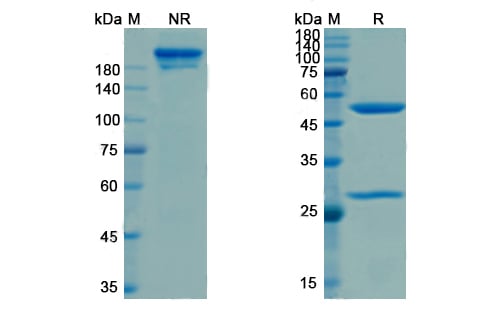
Application Data (Fig.2: CGE analysis of purified EQ-8D11-C1 monoclonal antibody. Lane 1: molecular weight marker, Lane 2: 2ug of purified EQ-8D11-C1 antibody. Proteins were separated by CGE (capillary gel electrophoresis, Agilent 2100 Bioanalyzer). Internal control bands (240 kDa / 7 kDa / 4,5 kDa).The antibody was purified by protein G affinity chromatography from cell culture supernatants and verified by CGE (Fig.2).)
FCM (Flow Cytometry) (Flow Cytometry analysis of BOSC23 cells using EQ-8D11-C1 Cat.# AAA14097. BOSC23 cells were transiently transfected with an expression vector encoding either CD34 (red curve) or an irrelevant protein (control transfectant: blue and green curves). Binding of EQ-8D11-C1 was detected with a PE-conjugated secondary antibody. A positive signal was obtained only with CD34 transfected cells.)
Application Data (Staining of human peripheral blood monocytes with Mouse anti Human CD14:RPE)
Application Data (Staining of human peripheral blood monocytes with Mouse anti Human CD14:APC)
Application Data (Staining of human peripheral blood monocytes with Mouse anti Human CD14:Alexa Fluor 647)
Application Data (Staining of human peripheral blood monocytes with Mouse anti Human CD14:Biotin)
Application Data (Sandwich ELISA analysis of Human CD14 binding using Mouse anti CD14 antibody, clone MEM-18 as a capture reagent and biotinylated Mouse anti Human CD14 antibody, clone UCHM1 as a detection reagent with purified CD14 as antigen for generation of the standard curve. Detection is by HRP conjugated streptavidin. Microtitre plate is read at O.D. 450 nm on the iMark Microplate Absorbance Reader . Serum samples diluted 1:200 and 1:400 are shown green and red respectively, while plasma samples also diluted 1:200 and 1:400 are blue and orange respectively)
Application Data (Staining of human peripheral blood monocytes with Mouse anti Human CD14:FITC)
Application Data (Staining of human peripheral blood monocytes with Mouse anti Human CD14-IgG:Endotoxin Low)
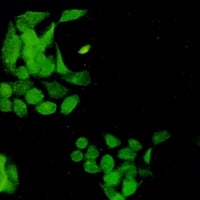
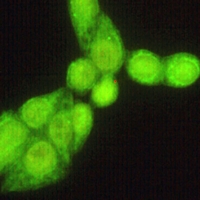
IF (Immunofluorescence) (Immunofluorescent analysis using the Antibody at 1:50 dilution.)
WB (Western Blot) (Erjingwan Extracts Exert Antiaging Effects of Skin through Activating Nrf2 and Inhibiting NF-B. -Evidence-based Complementary and Alternative Medicine)
IF (Immunofluorescence) (Immunofluorescent analysis of HepG2 cells, using Phospho-Nrf2 (S40) Antibody.)
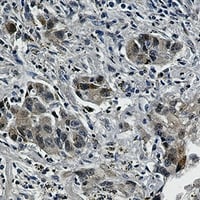
IHC (Immunohistochemistry) (Immunohistochemical analysis of paraffin-embedded human breast carcinoma, using Phospho-Nrf2 (S40) Antibody.)
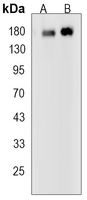
WB (Western Blot) (All lanes use the Antibody at 1:5K dilution for 1 hour at room temperature.)
FCM (Flow Cytometry) (Flow cytometric analysis of K562 cells with Phospho-Nrf2 (S40) antibody at 1/50 dilution (blue) compared with an unlabelled control (cells without incubation with primary antibody; red). Alexa Fluor 488-conjugated goat anti rabbit IgG was used as the secondary antibody.)
ICC (Immunocytochemistry) (ICC staining Phospho-Nrf2 (S40) in HepG2 cells (green). The nuclear counter stain is DAPI (blue). Cells were fixed in paraformaldehyde, permeabilised with 0.25% Triton X100/PBS.)
ICC (Immunocytochemistry) (ICC staining Phospho-Nrf2 (S40) in A549 cells (green). The nuclear counter stain is DAPI (blue). Cells were fixed in paraformaldehyde, permeabilised with 0.25% Triton X100/PBS.)
ICC (Immunocytochemistry) (ICC staining Phospho-Nrf2 (S40) in Hela cells (green). The nuclear counter stain is DAPI (blue). Cells were fixed in paraformaldehyde, permeabilised with 0.25% Triton X100/PBS.)
IHC (Immunohistochemistry) (Immunohistochemical analysis of paraffin-embedded human kidney tissue using anti-Phospho-Nrf2 (S40) antibody. Counter stained with hematoxylin.)
IHC (Immunohistochemistry) (Immunohistochemical analysis of paraffin-embedded human breast carcinoma tissue using anti-Phospho-Nrf2 (S40) antibody. Counter stained with hematoxylin.)
IHC (Immunohistochemistry) (Immunohistochemical analysis of paraffin-embedded human tonsil tissue using anti-Phospho-Nrf2 (S40) antibody. Counter stained with hematoxylin.)
WB (Western Blot) (Western blot analysis of Phospho-Nrf2 (S40) on different lysates using anti-Phospho-Nrf2 (S40) antibody at 1/1, 000 dilution. Positive control: Lane 1: HepG2 Lane 2: Raji)
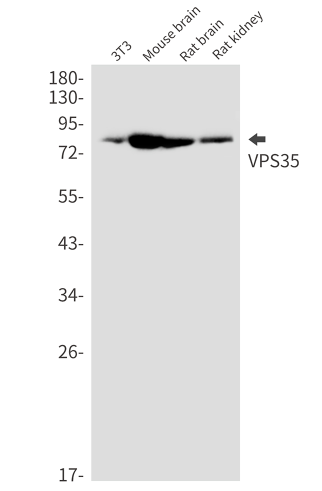
IP (Immunoprecipitation) (Immunoprecipitation analysis using Mouse Anti-VPS35 Monoclonal Antibody, Clone 10A8. Tissue: embryonic fibroblast. Species: Mouse. Primary Antibody: Mouse Anti-VPS35 Monoclonal Antibody. Three amounts of (3, 1 and 0.3 ug) were non-covalently coupled to 10uL of A/G sepharose beads for 1 hour at 4 degree C and next incubated with 250ug of MEF lysate for 2 hours at 4 degree C.)
IP (Immunoprecipitation) (Immunoprecipitation analysis using Mouse Anti-VPS35 Monoclonal Antibody, Clone 10A8. Tissue: A549 cells. Species: Human. Primary Antibody: Mouse Anti-VPS35 Monoclonal Antibody. Three amounts of (3, 1 and 0.3 ug) were non-covalently coupled to 10uL of A/G sepharose beads for 1 hour at 4 degree C and next incubated with 250ug of A549 lysate for 2 hours at 4 degree C.)
Application Data
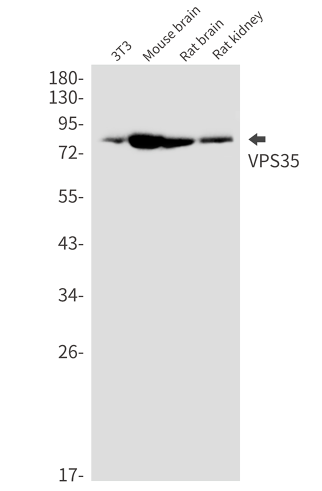
WB (Western Blot) (Western Blot analysis of Human, Mouse A549, MEF showing detection of VPS35 protein using Mouse Anti-VPS35 Monoclonal Antibody, Clone 10A8. Lane 1: Molecular Weight Ladder. Lane 2: VPS35 KO A549 cells. Lane 3: mouse embryonic fibroblast cells.. Load: 8 ug each A549 and MEF. Primary Antibody: Mouse Anti-VPS35 Monoclonal Antibody at 1:5 (tissue culture supernatant). Secondary Antibody: Donkey anti-mouse IRDye 800CW at 1:25000 in TBS-T.)
IP (Immunoprecipitation) (Co-Immunoprecipitation analysis of known interactors of VPS35 using Mouse Anti-VPS35 Monoclonal Antibody, Clone 10A8. Tissue: A549 cells. Species: Human. Primary Antibody: Mouse Anti-VPS35 Monoclonal Antibody.)
IP (Immunoprecipitation) (Immunoprecipitation analysis using Mouse Anti-VPS35 Monoclonal Antibody, Clone 10A8. Tissue: A549 cells. Species: Human. Primary Antibody: Mouse Anti-VPS35 Monoclonal Antibody. 500 uL cell culture supernatants were incubated with 10 uL of Protein A/G resin beads for 1 hour at 4 degree C. clone 10A8 depletes VPS35 from the A549 cell extract..)
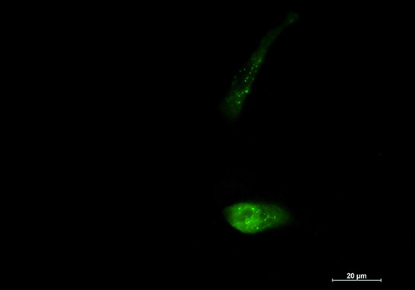
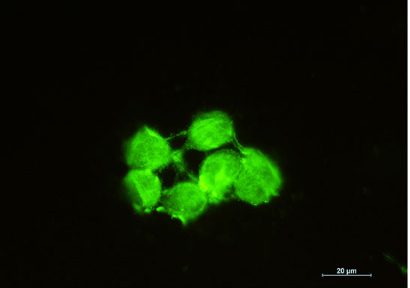
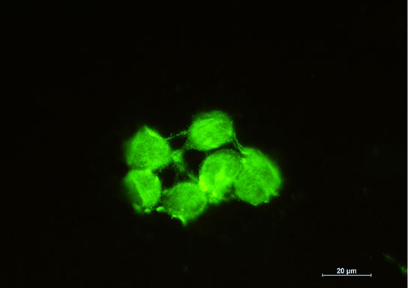
ICC (Immunocytochemistry) (Immunocytochemistry/Immunofluorescence analysis using Mouse Anti-VPS35 Monoclonal Antibody, Clone 10A8. Tissue: A549 cells. Species: Human. Primary Antibody: Mouse Anti-VPS35 Monoclonal Antibody at 1:5 (tissue culture supernatant). Secondary Antibody: Donkey anti-mouse: Alexa Fluor 594 at 1:4000 in 0.2% BSA PBS. Counterstain: DAPI. Localization: Vesicles. A) VPS35 KO A549 cells B) WT A549 cells. Courtesy of: Dario Alessi Lab, University of Dundee.)
Application Data (Immunoperoxidase staining of human tonsil cryosection using Mouse anti Human CD1a antibody followed by HISTAR detection system. Medium power)
Application Data (Immunofluorescence staining of human tonsil cryosection using Mouse anti Human CD1a antibody and Mouse anti Human CD21 . C is the merged image. Low power)
Application Data (Staining of MOLT 4 cells with Mouse anti Human CD1a)
Application Data (Staining of MOLT 4 cells with Mouse anti Human CD1a:RPE)
Application Data (Immunofluorescence staining of human tonsil cryosection using Mouse anti Human CD1a antibody and Mouse anti Human CD21 . C is the merged image. High power)
Application Data (Immunoperoxidase staining of human tonsil cryosection using Mouse anti Human CD1a antibody followed by HISTAR detection system. Low power)
Application Data (Immunoperoxidase staining of human tonsil cryosection using Mouse anti Human CD1a antibody followed by HISTAR detection system. High power)
Application Data (Staining of MOLT 4 cells with Mouse anti Human CD1a:FITC)
Application Data (Immunofluorescence staining of human tonsil cryosection using Mouse anti Human CD1a antibody and Mouse anti Human CD21 . C is the merged image. Medium power)
Application Data (Published customer image: CLR expression on various DC subsets present in the endometrium. (a) Langerin positive cells were mainly detected within the luminal and glandular epithelium. Positive co-localization (yellow) was detected with Langerin+ cells (green) and (b) CD1a (red) and (c) CD11c (red). (d) Double-positive cells (yellow) expressing Langerin+ (green) and CD4+ (red) cells were also detected within CD4+ lymphoid aggregates. (e) DC-SIGN and (f) MR were detected in the lamina superficialis, just beneath the luminal epithelium (I: minimum distance of cell body to endometrial lumen: 49 um and 40 um, respectively). Both (g) DC-SIGN (green) and (h) MR(green) were co-expressed (yellow) on CD68+ cells (red) as well as (i and j, respectively) CD11c+ cells (red). Neither (k) DC-SIGN (red) nor (l) MR (red) were expressed on CD1a+ (green) cells. Scale bars: a: 500 um; b -d: 25 um; e -l: 100 um.From: Kaldensj¶ T, Petersson P, Tolf A, Morgan G, Broliden K, et al. (2011) Detection of Intraepithelial and Stromal Langerin and CCR5 Positive Cells in the Human Endometrium: Potential Targets for HIV Infection. PLoS ONE 6(6): e21344.)
Application Data (Staining of human peripheral blood lymphocytes with Mouse anti Human CD4: Pacific Blue)
Application Data (Staining of human peripheral blood lymphocytes with Mouse anti Human CD4: Alexa Fluor 488)
Application Data (Immunoperoxidase staining of a human tonsil cryosection with Mouse anti Human CD4 antibody, clone RPA-T4 followed by Histar Detection System. Low power)
Application Data (Immunoperoxidase staining of a human tonsil cryosection with Mouse anti Human CD4 antibody, clone RPA-T4 followed by Histar Detection System. Medium power)
Application Data (Staining of human peripheral blood lymphocytes with Mouse anti Human CD4:RPE)
Application Data (Immunoperoxidase staining of a human tonsil cryosection with Mouse anti Human CD4 antibody, clone RPA-T4 followed by Histar Detection System. High power)
Application Data (Staining of human peripheral blood lymphocytes with Mouse anti Human CD4:Biotin)
Application Data (Staining of human peripheral blood lymphocytes with Mouse anti Human CD4:FITC)
Application Data (Staining of human peripheral blood lymphocytes with Mouse anti Human CD4:Alexa Fluor 405)
Application Data (Staining of human peripheral blood lymphocytes with Mouse anti Human CD4)
Application Data (Staining of human peripheral blood lymphocytes with Mouse anti Human CD40:RPE)
Application Data (Immunofluorescence staining of a human tonsil cryostetion with Mouse anti Human CD40 antibody, clone LOB7/6 , red in A and Mouse anti Human CD21 antibody, clone LB21 , green in B. The merged image is C with nuclei counterstained blue using DAPI. Low power)
Application Data (Published customer image: LEF-M interferes with DC differentiation. (a) Monocytes were cultured for 5 days with granulocyte -macrophage colony-stimulating factor (GM-CSF; 50 ng/ml) plus IL-4 (10 ng/ml) in the absence or presence of 150 umol/l of the active metabolite of leflunomide (LEF-M). Subsequently, surface marker expression was determined using fluorescence-activated cell sorting (FACS) analysis. Open profiles with dotted line represent staining pattern with an isotype control antibody, open profiles with fine line indicate the staining pattern of differentiated control dendritic cells (DCs) stained with the indicated mAbs, whereas solid grey profiles show staining of DCs differentiated in the presence of LEF-M. (b) Myeloid precursor cells differentiated in the presence of LEF-M are resistant to maturation. Cells were treated as described above and then stimulated with lipopolysaccharide (LPS; 100 ng/ml) for 48 hours. Open profiles with dotted line represent staining pattern with an isotype control antibody, open profiles with fine line indicate staining of activated control DCs, and solid grey profiles show staining of DCs differentiated in the presence of LEF-M and subsequently exposed to LPS. Data are representative of at least four independent experiments. (c,d) The effects of LEF-M on DC differentiation are independent of pyrimidine depletion. The respective change in mean flourescence intensity (MFI) are shown (c) after the differentiation phase for CD40 and CD1a and (d) after subsequent maturation with 100 ng/ml LPS for CD40 and CD83 with and without 50 umol/l uridine. White bars represent control DCs, and black bars indicate LEF-M-treated cells. Shown are mean percentage control responses +/- standard error of the mean, calculated from five to eight independent experiments. Student's t-tests were calculated for control versus LEF-M-treated DCs and for LEF-M-treated DCs versus without uridine addition, as indicated. *P < 0.05, **P < 0.01.From: Kirsch BM, Zeyda M, Stuhlmeier K, Grisar J, Smolen JS, Watschinger B, Stulnig TM, H¶rl WH, Zlabinger GJ, S¤emann MD. The active metabolite of leflunomide, A77 1726, interferes with dendritic cell function. Arthritis Res Ther. 2005;7(3):R694-703.)
Application Data (Staining of human peripheral blood lymphocytes with Mouse anti Human CD40: Alexa Fluor 488)
Application Data (Immunoperoxidase staining of a human tonsil cryosection with Mouse anti Human CD40 antibody, clone LOB7/6 followed by the Histar Detection system . High power)
Application Data (Published customer image: Treatment with LEF-M during maturation of immature DCs leads to a differentially affected phenotype. Monocytes were cultured for 5 days with granulocyte -macrophage colony-stimulating factor (GM-CSF; 50 ng/ml) plus IL-4 (10 ng/ml). (a) On day 5 these immature dendritic cells (DCs; 5 x 10⁵/ml) were activated with lipopolysaccharide (LPS; 100 ng/ml) in the absence or presence of 150 umol/l of the active metabolite of leflunomide (LEF-M) for 48 hours. Surface marker expression was determined by fluorescence-activated cell sorting analysis. Open profiles with dotted line represent the staining pattern with an isotype control, open profiles with fine line indicate the staining pattern of DC exposed to LPS with the indicated monoclonal antibodies, and solid grey profiles show staining of DCs matured in the presence of LEF-M. The results shown are representative of five independent experiments. (b,c) Effect of LEF-M on maturation-associated clustering of DCs; immature DCs were stimulated with LPS in the (panel b) absence or (panel c) presence of 150 umol/l LEF-M. After 8 hours of cultivation, cells were analyzed by inspecting photomicrographs obtained by light microscopy. Similar results were obtained in four additional experiments. MHC, major histocompatibility complex.From: Kirsch BM, Zeyda M, Stuhlmeier K, Grisar J, Smolen JS, Watschinger B, Stulnig TM, H¶rl WH, Zlabinger GJ, S¤emann MD. The active metabolite of leflunomide, A77 1726, interferes with dendritic cell function. Arthritis Res Ther. 2005;7(3):R694-703.)
Application Data (Immunoperoxidase staining of a human tonsil cryosection with Mouse anti Human CD40 antibody, clone LOB7/6 followed by the Histar Detection system . Low power)
Application Data (Published customer image: Effect of rapamycin (Rapa) on the phenotype and function of H1-DC. DCs were either untreated, matured in response to the maturation cocktail or treated with Rapa for 3 days prior to maturation. (a) H1-DC stained for the expression of the maturation marker CD83, the costimulatory molecules CD86 and CD40, as well as the inhibitory receptor PD-L1. Dead cells were excluded from analysis using 7-AAD. Open histograms represent the level of background staining using appropriate isotype-matched controls. Data from one of 3 independent experiments are shown. (b) Phenotypic analysis of control populations of moDC treated and stained in parallel with rapamycin. (c) Effect of rapamycin on the allostimulatory capacity of DC in the allogeneic MLR. DCs were mitotically-inactivated using mitomycin C and plated in triplicate at a top dose of 104 cells per well of a 96-well round-bottomed plate; na¯ve CD4+ T cells were plated at 5 x 10⁴?cells/well. Cells were incubated for 5 days before pulsing with 3H-thymidine overnight. Graphs show the mean of triplicate cultures +/- S.D. Data are shown from one experiment, representative of 3 independent experiments.From: Silk KM, Leishman AJ, Nishimoto KP, Reddy A, Fairchild PJ. Rapamycin conditioning of dendritic cells differentiated from human ES cells promotes a tolerogenic phenotype. J Biomed Biotechnol. 2012;2012:172420.)
Application Data (Immunofluorescence staining of a human tonsil cryostetion with Mouse anti Human CD40 antibody, clone LOB7/6 , red in A and Mouse anti Human CD21 antibody, clone LB21 , green in B. The merged image is C with nuclei counterstained blue using DAPI. High power)
Application Data (Immunofluorescence staining of a human tonsil cryostetion with Mouse anti Human CD40 antibody, clone LOB7/6 , red in A and Mouse anti Human CD21 antibody, clone LB21 , green in B. The merged image is C with nuclei counterstained blue using DAPI. Medium power)
IHC (Immunohistochemistry) (High magnification: Paraffin-embedded human skin tissue was prepared using heat-induced epitope retrieval in citrate buffer, pH 6.0. Immunostaining was performed using a 1:100 dilution of AAA14653. Cells lining up under the epidermis consist of numerous mast cells (The dermis has a moderate diffuse inflammatory cell infiltrate).)
IHC (Immunohistchemistry) (Immunohistochemistry analysis of paraffin-embedded Rat breast tissue using Xanthine Oxidase (XDH) Rabbit PolymAb® (AAA28556) at a dilution of 1:200 (40x lens). High pressure antigen retrieval was performed with 0.01 M citrate buffer (pH 6.0) prior to IHC staining.)
IHC (Immunohistochemistry) (Immunohistochemistry analysis of paraffin-embedded Mouse breast tissue using Xanthine Oxidase (XDH) Rabbit PolymAb® (AAA28556) at a dilution of 1:200 (40x lens). High pressure antigen retrieval was performed with 0.01 M citrate buffer (pH 6.0) prior to IHC staining.)
IHC (Immunohistochemistry) (Immunohistochemistry analysis of paraffin-embedded Human kidney tissue using Xanthine Oxidase (XDH) Rabbit PolymAb® (AAA28556) at a dilution of 1:200 (40x lens). High pressure antigen retrieval was performed with 0.01 M citrate buffer (pH 6.0) prior to IHC staining.)
IHC (Immunohistochemistry) (Immunohistochemistry analysis of paraffin-embedded Human liver tissue using Xanthine Oxidase (XDH) Rabbit PolymAb® (AAA28556) at a dilution of 1:200 (40x lens). High pressure antigen retrieval was performed with 0.01 M citrate buffer (pH 6.0) prior to IHC staining.)
WB (Western Blot) (Western blot analysis of lysates from Mouse lung, using Xanthine Oxidase (XDH) Rabbit PolymAb® (AAA28556) at 1:1000 dilution.Secondary antibody: HRP-conjugated Goat anti-Rabbit IgG (H+L) (AS014) at 1:10000 dilution.Lysates/proteins: 25ug per lane.Blocking buffer: 3% nonfat dry milk in TBST.Detection: ECL Basic Kit (RM00020).Exposure time: 30s.)
WB (Western Blot) (Western blot analysis of lysates from Rat lung, using Xanthine Oxidase (XDH) Rabbit PolymAb® (AAA28556) at 1:1000 dilution.Secondary antibody: HRP-conjugated Goat anti-Rabbit IgG (H+L) (AS014) at 1:10000 dilution.Lysates/proteins: 25ug per lane.Blocking buffer: 3% nonfat dry milk in TBST.Detection: ECL Basic Kit (RM00020).Exposure time: 1s.)
Application Data (Staining of mouse peritoneal macrophages with Rat anti Mouse Beta-glucan Receptor: FITC)
Application Data (Staining of mouse peripheral blood monocytes with Rat anti Mouse Beta-glucan Receptor)
Application Data (Immunoperoxidase staining of a mouse lymph node cryosection with Rat anti Mouse Dectin-1 antibody, clone 2A11 followed by horseradish peroxidase conjugated Goat anti Rat IgG antibody . Medium power)
Application Data (Staining of mouse peripheral blood granulocytes with Rat anti Mouse Beta-glucan Receptor:Biotin)
Application Data (Immunoperoxidase staining of a mouse lymph node cryosection with Rat anti Mouse Dectin-1 antibody, clone 2A11 followed by horseradish peroxidase conjugated Goat anti Rat IgG antibody . Low power)
Application Data (Immunoperoxidase staining of a mouse lymph node cryosection with Rat anti Mouse Dectin-1 antibody, clone 2A11 followed by horseradish peroxidase conjugated Goat anti Rat IgG antibody . High power)
Application Data (Immunoperoxidase staining of a mouse skin cryosection with Rat anti Mouse Dectin-1 antibody, clone 2A11 followed by horseradish peroxidase conjugated Goat anti Rat IgG antibody . Low power)
Application Data (Staining of mouse peripheral blood granulocytes with Rat anti Mouse Beta-glucan Receptor:FITC)
Application Data (Staining of mouse peripheral blood granulocytes with Rat anti Mouse Beta-glucan Receptor: RPE)
Application Data (Published customer image: Ex vivo recognition of yeast particles and live fungi by inflammatory cells. A) Representative flow-cytometric analysis, gated on Ly-6G+ neutrophils, after coincubation of BIOgel-elicited inflammatory cells from wild type or dectin-1-deficient (Clec7a-/-) 129S6/SvEv interaction with serum-opsonized or non-opsonized zymosan. Positive staining for the A405-labelled zymosan identifies the neutrophils that are associated zymosan and only these cells exhibit conversion of APF, the ROS reporter. B) Representsative flow-cytometric analysis of CD11b and dectin-1 expression by inflammatory neutrophils and monocyte/M˜. Data represents specific receptor staining (shaded histograms) and isotype control staining (bold lines). Data representative of 2 independent experiments and consistent with previous experiments with thioglycollate. C) Inflammatory cells were loaded with APF and then incubated with serum-opsonized or non-opsonized A405-labelled zymosan or Pacific Orange-labelled C. albicans for 15 minutes. After this time the association of the inflammatory cells with zymosan was measured by flow-cytometry (upper panels) and in those cells that were interacting with zymosan the evidence for fluorescent conversion of APF was also quantified (lower panels). Data is derived from three independent experiments and the data derived from the use of dectin-1-deficient cells is shown relative to wild type cells (100%) as mean+/-95% confidence interval (raw representative data from one of the 3 independent experiments are shown in the Figure S1). The impact of complement osponization (˜C') and the use of different fungal particle used (˜F') were assessed by Two-way ANOVA (˜I' = Interaction statistic). Samples in which the 95% confidence intervals do not overlap with the mean wildtype are specific indicated with a # symbol. Differences in impairment of response observed with dectin-1-deficient cells were further analysed by Bonferroni post-tests. P values derived from individual Bonferroni post-tests are indicated with bracketed pairs of samples.From: McDonald JU, Rosas M, Brown GD, Jones SA, Taylor PR (2012) Differential Dependencies of Monocytes and Neutrophils on Dectin-1, Dectin-2 and Complement for the Recognition of Fungal Particles in Inflammation. PLoS ONE 7(9): e45781.)
Application Data (Staining of New Zealand Black mouse peripheral blood granulocytes with Rat anti Mouse Ly-6B.2 conjugated to FITC Data)
Application Data (Published customer image: F4/80 and CD11b+ cells infiltrating the iris after the intracameral injection of antigen also express Ly6C, 7/4 (Ly 6B) and CD45. Preparations of na¯ve iris cells and cells recovered after an intracameral injection of antigen were stained with anti- F4/80 and (A) Ly6C and 7/4 (B) show a characteristic CD45 peak C) Ly6Glo or negative, CD115, CD49b+, CD62Llo. The figures are representative of 2 experiments. All the isotype controls in the histograms are shown as shaded.From: Pais R, Bhowmick S, Chattopadhyay S, Lemire Y, Sharafieh R, et al. (2012) An Intracameral Injection of Antigen Induces In Situ Chemokines and Cytokines Required for the Generation of Circulating Immunoregulatory Monocytes. PLoS ONE 7(8): e43182.)
Application Data (Published customer image: Renal inflammatory changes in Ntn1+/- mice following ischemia. Ntn1+/- mice and their respective age-, weight-, and gender-matched littermate controls (Ntn1+/+) were subjected to 30 minutes of left renal artery ischemia. (A -D) Neutrophil staining. Arrows indicate neutrophils (magnification 400x). (E) Quantification of neutrophil tissue accumulation by measurement of myeloperoxidase (MPO). (F) TNF-a and (G) interleukin-6 (IL-6) and (H) interleukin-10 (IL-10) were assessed by real-time RT-PCR from renal tissues. Data were calculated relative to beta-actin and are expressed as fold change compared to sham-operated animals without ischemia (-I). Data are representative of four to six independent experiments for each experimental condition (mean +/- SD).From: Grenz A, Dalton JH, Bauerle JD, Badulak A, Ridyard D, et al. (2011) Partial Netrin-1 Deficiency Aggravates Acute Kidney Injury. PLoS ONE 6(5): e14812.)
Application Data (Published customer image: 166 mM H2O2 increased neutrophil infiltration in day 1 and 6 wounds. Fluorescence intensity of the neodermis was quantified using ImageJ. The area quantified is outlined with the dashed line. Results shown are mean +/- S.E.M, n = 6-7. A representative section from each treatment is shown. ES - Eschar; HE - Hyper-proliferating epidermis; ND - neodermis.*p)
Application Data (Published customer image: Effect of atorvastatin on platelet and neutrophil infiltration after reperfusion. The infiltration of platelets (upper panel) and neutrophils (lower panel) were evaluated by immunohistochemistry in the 4 chimeric groups that received 40 min of LAD occlusion and 60 min of reperfusion. Platelets and neutrophils were found predominantly in the ischemic area in B6/B6 chimeras. Atorvastatin reduced both platelet and neutrophil infiltration in B6/B6 and B6/KO chimeras, but not in KO/B6 chimeras.From: Tian Y, Linden J, French BA, Yang Z (2014) Atorvastatin at Reperfusion Reduces Myocardial Infarct Size in Mice by Activating eNOS in Bone Marrow-Derived Cells. PLoS ONE 9(12): e114375.)
Application Data (Published customer image: Peri-incisional infiltration of neutrophils, immunohistochemical appearance. Hind paw skin from incised mice was processed for the identification of neutrophils. Panel A displays an H&E stained section of plantar hind paw skin demonstrating a predominantly dermal cellular infiltrate 2 hours after incision. The dermal and epidermal layers are labeled. Panel B displays the appearance of non-incised hind paw skin stained with a neutrophil-specific antibody. Panel C displays a micrograph taken of incised skin stained for neutrophils 2 hours after incision. Note the abundance of darkly staining infiltrating neutrophils in the dermis of this section compared to that displayed in panel B. The scale bar in panel C is 150 um in length. All micrographs were taken using 200x magnification.From: Clark JD, Shi X, Li X, Qiao Y, Liang D, Angst MS, Yeomans DC. Morphine reduces local cytokine expression and neutrophil infiltration after incision. Mol Pain. 2007 Oct 2;3:28.)
Application Data (Published customer image: Confocal neutrophil-cytokine double labeling experiments using incised skin. For these studies skin from the wound edges was harvested 2 hours after incision. After sectioning, the tissue was exposed to anti-neutrophil and anti-IL-1beta antibodies followed by the application of CY3 (green fluorescence, neutrophils, panel A) and FITC (red, IL-1beta, panel B) conjugated secondary antibodies. Panel C presents the merged image with arrows pointing to several strongly double labeling cells. The scale bar in panel C is 50 um in length. These micrographs were taken of dermal tissue under 630x magnification.From: Clark JD, Shi X, Li X, Qiao Y, Liang D, Angst MS, Yeomans DC. Morphine reduces local cytokine expression and neutrophil infiltration after incision. Mol Pain. 2007 Oct 2;3:28.)
Application Data (Immunoperoxidase staining of human tonsil cryosection using Mouse anti Human CD1a antibody followed by HISTAR detection system. Medium power)
Application Data (Immunofluorescence staining of human tonsil cryosection using Mouse anti Human CD1a antibody and Mouse anti Human CD21 . C is the merged image. Low power)
Application Data (Staining of MOLT 4 cells with Mouse anti Human CD1a)
Application Data (Staining of MOLT 4 cells with Mouse anti Human CD1a:RPE)
Application Data (Immunofluorescence staining of human tonsil cryosection using Mouse anti Human CD1a antibody and Mouse anti Human CD21 . C is the merged image. High power)
Application Data (Immunoperoxidase staining of human tonsil cryosection using Mouse anti Human CD1a antibody followed by HISTAR detection system. Low power)
Application Data (Immunoperoxidase staining of human tonsil cryosection using Mouse anti Human CD1a antibody followed by HISTAR detection system. High power)
Application Data (Staining of MOLT 4 cells with Mouse anti Human CD1a:FITC)
Application Data (Immunofluorescence staining of human tonsil cryosection using Mouse anti Human CD1a antibody and Mouse anti Human CD21 . C is the merged image. Medium power)
Application Data (Published customer image: CLR expression on various DC subsets present in the endometrium. (a) Langerin positive cells were mainly detected within the luminal and glandular epithelium. Positive co-localization (yellow) was detected with Langerin+ cells (green) and (b) CD1a (red) and (c) CD11c (red). (d) Double-positive cells (yellow) expressing Langerin+ (green) and CD4+ (red) cells were also detected within CD4+ lymphoid aggregates. (e) DC-SIGN and (f) MR were detected in the lamina superficialis, just beneath the luminal epithelium (I: minimum distance of cell body to endometrial lumen: 49 um and 40 um, respectively). Both (g) DC-SIGN (green) and (h) MR(green) were co-expressed (yellow) on CD68+ cells (red) as well as (i and j, respectively) CD11c+ cells (red). Neither (k) DC-SIGN (red) nor (l) MR (red) were expressed on CD1a+ (green) cells. Scale bars: a: 500 um; b -d: 25 um; e -l: 100 um.From: Kaldensj¶ T, Petersson P, Tolf A, Morgan G, Broliden K, et al. (2011) Detection of Intraepithelial and Stromal Langerin and CCR5 Positive Cells in the Human Endometrium: Potential Targets for HIV Infection. PLoS ONE 6(6): e21344.)
Application Data (Staining of mouse peritoneal macrophages with Rat anti Mouse Beta-glucan Receptor: FITC)
Application Data (Staining of mouse peripheral blood monocytes with Rat anti Mouse Beta-glucan Receptor)
Application Data (Immunoperoxidase staining of a mouse lymph node cryosection with Rat anti Mouse Dectin-1 antibody, clone 2A11 followed by horseradish peroxidase conjugated Goat anti Rat IgG antibody . Medium power)
Application Data (Staining of mouse peripheral blood granulocytes with Rat anti Mouse Beta-glucan Receptor:Biotin)
Application Data (Immunoperoxidase staining of a mouse lymph node cryosection with Rat anti Mouse Dectin-1 antibody, clone 2A11 followed by horseradish peroxidase conjugated Goat anti Rat IgG antibody . Low power)
Application Data (Immunoperoxidase staining of a mouse lymph node cryosection with Rat anti Mouse Dectin-1 antibody, clone 2A11 followed by horseradish peroxidase conjugated Goat anti Rat IgG antibody . High power)
Application Data (Immunoperoxidase staining of a mouse skin cryosection with Rat anti Mouse Dectin-1 antibody, clone 2A11 followed by horseradish peroxidase conjugated Goat anti Rat IgG antibody . Low power)
Application Data (Staining of mouse peripheral blood granulocytes with Rat anti Mouse Beta-glucan Receptor:FITC)
Application Data (Staining of mouse peripheral blood granulocytes with Rat anti Mouse Beta-glucan Receptor: RPE)
Application Data (Published customer image: Ex vivo recognition of yeast particles and live fungi by inflammatory cells. A) Representative flow-cytometric analysis, gated on Ly-6G+ neutrophils, after coincubation of BIOgel-elicited inflammatory cells from wild type or dectin-1-deficient (Clec7a-/-) 129S6/SvEv interaction with serum-opsonized or non-opsonized zymosan. Positive staining for the A405-labelled zymosan identifies the neutrophils that are associated zymosan and only these cells exhibit conversion of APF, the ROS reporter. B) Representsative flow-cytometric analysis of CD11b and dectin-1 expression by inflammatory neutrophils and monocyte/M˜. Data represents specific receptor staining (shaded histograms) and isotype control staining (bold lines). Data representative of 2 independent experiments and consistent with previous experiments with thioglycollate. C) Inflammatory cells were loaded with APF and then incubated with serum-opsonized or non-opsonized A405-labelled zymosan or Pacific Orange-labelled C. albicans for 15 minutes. After this time the association of the inflammatory cells with zymosan was measured by flow-cytometry (upper panels) and in those cells that were interacting with zymosan the evidence for fluorescent conversion of APF was also quantified (lower panels). Data is derived from three independent experiments and the data derived from the use of dectin-1-deficient cells is shown relative to wild type cells (100%) as mean+/-95% confidence interval (raw representative data from one of the 3 independent experiments are shown in the Figure S1). The impact of complement osponization (˜C') and the use of different fungal particle used (˜F') were assessed by Two-way ANOVA (˜I' = Interaction statistic). Samples in which the 95% confidence intervals do not overlap with the mean wildtype are specific indicated with a # symbol. Differences in impairment of response observed with dectin-1-deficient cells were further analysed by Bonferroni post-tests. P values derived from individual Bonferroni post-tests are indicated with bracketed pairs of samples.From: McDonald JU, Rosas M, Brown GD, Jones SA, Taylor PR (2012) Differential Dependencies of Monocytes and Neutrophils on Dectin-1, Dectin-2 and Complement for the Recognition of Fungal Particles in Inflammation. PLoS ONE 7(9): e45781.)
WB (Western Blot) (Anti-Mesothelin Antibodies - Immunohistochemistry. Immunohistochemistry using anti-mesothelin antibodies to detect mesothelin in PEFF human tissue sections treated by antigen retrieval methods. Anti-mesothelin primary antibodies were used to label these sections as follows: C, MAb MB; and D, MAb MN. Reprinted with permission fromClin. Cancer Res. 11(16):5840-6.)
IHC (Immunohistochemistry) (Anti-Mesothelin Antibodies - Immunohistochemistry. Immunohistochemistry using anti-mesothelin antibodies to detect mesothelin in PEFF human tissue sections treated by antigen retrieval methods. Anti-mesothelin primary antibodies were used to label these sections as follows: C, MAb MB; and D, MAb MN. Reprinted with permission fromClin. Cancer Res. 11(16):5840-6.)
IHC (Immunohistochemistry) (Anti-MSLN / Mesothelin antibody IHC staining of human tonsil. Immunohistochemistry of formalin-fixed, paraffin-embedded tissue after heat-induced antigen retrieval. Antibody concentration 15 ug/ml.)
Application Data (Immunofluorescence staining of rat lymph node cryosection with Mouse anti Rat CD163 antibody , red an A and Mouse anti Rat CD8 MCA48), green in B. C is the merged image with nuclei counter-stained blue using DAPI. High power)
Application Data (Published customer image:Analysis of graft-infiltrating T cells. Activated CD25+ T cells and CD4+ and CD8+ T cell subsets were stained at the time points of corneal allograft rejection and calculated within the graft. A, C, and E show representative histological staining for CD25, CD4, and CD8 in grafts of treated and control animals, respectively. CD25+ (B) and CD4+ (D) cells infiltrated to a statistically significantly stronger extent in 3.2.3-treated animals when compared to control treated animals (*p)
Application Data (Immunofluoescence staining of rat lymph node cryosection with Mouse anti Rat CD11b antibody , red in A and Mouse anti Rat CD8 , green in B. C is the merged image with nuclei counter-stained in blue using DAPI. High power)
Application Data (Immunofluorescence staining of rat lymph node cryosection with Mouse anti Rat CD25 antibody , red in A and Mouse anti Rat CD8 , green in B. C is the merged image with nuclei counterstained blue using DAPI. High power)
Application Data (Published customer image: CD4 and CD8 T cell infiltration. Photos show SN sections of an animal of the cell death group immunostained with antibody against CD4 (A and C) and CD8 (B and D). The small panels show insets in A (C) and in B (D) at higher magnification. Scale: 50 um, applies to A -B, 10 um applies to C -D. (E) Graph shows average (dash) and individual numbers of CD4+ cells found in one SN section per animal of each group plotted per time. Two-way ANOVA [F (8,42) = 4.1, p = 0.001 effect of group and time interaction] followed by Tukey HSD post-hoc analysis. ## or § p)
Application Data (Immunofluorescence staining of rat lymph node cryosection with Mouse anti Rat CD25 antibody , red in A and Mouse anti Rat CD8 , green in B. C is the merged image with nuclei counterstained blue using DAPI. Low powe)
Application Data (Immunofluorescence staining of rat lymph node cryosection with Mouse anti Rat CD25 antibody , red in A and Mouse anti Rat CD8 , green in B. C is the merged image with nuclei counterstained blue using DAPI. Low power)
Application Data (Immunofluorescence staining of rat lymph node cryosection with Mouse anti Rat CD25 antibody , red in A and Mouse anti Rat CD8 , green in B. C is the merged image with nuclei counterstained blue using DAPI. High power)
Application Data (Staining of rat peripheral blood cells with Mouse anti Rat CD8 Alpha Chain:Alexa Fluor 488)
Application Data (Published customer image: Qualitative and quantitative flow cytometric analysis of lymphocyte populations in draining lymph nodes. A: Representative FACS plot of CD4+ CD8+ staining used to count T-helper cells, cytotoxic T-cells and CD4+ CD8+ double positive T-lymphocytes. Events acquired: 2x10⁵. B: FACS plot example for B-cell detection. C: Representative FACS plot for NK cell assessment. NK-T cell were confirmed by CD3 expression (not shown). Bar diagrams: Cumulative results for the quantification of major and minor lymphocyte populations in draining LN of cornea transplanted animals. An asterisk (*) indicates statistical significance at p=0.05 determined by Mann -Whitney U-Test. Allo-Tx-d7 - animals allo-grafted and analyzed at day 07 post op, n=6; allo-Tx-rej - animals displaying allo rejection of grafted corneas analyzed after the onset of rejection, n=5; syn-Tx-d7 - syngeneically grafted animals analyzed at day 7 post-op, n=3; syn-Tx-LT - syn-grafted long-term survivors analyzed at the end of the observation period at day 42; n=3.Maenz M, Morcos M, Ritter T. A comprehensive flow-cytometric analysis of graft infiltrating lymphocytes, draining lymph nodes and serum during the rejection phase in a fully allogeneic rat cornea transplant model. Mol Vis. 2011 Feb 8;17:420-9.)
FCM (Flow Cytometry) (Flow cytometric analysis of Neuro2A cells (blue) and L-929 cells (green) using RIPK3 mouse Rabbit mAb. Rabbit IgG (H+L), F(ab')2 Fragment (Alexa Fluor® 488 Conjugate) was used as a secondary antibody.)
IF (Immunofluorescence) (Confocal immunofluorescent analysis of L-929 (left) and Neuro-2a (right) cells using AAA26908 (green). Blue pseudocolor = DRAQ5® (fluorescent DNA dye).)
WB (Western Blot) (Immunoprecipitation of RIP3 from L-929 cell extracts. Lane 1 is 10% input, lane 2 is Rabbit mAb IgG Isotype Control, and lane 3 is AAA26908. Western Blot analysis was performed using AAA26908. A conformation-specific secondary antibody was used to avoid cross reactivity with IgG.)
WB (Western Blot) (Western Blot analysis of extracts from wild-type (+) or RIP3 knockout (-) mouse spleen using AAA26908 (upper) or beta-Actin Rabbit mAb (lower). Data were kindly provided by Dr. Junying Yuan, Harvard Medical School, Boston MA.)
WB (Western Blot) (Western Blot analysis of extracts from various cell lines using AAA26908 (upper) or B-Actin Rabbit mAb (lower).)
WB (Western Blot) (Western Blot analysis of extracts from 293T cells, mock transfected (-) or transfected with a construct expressing full-length mouse RIP3 (mRIP3; +) using AAA26908.)
ELISA (ELISA: Immobilize various types of SARS proteins at concentration of 2mg/ml on solid substrate, then react with SARS-CoV-2-S Antibody at concentration of 100mg/ml, 10mg/ml and 1mg/ml. It shows the SARS-CoV-2-S Antibody (AAA27036) is specific for SARS-CoV-2-S1-RBD protein, without any cross-reactivity with MERS-CoV, SARS-CoV, HCoV-OC43 or HCoV-229E.)
Application Data (Binding signal of SARS-CoV-2-S1-RBD and ACE2 protein-HRP conjugate was inhibited by S Antibody (AAA27036) with the IC50 is 2.38 mg/ml.)
Application Data (Binding signal of SARS-CoV-2-S1-RBD and ACE2 protein-HRP conjugate was inhibited by S Antibody (AAA27036) with the IC50 is 23.32 nM.)
Application Data (In the Colloidal Gold Immunochromatography Assay detection system, the background of antibody (AAA27036) is clean, the detection limit can be as low as 223.2ng/ml (15.625ng/0.07ml), and the sensitivity is very good.)
Application Data (The Binding Activity of SARS-CoV-2-S Antibody with SARS-CoV-2-S1-RBDActivity: Measured by its binding ability in a functional ELISA. Immobilized SARS-CoV-2-S1-RBD at 2 mg/ml can bind SARSCoV-2-S Antibody, the EC50 is 29.51 ng/ml.)
Application Data (The Binding Activity of SARS-CoV-2-S Antibody with SARS-CoV-2-SActivity: Measured by its binding ability in a functional ELISA. Immobilized SARS-CoV-2-S at 2 mg/ml can bind SARSCoV-2-S Antibody, the EC50 is 42.83 ng/ml.)
IP (Immunoprecipitation) (Immunoprecipitation analysis of 300 ug extracts of HeLa cells using 3 ug [KD Validated] ERK1 Rabbit mAb (AAA28508). Western blot was performed from the immunoprecipitate using ERK1 antibody (AAA28508) at a dilution of 1:1000.)
ICC (Immunocytochemistry) (Confocal imaging of paraffin-embedded 5xFAD mouse brain tissue using [KD Validated] ERK1 Rabbit mAb (AAA28508, dilution 1:100) followed by a further incubation with Cy3 Goat Anti-Rabbit IgG (H+L) (AS007, dilution 1:500) (Red). DAPI was used for nuclear staining (Blue). Objective: 40x. Perform microwave antigen retrieval with 0.01 M citrate buffer (pH 6.0) prior to IF staining.)
ICC (Immunocytochemistry) (Confocal imaging of MCF7 cells using [KD Validated] ERK1 Rabbit mAb (AAA28508, dilution 1:100) followed by a further incubation with Cy3 Goat Anti-Rabbit IgG (H+L) (AS007, dilution 1:500) (Red). The cells were counterstained with ?-Tubulin Mouse mAb (AC012, dilution 1:400) followed by incubation with ABflo® 488-conjugated Goat Anti-Mouse IgG (H+L) Ab (AS076, dilution 1:500) (Green). DAPI was used for nuclear staining (Blue). Objective: 100x.)
IHC (Immunohistochemistry) (Immunohistochemistry analysis of paraffin-embedded Human breast tissue using [KD Validated] ERK1 Rabbit mAb (AAA28508) at a dilution of 1:200 (40x lens). High pressure antigen retrieval was performed with 0.01 M citrate buffer (pH 6.0) prior to IHC staining.)
IHC (Immunohistochemistry) (Immunohistochemistry analysis of paraffin-embedded Human brain tissue using [KD Validated] ERK1 Rabbit mAb (AAA28508) at a dilution of 1:200 (40x lens). High pressure antigen retrieval was performed with 0.01 M citrate buffer (pH 6.0) prior to IHC staining.)
IHC (Immunohistochemistry) (Immunohistochemistry analysis of paraffin-embedded Human thyroid cancer tissue using [KD Validated] ERK1 Rabbit mAb (AAA28508) at a dilution of 1:200 (40x lens). High pressure antigen retrieval was performed with 0.01 M citrate buffer (pH 6.0) prior to IHC staining.)
WB (Western Blot) (Western blot analysis of lysates from wild type(WT) and ERK1 knockdown (KD) 293T cells, using [KD Validated] ERK1 Rabbit mAb (AAA28508) at 1:1000 dilution.Secondary antibody: HRP-conjugated Goat anti-Rabbit IgG (H+L) (AS014) at 1:10000 dilution.Lysates/proteins: 25ug per lane.Blocking buffer: 3% nonfat dry milk in TBST.Detection: ECL Basic Kit (RM00020).Exposure time: 1s.)
WB (Western Blot) (Western blot analysis of various lysates, using [KD Validated] ERK1 Rabbit mAb (AAA28508) at 1:1000 dilution.Secondary antibody: HRP-conjugated Goat anti-Rabbit IgG (H+L) (AS014) at 1:10000 dilution.Lysates/proteins: 25ug per lane.Blocking buffer: 3% nonfat dry milk in TBST.Detection: ECL Basic Kit (RM00020).Exposure time: 1s.)
IHC (Immunohistochemistry) (Immunohistochemistry of paraffin-embedded rat heart using TOM20 Rabbit mAb (AAA28304) at dilution of 1:50(40xlens).Perform microwave antigen retrieval with 10 mM Tris/EDTA buffer pH 9.0 before commencing with IHC staining protocol.)
IHC (Immunohistochemistry) (Immunohistochemistry of paraffin-embedded mouse kidney using TOM20 Rabbit mAb (AAA28304) at dilution of 1:50(40x lens).Perform microwave antigen retrieval with 10 mM Tris/EDTA buffer pH 9.0 before commencing with IHC staining protocol.)
IHC (Immunohistochemistry) (Immunohistochemistry of paraffin-embedded human placenta using TOM20 Rabbit mAb (AAA28304) at dilution of 1:50(40x lens).Perform microwave antigen retrieval with 10 mM Tris/EDTA buffer pH 9.0 before commencing with IHC staining protocol)
IHC (Immunohistochemistry) (Immunohistochemistry of paraffin-embedded human colon carcinoma using TOM20 Rabbit mAb (AAA28304) at dilution of 1:50(40x lens).Perform microwave antigen retrieval with 10 mM Tris/EDTA buffer pH 9.0 before commencing with IHC staining protocol.)
IP (Immunoprecipitation) (Immunoprecipitation analysis of 200ug extracts of HeLa cells using 3ug TOM20 antibody. Western blot was performed from the immunoprecipitate using TOM20 antibody at a dilition of 1:1000.)
IF (Immunofluorescence) (Confocal imaging of HeLa cells using TOM20 Rabbit mAb (AAA28304,dilution 1:100) (Red).The cells were counterstained with α-Tubulin Mouse mAb (,dilution 1:400) (Green).DAPI was used for nuclear staining (blue). Objective: 60x.)
IF (Immunofluorescence) (Confocal imaging of HeLa cells using TOM20 Rabbit mAb (AAA28304,dilution 1:100)(Red). The cells were counterstained with α-Tubulin Mouse mAb (Green). DAPI was used for nuclear staining (blue). Objective: 60x.)
IF (Immunofluorescence) (Immunofluorescence analysis of NIH/3T3 cells using TOM20 Rabbit mAb (AAA28304) at dilution of 1:400 (40xlens). Blue: DAPI for nuclear staining.)
IF (Immunofluorescence) (Immunofluorescence analysis of HeLa cells using TOM20 Rabbit mAb (AAA28304) at dilution of 1:400 (40xlens). Blue: DAPI for nuclear staining.)
WB (Western Blot) (Western blot analysis of extracts from wild type(WT) and TOM20 knockdown (KD) 293T, using TOM20 Rabbit pAb antibody (AAA28304) at 1:1000 dilution.Secondary antibody: HRP Goat Anti-Rabbit IgG (H+L) at 1:10000 dilution.Lysates/proteins: 25ug per lane.Blocking buffer: 3% nonfat dry milk in TBST.Detection: ECL Basic Kit.Exposure time: 1s.)
WB (Western Blot) (Western blot analysis of extracts of various cell lines, using TOM20 antibody (AAA28304) at 1:5000 dilution.Secondary antibody: HRP Goat Anti-Rabbit IgG (H+L) at 1:10000 dilution.Lysates/proteins: 25ug per lane.Blocking buffer: 3% nonfat dry milk in TBST.Detection: ECL Basic Kit.Exposure time: 60s.)
WB (Western Blot) (Western blot analysis of extracts of various cell lines, using TOM20 antibody (AAA28304) at 1:5000 dilution.Secondary antibody: HRP Goat Anti-Rabbit IgG (H+L) at 1:10000 dilution.Lysates/proteins: 25ug per lane.Blocking buffer: 3% nonfat dry milk in TBST.Detection: ECL Basic Kit.Exposure time: 10s.)
WB (Western Blot) (Western blot analysis of extracts of various cell lines, using TOM20 antibody at 1:1000 dilution. Secondary antibody: HRP Goat Anti-Rabbit IgG (H+L) at 1:10000 dilution. Lysates/proteins: 25ug per lane. Blocking buffer: 3% nonfat dry milk in TBST. Detection: ECL Basic Kit. Exposure time: 1s.)
ICC (Immunocytochemistry) (Confocal imaging of paraffin-embedded Mouse lung tissue using SDPR/Cavin-2 Rabbit PolymAb® (A25509-PM, dilution 1:3200) followed by a further incubation with Cy3 Goat Anti-Rabbit IgG (H+L) (AS007, dilution 1:500) (Red). DAPI was used for nuclear staining (Blue). High pressure antigen retrieval performed with 0.01M Citrate Buffer(pH 6.0) prior to IF staining. Objective: 40x.)
ICC (Immunocytochemistry) (Confocal imaging of paraffin-embedded Human liver tissue using SDPR/Cavin-2 Rabbit PolymAb® (A25509-PM, dilution 1:3200) followed by a further incubation with Cy3 Goat Anti-Rabbit IgG (H+L) (AS007, dilution 1:500) (Red). DAPI was used for nuclear staining (Blue). High pressure antigen retrieval performed with 0.01M Citrate Buffer(pH 6.0) prior to IF staining. Objective: 40x.)
ICC (Immunocytochemistry) (Confocal imaging of paraffin-embedded Human lung tissue using SDPR/Cavin-2 Rabbit PolymAb® (A25509-PM, dilution 1:3200) followed by a further incubation with Cy3 Goat Anti-Rabbit IgG (H+L) (AS007, dilution 1:500) (Red). DAPI was used for nuclear staining (Blue). High pressure antigen retrieval performed with 0.01M Citrate Buffer(pH 6.0) prior to IF staining. Objective: 40x.)
ICC (Immunocytochemistry) (Confocal imaging of paraffin-embedded Human spleen tissue using SDPR/Cavin-2 Rabbit PolymAb® (A25509-PM, dilution 1:3200) followed by a further incubation with Cy3 Goat Anti-Rabbit IgG (H+L) (AS007, dilution 1:500) (Red). DAPI was used for nuclear staining (Blue). High pressure antigen retrieval performed with 0.01M Citrate Buffer(pH 6.0) prior to IF staining. Objective: 40x.)
IHC (Immunohistochemistry) (Immunohistochemistry analysis of paraffin-embedded Mouse spleen tissue using SDPR/Cavin-2 Rabbit PolymAb® (AAA28574) at a dilution of 1:10000 (40x lens). High pressure antigen retrieval performed with 0.01M Tris-EDTA Buffer(pH 9.0) prior to IHC staining.)
IHC (Immunohistochemistry) (Immunohistochemistry analysis of paraffin-embedded Mouse lung tissue using SDPR/Cavin-2 Rabbit PolymAb® (AAA28574) at a dilution of 1:10000 (40x lens). High pressure antigen retrieval performed with 0.01M Tris-EDTA Buffer(pH 9.0) prior to IHC staining.)
IHC (Immunohistchemistry) (Immunohistochemistry analysis of paraffin-embedded Mouse intestin tissue using SDPR/Cavin-2 Rabbit PolymAb® (AAA28574) at a dilution of 1:10000 (40x lens). High pressure antigen retrieval performed with 0.01M Tris-EDTA Buffer(pH 9.0) prior to IHC staining.)
IHC (Immunohistochemistry) (Immunohistochemistry analysis of paraffin-embedded Human spleen tissue using SDPR/Cavin-2 Rabbit PolymAb® (AAA28574) at a dilution of 1:40000 (40x lens). High pressure antigen retrieval performed with 0.01M Tris-EDTA Buffer(pH 9.0) prior to IHC staining.)
IHC (Immunohistochemistry) (Immunohistochemistry analysis of paraffin-embedded Human fat tissue using SDPR/Cavin-2 Rabbit PolymAb® (AAA28574) at a dilution of 1:40000 (40x lens). High pressure antigen retrieval performed with 0.01M Tris-EDTA Buffer(pH 9.0) prior to IHC staining.)
IHC (Immunohistochemistry) (Immunohistochemistry analysis of paraffin-embedded Human esophagus tissue using SDPR/Cavin-2 Rabbit PolymAb® (AAA28574) at a dilution of 1:40000 (40x lens). High pressure antigen retrieval performed with 0.01M Tris-EDTA Buffer(pH 9.0) prior to IHC staining.)
IHC (Immunohistochemistry) (Immunohistochemistry analysis of paraffin-embedded Human breast tissue using SDPR/Cavin-2 Rabbit PolymAb® (AAA28574) at a dilution of 1:40000 (40x lens). High pressure antigen retrieval performed with 0.01M Tris-EDTA Buffer(pH 9.0) prior to IHC staining.)
WB (Western Blot) (Western blot analysis of various lysates using SDPR/Cavin-2 Rabbit PolymAb® (AAA28574)at 1:5000 dilution incubated overnight at 4?.Secondary antibody: HRP-conjugated Goat anti-Rabbit IgG (H+L) (AS014) at 1:10000 dilution.Lysates/proteins: 25 ug per lane.Blocking buffer: 3% nonfat dry milk in TBST.Detection: ECL Basic Kit (RM00020).Negative control (NC): HL-60Exposure time: 5s.)
IHC (Immunohistchemistry) (Immunohistochemistry analysis of paraffin-embedded Human colon carcinoma tissue using XPD/ERCC2 Rabbit mAb (AAA28497) at a dilution of 1:200 (40x lens). High pressure antigen retrieval was performed with 0.01 M Tris-EDTA buffer (pH 9.0) prior to IHC staining.)
IHC (Immunohistochemistry) (Immunohistochemistry analysis of paraffin-embedded Rat kidney tissue using XPD/ERCC2 Rabbit mAb (AAA28497) at a dilution of 1:200 (40x lens). High pressure antigen retrieval was performed with 0.01 M Tris-EDTA buffer (pH 9.0) prior to IHC staining.)
IHC (Immunohistochemistry) (Immunohistochemistry analysis of paraffin-embedded Mouse brain tissue using XPD/ERCC2 Rabbit mAb (AAA28497) at a dilution of 1:200 (40x lens). High pressure antigen retrieval was performed with 0.01 M Tris-EDTA buffer (pH 9.0) prior to IHC staining.)
IHC (Immunohistochemistry) (Immunohistochemistry analysis of paraffin-embedded Human colon tissue using XPD/ERCC2 Rabbit mAb (AAA28497) at a dilution of 1:200 (40x lens). High pressure antigen retrieval was performed with 0.01 M Tris-EDTA buffer (pH 9.0) prior to IHC staining.)
IHC (Immunohistochemistry) (Immunohistochemistry analysis of paraffin-embedded Human cervix cancer tissue using XPD/ERCC2 Rabbit mAb (AAA28497) at a dilution of 1:200 (40x lens). High pressure antigen retrieval was performed with 0.01 M Tris-EDTA buffer (pH 9.0) prior to IHC staining.)
WB (Western Blot) (Western blot analysis of various lysates using XPD/ERCC2 Rabbit mAb (AAA28497) at 1:1000 dilution.Secondary antibody: HRP-conjugated Goat anti-Rabbit IgG (H+L) (AS014) at 1:10000 dilution.Lysates/proteins: 25ug per lane.Blocking buffer: 3% nonfat dry milk in TBST.Detection: ECL Basic Kit (RM00020).Exposure time: 10s.)
IHC (Immunohistochemistry) (Immunohistochemistry analysis of paraffin-embedded Rat spleen tissue using VE-Cadherin Rabbit PolymAb® (AAA28448) at a dilution of 1:500 (40x lens). High pressure antigen retrieval performed with 0.01M Tris-EDTA Buffer (pH 9.0) prior to IHC staining.)
IHC (Immunohistochemistry) (Immunohistochemistry analysis of paraffin-embedded Rat lung tissue using VE-Cadherin Rabbit PolymAb® (AAA28448) at a dilution of 1:500 (40x lens). High pressure antigen retrieval performed with 0.01M Tris-EDTA Buffer (pH 9.0) prior to IHC staining.)
IHC (Immunohistochemistry) (Immunohistochemistry analysis of paraffin-embedded Rat colon tissue using VE-Cadherin Rabbit PolymAb® (AAA28448) at a dilution of 1:500 (40x lens). High pressure antigen retrieval performed with 0.01M Tris-EDTA Buffer (pH 9.0) prior to IHC staining.)
IHC (Immunohistochemistry) (Immunohistochemistry analysis of paraffin-embedded Rat brain tissue using VE-Cadherin Rabbit PolymAb® (AAA28448) at a dilution of 1:500 (40x lens). High pressure antigen retrieval performed with 0.01M Tris-EDTA Buffer (pH 9.0) prior to IHC staining.)
IHC (Immunohistchemistry) (Immunohistochemistry analysis of paraffin-embedded Mouse spleen tissue using VE-Cadherin Rabbit PolymAb® (AAA28448) at a dilution of 1:500 (40x lens). High pressure antigen retrieval performed with 0.01M Tris-EDTA Buffer (pH 9.0) prior to IHC staining.)
IHC (Immunohistochemistry) (Immunohistochemistry analysis of paraffin-embedded Mouse liver tissue using VE-Cadherin Rabbit PolymAb® (AAA28448) at a dilution of 1:500 (40x lens). High pressure antigen retrieval performed with 0.01M Tris-EDTA Buffer (pH 9.0) prior to IHC staining.)
IHC (Immunohistochemistry) (Immunohistochemistry analysis of paraffin-embedded Mouse kidney tissue using VE-Cadherin Rabbit PolymAb® (AAA28448) at a dilution of 1:500 (40x lens). High pressure antigen retrieval performed with 0.01M Tris-EDTA Buffer (pH 9.0) prior to IHC staining.)
IHC (Immunohistchemistry) (Immunohistochemistry analysis of paraffin-embedded Mouse brain tissue using VE-Cadherin Rabbit PolymAb® (AAA28448) at a dilution of 1:500 (40x lens). High pressure antigen retrieval performed with 0.01M Tris-EDTA Buffer (pH 9.0) prior to IHC staining.)
IHC (Immunohistochemistry) (Immunohistochemistry analysis of paraffin-embedded Human tonsil tissue using VE-Cadherin Rabbit PolymAb® (AAA28448) at a dilution of 1:500 (40x lens). High pressure antigen retrieval performed with 0.01M Tris-EDTA Buffer (pH 9.0) prior to IHC staining.)
IHC (Immunohistochemistry) (Immunohistochemistry analysis of paraffin-embedded Human liver cancer tissue using VE-Cadherin Rabbit PolymAb® (AAA28448) at a dilution of 1:500 (40x lens). High pressure antigen retrieval performed with 0.01M Tris-EDTA Buffer (pH 9.0) prior to IHC staining.)
IHC (Immunohistochemistry) (Immunohistochemistry analysis of paraffin-embedded Human esophagus tissue using VE-Cadherin Rabbit PolymAb® (AAA28448) at a dilution of 1:500 (40x lens). High pressure antigen retrieval performed with 0.01M Tris-EDTA Buffer (pH 9.0) prior to IHC staining.)
IHC (Immunohistochemistry) (Immunohistochemistry analysis of paraffin-embedded Human kidney tissue using VE-Cadherin Rabbit PolymAb® (AAA28448) at a dilution of 1:500 (40x lens). High pressure antigen retrieval performed with 0.01M Tris-EDTA Buffer (pH 9.0) prior to IHC staining.)
WB (Western Blot) (Western blot analysis of various lysates using VE-Cadherin Rabbit PolymAb® (AAA28448)at 1:4000 dilution incubated overnight at 4?.Secondary antibody: HRP-conjugated Goat anti-Rabbit IgG (H+L) (AS014) at 1:10000 dilution.Lysates/proteins: 25 ug per lane.Blocking buffer: 3% nonfat dry milk in TBST.Detection: ECL Basic Kit (RM00020).Negative control (NC): HeLaExposure time: 90s.)
Monoclonal antibodies are specialized laboratory-produced proteins developed for binding to specific biological antigens or other molecular targets. Since they come from a single cell (or clone), they are especially consistent and accurate in the data they are involved in producing.
This type of antibody material has been shown to be a powerful tool in finding and subsequently destroying harmful cells in an organism, such as those found in cancers or various autoimmune diseases. This makes them excellent aids in medical testing and research, which is why they are so widely used.
AAA Biotech offers a comprehensive range of high-quality monoclonal antibodies that perform effectively in various laboratory tests, including (amongst others) ELISA, western blotting, immunohistochemistry, and flow cytometry. All of the products in our catalog are thoroughly quality tested to make sure that they are reliable and will consistently perform well in your research.
What Are The Uses of Monoclonal Antibodies
Monoclonal antibodies are used in many lab tests, including (amongst others) ELISA, western blotting, immunohistochemistry, and flow cytometry.
ELISA is a test that helps detect a specific substance/analyte in a sample. It uses antibodies (often monoclonal) bound to a solid surface (such as the well of a microplate) to “capture” the substance/analyte in the sample and immobilize it so that the detection antibody component can then bind to it and produce a signal, which can then be measured.
Western blotting identifies specific proteins in a sample. The sample is first separated on a gel, and then antibodies are applied that will typically bind to the target, which will all be localized to a single band in a lane.
Immunohistochemistry helps locate specific proteins in cells or tissue samples using antibodies.
Flow cytometry looks at and sorts cells. It uses antibodies that are conjugated to reporter molecules called “fluorophores”, which, under special lights, emit light themselves, which can then be measured by a detector instrument.
How Monoclonal Antibodies Are Used as Medicine?
Please note that all of the products listed in AAA Biotech’s catalog are strictly for research-use only (RUO).
Monoclonal antibodies can also be used as therapeutic/medical treatments, particularly in the context of cancers. They are designed to find and bind to specific cells or proteins, helping the immune system recognize and attack the cancer. These treatments work in different ways, such as:
Radioimmunotherapy attaches a small amount of radioactive molecule to the antibody, so it delivers the radiation directly to the cancer cells that the antibody is specifically binding to.
Antibody-directed enzyme prodrug therapy uses antibodies that are specifically bound to special enzymes. These enzymes activate a harmless drug in the body and turn it into a cancer-killing drug only near the cancer cells—this helps avoid harming healthy cells.
Immunoliposomes are tiny “bubbles” filled with medicine/drug and coated with antibodies. They carry the drug straight to the cancer cells.
Why Buy Monoclonal Antibodies From Us?
At AAA Biotech, we provide high-performance monoclonal antibodies designed to support a wide range of research needs.
1. Validated for Versatile Applications
The antibodies in our catalog are extensively validated and compatible with multiple techniques, including (but not limited to) ELISA, flow cytometry (FC), immunocytochemistry (ICC), immunofluorescence (IF), immunohistochemistry (IHC), immunoprecipitation (IP), and western blotting (WB).
2. Wide Selection & Specialized Options
We offer antibodies for common and rare species, that are available in various conjugated forms, and also in recombinant formats. Essentially, there is almost anything one might need to meet their experimental model’s requirements.
3. High-Quality Proteins
Our proteins meet high purity standards—90% or more as confirmed by SDS-PAGE. Many are available with tags like His, Flag, GST, or MBP, and we also supply native and biologically active proteins for functional studies.
Frequently Asked Questions
1. Are your monoclonal antibodies validated for specific applications?
Yes, our antibodies are tested and validated for use in methods such as ELISA, western blot, IHC, flow cytometry, and more. Refer to specific product pages or datasheets for individual product information.
2. How do I choose the right monoclonal antibody for my application?
Review the product details directly for application validation, species reactivity, and target information. You may also contact our support team at any time for help.
3. How quickly can I receive my order?
Most orders are processed and shipped within 1–3 business days, depending on product availability and your shipping location.
Submit a Question
Please complete the form below and a representative will contact you as soon as possible.
Request more Information
Please complete the form below and a representative will contact you as soon as possible.
Request a Manual
Please complete the form below and a representative will contact you as soon as possible.
Request a Quote
Please complete the form below and a representative will contact you as soon as possible.