Get accurate results in your research with our Monoclonal Antibodies, which are specially made to target exactly what you require for your research, and will produce consistent, reliable performance in lab tests.
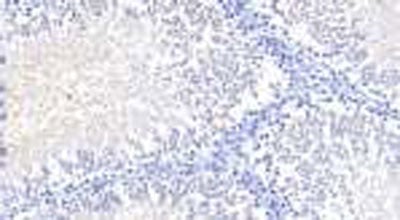
IHC (Immunohistochemistry) (Immunohistochemical analysis of paraffin-embedded Mouse-heart tissue.1,-tubulin Monoclonal Antibody(8F11) was diluted at 1:200 (4C,overnight).2, Sodium citrate pH 6.0 was used for antibody retrieval (>98C,20min).3, Secondary antibody was diluted at 1:200 (room tempeRature, 30min). Negative control was used by secondary antibody only.)
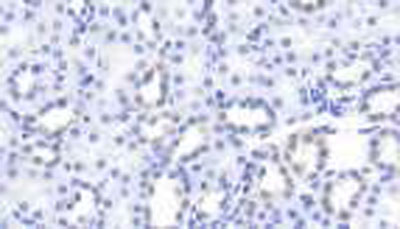
IHC (Immunohistochemistry) (Immunohistochemical analysis of paraffin-embedded Rat-kidney tissue.1,-tubulin Monoclonal Antibody(8F11) was diluted at 1:200(4C,overnight).2, Sodium citrate pH 6.0 was used for antibody retrieval(>98C,20min).3, Secondary antibody was diluted at 1:200 (room tempeRature, 30min). Negative control was used by secondary antibody only.)
IHC (Immunohistchemistry) (Immunohistochemical analysis of paraffin-embedded Human-uterus-cancer tissue.1,-tubulin Monoclonal Antibody(8F11) was diluted at 1:200(4C,overnight).2, Sodium citrate pH 6.0 was used for antibody retrieval(>98C,20min).3,Secondary antibody was diluted at 1:200(room tempeRature, 30min). Negative control was used by secondary antibody only.)
IF (Immunofluorescence) (Immunofluorescence analysis of Mouse-liver tissue.1,-tubulinMonoclonal Antibody(8F11)(red) was diluted at 1:200(4C,overnight).2, Cy3 labled Secondary antibody was diluted at 1:300(room temperature, 50min).3, Picture B: DAPI(blue) 10min.Picture A:Target. Picture B: DAPI.Picture C: merge of A+B)
IF (Immunofluorescence) (Immunofluorescence analysis of Human-colon-cancer tissue.1,-tubulin Monoclonal Antibody(8F11)(red) was diluted at 1:200(4C,overnight).2, Cy3 labled Secondary antibody was diluted at 1:300(room temperature, 50min).3, Picture B: DAPI(blue) 10min.Picture A: Target.Picture B: DAPI.Picture C: merge of A+B)
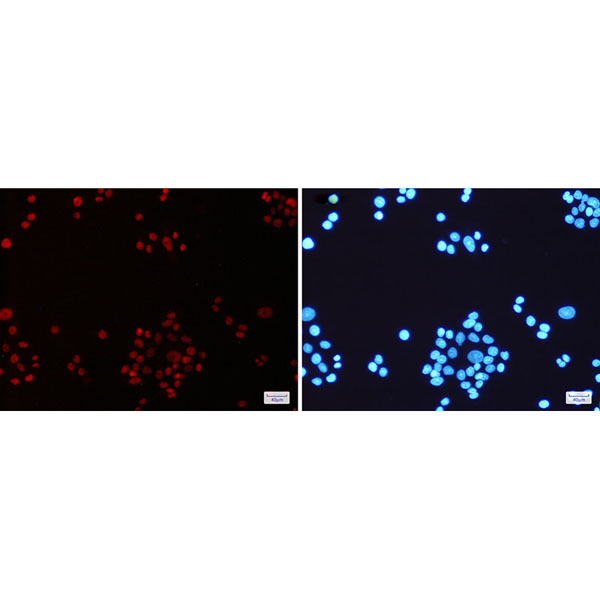
IF (Immunofluorescence) (IF analysis of Hela with (Left) and DAPI (Right) diluted at 1:100.)
WB (Western Blot) (Input: Mouse Brain Tissue Lysate 2¡¢IP product: IP dilute 1:200 Western blot analysis: primary antibody : 1:5,000 Secondary antibody: Goat anti-Mouse IgG, Light chain specific, 1:5,000)
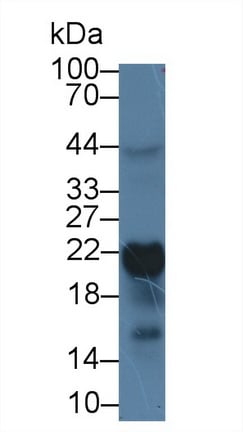
WB (Western Blot) (Western blot analysis of 1) Hela, 2) Rat BrianTissue, 3) Mouse Brain Tissue, using diluted at 1:5,000.)
FCM (Flow Cytometry) (Flow cytometric analysis of Jurkat cells with HLA-DR antibody at 1/50 dilution (red) compared with an unlabelled control (cells without incubation with primary antibody; black). Alexa Fluor 488-conjugated goat anti rabbit IgG was used as the secondary antibody.)
ICC (Immunocytochemistry) (ICC staining HLA-DR in B16-F1 cells (green). The nuclear counter stain is DAPI (blue). Cells were fixed in paraformaldehyde, permeabilised with 0.25% Triton X100/PBS.)
ICC (Immunocytochemistry) (ICC staining HLA-DR in Hela cells (green). The nuclear counter stain is DAPI (blue). Cells were fixed in paraformaldehyde, permeabilised with 0.25% Triton X100/PBS.)
IHC (Immunohistchemistry) (Immunohistochemical analysis of paraffin-embedded mouse kidney tissue using anti-HLA-DR antibody. Counter stained with hematoxylin.)
IHC (Immunohistochemistry) (Immunohistochemical analysis of paraffin-embedded human kidney tissue using anti-HLA-DR antibody. Counter stained with hematoxylin.)
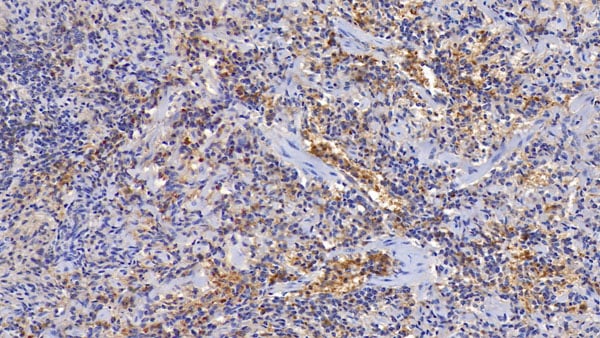
IHC (Immunohistochemistry) (Immunohistochemical analysis of paraffin-embedded human spleen tissue using anti-HLA-DR antibody. Counter stained with hematoxylin.)
IHC (Immunohistochemistry) (Immunohistochemical analysis of paraffin-embedded human liver tissue using anti-HLA-DR antibody. Counter stained with hematoxylin.)
IHC (Immunohistochemistry) (Immunohistochemical analysis of paraffin-embedded human tonsil tissue using anti-HLA-DR antibody. Counter stained with hematoxylin.)
WB (Western Blot) (Western blot analysis of HLA-DR on Daudi cells lysates using anti-HLA-DR antibody at 1/1, 000 dilution.)
IHC (Immunohistchemistry) (Fig.6. Immunohistochemical analysis of paraffin-embedded rat testis tissue. 1, PCNA Monoclonal Antibod y(1D7) was diluted at 1:200 (4°C, overnight). 2, Sodium citrate pH 6.0 was used for antibody retrieval(>98°C, 20min). 3, secondary antibody was diluted at 1:200 (room temperature, 30min). Negative control was used by secondary antibody only.)
IHC (Immunohistochemistry) (Fig.5. Immunohistochemical analysis of paraffin-embedded mouse liver tissue. 1, PCNA Monoclonal Antibody (1D7) was diluted at 1:200 (4°C, overnight). 2, Sodium citrate pH 6.0 was used for antibody retrieval(>98°C, 20min). 3, secondary antibody was diluted at 1:200 (room temperature, 30min). Negative control was used by secondary antibody only.)
IHC (Immunohistochemistry) (Fig.4. Immunohistochemical analysis of paraffin-embedded human uterus tissue. 1, PCNA Monoclonal Antibody (1D7) was diluted at 1:200 (4°C, overnight). 2, Sodium citrate pH 6.0 was used for antibody retrieval(>98°C, 20min). 3, secondary antibody was diluted at 1:200 (room temperature, 30min). Negative control was used by secondary antibody only.)
IF (Immunofluorescence) (Fig.3. Immunofluorescence analysis of rat testis tissue. 1, PCNA Monoclonal Antibody (1D7) (red) was diluted at 1:200 (4°C, overnight). 2, Cy3 Labeled secondary antibody was diluted at 1:300 (room temperature, 50min). 3, Picture B: DAPI (blue) 10min. Picture A: Target. Picture B: DAPI. Picture C: merge of A+B.)
IF (Immunofluorescence) (Fig.2. Immunofluorescence analysis of human lung cancer tissue. 1, PCNA Monoclonal Antibody (1D7) (red) was diluted at 1:200 (4°C, overnight). 2, Cy3 Labeled secondary antibody was diluted at 1:300 (room temperature, 50min). 3, Picture B: DAPI (blue) 10min. Picture A: Target. Picture B: DAPI. Picture C: merge of A+B.)
WB (Western Blot) (Fig.1. Western blot analysis of Hela (1), rat brain (2), NIH 3T3(3), 293T(4), diluted at 1:5000.)
ICC (Immunocytochemistry) (Confocal imaging of C6 cells using GLDC Rabbit PolymAb® (AAA28583, dilution 1:2000) followed by a further incubation with Cy3 Goat Anti-Rabbit IgG (H+L) (AS007, dilution 1:500) (Red). The cells were counterstained with ?-Tubulin Mouse mAb (AC012, dilution 1:400) followed by incubation with ABflo® 488-conjugated Goat Anti-Mouse IgG (H+L) Ab (AS076, dilution 1:500) (Green). DAPI was used for nuclear staining (Blue). Objective: 100x.)
ICC (Immunocytochemistry) (Confocal imaging of NIH/3T3 cells using GLDC Rabbit PolymAb® (AAA28583, dilution 1:2000) followed by a further incubation with Cy3 Goat Anti-Rabbit IgG (H+L) (AS007, dilution 1:500) (Red). The cells were counterstained with ?-Tubulin Mouse mAb (AC012, dilution 1:400) followed by incubation with ABflo® 488-conjugated Goat Anti-Mouse IgG (H+L) Ab (AS076, dilution 1:500) (Green). DAPI was used for nuclear staining (Blue). Objective: 100x.)
ICC (Immunocytochemistry) (Confocal imaging of Hep G2 cells using GLDC Rabbit PolymAb® (AAA28583, dilution 1:2000) followed by a further incubation with Cy3 Goat Anti-Rabbit IgG (H+L) (AS007, dilution 1:500) (Red). The cells were counterstained with ?-Tubulin Mouse mAb (AC012, dilution 1:400) followed by incubation with ABflo® 488-conjugated Goat Anti-Mouse IgG (H+L) Ab (AS076, dilution 1:500) (Green). DAPI was used for nuclear staining (Blue). Objective: 100x.)
IHC (Immunohistochemistry) (Immunohistochemistry analysis of paraffin-embedded Rat kidney tissue using GLDC Rabbit PolymAb® (AAA28583) at a dilution of 1:4000 (40x lens). High pressure antigen retrieval performed with 0.01M Tris-EDTA Buffer(pH 9.0) prior to IHC staining.)
IHC (Immunohistochemistry) (Immunohistochemistry analysis of paraffin-embedded Mouse liver tissue using GLDC Rabbit PolymAb® (AAA28583) at a dilution of 1:4000 (40x lens). High pressure antigen retrieval performed with 0.01M Tris-EDTA Buffer(pH 9.0) prior to IHC staining.)
IHC (Immunohistochemistry) (Immunohistochemistry analysis of paraffin-embedded Human liver tissue using GLDC Rabbit PolymAb® (AAA28583) at a dilution of 1:4000 (40x lens). High pressure antigen retrieval performed with 0.01M Tris-EDTA Buffer(pH 9.0) prior to IHC staining.)
IHC (Immunohistochemistry) (Immunohistochemistry analysis of paraffin-embedded Human kidney tissue using GLDC Rabbit PolymAb® (AAA28583) at a dilution of 1:4000 (40x lens). High pressure antigen retrieval performed with 0.01M Tris-EDTA Buffer(pH 9.0) prior to IHC staining.)
WB (Western Blot) (Western blot analysis of various lysates using GLDC Rabbit PolymAb® (AAA28583) at 1:25000 dilution incubated overnight at 4?.Secondary antibody: HRP-conjugated Goat anti-Rabbit IgG (H+L) (AS014) at 1:10000 dilution.Lysates/proteins: 25 ug per lane.Blocking buffer: 3% nonfat dry milk in TBST.Detection: ECL Basic Kit (RM00020).Exposure time: 1s.)
Application Data (Published customer image: Mouse anti Human CD105 antibody, clone SN6 used for flow cytometry.Image caption:Phenotype change from HLA-A2+/CD11b+/CD105- to HLA-A2+/CD11b-/CD105+ on endothelium-adherent blood monocyte-derived cells with increase in size and granularity during co-culture. HLA-A2+ PBMCs (1x10⁶ cells/well) were incubated for 2 h (Day 0) with HLA-A2- HUVECs, after which the non-adherent cells were removed by washing. The cell layers were analysed by three-colour flow cytometry staining for HLA-A2, CD11b and CD105 on (A) Day 1 and (B) Day 2. These plots were gated for HLA-A2+ cells. Forward scatter/side scatter dot plots gated for HLA-A2+ cells on Day 0 (C) and Day 2 (D) was shown. These are representative of 2 individual experiments.From: Tso C, Rye K-A, Barter P (2012) Phenotypic and Functional Changes in Blood Monocytes Following Adherence to Endothelium. PLoS ONE 7(5): e37091.)
Application Data (Staining of KG1 cells with Mouse anti Human CD105:FITC)
Application Data (Published customer image: Mouse anti Human CD105 antibody, clone SN6 used for flow cytometry.Image caption:Endothelial adherence of blood monocytes. PBMCs were isolated from HLA-A2+ donors and incubated with HLA-A2- HUVECs (1x10⁶ cells/well) for 2 h, after which the non-adherent PBMCs were removed by washing. The co-cultured cell layers were immediately analysed with dual-colour flow cytometry for HLA-A2 and (A) CD34, (B) CD14, (C) CD11b, (D) CD16, (E) CD105 and (F) CD144 expression. Representative plots from 4 -6 individual experiments are shown. (G) Two parameters dot plot showing typical isotype controls.From: Tso C, Rye K-A, Barter P (2012) Phenotypic and Functional Changes in Blood Monocytes Following Adherence to Endothelium. PLoS ONE 7(5): e37091.)
Application Data (Published customer image: Mouse anti Human CD105 antibody, clone SN6 used for flow cytometry on brain microvascular endothelial cellsImage caption:Characterization and functional features of human and murine BMVECs. (A) Phase contrast micrographs of confluent monolayers of human (left image) and murine (right image) BMVECs. BMVECs present the typical œcobblestone appearance. Scale bar, 100 um and 200 um for human BMVECs and murine BMVECs. B) Human (left image) and murine (right image) BMVECs showed a clear cytoplasmic staining for CD31. Scale bar, 50 um. C) Human (left image) and murine (right image) cells displayed an intense positive immunofluorescence for vWf. Scale bar, 50 um. D) Flow cytometric analysis of BMVECs. Human BMVECs resulted positive (gray histograms) for CD31 (left graph), CD105, CD146 (left gaph), UEA-1 staining; murine BMVECs resulted positive for CD31 (right graph), CD34, CD146 (right graph) and Tie-2 staining. White histograms represent the isotype controls of each antibody. E) Capillary tube-like structure produced by human (left image) and murine (right image) BMVECs, 7 h after plating onto Matrigel. Scale bar, 100 um. F) LDL-uptake assay on human (left image) and murine (right image) BMVECs. Scale bar, 50 um. G) Human (left image) and murine (right image) BMVECs were labelled for GLUT-1. Scale bar, 50 um. H) Immunofluorescence for eNOS in human (left image) and murine (right image) BMVECs. Scale bar, 50 um. All nuclei were counterstained with DAPI (blue). One representative of three independent experiments performed in blind is shown for each figure.From: Navone SE, Marfia G, Nava S, Invernici G, Cristini S, Balbi S, Sangiorgi S, Ciusani E, Bosutti A, Alessandri G, Slevin M, Parati EA. Human and mouse brain-derived endothelial cells require high levels of growth factors medium for their isolation, in vitro maintenance and survival. Vasc Cell. 2013 May 14;5(1):10.)
Application Data (Published customer image: Mouse anti Human CD105 antibody, clone SN6 used for flow cytometry.Image caption:Increased expression of CD105 and CD144 in the endothelium-adherent monocytes during co-culture. HLA-A2+ PBMCs (1x10⁶ cells/well) were incubated for 2 h (Day 0) with HLA-A2- HUVECs, after which the non-adherent cells were removed by washing. The cell layers were maintained in co-culture up to Day 6, then assessed by dual-colour flow cytometry for HLA-A2 and (A) CD105 and (B) CD144 expression on Day 3 of co-culture. Representative plots from 4 -7 individual experiments are shown. The increase in CD105 from Day 0 to Day 6 (C) and CD144 expression from Day 0 to Day 6 (D) is also shown.From: Tso C, Rye K-A, Barter P (2012) Phenotypic and Functional Changes in Blood Monocytes Following Adherence to Endothelium. PLoS ONE 7(5): e37091.)
Application Data (Staining of KG1 cells with Mouse anti Human CD105RPE)
Application Data (Staining of human peripheral blood monocytes with Mouse anti Human CD105:Alexa Fluor 647)
Application Data (Staining of KG1 cells with Mouse anti Human CD105)
Application Data (Published customer image: Mouse anti Human CD105 antibody, clone SN6 used for flow cytometry.Image caption:Expression of endothelial antigens in endothelium-adherent monocytes in co-culture with HCAECs.HLA-A2+ PBMCs (1x10⁶ cells/well) were incubated for 2 h (Day 0) with HLA-A2- HCAECs, after which the non-adherent cells were removed by washing. The cell layers were analysed by dual-colour flow cytometry for HLA-A2 and (A) CD105, (B) eNOS and (C) VEGFR2 expression on Day 2 of co-culture.From: Tso C, Rye K-A, Barter P (2012) Phenotypic and Functional Changes in Blood Monocytes Following Adherence to Endothelium. PLoS ONE 7(5): e37091.)
Application Data (Staining of human peripheral blood monocytes with Mouse anti Human CD105:Alexa Fluor 488)
ELISA (Figure 1. Competition flow cytometry assay demonstrating Rabbit anti-RBD monoclonal antibody ( clone: DM27) blockade of SARS-CoV-2 (COVID-19) S protein RBD (1ug/ml, [getskuurl sku=PME100497 binding to Expi 293 cell line transfected with human ACE2. IC50=1930ng/ml. The Y-axis represents the geometric mean fluorescence intensity (MFI) while the X-axis represents the concentration of IgG used.)
Application Data (Figure 6 ACE2-RBD binding inhibitory ELISAAntibodies: SARS-CoV-2 (COVID-19) Spike RBD Antibodies, SD9853 (A10) and AAA11055 (E10). ACE2-RBD binding inhibitory ELISA was performed using RBD protein of SARS-CoV-2 variants (wild-type and alpha) as coating antigens at 1ug/mL and the anti-SARS-CoV-2 (COVID-19) RBD antibody (SD9853 and AAA11055) as the capture antibody, followed by incubation with 20 ng/mL human ACE2-Fc. Bound h-ACE2-Fc was detected with a goat anti-human IgG-HRP conjugate (1:20,000 dilution) using the TMB chromogenic substrate system. Both SD9853 (A10) and AAA11055 (E10) exhibited a dose dependent inhibitory effect on ACE2 binding to RBDs of wild-type and alpha strains, and the combination of the two (A10+E10) showed a significantly synergistic effect.)
Application Data (Figure 5 Pseudovirus neutralization assayAntibodies: SARS-CoV-2 (COVID-19) Spike RBD Antibodies, SD9853 (A10) and AAA11055 (E10). Luciferase reporter virus-like particles and 293T-hsACE2 cells were used for the assay. After 72 hrs incubation infectivity was measured by luciferase expression using Promega Renilla-Glo Luciferase Assay System. Infectivity was measured as RLUs and no sdAb control was set to 100% infectivity. Neutralization activity of SD9853 (A10) and AAA11055 (E10) was measured over a serial dilution series to determine the half-maximal inhibitory concentration (IC50). Both SD9853 (A10) and AAA11055 (E10) exhibited a dose dependent neutralizing effect on alpha pseudoviruses, and the combination of the two showed a significantly synergistic effect.)
Application Data (Figure 4 Pseudovirus neutralization assayAntibodies: SARS-CoV-2 (COVID-19) Spike RBD Antibodies, SD9853 (A10) and AAA11055 (E10). Luciferase reporter virus-like particles and 293T-hsACE2 cells were used for the assay. After 72 hrs incubation infectivity was measured by luciferase expression using Promega Renilla-Glo Luciferase Assay System. Infectivity was measured as RLUs and no sdAb control was set to 100% infectivity. Neutralization activity of SD9853 (A10) and AAA11055 (E10) was measured over a serial dilution series to determine the half-maximal inhibitory concentration (IC50). Both SD9853 (A10) and AAA11055 (E10) exhibited a dose dependent neutralizing effect on wild-type pseudoviruses, and the combination of the two showed a significantly synergistic effect.)
ELISA (Figure 3 ELISA Validation with RBDs of SARS-CoV-2 Variants Antibodies: SARS-CoV-2 (COVID-19) Spike RBD Antibody, AAA11055. A direct ELISA was performed using RBD protein of SARS-CoV-2 variants (wild-type, alpha, beta, gamma and Delta) as coating antigens at 1ug/mL and the anti-SARS-CoV-2 (COVID-19) RBD antibody (SD9853) as the capture antibody, followed by anti-cMyc-tag antibody (PM-7669) at 1ug/mL. Secondary: Goat anti-mouse IgG HRP conjugate at 1:5000 dilution. SD9853 binds to RBDs of all the variants tested.)
ELISA (Figure 2 ACE2-RBD binding inhibitory ELISAAntibodies: SARS-CoV-2 (COVID-19) Spike RBD Antibodies, AAA11055. ACE2-RBD binding inhibitory ELISA was performed using RBD protein of SARS-CoV-2 variants (wild-type, alpha, beta, epsilon, gamma and kappa) as coating antigens at 1ug/mL and the anti-SARS-CoV-2 (COVID-19) RBD antibody AAA11055 as the capture antibody, followed by incubation with 20 ng/mL human ACE2-Fc. Bound h-ACE2-Fc was detected with a goat anti-human IgG-HRP conjugate (1:20,000 dilution) using the TMB chromogenic substrate system. AAA11055 exhibited a dose dependent inhibitory effect on ACE2 binding to RBDs of all the variants tested.)
Application Data (Figure 1 Pseudovirus neutralization assayAntibodies: SARS-CoV-2 (COVID-19) Spike RBD Antibodies, AAA11055 (E10). Luciferase reporter virus-like particles and 293T-hsACE2 cells were used for the assay. After 72 hrs incubation infectivity was measured by luciferase expression using Promega Renilla-Glo Luciferase Assay System. Infectivity was measured as RLUs and no sdAb control was set to 100% infectivity. Neutralization activity of AAA11055 (E10) was measured over a serial dilution to determine the half-maximal inhibitory concentration (IC50). AAA11055 (E10) exhibited a dose dependent neutralizing effect on all the variant pseudoviruses tested.)
SARS-CoV-2 (COVID-19) Spike Neutralization Single Domain Antibody [E10]
Reactivity
Virus
Applications
ELISA, Neutralization
Purity
SARS-CoV-2 (COVID-19) Spike Neutralization Antibody is affinity chromatography purified via Nickel column. Antibody is supplied as a His-tagged purified protein. It also contains a myc-tag for detection.
WB (Western Blot) (Figure-8: Western blot analysis of PD-L1. Anti-PD-L1 antibody (Clone: ABM4E54) was tested at 2 ug/ml on h Spleen lysate.)
IHC (Immunohistochemistry) (Figure-7: Immunohistochemical analysis of PD-L1 in Human Lung Cancer tissue using PD-L1 antibody (Clone: ABM4E54).)
WB (Western Blot) (Figure-6: Western blot analysis of PD-L1. Anti-PD-L1 antibody (Clone: ABM4E54) was tested at 0.5 ug/ml on (1) HepG2, (2) SKBR3, (3) A431, (4) THP1, (5) NCCIT, (6) PC3, (7) PANC-1, (8) U87 and (9) KATO-111 lysates.)
IHC (Immunohistochemistry) (Figure-5: Immunohistochemical analysis of PD-L1 in Human Tonsil tissue using PD-L1 antibody (Clone: ABM4E54) at 5 ug/ml.)
WB (Western Blot) (Figure-4: Western blot analysis of PD-L1. Anti-PD-L1 antibody (Clone: ABM4E54) was tested at 2 ug/ml on (1) A549, (2) MCF-7, (3) 293, (4) HCT-116, (5) Saos2 and (6) Hela lysates.)
WB (Western Blot) (Figure-3: Western blot analysis of PD-L1. Anti-PD-L1 antibody (Clone: ABM4E54) was tested at 0.5 ug/ml on Recombinat lysates.)
IHC (Immunohistochemistry) (Figure-2: Immunohistochemical analysis of PD-L1 in Hodgkin's Lymphoma tissue using PD-L1 antibody (Clone: ABM4E54) at 5 ug/ml..)
Application Data (Figure-1: Cell Surface FLOW analysis of PD-L1 in PHA treated human PBMC using 1 ug of PD-L1 antibody (Clone: ABM4E54). Green represents isotype control; red represents anti-PD-L1 antibody. Goat anti-mouse PE conjugate was used as secondary antibody.)
Application Data (Detection limit for recombinant GST tagged ADRM1 is ~0.1ng/ml as a capture antibody.)
IP (Immunoprecipitation) (Immunoprecipitation of ADRM1 transfected lysate using ADRM1 monoclonal antibody and Protein A Magnetic Bead and immunoblotted with ADRM1 monoclonal antibody.)
IF (Immunofluorescence) (Immunofluorescence of monoclonal antibody to ADRM1 on HeLa cell. [antibody concentration 10ug/ml].)
WB (Western Blot) (Western Blot analysis of ADRM1 expression in transfected 293T cell line by ADRM1 monoclonal antibody Lane 1: ADRM1 transfected lysate (42.2kD). Lane 2: Non-transfected lysate.)
WB (Western Blot) (ADRM1 monoclonal antibody Western Blot analysis of ADRM1 expression in HeLa.)
WB (Western Blot) (Western Blot detection against Immunogen (69.01kD).)
Application Data (Immunofluorescence staining of rat lymph node cryosection with Mouse anti Rat CD163 antibody , red an A and Mouse anti Rat CD8 MCA48), green in B. C is the merged image with nuclei counter-stained blue using DAPI. High power)
Application Data (Published customer image:Analysis of graft-infiltrating T cells. Activated CD25+ T cells and CD4+ and CD8+ T cell subsets were stained at the time points of corneal allograft rejection and calculated within the graft. A, C, and E show representative histological staining for CD25, CD4, and CD8 in grafts of treated and control animals, respectively. CD25+ (B) and CD4+ (D) cells infiltrated to a statistically significantly stronger extent in 3.2.3-treated animals when compared to control treated animals (*p)
Application Data (Immunofluoescence staining of rat lymph node cryosection with Mouse anti Rat CD11b antibody , red in A and Mouse anti Rat CD8 , green in B. C is the merged image with nuclei counter-stained in blue using DAPI. High power)
Application Data (Immunofluorescence staining of rat lymph node cryosection with Mouse anti Rat CD25 antibody , red in A and Mouse anti Rat CD8 , green in B. C is the merged image with nuclei counterstained blue using DAPI. High power)
Application Data (Published customer image: CD4 and CD8 T cell infiltration. Photos show SN sections of an animal of the cell death group immunostained with antibody against CD4 (A and C) and CD8 (B and D). The small panels show insets in A (C) and in B (D) at higher magnification. Scale: 50 um, applies to A -B, 10 um applies to C -D. (E) Graph shows average (dash) and individual numbers of CD4+ cells found in one SN section per animal of each group plotted per time. Two-way ANOVA [F (8,42) = 4.1, p = 0.001 effect of group and time interaction] followed by Tukey HSD post-hoc analysis. ## or § p)
Application Data (Immunofluorescence staining of rat lymph node cryosection with Mouse anti Rat CD25 antibody , red in A and Mouse anti Rat CD8 , green in B. C is the merged image with nuclei counterstained blue using DAPI. Low powe)
Application Data (Immunofluorescence staining of rat lymph node cryosection with Mouse anti Rat CD25 antibody , red in A and Mouse anti Rat CD8 , green in B. C is the merged image with nuclei counterstained blue using DAPI. Low power)
Application Data (Immunofluorescence staining of rat lymph node cryosection with Mouse anti Rat CD25 antibody , red in A and Mouse anti Rat CD8 , green in B. C is the merged image with nuclei counterstained blue using DAPI. High power)
Application Data (Staining of rat peripheral blood cells with Mouse anti Rat CD8 Alpha Chain:Alexa Fluor 488)
Application Data (Published customer image: Qualitative and quantitative flow cytometric analysis of lymphocyte populations in draining lymph nodes. A: Representative FACS plot of CD4+ CD8+ staining used to count T-helper cells, cytotoxic T-cells and CD4+ CD8+ double positive T-lymphocytes. Events acquired: 2x10⁵. B: FACS plot example for B-cell detection. C: Representative FACS plot for NK cell assessment. NK-T cell were confirmed by CD3 expression (not shown). Bar diagrams: Cumulative results for the quantification of major and minor lymphocyte populations in draining LN of cornea transplanted animals. An asterisk (*) indicates statistical significance at p=0.05 determined by Mann -Whitney U-Test. Allo-Tx-d7 - animals allo-grafted and analyzed at day 07 post op, n=6; allo-Tx-rej - animals displaying allo rejection of grafted corneas analyzed after the onset of rejection, n=5; syn-Tx-d7 - syngeneically grafted animals analyzed at day 7 post-op, n=3; syn-Tx-LT - syn-grafted long-term survivors analyzed at the end of the observation period at day 42; n=3.Maenz M, Morcos M, Ritter T. A comprehensive flow-cytometric analysis of graft infiltrating lymphocytes, draining lymph nodes and serum during the rejection phase in a fully allogeneic rat cornea transplant model. Mol Vis. 2011 Feb 8;17:420-9.)
FCM (Flow Cytometry) (Flow Cytometric Analysis of Human Raji Cells. using HLA-Mouse Monoclonal Antibody followed by Goat anti-mouse IgG (Blue); Isotype control (Red).)
Application Data (SDS-PAGE AnalysisPurified HLA-A Mouse Monoclonal Antibody (108-2C5))
Application Data (Staining of mouse peritoneal macrophages with Rat anti Mouse Beta-glucan Receptor: FITC)
Application Data (Staining of mouse peripheral blood monocytes with Rat anti Mouse Beta-glucan Receptor)
Application Data (Immunoperoxidase staining of a mouse lymph node cryosection with Rat anti Mouse Dectin-1 antibody, clone 2A11 followed by horseradish peroxidase conjugated Goat anti Rat IgG antibody . Medium power)
Application Data (Staining of mouse peripheral blood granulocytes with Rat anti Mouse Beta-glucan Receptor:Biotin)
Application Data (Immunoperoxidase staining of a mouse lymph node cryosection with Rat anti Mouse Dectin-1 antibody, clone 2A11 followed by horseradish peroxidase conjugated Goat anti Rat IgG antibody . Low power)
Application Data (Immunoperoxidase staining of a mouse lymph node cryosection with Rat anti Mouse Dectin-1 antibody, clone 2A11 followed by horseradish peroxidase conjugated Goat anti Rat IgG antibody . High power)
Application Data (Immunoperoxidase staining of a mouse skin cryosection with Rat anti Mouse Dectin-1 antibody, clone 2A11 followed by horseradish peroxidase conjugated Goat anti Rat IgG antibody . Low power)
Application Data (Staining of mouse peripheral blood granulocytes with Rat anti Mouse Beta-glucan Receptor:FITC)
Application Data (Staining of mouse peripheral blood granulocytes with Rat anti Mouse Beta-glucan Receptor: RPE)
Application Data (Published customer image: Ex vivo recognition of yeast particles and live fungi by inflammatory cells. A) Representative flow-cytometric analysis, gated on Ly-6G+ neutrophils, after coincubation of BIOgel-elicited inflammatory cells from wild type or dectin-1-deficient (Clec7a-/-) 129S6/SvEv interaction with serum-opsonized or non-opsonized zymosan. Positive staining for the A405-labelled zymosan identifies the neutrophils that are associated zymosan and only these cells exhibit conversion of APF, the ROS reporter. B) Representsative flow-cytometric analysis of CD11b and dectin-1 expression by inflammatory neutrophils and monocyte/M˜. Data represents specific receptor staining (shaded histograms) and isotype control staining (bold lines). Data representative of 2 independent experiments and consistent with previous experiments with thioglycollate. C) Inflammatory cells were loaded with APF and then incubated with serum-opsonized or non-opsonized A405-labelled zymosan or Pacific Orange-labelled C. albicans for 15 minutes. After this time the association of the inflammatory cells with zymosan was measured by flow-cytometry (upper panels) and in those cells that were interacting with zymosan the evidence for fluorescent conversion of APF was also quantified (lower panels). Data is derived from three independent experiments and the data derived from the use of dectin-1-deficient cells is shown relative to wild type cells (100%) as mean+/-95% confidence interval (raw representative data from one of the 3 independent experiments are shown in the Figure S1). The impact of complement osponization (˜C') and the use of different fungal particle used (˜F') were assessed by Two-way ANOVA (˜I' = Interaction statistic). Samples in which the 95% confidence intervals do not overlap with the mean wildtype are specific indicated with a # symbol. Differences in impairment of response observed with dectin-1-deficient cells were further analysed by Bonferroni post-tests. P values derived from individual Bonferroni post-tests are indicated with bracketed pairs of samples.From: McDonald JU, Rosas M, Brown GD, Jones SA, Taylor PR (2012) Differential Dependencies of Monocytes and Neutrophils on Dectin-1, Dectin-2 and Complement for the Recognition of Fungal Particles in Inflammation. PLoS ONE 7(9): e45781.)
IP (Immunoprecipitation) (Immunoprecipitation analysis using Mouse Anti-VPS35 Monoclonal Antibody, Clone 10A8. Tissue: embryonic fibroblast. Species: Mouse. Primary Antibody: Mouse Anti-VPS35 Monoclonal Antibody. Three amounts of (3, 1 and 0.3 ug) were non-covalently coupled to 10uL of A/G sepharose beads for 1 hour at 4 degree C and next incubated with 250ug of MEF lysate for 2 hours at 4 degree C.)
IP (Immunoprecipitation) (Immunoprecipitation analysis using Mouse Anti-VPS35 Monoclonal Antibody, Clone 10A8. Tissue: A549 cells. Species: Human. Primary Antibody: Mouse Anti-VPS35 Monoclonal Antibody. Three amounts of (3, 1 and 0.3 ug) were non-covalently coupled to 10uL of A/G sepharose beads for 1 hour at 4 degree C and next incubated with 250ug of A549 lysate for 2 hours at 4 degree C.)
Application Data
WB (Western Blot) (Western Blot analysis of Human, Mouse A549, MEF showing detection of VPS35 protein using Mouse Anti-VPS35 Monoclonal Antibody, Clone 10A8. Lane 1: Molecular Weight Ladder. Lane 2: VPS35 KO A549 cells. Lane 3: mouse embryonic fibroblast cells.. Load: 8 ug each A549 and MEF. Primary Antibody: Mouse Anti-VPS35 Monoclonal Antibody at 1:5 (tissue culture supernatant). Secondary Antibody: Donkey anti-mouse IRDye 800CW at 1:25000 in TBS-T.)
IP (Immunoprecipitation) (Co-Immunoprecipitation analysis of known interactors of VPS35 using Mouse Anti-VPS35 Monoclonal Antibody, Clone 10A8. Tissue: A549 cells. Species: Human. Primary Antibody: Mouse Anti-VPS35 Monoclonal Antibody.)
IP (Immunoprecipitation) (Immunoprecipitation analysis using Mouse Anti-VPS35 Monoclonal Antibody, Clone 10A8. Tissue: A549 cells. Species: Human. Primary Antibody: Mouse Anti-VPS35 Monoclonal Antibody. 500 uL cell culture supernatants were incubated with 10 uL of Protein A/G resin beads for 1 hour at 4 degree C. clone 10A8 depletes VPS35 from the A549 cell extract..)
ICC (Immunocytochemistry) (Immunocytochemistry/Immunofluorescence analysis using Mouse Anti-VPS35 Monoclonal Antibody, Clone 10A8. Tissue: A549 cells. Species: Human. Primary Antibody: Mouse Anti-VPS35 Monoclonal Antibody at 1:5 (tissue culture supernatant). Secondary Antibody: Donkey anti-mouse: Alexa Fluor 594 at 1:4000 in 0.2% BSA PBS. Counterstain: DAPI. Localization: Vesicles. A) VPS35 KO A549 cells B) WT A549 cells. Courtesy of: Dario Alessi Lab, University of Dundee.)
IP (Immunoprecipitation) (Immunoprecipitation analysis using Mouse Anti-VPS35 Monoclonal Antibody, Clone 11H10. Tissue: embryonic fibroblast. Species: Mouse. Primary Antibody: Mouse Anti-VPS35 Monoclonal Antibody. Three amounts of (3, 1 and 0.3 ug) were non-covalently coupled to 10uL of A/G sepharose beads for 1 hour at 4 degree C and next incubated with 250ug of MEF lysate for 2 hours at 4 degree C.)
IP (Immunoprecipitation) (Immunoprecipitation analysis using Mouse Anti-VPS35 Monoclonal Antibody, Clone 11H10. Tissue: A549 cells. Species: Human. Primary Antibody: Mouse Anti-VPS35 Monoclonal Antibody. Three amounts of (3, 1 and 0.3 ug) were non-covalently coupled to 10uL of A/G sepharose beads for 1 hour at 4 degree C and next incubated with 250ug of A549 lysate for 2 hours at 4 degree C.)
WB (Western Blot) (Western Blot analysis of Human SH-SY5Y showing detection of VPS35 protein using Mouse Anti-VPS35 Monoclonal Antibody, Clone 11H10. Lane 1: Molecular Weight Ladder. Lane 2: SH-SY5Y (10 ug). Load: 10 ug. Block: 5% Skim Milk powder in TBST. Primary Antibody: Mouse Anti-VPS35 Monoclonal Antibody at 1:1000 for 2 hours at RT with shaking. Secondary Antibody: Goat anti-mouse IgG:HRP at 1:4000 for 1 hour at RT with shaking. Color Development: Chemiluminescent for HRP (Moss) for 5 min in RT.)
WB (Western Blot) (Western Blot analysis of Human, Mouse A549, MEF showing detection of VPS35 protein using Mouse Anti-VPS35 Monoclonal Antibody, Clone 11H10. Lane 1: Molecular Weight Ladder. Lane 2: VPS35 KO A549 cells. Lane 3: mouse embryonic fibroblast cells.. Load: 8 ug each A549 and MEF. Primary Antibody: Mouse Anti-VPS35 Monoclonal Antibody at 1:5 (tissue culture supernatant). Secondary Antibody: Donkey anti-mouse IRDye 800CW at 1:25000 in TBS-T.)
IP (Immunoprecipitation) (Co-Immunoprecipitation analysis of known interactors of VPS35 using Mouse Anti-VPS35 Monoclonal Antibody, Clone 11H10. Tissue: A549 cells. Species: Human. Primary Antibody: Mouse Anti-VPS35 Monoclonal Antibody.)
IP (Immunoprecipitation) (Immunoprecipitation analysis using Mouse Anti-VPS35 Monoclonal Antibody, Clone 11H10. Tissue: A549 cells. Species: Human. Primary Antibody: Mouse Anti-VPS35 Monoclonal Antibody. 500 uL cell culture supernatants were incubated with 10 uL of Protein A/G resin beads for 1 hour at 4 degree C. clone 11H10 depletes VPS35 from the A549 cell extract..)
Application Data (Anti-AXL / UFO Reference Antibody (tilvestamab) P-AKT Test was evaluated using U251 cell. The max induction fold was approximately 1.43.)
Application Data (The endocytosis ratio tilvestamab by U251 increased with the increase of antibody concentration, and the Internalization Rate (%) reached 40% at antibody concentration of 1 nM.)
FCM (Flow Cytometry) (Human AXL HEK293 cells were stained with Anti-AXL / UFO Reference Antibody (tilvestamab) and negative control protein respectively, washed and then followed by PE and analyzed with FACS, EC127=0.07318 ug/mL)
Application Data (Immobilized human Axl FC at 2 ug/mL can bind Anti-AXL / UFO Reference Antibody (tilvestamab), EC50=0.01542ug/mL)
Application Data (The purity of Anti-AXL / UFO Reference Antibody (tilvestamab)is more than 95% ,determined by SEC-HPLC.)
SDS-PAGE (Anti-AXL / UFO Reference Antibody (tilvestamab) on SDS-PAGE under reducing (R) condition. The gel was stained with Coomassie Blue. The purity of the protein is greater than 95%)
ChIP (Chromatin Immunoprecipitation) (Chromatin immunoprecipitation was performed with 10 ug of cross-linked chromatin from HeLa, using 2 ug of TriMethyl-Histone H3-K27 Rabbit PolymAb® (AAA28571) and Rabbit Control IgG (AC005). The enrichment of immunoprecipitated DNA at different genomic loci was examined by quantitative PCR. The histogram compares the ratio of the immunoprecipitated DNA to the input at given loci.)
ICC (Immunocytochemistry) (Confocal imaging of C6 cells using TriMethyl-Histone H3-K27 Rabbit PolymAb® (AAA28571, dilution 1:200) followed by a further incubation with Cy3 Goat Anti-Rabbit IgG (H+L) (AS007, dilution 1:500) (Red). DAPI was used for nuclear staining (Blue). Objective: 100x.)
ICC (Immunocytochemistry) (Confocal imaging of HeLa cells using TriMethyl-Histone H3-K27 Rabbit PolymAb® (AAA28571, dilution 1:200) followed by a further incubation with Cy3 Goat Anti-Rabbit IgG (H+L) (AS007, dilution 1:500) (Red). DAPI was used for nuclear staining (Blue). Objective: 100x.)
IHC (Immunohistochemistry) (Immunohistochemistry analysis of paraffin-embedded Human breast tissue using TriMethyl-Histone H3-K27 Rabbit PolymAb® (AAA28571) at a dilution of 1:200 (40x lens). High pressure antigen retrieval performed with 0.01M Citrate Buffer(pH 6.0) prior to IHC staining.)
IHC (Immunohistchemistry) (Immunohistochemistry analysis of paraffin-embedded Human liver cancer tissue using TriMethyl-Histone H3-K27 Rabbit PolymAb® (AAA28571) at a dilution of 1:200 (40x lens). High pressure antigen retrieval performed with 0.01M Citrate Buffer(pH 6.0) prior to IHC staining.)
IHC (Immunohistochemistry) (Immunohistochemistry analysis of paraffin-embedded Mouse colon tissue using TriMethyl-Histone H3-K27 Rabbit PolymAb® (AAA28571) at a dilution of 1:200 (40x lens). High pressure antigen retrieval performed with 0.01M Citrate Buffer(pH 6.0) prior to IHC staining.)
IHC (Immunohistochemistry) (Immunohistochemistry analysis of paraffin-embedded Mouse spleen tissue using TriMethyl-Histone H3-K27 Rabbit PolymAb® (AAA28571) at a dilution of 1:200 (40x lens). High pressure antigen retrieval performed with 0.01M Citrate Buffer(pH 6.0) prior to IHC staining.)
IHC (Immunohistochemistry) (Immunohistochemistry analysis of paraffin-embedded Rat brain tissue using TriMethyl-Histone H3-K27 Rabbit PolymAb® (AAA28571) at a dilution of 1:200 (40x lens). High pressure antigen retrieval performed with 0.01M Citrate Buffer(pH 6.0) prior to IHC staining.)
WB (Western Blot) (Western blot analysis of various lysates using TriMethyl-Histone H3-K27 Rabbit PolymAb® (AAA28571)at 1:1000 dilution incubated overnight at 4?.Secondary antibody: HRP-conjugated Goat anti-Rabbit IgG (H+L) (AS014) at 1:10000 dilution.Lysates/proteins: 25 ug per lane.Blocking buffer: 3% nonfat dry milk in TBST.Detection: ECL Basic Kit (RM00020).Negative control (NC): H3 prokaryotic proteinExposure time: 5s.)
DB (Dot Blot) (Dot-blot analysis of H3K9me0, H3K9me1, H3K9me2, H3K9me3, H3K14me0, H3K14me1, H3K14me2, H3K14me3, H3K27me0, H3K27me1, H3K27me2, H3K27me3?H3K36me0, H3K36me1, H3K36me2, H3K36me3?H3K79me0, H3K79me1, H3K79me2, H3K79me3 using TriMethyl-Histone H3-K27 Rabbit PolymAb® .)
IF (Immunofluorescence) (Immunofluorescence analysis of Human-stomach-cancer tissue. 1.Catenin-? Monoclonal Antibody(4F2)(red) was diluted at 1:200(4 degree C.overnight). 2. Cy3 labled Secondary antibody was diluted at 1:300(room temperature. 50min).3. Picture B: DAPI(blue) 10min. Picture A:Target. Picture B: DAPI. Picture C: merge of A+B)
IHC (Immunohistochemistry) (Immunohistochemical analysis of paraffin-embedded Mouse-kidney tissue. 1.Catenin-? Monoclonal Antibody(4F2) was diluted at 1:200(4 degree C.overnight). 2. Sodium citrate pH 6.0 was used for antibody retrieval(>98 degree C.20min). 3.Secondary antibody was diluted at 1:200(room temperature. 30min). Negative control was used by secondary antibody only.)
IHC (Immunohistochemistry) (Immunohistochemical analysis of paraffin-embedded Human-liver tissue. 1.Catenin-? Monoclonal Antibody(4F2) was diluted at 1:200(4 degree C.overnight). 2. Sodium citrate pH 6.0 was used for antibody retrieval(>98 degree C.20min). 3.Secondary antibody was diluted at 1:200(room temperature. 30min). Negative control was used by secondary antibody only.)
IHC (Immunohistochemistry) (Immunohistochemical analysis of paraffin-embedded Human Lung caricnoma using Catenin-? Monoclonal Antibody.)
Application Data (Liu. Taian. et al. "Developmental protein kinase C hyper-activation results in microcephaly and behavioral abnormalities in zebrafish." Translational psychiatry 8 (2018).)
WB (Western Blot) (Western blot analysis of 1) Hela. 2) 293T. 3) Mouse Liver Tissue. 4) Rat Liver Tissue using Catenin-? Monoclonal Antibody.)
Application Data (Published customer image: Mouse anti Human CD105 antibody, clone SN6 used for flow cytometry.Image caption:Phenotype change from HLA-A2+/CD11b+/CD105- to HLA-A2+/CD11b-/CD105+ on endothelium-adherent blood monocyte-derived cells with increase in size and granularity during co-culture. HLA-A2+ PBMCs (1x10⁶ cells/well) were incubated for 2 h (Day 0) with HLA-A2- HUVECs, after which the non-adherent cells were removed by washing. The cell layers were analysed by three-colour flow cytometry staining for HLA-A2, CD11b and CD105 on (A) Day 1 and (B) Day 2. These plots were gated for HLA-A2+ cells. Forward scatter/side scatter dot plots gated for HLA-A2+ cells on Day 0 (C) and Day 2 (D) was shown. These are representative of 2 individual experiments.From: Tso C, Rye K-A, Barter P (2012) Phenotypic and Functional Changes in Blood Monocytes Following Adherence to Endothelium. PLoS ONE 7(5): e37091.)
Application Data (Staining of KG1 cells with Mouse anti Human CD105:FITC)
Application Data (Published customer image: Mouse anti Human CD105 antibody, clone SN6 used for flow cytometry.Image caption:Endothelial adherence of blood monocytes. PBMCs were isolated from HLA-A2+ donors and incubated with HLA-A2- HUVECs (1x10⁶ cells/well) for 2 h, after which the non-adherent PBMCs were removed by washing. The co-cultured cell layers were immediately analysed with dual-colour flow cytometry for HLA-A2 and (A) CD34, (B) CD14, (C) CD11b, (D) CD16, (E) CD105 and (F) CD144 expression. Representative plots from 4 -6 individual experiments are shown. (G) Two parameters dot plot showing typical isotype controls.From: Tso C, Rye K-A, Barter P (2012) Phenotypic and Functional Changes in Blood Monocytes Following Adherence to Endothelium. PLoS ONE 7(5): e37091.)
Application Data (Published customer image: Mouse anti Human CD105 antibody, clone SN6 used for flow cytometry on brain microvascular endothelial cellsImage caption:Characterization and functional features of human and murine BMVECs. (A) Phase contrast micrographs of confluent monolayers of human (left image) and murine (right image) BMVECs. BMVECs present the typical œcobblestone appearance. Scale bar, 100 um and 200 um for human BMVECs and murine BMVECs. B) Human (left image) and murine (right image) BMVECs showed a clear cytoplasmic staining for CD31. Scale bar, 50 um. C) Human (left image) and murine (right image) cells displayed an intense positive immunofluorescence for vWf. Scale bar, 50 um. D) Flow cytometric analysis of BMVECs. Human BMVECs resulted positive (gray histograms) for CD31 (left graph), CD105, CD146 (left gaph), UEA-1 staining; murine BMVECs resulted positive for CD31 (right graph), CD34, CD146 (right graph) and Tie-2 staining. White histograms represent the isotype controls of each antibody. E) Capillary tube-like structure produced by human (left image) and murine (right image) BMVECs, 7 h after plating onto Matrigel. Scale bar, 100 um. F) LDL-uptake assay on human (left image) and murine (right image) BMVECs. Scale bar, 50 um. G) Human (left image) and murine (right image) BMVECs were labelled for GLUT-1. Scale bar, 50 um. H) Immunofluorescence for eNOS in human (left image) and murine (right image) BMVECs. Scale bar, 50 um. All nuclei were counterstained with DAPI (blue). One representative of three independent experiments performed in blind is shown for each figure.From: Navone SE, Marfia G, Nava S, Invernici G, Cristini S, Balbi S, Sangiorgi S, Ciusani E, Bosutti A, Alessandri G, Slevin M, Parati EA. Human and mouse brain-derived endothelial cells require high levels of growth factors medium for their isolation, in vitro maintenance and survival. Vasc Cell. 2013 May 14;5(1):10.)
Application Data (Published customer image: Mouse anti Human CD105 antibody, clone SN6 used for flow cytometry.Image caption:Increased expression of CD105 and CD144 in the endothelium-adherent monocytes during co-culture. HLA-A2+ PBMCs (1x10⁶ cells/well) were incubated for 2 h (Day 0) with HLA-A2- HUVECs, after which the non-adherent cells were removed by washing. The cell layers were maintained in co-culture up to Day 6, then assessed by dual-colour flow cytometry for HLA-A2 and (A) CD105 and (B) CD144 expression on Day 3 of co-culture. Representative plots from 4 -7 individual experiments are shown. The increase in CD105 from Day 0 to Day 6 (C) and CD144 expression from Day 0 to Day 6 (D) is also shown.From: Tso C, Rye K-A, Barter P (2012) Phenotypic and Functional Changes in Blood Monocytes Following Adherence to Endothelium. PLoS ONE 7(5): e37091.)
Application Data (Staining of KG1 cells with Mouse anti Human CD105RPE)
Application Data (Staining of human peripheral blood monocytes with Mouse anti Human CD105:Alexa Fluor 647 (AAA11933A647))
Application Data (Staining of KG1 cells with Mouse anti Human CD105)
Application Data (Published customer image: Mouse anti Human CD105 antibody, clone SN6 used for flow cytometry.Image caption:Expression of endothelial antigens in endothelium-adherent monocytes in co-culture with HCAECs.HLA-A2+ PBMCs (1x10⁶ cells/well) were incubated for 2 h (Day 0) with HLA-A2- HCAECs, after which the non-adherent cells were removed by washing. The cell layers were analysed by dual-colour flow cytometry for HLA-A2 and (A) CD105, (B) eNOS and (C) VEGFR2 expression on Day 2 of co-culture.From: Tso C, Rye K-A, Barter P (2012) Phenotypic and Functional Changes in Blood Monocytes Following Adherence to Endothelium. PLoS ONE 7(5): e37091.)
Application Data (Staining of human peripheral blood monocytes with Mouse anti Human CD105:Alexa Fluor 488 (AAA11933A488))
FCM (Flow Cytometry) (Flow cytometry analysis of PARP2 in U87MG cells. The cell was stained with AAA11732 at 2-5ug for 1x10^6cells (red). A Goat anti mouse IgG (Alexa fluor 488) was used as the secondary antibody. Mouse monoclonal IgG was used as the isotype control (blue), cells without incubation with primary and secondary antibody was used as the negative control (black))
IF (Immunofluorescence) (ICC/IF analysis of PARP2 in HeLa cells. The cell was stained with AAA11732 (1:100). The secondary antibody (green) was used Alexa Fluor 488. DAPI was stained the cell nucleus (blue).)
WB (Western Blot) (The Cell lysates (40ug) were resolved by SDS-PAGE, transferred to PVDF membrane and probed with anti-human PARP2 antibody (1:500). Proteins were visualized using a goat anti-mouse secondary antibody conjugated to HRP and an ECL detection system. Lane 1. : Raji cell lysate Lane 2. : NIH-3T3 cell lysate)
WB (Western Blot) (The cell lysate of HeLa (40ug) were resolved by SDS-PAGE, transferred to PVDF membrane and probed with anti-human PARP2 antibody (1:500 ~ 1:5000). Proteins were visualized using a goat anti-mouse secondary antibody conjugated to HRP and an ECL detection system)
IHC (Immunohistochemistry) (Figure-8: Immunohistochemical analysis of SLC31A1 in human Stomach tissue using Anti-SLC31A1 antibody (Clone: ABM5D89) at 5 ug/ml.)
IHC (Immunohistochemistry) (Figure-7: Immunohistochemical analysis of SLC31A1 in human Skin tissue using Anti-SLC31A1 antibody (Clone: ABM5D89) at 5 ug/ml.)
IHC (Immunohistchemistry) (Figure-6: Immunohistochemical analysis of SLC31A1 in human Prostate tissue using Anti-SLC31A1 antibody (Clone: ABM5D89) at 5 ug/ml.)
IHC (Immunohistochemistry) (Figure-5: Immunohistochemical analysis of SLC31A1 in human Placenta tissue using Anti-SLC31A1 antibody (Clone: ABM5D89) at 5 ug/ml.)
IHC (Immunohistochemistry) (Figure-4: Immunohistochemical analysis of SLC31A1 in human Kidney tissue using Anti-SLC31A1 antibody (Clone: ABM5D89) at 5 ug/ml.)
IHC (Immunohistochemistry) (Figure-3: Immunohistochemical analysis of SLC31A1 in human Colon tissue using Anti-SLC31A1 antibody (Clone: ABM5D89) at 5 ug/ml.)
IHC (Immunohistochemistry) (Figure-2: Immunohistochemical analysis of SLC31A1 in Adenocarcinoma cell of human Stomach using Anti-SLC31A1 antibody (Clone: ABM5D89) at 5 ug/ml.)
WB (Western Blot) (Figure-1: Western blot analysis of SLC31A1. Anti-SLC31A1 antibody (Clone: ABM5D89) was tested at 1 ug/ml on (1) T98G and (2) THP1 lysates.)
IHC (Immunohistochemistry) (Immunohistochemistry of paraffin-embedded Human skin tissue with Phospho-MLKL (Ser358) Monoclonal Antibody at dilution of 1:200)
IHC (Immunohistochemistry) (Immunohistochemistry of paraffin-embedded Human colon carcinoma tissue with Phospho-MLKL (Ser358) Monoclonal Antibody at dilution of 1:200)
IP (Immunoprecipitation) (Immunoprecipitation of T-bet/Tbx21 from 400 µg extracts of NK-92 cells was performed using 1 µg of T-bet/Tbx21 Rabbit PolymAb (AAA28562). Rabbit IgG isotype control (AC042) was used to precipitate the Control IgG sample. IP samples were eluted with 1X reducing Laemmli Buffer. The Input lane represents 10% of the total input. Western blot analysis of immunoprecipitates was conducted using T-bet/Tbx21 Rabbit PolymAb (AAA28562) at a dilution of 1:1000.)
IHC (Immunohistchemistry) (Immunohistochemistry analysis of paraffin-embedded Rat spleen tissue using T-bet/Tbx21 Rabbit PolymAb® (AAA28562) at a dilution of 1:400 (40x lens). High pressure antigen retrieval performed with 0.01M Tris-EDTA Buffer(pH 9.0) prior to IHC staining.)
IHC (Immunohistochemistry) (Immunohistochemistry analysis of paraffin-embedded Mouse spleen tissue using T-bet/Tbx21 Rabbit PolymAb® (AAA28562) at a dilution of 1:400 (40x lens). High pressure antigen retrieval performed with 0.01M Tris-EDTA Buffer(pH 9.0) prior to IHC staining.)
IHC (Immunohistochemistry) (Immunohistochemistry analysis of paraffin-embedded Human anaplastic large cell lymphoma tissue using T-bet/Tbx21 Rabbit PolymAb® (AAA28562) at a dilution of 1:400 (40x lens). High pressure antigen retrieval performed with 0.01M Tris-EDTA Buffer(pH 9.0) prior to IHC staining.)
IHC (Immunohistochemistry) (Immunohistochemistry analysis of paraffin-embedded Human peripheral T-cell lymphoma tissue using T-bet/Tbx21 Rabbit PolymAb® (AAA28562) at a dilution of 1:400 (40x lens). High pressure antigen retrieval performed with 0.01M Tris-EDTA Buffer(pH 9.0) prior to IHC staining.)
WB (Western Blot) (Western blot analysis of lysates from Mouse thymus using T-bet/Tbx21 Rabbit PolymAb® (AAA28562) at 1:1000 dilution incubated overnight at 4?.Secondary antibody: HRP-conjugated Goat anti-Rabbit IgG (H+L) (AS014) at 1:10000 dilution.Lysates/proteins: 25 ug per lane.Blocking buffer: 3% nonfat dry milk in TBST.Detection: ECL Basic Kit (RM00020).Exposure time: 45s.)
WB (Western Blot) (Western blot analysis of various lysates using T-bet/Tbx21 Rabbit PolymAb® (AAA28562)at 1:5000 dilution incubated overnight at 4?.Secondary antibody: HRP-conjugated Goat anti-Rabbit IgG (H+L) (AS014) at 1:10000 dilution.Lysates/proteins: 25 ug per lane.Blocking buffer: 3% nonfat dry milk in TBST.Detection: ECL Basic Kit (RM00020).Negative control (NC): U-937Exposure time: 10s.)
IF (Immunofluorescence) (Immunofluorescence analysis of Hela cell. 1.CREB-1 (phospho Ser133) Polyclonal Antibody(red) was diluted at 1:200(4 degree overnight). ?-Tubulin Monoclonal Antibody(5G3)(green) was diluted at 1:200(4 degree overnight). 2. Goat Anti Rabbit Alexa Fluor 594 was diluted at 1:1000(room temperature. 50min). Goat Anti Mouse Alexa Fluor 488 was diluted at 1:1000(room temperature. 50min).)
IF (Immunofluorescence) (IF analysis of Hela with ?-Tubulin Monoclonal Antibody(Left) and DAPI (Right) diluted at 1:100.)
IHC (Immunohistochemistry) (Immunohistochemical analysis of paraffin-embedded Rat-lung tissue. 1.?-Tubulin Monoclonal Antibody(5G3) was diluted at 1:200(4 degree C.overnight). 2. Sodium citrate pH 6.0 was used for antibody retrieval(>98 degree C.20min). 3.Secondary antibody was diluted at 1:200(room temperature. 30min). Negative control was used by secondary antibody only.)
IHC (Immunohistochemistry) (Immunohistochemical analysis of paraffin-embedded Mouse-testis tissue. 1.?-Tubulin Monoclonal Antibody(5G3) was diluted at 1:200(4 degree C.overnight). 2. Sodium citrate pH 6.0 was used for antibody retrieval(>98 degree C.20min). 3.Secondary antibody was diluted at 1:200(room temperature. 30min). Negative control was used by secondary antibody only.)
IHC (Immunohistchemistry) (Immunohistochemical analysis of paraffin-embedded Human-colon tissue. 1.?-Tubulin Monoclonal Antibody(5G3) was diluted at 1:200(4 degree C.overnight). 2. Sodium citrate pH 6.0 was used for antibody retrieval(>98 degree C.20min). 3.Secondary antibody was diluted at 1:200(room temperature. 30min). Negative control was used by secondary antibody only.)
IHC (Immunohistochemistry) (IHC Staining of Human colon tissue. diluted at 1:200.)
Application Data (Meng. Yujiao. et al. "Paeonol ameliorates imiquimod-induced psoriasis-like skin lesions in BALB/c mice by inhibiting the maturation and activation of dendritic cells." International journal of molecular medicine 39.5 (2017): 1101-1110.)
Application Data (Diao. Zhiqing. et al. "SIRT3 consolidates heterochromatin and counteracts senescence." Nucleic acids research 49.8 (2021): 4203-4219.)
Application Data (Cheng. X.. Wang. J.. Liu. C. et al. Zinc transporter SLC39A13/ZIP13 facilitates the metastasis of human ovarian cancer cells via activating Src/FAK signaling pathway. J Exp Clin Cancer Res 40. 199 (2021).)
WB (Western Blot) (Western blot analysis of A549 (1). Rat brain (2). Mouse brain (3). Chicken lung (4) and Rabbit testis (5). Sheep muscle (6). diluted at 1:5000.)
FCM (Flow Cytometry) (Overlay Peak curve showing K562 cells stained with AAA28078 (red line) at 1:100.The cells were fixed in 4% formaldehyde and permeated by 0.2% TritonX-100. Then 10% normal goat serum to block non-specific protein-protein interactions followed by the antibody (1ug/1*106cells) for 45min at 4 degree C. The secondary antibody used was FITC-conjugated Goat Anti-human IgG(H+L) at 1:200 dilution for 35min at 4 degree C.Control antibody (green line) was human IgG (1ug/1*106cells) used under the same conditions. Acquisition of >10,000 events was performed.)
IF (Immunofluorescence) (Immunofluorescence staining of Hela cell with AAA28078 at 1:100, counter-stained with DAPI. The cells were fixed in 4% formaldehyde and blocked in 10% normal Goat Serum. The cells were then incubated with the antibody overnight at 4C. The secondary antibody was FITC-conjugated AffiniPure Goat Anti-Human IgG(H+L).)
IHC (Immunohistochemistry) (IHC image diluted at 1?200 and staining in paraffin-embedded human breast cancer performed on a Leica BondTM system. After dewaxing and hydration, antigen retrieval was mediated by high pressure in a citrate buffer (pH 6.0). Section was blocked with 10% normal goat serum 30min at RT. Then primary antibody (1% BSA) was incubated at 4 degree C overnight. The primary is detected by a Goat anti-human polymer IgG labeled by HRP and visualized using 0.05% DAB.)
IHC (Immunohistochemistry) (IHC image diluted at 1?200 and staining in paraffin-embedded human brain tissue performed on a Leica BondTM system. After dewaxing and hydration, antigen retrieval was mediated by high pressure in a citrate buffer (pH 6.0). Section was blocked with 10% normal goat serum 30min at RT. Then primary antibody (1% BSA) was incubated at 4 degree C overnight. The primary is detected by a Goat anti-human polymer IgG labeled by HRP and visualized using 0.05% DAB.)
IHC (Immunohistochemistry) (IHC image diluted at 1?200 and staining in paraffin-embedded human tonsil tissue performed on a Leica BondTM system. After dewaxing and hydration, antigen retrieval was mediated by high pressure in a citrate buffer (pH 6.0). Section was blocked with 10% normal goat serum 30min at RT. Then primary antibody (1% BSA) was incubated at 4 degree C overnight. The primary is detected by a Goat anti-human polymer IgG labeled by HRP and visualized using 0.05% DAB.)
Application Data (Anti-GPC3 / Glypican-3 Reference Antibody (Codrituzumab)-induced ADCC activity was evaluated using human GPC3 CHOS Cell. The max Lysis rate was approximately 30%.)
Application Data (The endocytosis ratio codrituzumab by HuH-7 increased with the increase of antibody concentration, and the Internalization Rate (%) reached 40%at antibody concentration of 1 nM.)
FCM (Flow Cytometry) (Human GPC3 CHOS cells were stained with Anti-GPC3 / Glypican-3 Reference Antibody (codrituzumab) and negative control protein respectively, washed and then followed by PE and analyzed with FACS, EC210=2.142 nM)
Application Data (Immobilized human GPC3, His tag at 2 ug/mL can bind Anti-GPC3 / Glypican-3 Reference Antibody (codrituzumab), EC50=0.008741ug/mL)
Application Data (The purity of Anti-GPC3 / Glypican-3 Reference Antibody (codrituzumab)is more than 95% ,determined by SEC-HPLC.)
SDS-PAGE (Anti-GPC3 / Glypican-3 Reference Antibody (codrituzumab) on SDS-PAGE under reducing (R) condition. The gel was stained with Coomassie Blue. The purity of the protein is greater than 95%)
IHC (Immunohistochemistry) (CD99 Antibody in Immunohistochemistry (IHC (P)) -- Formalin-fixed, paraffin-embedded human Ewing's Sarcoma stained with CD99 Monoclonal Antibody (12E7).)
SDS-PAGE (CD99 Antibody in SDS-PAGE -- SDS-PAGE Analysis of Purified CD99 Mouse Monoclonal Antibody (12E7). Confirmation of Purity and Integrity of Antibody.)
Application Data (Staining of human peripheral blood monocytes with Mouse anti Human CD14:RPE)
Application Data (Staining of human peripheral blood monocytes with Mouse anti Human CD14:APC)
Application Data (Staining of human peripheral blood monocytes with Mouse anti Human CD14:Alexa Fluor 647)
Application Data (Staining of human peripheral blood monocytes with Mouse anti Human CD14:Biotin)
Application Data (Sandwich ELISA analysis of Human CD14 binding using Mouse anti CD14 antibody, clone MEM-18 as a capture reagent and biotinylated Mouse anti Human CD14 antibody, clone UCHM1 as a detection reagent with purified CD14 as antigen for generation of the standard curve. Detection is by HRP conjugated streptavidin. Microtitre plate is read at O.D. 450 nm on the iMark Microplate Absorbance Reader . Serum samples diluted 1:200 and 1:400 are shown green and red respectively, while plasma samples also diluted 1:200 and 1:400 are blue and orange respectively)
Application Data (Staining of human peripheral blood monocytes with Mouse anti Human CD14:FITC)
Application Data (Staining of human peripheral blood monocytes with Mouse anti Human CD14-IgG:Endotoxin Low)
FCM (Flow Cytometry) (Intracellular FLOW cytometric analysis of Caspase 3 (Clone : ABM1C12) inon Jurkat cells using 05 µg/10^6 cells of antibody. Goat anti-mouse PE conjugate was used as secondary antibody. Green represents isotope control, red represents anti-caspase 3 antibody.)
IHC (Immunohistochemistry) (Immunohistochemical analysis of Caspase-3 in human Tonsil tissue using Caspase-3 antibody (Clone: ABM1C12) at 10 µg/ml.)
IHC (Immunohistchemistry) (Immunohistochemical analysis of Caspase-3 in human Small intestine tissue using Caspase-3 antibdoy (Clone: ABM1C12) at 10 ug/mL/)
IHC (Immunohistochemistry) (Immunohistochemical analysis of Caspase-3 in squamous cell carcinoma of lungs using Caspase-3 antibody (Clone: ABM1C12) at 5 ug/ml.)
IHC (Immunohistochemistry) (Immunohistochemical analysis of Caspase-3 in normal human spleen tissue using Caspase-3 antibody (Clone: ABM1C12) at 5 ug/ml.)
IHC (Immunohistochemistry) (Immunohistochemical analysis of Caspase-3 in adenocarcinoma of rectum using Caspase-3 antibody (Clone: ABM1C12) at 5 ug/ml.)
IHC (Immunohistochemistry) (Immunohistochemical analysis of Caspase-3 in normal human colon tissue using Caspase-3 antibody (Clone: ABM1C12) at 5 ug/ml.)
WB (Western Blot) (Western blot analysis of Caspase-3. Anti- Caspase-3 (Clone: ABM1C12) was used at 2 ug/ml on Ramos lysates.)
FCM (Flow Cytometry) (Flow cytometric analysis of K562 cells with MCM3 antibody at 1/100 dilution (red) compared with an unlabelled control (cells without incubation with primary antibody; black). Alexa Fluor 488-conjugated goat anti-rabbit IgG was used as the secondary antibody.)
ICC (Immunocytochemistry) (ICC staining MCM3 in SH-SY-5Y cells (green). The nuclear counter stain is DAPI (blue). Cells were fixed in paraformaldehyde, permeabilised with 0.25% Triton X100/PBS.)
ICC (Immunocytochemistry) (ICC staining MCM3 in HepG2 cells (green). The nuclear counter stain is DAPI (blue). Cells were fixed in paraformaldehyde, permeabilised with 0.25% Triton X100/PBS.)
ICC (Immunocytochemistry) (ICC staining MCM3 in 293T cells (green). The nuclear counter stain is DAPI (blue). Cells were fixed in paraformaldehyde, permeabilised with 0.25% Triton X100/PBS.)
IHC (Immunohistochemistry) (Immunohistochemical analysis of paraffin-embedded mouse small intestine tissue using anti-MCM3 antibody. Counter stained with hematoxylin.)
IHC (Immunohistochemistry) (Immunohistochemical analysis of paraffin-embedded human placenta tissue using anti-MCM3 antibody. Counter stained with hematoxylin.)
IHC (Immunohistochemistry) (Immunohistochemical analysis of paraffin-embedded human tonsil tissue using anti-MCM3 antibody. Counter stained with hematoxylin.)
IHC (Immunohistochemistry) (Immunohistochemical analysis of paraffin-embedded rat testis tissue using anti-MCM3 antibody. Counter stained with hematoxylin.)
WB (Western Blot) (Western blot analysis of MCM3 on mouse thymus tissue (1), NIH-3T3 cell (2) and Hela (3)cell lysates using anti-MCM3 antibody at 1/500 dilution.)
FCM (Flow Cytometry) (Flow cytometric analysis of Hela cells with GLUT1 antibody at 1/50 dilution (blue) compared with an unlabelled control (cells without incubation with primary antibody.)
IF (Immunofluorescence) (Immunofluorescent analysis of HepG2 cells, using GLUT1 Antibody)
WB (Western Blot) (Western blot analysis of GLUT1 expression in HepG2 lysate (AAA11692).)
IHC (Immunohistochemistry) (Immunohistochemical analysis of paraffin-embedded human cervix cancer, using GLUT1 Antibody(AAA11692))
Application Data (Published customer image: gamma delta T cells are the primary source of IL-17 during B. abortus infection. C57BL/6 mice were infected i.p. with 5x10⁴ CFUs of B. abortus 2308, and two weeks later gamma delta T cells (>95% purity) and an enriched TCRalphabeta (~55% CD4+, 25% CD8+) cell fraction were isolated from the spleens of infected mice. Cells were stimulated with 500 ng/ml ionomycin and 50 ng/ml PMA for three days, and cell-free supernatants from triplicate wells were assayed for cytokine production via ELISA. The mean +/- SD is shown; * P)
Application Data (Published customer image: B. abortus infection does not induce IL-17 or IFN- gamma production by gamma delta T cells. A. Splenocytes from na¯ve or B. abortus-infected mice (7 dpi) were stimulated overnight with PMA/Ionomycin and brefeldin A was added for the last 3 h of culture. Following surface staining, cells were permeabilized and stained for intracellular IL-17 or IFN-?. Top panel, the proportion of IL-17 producing gamma delta T cells was determined following gating on lymphocytes. Second panel from top, cells were gated on CD4+ (CD3+) T cells and assayed for IL-17 production. Third panel from top, cells were gated on gamma delta T cells (CD3+/TCR gamma delta +) and assayed for IFN- gamma production. Bottom panel, cells were gated on CD4+ (CD3+) T cells and assayed for IFN- gamma production. Depicted is the mean +/- SD of 5 mice/group and is representative of two independent experiments. B. gamma delta T cells were sorted from na¯ve or B. abortus-infected (7 dpi) mice and stimulated for 72 h with PMA/Ionomycin. Cytokine levels in supernatant were determined by ELISA. Depicted is the mean +/- SD of triplicate wells. *P)
Application Data (Published customer image: Bovine gamma delta T cells impair B. abortus replication in autologous macrophages via IFN- gamma . A. -F. Bovine macrophages were infected with B. abortus (30 bacteria:1 macrophage) and then fresh media or media containing autologous gamma delta T cells were added to infected macrophages. A., C., E. Macrophage colonization (triplicate wells/treatment) was monitored over time. *P)
Application Data (Published customer image: gamma delta T cells require TNF-alpha to protect against B. abortus infection. C57BL/6 mice treated with anti-TCR gamma delta mAb or hamster IgG on day -1 and day 3 post-infection with 5x10⁴ CFUs of B. abortus 2308. Some mice were also neutralized of their TNF-alpha on days -1 and 3. Seven days after infection, A. splenic weights and B. extent of brucellae colonization were determined. The mean +/- SEM of 10 mice/group is depicted; *P)
Application Data (Published customer image: IFN-gamma response (log10 scale) in mesenteric lymph nodes, Peyer's Patches, popliteal LN and PBMC against GRA7, TLA and MIC3 in function of time.From: Verhelst D, De Craeye S, Entrican G, Dorny P, Cox E. Parasite distribution and associated immune response during the acute phase of Toxoplasma gondii infection in sheep. BMC Vet Res. 2014 Dec 16;10(1):293.)
Application Data (Published customer image: Identification of recombinant antibodies with specificity for bIL-2. PBMC from a cow naturally infected with M. bovis were cultured in the presence of PPD-B to allow screening of candidate bIL-2 by ICS flow cytometry. Panel A shows the histogram gating strategy used to interrogate responses in singlet, live CD4+ lymphocytes. Panel B shows the measurement of detectable IL-2 and/or IFN- gamma within the CD4+ population for each of 6 candidate IL-2 antibody clones. The clone number is shown in the top left corner of each histogram and the percentage of CD4+ cell in which co-expression of IFN- gamma and IL-2 could be detected is shown in the top right of each histogram. Data are representative of 1 of 2 independent experiments.From: Whelan AO, Villarreal-Ramos B, Vordermeier HM, Hogarth PJ (2011) Development of an Antibody to Bovine IL-2 Reveals Multifunctional CD4 TEM Cells in Cattle Naturally Infected with Bovine Tuberculosis. PLoS ONE 6(12): e29194.)
FCM (Flow Cytometry) (Cell Surface flow analysis of hCD73 in PBMC (Lymphocytes) using 0.2µg/106 cells of CD73 clone (ABM40E2). Green represents isotype control; red represents anti-hCD73 antibody. Goat anti-mouse PE conjugated secondary antibody was used.)
IHC (Immunohistochemistry) (Immunohistochemical analysis of CD73 in human spleen using CD73 antibody (Clone: ABM40E2) at 5 ug/ml.)
IHC (Immunohistochemistry) (Immunohistochemical analysis of CD73 in renal cell carcinoma using CD73 antibody (Clone: ABM40E2) at 5 ug/ml.)
IHC (Immunohistochemistry) (Immunohistochemical analysis of CD73 in human liver using CD73 antibody (Clone: ABM40E2) at 5 ug/ml.)
IHC (Immunohistochemistry) (Immunohistochemical analysis of CD73 in endomatrium carcinoma using CD73 antibody (Clone: ABM40E2) at 5 ug/ml.)
WB (Western Blot) (Expression analysis of CD73. Anti- CD73 antibody (Clone: ABM40E2) was tested at 2 ug/ml on human liver lysate.)
Western Blot, Immunohistochemistry, Flow Cytometry
Purity
Protein G Chromatography
Pricing
What are Monoclonal Antibodies?
Monoclonal antibodies are specialized laboratory-produced proteins developed for binding to specific biological antigens or other molecular targets. Since they come from a single cell (or clone), they are especially consistent and accurate in the data they are involved in producing.
This type of antibody material has been shown to be a powerful tool in finding and subsequently destroying harmful cells in an organism, such as those found in cancers or various autoimmune diseases. This makes them excellent aids in medical testing and research, which is why they are so widely used.
AAA Biotech offers a comprehensive range of high-quality monoclonal antibodies that perform effectively in various laboratory tests, including (amongst others) ELISA, western blotting, immunohistochemistry, and flow cytometry. All of the products in our catalog are thoroughly quality tested to make sure that they are reliable and will consistently perform well in your research.
What Are The Uses of Monoclonal Antibodies
Monoclonal antibodies are used in many lab tests, including (amongst others) ELISA, western blotting, immunohistochemistry, and flow cytometry.
ELISA is a test that helps detect a specific substance/analyte in a sample. It uses antibodies (often monoclonal) bound to a solid surface (such as the well of a microplate) to “capture” the substance/analyte in the sample and immobilize it so that the detection antibody component can then bind to it and produce a signal, which can then be measured.
Western blotting identifies specific proteins in a sample. The sample is first separated on a gel, and then antibodies are applied that will typically bind to the target, which will all be localized to a single band in a lane.
Immunohistochemistry helps locate specific proteins in cells or tissue samples using antibodies.
Flow cytometry looks at and sorts cells. It uses antibodies that are conjugated to reporter molecules called “fluorophores”, which, under special lights, emit light themselves, which can then be measured by a detector instrument.
How Monoclonal Antibodies Are Used as Medicine?
Please note that all of the products listed in AAA Biotech’s catalog are strictly for research-use only (RUO).
Monoclonal antibodies can also be used as therapeutic/medical treatments, particularly in the context of cancers. They are designed to find and bind to specific cells or proteins, helping the immune system recognize and attack the cancer. These treatments work in different ways, such as:
Radioimmunotherapy attaches a small amount of radioactive molecule to the antibody, so it delivers the radiation directly to the cancer cells that the antibody is specifically binding to.
Antibody-directed enzyme prodrug therapy uses antibodies that are specifically bound to special enzymes. These enzymes activate a harmless drug in the body and turn it into a cancer-killing drug only near the cancer cells—this helps avoid harming healthy cells.
Immunoliposomes are tiny “bubbles” filled with medicine/drug and coated with antibodies. They carry the drug straight to the cancer cells.
Why Buy Monoclonal Antibodies From Us?
At AAA Biotech, we provide high-performance monoclonal antibodies designed to support a wide range of research needs.
1. Validated for Versatile Applications
The antibodies in our catalog are extensively validated and compatible with multiple techniques, including (but not limited to) ELISA, flow cytometry (FC), immunocytochemistry (ICC), immunofluorescence (IF), immunohistochemistry (IHC), immunoprecipitation (IP), and western blotting (WB).
2. Wide Selection & Specialized Options
We offer antibodies for common and rare species, that are available in various conjugated forms, and also in recombinant formats. Essentially, there is almost anything one might need to meet their experimental model’s requirements.
3. High-Quality Proteins
Our proteins meet high purity standards—90% or more as confirmed by SDS-PAGE. Many are available with tags like His, Flag, GST, or MBP, and we also supply native and biologically active proteins for functional studies.
Frequently Asked Questions
1. Are your monoclonal antibodies validated for specific applications?
Yes, our antibodies are tested and validated for use in methods such as ELISA, western blot, IHC, flow cytometry, and more. Refer to specific product pages or datasheets for individual product information.
2. How do I choose the right monoclonal antibody for my application?
Review the product details directly for application validation, species reactivity, and target information. You may also contact our support team at any time for help.
3. How quickly can I receive my order?
Most orders are processed and shipped within 1–3 business days, depending on product availability and your shipping location.
Submit a Question
Please complete the form below and a representative will contact you as soon as possible.
Request more Information
Please complete the form below and a representative will contact you as soon as possible.
Request a Manual
Please complete the form below and a representative will contact you as soon as possible.
Request a Quote
Please complete the form below and a representative will contact you as soon as possible.