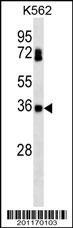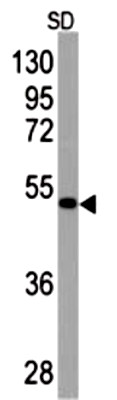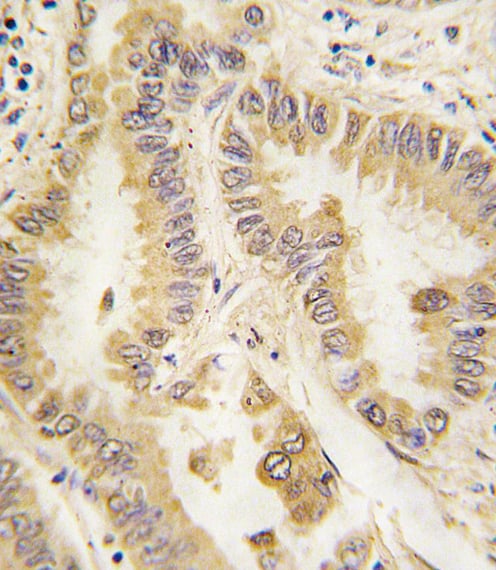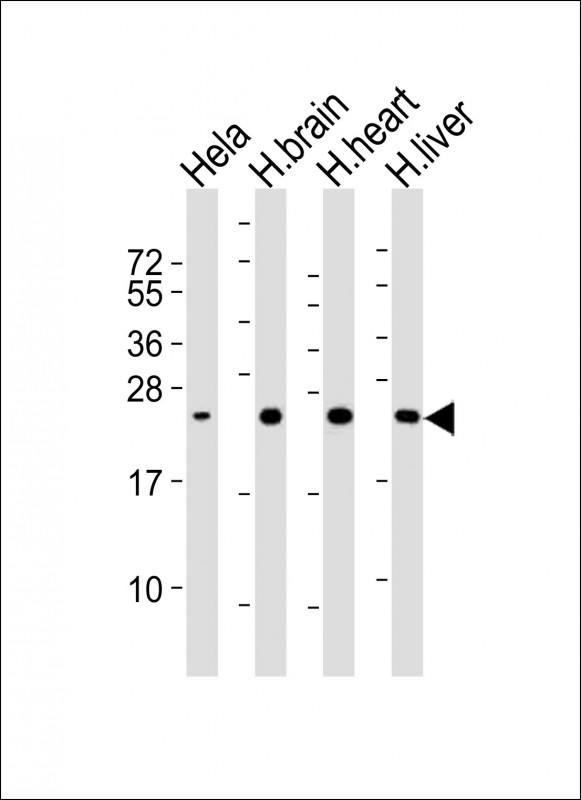
Get accurate results in your research with our Monoclonal Antibodies, which are specially made to target exactly what you require for your research, and will produce consistent, reliable performance in lab tests.
IP (Immunoprecipitation) (Immunoprecipitating TUBB in Hela whole cell lysateLane 1: Mouse control IgG instead in Hela whole cell lysate.Lane 2: (2ug) + Hela whole cell lysate (500ug)Lane 3: Hela whole cell lysate (5ug)For western blotting, the blot was detected at 1:2000, and a HRP-conjugated Protein G antibody was used as the secondary antibody at 1:5000)
FCM (Flow Cytometry) (Overlay Peak curve showing NIH/3T3 cells stained (red line) at 1:200. The cells were fixed in 4% formaldehyde and permeated by 0.2% TritonX-100. Then 10% normal goat serum was Incubated to block non-specific protein-protein interactions followed by the antibody (1ug/1*10^6cells) for 1 h at 4°C. The secondary antibody used was FITC-conjugated Goat Anti-Mouse IgG(H+L) at 1/100 dilution for 30min at 4°C. Isotype control antibody (green line) was mouse IgG2b (1ug/1*10^6cells) used under the same conditions. Acquisition of >10,000 events was performed.)
FCM (Flow Cytometry) (Overlay Peak curve showing MCF-7 cells stained (red line) at 1:200. The cells were fixed in 4% formaldehyde and permeated by 0.2% TritonX-100. Then 10% normal goat serum was Incubated to block non-specific protein-protein interactions followed by the antibody (1ug/1*10^6cells) for 1 h at 4°C. The secondary antibody used was FITC-conjugated Goat Anti-Mouse IgG(H+L) at 1/100 dilution for 30min at 4°C. Isotype control antibody (green line) was mouse IgG2b (1ug/1*10^6cells) used under the same conditions. Acquisition of >10,000 events was performed.)
FCM (Flow Cytometry) (Overlay Peak curve showing HepG2 cells stained (red line) at 1:200. The cells were fixed in 4% formaldehyde and permeated by 0.2% TritonX-100. Then 10% normal goat serum was Incubated to block non-specific protein-protein interactions followed by the antibody (1ug/1*10^6cells) for 1 h at 4°C. The secondary antibody used was FITC-conjugated Goat Anti-Mouse IgG(H+L) at 1/100 dilution for 30min at 4°C. Isotype control antibody (green line) was mouse IgG2b (1ug/1*10^6cells) used under the same conditions. Acquisition of >10,000 events was performed.)
FCM (Flow Cytometry) (Overlay Peak curve showing A549 cells stained (red line) at 1:200. The cells were fixed in 4% formaldehyde and permeated by 0.2% TritonX-100. Then 10% normal goat serum was Incubated to block non-specific protein-protein interactions followed by the antibody (1ug/1*10^6cells) for 1 h at 4°C. The secondary antibody used was FITC-conjugated Goat Anti-Mouse IgG(H+L) at 1/100 dilution for 30min at 4°C. Isotype control antibody (green line) was mouse IgG2b (1ug/1*10^6cells) used under the same conditions. Acquisition of >10,000 events was performed.)
IF (Immunofluorescence) (Immunofluorescence staining of HepG2 cells at 1:100, counter-stained with DAPI. The cells were fixed in 4% formaldehyde, permeated by 0.2% TritonX-100, and blocked in 10% normal Goat Serum. The cells were then incubated with the antibody overnight at 4°C. Nuclear DNA was labeled in blue with DAPI. The secondary antibody was FITC-conjugated AffiniPure Goat Anti-Mouse IgG(H+L).)
IF (Immunofluorescence) (Immunofluorescence staining of Hela cells at 1:100, counter-stained with DAPI. The cells were fixed in 4% formaldehyde, permeated by 0.2% TritonX-100, and blocked in 10% normal Goat Serum. The cells were then incubated with the antibody overnight at 4°C. Nuclear DNA was labeled in blue with DAPI. The secondary antibody was FITC-conjugated AffiniPure Goat Anti-Mouse IgG(H+L).)
IF (Immunofluorescence) (Immunofluorescence staining of A549 cells at 1:100, counter-stained with DAPI. The cells were fixed in 4% formaldehyde, permeated by 0.2% TritonX-100, and blocked in 10% normal Goat Serum. The cells were then incubated with the antibody overnight at 4°C. Nuclear DNA was labeled in blue with DAPI. The secondary antibody was FITC-conjugated AffiniPure Goat Anti-Mouse IgG(H+L).)
IF (Immunofluorescence) (Immunofluorescence staining of NIH/3T3 cells at 1:100, counter-stained with DAPI. The cells were fixed in 4% formaldehyde, permeated by 0.2% TritonX-100, and blocked in 10% normal Goat Serum. The cells were then incubated with the antibody overnight at 4°C. Nuclear DNA was labeled in blue with DAPI. The secondary antibody was FITC-conjugated AffiniPure Goat Anti-Mouse IgG(H+L).)
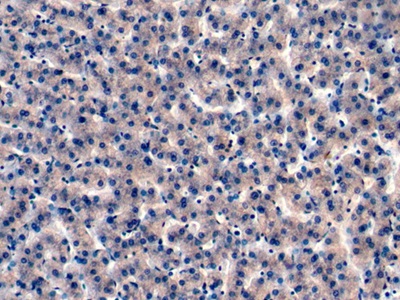
IHC (Immunohistochemistry) (IHC image diluted at 1:200 and staining in paraffin-embedded human kidney tissue performed on a Leica BondTM system. After dewaxing and hydration, antigen retrieval was mediated by high pressure in a citrate buffer (pH 6.0). Section was blocked with 10% normal goat serum 30min at 37°C Then primary antibody (1% BSA) was incubated at 4°C overnight. The primary is detected by a Goat anti-Mouse IgG labeled by HRP and visualized using 0.05% DAB.)
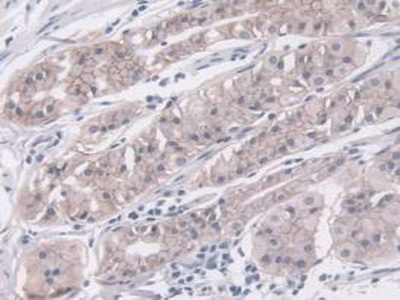
IHC (Immunohistochemistry) (IHC image diluted at 1:200 and staining in paraffin-embedded human breast cancer performed on a Leica BondTM system. After dewaxing and hydration, antigen retrieval was mediated by high pressure in a citrate buffer (pH 6.0). Section was blocked with 10% normal goat serum 30min at 37°C Then primary antibody (1% BSA) was incubated at 4°C overnight. The primary is detected by a Goat anti-Mouse IgG labeled by HRP and visualized using 0.05% DAB.)
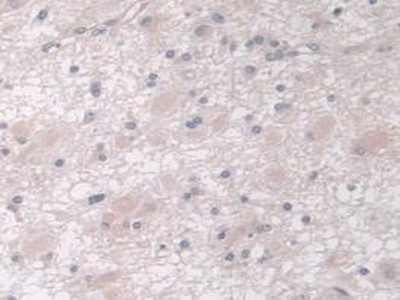
IHC (Immunohistchemistry) (IHC image diluted at 1:200 and staining in paraffin-embedded human brain tissue performed on a Leica BondTM system. After dewaxing and hydration, antigen retrieval was mediated by high pressure in a citrate buffer (pH 6.0). Section was blocked with 10% normal goat serum 30min at 37°C Then primary antibody (1% BSA) was incubated at 4°C overnight. The primary is detected by a Goat anti-Mouse IgG labeled by HRP and visualized using 0.05% DAB.)
IHC (Immunohistochemistry) (IHC image diluted at 1:200 and staining in paraffin-embedded human colon cancer performed on a Leica BondTM system. After dewaxing and hydration, antigen retrieval was mediated by high pressure in a citrate buffer (pH 6.0). Section was blocked with 10% normal goat serum 30min at 37°C Then primary antibody (1% BSA) was incubated at 4°C overnight. The primary is detected by a Goat anti-Mouse IgG labeled by HRP and visualized using 0.05% DAB.)
IHC (Immunohistochemistry) (IHC image diluted at 1:200 and staining in paraffin-embedded human lung cancer performed on a Leica BondTM system. After dewaxing and hydration, antigen retrieval was mediated by high pressure in a citrate buffer (pH 6.0). Section was blocked with 10% normal goat serum 30min at 37°C Then primary antibody (1% BSA) was incubated at 4°C overnight. The primary is detected by a Goat anti-Mouse IgG labeled by HRP and visualized using 0.05% DAB.)
WB (Western Blot) (Western Blot Positive WB detected in: Hela whole cell lysate at 20?g, 10?g, 5?g, 2.5?g, 1.25?g, 0.625?g, 0.3125?g All lanes:TUBB antibody at 1:5000SecondaryGoat polyclonal to mouse IgG at 1/50000 dilutionPredicted band size: 55 KDaObserved band size: 55 KDaExposure time:5min)
WB (Western Blot) (Western Blot Positive WB detected in: 20?g hela whole cell lysate TUBB antibody at 1:5000, 1:10000, 1:20000, 1:40000, 1:80000, 1:160000, 1:320000, 1:640000SecondaryGoat polyclonal to mouse IgG at 1/50000 dilutionPredicted band size: 55 KDaObserved band size: 55 KDaExposure time:5min)
WB (Western Blot) (Western Blot Positive WB detected in: Mouse heart tissue, Rabbit heart tissue, Rabbit liver tissue, Rabbit lung tissue, Rabbit kidney tissue, Rabbit spleen tissueAll lanes TUBB antibody at 1:5000SecondaryGoat polyclonal to mouse IgG at 1/50000 dilutionPredicted band size: 55 KDaObserved band size: 55 KDaExposure time:5min)
WB (Western Blot) (Western Blot Positive WB detected in: Rat heart tissue ,Rat liver tissue, Mouse heart tissue, Mouse liver tissue, Rat brain tissue, Mouse brain tissue, Raw264.7 whole cell lysate, A375 whole cell lysateAll lanes TUBB antibody at 1:5000SecondaryGoat polyclonal to mouse IgG at 1/50000 dilutionPredicted band size: 55 KDaObserved band size: 55 KDaExposure time:5min)
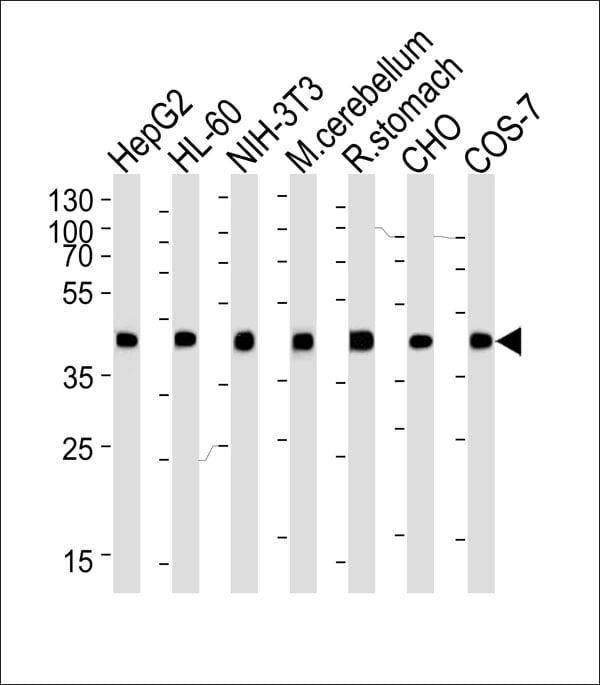
WB (Western Blot) (Western Blot Positive WB detected in: 293 whole cell lysate, HepG2 whole cell lysate, MCF-7 whole cell lysate, Hela whole cell lysate , Rat kidney tissue , Rat stomach tissueAll lanes TUBB antibody at 1:5000SecondaryGoat polyclonal to mouse IgG at 1/50000 dilutionPredicted band size: 55 KDaObserved band size: 55 KDaExposure time:5min)
WB (Western Blot) (Western Blot Positive WB detected in: 293 whole cell lysate, A549 whole cell lysate, Hela whole cell lysate, MCF-7 whole cell lysateAll lanes TUBB antibody at 1:5000SecondaryGoat polyclonal to mouse IgG at 1/50000 dilutionPredicted band size: 55 KDaObserved band size: 55 KDaExposure time:5s)
Application Data (Figure 1. Competition flow cytometry assay demonstrating Rabbit anti-RBD monoclonal antibody ( clone: DM26) blockade of SARS-CoV-2 (COVID-19) S protein RBD (1ug/ml, [getskuurl sku=PME100497 binding to Expi 293 cell line transfected with human ACE2. IC50=1717ng/ml. The Y-axis represents the geometric mean fluorescence intensity (MFI) while the X-axis represents the concentration of IgG used.)
FCM (Flow Cytometry) (Flow Cytometry detection of FOLR1 in MCF-7 human cell line using AAA14691. MCF-7 human breast cancer cell line was stained with AAA14691 (filled histogram) or isotype control antibody (open histogram), followed byPhycoerythrin-conjugated Anti-MouseIgG Secondary Antibody.)
Application Data (Detection of FOLR1 in MCF-7 human cell line. FOLR1 was detected in immersion fixed MCF-7 human breast cancer cell line using AAA14691 (10ug/ml) for 3 hours at RT. Cells were stained with the DayLights 557-conjugated Anti-Mouse IgG Secondary Antibody (red) and)
WB (Western Blot) (Western Blot detection of human FOLR1 using AAA14691. Lysates were prepared from Hela cells in non-reducing sample buffer, resolved by SDS-PAGE (30ug total protein/lane), and transferred to an Immobilon-P membrane. The blot was developed with AAA14691 (2ug/ml) and chemiluminescent detection substrate.)
WB (Western Blot) (Raji cells were subjected to SDS PAGE followed by western blot with AAA27490 (IL22RA2 Antibody) at dilution of 1:1000)
IHC (Immunohistochemistry) (Immunohistochemistry of paraffin-embedded human small intestine tissue slide using AAA27490 (IL22RA2 Antibody) at dilution of 1:50)
IP (Immunoprecipitation) (Immunoprecipitation analysis using Mouse Anti-VPS35 Monoclonal Antibody, Clone 5A9. Tissue: embryonic fibroblast. Species: Mouse. Primary Antibody: Mouse Anti-VPS35 Monoclonal Antibody. Three amounts of (3, 1 and 0.3 ug) were non-covalently coupled to 10uL of A/G sepharose beads for 1 hour at 4 degree C and next incubated with 250ug of MEF lysate for 2 hours at 4 degree C.)
IP (Immunoprecipitation) (Immunoprecipitation analysis using Mouse Anti-VPS35 Monoclonal Antibody, Clone 5A9. Tissue: A549 cells. Species: Human. Primary Antibody: Mouse Anti-VPS35 Monoclonal Antibody. Three amounts of (3, 1 and 0.3 ug) were non-covalently coupled to 10uL of A/G sepharose beads for 1 hour at 4 degree C and next incubated with 250ug of A549 lysate for 2 hours at 4 degree C.)
WB (Western Blot) (Western Blot analysis of Human SH-SY5Y showing detection of VPS35 protein using Mouse Anti-VPS35 Monoclonal Antibody, Clone 5A9. Lane 1: Molecular Weight Ladder. Lane 2: SH-SY5Y (10 ug). Load: 10 ug. Block: 5% Skim Milk powder in TBST. Primary Antibody: Mouse Anti-VPS35 Monoclonal Antibody at 1:1000 for 2 hours at RT with shaking. Secondary Antibody: Goat anti-mouse IgG:HRP at 1:4000 for 1 hour at RT with shaking. Color Development: Chemiluminescent for HRP (Moss) for 5 min in RT.)
WB (Western Blot) (Western Blot analysis of Human, Mouse A549, MEF showing detection of VPS35 protein using Mouse Anti-VPS35 Monoclonal Antibody, Clone 5A9. Lane 1: Molecular Weight Ladder. Lane 2: VPS35 KO A549 cells. Lane 3: mouse embryonic fibroblast cells.. Load: 8 ug each A549 and MEF. Primary Antibody: Mouse Anti-VPS35 Monoclonal Antibody at 1:5 (tissue culture supernatant). Secondary Antibody: Donkey anti-mouse IRDye 800CW at 1:25000 in TBS-T.)
IP (Immunoprecipitation) (Co-Immunoprecipitation analysis of known interactors of VPS35 using Mouse Anti-VPS35 Monoclonal Antibody, Clone 5A9. Tissue: A549 cells. Species: Human. Primary Antibody: Mouse Anti-VPS35 Monoclonal Antibody.)
IP (Immunoprecipitation) (Immunoprecipitation analysis using Mouse Anti-VPS35 Monoclonal Antibody, Clone 5A9. Tissue: A549 cells. Species: Human. Primary Antibody: Mouse Anti-VPS35 Monoclonal Antibody. 500 uL cell culture supernatants were incubated with 10 uL of Protein A/G resin beads for 1 hour at 4 degree C. clone 5A9 depletes VPS35 from the A549 cell extract..)
ICC (Immunocytochemistry) (Immunocytochemistry/Immunofluorescence analysis using Mouse Anti-VPS35 Monoclonal Antibody, Clone 5A9. Tissue: A549 cells. Species: Human. Primary Antibody: Mouse Anti-VPS35 Monoclonal Antibody at 1:5 (tissue culture supernatant). Secondary Antibody: Donkey anti-mouse: Alexa Fluor 594 at 1:4000 in 0.2% BSA PBS. Counterstain: DAPI. Localization: Vesicles. A) VPS35 KO A549 cells B) WT A549 cells. Courtesy of: Dario Alessi Lab, University of Dundee.)
IP (Immunoprecipitation) (Immunoprecipitation analysis using Mouse Anti-VPS35 Monoclonal Antibody, Clone 11H10. Tissue: embryonic fibroblast. Species: Mouse. Primary Antibody: Mouse Anti-VPS35 Monoclonal Antibody. Three amounts of (3, 1 and 0.3 ug) were non-covalently coupled to 10uL of A/G sepharose beads for 1 hour at 4 degree C and next incubated with 250ug of MEF lysate for 2 hours at 4 degree C.)
IP (Immunoprecipitation) (Immunoprecipitation analysis using Mouse Anti-VPS35 Monoclonal Antibody, Clone 11H10. Tissue: A549 cells. Species: Human. Primary Antibody: Mouse Anti-VPS35 Monoclonal Antibody. Three amounts of (3, 1 and 0.3 ug) were non-covalently coupled to 10uL of A/G sepharose beads for 1 hour at 4 degree C and next incubated with 250ug of A549 lysate for 2 hours at 4 degree C.)
WB (Western Blot) (Western Blot analysis of Human SH-SY5Y showing detection of VPS35 protein using Mouse Anti-VPS35 Monoclonal Antibody, Clone 11H10. Lane 1: Molecular Weight Ladder. Lane 2: SH-SY5Y (10 ug). Load: 10 ug. Block: 5% Skim Milk powder in TBST. Primary Antibody: Mouse Anti-VPS35 Monoclonal Antibody at 1:1000 for 2 hours at RT with shaking. Secondary Antibody: Goat anti-mouse IgG:HRP at 1:4000 for 1 hour at RT with shaking. Color Development: Chemiluminescent for HRP (Moss) for 5 min in RT.)
WB (Western Blot) (Western Blot analysis of Human, Mouse A549, MEF showing detection of VPS35 protein using Mouse Anti-VPS35 Monoclonal Antibody, Clone 11H10. Lane 1: Molecular Weight Ladder. Lane 2: VPS35 KO A549 cells. Lane 3: mouse embryonic fibroblast cells.. Load: 8 ug each A549 and MEF. Primary Antibody: Mouse Anti-VPS35 Monoclonal Antibody at 1:5 (tissue culture supernatant). Secondary Antibody: Donkey anti-mouse IRDye 800CW at 1:25000 in TBS-T.)
IP (Immunoprecipitation) (Co-Immunoprecipitation analysis of known interactors of VPS35 using Mouse Anti-VPS35 Monoclonal Antibody, Clone 11H10. Tissue: A549 cells. Species: Human. Primary Antibody: Mouse Anti-VPS35 Monoclonal Antibody.)
IP (Immunoprecipitation) (Immunoprecipitation analysis using Mouse Anti-VPS35 Monoclonal Antibody, Clone 11H10. Tissue: A549 cells. Species: Human. Primary Antibody: Mouse Anti-VPS35 Monoclonal Antibody. 500 uL cell culture supernatants were incubated with 10 uL of Protein A/G resin beads for 1 hour at 4 degree C. clone 11H10 depletes VPS35 from the A549 cell extract..)
FCM (Flow Cytometry) (Flow cytometric analysis of K562 cells with CD86 antibody at 1/50 dilution (blue) compared with an unlabelled control (cells without incubation with primary antibody; red). Alexa Fluor 488-conjugated goat anti rabbit IgG was used as the secondary antibody.)
ICC (Immunocytochemistry) (ICC staining CD86 in JAR cells (green). The nuclear counter stain is DAPI (blue). Cells were fixed in paraformaldehyde, permeabilised with 0.25% Triton X100/PBS.)
ICC (Immunocytochemistry) (ICC staining CD86 in HUVEC cells (green). The nuclear counter stain is DAPI (blue). Cells were fixed in paraformaldehyde, permeabilised with 0.25% Triton X100/PBS.)
ICC (Immunocytochemistry) (ICC staining CD86 in Hela cells (green). The nuclear counter stain is DAPI (blue). Cells were fixed in paraformaldehyde, permeabilised with 0.25% Triton X100/PBS.)
IHC (Immunohistochemistry) (Immunohistochemical analysis of paraffin-embedded human tonsil tissue using anti-CD86 antibody. Counter stained with hematoxylin.)
WB (Western Blot) (Western blot analysis of CD86 on different lysates using anti-CD86 antibody at 1/1, 000 dilution. Positive control: Lane 1: Raji Lane 2: Jurkat)
ICC (Immunocytochemistry) (Confocal imaging of NIH/3T3 cells using Ki67 Rabbit PolymAb® (AAA28581, dilution 1:4000) followed by a further incubation with Cy3 Goat Anti-Rabbit IgG (H+L) (AS007, dilution 1:500) (Red). The cells were counterstained with ?-Tubulin Mouse mAb (AC012, dilution 1:400) followed by incubation with ABflo® 488-conjugated Goat Anti-Mouse IgG (H+L) Ab (AS076, dilution 1:500) (Green). DAPI was used for nuclear staining (Blue). Objective: 100x.)
ICC (Immunocytochemistry) (Confocal imaging of RAW 264.7 cells using Ki67 Rabbit PolymAb® (AAA28581, dilution 1:800) followed by a further incubation with Cy3 Goat Anti-Rabbit IgG (H+L) (AS007, dilution 1:500) (Red). DAPI was used for nuclear staining (Blue). Objective: 100x.)
ICC (Immunocytochemistry) (Confocal imaging of paraffin-embedded Mouse spleen tissue using Ki67 Rabbit PolymAb® (AAA28581, dilution 1:4000) followed by a further incubation with Cy3 Goat Anti-Rabbit IgG (H+L) (AS007, dilution 1:500) (Red). DAPI was used for nuclear staining (Blue). High pressure antigen retrieval performed with 0.01M Citrate Buffer (pH 6.0) prior to IF staining. Objective: 40x.)
ICC (Immunocytochemistry) (Confocal imaging of paraffin-embedded Rat spleen tissue using Ki67 Rabbit PolymAb® (AAA28581, dilution 1:4000) followed by a further incubation with Cy3 Goat Anti-Rabbit IgG (H+L) (AS007, dilution 1:500) (Red). DAPI was used for nuclear staining (Blue). High pressure antigen retrieval performed with 0.01M Citrate Buffer (pH 6.0) prior to IF staining. Objective: 40x.)
IHC (Immunohistochemistry) (Immunohistochemistry analysis of paraffin-embedded Rat spleen tissue using Ki67 Rabbit PolymAb® (AAA28581) at a dilution of 1:10000 (40x lens). High pressure antigen retrieval performed with 0.01M Tris-EDTA Buffer(pH 9.0) prior to IHC staining.)
IHC (Immunohistochemistry) (Immunohistochemistry analysis of paraffin-embedded Mouse testis tissue using Ki67 Rabbit PolymAb® (AAA28581) at a dilution of 1:10000 (40x lens). High pressure antigen retrieval performed with 0.01M Tris-EDTA Buffer(pH 9.0) prior to IHC staining.)
IHC (Immunohistochemistry) (Immunohistochemistry analysis of paraffin-embedded Mouse spleen tissue using Ki67 Rabbit PolymAb® (AAA28581) at a dilution of 1:10000 (40x lens). High pressure antigen retrieval performed with 0.01M Tris-EDTA Buffer(pH 9.0) prior to IHC staining.)
IHC (Immunohistochemistry) (Immunohistochemistry analysis of paraffin-embedded Mouse lung tissue using Ki67 Rabbit PolymAb® (AAA28581) at a dilution of 1:10000 (40x lens). High pressure antigen retrieval performed with 0.01M Tris-EDTA Buffer(pH 9.0) prior to IHC staining.)
WB (Western Blot) (Western blot analysis of lysates from RAW 264.7 cells using Ki67 Rabbit PolymAb® (AAA28581) at 1:2000 dilution incubated overnight at 4?.Secondary antibody: HRP-conjugated Goat anti-Rabbit IgG (H+L) (AS014) at 1:10000 dilution.Lysates/proteins: 25 ug per lane.Blocking buffer: 3% nonfat dry milk in TBST.Detection: ECL Basic Kit (RM00020).Exposure time: 5s.)
FCM (Flow Cytometry) (Flow cytometry:1X10^6 Jurkat cells (negative control,left) and HepG2 cells (right) were surface-stained with CD13/ANPEP Rabbit mAb(AAA28547, 2.5 ug/mL,orange line) or Rabbit IgG isotype control (AC042, 10 ug/mL,blue line),followed by Alexa Fluor 647 conjugated goat anti-mouse pAb(1:600 dilution) staining. Non-fluorescently stained cells were used as blank control (red line).)
IHC (Immunohistchemistry) (Immunohistochemistry analysis of paraffin-embedded Human endometrial stromal sarcoma using CD13/ANPEP Rabbit mAb (AAA28547) at dilution of 1:400 (40x lens). High pressure antigen retrieval performed with 0.01M Tris/EDTA Buffer (pH 9.0) prior to IHC staining.)
IHC (Immunohistochemistry) (Immunohistochemistry analysis of paraffin-embedded Human placenta using CD13/ANPEP Rabbit mAb (AAA28547) at dilution of 1:400 (40x lens). High pressure antigen retrieval performed with 0.01M Tris/EDTA Buffer (pH 9.0) prior to IHC staining.)
IHC (Immunohistochemistry) (Immunohistochemistry analysis of paraffin-embedded Human extranodal NK-T cell lymphoma using CD13/ANPEP Rabbit mAb (AAA28547) at dilution of 1:400 (40x lens). High pressure antigen retrieval performed with 0.01M Tris/EDTA Buffer (pH 9.0) prior to IHC staining.)
IHC (Immunohistchemistry) (Immunohistochemistry analysis of paraffin-embedded Human endometrium cancer using CD13/ANPEP Rabbit mAb (AAA28547) at dilution of 1:400 (40x lens). High pressure antigen retrieval performed with 0.01M Tris/EDTA Buffer (pH 9.0) prior to IHC staining.)
IHC (Immunohistochemistry) (Immunohistochemistry analysis of paraffin-embedded Human colon carcinoma using CD13/ANPEP Rabbit mAb (AAA28547) at dilution of 1:400 (40x lens). High pressure antigen retrieval performed with 0.01M Tris/EDTA Buffer (pH 9.0) prior to IHC staining.)
IHC (Immunohistochemistry) (Immunohistochemistry analysis of paraffin-embedded Human cervical squamous cell carcinoma using CD13/ANPEP Rabbit mAb (AAA28547) at dilution of 1:400 (40x lens). High pressure antigen retrieval performed with 0.01M Tris/EDTA Buffer (pH 9.0) prior to IHC staining.)
IHC (Immunohistochemistry) (Immunohistochemistry analysis of paraffin-embedded Human breast using CD13/ANPEP Rabbit mAb (AAA28547) at dilution of 1:400 (40x lens). High pressure antigen retrieval performed with 0.01M Tris/EDTA Buffer (pH 9.0) prior to IHC staining.)
IHC (Immunohistochemistry) (Immunohistochemistry analysis of paraffin-embedded Human breast cancer using CD13/ANPEP Rabbit mAb (AAA28547) at dilution of 1:400 (40x lens). High pressure antigen retrieval performed with 0.01M Tris/EDTA Buffer (pH 9.0) prior to IHC staining.)
WB (Western Blot) (Western blot analysis of various lysates using CD13/ANPEP Rabbit mAb (AAA28547) at1:40000 dilution.Secondary antibody: HRP-conjugated Goat anti-Rabbit IgG (H+L) (AS014) at 1:10000 dilution.Lysates/proteins: 25ug per lane.Blocking buffer: 3% nonfat dry milk in TBST.Detection: ECL Basic Kit (RM00020).Exposure time: 90s.)
ICC (Immunocytochemistry) (Confocal imaging of paraffin-embedded Mouse colon tissue using GOLPH2 Rabbit PolymAb® (AAA28576, dilution 1:2000) followed by a further incubation with Cy3 Goat Anti-Rabbit IgG (H+L) (AS007, dilution 1:500) (Red). DAPI was used for nuclear staining (Blue). High pressure antigen retrieval performed with 0.01M Citrate Buffer (pH 6.0) prior to IF staining. Objective: 40x.)
ICC (Immunocytochemistry) (Confocal imaging of A-431 cells using GOLPH2 Rabbit PolymAb® (AAA28576, dilution 1:2000) followed by a further incubation with Cy3 Goat Anti-Rabbit IgG (H+L) (AS007, dilution 1:500) (Red). The cells were counterstained with ?-Tubulin Mouse mAb (AC012, dilution 1:400) followed by incubation with ABflo® 488-conjugated Goat Anti-Mouse IgG (H+L) Ab (AS076, dilution 1:500) (Green). DAPI was used for nuclear staining (Blue). Objective: 100x.)
ICC (Immunocytochemistry) (Confocal imaging of HeLa cells using GOLPH2 Rabbit PolymAb® (AAA28576, dilution 1:2000) followed by a further incubation with Cy3 Goat Anti-Rabbit IgG (H+L) (AS007, dilution 1:500) (Red). The cells were counterstained with ?-Tubulin Mouse mAb (AC012, dilution 1:400) followed by incubation with ABflo® 488-conjugated Goat Anti-Mouse IgG (H+L) Ab (AS076, dilution 1:500) (Green). DAPI was used for nuclear staining (Blue). Objective: 100x.)
IHC (Immunohistchemistry) (Immunohistochemistry analysis of paraffin-embedded Rat colon tissue using GOLPH2 Rabbit PolymAb® (AAA28576) at a dilution of 1:8000 (40x lens). High pressure antigen retrieval performed with 0.01M Tris-EDTA Buffer(pH 9.0) prior to IHC staining.)
IHC (Immunohistochemistry) (Immunohistochemistry analysis of paraffin-embedded Mouse intestin tissue using GOLPH2 Rabbit PolymAb® (AAA28576) at a dilution of 1:8000 (40x lens). High pressure antigen retrieval performed with 0.01M Tris-EDTA Buffer(pH 9.0) prior to IHC staining.)
IHC (Immunohistochemistry) (Immunohistochemistry analysis of paraffin-embedded Human kidney tissue using GOLPH2 Rabbit PolymAb® (AAA28576) at a dilution of 1:8000 (40x lens). High pressure antigen retrieval performed with 0.01M Tris-EDTA Buffer(pH 9.0) prior to IHC staining.)
IHC (Immunohistochemistry) (Immunohistochemistry analysis of paraffin-embedded Human colon tissue using GOLPH2 Rabbit PolymAb® (AAA28576) at a dilution of 1:8000 (40x lens). High pressure antigen retrieval performed with 0.01M Tris-EDTA Buffer(pH 9.0) prior to IHC staining.)
IHC (Immunohistochemistry) (Immunohistochemistry analysis of paraffin-embedded Human colon carcinoma tissue using GOLPH2 Rabbit PolymAb® (AAA28576) at a dilution of 1:8000 (40x lens). High pressure antigen retrieval performed with 0.01M Tris-EDTA Buffer(pH 9.0) prior to IHC staining.)
WB (Western Blot) (Western blot analysis of various lysates using GOLPH2 Rabbit PolymAb® (AAA28576) at 1:3000 dilution incubated overnight at 4?.Secondary antibody: HRP-conjugated Goat anti-Rabbit IgG (H+L) (AS014) at 1:10000 dilution.Lysates/proteins: 25 ug per lane.Blocking buffer: 3% nonfat dry milk in TBST.Detection: ECL Basic Kit (RM00020).Exposure time: 60s.)
ICC (Immunocytochemistry) (Confocal imaging of Raji cells using CD22 Rabbit PolymAb® (AAA28580, dilution 1:2000) followed by a further incubation with Cy3 Goat Anti-Rabbit IgG (H+L) (AS007, dilution 1:500) (Red). DAPI was used for nuclear staining (Blue). Objective: 100x.)
ICC (Immunocytochemistry) (Confocal imaging of paraffin-embedded Mouse spleen tissue using CD22 Rabbit PolymAb® (AAA28580, dilution 1:2000) followed by a further incubation with Cy3 Goat Anti-Rabbit IgG (H+L) (AS007, dilution 1:500) (Red). DAPI was used for nuclear staining (Blue). High pressure antigen retrieval performed with 0.01M Citrate Buffer (pH 6.0) prior to IF staining. Objective: 40x.)
IHC (Immunohistochemistry) (Immunohistochemistry analysis of paraffin-embedded Human spleen tissue using CD22 Rabbit PolymAb® (AAA28580) at a dilution of 1:200 (40x lens). High pressure antigen retrieval performed with 0.01M Tris-EDTA Buffer(pH 9.0) prior to IHC staining.)
IHC (Immunohistochemistry) (Immunohistochemistry analysis of paraffin-embedded Mouse spleen tissue using CD22 Rabbit PolymAb® (AAA28580) at a dilution of 1:200 (40x lens). High pressure antigen retrieval performed with 0.01M Tris-EDTA Buffer(pH 9.0) prior to IHC staining.)
IHC (Immunohistochemistry) (Immunohistochemistry analysis of paraffin-embedded Human tonsil tissue using CD22 Rabbit PolymAb® (AAA28580) at a dilution of 1:200 (40x lens). High pressure antigen retrieval performed with 0.01M Tris-EDTA Buffer(pH 9.0) prior to IHC staining.)
WB (Western Blot) (Western blot analysis of various lysates using CD22 Rabbit PolymAb® (AAA28580)at 1:3000 dilution incubated overnight at 4?.Secondary antibody: HRP-conjugated Goat anti-Rabbit IgG (H+L) (AS014) at 1:10000 dilution.Lysates/proteins: 25 ug per lane.Blocking buffer: 3% nonfat dry milk in TBST.Detection: ECL Basic Kit (RM00020).Negative control (NC): NIH/3T3Exposure time: 45s.)
ICC (Immunocytochemistry) (Confocal imaging of paraffin-embedded Rat pancreas tissue using CTRL Rabbit mAb (AAA28523, dilution 1:100) followed by a further incubation with Cy3 Goat Anti-Rabbit IgG (H+L) (AS007, dilution 1:500) (Red). DAPI was used for nuclear staining (Blue). Objective: 40x. Perform high pressure antigen retrieval with 0.01 M citrate buffer (pH 6.0) prior to IF staining.)
ICC (Immunocytochemistry) (Confocal imaging of paraffin-embedded Mouse pancreas tissue using CTRL Rabbit mAb (AAA28523, dilution 1:100) followed by a further incubation with Cy3 Goat Anti-Rabbit IgG (H+L) (AS007, dilution 1:500) (Red). DAPI was used for nuclear staining (Blue). Objective: 40x. Perform high pressure antigen retrieval with 0.01 M citrate buffer (pH 6.0) prior to IF staining.)
ICC (Immunocytochemistry) (Confocal imaging of paraffin-embedded Human pancreas tissue using CTRL Rabbit mAb (AAA28523, dilution 1:100) followed by a further incubation with Cy3 Goat Anti-Rabbit IgG (H+L) (AS007, dilution 1:500) (Red). DAPI was used for nuclear staining (Blue). Objective: 40x. Perform high pressure antigen retrieval with 0.01 M citrate buffer (pH 6.0) prior to IF staining.)
IHC (Immunohistochemistry) (Immunohistochemistry analysis of paraffin-embedded Rat pancreas using CTRL Rabbit mAb (AAA28523) at dilution of 1:100 (40x lens). Microwave antigen retrieval performed with 0.01M Tris/EDTA Buffer (pH 9.0) prior to IHC staining.)
IHC (Immunohistochemistry) (Immunohistochemistry analysis of paraffin-embedded Mouse pancreas using CTRL Rabbit mAb (AAA28523) at dilution of 1:100 (40x lens). Microwave antigen retrieval performed with 0.01M Tris/EDTA Buffer (pH 9.0) prior to IHC staining.)
WB (Western Blot) (Western blot analysis of various lysates using CTRL Rabbit mAb (AAA28523) at 1:5000 dilution.Secondary antibody: HRP-conjugated Goat anti-Rabbit IgG (H+L) (AS014) at 1:10000 dilution.Lysates/proteins: 25ug per lane.Blocking buffer: 3% nonfat dry milk in TBST.Detection: ECL Basic Kit (RM00020).Exposure time: 1s.)
IHC (Immunohistochemistry) (Immunohistochemistry analysis of paraffin-embedded Human lung adenocarcinoma tissue using HSPA4 Rabbit mAb (AAA28527) at a dilution of 1:200 (40x lens). High pressure antigen retrieval was performed with 0.01 M citrate buffer (pH 6.0) prior to IHC staining.)
IHC (Immunohistchemistry) (Immunohistochemistry analysis of paraffin-embedded Mouse intestin tissue using HSPA4 Rabbit mAb (AAA28527) at a dilution of 1:200 (40x lens). High pressure antigen retrieval was performed with 0.01 M citrate buffer (pH 6.0) prior to IHC staining.)
IHC (Immunohistochemistry) (Immunohistochemistry analysis of paraffin-embedded Human thyroid cancer tissue using HSPA4 Rabbit mAb (AAA28527) at a dilution of 1:200 (40x lens). High pressure antigen retrieval was performed with 0.01 M citrate buffer (pH 6.0) prior to IHC staining.)
IHC (Immunohistochemistry) (Immunohistochemistry analysis of paraffin-embedded Mouse spinal cord using HSPA4 Rabbit mAb (AAA28527) at dilution of 1:100 (40x lens). Microwave antigen retrieval performed with 0.01M Tris/EDTA Buffer (pH 9.0) prior to IHC staining.)
IHC (Immunohistochemistry) (Immunohistochemistry analysis of paraffin-embedded Rat liver using HSPA4 Rabbit mAb (AAA28527) at dilution of 1:100 (40x lens). Microwave antigen retrieval performed with 0.01M Tris/EDTA Buffer (pH 9.0) prior to IHC staining.)
IHC (Immunohistochemistry) (Immunohistochemistry analysis of paraffin-embedded Human liver cancer using HSPA4 Rabbit mAb (AAA28527) at dilution of 1:100 (40x lens). Microwave antigen retrieval performed with 0.01M Tris/EDTA Buffer (pH 9.0) prior to IHC staining.)
WB (Western Blot) (Western blot analysis of various lysates using HSPA4 Rabbit mAb (AAA28527) at 1:1000 dilution.Secondary antibody: HRP-conjugated Goat anti-Rabbit IgG (H+L) (AS014) at 1:10000 dilution.Lysates/proteins: 25ug per lane.Blocking buffer: 3% nonfat dry milk in TBST.Detection: ECL Basic Kit (RM00020).Exposure time: 90s.)
IF (Immunofluorescence) (Immunofluorescent analysis of Jurkat cells, using CD3D Antibody.)
IF (Immunofluorescence) (Immunofluorescent analysis using the Antibody at 1:50 dilution.)
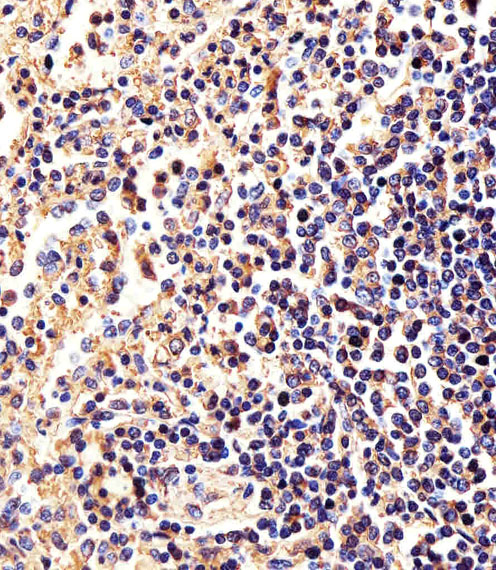
IHC (Immunohistochemistry) (Immunohistochemical analysis of paraffin-embedded human spleen, using CD3D Antibody.)
WB (Western Blot) (All lanes use the Antibody at 1:2K dilution for 1 hour at room temperature.)
FCM (Flow Cytometry) (Flow cytometric analysis of Raji cells with CD3D antibody at 1/50 dilution (red) compared with an unlabelled control (cells without incubation with primary antibody; black). Alexa Fluor 488-conjugated goat anti rabbit IgG was used as the secondary antibody.)
IP (Immunoprecipitation) (Immunoprecipitation analysis using Mouse Anti-VPS35 Monoclonal Antibody, Clone 10A8. Tissue: embryonic fibroblast. Species: Mouse. Primary Antibody: Mouse Anti-VPS35 Monoclonal Antibody. Three amounts of (3, 1 and 0.3 ug) were non-covalently coupled to 10uL of A/G sepharose beads for 1 hour at 4 degree C and next incubated with 250ug of MEF lysate for 2 hours at 4 degree C.)
IP (Immunoprecipitation) (Immunoprecipitation analysis using Mouse Anti-VPS35 Monoclonal Antibody, Clone 10A8. Tissue: A549 cells. Species: Human. Primary Antibody: Mouse Anti-VPS35 Monoclonal Antibody. Three amounts of (3, 1 and 0.3 ug) were non-covalently coupled to 10uL of A/G sepharose beads for 1 hour at 4 degree C and next incubated with 250ug of A549 lysate for 2 hours at 4 degree C.)
Application Data
WB (Western Blot) (Western Blot analysis of Human, Mouse A549, MEF showing detection of VPS35 protein using Mouse Anti-VPS35 Monoclonal Antibody, Clone 10A8. Lane 1: Molecular Weight Ladder. Lane 2: VPS35 KO A549 cells. Lane 3: mouse embryonic fibroblast cells.. Load: 8 ug each A549 and MEF. Primary Antibody: Mouse Anti-VPS35 Monoclonal Antibody at 1:5 (tissue culture supernatant). Secondary Antibody: Donkey anti-mouse IRDye 800CW at 1:25000 in TBS-T.)
IP (Immunoprecipitation) (Co-Immunoprecipitation analysis of known interactors of VPS35 using Mouse Anti-VPS35 Monoclonal Antibody, Clone 10A8. Tissue: A549 cells. Species: Human. Primary Antibody: Mouse Anti-VPS35 Monoclonal Antibody.)
IP (Immunoprecipitation) (Immunoprecipitation analysis using Mouse Anti-VPS35 Monoclonal Antibody, Clone 10A8. Tissue: A549 cells. Species: Human. Primary Antibody: Mouse Anti-VPS35 Monoclonal Antibody. 500 uL cell culture supernatants were incubated with 10 uL of Protein A/G resin beads for 1 hour at 4 degree C. clone 10A8 depletes VPS35 from the A549 cell extract..)
ICC (Immunocytochemistry) (Immunocytochemistry/Immunofluorescence analysis using Mouse Anti-VPS35 Monoclonal Antibody, Clone 10A8. Tissue: A549 cells. Species: Human. Primary Antibody: Mouse Anti-VPS35 Monoclonal Antibody at 1:5 (tissue culture supernatant). Secondary Antibody: Donkey anti-mouse: Alexa Fluor 594 at 1:4000 in 0.2% BSA PBS. Counterstain: DAPI. Localization: Vesicles. A) VPS35 KO A549 cells B) WT A549 cells. Courtesy of: Dario Alessi Lab, University of Dundee.)
WB (Western Blot) (Fig-1: Western blot analysis of Ebola GP II. Anti-Ebola GP II antibody (Clone: ABM4C78) was tested at 0.1 ug/ml partial length recombinant protein.)
WB (Western Blot) (Western Blot analysis for galactocerebroside in PC12 lysate. PC12 lysate was resolved by electrophoresis, transferred to PVDF membrane and probed with AAA14685 at 1:500 dilution. Proteins were visualized using a goat anti-mouse secondary antibody conjugated to HRP and a chemiluminescence detection system. Arrow indicates protein Galactocerebroside (~75kD).)
IF (Immunofluorescence) (Immunofluorescence analysis of PC-12 cells using [KO Validated] Fatty Acid Synthase (FASN) Rabbit PolymAb® (AAA28550) at dilution of 1:500 (40x lens). Secondary antibody: Cy3-conjugated Goat anti-Rabbit IgG (H+L) (AS007) at 1:500 dilution. Blue: DAPI for nuclear staining.)
IF (Immunofluorescence) (Immunofluorescence analysis of NIH/3T3 cells using [KO Validated] Fatty Acid Synthase (FASN) Rabbit PolymAb® (AAA28550) at dilution of 1:500 (40x lens). Secondary antibody: Cy3-conjugated Goat anti-Rabbit IgG (H+L) (AS007) at 1:500 dilution. Blue: DAPI for nuclear staining.)
IF (Immunofluorescence) (Immunofluorescence analysis of HepG2 cells using [KO Validated] Fatty Acid Synthase (FASN) Rabbit PolymAb® (AAA28550) at dilution of 1:500 (40x lens). Secondary antibody: Cy3-conjugated Goat anti-Rabbit IgG (H+L) (AS007) at 1:500 dilution. Blue: DAPI for nuclear staining.)
IF (Immunofluorescence) (Immunofluorescence analysis of HeLa cells using [KO Validated] Fatty Acid Synthase (FASN) Rabbit PolymAb® (AAA28550) at dilution of 1:500 (40x lens). Secondary antibody: Cy3-conjugated Goat anti-Rabbit IgG (H+L) (AS007) at 1:500 dilution. Blue: DAPI for nuclear staining.)
WB (Western Blot) (Western blot analysis of lysates from wild type(WT) and Fatty Acid Synthase (FASN) knockout (KO) HeLa cells, using [KO Validated] Fatty Acid Synthase (FASN) Rabbit PolymAb® (AAA28550) at 1:10000 dilution.Secondary antibody: HRP-conjugated Goat anti-Rabbit IgG (H+L) (AS014) at 1:10000 dilution.Lysates/proteins: 25ug per lane.Blocking buffer: 3% nonfat dry milk in TBST.Detection: ECL Basic Kit (RM00020).Exposure time: 30s.)
WB (Western Blot) (Western blot analysis of various lysates, using [KO Validated] Fatty Acid Synthase (FASN) Rabbit PolymAb® (FASN) antibody (AAA28550) at 1:10000 dilution.Secondary antibody: HRP-conjugated Goat anti-Rabbit IgG (H+L) (AS014) at 1:10000 dilution.Lysates/proteins: 25ug per lane.Blocking buffer: 3% nonfat dry milk in TBST.Detection: ECL Basic Kit (RM00020).Exposure time: 30s.)
ICC (Immunocytochemistry) (Confocal imaging of paraffin-embedded Rat liver tissue using CD324/E-Cadherin Rabbit PolymAb® (A24874-PM, dilution 1:200) followed by a further incubation with Cy3 Goat Anti-Rabbit IgG (H+L) (AS007, dilution 1:500) (Red). DAPI was used for nuclear staining (Blue). High pressure antigen retrieval performed with 0.01M Citrate Buffer (pH 6.0) prior to IF staining. Objective: 40x.)
ICC (Immunocytochemistry) (Confocal imaging of paraffin-embedded Rat colon tissue using CD324/E-Cadherin Rabbit PolymAb® (A24874-PM, dilution 1:200) followed by a further incubation with Cy3 Goat Anti-Rabbit IgG (H+L) (AS007, dilution 1:500) (Red). DAPI was used for nuclear staining (Blue). High pressure antigen retrieval performed with 0.01M Citrate Buffer (pH 6.0) prior to IF staining. Objective: 40x.)
ICC (Immunocytochemistry) (Confocal imaging of paraffin-embedded Mouse colon tissue using CD324/E-Cadherin Rabbit PolymAb® (A24874-PM, dilution 1:200) followed by a further incubation with Cy3 Goat Anti-Rabbit IgG (H+L) (AS007, dilution 1:500) (Red). DAPI was used for nuclear staining (Blue). High pressure antigen retrieval performed with 0.01M Citrate Buffer (pH 6.0) prior to IF staining. Objective: 40x.)
IHC (Immunohistochemistry) (Immunohistochemistry analysis of paraffin-embedded Rat kidney tissue using CD324/E-Cadherin Rabbit PolymAb® (AAA28570) at a dilution of 1:7000 (40x lens). High pressure antigen retrieval performed with 0.01M Tris-EDTA Buffer (pH 9.0) prior to IHC staining.)
IHC (Immunohistochemistry) (Immunohistochemistry analysis of paraffin-embedded Rat colon tissue using CD324/E-Cadherin Rabbit PolymAb® (AAA28570) at a dilution of 1:7000 (40x lens). High pressure antigen retrieval performed with 0.01M Tris-EDTA Buffer (pH 9.0) prior to IHC staining.)
IHC (Immunohistochemistry) (Immunohistochemistry analysis of paraffin-embedded Mouse kidney tissue using CD324/E-Cadherin Rabbit PolymAb® (AAA28570) at a dilution of 1:7000 (40x lens). High pressure antigen retrieval performed with 0.01M Tris-EDTA Buffer (pH 9.0) prior to IHC staining.)
IHC (Immunohistochemistry) (Immunohistochemistry analysis of paraffin-embedded Mouse liver tissue using CD324/E-Cadherin Rabbit PolymAb® (AAA28570) at a dilution of 1:7000 (40x lens). High pressure antigen retrieval performed with 0.01M Tris-EDTA Buffer (pH 9.0) prior to IHC staining.)
WB (Western Blot) (Western blot analysis of lysates from Rat liver using CD324/E-Cadherin Rabbit PolymAb® (AAA28570) at 1:1000 dilution incubated overnight at 4?.Secondary antibody: HRP-conjugated Goat anti-Rabbit IgG (H+L) (AS014) at 1:10000 dilution.Lysates/proteins: 25 ug per lane.Blocking buffer: 3% nonfat dry milk in TBST.Detection: ECL Basic Kit (RM00020).Exposure time: 20s.)
FCM (Flow Cytometry) (Flow cytometry analysis of Podoplanin in HeLa cells. The cell was stained with (AAA11728) at 2-5ug for 1x10^6cells (red). A Goat anti mouse IgG (Alexa fluor 488) was used as the secondary antibody. Mouse monoclonal IgG was used as the isotype control (dark gray), cells without incubation with primary and secondary antibody was used as the negative control (light gray).)
IF (Immunofluorescence) (ICC/IF analysis of PDPN in HaLe cells. The cell was stained with APD0833 (1:100). The secondary antibody (green) was used Alexa Fluor 488. DAPI was stained the cell nucleus (blue).)
FCM (Flow Cytometry) (Intracellular flow cytometric analysis of RIG-I in K562 Cell line using 0.5 ug/10^6 cells of Anti-RIGI antibody (ABM4H29). Green represent isotype control and red represent Anti-RIG I antibody (AAA14869). Goat anti-mouse PE conjugate was used as secondary.)
IHC (Immunohistochemistry) (Immunohistochemical analysis of RIG1/DDx58 in human Spleen Tissue using RIG1/DDx58 antibody (Clone: ABM4H29) at 15 ug/ml.)
IHC (Immunohistochemistry) (Immunohistochemical analysis of RIG1/DDx58 in human Colon Tissue using RIG1/DDx58 antibody (Clone: ABM4H29) at 15 ug/ml.)
WB (Western Blot) (Expression analysis of RIG1/DDx58. Anti-RIG1/DDx58 antibody (Clone: ABM4H29) was tested at 2 ug/ml on human kidney lysate.)
WB (Western Blot) (Figure-6: Western blot analysis of Caspase-8. Anti-Caspase-8 antibody (Clone: ABM14C1) was used at 4 ug/ml on EL-4 lysate.)
IHC (Immunohistochemistry) (Fig-5: Immunohistochemical analysis of Caspase-8 in human Tonsil using anti-Caspase-8 antibody (Clone: ABM14C1) at 5 ug/ml.)
IHC (Immunohistochemistry) (Fig-4: Immunohistochemical analysis of Caspase-8 in human Esophagus using anti-Caspase-8 antibody (Clone: ABM14C1) at 5 ug/ml.)
FCM (Flow Cytometry) (Fig-3: Intracellular Flow analysis of Caspase-8 antibody in Jurkat cells using 0.5 ug/ 10^6 cells of anti-Caspase-8 antibody (ABM14C1). Green represents isotype control; red represents anti-Caspase-8 antibody. Goat anti-mouse PE conjugate was used as secondary antibody. (Cells were fixed with 4% paraformaldehyde for 10 min and washed with PBS by centrifuging at 1100 for 5 min followed by permeabilization for 20 min and washed again as mentioned above. Then cell were incubated with primary antibody for 45 min. and after washing the cells twice in PBS, incubated with conjugated secondary antibody for 30 min. Data acquisition was done after washing twice with PBS as mentioned above).)
FCM (Flow Cytometry) (Fig-2: Intracellular Flow analysis of Caspase-8 antibody in Hela cells using 0.5 ug/ 10^6 cells of anti-Caspase-8 antibody (ABM14C1). Green represents isotype control; red represents anti-Caspase-8 antibody. Goat anti-mouse PE conjugate was used as secondary antibody. (Cells were fixed with 4% paraformaldehyde for 10 min and washed with PBS by centrifuging at 1100 for 5 min followed by permeabilization for 20 min and washed again as mentioned above. Then cell were incubated with primary antibody for 45 min. and after washing the cells twice in PBS, incubated with conjugated secondary antibody for 30 min. Data acquisition was done after washing twice with PBS as mentioned above).)
WB (Western Blot) (Fig-1: Western blot analysis of Caspase-8. Anti-Caspase-8 antibody (Clone: ABM14C1) was used at 2 ug/ml on Molt-4, Kato III and HepG2 lysates.)
IHC (Immunohistochemistry) (Figure-7: Immunohistochemical analysis of Trim29 in Uterus endometrial carcinoma tissue (20X) using Trim29 antibody (Clone: ABM43D2).)
IHC (Immunohistchemistry) (Figure-6: Immunohistochemical analysis of Trim29 in Hepatocellular carcinoma tissue (20X) using Trim29 antibody (Clone: ABM43D2).)
IHC (Immunohistochemistry) (Figure-5: Immunohistochemical analysis of Trim29 in Renal cell carcinoma tissue (20X) using Trim29 antibody (Clone: ABM43D2) .)
IHC (Immunohistochemistry) (Figure-4: Immunohistochemical analysis of Trim29 in Esophagus squamous cell carcinoma tissue (20X) using Trim29 antibody (Clone: ABM43D2).)
IHC (Immunohistochemistry) (Figure-3: Immunohistochemical analysis of Trim29 in human Lungs squamous cell carcinoma tissue (20X) using Trim29 antibody (Clone: ABM43D2).)
IHC (Immunohistochemistry) (Fig-2: Immunohistochemical analysis of Trim29 in human lung adenocarcinoma tissue using Trim29 antibody (Clone: ABM43D2) at 1 ug/ml.)
WB (Western Blot) (Fig-1: Western blot analysis of Trim29. Anti- Trim29 antibody (Clone: ABM43D2) was tested at 1 ug/ml Hela lysate.)
IHC (Immunohistochemistry) (Immunohistochemistry analysis of paraffin embedded rat thymus sections using AAA14692 at a 1:250 dilution and detected by Alexa-488, which appears fluorescent green. 8-oxo-dG is present in the cytoplasm and nucleus of most but not all cells. Sections were counter-stained with 7-Aminoactinomycin D (7AAD), which labels nuclear DNA. Images were captured at 40X magnification.)
IF (Immunofluorescence) (Immunofluorescence/Immunocytochemistry analysis analysis of MCF-10A cells using AAA14692 followed by AlexaFluor 488 conjugated anti-mouse antibody. A: H2O2 treated B: untreated)
IP (Immunoprecipitation) (Immunoprecipitation analysis using Mouse Anti-VPS35 Monoclonal Antibody, Clone 11H10. Tissue: embryonic fibroblast. Species: Mouse. Primary Antibody: Mouse Anti-VPS35 Monoclonal Antibody. Three amounts of (3, 1 and 0.3 ug) were non-covalently coupled to 10uL of A/G sepharose beads for 1 hour at 4 degree C and next incubated with 250ug of MEF lysate for 2 hours at 4 degree C.)
IP (Immunoprecipitation) (Immunoprecipitation analysis using Mouse Anti-VPS35 Monoclonal Antibody, Clone 11H10. Tissue: A549 cells. Species: Human. Primary Antibody: Mouse Anti-VPS35 Monoclonal Antibody. Three amounts of (3, 1 and 0.3 ug) were non-covalently coupled to 10uL of A/G sepharose beads for 1 hour at 4 degree C and next incubated with 250ug of A549 lysate for 2 hours at 4 degree C.)
WB (Western Blot) (Western Blot analysis of Human SH-SY5Y showing detection of VPS35 protein using Mouse Anti-VPS35 Monoclonal Antibody, Clone 11H10. Lane 1: Molecular Weight Ladder. Lane 2: SH-SY5Y (10 ug). Load: 10 ug. Block: 5% Skim Milk powder in TBST. Primary Antibody: Mouse Anti-VPS35 Monoclonal Antibody at 1:1000 for 2 hours at RT with shaking. Secondary Antibody: Goat anti-mouse IgG:HRP at 1:4000 for 1 hour at RT with shaking. Color Development: Chemiluminescent for HRP (Moss) for 5 min in RT.)
WB (Western Blot) (Western Blot analysis of Human, Mouse A549, MEF showing detection of VPS35 protein using Mouse Anti-VPS35 Monoclonal Antibody, Clone 11H10. Lane 1: Molecular Weight Ladder. Lane 2: VPS35 KO A549 cells. Lane 3: mouse embryonic fibroblast cells.. Load: 8 ug each A549 and MEF. Primary Antibody: Mouse Anti-VPS35 Monoclonal Antibody at 1:5 (tissue culture supernatant). Secondary Antibody: Donkey anti-mouse IRDye 800CW at 1:25000 in TBS-T.)
IP (Immunoprecipitation) (Co-Immunoprecipitation analysis of known interactors of VPS35 using Mouse Anti-VPS35 Monoclonal Antibody, Clone 11H10. Tissue: A549 cells. Species: Human. Primary Antibody: Mouse Anti-VPS35 Monoclonal Antibody.)
IP (Immunoprecipitation) (Immunoprecipitation analysis using Mouse Anti-VPS35 Monoclonal Antibody, Clone 11H10. Tissue: A549 cells. Species: Human. Primary Antibody: Mouse Anti-VPS35 Monoclonal Antibody. 500 uL cell culture supernatants were incubated with 10 uL of Protein A/G resin beads for 1 hour at 4 degree C. clone 11H10 depletes VPS35 from the A549 cell extract..)
IP (Immunoprecipitation) (Immunoprecipitation analysis using Mouse Anti-VPS35 Monoclonal Antibody, Clone 11H10. Tissue: embryonic fibroblast. Species: Mouse. Primary Antibody: Mouse Anti-VPS35 Monoclonal Antibody. Three amounts of (3, 1 and 0.3 ug) were non-covalently coupled to 10uL of A/G sepharose beads for 1 hour at 4 degree C and next incubated with 250ug of MEF lysate for 2 hours at 4 degree C.)
IP (Immunoprecipitation) (Immunoprecipitation analysis using Mouse Anti-VPS35 Monoclonal Antibody, Clone 11H10. Tissue: A549 cells. Species: Human. Primary Antibody: Mouse Anti-VPS35 Monoclonal Antibody. Three amounts of (3, 1 and 0.3 ug) were non-covalently coupled to 10uL of A/G sepharose beads for 1 hour at 4 degree C and next incubated with 250ug of A549 lysate for 2 hours at 4 degree C.)
WB (Western Blot) (Western Blot analysis of Human SH-SY5Y showing detection of VPS35 protein using Mouse Anti-VPS35 Monoclonal Antibody, Clone 11H10. Lane 1: Molecular Weight Ladder. Lane 2: SH-SY5Y (10 ug). Load: 10 ug. Block: 5% Skim Milk powder in TBST. Primary Antibody: Mouse Anti-VPS35 Monoclonal Antibody at 1:1000 for 2 hours at RT with shaking. Secondary Antibody: Goat anti-mouse IgG:HRP at 1:4000 for 1 hour at RT with shaking. Color Development: Chemiluminescent for HRP (Moss) for 5 min in RT.)
WB (Western Blot) (Western Blot analysis of Human, Mouse A549, MEF showing detection of VPS35 protein using Mouse Anti-VPS35 Monoclonal Antibody, Clone 11H10. Lane 1: Molecular Weight Ladder. Lane 2: VPS35 KO A549 cells. Lane 3: mouse embryonic fibroblast cells.. Load: 8 ug each A549 and MEF. Primary Antibody: Mouse Anti-VPS35 Monoclonal Antibody at 1:5 (tissue culture supernatant). Secondary Antibody: Donkey anti-mouse IRDye 800CW at 1:25000 in TBS-T.)
IP (Immunoprecipitation) (Co-Immunoprecipitation analysis of known interactors of VPS35 using Mouse Anti-VPS35 Monoclonal Antibody, Clone 11H10. Tissue: A549 cells. Species: Human. Primary Antibody: Mouse Anti-VPS35 Monoclonal Antibody.)
IP (Immunoprecipitation) (Immunoprecipitation analysis using Mouse Anti-VPS35 Monoclonal Antibody, Clone 11H10. Tissue: A549 cells. Species: Human. Primary Antibody: Mouse Anti-VPS35 Monoclonal Antibody. 500 uL cell culture supernatants were incubated with 10 uL of Protein A/G resin beads for 1 hour at 4 degree C. clone 11H10 depletes VPS35 from the A549 cell extract..)
FCM (Flow Cytometry) (Overlay Peak curve showing Hela cells stained with AAA28071 (red line) at 1:50. The cells were incubated in 10% normal goat serum to block non-specific protein-protein interactions followed by the antibody (1µg/1*106cells) for 1h at 4°C. The secondary antibody used was FITC-conjugated Goat Anti-Mouse IgG(H+L) at 1/100 dilution for 30min at 4°C. Isotype control antibody (green line) was mouse IgG1 (1µg/1*106cells) used under the same conditions. Acquisition of >10,000 events was performed.)
IF (Immunofluorescence) (Immunofluorescence staining of MCF7 cells with (AAA28071) at 1:50, counter-stained with DAPI. The cells were fixed in 4% formaldehyde, permeabilized using 0.2% Triton X-100 and blocked in 10% normal Goat Serum. The cells were then incubated with the antibody overnight at 4°C. Nuclear DNA was labeled in blue with DAPI. The secondary antibody was FITC-conjugated AffiniPure Goat Anti-Mouse IgG (H+L).)
IF (Immunofluorescence) (Immunofluorescence staining of Hela cells with (AAA28071) at 1:50, counter-stained with DAPI. The cells were fixed in 4% formaldehyde, permeabilized using 0.2% Triton X-100 and blocked in 10% normal Goat Serum. The cells were then incubated with the antibody overnight at 4°C. Nuclear DNA was labeled in blue with DAPI. The secondary antibody was FITC-conjugated AffiniPure Goat Anti-Mouse IgG (H+L).)
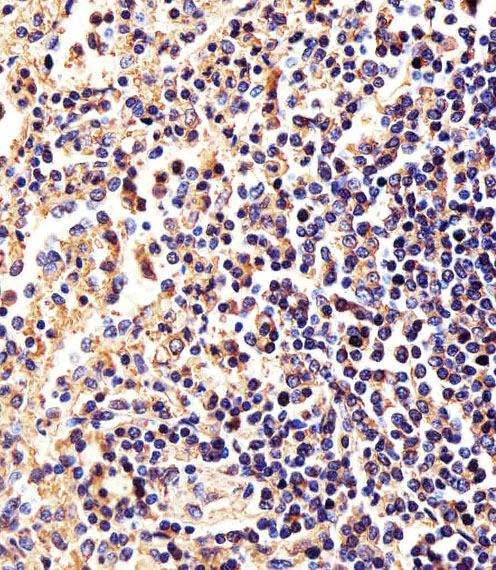
IHC (Immunohistochemistry) (IHC image of AAA28071 diluted at 1:50 and staining in paraffin-embedded human endometrial cance tissue performed on a Leica BondTM system. After dewaxing and hydration, antigen retrieval was mediated by high pressure in a citrate buffer (pH 6.0). Section was blocked with 10% normal goat serum 30min at RT. Then primary antibody (1% BSA) was incubated at 4°C overnight. The primary is detected by a biotinylated secondary antibody and visualized using an HRP conjugated SP system.)
IHC (Immunohistochemistry) (IHC image of AAA28071 diluted at 1:50 and staining in paraffin-embedded human prostate tissue performed on a Leica BondTM system. After dewaxing and hydration, antigen retrieval was mediated by high pressure in a citrate buffer (pH 6.0). Section was blocked with 10% normal goat serum 30min at RT. Then primary antibody (1% BSA) was incubated at 4°C overnight. The primary is detected by a biotinylated secondary antibody and visualized using an HRP conjugated SP system.)
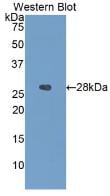
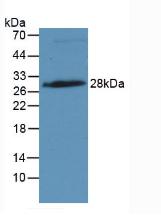
WB (Western Blot) (Western BlotPositive WB detected in: Hela whole cell lysate, MCF7 whole cell lysate, 293T whole cell lysate, JK whole cell lysate, HepG2 whole cell lysate, Raji whole cell lysate, U87 whole cell lysate All lanes: PRDX3 antibody at 1:1000SecondaryGoat polyclonal to mouse IgG at 1/50000 dilutionPredicted band size: 28 kDaObserved band size: 28 KDaExposure time?5min)
ChIP (Chromatin Immunoprecipitation) (Chromatin immunoprecipitation analysis of extracts of K562 cells, using TDP-43/TARDBP Rabbit mAb (AAA28493) and rabbit IgG.The amount of immunoprecipitated DNA was checked by quantitative PCR. Histogram was constructed by the ratios of the immunoprecipitated DNA to the input.)
IP (Immunoprecipitation) (Immunoprecipitation of TDP-43/TARDBP from 500 µg extracts of K-562 cells was performed using 2 µg of TDP-43/TARDBP Rabbit mAb (AAA28493). Rabbit IgG isotype control (AC042) was used to precipitate the Control IgG sample. IP samples were eluted with 1X non-reducing Laemmli Buffer. The Input lane represents 10% of the total input. Western blot analysis of immunoprecipitates was conducted using TDP-43/TARDBP Rabbit mAb (AAA28493) at a dilution of 1:500.)
ICC (Immunocytochemistry) (Confocal imaging of HeLa cells using TDP-43/TARDBP Rabbit mAb (AAA28493, dilution 1:200) followed by a further incubation with Cy3 Goat Anti-Rabbit IgG (H+L) (AS007, dilution 1:500) (Red). The cells were counterstained with ?-Tubulin Mouse mAb (AC012, dilution 1:400) followed by incubation with ABflo® 488-conjugated Goat Anti-Mouse IgG (H+L) Ab (AS076, dilution 1:500) (Green). DAPI was used for nuclear staining (Blue). Objective: 100x.)
ICC (Immunocytochemistry) (Confocal imaging of paraffin-embedded Mouse brain tissue using TDP-43/TARDBP Rabbit mAb (AAA28493, dilution 1:200) followed by a further incubation with Cy3 Goat Anti-Rabbit IgG (H+L) (AS007, dilution 1:500) (Red). DAPI was used for nuclear staining (Blue). Objective: 40x. Perform microwave antigen retrieval with 0.01 M citrate buffer (pH 6.0) prior to IF staining.)
IHC (Immunohistchemistry) (Immunohistochemistry analysis of paraffin-embedded Mouse testis using TDP-43/TARDBP Rabbit mAb (AAA28493) at dilution of 1:200 (40x lens). High pressure antigen retrieval performed with 0.01M Citrate Bufferr (pH 6.0) prior to IHC staining.)
IHC (Immunohistochemistry) (Immunohistochemistry analysis of paraffin-embedded Mouse colon using TDP-43/TARDBP Rabbit mAb (AAA28493) at dilution of 1:200 (40x lens). High pressure antigen retrieval performed with 0.01M Citrate Bufferr (pH 6.0) prior to IHC staining.)
IHC (Immunohistochemistry) (Immunohistochemistry analysis of paraffin-embedded Human colon using TDP-43/TARDBP Rabbit mAb (AAA28493) at dilution of 1:200 (40x lens). High pressure antigen retrieval performed with 0.01M Citrate Bufferr (pH 6.0) prior to IHC staining.)
IHC (Immunohistchemistry) (Immunohistochemistry analysis of paraffin-embedded Rat liver using TDP-43/TARDBP Rabbit mAb (AAA28493) at dilution of 1:200 (40x lens). High pressure antigen retrieval performed with 0.01M Citrate Bufferr (pH 6.0) prior to IHC staining.)
IHC (Immunohistochemistry) (Immunohistochemistry analysis of paraffin-embedded Rat spleen using TDP-43/TARDBP Rabbit mAb (AAA28493) at dilution of 1:200 (40x lens). High pressure antigen retrieval performed with 0.01M Citrate Bufferr (pH 6.0) prior to IHC staining.)
IHC (Immunohistochemistry) (Immunohistochemistry analysis of paraffin-embedded Human esophageal using TDP-43/TARDBP Rabbit mAb (AAA28493) at dilution of 1:100 (40x lens). Microwave antigen retrieval performed with 0.01M PBS Buffer (pH 7.2) prior to IHC staining.)
IHC (Immunohistochemistry) (Immunohistochemistry analysis of paraffin-embedded Rat ovary using TDP-43/TARDBP Rabbit mAb (AAA28493) at dilution of 1:100 (40x lens). Microwave antigen retrieval performed with 0.01M PBS Buffer (pH 7.2) prior to IHC staining.)
IHC (Immunohistochemistry) (Immunohistochemistry analysis of paraffin-embedded Mouse brain using TDP-43/TARDBP Rabbit mAb (AAA28493) at dilution of 1:100 (40x lens). Microwave antigen retrieval performed with 0.01M PBS Buffer (pH 7.2) prior to IHC staining.)
WB (Western Blot) (Western blot analysis of various lysates using TDP-43/TARDBP Rabbit mAb (AAA28493) at 1:1000 dilution.Secondary antibody: HRP-conjugated Goat anti-Rabbit IgG (H+L) (AS014) at 1:10000 dilution.Lysates/proteins: 25ug per lane.Blocking buffer: 3% nonfat dry milk in TBST.Detection: ECL Basic Kit (RM00020).Exposure time: 10s.)
IHC (Immunohistochemistry) (Immunohistochemical analysis of Dectin-2 in Renal Cell Carcinoma using Dectin-2 antibody (Clone: ABM2H28) at 5 ug/ml.)
FCM (Flow Cytometry) (Intracellular flow analysis of Dectin-2 in human PBMC (Lymphocytes) using 0.5 µg/10^6 cells of Dectin-2 antibody (Clone: ABM2H28). Green represents isotype control; red represents anti-Dectin-2 antibody. Goat anti-mouse PE conjugate was used as secondary.)
WB (Western Blot) (Expression analysis of Dectin 2 Anti- Dectin 2 antibody (Clone: ABM2H28) was used at 2 µg/ml on Raw lysate.)
IP (Immunoprecipitation) (Immunoprecipitation analysis using Mouse Anti-VPS35 Monoclonal Antibody, Clone 5A9. Tissue: embryonic fibroblast. Species: Mouse. Primary Antibody: Mouse Anti-VPS35 Monoclonal Antibody. Three amounts of (3, 1 and 0.3 ug) were non-covalently coupled to 10uL of A/G sepharose beads for 1 hour at 4 degree C and next incubated with 250ug of MEF lysate for 2 hours at 4 degree C.)
IP (Immunoprecipitation) (Immunoprecipitation analysis using Mouse Anti-VPS35 Monoclonal Antibody, Clone 5A9. Tissue: A549 cells. Species: Human. Primary Antibody: Mouse Anti-VPS35 Monoclonal Antibody. Three amounts of (3, 1 and 0.3 ug) were non-covalently coupled to 10uL of A/G sepharose beads for 1 hour at 4 degree C and next incubated with 250ug of A549 lysate for 2 hours at 4 degree C.)
WB (Western Blot) (Western Blot analysis of Human SH-SY5Y showing detection of VPS35 protein using Mouse Anti-VPS35 Monoclonal Antibody, Clone 5A9. Lane 1: Molecular Weight Ladder. Lane 2: SH-SY5Y (10 ug). Load: 10 ug. Block: 5% Skim Milk powder in TBST. Primary Antibody: Mouse Anti-VPS35 Monoclonal Antibody at 1:1000 for 2 hours at RT with shaking. Secondary Antibody: Goat anti-mouse IgG:HRP at 1:4000 for 1 hour at RT with shaking. Color Development: Chemiluminescent for HRP (Moss) for 5 min in RT.)
WB (Western Blot) (Western Blot analysis of Human, Mouse A549, MEF showing detection of VPS35 protein using Mouse Anti-VPS35 Monoclonal Antibody, Clone 5A9. Lane 1: Molecular Weight Ladder. Lane 2: VPS35 KO A549 cells. Lane 3: mouse embryonic fibroblast cells.. Load: 8 ug each A549 and MEF. Primary Antibody: Mouse Anti-VPS35 Monoclonal Antibody at 1:5 (tissue culture supernatant). Secondary Antibody: Donkey anti-mouse IRDye 800CW at 1:25000 in TBS-T.)
IP (Immunoprecipitation) (Co-Immunoprecipitation analysis of known interactors of VPS35 using Mouse Anti-VPS35 Monoclonal Antibody, Clone 5A9. Tissue: A549 cells. Species: Human. Primary Antibody: Mouse Anti-VPS35 Monoclonal Antibody.)
IP (Immunoprecipitation) (Immunoprecipitation analysis using Mouse Anti-VPS35 Monoclonal Antibody, Clone 5A9. Tissue: A549 cells. Species: Human. Primary Antibody: Mouse Anti-VPS35 Monoclonal Antibody. 500 uL cell culture supernatants were incubated with 10 uL of Protein A/G resin beads for 1 hour at 4 degree C. clone 5A9 depletes VPS35 from the A549 cell extract..)
ICC (Immunocytochemistry) (Immunocytochemistry/Immunofluorescence analysis using Mouse Anti-VPS35 Monoclonal Antibody, Clone 5A9. Tissue: A549 cells. Species: Human. Primary Antibody: Mouse Anti-VPS35 Monoclonal Antibody at 1:5 (tissue culture supernatant). Secondary Antibody: Donkey anti-mouse: Alexa Fluor 594 at 1:4000 in 0.2% BSA PBS. Counterstain: DAPI. Localization: Vesicles. A) VPS35 KO A549 cells B) WT A549 cells. Courtesy of: Dario Alessi Lab, University of Dundee.)
IP (Immunoprecipitation) (Immunoprecipitation analysis using Mouse Anti-VPS35 Monoclonal Antibody, Clone 5A9. Tissue: embryonic fibroblast. Species: Mouse. Primary Antibody: Mouse Anti-VPS35 Monoclonal Antibody. Three amounts of (3, 1 and 0.3 ug) were non-covalently coupled to 10uL of A/G sepharose beads for 1 hour at 4 degree C and next incubated with 250ug of MEF lysate for 2 hours at 4 degree C.)
IP (Immunoprecipitation) (Immunoprecipitation analysis using Mouse Anti-VPS35 Monoclonal Antibody, Clone 5A9. Tissue: A549 cells. Species: Human. Primary Antibody: Mouse Anti-VPS35 Monoclonal Antibody. Three amounts of (3, 1 and 0.3 ug) were non-covalently coupled to 10uL of A/G sepharose beads for 1 hour at 4 degree C and next incubated with 250ug of A549 lysate for 2 hours at 4 degree C.)
WB (Western Blot) (Western Blot analysis of Human SH-SY5Y showing detection of VPS35 protein using Mouse Anti-VPS35 Monoclonal Antibody, Clone 5A9. Lane 1: Molecular Weight Ladder. Lane 2: SH-SY5Y (10 ug). Load: 10 ug. Block: 5% Skim Milk powder in TBST. Primary Antibody: Mouse Anti-VPS35 Monoclonal Antibody at 1:1000 for 2 hours at RT with shaking. Secondary Antibody: Goat anti-mouse IgG:HRP at 1:4000 for 1 hour at RT with shaking. Color Development: Chemiluminescent for HRP (Moss) for 5 min in RT.)
WB (Western Blot) (Western Blot analysis of Human, Mouse A549, MEF showing detection of VPS35 protein using Mouse Anti-VPS35 Monoclonal Antibody, Clone 5A9. Lane 1: Molecular Weight Ladder. Lane 2: VPS35 KO A549 cells. Lane 3: mouse embryonic fibroblast cells.. Load: 8 ug each A549 and MEF. Primary Antibody: Mouse Anti-VPS35 Monoclonal Antibody at 1:5 (tissue culture supernatant). Secondary Antibody: Donkey anti-mouse IRDye 800CW at 1:25000 in TBS-T.)
IP (Immunoprecipitation) (Co-Immunoprecipitation analysis of known interactors of VPS35 using Mouse Anti-VPS35 Monoclonal Antibody, Clone 5A9. Tissue: A549 cells. Species: Human. Primary Antibody: Mouse Anti-VPS35 Monoclonal Antibody.)
IP (Immunoprecipitation) (Immunoprecipitation analysis using Mouse Anti-VPS35 Monoclonal Antibody, Clone 5A9. Tissue: A549 cells. Species: Human. Primary Antibody: Mouse Anti-VPS35 Monoclonal Antibody. 500 uL cell culture supernatants were incubated with 10 uL of Protein A/G resin beads for 1 hour at 4 degree C. clone 5A9 depletes VPS35 from the A549 cell extract..)
ICC (Immunocytochemistry) (Immunocytochemistry/Immunofluorescence analysis using Mouse Anti-VPS35 Monoclonal Antibody, Clone 5A9. Tissue: A549 cells. Species: Human. Primary Antibody: Mouse Anti-VPS35 Monoclonal Antibody at 1:5 (tissue culture supernatant). Secondary Antibody: Donkey anti-mouse: Alexa Fluor 594 at 1:4000 in 0.2% BSA PBS. Counterstain: DAPI. Localization: Vesicles. A) VPS35 KO A549 cells B) WT A549 cells. Courtesy of: Dario Alessi Lab, University of Dundee.)
IP (Immunoprecipitation) (Immunoprecipitation analysis using Mouse Anti-VPS35 Monoclonal Antibody, Clone 10A8. Tissue: embryonic fibroblast. Species: Mouse. Primary Antibody: Mouse Anti-VPS35 Monoclonal Antibody. Three amounts of (3, 1 and 0.3 ug) were non-covalently coupled to 10uL of A/G sepharose beads for 1 hour at 4 degree C and next incubated with 250ug of MEF lysate for 2 hours at 4 degree C.)
IP (Immunoprecipitation) (Immunoprecipitation analysis using Mouse Anti-VPS35 Monoclonal Antibody, Clone 10A8. Tissue: A549 cells. Species: Human. Primary Antibody: Mouse Anti-VPS35 Monoclonal Antibody. Three amounts of (3, 1 and 0.3 ug) were non-covalently coupled to 10uL of A/G sepharose beads for 1 hour at 4 degree C and next incubated with 250ug of A549 lysate for 2 hours at 4 degree C.)
Application Data
WB (Western Blot) (Western Blot analysis of Human, Mouse A549, MEF showing detection of VPS35 protein using Mouse Anti-VPS35 Monoclonal Antibody, Clone 10A8. Lane 1: Molecular Weight Ladder. Lane 2: VPS35 KO A549 cells. Lane 3: mouse embryonic fibroblast cells.. Load: 8 ug each A549 and MEF. Primary Antibody: Mouse Anti-VPS35 Monoclonal Antibody at 1:5 (tissue culture supernatant). Secondary Antibody: Donkey anti-mouse IRDye 800CW at 1:25000 in TBS-T.)
IP (Immunoprecipitation) (Co-Immunoprecipitation analysis of known interactors of VPS35 using Mouse Anti-VPS35 Monoclonal Antibody, Clone 10A8. Tissue: A549 cells. Species: Human. Primary Antibody: Mouse Anti-VPS35 Monoclonal Antibody.)
IP (Immunoprecipitation) (Immunoprecipitation analysis using Mouse Anti-VPS35 Monoclonal Antibody, Clone 10A8. Tissue: A549 cells. Species: Human. Primary Antibody: Mouse Anti-VPS35 Monoclonal Antibody. 500 uL cell culture supernatants were incubated with 10 uL of Protein A/G resin beads for 1 hour at 4 degree C. clone 10A8 depletes VPS35 from the A549 cell extract..)
ICC (Immunocytochemistry) (Immunocytochemistry/Immunofluorescence analysis using Mouse Anti-VPS35 Monoclonal Antibody, Clone 10A8. Tissue: A549 cells. Species: Human. Primary Antibody: Mouse Anti-VPS35 Monoclonal Antibody at 1:5 (tissue culture supernatant). Secondary Antibody: Donkey anti-mouse: Alexa Fluor 594 at 1:4000 in 0.2% BSA PBS. Counterstain: DAPI. Localization: Vesicles. A) VPS35 KO A549 cells B) WT A549 cells. Courtesy of: Dario Alessi Lab, University of Dundee.)
Western Blot, Immunocytochemistry, Immunofluorescence, Immunoprecipitation
Purity
Protein G Purified
Pricing
What are Monoclonal Antibodies?
Monoclonal antibodies are specialized laboratory-produced proteins developed for binding to specific biological antigens or other molecular targets. Since they come from a single cell (or clone), they are especially consistent and accurate in the data they are involved in producing.
This type of antibody material has been shown to be a powerful tool in finding and subsequently destroying harmful cells in an organism, such as those found in cancers or various autoimmune diseases. This makes them excellent aids in medical testing and research, which is why they are so widely used.
AAA Biotech offers a comprehensive range of high-quality monoclonal antibodies that perform effectively in various laboratory tests, including (amongst others) ELISA, western blotting, immunohistochemistry, and flow cytometry. All of the products in our catalog are thoroughly quality tested to make sure that they are reliable and will consistently perform well in your research.
What Are The Uses of Monoclonal Antibodies
Monoclonal antibodies are used in many lab tests, including (amongst others) ELISA, western blotting, immunohistochemistry, and flow cytometry.
ELISA is a test that helps detect a specific substance/analyte in a sample. It uses antibodies (often monoclonal) bound to a solid surface (such as the well of a microplate) to “capture” the substance/analyte in the sample and immobilize it so that the detection antibody component can then bind to it and produce a signal, which can then be measured.
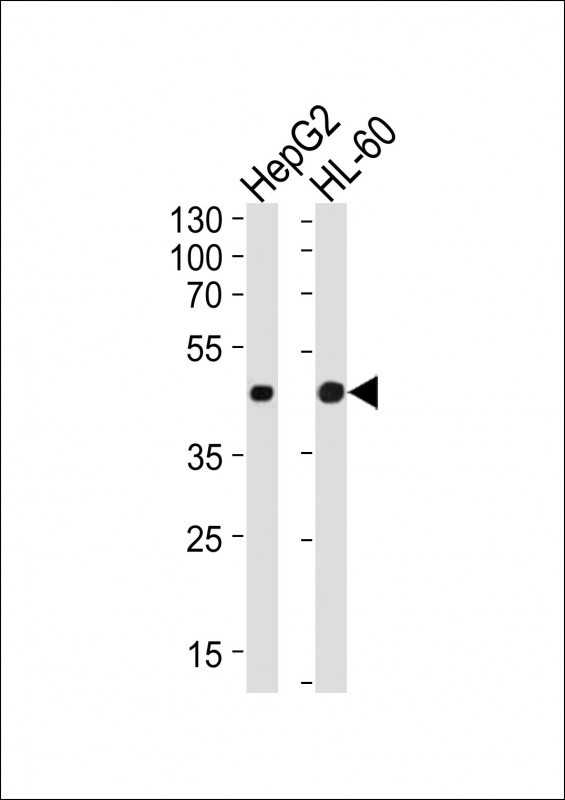
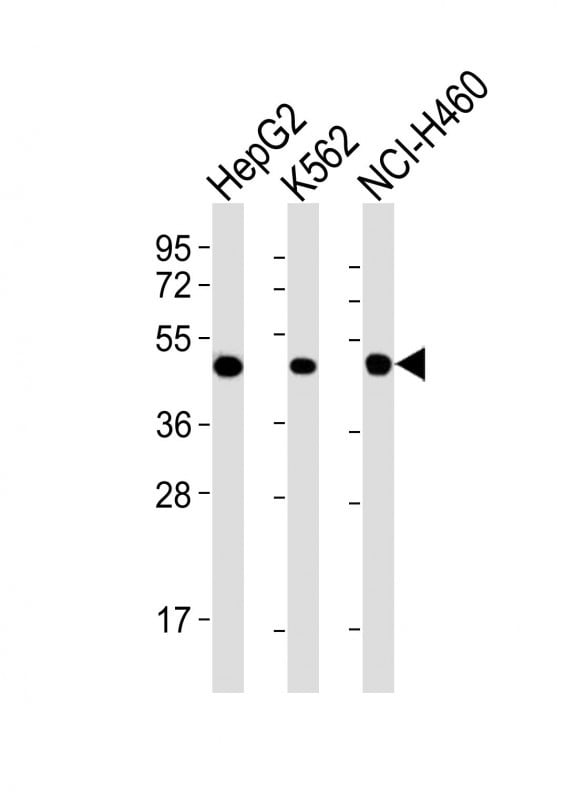
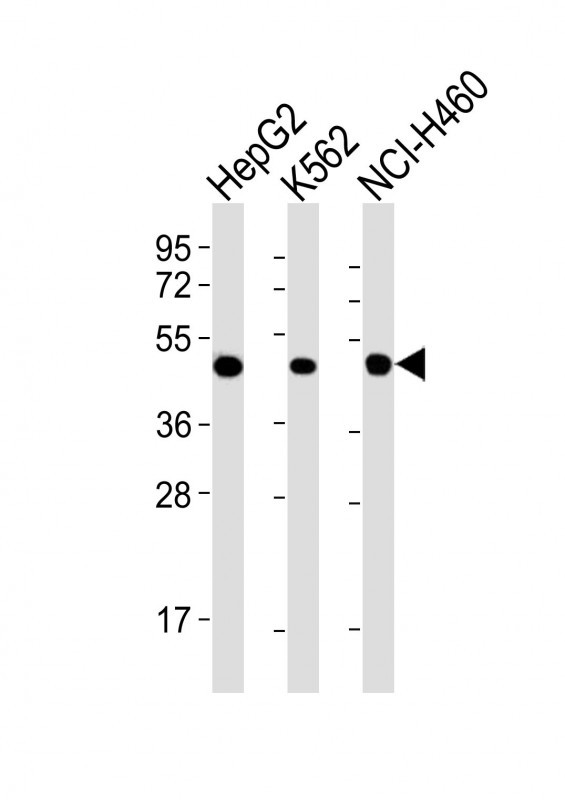
Western blotting identifies specific proteins in a sample. The sample is first separated on a gel, and then antibodies are applied that will typically bind to the target, which will all be localized to a single band in a lane.
Immunohistochemistry helps locate specific proteins in cells or tissue samples using antibodies.
Flow cytometry looks at and sorts cells. It uses antibodies that are conjugated to reporter molecules called “fluorophores”, which, under special lights, emit light themselves, which can then be measured by a detector instrument.
How Monoclonal Antibodies Are Used as Medicine?
Please note that all of the products listed in AAA Biotech’s catalog are strictly for research-use only (RUO).
Monoclonal antibodies can also be used as therapeutic/medical treatments, particularly in the context of cancers. They are designed to find and bind to specific cells or proteins, helping the immune system recognize and attack the cancer. These treatments work in different ways, such as:
Radioimmunotherapy attaches a small amount of radioactive molecule to the antibody, so it delivers the radiation directly to the cancer cells that the antibody is specifically binding to.
Antibody-directed enzyme prodrug therapy uses antibodies that are specifically bound to special enzymes. These enzymes activate a harmless drug in the body and turn it into a cancer-killing drug only near the cancer cells—this helps avoid harming healthy cells.
Immunoliposomes are tiny “bubbles” filled with medicine/drug and coated with antibodies. They carry the drug straight to the cancer cells.
Why Buy Monoclonal Antibodies From Us?
At AAA Biotech, we provide high-performance monoclonal antibodies designed to support a wide range of research needs.
1. Validated for Versatile Applications
The antibodies in our catalog are extensively validated and compatible with multiple techniques, including (but not limited to) ELISA, flow cytometry (FC), immunocytochemistry (ICC), immunofluorescence (IF), immunohistochemistry (IHC), immunoprecipitation (IP), and western blotting (WB).
2. Wide Selection & Specialized Options
We offer antibodies for common and rare species, that are available in various conjugated forms, and also in recombinant formats. Essentially, there is almost anything one might need to meet their experimental model’s requirements.
3. High-Quality Proteins
Our proteins meet high purity standards—90% or more as confirmed by SDS-PAGE. Many are available with tags like His, Flag, GST, or MBP, and we also supply native and biologically active proteins for functional studies.
Frequently Asked Questions
1. Are your monoclonal antibodies validated for specific applications?
Yes, our antibodies are tested and validated for use in methods such as ELISA, western blot, IHC, flow cytometry, and more. Refer to specific product pages or datasheets for individual product information.
2. How do I choose the right monoclonal antibody for my application?
Review the product details directly for application validation, species reactivity, and target information. You may also contact our support team at any time for help.
3. How quickly can I receive my order?
Most orders are processed and shipped within 1–3 business days, depending on product availability and your shipping location.
Submit a Question
Please complete the form below and a representative will contact you as soon as possible.
Request more Information
Please complete the form below and a representative will contact you as soon as possible.
Request a Manual
Please complete the form below and a representative will contact you as soon as possible.
Request a Quote
Please complete the form below and a representative will contact you as soon as possible.