Get accurate results in your research with our Monoclonal Antibodies, which are specially made to target exactly what you require for your research, and will produce consistent, reliable performance in lab tests.
ICC (Immunocytochemistry) (Confocal imaging of paraffin-embedded Human tonsil tissue using CD69 Rabbit PolymAb® (AAA28586, dilution 1:200) followed by a further incubation with Cy3 Goat Anti-Rabbit IgG (H+L) (AS007, dilution 1:500) (Red). DAPI was used for nuclear staining (Blue). High pressure antigen retrieval performed with 0.01M Citrate Buffer(pH 6.0) prior to IF staining. Objective: 40x.)
ICC (Immunocytochemistry) (Confocal imaging of paraffin-embedded Mouse spleen tissue using CD69 Rabbit PolymAb® (AAA28586, dilution 1:200) followed by a further incubation with Cy3 Goat Anti-Rabbit IgG (H+L) (AS007, dilution 1:500) (Red). DAPI was used for nuclear staining (Blue). High pressure antigen retrieval performed with 0.01M Citrate Buffer(pH 6.0) prior to IF staining. Objective: 40x.)
ICC (Immunocytochemistry) (Confocal imaging of paraffin-embedded Rat spleen tissue using CD69 Rabbit PolymAb® (AAA28586, dilution 1:200) followed by a further incubation with Cy3 Goat Anti-Rabbit IgG (H+L) (AS007, dilution 1:500) (Red). DAPI was used for nuclear staining (Blue). High pressure antigen retrieval performed with 0.01M Citrate Buffer(pH 6.0) prior to IF staining. Objective: 40x.)
ICC (Immunocytochemistry) (Confocal imaging of paraffin-embedded Human spleen tissue using CD69 Rabbit PolymAb® (AAA28586, dilution 1:200) followed by a further incubation with Cy3 Goat Anti-Rabbit IgG (H+L) (AS007, dilution 1:500) (Red). DAPI was used for nuclear staining (Blue). High pressure antigen retrieval performed with 0.01M Citrate Buffer(pH 6.0) prior to IF staining. Objective: 40x.)
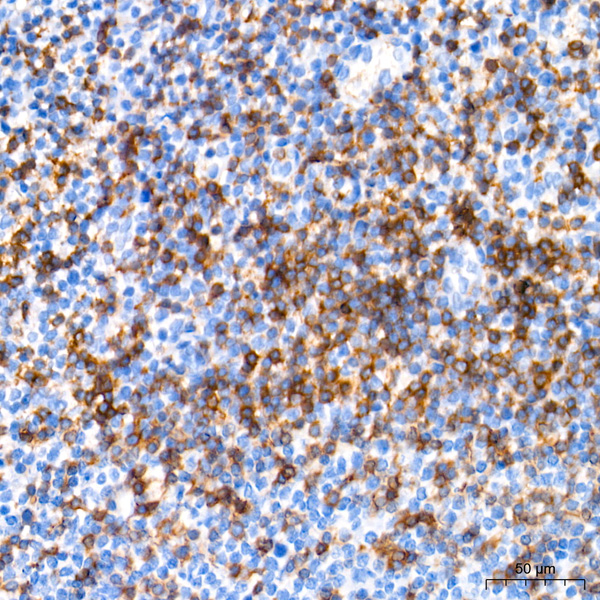
IHC (Immunohistochemistry) (Immunohistochemistry analysis of paraffin-embedded Human tonsil tissue using CD69 Rabbit PolymAb® (AAA28586) at a dilution of 1:200 (40x lens). High pressure antigen retrieval performed with 0.01M Tris-EDTA Buffer(pH 9.0) prior to IHC staining.)
IHC (Immunohistochemistry) (Immunohistochemistry analysis of paraffin-embedded Human spleen tissue using CD69 Rabbit PolymAb® (AAA28586) at a dilution of 1:200 (40x lens). High pressure antigen retrieval performed with 0.01M Tris-EDTA Buffer(pH 9.0) prior to IHC staining.)
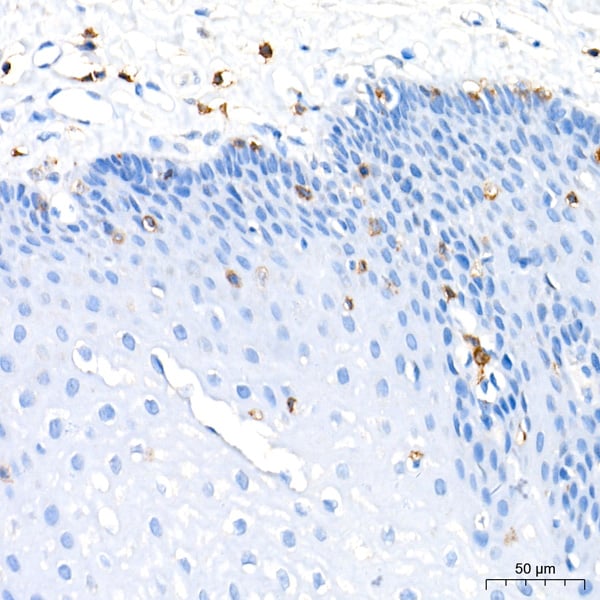
IHC (Immunohistochemistry) (Immunohistochemistry analysis of paraffin-embedded Human esophagus tissue using CD69 Rabbit PolymAb® (AAA28586) at a dilution of 1:200 (40x lens). High pressure antigen retrieval performed with 0.01M Tris-EDTA Buffer(pH 9.0) prior to IHC staining.)
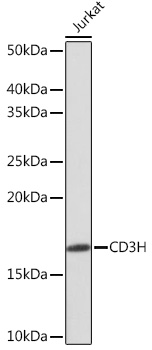
WB (Western Blot) (Western blot analysis of lysates from Mouse spleen?Mouse thymus?Rat spleen using CD69 Rabbit PolymAb® (AAA28586) at 1:5000 dilution incubated overnight at 4?.Secondary antibody: HRP-conjugated Goat anti-Rabbit IgG (H+L) (AS014) at 1:10000 dilution.Lysates/proteins: 25 ug per lane.Blocking buffer: 3% nonfat dry milk in TBST.Detection: ECL Basic Kit (RM00020).Exposure time: 45s.)
ICC (Immunocytochemistry) (Confocal imaging of paraffin-embedded Mouse thymus tissue using CD74 Rabbit PolymAb® (A26945-PM, dilution 1:200) followed by a further incubation with Cy3 Goat Anti-Rabbit IgG (H+L) (AS007, dilution 1:500) (Red). DAPI was used for nuclear staining (Blue). High pressure antigen retrieval performed with 0.01M Citrate Buffer (pH 6.0) prior to IF staining. Objective: 40x.)
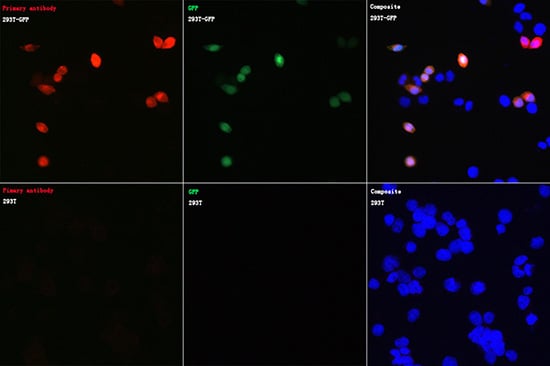
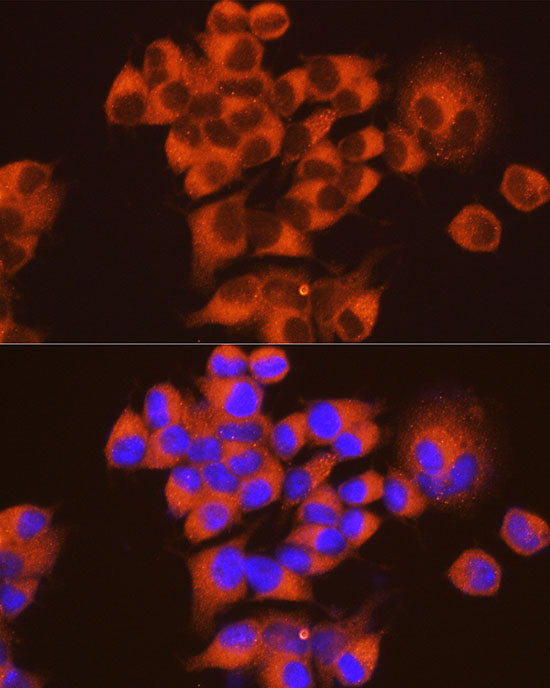
ICC (Immunocytochemistry) (Confocal imaging of A20 cells using CD74 Rabbit PolymAb® (A26945-PM, dilution 1:200) followed by a further incubation with Cy3 Goat Anti-Rabbit IgG (H+L) (AS007, dilution 1:500) (Red). DAPI was used for nuclear staining (Blue). Objective: 100x.)
ICC (Immunocytochemistry) (Confocal imaging of THP-1 cells using CD74 Rabbit PolymAb® (A26945-PM, dilution 1:200) followed by a further incubation with Cy3 Goat Anti-Rabbit IgG (H+L) (AS007, dilution 1:500) (Red). DAPI was used for nuclear staining (Blue). Objective: 100x.)
ICC (Immunocytochemistry) (Confocal imaging of Raji cells using CD74 Rabbit PolymAb® (A26945-PM, dilution 1:200) followed by a further incubation with Cy3 Goat Anti-Rabbit IgG (H+L) (AS007, dilution 1:500) (Red). DAPI was used for nuclear staining (Blue). Objective: 100x.)
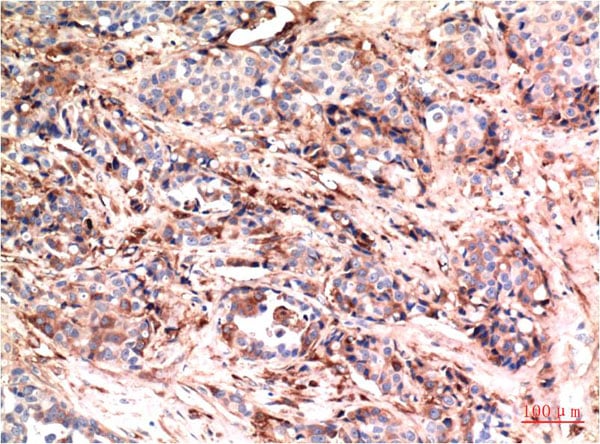
IHC (Immunohistochemistry) (Immunohistochemistry analysis of paraffin-embedded Human tonsil tissue using CD74 Rabbit PolymAb® (AAA28597) at a dilution of 1:9000 (40x lens). High pressure antigen retrieval performed with 0.01M Tris-EDTA Buffer (pH 9.0) prior to IHC staining.)
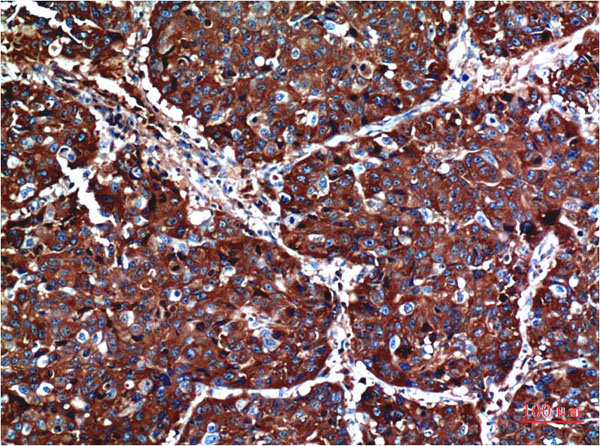
IHC (Immunohistochemistry) (Immunohistochemistry analysis of paraffin-embedded Mouse spleen tissue using CD74 Rabbit PolymAb® (AAA28597) at a dilution of 1:9000 (40x lens). High pressure antigen retrieval performed with 0.01M Tris-EDTA Buffer (pH 9.0) prior to IHC staining.)
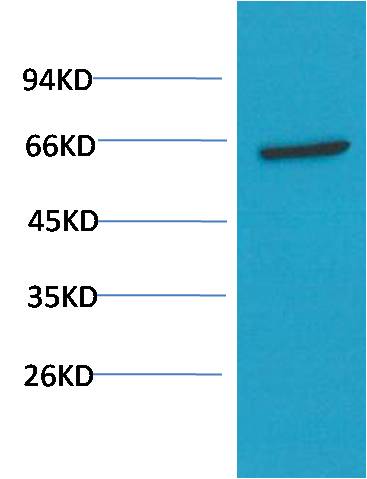
WB (Western Blot) (Western blot analysis of various lysates using CD74 Rabbit PolymAb® (AAA28597) at 1:5000 dilution incubated overnight at 4?.Secondary antibody: HRP-conjugated Goat anti-Rabbit IgG (H+L) (AS014) at 1:10000 dilution.Lysates/proteins: 25 ug per lane.Blocking buffer: 3% nonfat dry milk in TBST.Detection: ECL Basic Kit (RM00020).Negative control (NC): JurkatExposure time: 30s.)
ChIP (Chromatin Immunoprecipitation) (Chromatin immunoprecipitation analysis of extracts of 293T cells, using CTCF antibody (AAA28513) and rabbit IgG.The amount of immunoprecipitated DNA was checked by quantitative PCR. Histogram was constructed by the ratios of the immunoprecipitated DNA to the input.)
IP (Immunoprecipitation) (Immunoprecipitation analysis of 300 ug extracts of 293T cells using 3 ug CTCF antibody (AAA28513). Western blot was performed from the immunoprecipitate using CTCF antibody (AAA28513) at a dilution of 1:1000.)
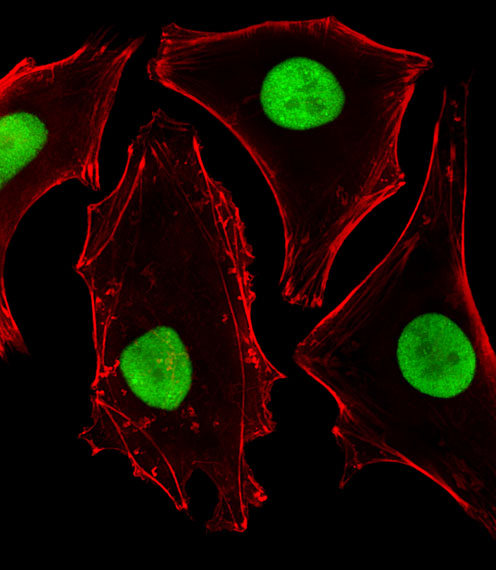
ICC (Immunocytochemistry) (Confocal imaging of U-2 OS cells using CTCF Rabbit mAb (AAA28513, dilution 1:200) followed by a further incubation with Cy3 Goat Anti-Rabbit IgG (H+L) (AS007, dilution 1:500) (Red). The cells were counterstained with ?-Tubulin Mouse mAb (AC012, dilution 1:400) followed by incubation with ABflo® 488-conjugated Goat Anti-Mouse IgG (H+L) Ab (AS076, dilution 1:500) (Green). DAPI was used for nuclear staining (Blue). Objective: 100x.)
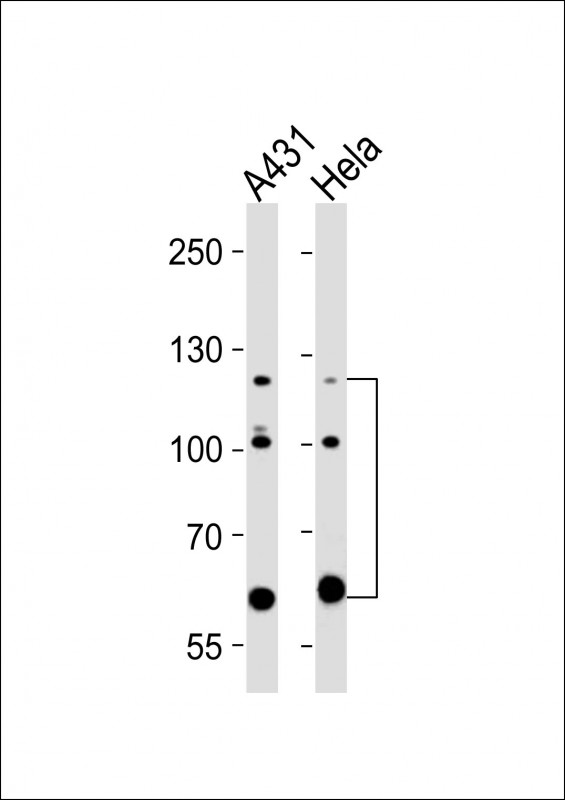
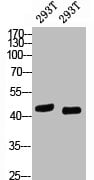
WB (Western Blot) (Western blot analysis of various lysates using CTCF Rabbit mAb (AAA28513) at 1:1000 dilution.Secondary antibody: HRP-conjugated Goat anti-Rabbit IgG (H+L) (AS014) at 1:10000 dilution.Lysates/proteins: 25ug per lane.Blocking buffer: 3% nonfat dry milk in TBST.Detection: ECL Basic Kit (RM00020).Exposure time: 30s.)
ChIP (Chromatin Immunoprecipitation) (Chromatin immunoprecipitations were performed with cross-linked chromatin from 293T cells and CTCF Rabbit mAb (AAA28513). The ChIP sequencing results indicate the enrichment pattern of CTCF in selected genomic region and representative gene loci (MYC), as shown in figure.)
Application Data (CUT&Tag was performed using the CUT&Tag Assay Kit (pAG-Tn5) for Illumina (RK20265) from 10<sup>5</sup> K562 cells with 2 ug CTCF Rabbit mAb?along with a Goat Anti-Rabbit IgG(H+L). The CUT&Tag results indicate the enrichment pattern of CTCF in representative gene loci (MYC), as shown in figure.)
IP (Immunoprecipitation) (Immunoprecipitation analysis using Mouse Anti-VPS35 Monoclonal Antibody, Clone 8A3. Tissue: embryonic fibroblast. Species: Mouse. Primary Antibody: Mouse Anti-VPS35 Monoclonal Antibody. Three amounts of (3, 1 and 0.3 ug) were non-covalently coupled to 10uL of A/G sepharose beads for 1 hour at 4 degree C and next incubated with 250ug of MEF lysate for 2 hours at 4 degree C.)
IP (Immunoprecipitation) (Immunoprecipitation analysis using Mouse Anti-VPS35 Monoclonal Antibody, Clone 8A3. Tissue: A549 cells. Species: Human. Primary Antibody: Mouse Anti-VPS35 Monoclonal Antibody. Three amounts of (3, 1 and 0.3 ug) were non-covalently coupled to 10uL of A/G sepharose beads for 1 hour at 4 degree C and next incubated with 250ug of A549 lysate for 2 hours at 4 degree C.)
WB (Western Blot) (Western Blot analysis of Human SH-SY5Y showing detection of VPS35 protein using Mouse Anti-VPS35 Monoclonal Antibody, Clone 8A3. Lane 1: Molecular Weight Ladder. Lane 2: SH-SY5Y (10 ug). Load: 10 ug. Block: 5% Skim Milk powder in TBST. Primary Antibody: Mouse Anti-VPS35 Monoclonal Antibody at 1:1000 for 2 hours at RT with shaking. Secondary Antibody: Goat anti-mouse IgG:HRP at 1:4000 for 1 hour at RT with shaking. Color Development: Chemiluminescent for HRP (Moss) for 5 min in RT.)
WB (Western Blot) (Western Blot analysis of Human, Mouse A549, MEF showing detection of VPS35 protein using Mouse Anti-VPS35 Monoclonal Antibody, Clone 8A3. Lane 1: Molecular Weight Ladder. Lane 2: VPS35 KO A549 cells. Lane 3: mouse embryonic fibroblast cells.. Load: 8 ug each A549 and MEF. Primary Antibody: Mouse Anti-VPS35 Monoclonal Antibody at 1:5 (tissue culture supernatant). Secondary Antibody: Donkey anti-mouse IRDye 800CW at 1:25000 in TBS-T.)
IP (Immunoprecipitation) (Co-Immunoprecipitation analysis of known interactors of VPS35 using Mouse Anti-VPS35 Monoclonal Antibody, Clone 8A3. Tissue: A549 cells. Species: Human. Primary Antibody: Mouse Anti-VPS35 Monoclonal Antibody.)
IP (Immunoprecipitation) (Immunoprecipitation analysis using Mouse Anti-VPS35 Monoclonal Antibody, Clone 8A3. Tissue: A549 cells. Species: Human. Primary Antibody: Mouse Anti-VPS35 Monoclonal Antibody. 500 uL cell culture supernatants were incubated with 10 uL of Protein A/G resin beads for 1 hour at 4 degree C. clone 8A3 depletes VPS35 from the A549 cell extract..)
ICC (Immunocytochemistry) (Immunocytochemistry/Immunofluorescence analysis using Mouse Anti-VPS35 Monoclonal Antibody, Clone 8A3. Tissue: A549 cells. Species: Human. Primary Antibody: Mouse Anti-VPS35 Monoclonal Antibody at 1:5 (tissue culture supernatant). Secondary Antibody: Donkey anti-mouse: Alexa Fluor 594 at 1:4000 in 0.2% BSA PBS. Counterstain: DAPI. Localization: Vesicles. A) VPS35 KO A549 cells B) WT A549 cells. Courtesy of: Dario Alessi Lab, University of Dundee.)
FCM (Flow Cytometry) (Overlay Peak curve showing Hela cells stained with AAA28070 (red line) at 1:100. The cells were incubated in 10% normal goat serum to block non-specific protein-protein interactions followed by the antibody (1µg/1*106cells) for 1h at 4°C. The secondary antibody used was FITC-conjugated Goat Anti-Mouse IgG(H+L) at 1/100 dilution for 30min at 4°C. Isotype control antibody (green line) was mouse IgG1 (1µg/1*106cells) used under the same conditions. Acquisition of >10,000 events was performed.)
IF (Immunofluorescence) (Immunofluorescence staining of HepG2 cells with AAA28070 at 1:100, counter-stained with DAPI. The cells were fixed in 4% formaldehyde and blocked in 10% normal Goat Serum. The cells were incubated with the antibody overnight at 4°C. Nuclear DNA was labeled in blue with DAPI. The secondary antibody was FITC-conjugated AffiniPure Goat Anti-Mouse IgG (H+L).)
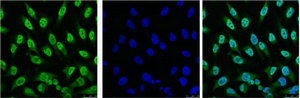
IF (Immunofluorescence) (Immunofluorescence staining of Hela cells with AAA28070 at 1:100, counter-stained with DAPI. The cells were fixed in 4% formaldehyde and blocked in 10% normal Goat Serum. The cells were incubated with the antibody overnight at 4°C. Nuclear DNA was labeled in blue with DAPI. The secondary antibody was FITC-conjugated AffiniPure Goat Anti-Mouse IgG (H+L).)
IHC (Immunohistochemistry) (IHC image of AAA28070 diluted at 1:100 and staining in paraffin-embedded human stomach tissue performed on a Leica BondTM system. After dewaxing and hydration, antigen retrieval was mediated by high pressure in a citrate buffer (pH 6.0). Section was blocked with 10% normal goat serum 30min at RT. Then primary antibody (1% BSA) was incubated at 4°C overnight. The primary is detected by a biotinylated secondary antibody and visualized using an HRP conjugated SP system.)
IHC (Immunohistochemistry) (IHC image of AAA28070 diluted at 1:100 and staining in paraffin-embedded human prostate tissue performed on a Leica BondTM system. After dewaxing and hydration, antigen retrieval was mediated by high pressure in a citrate buffer (pH 6.0). Section was blocked with 10% normal goat serum 30min at RT. Then primary antibody (1% BSA) was incubated at 4°C overnight. The primary is detected by a biotinylated secondary antibody and visualized using an HRP conjugated SP system.)
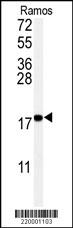
WB (Western Blot) (Western BlotPositive WB detected in: Hela whole cell lysate, HepG2 whole cell lysate, MCF7 whole cell lysate, A549 whole cell lysate, PC-3 whole cell lysate All lanes: SMURF1 antibody at 1:1000SecondaryGoat polyclonal to mouse IgG at 1/50000 dilutionPredicted band size: 86 kDaObserved band size: 86 KDaExposure time?5min)
Purity: >95% by HPLC & SDS-PAGE Purification: Protein A Purified and supplied in 0.01 M PBS without preservative.
Pricing
Application Data (Figure 1. Titration curves of anti-spike RBD domain of SARS-CoV-2 mouse monoclonal antibody. 96-well corning ELISA plate was coated with SARS-CoV-2 spike RBD protein at a concentration of 2 ug/ml.)
WB (Western Blot) (Western blot analysis of extracts from 293T cells, untransfected (-) or transfected with a construct expressing full-length human Myc/DDK- tagged TIM-3 (hTIM-3-Myc/DDK; +), using TIM-3 Rabbit mAb.)
IHC (Immunohistchemistry) (Immunohistochemical analysis of paraffin-embedded human lung carcinoma using TIM-3 Rabbit mAb. Note staining of alveolar macrophages.)
FCM (Flow Cytometry) (Flow cytometric analysis of Jurkat cells (blue) and primary CD4+ T cells (green) using AAA26909. Controls were run on Jurkat cells (orange) and primary CD4+ T cells (red) using concentration-matched Rabbit mAb IgG Isotype Control. Anti-rabbit IgG (H+L), F(ab’)2 fragment was used as a secondary antibody. CD4+ T cells were purified from human blood and stimulated for 9 days using beads coated with CD3 and CD28 antibodies in the presence of Human Interleukin-2 (hIL-2) (6.7ng/ml))
IHC (Immunohistochemistry) (Immunohistochemical analysis of paraffin-embedded human tonsil using AAA26909.)
IHC (Immunohistochemistry) (Immunohistochemical analysis of paraffin-embedded cell pellets, primary CD4+ T cells (left) and HT-29 cells (right), using AAA26909 T cells were purified from human blood and stimulated for 7 days using beads coated with CD3 and CD28 antibodies in the presence of Human Interleukin-2 (hIL-2) (6.7ng/ml).)
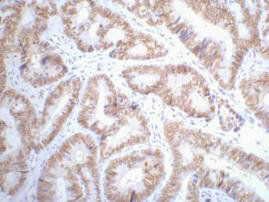
IHC (Immunohistochemistry) (Immunohistochemical analysis of paraffin-embedded human colon carcinoma using AAA26909.)
WB (Western Blot) (Western Blot analysis of extracts from primary human CD4+ T cells and various cell lines using AAA26909 (upper) or B-Actin Rabbit mAb (lower). CD4+ T cells were purified from human blood and stimulated for 9 days using beads coated with CD3 and CD28 antibodies in the presence of Human Interleukin-2 (hIL-2) (6.7ng/ml).)
FCM (Flow Cytometry) (Overlay histogram showing 293F transfected cells stained with AAA27030 (red line) at 1:100. The cells were incubated in 1x PBS/10% normal goat serum to block non-specific protein-protein interactions followed by primary antibody for 1 h at 4°C. The secondary antibody used was FITC goat anti-mouse IgG(H+L) at 1/200 dilution for 1 h at 4°C. Isotype control antibody (green line) was used under the same conditions. Acquisition of >10,000 events was performed.)
IP (Immunoprecipitation) (Immunoprecipitating HA-Tag in 293F transfected whole cell lysateLane 1: Mouse control IgG (1ug) instead of AAA27030 in 293F transfected whole cell lysate. For western blotting, a HRP-conjugated Protein G antibody was used as the secondary antibody (1/2000)Lane 2: Company A (5ug), Company B (5ug),Company C (5ug),Company D (5ug),Company E (5ug), (5ug) + 293F transfected whole cell lysate (500ug)Lane 3: 293F transfected whole cell lysate (20ug))
IP (Immunoprecipitation) (Immunoprecipitating HA-Tag in 293F transfected whole cell lysateLane 1: Mouse control IgG (1ug) instead of AAA27030 in 293F transfected whole cell lysate. For western blotting, a HRP-conjugated Protein G antibody was used as the secondary antibody (1/2000)Lane 2: AAA27030 (5ug) + 293F transfected whole cell lysate (500ug)Lane 3: 293F transfected whole cell lysate (20ug))
IF (Immunofluorescence) (Immunofluorescence staining of 293F cells and 293F transfected cells with Company A, Company B, Company C, Company D, Company E, AAA27030 at 1:100, counter- stained with DAPI. The cells were blocked in 10% normal Goat Serum and then incubated with the primary antibody overnight at 4°C. The secondary antibody was Alexa Fluor 488- congugated AffiniPure Goat Anti-Mouse IgG(H+L).)
IF (Immunofluorescence) (Immunofluorescence staining of 293F transfected cells with AAA27030 at 1:100, counter-stained with DAPI. The cells were blocked in 10% normal Goat Serum and then incubated with the primary antibody overnight at 4°C. The secondary antibody was Alexa Fluor 488-congugated AffiniPure Goat Anti-Mouse IgG(H+L).)
IF (Immunofluorescence) (Immunofluorescence staining of 293F cells with AAA27030 at 1:100, counter-stained with DAPI. The cells were blocked in 10% normal Goat Serum and then incubated with the primary antibody overnight at 4°C. The secondary antibody was Alexa Fluor 488- congugated AffiniPure Goat Anti-Mouse IgG(H+L).)
WB (Western Blot) (Positive WB detected in: 6 different recombinant proteins with HA tagged, Hela whole cell lysate, 3T3 whole cell lysate All lanes: HA-Tag antibody at 1:5000 Secondary Goat polyclonal to Mouse IgG at 1/10000 dilution)
WB (Western Blot) (Western BlotPositive WB detected in: HA-tagged fusion proteinAll lanes: HA-Tag antibody at 1:5000, 1:10000, 1:20000, 1:40000, 1:80000, 1:160000SecondaryGoat polyclonal to Mouse IgG at 1/10000 dilutionPredicted band size: 35 kDaObserved band size: 35 kDa)
WB (Western Blot) (Western BlotPositive WB detected in: HA-tagged fusion protein at 50ng, 25ng, 12.5ng, 6.25ng, 3.125ng, 1.5625ngAll lanes: HA-Tag antibody at 1:1000SecondaryGoat polyclonal to Mouse IgG at 1/10000 dilutionPredicted band size: 35 kDaObserved band size: 35 kDa)
WB (Western Blot) (Western BlotPositive WB detected in: 3 different overexpression lysates with HA taggedAll lanes: HA-Tag antibody at 1:1000SecondaryGoat polyclonal to Mouse IgG at 1/10000 dilutionPredicted band size: 35, 35, 48 kDaObserved band size: 35, 35, 48 kDa)
IHC (Immunohistochemistry) (Immunohistochemistry analysis of paraffin-embedded Human small intestine tissue using Phospho-SMC1-S957 Rabbit mAb (AAA28615) at a dilution of 1:200 (40x lens). High pressure antigen retrieval was performed with 0.01 M citrate buffer (pH 6.0) prior to IHC staining.)
IHC (Immunohistochemistry) (Immunohistochemistry analysis of paraffin-embedded Human esophagus tissue using Phospho-SMC1-S957 Rabbit mAb (AAA28615) at a dilution of 1:200 (40x lens). High pressure antigen retrieval was performed with 0.01 M citrate buffer (pH 6.0) prior to IHC staining.)
IHC (Immunohistchemistry) (Immunohistochemistry analysis of paraffin-embedded Rat lung tissue using Phospho-SMC1-S957 Rabbit mAb (AAA28615) at a dilution of 1:200 (40x lens). High pressure antigen retrieval was performed with 0.01 M citrate buffer (pH 6.0) prior to IHC staining.)
IHC (Immunohistochemistry) (Immunohistochemistry analysis of paraffin-embedded Mouse kidney tissue using Phospho-SMC1-S957 Rabbit mAb (AAA28615) at a dilution of 1:200 (40x lens). High pressure antigen retrieval was performed with 0.01 M citrate buffer (pH 6.0) prior to IHC staining.)
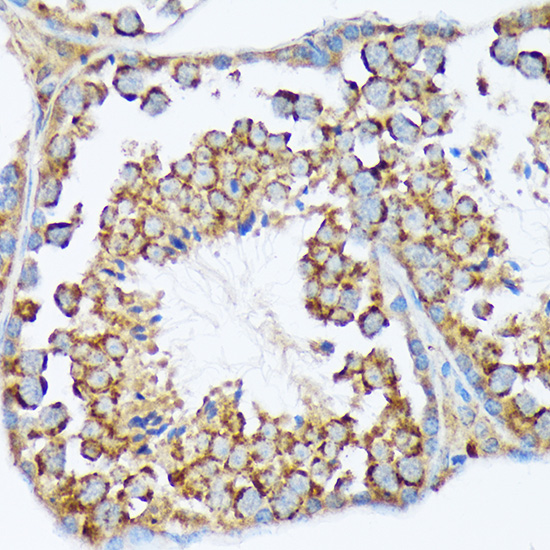
IHC (Immunohistochemistry) (Immunohistochemistry analysis of paraffin-embedded Mouse testis tissue using Phospho-SMC1-S957 Rabbit mAb (AAA28615) at a dilution of 1:200 (40x lens). High pressure antigen retrieval was performed with 0.01 M citrate buffer (pH 6.0) prior to IHC staining.)
IHC (Immunohistochemistry) (Immunohistochemistry analysis of paraffin-embedded Human colon carcinoma tissue using Phospho-SMC1-S957 Rabbit mAb (AAA28615) at a dilution of 1:200 (40x lens). High pressure antigen retrieval was performed with 0.01 M citrate buffer (pH 6.0) prior to IHC staining.)
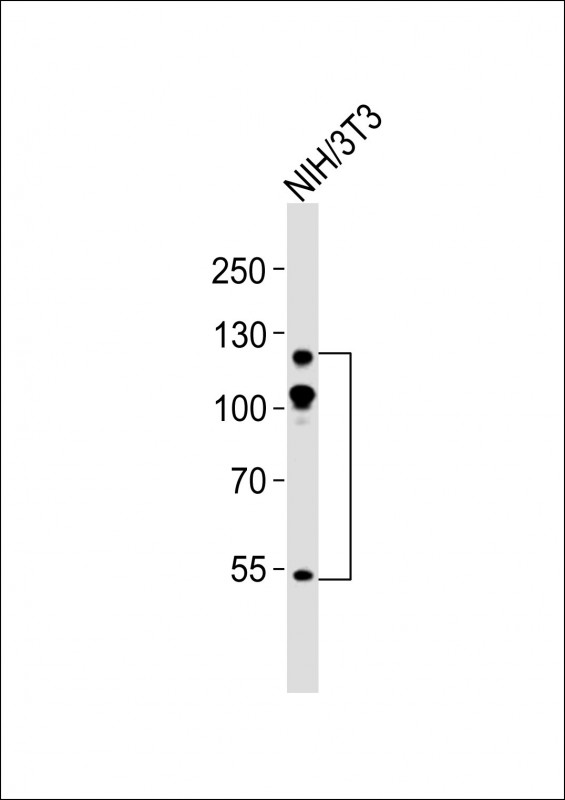
WB (Western Blot) (Western blot analysis of lysates from NIH/3T3 cells, using Phospho-SMC1-S957 Rabbit mAb (AAA28615) at 1:1000 dilution. NIH/3T3 cells were treated by UV at room temperature for 15-30 minutes.Secondary antibody: HRP-conjugated Goat anti-Rabbit IgG (H+L) (AS014) at 1:10000 dilution.Lysates/proteins: 25ug per lane.Blocking buffer: 3% BSA.Detection: ECL Enhanced Kit (RM00021).Exposure time: 3min.)
WB (Western Blot) (Western blot analysis of lysates from 293T cells, using Phospho-SMC1-S957 Rabbit mAb (AAA28615) at 1:1000 dilution. 293T cells were treated by UV at room temperature for 15-30 minutes.Secondary antibody: HRP-conjugated Goat anti-Rabbit IgG (H+L) (AS014) at 1:10000 dilution.Lysates/proteins: 25ug per lane.Blocking buffer: 3% BSA.Detection: ECL Basic Kit (RM00020).Exposure time: 1s.)
IP (Immunoprecipitation) (Immunoprecipitation analysis using Mouse Anti-VPS35 Monoclonal Antibody, Clone 5A9. Tissue: embryonic fibroblast. Species: Mouse. Primary Antibody: Mouse Anti-VPS35 Monoclonal Antibody. Three amounts of (3, 1 and 0.3 ug) were non-covalently coupled to 10uL of A/G sepharose beads for 1 hour at 4 degree C and next incubated with 250ug of MEF lysate for 2 hours at 4 degree C.)
IP (Immunoprecipitation) (Immunoprecipitation analysis using Mouse Anti-VPS35 Monoclonal Antibody, Clone 5A9. Tissue: A549 cells. Species: Human. Primary Antibody: Mouse Anti-VPS35 Monoclonal Antibody. Three amounts of (3, 1 and 0.3 ug) were non-covalently coupled to 10uL of A/G sepharose beads for 1 hour at 4 degree C and next incubated with 250ug of A549 lysate for 2 hours at 4 degree C.)
WB (Western Blot) (Western Blot analysis of Human SH-SY5Y showing detection of VPS35 protein using Mouse Anti-VPS35 Monoclonal Antibody, Clone 5A9. Lane 1: Molecular Weight Ladder. Lane 2: SH-SY5Y (10 ug). Load: 10 ug. Block: 5% Skim Milk powder in TBST. Primary Antibody: Mouse Anti-VPS35 Monoclonal Antibody at 1:1000 for 2 hours at RT with shaking. Secondary Antibody: Goat anti-mouse IgG:HRP at 1:4000 for 1 hour at RT with shaking. Color Development: Chemiluminescent for HRP (Moss) for 5 min in RT.)
WB (Western Blot) (Western Blot analysis of Human, Mouse A549, MEF showing detection of VPS35 protein using Mouse Anti-VPS35 Monoclonal Antibody, Clone 5A9. Lane 1: Molecular Weight Ladder. Lane 2: VPS35 KO A549 cells. Lane 3: mouse embryonic fibroblast cells.. Load: 8 ug each A549 and MEF. Primary Antibody: Mouse Anti-VPS35 Monoclonal Antibody at 1:5 (tissue culture supernatant). Secondary Antibody: Donkey anti-mouse IRDye 800CW at 1:25000 in TBS-T.)
IP (Immunoprecipitation) (Co-Immunoprecipitation analysis of known interactors of VPS35 using Mouse Anti-VPS35 Monoclonal Antibody, Clone 5A9. Tissue: A549 cells. Species: Human. Primary Antibody: Mouse Anti-VPS35 Monoclonal Antibody.)
IP (Immunoprecipitation) (Immunoprecipitation analysis using Mouse Anti-VPS35 Monoclonal Antibody, Clone 5A9. Tissue: A549 cells. Species: Human. Primary Antibody: Mouse Anti-VPS35 Monoclonal Antibody. 500 uL cell culture supernatants were incubated with 10 uL of Protein A/G resin beads for 1 hour at 4 degree C. clone 5A9 depletes VPS35 from the A549 cell extract..)
ICC (Immunocytochemistry) (Immunocytochemistry/Immunofluorescence analysis using Mouse Anti-VPS35 Monoclonal Antibody, Clone 5A9. Tissue: A549 cells. Species: Human. Primary Antibody: Mouse Anti-VPS35 Monoclonal Antibody at 1:5 (tissue culture supernatant). Secondary Antibody: Donkey anti-mouse: Alexa Fluor 594 at 1:4000 in 0.2% BSA PBS. Counterstain: DAPI. Localization: Vesicles. A) VPS35 KO A549 cells B) WT A549 cells. Courtesy of: Dario Alessi Lab, University of Dundee.)
IP (Immunoprecipitation) (Immunoprecipitation analysis using Mouse Anti-VPS35 Monoclonal Antibody, Clone 8A3. Tissue: embryonic fibroblast. Species: Mouse. Primary Antibody: Mouse Anti-VPS35 Monoclonal Antibody. Three amounts of (3, 1 and 0.3 ug) were non-covalently coupled to 10uL of A/G sepharose beads for 1 hour at 4 degree C and next incubated with 250ug of MEF lysate for 2 hours at 4 degree C.)
IP (Immunoprecipitation) (Immunoprecipitation analysis using Mouse Anti-VPS35 Monoclonal Antibody, Clone 8A3. Tissue: A549 cells. Species: Human. Primary Antibody: Mouse Anti-VPS35 Monoclonal Antibody. Three amounts of (3, 1 and 0.3 ug) were non-covalently coupled to 10uL of A/G sepharose beads for 1 hour at 4 degree C and next incubated with 250ug of A549 lysate for 2 hours at 4 degree C.)
WB (Western Blot) (Western Blot analysis of Human SH-SY5Y showing detection of VPS35 protein using Mouse Anti-VPS35 Monoclonal Antibody, Clone 8A3. Lane 1: Molecular Weight Ladder. Lane 2: SH-SY5Y (10 ug). Load: 10 ug. Block: 5% Skim Milk powder in TBST. Primary Antibody: Mouse Anti-VPS35 Monoclonal Antibody at 1:1000 for 2 hours at RT with shaking. Secondary Antibody: Goat anti-mouse IgG:HRP at 1:4000 for 1 hour at RT with shaking. Color Development: Chemiluminescent for HRP (Moss) for 5 min in RT.)
WB (Western Blot) (Western Blot analysis of Human, Mouse A549, MEF showing detection of VPS35 protein using Mouse Anti-VPS35 Monoclonal Antibody, Clone 8A3. Lane 1: Molecular Weight Ladder. Lane 2: VPS35 KO A549 cells. Lane 3: mouse embryonic fibroblast cells.. Load: 8 ug each A549 and MEF. Primary Antibody: Mouse Anti-VPS35 Monoclonal Antibody at 1:5 (tissue culture supernatant). Secondary Antibody: Donkey anti-mouse IRDye 800CW at 1:25000 in TBS-T.)
IP (Immunoprecipitation) (Co-Immunoprecipitation analysis of known interactors of VPS35 using Mouse Anti-VPS35 Monoclonal Antibody, Clone 8A3. Tissue: A549 cells. Species: Human. Primary Antibody: Mouse Anti-VPS35 Monoclonal Antibody.)
IP (Immunoprecipitation) (Immunoprecipitation analysis using Mouse Anti-VPS35 Monoclonal Antibody, Clone 8A3. Tissue: A549 cells. Species: Human. Primary Antibody: Mouse Anti-VPS35 Monoclonal Antibody. 500 uL cell culture supernatants were incubated with 10 uL of Protein A/G resin beads for 1 hour at 4 degree C. clone 8A3 depletes VPS35 from the A549 cell extract..)
ICC (Immunocytochemistry) (Immunocytochemistry/Immunofluorescence analysis using Mouse Anti-VPS35 Monoclonal Antibody, Clone 8A3. Tissue: A549 cells. Species: Human. Primary Antibody: Mouse Anti-VPS35 Monoclonal Antibody at 1:5 (tissue culture supernatant). Secondary Antibody: Donkey anti-mouse: Alexa Fluor 594 at 1:4000 in 0.2% BSA PBS. Counterstain: DAPI. Localization: Vesicles. A) VPS35 KO A549 cells B) WT A549 cells. Courtesy of: Dario Alessi Lab, University of Dundee.)
FCM (Flow Cytometry) (Overlay Peak curve showing Jurkat cells stained with AAA28074 (red line) at 1:50. Then 10% normal goat serum was Incubated to block non-specific protein-protein interactions followed by the antibody (1µg/1*106cells) for 45 min at 4°C. The secondary antibody used was FITC-conjugated Goat Anti-Mouse IgG(H+L) at 1/200 dilution for 35 min at 4°C. Isotype control antibody (green line) was mouse IgG1 (1µg/1*106cells) used under the same conditions. Acquisition of >10,000 events was performed.)
IF (Immunofluorescence) (Immunofluorescence staining of U87 cell with AAA28074 at 1:200, counter-stained with DAPI. The cells were fixed in 4% formaldehyde and blocked in 10% normal Goat Serum. The cells were then incubated with the antibody overnight at 4C. The secondary antibody was FITC-conjugated AffiniPure Goat Anti-Mouse IgG(H+L).)
IF (Immunofluorescence) (Immunofluorescence staining of SH-SY5Y cell with AAA28074 at 1:200, counter-stained with DAPI. The cells were fixed in 4% formaldehyde and blocked in 10% normal Goat Serum. The cells were then incubated with the antibody overnight at 4C. The secondary antibody was FITC-conjugated AffiniPure Goat Anti-Mouse IgG(H+L).)
IHC (Immunohistochemistry) (IHC image of AAA28074 diluted at 1:300 and staining in paraffin-embedded human glioma cancer performed on a Leica BondTM system. After dewaxing and hydration, antigen retrieval was mediated by high pressure in a citrate buffer (pH 6.0). Section was blocked with 10% normal goat serum 30min at RT. Then primary antibody (1% BSA) was incubated at 4°C overnight. The primary is detected by a Goat anti-Mouse IgG labeled by HRP and visualized using 0.05% DAB.)
IHC (Immunohistochemistry) (IHC image of AAA28074 diluted at 1:300 and staining in paraffin-embedded human brain tissue performed on a Leica BondTM system. After dewaxing and hydration, antigen retrieval was mediated by high pressure in a citrate buffer (pH 6.0). Section was blocked with 10% normal goat serum 30min at RT. Then primary antibody (1% BSA) was incubated at 4°C overnight. The primary is detected by a Goat anti-Mouse IgG labeled by HRP and visualized using 0.05% DAB.)
WB (Western Blot) (Western BlotPositive WB detected in: MCF7 whole cell lysate, Mouse Brain tissue lysate, Rat Brain tissue lysateAll lanes: GFAP antibody at 1:1000SecondaryGoat polyclonal to mouse IgG at 1/50000 dilutionPredicted band size: 50 kDaObserved band size: 55 kDa)
DUSP6 (Dual Specificity Protein Phosphatase 6, Dual Specificity Protein Phosphatase PYST1, Mitogen-activated Protein Kinase Phosphatase 3, MAP Kinase Phosphatase 3, MKP3, MKP-3, PYST1) (AP)
Gene Names
DUSP6; HH19; MKP3; PYST1
Reactivity
Human
Applications
EIA, IHC, WB
Purity
Purified by Protein A Affinity Chromatography.
Pricing
ELISA (Figure 1. Titration curves of anti-spike RBD domain of SARS-CoV-2 human monoclonal antibody. 96-well corning EILSA plate was coated with SARS-CoV-2 spike RBD protein at a concentration of 1.5 ug/ml.)
IP (Immunoprecipitation) (Immunoprecipitation analysis using Mouse Anti-VPS35 Monoclonal Antibody, Clone 7E4. Tissue: embryonic fibroblast. Species: Mouse. Primary Antibody: Mouse Anti-VPS35 Monoclonal Antibody. Three amounts (3, 1 and 0.3 ug) were non-covalently coupled to 10uL of A/G sepharose beads for 1 hour at 4 degree C and next incubated with 250ug of MEF lysate for 2 hours at 4 degree C.)
IP (Immunoprecipitation) (Immunoprecipitation analysis using Mouse Anti-VPS35 Monoclonal Antibody, Clone 7E4. Tissue: A549 cells. Species: Human. Primary Antibody: Mouse Anti-VPS35 Monoclonal Antibody. Three amounts (3, 1 and 0.3 ug) were non-covalently coupled to 10uL of A/G sepharose beads for 1 hour at 4 degree C and next incubated with 250ug of A549 lysate for 2 hours at 4 degree C.)
WB (Western Blot) (Western Blot analysis of Human SH-SY5Y lysates showing detection of 91.7 kDa VPS35 protein using Mouse Anti-VPS35 Monoclonal Antibody, Clone 7E4. Lane 1: Molecular Weight Ladder. Lane 2: SH-SY5Y. Load: 10 ug. Block: 5% Skim Milk powder in TBST. Primary Antibody: Mouse Anti-VPS35 Monoclonal Antibody at 1:1000 for 2 hours at RT with shaking. Secondary Antibody: Goat anti-mouse IgG:HRP at 1:4000 for 1 hour at RT with shaking. Color Development: Chemiluminescent for HRP (Moss) for 5 min in RT. Predicted/Observed Size: 91.7 kDa.)
WB (Western Blot) (Western Blot analysis of Human, Mouse A549, MEF showing detection of VPS35 protein using Mouse Anti-VPS35 Monoclonal Antibody, Clone 7E4. Lane 1: Molecular Weight Ladder. Lane 2: VPS35 KO A549 cells. Lane 3: mouse embryonic fibroblast cells.. Load: 8 ug each A549 and MEF. Primary Antibody: Mouse Anti-VPS35 Monoclonal Antibody at 1:5 (tissue culture supernatant). Secondary Antibody: Donkey anti-mouse IRDye 800CW at 1:25000 in TBS-T.)
IP (Immunoprecipitation) (Co-Immunoprecipitation analysis of known interactors of VPS35 using Mouse Anti-VPS35 Monoclonal Antibody, Clone 7E4. Tissue: A549 cells. Species: Human. Primary Antibody: Mouse Anti-VPS35 Monoclonal Antibody.)
IP (Immunoprecipitation) (Immunoprecipitation analysis using Mouse Anti-VPS35 Monoclonal Antibody, Clone 7E4. Tissue: A549 cells. Species: Human. Primary Antibody: Mouse Anti-VPS35 Monoclonal Antibody. 500 uL cell culture supernatants were incubated with 10 uL of Protein A/G resin beads for 1 hour at 4 degree C. clone 7E4 depletes virtually all of the VPS35 from the A549 cell extract..)
ICC (Immunocytochemistry) (Immunocytochemistry/Immunofluorescence analysis using Mouse Anti-VPS35 Monoclonal Antibody, Clone 7E4. Tissue: A549 cells. Species: Human. Primary Antibody: Mouse Anti-VPS35 Monoclonal Antibody at 1:5 (tissue culture supernatant). Secondary Antibody: Donkey anti-mouse: Alexa Fluor 594 at 1:4000 in 0.2% BSA PBS. Counterstain: DAPI. Localization: Vesicles. A) VPS35 KO A549 cells B) WT A549 cells. Courtesy of: Dario Alessi Lab, University of Dundee.)
IP (Immunoprecipitation) (Immunoprecipitation analysis using Mouse Anti-VPS35 Monoclonal Antibody, Clone 7E4. Tissue: embryonic fibroblast. Species: Mouse. Primary Antibody: Mouse Anti-VPS35 Monoclonal Antibody. Three amounts (3, 1 and 0.3 ug) were non-covalently coupled to 10uL of A/G sepharose beads for 1 hour at 4 degree C and next incubated with 250ug of MEF lysate for 2 hours at 4 degree C.)
IP (Immunoprecipitation) (Immunoprecipitation analysis using Mouse Anti-VPS35 Monoclonal Antibody, Clone 7E4. Tissue: A549 cells. Species: Human. Primary Antibody: Mouse Anti-VPS35 Monoclonal Antibody. Three amounts (3, 1 and 0.3 ug) were non-covalently coupled to 10uL of A/G sepharose beads for 1 hour at 4 degree C and next incubated with 250ug of A549 lysate for 2 hours at 4 degree C.)
WB (Western Blot) (Western Blot analysis of Human SH-SY5Y lysates showing detection of 91.7 kDa VPS35 protein using Mouse Anti-VPS35 Monoclonal Antibody, Clone 7E4. Lane 1: Molecular Weight Ladder. Lane 2: SH-SY5Y. Load: 10 ug. Block: 5% Skim Milk powder in TBST. Primary Antibody: Mouse Anti-VPS35 Monoclonal Antibody at 1:1000 for 2 hours at RT with shaking. Secondary Antibody: Goat anti-mouse IgG:HRP at 1:4000 for 1 hour at RT with shaking. Color Development: Chemiluminescent for HRP (Moss) for 5 min in RT. Predicted/Observed Size: 91.7 kDa.)
WB (Western Blot) (Western Blot analysis of Human, Mouse A549, MEF showing detection of VPS35 protein using Mouse Anti-VPS35 Monoclonal Antibody, Clone 7E4. Lane 1: Molecular Weight Ladder. Lane 2: VPS35 KO A549 cells. Lane 3: mouse embryonic fibroblast cells.. Load: 8 ug each A549 and MEF. Primary Antibody: Mouse Anti-VPS35 Monoclonal Antibody at 1:5 (tissue culture supernatant). Secondary Antibody: Donkey anti-mouse IRDye 800CW at 1:25000 in TBS-T.)
IP (Immunoprecipitation) (Co-Immunoprecipitation analysis of known interactors of VPS35 using Mouse Anti-VPS35 Monoclonal Antibody, Clone 7E4. Tissue: A549 cells. Species: Human. Primary Antibody: Mouse Anti-VPS35 Monoclonal Antibody.)
IP (Immunoprecipitation) (Immunoprecipitation analysis using Mouse Anti-VPS35 Monoclonal Antibody, Clone 7E4. Tissue: A549 cells. Species: Human. Primary Antibody: Mouse Anti-VPS35 Monoclonal Antibody. 500 uL cell culture supernatants were incubated with 10 uL of Protein A/G resin beads for 1 hour at 4 degree C. clone 7E4 depletes virtually all of the VPS35 from the A549 cell extract..)
ICC (Immunocytochemistry) (Immunocytochemistry/Immunofluorescence analysis using Mouse Anti-VPS35 Monoclonal Antibody, Clone 7E4. Tissue: A549 cells. Species: Human. Primary Antibody: Mouse Anti-VPS35 Monoclonal Antibody at 1:5 (tissue culture supernatant). Secondary Antibody: Donkey anti-mouse: Alexa Fluor 594 at 1:4000 in 0.2% BSA PBS. Counterstain: DAPI. Localization: Vesicles. A) VPS35 KO A549 cells B) WT A549 cells. Courtesy of: Dario Alessi Lab, University of Dundee.)
IP (Immunoprecipitation) (Immunoprecipitation analysis using Mouse Anti-VPS35 Monoclonal Antibody, Clone 7E4. Tissue: embryonic fibroblast. Species: Mouse. Primary Antibody: Mouse Anti-VPS35 Monoclonal Antibody. Three amounts (3, 1 and 0.3 ug) were non-covalently coupled to 10uL of A/G sepharose beads for 1 hour at 4 degree C and next incubated with 250ug of MEF lysate for 2 hours at 4 degree C.)
IP (Immunoprecipitation) (Immunoprecipitation analysis using Mouse Anti-VPS35 Monoclonal Antibody, Clone 7E4. Tissue: A549 cells. Species: Human. Primary Antibody: Mouse Anti-VPS35 Monoclonal Antibody. Three amounts (3, 1 and 0.3 ug) were non-covalently coupled to 10uL of A/G sepharose beads for 1 hour at 4 degree C and next incubated with 250ug of A549 lysate for 2 hours at 4 degree C.)
WB (Western Blot) (Western Blot analysis of Human SH-SY5Y lysates showing detection of 91.7 kDa VPS35 protein using Mouse Anti-VPS35 Monoclonal Antibody, Clone 7E4. Lane 1: Molecular Weight Ladder. Lane 2: SH-SY5Y. Load: 10 ug. Block: 5% Skim Milk powder in TBST. Primary Antibody: Mouse Anti-VPS35 Monoclonal Antibody at 1:1000 for 2 hours at RT with shaking. Secondary Antibody: Goat anti-mouse IgG:HRP at 1:4000 for 1 hour at RT with shaking. Color Development: Chemiluminescent for HRP (Moss) for 5 min in RT. Predicted/Observed Size: 91.7 kDa.)
WB (Western Blot) (Western Blot analysis of Human, Mouse A549, MEF showing detection of VPS35 protein using Mouse Anti-VPS35 Monoclonal Antibody, Clone 7E4. Lane 1: Molecular Weight Ladder. Lane 2: VPS35 KO A549 cells. Lane 3: mouse embryonic fibroblast cells.. Load: 8 ug each A549 and MEF. Primary Antibody: Mouse Anti-VPS35 Monoclonal Antibody at 1:5 (tissue culture supernatant). Secondary Antibody: Donkey anti-mouse IRDye 800CW at 1:25000 in TBS-T.)
IP (Immunoprecipitation) (Co-Immunoprecipitation analysis of known interactors of VPS35 using Mouse Anti-VPS35 Monoclonal Antibody, Clone 7E4. Tissue: A549 cells. Species: Human. Primary Antibody: Mouse Anti-VPS35 Monoclonal Antibody.)
IP (Immunoprecipitation) (Immunoprecipitation analysis using Mouse Anti-VPS35 Monoclonal Antibody, Clone 7E4. Tissue: A549 cells. Species: Human. Primary Antibody: Mouse Anti-VPS35 Monoclonal Antibody. 500 uL cell culture supernatants were incubated with 10 uL of Protein A/G resin beads for 1 hour at 4 degree C. clone 7E4 depletes virtually all of the VPS35 from the A549 cell extract..)
ICC (Immunocytochemistry) (Immunocytochemistry/Immunofluorescence analysis using Mouse Anti-VPS35 Monoclonal Antibody, Clone 7E4. Tissue: A549 cells. Species: Human. Primary Antibody: Mouse Anti-VPS35 Monoclonal Antibody at 1:5 (tissue culture supernatant). Secondary Antibody: Donkey anti-mouse: Alexa Fluor 594 at 1:4000 in 0.2% BSA PBS. Counterstain: DAPI. Localization: Vesicles. A) VPS35 KO A549 cells B) WT A549 cells. Courtesy of: Dario Alessi Lab, University of Dundee.)
IP (Immunoprecipitation) (Immunoprecipitation analysis using Mouse Anti-VPS35 Monoclonal Antibody, Clone 7E4. Tissue: embryonic fibroblast. Species: Mouse. Primary Antibody: Mouse Anti-VPS35 Monoclonal Antibody. Three amounts (3, 1 and 0.3 ug) were non-covalently coupled to 10uL of A/G sepharose beads for 1 hour at 4 degree C and next incubated with 250ug of MEF lysate for 2 hours at 4 degree C.)
IP (Immunoprecipitation) (Immunoprecipitation analysis using Mouse Anti-VPS35 Monoclonal Antibody, Clone 7E4. Tissue: A549 cells. Species: Human. Primary Antibody: Mouse Anti-VPS35 Monoclonal Antibody. Three amounts (3, 1 and 0.3 ug) were non-covalently coupled to 10uL of A/G sepharose beads for 1 hour at 4 degree C and next incubated with 250ug of A549 lysate for 2 hours at 4 degree C.)
WB (Western Blot) (Western Blot analysis of Human SH-SY5Y lysates showing detection of 91.7 kDa VPS35 protein using Mouse Anti-VPS35 Monoclonal Antibody, Clone 7E4. Lane 1: Molecular Weight Ladder. Lane 2: SH-SY5Y. Load: 10 ug. Block: 5% Skim Milk powder in TBST. Primary Antibody: Mouse Anti-VPS35 Monoclonal Antibody at 1:1000 for 2 hours at RT with shaking. Secondary Antibody: Goat anti-mouse IgG:HRP at 1:4000 for 1 hour at RT with shaking. Color Development: Chemiluminescent for HRP (Moss) for 5 min in RT. Predicted/Observed Size: 91.7 kDa.)
WB (Western Blot) (Western Blot analysis of Human, Mouse A549, MEF showing detection of VPS35 protein using Mouse Anti-VPS35 Monoclonal Antibody, Clone 7E4. Lane 1: Molecular Weight Ladder. Lane 2: VPS35 KO A549 cells. Lane 3: mouse embryonic fibroblast cells.. Load: 8 ug each A549 and MEF. Primary Antibody: Mouse Anti-VPS35 Monoclonal Antibody at 1:5 (tissue culture supernatant). Secondary Antibody: Donkey anti-mouse IRDye 800CW at 1:25000 in TBS-T.)
IP (Immunoprecipitation) (Co-Immunoprecipitation analysis of known interactors of VPS35 using Mouse Anti-VPS35 Monoclonal Antibody, Clone 7E4. Tissue: A549 cells. Species: Human. Primary Antibody: Mouse Anti-VPS35 Monoclonal Antibody.)
IP (Immunoprecipitation) (Immunoprecipitation analysis using Mouse Anti-VPS35 Monoclonal Antibody, Clone 7E4. Tissue: A549 cells. Species: Human. Primary Antibody: Mouse Anti-VPS35 Monoclonal Antibody. 500 uL cell culture supernatants were incubated with 10 uL of Protein A/G resin beads for 1 hour at 4 degree C. clone 7E4 depletes virtually all of the VPS35 from the A549 cell extract..)
ICC (Immunocytochemistry) (Immunocytochemistry/Immunofluorescence analysis using Mouse Anti-VPS35 Monoclonal Antibody, Clone 7E4. Tissue: A549 cells. Species: Human. Primary Antibody: Mouse Anti-VPS35 Monoclonal Antibody at 1:5 (tissue culture supernatant). Secondary Antibody: Donkey anti-mouse: Alexa Fluor 594 at 1:4000 in 0.2% BSA PBS. Counterstain: DAPI. Localization: Vesicles. A) VPS35 KO A549 cells B) WT A549 cells. Courtesy of: Dario Alessi Lab, University of Dundee.)
IP (Immunoprecipitation) (Immunoprecipitation analysis using Mouse Anti-VPS35 Monoclonal Antibody, Clone 8A3. Tissue: embryonic fibroblast. Species: Mouse. Primary Antibody: Mouse Anti-VPS35 Monoclonal Antibody. Three amounts of (3, 1 and 0.3 ug) were non-covalently coupled to 10uL of A/G sepharose beads for 1 hour at 4 degree C and next incubated with 250ug of MEF lysate for 2 hours at 4 degree C.)
IP (Immunoprecipitation) (Immunoprecipitation analysis using Mouse Anti-VPS35 Monoclonal Antibody, Clone 8A3. Tissue: A549 cells. Species: Human. Primary Antibody: Mouse Anti-VPS35 Monoclonal Antibody. Three amounts of (3, 1 and 0.3 ug) were non-covalently coupled to 10uL of A/G sepharose beads for 1 hour at 4 degree C and next incubated with 250ug of A549 lysate for 2 hours at 4 degree C.)
WB (Western Blot) (Western Blot analysis of Human SH-SY5Y showing detection of VPS35 protein using Mouse Anti-VPS35 Monoclonal Antibody, Clone 8A3. Lane 1: Molecular Weight Ladder. Lane 2: SH-SY5Y (10 ug). Load: 10 ug. Block: 5% Skim Milk powder in TBST. Primary Antibody: Mouse Anti-VPS35 Monoclonal Antibody at 1:1000 for 2 hours at RT with shaking. Secondary Antibody: Goat anti-mouse IgG:HRP at 1:4000 for 1 hour at RT with shaking. Color Development: Chemiluminescent for HRP (Moss) for 5 min in RT.)
WB (Western Blot) (Western Blot analysis of Human, Mouse A549, MEF showing detection of VPS35 protein using Mouse Anti-VPS35 Monoclonal Antibody, Clone 8A3. Lane 1: Molecular Weight Ladder. Lane 2: VPS35 KO A549 cells. Lane 3: mouse embryonic fibroblast cells.. Load: 8 ug each A549 and MEF. Primary Antibody: Mouse Anti-VPS35 Monoclonal Antibody at 1:5 (tissue culture supernatant). Secondary Antibody: Donkey anti-mouse IRDye 800CW at 1:25000 in TBS-T.)
IP (Immunoprecipitation) (Co-Immunoprecipitation analysis of known interactors of VPS35 using Mouse Anti-VPS35 Monoclonal Antibody, Clone 8A3. Tissue: A549 cells. Species: Human. Primary Antibody: Mouse Anti-VPS35 Monoclonal Antibody.)
IP (Immunoprecipitation) (Immunoprecipitation analysis using Mouse Anti-VPS35 Monoclonal Antibody, Clone 8A3. Tissue: A549 cells. Species: Human. Primary Antibody: Mouse Anti-VPS35 Monoclonal Antibody. 500 uL cell culture supernatants were incubated with 10 uL of Protein A/G resin beads for 1 hour at 4 degree C. clone 8A3 depletes VPS35 from the A549 cell extract..)
ICC (Immunocytochemistry) (Immunocytochemistry/Immunofluorescence analysis using Mouse Anti-VPS35 Monoclonal Antibody, Clone 8A3. Tissue: A549 cells. Species: Human. Primary Antibody: Mouse Anti-VPS35 Monoclonal Antibody at 1:5 (tissue culture supernatant). Secondary Antibody: Donkey anti-mouse: Alexa Fluor 594 at 1:4000 in 0.2% BSA PBS. Counterstain: DAPI. Localization: Vesicles. A) VPS35 KO A549 cells B) WT A549 cells. Courtesy of: Dario Alessi Lab, University of Dundee.)
IHC (Immunohistochemistry) (Immunohistochemistry analysis of paraffin-embedded Rat colon tissue using p75NTR/NGFR Rabbit PolymAb® (AAA28585) at a dilution of 1:2000 (40x lens). High pressure antigen retrieval performed with 0.01M Tris-EDTA Buffer(pH 9.0) prior to IHC staining.)
IHC (Immunohistochemistry) (Immunohistochemistry analysis of paraffin-embedded Rat brain tissue using p75NTR/NGFR Rabbit PolymAb® (AAA28585) at a dilution of 1:2000 (40x lens). High pressure antigen retrieval performed with 0.01M Tris-EDTA Buffer(pH 9.0) prior to IHC staining.)
IHC (Immunohistchemistry) (Immunohistochemistry analysis of paraffin-embedded Mouse spleen tissue using p75NTR/NGFR Rabbit PolymAb® (AAA28585) at a dilution of 1:2000 (40x lens). High pressure antigen retrieval performed with 0.01M Tris-EDTA Buffer(pH 9.0) prior to IHC staining.)
IHC (Immunohistochemistry) (Immunohistochemistry analysis of paraffin-embedded Mouse colon tissue using p75NTR/NGFR Rabbit PolymAb® (AAA28585) at a dilution of 1:2000 (40x lens). High pressure antigen retrieval performed with 0.01M Tris-EDTA Buffer(pH 9.0) prior to IHC staining.)
IHC (Immunohistochemistry) (Immunohistochemistry analysis of paraffin-embedded Human tonsil tissue using p75NTR/NGFR Rabbit PolymAb® (AAA28585) at a dilution of 1:2000 (40x lens). High pressure antigen retrieval performed with 0.01M Tris-EDTA Buffer(pH 9.0) prior to IHC staining.)
IHC (Immunohistchemistry) (Immunohistochemistry analysis of paraffin-embedded Human kidney tissue using p75NTR/NGFR Rabbit PolymAb® (AAA28585) at a dilution of 1:2000 (40x lens). High pressure antigen retrieval performed with 0.01M Tris-EDTA Buffer(pH 9.0) prior to IHC staining.)
IHC (Immunohistochemistry) (Immunohistochemistry analysis of paraffin-embedded Human esophagus tissue using p75NTR/NGFR Rabbit PolymAb® (AAA28585) at a dilution of 1:2000 (40x lens). High pressure antigen retrieval performed with 0.01M Tris-EDTA Buffer(pH 9.0) prior to IHC staining.)
IHC (Immunohistochemistry) (Immunohistochemistry analysis of paraffin-embedded Human colon tissue using p75NTR/NGFR Rabbit PolymAb® (AAA28585) at a dilution of 1:2000 (40x lens). High pressure antigen retrieval performed with 0.01M Tris-EDTA Buffer(pH 9.0) prior to IHC staining.)
IHC (Immunohistochemistry) (Immunohistochemistry analysis of paraffin-embedded Human breast tissue using p75NTR/NGFR Rabbit PolymAb® (AAA28585) at a dilution of 1:2000 (40x lens). High pressure antigen retrieval performed with 0.01M Tris-EDTA Buffer(pH 9.0) prior to IHC staining.)
WB (Western Blot) (Western blot analysis of lysates from Mouse brain using p75NTR/NGFR Rabbit PolymAb® (AAA28585) at 1:5000 dilution incubated overnight at 4?.Secondary antibody: HRP-conjugated Goat anti-Rabbit IgG (H+L) (AS014) at 1:10000 dilution.Lysates/proteins: 25 ug per lane.Blocking buffer: 3% nonfat dry milk in TBST.Detection: ECL Basic Kit (RM00020).Exposure time: 90s.)
WB (Western Blot) (Western blot analysis of lysates from PC-12 cells using p75NTR/NGFR Rabbit PolymAb® (AAA28585) at 1:5000 dilution incubated overnight at 4?.Secondary antibody: HRP-conjugated Goat anti-Rabbit IgG (H+L) (AS014) at 1:10000 dilution.Lysates/proteins: 25 ug per lane.Blocking buffer: 3% nonfat dry milk in TBST.Detection: ECL Basic Kit (RM00020).Exposure time: 30s.)
ICC (Immunocytochemistry) (Confocal imaging of A-431 cells using ZNF24 Rabbit PolymAb® (AAA28573, dilution 1:200) followed by a further incubation with Cy3 Goat Anti-Rabbit IgG (H+L) (AS007, dilution 1:500) (Red). The cells were counterstained with ?-Tubulin Mouse mAb (AC012, dilution 1:400) followed by incubation with ABflo® 488-conjugated Goat Anti-Mouse IgG (H+L) Ab (AS076, dilution 1:500) (Green). DAPI was used for nuclear staining (Blue). Objective: 100x.)
ICC (Immunocytochemistry) (Confocal imaging of paraffin-embedded Rat kidney tissue using ZNF24 Rabbit PolymAb® (AAA28573, dilution 1:200) followed by a further incubation with Cy3 Goat Anti-Rabbit IgG (H+L) (AS007, dilution 1:500) (Red). DAPI was used for nuclear staining (Blue). Objective: 40x. Perform high pressure antigen retrieval with 0.01 M citrate buffer (pH 6.0) prior to IF staining.)
ICC (Immunocytochemistry) (Confocal imaging of paraffin-embedded Mouse colon tissue using ZNF24 Rabbit PolymAb® (AAA28573, dilution 1:200) followed by a further incubation with Cy3 Goat Anti-Rabbit IgG (H+L) (AS007, dilution 1:500) (Red). DAPI was used for nuclear staining (Blue). Objective: 40x. Perform high pressure antigen retrieval with 0.01 M citrate buffer (pH 6.0) prior to IF staining.)
ICC (Immunocytochemistry) (Confocal imaging of K-562 cells using ZNF24 Rabbit PolymAb® (AAA28573, dilution 1:200) followed by a further incubation with Cy3 Goat Anti-Rabbit IgG (H+L) (AS007, dilution 1:500) (Red). DAPI was used for nuclear staining (Blue). Objective: 100x.)
IHC (Immunohistochemistry) (Immunohistochemistry analysis of paraffin-embedded Rat brain tissue using ZNF24 Rabbit PolymAb® (AAA28573) at a dilution of 1:200 (40x lens). High pressure antigen retrieval was performed with 0.01 M citrate buffer (pH 6.0) prior to IHC staining.)
IHC (Immunohistochemistry) (Immunohistochemistry analysis of paraffin-embedded Mouse colon tissue using ZNF24 Rabbit PolymAb® (AAA28573) at a dilution of 1:200 (40x lens). High pressure antigen retrieval was performed with 0.01 M citrate buffer (pH 6.0) prior to IHC staining.)
IHC (Immunohistochemistry) (Immunohistochemistry analysis of paraffin-embedded Human breast tissue using ZNF24 Rabbit PolymAb® (AAA28573) at a dilution of 1:200 (40x lens). High pressure antigen retrieval was performed with 0.01 M citrate buffer (pH 6.0) prior to IHC staining.)
IHC (Immunohistochemistry) (Immunohistochemistry analysis of paraffin-embedded Human thyroid tissue using ZNF24 Rabbit PolymAb® (AAA28573) at a dilution of 1:200 (40x lens). High pressure antigen retrieval was performed with 0.01 M citrate buffer (pH 6.0) prior to IHC staining.)
WB (Western Blot) (Western blot analysis of Jurkat cells using ZNF24 Rabbit PolymAb® (AAA28573) at 1:1000 dilution.Secondary antibody: HRP-conjugated Goat anti-Rabbit IgG (H+L) (AS014) at 1:10000 dilution.Lysates/proteins: 25 ug per lane.Blocking buffer: 3% nonfat dry milk in TBST.Detection: ECL Basic Kit (RM00020).Exposure time: 45s.)
IP (Immunoprecipitation) (Immunoprecipitation analysis using Mouse Anti-VPS35 Monoclonal Antibody, Clone 5A9. Tissue: embryonic fibroblast. Species: Mouse. Primary Antibody: Mouse Anti-VPS35 Monoclonal Antibody. Three amounts of (3, 1 and 0.3 ug) were non-covalently coupled to 10uL of A/G sepharose beads for 1 hour at 4 degree C and next incubated with 250ug of MEF lysate for 2 hours at 4 degree C.)
IP (Immunoprecipitation) (Immunoprecipitation analysis using Mouse Anti-VPS35 Monoclonal Antibody, Clone 5A9. Tissue: A549 cells. Species: Human. Primary Antibody: Mouse Anti-VPS35 Monoclonal Antibody. Three amounts of (3, 1 and 0.3 ug) were non-covalently coupled to 10uL of A/G sepharose beads for 1 hour at 4 degree C and next incubated with 250ug of A549 lysate for 2 hours at 4 degree C.)
WB (Western Blot) (Western Blot analysis of Human SH-SY5Y showing detection of VPS35 protein using Mouse Anti-VPS35 Monoclonal Antibody, Clone 5A9. Lane 1: Molecular Weight Ladder. Lane 2: SH-SY5Y (10 ug). Load: 10 ug. Block: 5% Skim Milk powder in TBST. Primary Antibody: Mouse Anti-VPS35 Monoclonal Antibody at 1:1000 for 2 hours at RT with shaking. Secondary Antibody: Goat anti-mouse IgG:HRP at 1:4000 for 1 hour at RT with shaking. Color Development: Chemiluminescent for HRP (Moss) for 5 min in RT.)
WB (Western Blot) (Western Blot analysis of Human, Mouse A549, MEF showing detection of VPS35 protein using Mouse Anti-VPS35 Monoclonal Antibody, Clone 5A9. Lane 1: Molecular Weight Ladder. Lane 2: VPS35 KO A549 cells. Lane 3: mouse embryonic fibroblast cells.. Load: 8 ug each A549 and MEF. Primary Antibody: Mouse Anti-VPS35 Monoclonal Antibody at 1:5 (tissue culture supernatant). Secondary Antibody: Donkey anti-mouse IRDye 800CW at 1:25000 in TBS-T.)
IP (Immunoprecipitation) (Co-Immunoprecipitation analysis of known interactors of VPS35 using Mouse Anti-VPS35 Monoclonal Antibody, Clone 5A9. Tissue: A549 cells. Species: Human. Primary Antibody: Mouse Anti-VPS35 Monoclonal Antibody.)
IP (Immunoprecipitation) (Immunoprecipitation analysis using Mouse Anti-VPS35 Monoclonal Antibody, Clone 5A9. Tissue: A549 cells. Species: Human. Primary Antibody: Mouse Anti-VPS35 Monoclonal Antibody. 500 uL cell culture supernatants were incubated with 10 uL of Protein A/G resin beads for 1 hour at 4 degree C. clone 5A9 depletes VPS35 from the A549 cell extract..)
ICC (Immunocytochemistry) (Immunocytochemistry/Immunofluorescence analysis using Mouse Anti-VPS35 Monoclonal Antibody, Clone 5A9. Tissue: A549 cells. Species: Human. Primary Antibody: Mouse Anti-VPS35 Monoclonal Antibody at 1:5 (tissue culture supernatant). Secondary Antibody: Donkey anti-mouse: Alexa Fluor 594 at 1:4000 in 0.2% BSA PBS. Counterstain: DAPI. Localization: Vesicles. A) VPS35 KO A549 cells B) WT A549 cells. Courtesy of: Dario Alessi Lab, University of Dundee.)
IP (Immunoprecipitation) (TFE3 was immunoprecipitated from HEK293 whole cell lysate with anti-TFE3 (PT2169) antibody. Western blot was performed on the immunoprecipitate using anti-TFE3 (PT2169) antibody, and followed b)
IA (Immuno Assay) (used as capture antibody. Different concentrations were tested (0.5-2 ug/ml).)
IHC (Immunohistochemistry-Formalin) (Staining of squamous epithelia of frozen tonsil section with calprotectin antibody (dilution used was 1:100).)
FCM (Flow Cytometry) (Flow cytometric detection of Calprotectin with The green and black line represent the isotype control in 2 concentrations, the pink line the secondary antibody only and the green and brown line in a concentration of 1 and 3 ul/200000 cells.)
WB (Western Blot) (NCl6a-3 detects collagen XVII and lis 120kDa shed ectodomain by western blotting with keralJnocyte extract (E) and keratinocyte medium (M) respectively)
Application Data (Cryosections of normal human skin and from patients with inherited skin-blistering disorders and absence of collagen XVII or laminin 5 were stained with mAb NC16a-3 and a rabbit antHamlnin 5 antibody)
WB (Western Blot) (Western Blot Analysis of Human Kidney lysate using Calnexin Mouse Monoclonal Antibody (CANX/1541).)
IF (Immunofluorescence) (Confocal immunofluorescence image of Hela cells using Purified Calnexin Mouse Monoclonal Antibody (CANX/1541), labeled in Green. Reddot is used to label the nuclei Red.)
SDS-PAGE (SDS-PAGE Analysis Purified Calnexin Mouse Monoclonal Antibody (CANX/1541).nConfirmation of Integrity and Purity of Antibody.)
WB (Western Blot) (Western Blot Analysis of HeLa and MCF-7 Cell lysate using Calnexin Mouse Monoclonal Antibody (CANX/1541).)
IHC (Immunohistochemistry) (Formalin-fixed, paraffin-embedded human Small Intestine Carcinoma stained with Calnexin Mouse Monoclonal Antibody (CANX/1541).)
IHC (Immunohistochemistry) (Formalin-fixed, paraffin-embedded human Renal Cell Carcinoma stained with Calnexin Mouse Monoclonal Antibody (CANX/1541). Confirmation of Integrity and Purity of Antibody.)
IHC (Immunohistochemistry) (Formalin-fixed, paraffin-embedded human Renal Cell Carcinoma stained with Calnexin Mouse Monoclonal Antibody (CANX/1541).)
Application Data (Analysis of Protein Array containing more than 19,000 full-length human proteins using Estrogen Receptor alpha Mouse Monoclonal Antibody (ESR1/1904) Z- and S- Score: The Z-score represents the strength of a signal that a monoclonal antibody (MAb) (in combination with a fluorescently-tagged anti-IgG secondary antibody) produces when binding to a particular protein on the HuProtTM array. Z-scores are described in units of standard deviations (SD’s) above the mean value of all signals generated on that array. If targets on HuProtTM are arranged in descending order of the Z-score, the S-score is the difference (also in units of SD’s) between the Z-score. S-score therefore represents the relative target specificity of a MAb to its intended target. A MAb is considered to specific to its intended target, if the MAb has an S-score of at least 2.5. For example, if a MAb binds to protein X with a Z-score of 43 and to protein Y with a Z-score of 14, then the S-score for the binding of that MAb to protein X is equal to 29.)
SDS-PAGE (SDS-PAGE Analysis Purified Estrogen Receptor alpha Mouse Monoclonal Antibody (ESR1/1904). Confirmation of Purity and Integrity of Antibody.)
WB (Western Blot) (Western Blot Analysis of human MCF-7 cell lysate using Estrogen Receptor alpha Mouse Monoclonal Antibody (ESR1/1904).)
IHC (Immunohistochemistry) (Formalin-fixed, paraffin-embedded human Breast Carcinoma stained with Estrogen Receptor alpha Mouse Monoclonal Antibody (ESR1/1904).)
IHC (Immunohistochemistry) (Formalin-fixed, paraffin-embedded human Endometrial Carcinoma stained with Estrogen Receptor alpha Mouse Monoclonal Antibody (ESR1/1904).)
Application Data (Staining of human peripheral blood platelets with Mouse anti Human CD36)
Application Data (Immunoperoxidase staining of human tonsil cryosection with Mouse anti Human CD36 antibody, clone SMø followed by the HISTAR detection system . High power SMθ)
Application Data (Staining of human peripheral blood lymphocytes with Mouse anti Human CD36: FITC)
Application Data (Staining of human peripheral blood monocytes with Mouse anti Human CD36: Azide Free)
Application Data (Staining of human peripheral blood monocytes with Mouse anti Human CD36: Alexa Fluor 647 (AAA12004A647))
Application Data (Immunoperoxidase staining of human tonsil cryosection with Mouse anti Human CD36 antibody, clone SMø followed by the HISTAR detection system . Low power)
Application Data (Immunoperoxidase staining of human tonsil cryosection with Mouse anti Human CD36 antibody, clone SMø followed by the HISTAR detection system . Medium power)
SDS-PAGE (Figure 11. Non-reduced and reduced SDS-PAGE of showing its purity.)
WB (Western Blot) (Figure 10. Western blotting result showing the specific reactivity of with the 57kDa protein band of vimentin in both the mouse (3T3 mouse fibroblasts; left lane) and human (normal human dermal fibroblasts; right lane) cell extracts.)
IHC (Immunohistchemistry) (Figure 9. Immunostaining of human paraffin embedded tissue sections of human spleen with (diluted 1:100), showing the specific pattern of vimentin in the mesenchymal cell types.)
IHC (Immunohistochemistry) (Figure 8. Immunostaining of human paraffin embedded tissue sections of human small intestine with (diluted 1:100), showing the specific pattern of vimentin in the mesenchymal cell types, such as fibroblasts in the connective tissue. As expected, no reactivity is seen in the epithelial cell compartment.)
IHC (Immunohistochemistry) (Figure 7. Immunostaining of human paraffin embedded tissue sections of human kidney with (diluted 1:100), showing the specific pattern of vimentin in the mesenchymal cell types, such as fibroblasts in the connective tissue, and podocytes. As expected, no reactivity is seen in the epithelial cell compartment.)
IHC (Immunohistchemistry) (Figure 6. Immunostaining of human paraffin embedded tissue sections of human colon with (diluted 1:100), showing the specific pattern of vimentin in the mesenchymal cell types, such as fibroblasts in the connective tissue, and endothelial cells in blood vessels. As expected, no reactivity is seen in the epithelial cell compartment.)
IHC (Immunohistochemistry) (Figure 5. Immunostaining of human paraffin embedded tissue section of testis with (diluted 1:100), showing the specific pattern of vimentin in the mesenchymal cell types, such as fibroblasts in the connective tissue, endothelial cells in blood vessels and Sertoli cells.)
IHC (Immunohistochemistry) (Figure 4. Immunostaining of human paraffin embedded tissue section of placenta with (diluted 1:100), showing the specific pattern of vimentin in the mesenchymal cell types, such as fibroblasts in the connective tissue, and endothelial cells in blood vessels. As expected, no reactivity is seen in the epithelial cell compartment)
IF (Immunofluorescence) (Figure 3. Indirect immunofluorescence staining of human kidney tissue section with (diluted 1:1000), showing the specific pattern of vimentin in the mesenchymal cell types, such as fibroblasts in the connective tissue, podocytes, and endothelial cells in blood vessels. As expected, no reactivity is seen in the epithelial cell compartment)
IF (Immunofluorescence) (Figure 2. Indirect immunofluorescence staining of human kidney tissue section with (diluted 1:1000), showing the specific pattern of vimentin in the mesenchymal cell types, such as fibroblasts in the connective tissue, podocytes, and endothelial cells in blood vessels. As expected, no reactivity is seen in the epithelial cell compartment)
IF (Immunofluorescence) (Figure 1. Indirect immunofluorescence staining of normal human dermal fibroblasts in tissue culture with (diluted 1:250), showing the specific cytoskeletal pattern of vimentin intermediate filaments.)
These antibody do not cross react with Mycoplasma hominis and Mycoplasma genitallium.
Applications
Immunofluorescence
Purity
>90% pure mouse monoclonal antibody which has been purified from ascites fluid or culture medium by protein A chromatography or sequential differential precipitations.
IP (Immunoprecipitation) (Immunoprecipitation analysis using Mouse Anti-VPS35 Monoclonal Antibody, Clone 5A9. Tissue: embryonic fibroblast. Species: Mouse. Primary Antibody: Mouse Anti-VPS35 Monoclonal Antibody. Three amounts of (3, 1 and 0.3 ug) were non-covalently coupled to 10uL of A/G sepharose beads for 1 hour at 4 degree C and next incubated with 250ug of MEF lysate for 2 hours at 4 degree C.)
IP (Immunoprecipitation) (Immunoprecipitation analysis using Mouse Anti-VPS35 Monoclonal Antibody, Clone 5A9. Tissue: A549 cells. Species: Human. Primary Antibody: Mouse Anti-VPS35 Monoclonal Antibody. Three amounts of (3, 1 and 0.3 ug) were non-covalently coupled to 10uL of A/G sepharose beads for 1 hour at 4 degree C and next incubated with 250ug of A549 lysate for 2 hours at 4 degree C.)
WB (Western Blot) (Western Blot analysis of Human SH-SY5Y showing detection of VPS35 protein using Mouse Anti-VPS35 Monoclonal Antibody, Clone 5A9. Lane 1: Molecular Weight Ladder. Lane 2: SH-SY5Y (10 ug). Load: 10 ug. Block: 5% Skim Milk powder in TBST. Primary Antibody: Mouse Anti-VPS35 Monoclonal Antibody at 1:1000 for 2 hours at RT with shaking. Secondary Antibody: Goat anti-mouse IgG:HRP at 1:4000 for 1 hour at RT with shaking. Color Development: Chemiluminescent for HRP (Moss) for 5 min in RT.)
WB (Western Blot) (Western Blot analysis of Human, Mouse A549, MEF showing detection of VPS35 protein using Mouse Anti-VPS35 Monoclonal Antibody, Clone 5A9. Lane 1: Molecular Weight Ladder. Lane 2: VPS35 KO A549 cells. Lane 3: mouse embryonic fibroblast cells.. Load: 8 ug each A549 and MEF. Primary Antibody: Mouse Anti-VPS35 Monoclonal Antibody at 1:5 (tissue culture supernatant). Secondary Antibody: Donkey anti-mouse IRDye 800CW at 1:25000 in TBS-T.)
IP (Immunoprecipitation) (Co-Immunoprecipitation analysis of known interactors of VPS35 using Mouse Anti-VPS35 Monoclonal Antibody, Clone 5A9. Tissue: A549 cells. Species: Human. Primary Antibody: Mouse Anti-VPS35 Monoclonal Antibody.)
IP (Immunoprecipitation) (Immunoprecipitation analysis using Mouse Anti-VPS35 Monoclonal Antibody, Clone 5A9. Tissue: A549 cells. Species: Human. Primary Antibody: Mouse Anti-VPS35 Monoclonal Antibody. 500 uL cell culture supernatants were incubated with 10 uL of Protein A/G resin beads for 1 hour at 4 degree C. clone 5A9 depletes VPS35 from the A549 cell extract..)
ICC (Immunocytochemistry) (Immunocytochemistry/Immunofluorescence analysis using Mouse Anti-VPS35 Monoclonal Antibody, Clone 5A9. Tissue: A549 cells. Species: Human. Primary Antibody: Mouse Anti-VPS35 Monoclonal Antibody at 1:5 (tissue culture supernatant). Secondary Antibody: Donkey anti-mouse: Alexa Fluor 594 at 1:4000 in 0.2% BSA PBS. Counterstain: DAPI. Localization: Vesicles. A) VPS35 KO A549 cells B) WT A549 cells. Courtesy of: Dario Alessi Lab, University of Dundee.)
ICC (Immunocytochemistry) (Confocal imaging of HeLa cells using VDAC1 Rabbit mAb (AAA28528,dilution 1:100)(Red). The cells were counterstained with ?-Tubulin Mouse mAb (AC012,dilution 1:400) (Green). DAPI was used for nuclear staining (blue). Objective: 100x.)
IHC (Immunohistochemistry) (Immunohistochemistry analysis of paraffin-embedded Rat kidney tissue using VDAC1 Rabbit mAb (AAA28528) at a dilution of 1:200 (40x lens). High pressure antigen retrieval performed with 0.01M Citrate Bufferr (pH 6.0) prior to IHC staining.)
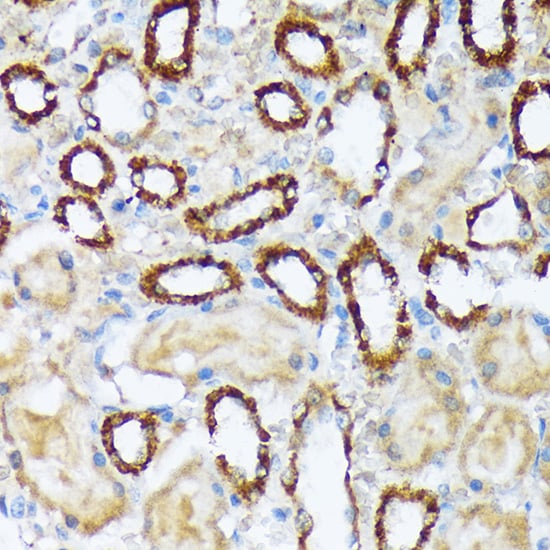
IHC (Immunohistchemistry) (Immunohistochemistry analysis of paraffin-embedded Mouse kidney tissue using VDAC1 Rabbit mAb (AAA28528) at a dilution of 1:200 (40x lens). High pressure antigen retrieval performed with 0.01M Citrate Bufferr (pH 6.0) prior to IHC staining.)
IHC (Immunohistochemistry) (Immunohistochemistry analysis of paraffin-embedded Human thyroid cancer tissue using VDAC1 Rabbit mAb (AAA28528) at a dilution of 1:200 (40x lens). High pressure antigen retrieval performed with 0.01M Citrate Bufferr (pH 6.0) prior to IHC staining.)
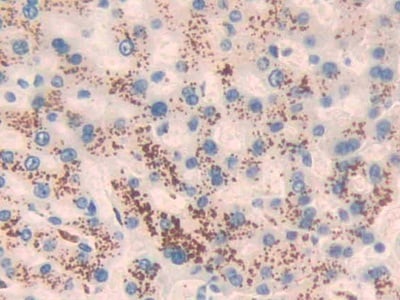
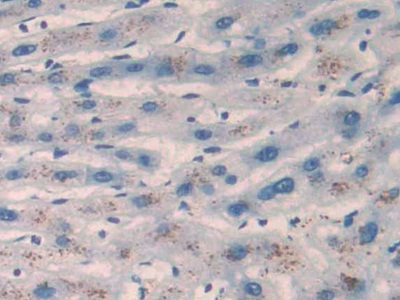
IHC (Immunohistochemistry) (Immunohistochemistry analysis of paraffin-embedded Human liver tissue using VDAC1 Rabbit mAb (AAA28528) at a dilution of 1:200 (40x lens). High pressure antigen retrieval performed with 0.01M Citrate Bufferr (pH 6.0) prior to IHC staining.)
IHC (Immunohistchemistry) (Immunohistochemistry analysis of paraffin-embedded Human colon carcinoma tissue using VDAC1 Rabbit mAb (AAA28528) at a dilution of 1:200 (40x lens). High pressure antigen retrieval performed with 0.01M Citrate Bufferr (pH 6.0) prior to IHC staining.)
ICC (Immunocytochemistry) (Confocal imaging of NIH/3T3 cells using VDAC1 Rabbit mAb (AAA28528, dilution 1:200) followed by a further incubation with Cy3 Goat Anti-Rabbit IgG (H+L) (AS007, dilution 1:500) (Red). The cells were counterstained with ?-Tubulin Mouse mAb (AC012, dilution 1:400) followed by incubation with ABflo® 488-conjugated Goat Anti-Mouse IgG (H+L) Ab (AS076, dilution 1:500) (Green). DAPI was used for nuclear staining (Blue). Objective: 100x.)
ICC (Immunocytochemistry) (Confocal imaging of L-929 cells using VDAC1 Rabbit mAb (AAA28528, dilution 1:200) followed by a further incubation with Cy3 Goat Anti-Rabbit IgG (H+L) (AS007, dilution 1:500) (Red). The cells were counterstained with ?-Tubulin Mouse mAb (AC012, dilution 1:400) followed by incubation with ABflo® 488-conjugated Goat Anti-Mouse IgG (H+L) Ab (AS076, dilution 1:500) (Green). DAPI was used for nuclear staining (Blue). Objective: 100x.)
ICC (Immunocytochemistry) (Confocal imaging of HeLa cells using VDAC1 Rabbit mAb (AAA28528, dilution 1:200) followed by a further incubation with Cy3 Goat Anti-Rabbit IgG (H+L) (AS007, dilution 1:500) (Red). The cells were counterstained with ?-Tubulin Mouse mAb (AC012, dilution 1:400) followed by incubation with ABflo® 488-conjugated Goat Anti-Mouse IgG (H+L) Ab (AS076, dilution 1:500) (Green). DAPI was used for nuclear staining (Blue). Objective: 100x.)
ICC (Immunocytochemistry) (Confocal imaging of C6 cells using VDAC1 Rabbit mAb (AAA28528, dilution 1:200) followed by a further incubation with Cy3 Goat Anti-Rabbit IgG (H+L) (AS007, dilution 1:500) (Red). The cells were counterstained with ?-Tubulin Mouse mAb (AC012, dilution 1:400) followed by incubation with ABflo® 488-conjugated Goat Anti-Mouse IgG (H+L) Ab (AS076, dilution 1:500) (Green). DAPI was used for nuclear staining (Blue). Objective: 100x.)
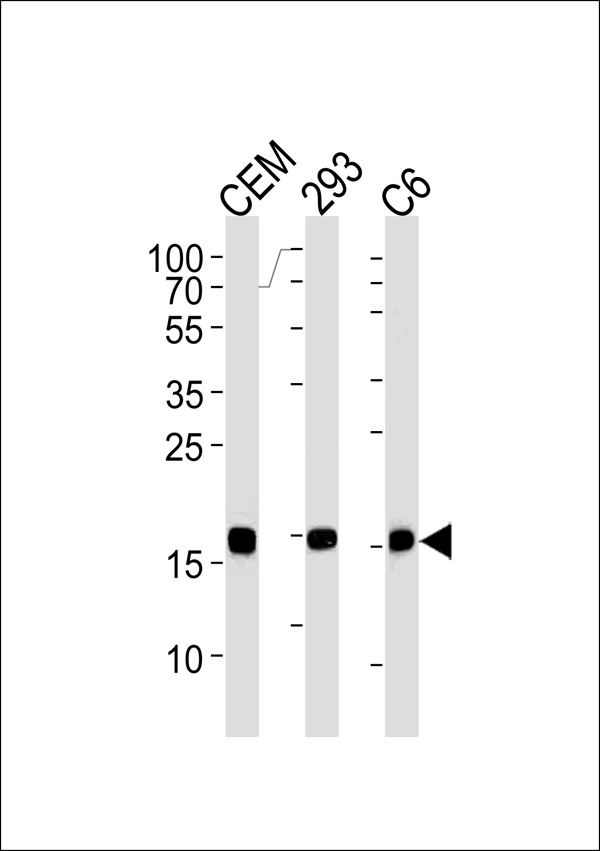
WB (Western Blot) (Western blot analysis of various lysates using VDAC1 Rabbit mAb (AAA28528) at 1:5000 dilution incubated overnight at 4?.Secondary antibody: HRP-conjugated Goat anti-Rabbit IgG (H+L) (AS014) at 1:10000 dilution.Lysates/proteins: 25 ug per lane.Blocking buffer: 3% nonfat dry milk in TBST.Detection: ECL Basic Kit (RM00020).Exposure time: 15s.)
IP (Immunoprecipitation) (IP antibody use: 5ug VSV-G Mouse IgG1 per ml Lysate, WB 1:20001, untransfected 293 cell lysate 2, transfected 293 cell lysate with VSV-G-tag fusion protein3, IP(untransfted 293+anti-VSV-G mAb+Protein G agarose) 4, IP (transfected 293+ normal Mouse IgG+Protein G agarose) 5, IP (transfected 293+anti-VSV-G mAb+ Protein G agarose)6, IP (transfected 293+Protein G)7, Recombinant protein (E.coli))
IF (Immunofluorescence) (IF analysis of 293T cells transfected with a VSV-G-tagged protein, using VSV-G-Tag (8D6) Mouse mAb at a 1:500 dilution (blue DAPI ,red anti-VSV-G).)
WB (Western Blot) (1ug VSV-G fusion protein+ Primary antibody dilution at 1, 1:5,000 (lane 1) and 1:2,000 (lane 2))
WB (Western Blot) (Western Blot Analysis of human kidney cell lysate using Ferritin, Light ChainMouse Monoclonal Antibody (FTL/1387).)
Application Data (Analysis of Protein Array containing more than 19,000 full-length human proteins using Ferritin, Light Chain Mouse Monoclonal Antibody (FTL/1387). Z- and S- Score: The Z-score represents the strength of a signal that a monoclonal antibody (MAb) (in combination with a fluorescently-tagged anti-IgG secondary antibody) produces when binding to a particular protein on the HuProtTM array. Z-scores are described in units of standard deviations (SD's) above the mean value of all signals generated on that array. If targets on HuProtTM are arranged in descending order of the Z-score, the S-score is the difference (also in units of SD's) between the Z-score. S-score therefore represents the relative target specificity of a MAb to its intended target. A MAb is considered to specific to its intended target, if the MAb has an S-score of at least 2.5. For example, if a MAb binds to protein X with a Z-score of 43 and to protein Y with a Z-score of 14, then the S-score for the binding of that MAb to protein X is equal to 29.)
SDS-PAGE (SDS-PAGE Analysis Purified Ferritin, Light Chain Mouse Monoclonal Antibody (FTL/1387). Confirmation of Integrity and Purity of Antibody)
WB (Western Blot) (Western Blot Analysis of human HeLa Cell lysate using Ferritin, Light Chain Mouse Monoclonal Antibody (FTL/1387).)
IHC (Immunohistochemistry) (Formalin-fixed, paraffin-embedded Human Prostatestained with Ferritin, Light Chain Mouse Monoclonal Antibody (FTL/1387).)
IHC (Immunohistochemistry) (Formalin-fixed, paraffin-embedded Human Pancreasstained with Ferritin, Light Chain Mouse Monoclonal Antibody (FTL/1387).)
WB (Western Blot) (Western Blot Analysis of human Small Intestine tissue lysate using CDH17 Mouse Monoclonal Antibody (CDH17/2618).)
Application Data (Analysis of Protein Array containing more than 19,000 full-length human proteins using Cadherin 17 (CDH17) Mouse Monoclonal Antibody (CDH17/2618). Z- and S- Score: The Z-score represents the strength of a signal that a monoclonal antibody (MAb) (in combination with a fluorescently-tagged anti-IgG secondary antibody) produces when binding to a particular protein on the HuProtTM array. Z-scores are described in units of standard deviations (SD's) above the mean value of all signals generated on that array. If targets on HuProtTM are arranged in descending order of the Z-score, the S-score is the difference (also in units of SD's) between the Z-score. S-score therefore represents the relative target specificity of a MAb to its intended target. A MAb is considered to specific to its intended target, if the MAb has an S-score of at least 2.5. For example, if a MAb binds to protein X with a Z-score of 43 and to protein Y with a Z-score of 14, then the S-score for the binding of that MAb to protein X is equal to 29.)
FCM (Flow Cytometry) (Flow Cytometric Analysis of MCF-7 cells using Cadherin 17/CDH17 Mouse Monoclonal Antibody (CDH17/2618) followed by Goat anti-Mouse IgG-CF488 (Blue); Isotype Control (Red).)
SDS-PAGE (SDS-PAGE AnalysisPurified Cadherin 17/CDH17 Mouse Monoclonal Antibody (CDH17/2618). Confirmation of Purity and Integrity of Antibody)
IHC (Immunohistochemistry) (Formalin-fixed, paraffin-embedded human Colon stained with Cadherin 17/CDH17 Mouse Monoclonal Antibody (CDH17/2618).)
IP (Immunoprecipitation) (Immunoprecipitation of TYK2 transfected lysate using TYK2 monoclonal antibody and Protein A Magnetic Bead and immunoblotted with TYK2 rabbit polyclonal antibody.)
IF (Immunofluorescence) (Immunofluorescence of monoclonal antibody to TYK2 on HeLa cells using [antibody concentration 10ug/ml])
IHC (Immunohistochemistry) (Immunoperoxidase of monoclonal antibody to TYK2 on formalin-fixed paraffin-embedded human colon using [antibody concentration 3ug/ml])
WB (Western Blot) (Western Blot analysis of TYK2 expression in transfected 293T cell line using 1: TYK2 transfected lysate (133.7kD).Lane 2: Non-transfected lysate.)
WB (Western Blot) (TYK2 monoclonal antibody, Western Blot analysis of TYK2 expression in HeLa cells using .)
ELISA (Detection limit for recombinant GST tagged TYK2 is 1ng/mL using AAA25877 as a capture antibody.)
Immunofluorescence, Immunohistochemistry, Immunoprecipitation, Western Blot
Purity
Purified by Protein A Affinity Chromatography.
Pricing
What are Monoclonal Antibodies?
Monoclonal antibodies are specialized laboratory-produced proteins developed for binding to specific biological antigens or other molecular targets. Since they come from a single cell (or clone), they are especially consistent and accurate in the data they are involved in producing.
This type of antibody material has been shown to be a powerful tool in finding and subsequently destroying harmful cells in an organism, such as those found in cancers or various autoimmune diseases. This makes them excellent aids in medical testing and research, which is why they are so widely used.
AAA Biotech offers a comprehensive range of high-quality monoclonal antibodies that perform effectively in various laboratory tests, including (amongst others) ELISA, western blotting, immunohistochemistry, and flow cytometry. All of the products in our catalog are thoroughly quality tested to make sure that they are reliable and will consistently perform well in your research.
What Are The Uses of Monoclonal Antibodies
Monoclonal antibodies are used in many lab tests, including (amongst others) ELISA, western blotting, immunohistochemistry, and flow cytometry.
ELISA is a test that helps detect a specific substance/analyte in a sample. It uses antibodies (often monoclonal) bound to a solid surface (such as the well of a microplate) to “capture” the substance/analyte in the sample and immobilize it so that the detection antibody component can then bind to it and produce a signal, which can then be measured.
Western blotting identifies specific proteins in a sample. The sample is first separated on a gel, and then antibodies are applied that will typically bind to the target, which will all be localized to a single band in a lane.
Immunohistochemistry helps locate specific proteins in cells or tissue samples using antibodies.
Flow cytometry looks at and sorts cells. It uses antibodies that are conjugated to reporter molecules called “fluorophores”, which, under special lights, emit light themselves, which can then be measured by a detector instrument.
How Monoclonal Antibodies Are Used as Medicine?
Please note that all of the products listed in AAA Biotech’s catalog are strictly for research-use only (RUO).
Monoclonal antibodies can also be used as therapeutic/medical treatments, particularly in the context of cancers. They are designed to find and bind to specific cells or proteins, helping the immune system recognize and attack the cancer. These treatments work in different ways, such as:
Radioimmunotherapy attaches a small amount of radioactive molecule to the antibody, so it delivers the radiation directly to the cancer cells that the antibody is specifically binding to.
Antibody-directed enzyme prodrug therapy uses antibodies that are specifically bound to special enzymes. These enzymes activate a harmless drug in the body and turn it into a cancer-killing drug only near the cancer cells—this helps avoid harming healthy cells.
Immunoliposomes are tiny “bubbles” filled with medicine/drug and coated with antibodies. They carry the drug straight to the cancer cells.
Why Buy Monoclonal Antibodies From Us?
At AAA Biotech, we provide high-performance monoclonal antibodies designed to support a wide range of research needs.
1. Validated for Versatile Applications
The antibodies in our catalog are extensively validated and compatible with multiple techniques, including (but not limited to) ELISA, flow cytometry (FC), immunocytochemistry (ICC), immunofluorescence (IF), immunohistochemistry (IHC), immunoprecipitation (IP), and western blotting (WB).
2. Wide Selection & Specialized Options
We offer antibodies for common and rare species, that are available in various conjugated forms, and also in recombinant formats. Essentially, there is almost anything one might need to meet their experimental model’s requirements.
3. High-Quality Proteins
Our proteins meet high purity standards—90% or more as confirmed by SDS-PAGE. Many are available with tags like His, Flag, GST, or MBP, and we also supply native and biologically active proteins for functional studies.
Frequently Asked Questions
1. Are your monoclonal antibodies validated for specific applications?
Yes, our antibodies are tested and validated for use in methods such as ELISA, western blot, IHC, flow cytometry, and more. Refer to specific product pages or datasheets for individual product information.
2. How do I choose the right monoclonal antibody for my application?
Review the product details directly for application validation, species reactivity, and target information. You may also contact our support team at any time for help.
3. How quickly can I receive my order?
Most orders are processed and shipped within 1–3 business days, depending on product availability and your shipping location.
Submit a Question
Please complete the form below and a representative will contact you as soon as possible.
Request more Information
Please complete the form below and a representative will contact you as soon as possible.
Request a Manual
Please complete the form below and a representative will contact you as soon as possible.
Request a Quote
Please complete the form below and a representative will contact you as soon as possible.