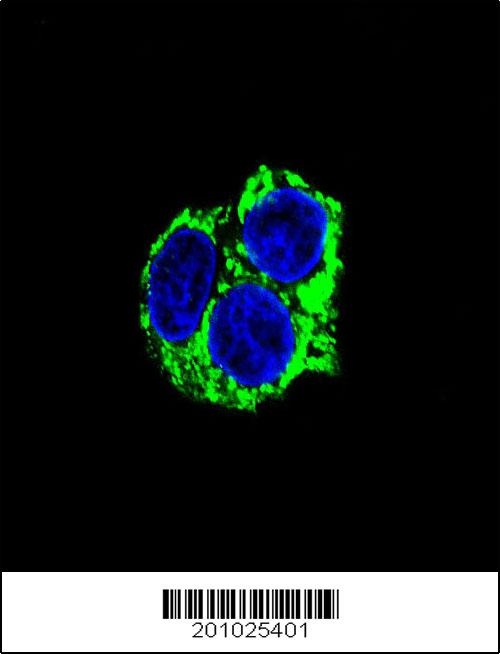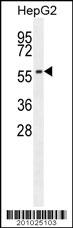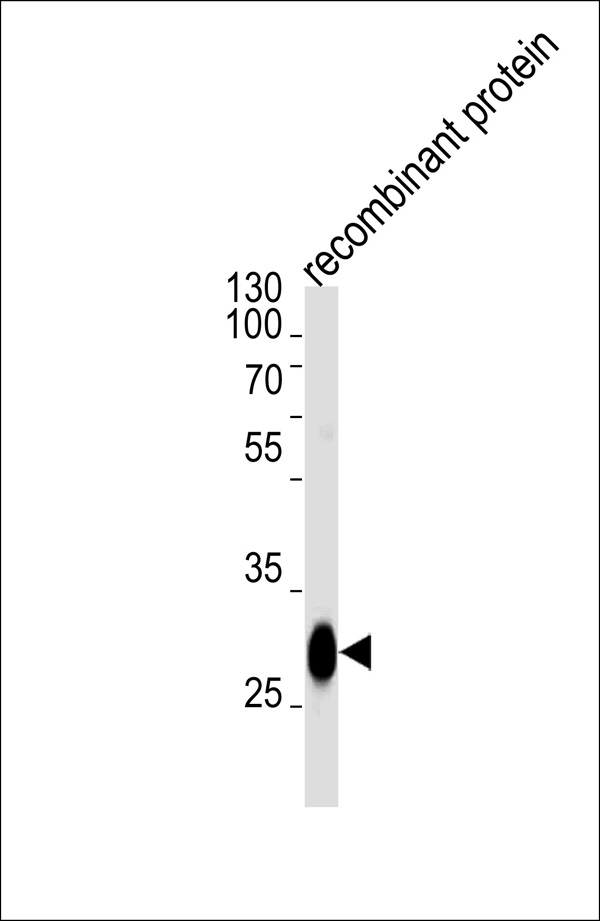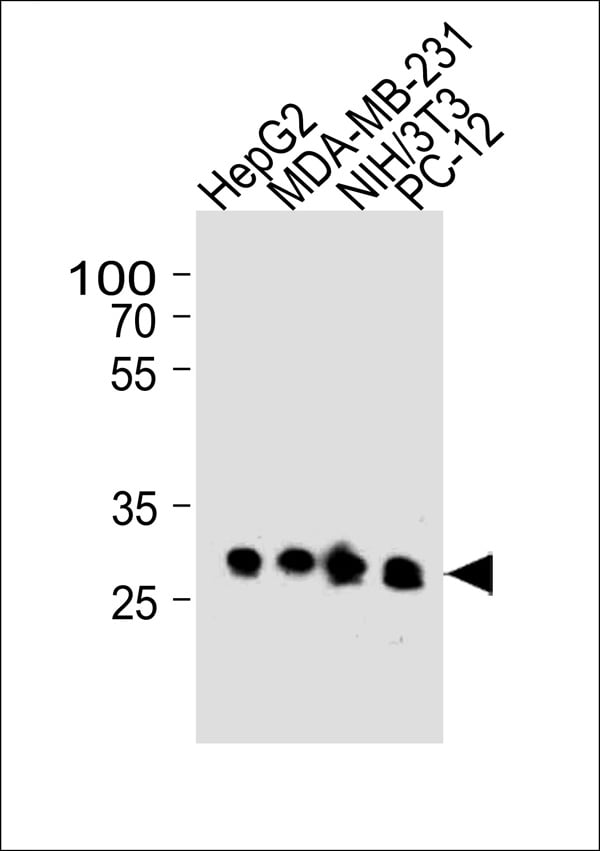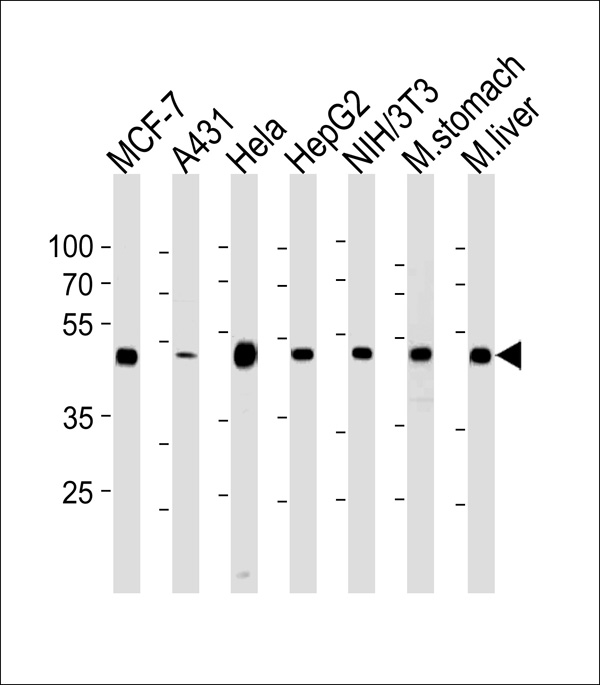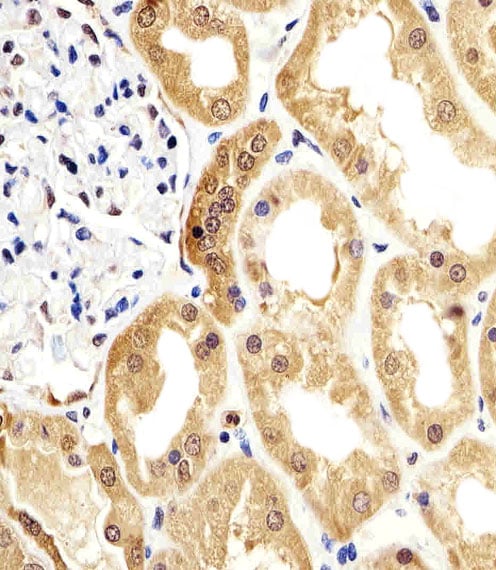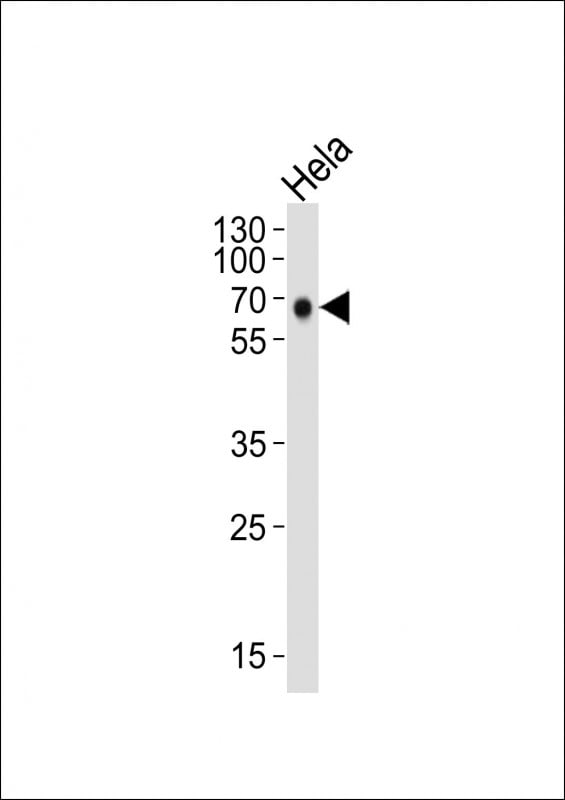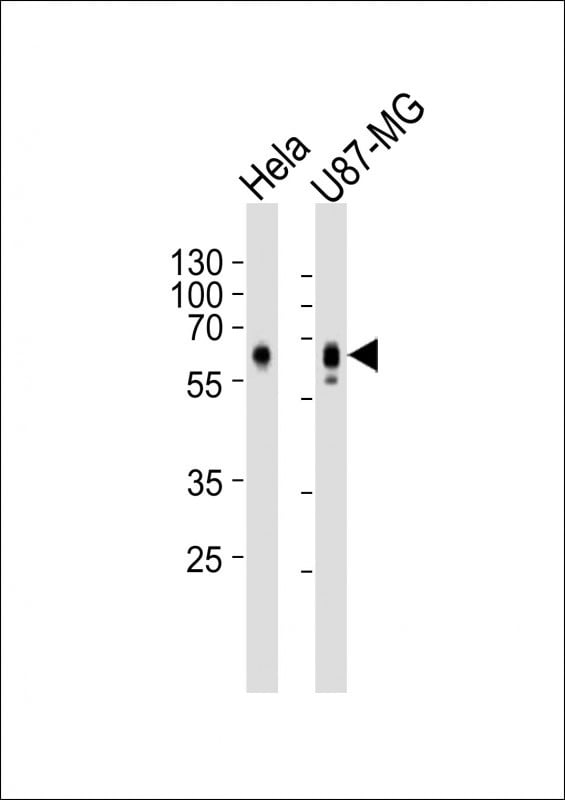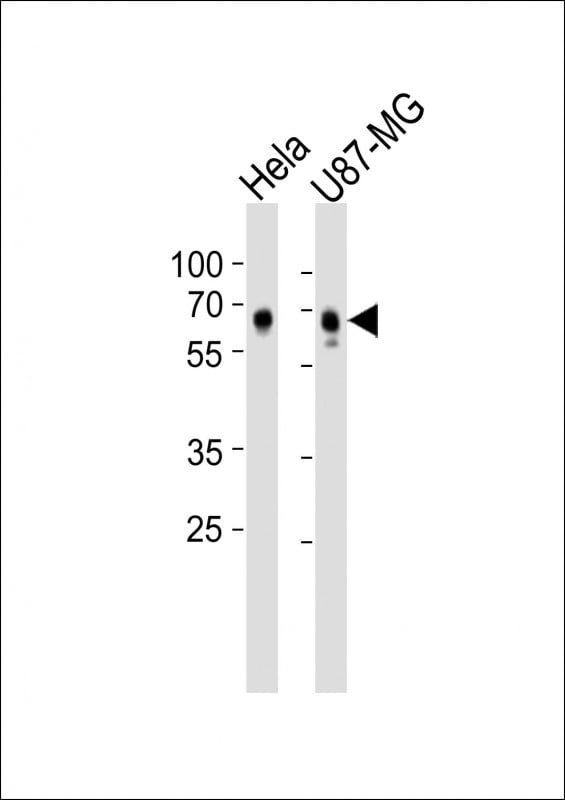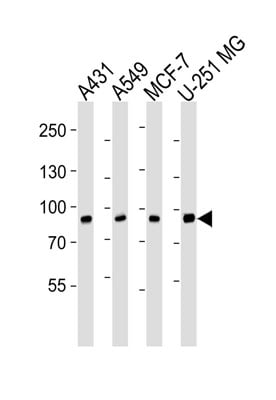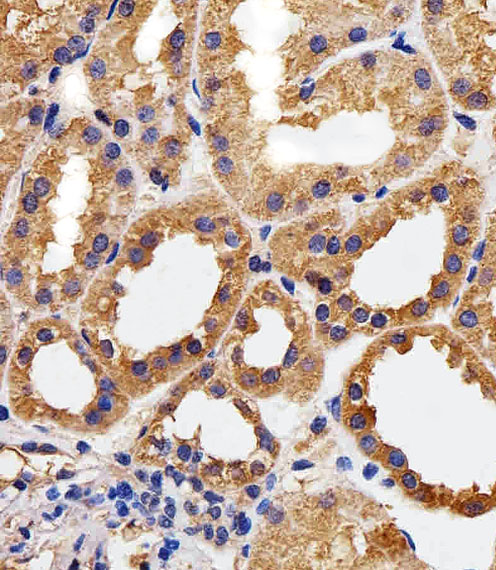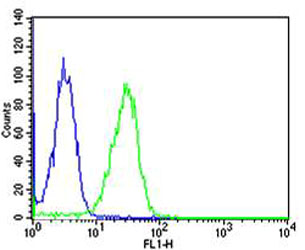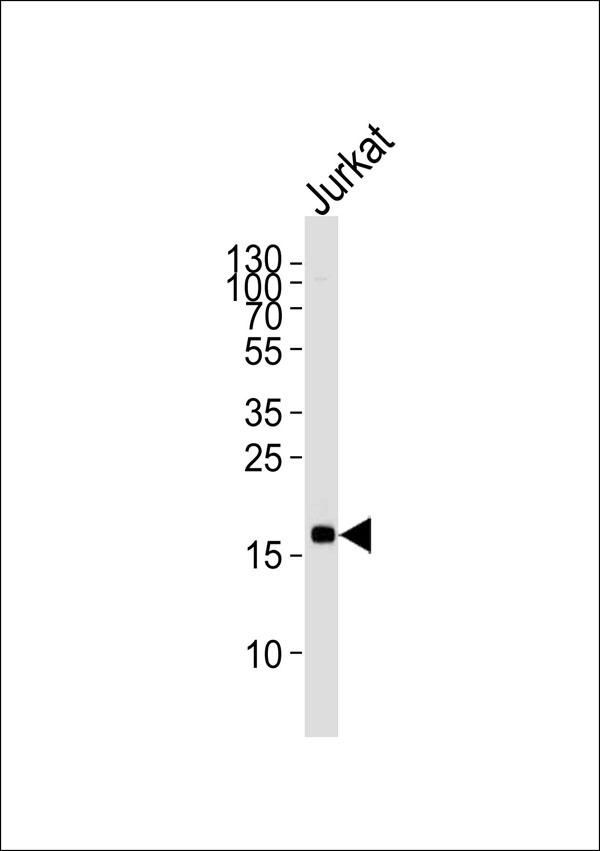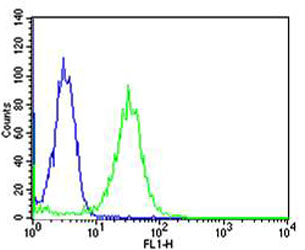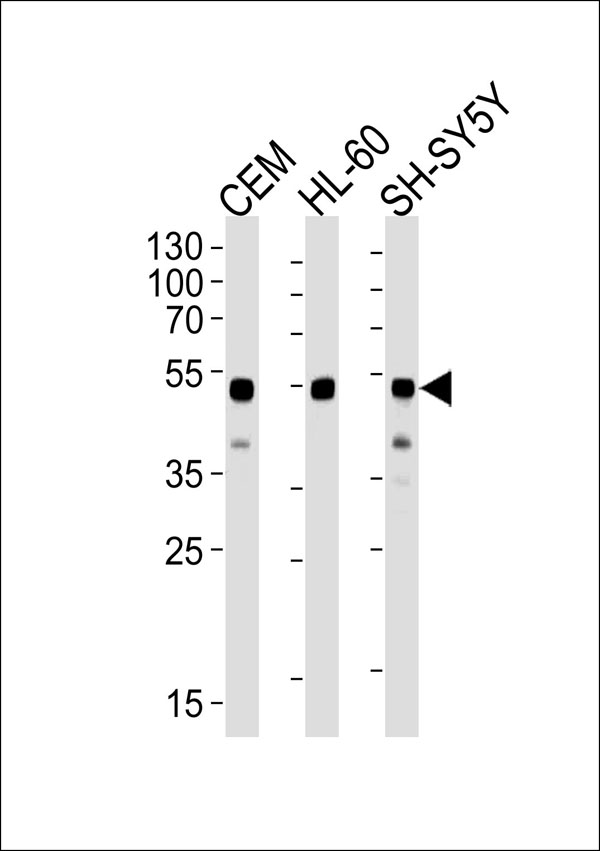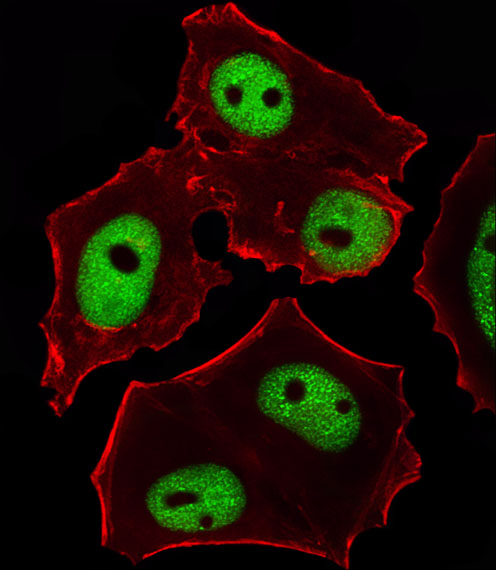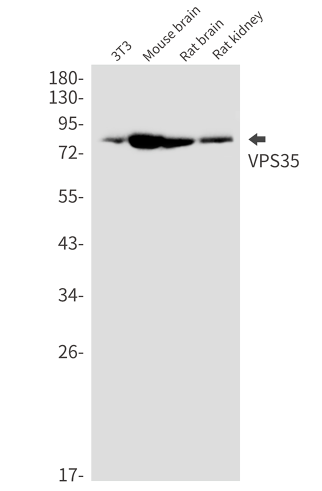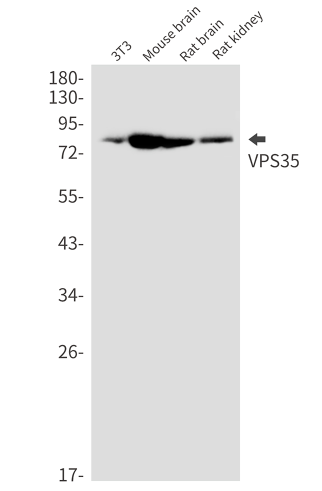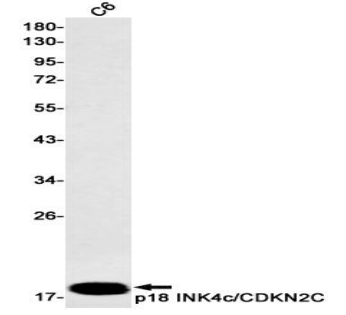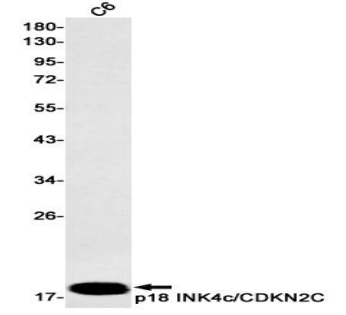
Get accurate results in your research with our Monoclonal Antibodies, which are specially made to target exactly what you require for your research, and will produce consistent, reliable performance in lab tests.
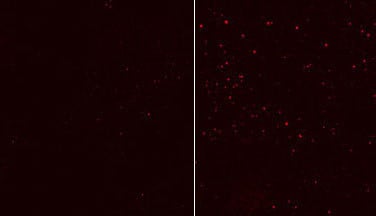
Application Data (Z- and S- Score: The Z-score represents the strength of a signal that a monoclonal antibody (MAb) (in combination with a fluorescently-tagged anti-IgG secondary antibody) produces when binding to a particular protein on the HuProtTM array. Z-scores are described in units of standard deviations (SD's) above the mean value of all signals generated on that array. If targets on HuProtTM are arranged in descending order of the Z-score, the S-score is the difference (also in units of SD's) between the Z-score. S-score therefore represents the relative target specificity of a MAb to its intended target. A MAb is considered to specific to its intended target, if the MAb has an S-score of at least 2.5. For example, if a MAb binds to protein X with a Z-score of 43 and to protein Y with a Z-score of 14, then the S-score for the binding of that MAb to protein X is equal to 29.)
SDS-PAGE (SDS-PAGE Analysis Purified SOX10 Mouse Monoclonal Antibody (Clone# SOX10/991).Confirmation of Integrity and Purity of Antibody.)
WB (Western Blot) (Western Blot Analysis of COLO-38 cell lysate usingSOX10 Mouse Monoclonal Antibody (SOX10/991).)
WB (Western Blot) (Western Blot of SOX10 (A) Recombinant protein (B) A375 Cell Lysate using SOX10 Monoclonal Antibody (SOX10/991).)
WB (Western Blot) (S100A8 was immunoprecipitated using:Lane A: 0.5 mg HL-60 Whole Cell Lysate 1 uL anti-S100A8 rabbit monoclonal antibody and 60 ug of Immunomagnetic beads Protein A/G.Primary antibody:Anti-S100A8 rabbit monoclonal antibody, at 1:500 dilutionSecondary antibody:Goat Anti-Rabbit IgG (H+L)/HRP at 1/10000 dilution Developed using the ECL technique.Performed under reducing conditions.Predicted band size: 11 kDaObserved band size :11 kDa)
WB (Western Blot) (Anti-S100A8 rabbit monoclonal antibody at 1:500 dilutionLane A: THP-1 Whole Cell LysateLane B: HL-60 Whole Cell LysateLysates/proteins at 30 ug per lane.SecondaryGoat Anti-Rabbit IgG (H+L)/HRP at 1/10000 dilution.Developed using the ECL technique.Performed under reducing conditions.Predicted band size: 11 kDaObserved band size: 11 kDa)
IHC (Immunohistochemistry) (Immunohistochemistry: Human Lung carcinoma (FFPE) stained with Mouse anti-cAMP (Cat# AAA14070) at 1:200 for 10 min @ RT. Staining of formalin-fixed tissue requires boiling tissue sections in 10 mM Citrate Buffer, pH 6.0 for 10 min followed by cooling at RT for 20 min)
Application Data (Staining of human peripheral blood lymphocytes with Mouse anti Human CD40:RPE)
Application Data (Immunofluorescence staining of a human tonsil cryostetion with Mouse anti Human CD40 antibody, clone LOB7/6 , red in A and Mouse anti Human CD21 antibody, clone LB21 , green in B. The merged image is C with nuclei counterstained blue using DAPI. Low power)
Application Data (Published customer image: LEF-M interferes with DC differentiation. (a) Monocytes were cultured for 5 days with granulocyte -macrophage colony-stimulating factor (GM-CSF; 50 ng/ml) plus IL-4 (10 ng/ml) in the absence or presence of 150 umol/l of the active metabolite of leflunomide (LEF-M). Subsequently, surface marker expression was determined using fluorescence-activated cell sorting (FACS) analysis. Open profiles with dotted line represent staining pattern with an isotype control antibody, open profiles with fine line indicate the staining pattern of differentiated control dendritic cells (DCs) stained with the indicated mAbs, whereas solid grey profiles show staining of DCs differentiated in the presence of LEF-M. (b) Myeloid precursor cells differentiated in the presence of LEF-M are resistant to maturation. Cells were treated as described above and then stimulated with lipopolysaccharide (LPS; 100 ng/ml) for 48 hours. Open profiles with dotted line represent staining pattern with an isotype control antibody, open profiles with fine line indicate staining of activated control DCs, and solid grey profiles show staining of DCs differentiated in the presence of LEF-M and subsequently exposed to LPS. Data are representative of at least four independent experiments. (c,d) The effects of LEF-M on DC differentiation are independent of pyrimidine depletion. The respective change in mean flourescence intensity (MFI) are shown (c) after the differentiation phase for CD40 and CD1a and (d) after subsequent maturation with 100 ng/ml LPS for CD40 and CD83 with and without 50 umol/l uridine. White bars represent control DCs, and black bars indicate LEF-M-treated cells. Shown are mean percentage control responses +/- standard error of the mean, calculated from five to eight independent experiments. Student's t-tests were calculated for control versus LEF-M-treated DCs and for LEF-M-treated DCs versus without uridine addition, as indicated. *P < 0.05, **P < 0.01.From: Kirsch BM, Zeyda M, Stuhlmeier K, Grisar J, Smolen JS, Watschinger B, Stulnig TM, H¶rl WH, Zlabinger GJ, S¤emann MD. The active metabolite of leflunomide, A77 1726, interferes with dendritic cell function. Arthritis Res Ther. 2005;7(3):R694-703.)
Application Data (Staining of human peripheral blood lymphocytes with Mouse anti Human CD40: Alexa Fluor 488)
Application Data (Immunoperoxidase staining of a human tonsil cryosection with Mouse anti Human CD40 antibody, clone LOB7/6 followed by the Histar Detection system . High power)
Application Data (Published customer image: Treatment with LEF-M during maturation of immature DCs leads to a differentially affected phenotype. Monocytes were cultured for 5 days with granulocyte -macrophage colony-stimulating factor (GM-CSF; 50 ng/ml) plus IL-4 (10 ng/ml). (a) On day 5 these immature dendritic cells (DCs; 5 x 10⁵/ml) were activated with lipopolysaccharide (LPS; 100 ng/ml) in the absence or presence of 150 umol/l of the active metabolite of leflunomide (LEF-M) for 48 hours. Surface marker expression was determined by fluorescence-activated cell sorting analysis. Open profiles with dotted line represent the staining pattern with an isotype control, open profiles with fine line indicate the staining pattern of DC exposed to LPS with the indicated monoclonal antibodies, and solid grey profiles show staining of DCs matured in the presence of LEF-M. The results shown are representative of five independent experiments. (b,c) Effect of LEF-M on maturation-associated clustering of DCs; immature DCs were stimulated with LPS in the (panel b) absence or (panel c) presence of 150 umol/l LEF-M. After 8 hours of cultivation, cells were analyzed by inspecting photomicrographs obtained by light microscopy. Similar results were obtained in four additional experiments. MHC, major histocompatibility complex.From: Kirsch BM, Zeyda M, Stuhlmeier K, Grisar J, Smolen JS, Watschinger B, Stulnig TM, H¶rl WH, Zlabinger GJ, S¤emann MD. The active metabolite of leflunomide, A77 1726, interferes with dendritic cell function. Arthritis Res Ther. 2005;7(3):R694-703.)
Application Data (Immunoperoxidase staining of a human tonsil cryosection with Mouse anti Human CD40 antibody, clone LOB7/6 followed by the Histar Detection system . Low power)
Application Data (Published customer image: Effect of rapamycin (Rapa) on the phenotype and function of H1-DC. DCs were either untreated, matured in response to the maturation cocktail or treated with Rapa for 3 days prior to maturation. (a) H1-DC stained for the expression of the maturation marker CD83, the costimulatory molecules CD86 and CD40, as well as the inhibitory receptor PD-L1. Dead cells were excluded from analysis using 7-AAD. Open histograms represent the level of background staining using appropriate isotype-matched controls. Data from one of 3 independent experiments are shown. (b) Phenotypic analysis of control populations of moDC treated and stained in parallel with rapamycin. (c) Effect of rapamycin on the allostimulatory capacity of DC in the allogeneic MLR. DCs were mitotically-inactivated using mitomycin C and plated in triplicate at a top dose of 104 cells per well of a 96-well round-bottomed plate; na¯ve CD4+ T cells were plated at 5 x 10⁴?cells/well. Cells were incubated for 5 days before pulsing with 3H-thymidine overnight. Graphs show the mean of triplicate cultures +/- S.D. Data are shown from one experiment, representative of 3 independent experiments.From: Silk KM, Leishman AJ, Nishimoto KP, Reddy A, Fairchild PJ. Rapamycin conditioning of dendritic cells differentiated from human ES cells promotes a tolerogenic phenotype. J Biomed Biotechnol. 2012;2012:172420.)
Application Data (Immunofluorescence staining of a human tonsil cryostetion with Mouse anti Human CD40 antibody, clone LOB7/6 , red in A and Mouse anti Human CD21 antibody, clone LB21 , green in B. The merged image is C with nuclei counterstained blue using DAPI. High power)
Application Data (Immunofluorescence staining of a human tonsil cryostetion with Mouse anti Human CD40 antibody, clone LOB7/6 , red in A and Mouse anti Human CD21 antibody, clone LB21 , green in B. The merged image is C with nuclei counterstained blue using DAPI. Medium power)
FCM (Flow Cytometry) (Flow cytometry analysis of TIGIT overexpressing HEK293 cells using TIGIT single domain antibody and control 1H4 single domain antibody at 0.05ug/ml. Blue: Untransfected HEK293 cells. Yellow: TIGIT overexpressing HEK293 cells.)
IHC (Immunohistochemistry) (Immunohistochemistry of TIGIT in human spleen tissue with TIGIT single domain antibody at 1ug/mL.)
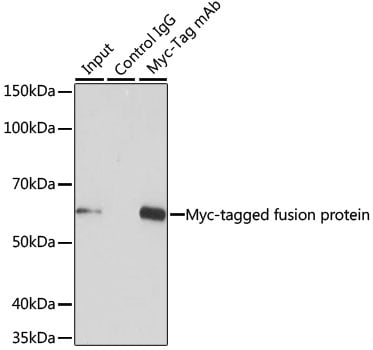
ELISA (Titration ELISA analysis of TIGIT sdAbs to detect recombinant TIGIT (extracellular domain) coated at 1 ug/mL. sdAbs are detected with a mouse mAb against a C-terminal myc-tag followed by a goat anti-mouse IgG-HRP conjugate.)
IF (Immunofluorescence) (Immunofluorescence of TIGIT in human spleen tissue with TIGIT single domain antibody at 20ug/mL.)
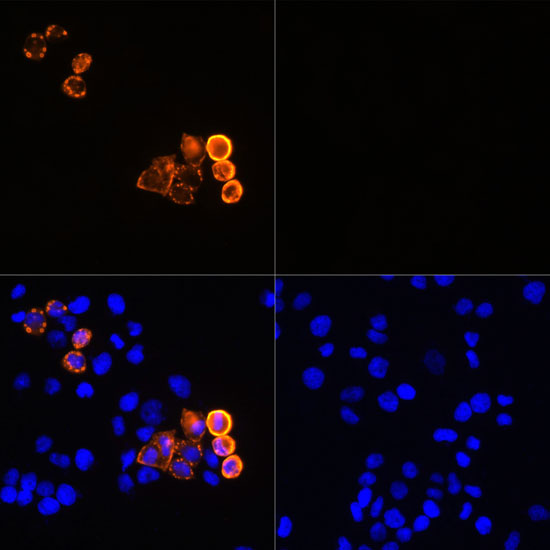
IF (Immunofluorescence) (Immunofluorescence of TIGIT in transfected HEK293 cells with TIGIT single domain antibody at 20ug/mL.)
ICC (Immunocytochemistry) (Immunocytochemistry of TIGIT in transfected HEK293 cells with TIGIT single domain antibody at 10ug/mL.)
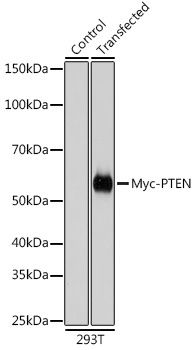
TIGIT Antibody is affinity chromatography purified via Nickel column. Antibody is supplied as a His-tagged purified protein. It also contains a myc-tag for detection.
Pricing
WB (Western Blot) (Western Blot analysis of Ebola GP I. Anti-Ebola GP I antibody (Clone: ABM47F9) was tested at 0.1 ug/ml partial length recombinant protein.)
Application Data (Analysis of Protein Array containing more than 19,000 full-length human proteins using ICOS-L Mouse Monoclonal Antibody (ICOSL/3111). Z- and S- Score: The Z-score represents the strength of a signal that a monoclonal antibody (MAb) (in combination with a fluorescently-tagged anti-IgG secondary antibody) produces when binding to a particular protein on the HuProtTM array. Z-scores are described in units of standard deviations (SD’s) above the mean value of all signals generated on that array. If targets on HuProtTM are arranged in descending order of the Z-score, the S-score is the difference (also in units of SD’s) between the Z-score. S-score therefore represents the relative target specificity of a MAb to its intended target. A MAb is considered to specific to its intended target, if the MAb has an S-score of at least 2.5. For example, if a MAb binds to protein X with a Z-score of 43 and to protein Y with a Z-score of 14, then the S-score for the binding of that MAb to protein X is equal to 29.)
SDS-PAGE (SDS-PAGE Analysis Purified ICOS-L Mouse Monoclonal Antibody (ICOSL/3111). Confirmation of Purity and Integrity of Antibody.)
IF (Immunofluorescence) (Immunofluorescence staining of U937 cells using ICOS-L Mouse Monoclonal Antibody (ICOSL/3111) followed by goat anti-Mouse IgG conjugated to CF488 (green). Nuclei are stained with Reddot)
FCM (Flow Cytometry) (Flow Cytometric Analysis of U937 cells using ICOS-L Mouse Monoclonal Antibody (ICOSL/3111) followed by goat anti-Mouse IgG-CF488 (Blue); Isotype Control (Red).)
IHC (Immunohistochemistry) (Formalin-fixed, paraffin-embedded human Colon Carcinoma stained with ICOS-L Mouse Monoclonal Antibody (ICOSL/3111).)
IHC (Immunohistochemistry) (Formalin-fixed, paraffin-embedded human Prostate Carcinoma stained with ICOS-L Mouse Monoclonal Antibody (ICOSL/3111).)
Application Data (Detection limit for recombinant GST tagged PGR is approximately 0.03ng/ml as a capture antibody.)
WB (Western Blot) (PGR monoclonal antibody (M08), clone 4E9 Western Blot analysis of PGR expression in MCF-7.)
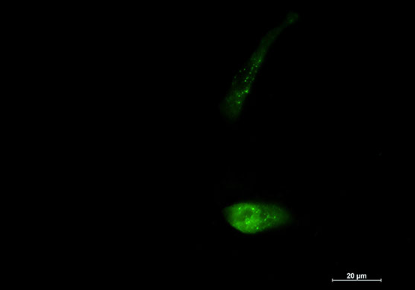
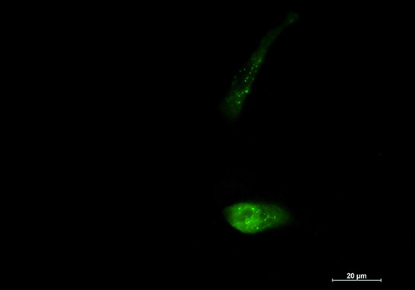
IF (Immunofluorescence) (Immunofluorescence of monoclonal antibody to PGR on MCF-7 cell. [antibody concentration 10 ug/ml])
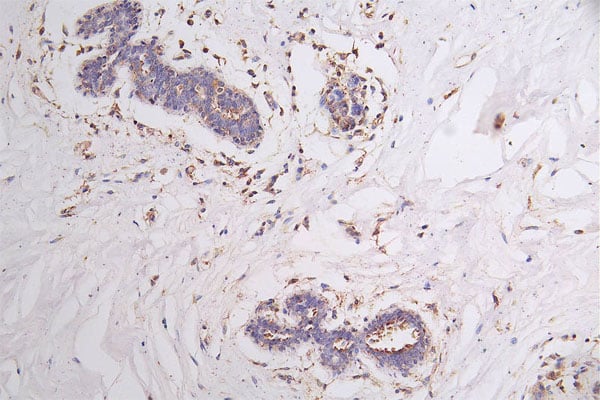
IHC (Immunohistochemistry) (Immunoperoxidase of monoclonal antibody to PGR on formalin-fixed paraffin-embedded human breast cancer. [antibody concentration 3 ug/ml])
Application Data (Immunoperoxidase of monoclonal antibody to PGR on formalin-fixed paraffin-embedded human breast cancer. [antibody concentration 3 ug/ml])
IHC (Immunohistochemistry) (Immunohistochemistry analysis of paraffin-embedded Mouse brain tissue using COPA Rabbit mAb (AAA28522) at a dilution of 1:200 (40x lens). High pressure antigen retrieval was performed with 0.01 M citrate buffer (pH 6.0) prior to IHC staining.)
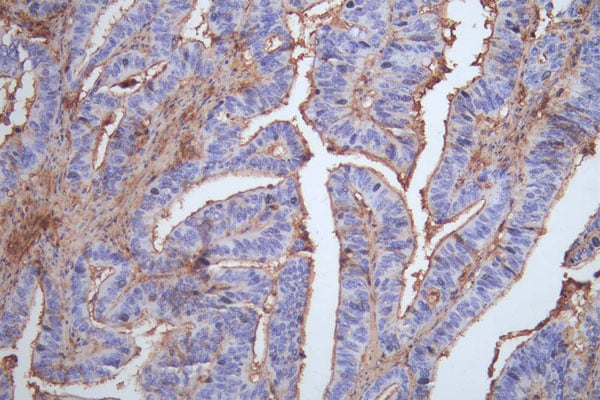
IHC (Immunohistochemistry) (Immunohistochemistry analysis of paraffin-embedded Human colon carcinoma tissue using COPA Rabbit mAb (AAA28522) at a dilution of 1:200 (40x lens). High pressure antigen retrieval was performed with 0.01 M citrate buffer (pH 6.0) prior to IHC staining.)
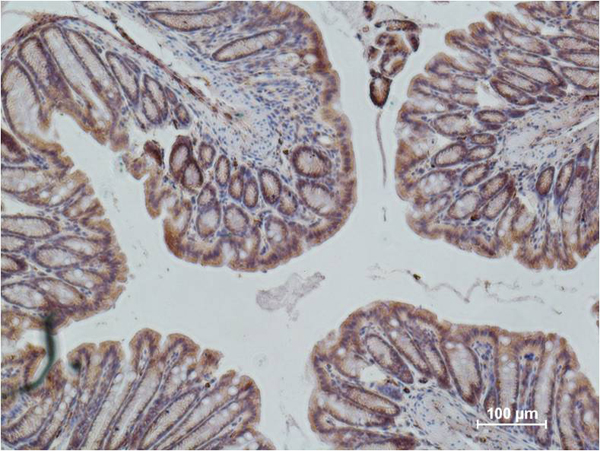
IHC (Immunohistchemistry) (Immunohistochemistry analysis of paraffin-embedded Human colon tissue using COPA Rabbit mAb (AAA28522) at a dilution of 1:200 (40x lens). High pressure antigen retrieval was performed with 0.01 M citrate buffer (pH 6.0) prior to IHC staining.)
IHC (Immunohistochemistry) (Immunohistochemistry analysis of paraffin-embedded Human thyroid cancer tissue using COPA Rabbit mAb (AAA28522) at a dilution of 1:200 (40x lens). High pressure antigen retrieval was performed with 0.01 M citrate buffer (pH 6.0) prior to IHC staining.)
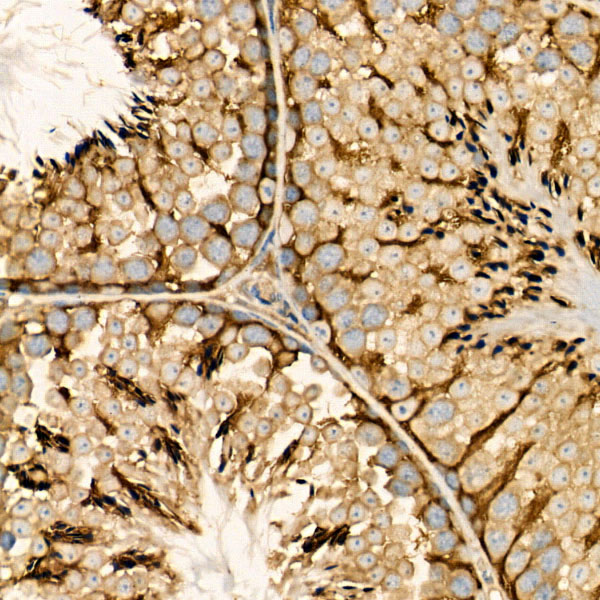
IHC (Immunohistochemistry) (Immunohistochemistry analysis of paraffin-embedded Mouse testis tissue using COPA Rabbit mAb (AAA28522) at a dilution of 1:200 (40x lens). High pressure antigen retrieval was performed with 0.01 M citrate buffer (pH 6.0) prior to IHC staining.)
IHC (Immunohistochemistry) (Immunohistochemistry analysis of paraffin-embedded Rat colon tissue using COPA Rabbit mAb (AAA28522) at a dilution of 1:200 (40x lens). High pressure antigen retrieval was performed with 0.01 M citrate buffer (pH 6.0) prior to IHC staining.)
WB (Western Blot) (Western blot analysis of lysates from Rat brain, using COPA Rabbit mAb (AAA28522) at 1:1000 dilution.Secondary antibody: HRP-conjugated Goat anti-Rabbit IgG (H+L) (AS014) at 1:10000 dilution.Lysates/proteins: 25ug per lane.Blocking buffer: 3% nonfat dry milk in TBST.Detection: ECL Basic Kit (RM00020).Exposure time: 10s.)
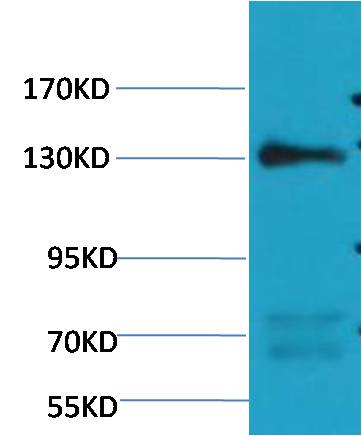
WB (Western Blot) (Western blot analysis of various lysates using COPA Rabbit mAb (AAA28522) at 1:1000 dilution.Secondary antibody: HRP-conjugated Goat anti-Rabbit IgG (H+L) (AS014) at 1:10000 dilution.Lysates/proteins: 25ug per lane.Blocking buffer: 3% nonfat dry milk in TBST.Detection: ECL Basic Kit (RM00020).Exposure time: 1s.)
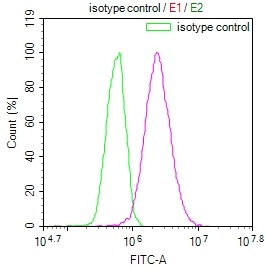
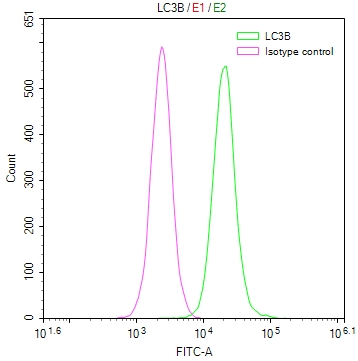
FCM (Flow Cytometry) (Overlay histogram showing Raji cells stained with (red line) at 1:500. The cells were incubated in 10% normal goat serum to block non-specific protein-protein interactions followed by the antibody (1ug/1*106cells) for 1 h at 4 degree C. The secondary antibody used was FITC-conjugated Goat Anti-Mouse IgG(H+L) at 1/100 dilution for 30min at 4 degree C. Isotype control antibody (green line) was mouse IgG2b (1ug/1*106cells) used under the same conditions. Acquisition of >10,000 events was performed.)
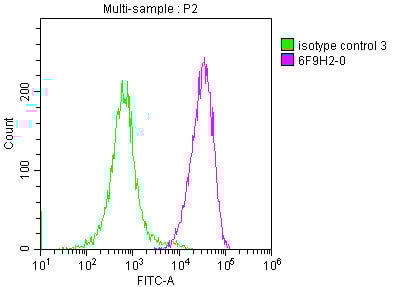
FCM (Flow Cytometry) (Overlay histogram showing Jurkat cells stained with (red line) at 1:500. The cells were incubated in 10% normal goat serum to block non-specific protein-protein interactions followed by the antibody (1ug/1*106cells) for 1 h at 4 degree C. The secondary antibody used was FITC-conjugated Goat Anti-Mouse IgG(H+L) at 1/100 dilution for 30min at 4 degree C. Isotype control antibody (green line) was mouse IgG2b (1ug/1*106cells) used under the same conditions. Acquisition of >10,000 events was performed.)
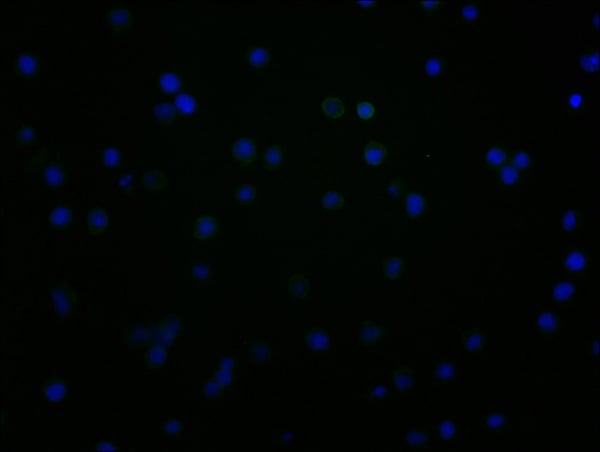
IF (Immunofluorescence) (Immunofluorescence staining of U937 cells at 1:250, counter-stained with DAPI. The cells were incubated with the antibody overnight at 4 degree C. Nuclear DNA was labeled in blue with DAPI. The secondary antibody was FITC-conjugated AffiniPure Goat Anti-Mouse IgG (H+L).)
IF (Immunofluorescence) (Immunofluorescence staining of Raji cells at 1:250, counter-stained with DAPI. The cells were incubated with the antibody overnight at 4 degree C. Nuclear DNA was labeled in blue with DAPI. The secondary antibody was FITC-conjugated AffiniPure Goat Anti-Mouse IgG (H+L).)
IF (Immunofluorescence) (Immunofluorescence staining of Jurkat cells at 1:250, counter-stained with DAPI. The cells were incubated with the antibody overnight at 4 degree C. Nuclear DNA was labeled in blue with DAPI. The secondary antibody was FITC-conjugated AffiniPure Goat Anti-Mouse IgG (H+L).)
IHC (Immunohistchemistry) (IHC image diluted at 1:500 and staining in paraffin-embedded human lymph node tissue performed on a Leica BondTM system. After dewaxing and hydration, antigen retrieval was mediated by high pressure in a citrate buffer (pH 6.0). Section was blocked with 10% normal goat serum 30min at RT. Then primary antibody (1% BSA) was incubated at 4 degree C overnight. The primary is detected by a Goat anti-rabbit IgG labeled by HRP and visualized using 0.05% DAB.)
IHC (Immunohistochemistry) (IHC image diluted at 1:500 and staining in paraffin-embedded human tonsil tissue performed on a Leica BondTM system. After dewaxing and hydration, antigen retrieval was mediated by high pressure in a citrate buffer (pH 6.0). Section was blocked with 10% normal goat serum 30min at RT. Then primary antibody (1% BSA) was incubated at 4 degree C overnight. The primary is detected by a Goat anti-rabbit IgG labeled by HRP and visualized using 0.05% DAB.)
IP (Immunoprecipitation) (Immunoprecipitation analysis using Mouse Anti-VPS35 Monoclonal Antibody, Clone 8A3. Tissue: embryonic fibroblast. Species: Mouse. Primary Antibody: Mouse Anti-VPS35 Monoclonal Antibody. Three amounts of (3, 1 and 0.3 ug) were non-covalently coupled to 10uL of A/G sepharose beads for 1 hour at 4 degree C and next incubated with 250ug of MEF lysate for 2 hours at 4 degree C.)
IP (Immunoprecipitation) (Immunoprecipitation analysis using Mouse Anti-VPS35 Monoclonal Antibody, Clone 8A3. Tissue: A549 cells. Species: Human. Primary Antibody: Mouse Anti-VPS35 Monoclonal Antibody. Three amounts of (3, 1 and 0.3 ug) were non-covalently coupled to 10uL of A/G sepharose beads for 1 hour at 4 degree C and next incubated with 250ug of A549 lysate for 2 hours at 4 degree C.)
WB (Western Blot) (Western Blot analysis of Human SH-SY5Y showing detection of VPS35 protein using Mouse Anti-VPS35 Monoclonal Antibody, Clone 8A3. Lane 1: Molecular Weight Ladder. Lane 2: SH-SY5Y (10 ug). Load: 10 ug. Block: 5% Skim Milk powder in TBST. Primary Antibody: Mouse Anti-VPS35 Monoclonal Antibody at 1:1000 for 2 hours at RT with shaking. Secondary Antibody: Goat anti-mouse IgG:HRP at 1:4000 for 1 hour at RT with shaking. Color Development: Chemiluminescent for HRP (Moss) for 5 min in RT.)
WB (Western Blot) (Western Blot analysis of Human, Mouse A549, MEF showing detection of VPS35 protein using Mouse Anti-VPS35 Monoclonal Antibody, Clone 8A3. Lane 1: Molecular Weight Ladder. Lane 2: VPS35 KO A549 cells. Lane 3: mouse embryonic fibroblast cells.. Load: 8 ug each A549 and MEF. Primary Antibody: Mouse Anti-VPS35 Monoclonal Antibody at 1:5 (tissue culture supernatant). Secondary Antibody: Donkey anti-mouse IRDye 800CW at 1:25000 in TBS-T.)
IP (Immunoprecipitation) (Co-Immunoprecipitation analysis of known interactors of VPS35 using Mouse Anti-VPS35 Monoclonal Antibody, Clone 8A3. Tissue: A549 cells. Species: Human. Primary Antibody: Mouse Anti-VPS35 Monoclonal Antibody.)
IP (Immunoprecipitation) (Immunoprecipitation analysis using Mouse Anti-VPS35 Monoclonal Antibody, Clone 8A3. Tissue: A549 cells. Species: Human. Primary Antibody: Mouse Anti-VPS35 Monoclonal Antibody. 500 uL cell culture supernatants were incubated with 10 uL of Protein A/G resin beads for 1 hour at 4 degree C. clone 8A3 depletes VPS35 from the A549 cell extract..)
ICC (Immunocytochemistry) (Immunocytochemistry/Immunofluorescence analysis using Mouse Anti-VPS35 Monoclonal Antibody, Clone 8A3. Tissue: A549 cells. Species: Human. Primary Antibody: Mouse Anti-VPS35 Monoclonal Antibody at 1:5 (tissue culture supernatant). Secondary Antibody: Donkey anti-mouse: Alexa Fluor 594 at 1:4000 in 0.2% BSA PBS. Counterstain: DAPI. Localization: Vesicles. A) VPS35 KO A549 cells B) WT A549 cells. Courtesy of: Dario Alessi Lab, University of Dundee.)
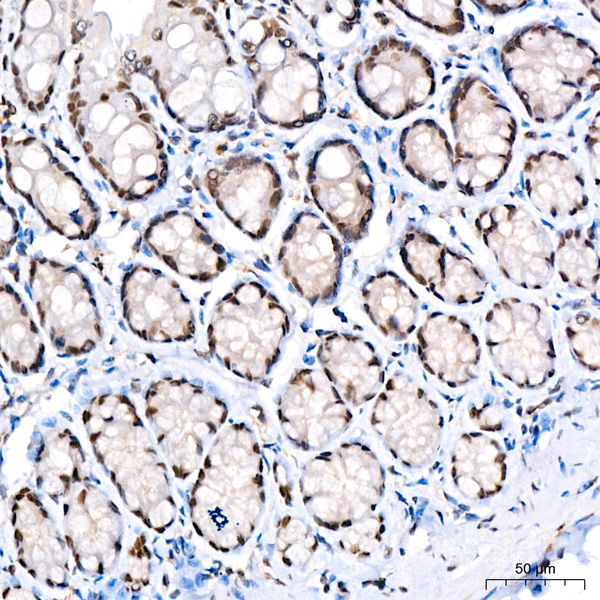
IHC (Immunohistchemistry) (Immunohistochemistry analysis of paraffin-embedded Human small intestine tissue using ENTPD5 Rabbit mAb (AAA28519) at a dilution of 1:200 (40x lens). High pressure antigen retrieval was performed with 0.01 M citrate buffer (pH 6.0) prior to IHC staining.)
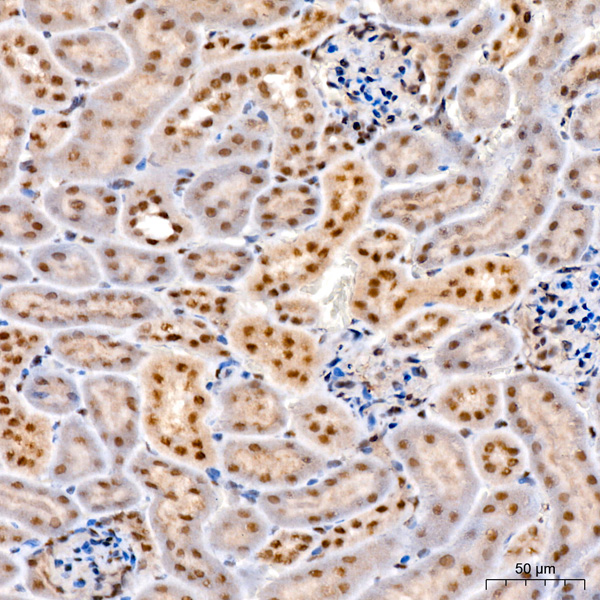
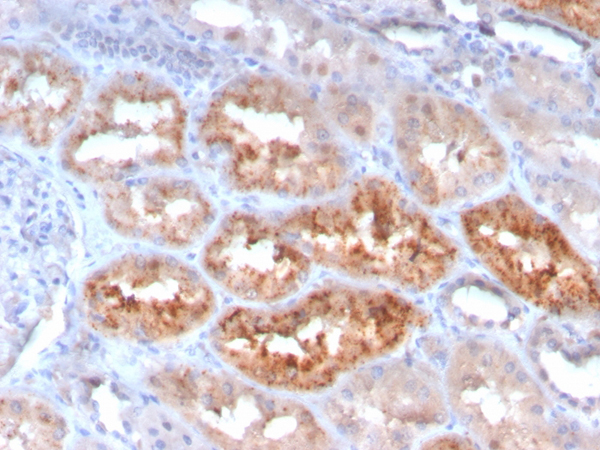
IHC (Immunohistochemistry) (Immunohistochemistry analysis of paraffin-embedded Mouse kidney tissue using ENTPD5 Rabbit mAb (AAA28519) at a dilution of 1:200 (40x lens). High pressure antigen retrieval was performed with 0.01 M citrate buffer (pH 6.0) prior to IHC staining.)
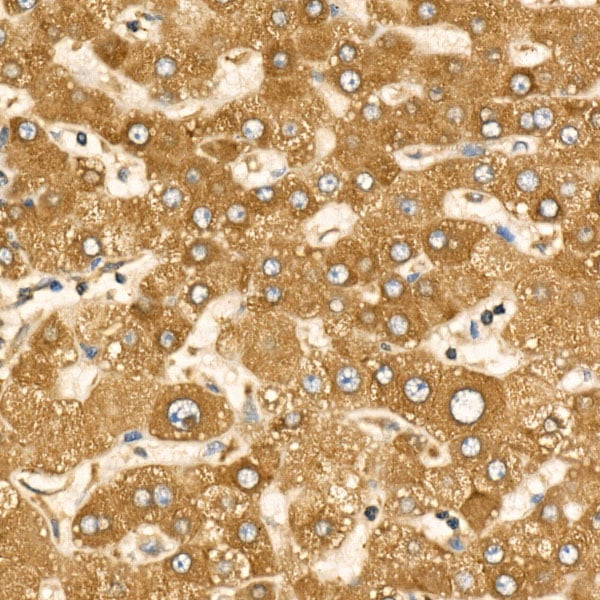
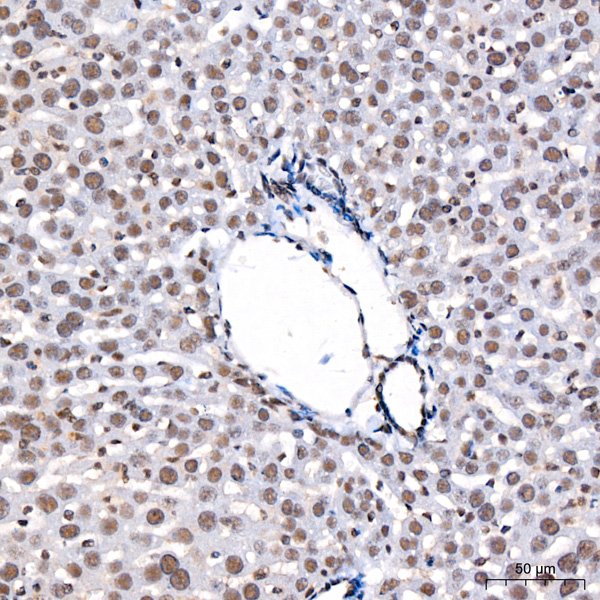
IHC (Immunohistochemistry) (Immunohistochemistry analysis of paraffin-embedded Rat liver tissue using ENTPD5 Rabbit mAb (AAA28519) at a dilution of 1:200 (40x lens). High pressure antigen retrieval was performed with 0.01 M citrate buffer (pH 6.0) prior to IHC staining.)
IHC (Immunohistochemistry) (Immunohistochemistry analysis of paraffin-embedded Rat kidney tissue using ENTPD5 Rabbit mAb (AAA28519) at a dilution of 1:200 (40x lens). High pressure antigen retrieval was performed with 0.01 M citrate buffer (pH 6.0) prior to IHC staining.)
WB (Western Blot) (Western blot analysis of various lysates using ENTPD5 Rabbit mAb (AAA28519) at 1:3000 dilution.Secondary antibody: HRP-conjugated Goat anti-Rabbit IgG (H+L) (AS014) at 1:10000 dilution.Lysates/proteins: 25ug per lane.Blocking buffer: 3% nonfat dry milk in TBST.Detection: ECL Basic Kit (RM00020).Exposure time: 60s.)
WB (Western Blot) (Western blot analysis of various lysates using ENTPD5 Rabbit mAb (AAA28519) at 1:3000 dilution.Secondary antibody: HRP-conjugated Goat anti-Rabbit IgG (H+L) (AS014) at 1:10000 dilution.Lysates/proteins: 25ug per lane.Blocking buffer: 3% nonfat dry milk in TBST.Detection: ECL Basic Kit (RM00020).Exposure time: 1s.)
Application Data (Staining of mouse peritoneal macrophages with Rat anti Mouse Beta-glucan Receptor: FITC)
Application Data (Staining of mouse peripheral blood monocytes with Rat anti Mouse Beta-glucan Receptor)
Application Data (Immunoperoxidase staining of a mouse lymph node cryosection with Rat anti Mouse Dectin-1 antibody, clone 2A11 followed by horseradish peroxidase conjugated Goat anti Rat IgG antibody . Medium power)
Application Data (Staining of mouse peripheral blood granulocytes with Rat anti Mouse Beta-glucan Receptor:Biotin)
Application Data (Immunoperoxidase staining of a mouse lymph node cryosection with Rat anti Mouse Dectin-1 antibody, clone 2A11 followed by horseradish peroxidase conjugated Goat anti Rat IgG antibody . Low power)
Application Data (Immunoperoxidase staining of a mouse lymph node cryosection with Rat anti Mouse Dectin-1 antibody, clone 2A11 followed by horseradish peroxidase conjugated Goat anti Rat IgG antibody . High power)
Application Data (Immunoperoxidase staining of a mouse skin cryosection with Rat anti Mouse Dectin-1 antibody, clone 2A11 followed by horseradish peroxidase conjugated Goat anti Rat IgG antibody . Low power)
Application Data (Staining of mouse peripheral blood granulocytes with Rat anti Mouse Beta-glucan Receptor:FITC)
Application Data (Staining of mouse peripheral blood granulocytes with Rat anti Mouse Beta-glucan Receptor: RPE)
Application Data (Published customer image: Ex vivo recognition of yeast particles and live fungi by inflammatory cells. A) Representative flow-cytometric analysis, gated on Ly-6G+ neutrophils, after coincubation of BIOgel-elicited inflammatory cells from wild type or dectin-1-deficient (Clec7a-/-) 129S6/SvEv interaction with serum-opsonized or non-opsonized zymosan. Positive staining for the A405-labelled zymosan identifies the neutrophils that are associated zymosan and only these cells exhibit conversion of APF, the ROS reporter. B) Representsative flow-cytometric analysis of CD11b and dectin-1 expression by inflammatory neutrophils and monocyte/M˜. Data represents specific receptor staining (shaded histograms) and isotype control staining (bold lines). Data representative of 2 independent experiments and consistent with previous experiments with thioglycollate. C) Inflammatory cells were loaded with APF and then incubated with serum-opsonized or non-opsonized A405-labelled zymosan or Pacific Orange-labelled C. albicans for 15 minutes. After this time the association of the inflammatory cells with zymosan was measured by flow-cytometry (upper panels) and in those cells that were interacting with zymosan the evidence for fluorescent conversion of APF was also quantified (lower panels). Data is derived from three independent experiments and the data derived from the use of dectin-1-deficient cells is shown relative to wild type cells (100%) as mean+/-95% confidence interval (raw representative data from one of the 3 independent experiments are shown in the Figure S1). The impact of complement osponization (˜C') and the use of different fungal particle used (˜F') were assessed by Two-way ANOVA (˜I' = Interaction statistic). Samples in which the 95% confidence intervals do not overlap with the mean wildtype are specific indicated with a # symbol. Differences in impairment of response observed with dectin-1-deficient cells were further analysed by Bonferroni post-tests. P values derived from individual Bonferroni post-tests are indicated with bracketed pairs of samples.From: McDonald JU, Rosas M, Brown GD, Jones SA, Taylor PR (2012) Differential Dependencies of Monocytes and Neutrophils on Dectin-1, Dectin-2 and Complement for the Recognition of Fungal Particles in Inflammation. PLoS ONE 7(9): e45781.)
FCM (Flow Cytometry) (Flow cytometry analysis of TIGIT overexpressing HEK293 cells using TIGIT single domain antibody and control 1H4 single domain antibody at 0.05ug/ml. Blue: Untransfected HEK293 cells. Yellow: TIGIT overexpressing HEK293 cells.)
IHC (Immunohistochemistry) (Immunohistochemistry of TIGIT in human spleen tissue with TIGIT single domain antibody at 1ug/mL.)
ELISA (Titration ELISA analysis of TIGIT sdAbs to detect recombinant TIGIT (extracellular domain) coated at 1 ug/mL. sdAbs are detected with a mouse mAb against a C-terminal myc-tag followed by a goat anti-mouse IgG-HRP conjugate.)
IF (Immunofluorescence) (Immunofluorescence of TIGIT in human spleen tissue with TIGIT single domain antibody at 20ug/mL.)
IF (Immunofluorescence) (Immunofluorescence of TIGIT in transfected HEK293 cells with TIGIT single domain antibody at 20ug/mL.)
ICC (Immunocytochemistry) (Immunocytochemistry of TIGIT in transfected HEK293 cells with TIGIT single domain antibody at 10ug/mL.)
TIGIT Antibody is affinity chromatography purified via Nickel column. Antibody is supplied as a His-tagged purified protein. It also contains a myc-tag for detection.
ICC (Immunocytochemistry) (ICC staining K63-linkage Specific Ubiquitin in 293T cells (red). The nuclear counter stain is DAPI (blue). Cells were fixed in paraformaldehyde, permeabilised with 0.25% Triton X100/PBS.)
ICC (Immunocytochemistry) (ICC staining K63-linkage Specific Ubiquitin in N2A cells (red). The nuclear counter stain is DAPI (blue). Cells were fixed in paraformaldehyde, permeabilised with 0.25% Triton X100/PBS.)
ICC (Immunocytochemistry) (ICC staining K63-linkage Specific Ubiquitin in Hela cells (red). The nuclear counter stain is DAPI (blue). Cells were fixed in paraformaldehyde, permeabilised with 0.25% Triton X100/PBS.)
IHC (Immunohistochemistry) (Immunohistochemical analysis of paraffin-embedded human spleen tissue using anti-K63-linkage Specific Ubiquitin antibody. Counter stained with hematoxylin.)
IHC (Immunohistochemistry) (Immunohistochemical analysis of paraffin-embedded human liver cancer tissue using anti-K63-linkage Specific Ubiquitin antibody. Counter stained with hematoxylin.)
IHC (Immunohistochemistry) (Immunohistochemical analysis of paraffin-embedded human colon cancer tissue using anti-K63-linkage Specific Ubiquitin antibody. Counter stained with hematoxylin.)
WB (Western Blot) (Western blot analysis of K63-linkage Specific Ubiquitin on Hela cells lysates using anti-K63-linkage Specific Ubiquitin antibody at 1/1, 000 dilution.)
FCM (Flow Cytometry) (Flow cytometry analysis of TIGIT overexpressing HEK293 cells using TIGIT single domain antibody and control 1H4 single domain antibody at 0.05ug/ml. Blue: Untransfected HEK293 cells. Yellow: TIGIT overexpressing HEK293 cells.)
IHC (Immunohistochemistry) (Immunohistochemistry of TIGIT in human spleen tissue with TIGIT single domain antibody at 1ug/mL.)
ELISA (Titration ELISA analysis of TIGIT sdAbs to detect recombinant TIGIT (extracellular domain) coated at 1 ug/mL. sdAbs are detected with a mouse mAb against a C-terminal myc-tag followed by a goat anti-mouse IgG-HRP conjugate.)
IF (Immunofluorescence) (Immunofluorescence of TIGIT in human spleen tissue with TIGIT single domain antibody at 20ug/mL.)
IF (Immunofluorescence) (Immunofluorescence of TIGIT in transfected HEK293 cells with TIGIT single domain antibody at 20ug/mL.)
ICC (Immunocytochemistry) (Immunocytochemistry of TIGIT in transfected HEK293 cells with TIGIT single domain antibody at 10ug/mL.)
TIGIT Antibody is affinity chromatography purified via Nickel column. Antibody is supplied as a His-tagged purified protein. It also contains a myc-tag for detection.
Pricing
Application Data (West Nile Virus is one virus of Flaviviruses, it is transmitted by mosquitoes, the infected patients have fever and other multiple syndromes. West Nile Virus envelope monoclonal antibody has following reaction with Flaviviruses and other viruses.)
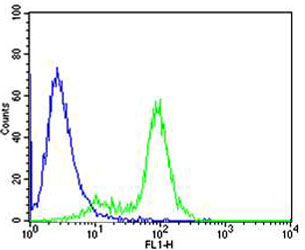
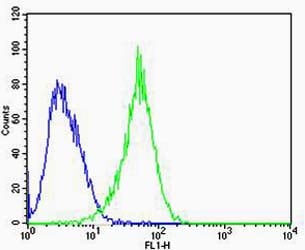
FCM (Flow Cytometry) (HEK293T cells transfected with either overexpress plasmid (Red) or empty vector control plasmid (Blue) were immunostained by anti-FOLH1 antibody, and then analyzed by flow cytometry.)
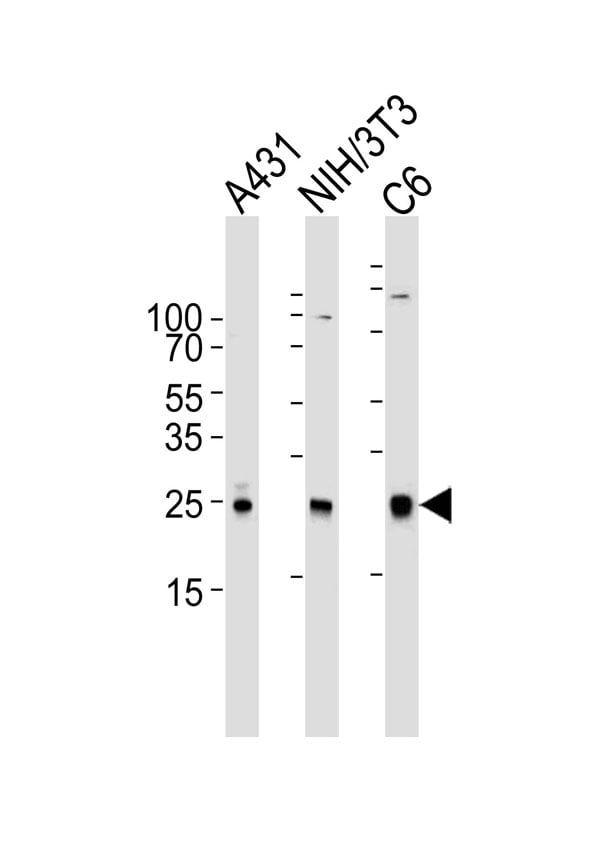
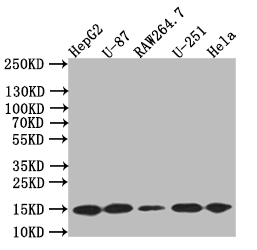
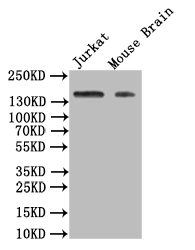
WB (Western Blot) (Western blot of extracts (35 ug) from 9 different cell lines by using g anti-FOLH1 monoclonal antibody (HepG2: human; HeLa: human; SVT2: mouse; A549: human; COS7: monkey; Jurkat: human; MDCK: canine; PC12: rat; MCF7: human).)
WB (Western Blot) (HEK293T cells were transfected with the pCMV6-ENTRY control (Left lane) or pCMV6-ENTRY FOLH1 (Right lane) cDNA for 48 hrs and lysed. Equivalent amounts of cell lysates (5 ug per lane) were separated by SDS-PAGE and immunoblotted with anti-FOLH1.)
IF (Immunofluorescence) (Anti-FOLH1 mouse monoclonal antibody immunofluorescent staining of COS7 cells transiently transfected by pCMV6-ENTRY FOLH1.)
FCM (Flow Cytometry) (Flow Cytometric Analysis of U937 cells using CD15 Rabbit Recombinant Monoclonal Antibody (FUT4/1478R) followed by goat anti-rabbit IgG-CF488 (Blue); Isotype Control (Red).)
IF (Immunofluorescence) (Immunofluorescence staining of U937 cells using CD15 Rabbit Recombinant Monoclonal Antibody (FUT4/1478R) followed by goat anti-Mouse IgG conjugated to CF488 (green). Nuclei are stained with Reddot.)
IHC (Immunohistochemistry) (Formalin-fixed, paraffin-embedded human Hodgkin's Lymphoma stained with CD15 Rabbit Recombinant Monoclonal Antibody (FUT4/1478R).)
WB (Western Blot) (Western blot analysis of SARS-COV-2 N Protein using SARS-COV-2 N Protein Rabbit pAb (AAA28308) at 1:1000 dilution.Secondary antibody: HRP Goat Anti-Rabbit IgG (H+L) at 1:10000 dilution.Blocking buffer: 3% nonfat dry milk in TBST.Detection: ECL Basic Kit.Exposure time: 5s.)
FCM (Flow Cytometry) (Overlay histogram showing Hela cells stainedwith Company A (5ug), Company B (5ug), Company C (5ug), Company D (5ug), AAA27031 (5ug) (red line) at 1:150. The cells were incubated in 1x PBS /10% normal goat serum to block non-specific protein-protein interactions followed by primary antibody for 1 hat 4°C. The secondary antibody used was FITC goat anti-mouse IgG(H+L) at 1/200 dilution for 1 h at 4°C. Isotype control antibody (green line) was used under the same conditions. Acquisition of >10,000 events was performed.)
FCM (Flow Cytometry) (Overlay histogram showing Hela cells stained with AAA27031 (red line) at 1:150. The cells were incubated in 1x PBS /10% normal goat serum to block non-specific protein-protein interactions followed by primary antibody for 1 h at 4°C. The secondary antibody used was FITCgoat anti-mouse IgG(H+L) at 1/200 dilution for 1 h at 4°C. Isotype control antibody (green line) was used under the same conditions. Acquisition of >10,000 events was performed.)
IP (Immunoprecipitation) (Immunoprecipitating TUBA1A in Hela whole cell lysateLane 1: Mouse control IgG (1ug) instead of AAA27031 in Hela whole cell lysate. For western blotting, a HRP-conjugated Protein G antibody was used as the secondary antibody (1/2000)Lane 2: Company A (5ug), Company B (5ug), Company C (5ug), Company D (5ug), AAA27031 (5ug) + Hela whole cell lysate (500ug)Lane 3: Hela whole cell lysate (20ug))
IP (Immunoprecipitation) (Immunoprecipitating TUBA1A in Hela whole cell lysateLane 1: Mouse control IgG (1ug) instead of AAA27031 in Hela whole cell lysate. For western blotting, a HRP-conjugated Protein G antibody was used as the secondary antibody (1/2000)Lane 2: AAA27031 (5ug) + Hela whole cell lysate (500ug)Lane 3: Hela whole cell lysate (20ug))
IF (Immunofluorescence) (Immunofluorescence staining of Hela cells withAAA27031 at 1:75, counter-stained with DAPI. The cells were blocked in 10% normal Goat Serum and then incubated with the primary antibody overnight at 4°C. The secondary antibody was Alexa Fluor 488- congugated AffiniPure Goat Anti-Mouse IgG(H+L).)
IHC (Immunohistochemistry) (IHC image of AAA27031 diluted at 1:150 and staining in paraffin-embedded human breast cancer performed on a Leica BondTM system. After dewaxing and hydration, antigen retrieval was mediated by high pressure in a citrate buffer (pH 6.0). Section was blocked with 10% normal goat serum 30min at RT. Then primary antibody (1% BSA) was incubated at 4°C overnight. The primary is detected by a biotinylated secondary antibody and visualized using an HRP conjugated SP system.)
IHC (Immunohistchemistry) (IHC image of AAA27031 diluted at 1:150 and staining in paraffin-embedded human tonsil tissue performed on a Leica BondTM system. After dewaxing and hydration, antigen retrieval was mediated by high pressure in a citrate buffer (pH 6.0). Section was blocked with 10% normal goat serum 30min at RT. Then primary antibody (1% BSA) was incubated at 4°C overnight. The primary is detected by a biotinylated secondary antibody and visualized using an HRP conjugated SP system.)
WB (Western Blot) (Positive WB detected in: Hela whole cell lysateAll lanes: Company A, Company B, Company C, Company D, AAA27031 antibody at 1:2500, 1:5000, 1:10000, 1:20000, 1:40000, 1:80000, 1:160000, 320000SecondaryGoat polyclonal to Mouse IgG at 1/10000 dilutionPredicted band size: 52 kDaObserved band size: 52 kDa)
WB (Western Blot) (Positive WB detected in: Hela whole cell lysate at 20ug, 10ug, 5ug, 2.5ug, 1.25ug, 0.625ug, 0.3125ug, 0.15625ugAll lanes: Company A, Company B, Company C, Company D, AAA27031 antibody at 1:5000SecondaryGoat polyclonal to Mouse IgG at 1/10000 dilutionPredicted band size: 52 kDaObserved band size: 52 kDa)
WB (Western Blot) (Positive WB detected in: Hela whole cell lysateAll lanes: TUBA1A antibody at 1:2500, 1:5000, 1:10000, 1:20000, 1:40000, 1:80000, 1:160000SecondaryGoat polyclonal to Mouse IgG at 1/10000 dilutionPredicted band size: 52 kDaObserved band size: 52 kDa)
WB (Western Blot) (Positive WB detected in: Hela whole cell lysate at 20ug, 10ug, 5ug, 2.5ug, 1.25ugAll lanes: TUBA1A antibody at 1:5000SecondaryGoat polyclonal to Mouse IgG at 1/10000 dilutionPredicted band size: 52 kDaObserved band size: 52 kDa)
WB (Western Blot) (Positive WB detected in: NIH/3T3 whole cell lysate, RAW264.7 whole cell lysate, Mouse brain tissue, Mouse kidney tissueAll lanes: TUBA1A antibody at 1:5000SecondaryGoat polyclonal to Mouse IgG at 1/10000 dilutionPredicted band size: 52 kDaObserved band size: 52 kDa)
WB (Western Blot) (Positive WB detected in: Rat brain tissue, Rat stomach tissue, Rat kidney tissueAll lanes: TUBA1A antibody at 1:5000SecondaryGoat polyclonal to Mouse IgG at 1/10000 dilutionPredicted band size: 52 kDaObserved band size: 52 kDa)
WB (Western Blot) (Western BlotPositive WB detected in: Rabbit heart tissue, Rabbit liver tissue, Rabbit spleen tissue, Rabbit lung tissue, Rabbit kidney tissue, Rabbit small intestine tissue, Rabbit skeletal muscle tissueAll lanes: TUBA1A antibody at 1:5000SecondaryGoat polyclonal to Mouse IgG at 1/10000 dilutionPredicted band size: 52 kDaObserved band size: 52 kDa)
IHC (Immunohistochemistry) (Fig.7. Immunohistochemical analysis of paraffin-embedded rat kidney tissue.1, alpha-SMA Monoclonal Antibody was diluted at 1:200 (4 degree C, overnight).2, Sodium citrate pH 6.0 was used for antibody retrieval (>98 degree C, 20min).3, secondary antibody was diluted at 1:200 (room temperature, 30min).Negative control was used by secondary antibody only.)
IHC (Immunohistchemistry) (Fig.6. Immunohistochemical analysis of paraffin-embedded mouse liver tissue.1, alpha-SMA Monoclonal Antibody was diluted at 1:200 (4 degree C, overnight).2, Sodium citrate pH 6.0 was used for antibody retrieval (>98 degree C, 20min).3, secondary antibody was diluted at 1:200 (room temperature, 30min).Negative control was used by secondary antibody only.)
IHC (Immunohistochemistry) (Fig.5. Immunohistochemical analysis of paraffin-embedded human uterus cancer tissue.1, alpha-SMA Monoclonal Antibody was diluted at 1:200 (4 degree C, overnight).2, Sodium citrate pH 6.0 was used for antibody retrieval (>98 degree C, 20min).3, secondary antibody was diluted at 1:200 (room temperature, 30min).Negative control was used by secondary antibody only.)
IF (Immunofluorescence) (Fig.4. Immunofluorescence analysis of rat liver tissue.1, alpha-SMA Monoclonal Antibody (red) was diluted at 1:200 (4 degree C, overnight).2, Cy3 Labeled secondary antibody was diluted at 1:300 (room temperature, 50min).3, Picture B: DAPI (blue) 10min.Picture A: Target.Picture B: DAPI.Picture C: merge of A+B.)
IF (Immunofluorescence) (Fig.3. Immunofluorescence analysis of mouse liver tissue.1, alpha-SMA Monoclonal Antibody (red) was diluted at 1:200 (4 degree C, overnight).2, Cy3 Labeled secondary antibody was diluted at 1:300 (room temperature, 50min).3, Picture B: DAPI (blue) 10min.Picture A: Target.Picture B: DAPI.Picture C: merge of A+B.)
IF (Immunofluorescence) (Fig.2. Immunofluorescence analysis of human liver tissue.1, alpha-SMA Monoclonal Antibody (red) was diluted at 1:200 (4 degree C, overnight).2, Cy3 Labeled secondary antibody was diluted at 1:300 (room temperature, 50min).3, Picture B: DAPI (blue) 10min.Picture A: Target.Picture B: DAPI.Picture C: merge of A+B.)
WB (Western Blot) (Fig.1. Western blot analysis of1) Hela,2) 3T3,3) rat brain using alpha-SMA Monoclonal Antibody.)
WB (Western Blot) (SMAD1 monoclonal antibody (M03), clone 2E9. Western Blot analysis of SMAD1 expression in IMR-32.)
IF (Immunofluorescence) (Immunofluorescence of monoclonal antibody to SMAD1 on HeLa cell. [antibody concentration 10 ug/ml])
WB (Western Blot) (SMAD1 monoclonal antibody (M03), clone 2E9 Western Blot analysis of SMAD1 expression in HeLa.)
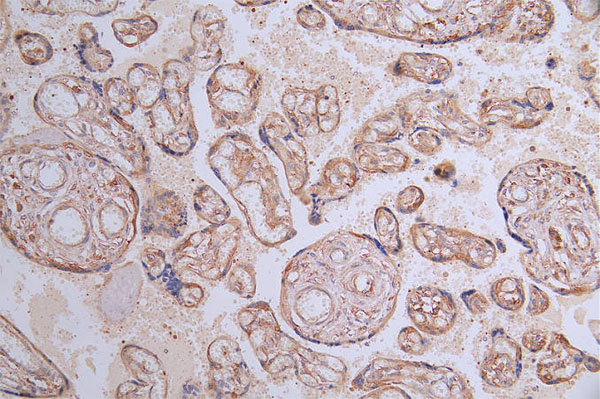
IHC (Immunohistochemistry) (Immunoperoxidase of monoclonal antibody to SMAD1 on formalin-fixed paraffin-embedded human colon. [antibody concentration 3 ug/ml])
Application Data (Immunoperoxidase of monoclonal antibody to SMAD1 on formalin-fixed paraffin-embedded human colon. [antibody concentration 3 ug/ml])
Application Data (Staining of New Zealand Black mouse peripheral blood granulocytes with Rat anti Mouse Ly-6B.2 conjugated to FITC Data)
Application Data (Published originator image Intact spleen segments from infected animals were fixed in paraformaldehyde, embedded in OCT, sectioned, and stained with various antibodies for the infiltration of macrophages (FA-11), polymorphonuclear neutrophils, and activated monocytes (7/4Ag) and activated macrophages (MHC-II), as described in the text. All data are representative of at least three individual experiments.From: Plüddemann A, Hoe JC, Makepeace K, Moxon ER, Gordon S (2009) The Macrophage Scavenger Receptor A Is Host-Protective in Experimental Meningococcal Septicaemia. PLoS Pathog 5(2): e1000297.)
Application Data (Published customer image: F4/80 and CD11b+ cells infiltrating the iris after the intracameral injection of antigen also express Ly6C, 7/4 (Ly 6B) and CD45. Preparations of na¯ve iris cells and cells recovered after an intracameral injection of antigen were stained with anti- F4/80 and (A) Ly6C and 7/4 (B) show a characteristic CD45 peak C) Ly6Glo or negative, CD115, CD49b+, CD62Llo. The figures are representative of 2 experiments. All the isotype controls in the histograms are shown as shaded.From: Pais R, Bhowmick S, Chattopadhyay S, Lemire Y, Sharafieh R, et al. (2012) An Intracameral Injection of Antigen Induces In Situ Chemokines and Cytokines Required for the Generation of Circulating Immunoregulatory Monocytes. PLoS ONE 7(8): e43182.)
Application Data (Published customer image: Renal inflammatory changes in Ntn1+/- mice following ischemia. Ntn1+/- mice and their respective age-, weight-, and gender-matched littermate controls (Ntn1+/+) were subjected to 30 minutes of left renal artery ischemia. (A -D) Neutrophil staining. Arrows indicate neutrophils (magnification 400x). (E) Quantification of neutrophil tissue accumulation by measurement of myeloperoxidase (MPO). (F) TNF-a and (G) interleukin-6 (IL-6) and (H) interleukin-10 (IL-10) were assessed by real-time RT-PCR from renal tissues. Data were calculated relative to beta-actin and are expressed as fold change compared to sham-operated animals without ischemia (-I). Data are representative of four to six independent experiments for each experimental condition (mean +/- SD).From: Grenz A, Dalton JH, Bauerle JD, Badulak A, Ridyard D, et al. (2011) Partial Netrin-1 Deficiency Aggravates Acute Kidney Injury. PLoS ONE 6(5): e14812.)
Application Data (Published customer image: 166 mM H2O2 increased neutrophil infiltration in day 1 and 6 wounds. Fluorescence intensity of the neodermis was quantified using ImageJ. The area quantified is outlined with the dashed line. Results shown are mean +/- S.E.M, n = 6-7. A representative section from each treatment is shown. ES - Eschar; HE - Hyper-proliferating epidermis; ND - neodermis.*p)
Application Data (Published customer image: Effect of atorvastatin on platelet and neutrophil infiltration after reperfusion. The infiltration of platelets (upper panel) and neutrophils (lower panel) were evaluated by immunohistochemistry in the 4 chimeric groups that received 40 min of LAD occlusion and 60 min of reperfusion. Platelets and neutrophils were found predominantly in the ischemic area in B6/B6 chimeras. Atorvastatin reduced both platelet and neutrophil infiltration in B6/B6 and B6/KO chimeras, but not in KO/B6 chimeras.From: Tian Y, Linden J, French BA, Yang Z (2014) Atorvastatin at Reperfusion Reduces Myocardial Infarct Size in Mice by Activating eNOS in Bone Marrow-Derived Cells. PLoS ONE 9(12): e114375.)
Application Data (Published customer image: Peri-incisional infiltration of neutrophils, immunohistochemical appearance. Hind paw skin from incised mice was processed for the identification of neutrophils. Panel A displays an H&E stained section of plantar hind paw skin demonstrating a predominantly dermal cellular infiltrate 2 hours after incision. The dermal and epidermal layers are labeled. Panel B displays the appearance of non-incised hind paw skin stained with a neutrophil-specific antibody. Panel C displays a micrograph taken of incised skin stained for neutrophils 2 hours after incision. Note the abundance of darkly staining infiltrating neutrophils in the dermis of this section compared to that displayed in panel B. The scale bar in panel C is 150 um in length. All micrographs were taken using 200x magnification.From: Clark JD, Shi X, Li X, Qiao Y, Liang D, Angst MS, Yeomans DC. Morphine reduces local cytokine expression and neutrophil infiltration after incision. Mol Pain. 2007 Oct 2;3:28.)
Application Data (Published customer image: Confocal neutrophil-cytokine double labeling experiments using incised skin. For these studies skin from the wound edges was harvested 2 hours after incision. After sectioning, the tissue was exposed to anti-neutrophil and anti-IL-1beta antibodies followed by the application of CY3 (green fluorescence, neutrophils, panel A) and FITC (red, IL-1beta, panel B) conjugated secondary antibodies. Panel C presents the merged image with arrows pointing to several strongly double labeling cells. The scale bar in panel C is 50 um in length. These micrographs were taken of dermal tissue under 630x magnification.From: Clark JD, Shi X, Li X, Qiao Y, Liang D, Angst MS, Yeomans DC. Morphine reduces local cytokine expression and neutrophil infiltration after incision. Mol Pain. 2007 Oct 2;3:28.)
Application Data (Staining of human peripheral blood lymphocytes with Mouse anti Human CD40:RPE)
Application Data (Immunofluorescence staining of a human tonsil cryostetion with Mouse anti Human CD40 antibody, clone LOB7/6 , red in A and Mouse anti Human CD21 antibody, clone LB21 , green in B. The merged image is C with nuclei counterstained blue using DAPI. Low power)
Application Data (Published customer image: LEF-M interferes with DC differentiation. (a) Monocytes were cultured for 5 days with granulocyte -macrophage colony-stimulating factor (GM-CSF; 50 ng/ml) plus IL-4 (10 ng/ml) in the absence or presence of 150 umol/l of the active metabolite of leflunomide (LEF-M). Subsequently, surface marker expression was determined using fluorescence-activated cell sorting (FACS) analysis. Open profiles with dotted line represent staining pattern with an isotype control antibody, open profiles with fine line indicate the staining pattern of differentiated control dendritic cells (DCs) stained with the indicated mAbs, whereas solid grey profiles show staining of DCs differentiated in the presence of LEF-M. (b) Myeloid precursor cells differentiated in the presence of LEF-M are resistant to maturation. Cells were treated as described above and then stimulated with lipopolysaccharide (LPS; 100 ng/ml) for 48 hours. Open profiles with dotted line represent staining pattern with an isotype control antibody, open profiles with fine line indicate staining of activated control DCs, and solid grey profiles show staining of DCs differentiated in the presence of LEF-M and subsequently exposed to LPS. Data are representative of at least four independent experiments. (c,d) The effects of LEF-M on DC differentiation are independent of pyrimidine depletion. The respective change in mean flourescence intensity (MFI) are shown (c) after the differentiation phase for CD40 and CD1a and (d) after subsequent maturation with 100 ng/ml LPS for CD40 and CD83 with and without 50 umol/l uridine. White bars represent control DCs, and black bars indicate LEF-M-treated cells. Shown are mean percentage control responses +/- standard error of the mean, calculated from five to eight independent experiments. Student's t-tests were calculated for control versus LEF-M-treated DCs and for LEF-M-treated DCs versus without uridine addition, as indicated. *P < 0.05, **P < 0.01.From: Kirsch BM, Zeyda M, Stuhlmeier K, Grisar J, Smolen JS, Watschinger B, Stulnig TM, H¶rl WH, Zlabinger GJ, S¤emann MD. The active metabolite of leflunomide, A77 1726, interferes with dendritic cell function. Arthritis Res Ther. 2005;7(3):R694-703.)
Application Data (Staining of human peripheral blood lymphocytes with Mouse anti Human CD40: Alexa Fluor 488)
Application Data (Immunoperoxidase staining of a human tonsil cryosection with Mouse anti Human CD40 antibody, clone LOB7/6 followed by the Histar Detection system . High power)
Application Data (Published customer image: Treatment with LEF-M during maturation of immature DCs leads to a differentially affected phenotype. Monocytes were cultured for 5 days with granulocyte -macrophage colony-stimulating factor (GM-CSF; 50 ng/ml) plus IL-4 (10 ng/ml). (a) On day 5 these immature dendritic cells (DCs; 5 x 10⁵/ml) were activated with lipopolysaccharide (LPS; 100 ng/ml) in the absence or presence of 150 umol/l of the active metabolite of leflunomide (LEF-M) for 48 hours. Surface marker expression was determined by fluorescence-activated cell sorting analysis. Open profiles with dotted line represent the staining pattern with an isotype control, open profiles with fine line indicate the staining pattern of DC exposed to LPS with the indicated monoclonal antibodies, and solid grey profiles show staining of DCs matured in the presence of LEF-M. The results shown are representative of five independent experiments. (b,c) Effect of LEF-M on maturation-associated clustering of DCs; immature DCs were stimulated with LPS in the (panel b) absence or (panel c) presence of 150 umol/l LEF-M. After 8 hours of cultivation, cells were analyzed by inspecting photomicrographs obtained by light microscopy. Similar results were obtained in four additional experiments. MHC, major histocompatibility complex.From: Kirsch BM, Zeyda M, Stuhlmeier K, Grisar J, Smolen JS, Watschinger B, Stulnig TM, H¶rl WH, Zlabinger GJ, S¤emann MD. The active metabolite of leflunomide, A77 1726, interferes with dendritic cell function. Arthritis Res Ther. 2005;7(3):R694-703.)
Application Data (Immunoperoxidase staining of a human tonsil cryosection with Mouse anti Human CD40 antibody, clone LOB7/6 followed by the Histar Detection system . Low power)
Application Data (Published customer image: Effect of rapamycin (Rapa) on the phenotype and function of H1-DC. DCs were either untreated, matured in response to the maturation cocktail or treated with Rapa for 3 days prior to maturation. (a) H1-DC stained for the expression of the maturation marker CD83, the costimulatory molecules CD86 and CD40, as well as the inhibitory receptor PD-L1. Dead cells were excluded from analysis using 7-AAD. Open histograms represent the level of background staining using appropriate isotype-matched controls. Data from one of 3 independent experiments are shown. (b) Phenotypic analysis of control populations of moDC treated and stained in parallel with rapamycin. (c) Effect of rapamycin on the allostimulatory capacity of DC in the allogeneic MLR. DCs were mitotically-inactivated using mitomycin C and plated in triplicate at a top dose of 104 cells per well of a 96-well round-bottomed plate; na¯ve CD4+ T cells were plated at 5 x 10⁴?cells/well. Cells were incubated for 5 days before pulsing with 3H-thymidine overnight. Graphs show the mean of triplicate cultures +/- S.D. Data are shown from one experiment, representative of 3 independent experiments.From: Silk KM, Leishman AJ, Nishimoto KP, Reddy A, Fairchild PJ. Rapamycin conditioning of dendritic cells differentiated from human ES cells promotes a tolerogenic phenotype. J Biomed Biotechnol. 2012;2012:172420.)
Application Data (Immunofluorescence staining of a human tonsil cryostetion with Mouse anti Human CD40 antibody, clone LOB7/6 , red in A and Mouse anti Human CD21 antibody, clone LB21 , green in B. The merged image is C with nuclei counterstained blue using DAPI. High power)
Application Data (Immunofluorescence staining of a human tonsil cryostetion with Mouse anti Human CD40 antibody, clone LOB7/6 , red in A and Mouse anti Human CD21 antibody, clone LB21 , green in B. The merged image is C with nuclei counterstained blue using DAPI. Medium power)
Application Data (Staining of human peripheral blood lymphocytes with Mouse anti Human CD40:RPE)
Application Data (Immunofluorescence staining of a human tonsil cryostetion with Mouse anti Human CD40 antibody, clone LOB7/6, red in A and Mouse anti Human CD21 antibody, clone LB21 , green in B. The merged image is C with nuclei counterstained blue using DAPI. Low power)
Application Data (Published customer image: LEF-M interferes with DC differentiation. (a) Monocytes were cultured for 5 days with granulocyte -macrophage colony-stimulating factor (GM-CSF; 50 ng/ml) plus IL-4 (10 ng/ml) in the absence or presence of 150 umol/l of the active metabolite of leflunomide (LEF-M). Subsequently, surface marker expression was determined using fluorescence-activated cell sorting (FACS) analysis. Open profiles with dotted line represent staining pattern with an isotype control antibody, open profiles with fine line indicate the staining pattern of differentiated control dendritic cells (DCs) stained with the indicated mAbs, whereas solid grey profiles show staining of DCs differentiated in the presence of LEF-M. (b) Myeloid precursor cells differentiated in the presence of LEF-M are resistant to maturation. Cells were treated as described above and then stimulated with lipopolysaccharide (LPS; 100 ng/ml) for 48 hours. Open profiles with dotted line represent staining pattern with an isotype control antibody, open profiles with fine line indicate staining of activated control DCs, and solid grey profiles show staining of DCs differentiated in the presence of LEF-M and subsequently exposed to LPS. Data are representative of at least four independent experiments. (c,d) The effects of LEF-M on DC differentiation are independent of pyrimidine depletion. The respective change in mean flourescence intensity (MFI) are shown (c) after the differentiation phase for CD40 and CD1a and (d) after subsequent maturation with 100 ng/ml LPS for CD40 and CD83 with and without 50 umol/l uridine. White bars represent control DCs, and black bars indicate LEF-M-treated cells. Shown are mean percentage control responses +/- standard error of the mean, calculated from five to eight independent experiments. Student's t-tests were calculated for control versus LEF-M-treated DCs and for LEF-M-treated DCs versus without uridine addition, as indicated. *P < 0.05, **P < 0.01.From: Kirsch BM, Zeyda M, Stuhlmeier K, Grisar J, Smolen JS, Watschinger B, Stulnig TM, H¶rl WH, Zlabinger GJ, S¤emann MD. The active metabolite of leflunomide, A77 1726, interferes with dendritic cell function. Arthritis Res Ther. 2005;7(3):R694-703.)
Application Data (Staining of human peripheral blood lymphocytes with Mouse anti Human CD40: Alexa Fluor 488 (AAA11936A488))
Application Data (Immunoperoxidase staining of a human tonsil cryosection with Mouse anti Human CD40 antibody, clone LOB7/6 followed by the Histar Detection system . High power)
Application Data (Published customer image: Treatment with LEF-M during maturation of immature DCs leads to a differentially affected phenotype. Monocytes were cultured for 5 days with granulocyte -macrophage colony-stimulating factor (GM-CSF; 50 ng/ml) plus IL-4 (10 ng/ml). (a) On day 5 these immature dendritic cells (DCs; 5 x 10⁵/ml) were activated with lipopolysaccharide (LPS; 100 ng/ml) in the absence or presence of 150 umol/l of the active metabolite of leflunomide (LEF-M) for 48 hours. Surface marker expression was determined by fluorescence-activated cell sorting analysis. Open profiles with dotted line represent the staining pattern with an isotype control, open profiles with fine line indicate the staining pattern of DC exposed to LPS with the indicated monoclonal antibodies, and solid grey profiles show staining of DCs matured in the presence of LEF-M. The results shown are representative of five independent experiments. (b,c) Effect of LEF-M on maturation-associated clustering of DCs; immature DCs were stimulated with LPS in the (panel b) absence or (panel c) presence of 150 umol/l LEF-M. After 8 hours of cultivation, cells were analyzed by inspecting photomicrographs obtained by light microscopy. Similar results were obtained in four additional experiments. MHC, major histocompatibility complex.From: Kirsch BM, Zeyda M, Stuhlmeier K, Grisar J, Smolen JS, Watschinger B, Stulnig TM, H¶rl WH, Zlabinger GJ, S¤emann MD. The active metabolite of leflunomide, A77 1726, interferes with dendritic cell function. Arthritis Res Ther. 2005;7(3):R694-703.)
Application Data (Immunoperoxidase staining of a human tonsil cryosection with Mouse anti Human CD40 antibody, clone LOB7/6 followed by the Histar Detection system . Low power)
Application Data (Published customer image: Effect of rapamycin (Rapa) on the phenotype and function of H1-DC. DCs were either untreated, matured in response to the maturation cocktail or treated with Rapa for 3 days prior to maturation. (a) H1-DC stained for the expression of the maturation marker CD83, the costimulatory molecules CD86 and CD40, as well as the inhibitory receptor PD-L1. Dead cells were excluded from analysis using 7-AAD. Open histograms represent the level of background staining using appropriate isotype-matched controls. Data from one of 3 independent experiments are shown. (b) Phenotypic analysis of control populations of moDC treated and stained in parallel with rapamycin. (c) Effect of rapamycin on the allostimulatory capacity of DC in the allogeneic MLR. DCs were mitotically-inactivated using mitomycin C and plated in triplicate at a top dose of 104 cells per well of a 96-well round-bottomed plate; na¯ve CD4+ T cells were plated at 5 x 10⁴?cells/well. Cells were incubated for 5 days before pulsing with 3H-thymidine overnight. Graphs show the mean of triplicate cultures +/- S.D. Data are shown from one experiment, representative of 3 independent experiments.From: Silk KM, Leishman AJ, Nishimoto KP, Reddy A, Fairchild PJ. Rapamycin conditioning of dendritic cells differentiated from human ES cells promotes a tolerogenic phenotype. J Biomed Biotechnol. 2012;2012:172420.)
Application Data (Immunofluorescence staining of a human tonsil cryostetion with Mouse anti Human CD40 antibody, clone LOB7/6, red in A and Mouse anti Human CD21 antibody, clone LB21 , green in B. The merged image is C with nuclei counterstained blue using DAPI. High power)
Application Data (Immunofluorescence staining of a human tonsil cryostetion with Mouse anti Human CD40 antibody, clone LOB7/6, red in A and Mouse anti Human CD21 antibody, clone LB21 , green in B. The merged image is C with nuclei counterstained blue using DAPI. Medium power)
Application Data (Detection limit for recombinant GST tagged PLK1 is ~1ng/ml as a capture antibody.)
IP (Immunoprecipitation) (Immunoprecipitation of PLK1 transfected lysate using anti-PLK1 monoclonal antibody and Protein A Magnetic Bead, and immunoblotted with PLK1 rabbit polyclonal antibody.)
IF (Immunofluorescence) (Immunofluorescence of monoclonal antibody to PLK1 on HeLa cell. [antibody concentration 10ug/ml])
WB (Western Blot) (Western Blot analysis of PLK1 expression in transfected 293T cell line by PLK1 monoclonal antibody. Lane 1: PLK1 transfected lysate (68.3kD). Lane 2: Non-transfected lysate.)
WB (Western Blot) (Western blot analysis of PLK1 in extracts from 293T, HeLa and A549 cell using PLK1 monoclonal antibody.)
WB (Western Blot) (PLK1 monoclonal antibody Western Blot analysis of PLK1 expression in Hela NE.)
WB (Western Blot) (Western Blot detection against Immunogen (91.85kD).)
IF (Immunofluorescence) (Fig.6. Immunofluorescence analysis of rat kidney tissue. 1, COX IV Monoclonal Antibody (14Y2) (red) was diluted at 1:200 (4°C, overnight). 2, Cy3 Labeled secondary antibody was diluted at 1:300 (room temperature, 50min). 3, Picture B: DAPI (blue) 10min. Picture A: Target. Picture B: DAPI. Picture C: merge of A+B.)
IF (Immunofluorescence) (Fig.5. Immunofluorescence analysis of mouse kidney tissue. 1, COX IV Monoclonal Antibody (14Y2) (red) was diluted at 1:200 (4°C, overnight). 2, Cy3 Labeled secondary antibody was diluted at 1:300 (room temperature, 50min). 3, Picture B: DAPI (blue) 10min. Picture A: Target. Picture B: DAPI. Picture C: merge of A+B.)
IHC (Immunohistochemistry) (Fig.4. Immunohistochemical analysis of paraffin-embedded rat kidney tissue. 1, COX IV Monoclonal Antibody (14Y2) was diluted at 1:200 (4°C, overnight). 2, Sodium citrate pH 6.0 was used for antibody retrieval (>98°C, 20min). 3, secondary antibody was diluted at 1:200 (room temperature, 30min). Negative control was used by secondary antibody only.)
IHC (Immunohistochemistry) (Fig.3. Immunohistochemical analysis of paraffin-embedded mouse colon tissue. 1, COX IV Monoclonal Antibody (14Y2) was diluted at 1:200 (4°C, overnight). 2, Sodium citrate pH 6.0 was used for antibody retrieval (>98°C, 20min). 3, secondary antibody was diluted at 1:200 (room temperature, 30min). Negative control was used by secondary antibody only.)
IHC (Immunohistochemistry) (Fig.2. Immunohistochemical analysis of paraffin-embedded human uterus cancer tissue. 1, COX IV Monoclonal Antibody (14Y2) was diluted at 1:200 (4°C, overnight). 2, Sodium citrate pH 6.0 was used for antibody retrieval (>98°C, 20min). 3, secondary antibody was diluted at 1:200 (room temperature, 30min). Negative control was used by secondary antibody only.)
WB (Western Blot) (Fig.1. Western blot analysis of Hela, diluted at 1) 1:2000 2) 1:5000.)
WB (Western Blot) (SMAD1 monoclonal antibody (M03), clone 2E9. Western Blot analysis of SMAD1 expression in IMR-32.)
IF (Immunofluorescence) (Immunofluorescence of monoclonal antibody to SMAD1 on HeLa cell. [antibody concentration 10 ug/ml])
WB (Western Blot) (SMAD1 monoclonal antibody (M03), clone 2E9 Western Blot analysis of SMAD1 expression in HeLa.)
IHC (Immunohistochemistry) (Immunoperoxidase of monoclonal antibody to SMAD1 on formalin-fixed paraffin-embedded human colon. [antibody concentration 3 ug/ml])
Application Data (Immunoperoxidase of monoclonal antibody to SMAD1 on formalin-fixed paraffin-embedded human colon. [antibody concentration 3 ug/ml])
FCM (Flow Cytometry) (Flow Cytometric Analysis of human Raji cells using HLA-DR MAb (SPM423) followed by Goat anti-mouse I G-CF488 (Blue); Isotype Control (Red).)
IF (Immunofluorescence) (Immunofluorescence Analysis of Raji cells labeling HLA-OR with HLA-DR Monoclonal Antibody (HLA-DRB/I067) conjugated with APC (Green). The nuclear counterstain is Reddot (Red))
WB (Western Blot) (Western Blot Analysis of Ramos cell and human spleen tissue lysate using HLA-DR MAb (HLA-DRB/I067).)
IHC (Immunohistochemistry) (Formalin-fixed, paraffin-embedded human Tonsil stained with HLA-DRB Monoclonal Antibody (HLA-DRB/1067).)
IHC (Immunohistochemistry) (Formalin-fixed, paraffin-embedded human Histiocytoma stained with HLA-DRB Monoclonal Antibody (HLA-DRB/1067).)
WB (Western Blot) (Western Blot Anaysis of Ramos Cell Lyste using HLA-DRB Monoclonal Antibody (HLA-DRB/1067).)
Flow Cytometry, Immunofluorescence, Western Blot, Immunohistochemistry
Pricing
What are Monoclonal Antibodies?
Monoclonal antibodies are specialized laboratory-produced proteins developed for binding to specific biological antigens or other molecular targets. Since they come from a single cell (or clone), they are especially consistent and accurate in the data they are involved in producing.
This type of antibody material has been shown to be a powerful tool in finding and subsequently destroying harmful cells in an organism, such as those found in cancers or various autoimmune diseases. This makes them excellent aids in medical testing and research, which is why they are so widely used.
AAA Biotech offers a comprehensive range of high-quality monoclonal antibodies that perform effectively in various laboratory tests, including (amongst others) ELISA, western blotting, immunohistochemistry, and flow cytometry. All of the products in our catalog are thoroughly quality tested to make sure that they are reliable and will consistently perform well in your research.
What Are The Uses of Monoclonal Antibodies
Monoclonal antibodies are used in many lab tests, including (amongst others) ELISA, western blotting, immunohistochemistry, and flow cytometry.
ELISA is a test that helps detect a specific substance/analyte in a sample. It uses antibodies (often monoclonal) bound to a solid surface (such as the well of a microplate) to “capture” the substance/analyte in the sample and immobilize it so that the detection antibody component can then bind to it and produce a signal, which can then be measured.
Western blotting identifies specific proteins in a sample. The sample is first separated on a gel, and then antibodies are applied that will typically bind to the target, which will all be localized to a single band in a lane.
Immunohistochemistry helps locate specific proteins in cells or tissue samples using antibodies.
Flow cytometry looks at and sorts cells. It uses antibodies that are conjugated to reporter molecules called “fluorophores”, which, under special lights, emit light themselves, which can then be measured by a detector instrument.
How Monoclonal Antibodies Are Used as Medicine?
Please note that all of the products listed in AAA Biotech’s catalog are strictly for research-use only (RUO).
Monoclonal antibodies can also be used as therapeutic/medical treatments, particularly in the context of cancers. They are designed to find and bind to specific cells or proteins, helping the immune system recognize and attack the cancer. These treatments work in different ways, such as:
Radioimmunotherapy attaches a small amount of radioactive molecule to the antibody, so it delivers the radiation directly to the cancer cells that the antibody is specifically binding to.
Antibody-directed enzyme prodrug therapy uses antibodies that are specifically bound to special enzymes. These enzymes activate a harmless drug in the body and turn it into a cancer-killing drug only near the cancer cells—this helps avoid harming healthy cells.
Immunoliposomes are tiny “bubbles” filled with medicine/drug and coated with antibodies. They carry the drug straight to the cancer cells.
Why Buy Monoclonal Antibodies From Us?
At AAA Biotech, we provide high-performance monoclonal antibodies designed to support a wide range of research needs.
1. Validated for Versatile Applications
The antibodies in our catalog are extensively validated and compatible with multiple techniques, including (but not limited to) ELISA, flow cytometry (FC), immunocytochemistry (ICC), immunofluorescence (IF), immunohistochemistry (IHC), immunoprecipitation (IP), and western blotting (WB).
2. Wide Selection & Specialized Options
We offer antibodies for common and rare species, that are available in various conjugated forms, and also in recombinant formats. Essentially, there is almost anything one might need to meet their experimental model’s requirements.
3. High-Quality Proteins
Our proteins meet high purity standards—90% or more as confirmed by SDS-PAGE. Many are available with tags like His, Flag, GST, or MBP, and we also supply native and biologically active proteins for functional studies.
Frequently Asked Questions
1. Are your monoclonal antibodies validated for specific applications?
Yes, our antibodies are tested and validated for use in methods such as ELISA, western blot, IHC, flow cytometry, and more. Refer to specific product pages or datasheets for individual product information.
2. How do I choose the right monoclonal antibody for my application?
Review the product details directly for application validation, species reactivity, and target information. You may also contact our support team at any time for help.
3. How quickly can I receive my order?
Most orders are processed and shipped within 1–3 business days, depending on product availability and your shipping location.
Submit a Question
Please complete the form below and a representative will contact you as soon as possible.
Request more Information
Please complete the form below and a representative will contact you as soon as possible.
Request a Manual
Please complete the form below and a representative will contact you as soon as possible.
Request a Quote
Please complete the form below and a representative will contact you as soon as possible.