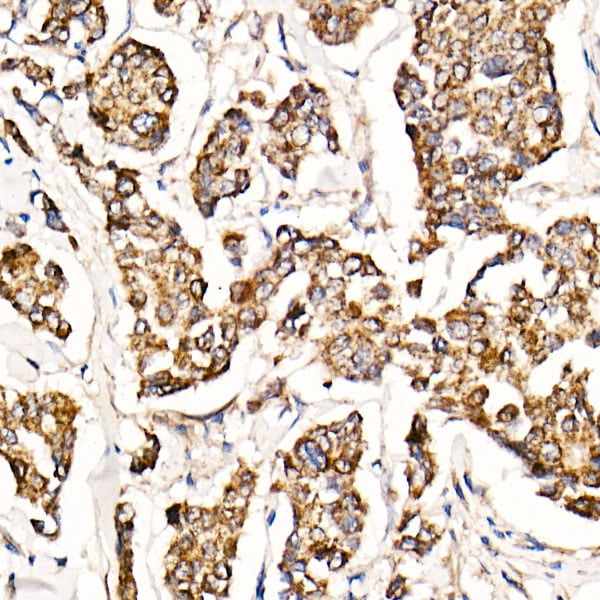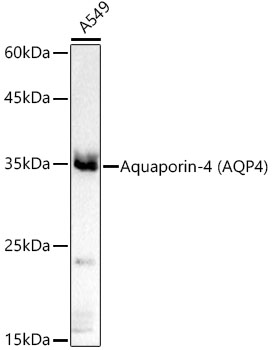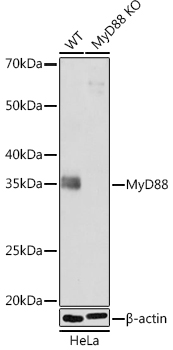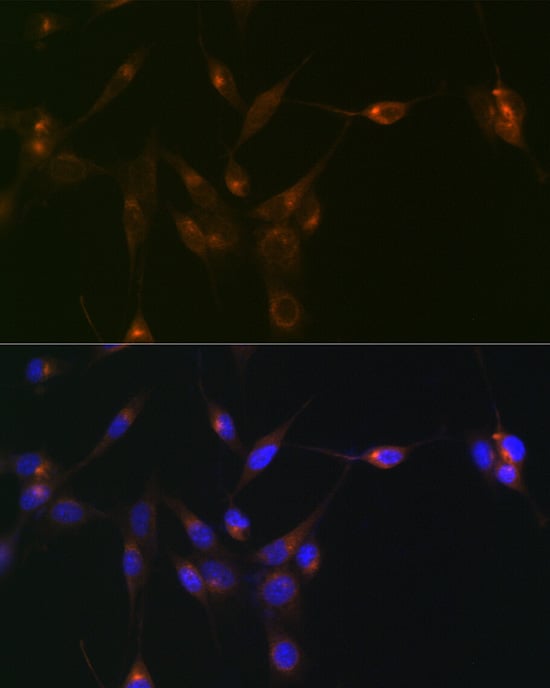
Get accurate results in your research with our Monoclonal Antibodies, which are specially made to target exactly what you require for your research, and will produce consistent, reliable performance in lab tests.
Application Data (Immunofluorescence staining of rat lymph node cryosection with Mouse anti Rat CD163 antibody , red an A and Mouse anti Rat CD8 MCA48), green in B. C is the merged image with nuclei counter-stained blue using DAPI. High power)
Application Data (Published customer image:Analysis of graft-infiltrating T cells. Activated CD25+ T cells and CD4+ and CD8+ T cell subsets were stained at the time points of corneal allograft rejection and calculated within the graft. A, C, and E show representative histological staining for CD25, CD4, and CD8 in grafts of treated and control animals, respectively. CD25+ (B) and CD4+ (D) cells infiltrated to a statistically significantly stronger extent in 3.2.3-treated animals when compared to control treated animals (*p)
Application Data (Immunofluoescence staining of rat lymph node cryosection with Mouse anti Rat CD11b antibody , red in A and Mouse anti Rat CD8 , green in B. C is the merged image with nuclei counter-stained in blue using DAPI. High power)
Application Data (Immunofluorescence staining of rat lymph node cryosection with Mouse anti Rat CD25 antibody , red in A and Mouse anti Rat CD8 , green in B. C is the merged image with nuclei counterstained blue using DAPI. High power)
Application Data (Published customer image: CD4 and CD8 T cell infiltration. Photos show SN sections of an animal of the cell death group immunostained with antibody against CD4 (A and C) and CD8 (B and D). The small panels show insets in A (C) and in B (D) at higher magnification. Scale: 50 um, applies to A -B, 10 um applies to C -D. (E) Graph shows average (dash) and individual numbers of CD4+ cells found in one SN section per animal of each group plotted per time. Two-way ANOVA [F (8,42) = 4.1, p = 0.001 effect of group and time interaction] followed by Tukey HSD post-hoc analysis. ## or § p)
Application Data (Immunofluorescence staining of rat lymph node cryosection with Mouse anti Rat CD25 antibody , red in A and Mouse anti Rat CD8 , green in B. C is the merged image with nuclei counterstained blue using DAPI. Low powe)
Application Data (Immunofluorescence staining of rat lymph node cryosection with Mouse anti Rat CD25 antibody , red in A and Mouse anti Rat CD8 , green in B. C is the merged image with nuclei counterstained blue using DAPI. Low power)
Application Data (Immunofluorescence staining of rat lymph node cryosection with Mouse anti Rat CD25 antibody , red in A and Mouse anti Rat CD8 , green in B. C is the merged image with nuclei counterstained blue using DAPI. High power)
Application Data (Staining of rat peripheral blood cells with Mouse anti Rat CD8 Alpha Chain:Alexa Fluor 488)
Application Data (Published customer image: Qualitative and quantitative flow cytometric analysis of lymphocyte populations in draining lymph nodes. A: Representative FACS plot of CD4+ CD8+ staining used to count T-helper cells, cytotoxic T-cells and CD4+ CD8+ double positive T-lymphocytes. Events acquired: 2x10⁵. B: FACS plot example for B-cell detection. C: Representative FACS plot for NK cell assessment. NK-T cell were confirmed by CD3 expression (not shown). Bar diagrams: Cumulative results for the quantification of major and minor lymphocyte populations in draining LN of cornea transplanted animals. An asterisk (*) indicates statistical significance at p=0.05 determined by Mann -Whitney U-Test. Allo-Tx-d7 - animals allo-grafted and analyzed at day 07 post op, n=6; allo-Tx-rej - animals displaying allo rejection of grafted corneas analyzed after the onset of rejection, n=5; syn-Tx-d7 - syngeneically grafted animals analyzed at day 7 post-op, n=3; syn-Tx-LT - syn-grafted long-term survivors analyzed at the end of the observation period at day 42; n=3.Maenz M, Morcos M, Ritter T. A comprehensive flow-cytometric analysis of graft infiltrating lymphocytes, draining lymph nodes and serum during the rejection phase in a fully allogeneic rat cornea transplant model. Mol Vis. 2011 Feb 8;17:420-9.)
Application Data (Staining of human peripheral blood monocytes with Mouse anti Human CD14:RPE)
Application Data (Staining of human peripheral blood monocytes with Mouse anti Human CD14:APC)
Application Data (Staining of human peripheral blood monocytes with Mouse anti Human CD14:Alexa Fluor 647)
Application Data (Staining of human peripheral blood monocytes with Mouse anti Human CD14:Biotin)
Application Data (Sandwich ELISA analysis of Human CD14 binding using Mouse anti CD14 antibody, clone MEM-18 as a capture reagent and biotinylated Mouse anti Human CD14 antibody, clone UCHM1 as a detection reagent with purified CD14 as antigen for generation of the standard curve. Detection is by HRP conjugated streptavidin. Microtitre plate is read at O.D. 450 nm on the iMark Microplate Absorbance Reader . Serum samples diluted 1:200 and 1:400 are shown green and red respectively, while plasma samples also diluted 1:200 and 1:400 are blue and orange respectively)
Application Data (Staining of human peripheral blood monocytes with Mouse anti Human CD14:FITC)
Application Data (Staining of human peripheral blood monocytes with Mouse anti Human CD14-IgG:Endotoxin Low)
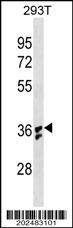
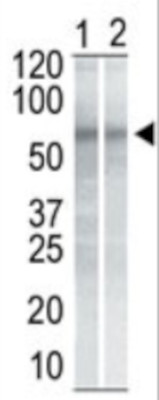
WB (Western Blot) (The cell lysates(10ug) were resolved by SDS-PAGE, transferred to PVDF membrane and probed with anti-human NMNAT-1 antibody (1:2000). Proteins were visualized using a goat anti-mouse secondary antibody conjugated to HRP and an ECL detection system.Lane 1.: 293T cell lysateLane 2.: NMNAT-1 Transfected 293T cell lysate)
ICC (Immunocytochemistry) (Confocal imaging of paraffin-embedded Human liver tissue using CD298/ATP1B3 Rabbit PolymAb® (A19637-PM, dilution 1:200) followed by a further incubation with Cy3 Goat Anti-Rabbit IgG (H+L) (AS007, dilution 1:500) (Red). DAPI was used for nuclear staining (Blue). High pressure antigen retrieval performed with 0.01M Citrate Buffer (pH 6.0) prior to IF staining. Objective: 40x.)
ICC (Immunocytochemistry) (Confocal imaging of Jurkat cells using CD298/ATP1B3 Rabbit PolymAb® (A19637-PM, dilution 1:200) followed by a further incubation with Cy3 Goat Anti-Rabbit IgG (H+L) (AS007, dilution 1:500) (Red). DAPI was used for nuclear staining (Blue). Objective: 100x.)
ICC (Immunocytochemistry) (Confocal imaging of 293T cells using CD298/ATP1B3 Rabbit PolymAb® (A19637-PM, dilution 1:200) followed by a further incubation with Cy3 Goat Anti-Rabbit IgG (H+L) (AS007, dilution 1:500) (Red). DAPI was used for nuclear staining (Blue). Objective: 100x.)
IHC (Immunohistochemistry) (Immunohistochemistry analysis of paraffin-embedded Mouse pancreas tissue using CD298/ATP1B3 Rabbit PolymAb® (AAA28518) at a dilution of 1:200 (40x lens). High pressure antigen retrieval performed with 0.01M Tris-EDTA Buffer (pH 9.0) prior to IHC staining.)
IHC (Immunohistochemistry) (Immunohistochemistry analysis of paraffin-embedded Mouse brain tissue using CD298/ATP1B3 Rabbit PolymAb® (AAA28518) at a dilution of 1:200 (40x lens). High pressure antigen retrieval performed with 0.01M Tris-EDTA Buffer (pH 9.0) prior to IHC staining.)
IHC (Immunohistochemistry) (Immunohistochemistry analysis of paraffin-embedded Human esophagus tissue using CD298/ATP1B3 Rabbit PolymAb® (AAA28518) at a dilution of 1:200 (40x lens). High pressure antigen retrieval performed with 0.01M Tris-EDTA Buffer (pH 9.0) prior to IHC staining.)
IHC (Immunohistochemistry) (Immunohistochemistry analysis of paraffin-embedded Human liver tissue using CD298/ATP1B3 Rabbit PolymAb® (AAA28518) at a dilution of 1:200 (40x lens). High pressure antigen retrieval performed with 0.01M Tris-EDTA Buffer (pH 9.0) prior to IHC staining.)
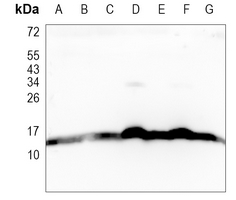
WB (Western Blot) (Western blot analysis of various lysates using CD298/ATP1B3 Rabbit PolymAb® (AAA28518) at 1:3000 dilution incubated overnight at 4?.Secondary antibody: HRP-conjugated Goat anti-Rabbit IgG (H+L) (AS014) at 1:10000 dilution.Lysates/proteins: 25 ug per lane.Blocking buffer: 3% nonfat dry milk in TBST.Detection: ECL Basic Kit (RM00020).Exposure time: 90s.)
SDS-PAGE (SDS-PAGE Analysis Purified Podocalyxin Mouse Monoclonal Antibody (3D3). Confirmation of Integrity and Purity of Antibody.)
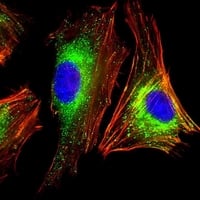
IF (Immunofluorescence) (Confocal Immunofluorescence of HeLa cells using Podocalyxin Mouse Monoclonal Antibody (3D3) labeled with CF488 (Green); Reddot is used to label the nuclei.)
WB (Western Blot) (Western Blot Analysis of HeLa cell lysate using Podocalyxin Mouse Monoclonal Antibody (3D3).)
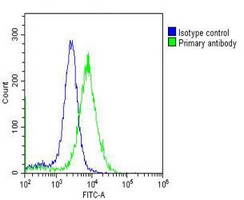
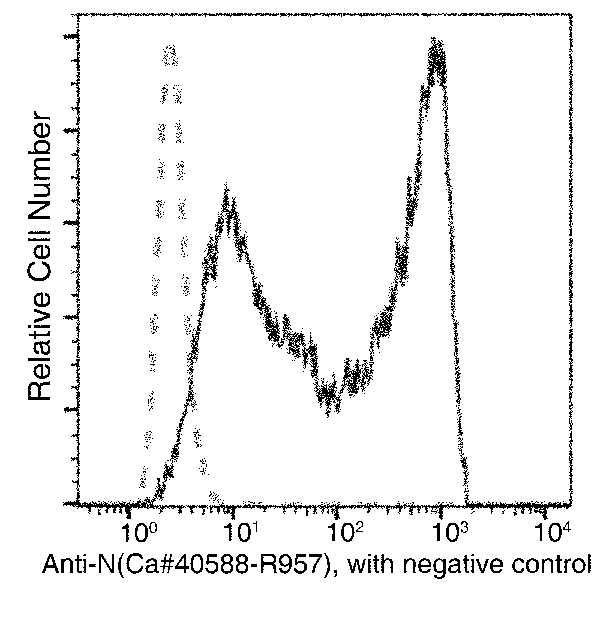
FCM (Flow Cytometry) (Flow Cytometry of NCCIT Cells using Podocalyxin Monoclonal Antibody (3D3).)
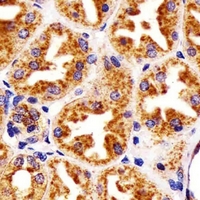
IHC (Immunohistochemistry) (Formalin-fixed, paraffin-embedded human Placenta stained with Podocalyxin Monoclonal Antibody (3D3).)
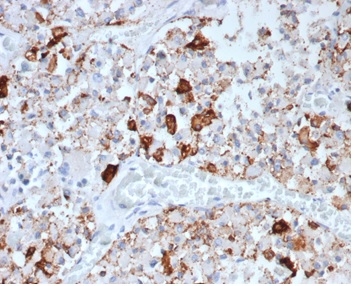
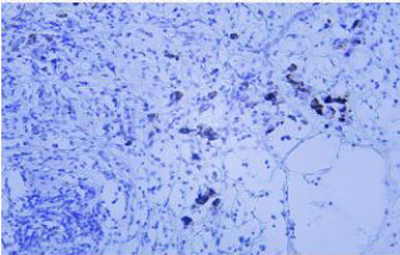
IHC (Immunohistochemistry) (Formalin-fixed, paraffin-embedded human Angiosarcoma stained with Podocalyxin Monoclonal Antibody (3D3).)
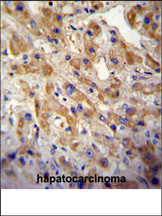
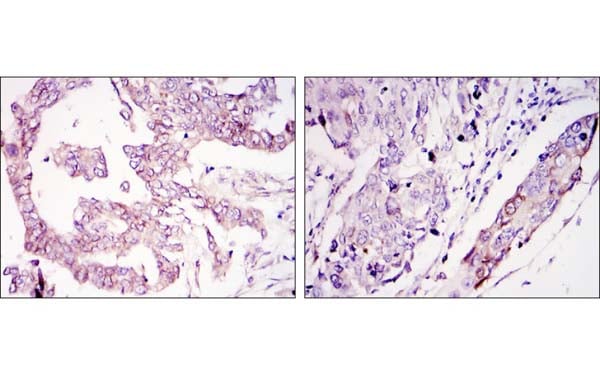
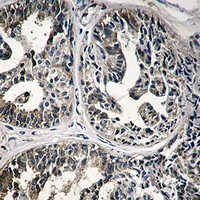
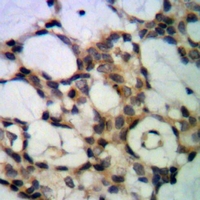
IHC (Immunohistochemistry) (Immunohistochemical analysis of paraffin-embedded bladder cancer tissues using C-CBL mouse mAb with DAB staining.)
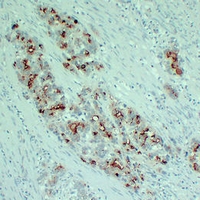
IHC (Immunohistchemistry) (Immunohistochemical analysis of paraffin-embedded ovarian cancer tissues using C-CBL mouse mAb with DAB staining.)
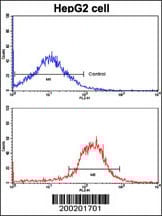
FCM (Flow Cytometry) (Flow cytometric analysis of MCF-7 cells using C-CBL mouse mAb (blue) and negative control (red).)
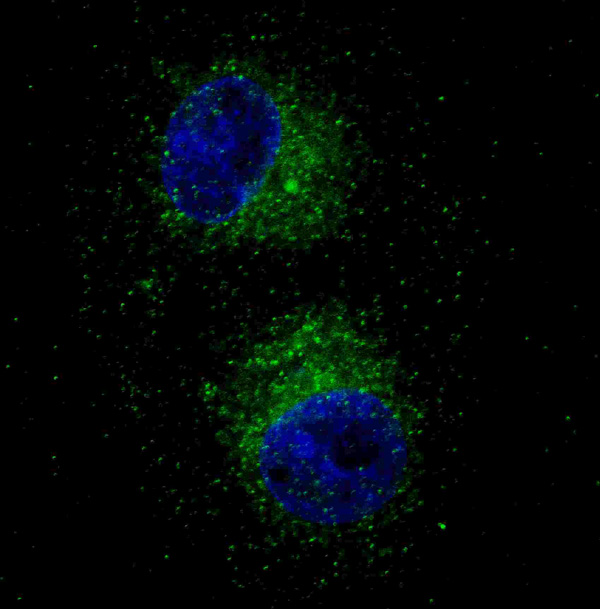
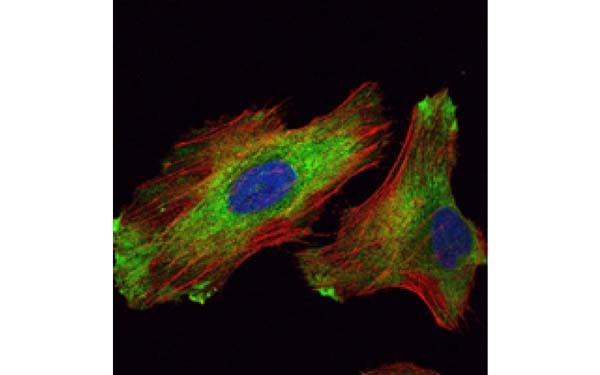
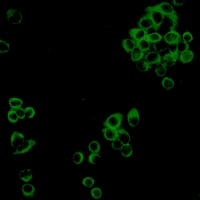
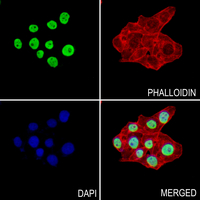
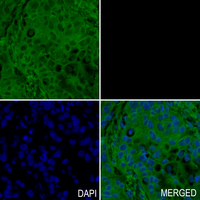
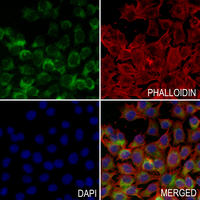
IF (Immunofluorescence) (Immunofluorescence analysis of Hela cells using C-CBL mouse mAb (green). Blue)
IP (Immunoprecipitation) (Immunoprecipitation analysis of Hela cell lysates using c-Cbl mouse mAb.)
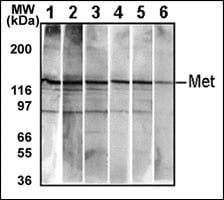
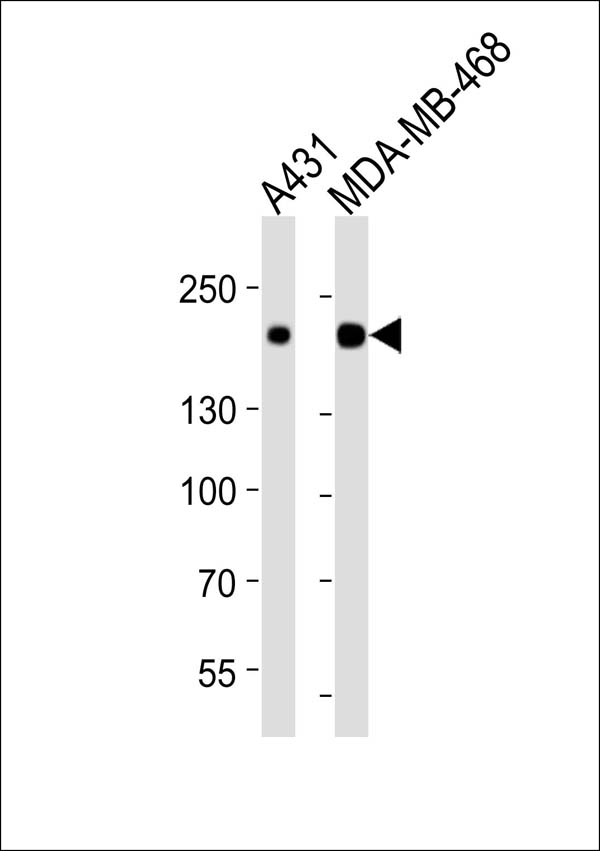
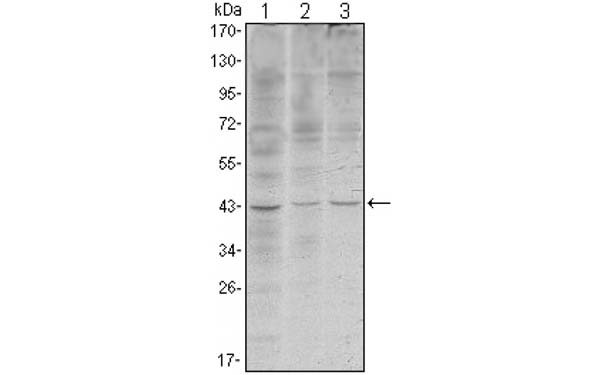
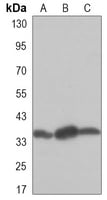
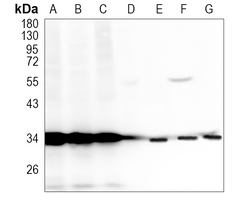
WB (Western Blot) (Western blot analysis using C-CBL mouse mAb against RAJI (1), RAW264.7 (2), K562 (3), SKBR-3 (4), 3T3-L1 (5), THP-1 (6) and PC-12 (7) cell lysate.)
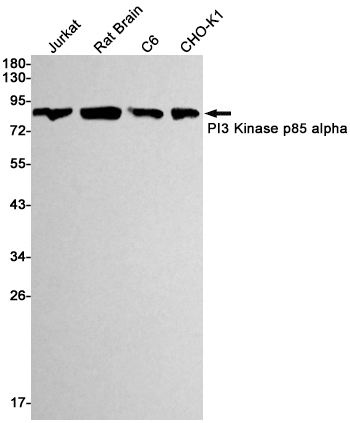
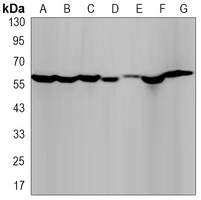
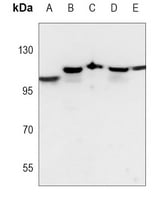
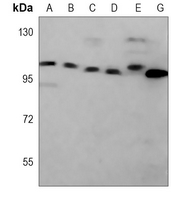
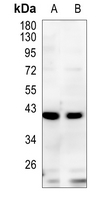
WB (Western Blot) (Western blot detection of c-Cbl in C6, Jurkat, K562, 3T3 and Hela cell lysates using c-Cbl mouse mAb (1:1000 diluted).Predicted band size:120KDa.Observed band size:120KDa.)
Application Data (Published customer image:Rat anti Mouse CD68 antibody, clone FA-11 used for the identification of microglia in mouse brain by immunofluorescence.Image caption:Comparison of CB2 immunoreactivity in neurons, activated microglia and astrocytes. ()
Application Data (Published customer image:Rat anti Mouse CD68 antibody, clone FA-11 used for the identification of microglia in mouse brain by immunofluorescence.Image caption:CB2 receptors are expressed in microglial cells and do not accumulate in)
DB (Dot Blot) (Dot Blot showing FSC/SSC gated mouse peritoneal macrophages dual stained with CD68 at a 1/5 dilution and CD88 at a 1/5 dilution. Isotype control pair in red. Fc receptors were blocked by mouse Seroblock (BUF041B). Permeabilisat)
IF (Immunofluorescence) (Immunofluorescence staining of a mouse lymph node cryosection with Rat anti Mouse CD68 antibody, clone FA11 , green in A and Rat anti Mouse CD8 antibody, clone YTS105.18 , red in B. C is the merged image with nuclei counterstained blue u)
Application Data (Immunoperoxidase staining of a mouse lymph node cryosection with Rat anti Mouse CD68 antibody, clone FA11 followed by Goat anti Rat IgG antibody. High power)
Application Data (Frozen mouse lymph node stained with rat anti-mouse CD68 at a 1/100 dilution followed by goat anti-rat IgG:HRP at a 1/50 dilution.)
WB (Western Blot) (Western Blot analysis of CD68 expression on J774 cells using Rat anti Mouse CD68 with Goat anti Rat IgG:HRP as a detection antibody)
IHC (Immunohistochemistry) (Formalin-fixed, paraffin-embedded human Colon Carcinoma stained with Blood Group Antigen Lewis B Mouse Monoclonal Antibody (SPM194).)
ICC (Immunocytochemistry) (ICC staining U1A in SiHa cells (green). The nuclear counter stain is DAPI (blue). Cells were fixed in paraformaldehyde, permeabilised with 0.25% Triton X100/PBS.)
ICC (Immunocytochemistry) (ICC staining U1A in SH-SY-5Y cells (green). The nuclear counter stain is DAPI (blue). Cells were fixed in paraformaldehyde, permeabilised with 0.25% Triton X100/PBS.)
ICC (Immunocytochemistry) (ICC staining U1A in 293T cells (green). The nuclear counter stain is DAPI (blue). Cells were fixed in paraformaldehyde, permeabilised with 0.25% Triton X100/PBS.)
IHC (Immunohistochemistry) (Immunohistochemical analysis of paraffin-embedded mouse liver tissue using anti-U1A antibody. Counter stained with hematoxylin.)
IHC (Immunohistochemistry) (Immunohistochemical analysis of paraffin-embedded human lung cancer tissue using anti-U1A antibody. Counter stained with hematoxylin.)
WB (Western Blot) (Western blot analysis of U1A on different lysates using anti-U1A antibody at 1/500 dilution. Positive control: Lane 1: Rat brain Lane 2: K562 Lane 3: A431 Lane 4: Mouse kidney)
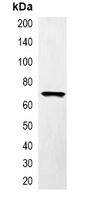
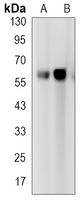
WB (Western Blot) (Western blot analysis of extracts from Hela and MCF cells using NRF2 Mouse mAb at 1:1000 dilution. Predicted band size: 68KDa. Observed band size: 68kDa.)
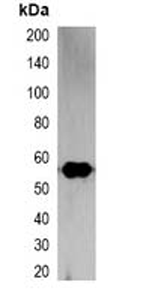
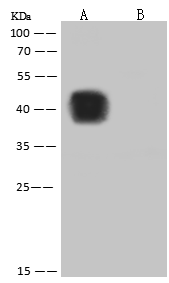
WB (Western Blot) (Western Blot analysis using NFE2L2 nAb against human NFE2L2 (AA:356-589) recombinant protein. (Expected MW is 52.1kDa).)
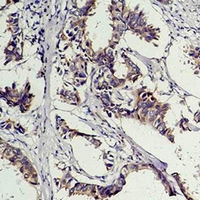
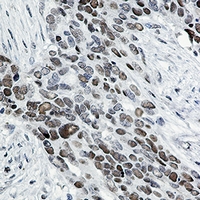
IHC (Immunohistochemistry) (Immunohistochemical analysis of paraffin-embedded stomach cancer tissues using NFE2L2 mouse mAb with DAB staining.)
WB (Western Blot) (Western blot analysis using NFE2L2 mAb against HEK293 (1) and NFE2L2 (AA)
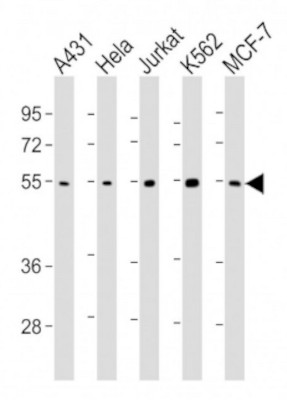
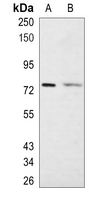
WB (Western Blot) (Western blot analysis of extracts from Jurkat, A549, MCF7, C6 and Hela cell lysates using NRF2 mouse mAb (1:2000 diluted).Predicted band size:68KDa.Observed band size:68KDa.)
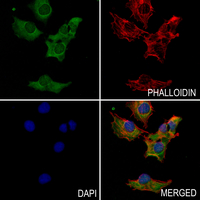
IF (Immunofluorescence) (AAA31472 staining HepG2 cells by IF/ICC. The samples were fixed with PFA and permeabilized in 0.1% Triton X-100, then blocked in 10% serum for 45 minutes at 25°C. Samples were then incubated with primary Ab (#AAA31472) and rabbit anti-beta tubulin Ab (#) for 1 hour at 37°C. An AlexaFluor594 conjugated goat anti-mouse IgG Ab(Red) and an AlexaFluor488 conjugated goat anti-rabbit IgG Ab(Green) were used as the secondary antibody. The nuclear counter stain is DAPI (blue).)
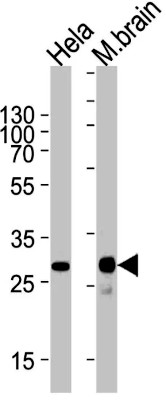
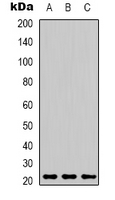
WB (Western Blot) (Western blot analysis on various lysates using Claudin 18.2 Mouse monoclonal antibody.lane1 rat stomach with blocking peptide, lane2 rat stomach, lane3 mouse stomach.observed:26kD.)
Application Data (PE conjugatedMouse anti Human CD169 antibody, clone 7-239 used to block CD169 function on myeloid cells.Image caption:Siglec-1 mediates HIV-1 uptake into a storage compartment and enhances HIV-1 trans-infection specially in IFN?-treated monocytes and DCs. A. Uptake of HIV-1NL4–3 by different myeloid cells exposed to IFN?. Cells were cultured with HIV-1 to measure p24Gag by ELISA. Mean values and SEM from four experiments include cells from 12 donors. B. Fold change in HIV-1NL4–3 uptake of cells treated with bafilomycin A1 compared to untreated cells. Mean values and SEM include cells from three donors. C. Relative uptake of HIV-1NL4–3 by IFN?-treated myeloid cells pre-incubated with the indicated mAbs. Values are normalized to the level of HIV-1 uptake by mock-treated cells (set at 100%). Mean values and SEM from two experiments include cells from six donors. D. Confocal microscopy analysis of different IFN?-treated myeloid cells pulsed with HIV-1Cherry and stained for Siglec-1 (Alexa 488), HLA-DR (Alexa 647) and DAPI. (Top) Representative viral pattern for each kind of myeloid cell analyzed, showing maximum fluorescence intensity of four channels. (Bottom) Percentage of myeloid cells with distinct viral patterns: random distribution, polarized accumulation, and sac-like compartment formation, as illustrated in the left drawing. Mean values of 50 cells from two different donors are shown. E. HIV-1 transmission from IFN?-treated myeloid cells to a luciferase reporter CD4+ cell line. HIV-1 infection was determined by induced luciferase activity in relative light units (RLUs). Mean values and SEM from four experiments include cells from 12 donors. F. Relative HIV-1 transmission from IFN?-treated myeloid cells pre-incubated with the indicated mAbs. Values are normalized to the level of HIV-1 trans-infected by mock-treated cells. Mean values and SEM from two experiments include cells from six donors. Statistical differences were assessed with a paired t test in A and E, and with a one sample t-test in B, C and F.From: Pino M, Erkizia I, Benet S, Erikson E, Fernández-Figueras MT, Guerrero D, Dalmau J, Ouchi D, Rausell A, Ciuffi A, Keppler OT, Telenti A, Kräusslich HG, Martinez-Picado J, Izquierdo-Useros N.HIV-1 immune activation induces Siglec-1 expression and enhances viral trans-infection in blood and tissue myeloid cells.Retrovirology. 2015 May 7;12:37.This image is from an open access article distributed under the terms of the Creative Commons Attribution License.)
Application Data (PE conjugated Mouse anti CD169 antibody, clone 7-239 used for the evaluation of CD169 expression on myeloid cell populations by flow cytometry. Mouse anti Human CD169 antibody, clone 7-239 used to block CD169 function on myeliod cells.Image caption:Siglec-1 mediates HIV-1 capture by IFN?-treated myeloid cells. A. Representative profiles of Siglec-1 staining in distinct myeloid cells cultured with or without 1000 U/ml of IFN? and assessed by FACS. Staining of matched-isotype control is also shown. The mean fold increase in fluorescence after IFN&apha; treatment of cells derived from three donors is shown in red numbers. B. Mean number of Siglec-1 antibody binding sites per cell displayed by different myeloid cells exposed to 1000 U/ml of IFN? for 48 h and assessed by quantitative FACS analysis. Data show mean values and SEM from four experiments including cells from 12 donors. C. Comparative binding of HIV-1NL4–3 to different myeloid cells ly exposed to 1000 U/ml of IFN? for 48 h. Cells were cultured with HIV-1NL4–3 for 4 h at 4°C, washed and lysed to measure p24Gag by ELISA. Data show mean values and SEM from two experiments including cells from six donors. D. Relative binding of HIV-1NL4–3 by different IFN?-treated myeloid cells that had been pre-incubated with 10 ug/ml of the indicated mAbs before HIV-1 exposure for 4 h at 4°C as described in C. To compare the effect of the mAbs in different myeloid cells, values were normalized to the level of HIV-1 binding by mock-treated cells (set to 100%). Data show mean values and SEM from two experiments including cells from six donors. Statistical differences were assessed with a paired t test in B and C, and with a one sample t-test in D.From: Pino M, Erkizia I, Benet S, Erikson E, Fernández-Figueras MT, Guerrero D, Dalmau J, Ouchi D, Rausell A, Ciuffi A, Keppler OT, Telenti A, Kräusslich HG, Martinez-Picado J, Izquierdo-Useros N.HIV-1 immune activation induces Siglec-1 expression and enhances viral trans-infection in blood and tissue myeloid cells.Retrovirology. 2015 May 7;12:37.This image is from an open access article distributed under the terms of the Creative Commons Attribution License.)
Application Data (Mouse anti Human CD169 antibody, clone 7-239 used for the evaluation of CD169 expression by monocyte-derived macrophages by western blotting.Image caption:Siglec-1 RNAi interference and competitive inhibition by a GM3 glycan mimetic inhibits HIV-1 VLP internalization by MDMs.(A) MDMs were transfected with 60 nM control or Siglec-1 siRNA on day 8 after plating. Cell lysates were harvested and analyzed by Western blotting for Siglec-1 and actin expression. (B) MDMs were transfected with either control or Siglec-1 siRNA and 5 days later incubated with 400 ng of HIV-1 Gag-EGFP VLPs for 2 hr. Cells were washed and cell lysate p24 concentration determined by ELISA. (C) MDMs were pre-treated at RT with lactose or 3’-sialyllactose for 1 hour. Subsequently, MDMs were incubated with 400 ng of HIV-1 Gag-EGFP VLPs in the presence of compound for an additional hour. MDMs were then washed, cell lysates harvested and cell-associated p24 measured by ELISA. Error bars represent standard deviation; asterisks depict significant differences as measured by unpaired t-test.From: Hammonds JE, Beeman N, Ding L, Takushi S, Francis AC, Wang J-J, et al. (2017)Siglec-1 initiates formation of the virus-containing compartment and enhances macrophage-to-T cell transmission of HIV-1.PLoS Pathog 13(1): e1006181.This image is from an open access article distributed under the terms of the Creative Commons Attribution License.)
Application Data (Mouse anti Human CD169 antibody, clone 7-239 used for the evaluation of CD169 expression by monocyte-derived macrophages by immunofluorescence.Image caption:Time course of HIV-1 Gag-EGFP internalization within MDMs and colocalization with Siglec-1.(A-D) 400 ng of sucrose-purified HIV-1 Gag-EGFP VLPs were added to MDM cultures and allowed to attach and be internalized from 10’ to 6 hours. At the indicated times, MDMs were washed, fixed in 4% PFA and immunostained with Siglec-1 (red, mAb clone 7–239) and DAPI co-stained. Shown are cells representative of the populations examined at each timepoint. Size bars = 10?m.From: Hammonds JE, Beeman N, Ding L, Takushi S, Francis AC, Wang J-J, et al. (2017)Siglec-1 initiates formation of the virus-containing compartment and enhances macrophage-to-T cell transmission of HIV-1.PLoS Pathog 13(1): e1006181.This image is from an open access article distributed under the terms of the Creative Commons Attribution License.)
Application Data (Mouse anti Human CD169 antibody, clone 7-239 used for the evaluation of CD169 expression by monocyte-derived macrophages following exposure to ? interferon immunofluorescence.Image caption:Siglec-1 expression by MDMs is enhanced via IFN exposure and leads to VLP internalization.(E) Sucrose purified, HIV-1 Gag-EGFP VLPs treated with neuraminidase (NA) or untreated (F) were added to mature GM-CSF derived MDM cultures on day 8 for 6 hours. Cells were then washed, fixed, immunostained for Siglec-1 (red) and DAPI co-stained. Size bar = 21?m for (E) and 15?m for (F).From: Hammonds JE, Beeman N, Ding L, Takushi S, Francis AC, Wang J-J, et al. (2017)Siglec-1 initiates formation of the virus-containing compartment and enhances macrophage-to-T cell transmission of HIV-1.PLoS Pathog 13(1): e1006181.This image is from an open access article distributed under the terms of the Creative Commons Attribution License.)
Application Data (Mouse anti Human CD169 antibody, clone 7-239 used for the evaluation of CD169 expression by monocyte-derived macrophages following exposure to ? interferon using flow cytometry and western blottingImage caption:Siglec-1 expression by MDMs is enhanced via IFN exposure and leads to VLP internalization.(A) Representative Siglec-1 and tetherin surface expression of GM-CSF matured MDMs together with 24 h IFN alpha stimulation (1000 U/ml). (B) Western blot of Siglec-1 and actin upon incubation with increasing amounts of IFN alpha in GM-CSF derived MDMs. (C) Enhanced capture of HIV-1 Gag-EGFP VLPs by MDMs stimulated with 1000 U/ml IFN alpha as measured by p24 ELISA. (D) MDMs were incubated with 400 ng of sucrose-purified HIV-1 Gag-EGFP VLPs either treated with 1.0 U/ul neuraminidase, untreated or from 293T cultured in the presence of 10 ?M PDMP. Cell-associated HIV-1 p24 was quantified by ELISA.From: Hammonds JE, Beeman N, Ding L, Takushi S, Francis AC, Wang J-J, et al. (2017)Siglec-1 initiates formation of the virus-containing compartment and enhances macrophage-to-T cell transmission of HIV-1.PLoS Pathog 13(1): e1006181.This image is from an open access article distributed under the terms of the Creative Commons Attribution License.)
Application Data (Surface Staining of buffy coat differentiated monocytes by Mouse anti Human CD169:RPE)
ELISA (Titration curve of AAA13397 in indirect ELISA: Antigen: CA19-9 Antigen coated at 30 Units per well.Antibody: Dilution series of AAA13397, followed by Goat anti-Mouse IgG Fc: HRP conjugate and TMB substrate.)
FCM (Flow Cytometry) (Figure 1. Flow cytometry analysis with Anti-TSHR?M22? mAb 15 ug/mL on Expi293 cells transfected with Human TSHR (Blue histogram) or Expi293 transfected with irrelevant protein (Red histogram).)
IHC (Immunohistochemistry) (Immunohistochemical analysis of paraffin-embedded Rat-lung tissue. 1.Active Caspase-3 Monoclonal Antibody(5E1) was diluted at 1:200(4 degree C.overnight). 2. Sodium citrate pH 6.0 was used for antibody retrieval(>98 degree C.20min). 3.Secondary antibody was diluted at 1:200(room temperature. 30min). Negative control was used by secondary antibody only.)
IHC (Immunohistochemistry) (Immunohistochemical analysis of paraffin-embedded Mouse-liver tissue. 1.Active Caspase-3 Monoclonal Antibody(5E1) was diluted at 1:200(4 degree C.overnight). 2. Sodium citrate pH 6.0 was used for antibody retrieval(>98 degree C.20min). 3.Secondary antibody was diluted at 1:200(room temperature. 30min). Negative control was used by secondary antibody only.)
IHC (Immunohistchemistry) (Immunohistochemical analysis of paraffin-embedded Human-liver tissue. 1.Active Caspase-3 Monoclonal Antibody(5E1) was diluted at 1:200(4 degree C.overnight). 2. Sodium citrate pH 6.0 was used for antibody retrieval(>98 degree C.20min). 3.Secondary antibody was diluted at 1:200(room temperature. 30min). Negative control was used by secondary antibody only.)
IHC (Immunohistochemistry) (Immunohistochemical analysis of paraffin-embedded Human Tonsil Tissue using Active Caspase-3 Monoclonal Antibody.)
Application Data (Fen. Wei. et al. "Eugenol protects the transplanted heart against ischemia/reperfusion injury in rats by inhibiting the inflammatory response and apoptosis." Experimental and therapeutic medicine 16.4 (2018): 3464-3470.)
Application Data (Chen. Xiao?Meng. et al. "Chelerythrine chloride induces apoptosis in renal cancer HEK-293 and SW-839 cell lines." Oncology letters 11.6 (2016): 3917-3924.)
WB (Western Blot) (Western Blot analysis of chicken cell lysis using Antibody diluted at 1:1000)
WB (Western Blot) (Western blot analysis of 1) Hela. 2) 3T3. 3) Rat Brain Tissue using Active Caspase-3 Monoclonal Antibody.)
Application Data (He. Fenglian. et al. "Synergistic effect of Notch-3-specific inhibition and paclitaxel in non-small cell lung cancer (NSCLC) cells via activation of the intrinsic apoptosis pathway." Medical science monitor: international medical journal of experimental and clinical research 23 (2017): 3760.)
WB (Western Blot) (Western blot detection of Bcl-2 in human breast cancer cell line MCF-7(A). MDA-MB-231(B) and Cal51(C) using Bcl-2 mouse mAb (AAA30800. 1:2000 diluted).Predicted band size: 26kDa.Observed band size:26kDa. Picture was kindly provided by our customer from Tianjin Medical University Cancer Institute and Hospital)
WB (Western Blot) (Western blot analysis of lysates from 1)Hela. 2) MCF-7 cells. (Green) primary antibody was diluted at 1:1000. 4 degree over night. secondary antibody(Assay Biotech:SA0438)was diluted at 1:10000. 37 degree 1hour. (Red) Actin ? Polyclonal Antibody (Assay Biotech:C40022) antibody was diluted at 1:5000 as loading control. 4 degree over night.Dylight 680 secondary antibody(Assay Biotech:SA0437)was diluted at 1:10000. 37 degree 1hour.)
WB (Western Blot) (Western blot analysis of lysates from 1)Hela cell. 2)Hela cells knockdown by siRNA1 (F:GGAUGACUGAGUACCUGAATT.R:UUCAGGUACUCAGUCAUCCTT) siRNA2(F:GUGAUGAAGUACAUCCAUUAU.R:AUAAUGGAUGUACUUCAUCAC). (Green) primary antibody was diluted at 1:1000. 4 degree over night. Dylight 800 secondary antibody(Assay Biotech:SA0438)was diluted at 1:10000. 37 degree 1hour. (Red) GAPDH rabbit (Assay Biotech:C40021) antibody was diluted at 1:5000 as loading control. 4 degree over night. Dylight 680 secondary antibody(Assay Biotech:SA0437)was diluted at 1:10000. 37 degree 1hour.)
WB (Western Blot) (Western blot analysis of Hela. diluted at 1:1000)
WB (Western Blot) (Western Blot analysis of chicken cell lysis using Antibody diluted at 1:1000)
Application Data (The picture was kindly provided by our customer. Primary antibody was diluted at 1:2000. Loading control antibody was diluted at 1:5000)
Application Data (The picture was kindly provided by our customer)
FCM (Flow Cytometry) (Flow cytometry analysis of TIGIT overexpressing HEK293 cells using TIGIT single domain antibody and control 1H4 single domain antibody at 0.05ug/ml. Blue: Untransfected HEK293 cells. Yellow: TIGIT overexpressing HEK293 cells.)
IHC (Immunohistochemistry) (Immunohistochemistry of TIGIT in human spleen tissue with TIGIT single domain antibody at 1ug/mL.)
ELISA (Titration ELISA analysis of TIGIT sdAbs to detect recombinant TIGIT (extracellular domain) coated at 1 ug/mL. sdAbs are detected with a mouse mAb against a C-terminal myc-tag followed by a goat anti-mouse IgG-HRP conjugate.)
IF (Immunofluorescence) (Immunofluorescence of TIGIT in human spleen tissue with TIGIT single domain antibody at 20ug/mL.)
IF (Immunofluorescence) (Immunofluorescence of TIGIT in transfected HEK293 cells with TIGIT single domain antibody at 20ug/mL.)
ICC (Immunocytochemistry) (Immunocytochemistry of TIGIT in transfected HEK293 cells with TIGIT single domain antibody at 10ug/mL.)
TIGIT Antibody is affinity chromatography purified via Nickel column. Antibody is supplied as a His-tagged purified protein. It also contains a myc-tag for detection.
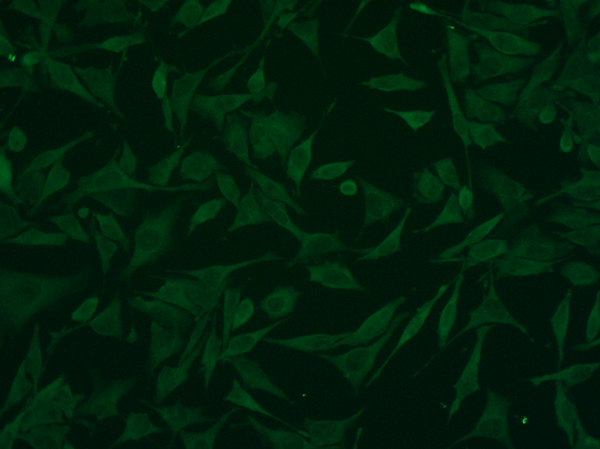
IF (Immunofluorescence) (ICC/IF analysis of APP/Protease Nexin II in U87MG cells. The cell was stained with AAA11729 (1:100). The secondary antibody (green) was used Alexa Fluor 488. DAPI was stained the cell nucleus (blue).)
FCM (Flow Cytometry) (Flow cytometry analysis of APP/Protease Nexin II in 293T cells. The cell was stained with AAA11729 at 2-5ug for 1x10^6cells (red). A Goat anti mouse IgG (Alexa fluor 488) was used as the secondary antibody. Mouse monoclonal IgG was used as the isotype control (dark gray), cells without incubation with primary and secondary antibody was used as the negative control (light gray).)
WB (Western Blot) (The tissue lysate(40ug) was resolved by SDS-PAGE, transferred to PVDF membrane and probed with anti-human APP (1:1000). Proteins were visualized using a goat anti-mouse secondary antibody conjugated to HRP and an ECL detection system. Lane 1.: Mouse brain tissue lysate.)
WB (Western Blot) (Tissue lysates of mouse brain (30ug) were resolved by SDS-PAGE, transferred to NC membrane and probed with anti-human APP (1:1000). Proteins were visualized using a goat anti-mouse secondary antibody conjugated to HRP and an ECL detection system.)
IF (Immunofluorescence) (Immunofluorescence analysis of paraffin-embedded Rat spleen using Ki67 Rabbit mAb (AAA28548) at dilution of 1:100 (40x lens). Secondary antibody: Cy3-conjugated Goat anti-Rabbit IgG (H+L) (AS007) at 1:500 dilution. Blue: DAPI for nuclear staining.)
IF (Immunofluorescence) (Immunofluorescence analysis of paraffin-embedded Mouse spleen using Ki67 Rabbit mAb (AAA28548) at dilution of 1:100 (40x lens). Secondary antibody: Cy3-conjugated Goat anti-Rabbit IgG (H+L) (AS007) at 1:500 dilution. Blue: DAPI for nuclear staining.)
IF (Immunofluorescence) (Immunofluorescence analysis of HeLa cells using Ki67 Rabbit mAb (AAA28548) at dilution of 1:100 (40x lens). Secondary antibody: Cy3-conjugated Goat anti-Rabbit IgG (H+L) (AS007) at 1:500 dilution. Blue: DAPI for nuclear staining.)
IF (Immunofluorescence) (Immunofluorescence analysis of A-549 cells using Ki67 Rabbit mAb (AAA28548) at dilution of 1:100 (40x lens). Secondary antibody: Cy3-conjugated Goat anti-Rabbit IgG (H+L) (AS007) at 1:500 dilution. Blue: DAPI for nuclear staining.)
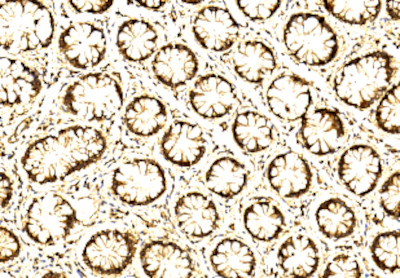
IHC (Immunohistochemistry) (Immunohistochemistry analysis of paraffin-embedded Rat colon tissue using Ki67 Rabbit mAb (AAA28548) at a dilution of 1:200 (40x lens). High pressure antigen retrieval was performed with 0.01 M citrate buffer (pH 6.0) prior to IHC staining.)
IHC (Immunohistochemistry) (Immunohistochemistry analysis of paraffin-embedded Mouse intestin tissue using Ki67 Rabbit mAb (AAA28548) at a dilution of 1:200 (40x lens). High pressure antigen retrieval was performed with 0.01 M citrate buffer (pH 6.0) prior to IHC staining.)
IHC (Immunohistchemistry) (Immunohistochemistry analysis of paraffin-embedded Human tonsil tissue using Ki67 Rabbit mAb (AAA28548) at a dilution of 1:200 (40x lens). High pressure antigen retrieval was performed with 0.01 M citrate buffer (pH 6.0) prior to IHC staining.)
IHC (Immunohistochemistry) (Immunohistochemistry analysis of paraffin-embedded Rat colon tissue using Ki67 Rabbit mAb (AAA28548) at a dilution of 1:200 (40x lens). High pressure antigen retrieval was performed with 0.01 M citrate buffer (pH 6.0) prior to IHC staining.)
IHC (Immunohistochemistry) (Immunohistochemistry analysis of paraffin-embedded Human tonsil tissue using Ki67 Rabbit mAb (AAA28548) at a dilution of 1:200 (40x lens). High pressure antigen retrieval was performed with 0.01 M citrate buffer (pH 6.0) prior to IHC staining.)
IHC (Immunohistochemistry) (Immunohistochemistry analysis of paraffin-embedded Mouse intestin tissue using Ki67 Rabbit mAb (AAA28548) at a dilution of 1:200 (40x lens). High pressure antigen retrieval was performed with 0.01 M citrate buffer (pH 6.0) prior to IHC staining.)
IHC (Immunohistochemistry) (Immunohistochemistry analysis of paraffin-embedded Human tonsil using Ki67 Rabbit mAb (AAA28548) at dilution of 1:100 (40x lens). High pressure antigen retrieval performed with 0.05M Tris/EDTA Buffer (pH 8.0) prior to IHC staining.)
IHC (Immunohistochemistry) (Immunohistochemistry analysis of paraffin-embedded Human appendix using Ki67 Rabbit mAb (AAA28548) at dilution of 1:100 (40x lens). High pressure antigen retrieval performed with 0.05M Tris/EDTA Buffer (pH 8.0) prior to IHC staining.)
FCM (Flow Cytometry) (Staining of thrombin activated platelets with Mouse anti Human CD62P)
FCM (Flow Cytometry) (Staining of thrombin activated human platelets with Mouse anti Human CD62P:Azide Free)
FCM (Flow Cytometry) (Staining of thrombin activated human peripheral blood platelets with Mouse anti Human CD62P: FITC)
FCM (Flow Cytometry) (Staining of human peripheral blood platelets with Mouse anti Human CD62P (AAA12247))
IHC (Immunohistochemistry) (Staining of human tonsil showing capillary endothelium. Formalin fixed, paraffin processed tissue with Mouse anti Human CD62P (P-Selectin) (AAA12247))
Application Data (Staining of human peripheral blood monocytes with Mouse anti Human CD14:RPE)
Application Data (Staining of human peripheral blood monocytes with Mouse anti Human CD14:APC)
Application Data (Staining of human peripheral blood monocytes with Mouse anti Human CD14:Alexa Fluor 647)
Application Data (Staining of human peripheral blood monocytes with Mouse anti Human CD14:Biotin)
Application Data (Sandwich ELISA analysis of Human CD14 binding using Mouse anti CD14 antibody, clone MEM-18 as a capture reagent and biotinylated Mouse anti Human CD14 antibody, clone UCHM1 as a detection reagent with purified CD14 as antigen for generation of the standard curve. Detection is by HRP conjugated streptavidin. Microtitre plate is read at O.D. 450 nm on the iMark Microplate Absorbance Reader . Serum samples diluted 1:200 and 1:400 are shown green and red respectively, while plasma samples also diluted 1:200 and 1:400 are blue and orange respectively)
Application Data (Staining of human peripheral blood monocytes with Mouse anti Human CD14:FITC)
Application Data (Staining of human peripheral blood monocytes with Mouse anti Human CD14-IgG:Endotoxin Low)
IP (Immunoprecipitation) (Immunoprecipitation analysis using Mouse Anti-VPS35 Monoclonal Antibody, Clone 11H10. Tissue: embryonic fibroblast. Species: Mouse. Primary Antibody: Mouse Anti-VPS35 Monoclonal Antibody. Three amounts of (3, 1 and 0.3 ug) were non-covalently coupled to 10uL of A/G sepharose beads for 1 hour at 4 degree C and next incubated with 250ug of MEF lysate for 2 hours at 4 degree C.)
IP (Immunoprecipitation) (Immunoprecipitation analysis using Mouse Anti-VPS35 Monoclonal Antibody, Clone 11H10. Tissue: A549 cells. Species: Human. Primary Antibody: Mouse Anti-VPS35 Monoclonal Antibody. Three amounts of (3, 1 and 0.3 ug) were non-covalently coupled to 10uL of A/G sepharose beads for 1 hour at 4 degree C and next incubated with 250ug of A549 lysate for 2 hours at 4 degree C.)
WB (Western Blot) (Western Blot analysis of Human SH-SY5Y showing detection of VPS35 protein using Mouse Anti-VPS35 Monoclonal Antibody, Clone 11H10. Lane 1: Molecular Weight Ladder. Lane 2: SH-SY5Y (10 ug). Load: 10 ug. Block: 5% Skim Milk powder in TBST. Primary Antibody: Mouse Anti-VPS35 Monoclonal Antibody at 1:1000 for 2 hours at RT with shaking. Secondary Antibody: Goat anti-mouse IgG:HRP at 1:4000 for 1 hour at RT with shaking. Color Development: Chemiluminescent for HRP (Moss) for 5 min in RT.)
WB (Western Blot) (Western Blot analysis of Human, Mouse A549, MEF showing detection of VPS35 protein using Mouse Anti-VPS35 Monoclonal Antibody, Clone 11H10. Lane 1: Molecular Weight Ladder. Lane 2: VPS35 KO A549 cells. Lane 3: mouse embryonic fibroblast cells.. Load: 8 ug each A549 and MEF. Primary Antibody: Mouse Anti-VPS35 Monoclonal Antibody at 1:5 (tissue culture supernatant). Secondary Antibody: Donkey anti-mouse IRDye 800CW at 1:25000 in TBS-T.)
IP (Immunoprecipitation) (Co-Immunoprecipitation analysis of known interactors of VPS35 using Mouse Anti-VPS35 Monoclonal Antibody, Clone 11H10. Tissue: A549 cells. Species: Human. Primary Antibody: Mouse Anti-VPS35 Monoclonal Antibody.)
IP (Immunoprecipitation) (Immunoprecipitation analysis using Mouse Anti-VPS35 Monoclonal Antibody, Clone 11H10. Tissue: A549 cells. Species: Human. Primary Antibody: Mouse Anti-VPS35 Monoclonal Antibody. 500 uL cell culture supernatants were incubated with 10 uL of Protein A/G resin beads for 1 hour at 4 degree C. clone 11H10 depletes VPS35 from the A549 cell extract..)
Application Data (Mousegutsamplesstainedwith2F11at1:1000dilutionwithovernightincubationat4°CinPBSwith0.1%BSA,Secondarybiotinylatedanti-mouseantibodyfor1houratRTalsoin0.1%BSAPBS.VECTASTAINABCreagentkitwasaddedaftersecondaryincubation.PeroxidaseHRPsubstratewasleftontheguttissuefor6minutes.H&Estainingofalltissuewasperformedat1:1withdH20,rinsed,thenstainedwithblueingsolutionpriortodehydration.Imagingat40xmagnification.MousetissueusedfromamouseParkinson’sdisease(PD)seedingmodelbasedonC57BLJ/6micewithbraininjectionsofHumanPDpatientalpha-synucleinfractions.Mousegutsectionswereusedatathicknessof3µm.Toppanelshows(inbiologicalorderofmousegutfromileumtodescendingcolon)controlsecondarystaining.BottompanelshowsgutsamplesfrommiceinjectedwithhumanPDpatientbrain-derivedalphasynuclein,alsoinbiologicalorder(ileumtodescendingcolon).Thereisclearaggregatestainingvisibleinthelowerpanel.)
Application Data (8DaydifferentiatediPSCswithaddedalphasynucleinfibrils ,conjugatedtoAlexaFluor555withorwithout1hprior2F11addition.AlexaFluor555addedat5µg/wellfor48h,2F11(50ug/welladded1hbeforefibrilswhereapplicable).Cellsweresubsequentlywashed48hafteradditionandimagedafollowing24hlater.Imagingandchannels:2F11antibody:647nm(usingananti-mouse-647conjugate);Fibrils:555nm,phosph-ser129 488nm,andHoechststainforDNA.Image4atop,nofibrils,no2F11added.Bottom,fibrilsadded,no2F11antibody.Fibrilsareclearlyvisibleinthecellsasisenhancedphosph-ser129signal.Image4btop,nofibrils,2F11antibodyadded.Bottom,fibrilsand2F11antibodyadded.Theimageclearlyshows2F11antibodyadditionstopscellentryofthe555-labelledfibrils.)
Application Data (SPRbindinganalysisof2F11antibodyandhumanalphasynucleintype1fibrils ,type2 fibrilsandmonomericprotein .Buffer(topleft),alphasynucleinmonomers(topright),alphasynucleinfibrilstype1(bottomleft),andalphasynucleinfibrilstype2(bottomright).Data:KD[nM]=42.5,365.3;2F11binds with8.6xgreateraffinitythan doesnotbindmonomericalphasynuclein .)
Application Data (Immuno-goldelectronmicrographofsonicated?-SynFibrils stainedwith2F11antibody(1:400dilution)andvisualizedusinggoatanti-mouseIgGconjugatedwith18nmgoldparticles.Thesamplewasthenplacedonatransmissionelectronmicroscopymetallicgridandstainedwithuranylacetate.)
Application Data (Staining of mouse peritoneal macrophages with Rat anti Mouse Beta-glucan Receptor: FITC)
Application Data (Staining of mouse peripheral blood monocytes with Rat anti Mouse Beta-glucan Receptor)
Application Data (Immunoperoxidase staining of a mouse lymph node cryosection with Rat anti Mouse Dectin-1 antibody, clone 2A11 followed by horseradish peroxidase conjugated Goat anti Rat IgG antibody . Medium power)
Application Data (Staining of mouse peripheral blood granulocytes with Rat anti Mouse Beta-glucan Receptor:Biotin)
Application Data (Immunoperoxidase staining of a mouse lymph node cryosection with Rat anti Mouse Dectin-1 antibody, clone 2A11 followed by horseradish peroxidase conjugated Goat anti Rat IgG antibody . Low power)
Application Data (Immunoperoxidase staining of a mouse lymph node cryosection with Rat anti Mouse Dectin-1 antibody, clone 2A11 followed by horseradish peroxidase conjugated Goat anti Rat IgG antibody . High power)
Application Data (Immunoperoxidase staining of a mouse skin cryosection with Rat anti Mouse Dectin-1 antibody, clone 2A11 followed by horseradish peroxidase conjugated Goat anti Rat IgG antibody . Low power)
Application Data (Staining of mouse peripheral blood granulocytes with Rat anti Mouse Beta-glucan Receptor:FITC)
Application Data (Staining of mouse peripheral blood granulocytes with Rat anti Mouse Beta-glucan Receptor: RPE)
Application Data (Published customer image: Ex vivo recognition of yeast particles and live fungi by inflammatory cells. A) Representative flow-cytometric analysis, gated on Ly-6G+ neutrophils, after coincubation of BIOgel-elicited inflammatory cells from wild type or dectin-1-deficient (Clec7a-/-) 129S6/SvEv interaction with serum-opsonized or non-opsonized zymosan. Positive staining for the A405-labelled zymosan identifies the neutrophils that are associated zymosan and only these cells exhibit conversion of APF, the ROS reporter. B) Representsative flow-cytometric analysis of CD11b and dectin-1 expression by inflammatory neutrophils and monocyte/M˜. Data represents specific receptor staining (shaded histograms) and isotype control staining (bold lines). Data representative of 2 independent experiments and consistent with previous experiments with thioglycollate. C) Inflammatory cells were loaded with APF and then incubated with serum-opsonized or non-opsonized A405-labelled zymosan or Pacific Orange-labelled C. albicans for 15 minutes. After this time the association of the inflammatory cells with zymosan was measured by flow-cytometry (upper panels) and in those cells that were interacting with zymosan the evidence for fluorescent conversion of APF was also quantified (lower panels). Data is derived from three independent experiments and the data derived from the use of dectin-1-deficient cells is shown relative to wild type cells (100%) as mean+/-95% confidence interval (raw representative data from one of the 3 independent experiments are shown in the Figure S1). The impact of complement osponization (˜C') and the use of different fungal particle used (˜F') were assessed by Two-way ANOVA (˜I' = Interaction statistic). Samples in which the 95% confidence intervals do not overlap with the mean wildtype are specific indicated with a # symbol. Differences in impairment of response observed with dectin-1-deficient cells were further analysed by Bonferroni post-tests. P values derived from individual Bonferroni post-tests are indicated with bracketed pairs of samples.From: McDonald JU, Rosas M, Brown GD, Jones SA, Taylor PR (2012) Differential Dependencies of Monocytes and Neutrophils on Dectin-1, Dectin-2 and Complement for the Recognition of Fungal Particles in Inflammation. PLoS ONE 7(9): e45781.)
Application Data (Western blot analysis of CD107b on J774 cell lysate probed with Rat anti Mouse CD107b at 1/500, 1/1000, 1/2000. Rat anti tubulin alpha is included as a loading control. Detection is with Goat anti Rat IgG:Dylight®)
Application Data (HeLa cells stained with Rat anti tubulin apha green, nuclei are counterstained with DAPI)
Application Data (Published customer image:Stages of Mitosis in Naegleria Revealed by Staining for a-Tubulin, BN46/51 and DAPI. Images were obtained by conventional epifluorescence microscopy. A. Interphase; B. Prophase; C. Metaphase; D. Anaphase; E. Telophase. Bar = 10 um. Red, BN46/51; Green, a-tubulin; Blue, DAPI.Walsh CJ (2012) The Structure of the Mitotic Spindle and Nucleolus during Mitosis in the Amebo-Flagellate Naegleria. PLoS ONE 7(4): e34763.)
Application Data (Published customer image:Analysis of the Co-localization of Tubulin and the Nucleolar Protein BN46/51 During Prophase. Single 0.25 um optical sections at 1.0 um intervals are presented for two different cells. Columns A and D; raw data. Columns B and E; tubulin pixels are only displayed if the corresponding nucleolar protein pixel equaled or exceeded 25% of the maximum possible intensity. Columns C and F; tubulin pixels are only displayed if the corresponding nucleolar protein pixel equaled or exceeded 50% of maximum possible intensity. Numerical values are the summed fraction of tubulin intensity remaining in a given section after the subtraction. Red, BN 46/51; Green, a-tubulin. Bar = 10 um.From: Walsh CJ (2012) The Structure of the Mitotic Spindle and Nucleolus during Mitosis in the Amebo-Flagellate Naegleria. PLoS ONE 7(4): e34763.)
Application Data (Published customer image:T566 phosphorylation affects Bub1 stability. (A) BUB1-T566A mutant cells do not show substantial delay in recovering from nocodazole arrest. Wild-type (WT) and BUB1-T566A mutant cells were incubated with nocodazole (15 ug/mL) at 30 degree C for 90 min and then released from nocodazole arrest; at the indicated times, samples were taken to measure rebudded cells. (B) BUB1-T566A mutant cells show no significant sensitivity to nocodazole in a survival assay. Wild-type (WT), bub1?, and BUB1-T566A cells were incubated with nocodazole (15 ug/mL); at the indicated times, cells were washed out and approximately 200 cells were plated on a YPD plate. Cell viability was calculated by dividing the number of colonies formed at the 2.5 and 5 h time points by that formed in the absence of nocodazole (0 h) at 30 degree C. (C) Phosphorylation of T566 is important for degradation of Bub1 during anaphase but not during G1. cdc15-2 cells with HA-tagged Bub1 or Bub1-T566A expressed by the GAL1 promoter (GAL-BUB1 and GAL-BUB1-T566A) were arrested in anaphase (cdc15-2) or in G1 (alpha-factor) and then transferred to medium containing galactose for 2 h to induce Bub1 expression. Glucose was added to shut-off Bub1 expression; samples were taken at the indicated times for Western blot analyses with antibody to the HA epitope. Tubulin was used as a loading control. (D) The Bub1-T566A protein is more stable than wild-type in the presence of nocodazole. Wild-type and BUB1-T566A mutant cells (Bub1 and Bub1-T566A are tagged with myc) were incubated in the presence of nocodazole (10 ug/mL) at 30 degree C; at the indicated times, samples were taken for Western blot analyses with antibody to the myc epitope. Tubulin was used as a loading control.From: Goto GH, Mishra A, Abdulle R, Slaughter CA, Kitagawa K (2011) Bub1-Mediated Adaptation of the Spindle Checkpoint. PLoS Genet 7(1): e1001282.)
Application Data (Published customer image: Role of the phosphorylation of ATF7 in G2/M progression. (A) Parental HeLa S3/TR, HeLa S3/TR/ATF7-wt (cl.2), or HeLa S3/TR/ATF7-TA (cl.1) cells were synchronized using DTB and released into thymidine-free medium containing 1 ug/ml Dox for 12?h. Whole cell lysates were analyzed by WB. Full-length blots are presented in S12A Fig. (B) HeLa S3/TR/ATF7-wt (cl.2) (upper panels) or HeLa S3/TR/ATF7-TA (cl.1) cells (lower panels) were synchronized using single-thymidine block and released into thymidine-free medium containing 1 ug/ml Dox for 11 h. Cells were triply stained with anti-ATF7[SAB2500131] and anti-a-tubulin antibodies and PI (for DNA). Scale bars, 20 um. (C, D) Cells were stained with anti-histone H3pS10 antibody (for M phase) and PI for analyzing cell-cycle progression by flow cytometry. (C) Parental HeLa S3/TR, HeLa S3/TR/ATF7-wt (cl.2), or HeLa S3/TR/ATF7-TA (cl.1) cells were synchronized using DTB and released into thymidine-free medium containing 1 ug/ml Dox for 10.5~12.5 h. Two-dimensional histograms (DNA vs histone H3pS10) are presented together with DNA histograms, and the percentages of cells in G1 and M phases were measured. Cells in M and and G1 phases were quantitated from the results of S4 Fig. Values are means +/- SD (three independent clones). Asterisks indicate the significant difference (*P)
Application Data (Published customer image:Chromosomes remain associated into anaphase I of Cap-H2 mutants. Metaphase I and anaphase I morphologies were compared between wild-type and Cap-H2Z3-0019/Cap-H2TH1 mutant males. Testes were stained with DAPI and an anti-tubulin antibody to visualize DNA (white) and microtubules (green), respectively (scale bar in 3A indicates 10 um and 5 um in 3G). (A) Metaphase I in the wild-type. Each bivalent has congressed to the metaphase plate and appears as a cluster of DAPI stained material. (B) Anaphase I in the wild-type (DAPI only). Homologous chromosomes have segregated to daughter cells. (C) Anaphase I in the wild-type (DAPI and Tubulin merge). (D) Metaphase I from a Cap-H2Z3-0019/Cap-H2TH1 mutant male appears wild-type. (E) Anaphase I from a Cap-H2Z3-0019/Cap-H2TH1 mutant male (DAPI only). Chromatin bridges can be seen in three different segregation events. (F) Anaphase I from a Cap-H2Z3-0019/Cap-H2TH1 mutant male (DAPI and Tubulin merge). (G) Higher resolution wild-type anaphase I image showing complete segregation of homologs. (H) Anaphase I from a Cap-H2Z3-0019/Cap-H2TH1 mutant demonstrating extensive chromatin bridging due to persistent associations between chromosomes migrating to opposing poles. (I) Anaphase I bridge found from a Cap-D3EY00456 mutant.From: Hartl TA, Sweeney SJ, Knepler PJ, Bosco G (2008) Condensin II Resolves Chromosomal Associations to Enable Anaphase I Segregation in Drosophila Male Meiosis. PLoS Genet 4(10): e1000228.)
Application Data (Published customer image:Cap-H2 mutants are defective in anaphase II segregation. Metaphase II and anaphase II morphologies were compared between wild-type and Cap-H2Z3-0019/Cap-H2TH1 mutant males. Testes were stained with DAPI and an anti-tubulin antibody to visualize DNA (white) and microtubules (green), respectively (scale bar in 6A indicates 10 um). (A) Wild-type metaphase/anaphase II cyst. Metaphase II cells are those where each bivalent has congressed to the metaphase plate and appear as a cluster of DAPI staining material. Anaphase II are those cells with two DAPI staining white clusters, indicating homologous chromosome segregation. (B) Metaphase II and anaphase II figures from a Cap-H2 strong mutant. Arrow indicates an anaphase II bridge. The arrowhead highlights an anaphase II bridge or lagging chromosome.From: Hartl TA, Sweeney SJ, Knepler PJ, Bosco G (2008) Condensin II Resolves Chromosomal Associations to Enable Anaphase I Segregation in Drosophila Male Meiosis. PLoS Genet 4(10): e1000228.)
Application Data (Published customer image:Confocal Microscopy of Mitotic Cells Stained for a-Tubulin and the Nucleolar Protein BN46/51. Five examples of progressively later stages of each mitotic stage are presented. Each image is a Z-axis projection of 0.25 um optical sections through an individual cell. The cell periphery is outlined in white. A. Interphase; B. Prophase; C. Metaphase; D. Anaphase; E. Telophase. F. Selected nuclei of, from left to right, Prophase, Metaphase, Anaphase, and Telophase. Bar = 10 um. Red, BN 46/51; Green, a-tubulin.From: Walsh CJ (2012) The Structure of the Mitotic Spindle and Nucleolus during Mitosis in the Amebo-Flagellate Naegleria. PLoS ONE 7(4): e34763.)
ELISA (Figure 2 ELISA TestAntibodies: SARS-CoV-2 Nucleocapsid antibody, AAA11029. An ELISA was performed using human SARS-CoV-2 Nucleocapsid recombinant protein as coating antigen and the SARS-CoV-2 Nucleocapsid antibody, as the capture antibody. Secondary: Goat anti-mouse IgG HRP conjugate at 1:20000 dilution. Detection range is from 2 ng/mL to 1000 ng/mL.)
SARS-CoV-2 (COVID-19, 2019-nCoV) Nucleoprotein antibody is purified from ascites fluid or culture medium by protein A chromoatography or sequential differential precipitations.
Pricing
ELISA (Examples: Interaction against hIgG1 determined by Gator (BLI)*KD=1.2×10⁻¹¹)
Application Data (Immunofluorescence staining of mouse lymph node cryosection with Rat anti Mouse CD11b, clone 5C6 , green in A and Rat anti Mouse CD8, clone YTS105.18 , red in B. C is the merged image with nuclei counterstained blue using DAPI. High power)
Application Data (Immunofluorescence staining of mouse lymph node cryosection with Rat anti Mouse CD11b, clone 5C6 , green in A and Rat anti Mouse CD8, clone YTS105.18 , red in B. C is the merged image with nuclei counterstained blue using DAPI. Low power)
Application Data (Published customer image: The effect of NKG2D-blocking antibody on NKG2D-positive CD8+T cells and CD8+T cell accumulation in tumors. 4T-1 tumor -bearing mice were subjected to one of two treatments: Dox plus IL-12 plus control IgG or Dox plus IL-12 plus NKG2D-blocking antibody (n = 3 per treatment). (A) NKG2D expression in CD8+T cells was determined as described for Figure 1 (n.s., not significant). (B) The presence of NKG2D/CD8 -positive cells in tumor sections after the indicated treatments were determined as described for Figure 3.From: CD8+T cell-specific induction of NKG2D receptor by doxorubicin plus interleukin-12 and its contribution to CD8+T cell accumulation in tumors. Hu J, Zhu S, Xia X, Zhang L, Kleinerman ES, Li S. Mol Cancer. 2014 Feb 24;13:34.)
Application Data (immunofluorescence staining of mouse lymph node cryosection with Rat anti Mouse Ly-6B.2 antibody, clone 7/4 , green in A and Rat anti Mouse CD8 antibody, clone YTS105.18 , red in B. C is the merged image with nuclei counterstained blue using DAPI. High power)
Application Data (Immunofluorescence staining of mouse lymph node cryosection using Rat anti Mouse CD11b antibody , green in A and Rat anti Mouse CD8 antibody , red in B, Merged image in C)
Application Data (Immunoperoxidase staining of Mouse lymph node cryosection using Rat anti Mouse CD8alpha antibody followed by horseradish peroxidase conjugated Goat anti Rat IgG for detection. Low power)
Application Data (Staining of mouse spleen cells with Rat anti Mouse CD8)
Application Data (Immunofluorescence staining of a mouse lymph node cryosection with Rat anti mouse CD19, clone 6D5 , green in A and Rat anti Mouse CD8 , red in B. Merged image in C wih nuclei counterstained blue using DAPI. Low power)
Application Data (Published customer image: NKG2D-dependent infiltration of CD8+T cells into tumors. Tumors were collected from mice that had received one of the four standard treatments: control DNA, Dox plus control DNA, IL-12, Dox plus IL-12 (n = 3 per treatment group). (A) Infiltration of NKG2D-positive cells into tumors. Northern blot analysis was performed to detect NKG2D expression in tumors. Ribosomal RNA was used to confirm equal loading among samples. (B) NKG2D/CD8 -positive cells in tumor sections by treatment received. Frozen tumor sections were stained with biotin anti-mouse NKG2D, anti-mouse CD8, or corresponding isotype control antibodies, then with streptavidin-conjugated Alexa fluor 594 or Alexa fluor 488 secondary antibodies. Data shown are representative of three independent experiments. The scale bar is equivalent to 100 um.From: CD8+T cell-specific induction of NKG2D receptor by doxorubicin plus interleukin-12 and its contribution to CD8+T cell accumulation in tumors. Hu J, Zhu S, Xia X, Zhang L, Kleinerman ES, Li S. Mol Cancer. 2014 Feb 24;13:34.)
FCM (Flow Cytometry) (Flow cytometry: 1X10^6 THP-1 cells were surface-stained with ABflo® 647 Rabbit IgG isotype control (A22070,5 ul/Test,left) or CD141/Thrombomodulin Rabbit PolymAb®(AAA28558,2 ug/mL,right).)
FCM (Flow Cytometry) (Flow cytometry: 1X10^6 Jurkat cells (negative control,left) and THP-1 cells (right) were surface-stained with CD141/Thrombomodulin Rabbit PolymAb® (AAA28558,2 ug/mL,orange line) or ABflo® 647 Rabbit IgG isotype control (A22070,5 ul/Test,blue line), followed by Alexa Fluor® 647 conjugated goat anti-rabbit pAb staining. Non-fluorescently stained cells were used as blank control (red line).)
IF (Immunofluorescence) (Immunofluorescence analysis of THP-1 cells using CD141/Thrombomodulin Rabbit PolymAb® (AAA28558) at dilution of 1:100 (40x lens). Secondary antibody: Cy3-conjugated Goat anti-Rabbit IgG (H+L) (AS007) at 1:500 dilution. Blue: DAPI for nuclear staining.)
IF (Immunofluorescence) (Immunofluorescence analysis of A431 cells using CD141/Thrombomodulin Rabbit PolymAb® (AAA28558) at dilution of 1:100 (40x lens). Secondary antibody: Cy3-conjugated Goat anti-Rabbit IgG (H+L) (AS007) at 1:500 dilution. Blue: DAPI for nuclear staining.)
IHC (Immunohistochemistry) (Immunohistochemistry analysis of paraffin-embedded Human lung squamous carcinoma tissue using CD141/Thrombomodulin Rabbit PolymAb® (AAA28558) at dilution of 1:200 (40x lens). High pressure antigen retrieval performed with 0.01M Tris/EDTA Buffer (pH 9.0) prior to IHC staining.)
WB (Western Blot) (Western blot analysis of lysates from A-431 cells, using CD141/Thrombomodulin Rabbit PolymAb® (AAA28558) at 1:5000 dilution.Secondary antibody: HRP-conjugated Goat anti-Rabbit IgG (H+L) (AS014) at 1:10000 dilution.Lysates/proteins: 25ug per lane.Blocking buffer: 3% nonfat dry milk in TBST.Detection: ECL Basic Kit (RM00020).Exposure time: 1s.)
FCM (Flow Cytometry) (Flow cytometric analysis of HUVEC cells with IMP-3 antibody at 1/100 dilution (red) compared with an unlabelled control (cells without incubation with primary antibody; black).)
IHC (Immunohistochemistry) (Immunohistochemical analysis of paraffin embedded human liver cancer tissue using anti-IMP-3 antibody. Counter stained with hematoxylin.)
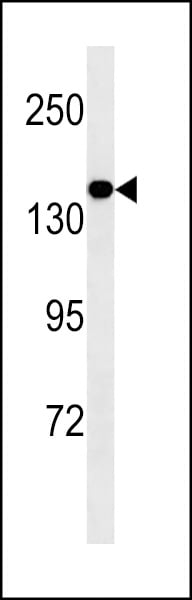
WB (Western Blot) (Western blot analysis of IMP-3 on 293T cell lysates with Mouse anti-IMP-3 antibody at 1/10,000 dilution. Lysates/proteins at 10 ug/Lane.Predicted band size: 64 kDa.Observed band size: 64 kDa.Exposure time: 1 minute;10% SDS-PAGE gel. Proteins were transferred to a PVDF membrane and blocked with 5% NFDM/TBST for 1 hour at room temperature. The primary antibody at 1/10,000 dilution was used in 5% NFDM/TBST at room temperature for 2 hours. Goat Anti-Mouse IgG - HRP Secondary Antibody at 1:100,000 dilution was used for 1 hour at room temperature.)
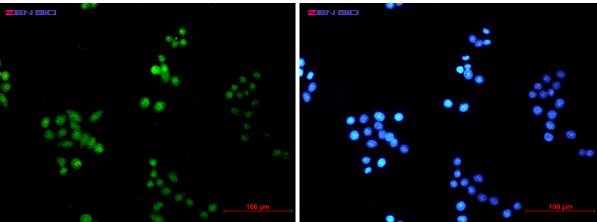
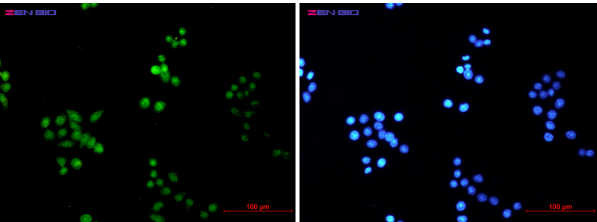
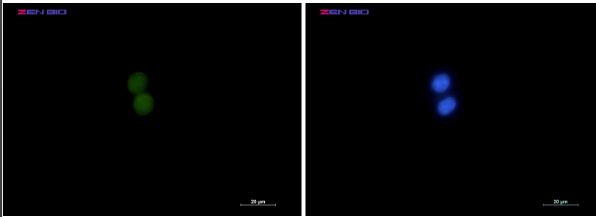
ICC (Immunocytochemistry) (ICC staining ACE2 in HepG2 cells (green). The nuclear counter stain is DAPI (blue). Cells were fixed in paraformaldehyde, permeabilised with 0.25% Triton X100/PBS.)
ICC (Immunocytochemistry) (ICC staining ACE2 in MCF-7 cells (green). The nuclear counter stain is DAPI (blue). Cells were fixed in paraformaldehyde, permeabilised with 0.25% Triton X100/PBS.)
ICC (Immunocytochemistry) (ICC staining ACE2 in 293 cells (green). The nuclear counter stain is DAPI (blue). Cells were fixed in paraformaldehyde, permeabilised with 0.25% Triton X100/PBS.)
IHC (Immunohistochemistry) (Immunohistochemical analysis of paraffin-embedded mouse kidney tissue using anti-ACE2 antibody. Counter stained with hematoxylin.)
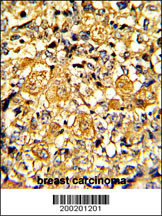
IHC (Immunohistochemistry) (Immunohistochemical analysis of paraffin-embedded human breast carcinoma tissue using anti-ACE2 antibody. Counter stained with hematoxylin.)
IHC (Immunohistochemistry) (Immunohistochemical analysis of paraffin-embedded human kidney tissue using anti-ACE2 antibody. Counter stained with hematoxylin.)
WB (Western Blot) (Western blot analysis of ACE2 on human kidney lysates using anti-ACE2 antibody at 1/1, 000 dilution.)
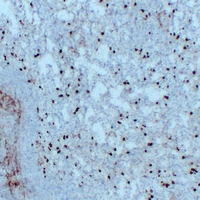
IHC (Immunohistochemistry) (Immunohistochemical analysis of paraffin-embedded Human Skin Tissue using Phospho-MLKL S358 Mouse mAb diluted at 1:200.)
IHC (Immunohistochemistry) (Immunohistochemical analysis of paraffin-embedded Human Colon Carcinoma Tissue using Phospho-MLKL S358 Mouse mAb diluted at 1:200.)
WB (Western Blot) (Western blot analysis of extracts from serum-starved NIH-3T3, untreated (line A); treated with PDGFA (5 ug/mL, 5 min), without peptide (line B) or antigen-specific phosphopeptide (line C) or antigen-specific peptide (line D) using Phospho-AKT (Ser473) rabbit monoclonal Antibody (#AAA27779) at 1:2000 dilution.)
WB (Western Blot) (Western blot analysis of extracts from serum-starved NIH-3T3, untreated (-); treated with PDGFA (5 ug/mL, 5 min; +), using Phospho-AKT (Ser473) rabbit monoclonal Antibody (#AAA27779) at 1:2000 dilution (upper) or anti-Akt antibody (lower).)
WB (Western Blot) (Western blot analysis of extracts from serum-starved A431, untreated (-); treated with EGF (200 ng/mL, 15 min; +), using Phospho-AKT (Ser473) rabbit monoclonal Antibody (#AAA27779) at 1:2000 dilution (upper) or anti-Akt antibody (lower).)
WB (Western Blot) (Western blot analysis of extracts from serum-starved NIH-3T3 treated with PDGFA (5 ug/mL, 5 min; +), using Phospho-AKT (Ser473) rabbit monoclonal Antibody (#AAA27779) at 1:1000, 1:50000, 1:200000 dilution.)
IHC (Immunohistochemistry-Paraffin) (Immunohistochemical analysis of paraffin-embedded human breast cancer tissue, untreated (left) or lambda phosphatase-treated (right), using Recombinant Phospho-AKT (Ser473) Antibody, Rabbit Monoclonal (#AAA27779) at 1:200 dilution.)
IHC (Immunohistochemistry-Paraffin) (Immunohistochemical analysis of paraffin-embedded human lung cancer tissue, untreated (left) or lambda phosphatase-treated (right), using Recombinant Phospho-AKT (Ser473) Antibody, Rabbit Monoclonal (#AAA27779) at 1:200 dilution.)
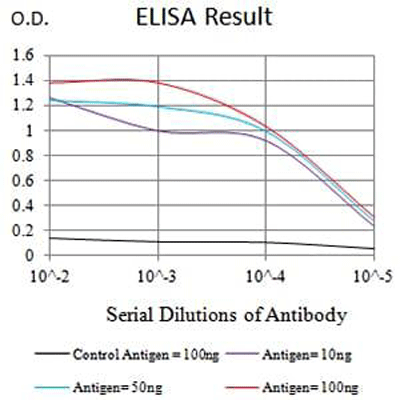
ELISA (Control Antigen (100 ng); Purple line Antigen (10ng); Blue line: Antigen (50 ng); Red line: Antigen (100 ng).)
IHC (Immunohistochemistry) (Immunohistochemical analysis of paraffin embedded endometrial cancer tissues using CDKN2A mouse mAb with DAB staining.)
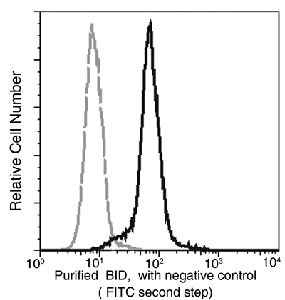
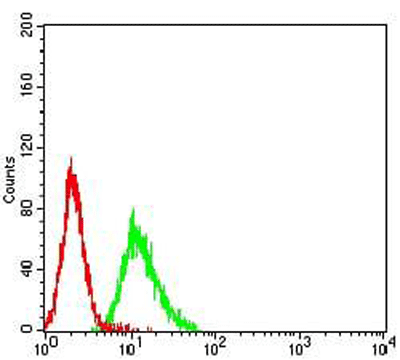
FCM (Flow Cytometry) (Flow cytometric analysis of Hera cells using CDKN2A mouse mAb (green) and negative control (red).)
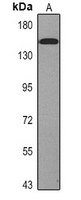
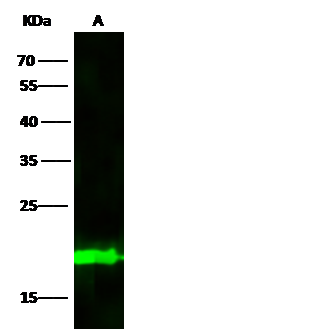
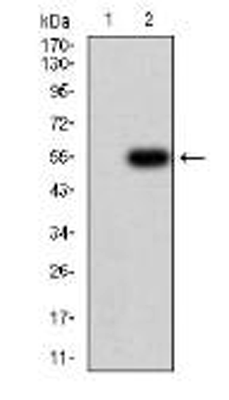
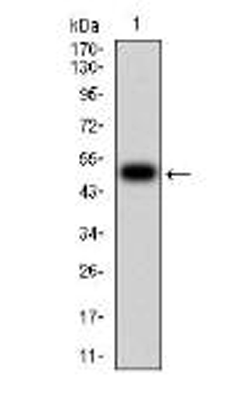
WB (Western Blot) (Western blot analysis using CDKN2A mAb against human CDKN2A (AA: 1-156) recombinant protein. (Expected MW is 19 kDa)(Left). Western blot analysis using CDKN2A mAb against HEK293 (1) and CDKN2A (AA: 1-156)-hlgGFc transfected HEK293 (2) cell lysate (Right).)
Immunohistochemistry, Flow Cytometry, Western Blot
Pricing
What are Monoclonal Antibodies?
Monoclonal antibodies are specialized laboratory-produced proteins developed for binding to specific biological antigens or other molecular targets. Since they come from a single cell (or clone), they are especially consistent and accurate in the data they are involved in producing.
This type of antibody material has been shown to be a powerful tool in finding and subsequently destroying harmful cells in an organism, such as those found in cancers or various autoimmune diseases. This makes them excellent aids in medical testing and research, which is why they are so widely used.
AAA Biotech offers a comprehensive range of high-quality monoclonal antibodies that perform effectively in various laboratory tests, including (amongst others) ELISA, western blotting, immunohistochemistry, and flow cytometry. All of the products in our catalog are thoroughly quality tested to make sure that they are reliable and will consistently perform well in your research.
What Are The Uses of Monoclonal Antibodies
Monoclonal antibodies are used in many lab tests, including (amongst others) ELISA, western blotting, immunohistochemistry, and flow cytometry.
ELISA is a test that helps detect a specific substance/analyte in a sample. It uses antibodies (often monoclonal) bound to a solid surface (such as the well of a microplate) to “capture” the substance/analyte in the sample and immobilize it so that the detection antibody component can then bind to it and produce a signal, which can then be measured.
Western blotting identifies specific proteins in a sample. The sample is first separated on a gel, and then antibodies are applied that will typically bind to the target, which will all be localized to a single band in a lane.
Immunohistochemistry helps locate specific proteins in cells or tissue samples using antibodies.
Flow cytometry looks at and sorts cells. It uses antibodies that are conjugated to reporter molecules called “fluorophores”, which, under special lights, emit light themselves, which can then be measured by a detector instrument.
How Monoclonal Antibodies Are Used as Medicine?
Please note that all of the products listed in AAA Biotech’s catalog are strictly for research-use only (RUO).
Monoclonal antibodies can also be used as therapeutic/medical treatments, particularly in the context of cancers. They are designed to find and bind to specific cells or proteins, helping the immune system recognize and attack the cancer. These treatments work in different ways, such as:
Radioimmunotherapy attaches a small amount of radioactive molecule to the antibody, so it delivers the radiation directly to the cancer cells that the antibody is specifically binding to.
Antibody-directed enzyme prodrug therapy uses antibodies that are specifically bound to special enzymes. These enzymes activate a harmless drug in the body and turn it into a cancer-killing drug only near the cancer cells—this helps avoid harming healthy cells.
Immunoliposomes are tiny “bubbles” filled with medicine/drug and coated with antibodies. They carry the drug straight to the cancer cells.
Why Buy Monoclonal Antibodies From Us?
At AAA Biotech, we provide high-performance monoclonal antibodies designed to support a wide range of research needs.
1. Validated for Versatile Applications
The antibodies in our catalog are extensively validated and compatible with multiple techniques, including (but not limited to) ELISA, flow cytometry (FC), immunocytochemistry (ICC), immunofluorescence (IF), immunohistochemistry (IHC), immunoprecipitation (IP), and western blotting (WB).
2. Wide Selection & Specialized Options
We offer antibodies for common and rare species, that are available in various conjugated forms, and also in recombinant formats. Essentially, there is almost anything one might need to meet their experimental model’s requirements.
3. High-Quality Proteins
Our proteins meet high purity standards—90% or more as confirmed by SDS-PAGE. Many are available with tags like His, Flag, GST, or MBP, and we also supply native and biologically active proteins for functional studies.
Frequently Asked Questions
1. Are your monoclonal antibodies validated for specific applications?
Yes, our antibodies are tested and validated for use in methods such as ELISA, western blot, IHC, flow cytometry, and more. Refer to specific product pages or datasheets for individual product information.
2. How do I choose the right monoclonal antibody for my application?
Review the product details directly for application validation, species reactivity, and target information. You may also contact our support team at any time for help.
3. How quickly can I receive my order?
Most orders are processed and shipped within 1–3 business days, depending on product availability and your shipping location.
Submit a Question
Please complete the form below and a representative will contact you as soon as possible.
Request more Information
Please complete the form below and a representative will contact you as soon as possible.
Request a Manual
Please complete the form below and a representative will contact you as soon as possible.
Request a Quote
Please complete the form below and a representative will contact you as soon as possible.