Get accurate results in your research with our Monoclonal Antibodies, which are specially made to target exactly what you require for your research, and will produce consistent, reliable performance in lab tests.
FCM (Flow Cytometry) (Flow cytometry analysis of TIGIT overexpressing HEK293 cells using TIGIT single domain antibody and control 1H4 single domain antibody at 0.05ug/ml. Blue: Untransfected HEK293 cells. Yellow: TIGIT overexpressing HEK293 cells.)
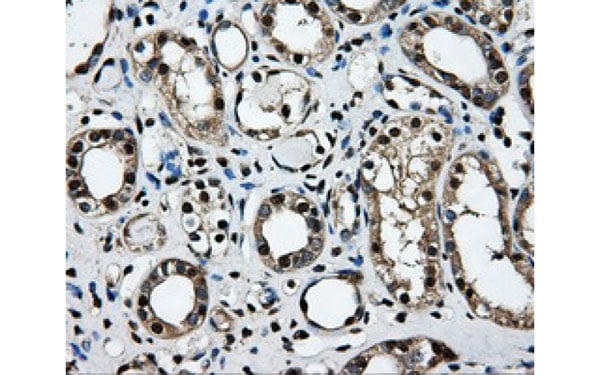
IHC (Immunohistochemistry) (Immunohistochemistry of TIGIT in human spleen tissue with TIGIT single domain antibody at 1ug/mL.)
ELISA (Titration ELISA analysis of TIGIT sdAbs to detect recombinant TIGIT (extracellular domain) coated at 1 ug/mL. sdAbs are detected with a mouse mAb against a C-terminal myc-tag followed by a goat anti-mouse IgG-HRP conjugate.)
IF (Immunofluorescence) (Immunofluorescence of TIGIT in human spleen tissue with TIGIT single domain antibody at 20ug/mL.)
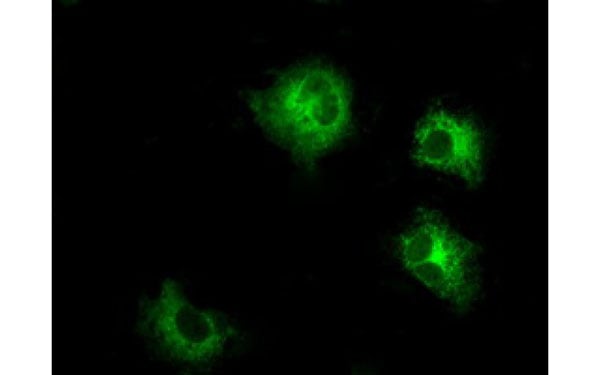
IF (Immunofluorescence) (Immunofluorescence of TIGIT in transfected HEK293 cells with TIGIT single domain antibody at 20ug/mL.)
ICC (Immunocytochemistry) (Immunocytochemistry of TIGIT in transfected HEK293 cells with TIGIT single domain antibody at 10ug/mL.)
TIGIT Antibody is affinity chromatography purified via Nickel column. Antibody is supplied as a His-tagged purified protein. It also contains a myc-tag for detection.
Pricing
IHC (Immunohistochemistry) (Anti-NF200 antibody (monoclonal), AAA11507, IHC(P)IHC(P): Rat Brain Tissue)
ELISA (Titration curve analysis of TIGIT mAbs to detect recombinant TIGIT in ELISA with antibodies at decreasing concentrations.)
FCM (Flow Cytometry) (Flow cytometry analysis of TIGIT over expressing HEK293 cells using TIGIT antibody at 1 μg/ml. Blue: untransfected HEK293 cells. Yellow: TIGIT over expressing HEK293 cells.)
IHC (Immunohistochemistry) (Immunohistochemistry of TIGIT in human stomach carcinoma tissue using TIGIT Antibody and control mouse IgG (corner box) at 2 μg/ml.)
IF (Immunofluorescence) (Immunofluorescence of TIGIT in human stomach carcinoma tissue using TIGIT Antibody at 5 μg/ml.Green: TIGIT Antibody [3B5]Blue: DAPI staining)
IF (Immunofluorescence) (Immunofluorescence of TIGIT in over expressing HEK293 cells using TIGIT Antibody at 1 μg/ml.Green: TIGIT Antibody [3B5]Blue: DAPI staining)
Application Data (Detection limit for recombinant GST tagged PGR is approximately 0.03ng/ml as a capture antibody.)
WB (Western Blot) (PGR monoclonal antibody (M08), clone 4E9 Western Blot analysis of PGR expression in MCF-7 (Cat # L046V1).)
IF (Immunofluorescence) (Immunofluorescence of monoclonal antibody to PGR on MCF-7 cell. [antibody concentration 10 ug/ml])
IHC (Immunohistochemistry) (Immunoperoxidase of monoclonal antibody to PGR on formalin-fixed paraffin-embedded human breast cancer. [antibody concentration 3 ug/ml])
Application Data (Immunoperoxidase of monoclonal antibody to PGR on formalin-fixed paraffin-embedded human breast cancer. [antibody concentration 3 ug/ml])
Application Data (Anti-TREM1 Reference Antibody (PY159) Activation was evaluated using PBMC. The max induction fold was approximately 3.16)
Application Data (The endocytosis ratio PY159 by hu-TREM1-HEK293 increased with the increase of antibody concentration, and the Internalization Rate (%) reached 80% at antibody concentration of 0.3 nM.)
FCM (Flow Cytometry) (Human TREM1 HEK293 cells were stained with Anti-TREM1 / CD354 Reference Antibody (PY159) and negative control protein respectively, washed and then followed by PE and analyzed with FACS, EC275=0.7744nM)
Application Data (Immobilized human TREM1 His at 2 ug/mL can bind Anti-TREM1 / CD354 Reference Antibody (PY159), EC50=0.00645ug/mL)
Application Data (The purity of Anti-TREM1 / CD354 Reference Antibody (PY159)is more than 95% ,determined by SEC-HPLC.)
SDS-PAGE (Anti-TREM1 / CD354 Reference Antibody (PY159) on SDS-PAGE under reducing (R) condition. The gel was stained with Coomassie Blue. The purity of the protein is greater than 95%)
IP (Immunoprecipitation) (Immunoprecipitation analysis of Raji cell lysates using BTK mouse mAb.)
WB (Western Blot) (Western blot detection of BTK in Daudi,Jurkat(BTK negative),K562,Ramos and Raji cell lysates using BTK mouse mAb (1:1000 diluted).Predicted band size:77KDa.Observed band size:77KDa.)
Application Data (Published customer image: Dynamics of Th17 cells. D -F) Photographs of double immunolabelled sections showing a representative CD4+ROR?+ cell (arrow) observed around blood vessels (BV). Bar scale = 30 um.Almolda B, Costa M, Montoya M, Gonz¡lez B, Castellano B (2011) Increase in Th17 and T-reg Lymphocytes and Decrease of IL22 Correlate with the Recovery Phase of Acute EAE IN Rat. PLoS ONE 6(11): e27473.)
Application Data (Staining of frozen rat spleen with Mouse anti Rat CD4)
Application Data (Immunoperoxidase staining of rat lymph node cryosetion using Mouse anti Rat CD4 antibody followed by horseradish peroxidase conjugated Goat anti Mouse IgG1 for detection. High power)
Application Data (Staining of rat splenocytes with Mouse anti Rat CD4)
Application Data (Immunoperoxidase staining of rat lymph node cryosetion using Mouse anti Rat CD4 antibody followed by horseradish peroxidase conjugated Goat anti Mouse IgG1 for detection. Low power)
Application Data (Staining of stimulated rat spleen cells with Mouse anti Rat CD4)
Application Data (Immunofluoresce stainng of rat lymph node cryosection with Mouse anti Rat CD43 antibody in red and Mouse anti Rat CD4 in green. Merged image is on the right. Medium power)
Application Data (Published customer image: Dynamics of T-regulatory cells. D -F) Photographs of double immunolabelled sections showing a representative CD4+Foxp3+ cell (arrows) found around blood vessels (BV). Bar scale = 30 um.From: Almolda B, Costa M, Montoya M, Gonz¡lez B, Castellano B (2011) Increase in Th17 and T-reg Lymphocytes and Decrease of IL22 Correlate with the Recovery Phase of Acute EAE IN Rat. PLoS ONE 6(11): e27473.)
Application Data (Immunofluoresce stainng of rat lymph node cryosection with Mouse anti Rat CD43 antibody in red and Mouse anti Rat CD4 in green. Merged image is on the right. Low power)
Application Data (Immunofluorescence staining of rat lymph node cryosection with Mouse anti Rat CD169, clone ED3 , red in A and Mouse anti Rat CD4, clone W3/25 , green in B. C is the merged image with nuclei counter-staind blue using DAPI. High power)
ICC (Immunocytochemistry) (Confocal imaging of U-2 OS cells using Transportin 3 (TNPO3) Rabbit mAb (AAA28531, dilution 1:100) followed by a further incubation with Cy3 Goat Anti-Rabbit IgG (H+L) (AS007, dilution 1:500) (Red). The cells were counterstained with ?-Tubulin Mouse mAb (AC012, dilution 1:400) followed by incubation with ABflo® 488-conjugated Goat Anti-Mouse IgG (H+L) Ab (AS076, dilution 1:500) (Green). DAPI was used for nuclear staining (Blue). Objective: 100x.)
ICC (Immunocytochemistry) (Confocal imaging of NIH/3T3 cells using Transportin 3 (TNPO3) Rabbit mAb (AAA28531, dilution 1:100) followed by a further incubation with Cy3 Goat Anti-Rabbit IgG (H+L) (AS007, dilution 1:500) (Red). The cells were counterstained with ?-Tubulin Mouse mAb (AC012, dilution 1:400) followed by incubation with ABflo® 488-conjugated Goat Anti-Mouse IgG (H+L) Ab (AS076, dilution 1:500) (Green). DAPI was used for nuclear staining (Blue). Objective: 100x.)
ICC (Immunocytochemistry) (Confocal imaging of paraffin-embedded Mouse kidney tissue using Transportin 3 (TNPO3) Rabbit mAb (AAA28531, dilution 1:100) followed by a further incubation with Cy3 Goat Anti-Rabbit IgG (H+L) (AS007, dilution 1:500) (Red). DAPI was used for nuclear staining (Blue). Objective: 40x. Perform high pressure antigen retrieval with 0.01 M citrate buffer (pH 6.0) prior to IF staining.)
IHC (Immunohistochemistry) (Immunohistochemistry analysis of paraffin-embedded Human esophageal cancer using Transportin 3 (Transportin 3 (TNPO3)) Rabbit mAb (AAA28531) at dilution of 1:100 (40x lens). Microwave antigen retrieval performed with 0.01M Tris/EDTA Buffer (pH 9.0) prior to IHC staining.)
IHC (Immunohistochemistry) (Immunohistochemistry analysis of paraffin-embedded Rat kidney using Transportin 3 (Transportin 3 (TNPO3)) Rabbit mAb (AAA28531) at dilution of 1:100 (40x lens). Microwave antigen retrieval performed with 0.01M Tris/EDTA Buffer (pH 9.0) prior to IHC staining.)
WB (Western Blot) (Western blot analysis of various lysates using Transportin 3 (Transportin 3 (TNPO3)) Rabbit mAb (AAA28531) at 1:1000 dilution.Secondary antibody: HRP-conjugated Goat anti-Rabbit IgG (H+L) (AS014) at 1:10000 dilution.Lysates/proteins: 25ug per lane.Blocking buffer: 3% nonfat dry milk in TBST.Detection: ECL Basic Kit (RM00020).Exposure time: 3s.)
IHC (Immunohistochemistry) (Immunohistochemical analysis of paraffin-embedded colon cancer tissues using ASS1 mouse mAb with DAB staining.)
IHC (Immunohistochemistry) (Immunohistochemical analysis of paraffin-embedded cervical cancer tissues using ASS1 mouse mAb with DAB staining.)
WB (Western Blot) (Western blot analysis using ASS1 mouse mAb against A431 (1), RAJI (2), MOLT4 (3), Jurkat (4), A549 (5), NIH/3T3 (6), PC-12 (7) and Cos7 (8) cell lysate.)
WB (Western Blot) (Western blot detection of ASS1 in C6, Jurkat, K562, 3T3 and Hela cell lysates using ASS1 mouse mAb (1:3000 diluted).Predicted band size:47KDa.Observed band size:47KDa.)
FCM (Flow Cytometry) (Flow cytometry analysis of TIGIT over expressing HEK293 cells using TIGIT antibody at 1 ug/ml. Blue: untransfected HEK293 cells. Yellow: TIGIT over expressing HEK293 cells.)
IHC (Immunohistochemistry) (Immunohistochemistry of TIGIT in human stomach carcinoma tissue using TIGIT Antibody and control mouseIgG (corner box) at 2 ug/ml.)
ELISA (A sandwich ELISA was performed using the anti-TIGIT mAb (5 μg/ml) as the capture antibody. Biotin-labeled anti-TIGIT mAb (1 μg/ml) and streptavidin-HRP (0.1 μg/ml) were used for detection. Detection range is from 10 ng to 40 pg.)
ELISA (Titration curve analysis of TIGIT mAbs to detectrecombinant TIGIT in ELISA with , , , AAA11005, and antibodies atdecreasing concentrations.)
IF (Immunofluorescence) (Immunofluorescence of TIGIT in human stomach carcinoma tissue using TIGIT Antibody at 5 μg/ml.Green: TIGIT Antibody [4A11]Blue: DAPI staining)
IF (Immunofluorescence) (Immunofluorescence of TIGIT in over expressing HEK293 cells using TIGIT Antibody at 1 μg/ml.Green: TIGIT Antibody [4A11]Blue: DAPI staining)
ICC (Immunocytochemistry) (Immunocytochemistry of TIGIT in over expressing HEK293 cells using TIGIT antibody and control mouse IgG antibody (left corner box) at 1 μg/ml.)
IHC (Immunohistochemistry) (Immunohistochemical analysis of paraffin-embedded colon cancer tissues using TWIST1 mouse mAb with DAB staining.)
IHC (Immunohistchemistry) (Immunohistochemical analysis of paraffin-embedded cervical cancer tissues using TWIST1 mouse mAb with DAB staining.)
FCM (Flow Cytometry) (Flow cytometric analysis of Hela cells using TWIST1 mouse mAb (green) and negative control (red).)
IF (Immunofluorescence) (Immunofluorescence analysis of Hela cells using TWIST1 mouse mAb (green). Blue)
WB (Western Blot) (Western blot analysis using TWIST1 mouse mAb against NIH/3T3 (1), JURKAT (2), HELA (3), A549 (4), RAJI (5) and OCM-1 (6) cell lysate.)
WB (Western Blot) (Western blot analysis using TWIST1 mAb against HEK293 (1) and TWIST1 (AA)
WB (Western Blot) (Western blot analysis using TWIST1 mAb against human TWIST1 recombinant protein. (Expected MW is 31.9 kDa))
Application Data (Staining of mouse peritoneal macrophages with Rat anti Mouse Beta-glucan Receptor: FITC)
Application Data (Staining of mouse peripheral blood monocytes with Rat anti Mouse Beta-glucan Receptor)
Application Data (Immunoperoxidase staining of a mouse lymph node cryosection with Rat anti Mouse Dectin-1 antibody, clone 2A11 followed by horseradish peroxidase conjugated Goat anti Rat IgG antibody . Medium power)
Application Data (Staining of mouse peripheral blood granulocytes with Rat anti Mouse Beta-glucan Receptor:Biotin)
Application Data (Immunoperoxidase staining of a mouse lymph node cryosection with Rat anti Mouse Dectin-1 antibody, clone 2A11 followed by horseradish peroxidase conjugated Goat anti Rat IgG antibody . Low power)
Application Data (Immunoperoxidase staining of a mouse lymph node cryosection with Rat anti Mouse Dectin-1 antibody, clone 2A11 followed by horseradish peroxidase conjugated Goat anti Rat IgG antibody . High power)
Application Data (Immunoperoxidase staining of a mouse skin cryosection with Rat anti Mouse Dectin-1 antibody, clone 2A11 followed by horseradish peroxidase conjugated Goat anti Rat IgG antibody . Low power)
Application Data (Staining of mouse peripheral blood granulocytes with Rat anti Mouse Beta-glucan Receptor:FITC)
Application Data (Staining of mouse peripheral blood granulocytes with Rat anti Mouse Beta-glucan Receptor: RPE)
Application Data (Published customer image: Ex vivo recognition of yeast particles and live fungi by inflammatory cells. A) Representative flow-cytometric analysis, gated on Ly-6G+ neutrophils, after coincubation of BIOgel-elicited inflammatory cells from wild type or dectin-1-deficient (Clec7a-/-) 129S6/SvEv interaction with serum-opsonized or non-opsonized zymosan. Positive staining for the A405-labelled zymosan identifies the neutrophils that are associated zymosan and only these cells exhibit conversion of APF, the ROS reporter. B) Representsative flow-cytometric analysis of CD11b and dectin-1 expression by inflammatory neutrophils and monocyte/M˜. Data represents specific receptor staining (shaded histograms) and isotype control staining (bold lines). Data representative of 2 independent experiments and consistent with previous experiments with thioglycollate. C) Inflammatory cells were loaded with APF and then incubated with serum-opsonized or non-opsonized A405-labelled zymosan or Pacific Orange-labelled C. albicans for 15 minutes. After this time the association of the inflammatory cells with zymosan was measured by flow-cytometry (upper panels) and in those cells that were interacting with zymosan the evidence for fluorescent conversion of APF was also quantified (lower panels). Data is derived from three independent experiments and the data derived from the use of dectin-1-deficient cells is shown relative to wild type cells (100%) as mean+/-95% confidence interval (raw representative data from one of the 3 independent experiments are shown in the Figure S1). The impact of complement osponization (˜C') and the use of different fungal particle used (˜F') were assessed by Two-way ANOVA (˜I' = Interaction statistic). Samples in which the 95% confidence intervals do not overlap with the mean wildtype are specific indicated with a # symbol. Differences in impairment of response observed with dectin-1-deficient cells were further analysed by Bonferroni post-tests. P values derived from individual Bonferroni post-tests are indicated with bracketed pairs of samples.From: McDonald JU, Rosas M, Brown GD, Jones SA, Taylor PR (2012) Differential Dependencies of Monocytes and Neutrophils on Dectin-1, Dectin-2 and Complement for the Recognition of Fungal Particles in Inflammation. PLoS ONE 7(9): e45781.)
Application Data (Staining of mouse peritoneal macrophages with Rat anti Mouse Beta-glucan Receptor: FITC)
Application Data (Staining of mouse peripheral blood monocytes with Rat anti Mouse Beta-glucan Receptor)
Application Data (Immunoperoxidase staining of a mouse lymph node cryosection with Rat anti Mouse Dectin-1 antibody, clone 2A11 followed by horseradish peroxidase conjugated Goat anti Rat IgG antibody . Medium power)
Application Data (Staining of mouse peripheral blood granulocytes with Rat anti Mouse Beta-glucan Receptor:Biotin)
Application Data (Immunoperoxidase staining of a mouse lymph node cryosection with Rat anti Mouse Dectin-1 antibody, clone 2A11 followed by horseradish peroxidase conjugated Goat anti Rat IgG antibody . Low power)
Application Data (Immunoperoxidase staining of a mouse lymph node cryosection with Rat anti Mouse Dectin-1 antibody, clone 2A11 followed by horseradish peroxidase conjugated Goat anti Rat IgG antibody . High power)
Application Data (Immunoperoxidase staining of a mouse skin cryosection with Rat anti Mouse Dectin-1 antibody, clone 2A11 followed by horseradish peroxidase conjugated Goat anti Rat IgG antibody . Low power)
Application Data (Staining of mouse peripheral blood granulocytes with Rat anti Mouse Beta-glucan Receptor:FITC)
Application Data (Staining of mouse peripheral blood granulocytes with Rat anti Mouse Beta-glucan Receptor: RPE)
Application Data (Published customer image: Ex vivo recognition of yeast particles and live fungi by inflammatory cells. A) Representative flow-cytometric analysis, gated on Ly-6G+ neutrophils, after coincubation of BIOgel-elicited inflammatory cells from wild type or dectin-1-deficient (Clec7a-/-) 129S6/SvEv interaction with serum-opsonized or non-opsonized zymosan. Positive staining for the A405-labelled zymosan identifies the neutrophils that are associated zymosan and only these cells exhibit conversion of APF, the ROS reporter. B) Representsative flow-cytometric analysis of CD11b and dectin-1 expression by inflammatory neutrophils and monocyte/M˜. Data represents specific receptor staining (shaded histograms) and isotype control staining (bold lines). Data representative of 2 independent experiments and consistent with previous experiments with thioglycollate. C) Inflammatory cells were loaded with APF and then incubated with serum-opsonized or non-opsonized A405-labelled zymosan or Pacific Orange-labelled C. albicans for 15 minutes. After this time the association of the inflammatory cells with zymosan was measured by flow-cytometry (upper panels) and in those cells that were interacting with zymosan the evidence for fluorescent conversion of APF was also quantified (lower panels). Data is derived from three independent experiments and the data derived from the use of dectin-1-deficient cells is shown relative to wild type cells (100%) as mean+/-95% confidence interval (raw representative data from one of the 3 independent experiments are shown in the Figure S1). The impact of complement osponization (˜C') and the use of different fungal particle used (˜F') were assessed by Two-way ANOVA (˜I' = Interaction statistic). Samples in which the 95% confidence intervals do not overlap with the mean wildtype are specific indicated with a # symbol. Differences in impairment of response observed with dectin-1-deficient cells were further analysed by Bonferroni post-tests. P values derived from individual Bonferroni post-tests are indicated with bracketed pairs of samples.From: McDonald JU, Rosas M, Brown GD, Jones SA, Taylor PR (2012) Differential Dependencies of Monocytes and Neutrophils on Dectin-1, Dectin-2 and Complement for the Recognition of Fungal Particles in Inflammation. PLoS ONE 7(9): e45781.)
IP (Immunoprecipitation) (Immunoprecipitation analysis using Mouse Anti-VPS35 Monoclonal Antibody, Clone 8A3. Tissue: embryonic fibroblast. Species: Mouse. Primary Antibody: Mouse Anti-VPS35 Monoclonal Antibody. Three amounts of (3, 1 and 0.3 ug) were non-covalently coupled to 10uL of A/G sepharose beads for 1 hour at 4 degree C and next incubated with 250ug of MEF lysate for 2 hours at 4 degree C.)
IP (Immunoprecipitation) (Immunoprecipitation analysis using Mouse Anti-VPS35 Monoclonal Antibody, Clone 8A3. Tissue: A549 cells. Species: Human. Primary Antibody: Mouse Anti-VPS35 Monoclonal Antibody. Three amounts of (3, 1 and 0.3 ug) were non-covalently coupled to 10uL of A/G sepharose beads for 1 hour at 4 degree C and next incubated with 250ug of A549 lysate for 2 hours at 4 degree C.)
WB (Western Blot) (Western Blot analysis of Human SH-SY5Y showing detection of VPS35 protein using Mouse Anti-VPS35 Monoclonal Antibody, Clone 8A3. Lane 1: Molecular Weight Ladder. Lane 2: SH-SY5Y (10 ug). Load: 10 ug. Block: 5% Skim Milk powder in TBST. Primary Antibody: Mouse Anti-VPS35 Monoclonal Antibody at 1:1000 for 2 hours at RT with shaking. Secondary Antibody: Goat anti-mouse IgG:HRP at 1:4000 for 1 hour at RT with shaking. Color Development: Chemiluminescent for HRP (Moss) for 5 min in RT.)
WB (Western Blot) (Western Blot analysis of Human, Mouse A549, MEF showing detection of VPS35 protein using Mouse Anti-VPS35 Monoclonal Antibody, Clone 8A3. Lane 1: Molecular Weight Ladder. Lane 2: VPS35 KO A549 cells. Lane 3: mouse embryonic fibroblast cells.. Load: 8 ug each A549 and MEF. Primary Antibody: Mouse Anti-VPS35 Monoclonal Antibody at 1:5 (tissue culture supernatant). Secondary Antibody: Donkey anti-mouse IRDye 800CW at 1:25000 in TBS-T.)
IP (Immunoprecipitation) (Co-Immunoprecipitation analysis of known interactors of VPS35 using Mouse Anti-VPS35 Monoclonal Antibody, Clone 8A3. Tissue: A549 cells. Species: Human. Primary Antibody: Mouse Anti-VPS35 Monoclonal Antibody.)
IP (Immunoprecipitation) (Immunoprecipitation analysis using Mouse Anti-VPS35 Monoclonal Antibody, Clone 8A3. Tissue: A549 cells. Species: Human. Primary Antibody: Mouse Anti-VPS35 Monoclonal Antibody. 500 uL cell culture supernatants were incubated with 10 uL of Protein A/G resin beads for 1 hour at 4 degree C. clone 8A3 depletes VPS35 from the A549 cell extract..)
ICC (Immunocytochemistry) (Immunocytochemistry/Immunofluorescence analysis using Mouse Anti-VPS35 Monoclonal Antibody, Clone 8A3. Tissue: A549 cells. Species: Human. Primary Antibody: Mouse Anti-VPS35 Monoclonal Antibody at 1:5 (tissue culture supernatant). Secondary Antibody: Donkey anti-mouse: Alexa Fluor 594 at 1:4000 in 0.2% BSA PBS. Counterstain: DAPI. Localization: Vesicles. A) VPS35 KO A549 cells B) WT A549 cells. Courtesy of: Dario Alessi Lab, University of Dundee.)
Application Data (Zhang. Jie. et al. "Neuroprotective effects of astaxanthin against oxygen and glucose deprivation damage via the PI3K/Akt/GSK3?/Nrf2 signalling pathway in vitro." Journal of Cellular and Molecular Medicine 24.16 (2020): 8977-8985.)
Application Data (Cai. Shao-Ai. et al. "Nrf2 is a key regulator on puerarin preventing cardiac fibrosis and upregulating metabolic enzymes UGT1A1 in rats." Frontiers in pharmacology 9 (2018).)
WB (Western Blot) (Western blot analysis of lysates from 1) HepG2. 2) 293T. 3) Mouse Brain Tissue. 4)Rat Brain Tissue cells. (Green) primary antibody was diluted at 1:1000. 4 degree over night. secondary antibodywas diluted at 1:10000. 37 degree 1hour. (Red) Actin ? Polyclonal Antibody antibody was diluted at 1:5000 as loading control. 4 degree over night.secondary antibodywas diluted at 1:10000. 37 degree 1hour.)
WB (Western Blot) (Western blot analysis of 1) HepG2. 2) 293T. 3) Mouse Brain Tissue. 4) Rat Brain Tissue. diluted at 1:5000. cells nucleus extracted by Minute TM Cytoplasmic and Nuclear Fractionation kit (SC-003.Inventbiotech.MN.USA).)
Western Blot, Immunohistochemistry, Immunofluorescence, Immunocytochemistry, Immunoprecipitation
Purity
The antibody was affinity-purified from mouse ascites by affinity-chromatography using specific immunogen.
Pricing
WB (Western Blot) (K-562 cells were subjected to SDS PAGE followed by western blot with AAA27491 (phospho (403/404) -TDP43 Antibody) at dilution of 1:3000)
FCM (Flow Cytometry) (Flow cytometry analysis of Crystallin alpha A in Balb/3T3 cells. The cell was stained with AAA11723 at 2-5ug for 1x10^6cells (red). A Goat anti mouse IgG (Alexa fluor 488) was used as the secondary antibody. Mouse monoclonal IgG was used as the isotype control (dark gray), cells without incubation with primary and secondary antibody was used as the negative control (light gray).)
WB (Western Blot) (The cell lysates (5ug) were resolved by SDS-PAGE, transferred to PVDF membrane and probed with anti-human Crystallin alpha A antibody (1:3000). Proteins were visualized using a goat anti-mouse secondary antibody conjugated to HRP and an ECL detection system.Lane 1.: 293T cell lysateLane 2.: Crystallin alpha A Transfected 293T cell lysate)
WB (Western Blot) (The recombinant proteins were resolved by SDS-PAGE, transferred to PVDF membrane and probed with anti-human Crystallin alpha A antibody (1:1000).Proteins were visualized using a goat anti-mouse secondary antibody conjugated to HRP and an ECL detection system.This antibody is not shown cross-activity about Crystallin alpha B.Lane 1.: Recombinant human Crystallin alpha A protein Lane 2.: Recombinant human Crystallin alpha B protein)
Application Data (Immunoperoxidase staining of a mouse lymph node cryosection with Rat anti Mouse MARCO antibody, clone ED31 followed by horseradish peroxidase conjugated Goat anti Rat IgG antibody . Low power)
Application Data (Staining of mouse peritoneal macrophages with Rat anti Mouse MARCO: FITC)
Application Data (Immunoperoxidase staining of a mouse lymph node cryosection with Rat anti Mouse MARCO antibody, clone ED31 followed by horseradish peroxidase conjugated Goat anti Rat IgG antibody . Medium power)
Application Data (Immunofluorescence staining of a mouse lymph node cryosection with Rat anti Mouse MARCO antibody, clone ED31 , green in A and Rat anti Mouse CD8 antibody, clone YTS105.18 , red in B. C is the merged image wiith nuclei counterstained blue using DAPI. Low power)
Application Data (Immunofluorescence staining of a mouse lymph node cryosection with Rat anti Mouse MARCO antibody, clone ED31 , green in A and Rat anti Mouse CD8 antibody, clone YTS105.18 , red in B. C is the merged image wiith nuclei counterstained blue using DAPI. high power)
Application Data (Immunoperoxidase staining of a mouse lymph node cryosection with Rat anti Mouse MARCO antibody, clone ED31 followed by horseradish peroxidase conjugated Goat anti Rat IgG antibody . High power)
Application Data (Staining of human peripheral blood monocytes with Mouse anti Human CD14:RPE)
Application Data (Staining of human peripheral blood monocytes with Mouse anti Human CD14:APC)
Application Data (Staining of human peripheral blood monocytes with Mouse anti Human CD14:Alexa Fluor 647)
Application Data (Staining of human peripheral blood monocytes with Mouse anti Human CD14:Biotin)
Application Data (Sandwich ELISA analysis of Human CD14 binding using Mouse anti CD14 antibody, clone MEM-18 as a capture reagent and biotinylated Mouse anti Human CD14 antibody, clone UCHM1 as a detection reagent with purified CD14 as antigen for generation of the standard curve. Detection is by HRP conjugated streptavidin. Microtitre plate is read at O.D. 450 nm on the iMark Microplate Absorbance Reader . Serum samples diluted 1:200 and 1:400 are shown green and red respectively, while plasma samples also diluted 1:200 and 1:400 are blue and orange respectively)
Application Data (Staining of human peripheral blood monocytes with Mouse anti Human CD14:FITC)
Application Data (Staining of human peripheral blood monocytes with Mouse anti Human CD14-IgG:Endotoxin Low)
FCM (Flow Cytometry) (Flow cytometry analysis of LIGHT overexpressing HEK293 cells using LIGHT antibody and control mouse IgG antibody at 10 μg/ml. Blue: Untransfected HEK293 cells. Yellow: LIGHT overexpressing HEK293 cells.)
IHC (Immunohistochemistry) (Immunohistochemistry of LIGHT in human lymphoma tissue with LIGHT antibody at 5 μg/mL.)
IF (Immunofluorescence) (Immunofluorescence of LIGHT in human lymphoma tissue with LIGHT antibody at 20 μg/mL.Green: LIGHT Antibody [7B9H9]Blue: DAPI staining)
IF (Immunofluorescence) (Immunofluorescence of LIGHT in transfected HEK293 cells with LIGHT antibody at 2 μg/mL.Green: LIGHT Antibody [7B9H9]Blue: DAPI staining)
ICC (Immunocytochemistry) (Immunocytochemistry of LIGHT in transfected HEK293 cells with LIGHT antibody at 1 μg/mL. Lower left: Immunocytochemistry in transfected HEK293 cells with control mouse IgG antibody at 1 μg/mL.)
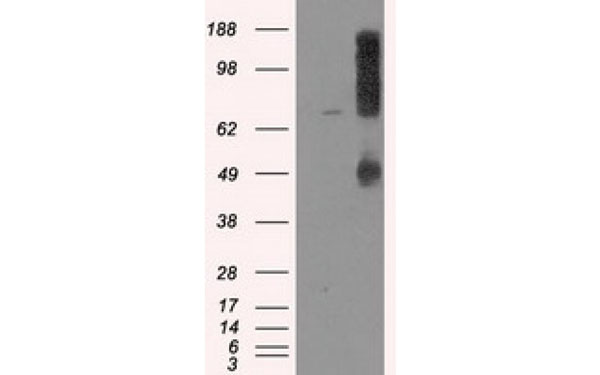
WB (Western Blot) (Western blot analysis of LIGHT in overexpressing HEK293 cells with LIGHT antibody at 0.5 and 1 μg/ml)
IHC (Immunohistochemistry) (Immunohistochemical analysis of TLR2 in normal human prostate tissue using TLR2 antibody (Clone: ABM3A87) at 5 ug/ml.)
FCM (Flow Cytometry) (Fig-4: Intracellular flow analysis of TLR2 in THP-1 cells using 0.5 µg/10^6 cells of TLR2 antibody (Clone: ABM3A87). Green represents isotype control; red represents anti- TLR2 antibody. Goat anti-Mouse PE conjugate was used as secondary antibody.)
FCM (Flow Cytometry) (Fig-3: Intracellular flow analysis of TLR2 in PBMC (Monocytes) using 0.5 µg/10^6 cells of TLR2 antibody (Clone: ABM3A87). Green represents isotype control; red represents anti-TLR2 antibody. Goat anti-Mouse PE conjugate was used as secondary.)
WB (Western Blot) (Western blot analysis of TLR2. Anti- TLR2 antibody (Clone: ABM3A87) was used at 2 µg/ml on mouse embryonic liver lysate.)
Application Data (Atezolizumab inhibited the tumor growth of MC38 on C57BL/6N mice. The result showed significant anti-tumor effects, with an tumor inhibition rate (TGI) of 85.2% at 2 mpk at D35.)
Application Data (The endocytosis ratio atezolizumab by HCC827 increased with the increase of antibody concentration, and the Internalization Rate (%) reached 60% at antibody concentration of 0.5 nM.)
FCM (Flow Cytometry) (Human PD-L1 CHO-K cells were stained with Anti-B7-H1 / PD-L1 / CD274 Reference Antibody (atezolizumab) and negative control protein respectively, washed and then followed by PE and analyzed with FACS, EC263=1.533 nM)
Application Data (Immobilized human PD L1 His at 2 ug/mL can bind Anti-B7-H1 / PD-L1 / CD274 Reference Antibody (atezolizumab), EC50=0.005894ug/mL)
Application Data (The purity of Anti-B7-H1 / PD-L1 / CD274 Reference Antibody (atezolizumab)is more than 100% ,determined by SEC-HPLC.)
SDS-PAGE (Anti-B7-H1 / PD-L1 / CD274 Reference Antibody (atezolizumab) on SDS-PAGE under reducing (R) condition. The gel was stained with Coomassie Blue. The purity of the protein is greater than 95%)
SDS-PAGE (The antibody wsas purified by protein G affinity achromatography from cell culture supernatants and verified by SDS-Page (Fig.2).Fig.2: SDS-PAGE analysis of purified YD-4E9 monoclonal antibody.Lane 1: molecular weight markerLane 2: 2ug of purified YD-4E9 antibody. Proteins were separated by SDSPAGE and stained with RAPID StainTM Reagent.)
FCM (Flow Cytometry) (Fig.1: AAA14098. BOSC23 cells were transiently transfected with an expression vector encoding either Claudin 9 (red curve) or an irrelevant protein (control transfectant). Binding of YD-4E9 was detected with a PE conjugated secondary antibody. A positive signal was obtained only with Claudin 9 transfected cells.)
ELISA (Figure 4. ELISA plate was coated with recombinant BCMA-hFc fusion protein (PME100001), followed by pre-blocking with huC11D5.3 antibody (Grey bar) or rabbit control IgG (Black bar), and then different rabbit DimAbs antibodies were added to check the competitive inhibition of huC11D5.3. DM3 clone exhibits the strongest inhibition (Red bar). This data indicated that DM3 bind to the same epitope as bb2121.)
Application Data
Application Data (Figure 3. Phylogenetic analysis of different clone Rabbit Anti-Human BCMA/TNFRSF 17 Antigen Affinity-purified monoclonal antibody A) heavy chain and B) Light chain.)
Application Data
Application Data (Figure 2. Binding of different clone Rabbit Anti-Human BCMA/TNFRSF 17 Antigen Affinity-purified monoclonal antibody to NCI-H929 and K562-BCMA cells was determined by flow cytometry.)
Application Data
Application Data (Figure 1. Detection of BCMA/ TNFRSF 17 in K562-BCMA (K562 cells transduced with gene for full length BCMA) Human Cell Line or NCI-H929 Human Cell Line with Rabbit Anti-Human BCMA/TNFRSF 17 Antigen Affinity-purified monoclonal antibody (clone: DM16) by Flow Cytometry.)
IF (Immunofluorescence) (Immunofluorescence analysis of Hela cell. 1.c-Myc Polyclonal Antibody(red) was diluted at 1:200(4 degree overnight). MICU1 Monoclonal Antibody(Mix)(green) was diluted at 1:200(4 degree overnight). 2. Goat Anti Rabbit Alexa Fluor 594 was diluted at 1:1000(room temperature. 50min). Goat Anti Mouse Alexa Fluor 488 was diluted at 1:1000(room temperature. 50min).)
IHC (Immunohistchemistry) (Immunohistochemical analysis of paraffin-embedded Rat-spinal-cord tissue. 1.MICU1 Monoclonal Antibody(Mix) was diluted at 1:200(4 degree C.overnight). 2. Sodium citrate pH 6.0 was used for antibody retrieval(>98 degree C.20min). 3.Secondary antibody was diluted at 1:200(room temperature. 30min). Negative control was used by secondary antibody only.)
IHC (Immunohistochemistry) (Immunohistochemical analysis of paraffin-embedded Mouse-testis tissue. 1.MICU1 Monoclonal Antibody(Mix) was diluted at 1:200(4 degree C.overnight). 2. Sodium citrate pH 6.0 was used for antibody retrieval(>98 degree C.20min). 3.Secondary antibody was diluted at 1:200(room temperature. 30min). Negative control was used by secondary antibody only.)
IHC (Immunohistochemistry) (Immunohistochemical analysis of paraffin-embedded Human-uterus tissue. 1.MICU1 Monoclonal Antibody(Mix) was diluted at 1:200(4 degree C.overnight). 2. Sodium citrate pH 6.0 was used for antibody retrieval(>98 degree C.20min). 3.Secondary antibody was diluted at 1:200(room temperature. 30min). Negative control was used by secondary antibody only.)
IHC (Immunohistochemistry) (Immunohistochemical analysis of paraffin-embedded Human Lung Carcinoma using MICU1 Monoclonal Antibody.)
Application Data (Xue. Qiang. et al. "MICU1 protects against myocardial ischemia/reperfusion injury and its control by the importer receptor Tom70." Cell death & disease 8.7 (2017): e2923.)
WB (Western Blot) (Western blot analysis of 1) MCF7. 2) Mouse Brain Tissue. 3) Rat Brain Tissue using MICU1 Monoclonal Antibody.)
Application Data (Peripheral dog granulocytes stained with Mouse anti Dog CD107b following permeabilization with Leucoperm (BUF09). Goat anti Mouse IgG (H/L):FITC used as secondary antibody.)
Application Data (Peripheral dog granulocytes stained with Mouse anti Dog CD107b:RPE following permeabilisation with Leucoperm (BUF09).)
Application Data (Staining of human peripheral blood granulocytes with CD18: Alexa Fluor 647)
Application Data (Published customer image: Mouse anti Human CD18 antibody, clone YFC118.3 used for immunofluorescence studies using formalin fixed paraffin embedded material following antigen retrieval with citrate buffer at pH6.0Image caption:Subretinal MPs accumulate on the retinal pigment epithelium in AMDA -D Confocal microscopy of IBA-1 (green staining) immunohistochemistry of RPE flatmounts (RPE autofluorescence visible as orange due to its autofluorescence in the red and green channel) from a healthy donor (A), a geographic atrophy lesion (B), and large drusen (C and D). (A, B, D): orthogonal Z-stack projection; (C): oblique Z-stack projection and dissecting microscope appearance of postmortem large drusen after removal of the overlaying retina (inset). E -G Double-labeling on the subretinal side of the retina (to avoid masking by RPE autofluorescence) of IBA-1+ (E, green fluorescence) and CD18 (F, red fluorescence; G, merge). H. Orthogonal and lateral Z-stack of a subretinal IBA-1+ (green fluorescence) MPs adjacent to the RPE (orange autofluorescence) in the vicinity of a large drusen.Data information: Controls omitting the primary antibody showed no staining apart from the autofluorescence. AZ: atrophic zone; LD: large drusen. Scale bar: 50 um (A -D); 10 um (E -H).From: Levy O, Calippe B, Lavalette S, Hu SJ, Raoul W, Dominguez E, Housset M, Paques M, Sahel JA, Bemelmans AP, Combadiere C, Guillonneau X, Sennlaub F. Apolipoprotein E promotes subretinal mononuclear phagocyte survival and chronic inflammation in age-related macular degeneration. EMBO Mol Med. 2015 Jan 20. pii: e201404524.)
Application Data (Staining of human peripheral blood granulocytes with Rat anti Human CD18:FITC)
Application Data (Staining of human peripheral blood lymphocytes with Rat anti Human CD18)
Application Data (Staining of human peripheral blood lymphocytes with Rat anti Human CD18:Biotin)
Application Data (Staining of human peripheral blood granulocytes with Rat anti Human CD18:RPE)
Application Data (Published customer image: Rat anti Human CD18 antibody,clone YFC118.3 used for flow cytometryImage caption: LFA-1 activation analyses by Flow Cytometry. (A) Profiles of CD11a, CD18 activation epitope (CD18act, representing œhigh affinity conformation) and CD18 (CD18tot) expression by Teff and Treg#1 cells pre-incubated or not with indicated antibodies. Anti-CD28 and anti-CTLA-4 were used at 10 ug/ml. (B) Histograms of Mean Fluorescent Intensity (MFI) of CD11a, CD18act and CD18tot expressed on Teff and Treg#1 cells. Ratio CD18act MFI: CD18tot was established to analyze LFA-1 high affinity conformation in indicated conditions. Data are representative of more than three different experiments. Filled gray, negative control; Red line, Teff and Treg cells alone; Green line, cells with APC; Blue line, cells with APC and anti-CD28; and Black line: cells with APC, anti-CD28 and anti-CTLA-4.From: Dilek N, Poirier N, Hulin P, Coulon F, Mary C, et al. (2013) Targeting CD28, CTLA-4 and PD-L1 Costimulation Differentially Controls Immune Synapses and Function of Human Regulatory and Conventional T-Cells. PLoS ONE 8(12): e83139.)
Application Data (Published customer image: R-phycoerythrin conjugated Rat anti Mouse CD18 antibody, clone YFC118.3 used for flow cytometryImage caption:The levels of CD11b and CD18 fall dramatically following incubation with Leishmania under serum dependent (SD) culture conditions. Peritoneal macrophages were selected based on forward- versus side-scatter parameters as described in Materials and Methods and Figure 1 using flow cytometry. A) Isotype control with macrophages showing delineation of the M1 marker based on the negative population. B and C represent expression of CD18 (B) or CD11b (C) before incubation with Leishmania. D and E represent expression of CD18 (D) or CD11b (E) after association with Leishmania in a SD assay. In all cases the percent positive cells within the M1 marker are identified. This Figure is a representative diagram of 4 experiments with similar findings.From: Gonçalves R, Vieira ER, Melo MN, Gollob KJ, Mosser DM, Tafuri WL. A sensitive flow cytometric methodology for studying the binding of L. chagasi to canine peritoneal macrophages. BMC Infect Dis. 2005 May 24;5:39.)
FCM (Flow Cytometry) (Flow cytometric analysis of Hela cells with ADFP antibody at 1/50 dilution (red) compared with an unlabelled control (cells without incubation with primary antibody; black). Alexa Fluor 488-conjugated goat anti rabbit IgG was used as the secondary antibody.)
ICC (Immunocytochemistry) (ICC staining ADFP in JAR cells (red). The nuclear counter stain is DAPI (blue). Cells were fixed in paraformaldehyde, permeabilised with 0.25% Triton X100/PBS.)
ICC (Immunocytochemistry) (ICC staining ADFP in HepG2 cells (red). The nuclear counter stain is DAPI (blue). Cells were fixed in paraformaldehyde, permeabilised with 0.25% Triton X100/PBS.)
ICC (Immunocytochemistry) (ICC staining ADFP in Hela cells (red). The nuclear counter stain is DAPI (blue). Cells were fixed in paraformaldehyde, permeabilised with 0.25% Triton X100/PBS.)
Application Data (Staining of human peripheral blood granulocytes with CD18: Alexa Fluor 647)
Application Data (Published customer image: Mouse anti Human CD18 antibody, clone YFC118.3 used for immunofluorescence studies using formalin fixed paraffin embedded material following antigen retrieval with citrate buffer at pH6.0Image caption:Subretinal MPs accumulate on the retinal pigment epithelium in AMDA -D Confocal microscopy of IBA-1 (green staining) immunohistochemistry of RPE flatmounts (RPE autofluorescence visible as orange due to its autofluorescence in the red and green channel) from a healthy donor (A), a geographic atrophy lesion (B), and large drusen (C and D). (A, B, D): orthogonal Z-stack projection; (C): oblique Z-stack projection and dissecting microscope appearance of postmortem large drusen after removal of the overlaying retina (inset). E -G Double-labeling on the subretinal side of the retina (to avoid masking by RPE autofluorescence) of IBA-1+ (E, green fluorescence) and CD18 (F, red fluorescence; G, merge). H. Orthogonal and lateral Z-stack of a subretinal IBA-1+ (green fluorescence) MPs adjacent to the RPE (orange autofluorescence) in the vicinity of a large drusen.Data information: Controls omitting the primary antibody showed no staining apart from the autofluorescence. AZ: atrophic zone; LD: large drusen. Scale bar: 50 um (A -D); 10 um (E -H).From: Levy O, Calippe B, Lavalette S, Hu SJ, Raoul W, Dominguez E, Housset M, Paques M, Sahel JA, Bemelmans AP, Combadiere C, Guillonneau X, Sennlaub F. Apolipoprotein E promotes subretinal mononuclear phagocyte survival and chronic inflammation in age-related macular degeneration. EMBO Mol Med. 2015 Jan 20. pii: e201404524.)
Application Data (Staining of human peripheral blood granulocytes with Rat anti Human CD18:FITC)
Application Data (Staining of human peripheral blood lymphocytes with Rat anti Human CD18)
Application Data (Staining of human peripheral blood lymphocytes with Rat anti Human CD18:Biotin)
Application Data (Staining of human peripheral blood granulocytes with Rat anti Human CD18:RPE)
Application Data (Published customer image: Rat anti Human CD18 antibody,clone YFC118.3 used for flow cytometryImage caption: LFA-1 activation analyses by Flow Cytometry. (A) Profiles of CD11a, CD18 activation epitope (CD18act, representing œhigh affinity conformation) and CD18 (CD18tot) expression by Teff and Treg#1 cells pre-incubated or not with indicated antibodies. Anti-CD28 and anti-CTLA-4 were used at 10 ug/ml. (B) Histograms of Mean Fluorescent Intensity (MFI) of CD11a, CD18act and CD18tot expressed on Teff and Treg#1 cells. Ratio CD18act MFI: CD18tot was established to analyze LFA-1 high affinity conformation in indicated conditions. Data are representative of more than three different experiments. Filled gray, negative control; Red line, Teff and Treg cells alone; Green line, cells with APC; Blue line, cells with APC and anti-CD28; and Black line: cells with APC, anti-CD28 and anti-CTLA-4.From: Dilek N, Poirier N, Hulin P, Coulon F, Mary C, et al. (2013) Targeting CD28, CTLA-4 and PD-L1 Costimulation Differentially Controls Immune Synapses and Function of Human Regulatory and Conventional T-Cells. PLoS ONE 8(12): e83139.)
Application Data (Published customer image: R-phycoerythrin conjugated Rat anti Mouse CD18 antibody, clone YFC118.3 used for flow cytometryImage caption:The levels of CD11b and CD18 fall dramatically following incubation with Leishmania under serum dependent (SD) culture conditions. Peritoneal macrophages were selected based on forward- versus side-scatter parameters as described in Materials and Methods and Figure 1 using flow cytometry. A) Isotype control with macrophages showing delineation of the M1 marker based on the negative population. B and C represent expression of CD18 (B) or CD11b (C) before incubation with Leishmania. D and E represent expression of CD18 (D) or CD11b (E) after association with Leishmania in a SD assay. In all cases the percent positive cells within the M1 marker are identified. This Figure is a representative diagram of 4 experiments with similar findings.From: Gonçalves R, Vieira ER, Melo MN, Gollob KJ, Mosser DM, Tafuri WL. A sensitive flow cytometric methodology for studying the binding of L. chagasi to canine peritoneal macrophages. BMC Infect Dis. 2005 May 24;5:39.)
Monoclonal antibodies are specialized laboratory-produced proteins developed for binding to specific biological antigens or other molecular targets. Since they come from a single cell (or clone), they are especially consistent and accurate in the data they are involved in producing.
This type of antibody material has been shown to be a powerful tool in finding and subsequently destroying harmful cells in an organism, such as those found in cancers or various autoimmune diseases. This makes them excellent aids in medical testing and research, which is why they are so widely used.
AAA Biotech offers a comprehensive range of high-quality monoclonal antibodies that perform effectively in various laboratory tests, including (amongst others) ELISA, western blotting, immunohistochemistry, and flow cytometry. All of the products in our catalog are thoroughly quality tested to make sure that they are reliable and will consistently perform well in your research.
What Are The Uses of Monoclonal Antibodies
Monoclonal antibodies are used in many lab tests, including (amongst others) ELISA, western blotting, immunohistochemistry, and flow cytometry.
ELISA is a test that helps detect a specific substance/analyte in a sample. It uses antibodies (often monoclonal) bound to a solid surface (such as the well of a microplate) to “capture” the substance/analyte in the sample and immobilize it so that the detection antibody component can then bind to it and produce a signal, which can then be measured.
Western blotting identifies specific proteins in a sample. The sample is first separated on a gel, and then antibodies are applied that will typically bind to the target, which will all be localized to a single band in a lane.
Immunohistochemistry helps locate specific proteins in cells or tissue samples using antibodies.
Flow cytometry looks at and sorts cells. It uses antibodies that are conjugated to reporter molecules called “fluorophores”, which, under special lights, emit light themselves, which can then be measured by a detector instrument.
How Monoclonal Antibodies Are Used as Medicine?
Please note that all of the products listed in AAA Biotech’s catalog are strictly for research-use only (RUO).
Monoclonal antibodies can also be used as therapeutic/medical treatments, particularly in the context of cancers. They are designed to find and bind to specific cells or proteins, helping the immune system recognize and attack the cancer. These treatments work in different ways, such as:
Radioimmunotherapy attaches a small amount of radioactive molecule to the antibody, so it delivers the radiation directly to the cancer cells that the antibody is specifically binding to.
Antibody-directed enzyme prodrug therapy uses antibodies that are specifically bound to special enzymes. These enzymes activate a harmless drug in the body and turn it into a cancer-killing drug only near the cancer cells—this helps avoid harming healthy cells.
Immunoliposomes are tiny “bubbles” filled with medicine/drug and coated with antibodies. They carry the drug straight to the cancer cells.
Why Buy Monoclonal Antibodies From Us?
At AAA Biotech, we provide high-performance monoclonal antibodies designed to support a wide range of research needs.
1. Validated for Versatile Applications
The antibodies in our catalog are extensively validated and compatible with multiple techniques, including (but not limited to) ELISA, flow cytometry (FC), immunocytochemistry (ICC), immunofluorescence (IF), immunohistochemistry (IHC), immunoprecipitation (IP), and western blotting (WB).
2. Wide Selection & Specialized Options
We offer antibodies for common and rare species, that are available in various conjugated forms, and also in recombinant formats. Essentially, there is almost anything one might need to meet their experimental model’s requirements.
3. High-Quality Proteins
Our proteins meet high purity standards—90% or more as confirmed by SDS-PAGE. Many are available with tags like His, Flag, GST, or MBP, and we also supply native and biologically active proteins for functional studies.
Frequently Asked Questions
1. Are your monoclonal antibodies validated for specific applications?
Yes, our antibodies are tested and validated for use in methods such as ELISA, western blot, IHC, flow cytometry, and more. Refer to specific product pages or datasheets for individual product information.
2. How do I choose the right monoclonal antibody for my application?
Review the product details directly for application validation, species reactivity, and target information. You may also contact our support team at any time for help.
3. How quickly can I receive my order?
Most orders are processed and shipped within 1–3 business days, depending on product availability and your shipping location.
Submit a Question
Please complete the form below and a representative will contact you as soon as possible.
Request more Information
Please complete the form below and a representative will contact you as soon as possible.
Request a Manual
Please complete the form below and a representative will contact you as soon as possible.
Request a Quote
Please complete the form below and a representative will contact you as soon as possible.