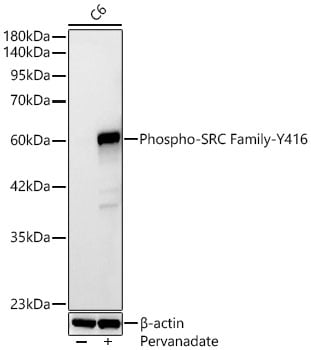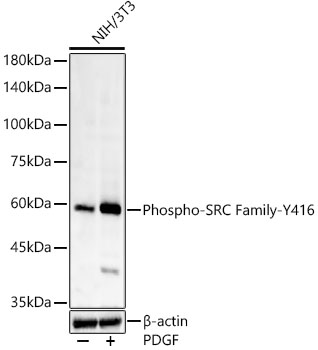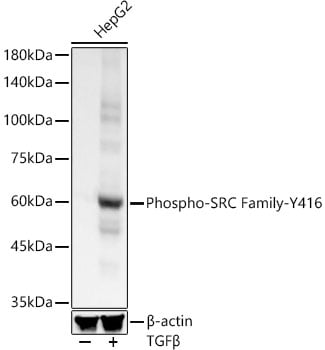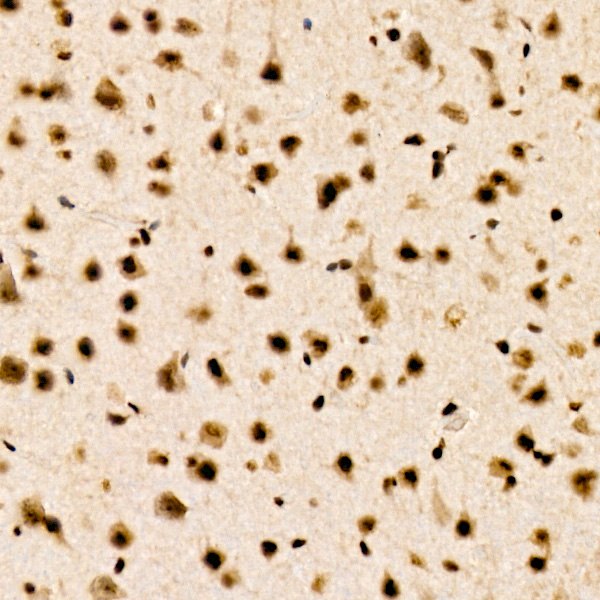
Get accurate results in your research with our Monoclonal Antibodies, which are specially made to target exactly what you require for your research, and will produce consistent, reliable performance in lab tests.
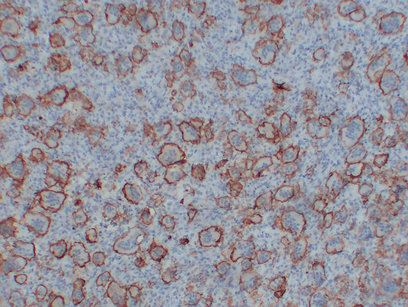
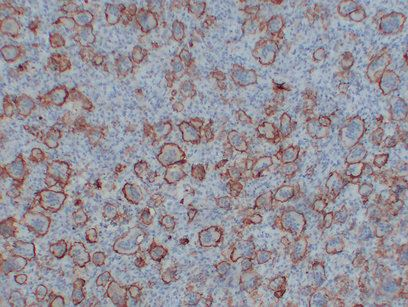
Application Data (Mouse anti Chicken CSF1R (CD115) immunohistochemical staining of guinea fowl, Agelastes meleagredisbursa of Fabricius.Clone ROS-AV170 specifically stains the bursal secretory dendritic cells (BSDC) located in the medulla. Clone ROS-AV170 also recognizes some CSF1R+ve macrophages in the interfollicular connective tissue. Image courtesy of Dr Nandor Nagy, Semmelweis University, Hungary)
Application Data (Mouse anti Chicken CSF1R (CD115) immunohistochemical staining of quail, Cortunix cortunix, bursa of Fabricius.Cryostat sections were cut from 4 week old quail bursa of Fabricius. Clone ROS-AV170 specifically stains the bursal secretory dendritic cells (BSDC) located in the medulla and the macrophages of the interfollicular connective tissue. Image courtesy of Dr Nandor Nagy, Semmelweis University, Hungary)
FCM (Flow Cytometry) (Staining of CSF1R transfected CHO cells with Mouse anti Chicken CSF1R followed by FITC conjugated Goat anti Mouse IgG following permeabilization with Leucoperm™ (BUF09))
FCM (Flow Cytometry) (Staining of CSF1R transfected CHO cells with Mouse anti Chicken CSF1R following permeabilization with Leucoperm™ (BUF09))
Application Data (Mouse anti Chicken CSF1R (CD115) immunohistochemical staining of Grey Patridge, Perdix perdix bursa of Fabricius.Cryostat sections we cut from 4 week old partridge bursa of Fabricius. Clone ROS-AV170 specifically recognized membrane expressed antigen on the bursal secretory dendritic cells (BSDC) in the medulla and by the macrophages (arrows) of the interfollicular connective tissue. Image courtesy of Dr Nandor Nagy, Semmelweis University, Hungary)
Application Data (Mouse anti Chicken CSF1R (CD115) immunofluorescence staining of chicken bursa of Fabricius. Cryostat sections of 6 week old chicken bursa of Fabricius. A) Clone ROS-AV170 identifies strong membrane-bound immunoreaction on the cell surface of the bursal secretory dendritic cells (BSDC). B) Double immunofluorescence staining with Mouse anti vimentin, clone 3B4 (green), (product code OBT3104) and Mouse anti Chicken CSF1R, clone ROS-AV170 (red), (product code This product) shows that colocalization of vimentin with CSF1R occurs only in bursal dendritic cells. Image courtesy of Dr Nandor Nagy, Semmelweis University, Hungary)
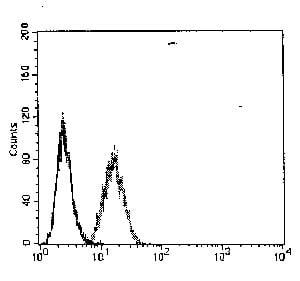
FCM (Flow Cytometry) (FACS analysis of ES-2 cells stained with STIP1 monoclonal antibody clone 2E11 (Green) and non-stained ES-2 cells (Black) as negative control.)
FCM (Flow Cytometry) (FACS analysis of 293 cells stained with STIP1 monoclonal antibody clone 2E11 (Green) and non-stained 293 cells (Black) as negative control.)
FCM (Flow Cytometry) (FACS analysis of HeLa cells stained with STIP1 monoclonal antibody clone 2E11 (Green) and non-stained HeLa cells (Black) as negative control.)
Application Data (Staining of canine peripheral blood lymphocytes with Rat anti Canine CD4: Alexa Fluor 488)
Application Data (Published customer image: CD11b+CD14-MHCII- cells suppress T cell proliferation. Facs sorted CD11b+CD14-MHCII- cells isolated from a dog with osteosarcoma or healthy PBMCs were co-incubated with mitogen-stimulated CD4+ and CD8+ T cells isolated from a healthy dog for 72 hs. No stimulated cells were used as negative control. Proliferative responses were measured by 3H-thymidine incorporation from experiments performed in triplicate. CPM, counts per minute. Mean +/- SEM are shown.From: Goulart MR, Pluhar GE, Ohlfest JR (2012) Identification of Myeloid Derived Suppressor Cells in Dogs with Naturally Occurring Cancer. PLoS ONE 7(3): e33274.)
Application Data (Published customer image: Immunophenotypic profile of tumor infiltrating lymphocyte in canine mammary carcinomas. Analysis of tumor infiltrating T-cells, B-lymphocytes and T-cell subsets from MC-BMT or MC (A), further subcategorized according to the absence (-) or presence (+) of lymph node metastasis (-) (B). Lymphocyte populations and subsets were identified by flow cytometric immunostaining as described in Material and Methods. Data were expressed as percentage of positive cells within gated lymphocytes and CD4+/CD8+ T-cell ratio. Significant differences at p < 0.05 are highlighted by asterisk.From: Estrela-Lima et al. BMC Cancer 2010 10:256.)
Application Data (Published customer image: Survival rates of animals with canine mammary carcinoma. Kaplan-Meier survival curves for animals for All (MC-BMT and MC) animals categorized according to the relative percentage of CD4+ T-cells (33.3%) (A). Animals were submitted to quarterly follow-ups during twelve months and survival rates expressed in days between the surgical excisions of the end of follow-up as described in Methods. The survival curves were estimated with the Kaplan-Meier method followed by Log-rank test. Correlation analysis highlighted the significant association between the percentages of CD4+ T-cells and CD8+ T-cells with the animal survival in days (B).From: Estrela-Lima et al. BMC Cancer 2010 10:256.)
Application Data (Staining of canine peripheral blood lymphocytes with Rat anti Canine CD4: FITC)
Application Data (Staining of canine peripheral blood lymphocytes with Rat anti Canine CD4: APC)
FCM (Flow Cytometry) (FACS analysis of ES-2 cells stained with STIP1 monoclonal antibody clone 2E11 (Green) and non-stained ES-2 cells (Black) as negative control.)
FCM (Flow Cytometry) (FACS analysis of 293 cells stained with STIP1 monoclonal antibody clone 2E11 (Green) and non-stained 293 cells (Black) as negative control.)
FCM (Flow Cytometry) (FACS analysis of HeLa cells stained with STIP1 monoclonal antibody clone 2E11 (Green) and non-stained HeLa cells (Black) as negative control.)
Application Data (Published customer image: Cytokine expression in segregated populations of cells following stroke. (A, B) Dot plots showing CD11b+CD45high macrophages/granulocytes (upper right quadrants) and CD11b+CD45dim microglia (bottom right quadrants) expressing IL-1beta (A) or TNF-a (B). (C-J) Bar graphs showing numbers and proportions of IL-1beta (C, D), TNF-a (F, G) and IL-1beta/TNF-a co-expressing (I, J) CD11b+CD45dim microglia and CD11b+CD45high macrophages/granulocytes in unmanipulated control mice (n = 10), in mice 6 (n = 7), 12 (n = 7), or 24 hours after pMCAO (n = 10), and in sham-operated mice 24 hours after pMCAO (n = 7). (E, H) Comparison of the MFI values for IL-1beta (E) and TNF-a (H) in viable CD11b+CD45dim microglia and CD11b+CD45high macrophages/granulocytes in unmanipulated mice, in mice 6, 12, or 24 hours after pMCAO, and in sham-operated mice 24 hours after pMCAO. Macrophages/granulocytes express significantly more IL-1beta than do microglial in unmanipulated mice, in mice 6, 12, or 24 hours after pMCAO, and in sham-operated mice 24 hours after pMCAO (E), whereas microglial cells express significantly higher levels of TNF-a than do macrophages/granulocytes at 12 h and 24 hours, and in sham-operated mice 24 hours after pMCAO (H). (K) CD11b+CD45highGr1- macrophages and not CD11b+CD45highGr1+ granulocytes are the main producers of IL-1beta and TNF-a 24 hours after pMCAO. *P < 0.05, **P < 0.01, and ***P < 0.001.From: http://www.jneuroinflammation.com/content/5/1/46.)
Application Data (Published customer image:e) Cryosectioned brain samples from day 6 p.i. were stained for WNV envelope protein (green), CD45 (as a pan-leukocyte marker; red), and DAPI (blue) and utilized for laser scanning confocal microscopy (20X images are shown and are representative of n = 5 mice per group).From: Wang P, Bai F, Zenewicz LA, Dai J, Gate D, et al. (2012) IL-22 Signaling Contributes to West Nile Encephalitis Pathogenesis. PLoS ONE 7(8): e44153.)
Application Data (Published customer image: Colocalization of activated microglial cells with Abeta plaques and IL-1beta immunoreactivity in the TgAPPsw mice with reduced GRK5. Panels A-C, IF staining of Abeta+ plaques (A, red) and surrounding CD45+ microglial cells (B, green), as well as their merged view (C) in the double mice. Scale bar: 50 um for panels A-C. Panels D-F, IF staining of Abeta+ plaques (D, red) and surrounding CD11b+ microglial cells (E, green), as well as their merged view (F) in the double mice. Scale bar: 50 um for panels D-F. Panel G, an example of merged view for CD45 (green) and CD11b/c (clone OX42, red) co-staining of the microglial cells. The image showed that, at least in this particular experimental paradigm, the CD45 antibody stained more specifically for the microglial cell profiles; while the OX42 antibody, in addition to its positive staining of the microglial cells, also non-specifically decorated the plaques. Scale bar: 45 um. Panel H, an example of merged view for Abeta+ plaques (red) and surrounding IL-1beta immunoreactivity (green) in the double mice. Scale bar: 30 um. Panel I, colocalization of CD45+ microglial cells (green) with IL-1beta immunoreactivity (red) in the double mice. Scale bar: 30 um. Blue indicates reference DAPI staining of nuclei.From: Li et al. Journal of Neuroinflammation 2008 5:24.)
Application Data (Published customer image: Inflammatory response following permanent MCA occlusion. (A-C) Dot plots of viable CD11b+CD45high macrophages/granulocytes (top right quadrants) and CD11b+CD45dim microglia (bottom right quadrants) in cortex from unmanipulated control mice (A, B), and mice exposed to pMCAO with 24 hour survival (C). (D) At 24 hours, flow cytometric analysis of the CD11b+CD45high profiles showed that approximately half of the population consisted of CD45highGr1+ granulocytes. (E) Quantification of CD11b+CD45dim and CD11b+CD45high cells in unmanipulated control mice (n = 10), in mice 6 (n = 7), 12 (n = 7), or 24 hours after pMCAO (n = 10), and in sham-operated mice 24 hours after pMCAO (n = 7). (F) Bar graphs showing equal recruitment of CD11b+CD45highGr1- macrophages and CD11b-CD45highGr1+ granulocytes in unmanipulated mice, in mice 6, 12, or 24 hours after pMCAO, and in sham-operated mice 24 hours after pMCAO. (G, H) Bar graphs showing the mean fluorescent intensity (MFI) of CD45 expression by CD45dim microglia (G) and CD45high macrophages/granulocytes (H). *P < 0.05, **P < 0.01, and ***P < 0.001.From: Clausen et al. Journal of Neuroinflammation 2008 5:46.)
Application Data (Published customer image Percentage of microgliosis (mean +/- s.e.m) by area in (a) Tg APPsw/CD40 def. mice versus Tg APPsw mice and in (b) Tg PSAPP/CD40 def. mice versus Tg PSAPP mice at 22 to 24 months of age calculated by quantitative image analysis. Post hoc comparison between groups are indicated by the marked bars (* p < 0.05; ** p < 0.01). Representative photographs of brain area in (c) Tg APPsw, (e) Tg APPsw/CD40 def., (d) Tg PSAPP and (f) Tg PSAPP/CD40 def. mice stained with CD45 antibody (each bar represents 0.1 mm).Laporte et al..)
Application Data (Published customer image: Infiltration of GFP+ BM-cells in infarct and peri-infarct regions. (A-B) Dot plots of viable macrophages/granulocytes (CD11b+CD45high, top right quadrants) and microglia (CD11b+CD45dim, bottom right quadrants) in cortex from BM-chimeric unmanipulated mice and mice exposed to pMCAO. (C) Bar graph showing mean numbers of CD11b+CD45dim microglia and CD11b+CD45high macrophages/granulocytes in BM-chimeric mice 24 hours after pMCAO, subdivided based on expression of GFP (n = 5). Approximately 92% of of the CD45high population were GFP+. (D) Estimation and comparison of mean numbers of CD11b+CD45dim microglia in non-chimeric (n = 10) versus BM-chimeric mice (n = 5) 24 hours after of pMCAO shows significantly fewer CD11b+CD45dim microglial cells in irradiated mice. (E) Overview, showing distribution of infiltrating GFP+ BM-derived cells into infarct (IF) and peri-infarct (P-IF) regions 24 hours after pMCAO. (E-G) By 24 hours, GFP+ single cells (F) and vessel-associated aggregates of GFP+ cells (arrows in G) were observed in infarct and peri-infarct regions. Some of the vessel-associated cells were round, leukocyte-like cells (arrows) while others were elongated cells lining the vasculature (arrow heads in G and in insert). (H) Bar graph showing mean numbers of single GFP+ cells and vessel-associated aggregates of GFP+ cells in ipsi- and contralateral cortex 24 hours after surgery (n = 10). (I-P) Immunohistochemical staining of CD45.1 (I, K), CD45.2 (J, L), IgG2a (M, O) and CD45 (N, P) in ischemic tissue in BM-chimeric (I, J, M, N) and non-chimeric mice (K, L, O, P) 24 hours after pMCAO. N.D, none detected. Scale bars: 200 um (A), 10 um (B, C). 50 um (I-P) *P < 0.05, **P < 0.01, and ***P < 0.001.From: Clausen et al. Journal of Neuroinflammation 2008 5:46.)
Application Data (Published customer image: Increased CD45+ microglial cells in hippocampus and cortex of the TgAPPsw mice with reduced GRK5. Representative IF results with anti-CD45 staining (green) in hippocampus (A-D) and cortex (F-I) of WT (A &F), heterozygote GRK5KO (B &G), TgAPPsw (C &H), and the double mice (D &I), respectively. Scale bar in panel I is for panels A-D and F-I: 100 um. Panels E &J, examples of high magnification views of CD45+-microglial cells in hippocampus (E) and cortex (J) of the double mice that show details of activated microglial morphology. Scale bar in panel J is for panels E &J: 20 um. Blue indicates reference DAPI staining of nuclei.From: Li et al. Journal of Neuroinflammation 2008 5:24.)
Application Data (Published customer image: Sensitivity of cytokine detection using flow cytometry. Histograms and dot plots of IL-1beta (A) and TNF-a (B) expression in LPS-activated peritoneal macrophages versus macrophages/granulocytes isolated from cortex 24 hours after pMCAO. Light colored histograms represent cells stained with isotype control antibodies and filled histograms represent cells stained with antibodies for either IL-1beta (A) or TNF-a (B).From: Clausen et al. Journal of Neuroinflammation 2008 5:46)
Application Data (Published customer image: Chronic effects of celastrol on microgliosis in Tg PS1/APPsw mice. A) Representative photomicrographs (taken with a 20x and 60x objective providing a respective magnification of 200x and 600x respectively) depicting the presence of CD45 reactive microglia around Abeta deposits in Tg PS1/APPsw treated with a placebo and celastrol. B) Histogram representing the burden of activated microglia (CD45 positive) in the cortex of Tg PS1/APPsw mice treated with placebo and celastrol pellets. Statistically significant difference in microgliosis burden (P < 0.03) was observed between placebo and celastrol treated mice. (* P < 0.05)..)
CENPM (C22orf18, ICEN39, PANE1, Centromere Protein M, Interphase Centromere Complex Protein 39, Proliferation-associated Nuclear Element Protein 1, MGC861, PANE1, BK250D10.2) APC
Gene Names
CENPM; PANE1; CENP-M; C22orf18
Reactivity
Human
Applications
Immunofluorescence, Immunoprecipitation, Western Blot
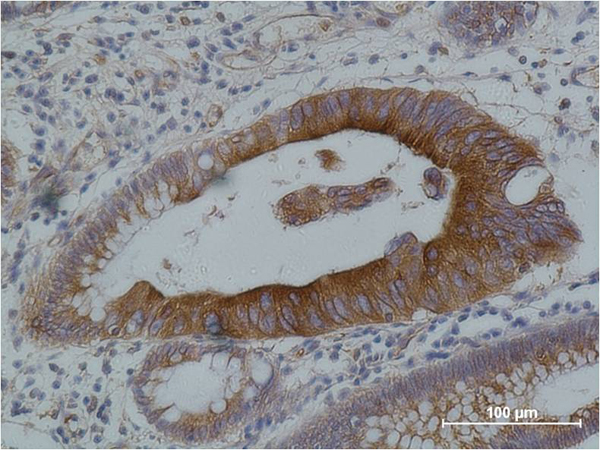
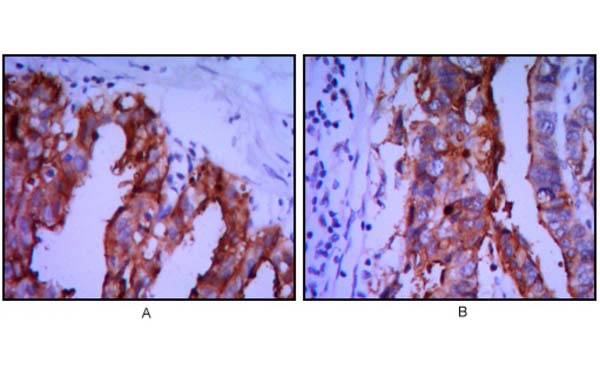
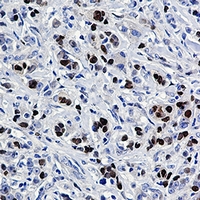
IHC (Immunohistochemistry) (Immunohistochemical analysis of paraffin-embedded human lung carcinoma using AAA26910(left) or beta-Actin Blocking Peptide (right).)
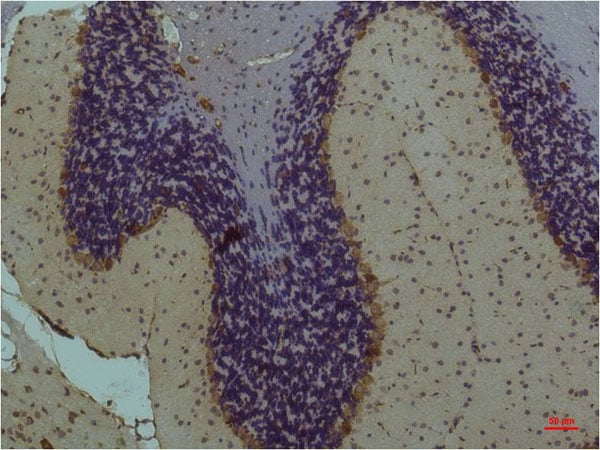
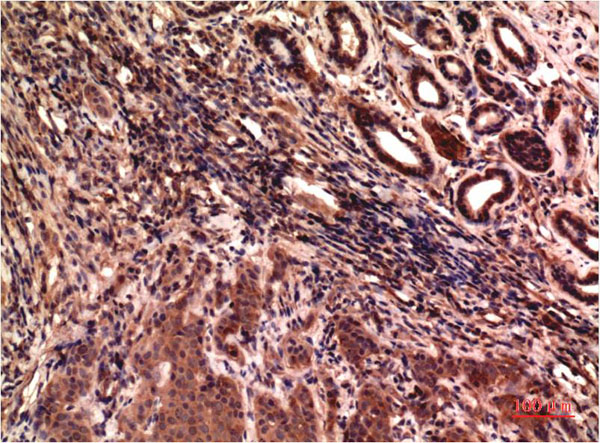
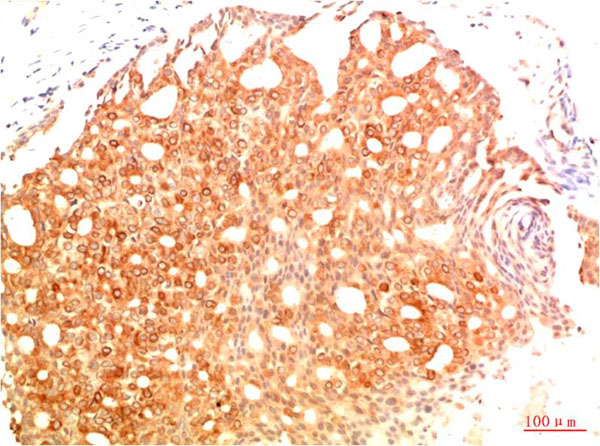
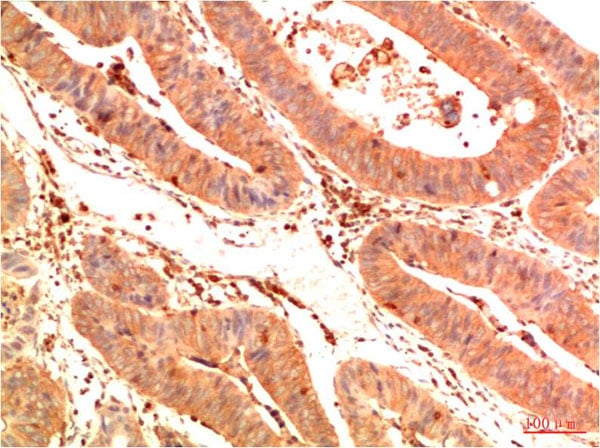
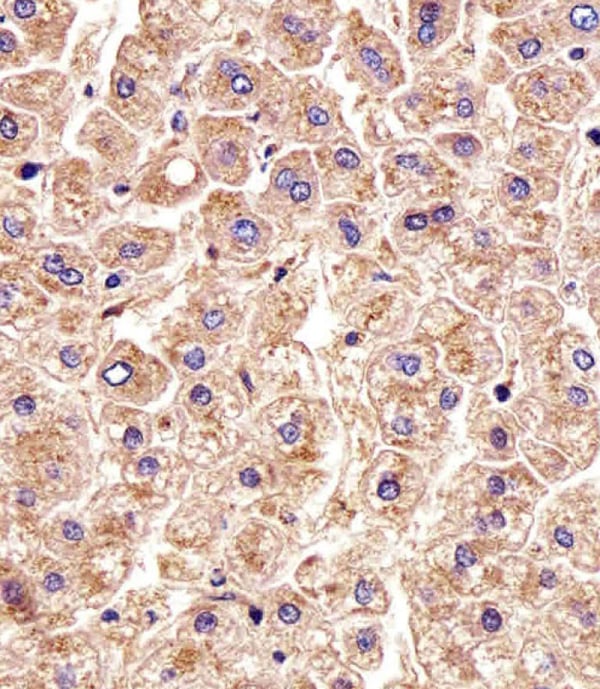
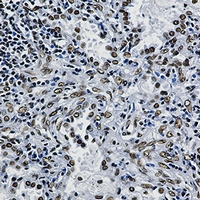
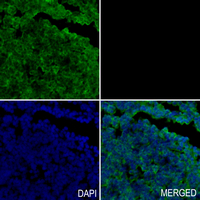
IHC (Immunohistchemistry) (Immunohistochemical analysis of paraffin-embedded 4T1 syngeneic mouse tumor using AAA26910.)
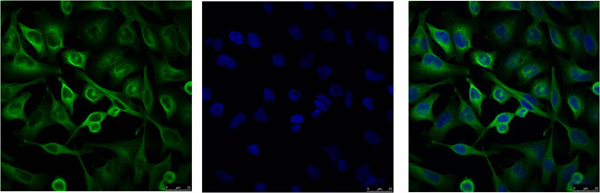
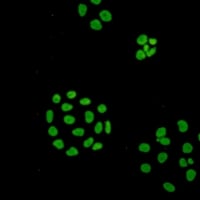
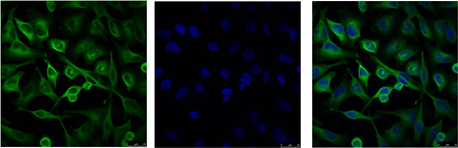
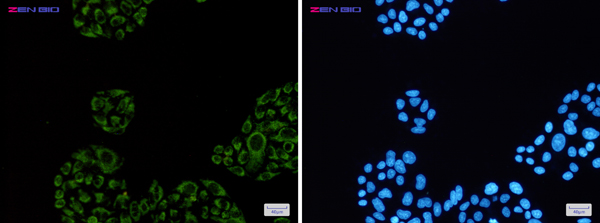
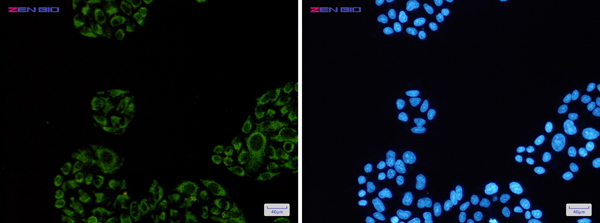
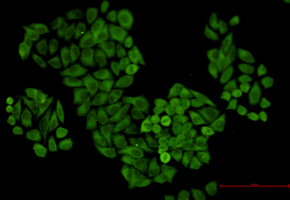
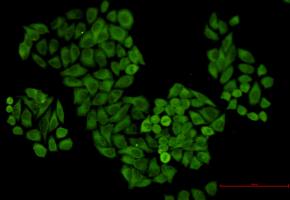
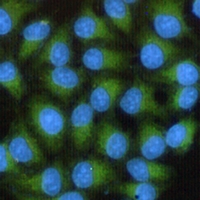
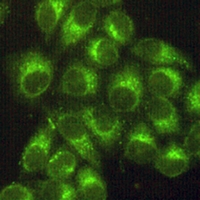
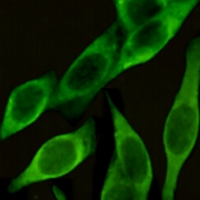
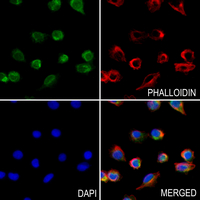
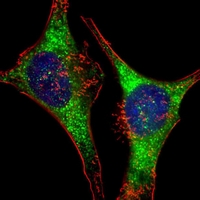
IF (Immunofluorescence) (Confocal immunofluorescent analysis of COS-7 cells using AAA26910 (green). Blue pseudocolor= DRAQ5 fluorescent DNA dye)
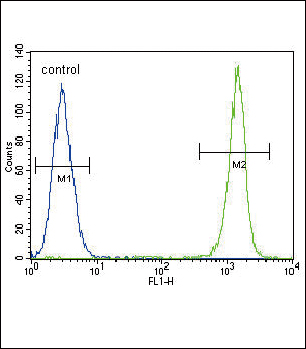
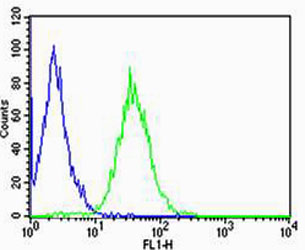
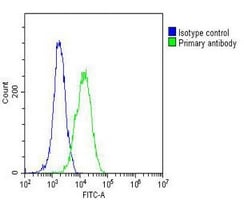
FCM (Flow Cytometry) (Flow cytometric analysis of NIH/3T3 cells using AAA26910 (blue) compared to a nonspecific negative control antibody (red).)
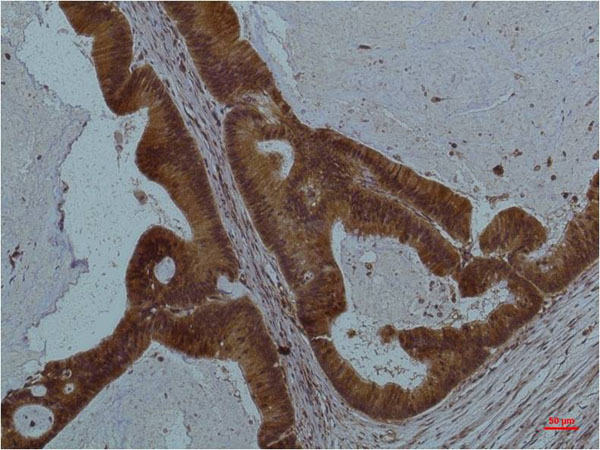
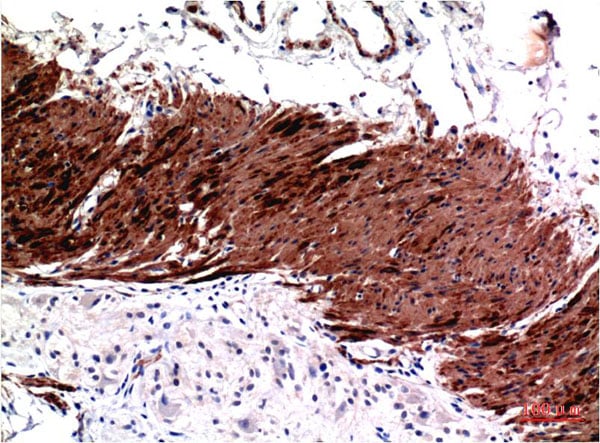
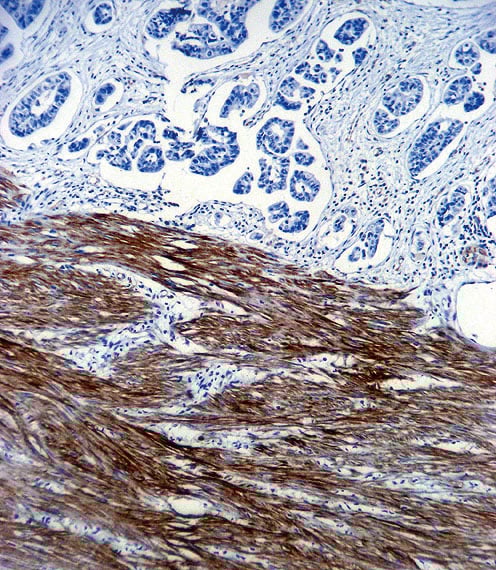
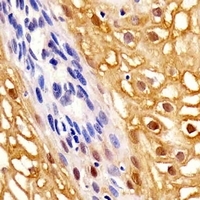
IHC (Immunohistochemistry) (Immunohistochemical analysis of paraffin-embedded human leiomyoma using AAA26910)
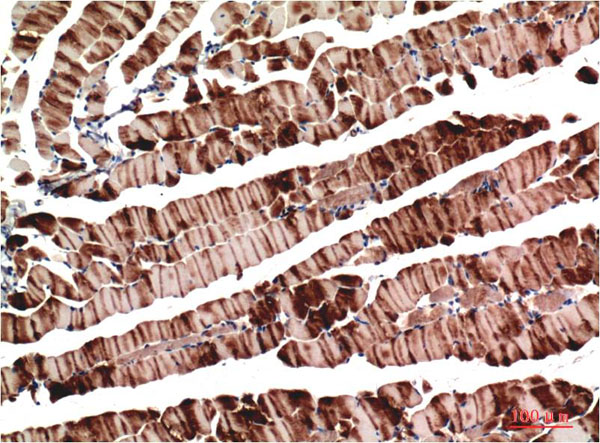
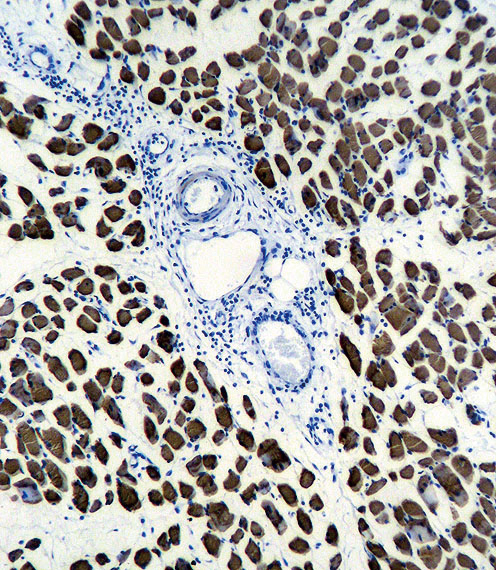
IHC (Immunohistochemistry) (Immunohistochemical analysis of paraffin-embedded human heart using AAA26910. Note the lack of staining of cardiac actin.)
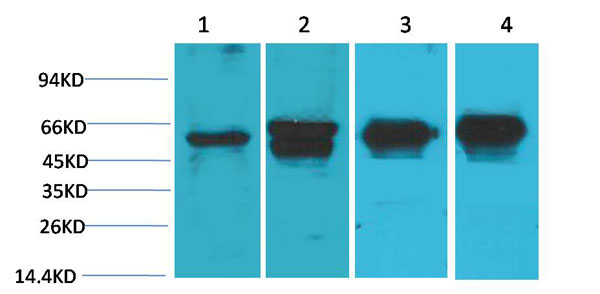
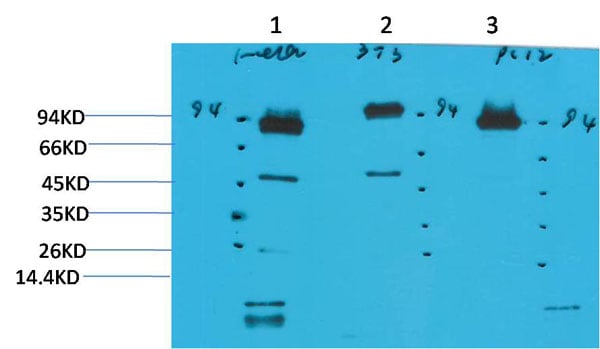
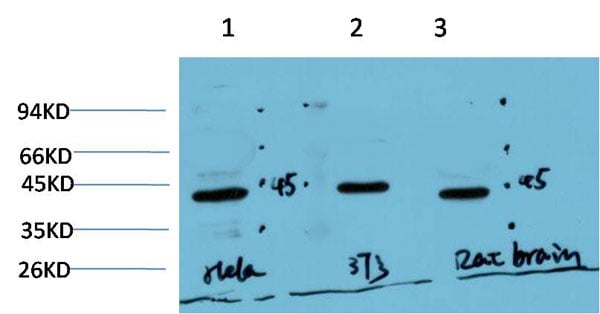
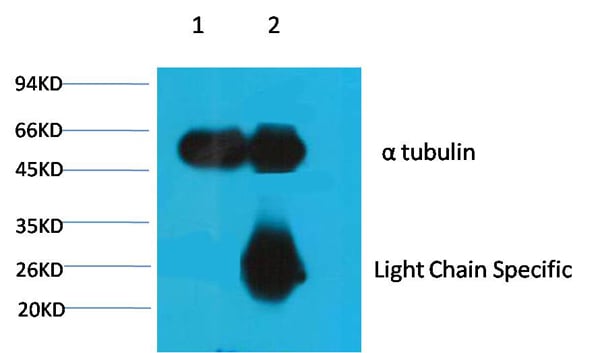
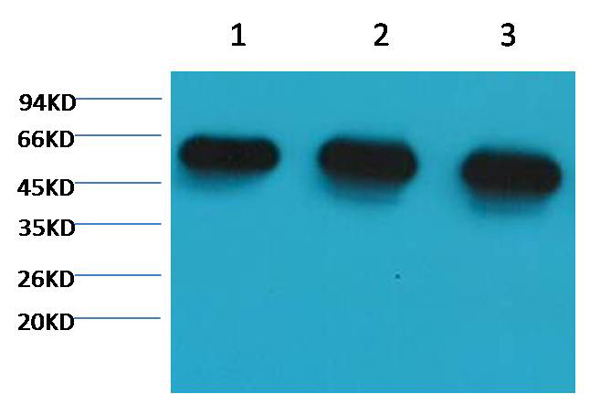
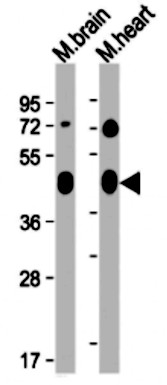
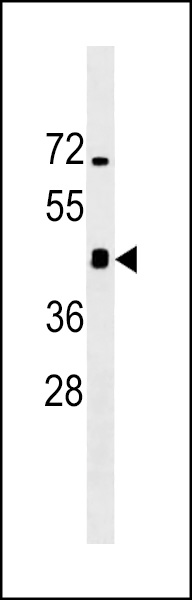
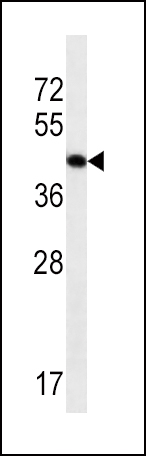
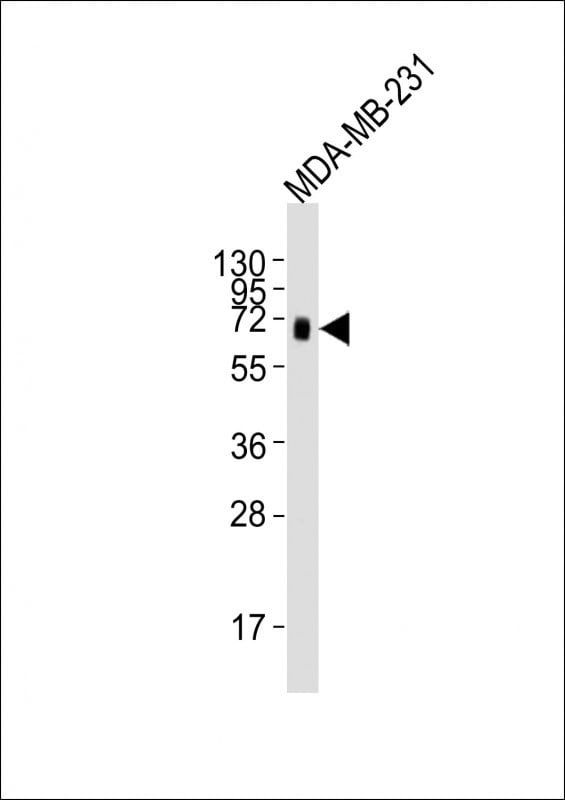
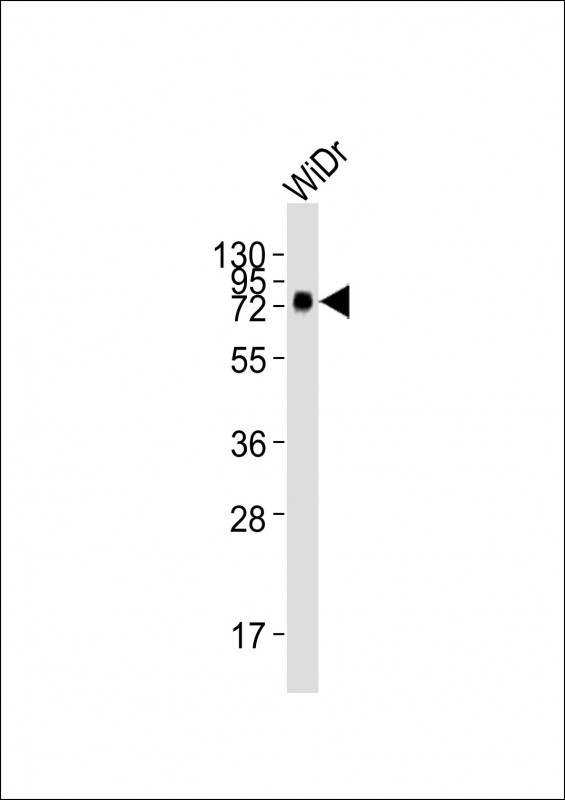
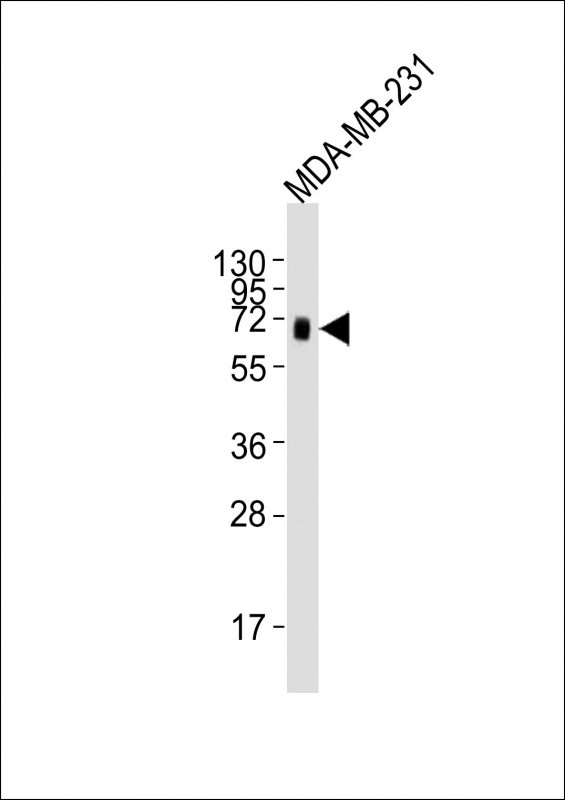
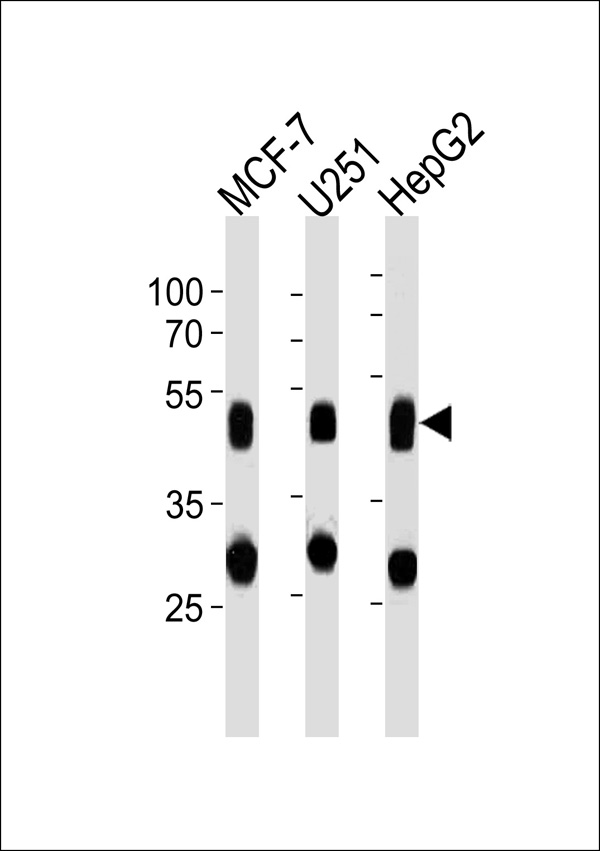
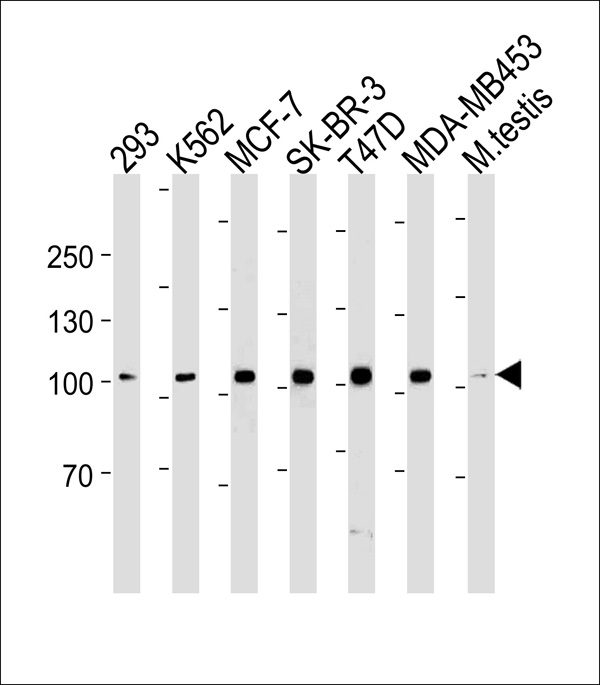
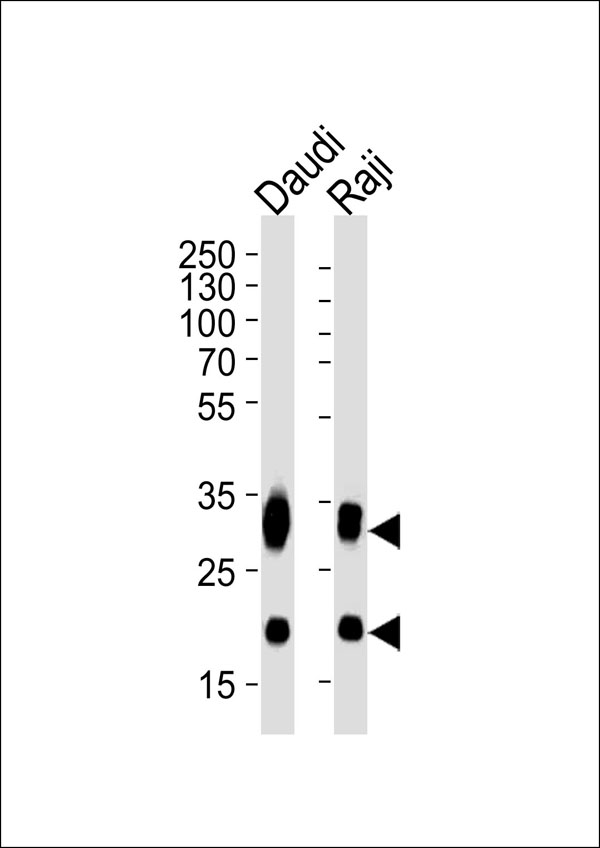
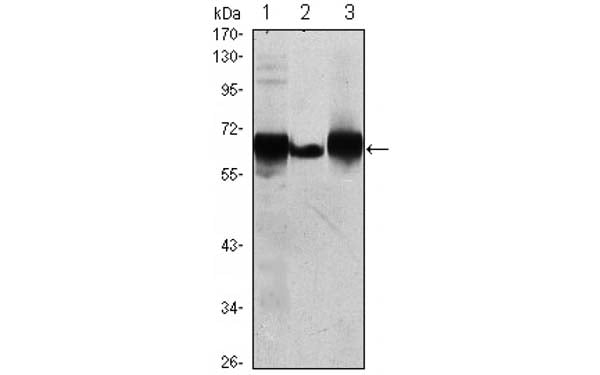
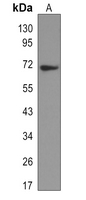
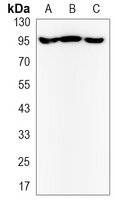
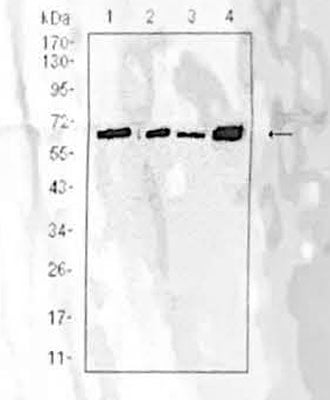
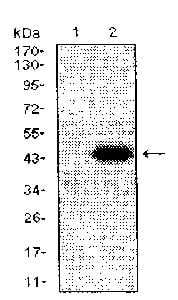
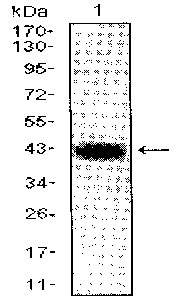
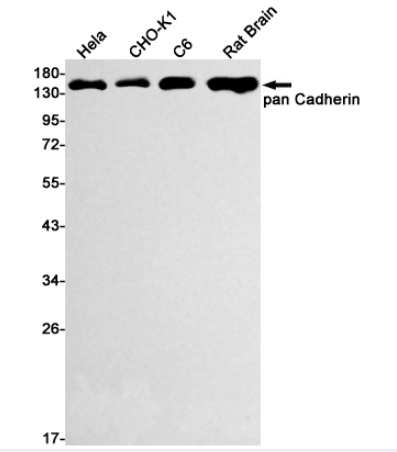
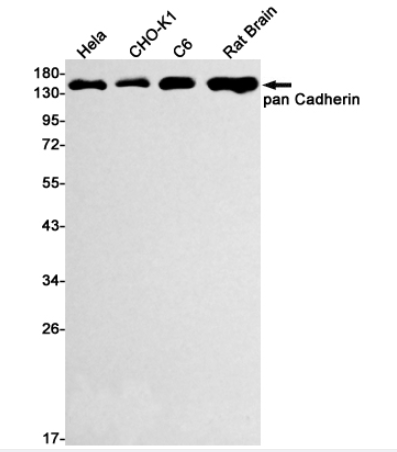
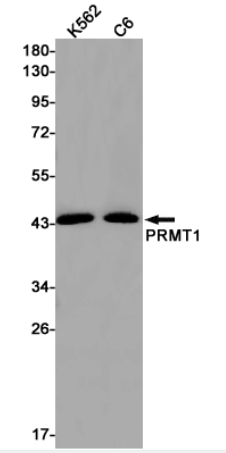
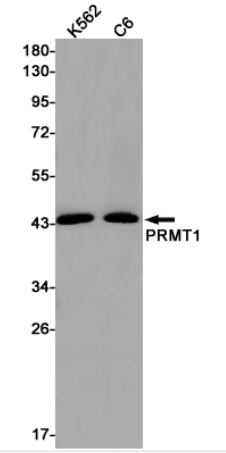
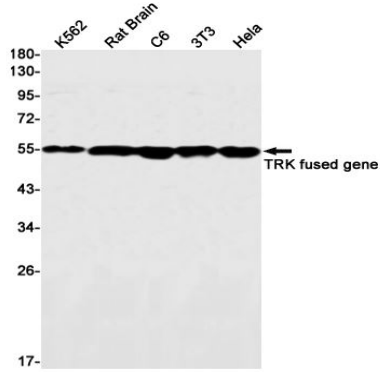
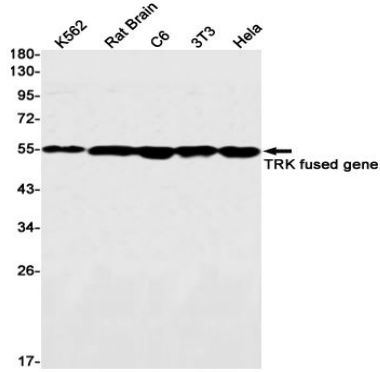
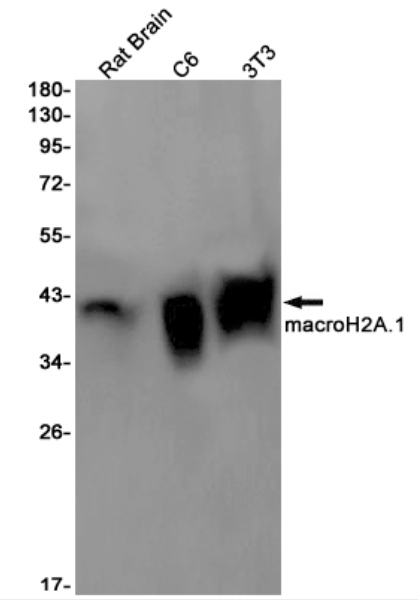
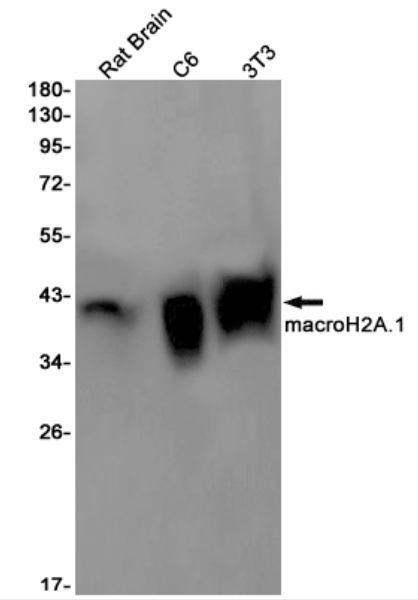
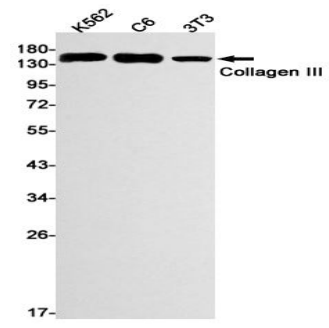
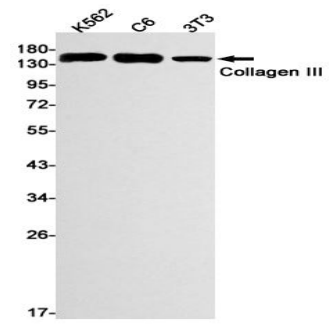
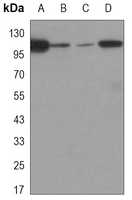
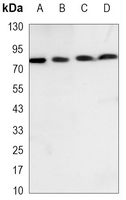
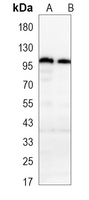
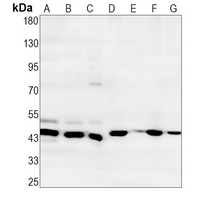
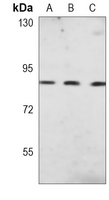
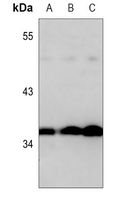
WB (Western Blot) (Western blot analysis of cell extracts from various cell lines using AAA26910.)
SHC (SHC-transforming Protein 1, SH2 Domain Protein C1, SHC1, SHC-transforming Protein 3, SHC-transforming Protein A, SHCA, Src Homology 2 Domain-containing-transforming Protein C1, FLJ26504) (AP)
Monoclonal antibodies are specialized laboratory-produced proteins developed for binding to specific biological antigens or other molecular targets. Since they come from a single cell (or clone), they are especially consistent and accurate in the data they are involved in producing.
This type of antibody material has been shown to be a powerful tool in finding and subsequently destroying harmful cells in an organism, such as those found in cancers or various autoimmune diseases. This makes them excellent aids in medical testing and research, which is why they are so widely used.
AAA Biotech offers a comprehensive range of high-quality monoclonal antibodies that perform effectively in various laboratory tests, including (amongst others) ELISA, western blotting, immunohistochemistry, and flow cytometry. All of the products in our catalog are thoroughly quality tested to make sure that they are reliable and will consistently perform well in your research.
What Are The Uses of Monoclonal Antibodies
Monoclonal antibodies are used in many lab tests, including (amongst others) ELISA, western blotting, immunohistochemistry, and flow cytometry.
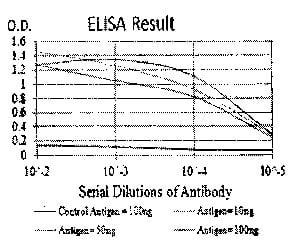
ELISA is a test that helps detect a specific substance/analyte in a sample. It uses antibodies (often monoclonal) bound to a solid surface (such as the well of a microplate) to “capture” the substance/analyte in the sample and immobilize it so that the detection antibody component can then bind to it and produce a signal, which can then be measured.
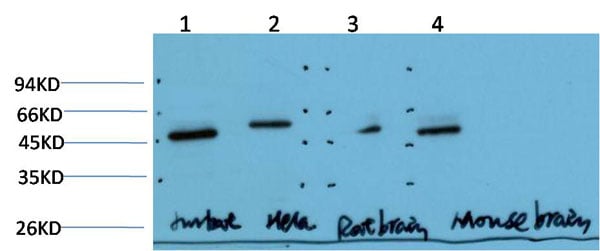
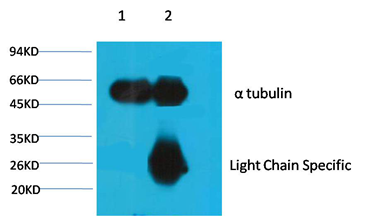
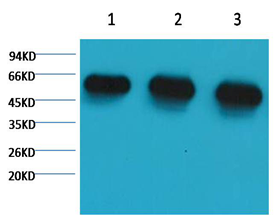
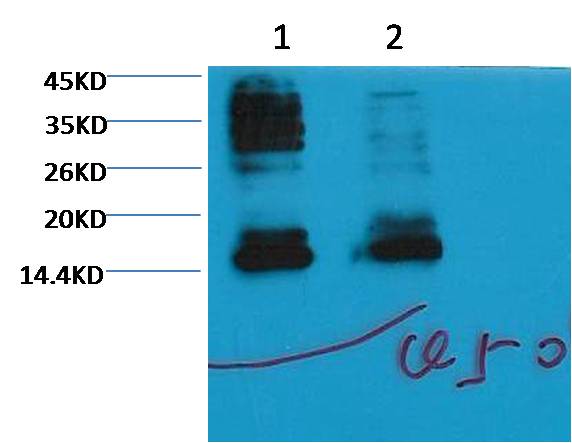
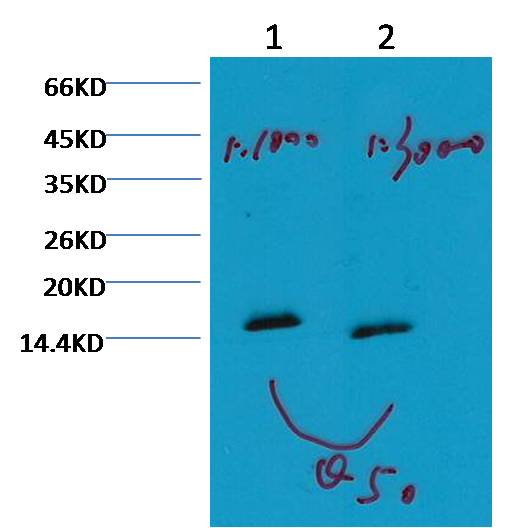
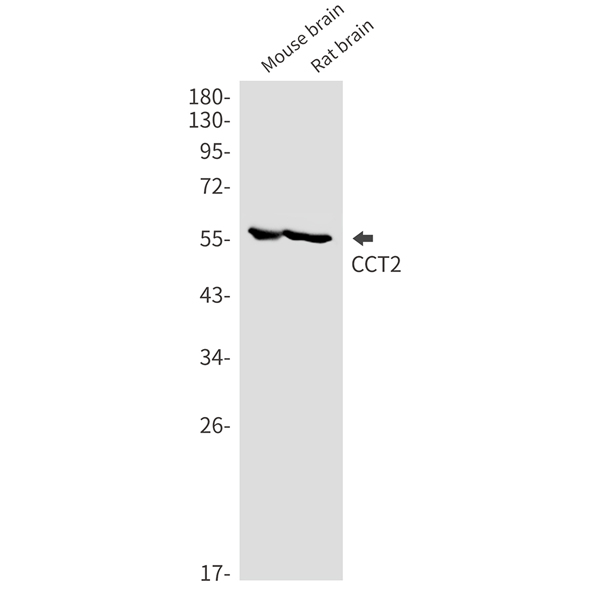
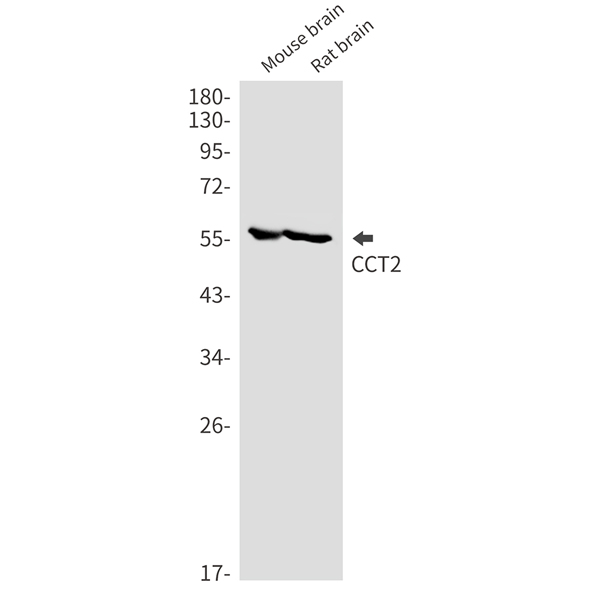
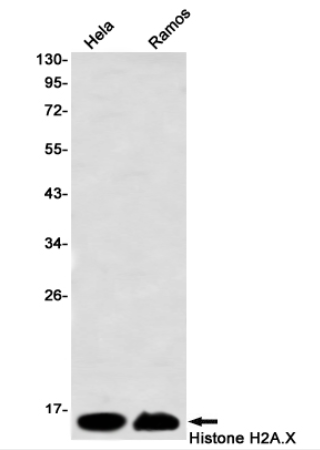
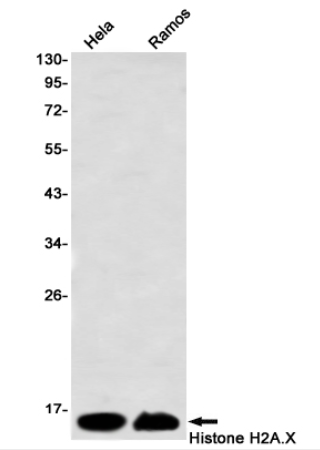
Western blotting identifies specific proteins in a sample. The sample is first separated on a gel, and then antibodies are applied that will typically bind to the target, which will all be localized to a single band in a lane.
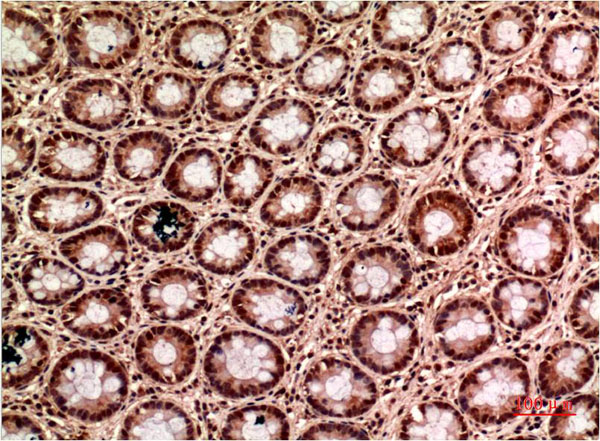
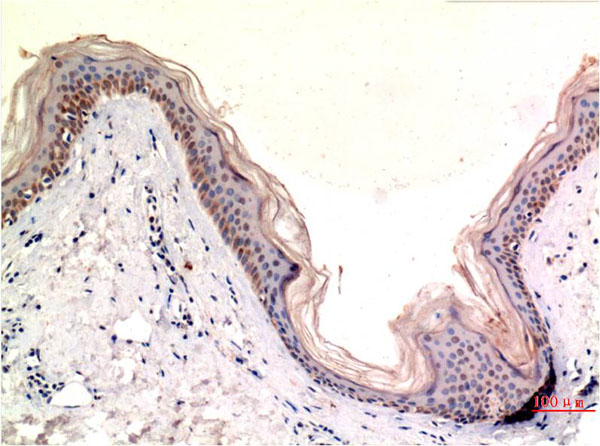
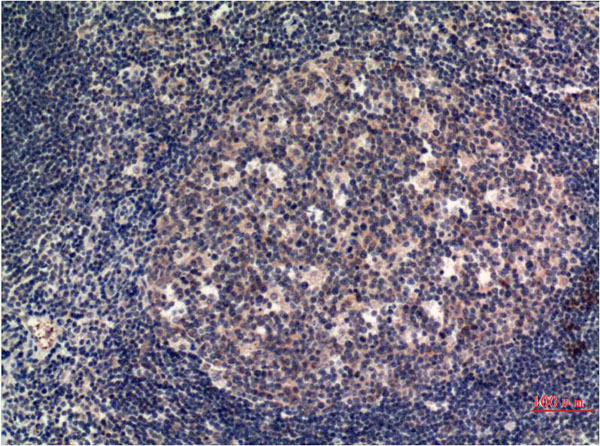
Immunohistochemistry helps locate specific proteins in cells or tissue samples using antibodies.
Flow cytometry looks at and sorts cells. It uses antibodies that are conjugated to reporter molecules called “fluorophores”, which, under special lights, emit light themselves, which can then be measured by a detector instrument.
How Monoclonal Antibodies Are Used as Medicine?
Please note that all of the products listed in AAA Biotech’s catalog are strictly for research-use only (RUO).
Monoclonal antibodies can also be used as therapeutic/medical treatments, particularly in the context of cancers. They are designed to find and bind to specific cells or proteins, helping the immune system recognize and attack the cancer. These treatments work in different ways, such as:
Radioimmunotherapy attaches a small amount of radioactive molecule to the antibody, so it delivers the radiation directly to the cancer cells that the antibody is specifically binding to.
Antibody-directed enzyme prodrug therapy uses antibodies that are specifically bound to special enzymes. These enzymes activate a harmless drug in the body and turn it into a cancer-killing drug only near the cancer cells—this helps avoid harming healthy cells.
Immunoliposomes are tiny “bubbles” filled with medicine/drug and coated with antibodies. They carry the drug straight to the cancer cells.
Why Buy Monoclonal Antibodies From Us?
At AAA Biotech, we provide high-performance monoclonal antibodies designed to support a wide range of research needs.
1. Validated for Versatile Applications
The antibodies in our catalog are extensively validated and compatible with multiple techniques, including (but not limited to) ELISA, flow cytometry (FC), immunocytochemistry (ICC), immunofluorescence (IF), immunohistochemistry (IHC), immunoprecipitation (IP), and western blotting (WB).
2. Wide Selection & Specialized Options
We offer antibodies for common and rare species, that are available in various conjugated forms, and also in recombinant formats. Essentially, there is almost anything one might need to meet their experimental model’s requirements.
3. High-Quality Proteins
Our proteins meet high purity standards—90% or more as confirmed by SDS-PAGE. Many are available with tags like His, Flag, GST, or MBP, and we also supply native and biologically active proteins for functional studies.
Frequently Asked Questions
1. Are your monoclonal antibodies validated for specific applications?
Yes, our antibodies are tested and validated for use in methods such as ELISA, western blot, IHC, flow cytometry, and more. Refer to specific product pages or datasheets for individual product information.
2. How do I choose the right monoclonal antibody for my application?
Review the product details directly for application validation, species reactivity, and target information. You may also contact our support team at any time for help.
3. How quickly can I receive my order?
Most orders are processed and shipped within 1–3 business days, depending on product availability and your shipping location.
Submit a Question
Please complete the form below and a representative will contact you as soon as possible.
Request more Information
Please complete the form below and a representative will contact you as soon as possible.
Request a Manual
Please complete the form below and a representative will contact you as soon as possible.
Request a Quote
Please complete the form below and a representative will contact you as soon as possible.