AAA Biotech provides a variety of high-quality recombinant and natural/native proteins that are proven to work in a wide range of experiments. Explore our products to find the active protein that best fits your needs or experimental model.
Bioactivity (Tissue inhibitors of metalloproteinase 1 (TIMP1) is a member of the family of proteins that regulate the activation and proteolytic activity of the zinc enzymes known as matrix metalloproteinases (MMPs). TIMP-1 is a glycoprotein with a molecular mass of 28 kDa produced by a wide range of cell types. TIMP-1 inhibits active MMP-mediated proteolysis by forming an N-terminal, non-covalent binary complex with the MMP active site. The activity of recombinant rat TIMP1 was measured by its ability to inhibit rhMMP2 cleavage of a fluorogenic peptide substrate MCA-Pro-Leu-Gly-Leu-DPA-Ala-Arg-NH2 in the assay buffer 50 mM Tris, 10 mM CaCl2, 150 mM NaCl, 0.05% (w/v) Brij-35, pH 7.5. rhMMP2 was diluted to 100 ug/ml and activated with 1 mM APMA at 37 degree C for 1 hour and rrTIMP1 (MW: 22.2 KD) was diluted to different concentrations with the assay buffer. Mix 8 ul of rrTIMP1 curve dilutions, 12.8 ul of activated rhMMP-2, and 59.2 ul of assay buffer, including a control containing assay buffer and the diluted rhMMP-2 and incubate the reactions for 2 hours at 37 degree C. Loading 50 ul of the incubated mixtures which were diluted five-fold in assay buffer into empty wells of a plate, and start the reaction by adding 50 ul of 20 uM substrate. Include a substrate blank containing 50 ul of assay buffer and 50 ul of 20 uM substrate. Then read at excitiation and emission wavelengths of 320 nm and 405 nm, respectively, in kinetic mode for 5 minutes. The result was shown in Figure 1 and it was obvious that recombinant rat TIMP1 significantly decreased rhMMP2 activity. The inhibition IC50 was )
Bioactivity (The cluster of differentiation (CD) antigen CD28 is a central co-stimulatory molecule for TCR-mediated activation such as cytokine production and T-cell proliferation upon ligand binding and TCR stimulation. It is a member of the immunoglobulin subfamily, other members of the subfamily include ICOS, CTLA4, PD1, PD1H, TIGIT and BTLA. Cytotoxic T-Lymphocyte Associated Antigen 4 (CTLA4) and CD28 are highly homologous and compete for the same ligands, CTLA4 can also bind with CD28 to form a dimer. Thus a functional binding ELISA assay was conducted to detect the interaction of recombinant mouse CD28 and recombinant rat CTLA4. Briefly, rmCD28 was diluted serially in PBS with 0.01% BSA (pH 7.4). Duplicate samples of 100 ul were then transferred to CTLA4-coated microtiter wells and incubated for 1h at 37 degree C. Wells were washed with PBST and incubated for 1h with anti-CD28 pAb, then aspirated and washed 3 times. After incubation with HRP labelled secondary antibody for 1h at 37 degree C, wells were aspirated and washed 5 times. With the addition of substrate solution, wells were incubated 15-25 minutes at 37 degree C. Finally, add 50 uL stop solution to the wells and read at 450/630 nm immediately. The binding activity of recombinant mouse CD28 and recombinant rat CTLA4 was shown in Figure 1, the EC50 for this effect is 2.82 ug/mL.)
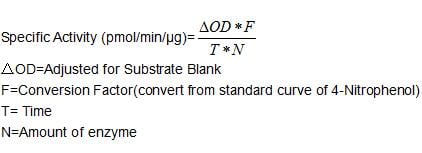
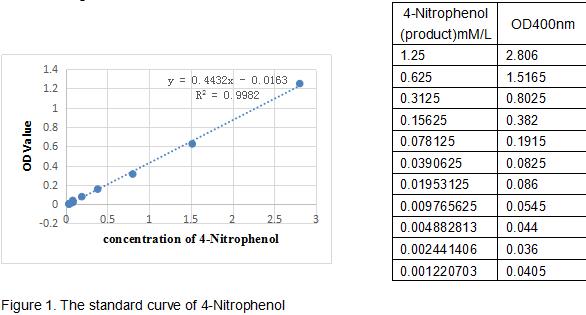
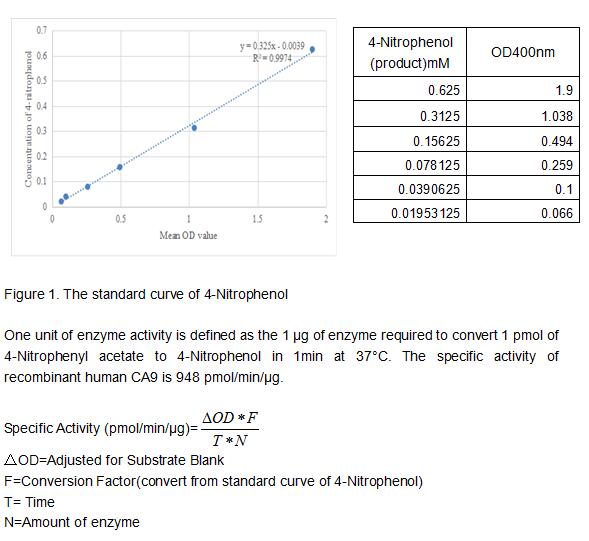
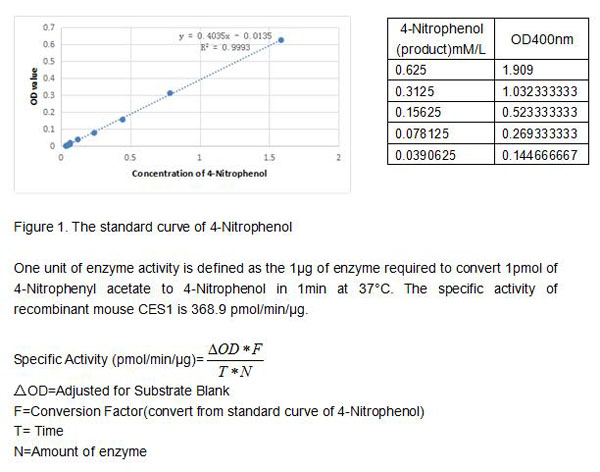
Bioactivity (GSTa3 (Glutathione S-transferase a3) is an enzyme that plays an important role in detoxification by catalyzing the conjugation of many hydrophobic and electrophilic compounds with reduced glutathione. This subfamily of enzymes has a particular role in protecting cells from Reactive Oxygen Species and the products of peroxidation. Polymorphisms in this gene influence the ability of individuals to metabolize different drugs. GSTa3 catalyze the endogenous glutathione conjugation 1-Chloro-2,4-dinitrobenzene (CDNB), which can increase in the absorbance at 340 nm. The reaction was performed in adding 10 ul 200 mM glutathione (reduced) and 10 ul 100 mM CDNB in 980 ul 100 mM NaH2PO4 (pH7.0), rapidly mixed. Then add 50 ul mixed substrates to 50 ul different concentrations of recombinant rat GSTa3, mix gently. Incubated at 37 degree C for 5min, then read at a wavelength of 340 nm. The specific activity of recombinant rat GSTa3 is >37000 pmol/min/ug.)
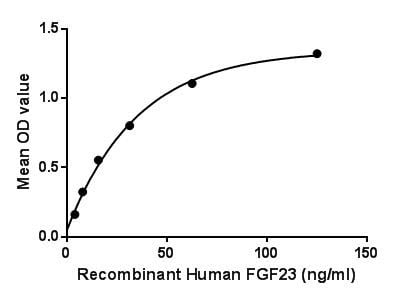
Bioactivity (Fibroblast growth factor 23 or FGF23 is a member of the fibroblast growth factor (FGF) family which is responsible for phosphate and vitamin D metabolism. The main function of FGF23 seems to be regulation of phosphate concentration in plasma. FGF23 decreases the reabsorption and increases excretion of phosphate and suppress 1-alpha-hydroxylase, reducing its ability to activate vitamin D and subsequently impairing calcium absorption. Besides, Fibroblast Growth Factor Receptor 1 (FGFR1) has been identified as an interactor of FGF23, thus a functional binding ELISA assay was conducted to detect the interaction of recombinant mouse FGF23 and recombinant human FGFR1. Briefly, FGF23 were diluted serially in PBS, with 0.01% BSA (pH 7.4). Duplicate samples of 100 ul were then transferred to FGFR1-coated microtiter wells and incubated for 1h at 37 degree C. Wells were washed with PBST and incubated for 1h with anti-FGF23 pAb, then aspirated and washed 3 times. After incubation with HRP labelled secondary antibody, wells were aspirated and washed 5 times. With the addition of substrate solution, wells were incubated 15-25 minutes at 37 degree C. Finally, add 50 uL stop solution to the wells and read at 450 nm immediately. The binding activity of recombinant mouse FGF23 and recombinant human FGFR1 was shown in Figure 1, the EC50 for this effect is 0.17 ug/mL.)
Bioactivity (Figure 2. Cell proliferation of M-NFS-60 cells after stimulated with G-CSF.)
Bioactivity (G-CSF is a pleiotropic cytokine best known for its specific effects on the proliferation, differentiation, and activation of hematopoietic cells of the neutrophilic granulocyte lineage. It is produced mainly by monocytes and macrophages upon activation by endotoxin, TNF-alpha and IFN-gamma. In addition, various carcinoma cell lines and myeloblastic leukemia cells can express G-CSF constitutively. In vitro, G-CSF stimulates growth, differentiation and functions of cells from the neutrophil lineage. Consistent with its in vitro functions, G-CSF has been found to play important roles in defense against infection, in inflammation and repair, and in the maintenance of steady state hematopoiesis. The activity of G-CSF is usually measured by a cell proliferation assay using M-NFS60 mouse myelogenous leukemia lymphoblast cells. M-NFS60 cells were seeded into triplicate wells of 96-well plates at a density of 8,000 cells/well with 2% serum standard 1640 which contains various concentrations of recombinant human G-CSF. After incubated for 3 days, cells were observed by inverted microscope and cell proliferation was measured by Cell Counting Kit-8 (CCK-8). Briefly, 10 ul of CCK-8 solution was added to each well of the plate, then the absorbance at 450 nm was measured using a microplate reader after incubating the plate for 2-4 hours at 37 degree C. Proliferation of M-NFS-60 cells after incubation with G-CSF for 3 days observed by inverted microscope was shown in Figure 1. Cell viability was assessed by CCK-8 (Cell Counting Kit-8) assay after incubation with recombinant human G-CSF for 3 days. The result was shown in Figure 2. It was obvious that G-CSF significantly increased cell viability of M-NFS-60 cells. The EC50 is 0.039 ug/ml.)
Bioactivity (Granulocyte-macrophage colony-stimulating factor (GM-CSF), also known as colony stimulating factor 2 (CSF2), is a monomeric glycoprotein secreted by macrophages, T cells, mast cells, natural killer cells, endothelial cells and fibroblasts that functions as a cytokine. GM-CSF is a monomeric glycoprotein that functions as a cytokine - it is a white blood cell growth factor. It also has some effects on mature cells of the immune system, such as inhibiting neutrophil migration and causing an alteration of the receptors expressed on the cells surface. GM-CSF signals via signal transducer and activator of transcription, STAT5. In macrophages, it has also been shown to signal via STAT3. Besides, Colony Stimulating Factor 2 Receptor Alpha (CSF2Ra) has been identified as an interactor of GM-CSF, thus a binding ELISA assay was conducted to detect the interaction of recombinant human GM-CSF and recombinant human CSF2Ra. Briefly, GM-CSF were diluted serially in PBS, with 0.01% BSA (pH 7.4). Duplicate samples of 100 ul were then transferred to CSF2Ra-coated microtiter wells and incubated for 1h at 37 degree C. Wells were washed with PBST and incubated for 1h with anti-GM-CSF pAb, then aspirated and washed 3 times. After incubation with HRP labelled secondary antibody, wells were aspirated and washed 3 times. With the addition of substrate solution, wells were incubated 15-25 minutes at 37 degree C. Finally, add 50 uL stop solution to the wells and read at 450 nm immediately. The binding activity of recombinant human GM-CSF and recombinant human CSF2Ra was shown in Figure 1, the EC50 for this effect is 0.04 ug/mL.)
Bioactivity (Ciliary Neurotrophic Factor (CNTF) is a common extracellular polypeptide hormone who has neuroprotective effects on a variety of central and also peripheral nervous system neurons. It promotes differentiation and maturation of oligodendrocyte precursor ce)
Bioactivity (Figure 2. The chemotactic effect of NAP3 on THP-1 cells)
Bioactivity (Neutrophil-activating protein 3 (NAP3) also known as chemokine (C-X-C motif) ligand 1 (CXCL1) is a small cytokine belonging to the CXC chemokine family. NAP3 is expressed by macrophages, neutrophils and epithelial cells,and has neutrophil chemoattractant)
Bioactivity (human IL12A is a subunit of interleukin 12, a cytokine that acts on T and natural killer cells, and has a broad array of biological activities. Interleukin 12 is a disulfide-linked heterodimer composed of the 40 kD cytokine receptor like subunit encoded b)
Bioactivity (Figure 2. The dose-effect curve of IL-2 on Splenic lymphocytes cells.)
Bioactivity (IL-2 (Interleukin-2) is a cytokine produced by T-cells in response to antigenic or mitogenic stimulation. IL-2 is a type of signaling molecule in the immune system, that is required for both T-cell and B-cell proliferation and other activities crucial to)
Bioactivity (Figure 2. The dose-effect curve of IL-2 on Splenic lymphocytes cells.)
Bioactivity (IL-2 (Interleukin-2) is a cytokine produced by T-cells in response to antigenic or mitogenic stimulation. IL-2 is a type of signaling molecule in the immune system, that is required for both T-cell and B-cell proliferation and other activities crucial to)
Bioactivity (Figure 2. The dose-effect curve of IL-2 on Splenic lymphocytes cells)
Bioactivity (IL-2 (Interleukin-2) is a cytokine produced by T-cells in response to antigenic or mitogenic stimulation. IL-2 is a type of signaling molecule in the immune system, that is required for both T-cell and B-cell proliferation and other activities crucial to)
Bioactivity (IL-2(Interleukin-2) is a cytokine produced by T-cells in response to antigenic or mitogenic stimulation. IL-2 is a type of signaling molecule in the immune system, that is required for both T-cell and B-cell proliferation and other activities crucial to r)
Bioactivity (Leukemia inhibitory factor (LIF), is an interleukin 6 class cytokine that affects cell growth by inhibiting differentiation. LIF as a cytokine also has another fuction including: the growth promotion and cell differentiation of different types of target c)
Bioactivity (MMP1 is a zinc-dependent enzymes capable of cleaving components of the extracellular matrix, which belongs to the matrix metalloproteinase (MMP) family. MMP-1 (interstitial collagenase), can degrade a broad range of substrates including types I, II, III, VII, VIII, and X collagens as well as casein, gelatin and so on. MMP-1 is expressed by fibroblasts, keratinocytes, endothelial cells, monocytes and macrophages. Structurally, MMP-1 may be divided into several distinct domains; a pro-domain which is cleaved upon activation; a catalytic domain containing the zinc binding site; a short hinge region and a carboxyl terminal (hemopexin-like) domain. The activity of recombinant human MMP1 is measured by its ability to cleave a fluorogenic peptide substrate Mca-KPLGL-Dpa-AR-NH2 in the assay buffer 50 mM Tris, 10 mM CaCl2, 150 mM NaCl, 0.05% (w/v) Brij-35, pH 7.5. The rhMMP1 is diluted to 50 ug/ml in assay buffer, then activated by p-aminophenylmercuric acetate (APMA) in a final concentration of 1 mM incubated at 37 °C for 2 hours. The activated rhMMP-1 is diluted to 1 ug/mL in assay buffer. Loading into a black well plate 50 uL of 1 ug/mL rhMMP-1 and start the reaction by adding 50 uL of 20 uM substrate, with a substrate blank containing 50 uL assay buffer, 50 uL substrate, and no rhMMP-1. Then read at excitiation and emission wavelengths of 320 nm and 405 nm, respectively, in kinetic mode for 5 minutes. The specific activity of recombinant human MMP1 is > 140 pmol/min/ug.)
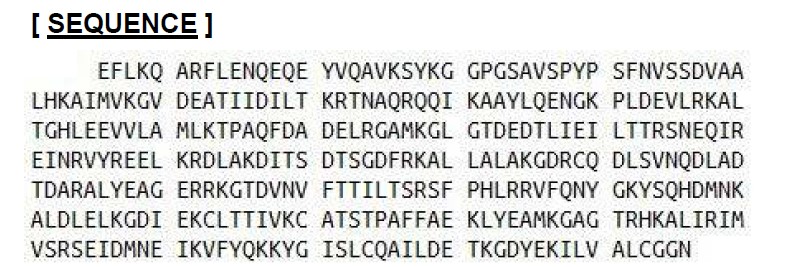
Sequence
Bioactivity (MMP1 is a zinc-dependent enzymes capable of cleaving components of the extracellular matrix, which belongs to the matrix metalloproteinase (MMP) family. MMP-1 (interstitial collagenase), can degrade a broad range of substrates including types I, II, III,)
Bioactivity (MMP2 is a zinc-dependent enzymes capable of cleaving components of the extracellular matrix, which belongs to the matrix metalloproteinase (MMP) family .It is a gelatinase A, 72 kDa type IV collagenase which can hydrolyze gelatin under certain conditions.)
Bioactivity (Matrix Metalloproteinase 7 (MMP7) is a member of the matrix metalloproteinases (MMPs) family which are zinc and calcium dependent endopeptidases. Structurally, MMP-7 is the smallest of the MMPs and consists of two domains: a pro-domain that is cleaved upo)
Bioactivity (Figure 2. Inhibition of A549 cells proliferation after stimulated with TNFalpha.)
Bioactivity (Tumor necrosis factor (TNF, tumor necrosis factor alpha, TNFalpha, cachexin, or cachectin) is a cell signaling protein (cytokine) involved in systemic inflammation and is one of the cytokines that make up the acute phase reaction. The primary role of TNF)
Bioactivity (Figure 2. Inhibition of A549 cells proliferation after stimulated with TNFalpha.)
Bioactivity (Tumor necrosis factor (TNF, tumor necrosis factor alpha, TNFalpha, cachexin, or cachectin) is a cell signaling protein (cytokine) involved in systemic inflammation and is one of the cytokines that make up the acute phase reaction. The primary role of TNF)
Bioactivity (Figure 2. Inhibition of A549 cells proliferation after stimulated with TNF-beta.)
Bioactivity (TNF-beta, a member of the tumor necrosis factor family, is a potent lymphoid factor that exerts cytotoxic effects on a wide range of tumor cells . The biological effects of TNF-beta are very similar to TNF-alpha,due to the similarity of molecular structur)
Bioactivity (Plasminogen Activator, Urokinase Receptor (uPAR) is the receptor for urokinase plasminogen activator and, given its role in localizing and promoting plasmin formation, likely influences many normal and pathological processes related to cell-surface plasmi)
Application Data (Measured by its ability to inhibit BMP4-induced alkaline phosphatase production by MC3T3E1 mouse preosteoblast cells. The ED50 for this effect is 2.5-10 ug/mL.)
Application Data (Measured by its ability to inhibit FGF-acidic (aFGF/FGF1) dependent proliferation of Balb/C 3T3 mouse fibroblasts. The ED50 for this effect is typically 0.5-2.5 ng/ml.)
Activity (TF-1, the human erythroleukemia cell line,provides a good system for detecting the activity of GM-CSF for it is a cell line of immature erythroid origin that completely depends on interleukin 3 (IL-3) or granulocyte-macrophage colony-stimulating factor (GM-CSF) for long term growth. As reported, GM-CSF was also able to induce differentiation of human monoblastic leukemia cell line U937. In house data was obtained by the following experiment: TF-1 cells and U937 cells were incubated in the presence of various concentrations of rhGM-CSF, then cells were observed by inverted microscope everyday . Cell proliferation of TF1 cells after incubation with GM-CSF (10ng/mL) for 3 days was shown in Figure 1.)
Activity (IFN-gamma is a dimerized soluble cytokine that is the only member of the type II class of interferons.The importance of IFNgamma in the immune system stems in part from its ability to inhibit viral replication directly, and most importantly from its immunostimulatory and immunomodulatory effects. As reported, IFNgamma is an important activator of human monocytic THP1 cells. Therefore,THP-1 cells were incubated in RPMI 1640 with various concentration of IFN-gamma, then cells were observed by inverted microscope everyday.After stimulated with IFN-gamma(5ng/ml) for 5 days, morphological changes occured in THP1 cells which displayed the shape of fusiform or polygon and were more likely to adhere.Effect of IFN-gamma on THP1 cells is shown in Figure 1.)
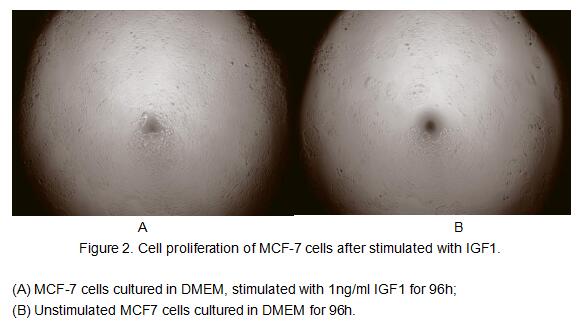
Activity (Insulin-like growth factor I (IGF1), is a hormone similar in molecular structure to insulin but have a much higher growth-promoting activity, it belongs to a family of proteins involved in mediating growth and development. It is reported that IGF1 induces the proliferation, migration, differentiation of a large types of cells including the MCF-7 breast cancer cell line. To test the effect of growth factors on proliferation, MCF-7 cells were seeded into triplicate wells of 96-well plates at a density of 2,000 cells/well and allowed to attach overnight, then the medium was replaced with serum-free standard DMEM prior to the addition of various concentrations of IGF-1. After incubated for 72h, cells were observed by inverted microscope and cell proliferation was measured by Cell Counting Kit-8 (CCK-8). Briefly, 10 uL of CCK-8 solution was added to each well of the plate, then measure the absorbance at 450nm using a microplate reader after incubating the plate for 1-4 hours at 37 degree C.Cell proliferation of MCF-7 cells after incubation with IGF1 for 72h observed by inverted microscope was shown in Figure 1.)
Activity (Interleukin-6 (IL-6), a pro-inflammatory cytokine and an anti-inflammatory myokine, plays important roles in the acute phase reaction, inflammation, hematopoiesis, bone metabolism, and cancer progression. It has been reported that IL6 induces C-reactive protein (CRP) expression through the STAT3 pathway in HepG2 cells. To test this effect, HepG2 cells were seeded overnight at a density of 1x10^5 cells/mL, and treated with or without various concentrations of IL6 for 24h and CRP levels in the cell supernatant were determined by ELISA.CRP levels in the cell supernatant of HepG2 cells increased significantly after stimulated with IL6, the data was shown in Table 1 and Figure 1.)
Activity (TNF-a, being an endogenous pyrogen, is able to induce fever, necrosis, inflammation and to inhibit tumorigenesis. As reported, TNF-a could inhibit the proliferation and induce necrosis of A549 cells, and the concentration of IL-1beta in cell supernatant will increase after stimulation. Therefore, A549 cells were incubated in DMEM with TNFa (1ng/mL, 10ng/mL) for 2h, 4h, 8h, 24h, 48h, then cells were observed by inverted microscope and IL-1beta was detected in the cell supernatant by ELISA .Cell necrosis after incubation with TNF-a (10ng/mL) for 72h was shown in Figure 1.)
Activity (TNF-beta, a member of the tumor necrosis factor family, is a potent lymphoid factor that exerts cytotoxic effects on a wide range of tumor cells. The biological effects of TNF-beta are very similar to TNF-alpha, due to the similarity of molecular structure and the receptors. As reported, TNF-beta could inhibit the proliferation and induce necrosis of A549 cells, and the concentration of IL-1beta in cell supernatant will increase after stimulation. Therefore, A549 cells were incubated in DMEM with TNF-beta (10ng/mL) for 8h, 24h, 48h, 72h, then cells were observed by inverted microscope and IL-1beta was detected in the cell supernatant by ELISA .Cell necrosis after incubation with TNF-beta(10ng/mL) for 72h was shown in Figure 1.)
Activity (Osteopontin (OPN), a multifunctional phosphorylated glycoprotein, plays an important role in neutrophil recruitment and was found to induce the expression of proinflammatory chemokines including MCP-1 and MIP-1beta which promote migration and recruitment of inflammatory cells. It has been reported that OPN induces MCP-1 expression through the NF-kappa B pathways in MCF-7 breast cancer cell line. Briefly, MCF-7 cells were seeded overnight at a density of 1x10^5 cells/mL, and treated with or without various concentrations of OPN for 24h and MCP-1 levels in the cell supernatant were determined by ELISA.MCP-1 levels in the cell supernatant of MCF-7 cells increased significantly after stimulated with OPN, the data was shown in Table 1 and Figure 1.)
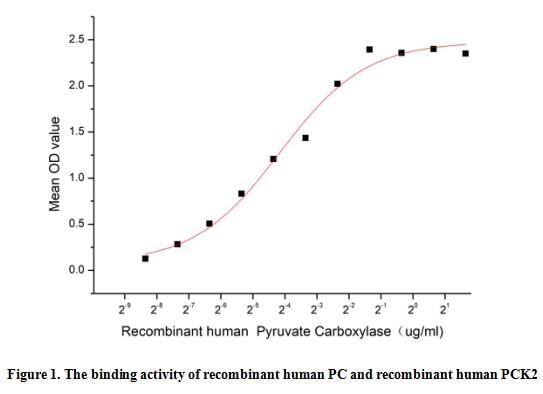
Bioactivity (HRG (Histidine-rich glycoprotein) is a plasma glycoprotein which is distinguished by its high content of histidine and proline. HRG binds a number of ligands such as heme, heparin, heparan sulfate, thrombospondin, plasminogen, and divalent metal ions. Thus, a functional binding ELISA assay was constructed to detect the association of rhHRG with heparin. Briefly, Microtiter wells were coated with OVA-conjugated-heparin. rhHRG were diluted serially in 0.01M PBS (pH 7.4). Duplicate samples of 100uL were then transferred to the coated microtiter wells and incubated for 2h at 37 degree C. Wells were washed with PBST and incubated for 1h with anti-HRG PAb, then aspirated and washed 3 times. After incubation with HRP labeled secondary antibody, wells were aspirated and washed 3 times. With the addition of substrate Solution, wells were incubated 15-25 minutes at 37 degree C. Finally, add 50uL stop solution to the wells and read at 450nm immediately.The binding activity of rhHRG with heparin was shown in Figure 1 and this effect was in a dose dependent manner.)
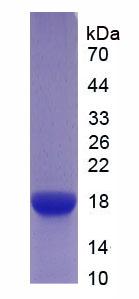
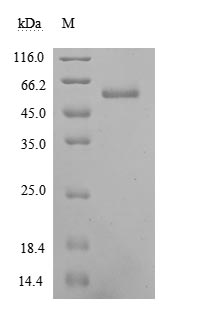
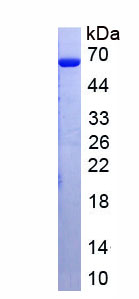
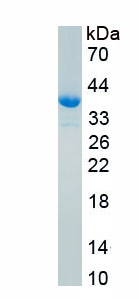
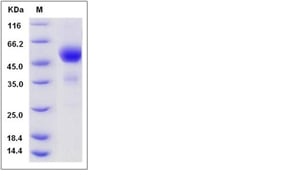
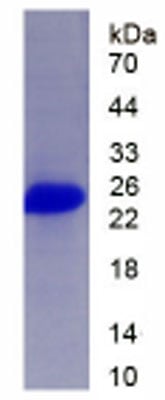
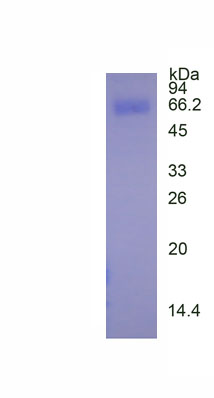
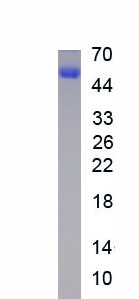
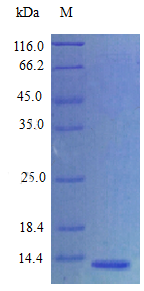
SDS_PAGE (Figure 3. SDS-PAGESample: Active recombinant LMTK3, Human)
Application Data (Cell proliferation was assessed by CCK-8 (Cell Counting Kit-8) assay after incubation with various concentrations of LMTK3 for 72h. The dose-effect curve of LMTK3 was shown in Figure 2. It was obvious that LMTK3 significantly promoted cell proliferation of MCF-7 cells. The ED50 for this effect is approximately 6.14~50ng/mL.)
Bioactivity (Mechanism:Lemur tyrosine kinase 3 (LMTK3), a member of the receptor tyrosine kinase (RTK) family, is implicated in breast cancer growth and endocrine resistance. It has been reported that LMTK3 promotes cell invasion, motility, and migration of the MCF-7 breast cancer cell line. To test the bioactivity of LMTK3, MCF-7 cells were seeded into triplicate wells of 96-well plates at a density of 2,000 cells/well and allowed to attach overnight, then the medium was replaced with serum-free standard DMEM prior to the addition of various concentrations of LMTK3. After incubated for 72h, cells were observed by inverted microscope and cell proliferation was measured by Cell Counting Kit-8 (CCK-8). Briefly, 10 uL of CCK-8 solution was added to each well of the plate, then measure the absorbance at 450nm using a microplate reader after incubating the plate for 1-4 hours at 37°C.Cell proliferation of MCF-7 cells after incubation with LMTK3 for 72h observed by inverted microscope was shown in Figure 1.)
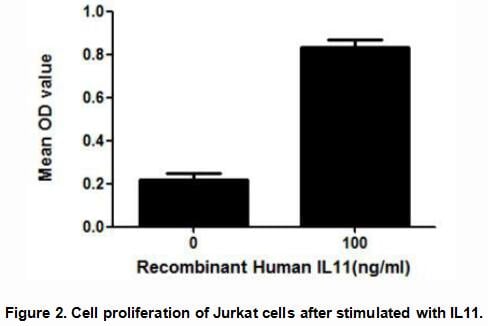
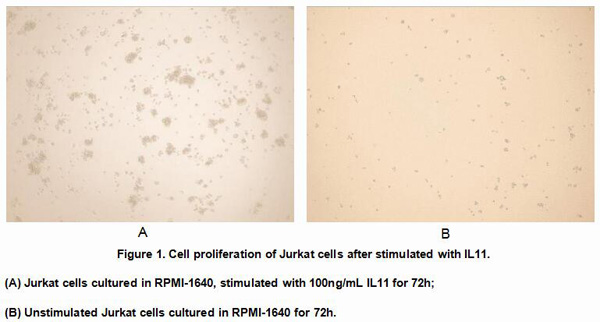
Activity (Interleukin 15 (IL15) is a widely expressed cytokine that is structurally and functionally related to IL2, which plays an important role in many immunological diseases. IL15 also regulates T and natural killer (NK) cell activation and proliferation. To test the effect of IL15 on cells proliferation of human T lymphocyte cells, Jurkat cells were seeded into triplicate wells of 96-well plates at a density of 10, 000 cells/well in RPMI-1640 with the addition of various concentrations of IL15. After incubated for 72h, cells were observed by inverted microscope and cell proliferation was measured by Cell Counting Kit-8 (CCK-8). Briefly, 10uL of CCK-8 solution was added to each well of the plate, then the absorbance at 450nm was measured using a microplate reader after incubating the plate for 1-4 hours at 37 degree C. Cell proliferation of Jurkat cells after incubation with IL15 for 72h observed by inverted microscope was shown in Figure 1. The dose-effect curve of IL15 was shown in Figure 2. It was obvious that IL15 significantly promoted cell proliferation of Jurkat cells. The ED50 for this effect is typically 0.7240 to 5.206ng/mL.)
Activity (Pro-IL16 (Interleukin16) is a 631 amino acid precursor molecule, which is then cleaved into different isoforms. Researches have shown that the recombinant human IL16, containing C-terminal 130 amino acids, has same bioactivity as the natural secreted human IL16. Besides, IL16 has been considered to stimulate the proliferation of Jurkat cells at low dose (10-9 M). Thus, a proliferation assay of recombinant human IL16 was conducted using Jurkat cells. Briefly, Jurkat cells were seeded into triplicate wells of 96-well plates at a density of 10, 000 cells/well in RPMI-1640 with the addition of various concentrations of IL16. After incubated for 72h, cells were observed by inverted microscope and cell proliferation was measured by Cell Counting Kit-8 (CCK-8). Briefly, 10uL of CCK-8 solution was added to each well of the plate, then the absorbance at 450nm was measured using a microplate reader after incubating the plate for 1-4 hours at 37 degree C. Cell proliferation of Jurkat cells after incubation with IL16 for 72h observed by inverted microscope was shown in Figure 1. The CCK-8 data was shown in Figure 2. It was obvious that IL16 significantly promoted cell proliferation of Jurkat cells.)
Activity (VEGFA (Vascular endothelial growth factor A) is a growth factor and can be cleaved into several isoforms, including VEGF121. It induces endothelial cell proliferation, promotes cell migration, inhibits apoptosis and induces permeabilization of blood vessels. It is accepted that the VEGF121 isoform stimulates the proliferation of vein endothelial cells. Thus, proliferation assay of recombinant human VEGF121 was conducted using ECV-304 cells. Briefly, ECV-304 cells were seeded into triplicate wells of 96-well plates at a density of 2,000 cells/well and allowed to attach overnight, then the medium was replaced with serum-free standard 1640 prior to the addition of various concentrations of VEGF121. After incubated for 48h, cells were observed by inverted microscope and cell proliferation was measured by Cell Counting Kit-8 (CCK-8). Briefly, 10uL of CCK-8 solution was added to each well of the plate, then the absorbance at 450nm was measured using a microplate reader after incubating the plate for 1-4 hours at 37 degree C. Proliferation of ECV-304 cells after incubation with VEGF121 for 48h observed by inverted microscope was shown in Figure 1. Cell viability was assessed by CCK-8 (Cell Counting Kit-8 ) assay after incubation with human recombinant VEGF121 for 48h. The result was shown in Figure 2. It was obvious that VEGF121 significantly increased cell viability of ECV-304 cells.)
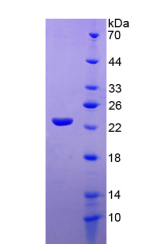
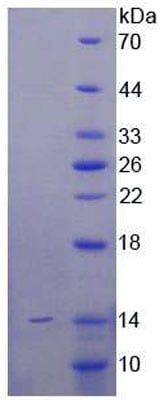
SDS_PAGE (Sample: Active recombinant MMP9, Porcine)
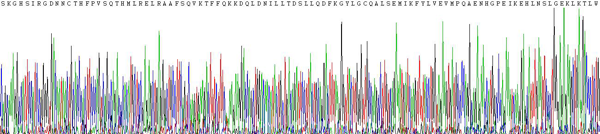
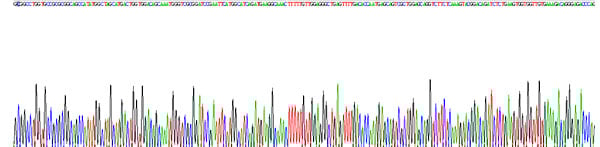
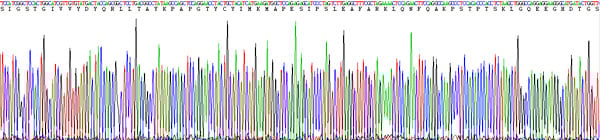
Gene Sequencing (Gene Sequencing (extract))
Bioactivity (Mechanism: MMP9 is a zinc-dependent enzymes capable of cleaving components of the extracellular matrix, which belongs to the matrix metalloproteinase (MMP) family. It is a gelatinase A, 92kDa type IV collagenase which can hydrolyze gelatin under certain conditions. Gelatin zymography is mainly used for the detection of the gelatinases, MMP-2 and MMP-9 and It is extremely sensitive because levels of 10pg of MMP-2 can already be detected. Briefly, various concentrations of recombinant pig MMP9 (1000ng, 500ng, 100ng, 10ng, 1ng, 0.1ng) were denatured by SDS loading buffer, electrophoresed through sodium dodecylsulphatepolyacrylamide gel (SDS–PAGE; 10% gels) containing gelatin (1mg/mL) with nonreducing conditions. After renaturation, incubation and CCB-stained, active MMP2 would hydrolyze gelatin nearby, which was indicated by the white binds on the gel. In this experiment we use heat-denatured MMP9 protein as negative control, and blood sample as positive control. Result: Gelatin hydrolysis by recombinant pig MMP9 (10-70kd) was shown in figure 1.)
Activity (IL2 (Interleukin-2) is a cytokine produced by T-cells in response to antigenic or mitogenic stimulation. IL2 is a type of signaling molecule in the immune system, that is required for both T-cell and B-cell proliferation and other activities crucial to regulation of the immune response. Recombinant human IL2 shares 56% AA sequence identity with mouse IL2, suggesting the exist of cross-species activity. Therefore, in order to detect the bioactivity of rhIL2, a cell proliferation assay has been conducted using CTLL-2 mouse cytotoxic T cells. Briefly, CTLL-2 cells were seeded into triplicate wells of 96-well plates at a density of 5,000 cells/well with or without the addition of various concentrations of IL2. After incubated for 48h, cells were observed by inverted microscope and cell proliferation was measured by Cell Counting Kit-8 (CCK-8). 10uL of CCK-8 solution was added to each well of the plate, the absorbance at 450nm was measured using a microplate reader after incubating the plate for 1-4 hours at 37 degree C. Proliferation of CTLL-2 cells after incubation with IL2 for 48h observed by inverted microscope was shown in Figure 1.)
Application Data (Figure. Cell proliferation of Jurkat cells after stimulated with IL1a.Interleukin 1 alpha (IL1) also known as hematopoietin 1 is a cytokine of the interleukin 1 family that in humans is encoded by the IL1A gene. IL1 is produced mainly by activated macrophages, as well as neutrophils, epithelial cells, and endothelial cells. It possesses metabolic, physiological, haematopoietic activities, and plays one of the central roles in the regulation of the immune responses. It binds to the interleukin-1 receptor. It is on the pathway that activates tumor necrosis factor-alpha. To test the effect of IL1a on cell proliferation, Jurkat cells were seeded into triplicate wells of 96-well plates at a density of 2,000 cells/well with 2% serum standard 1640 including various concentrations of recombinant human IL1a. After incubated for 96h, cells were observed by inverted microscope and cell proliferation was measured by Cell Counting Kit-8 (CCK-8). Briefly, 10uL of CCK-8 solution was added to each well of the plate, then the absorbance at 450nm was measured using a microplate reader after incubating the plate for 1-4 hours at 37. Proliferation of Jurkat cells after incubation with IL1a for 96h observed by inverted microscope was shown in Figure 1. Cell viability was assessed by CCK-8 (Cell Counting Kit-8) assay after incubation with recombinant IL1a for 96h. The result was shown in Figure 2. It was obvious that IL1a significantly increased cell viability of Jurkat cells.(A) Jurkat cells cultured in 1640, stimulated with 10ng/mL IL1a for 96h; (B) Unstimulated Jurkat cells cultured in1640 for 96h.)
Bioactivity (Extracellular superoxide dismutase [Cu-Zn] is an enzyme that in humans is encoded by the SOD3 gene. This gene encodes a member of the superoxide dismutase (SOD) protein family. SODs are antioxidant enzymes that catalyze the dismutation of two superoxide radicals into hydrogen peroxide and oxygen. Acroding to the report, in a weakly alkaline buffer solution (pH=8.2) with N-tris (hydroxymethyl) amino methane-HCL, pyrogallol can occur autoxidation in the air, then SOD can inhibit this reaction. Thus, we use this way to measure the activity of recombinant human SOD3. The reaction was performed in adding 30uL 50mmol/L pyrogallol to 900uL 50mmol/L Tris-HCl in 1.5ml cuvette (1.0cm light path), rapidly mixing at 25 degree C,then read at 325nm (zero the spectrophotometer using 50mmol/L Tris-HCl) , reacod the OD value every 30 second for 6 times. Control the pyrogallol autoxidation rate at 0.70 OD/min. After, adding various concentrations of recombinant of SOD3 to 900uL 50mmol/L Tris-HCl, incubated for 20min at 25 degree C, then adding 30uL 50mmol/L pyrogallol to each tube, rapidly mixing and read at 325nm, record the OD value every 30 second for 6 times. Under these conditions, the enzyme amount of 50% per minute inhibition of pyrogallol autooxidation is defined as a unit.)
Application Data (IL-1 (Interleukin-1 beta) is a proinflammatory and immunoregulatory cytokine involved in a variety of cellular activities. It has been elucidated that IL-1 stimulation of cells activates MMP-9 (matrix metalloproteinases-9) secretion by the activation of the dual signalling pathways. Thus, a stimulation assay of IL-1 was conducted using 3T3 cell line, and the MMP-9 activity was detected through gel zymography. Briefly, 1×10⁶ 3T3 cells were cultured overnight in 5%DMEM, washed with serum-free medium and then stimulated with different concentrations of IL-1 for 20h, and cell lysates were collected to measure MMP-9 activity. Cell lysates samples were denatured by SDS loading buffer, electrophoresed through sodium dodecyl sulphate–polyacrylamide gel (SDS–PAGE; 10% gels) containing gelatin (1mg/mL) with nonreducing conditions. After renaturation, incubation and coomassiebrilliant blue (CBB)-stained, MMPs hydrolyzed gelatin nearby, indicated by the white binds on the gel. Result Increased MMP-9 activity in 3T3 cells due to the stimulation of IL-1 was shown in Figure 1.Figure. Activation of MMP-9 by IL-1.)
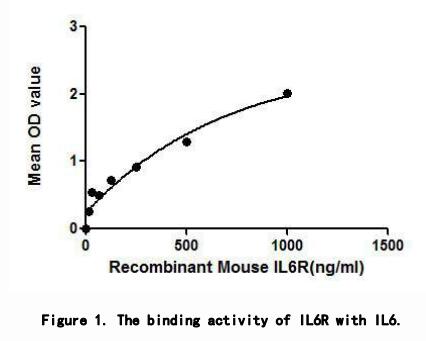
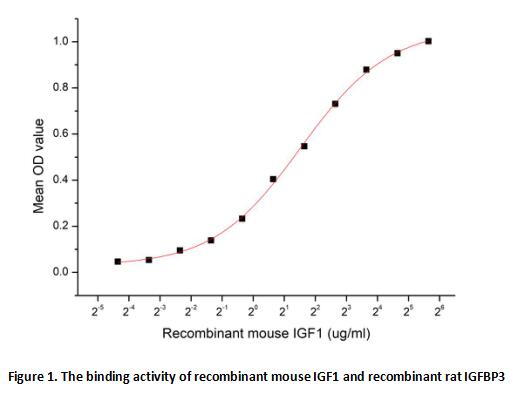
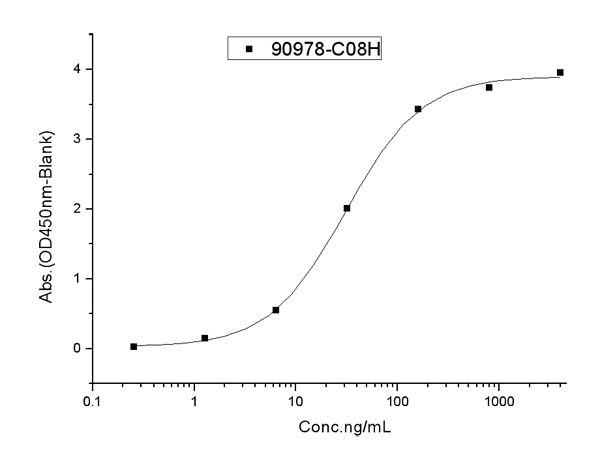
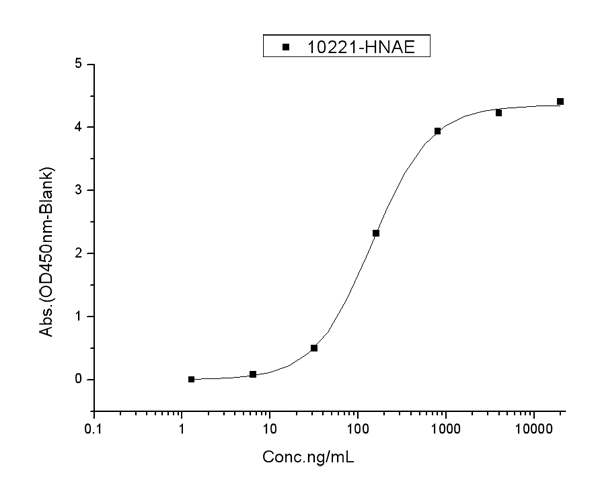
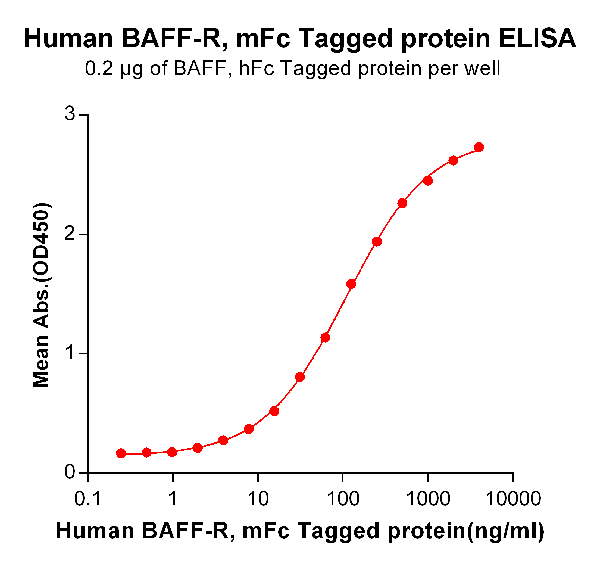
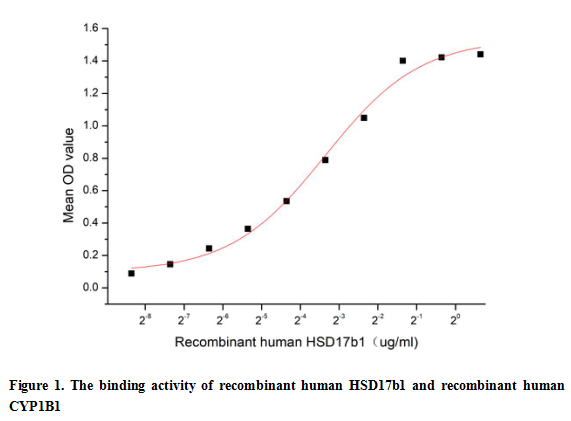
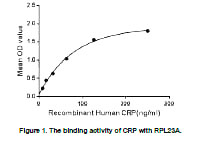
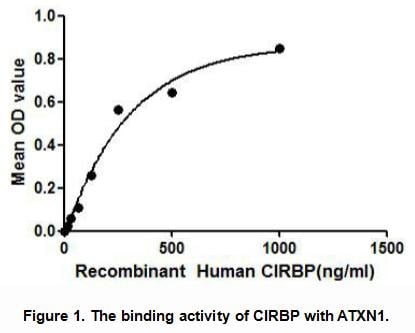
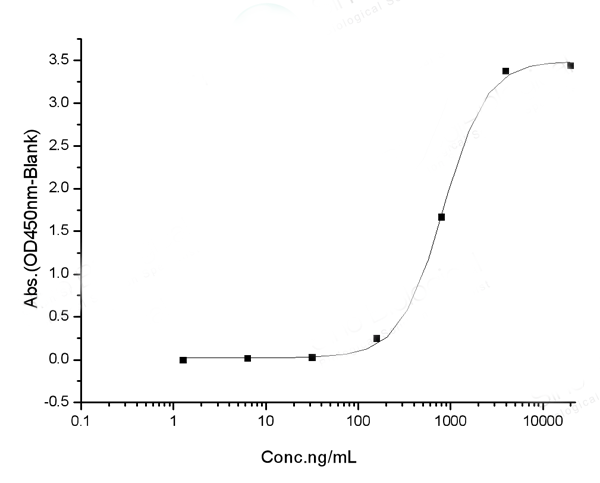
Bioactivity (Wingless-type MMTV integration site family, member 16 is a protein that in humans is encoded by the WNT16 gene. The WNT gene family consists of structurally related genes that encode secreted signaling proteins. These proteins have been implicated in oncogenesis and in several developmental processes, including regulation of cell fate and patterning during embryogenesis. This gene is a member of the WNT gene family. It contains two transcript variants diverging at the 5 termini. These two variants are proposed to be the products of separate promoters and not to be splice variants from a single promoter. Besides, Tubulin Beta 3 (TUBb3) has been identified as an interactor of WNT16, thus a binding ELISA assay was conducted to detect the interaction of recombinant human WNT16 and recombinant human TUBb3. Briefly, WNT16 were diluted serially in PBS, with 0.01% BSA (pH 7.4). Duplicate samples of 100L were then transferred to TUBb3-coated microtiter wells and incubated for 2h at 37. Wells were washed with PBST and incubated for 1h with anti-WNT16 pAb, then aspirated and washed 3 times. After incubation with HRP labelled secondary antibody, wells were aspirated and washed 3 times. With the addition of substrate solution, wells were incubated 15-25 minutes at 37. Finally, add 50uL stop solution to the wells and read at 450nm immediately. The binding activity of WNT16 and TUBb3 was shown in Figure 1, and this effect was in a dose dependent manner.Figure. The binding activity of WNT16 with TUBb3.)
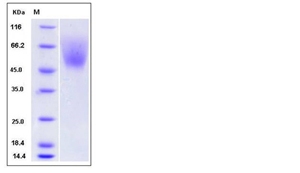
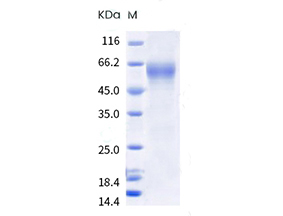
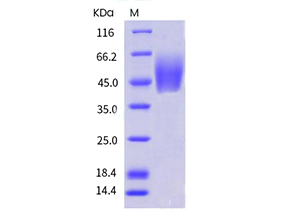
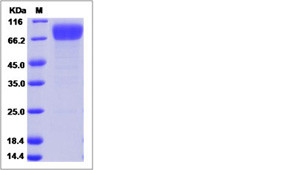
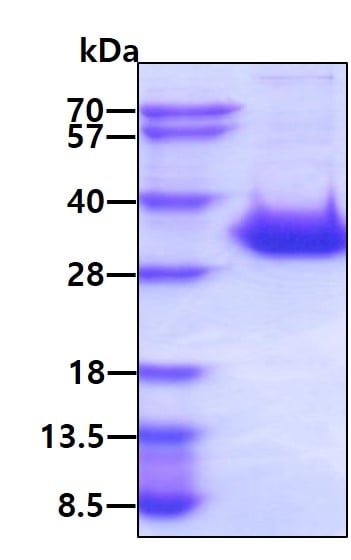
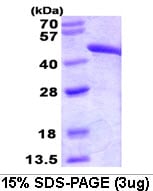
Active Wingless Type MMTV Integration Site Family, Member 16 (WNT16)
Applications
Activity Assay, Cell Culture
Purity
>95%
Pricing
What Are Active Proteins?
Proteins are large molecules made up of long chains of amino acids.
They will typically fold into a very particular 3-dimensional shape/conformation, that is sometimes referred to as their “native” form, which allows them to work properly in the body. For the purposes of product categorization, AAA Biotech will typically refer to proteins purified from their original animal host as being “native” proteins (this is to signify their difference compared to their “recombinant” or “synthetic” protein counterparts).
If a protein successfully folds into the correct shape, it is will typically display high fidelity characteristics to its original protein in its original animal host, and be classified as an active protein, as it will be able to function “normally” in most enzymatic or binding capacities. If it loses this shape, due to factors such as heat or strong chemicals (such as detergents), it becomes inactive and is no longer able to perform its basic functions. All of the proteins in this category are made under strict quality control, and they are active, pure, low in contaminants, and stable.
Most are stored as freeze-dried powders and come without extra tags, so they’re very close to the actual natural/native form.
Key Applications of Active Proteins
1. Scientific Research
Aid in the study of how proteins function in the body
Aid in understanding various disease processes
2. Drug Development
Powerful tools to investigate how potential drugs interact with specific proteins
Ideal for identifying drug targets
3. Cell Culture
Are routinely utilized to support cell growth and function (e.g., using exogenous growth factors)
Can be used to promote cellular development into specific types (differentiation)
4. Diagnostics
Regularly utilized in tests to detect diseases or infections (e.g., COVID-19, cancer)
Note: All products are strictly for research-use only (RUO).
5. Therapeutics
Some active proteins are used directly as treatments (e.g., insulin, enzymes)
Note: All products are strictly for research-use only (RUO).
6. Vaccine Development
Used to create or test vaccines by mimicking parts of viruses or bacteria
7. Biochemical Assays
They can facilitate the characterization of enzyme activity, binding strength, or protein interactions in lab tests
Why Buy Active Proteins from AAA Biotech?
High biological activity – Verified to perform as expected or indicated on datasheet
Strict quality control – We are confident in our active proteins’ reliability and consistency
High purity & low endotoxin – Ideal for applications involving sensitive or precious samples/components
Freeze-dried for stability – Long shelf life and straightforward storage
Mostly tag-free – Closer to natural/native protein form
FAQ
1. What are active proteins used for in research?
Active proteins are used primarily in the study of how proteins function, in characterizing/discovering drug interactions, supporting cell growth, running biochemical assays, and in development of diagnostics or therapeutics.
2. How are AAA Biotech's active proteins validated?
AAA Biotech’s active proteins are validated through strict quality control and functional assays to ensure they are properly folded and active. “Active”, though, can be an ambiguous term, so if a specific “activity” or “binding” capability of a protein is of crucial interest to you, please inquire with us prior to purchase, and we will provide further details on how the “Active” modifier was determined to be applicable.
3. Are these proteins tested for biological activity?
Yes, all active proteins from AAA Biotech are tested to confirm they have the expected biological activity before being offered for use. Though, said “biological activity” can be either “enzymatic”, “binding”, or both.
Submit a Question
Please complete the form below and a representative will contact you as soon as possible.
Request more Information
Please complete the form below and a representative will contact you as soon as possible.
Request a Manual
Please complete the form below and a representative will contact you as soon as possible.
Request a Quote
Please complete the form below and a representative will contact you as soon as possible.