AAA Biotech provides a variety of high-quality recombinant and natural/native proteins that are proven to work in a wide range of experiments. Explore our products to find the active protein that best fits your needs or experimental model.
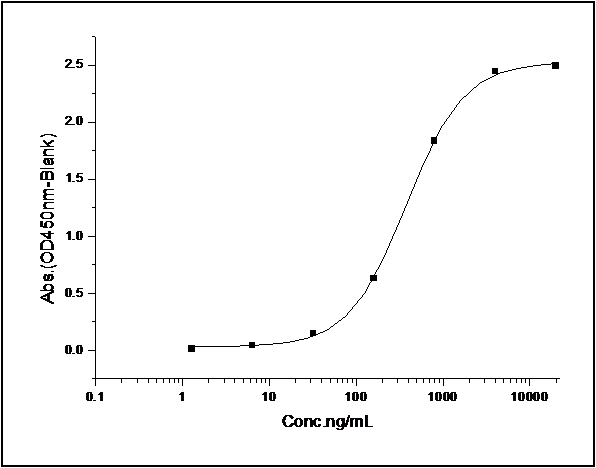
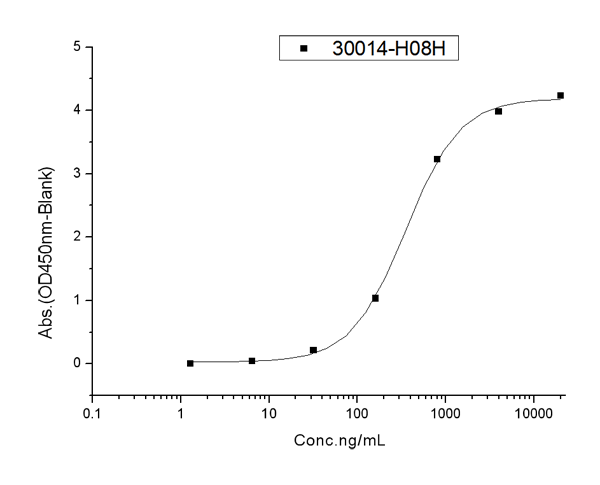
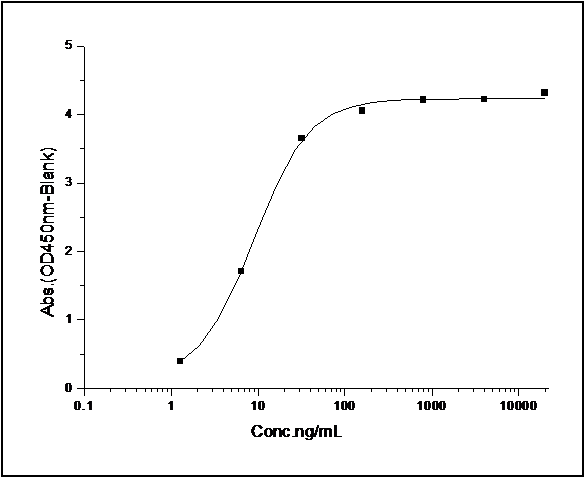
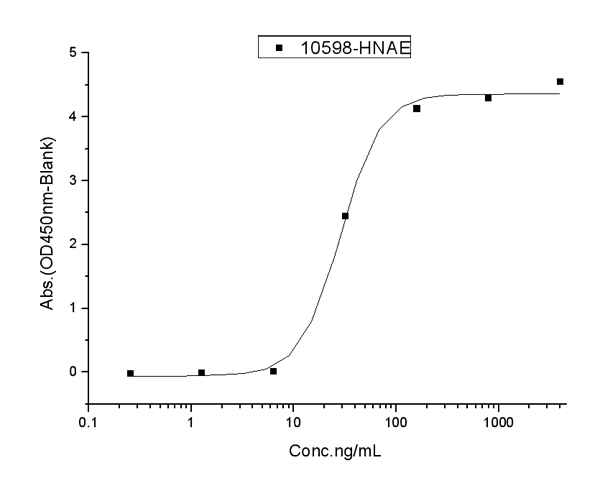
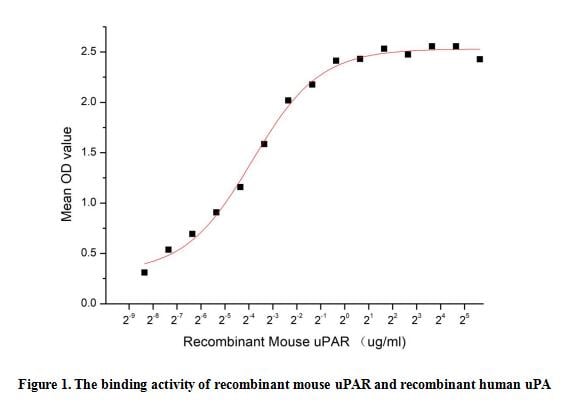
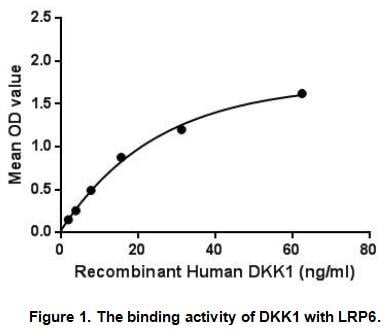
Bioactivity (Wingless-type MMTV integration site family, member 16 is a protein that in humans is encoded by the WNT16 gene. The WNT gene family consists of structurally related genes that encode secreted signaling proteins. These proteins have been implicated in oncogenesis and in several developmental processes, including regulation of cell fate and patterning during embryogenesis. This gene is a member of the WNT gene family. It contains two transcript variants diverging at the 5 termini. These two variants are proposed to be the products of separate promoters and not to be splice variants from a single promoter. Besides, Tubulin Beta 3 (TUBb3) has been identified as an interactor of WNT16, thus a binding ELISA assay was conducted to detect the interaction of recombinant human WNT16 and recombinant human TUBb3. Briefly, WNT16 were diluted serially in PBS, with 0.01% BSA (pH 7.4). Duplicate samples of 100L were then transferred to TUBb3-coated microtiter wells and incubated for 2h at 37. Wells were washed with PBST and incubated for 1h with anti-WNT16 pAb, then aspirated and washed 3 times. After incubation with HRP labelled secondary antibody, wells were aspirated and washed 3 times. With the addition of substrate solution, wells were incubated 15-25 minutes at 37. Finally, add 50uL stop solution to the wells and read at 450nm immediately. The binding activity of WNT16 and TUBb3 was shown in Figure 1, and this effect was in a dose dependent manner.Figure. The binding activity of WNT16 with TUBb3.)
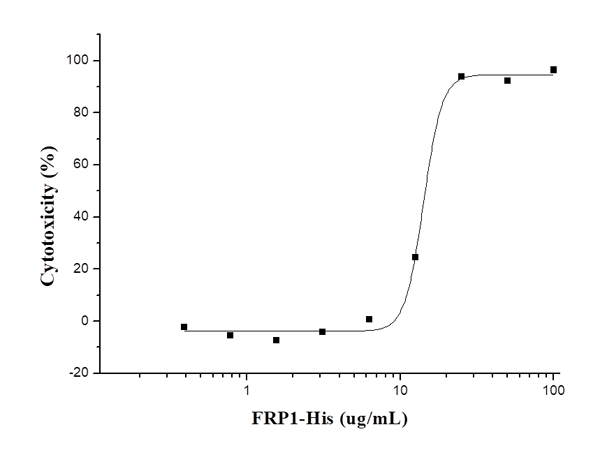
Bioactivity (FAS (Tumor necrosis factor receptor superfamily member 6) belongs to the tumor necrosis factor receptor superfamily. FAS contains a death domain, which has been shown to play a central role in the physiological regulation of programmed cell death. A bindi)
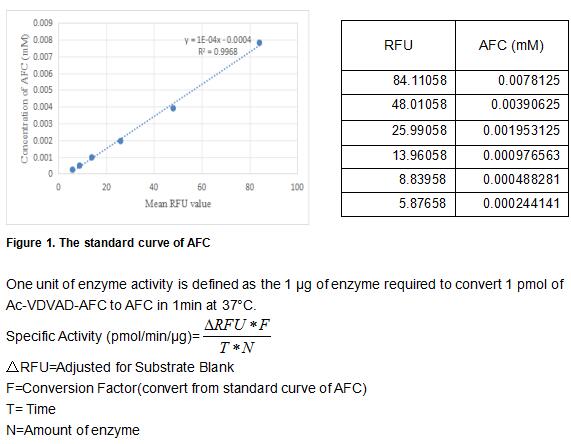
Bioactivity (Cathepsin D is a lysosomal aspartic protease of the pepsin family. Human cathepsin D is synthesized as a precursor protein, consisting of a signal peptide (residues 118), a propeptide (residues 1964), and a mature chain (residues 65412). The mature chain can be processed further to the light (residues 65161) and heavy (residues 169412) chains. It is expressed in most cells and overexpressed in breast cancer cells. It is a major enzyme in protein degradation in lysosomes, and also involved in the presentation of antigenic peptides. Mice deficient in this enzyme showed a progressive atrophy of the intestinal mucosa, a massive destruction of lymphoid organs, and a profound neuronal ceroid lipofucinosis, indicating that cathepsin D is essential for proteolysis of proteins regulating cell growth and tissue homeostasis. The activity of recombinant human CTSD is measured by its ability to cleave a fluorogenic peptide substrate MCA-Pro-Leu-Gly-Leu-DPA-Ala-Arg-NH2 in the assay buffer 0.1 M NaOAc, 0.2 M NaCl, pH 3.5. The rhCTSD is diluted to 20 ug/ml in assay buffer, then incubated at 37 degree C for 30min. The incubated rhCTSD is diluted to 5 ug/mL in assay buffer. Loading into a black well plate 50 uL of 5 ug/mL rhCTSD and start the reaction by adding 50 uL of 60 uM substrate, with a substrate blank containing 50 uL assay buffer, 50 uL substrate, and no rhCTSD. Then read at excitiation and emission wavelengths of 320 nm and 405 nm, respectively, in kinetic mode for 5 minutes. The specific activity of recombinant human CTSD is > 675 pmol/min/ug.)
Bioactivity (Hemoglobin (HB) is a protein in red blood cells which contains iron. It is used to transport oxygen around the human body. Hemoglobin is found in the red blood cells of almost all vertebrates. Hemoglobin has peroxidase activity. In the presence of hydrogen peroxide, hemoglobin can catalyze the substrates 3,3 ', 5,5' - tetramethylbenzidine (TMB) to produce a blue compound which has a maximum absorption at 595 nm. Thus, the activity of native rabbit hemoglobin was measured by its ability to catalyze the substrates of TMB. The reaction was performed in PBS, pH 7.4 (Assay Buffer), ainitiated by addition 40 uL of various concentrations of HB (diluted by Assay Buffer) to 160 uL of TMB. Incubated at 37 degree C for 20min, then read at a wavelength of 595 nm immediately. The result was shown in figure 1, and the OD value was in a linear relationship with the concentration of HB.)
Bioactivity (Fatty acid binding protein-4 (FABP4) is a member of a large superfamily of lipid binding proteins that are expressed in a tissue specific manner. FABP4 is one of ten cytoplasmic FABPs that are 14-15 kDa in size and range from 126-140 amino acids (aa) in length. Although all are highly conserved in their tertiary structure, there is only modest aa identity between any two members. Lipase, Hormone Sensitive (LIPE) has been identified as an interactor of FABP4, thus a functional binding ELISA assay was conducted to detect the interaction of recombinant mouse FABP4 and recombinant human LIPE. Briefly, FABP4 were diluted serially in PBS, with 0.01% BSA (pH 7.4). Duplicate samples of 100 ul were then transferred to LIPE-coated microtiter wells and incubated for 1h at 37 degree C. Wells were aspirated and incubated for 1h with anti-FABP4 mAb, then aspirated and washed 3 times. After incubation with HRP labelled secondary antibody, wells were aspirated and washed 5 times. With the addition of substrate solution, wells were incubated 15-25 minutes at 37 degree C. Finally, add 50 uL stop solution to the wells and read at 450 nm immediately. The binding activity of FABP4 and LIPE was shown in Figure 1, and this effect was in a dose dependent manner. The EC50 for this effect is 0.23 ug/mL.)
Bioactivity (Cluster Of Differentiation 19 (CD19) is a type I transmembrane glycoprotein belonging to the immunoglobulin superfamily. It is expressed in normal and neoplastic B cells, and it modulates the threshold of B cell activation for amplifying B cell receptor signaling. This protein has recently emerged as a very attractive biomarker and therapeutic target for B-cell malignancies. The development of safe and effective ligands for CD19 has become an important need for the development of targeted conventional and immunotherapies. As far as we know, signaling through CD19 activates Vav/mitogen-activated protein kinase pathway and induces formation of a CD19/Vav/phosphatidylinositol 3-kinase complex in human B cell precursors. Thus a functional binding ELISA assay was conducted to detect the interaction of recombinant human CD19 and recombinant human VAV1. Briefly, biotin-linked CD19 were diluted serially in PBS, with 0.01% BSA (pH 7.4). Duplicate samples of 100 ul were then transferred to VAV1-coated microtiter wells and incubated for 1h at 37 degree C. Wells were washed with PBST 3 times and incubation with Streptavidin-HRP for 30min, then wells were aspirated and washed 5 times. With the addition of substrate solution, wells were incubated 15-25 minutes at 37 degree C. Finally, add 50 ul stop solution to the wells and read at 450 nm immediately. The binding activity of recombinant human CD19 and recombinant human VAV1 was shown in Figure 1, the EC50 for this effect is 0.67 ug/mL.)
Bioactivity (c-Met is a receptor tyrosine kinase belonging to the MET (MNNG HOS transforming gene) family, and is expressed on the surfaces of various cells. Hepatocyte growth factor (HGF) is the ligand for this receptor. The binding of HGF to c-Met initiates a series of intracellular signals that mediate embryogenesis and wound healing in normal cells. Thus a functional binding ELISA assay was conducted to detect the interaction of recombinant human MET and recombinant human HGF. Briefly, MET was diluted serially in PBS with 0.01% BSA (pH 7.4). Duplicate samples of 100 ul were then transferred to HGF-coated microtiter wells and incubated for 1h at 37 degree C. Wells were washed with PBST and incubated for 1h with anti-MET pAb, then aspirated and washed 3 times. After incubation with HRP labelled secondary antibody for 1h at 37 degree C, wells were aspirated and washed 5 times. With the addition of substrate solution, wells were incubated 15-25 minutes at 37 degree C. Finally, add 50 uL stop solution to the wells and read at 450/630 nm immediately. The binding activity of recombinant human MET and recombinant human HGF was shown in Figure 1, the EC50 for this effect is 0.02 ug/mL.)
Bioactivity (Transforming growth factor beta receptor 2 (TGFBR2) is a tumor suppressor gene that plays a role in the differentiation of striated cells and remodeling of coronary arteries. Single nucleotide polymorphisms (SNPs) of this gene are associated with Marfan syndrome and sudden death in patients with coronary artery disease. Cardiovascular remodeling and T cell activation of TGFBR2 gene suggest that the TGFBR2 gene SNPs are related to the pathogenesis of Kawasaki disease (KD) and coronary artery lesion (CAL). Endoglin can regulate endothelial cell shape changes in response to blood flow, which drive vascular remodeling and establishment of normal vascular morphology during angiogenesis. A functional ELISA assay was conducted to detect the interaction of recombinant human TGFBR2 and recombinant rat Endoglin (ENG). Briefly, TGFBR2 was diluted serially in PBS with 0.01% BSA (pH 7.4). Duplicate samples of 100 ul were then transferred to ENG-coated microtiter wells and incubated for 1h at 37 degree C. Wells were washed with PBST and incubated for 1h with anti-TGFBR2 pAb, then aspirated and washed 3 times. After incubation with HRP labelled secondary antibody for 1h at 37 degree C, wells were aspirated and washed 5 times. With the addition of substrate solution, wells were incubated 15-25 minutes at 37 degree C. Finally, add 50 uL stop solution to the wells and read at 450/630nm immediately. The binding activity of recombinant human TGFBR2 and recombinant rat ENG was shown in Figure 1, the EC50 for this effect is 36.1 ng/mL.)
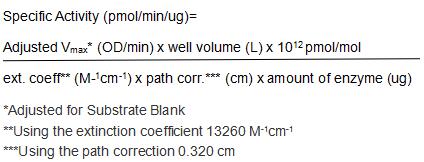
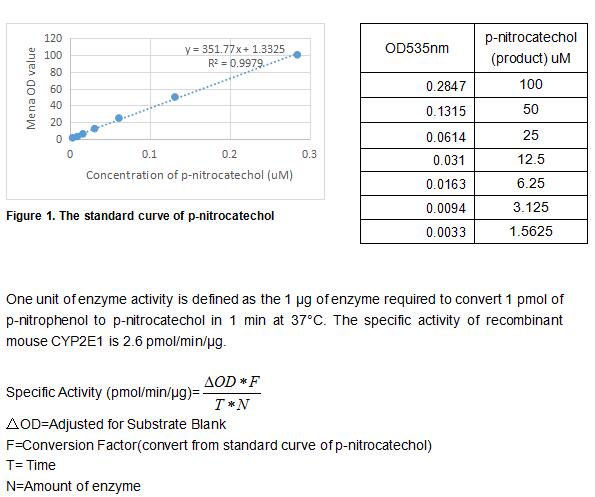
Bioactivity (Glutathione S-Transferases (GSTs) are members of the phase II detoxification enzyme family that conjugate glutathione to various electrophilic compounds, including metabolites generated by oxidative processes in the body, environmental toxins or carcinogens, and anti-cancer drugs. GSTM1 is a cytosolic protein that belongs to the mu class of the GST superfamily. GSTM1 catalyze the endogenous glutathione conjugation 1-Chloro-2,4-dinitrobenzene (CDNB), which can increase in the absorbance at 340 nm. The reaction was performed in adding 10 ul 200 mM glutathione (reduced) and 10 ul 100 mM CDNB in 980 ul 100 mM NaH2PO4 (pH7.0), rapidly mixed. Then add 50 ul mixed substrates to 50 ul different concentrations of recombinant chicken GSTM1, mix gently. Incubated at 37 degree C for 5min, then read at a wavelength of 340 nm. The specific activity of recombinant chicken GSTM1 is >2500 pmol/min/ug.)
Bioactivity (GSTa3 (Glutathione S-transferase a3) is an enzyme that plays an important role in detoxification by catalyzing the conjugation of many hydrophobic and electrophilic compounds with reduced glutathione. This subfamily of enzymes has a particular role in protecting cells from Reactive Oxygen Species and the products of peroxidation. Polymorphisms in this gene influence the ability of individuals to metabolize different drugs. GSTa3 catalyze the endogenous glutathione conjugation 1-Chloro-2,4-dinitrobenzene (CDNB), which can increase in the absorbance at 340 nm. The reaction was performed in adding 10 ul 200 mM glutathione (reduced) and 10 ul 100 mM CDNB in 980 ul 100 mM NaH2PO4 (pH7.0), rapidly mixed. Then add 50 ul mixed substrates to 50 ul different concentrations of recombinant mouse GSTa3, mix gently. Incubated at 37 degree C for 5min, then read at a wavelength of 340 nm. The specific activity of recombinant mouse GSTa3 is >60,000 pmol/min/ug.)
Bioactivity (Reactive protein (CRP) is an annular (ring-shaped), pentameric protein found in blood plasma, whose levels rise in response to inflammation. It is an acute-phase protein of hepatic origin that increases following interleukin-6 secretion by macrophages and T cells. Its physiological role is to bind to lysophosphatidylcholine expressed on the surface of dead or dying cells (and some types of bacteria) in order to activate the complement system via C1q. Besides, Coagulation Factor II (F2) has been identified as an interactor of CRP, thus a functional binding ELISA assay was conducted to detect the interaction of recombinant mouse CRP and recombinant rat F2. Briefly, CRP was diluted serially in PBS with 0.01% BSA (pH 7.4). Duplicate samples of 100 ul were then transferred to F2-coated microtiter wells and incubated for 1h at 37 degree C. Wells were washed with PBST and incubated for 1h with anti-CRP pAb, then aspirated and washed 3 times. After incubation with HRP labelled secondary antibody for 1h at 37 degree C, wells were aspirated and washed 5 times. With the addition of substrate solution, wells were incubated 15-25 minutes at 37 degree C. Finally, add 50 uL stop solution to the wells and read at 450/630 nm immediately. The binding activity of recombinant mouse CRP and recombinant rat F2 was shown in Figure 1, the EC50 for this effect is 0.02 ug/mL.)
Bioactivity (Retinol-binding protein 4 (RBP4) is the specific carrier for retinol (also known as vitamin A), and is responsible for the conversion of unstable and insoluble retinol in aqueous solution into stable and soluble complex in plasma through their tight interaction. As a member of the lipocalin superfamily, RBP4 containing a beta-barrel structure with a well-defined cavity is secreted from the liver, and in turn delivers retinol from the liver stores to the peripheral tissues. In plasma, the RBP4-retinol complex interacts with transthyretin (TTR), and this binding is crucial for preventing RBP4 excretion through the kidney glomeruli. RBP4 expressed from an ectopic source efficiently delivers retinol to the eyes, and its deficiency affects night vision largely. Recently, RBP4 as an adipokine, is found to be expressed in adipose tissue and correlated with obesity, insulin resistance (IR) and type 2 diabetes (T2DM). The activity of recombinant human RBP4 was measured by its ability to bind all-trans retinoic acid. The binding of retinoic acid results in the quenching of Trp fluorescence in RBP4. RBP4 was diluted to 50 ug/ml in 50 mM Tris, 10 mM CaCl2, 150 mM NaCl, pH 7.5 (assay buffer) and the retinoic acid was diluted to 100, 30, 10, 3 and 1 uM in 95% ethanol. Mixing 112.5 uL of 50 ug/mL rhRBP4 and 12.5 uL of retinoic acid serial dilutions in microtubes and a blank containing 112.5 uL of 50 ug/mL rhRBP4 and 12.5 uL of 95% ethanol, then incubate at room temperature for 30 minutes. Loading 100 ul of the reaction mixtures and blank and read at excitation and emission wavelengths of 280 nm and 340 nm (top read), respectively, in endpoint mode. The result was shown in figure 1, the 50% binding concentration (BC50) is >30 uM.)
Bioactivity (Retinol-binding protein 4 (RBP4) is the specific carrier for retinol (also known as vitamin A), and is responsible for the conversion of unstable and insoluble retinol in aqueous solution into stable and soluble complex in plasma through their tight interaction. As a member of the lipocalin superfamily, RBP4 containing a beta-barrel structure with a well-defined cavity is secreted from the liver, and in turn delivers retinol from the liver stores to the peripheral tissues. In plasma, the RBP4-retinol complex interacts with transthyretin (TTR), and this binding is crucial for preventing RBP4 excretion through the kidney glomeruli. RBP4 expressed from an ectopic source efficiently delivers retinol to the eyes, and its deficiency affects night vision largely. Recently, RBP4 as an adipokine, is found to be expressed in adipose tissue and correlated with obesity, insulin resistance (IR) and type 2 diabetes (T2DM). The activity of recombinant rat RBP4 was measured by its ability to bind all-trans retinoic acid. The binding of retinoic acid results in the quenching of Trp fluorescence in RBP4. RBP4 was diluted to 50 ug/ml in 50 mM Tris, 10 mM CaCl2, 150 mM NaCl, pH 7.5 (assay buffer) and the retinoic acid was diluted to 800, 400, 200, 100, 30, 10, 3, 1, 0.5 and 0.1 uM in 95% ethanol. Mixing 112.5 uL of 50 ug/mL rrRBP4 and 12.5 uL of retinoic acid serial dilutions in microtubes and a blank containing 112.5 uL of 50 ug/mL rrRBP4 and 12.5 uL of 95% ethanol, then incubate at room temperature for 30 minutes. Loading 100 ul of the reaction mixtures and blank and read at excitation and emission wavelengths of 280 nm and 340 nm (top read), respectively, in endpoint mode. The result was shown in figure 1, the 50% binding concentration (BC50) is >22 uM.)
Bioactivity (Glypican-3 (GPC3), a 70 kDa protein, is a member of the glypican family that attaches to the cell surface by a glycosylphosphatidylinositol anchor, is specifically up-regulated in hepatocellular carcinoma (HCC) although rarely or not expressed in normal liver tissues, making it a perfect test and treatment target for HCC. GPC3 is also a negative transcriptional regulator and tumor suppressor that inhibits the growth of breast, ovary, and lung cancer cells. It is reported that GPC3 can form a complex with insulin-like growth factor 2 (IGF2), and might thereby modulate IGF2 action. Thus a functional binding ELISA assay was conducted to detect the interaction of recombinant mouse GPC3 and recombinant rat IGF2. Briefly, GPC3 was diluted serially in PBS with 0.01% BSA (pH 7.4). Duplicate samples of 100 ul were then transferred to IGF2-coated microtiter wells and incubated for 1h at 37 degree C. Wells were washed with PBST and incubated for 1h with anti-GPC3 pAb, then aspirated and washed 3 times. After incubation with HRP labelled secondary antibody for 1h at 37 degree C, wells were aspirated and washed 5 times. With the addition of substrate solution, wells were incubated 15-25 minutes at 37 degree C. Finally, add 50 uL stop solution to the wells and read at 450/630 nm immediately. The binding activity of recombinant mouse GPC3 and recombinant rat IGF2 was shown in Figure 1, the EC50 for this effect is 0.12 ug/mL.)
Bioactivity (N-Myristoyltransferase 1 (NMT1) is an indispensable eukaryotic enzyme that belongs to the NMT family. NMT1 can catalyses the transfer of myristoyl groups to the amino acid terminal residues of numerous proteins. This catalytic process is required for the growth and development of many eukaryotes and viruses. Furthermore, it is recognized that N-myristoylation can also occur posttranslationally on an internal glycine exposed by caspase cleavage during apoptosis. Thus a functional binding ELISA assay was conducted to detect the interaction of recombinant human NMT1 and recombinant human CASP3. Briefly, biotin-linked NMT1 were diluted serially in PBS, with 0.01% BSA (pH 7.4). Duplicate samples of 100 ul were then transferred to CASP3-coated microtiter wells and incubated for 1h at 37 degree C. Wells were washed with PBST 3 times and incubation with Streptavidin-HRP for 30min, then wells were aspirated and washed 5 times. With the addition of substrate solution, wells were incubated 15-25 minutes at 37 degree C. Finally, add 50 ul stop solution to the wells and read at 450 nm immediately. The binding activity of recombinant human NMT1 and recombinant human CASP3 was shown in Figure 1, the EC50 for this effect is 0.01 ug/mL.)
Bioactivity (IFN-g is a dimerized soluble cytokine that is the only member of the type II class of interferons. The importance of IFNg in the immune system stems in part from its ability to inhibit viral replication directly and most importantly from its immunostimulatory and immunomodulatory effects. Studies show that IFN-gamma can rapidly regulate STAT activation by IL-10 and alters macrophage responses to IL-10. Thus a functional binding ELISA assay was conducted to detect the interaction of recombinant pig IFN-g and recombinant pig IL-10. Briefly, IFN-g was diluted serially in PBS with 0.01% BSA (pH 7.4). Duplicate samples of 100 ul were then transferred to IL-10-coated microtiter wells and incubated for 1h at 37 degree C. Wells were washed with PBST and incubated for 1h with anti-IFN-g pAb, then aspirated and washed 3 times. After incubation with HRP labelled secondary antibody for 1h at 37 degree C, wells were aspirated and washed 5 times. With the addition of substrate solution, wells were incubated 15-25 minutes at 37 degree C. Finally, add 50 uL stop solution to the wells and read at 450/630 nm immediately. The binding activity of recombinant pig IFN-g and recombinant pig IL-10 was shown in Figure 1, the EC50 for this effect is 3.1 ug/mL.)
Bioactivity (Fibroblast growth factor 20 (FGF20) is a member of the fibroblast growth factor family. The fibroblast growth factors possess broad mitogenic and cell survival activities, and are involved in a variety of biological processes including embryonic developme)
Bioactivity (Fibroblast Growth Factor 11 (FGF11) is a member of the fibroblast growth factor (FGF) family. FGF family members possess broad mitogenic and cell survival activities, and are involved in a variety of biological processes, including embryonic development,)
Bioactivity (Histone Deacetylase 6 (HDAC6) belongs to class II of the histone deacetylase/acuc/apha family. It contains an internal duplication of two catalytic domains that appear to function independently of each other. This protein possesses histone deacetylase act)
Bioactivity (Hydroxysteroid (17beta) dehydrogenase 1 (HSD17b1) is a steroidogenic enzyme that especially catalyzes the conversion of low potent 17keto-steroids to highly potent 17beta-hydroxysteroids. It has a dual function in estrogen activation and androgen inactiva)
Bioactivity (Carboxylesterase 2 (CES2) is a member of serine esterase family which can hydrolyze ester and amide bonds. The protein Involved in the detoxification of xenobiotics and in the activation of ester and amide prodrugs. Hydrolyzes aromatic and aliphatic ester)
Bioactivity (R-Spondin 1 (RSPO1, Roof plate-specific Spondin 1), also known as cysteine-rich and single thrombospondin domain containing protein 3 (Cristin 3), is a 27 kDa secreted protein that shares~40% amino acid (aa) identity with three other R-Spondin family memb)
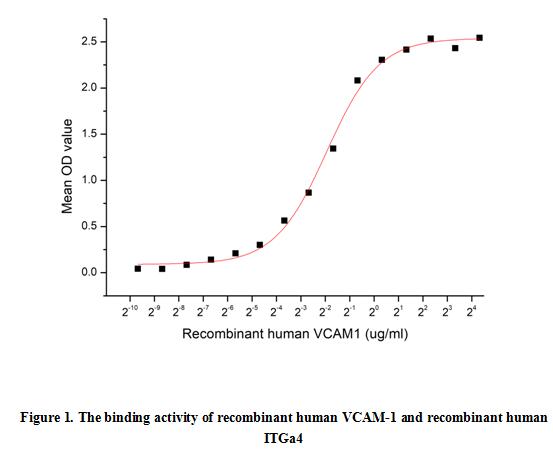
Bioactivity (Vascular cell adhesion protein 1 (VCAM-1) is a cell adhesion molecule and a member of the immunoglobulin superfamily. Alternatively spliced forms are known to occur, but the most common form is a type I transmembrane protein with a 674 amino acid extracel)
Bioactivity (Interleukin 1 beta (IL-1beta) also known as leukocytic pyrogen, leukocytic endogenous mediator, mononuclear cell factor, lymphocyte activating factor and other names, is a member of the interleukin 1 family of cytokines. This cytokine is an important medi)
Bioactivity (Extracellular superoxide dismutase [Cu-Zn] is an enzyme that in humans is encoded by the SOD3 gene. This gene encodes a member of the superoxide dismutase (SOD) protein family. SODs are antioxidant enzymes that catalyze the dismutation of two superoxide r)
Bioactivity (Motility Related Protein (MRP1) is a member of the superfamily of ATP-binding cassette (ABC) transporters. It can enable ATPase-coupled inorganic anion transmembrane transporter activity. Involved in anion transmembrane transport ; renal tubular secretion)
Bioactivity (Beta Defensin-1 (DEFB1) displays potent microcidal properties, and also plays a part in other aspects of innate and adaptive immunity. DEFB1 genetic variations have been reported as contributing to hBD1 production impairment, leading to a greater suscepti)
Bioactivity (B-Lymphocyte Activation Antigen B7-1 (CD80) is a membrane receptor that is activated by the binding of CD28 or CTLA-4. The activated protein induces T-cell proliferation and cytokine production. This protein can act as a receptor for adenovirus subgroup B)
Bioactivity (Lipopolysaccharide Binding Protein (LBP) is a soluble acute-phase protein that binds to bacterial lipopolysaccharide (or LPS) to elicit immune responses by presenting the LPS to important cell surface pattern recognition receptors called CD14 and TLR4.Thi)
Bioactivity (Extracellular matrix metalloproteinase (MMP) inducer (EMMPRIN), also known as basigin and CD147, is a 44 66 kDa, variably N and O glycosylated, type I transmembrane protein that belongs to the immunoglobulin superfamily. Human EMMPRIN is 269 amino acids ()
Bioactivity (Extracellular matrix metalloproteinase (MMP) inducer (EMMPRIN), also known as basigin and CD147, is a 4466 kDa, variably N and Oglycosylated, type I transmembrane protein that belongs to the immunoglobulin superfamily. EMMPRIN is 269 amino acids (aa) in l)
Bioactivity (FAS (Tumor necrosis factor receptor superfamily member 6) belongs to the tumor necrosis factor receptor superfamily. FAS contains a death domain, which has been shown to play a central role in the physiological regulation of programmed cell death. A bindi)
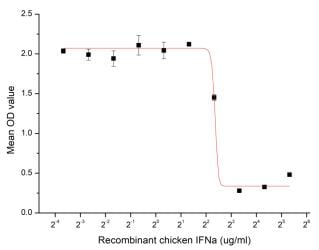
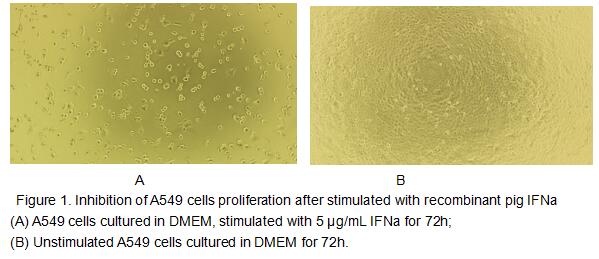
Bioactivity (Figure 2. Inhibition of A549 cells proliferation after stimulated with recombinant chicken IFN-alpha.)
Bioactivity (Interferon-alpha (IFNa), also known as leukocyte interferon, represents a group of related but distinct proteins that share over 95% amino acid sequence homology. They are members of the type I interferon family which share a common cell surface receptor)
Bioactivity (Figure 2. Inhibition of A549 cells proliferation after stimulated with IFN-alpha.)
Bioactivity (Interferon-alpha (IFNa), also known as leukocyte interferon, represents a group of related but distinct proteins that share over 95% amino acid sequence homology. They are members of the type I interferon family which share a common cell surface receptor)
Bioactivity (Figure 2. Cell proliferation of TF-1 cells after stimulated with GM-CSF.)
Bioactivity (Granulocyte-macrophage colony-stimulating factor (GM-CSF), also known as colony-stimulating factor 2 (CSF2), is a monomeric glycoprotein that functions as a cytokine — it is a white blood cell growth factor. GM-CSF also has some effects on mature cells of)
Bioactivity (Figure 2. The dose-effect curve of IL-2 on Splenic lymphocytes cells.)
Bioactivity (IL-2 (Interleukin-2) is a cytokine produced by T-cells in response to antigenic or mitogenic stimulation. IL-2 is a type of signaling molecule in the immune system, that is required for both T-cell and B-cell proliferation and other activities crucial to)
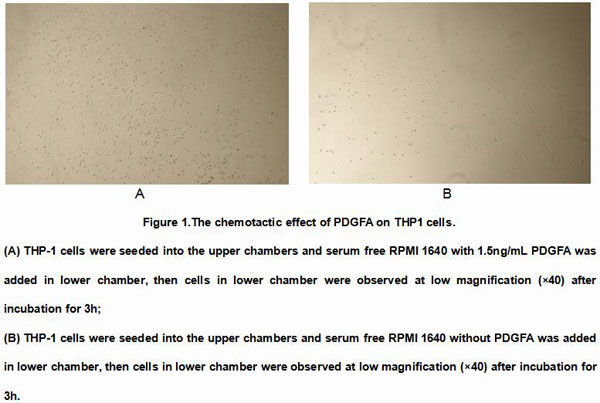
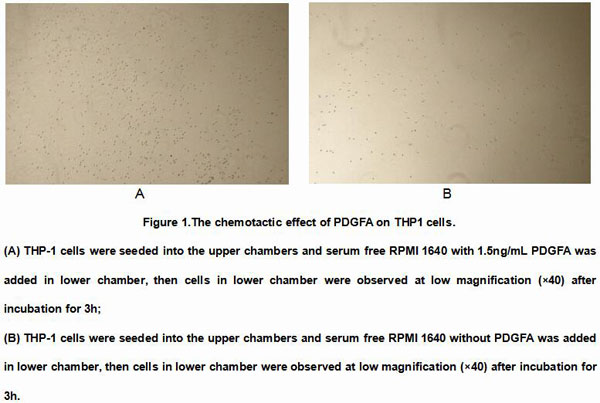
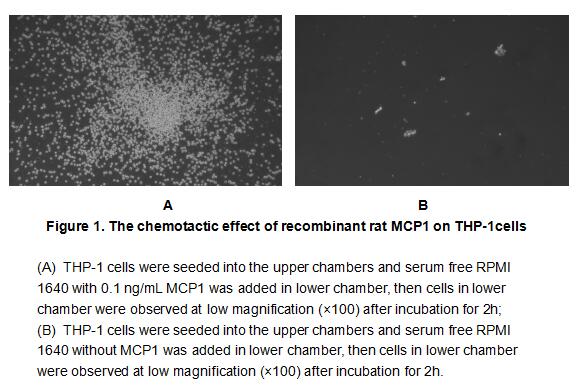
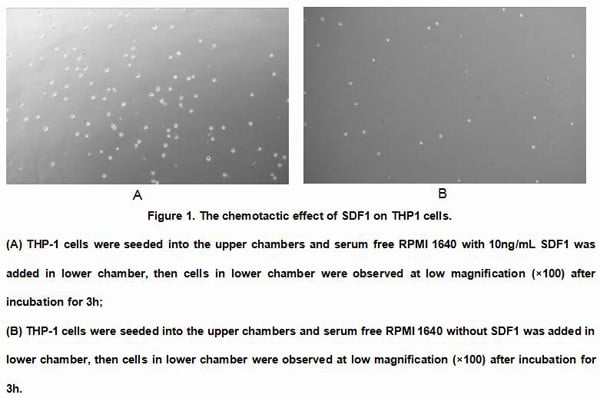
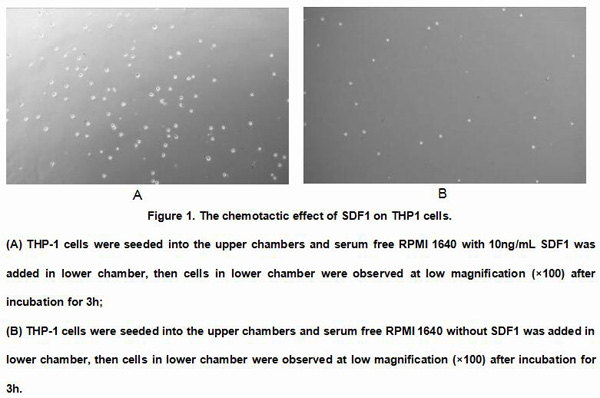
Bioactivity (Interleukin 8 (IL8 or chemokine (C-X-C motif) ligand 8, CXCL8) is a chemokine produced by macrophages and other cell types such as epithelial cells, airway smooth muscle cells and endothelial cells.Thus, chemotaxis assay used 24-well microchemotaxis syste)
Bioactivity (Figure 2. Inhibition of Hepa1-6 cells proliferation after stimulated with TNFalpha.)
Bioactivity (Tumor necrosis factor (TNF, tumor necrosis factor alpha, TNFalpha, cachexin, or cachectin) is a cell signaling protein (cytokine) involved in systemic inflammation and is one of the cytokines that make up the acute phase reaction. The primary role of TNF)
Bioactivity (Figure 2. Inhibition of A549 cells proliferation after stimulated with TNFalpha.)
Bioactivity (Tumor necrosis factor (TNF, tumor necrosis factor alpha, TNFalpha, cachexin, or cachectin) is a cell signaling protein (cytokine) involved in systemic inflammation and is one of the cytokines that make up the acute phase reaction. The primary role of TNF)
Proteins are large molecules made up of long chains of amino acids.
They will typically fold into a very particular 3-dimensional shape/conformation, that is sometimes referred to as their “native” form, which allows them to work properly in the body. For the purposes of product categorization, AAA Biotech will typically refer to proteins purified from their original animal host as being “native” proteins (this is to signify their difference compared to their “recombinant” or “synthetic” protein counterparts).
If a protein successfully folds into the correct shape, it is will typically display high fidelity characteristics to its original protein in its original animal host, and be classified as an active protein, as it will be able to function “normally” in most enzymatic or binding capacities. If it loses this shape, due to factors such as heat or strong chemicals (such as detergents), it becomes inactive and is no longer able to perform its basic functions. All of the proteins in this category are made under strict quality control, and they are active, pure, low in contaminants, and stable.
Most are stored as freeze-dried powders and come without extra tags, so they’re very close to the actual natural/native form.
Key Applications of Active Proteins
1. Scientific Research
Aid in the study of how proteins function in the body
Aid in understanding various disease processes
2. Drug Development
Powerful tools to investigate how potential drugs interact with specific proteins
Ideal for identifying drug targets
3. Cell Culture
Are routinely utilized to support cell growth and function (e.g., using exogenous growth factors)
Can be used to promote cellular development into specific types (differentiation)
4. Diagnostics
Regularly utilized in tests to detect diseases or infections (e.g., COVID-19, cancer)
Note: All products are strictly for research-use only (RUO).
5. Therapeutics
Some active proteins are used directly as treatments (e.g., insulin, enzymes)
Note: All products are strictly for research-use only (RUO).
6. Vaccine Development
Used to create or test vaccines by mimicking parts of viruses or bacteria
7. Biochemical Assays
They can facilitate the characterization of enzyme activity, binding strength, or protein interactions in lab tests
Why Buy Active Proteins from AAA Biotech?
High biological activity – Verified to perform as expected or indicated on datasheet
Strict quality control – We are confident in our active proteins’ reliability and consistency
High purity & low endotoxin – Ideal for applications involving sensitive or precious samples/components
Freeze-dried for stability – Long shelf life and straightforward storage
Mostly tag-free – Closer to natural/native protein form
FAQ
1. What are active proteins used for in research?
Active proteins are used primarily in the study of how proteins function, in characterizing/discovering drug interactions, supporting cell growth, running biochemical assays, and in development of diagnostics or therapeutics.
2. How are AAA Biotech's active proteins validated?
AAA Biotech’s active proteins are validated through strict quality control and functional assays to ensure they are properly folded and active. “Active”, though, can be an ambiguous term, so if a specific “activity” or “binding” capability of a protein is of crucial interest to you, please inquire with us prior to purchase, and we will provide further details on how the “Active” modifier was determined to be applicable.
3. Are these proteins tested for biological activity?
Yes, all active proteins from AAA Biotech are tested to confirm they have the expected biological activity before being offered for use. Though, said “biological activity” can be either “enzymatic”, “binding”, or both.
Submit a Question
Please complete the form below and a representative will contact you as soon as possible.
Request more Information
Please complete the form below and a representative will contact you as soon as possible.
Request a Manual
Please complete the form below and a representative will contact you as soon as possible.
Request a Quote
Please complete the form below and a representative will contact you as soon as possible.