AAA Biotech provides a variety of high-quality recombinant and natural/native proteins that are proven to work in a wide range of experiments. Explore our products to find the active protein that best fits your needs or experimental model.
Application Data (Thioflavin T is a fluorescent dye that binds to beta sheet-rich structures, such as those in tau fibrils. Upon binding, the emission spectrum of the dye experiences a red-shift and increased fluorescence intensity. Thioflavin T emission curves show increased fluorescence (correlated to tau aggregation) over time in tau monomers. A greater increase in fluorescence is seen when 50 uM monomer is combined with 10 uM PFFs, as the fibrils seed the formation of new fibrils from the pool of monomers. Thioflavin T ex = 450 nm, em = 485 nm.)
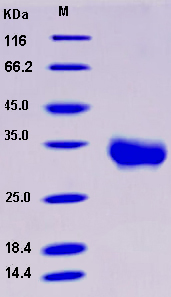
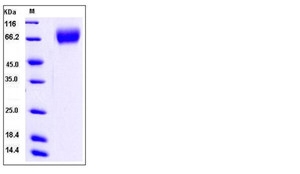
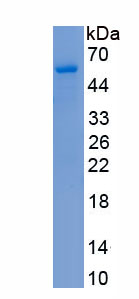
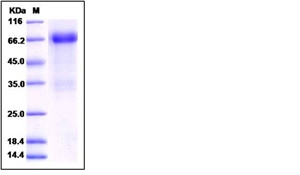
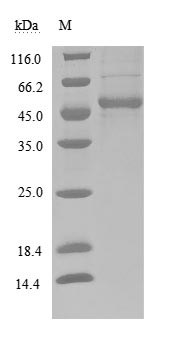
SDS-PAGE (SDS-PAGE of ~67 kDa Human Tau Protein 2N4R P301S Monomer. Lane 1: MW ladder. Lane 2: Tau Protein Monomer)
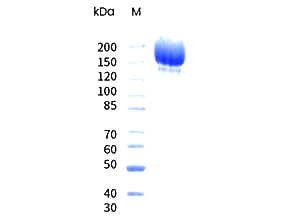
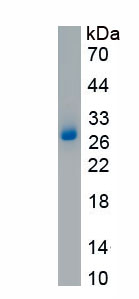
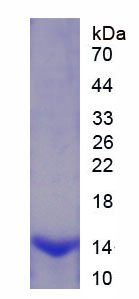
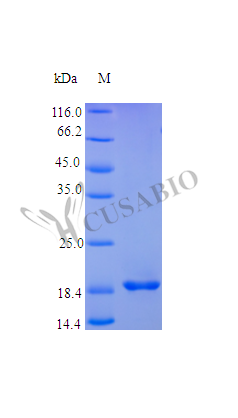
SDS_PAGE (SDS-PAGE of ~15 kDa Active Human Tau Protein K18 P301L Preformed Fibrils. Lane 1: MW Ladder. Lane 2: Tau Protein Preformed Fibrils.)
Application Data (Thioflavin T is a fluorescent dye that binds to beta sheet-rich structures, such as those in tau fibrils. Upon binding, the emission spectrum of the dye experiences a red-shift and increased fluorescence intensity. Thioflavin T emission curves show increased fluorescence (correlated to tau aggregation) over time in tau preformed fibrils. Tau preformed fibrils seed the formation of new tau fibrils when combined with tau monomers. Thioflavin T ex = 450 nm, em = 485 nm.)
Application Data (TEM of recombinant Tau (K18), P301L mutant preformed fibrils (PFFs) at 30kx magnification. HV=80kV. Fibrils were sonicated and stained with uranyl acetate.)
Application Data (TEM of recombinant Tau (K18), P301L mutant preformed fibrils (PFFs) at 150kx magnification. HV=80kV. Fibrils were sonicated and stained with uranyl acetate.)
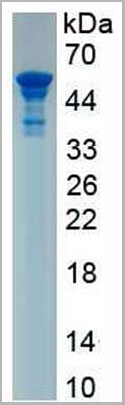
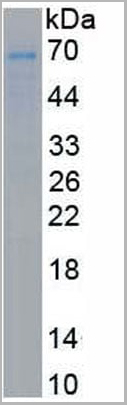
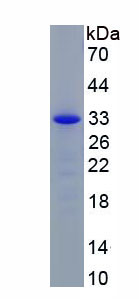
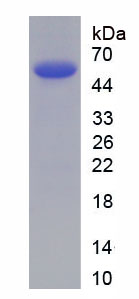
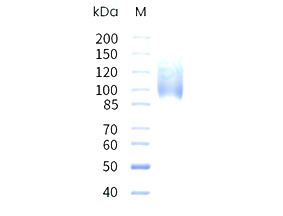
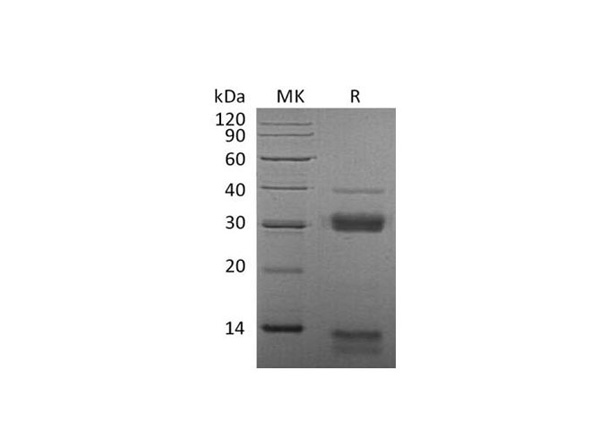
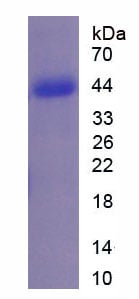
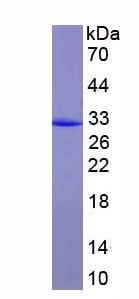
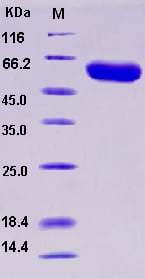
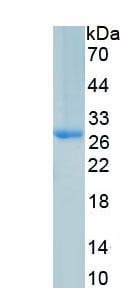
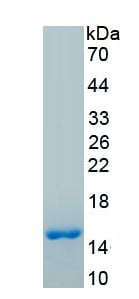
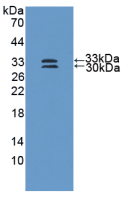
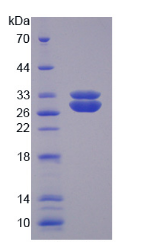
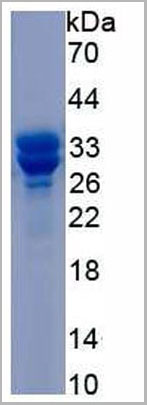
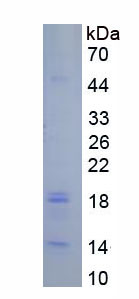
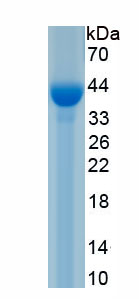
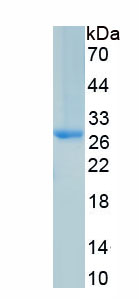
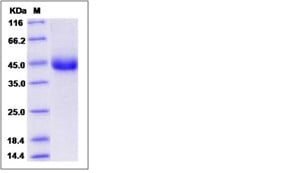
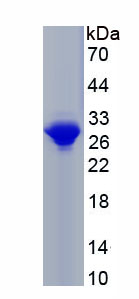
SDS_PAGE (SDS-PAGESample: Active recombinant PON3, Human)
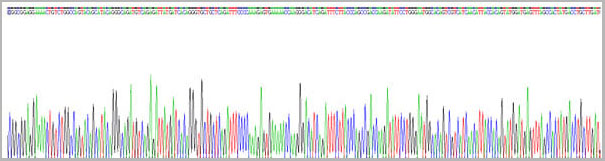
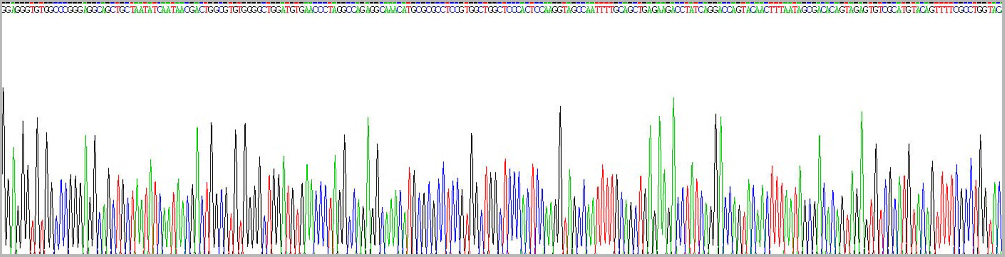
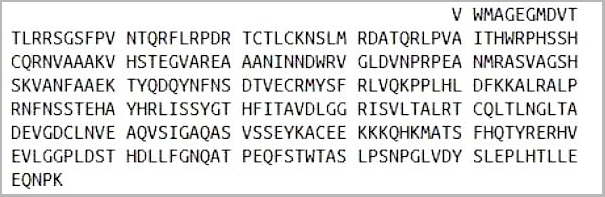
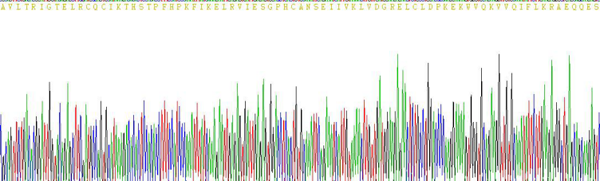
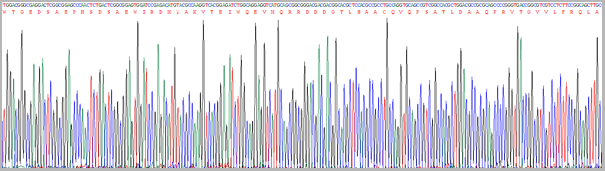
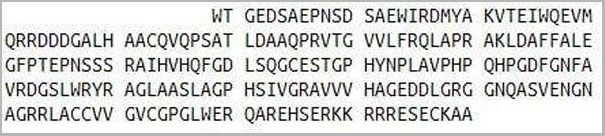
Gene Sequencing (Gene Sequencing (extract))
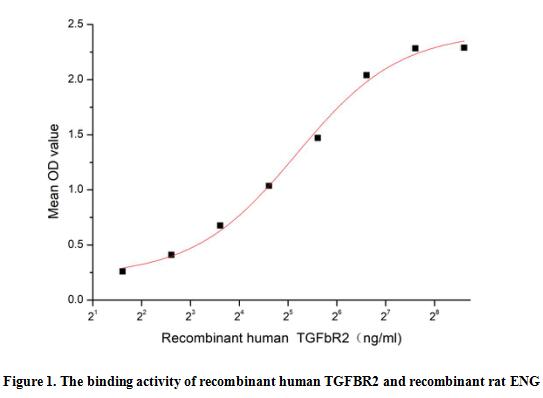
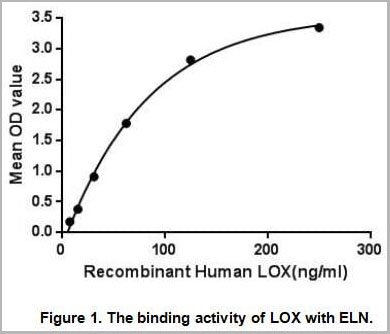
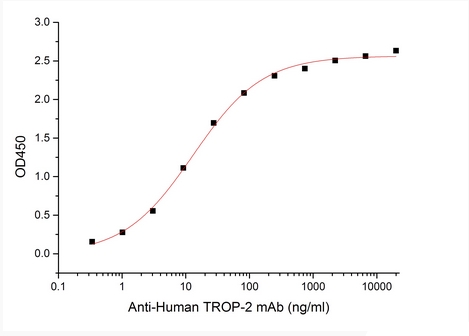
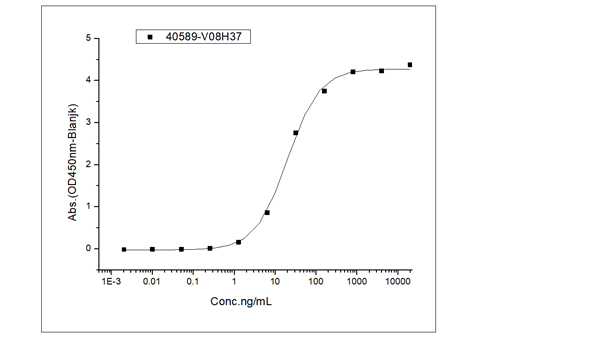
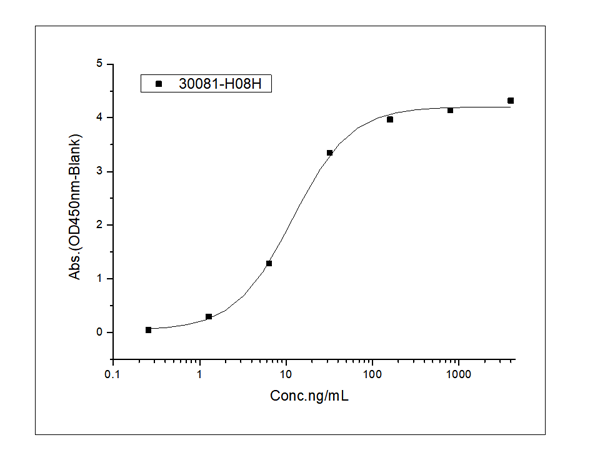
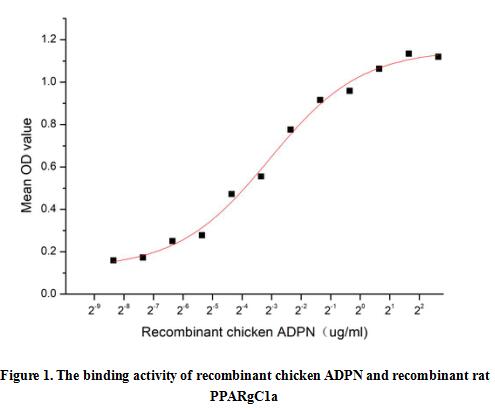
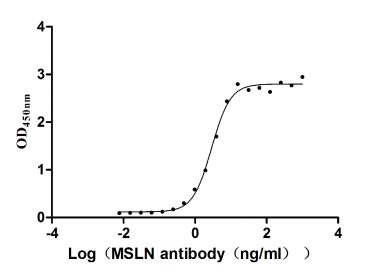
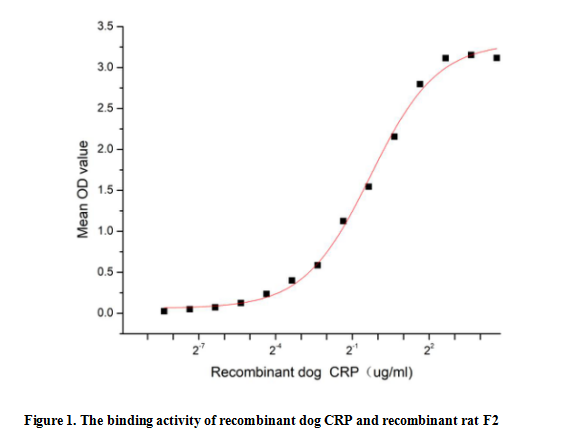
Bioactivity (Paraoxonase 3 (PON3) is secreted into the bloodstream and associates with high-density lipoprotein (HDL). PON3 also rapidly hydrolyzes lactones and can inhibit the oxidation of low-density lipoprotein, a function that is believed to slow the initiation and progression of atherosclerosis. Besides, Paraoxonase 1 (PON1) has been identified as an interactor of PON3, thus a binding ELISA assay was conducted to detect the interaction of recombinant human PON3 and recombinant human PON1. Briefly, PON3 were diluted serially in PBS, with 0.01% BSA (pH 7.4). Duplicate samples of 100uL were then transferred to PON1-coated microtiter wells and incubated for 2h at 37 degree C. Wells were washed with PBST and incubated for 1h with anti-PON3 pAb, then aspirated and washed 3 times. After incubation with HRP labelled secondary antibody, wells were aspirated and washed 3 times. With the addition of substrate solution, wells were incubated 15-25 minutes at 37 degree C. Finally, add 50uL stop solution to the wells and read at 450nm immediately. The binding activity of of PON3 and PON1 was shown in Figure 1, and this effect was in a dose dependent manner.)
Bioactivity (Paraoxonase 1 (PON1) is responsible for hydrolysing organophosphate pesticides and nerve gasses. PON1 (paraoxonase 1) is also a major anti-atherosclerotic component of high-density lipoprotein (HDL). Besides, Clusterin (CLU) has been identified as an interactor of PON1, thus a binding ELISA assay was conducted to detect the interaction of recombinant human PON1 and recombinant human CLU. Briefly, PON1 were diluted serially in PBS, with 0.01% BSA (pH 7.4). Duplicate samples of 100uL were then transferred to CLU-coated microtiter wells and incubated for 2h at 37 degree C. Wells were washed with PBST and incubated for 1h with anti-PON1 pAb, then aspirated and washed 3 times. After incubation with HRP labelled secondary antibody, wells were aspirated and washed 3 times. With the addition of substrate solution, wells were incubated 15-25 minutes at 37 degree C. Finally, add 50uL stop solution to the wells and read at 450nm immediately. The binding activity of of PON1 and CLU was shown in Figure 1, and this effect was in a dose dependent manner.)
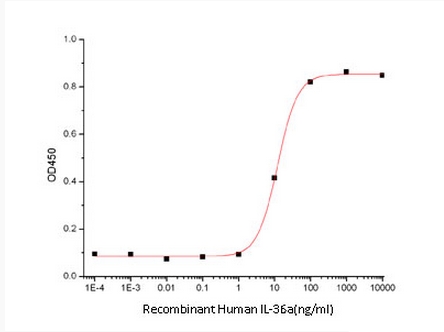
Bioactivity (Figure. The binding activity of IL4 with IL2g.The interleukin 4 (IL4, IL-4) is a cytokine that induces differentiation of naive helper T cells (Th0 cells) to Th2 cells. Interleukin 4 has many biological roles, including the stimulation of activated B-cell and T-cell proliferation, and the differentiation of B cells into plasma cells. It is a key regulator in humoral and adaptive immunity. IL-4 induces B-cell class switching to IgE, and up-regulates MHC class II production. IL-4 decreases the production of Th1 cells, macrophages, IFN-gamma, and dendritic cell IL-12. Besides, Interleukin 2 Receptor Gamma (IL2Rg) has been identified as an interactor of IL4, thus a binding ELISA assay was conducted to detect the interaction of recombinant mouse IL4 and recombinant mouse IL2Rg. Briefly, IL4 were diluted serially in PBS, with 0.01% BSA (pH 7.4). Duplicate samples of 100uL were then transferred to IL2Rg-coated microtiter wells and incubated for 2h at 37. Wells were washed with PBST and incubated for 1h with anti-IL4 pAb, then aspirated and washed 3 times. After incubation with HRP labelled secondary antibody, wells were aspirated and washed 3 times. With the addition of substrate solution, wells were incubated 15-25 minutes at 37. Finally, add 50uL stop solution to the wells and read at 450nm immediately. The binding activity of IL4 and IL2Rg was shown in Figure 1, and this effect was in a dose dependent manner.)
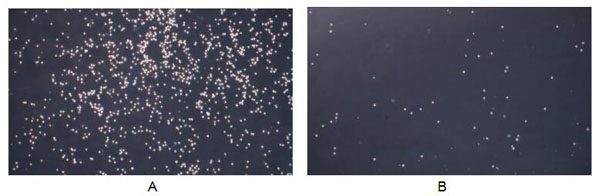
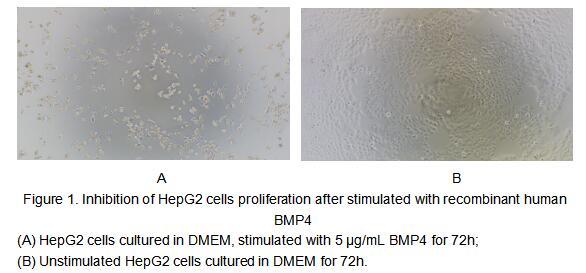
Activity (IFN-gamma is a dimerized soluble cytokine that is the only member of the type II class of interferons. The importance of IFNgamma in the immune system stems in part from its ability to inhibit viral replication directly, and most importantly from its immunostimulatory and immunomodulatory effects. As reported, IFNgamma is an important activator of human monocytic THP1 cells. Therefore, THP-1 cells were incubated in RPMI 1640 with various concentration of IFN-gamma, then cells were observed by inverted microscope everyday. After stimulated with IFN-gamma (2ng/mL) for 5 days, morphological changes occurred in THP1 cells which displayed the shape of fusiform or polygon and were more likely to adhere. Effect of IFN-gamma on THP1 cells is shown in Figure 1.)
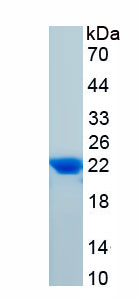
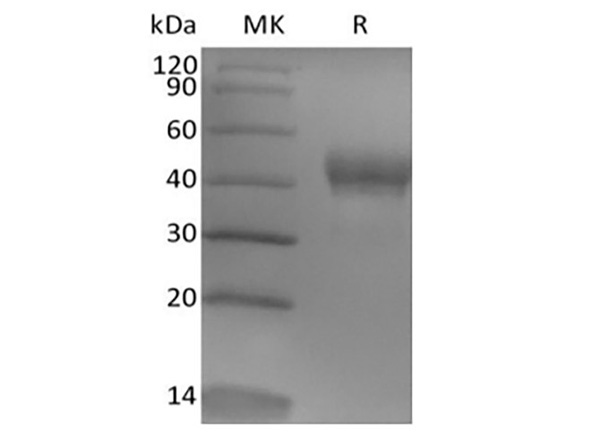
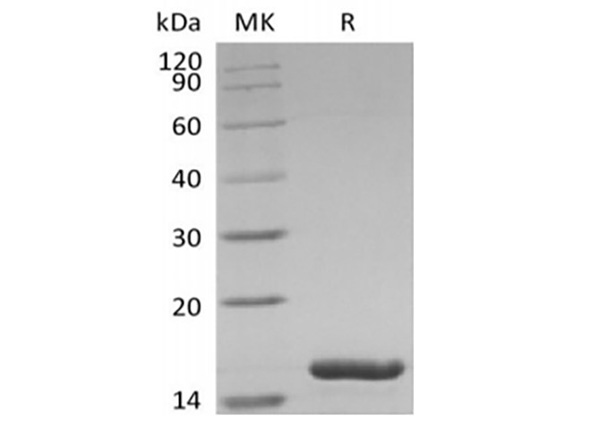
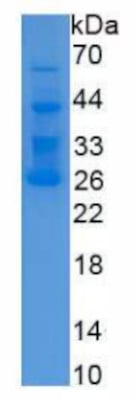
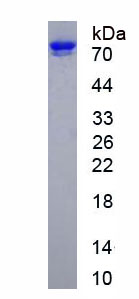
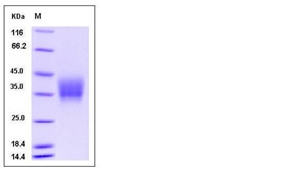
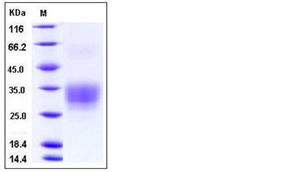
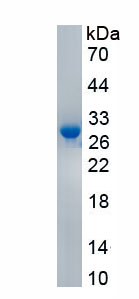
SDS-PAGE (Figure 2. SDS-PAGESample: Active recombinant TNFRSF1A, Human)
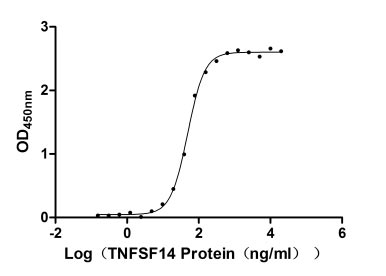
Bioactivity (Tumor necrosis factor receptor superfamily member 1A (TNFRSF1A), also known as Tumor necrosis factor receptor 1 (TNFR1) and CD120a, is a ubiquitous membrane receptor that binds tumor necrosis factor-alpha (TNFAlpha). This receptor can activate the transcription factor NF-kB, mediate apoptosis, and function as a regulator of inflammation. Antiapoptotic protein BCL2-associated athanogene 4 (BAG4/SODD) and adaptor proteins TRADD and TRAF2 have been shown to interact with this receptor, and thus play regulatory roles in the signal transduction mediated by the receptor. Besides, Granulin (GRN) has been identified as an interactor of TNFRSF1A, thus a binding ELISA assay was conducted to detect the interaction of recombinant human TNFRSF1A and recombinant human GRN. Briefly, TNFRSF1A were diluted serially in PBS, with 0.01% BSA (pH 7.4). Duplicate samples of 100uL were then transferred to GRN-coated microtiter wells and incubated for 2h at 37 degree C. Wells were washed with PBST and incubated for 1h with anti-TNFRSF1A pAb, then aspirated and washed 3 times. After incubation with HRP labelled secondary antibody, wells were aspirated and washed 3 times.With the addition of substrate solution, wells were incubated 15-25 minutes at 37 degree C. Finally, add 50uL stop solution to the wells and read at 450nm immediately. The binding activity of of TNFRSF1A and GRN was shown in Figure 1, and this effect was in a dose dependent manner.)
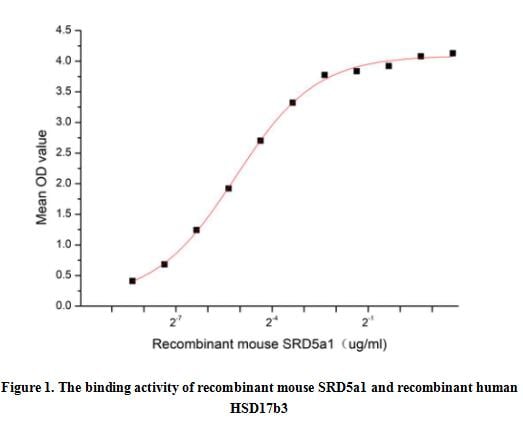
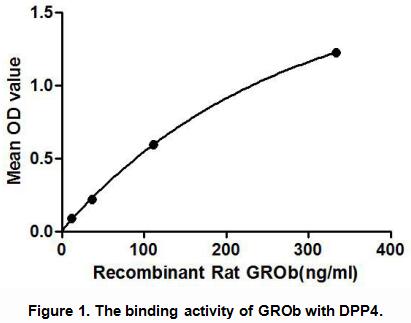
Activity (Figure. The binding activity of MSTN with FSTL3.Myostatin (MSTN) also known as growth differentiation factor 8 (GDF-8) a myokine, a protein produced and released by myocytes. It inhibit myogenesis including muscle cell growth and differentiation. Myostatin is a secreted growth differentiation factor that is a member of the TGF beta protein family. Besides, Follistatin Like Protein 3 (FSTL3) has been identified as an interactor of MSTN, thus a binding ELISA assay was conducted to detect the interaction of recombinant rat MSTN and recombinant rat FSTL3. Briefly, MSTN were diluted serially in PBS, with 0.01% BSA (pH 7.4). Duplicate samples of 100uL were then transferred to FSTL3-coated microtiter wells and incubated for 2h at 37 degree C. Wells were washed with PBST and incubated for 1h with anti-MSTN pAb, then aspirated and washed 3 times. After incubation with HRP labelled secondary antibody, wells were aspirated and washed 3 times. With the addition of substrate solution, wells were incubated 15-25 minutes at 37 degree C. Finally, add 50uL stop solution to the wells and read at 450nm immediately. The binding activity of MSTN and FSTL3 was shown in Figure 1, and this effect was in a dose dependent manner.)
Bioactivity (S100 calcium-binding protein A8 (S100A8) also known as calgranulin A, is a member of the S100 family of proteins containing 2 EF-hand calcium-binding motifs. S100 proteins are localized in the cytoplasm and/or nucleus of a wide range of cells, and involved in the regulation of a number of cellular processes such as cell cycle progression and differentiation. Besides, S100 Calcium Binding Protein A9 (S100A9) has been identified as an interactor of S100A8, thus a binding ELISA assay was conducted to detect the interaction of recombinant human S100A8 and recombinant human S100A9. Briefly, S100A8 was diluted serially in PBS with 0.01% BSA (pH 7.4). Duplicate samples of 100?L were then transferred to S100A9-coated microtiter wells and incubated for 2h at 37?. Wells were washed with PBST and incubated for 1h with anti-S100A8 pAb, then aspirated and washed 3 times. After incubation with HRP labelled secondary antibody, wells were aspirated and washed 3 times. With the addition of substrate solution, wells were incubated 15-25 minutes at 37°C. Finally, add 50?L stop solution to the wells and read at 450nm immediately. The binding activity of S100A8 and S100A9 was shown in Figure 1, and this effect was in a dose dependent manner.The binding activity of S100A8 with S100A9.)
Proteins are large molecules made up of long chains of amino acids.
They will typically fold into a very particular 3-dimensional shape/conformation, that is sometimes referred to as their “native” form, which allows them to work properly in the body. For the purposes of product categorization, AAA Biotech will typically refer to proteins purified from their original animal host as being “native” proteins (this is to signify their difference compared to their “recombinant” or “synthetic” protein counterparts).
If a protein successfully folds into the correct shape, it is will typically display high fidelity characteristics to its original protein in its original animal host, and be classified as an active protein, as it will be able to function “normally” in most enzymatic or binding capacities. If it loses this shape, due to factors such as heat or strong chemicals (such as detergents), it becomes inactive and is no longer able to perform its basic functions. All of the proteins in this category are made under strict quality control, and they are active, pure, low in contaminants, and stable.
Most are stored as freeze-dried powders and come without extra tags, so they’re very close to the actual natural/native form.
Key Applications of Active Proteins
1. Scientific Research
Aid in the study of how proteins function in the body
Aid in understanding various disease processes
2. Drug Development
Powerful tools to investigate how potential drugs interact with specific proteins
Ideal for identifying drug targets
3. Cell Culture
Are routinely utilized to support cell growth and function (e.g., using exogenous growth factors)
Can be used to promote cellular development into specific types (differentiation)
4. Diagnostics
Regularly utilized in tests to detect diseases or infections (e.g., COVID-19, cancer)
Note: All products are strictly for research-use only (RUO).
5. Therapeutics
Some active proteins are used directly as treatments (e.g., insulin, enzymes)
Note: All products are strictly for research-use only (RUO).
6. Vaccine Development
Used to create or test vaccines by mimicking parts of viruses or bacteria
7. Biochemical Assays
They can facilitate the characterization of enzyme activity, binding strength, or protein interactions in lab tests
Why Buy Active Proteins from AAA Biotech?
High biological activity – Verified to perform as expected or indicated on datasheet
Strict quality control – We are confident in our active proteins’ reliability and consistency
High purity & low endotoxin – Ideal for applications involving sensitive or precious samples/components
Freeze-dried for stability – Long shelf life and straightforward storage
Mostly tag-free – Closer to natural/native protein form
FAQ
1. What are active proteins used for in research?
Active proteins are used primarily in the study of how proteins function, in characterizing/discovering drug interactions, supporting cell growth, running biochemical assays, and in development of diagnostics or therapeutics.
2. How are AAA Biotech's active proteins validated?
AAA Biotech’s active proteins are validated through strict quality control and functional assays to ensure they are properly folded and active. “Active”, though, can be an ambiguous term, so if a specific “activity” or “binding” capability of a protein is of crucial interest to you, please inquire with us prior to purchase, and we will provide further details on how the “Active” modifier was determined to be applicable.
3. Are these proteins tested for biological activity?
Yes, all active proteins from AAA Biotech are tested to confirm they have the expected biological activity before being offered for use. Though, said “biological activity” can be either “enzymatic”, “binding”, or both.
Submit a Question
Please complete the form below and a representative will contact you as soon as possible.
Request more Information
Please complete the form below and a representative will contact you as soon as possible.
Request a Manual
Please complete the form below and a representative will contact you as soon as possible.
Request a Quote
Please complete the form below and a representative will contact you as soon as possible.