AAA Biotech provides a variety of high-quality recombinant and natural/native proteins that are proven to work in a wide range of experiments. Explore our products to find the active protein that best fits your needs or experimental model.
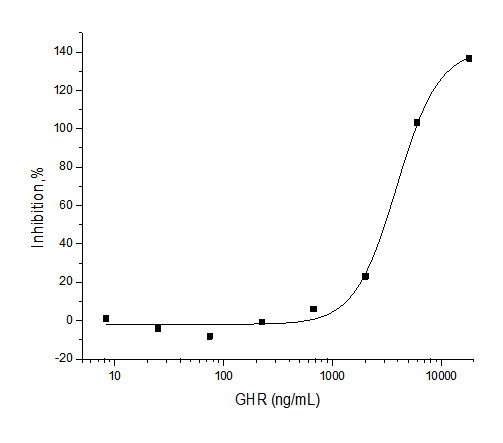
Bioactivity (Figure 2. Inhibition of A549 cells proliferation after stimulated with TNF-beta)
Bioactivity (TNF-beta, a member of the tumor necrosis factor family, is a potent lymphoid factor that exerts cytotoxic effects on a wide range of tumor cells . The biological effects of TNF-beta are very similar to TNF-alpha,due to the similarity of molecular structur)
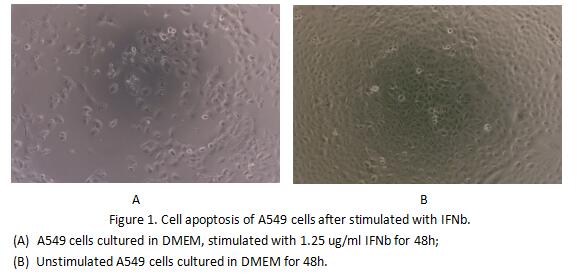
Bioactivity (Figure 2. Cell apoptosis of A549 cells after stimulated with recombinant horse IFNb.)
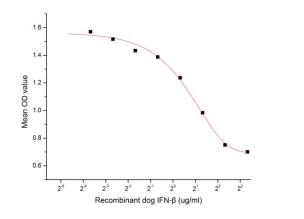
Bioactivity (Interferon Beta (IFNb) is belongs to type I interferons (IFNs) family which a large subgroup of interferon proteins that help regulate the activity of the immune system.The IFNb proteins are produced in large quantities by fibroblasts. They have antiviral)
Bioactivity (Figure 2. The hemagglutination assay of GAL2 in V- bottom shaped 96-well microtiter plate.)
Bioactivity (Galectin 2 (GAL2) belongs to the proto type group and consists of two homologous carbohydrate recognition domains (CRDs) resulting in multiple sugar binding sites. The expression of gal-2 has been shown to be involved in processes of angiogenesis and infl)
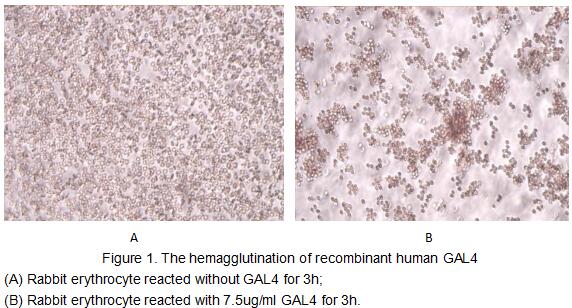
Bioactivity (Figure 2. The hemagglutination assay of GAL4 in V- bottom shaped 96-well microtiter plate.)
Bioactivity (Galectin-4(GAL4) is a protein that in humans is encoded by the LGALS4 gene. The galectins are a family of beta-galactoside-binding proteins implicated in modulating cell-cell and cell-matrix interactions. LGALS4 is an S-type lectin that is strongly undere)
Bioactivity (Figure 2. The hemagglutination assay of GAL7 in V- bottom shaped 96-well microtiter plate.)
Bioactivity (The galectins constitute a large family of carbohydrate-binding proteins with specificity for N-acetyl-lactosamine-containing glycoproteins. At least 14 mammalian galectins, which share structural similarities in their carbohydrate recognition domains (CR)
Bioactivity (Figure 2. The hemagglutination assay of GAL8 in V- bottom shaped 96-well microtiter plate.)
Bioactivity (Galectin 8 (GAL8), also known as prostate carcinoma tumor antigen 1 (PCTA1) in human, is a tandem repeat-type galectin. is a member of the lectin family, of which 14 mammalian galectins have been identified. It is also a member of the beta-galactoside-bin)
Bioactivity (Figure 2. The hemagglutination assay of GAL12 in V- bottom shaped 96-well microtiter plate.)
Bioactivity (Galectin-12 is a member of a family of mammalian lectins known as galectins. The galectins constitute a large family of carbohydrate-binding proteins that function in many systems both intracellularly and following secretion. Galectins contain either one)
Bioactivity (Figure 2. The hemagglutination assay of GAL1 in V- bottom shaped 96-well microtiter plate.)
Bioactivity (Galectins are a family of carbohydrate-binding proteins with an affinity for beta-galactosides. Galectin-1 (GAL1) is differentially expressed by various normal and pathological tissues and appears to be functionally polyvalent, with a wide range of biolog)
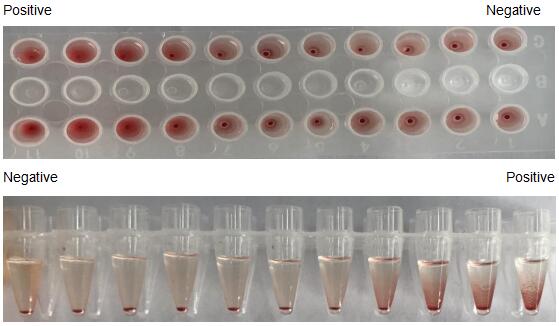
Bioactivity (Galectin 8 (GAL8), also known as prostate carcinoma tumor antigen 1 (PCTA1) in human, is a tandem repeat-type galectin. is a member of the lectin family, of which 14 mammalian galectins have been identified. It is also a member of the beta-galactoside-binding protein family that plays an important role in cell-cell adhesion, cell-matrix interactions, macrophage activation, angiogenesis, metastasis, apoptosis. In this case, we chose rabbit erythrocyte (RaE) to assay its ability of agglutination. A general procedure for hemagglutination assay (or haemagglutination assay; HA) is as follows, two-fold dilute the recombinant Rat GAL8 with 0.9% sodium chloride injection, add 50uL a serial dilution of GAL8 to each well of a U or V-bottom shaped 96-well microtiter plate. The final well serves as a negative control with no GAL8, replace with 50uL 0.9% sodium chloride injection. Then add 50uL 1% rabbit erythrocyte to each well and mixed gently. The plate is incubated for 3 hours at room temperature. The results are shown in Figure 1. It was obvious that the minimal effective concentration of GAL8 is 1.5625 ug/mL.)
Bioactivity (Galectin-12 is a member of a family of mammalian lectins known as galectins. The galectins constitute a large family of carbohydrate-binding proteins that function in many systems both intracellularly and following secretion. Galectins contain either one or two carbohydrate recognition domains (CRR) which mediate recognition of N-acetyl-lactosamine-containing glycoproteins. Individual galectins differ in their tissue distribution and in their carbohydrate-binding specificities. Galectin-12 is predominantly expressed in adipose tissue and detected also in macrophages and other leukocytes. It plays an important role in cell-cell adhesion, cell-matrix interactions, macrophage activation, angiogenesis, metastasis, apoptosis. In this case, we chose rabbit erythrocyte (RaE) to assay its ability of agglutination. A general procedure for hemagglutination assay (or haemagglutination assay; HA) is as follows, two-fold dilute the recombinant Po GAL12 with 0.9% sodium chloride injection, add 50uL a serial dilution of GAL12 to each well of a U or V-bottom shaped 96-well microtiter plate. The final well serves as a negative control with no GAL12, replace with 50uL 0.9% sodium chloride injection. Then add 50uL 1% rabbit erythrocyte to each well and mixed gently. The plate is incubated for 3 hours at room temperature. The results are shown in Figure 1. It was obvious that the minimal effective concentration of GAL12 is 0.195 ug/mL.)
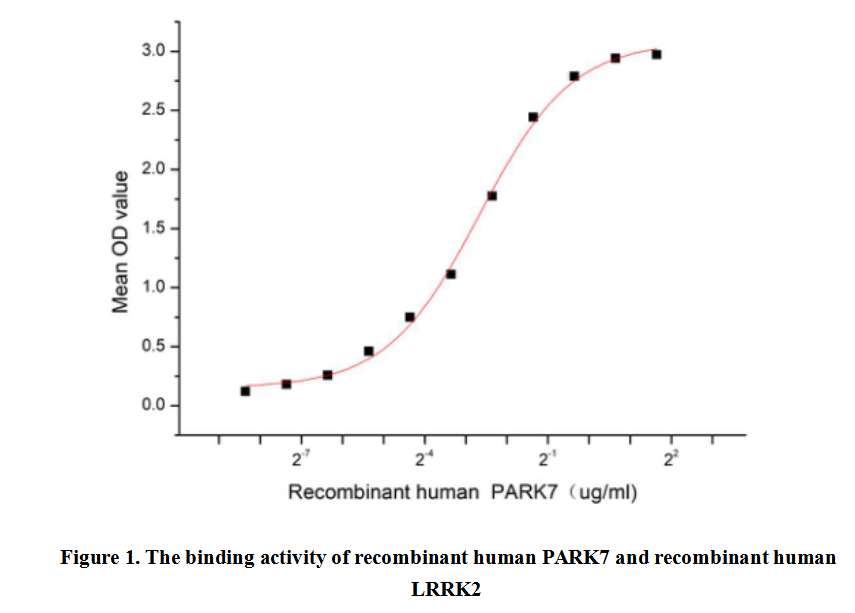
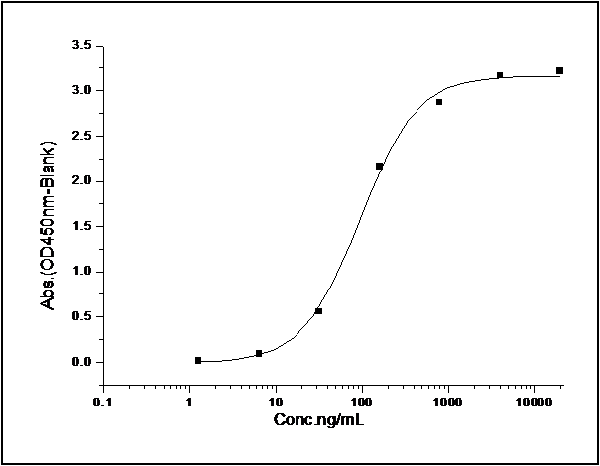
Bioactivity (Troponin T Type 2, Cardiac (TNNT2) is one of three troponin isoforms found in the tropomyosin-troponin complex. This complex is responsible for the calcium sensitivity of the contractile apparatus in the muscle. Cardiac Troponin T is used as a biological marker for cardiomyocytes and its level in serum is frequently used as an indicator of myocardial cell injury. Besides, Troponin I Type 3, Cardiac (TNNI3) has been identified as an interactor of TNNT2, thus a binding ELISA assay was conducted to detect the interaction of recombinant human TNNT2 and recombinant human TNNTI3. Briefly, TNNT2 was diluted serially in PBS with 0.01% BSA (pH 7.4). Duplicate samples of 100ul were then transferred to TNNI3-coated microtiter wells and incubated for 1h at 37 degree C. Wells were washed with PBST and incubated for 1h with anti-TNNT2 pAb, then aspirated and washed 3 times. After incubation with HRP labelled secondary antibody for 1h at 37 degree C, wells were aspirated and washed 5 times. With the addition of substrate solution, wells were incubated 15-25 minutes at 37 degree C. Finally, add 50uL stop solution to the wells and read at 450/630nm immediately. The binding activity of TNNT2 and TNNI3 was shown in Figure 1, and this effect was in a dose dependent manner.)
Bioactivity (Brain-derived neurotrophic factor, also known as BDNF, is a member of the neurotrophin family of growth factors, which are related to the canonical Nerve Growth Factor. BDNF acts on certain neurons of the central nervous system and the peripheral nervous system, helping to support the survival of existing neurons, and encourage the growth and differentiation of new neurons and synapses. Besides, Sortilin 1 (SORT1) has been identified as an interactor of BDNF, thus a binding ELISA assay was conducted to detect the interaction of recombinant human BDNF and recombinant human SORT1. Briefly, SORT1 were diluted serially in PBS with 0.01% BSA (pH 7.4). Duplicate samples of 100ul were then transferred to BDNF-coated microtiter wells and incubated for 2h at 37 degree C. Wells were washed with PBST and incubated for 1h with anti-SORT1 pAb, then aspirated and washed 3 times. After incubation with HRP labelled secondary antibody, wells were aspirated and washed 3 times. With the addition of substrate solution, wells were incubated 15-25 minutes at 37 degree C. Finally, add 50uL stop solution to the wells and read at 450/630nm immediately. The binding activity of of BDNF and SORT1 was shown in Figure 1, and this effect was in a dose dependent manner.)
Bioactivity (Glypican 1 (GPC1) is one of the six glycosylphosphatidylinositol-anchored, cell surface heparan sulfate proteoglycans that acts as a growth factor signaling. Cells known to express GPC-1 include neurons, smooth and skeletal muscle cells, keratinocytes, osteoblasts, Schwann cells, immature dendritic cells, and tumor, plus tumor-associated vascular endothelial cells. The function of GPC-1 is complex and varied, it can modulate various signaling pathways including Heparin Binding Epidermal Growth Factor Like Growth Factor (HBEGF), fibroblast growth factors (FGF), vascular endothelial growth factor-A (VEGF-A), transforming growth factor-beta (TGF-beta), Wnt, Hedgehog (Hh), and bone morphogenic protein (BMP) through specific interactions with pathway ligands and receptors. Besides, Syndecan 4 (SDC4) has been also identified as an interactor of GPC1), thus a functional binding ELISA assay was conducted to detect the interaction of recombinant mouse GPC1 and recombinant chicken SDC4. Briefly, GPC1 was diluted serially in PBS with 0.01% BSA (pH 7.4). Duplicate samples of 100 ul were then transferred to SDC4-coated microtiter wells and incubated for 1h at 37 degree C. Wells were washed with PBST and incubated for 1h with anti-GPC1 pAb, then aspirated and washed 3 times. After incubation with HRP labelled secondary antibody for 1h at 37 degree C, wells were aspirated and washed 5 times. With the addition of substrate solution, wells were incubated 15-25 minutes at 37 degree C. Finally, add 50 uL stop solution to the wells and read at 450/630 nm immediately. The binding activity of recombinant mouse GPC1 and recombinant chicken SDC4 was shown in Figure 1, the EC50 for this effect is 0.04 ug/mL.)
Bioactivity (Interferon regulatory factor 8 (IRF8), also known as interferon consensus sequence-binding protein, is a transcription factor that plays central roles in the regulation of myeloid cell fate. In both mice and humans, IRF8 is required for the differentiation of most monocyte and dendritic cell subsets, but suppresses neutrophil production. IRF8 can both act as a transcriptional activator or repressor, and it acts as a transcriptional repressor of osteoclast differentiation factors such as NFATC1 and EEIG1. Thus a functional binding ELISA assay was conducted to detect the interaction of recombinant mouse IRF8 and recombinant mouse NFATC1. Briefly, IRF8 was diluted serially in PBS with 0.01% BSA (pH 7.4). Duplicate samples of 100 ul were then transferred to NFATC1-coated microtiter wells and incubated for 1h at 37 degree C. Wells were washed with PBST and incubated for 1h with anti-IRF8 pAb, then aspirated and washed 3 times. After incubation with HRP labelled secondary antibody for 1h at 37 degree C, wells were aspirated and washed 5 times. With the addition of substrate solution, wells were incubated 15-25 minutes at 37 degree C. Finally, add 50 uL stop solution to the wells and read at 450/630 nm immediately. The binding activity of recombinant mouse IRF8 and recombinant mouse NFATC1 was shown in Figure 1, the EC50 for this effect is 0.05 ug/mL.)
Bioactivity (EphrinB2 (EFNB2), a 40 kDa member of the EphrinB family, is a pivotal bidirectional signaling molecule ubiquitously expressed in mammals and is crucial in angiogenesis during development and disease progression. Besides, EFNB2 is expressed at abnormally high levels in some neoplasms, such as squamous cell carcinoma of the head and neck and colorectal cancer. Its overexpression is associated with the malignant progression of tumors. Reelin (RELN) has been identified as an interactor of EFNB2, thus a functional binding ELISA assay was conducted to detect the interaction of recombinant human EFNB2 and recombinant human RELN. Briefly, EFNB2 was diluted serially in PBS with 0.01% BSA (pH 7.4). Duplicate samples of 100 ul were then transferred to RELN-coated microtiter wells and incubated for 1h at 37 degree C. Wells were washed with PBST and incubated for 1h with anti-EFNB2 pAb, then aspirated and washed 3 times. After incubation with HRP labelled secondary antibody for 1h at 37 degree C, wells were aspirated and washed 5 times. With the addition of substrate solution, wells were incubated 15-25 minutes at 37 degree C. Finally, add 50 uL stop solution to the wells and read at 450/630 nm immediately. The binding activity of recombinant human EFNB2 and recombinant human RELN was shown in Figure 1, the EC50 for this effect is 0.02 ug/mL.)
Bioactivity (Epidermal growth factor (EGF) is a growth factor that stimulates cell growth, proliferation, and differentiation by binding to its receptor EGFR. To test the effect of EGF on cell proliferation of 3T3 fibroblasts, Balb/c 3T3 cells were seeded into triplicate wells of 96-well plates at a density of 8, 000 cells/well and allowed to attach overnight, then the medium was replaced with 0.4% FBS standard DMEM prior to the addition of various concentrations of recombinant human EGF. After incubated for 48h, cells were observed by inverted microscope and cell proliferation was measured by Cell Counting Kit-8 (CCK-8). Briefly, 10 ul of CCK-8 solution was added to each well of the plate, then measure the absorbance at 450 nm using a microplate reader after incubating the plate for 1-4 hours at 37 degree C. Cell proliferation of Balb/c 3T3 cells after incubation with rhEGF for 48h observed by inverted microscope was shown in Figure 1. The dose-effect curve of rhEGF was shown in Figure2. It was obvious that rhEGF significantly promoted cell proliferation of 3T3 cells. The ED50 for this effect is typically 4.2 ng/ml.)
Bioactivity (GSTa1 (Glutathione S-transferase a1) is an enzyme that plays an important role in detoxification by catalyzing the conjugation of many hydrophobic and electrophilic compounds with reduced glutathione. This subfamily of enzymes has a particular role in protecting cells from Reactive Oxygen Species and the products of peroxidation. Polymorphisms in this gene influence the ability of individuals to metabolize different drugs. GSTa1 catalyze the endogenous glutathione conjugation 1-Chloro-2,4-dinitrobenzene (CDNB), which can increase in the absorbance at 340 nm. The reaction was performed in adding 10 ul 200 mM glutathione (reduced) and 10 ul 100 mM CDNB in 980 ul 100 mM NaH2PO4 (pH7.0), rapidly mixed. Then add 50 ul mixed substrates to 50 ul different concentrations of recombinant human GSTa1, mix gentliy. Incubated at 37 degree C for 5min, then read at a wavelength of 340 nm. The specific activity of recombinant human GSTa1 is >17000 pmol/min/ug.)
Bioactivity (Carboxypeptidase B2 (CPB2), also known as carboxypeptidase U (CPU) and thrombin-activatable fibrinolysis inhibitor (TAFI), is a member of the peptidase M14 family.CPB2 is synthesized by the liver and circulates in plasma as a plasminogen-bound zymogen. It can cleave C-terminal arginine or lysine residues from biologically active peptides such as kinins or anaphylatoxins in the circulation thereby regulating their activities and Down-regulates fibrinolysis by removing C-terminal lysine residues from fibrin that has already been partially degraded by plasmin. Besides, Plasminogen (Plg) has been identified as an interactor of CPB2, thus a functional binding ELISA assay was conducted to detect the interaction of recombinant human CPB2 and recombinant mouse Plg. Briefly, CPB2 was diluted serially in PBS with 0.01% BSA (pH 7.4). Duplicate samples of 100 ul were then transferred to Plg-coated microtiter wells and incubated for 1h at 37 degree C. Wells were washed with PBST and incubated for 1h with anti-CPB2 pAb, then aspirated and washed 3 times. After incubation with HRP labelled secondary antibody for 1h at 37 degree C, wells were aspirated and washed 5 times. With the addition of substrate solution, wells were incubated 15-25 minutes at 37 degree C. Finally, add 50 uL stop solution to the wells and read at 450/630 nm immediately. The binding activity of recombinant human CPB2 and recombinant mouse Plg was shown in Figure 1, the EC50 for this effect is 2.9 ug/mL.)
Bioactivity (Glutathione S-Transferases (GSTs) are members of the phase II detoxification enzyme family that conjugate glutathione to various electrophilic compounds, including metabolites generated by oxidative processes in the body, environmental toxins or carcinogens, and anti-cancer drugs. GSTM1 is a cytosolic protein that belongs to the mu class of the GST superfamily. GSTM1 catalyze the endogenous glutathione conjugation 1-Chloro-2,4-dinitrobenzene (CDNB), which can increase in the absorbance at 340 nm. The reaction was performed in adding 10 ul 200 mM glutathione (reduced) and 10 ul 100 mM CDNB in 980 ul 100 mM NaH2PO4 (pH7.0), rapidly mixed. Then add 50 ul mixed substrates to 50 ul different concentrations of recombinant mouse GSTM1, mix gently. Incubated at 37 degree C for 5min, then read at a wavelength of 340 nm. The specific activity of recombinant mouse GSTM1 is >14000 pmol/min/ug.)
Bioactivity (Cluster Of Differentiation 200 (CD200), also known as OX-2 or MOX1/MOX2, is a membrane glycoprotein belonging to the immunoglobulin superfamily. This protein is widely expressed in various cell types, including neurons, endothelial cells, certain immune cells (such as B cells, dendritic cells, T cell subsets), and various tumor cells. CD200 is a multifaceted protein with important roles in immune regulation, neuronal function, and disease pathogenesis. Besides, Cluster Of Differentiation 8a (CD8a) has been identified as an interactor of CD200, thus a functional binding ELISA assay was conducted to detect the interaction of recombinant rat CD200 and recombinant human CD8a. Briefly, CD200 was diluted serially in PBS with 0.01% BSA (pH 7.4). Duplicate samples of 100 ul were then transferred to CD8a-coated microtiter wells and incubated for 1h at 37 degree C. Wells were washed with PBST and incubated for 1h with anti-CD200 pAb, then aspirated and washed 3 times. After incubation with HRP labelled secondary antibody for 1h at 37 degree C, wells were aspirated and washed 5 times. With the addition of substrate solution, wells were incubated 15-25 minutes at 37 degree C. Finally, add 50 uL stop solution to the wells and read at 450/630 nm immediately. The binding activity of recombinant rat CD200 and recombinant human CD8a was shown in Figure 1, the EC50 for this effect is 0.09 ug/mL.)
Bioactivity (Tissue Inhibitors of Metalloproteinase 4 (TIMP4) is an enzyme that in humans is encoded by the TIMP4 gene. This gene belongs to the tissue inhibitor of metalloproteinases gene family. The proteins encoded by this gene family are inhibitors of the matrix metalloproteinases, a group of peptidases involved in degradation of the extracellular matrix. The secreted, netrin domain-containing protein encoded by this gene is involved in regulation of platelet aggregation and recruitment and may play role in hormonal regulation and endometrial tissue remodeling. The activity of recombinant mouse TIMP4 was measured by its ability to inhibit rhMMP2 cleavage of a fluorogenic peptide substrate MCA-Pro-Leu-Gly-Leu-DPA-Ala-Arg-NH2 in the assay buffer 50 mM Tris, 10 mM CaCl2, 150 mM NaCl, 0.05% (w/v) Brij-35, pH 7.5. rhMMP2 was diluted to 100 ug/ml and activated with 1 mM APMA at 37 degree C for 1 hour and rmTIMP4 (MW: 22.55 KD) was diluted to different concentrations with the assay buffer. Mix 8 ul of rmTIMP4 curve dilutions, 12.8 ul of activated rhMMP-2, and 59.2 ul of assay buffer, including a control containing assay buffer and the diluted rhMMP-2 and incubate the reactions for 2 hours at 37 degree C. Loading 50 ul of the incubated mixtures which were diluted five-fold in assay buffer into empty wells of a plate, and start the reaction by adding 50 ul of 20 uM substrate. Include a substrate blank containing 50 ul of assay buffer and 50 ul of 20 uM substrate. Then read at excitiation and emission wavelengths of 320 nm and 405 nm, respectively, in kinetic mode for 5 minutes. The result was shown in Figure 1 and it was obvious that recombinant mouse TIMP4 significantly decreased rhMMP2 activity. The inhibition IC50 was )
Bioactivity (Adrenomedullin (ADM) is a peptide hormone first discovered in 1993 in pheochromocytoma. Although AM is highly expressed in the adrenal glands, heart, lungs, and kidneys, vascular endothelium and smooth muscle are thought to be the main source of plasma AM. It is a 52 aa peptide with several functions, including vasodilation, regulation of hormone secretion, promotion of angiogenesis, and antimicrobial activity. The antimicrobial activity is antibacterial, as the peptide has been shown to kill E. coli and S. aureus at low concentration. Receptor activity-modifying protein 2 can transports the calcitonin gene-related peptide type 1 receptor (CALCRL) to the plasma membrane. Acts as a receptor for adrenomedullin (AM) together with CALCRL. Thus a functional binding ELISA assay was conducted to detect the interaction of recombinant mouse ADM and recombinant human RAMP2. Briefly, ADM was diluted serially in PBS with 0.01% BSA (pH 7.4). Duplicate samples of 100 ul were then transferred to RAMP2-coated microtiter wells and incubated for 1h at 37 degree C. Wells were washed with PBST and incubated for 1h with anti-ADM pAb, then aspirated and washed 3 times. After incubation with HRP labelled secondary antibody for 1h at 37 degree C, wells were aspirated and washed 5 times. With the addition of substrate solution, wells were incubated 15-25 minutes at 37 degree C. Finally, add 50 uL stop solution to the wells and read at 450/630nm immediately. The binding activity of recombinant mouse ADM and recombinant human RAMP2 was shown in Figure 1, the EC50 for this effect is 0.16 ug/mL.)
Bioactivity (Reactive protein (CRP) is an annular (ring-shaped), pentameric protein found in blood plasma, whose levels rise in response to inflammation. It is an acute-phase protein of hepatic origin that increases following interleukin-6 secretion by macrophages and T cells. Its physiological role is to bind to lysophosphatidylcholine expressed on the surface of dead or dying cells (and some types of bacteria) in order to activate the complement system via C1q. Besides,Coagulation Factor II (F2) has been identified as an interactor of CRP, thus a functional binding ELISA assay was conducted to detect the interaction of recombinant mouse CRP and recombinant rat F2.Briefly, CRP was diluted serially in PBS with 0.01% BSA (pH 7.4). Duplicate samples of 100 ul were then transferred to F2-coated microtiter wells and incubated for 1h at 37 degree C. Wells were washed with PBST and incubated for 1h with anti-CRP pAb, then aspirated and washed 3 times. After incubation with HRP labelled secondary antibody for 1h at 37 degree C, wells were aspirated and washed 5 times. With the addition of substrate solution, wells were incubated 15-25 minutes at 37 degree C. Finally, add 50 uL stop solution to the wells and read at 450/630nm immediately. The binding activity of recombinant mouse CRP and recombinant rat F2 was shown in Figure 1, the EC50 for this effect is 4.49334ug/mL.Figure 1. The binding activity of recombinant mouse CRP and recombinant rat F2)
Bioactivity (Small calcium binding protein that S100 Calcium Binding Protein (S100), also known as S100 Alpha (S100A1), is a member of the S100 family of calcium-binding proteins. As with most S100 proteins, S100A1 proteins are localized in the cytoplasm and/or nucleus of a wide range of cells, and it possess a variety of intracellular and extracellular functions. They interact with multiple receptors and signal transducers to regulate pathways that govern inflammation, cell differentiation, proliferation, energy metabolism, apoptosis, calcium homeostasis, cell cytoskeleton and microbial resistance. S100 Calcium Binding Protein A4 (S100A4) is one of targets of S100A1. Thus a functional binding ELISA assay was conducted to detect the interaction of recombinant human S100A1 and recombinant mouse S100A4. Briefly, S100A1 was diluted serially in PBS with 0.01% BSA (pH 7.4). Duplicate samples of 100 ul were then transferred to S100A4-coated microtiter wells and incubated for 1h at 37 degree C. Wells were washed with PBST and incubated for 1h with anti-S100A1 pAb, then aspirated and washed 3 times. After incubation with HRP labelled secondary antibody for 1h at 37 degree C, wells were aspirated and washed 5 times. With the addition of substrate solution, wells were incubated 15-25 minutes at 37 degree C. Finally, add 50 uL stop solution to the wells and read at 450/630 nm immediately. The binding activity of recombinant human S100A1 and recombinant mouse S100A4 was shown in Figure 1, the EC50 for this effect is 0.11 ug/mL.)
Bioactivity (Figure 2. Cell proliferation of M-NFS-60 cells after stimulated with G-CSF.)
Bioactivity (G-CSF is a pleiotropic cytokine best known for its specific effects on the proliferation, differentiation, and activation of hematopoietic cells of the neutrophilic granulocyte lineage. It is produced mainly by monocytes and macrophages upon activation by endotoxin, TNF-alpha and IFN-gamma. In addition, various carcinoma cell lines and myeloblastic leukemia cells can express G-CSF constitutively. In vitro, G-CSF stimulates growth, differentiation and functions of cells from the neutrophil lineage. Consistent with its in vitro functions, G-CSF has been found to play important roles in defense against infection, in inflammation and repair, and in the maintenance of steady state hematopoiesis. The activity of G-CSF is usually measured by a cell proliferation assay using M-NFS60 mouse myelogenous leukemia lymphoblast cells. M-NFS60 cells were seeded into triplicate wells of 96-well plates at a density of 8,000 cells/well with 2% serum standard 1640 which contains various concentrations of recombinant mouse G-CSF. After incubated for 3 days, cells were observed by inverted microscope and cell proliferation was measured by Cell Counting Kit-8 (CCK-8). Briefly, 10 ul of CCK-8 solution was added to each well of the plate, then the absorbance at 450 nm was measured using a microplate reader after incubating the plate for 2-4 hours at 37 degree C. Proliferation of M-NFS-60 cells after incubation with G-CSF for 3 days observed by inverted microscope was shown in Figure 1. Cell viability was assessed by CCK-8 (Cell Counting Kit-8) assay after incubation with recombinant mouse G-CSF for 3 days. The result was shown in Figure 2. It was obvious that G-CSF significantly increased cell viability of M-NFS-60 cells. The EC50 is 15.8-41 ng/ml.)
Bioactivity (Interleukin 6 (IL-6) is an interleukin that acts as both a pro-inflammatory cytokine and an anti-inflammatory myokine. Interleukin 6 is secreted by T cells and macrophages to stimulate immune response and also plays a role in fighting infection. It supports the growth of B cells and is antagonistic to regulatory T cells. To test the effect of IL6 on cell proliferation, TF-1 cells were seeded into triplicate wells of 96-well plates at a density of 20,000 cells/well with 10% serum standard 1640 which contains various concentrations of recombinant horse IL6. After incubated for 72h, cells were observed by inverted microscope and cell proliferation was measured by Cell Counting Kit-8 (CCK-8). Briefly, 10 ul of CCK-8 solution was added to each well of the plate, then the absorbance at 450 nm was measured using a microplate reader after incubating the plate for 1-4 hours at 37 degree C. Proliferation of TF-1 cells after incubation with IL6 for 72h observed by inverted microscope was shown in Figure 1. Cell viability was assessed by CCK-8 (Cell Counting Kit-8) assay after incubation with recombinant horse IL6 for 72h. The result was shown in Figure 2. It was obvious that IL6 significantly increased cell viability of TF-1 cells, the EC50 was 1.3 ng/ml.)
Application Data (Measured by the ability of the immobilized protein to enhance BMP2-induced alkaline phosphatase activity in C3H10T1/2 mouse embryonic fibroblast cells. The ED50 for this effect is typically 1-5 ug/mL in the presence of 500 ng/mL recombinant human BMP2.)
Bioactivity (Transforming growth factor-beta 2 (TGF-2) is a secreted protein known as a cytokine that performs many cellular functions and has a vital role during embryonic development (alternative names: Glioblastoma-derived T-cell suppressor factor, G-TSF, BSC-1 cell growth inhibitor, Polyergin, Cetermin). It is an extracellular glycosylated protein. It is known to suppress the effects of interleukin dependent T-cell tumors. Besides, Vitronectin (VTN) has been identified as an interactor of TGF-2, thus a binding ELISA assay was conducted to detect the interaction of recombinant rat TGF-2 and recombinant rat VTN. Briefly, TGF-2 were diluted serially in PBS, with 0.01% BSA (pH 7.4). Duplicate samples of 100L were then transferred to VTN-coated microtiter wells and incubated for 2h at 37. Wells were washed with PBST and incubated for 1h with anti-TGF-2 pAb, then aspirated and washed 3 times. After incubation with HRP labelled secondary antibody, wells were aspirated and washed 3 times. With the addition of substrate solution, wells were incubated 15-25 minutes at 37. Finally, add 50uL stop solution to the wells and read at 450nm immediately. The binding activity of TGF-2 and VTN was shown in Figure 1, and this effect was in a dose dependent manner.Figure. The binding activity of TGF-2 with VTN.)
Activity (Interleukin 10 (IL-10), also known as human cytokine synthesis inhibitory factor (CSIF), is an anti-inflammatory cytokine. IL-10 was initially reported to suppress cytokine secretion, antigen presentation and CD4 T cell activation. Further investigation has shown that IL-10 predominantly inhibits lipopolysaccharide (LPS) mediated induction of the pro-inflammatory cytokines TNFalpha, IL-1beta, IL-12, and IFNgamma made by cells such as macrophages and Th1 T cells. Therefore, THP1 cells were cultured in 24 well plates at a concentration of 106 cells/ml and activated by LPS (1ug/mL) in the absence or presence of IL-10 (5ng/mL, 10ng/mL) for 24h and production of IL-1beta was determined in the supernatants by cytokine specific ELISA.Activation of THP1 cells with LPS (1ug/mL) resulted in high levels of production of IL-1beta and strong inhibitory effects of IL-10 (5ng/mL, 10ng/mL) were observed on the production of IL-1beta as shown in Table 1.)
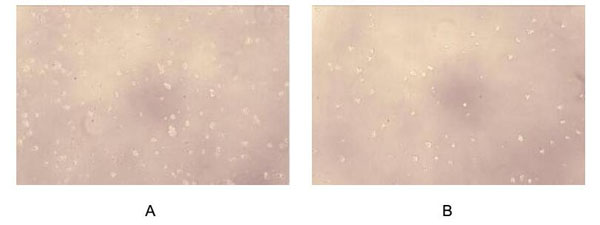
Activity (Interleukin 4 (IL4) is a cytokine that induces differentiation of naive helper T cells and monocyte. As reported, IL-4 would induce the differentiation of THP-1 cells into dendritic cells and macrophages in vitro. In house data was obtained by the following experiment :THP-1 cells were cultured in RPMI-1640 and stimulated with 2ng/mL IL-4, after 12 days of stimulation, cell bodies enlarged with extending pseudopodia, and vesicular bodies appeared within the cells, which showed a morphological characteristics of dendritic cells and macrophages.Cell differentiation of THP1 cells after incubation with IL4 (2ng/mL) for 12 days was shown in Figure 1.)
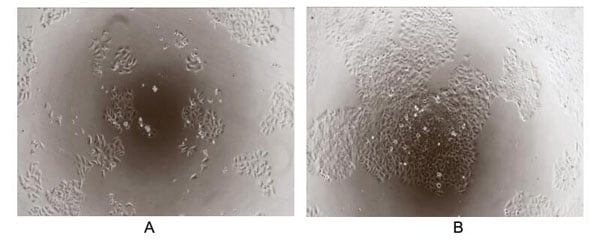
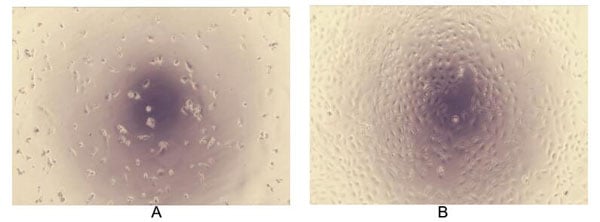
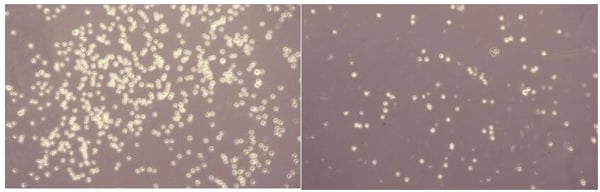
Activity (Fibronectin type III domain-containing protein 5, the precursor of irisin, is a protein that is encoded by the FNDC5 gene. It was reported that FNDC5 significantly decreased cell number, migration and viability through apoptosis in malignant MDA-MB-231 cells. Thus MDA-MB-231 cells were seeded overnight at a density of 5,000 cells/well, and treated with or without various concentrations of FNDC5 for 48h, then MDA-MB-231 cells were observed by inverted microscope and cell viability was measured by Cell Counting Kit-8 (CCK-8). Briefly, 10uL of CCK-8 solution was added to each well of the plate, then measure the absorbance at 450nm using a microplate reader after incubating the plate for 1-4 hours at 37oC.Cell apoptosis of MDA-MB-231 cells after incubation with FNDC5 for 48h observed by inverted microscope was shown in Figure 1.)
Activity (IL7 (Interleukin 7) is a hematopoietic growth factor secreted by stromal cells in the bone marrow and thymus. The interaction between IL17 and the IL7 receptor triggers a cascade of signals important for T-cell development within the thymus and survival within the periphery. It is reported that IL-7 acts on both resting and activated T cells, including Jurkat cells. Thus, a proliferation assay of recombinant human IL7 was conducted using Jurkat cells. Briefly, Jurkat cells were seeded into triplicate wells of 96-well plates at a density of 10, 000 cells/well in RPMI-1640 with the addition of various concentrations of IL7. After incubated for 72h, cells were observed by inverted microscope and cell proliferation was measured by Cell Counting Kit-8 (CCK-8). Briefly, 10uL of CCK-8 solution was added to each well of the plate, then the absorbance at 450nm was measured using a microplate reader after incubating the plate for 1-4 hours at 37 degree C. Cell proliferation of Jurkat cells after incubation with IL7 for 72h observed by inverted microscope was shown in Figure 1. The CCK-8 data was shown in Figure 2. It was obvious that IL7 significantly promoted cell proliferation of Jurkat cells.)
Activity (The Interferon-alpha (IFNa) proteins belong to type I interferons (IFNs) which a large subgroup of interferon proteins that help regulate the activity of the immune system. The IFNa proteins produced by leukocytes are also known as leukocyte interferon. They are mainly involved in innate immune response against viral infection. Besides, Interferon-alpha 13 (IFNA13) has been identified as an interactor of IFNa, thus a binding ELISA assay was conducted to detect the interaction of recombinant mouse IFNa and recombinant mouse IFNA13. Briefly, IFNA were diluted serially in PBS, with 0.01% BSA (pH 7.4). Duplicate samples of 100uL were then transferred to IFNA13-coated microtiter wells and incubated for 2h at 37 degree C. Wells were washed with PBST and incubated for 1h with anti-IFNapAb, then aspirated and washed 3 times. After incubation with HRP labelled secondary antibody, wells were aspirated and washed 3 times. With the addition of substrate solution, wells were incubated 15-25 minutes at 37 degree C. Finally, add 50uL stop solution to the wells and read at 450nm immediately. The binding activity of IFNa and IFNA13 was shown in Figure 1, and this effect was in a dose dependent manner.)
Bioactivity (Figure. The binding activity of PKM2 with PIN1.Pyruvate Kinase, Muscle (PKM2) is one of four isozymes of pyruvate kinase. In vertebrates there are four isozymes of pyruvate kinase: L (liver), R (erythrocytes), M1 (muscles, hearts and brain) and M2 (only form detectable in early fetal tissue and present in most adult tissues). Pyruvate kinase is the enzyme that catalyzes the final step of glycolysis. It catalyzes the transfer of a phosphate group from phosphoenolpyruvate (PEP) to adenosine diphosphate (ADP), yielding one molecule of pyruvate and one molecule of ATP. Besides, Peptidyl Prolyl Cis/Trans Isomerase NIMA Interacting Protein 1 (PIN1) has been identified as an interactor of PKM2, thus a binding ELISA assay was conducted to detect the interaction of recombinant human PKM2 and recombinant human PIN1. Briefly, PKM2 were diluted serially in PBS, with 0.01% BSA (pH 7.4). Duplicate samples of 100uL were then transferred to PIN1-coated microtiter wells and incubated for 2h at 37. Wells were washed with PBST and incubated for 1h with anti-PKM2 pAb, then aspirated and washed 3 times. After incubation with HRP labelled secondary antibody, wells were aspirated and washed 3 times. With the addition of substrate solution, wells were incubated 15-25 minutes at 37. Finally, add 50uL stop solution to the wells and read at 450nm immediately. The binding activity of PKM2 and PIN1 was shown in Figure 1, and this effect was in a dose dependent manner.)
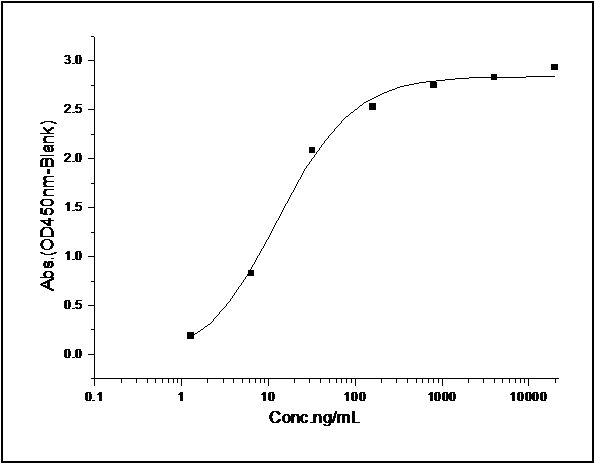
Application Data (The dose-effect curve of NRG1 was shown in Figure 2. It was obvious that NRG1 significantly promoted cell proliferation of MCF-7 cells. The ED50 for this effect is typically 5.240 to 9.112 ng/mL.Figure. The dose-effect curve of NRG1 on MCF-7 cells.)
Bioactivity (Fibroblast growth factor 13 (FGF13) is a member of the fibroblast growth factor (FGF) family. FGF family members possess broad mitogenic and cell survival activities, and are involved in a variety of biological processes, including embryonic development, cell growth, morphogenesis, tissue repair, tumor growth, and invasion. Besides, Prion Protein (PRNP) has been identified as an interactor of FGF13, thus a binding ELISA assay was conducted to detect the interaction of recombinant human FGF13 and recombinant human PRNP. Briefly, FGF13 were diluted serially in PBS, with 0.01% BSA (pH 7.4). Duplicate samples of 100L were then transferred to PRNP-coated microtiter wells and incubated for 2h at 37. Wells were washed with PBST and incubated for 1h with anti-FGF13 pAb, then aspirated and washed 3 times. After incubation with HRP labelled secondary antibody, wells were aspirated and washed 3 times. With the addition of substrate solution, wells were incubated 15-25 minutes at 37. Finally, add 50uL stop solution to the wells and read at 450nm immediately. The binding activity of FGF13 and PRNP was shown in Figure 1, and this effect was in a dose dependent manner.Figure. The binding activity of FGF13 with PRNP.)
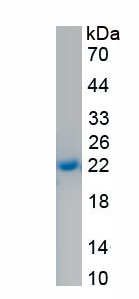
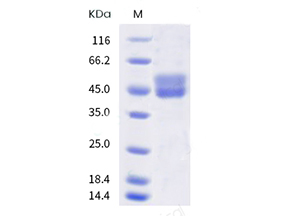
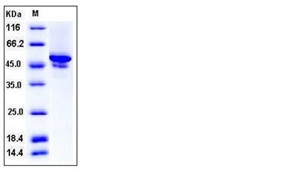
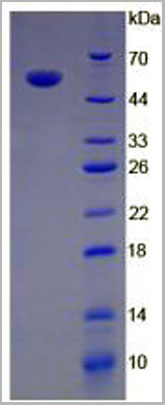
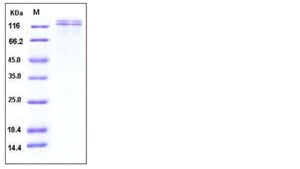
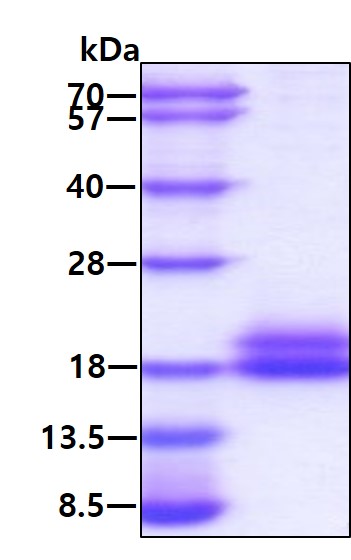
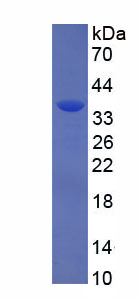
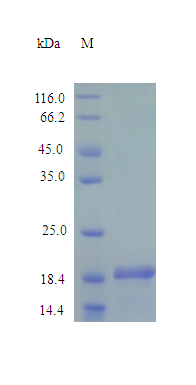
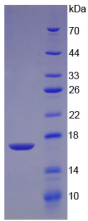
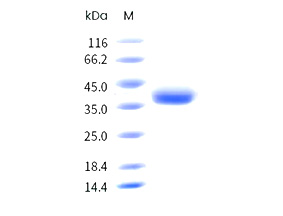
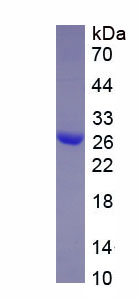
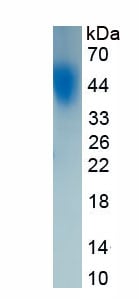
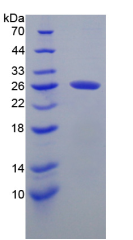
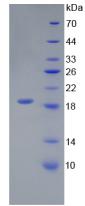
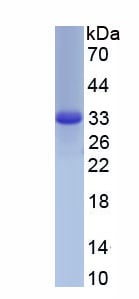
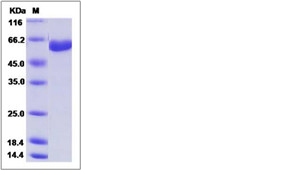
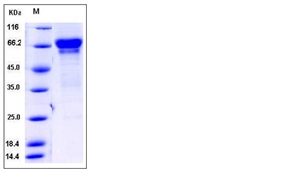
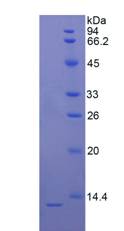
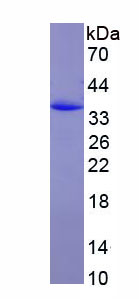
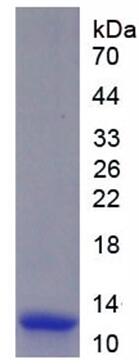
SDS-PAGE (Figure 2. SDS-PAGESample: Active recombinant COMT, Human)
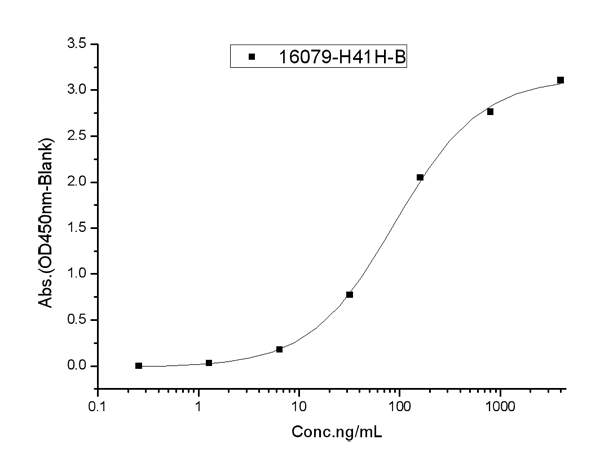
Bioactivity (Catechol-O-Methyltransferase (COMT) is one of several enzymes that degrade catecholamines (such as dopamine, epinephrine, and norepinephrine), catecholestrogens, and various drugs and substances having a catechol structure. Two isoforms of COMT are produced: the soluble short form (S-COMT) and the membrane bound long form (MB-COMT). COMT is involved in the inactivation of the catecholamine neurotransmitters (dopamine, epinephrine, and norepinephrine). The enzyme introduces a methyl group to the catecholamine, which is donated by S-adenosyl methionine (SAM). Any compound having a catechol structure, like catecholestrogens and catechol-containing flavonoids, are substrates of COMT. Besides, UDP glucuronosyltransferase 2 family, polypeptide B1 (UGT2B1) has been identified as an interactor of COMT, thus a binding ELISA assay was conducted to detect the interaction of recombinant human COMT and recombinant human UGT2B1. Briefly, COMT were diluted serially in PBS, with 0.01% BSA (pH 7.4). Duplicate samples of 100uL were then transferred to UGT2B1-coated microtiter wells and incubated for 2h at 37 degree C.Wells were washed with PBST and incubated for 1h with anti-COMT pAb, then aspirated and washed 3 times. After incubation with HRP labelled secondary antibody, wells were aspirated and washed 3 times. With the addition of substrate solution, wells were incubated 15-25 minutes at 37 degree C. Finally, add 50uL stop solution to the wells and read at 450nm immediately. The binding activity of COMT and UGT2B1 was shown in Figure 1, and this effect was in a dose dependent manner.Figure 1. The binding activity of COMT with UGT2B1.)
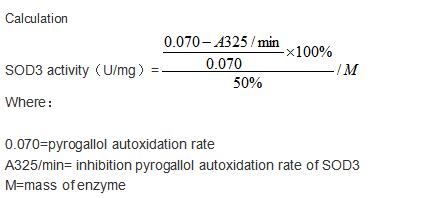
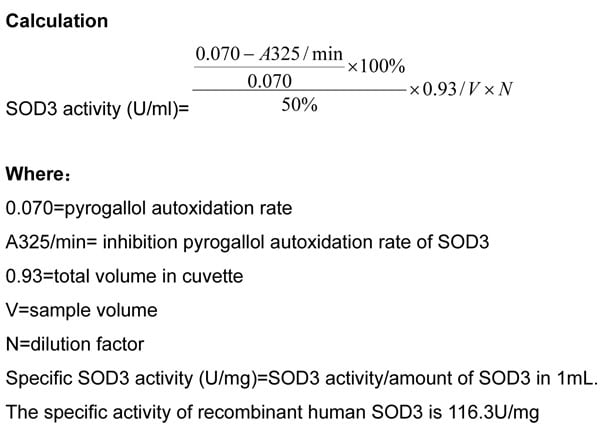
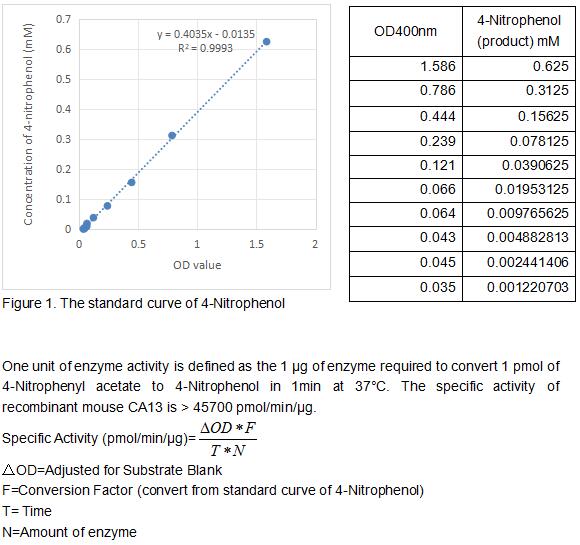
Application Data (Activity: Ribonuclease A (RNASEA) is a member of the pancreatic-type of secretory ribonucleases, a subset of the ribonuclease A superfamily. RNASEA cleaves RNA on the 3' side of pyrimidine nucleotides. The protein acts to degrade ds-RNA over ss-RNA. The activity of recombinant human RNASEA measured by cleaving yeast RNA. One unit of the enzyme causes an increase in absorbance of 0.001 at 260 nm in 15 min when yeast RNA is hydrolyzed at 50°C and pH 5.0. Pipette 50ulof respective recombinant human RNASEA dilution into 100ul 0.1M sodium acetate buffer, pH 5.0, then add 150ul of 0.15mg/ml yeast RNA. The blank tube use 50ul ultrapure water instead of enzyme dilution. All the all tubes Incubate at 50°C for 15 minutes. Read 260 verus blankCalculation)
Proteins are large molecules made up of long chains of amino acids.
They will typically fold into a very particular 3-dimensional shape/conformation, that is sometimes referred to as their “native” form, which allows them to work properly in the body. For the purposes of product categorization, AAA Biotech will typically refer to proteins purified from their original animal host as being “native” proteins (this is to signify their difference compared to their “recombinant” or “synthetic” protein counterparts).
If a protein successfully folds into the correct shape, it is will typically display high fidelity characteristics to its original protein in its original animal host, and be classified as an active protein, as it will be able to function “normally” in most enzymatic or binding capacities. If it loses this shape, due to factors such as heat or strong chemicals (such as detergents), it becomes inactive and is no longer able to perform its basic functions. All of the proteins in this category are made under strict quality control, and they are active, pure, low in contaminants, and stable.
Most are stored as freeze-dried powders and come without extra tags, so they’re very close to the actual natural/native form.
Key Applications of Active Proteins
1. Scientific Research
Aid in the study of how proteins function in the body
Aid in understanding various disease processes
2. Drug Development
Powerful tools to investigate how potential drugs interact with specific proteins
Ideal for identifying drug targets
3. Cell Culture
Are routinely utilized to support cell growth and function (e.g., using exogenous growth factors)
Can be used to promote cellular development into specific types (differentiation)
4. Diagnostics
Regularly utilized in tests to detect diseases or infections (e.g., COVID-19, cancer)
Note: All products are strictly for research-use only (RUO).
5. Therapeutics
Some active proteins are used directly as treatments (e.g., insulin, enzymes)
Note: All products are strictly for research-use only (RUO).
6. Vaccine Development
Used to create or test vaccines by mimicking parts of viruses or bacteria
7. Biochemical Assays
They can facilitate the characterization of enzyme activity, binding strength, or protein interactions in lab tests
Why Buy Active Proteins from AAA Biotech?
High biological activity – Verified to perform as expected or indicated on datasheet
Strict quality control – We are confident in our active proteins’ reliability and consistency
High purity & low endotoxin – Ideal for applications involving sensitive or precious samples/components
Freeze-dried for stability – Long shelf life and straightforward storage
Mostly tag-free – Closer to natural/native protein form
FAQ
1. What are active proteins used for in research?
Active proteins are used primarily in the study of how proteins function, in characterizing/discovering drug interactions, supporting cell growth, running biochemical assays, and in development of diagnostics or therapeutics.
2. How are AAA Biotech's active proteins validated?
AAA Biotech’s active proteins are validated through strict quality control and functional assays to ensure they are properly folded and active. “Active”, though, can be an ambiguous term, so if a specific “activity” or “binding” capability of a protein is of crucial interest to you, please inquire with us prior to purchase, and we will provide further details on how the “Active” modifier was determined to be applicable.
3. Are these proteins tested for biological activity?
Yes, all active proteins from AAA Biotech are tested to confirm they have the expected biological activity before being offered for use. Though, said “biological activity” can be either “enzymatic”, “binding”, or both.
Submit a Question
Please complete the form below and a representative will contact you as soon as possible.
Request more Information
Please complete the form below and a representative will contact you as soon as possible.
Request a Manual
Please complete the form below and a representative will contact you as soon as possible.
Request a Quote
Please complete the form below and a representative will contact you as soon as possible.