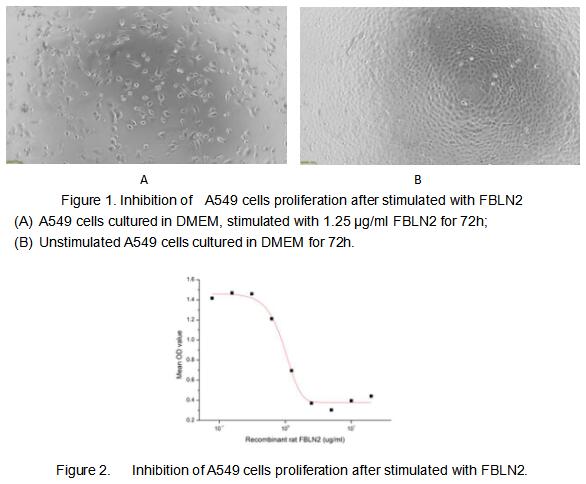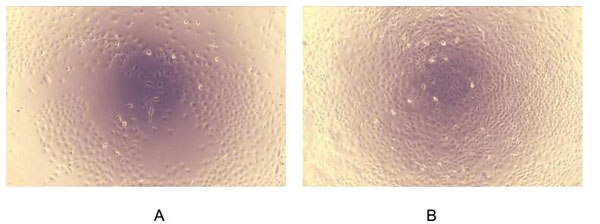
AAA Biotech provides a variety of high-quality recombinant and natural/native proteins that are proven to work in a wide range of experiments. Explore our products to find the active protein that best fits your needs or experimental model.
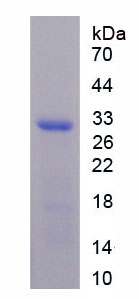
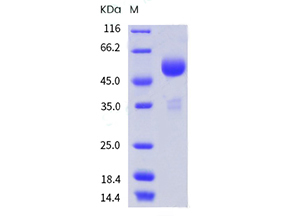
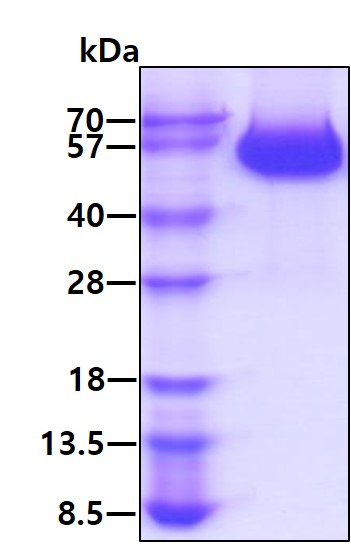
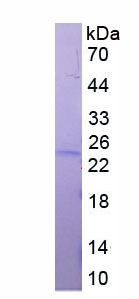
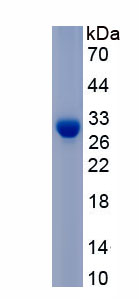
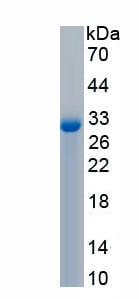
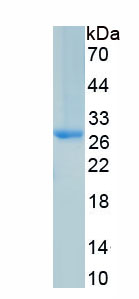
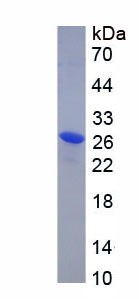
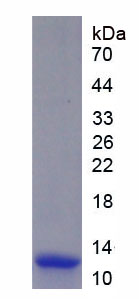
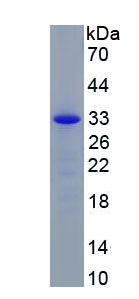
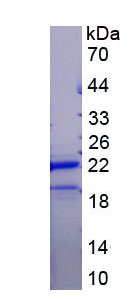
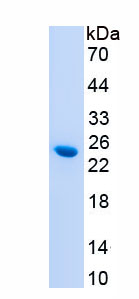
SDS_PAGE (SDS-PAGESample: Active recombinant DNASE1, Human)
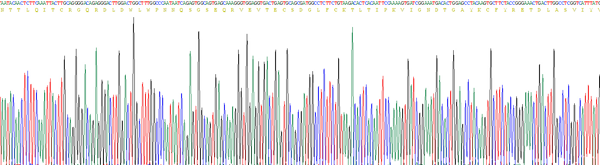
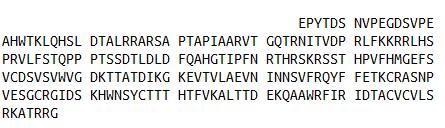
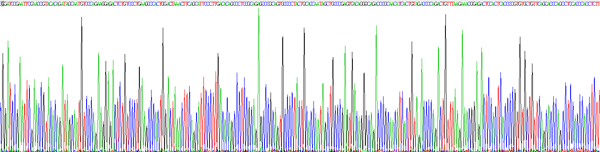
Gene Sequencing (Gene Sequencing (extract))
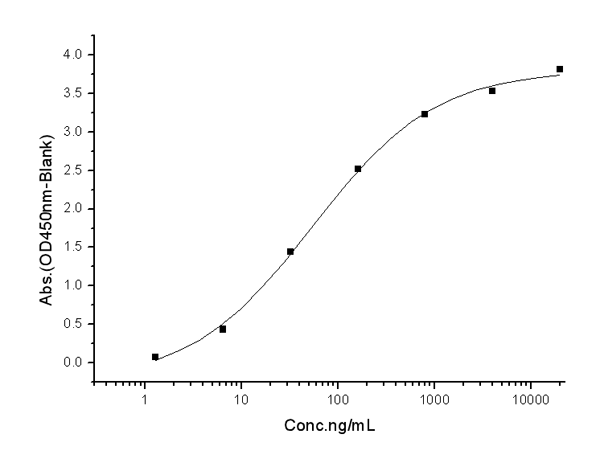
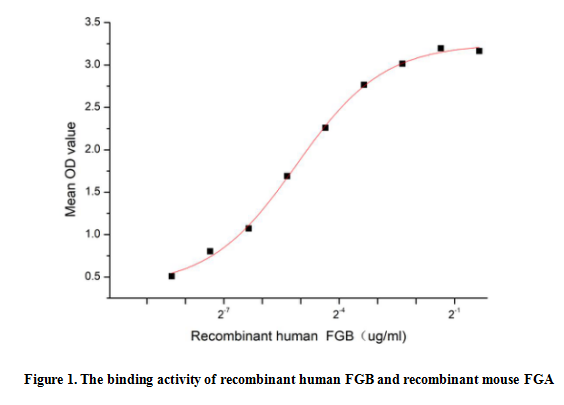
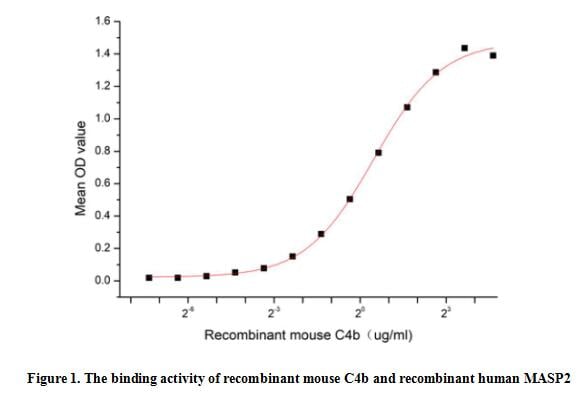
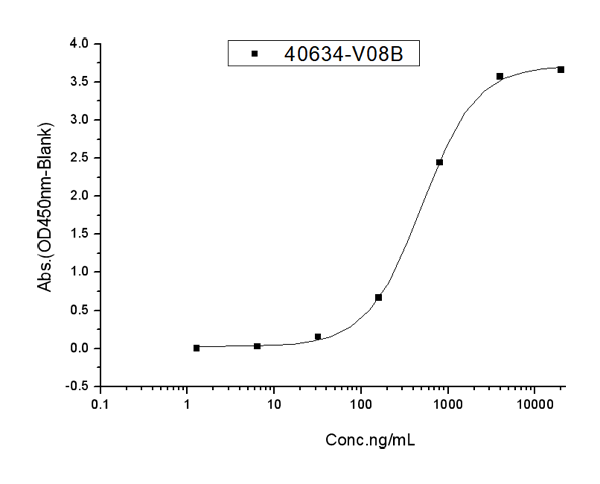
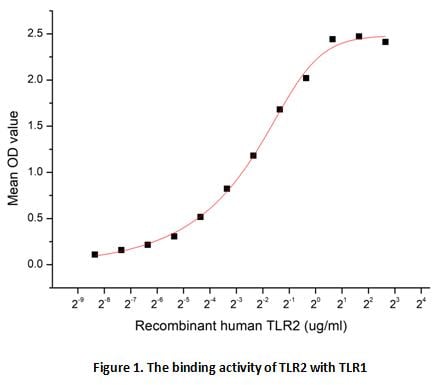
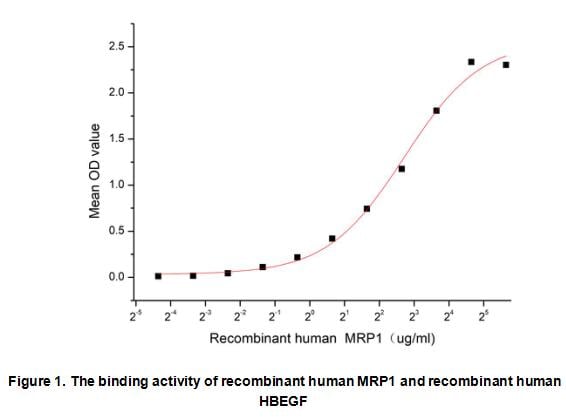
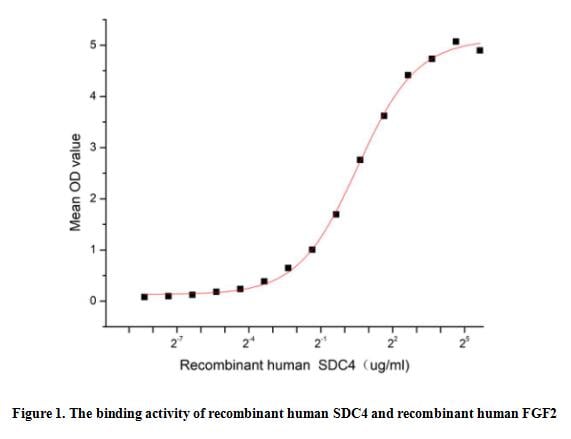
Bioactivity (Deoxyribonuclease I (usually called DNase I) is a nonspecific endonuclease that cleaves DNA preferentially at phosphodiester linkages adjacent to a pyrimidine nucleotide, yielding 5'-phosphate-terminated polynucleotides with a free hydroxyl group on position 3', on average producing tetranucleotides. It acts on single-stranded DNA, double-stranded DNA, and chromatin. DNase I can be activated by bivalent metals such as Mg2 and Ca2 . This endonuclease enzyme is common reagents used in biochemical methods requiring diestion of DNA and recovery of RNA, or where DNA is to be removed without affecting structural proteins or enzymes. For example, DNase I is frequently used to remove template DNA following in vitro transcription, and to remove contaminating DNA in total RNA preparations (especially those from transfected cells that may contain plasmid DNA), used for ribonuclease protection assays, cDNA library contraction, and RT-PCR. Besides, Actin Beta (ACTb) has been identified as an interactor of DNase I, thus a binding ELISA assay was conducted to detect the interaction of recombinant human DNase I and recombinant human ACTb. Briefly, DNase I were diluted serially in PBS, with 0.01% BSA (pH 7.4). Duplicate samples of 100uL were then transferred to ACTb-coated microtiter wells and incubated for 2h at 37 degree C. Wells were washed with PBST and incubated for 1h with anti-DNase I pAb, then aspirated and washed 3 times. After incubation with HRP labelled secondary antibody, wells were aspirated and washed 3 times. With the addition of substrate solution, wells were incubated 15-25 minutes at 37 degree C. Finally, add 50uL stop solution to the wells and read at 450nm immediately. The binding activity of of DNase I and ACTb was shown in Figure 1, and this effect was in a dose dependent manner.)
Activity (Plasminogen (Plg) can be converted into active plasmin by tissue plasminogen activator (tPA), urokinase plasminogen activator (uPA), kallikrein, and factor XII (Hageman factor). Plasmin can dissolve fibrin blood clots, act on many other processes such as embryonic development, tissue remodeling, inflammation and tumor invasion. Plasmint also can activates collagenases, weakens the walls of the Graafian follicle, cleaves fibrin, fibronectin, thrombospondin, laminin, and von Willebrand factor. Besides, Actin Beta (ACTb) has been identified as an interactor of Plg, thus a binding ELISA assay was conducted to detect the interaction of recombinant rat Plg and recombinant rat ACTb. Briefly, Plg were diluted serially in PBS, with 0.01% BSA (pH 7.4). Duplicate samples of 100uL were then transferred to ACTb-coated microtiter wells and incubated for 2h at 37 degree C. Wells were washed with PBST and incubated for 1h with anti-Plg pAb, then aspirated and washed 3 times. After incubation with HRP labelled secondary antibody, wells were aspirated and washed 3 times. With the addition of substrate solution, wells were incubated 15-25 minutes at 37 degree C. Finally, add 50uL stop solution to the wells and read at 450nm immediately. The binding activity of of Plg and ACTb was shown in Figure 1, and this effect was in a dose dependent manner.)
Bioactivity (Tubulin Beta (TUBb) in molecular biology can refer either to the tubulin protein superfamily of globular proteins, or one of the member proteins of that superfamily. It participate in many essential cellular processes, including mitosis. alpha- and beta-tubulins polymerize into microtubules, a major component of the eukaryotic cytoskeleton. Both alpha and beta tubulins have a mass of around 50kDa and are thus in a similar range compared to actin with ~42kDa. TUBb is one of six members of the tubulin superfamily, which binding drugs to kill cancerous cells by inhibiting microtubule dynamics. Besides, Myxovirus Resistance 1 (MX1) has been identified as an interactor of TUBb, thus a binding ELISA assay was conducted to detect the interaction of recombinant human TUBb and recombinant human MX1. Briefly, TUBb were diluted serially in PBS, with 0.01% BSA (pH 7.4). Duplicate samples of 100uL were then transferred to MX1-coated microtiter wells and incubated for 2h at 37 degree C. Wells were washed with PBST and incubated for 1h with anti-TUBb pAb, then aspirated and washed 3 times. After incubation with HRP labelled secondary antibody, wells were aspirated and washed 3 times. With the addition of substrate solution, wells were incubated 15-25 minutes at 37 degree C. Finally, add 50uL stop solution to the wells and read at 450nm immediately. The binding activity of TUBb and MX1 was shown in Figure 1, and this effect was in a dose dependent manner.)
Activity (Calpain 1, Large Subunit (CAPN1) is an intracellular protease that requires calcium for its catalytic activity. Calcium-regulated non-lysosomal thiol-protease which catalyze limited proteolysis of substrates involved in cytoskeletal remodeling and signal transduction. It has broad endopeptidase specificity. Besides, Signal Transducer And Activator Of Transcription 3 (STAT3) has been identified as an interactor of CAPN1, thus a binding ELISA assay was conducted to detect the interaction of recombinant rat CAPN1 and recombinant rat STAT3. Briefly, CAPN1 were diluted serially in PBS, with 0.01% BSA (pH 7.4). Duplicate samples of 100uL were then transferred to STAT3-coated microtiter wells and incubated for 2h at 37 degree C. Wells were washed with PBST and incubated for 1h with anti-CAPN1 pAb, then aspirated and washed 3 times. After incubation with HRP labelled secondary antibody, wells were aspirated and washed 3 times. With the addition of substrate solution, wells were incubated 15-25 minutes at 37 degree C. Finally, add 50uL stop solution to the wells and read at 450nm immediately. The binding activity of of CAPN1 and STAT3 was shown in Figure 1, and this effect was in a dose dependent manner.)
Activity (Microfibrillar-associated protein 2 (MFAP2) is an O-glycosylated protein which excreted to the extracellular space and the extracellular matrix. MFAP2 combine biglycan and elastin to form a ternary complex. MFAP2 plays a key role in the support and distensibility of the juxtacanalicular region of these collector channels. It also can inhibit LTB-1 binding to fibrillin-1, stimulate the phosphorylation of Smad2, and thereby mediate the subsequent extracellular deposition of latent TGFbeta. Besides, Fibrillin 1 (FBN1) has been identified as an interactor of MFAP2, thus a binding ELISA assay was conducted to detect the interaction of recombinant human MFAP2 and recombinant human FBN1. Briefly, MFAP2 were diluted serially in PBS, with 0.01% BSA (pH 7.4). Duplicate samples of 100uL were then transferred to FBN1-coated microtiter wells and incubated for 2h at 37 degree C. Wells were washed with PBST and incubated for 1h with anti-MFAP2 pAb, then aspirated and washed 3 times. After incubation with HRP labelled secondary antibody, wells were aspirated and washed 3 times. With the addition of substrate solution, wells were incubated 15-25 minutes at 37 degree C. Finally, add 50uL stop solution to the wells and read at 450nm immediately. The binding activity of MFAP2 and FBN1 was shown in Figure 1, and this effect was in a dose dependent manner.)
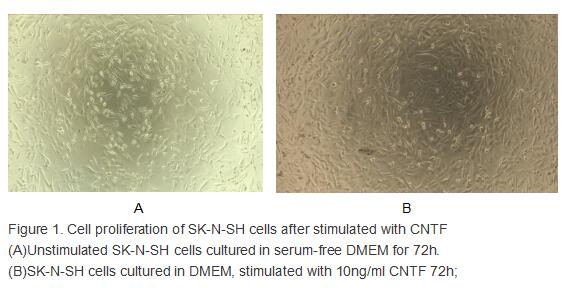
Activity (FGF13 (Fibroblast growth factor 13) is a member of the fibroblast growth factor (FGF) family. FGF family members possess broad mitogenic and cell survival activities, and are involved in a variety of biological processes, including embryonic development, cell growth, morphogenesis, tissue repair, tumor growth, and invasion. A proliferation assay was conducted to detect the bioactivity of recombinant rat FGF13 using 3T3 cells. Briefly, 3T3 cells were seeded into triplicate wells of 96-well plates at a density of 2,000 cells/well and allowed to attach overnight, then the medium was replaced with serum-free standard DMEM prior to the addition of various concentrations of FGF13. After incubated for 48h, cells were observed by inverted microscope and cell proliferation was measured by Cell Counting Kit-8 (CCK-8). Briefly, 10uL of CCK-8 solution was added to each well of the plate, then the absorbance at 450nm was measured using a microplate reader after incubating the plate for 1-4 hours at 37 degree C. Proliferation of 3T3 cells after incubation with FGF13 for 48h observed by inverted microscope was shown in Figure 1. Cell viability was assessed by CCK-8 (Cell Counting Kit-8 ) assay after incubation with recombinant FGF13 for 48h. The result was shown in Figure 2. It was obvious that FGF13 significantly increased cell viability of 3T3 cells.)
Bioactivity (Cytochrome P450 1A1 (CYP1A1) is a member of Cytochromes P450 superfamily of enzymes. Cytochromes P450 are a group of heme-thiolate monooxygenases. It oxidizes a variety of structurally unrelated compounds, including steroids, fatty acids, and xenobiotics. CYP1A1 is also known as AHH (aryl hydrocarbon hydroxylase). It is involved in the metabolic activation of aromatic hydrocarbons (polycyclic aromatic hydrocarbons, PAH). Besides, Heat Shock 70kDa Protein 4 (HSPA4) has been identified as an interactor of CYP1A1, thus a binding ELISA assay was conducted to detect the interaction of recombinant rat CYP1A1 and recombinant rat HSPA4. Briefly, CYP1A1 were diluted serially in PBS, with 0.01% BSA (pH 7.4). Duplicate samples of 100uL were then transferred to HSPA4-coated microtiter wells and incubated for 2h at 37 degree C. Wells were washed with PBST and incubated for 1h with anti-CYP1A1 pAb, then aspirated and washed 3 times. After incubation with HRP labelled secondary antibody, wells were aspirated and washed 3 times. With the addition of substrate solution, wells were incubated 15-25 minutes at 37 degree C. Finally, add 50uL stop solution to the wells and read at 450nm immediately. The binding activity of of CYP1A1 and HSPA4 was shown in Figure 1, and this effect was in a dose dependent manner.)
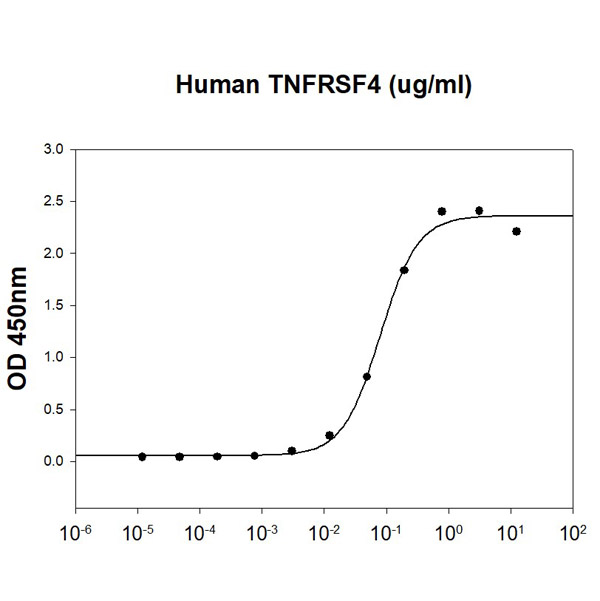
Activity (TNFRSF14 (Tumor necrosis factor receptor superfamily member 14) belongs to the tumor necrosis factor receptor superfamily. TNFRSF14 functions in signal transduction pathways that activate inflammatory and inhibitory T-cell immune response. It binds herpes simplex virus (HSV) viral envelope glycoprotein D (gD), mediating its entry into cells. A binding ELISA assay was conducted to detect the association of TNFRSF14 with TNFa. Briefly, TNFRSF14 were diluted serially in PBS, with 0.01%BSA (pH 7.4). Duplicate samples of 100uL TNFRSF14 were then transferred to TNFa-coated microtiter wells and incubated for 2h at 37 degree C. Wells were washed with PBST and incubated for 1h with anti-TNFRSF14 pAb, then aspirated and washed 3 times. After incubation with HRP labelled secondary antibody, wells were aspirated and washed 3 times. With the addition of substrate solution, wells were incubated 15-25 minutes at 37 degree C. Finally, add 50uL stop solution to the wells and read at 450nm immediately. The binding activity of TNFRSF14 and TNFa was shown in Figure 1, and this effect was in a dose dependent manner.)
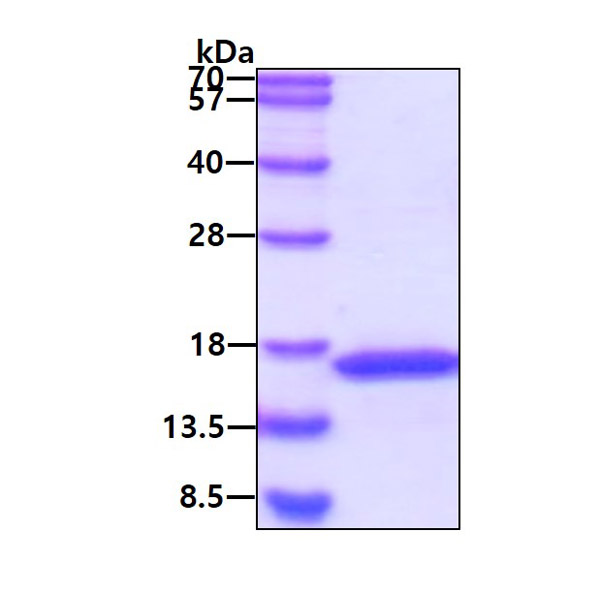
SDS_PAGE (Sample: Active recombinant SIRT3, Mouse)
Gene Sequencing (Gene Sequencing (extract))
Bioactivity (Sirtuin 3 (SIRT3) also known as NAD-dependent deacetylase sirtuin-3 is a member of the mammalian sirtuin family of proteins. SIRT3 is a soluble protein located in the mitochondrial matrix, and contains a mitochondrial processing peptide at the N-terminus. It is a key regulator of succinate dehydrogenase (SDH), which catalyzes the oxidation of succinate to fumarate. Increased succinate concentrations and the specific G protein-coupled receptor 91 (GPR91) are involved in the activation of hepatic stellate cells (HSCs). SIRT3 agonists could help treat metabolic disorders such as obesity, metabolic syndrome and type 2 diabetes. Besides, Dihydrolipoyl Transacetylase (DLAT) has been identified as an interactor of SIRT3, thus a binding ELISA assay was conducted to detect the interaction of recombinant mouse SIRT3 and recombinant mouse DLAT. Briefly, SIRT3 were diluted serially in PBS, with 0.01% BSA (pH 7.4). Duplicate samples of 100uL were then transferred to DLAT-coated microtiter wells and incubated for 2h at 37 degree C. Wells were washed with PBST and incubated for 1h with anti-SITR3 pAb, then aspirated and washed 3 times. After incubation with HRP labelled secondary antibody, wells were aspirated and washed 3 times. With the addition of substrate solution, wells were incubated 15-25 minutes at 37 degree C. Finally, add 50uL stop solution to the wells and read at 450nm immediately. The binding activity of SIRT3 and DLAT was shown in Figure 1, and this effect was in a dose dependent manner.)
Activity (Figure. The binding activity of SIRT3 with IDH2.Sirtuin 3 (SIRT3), the NAD-dependent deacetylaseis is member of the mammalian sirtuin family of proteins. In human, sirtuins have a range of molecular functions and have emerged as important proteins in aging, stress resistance and metabolic regulation. It also can regulate epigenetic gene silencing and suppress recombination of rDNA in yeast. SIRT3 expression in white and brown adipose tissue. Besides, Isocitrate Dehydrogenase 2, mitochondrial (IDH2) has been identified as an interactor of SIRT3, thus a binding ELISA assay was conducted to detect the interaction of recombinant rat SIRT3 and recombinant rat IDH2. Briefly, SIRT3 were diluted serially in PBS, with 0.01% BSA (pH 7.4). Duplicate samples of 100uL were then transferred to IDH2-coated microtiter wells and incubated for 2h at 37 degree C. Wells were washed with PBST and incubated for 1h with anti-SIRT3 pAb, then aspirated and washed 3 times. After incubation with HRP labelled secondary antibody, wells were aspirated and washed 3 times. With the addition of substrate solution, wells were incubated 15-25 minutes at 37 degree C. Finally, add 50uL stop solution to the wells and read at 450nm immediately. The binding activity of SIRT3 and IDH2 was shown in Figure 1, and this effect was in a dose dependent manner.)
Activity (IL36G (Interleukin 36 gamma), also known as IL-1F9 and IL-1H1 is a member of the IL-1 family. The receptor for IL36 gamma is reported to be a combination of IL-1 R6/IL-1 R rp2 and IL-1 R3/IL-1 R AcP. Thus we have conducted a binding ELISA assay to detect the interaction of recombinant human IL36G with recombinant human IL1R1. Briefly, IL36G were diluted serially in PBS, with 0.01%BSA (pH 7.4). Duplicate samples of 100uL were then transferred to IL1R1-coated microtiter wells and incubated for 2h at 37 degree C. Wells were washed with PBST and incubated for 1h with anti-IL1R1 pAb, then aspirated and washed 3 times. After incubation with HRP labelled secondary antibody, wells were aspirated and washed 3 times. With the addition of substrate solution, wells were incubated 15-25 minutes at 37 degree C. Finally, add 50uL stop solution to the wells and read at 450nm immediately. The binding activity of IL36G with IL1R1 was shown in Figure 1 and this effect was in a dose dependent manner.)
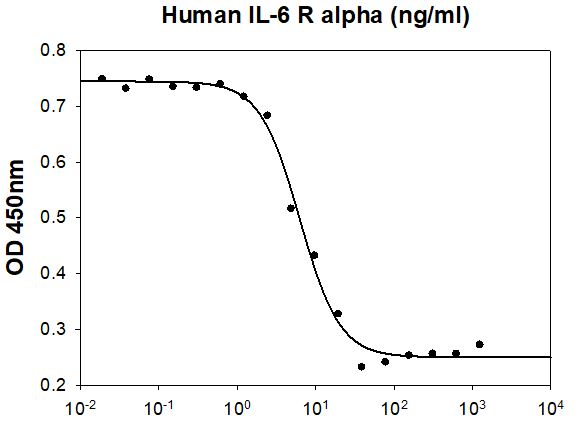
Activity (Interleukin-6 (IL-6), a pro-inflammatory cytokine and an anti-inflammatory myokine, plays important roles in the acute phase reaction, inflammation, hematopoiesis, bone metabolism, and cancer progression. It has been reported that IL-6 significantly increased the MMP-10 protein lever in the human lung cancer A549 cells through the JAK/STAT signaling pathway. Briefly, A549 cells were seeded into 6-well cell culture clusters and allowed to grow to 50-70% confluence, then different concentrations of IL-6 was added. After incubated for 24h, the protein levels of MMP-10 in the cell supernatant were determined by Western blot.MMP-10 protein lever significantly increased in A549 cells due to the stimulation of IL-6, the data was shown in Figure 1.)
Activity (IL17B (Interleukin-17B) is is a T cell-derived cytokine that shares sequence similarity with IL17, which has been proven to mediate potent inflammatory immune response. Besides, increasing evidence suggests that IL17 may play a critical role in various kinds of liver diseases, including hepatocellualar carcinoma. Thus a stimulation assay has been conducted to detect the bioactivity of IL17B. HepG2 cells were seeded into 24-well plate at a density of 1x10^5 cells/mL, and allowed to attach overnight before treated with or without certain concentrations (250ng/mL, 500ng/mL) of IL17B for 20h and IL-8 levels in the cell supernatant were determined by ELISA.)
Activity (Transforming growth factor alpha (TGF-alpha), a ligand for the epidermal growth factor receptor, which activates a signaling pathway for cell proliferation, differentiation and development. To test the effect of TGF-alpha on cell proliferation of 3T3 fibroblasts, 3T3 cells were seeded into triplicate wells of 96-well plates at a density of 2, 000 cells/well and allowed to attach overnight, then the medium was replaced with serum-free standard DMEM prior to the addition of various concentrations of TGF-alpha. After incubated for 72h, cells were observed by inverted microscope and cell proliferation was measured by Cell Counting Kit-8 (CCK-8). Briefly, 10uL of CCK-8 solution was added to each well of the plate, then measure the absorbance at 450nm using a microplate reader after incubating the plate for 1-4 hours at 37 degree C.Cell proliferation of 3T3 cells after incubation with TGF-alpha for 72h observed by inverted microscope was shown in Figure 1.)
Activity (BMP4 (Bone morphogenetic protein 4) is a member of the bone morphogenetic protein family, which is involved in bone and cartilage development, specifically tooth and limb development and fracture repair. It has been proven that HJV (Hemojuvelin) acts as a coreceptor of BMPs, including BMP4; therefore, a binding ELISA assay was constructed to detect the association of recombinant human BMP4 with recombinant human HJV. Briefly, BMP4 were diluted serially in PBS, with 0.01%BSA (pH 7.4). Duplicate samples of 100uL were then transferred to HJV-coated microtiter wells and incubated for 2h at 37 degree C. Wells were washed with PBST and incubated for 1h with anti-BMP4 pAb, then aspirated and washed 3 times. After incubation with HRP labelled secondary antibody, wells were aspirated and washed 3 times. With the addition of substrate solution, wells were incubated 15-25 minutes at 37 degree C. Finally, add 50uL stop solution to the wells and read at 450nm immediately. The binding activity of BMP4 with HJV was shown in Figure 1 and this effect was in a dose dependent manner.)
Activity (IL1R1 (Interleukin 1 Receptor Type I), also known as CD121a, is an important mediator involved in many cytokine induced immune and inflammatory responses. It belongs to the interleukin-1 receptor family, and is a receptor for interleukin 1 alpha (IL1A), interleukin 1 beta (IL1B), and interleukin 1 receptor antagonist (IL1RA). Besides, mouse IL1B shares 87.0% AA sequence identity with rat IL1B, suggesting the exist of cross-species activity. Thus, a binding ELISA assay was constructed to detect the association of recombinant rat IL1R1 with recombinant mouse IL1B. Briefly, IL1R1 were diluted serially in PBS with 0.1%BSA (pH 7.4). Duplicate samples of 100uL were then transferred to IL1B-coated microtiter wells and incubated for 2h at 37 degree C. Wells were washed with PBST and incubated for 1h with anti-IL1R1 pAb, then aspirated and washed 3 times. After incubation with HRP labelled secondary antibody, wells were aspirated and washed 3 times. With the addition of substrate solution, wells were incubated 15-25 minutes at 37 degree C. Finally, add 50uL stop solution to the wells and read at 450nm immediately. The binding activity of IL1R1 with IL1B was shown in Figure 1 and this effect was in a dose dependent manner.)
Activity (Interleukin-6 (IL-6), a pro-inflammatory cytokine and an anti-inflammatory myokine, plays important roles in the acute phase reaction, inflammation, hematopoiesis, bone metabolism, and cancer progression. It has been reported that IL-6 significantly increased the MMP-10 protein lever in the human lung cancer A549 cells through the JAK/STAT signaling pathway. Briefly, A549 cells were seeded into 6-well cell culture clusters and allowed to grow to 50-70% confluence, then different concentrations of IL-6 was added. After incubated for 24h, the protein levels of MMP-10 in the cell supernatant were determined by Western blot.Result: MMP-10 protein lever significantly increased in A549 cells due to the stimulation of IL-6, the data was shown in Figure 1.)
Activity (Interleukin-17 receptor A (IL17RA) is a cytokine receptor which binds interleukin 17A (IL17A). IL17A is a proinflammatory cytokine secreted by activated T-lymphocytes. IL17RA, as a transmembrane protein, is a ubiquitous type I membrane glycoprotein that binds IL17A, IL17F and IL17C. Activation of IL17RA leads to induction of expression of inflammatory chemokines and cytokines such as CXCL1, CXCL8/IL8 and IL6. Thus a binding ELISA assay was constructed to detect the association of recombinant human IL17RA with recombinant human IL17A. Briefly, IL17RA were diluted serially in PBS, with 0.01%BSA (pH 7.4). Duplicate samples of 100uL were then transferred to IL17A-coated microtiter wells and incubated for 2h at 37 degree C. Wells were washed with PBST and incubated for 1h with anti-IL17RA pAb, then aspirated and washed 3 times. After incubation with HRP labelled secondary antibody, wells were aspirated and washed 3 times. With the addition of substrate solution, wells were incubated 15-25 minutes at 37 degree C. Finally, add 50uL stop solution to the wells and read at 450nm immediately. The binding activity of IL17RA with IL17A was shown in Figure 1 and this effect was in a dose dependent manner.)
Activity (IL2RA (Interleukin-2 receptor alpha chain ), also known as Tac antigen and as CD25, was initially identified as a 55kDa membrane glycoprotein which is capable of binding IL2. Besides, mouse IL2 shares 75.1% AA sequence identity with rat IL2, suggesting the exist of cross-species activity. Thus we have conducted a binding ELISA assay to detect the interaction of recombinant rat IL2RA with recombinant mouse IL2. Briefly, IL2RA were diluted serially in PBS, with 0.01%BSA (pH 7.4). Duplicate samples of 100uL were then transferred to IL2-coated microtiter wells and incubated for 2h at 37 degree C. Wells were washed with PBST and incubated for 1h with anti-IL2RA pAb, then aspirated and washed 3 times. After incubation with HRP labelled secondary antibody, wells were aspirated and washed 3 times. With the addition of substrate solution, wells were incubated 15-25 minutes at 37 degree C. Finally, add 50uL stop solution to the wells and read at 450nm immediately. The binding activity of IL2RA with IL2 was shown in Figure 1 and this effect was in a dose dependent manner.)
Activity (IL17RD (interleukin-17 receptor D) is a membrane protein belonging to the IL17R protein family, acting as a component of the interleukin-17 receptor signaling complex. Knowing that the interaction between this protein and IL-17R does not require the interleukin, we have conducted a binding a binding ELISA assay to detect the interaction of recombinant human IL17RD with both recombinant human IL17RA and IL17. Briefly, IL17RD were diluted serially in PBS, with 0.01%BSA (pH 7.4). Duplicate samples of 100uL were then transferred to IL17RA-coated or IL17-coated microtiter wells and incubated for 2h at 37 degree C. Wells were washed with PBST and incubated for 1h with anti-IL17RA pAb and anti-IL17 pAb separately, then aspirated and washed 3 times. After incubation with HRP labelled secondary antibody, wells were aspirated and washed 3 times. With the addition of substrate solution , wells were incubated 15-25 minutes at 37 degree C. Finally, add 50uL stop solution to the wells and read at 450nm immediately. The binding activity of IL17RD with IL17RA and IL17 was shown in Figure 1 and Figure 2 respectively and this effect was in a dose dependent manner.)
Activity (IL17RB (Interleukin-17 receptor B) is a receptor for the proinflammatory cytokines IL17B (Interleukin-17B) and IL17E (Interleukin-17E). This receptor has been shown to mediate the activation of NF-kappaB and the production of IL8 induced by IL17E. Thus a binding ELISA assay was constructed to detect the association of recombinant human IL17RB with recombinant human IL17B. Briefly, IL17RB were diluted serially in PBS, with 0.01%BSA (pH 7.4). Duplicate samples of 100uL were then transferred to IL17B-coated microtiter wells and incubated for 2h at 37 degree C. Wells were washed with PBST and incubated for 1h with anti-IL17RB pAb, then aspirated and washed 3 times. After incubation with HRP labelled secondary antibody, wells were aspirated and washed 3 times. With the addition of substrate solution, wells were incubated 15-25 minutes at 37 degree C. Finally, add 50uL stop solution to the wells and read at 450nm immediately. The binding activity of IL17RB with IL17B was shown in Figure 1 and this effect was in a dose dependent manner.)
Activity (NOG (Noggin) is a signaling molecule that plays an important role in promoting somite patterning in the developing embryo, essential for cartilage morphogenesis and joint formation. It is considered as an inhibitor in bone morphogenetic proteins (BMP) signaling, by binding with BMP4, thus a binding ELISA assay was conducted to detect the association of recombinant rat NOG with BMP4. Briefly, NOG were diluted serially in PBS with 0.01%BSA (pH 7.4). Duplicate samples of 100uL were then transferred to BMP4-coated microtiter wells and incubated for 2h at 37 degree C. Wells were washed with PBST and incubated for 1h with anti-NOG pAb, then aspirated and washed 3 times. After incubation with HRP labelled secondary antibody, wells were aspirated and washed 3 times. With the addition of substrate solution, wells were incubated 15-25 minutes at 37 degree C. Finally, add 50uL stop solution to the wells and read at 450nm immediately. The binding activity of NOG with BMP4 was shown in Figure 1 and this effect was in a dose dependent manner.)
Activity (CA2 (Carbonic anhydrase 2) is an enzyme that catalyzes reversible hydration of carbon dioxide. It is essential for bone resorption and osteoclast differentiation and contributes to intracellular pH regulation in the duodenal upper villous epithelium during proton-coupled peptide absorption. It is widely accepted that CA2 also catalyzes hydrolysis of p-Nitrophenyl Acetate. Thus, a hydration assay was conducted to test the catalytic activity of CA2 using 4-Nitrophenyl Acetate (4-NPA) as substrate. Briefly, different concentrations of CA2 were incubated with 1mM 4-NPA in reaction buffer. The absorbance at the wavelength of 400nm was read per hour, and the result was shown in figure 1. It is obvious that CA2 catalyzes hydrolysis of p-Nitrophenyl Acetate.)
Activity (Figure. The chemotactic effect of CX3CL1 on THP-1 cells.Chemokine C-X3-C-Motif Ligand 1 (CX3CL1) also known as fractalkine is a large cytokine protein of 373 amino acids, it contains multiple domains and is the only known member of the CX3C chemokine family. Soluble CX3CL1 potently chemoattracts T cells and monocytes, while the cell-bound chemokine promotes strong adhesion of leukocytes to activated endothelial cells, where it is primarily expressed. Thus, chemotaxis assay used 24-well microchemotaxis system was undertaken to detect the chemotactic effect of CX3CL1 on the human monocytic cell line THP-1. Briefly, THP-1 cells were seeded into the upper chambers (150uL cell suspension, 106 cells/mL in RPMI 1640 with FBS free) and SLC (1ng/mL, 10ng/mL, 100ng/mL and 1000ng/mL diluted separately in serum free RPMI 1640) was added in lower chamber with a polycarbonate filter (8um pore size) used to separate the two compartments. After incubation at 37 degree C with 5% CO2 for 1h, the filter was removed, then cells in low chamber were observed by inverted microscope at low magnification (×100) and the number of migrated cells were counted at high magnification (×400) randomly (five fields for each filter). Result shows CX3CL1 is able to induce migration of THP-1 cells. The migrated Jurkat cells in low chamber at low magnification (×100) were shown in Figure 1. Five fields of each chamber were randomly chosen, and the migrated cells were counted at high magnification (×400). Statistical results were shown in Figure 2. The optimum chemotaxis of CX3CL1 occurs at 1-1000ng/mL.(A) THP-1 cells were seeded into the upper chambers and serum free RPMI 1640 with 10ng/mL CX3CL1 was added in lower chamber, then cells in lower chamber were observed at low magnification (×100) after incubation for 1h;(B) THP-1 cells were seeded into the upper chambers and serum free RPMI 1640 without CX3CL1 was added in lower chamber, then cells in lower chamber were observed at low magnification (×100) after incubation for 1h.)
Activity (Figure. The binding activity of TIMP3 with MMP2.Tissue Inhibitors Of Metalloproteinase 3 (TIMP3) is an protein belongs to the tissue inhibitor of metalloproteinases family. They are inhibitors of the matrix metalloproteinases. TIMP-3 is the only member of the TIMP family which is found exclusively in the extracellular matrix (ECM). It is regulated in a cell cycle-dependent fashion in certain cell types and may serve as a marker for terminal differentiation. Besides, Matrix Metalloproteinase 2 (MMP2) has been identified as an interactor of TIMP3, thus a binding ELISA assay was conducted to detect the interaction of recombinant rat TIMP3 and recombinant rat MMP2. Briefly, TIMP3 were diluted serially in PBS, with 0.01% BSA (pH 7.4). Duplicate samples of 100uL were then transferred to MMP2-coated microtiter wells and incubated for 2h at 37 degree C. Wells were washed with PBST and incubated for 1h with anti-TIMP3 pAb, then aspirated and washed 3 times. After incubation with HRP labelled secondary antibody, wells were aspirated and washed 3 times. With the addition of substrate solution, wells were incubated 15-25 minutes at 37 degree C. Finally, add 50uL stop solution to the wells and read at 450nm immediately. The binding activity of TIMP3 and MMP2 was shown in Figure 1, and this effect was in a dose dependent manner.)
Bioactivity (Figure 1. The binding activity of ELA2 with COL17.Elastase2 (ELA2), elastase 2 is a serine proteinase in the same family as chymotrypsin and has broad substrate specificity. Secreted by neutrophils and macrophages during inflammation, it destroys bacteria and host tissue. The neutrophil form of elastase is 218 amino acids long, with two asparagine-linked carbohydrate chains (see glycosylation). Neutrophil elastase may play a role in degenerative and inflammatory diseases by its proteolysis of collagen-IV and elastin of the extracellular matrix. This protein degrades the outer membrane protein A (OmpA) of E. coli as well as the virulence factors of such bacteria as Shigella, Salmonella and Yersinia. Besides, Collagen Type XVII (COL17) has been identified as an interactor of ELA2, thus a binding ELISA assay was conducted to detect the interaction of recombinant human COL17 and recombinant human ELA2. Briefly, ELA2 were diluted serially in PBS, with 0.01% BSA (pH 7.4). Duplicate samples of 100uL were then transferred to COL17-coated microtiter wells and incubated for 2h at 37 degree C. Wells were washed with PBST and incubated for 1h with anti-ELA2 pAb, then aspirated and washed 3 times. After incubation with HRP labelled secondary antibody, wells were aspirated and washed 3 times. With the addition of substrate solution, wells were incubated 15-25 minutes at 37 degree C. Finally, add 50uL stop solution to the wells and read at 450nm immediately. The binding activity of ELA2 and COL17 was shown in Figure 1, and this effect was in a dose dependent manner.)
Application Data (Figure 1. ES inhibit proliferation of EV304 cellsActivity: Endostatin (ES) is a naturally occurring, 20kDa C-terminal fragment derived from type XVIII collagen. It is reported to serve as an anti-angiogenic agent, similar to angiostatin and thrombospondin. Endostatin is a broad-spectrum angiogenesis inhibitor and may interfere with the pro-angiogenic action of growth factors such as basic fibroblast growth factor (bFGF/FGF-2) and vascular endothelial growth factor (VEGF). To test the effect of ES on inhibit the VEGF basic-dependent proliferation of ECV304 endothelium cell line, cells were seeded into triplicate wells of 96-well plates at a density of 5, 000 cells/well when the cell attached, replaced with serum-free standard DMEM overnight. Then the medium was replaced with 2% serum standard DMEM which contain 10ng/mL of VEGFA and various concentrations of ES. After incubated for 72h, cells were observed by inverted microscope and cell proliferation was measured by Cell Counting Kit-8 (CCK-8). Briefly, 10uL of CCK-8 solution was added to each well of the plate, then measure the absorbance at 450nm using a microplate reader after incubating the plate for 1-4 hours at 37°C. The result was shown in Figure 1. It was obvious that ES (100ng/mL) significantly inhibit cell proliferation of EV304 cells.)
Activity (Figure. The binding activity of PAPPA with Plg.Pregnancy-associated plasma protein A (PAPPA), also known as pappalysin-1, is a secreted protease whose main substrate is insulin-like growth factor binding proteins. PAPPA's proteolytic function is activated upon collagen binding. It is thought to be involved in local proliferative processes such as wound healing and bone remodeling. Low plasma level of this protein has been suggested as a biochemical marker for pregnancies with aneuploid fetuses (fetuses with an abnormal number of chromosomes). Besides, Plasminogen (Plg) has been identified as an interactor of PAPPA, thus a binding ELISA assay was conducted to detect the interaction of recombinant human PAPPA and recombinant human Plg. Briefly, PAPPA were diluted serially in PBS with 0.01% BSA (pH 7.4). Duplicate samples of 100muL were then transferred to Plg-coated microtiter wells and incubated for 2h at 37 degree C. Wells were washed with PBST and incubated for 1h with anti-PAPPA pAb, then aspirated and washed 3 times. After incubation with HRP labelled secondary antibody, wells were aspirated and washed 3 times. With the addition of substrate solution, wells were incubated 15-25 minutes at 37 degree C. Finally, add 50uL stop solution to the wells and read at 450nm immediately. The binding activity of PAPPA and Plg was shown in Figure 1, and this effect was in a dose dependent manner.)
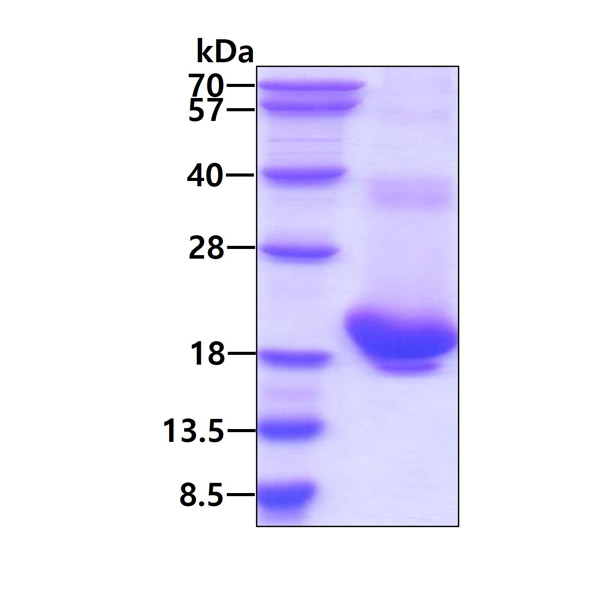
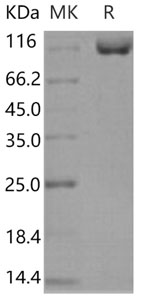
SDS-PAGE (Figure 2. SDS-PAGESample: Active recombinant TNFRSF1A, Human)
Bioactivity (Tumor necrosis factor receptor superfamily member 1A (TNFRSF1A), also known as Tumor necrosis factor receptor 1 (TNFR1) and CD120a, is a ubiquitous membrane receptor that binds tumor necrosis factor-alpha (TNFAlpha). This receptor can activate the transcription factor NF-kB, mediate apoptosis, and function as a regulator of inflammation. Antiapoptotic protein BCL2-associated athanogene 4 (BAG4/SODD) and adaptor proteins TRADD and TRAF2 have been shown to interact with this receptor, and thus play regulatory roles in the signal transduction mediated by the receptor. Besides, Granulin (GRN) has been identified as an interactor of TNFRSF1A, thus a binding ELISA assay was conducted to detect the interaction of recombinant human TNFRSF1A and recombinant human GRN. Briefly, TNFRSF1A were diluted serially in PBS, with 0.01% BSA (pH 7.4). Duplicate samples of 100uL were then transferred to GRN-coated microtiter wells and incubated for 2h at 37 degree C. Wells were washed with PBST and incubated for 1h with anti-TNFRSF1A pAb, then aspirated and washed 3 times. After incubation with HRP labelled secondary antibody, wells were aspirated and washed 3 times.With the addition of substrate solution, wells were incubated 15-25 minutes at 37 degree C. Finally, add 50uL stop solution to the wells and read at 450nm immediately. The binding activity of of TNFRSF1A and GRN was shown in Figure 1, and this effect was in a dose dependent manner.)
Activity (Figure. The binding activity of MSTN with FSTL3.Myostatin (MSTN) also known as growth differentiation factor 8 (GDF-8) a myokine, a protein produced and released by myocytes. It inhibit myogenesis including muscle cell growth and differentiation. Myostatin is a secreted growth differentiation factor that is a member of the TGF beta protein family. Besides, Follistatin Like Protein 3 (FSTL3) has been identified as an interactor of MSTN, thus a binding ELISA assay was conducted to detect the interaction of recombinant rat MSTN and recombinant rat FSTL3. Briefly, MSTN were diluted serially in PBS, with 0.01% BSA (pH 7.4). Duplicate samples of 100uL were then transferred to FSTL3-coated microtiter wells and incubated for 2h at 37 degree C. Wells were washed with PBST and incubated for 1h with anti-MSTN pAb, then aspirated and washed 3 times. After incubation with HRP labelled secondary antibody, wells were aspirated and washed 3 times. With the addition of substrate solution, wells were incubated 15-25 minutes at 37 degree C. Finally, add 50uL stop solution to the wells and read at 450nm immediately. The binding activity of MSTN and FSTL3 was shown in Figure 1, and this effect was in a dose dependent manner.)
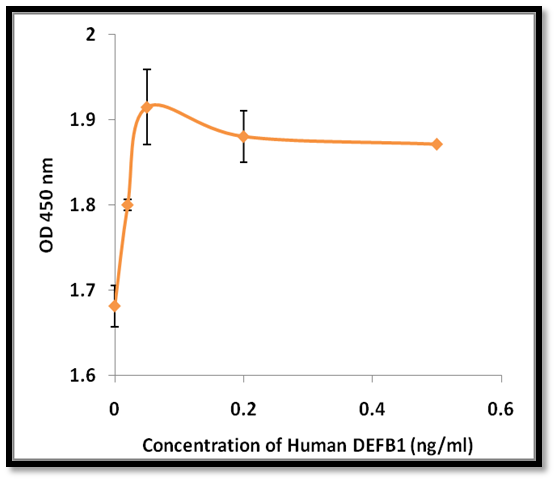
Bioactivity (S100 calcium-binding protein A8 (S100A8) also known as calgranulin A, is a member of the S100 family of proteins containing 2 EF-hand calcium-binding motifs. S100 proteins are localized in the cytoplasm and/or nucleus of a wide range of cells, and involved in the regulation of a number of cellular processes such as cell cycle progression and differentiation. Besides, S100 Calcium Binding Protein A9 (S100A9) has been identified as an interactor of S100A8, thus a binding ELISA assay was conducted to detect the interaction of recombinant human S100A8 and recombinant human S100A9. Briefly, S100A8 was diluted serially in PBS with 0.01% BSA (pH 7.4). Duplicate samples of 100?L were then transferred to S100A9-coated microtiter wells and incubated for 2h at 37?. Wells were washed with PBST and incubated for 1h with anti-S100A8 pAb, then aspirated and washed 3 times. After incubation with HRP labelled secondary antibody, wells were aspirated and washed 3 times. With the addition of substrate solution, wells were incubated 15-25 minutes at 37°C. Finally, add 50?L stop solution to the wells and read at 450nm immediately. The binding activity of S100A8 and S100A9 was shown in Figure 1, and this effect was in a dose dependent manner.The binding activity of S100A8 with S100A9.)
Activity (Figure. The binding activity of IL28B with IL10Rb.Interleukin 28B (IL28B) is a cytokine distantly related to type I interferons and the IL-10 family. It has function on antiviral, antitumour and immunomodulatory activities. IL28B also plays a critical role in the antiviral host defense, predominantly in the epithelial tissues and acts as a ligand for the heterodimeric class II cytokine receptor composed of IL10RB and IFNLR1, and receptor engagement leads to the activation of the JAK/STAT signaling pathway resulting in the expression of IFN-stimulated genes (ISG), which mediate the antiviral state. Besides, Interleukin 10 Receptor Beta (IL10Rb) has been identified as an interactor of IL28B, thus a binding ELISA assay was conducted to detect the interaction of recombinant human IL28B and recombinant human IL10Rb. Briefly, IL28B were diluted serially in PBS, with 0.01% BSA (pH 7.4). Duplicate samples of 100uL were then transferred to IL10Rb-coated microtiter wells and incubated for 2h at 37 degree C. Wells were washed with PBST and incubated for 1h with anti-IL28B pAb, then aspirated and washed 3 times. After incubation with HRP labelled secondary antibody, wells were aspirated and washed 3 times. With the addition of substrate solution, wells were incubated 15-25 minutes at 37 degree C. Finally, add 50uL stop solution to the wells and read at 450nm immediately. The binding activity of IL28B and IL10Rb was shown in Figure 1, and this effect was in a dose dependent manner.)
Activity (Figure. The binding activity of IL29 with ATP2B2.Interleukin-29 (IL-29) is a member of the helical cytokine family and is a type III interferon. It is also known as IFNlambda1 and is highly similar in amino acid sequence to the IL-28, the other type III interferon. IL-29 plays an important role in host defenses against microbes and its gene is highly upregulated in cells infected with viruses. Besides, ATPase, Ca Transporting, Plasma Membrane 2 (ATP2B2) has been identified as an interactor of IL29, thus a binding ELISA assay was conducted to detect the interaction of recombinant human IL29 and recombinant human ATP2B2. Briefly, IL29 were diluted serially in PBS with 0.01% BSA (pH 7.4). Duplicate samples of 100muL were then transferred to ATP2B2-coated microtiter wells and incubated for 2h at 37 degree C. Wells were washed with PBST and incubated for 1h with anti-IL29 pAb, then aspirated and washed 3 times. After incubation with HRP labelled secondary antibody, wells were aspirated and washed 3 times. With the addition of substrate solution, wells were incubated 15-25 minutes at 37 degree C. Finally, add 50uL stop solution to the wells and read at 450nm immediately. The binding activity of IL29 and ATP2B2 was shown in Figure 1, and this effect was in a dose dependent manner.)
Activity (Figure. The binding activity of COL6a1 with PDGFA.Collagen alpha-1(VI) chain (COL6a1) is a protein that in humans, the collagens are a superfamily of proteins that play a role in maintaining the integrity of various tissues. Collagens are extracellular matrix proteins and have a triple-helical domain as their common structural element. Besides, Platelet-derived growth factor subunit A (PDGFA) has been identified as an interactor of COL6A1, thus a binding ELISA assay was conducted to detect the interaction of recombinant human COL6a1 and recombinant human PDGFA. Briefly, COL6a1 were diluted serially in PBS, with 0.01% BSA (pH 7.4). Duplicate samples of 100uL were then transferred to PDGFA-coated microtiter wells and incubated for 2h at 37 degree C. Wells were washed with PBST and incubated for 1h with anti-COL6a1 pAb, then aspirated and washed 3 times. After incubation with HRP labelled secondary antibody, wells were aspirated and washed 3 times. With the addition of substrate solution, wells were incubated 15-25 minutes at 37 degree C. Finally, add 50uL stop solution to the wells and read at 450nm immediately. The binding activity of COL6a1 and PDGFA was shown in Figure 1, and this effect was in a dose dependent manner.)
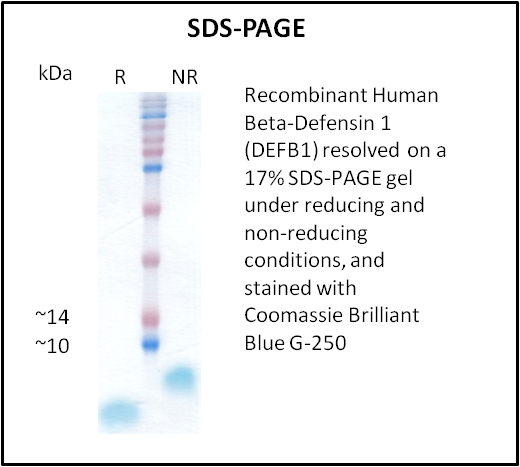
SDS-PAGE (Sample: Active recombinant COL6a1, Mouse)
Application Data (The collagens are a superfamily of proteins that play a role in maintaining the integrity of various tissues. Collagen VI is a major structural component of microfibrils. The basic structural unit of collagen VI is a heterotrimer of the alpha1(VI), alpha2(VI), and alpha3(VI) chains. The protein encoded by COL6a1 gene is the alpha 1 subunit of type VI collagen (alpha1(VI) chain). Mutations in the genes that code for the collagen VI subunits result in the autosomal dominant disorder, Bethlem myopathy. Besides, Retbindin (RTBDN) has been identified as an interactor of COL6a1, thus a binding ELISA assay was conducted to detect the interaction of recombinant mouse COL6a1 and recombinant mouse RTBDN. Briefly, COL6a1 were diluted serially in PBS, with 0.01% BSA (pH 7.4). Duplicate samples of 100uL were then transferred to RTBDN-coated microtiter wells and incubated for 2h at 37?. Wells were washed with PBST and incubated for 1h with anti-COL6a1 pAb, then aspirated and washed 3 times. After incubation with HRP labelled secondary antibody, wells were aspirated and washed 3 times. With the addition of substrate solution, wells were incubated 15-25 minutes at 37?. Finally, add 50uL stop solution to the wells and read at 450nm immediately. The binding activity of COL6a1 and RTBDN was shown in Figure 1, and this effect was in a dose dependent manner.)
SDS_PAGE (Sample: Active recombinant HDAC1, Human)
Gene Sequencing (Gene Sequencing (extract))
Bioactivity (Histone deacetylase 1 (HDAC1) is an enzyme which belongs to the histone deacetylase/acuc/apha family and is a component of the histone deacetylase complex. Histone acetylation and deacetylation, catalyzed by multisubunit complexes, play a key role in the regulation of eukaryotic gene expression.HDAC1 also interacts with retinoblastoma tumor-suppressor protein and this complex is a key element in the control of cell proliferation and differentiation. Besides, Specificity Protein 1 (Sp1) has been identified as an interactor of HDAC1, thus a binding ELISA assay was conducted to detect the interaction of recombinant human HDAC1 and recombinant human Sp1. Briefly, HDAC1 were diluted serially in PBS, with 0.01% BSA (pH 7.4). Duplicate samples of 100uL were then transferred to Sp1-coated microtiter wells and incubated for 2h at 37 degree C. Wells were washed with PBST and incubated for 1h with anti-HDAC1 pAb, then aspirated and washed 3 times. After incubation with HRP labelled secondary antibody, wells were aspirated and washed 3 times. With the addition of substrate solution, wells were incubated 15-25 minutes at 37 degree C. Finally, add 50uL stop solution to the wells and read at 450nm immediately. The binding activity of of HDAC1 and Sp1 was shown in Figure 1, and this effect was in a dose dependent manner.)
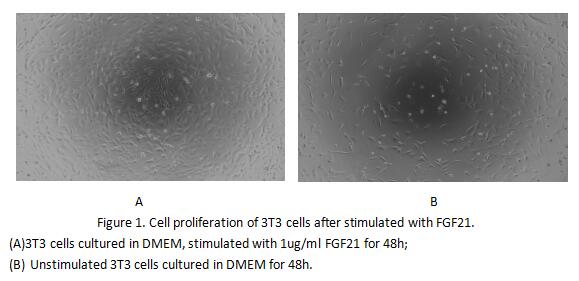
Activity (Figure. The binding activity of FGF21 with FGFR1.Fibroblast growth factor 21 (FGF21) is a member of the fibroblast growth factor (FGF) family and specifically a member of the endocrine subfamily which includes FGF23 and FGF15/19. FGF family members possess broad mitogenic and cell survival activities and are involved in a variety of biological processes including embryonic development, cell growth, morphogenesis, tissue repair, tumor growth and invasion. FGF21 action through one of the FGF21 receptors thus requires interaction with a co-receptor, designated beta-klotho. Besides, Fibroblast Growth Factor Receptor 1 (FGFR1) has been identified as an interactor of FGF21, thus a binding ELISA assay was conducted to detect the interaction of recombinant rat FGF21 and recombinant rat FGFR1. Briefly, FGF21 were diluted serially in PBS, with 0.01% BSA (pH 7.4). Duplicate samples of 100muL were then transferred to FGFR1-coated microtiter wells and incubated for 2h at 37 degree C. Wells were washed with PBST and incubated for 1h with anti-FGF21 pAb, then aspirated and washed 3 times. After incubation with HRP labelled secondary antibody, wells were aspirated and washed 3 times. With the addition of substrate solution, wells were incubated 15-25 minutes at 37 degree C. Finally, add 50uL stop solution to the wells and read at 450nm immediately. The binding activity of FGF21 and FGFR1 was shown in Figure 1, and this effect was in a dose dependent manner.)
SDS-PAGE (Figure 2. SDS-PAGESample: Active recombinant C1qC, Human)
Bioactivity (Figure. The binding activity of C1qC with APOA1.The complement component 1q (C1q) is composed of 18 polypeptide chains: six A-chains, six B-chains, and six C-chains. Complement Component 1, Q Subcomponent C (C1qC) is six C-chains of C1q. Complement component 1q (C1q is a protein complex involved in the complement system, which is part of the innate immune system. C1q together with C1r and C1s form the C1 complex. It is potentially multivalent for attachment to the complement fixation sites of immunoglobulin. The sites are on the CH2 domain of IgG and, it is thought, on the CH4 domain of IgM. IgG4 cannot bind C1q, but the other three IgG types can. Besides, Apolipoprotein A1 (APOA1) has been identified as an interactor of C1qC, thus a binding ELISA assay was conducted to detect the interaction of recombinant human C1qC and recombinant human APOA1. Briefly, C1qC were diluted serially in PBS, with 0.01% BSA (pH 7.4). Duplicate samples of 100muL were then transferred to APOA1-coated microtiter wells and incubated for 2h at 37 degree C. Wells were washed with PBST and incubated for 1h with anti-C1qC pAb, then aspirated and washed 3 times. After incubation with HRP labelled secondary antibody, wells were aspirated and washed 3 times. With the addition of substrate solution, wells were incubated 15-25 minutes at 37 degree C. Finally, add 50uL stop solution to the wells and read at 450nm immediately. The binding activity of C1qC and APOA1 was shown in Figure 1, and this effect was in a dose dependent manner.Figure 1. The binding activity of C1qC with APOA1.)
Bioactivity (Figure. The binding activity of IL4 with IL2g.The interleukin 4 (IL4, IL-4) is a cytokine that induces differentiation of naive helper T cells (Th0 cells) to Th2 cells. Interleukin 4 has many biological roles, including the stimulation of activated B-cell and T-cell proliferation, and the differentiation of B cells into plasma cells. It is a key regulator in humoral and adaptive immunity. IL-4 induces B-cell class switching to IgE, and up-regulates MHC class II production. IL-4 decreases the production of Th1 cells, macrophages, IFN-gamma, and dendritic cell IL-12. Besides, Interleukin 2 Receptor Gamma (IL2Rg) has been identified as an interactor of IL4, thus a binding ELISA assay was conducted to detect the interaction of recombinant mouse IL4 and recombinant mouse IL2Rg. Briefly, IL4 were diluted serially in PBS, with 0.01% BSA (pH 7.4). Duplicate samples of 100uL were then transferred to IL2Rg-coated microtiter wells and incubated for 2h at 37. Wells were washed with PBST and incubated for 1h with anti-IL4 pAb, then aspirated and washed 3 times. After incubation with HRP labelled secondary antibody, wells were aspirated and washed 3 times. With the addition of substrate solution, wells were incubated 15-25 minutes at 37. Finally, add 50uL stop solution to the wells and read at 450nm immediately. The binding activity of IL4 and IL2Rg was shown in Figure 1, and this effect was in a dose dependent manner.)
Bioactivity (Interleukin 9, also known as IL-9, is a pleiotropic cytokine belonging to the group of interleukins. IL-9 secreted by CD4 helper cells that acts as a regulator of a variety of hematopoietic cells. This cytokine stimulates cell proliferation and prevents apoptosis. It functions through the interleukin-9 receptor (IL9R), which activates different signal transducer and activator (STAT) proteins namely STAT1, STAT3 and STAT5 and thus connects this cytokine to various biological processes. Besides, Interleukin 9 Receptor (IL9R) has been identified as an interactor of IL-9, thus a binding ELISA assay was conducted to detect the interaction of recombinant human IL-9 and recombinant human IL9R. Briefly, IL-9 were diluted serially in PBS, with 0.01% BSA (pH 7.4). Duplicate samples of 100uL were then transferred to IL9R-coated microtiter wells and incubated for 2h at 37. Wells were washed with PBST and incubated for 1h with anti-IL-9 pAb, then aspirated and washed 3 times. After incubation with HRP labelled secondary antibody, wells were aspirated and washed 3 times. With the addition of substrate solution, wells were incubated 15-25 minutes at 37. Finally, add 50uL stop solution to the wells and read at 450nm immediately. The binding activity of IL-9 and IL9R was shown in Figure 1, and this effect was in a dose dependent manner.Figure. The binding activity of IL-9 with IL9R)
Application Data (Tissue Factor Pathway Inhibitor 2 (TFPI2) takes part in the regulation of plasmin-mediated matrix remodeling. Inhibits trypsin, plasmin, factor VIIa/tissue factor and weakly factor Xa. TFPI2 doesn’t have any influence on thrombin. TFPI2 also can inhibit MMP activity, which can hydrolyze gelatin under certain conditions. Thus, the activity of TFPI2 can be measured by inhibit MMP-2 hydrolyze gelatin. Gelatin zymography is mainly used for the detection of the gelatinases, 2g/mL was denatured by SDS loading buffer, electrophoresed through sodium dodecylsulphate–polyacrylamide gel (SDS–PAGE; 8% gels) containing gelatin (1mg/mL) with nonreducing conditions. After renaturation, incubate with various concentrations of recombinant mouse TFPI2, then staining with coomassie brilliant blue G250, active MMP-2 would hydrolyze gelatin nearby, which was indicated by the white binds on the gel; if the activity of MMP-2 inhibit by TFPI2, there was none white binds on the gel.The result was shown in figure 1.As the figure 1 shown, MMP-2 can be inhibited by recombinant mouse TFPI2 at least 2.5g/mL.)
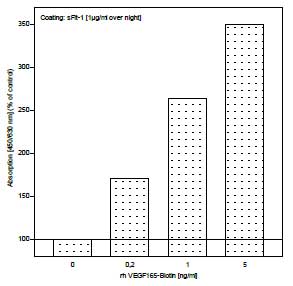
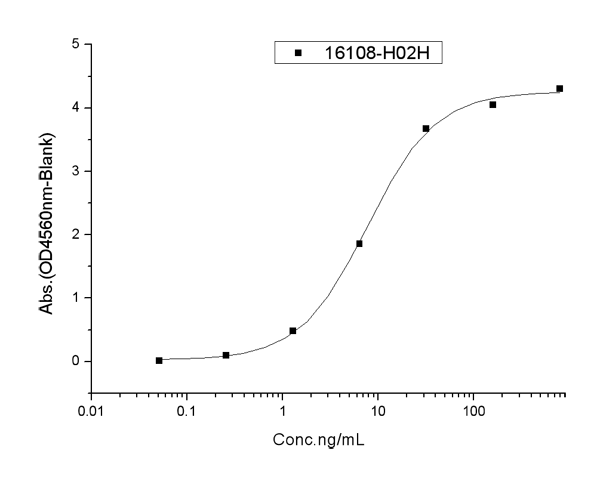
Bioactivity (Interleukin 12B (IL12B)encodes a subunit of interleukin 12, a cytokine that acts on T and natural killer cells, and has a broad array of biological activities.Interleukin 12 is a disulfide-linked heterodimer composed of the 40 kD cytokine receptor like subunit encoded by this gene, and a 35 kD subunit encoded by IL12A. This cytokine is expressed by activated macrophages that serve as an essential inducer of Th1 cells development. Interleukin 12B can combind with Interleukin 12 Receptor Beta 1 (IL12Rb1). Thus a binding ELISA assay was conducted to detect the interaction of recombinant human IL12B and recombinant human IL12Rb1. Briefly, biotin-linked recombinant human IL12B were diluted serially in PBS, with 0.01% BSA (pH 7.4). Duplicate samples of 100?l then transferred to IL12Rb1-coated microtiter wells and incubated for 1h at 37?. Wells were washed with PBST 3 times and incubation with HRP conjugage for 30min, then wells were aspirated and washed 5 times. With the addition of substrate solution, wells were incubated 15-25 minutes at 37?. Finally, add 50ul stop solution to the wells and read at 450nm immediately. The binding activity of IL12B and IL12Rb1 was shown in Figure 1, and this effect was in a dose dependent manner.)
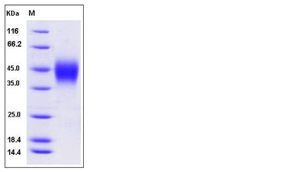
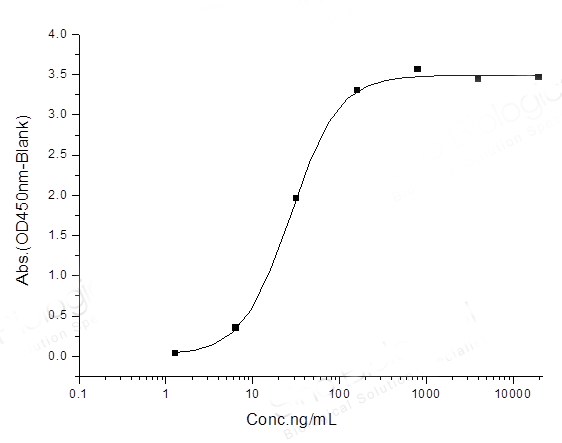
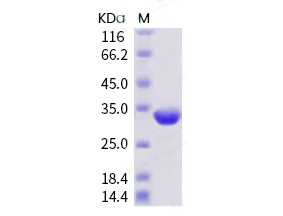
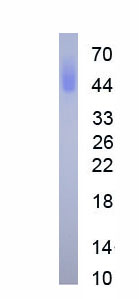
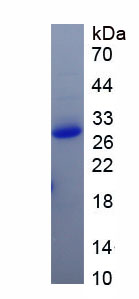
Recombinant Human Zymogen granule protein 16 homolog B
Gene Names
ZG16B; EECP; PAUF; JCLN2; HRPE773; PRO1567
Purity
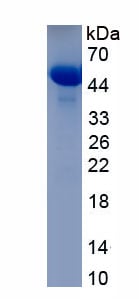
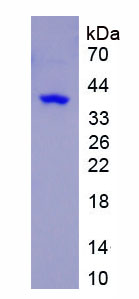
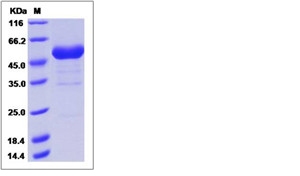
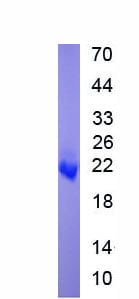
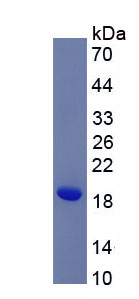
Greater or equal to 85% purity as determined by SDS-PAGE.
Pricing
What Are Active Proteins?
Proteins are large molecules made up of long chains of amino acids.
They will typically fold into a very particular 3-dimensional shape/conformation, that is sometimes referred to as their “native” form, which allows them to work properly in the body. For the purposes of product categorization, AAA Biotech will typically refer to proteins purified from their original animal host as being “native” proteins (this is to signify their difference compared to their “recombinant” or “synthetic” protein counterparts).
If a protein successfully folds into the correct shape, it is will typically display high fidelity characteristics to its original protein in its original animal host, and be classified as an active protein, as it will be able to function “normally” in most enzymatic or binding capacities. If it loses this shape, due to factors such as heat or strong chemicals (such as detergents), it becomes inactive and is no longer able to perform its basic functions. All of the proteins in this category are made under strict quality control, and they are active, pure, low in contaminants, and stable.
Most are stored as freeze-dried powders and come without extra tags, so they’re very close to the actual natural/native form.
Key Applications of Active Proteins
1. Scientific Research
Aid in the study of how proteins function in the body
Aid in understanding various disease processes
2. Drug Development
Powerful tools to investigate how potential drugs interact with specific proteins
Ideal for identifying drug targets
3. Cell Culture
Are routinely utilized to support cell growth and function (e.g., using exogenous growth factors)
Can be used to promote cellular development into specific types (differentiation)
4. Diagnostics
Regularly utilized in tests to detect diseases or infections (e.g., COVID-19, cancer)
Note: All products are strictly for research-use only (RUO).
5. Therapeutics
Some active proteins are used directly as treatments (e.g., insulin, enzymes)
Note: All products are strictly for research-use only (RUO).
6. Vaccine Development
Used to create or test vaccines by mimicking parts of viruses or bacteria
7. Biochemical Assays
They can facilitate the characterization of enzyme activity, binding strength, or protein interactions in lab tests
Why Buy Active Proteins from AAA Biotech?
High biological activity – Verified to perform as expected or indicated on datasheet
Strict quality control – We are confident in our active proteins’ reliability and consistency
High purity & low endotoxin – Ideal for applications involving sensitive or precious samples/components
Freeze-dried for stability – Long shelf life and straightforward storage
Mostly tag-free – Closer to natural/native protein form
FAQ
1. What are active proteins used for in research?
Active proteins are used primarily in the study of how proteins function, in characterizing/discovering drug interactions, supporting cell growth, running biochemical assays, and in development of diagnostics or therapeutics.
2. How are AAA Biotech's active proteins validated?
AAA Biotech’s active proteins are validated through strict quality control and functional assays to ensure they are properly folded and active. “Active”, though, can be an ambiguous term, so if a specific “activity” or “binding” capability of a protein is of crucial interest to you, please inquire with us prior to purchase, and we will provide further details on how the “Active” modifier was determined to be applicable.
3. Are these proteins tested for biological activity?
Yes, all active proteins from AAA Biotech are tested to confirm they have the expected biological activity before being offered for use. Though, said “biological activity” can be either “enzymatic”, “binding”, or both.
Submit a Question
Please complete the form below and a representative will contact you as soon as possible.
Request more Information
Please complete the form below and a representative will contact you as soon as possible.
Request a Manual
Please complete the form below and a representative will contact you as soon as possible.
Request a Quote
Please complete the form below and a representative will contact you as soon as possible.