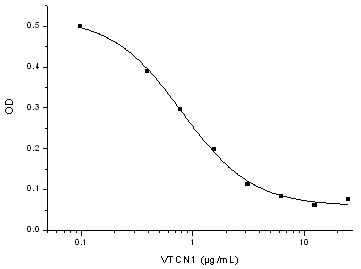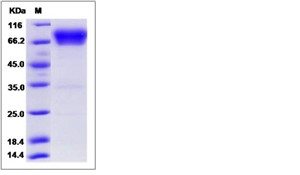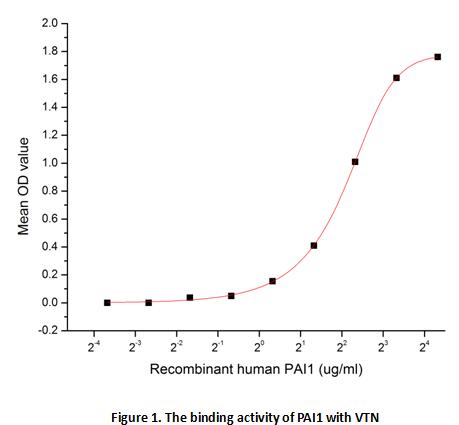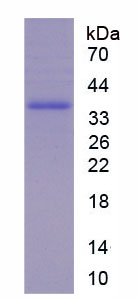
AAA Biotech provides a variety of high-quality recombinant and natural/native proteins that are proven to work in a wide range of experiments. Explore our products to find the active protein that best fits your needs or experimental model.
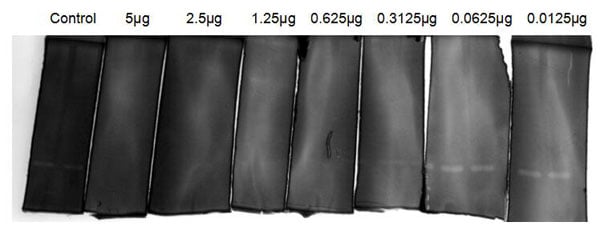
Bioactivity (Catalase (CAT) is an antioxidant enzyme present in all aerobic organisms. It is known to catalyze H2O2 into water and oxygen in an energy-efficient manner in the cells exposed to environmental stress. H2O2 will have specific absorbance at 240 nm . when wi)
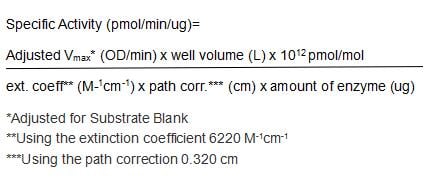
Bioactivity (One unit of enzyme activity is defined as the 1ug of enzyme required to convert 1pmol of 4-Nitrophenyl acetate to 4-Nitrophenol in 1min at 37 degree C. The specific activity of recombinant human CES3 is 700 pmol/min/ug.)
Bioactivity (Carboxylesterase 3 (CES3) also known as Liver carboxylesterase 3 is a serine esterase and a member of a large family of carboxylesterases. The protein Involved in the detoxification of xenobiotics and in the activation of ester and amide prodrugs. Hydroly)
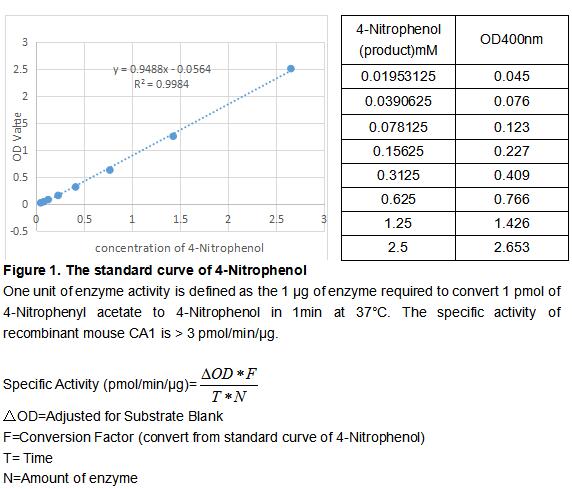
Bioactivity (One unit of enzyme activity is defined as the 1ug of enzyme required to convert 1pmol of 4-Nitrophenyl acetate to 4-Nitrophenol in 1min at 37 degree C. The specific activity of recombinant mouse CES3 is 900 pmol/min/ug.)
Bioactivity (Carboxylesterase 3 (CES3) also known as Liver carboxylesterase 3 is a serine esterase and a member of a large family of carboxylesterases. The protein Involved in the detoxification of xenobiotics and in the activation of ester and amide prodrugs. Hydroly)
Bioactivity (Basic fibroblast growth factor (FGF2), also known as bFGF, FGF-beta is a member of a large family of structurally related heparin-binding proteins (the FGFs) involved in the regulation of cell proliferation, growth and differentiation. It involved in many)
Bioactivity (Interleukin 1 beta (IL-1beta) also known as leukocytic pyrogen, leukocytic endogenous mediator, mononuclear cell factor, lymphocyte activating factor and other names, is a member of the interleukin 1 family of cytokines. This cytokine is an important medi)
Bioactivity (Fibroblast growth factor 23 or FGF23 is a member of the fibroblast growth factor (FGF) family which is responsible for phosphate and vitamin D metabolism. The main function of FGF23 seems to be regulation of phosphate concentration in plasma. FGF23 decrea)
Bioactivity (Osteopontin (OPN), a multifunctional phosphorylated glycoprotein, plays an important role in neutrophil recruitment and was found to induce the expression of proinflammatory chemokines including MCP-1 and MIP-1beta which promote migration and recruitment)
Bioactivity (Motility Related Protein (MRP1) is a member of the superfamily of ATP-binding cassette (ABC) transporters. It can enable ATPase-coupled inorganic anion transmembrane transporter activity. Involved in anion transmembrane transport; renal tubular secretion)
Bioactivity (Interleukin 3 receptor alpha (IL3Ra), also known as CD123 (Cluster of Differentiation 123), is a subunit of the functional high-affinity mouse IL-3 receptor which is a heterodimer. The alpha subunit alone binds IL-3 with low affinity. The beta subunit doe)
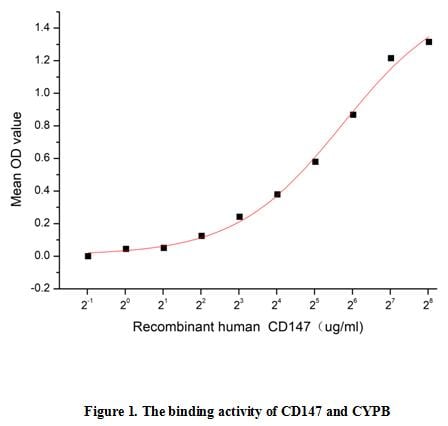
Bioactivity (Extracellular matrix metalloproteinase (MMP) inducer (EMMPRIN), also known as basigin and CD147, is a 4466 kDa, variably N and Oglycosylated, type I transmembrane protein that belongs to the immunoglobulin superfamily. EMMPRIN is 269 amino acids (aa) in l)
Bioactivity (Interleukin-6 receptor (IL-6R) is a receptor for IL-6, belonging to the type I cytokine receptor family, subfamily 3. IL-6 is a potent pleiotropic cytokine that regulates cell growth and differentiation and plays an important role in immune response. IL-6)
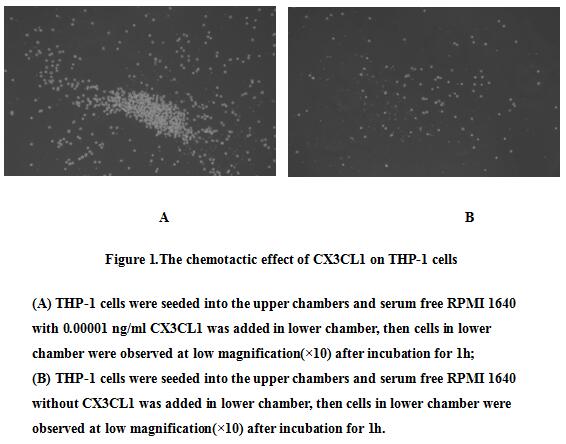
Bioactivity (Chemokine C-X3-C-Motif Ligand 1 (CX3CL1) also known as fractalkine is a large cytokine protein of 373 amino acids, it contains multiple domains and is the only known member of the CX3C chemokine family. Soluble CX3CL1 potently chemoattracts T cells and mo)
Bioactivity (Figure 2. Inhibition of A549 cells proliferation after stimulated with TNFalpha.)
Bioactivity (Tumor necrosis factor (TNF, tumor necrosis factor alpha, TNFalpha, cachexin, or cachectin) is a cell signaling protein (cytokine) involved in systemic inflammation and is one of the cytokines that make up the acute phase reaction. The primary role of TNF)
Bioactivity (Figure 2. Cell apoptosis of A549 cells after stimulated with recombinant dog IFNb.)
Bioactivity (Interferon Beta (IFNb) is belongs to type I interferons (IFNs) family which a large subgroup of interferon proteins that help regulate the activity of the immune system.The IFNb proteins are produced in large quantities by fibroblasts. They have antiviral)
Bioactivity (Figure 2. Cell apoptosis of A549 cells after stimulated with recombinant rat IFNb.)
Bioactivity (Interferon Beta (IFNb) is belongs to type I interferons (IFNs) family which a large subgroup of interferon proteins that help regulate the activity of the immune system.The IFNb proteins are produced in large quantities by fibroblasts. They have antiviral)
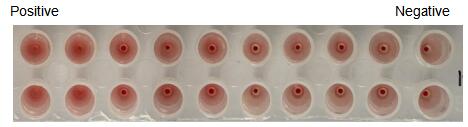
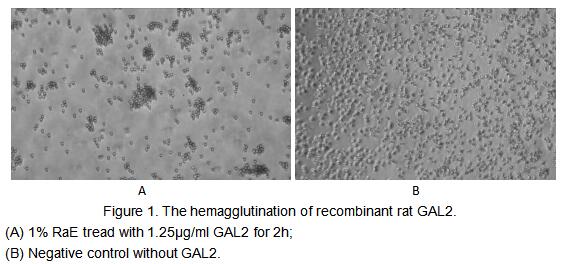
Bioactivity (Figure 2. The hemagglutination assay of GAL2 in V- bottom shaped 96-well microtiter plate.)
Bioactivity (Galectin 2 (GAL2) belongs to the proto type group and consists of two homologous carbohydrate recognition domains (CRDs) resulting in multiple sugar binding sites. The expression of gal-2 has been shown to be involved in processes of angiogenesis and infl)
Bioactivity (Type I collagen is a fibril-forming collagen found in most connective tissues and is abundant in bone, cornea, dermis and tendon. It is a heterotrimer that consists of two alpha 1 chains and one alpha 2 chain, although homotrimers consisting of three iden)
Bioactivity (Granzyme K is a member of the granzyme family of the serine proteases found specifically in the cytotoxic granules of cytotoxic T lymphocytes (CTL) and natural killer (NK) cells. Human granzyme K is synthesized as a precursor (264 residues) with a signal peptide (residues 1-24), a propeptide (residues 25-26) and a mature chain (residues 27-264). The purified recombinant human Granzyme K consists of residues 27 to 264 which activity was measured by its ability to cleaves a thioester substrate Z-Lys-SBzl•HCl. The reaction was performed in 0.05 M Tris, 0.15 M NaCl, 0.01% Triton X-100, pH 8.0 (assay buffer), initiated by addition 50 uL of various concentrations of GZMK (diluted by assay buffer) to 50 uL of 1.2 mM substrate and DTNB mixture. The final well serves as a negative control with no GZMK, replace with 50 uL assay buffer. Incubated at 25 degree C for 5 min, then read at a wavelength of 405 nm. The specific activity of recombinant human Granzyme K is >220 pmol/min/ug.)
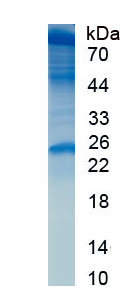
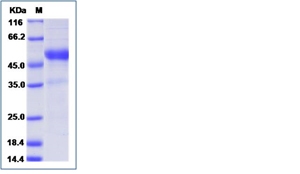
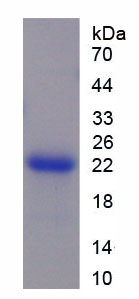
SDS-PAGE (Recombinant Interleukin-2 purity verification. 5 ug of Interleukin-2 with > 95 % purity checked by Coomassie Brilliant Blue stained 15% SDS-PAGE.)
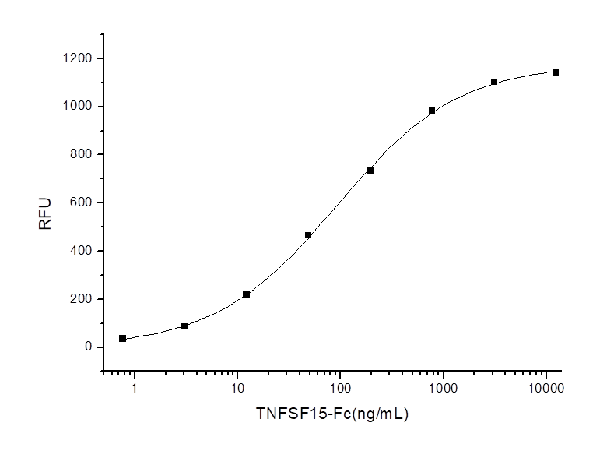
Activity (Bioactivity of recombinant human IL-2, measured by a cell proliferation assay using NKL cell line and WST-8 fluorimetric assay method. The ED50 for this effect is 0.9947 ng/ml.)
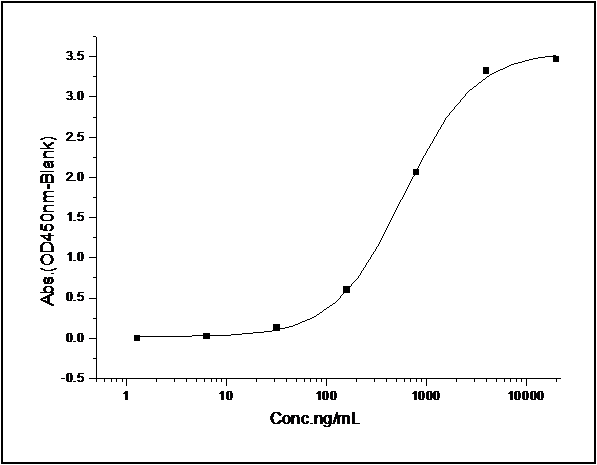
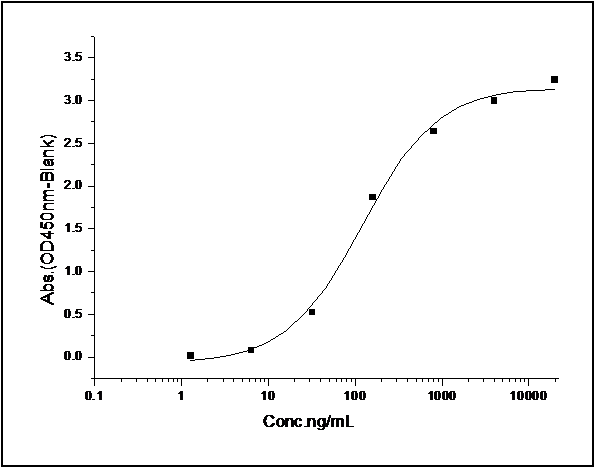
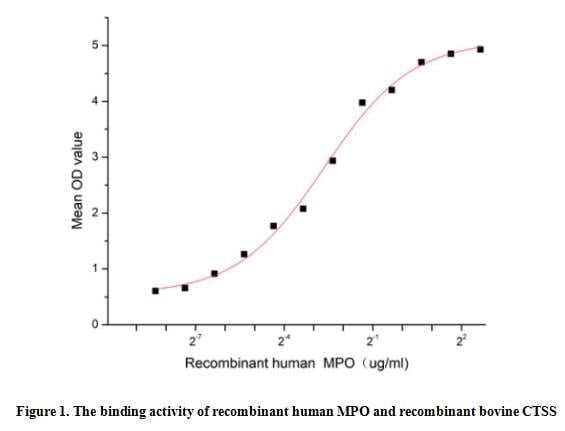
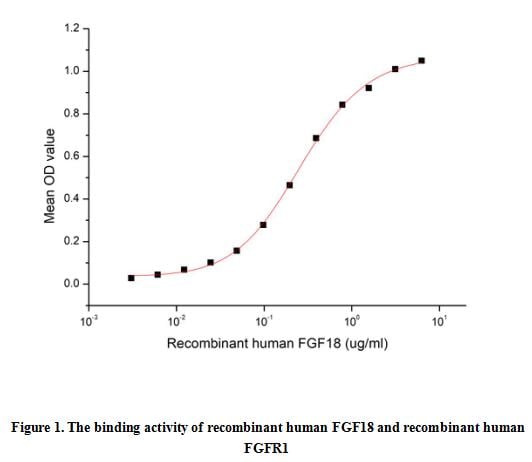
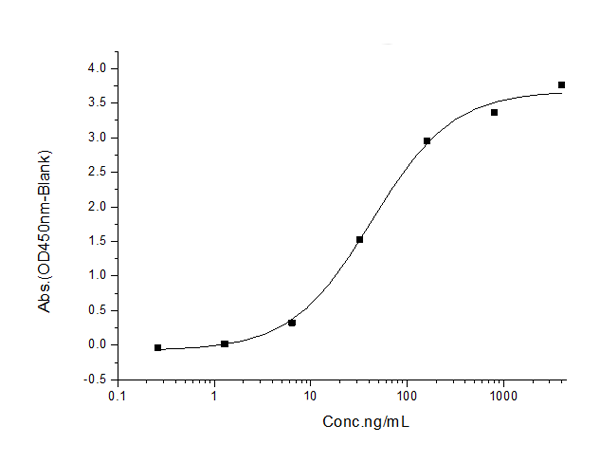
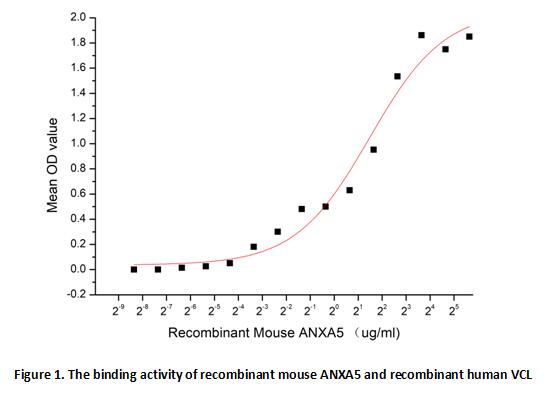
Activity (5'-Nucleotidase, Ecto (NT5E), also known as ecto-5'-nucleotidase or CD73, is an enzyme catalyzing thehydrolysis of nucleoside-5'-monophosphates to nucleosides and inorganic phosphate. The enzyme is a dimer composed of 2 identical 70kD subunits bound by a glycosyl phosphatidyl inositol linkage to the external face of the plasma membrane. NT5E is a marker of lymphocyte differentiation that has functions independent of its catalytic activity, such as T-cell activation and cell-cell adhesion. Other forms of 5-prime nucleotidase exist in the cytoplasm and lysosomes and can be distinguished from NT5E by their substrate affinities, requirement for divalent magnesium ion, activation by ATP, and inhibition by inorganic phosphate. The enzyme is widely distributed in human and animal tissues. Besides, AF4/FMR2 Family, Member 1 (AFF1) has been identified as an interactor of NT5E thus a binding ELISA assay was conducted to detect the interaction of recombinant human NT5E and recombinant human AFF1. Briefly, NT5E were diluted serially in PBS, with 0.01% BSA (pH 7.4). Duplicate samples of 100uL were then transferred to AFF1-coated microtiter wells and incubated for 2h at 37 degree C. Wells were washed with PBST and incubated for 1h with anti-NT5E pAb, then aspirated and washed 3 times. After incubation with HRP labelled secondary antibody, wells were aspirated and washed 3 times. With the addition of substrate solution, wells were incubated 15-25 minutes at 37 degree C. Finally, add 50uL stop solution to the wells and read at 450nm immediately. The binding activity of of NT5E and AFF1 was shown in Figure 1, and this effect was in a dose dependent manner.)
Activity (Caspase 1 (CASP1) cleaves IL-1 beta between an Asp and an Ala, releasing the mature cytokine which is involved in a variety of inflammatory processes. It also has lots of other function, such as defenses against pathogens, cleaves and activates sterol regulatory element binding proteins (SREBPs), promotes apoptosis. Besides, Interleukin 1 Alpha (IL1a) has been identified as an interactor of CASP1, thus a binding ELISA assay was conducted to detect the interaction of recombinant rat CASP1 and recombinant rat IL1a. Briefly, CASP1 were diluted serially in PBS, with 0.01% BSA (pH 7.4). Duplicate samples of 100uL were then transferred to IL1a-coated microtiter wells and incubated for 2h at 37 degree C. Wells were washed with PBST and incubated for 1h with anti-CASP1 pAb, then aspirated and washed 3 times. After incubation with HRP labelled secondary antibody, wells were aspirated and washed 3 times. With the addition of substrate solution, wells were incubated 15-25 minutes at 37 degree C. Finally, add 50uL stop solution to the wells and read at 450nm immediately. The binding activity of of CASP1 and IL1a was shown in Figure 1, and this effect was in a dose dependent manner.)
Activity (Golgi Protein 73 (GP73) also known as Golgi phosphoprotein 2 or Golgi membrane protein GP73 is a protein that encoded by the GOLM1 gene. The Golgi complex plays a key role in the sorting and modification of proteins exported from the endoplasmic reticulum. It has been observed to be upregulated in response to viral infection. Besides, Dymeclin (DYM) has been identified as an interactor of GP73, thus a binding ELISA assay was conducted to detect the interaction of recombinant mouse GP73 and recombinant human DYM. Briefly, GP73 were diluted serially in PBS, with 0.01% BSA (pH 7.4). Duplicate samples of 100uL were then transferred to DYM-coated microtiter wells and incubated for 2h at 37 degree C. Wells were washed with PBST and incubated for 1h with anti-GP73 pAb, then aspirated and washed 3 times. After incubation with HRP labelled secondary antibody, wells were aspirated and washed 3 times. With the addition of substrate solution, wells were incubated 15-25 minutes at 37 degree C. Finally, add 50uL stop solution to the wells and read at 450nm immediately. The binding activity of of GP73 and DYM was shown in Figure 1, and this effect was in a dose dependent manner.)
Activity (Suppressor of cytokine signaling 3 (SOCS3) is a member of the STAT-induced STAT inhibitor (SSI), also known as suppressor of cytokine signaling (SOCS), family that negatively regulates cytokine signal transduction. SOCS3 is feedback inhibitors of the Janus kinase (JAK) and signal transducer and activator of transcription (STAT) signaling pathway. Inhibits cytokine signal transduction by binding to tyrosine kinase receptors including gp130, LIF, erythropoietin, insulin, IL12, GCSF and leptin receptors. SOCS3 also can bind to JAK2 kinase inhibits its kinase activity and nhibits insulin signaling in adipose tissue and the liver. Besides, Glycoprotein 130 (gp130) has been identified as an interactor of SOCS3, thus a binding ELISA assay was conducted to detect the interaction of recombinant mouse SOCS3 and recombinant mouse gp130. Briefly, SOCS3 were diluted serially in PBS, with 0.01% BSA (pH 7.4). Duplicate samples of 100uL were then transferred to SOCS3-coated microtiter wells and incubated for 2h at 37 degree C. Wells were washed with PBST and incubated for 1h with anti-SOCS3 pAb, then aspirated and washed 3 times. After incubation with HRP labelled secondary antibody, wells were aspirated and washed 3 times. With the addition of substrate solution, wells were incubated 15-25 minutes at 37 degree C. Finally, add 50uL stop solution to the wells and read at 450nm immediately. The binding activity of of SOCS3 and gp130 was shown in Figure 1, and this effect was in a dose dependent manner.)
Activity (The main role of factor VII (FVII) is to initiate the process of coagulation in conjunction with tissue factor (TF). Tissue factor is found on the outside of blood vessels-normally not exposed to the bloodstream. Upon vessel injury, tissue factor is exposed to the blood and circulating FVII. Once bound to TF, FVII is activated to FVIIa by different proteases, among which are thrombin (factor IIa), factor Xa, IXa, XIIa, and the FVIIa-TF complex itself. Tissue Factor (TF) has been identified as an interactor of FVII, thus a binding ELISA assay was conducted to detect the interaction of recombinant rat FVII and recombinant rat TF. Briefly, FVII were diluted serially in PBS, with 0.01%BSA (pH 7.4). Duplicate samples of 100uL were then transferred to TF-coated microtiter wells and incubated for 2h at 37 degree C. Wells were washed with PBST and incubated for 1h with anti-FVII pAb, then aspirated and washed 3 times. After incubation with HRP labelled secondary antibody, wells were aspirated and washed 3 times. With the addition of substrate solution, wells were incubated 15-25 minutes at 37 degree C. Finally, add 50uL stop solution to the wells and read at 450nm immediately. The binding activity of of FVII and TF was shown in Figure 1, and this effect was in a dose dependent manner.)
Activity (Calpain 1, Large Subunit (CAPN1) is an intracellular protease that requires calcium for its catalytic activity. Calcium-regulated non-lysosomal thiol-protease which catalyze limited proteolysis of substrates involved in cytoskeletal remodeling and signal transduction. It has broad endopeptidase specificity. Besides, Signal Transducer And Activator Of Transcription 3 (STAT3) has been identified as an interactor of CAPN1, thus a binding ELISA assay was conducted to detect the interaction of recombinant rat CAPN1 and recombinant rat STAT3. Briefly, CAPN1 were diluted serially in PBS, with 0.01% BSA (pH 7.4). Duplicate samples of 100uL were then transferred to STAT3-coated microtiter wells and incubated for 2h at 37 degree C. Wells were washed with PBST and incubated for 1h with anti-CAPN1 pAb, then aspirated and washed 3 times. After incubation with HRP labelled secondary antibody, wells were aspirated and washed 3 times. With the addition of substrate solution, wells were incubated 15-25 minutes at 37 degree C. Finally, add 50uL stop solution to the wells and read at 450nm immediately. The binding activity of of CAPN1 and STAT3 was shown in Figure 1, and this effect was in a dose dependent manner.)
Activity (Adenine Phosphoribosyltransferase (APRT) is an enzyme involved in the purine nucleotide salvage pathway. It functions as a catalyst in the reaction between adenine and phosphoribosyl pyrophosphate (PRPP) to form AMP. Besides, Vascular Cell Adhesion Molecule 1 (VCAM1) has been identified as an interactor of APRT, thus a binding ELISA assay was conducted to detect the interaction of recombinant human APRT and recombinant human VCAM1. Briefly, APRT were diluted serially in PBS, with 0.01% BSA (pH 7.4). Duplicate samples of 100uL were then transferred to VCAM1-coated microtiter wells and incubated for 2h at 37 degree C. Wells were washed with PBST and incubated for 1h with anti-APRT pAb, then aspirated and washed 3 times. After incubation with HRP labelled secondary antibody, wells were aspirated and washed 3 times. With the addition of substrate solution, wells were incubated 15-25 minutes at 37 degree C. Finally, add 50uL stop solution to the wells and read at 450nm immediately. The binding activity of of APRT and VCAM1 was shown in Figure 1, and this effect was in a dose dependent manner.)
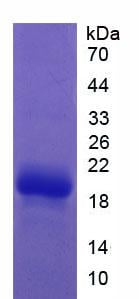
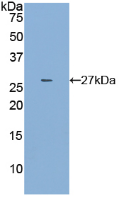
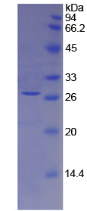
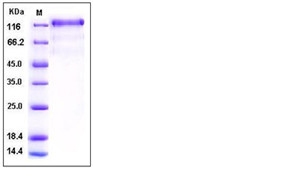
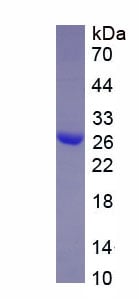
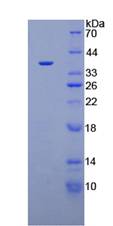
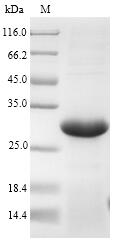
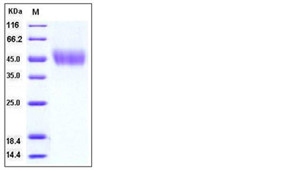
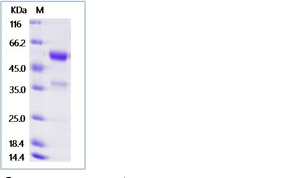
SDS_PAGE (SDS-PAGE Sample: Active recombinant MDM2, Human)
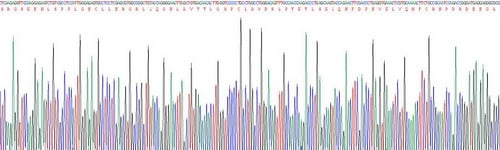
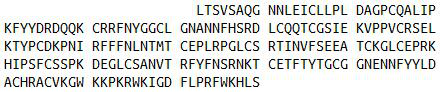
Application Data (Gene Sequence (extract))
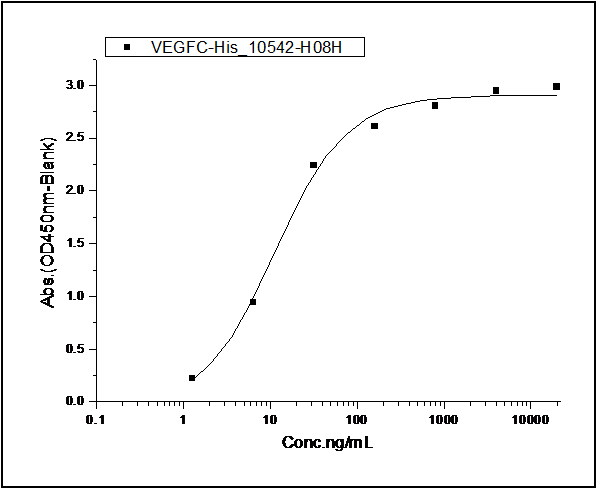
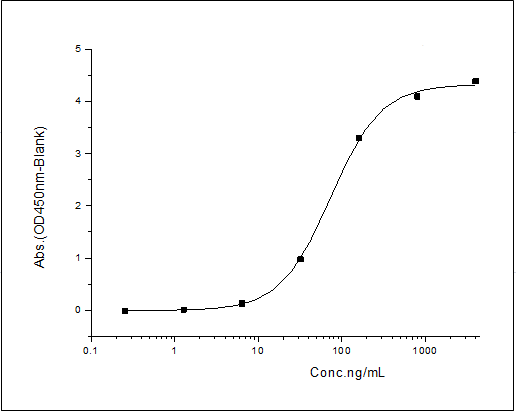
Bioactivity (Mouse double minute 2 homolog (MDM2) also known as E3 ubiquitin-protein ligase Mdm2 is a cellular oncoprotein that recognizes the N-terminal trans-activation domain (TAD) of the p53 tumor suppressor and as an inhibitor of p53 transcriptional activation. The human homologue of this protein is sometimes called Hdm2. The p53 tumor suppressor is the key target of MDM2. It has been identified as a p53 interacting protein that represses p53 transcriptional activity and also acts as an E3 ubiquitin ligase, targeting both itself and p53 for degradation by the proteasome. MDM2 is capable of auto-polyubiquitination, and in complex with p300, a cooperating E3 ubiquitin ligase, is capable of polyubiquitinating p53. Besides, S100 Calcium Binding Protein (S100) has been identified as an interactor of MDM2, thus a binding ELISA assay was conducted to detect the interaction of recombinant human MDM2 and recombinant human S100. Briefly, MDM2 were diluted serially in PBS, with 0.01% BSA (pH 7.4). Duplicate samples of 100uL were then transferred to S100-coated microtiter wells and incubated for 2h at 37 degree C. Wells were washed with PBST and incubated for 1h with anti-MDM2 pAb, then aspirated and washed 3 times. After incubation with HRP labelled secondary antibody, wells were aspirated and washed 3 times. With the addition of substrate solution, wells were incubated 15-25 minutes at 37 degree C. Finally, add 50uL stop solution to the wells and read at 450nm immediately. The binding activity of of MDM2 and S100 was shown in Figure 1, and this effect was in a dose dependent manner.)
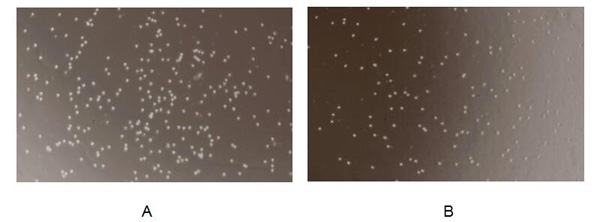
Activity (Regenerating Islet Derived Protein 3 Beta (REG3b) also known as PAP-I and HIP is bactericidal C-type lectin which acts against several intestinal Gram-positive bacteria and Gram-negative bacteria. The Reg family proteins have been implicated in a range of physiological processes including acting as acute phase reactants, lectins, survival/growth factors for insulin-producing pancreatic beta-cells, neural cells, and epithelial cells of the digestive system. To test the effect of REG3b on cell proliferation of SK-N-SH, SK-N-SH cells were seeded into triplicate wells of 96-well plates at a density of 5,000 cells/well and allowed to attach overnight, then the medium was replaced with serum-free standard DMEM prior to the addition of various concentrations of REG3b. After incubated for 72h, cells were observed by inverted microscope and cell proliferation was measured by Cell Counting Kit-8 (CCK-8). Briefly, 10uL of CCK-8 solution was added to each well of the plate, then measure the absorbance at 450nm using a microplate reader after incubating the plate for 1-4 hours at 37 degree C .Cell proliferation of SK-N-SH cells after incubation with REG3b for 72h observed by inverted microscope was shown in Figure 1.)
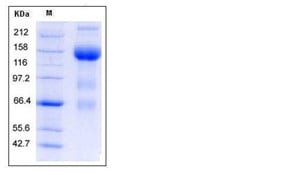
SDS_PAGE (SDS-PAGESample: Active recombinant SEMA3A, Human)
Gene Sequencing (Gene Sequencing (extract))
Bioactivity (The Semaphorin 3A (SEMA3A) which belongs to the semaphorin family can function as either a chemorepulsive agent, inhibiting axonal outgrowth, or as a chemoattractive agent, stimulating the growth of apical dendrites. In both cases, the protein is vital for normal neuronal pattern development. Semaphorin 3A is secreted protein containing a Sema domain, an immunoglobulin C2-like domain and a basic domain near the carboxyl tail. It can be secreted by neurons and surrounding tissue to guide migrating cells and axons in the developing nervous system. Besides, Neuropilin 1 (NRP1) has been identified as an interactor of SEMA3A, thus a binding ELISA assay was conducted to detect the interaction of recombinant human SEMA3A and recombinant human NRP1. Briefly, SEMA3A were diluted serially in PBS, with 0.01% BSA (pH 7.4). Duplicate samples of 100uL were then transferred to NRP1-coated microtiter wells and incubated for 2h at 37 degree C. Wells were washed with PBST and incubated for 1h with anti-SEMA3A pAb, then aspirated and washed 3 times. After incubation with HRP labelled secondary antibody, wells were aspirated and washed 3 times. With the addition of substrate solution, wells were incubated 15-25 minutes at 37 degree C. Finally, add 50uL stop solution to the wells and read at 450nm immediately. The binding activity of SEMA3A and NRP1 was shown in Figure 1, and this effect was in a dose dependent manner.)
Activity (Wingless Type MMTV Integration Site Family, Member 5A (WNT5A) is a ligand for members of the frizzled family of seven transmembrane receptors. Can activate or inhibit canonical Wnt signaling, depending on receptor context. Stimulates cell migration. Decreases proliferation, migration, invasiveness and clonogenicity of carcinoma cells and may act as a tumor suppressor. Besides, WNT Inhibitory Factor 1 (WIF1) has been identified as an interactor of WNT5A, thus a binding ELISA assay was conducted to detect the interaction of recombinant mouse WNT5A and recombinant rat WIF1. Briefly, WNT5A were diluted serially in PBS, with 0.01%BSA (pH 7.4). Duplicate samples of 100uL were then transferred to WIF1-coated microtiter wells and incubated for 2h at 37 degree C. Wells were washed with PBST and incubated for 1h with anti-WNT5A pAb, then aspirated and washed 3 times. After incubation with HRP labelled secondary antibody, wells were aspirated and washed 3 times. With the addition of substrate solution, wells were incubated 15-25 minutes at 37 degree C. Finally, add 50uL stop solution to the wells and read at 450nm immediately. The binding activity of of WNT5A and WIF1 was shown in Figure 1, and this effect was in a dose dependent manner.)
Activity (IL17D (Interleukin-17D) belongs to the IL17 (interleukin 17) family, which includes six members (IL-17, IL-17B through IL-17F). IL17D is reported to induce the expression of IL6, CXCL8/IL8, and CSF2/GM-CSF from endothelial cells. IL17 family members share some similarities in AA sequence and structure, thus, a binding ELISA assay was constructed to detect the association of recombinant human IL17D with recombinant human IL17RB. Briefly, IL17D were diluted serially in PBS with 0.1%BSA (pH 7.4). Duplicate samples of 100uL were then transferred to IL17RB-coated microtiter wells and incubated for 2h at 37 degree C. Wells were washed with PBST and incubated for 1h with anti-IL17D pAb, then aspirated and washed 3 times. After incubation with HRP labelled secondary antibody, wells were aspirated and washed 3 times. With the addition of substrate solution, wells were incubated 15-25 minutes at 37 degree C. Finally, add 50uL stop solution to the wells and read at 450nm immediately. The binding activity of IL17D with IL17RB was shown in Figure 1 and this effect was in a dose dependent manner.)
SDS_PAGE (Sample: Active recombinant IL1RA, Human)
Gene Sequencing (Gene Sequencing (extract))
Bioactivity (IL1RA (interleukin-1 receptor antagonist) is an agent that binds to the cell surface interleukin-1 receptor (IL-1R), which would prevent IL-1 from intracellular signal transduction. Thus, a binding ELISA assay was constructed to detect the association of recombinant human IL1RA with recombinant human IL1R1. Briefly, IL1RA were diluted serially in PBS with 0.1% BSA (pH 7.4). Duplicate samples of 100uL were then transferred to IL1R1-coated microtiter wells and incubated for 2h at 37 degree C. Wells were washed with PBST and incubated for 1h with anti-IL1RA pAb, then aspirated and washed 3 times. After incubation with HRP labelled secondary antibody, wells were aspirated and washed 3 times. With the addition of substrate solution, wells were incubated 15-25 minutes at 37 degree C. Finally, add 50uL stop solution to the wells and read at 450nm immediately. The binding activity of IL1RA with IL1R1 was shown in Figure 1 and this effect was in a dose dependent manner.)
Bioactivity (IL1RA (interleukin-1 receptor antagonist) is an agent that binds to the cell surface interleukin-1 receptor (IL-1R), which would prevent IL-1 from intracellular signal transduction. Besides, mouse IL1R1 and rat IL1R1 share similarities in amino acid sequence with the identity of 85.6%. Thus, a binding ELISA assay was constructed to detect the association of recombinant mouse IL1RA with recombinant rat IL1R1. Briefly, IL1RA were diluted serially in PBS with 0.1% BSA (pH 7.4). Duplicate samples of 100uL were then transferred to IL1R1-coated microtiter wells and incubated for 2h at 37°C. Wells were washed with PBST and incubated for 1h with anti-IL1RA pAb, then aspirated and washed 3 times. After incubation with HRP labelled secondary antibody, wells were aspirated and washed 3 times. With the addition of substrate solution, wells were incubated 15-25 minutes at 37°C. Finally, add 50AL stop solution to the wells and read at 450nm immediately. The binding activity of IL1RA with IL1R1 was shown in Figure 1 and this effect was in a dose dependent manner.Figure 1. The binding activity of IL1RA with IL1R1.)
ELISA (TGF-beta1 (Transforming growth factor beta 1) is a multifunctional set of peptides that controls proliferation, differentiation, and other functions in many cell types. TGF beta 1 has been shown to interact with TGF beta receptor 1, Decorin, LTBP1 and so on. Thus we have conducted a binding ELISA assay to detect the interaction of recombinant human TGF-Beta1 with recombinant human LTBP1. Briefly, TGF-Beta1 were diluted serially in PBS, with 0.01% BSA (pH 7.4). Duplicate samples of 100uL were then transferred to LTBP1"coated microtiter wells and incubated for 2h at 37°C. Wells were washed with PBST and incubated for 1h with anti"LTBP1 pAb, then aspirated and washed 3 times. After incubation with HRP labelled secondary antibody, wells were aspirated and washed 3 times. With the addition of substrate solution, wells were incubated 15"25 minutes at 37°C. Finally, add 50BL stop solution to the wells and read at 450nm immediately. The binding activity of TGF-Beta1 with LTBP1 was shown in Figure 1 and this effect was in a dose dependent manner.Figure 1. The binding activity of TGF-Beta1 with LTBP1.)
Activity (IL1R1 (Interleukin 1 Receptor Type I), also known as CD121a, is an important mediator involved in many cytokine induced immune and inflammatory responses. It belongs to the interleukin-1 receptor family, and is a receptor for interleukin 1 alpha (IL1A), interleukin 1 beta (IL1B), and interleukin 1 receptor antagonist (IL1RA). Besides, mouse IL1B shares 87.0% AA sequence identity with rat IL1B, suggesting the exist of cross-species activity. Thus, a binding ELISA assay was constructed to detect the association of recombinant rat IL1R1 with recombinant mouse IL1B. Briefly, IL1R1 were diluted serially in PBS with 0.1%BSA (pH 7.4). Duplicate samples of 100uL were then transferred to IL1B-coated microtiter wells and incubated for 2h at 37 degree C. Wells were washed with PBST and incubated for 1h with anti-IL1R1 pAb, then aspirated and washed 3 times. After incubation with HRP labelled secondary antibody, wells were aspirated and washed 3 times. With the addition of substrate solution, wells were incubated 15-25 minutes at 37 degree C. Finally, add 50uL stop solution to the wells and read at 450nm immediately. The binding activity of IL1R1 with IL1B was shown in Figure 1 and this effect was in a dose dependent manner.)
Activity (Epidermal growth factor (EGF) is a growth factor that stimulates cell growth, proliferation, and differentiation by binding to its receptor EGFR. To test the effect of EGF on cell proliferation of 3T3 fibroblasts, 3T3 cells were seeded into triplicate wells of 96-well plates at a density of 2, 000cells/well and allowed to attach overnight, then the medium was replaced with serum-free standard DMEM prior to the addition of various concentrations of EGF. After incubated for 72h, cells were observed by inverted microscope and cell proliferation was measured by Cell Counting Kit-8 (CCK-8). Briefly, 10uL of CCK-8 solution was added to each well of the plate, then measure the absorbance at 450nm using a microplate reader after incubating the plate for 1-4 hours at 37 degree C .Cell proliferation of 3T3 cells after incubation with EGF for 72h observed by inverted microscope was shown in Figure 1.)
Bioactivity (Figure. The binding activity of LTF with CLU.Lactotransferrin (LTF), also known as actoferrin (LF), is a multifunctional protein of the transferrin family. Lactoferrin belongs to the innate immune system. Apart from its main biological function, namely binding and transport of iron ions, lactoferrin also has antibacterial, antiviral, antiparasitic, catalytic, anti-cancer, and anti-allergic functions and properties. LTF is widely represented in various secretory fluids, such as milk, saliva, tears, and nasal secretions. It also present in secondary granules of PMN and is secreted by some acinar cells. Besides, Clusterin (CLU) has been identified as an interactor of LTF, thus a binding ELISA assay was conducted to detect the interaction of recombinant goat LTF and recombinant goat CLU. Briefly, LTF were diluted serially in PBS, with 0.01% BSA (pH 7.4). Duplicate samples of 100uL were then transferred to CLU-coated microtiter wells and incubated for 2h at 37. Wells were washed with PBST and incubated for 1h with anti-LTF pAb, then aspirated and washed 3 times. After incubation with HRP labelled secondary antibody, wells were aspirated and washed 3 times. With the addition of substrate solution, wells were incubated 15-25 minutes at 37. Finally, add 50uL stop solution to the wells and read at 450nm immediately. The binding activity of LTF and CLU was shown in Figure 1, and this effect was in a dose dependent manner.)
Bioactivity (The cytochrome P450 enzyme CYP2E1 catalyzes the oxidative metabolism of many solvents and other small organic molecules. CYP2E1 is expressed in adult and fetal human liver in addition to extrahepatic tissues such as lung and placenta. Treatment of primary cultures of human hepatocytes with ethanol induces CYP2E1 protein, and this is consistent with the finding that hepatic CYP2E1 protein and mRNA levels are increased in individuals with alcoholism. Although only a few drugs (e.g., acetaminophen have been identified as substrates for CYP2E1, many low molecular weight procarcinogens are activated by this cytochrome P450 (P450). Chlorzoxazone 6-hydroxylation, N-nitrosodimethylamine N-demethylation and p-nitrophenol hydroxylation can be used to measure the catalytic activity of CYP2E1. Thus, the recombinant human CYP2E1 activity was measured by its ability to hydroxylate p-nitrophenol to p-nitrocatechol. The reaction was performed in 50 mM potassium phosphate, pH 7.4 (Assay Buffer), initiated by addition 20 uL of 500 ug/ml CYP2E1 to 10 uL of 5 mM substrate p-nitrophenol and 30 ul of 26 mM NADPH in a total volume of 500 ul. Incubated at 37 degree C for 30min, then read at a wavelength of 535 nm after acidification of the reaction mixture with trichloroacetic acid followed by neutralization using 2 M NaOH.)
Bioactivity (Glypican 4 (GPC4) is a cell surface heparan sulfate proteoglycans which composed of a membrane-associated protein core substituted with a variable number of heparan sulfate chains. Members of the glypican-related integral membrane proteoglycan family (GRIPS) contain a core protein anchored to the cytoplasmic membrane via a glycosyl phosphatidylinositol linkage. These proteins may play a role in the control of cell division and growth regulation. Besides, Fibroblast Growth Factor 2, Basic (FGF2) has been identified as an interactor of GPC4, thus a functional binding ELISA assay was conducted to detect the interaction of recombinant rat GPC4 and recombinant human FGF2. Briefly, GPC4 were diluted serially in PBS, with 0.01% BSA (pH 7.4). Duplicate samples of 100 ul were then transferred to FGF2-coated microtiter wells and incubated for 1h at 37 degree C. Wells were washed with PBST and incubated for 1h with anti-GPC4 pAb, then aspirated and washed 3 times. After incubation with HRP labelled secondary antibody, wells were aspirated and washed 5 times. With the addition of substrate solution, wells were incubated 15-25 minutes at 37 degree C. Finally, add 50 uL stop solution to the wells and read at 450 nm immediately. The binding activity of recombinant rat GPC4 and recombinant human FGF2 was shown in Figure 1, the EC50 for this effect is 2.64 ug/mL.)
Proteins are large molecules made up of long chains of amino acids.
They will typically fold into a very particular 3-dimensional shape/conformation, that is sometimes referred to as their “native” form, which allows them to work properly in the body. For the purposes of product categorization, AAA Biotech will typically refer to proteins purified from their original animal host as being “native” proteins (this is to signify their difference compared to their “recombinant” or “synthetic” protein counterparts).
If a protein successfully folds into the correct shape, it is will typically display high fidelity characteristics to its original protein in its original animal host, and be classified as an active protein, as it will be able to function “normally” in most enzymatic or binding capacities. If it loses this shape, due to factors such as heat or strong chemicals (such as detergents), it becomes inactive and is no longer able to perform its basic functions. All of the proteins in this category are made under strict quality control, and they are active, pure, low in contaminants, and stable.
Most are stored as freeze-dried powders and come without extra tags, so they’re very close to the actual natural/native form.
Key Applications of Active Proteins
1. Scientific Research
Aid in the study of how proteins function in the body
Aid in understanding various disease processes
2. Drug Development
Powerful tools to investigate how potential drugs interact with specific proteins
Ideal for identifying drug targets
3. Cell Culture
Are routinely utilized to support cell growth and function (e.g., using exogenous growth factors)
Can be used to promote cellular development into specific types (differentiation)
4. Diagnostics
Regularly utilized in tests to detect diseases or infections (e.g., COVID-19, cancer)
Note: All products are strictly for research-use only (RUO).
5. Therapeutics
Some active proteins are used directly as treatments (e.g., insulin, enzymes)
Note: All products are strictly for research-use only (RUO).
6. Vaccine Development
Used to create or test vaccines by mimicking parts of viruses or bacteria
7. Biochemical Assays
They can facilitate the characterization of enzyme activity, binding strength, or protein interactions in lab tests
Why Buy Active Proteins from AAA Biotech?
High biological activity – Verified to perform as expected or indicated on datasheet
Strict quality control – We are confident in our active proteins’ reliability and consistency
High purity & low endotoxin – Ideal for applications involving sensitive or precious samples/components
Freeze-dried for stability – Long shelf life and straightforward storage
Mostly tag-free – Closer to natural/native protein form
FAQ
1. What are active proteins used for in research?
Active proteins are used primarily in the study of how proteins function, in characterizing/discovering drug interactions, supporting cell growth, running biochemical assays, and in development of diagnostics or therapeutics.
2. How are AAA Biotech's active proteins validated?
AAA Biotech’s active proteins are validated through strict quality control and functional assays to ensure they are properly folded and active. “Active”, though, can be an ambiguous term, so if a specific “activity” or “binding” capability of a protein is of crucial interest to you, please inquire with us prior to purchase, and we will provide further details on how the “Active” modifier was determined to be applicable.
3. Are these proteins tested for biological activity?
Yes, all active proteins from AAA Biotech are tested to confirm they have the expected biological activity before being offered for use. Though, said “biological activity” can be either “enzymatic”, “binding”, or both.
Submit a Question
Please complete the form below and a representative will contact you as soon as possible.
Request more Information
Please complete the form below and a representative will contact you as soon as possible.
Request a Manual
Please complete the form below and a representative will contact you as soon as possible.
Request a Quote
Please complete the form below and a representative will contact you as soon as possible.