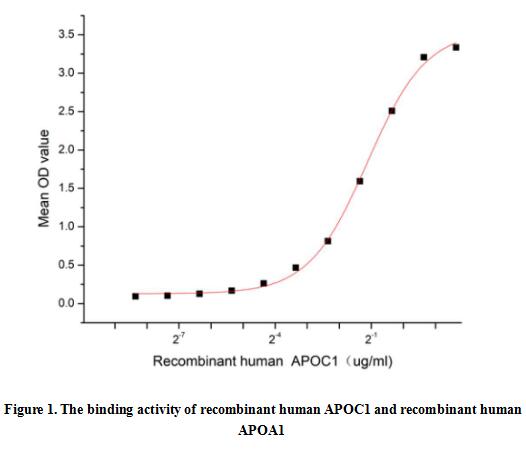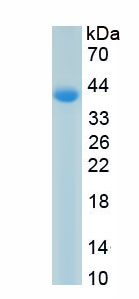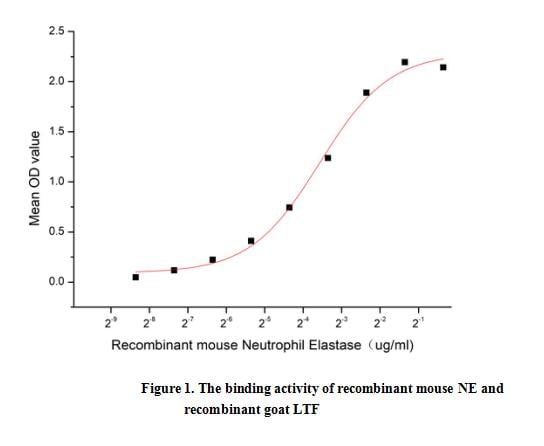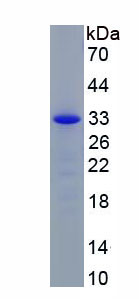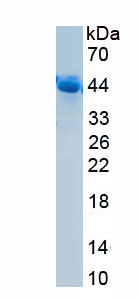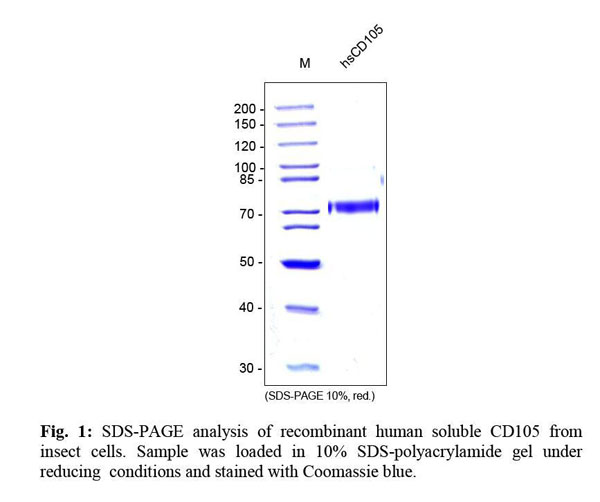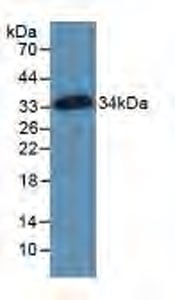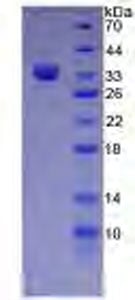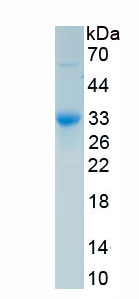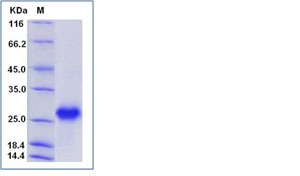
AAA Biotech provides a variety of high-quality recombinant and natural/native proteins that are proven to work in a wide range of experiments. Explore our products to find the active protein that best fits your needs or experimental model.
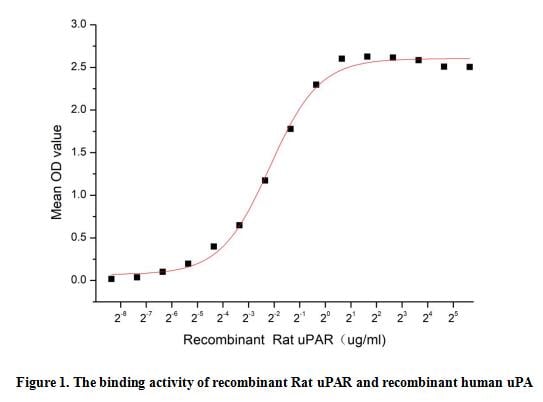
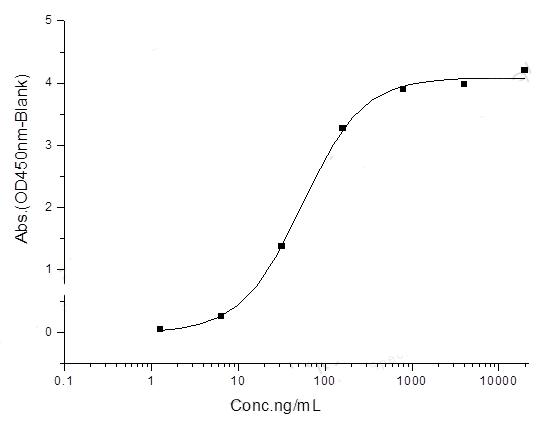
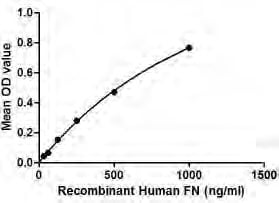
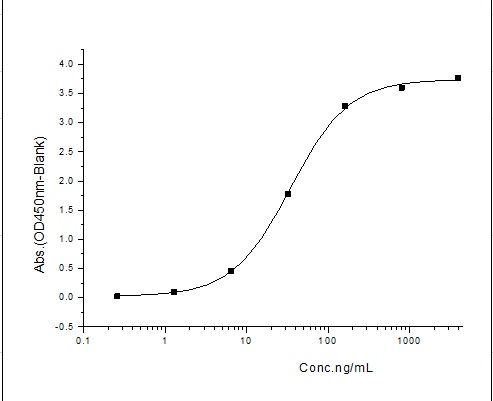
Bioactivity (PD-1 (Programmed Death-1 receptor), also known as CD279, is a receptor expressed on T cells responsible for modulating T cell activation. Like CTLA4, PD-1 is classified as an immune checkpoint inhibitory receptor. When PD-1 protein binds to PD-L1, it initiates a negative signaling cascade inhibiting activation of T cells. The cytoplasmic tail contains two tyrosine residues that form the immunoreceptor tyrosine-based inhibitory motif (ITIM) and immunoreceptor tyrosine-based switch motif (ITSM) that are important for mediating PD-1 signaling. Normally, PD-1 helps keep T cells from attacking other cells in the body. However, many cancers take advantage of this by expressing high amounts of PD-L1 allowing cancer cells to evade the body's own immune response. Blocking the PD-1:PD-L1 interaction has proven successful in treating many different cancer types. A functional binding ELISA assay was conducted to detect the interaction of recombinant cat PDCD1 and recombinant rat PDCD1LG2. Briefly, biotin-linked PDCD1 were diluted serially in PBS, with 0.01% BSA (pH 7.4). Duplicate samples of 100 ul were then transferred to PDCD1LG2-coated microtiter wells and incubated for 1h at 37 degree C. Wells were washed with PBST 3 times and incubation with Streptavidin-HRP for 30min, then wells were aspirated and washed 5 times. With the addition of substrate solution, wells were incubated 15-25 minutes at 37 degree C. Finally, add 50 ul stop solution to the wells and read at 450 nm immediately. The binding activity of PDCD1 and PDCD1LG2 was shown in Figure 1, and this effect was in a dose dependent manner.)
Bioactivity (Reactive protein (CRP) is an annular (ring-shaped), pentameric protein found in blood plasma, whose levels rise in response to inflammation. It is an acute-phase protein of hepatic origin that increases following interleukin-6 secretion by macrophages and T cells. Its physiological role is to bind to lysophosphatidylcholine expressed on the surface of dead or dying cells (and some types of bacteria) in order to activate the complement system via C1q. Besides, Coagulation Factor II (F2) has been identified as an interactor of CRP, thus a functional binding ELISA assay was conducted to detect the interaction of recombinant chicken CRP and recombinant rat F2. Briefly, CRP was diluted serially in PBS with 0.01% BSA (pH 7.4). Duplicate samples of 100 ul were then transferred to F2-coated microtiter wells and incubated for 1h at 37 degree C. Wells were washed with PBST and incubated for 1h with anti-CRP pAb, then aspirated and washed 3 times. After incubation with HRP labelled secondary antibody for 1h at 37 degree C, wells were aspirated and washed 5 times. With the addition of substrate solution, wells were incubated 15-25 minutes at 37 degree C. Finally, add 50 uL stop solution to the wells and read at 450/630 nm immediately. The binding activity of recombinant chicken CRP and recombinant rat F2 was shown in Figure 1, the EC50 for this effect is 0.82 ug/mL.)
Bioactivity (Reactive protein (CRP) is an annular (ring-shaped), pentameric protein found in blood plasma, whose levels rise in response to inflammation. It is an acute-phase protein of hepatic origin that increases following interleukin-6 secretion by macrophages and T cells. Its physiological role is to bind to lysophosphatidylcholine expressed on the surface of dead or dying cells (and some types of bacteria) in order to activate the complement system via C1q. Besides, Coagulation Factor II (F2) has been identified as an interactor of CRP, thus a functional binding ELISA assay was conducted to detect the interaction of recombinant rabit CRP and recombinant rat F2. Briefly, CRP was diluted serially in PBS with 0.01% BSA (pH 7.4). Duplicate samples of 100 ul were then transferred to F2-coated microtiter wells and incubated for 1h at 37 degree C. Wells were washed with PBST and incubated for 1h with anti-CRP pAb, then aspirated and washed 3 times. After incubation with HRP labelled secondary antibody for 1h at 37 degree C, wells were aspirated and washed 5 times. With the addition of substrate solution, wells were incubated 15-25 minutes at 37 degree C. Finally, add 50 uL stop solution to the wells and read at 450/630 nm immediately. The binding activity of recombinant rabbit CRP and recombinant rat F2 was shown in Figure 1, the EC50 for this effect is 0.02 ug/mL.)
Bioactivity (PRL (prolactin), also known as luteotropin, is a hormone secreted from the pituitary gland and is best known for its role in enabling mammals to produce milk. PRL plays an essential role in metabolism, regulation of the immune system through activating its specific membrane-anchored receptor (PRLR). PRL can bind to PRLR, inducing JAK2 association that leads to downstream activation of multiple pathways that include STAT3, STAT5, PI3K, AKT, and ERK. A functional binding ELISA assay was conducted to detect the interaction of recombinant zebrafish PRL and recombinant rat JAK2. Briefly, PRL was diluted serially in PBS with 0.01% BSA (pH 7.4). Duplicate samples of 100 ul were then transferred to JAK2 -coated microtiter wells and incubated for 1h at 37 degree C. Wells were washed with PBST and incubated for 1h with anti-PRL pAb, then aspirated and washed 3 times. After incubation with HRP labelled secondary antibody for 1h at 37 degree C, wells were aspirated and washed 5 times. With the addition of substrate solution, wells were incubated 15-25 minutes at 37 degree C. Finally, add 50 uL stop solution to the wells and read at 450/630 nm immediately. The binding activity of recombinant zebrafish PRL and recombinant rat JAK2 was shown in Figure 1, the EC50 for this effect is 0.95 ug/mL.)
Bioactivity (PRL (prolactin), also known as luteotropin, is a hormone secreted from the pituitary gland and is best known for its role in enabling mammals to produce milk. PRL plays an essential role in metabolism, regulation of the immune system through activating its specific membrane-anchored receptor (PRLR). A functional ELISA assay was conducted to detect the interaction of recombinant chicken PRL and recombinant human PRLR. Briefly, PRL was diluted serially in PBS with 0.01% BSA (pH 7.4). Duplicate samples of 100 ul were then transferred to PRLR-coated microtiter wells and incubated for 1h at 37 degree C. Wells were washed with PBST and incubated for 1h with anti-PRL pAb, then aspirated and washed 3 times. After incubation with HRP labelled secondary antibody for 1h at 37 degree C, wells were aspirated and washed 5 times. With the addition of substrate solution, wells were incubated 15-25 minutes at 37 degree C. Finally, add 50 uL stop solution to the wells and read at 450/630 nm immediately. The binding activity of recombinant chicken PRL and recombinant human PRLR was shown in Figure 1, the EC50 for this effect is 0.34 ug/mL.)
Bioactivity (PRL (prolactin), also known as luteotropin, is a hormone secreted from the pituitary gland and is best known for its role in enabling mammals to produce milk. PRL plays an essential role in metabolism, regulation of the immune system through activating its specific membrane-anchored receptor (PRLR). A functional ELISA assay was conducted to detect the interaction of recombinant human PRL and recombinant human PRLR. Briefly, PRL was diluted serially in PBS with 0.01% BSA (pH 7.4). Duplicate samples of 100 ul were then transferred to PRLR-coated microtiter wells and incubated for 1h at 37 degree C. Wells were washed with PBST and incubated for 1h with anti-PRL pAb, then aspirated and washed 3 times. After incubation with HRP labelled secondary antibody for 1h at 37 degree C, wells were aspirated and washed 5 times. With the addition of substrate solution, wells were incubated 15-25 minutes at 37 degree C. Finally, add 50 uL stop solution to the wells and read at 450/630 nm immediately. The binding activity of recombinant human PRL and recombinant human PRLR was shown in Figure 1, the EC50 for this effect is 0.05 ug/mL.)
Bioactivity (Carbonic Anhydrase (CA) catalyzes the reversible reaction of CO2 H2O = HCO3- H, which is fundamental to many processes such as respiration, renal tubular acidification and bone resorption. CA1 is a cytosolic enzyme with the highest levels in erythrocytes and is a very early marker for erythroid differentiation. The activity of recombinant mouse CA1 was measured by its ability to hydrolyze 4-Nitrophenyl acetate (4-NPA) to 4-Nitrophenol. The reaction was performed in 12.5 mM Tris, 75 mM NaCl, pH 7.5 (assay buffer), initiated by addition 50 uL of various concentrations of CA1 (diluted by assay buffer) to 50 uL of 2 mM substrate 4-NPA (100 mM stock in Acetone, diluted by assay buffer). Incubated at 37 degree C for 5min, then read at a wavelength of 400 nm.)
Bioactivity (Calcitonin gene-related peptide (CGRP) is a highly potent vasoactive peptide released from sensory nerves. CGRP is a 37-amino acid and it has two major forms (alpha and beta). It belongs to a group of peptides that all act on an unusual receptor family. These receptors consist of calcitonin receptor-like receptor (CLR) linked to an essential receptor activity modifying protein (RAMP) that is necessary for full functionality. Thus a functional binding ELISA assay was conducted to detect the interaction of recombinant rat CGRP and recombinant human RAMP2. Briefly, CGRP was diluted serially in PBS with 0.01% BSA (pH 7.4). Duplicate samples of 100 ul were then transferred to RAMP2-coated microtiter wells and incubated for 1h at 37 degree C. Wells were washed with PBST and incubated for 1h with anti-CGRP pAb, then aspirated and washed 3 times. After incubation with HRP labelled secondary antibody for 1h at 37 degree C, wells were aspirated and washed 5 times. With the addition of substrate solution, wells were incubated 15-25 minutes at 37 degree C. Finally, add 50 uL stop solution to the wells and read at 450/630 nm immediately. The binding activity of recombinant rat CGRP and recombinant human RAMP2 was shown in Figure 1, the EC50 for this effect is 0.06 ug/mL.)
Bioactivity (Cluster Of Differentiation 200 (CD200), also known as OX-2 or MOX1/MOX2, is a membrane glycoprotein belonging to the immunoglobulin superfamily. This protein is widely expressed in various cell types, including neurons, endothelial cells, certain immune cells (such as B cells, dendritic cells, T cell subsets), and various tumor cells. CD200 is a multifaceted protein with important roles in immune regulation, neuronal function, and disease pathogenesis. Besides, Cluster Of Differentiation 8a (CD8a) has been identified as an interactor of CD200, thus a functional binding ELISA assay was conducted to detect the interaction of recombinant human CD200 and recombinant human CD8a. Briefly, CD200 was diluted serially in PBS with 0.01% BSA (pH 7.4). Duplicate samples of 100 ul were then transferred to CD8a-coated microtiter wells and incubated for 1h at 37 degree C. Wells were washed with PBST and incubated for 1h with anti-CD200 pAb, then aspirated and washed 3 times. After incubation with HRP labelled secondary antibody for 1h at 37 degree C, wells were aspirated and washed 5 times. With the addition of substrate solution, wells were incubated 15-25 minutes at 37 degree C. Finally, add 50 uL stop solution to the wells and read at 450/630 nm immediately. The binding activity of recombinant recombinant human CD200 and recombinant human CD8a was shown in Figure 1, the EC50 for this effect is 0.44 ug/mL.)
Bioactivity (Procollagen I N-Terminal Propeptide is specific for cartilaginous tissues. It is essential for the normal embryonic development of the skeleton, for linear growth and for the ability of cartilage to resist compressive forces, which was are associated with achondrogenesis, chondrodysplasia, early onset familial osteoarthritis, Langer-Saldino achondrogenesis, SED congenita, Kniest dysplasia, Stickler syndrome type I, and spondyloepimetaphyseal dysplasia Strudwick type. A functional binding ELISA assay was conducted to detect the interaction of recombinant rat PINP with recombinant human COL5a2. Briefly, biotin-linked PINP were diluted serially in PBS, with 0.01% BSA (pH 7.4). Duplicate samples of 100 ul were then transferred to COL5a2-coated microtiter wells and incubated for 1h at 37 degree C. Wells were washed with PBST 3 times and incubation with Streptavidin-HRP for 30 min, then wells were aspirated and washed 5 times. With the addition of substrate solution, wells were incubated 15-25 minutes at 37 degree C. Finally, add 50 ul stop solution to the wells and read at 450 nm immediately. The binding activity of recombinant rat PINP with recombinant human COL5a2 was shown in Figure 1, the EC50 for this effect is 9.18 ug/mL.)
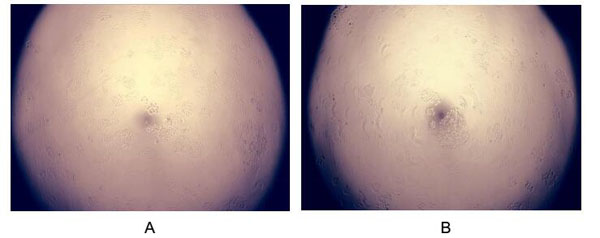
Bioactivity (Stem cell factor (SCF), also known as mast cell growth factor (MGF), and steel factor (SLF), plays an important role in hematopoiesis, spermatogenesis and melanogenesis. SCF has been shown to stimulate the proliferation of TF-1 cells. To test this effect, TF-1 cells were seeded into triplicate wells of 96-well plates at a density of 2 x 10⁴ cells/well and incubated for 72h in the presence or absence of various concentrations of SCF at 37 degree C. The growth of cells were observed by inverted microscope and cell proliferation was measured by Cell Counting Kit-8(CCK-8). Briefly, 10 ul of CCK-8 solution was added to each well of the plate, then measure the absorbance at 450 nm using a microplate reader after incubating the plate for 1-4 hours at 37 degree C. Cell proliferation of TF-1 cells after incubation with SCF for 72h observed by inverted microscope was shown in Figure 1. The dose-effect curve of SCF was shown in Figure 2. It was obvious that it significantly promoted cell proliferation of TF-1 cells.The ED50 for this effect is typically 2.9 ng/ml.)
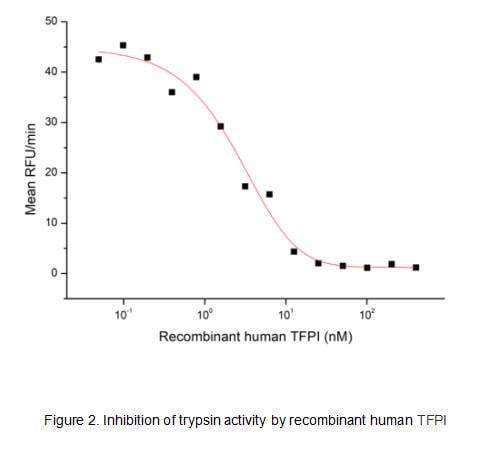
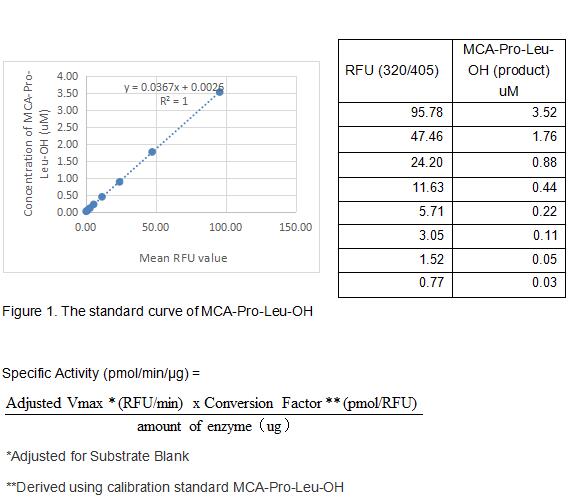
Bioactivity (Tissue inhibitors of metalloproteinases or TIMPs are a family of proteins that regulate the activation and proteolytic activity of the zinc enzymes known as matrix metalloproteinases (MMPs). There are four members of the family, TIMP-1, TIMP-2, TIMP-3, and TIMP-4. TIMP-2 is a non N-glycosylated protein with a molecular mass of 22 kDa produced by a wide range of cell types, which inhibits MMPs non-covalently by the formation of binary complexes. TIMP-2 also has erythroidpotentiating and cell growth promoting activities. The activity of recombinant human TIMP2 was measured by its ability to inhibit rhMMP2 cleavage of a fluorogenic peptide substrate MCA-Pro-Leu-Gly-Leu-DPA-Ala-Arg-NH2 in the assay buffer 50 mM Tris, 10 mM CaCl2, 150 mM NaCl, 0.05% (w/v) Brij-35, pH 7.5. rhMMP2 was diluted to 100 ug/ml and activated with 1 mM APMA at 37 degree C for 1 hour and rhTIMP2 (MW: 51.75 KD) was diluted to different concentrations with the assay buffer. Mix 8 ul of rhTIMP2 curve dilutions, 12.8 ul of activated rhMMP-2, and 59.2 ul of assay buffer, including a control containing assay buffer and the diluted rhMMP-2 and incubate the reactions for 2 hours at 37 degree C. Loading 50 ul of the incubated mixtures which were diluted five-fold in assay buffer into empty wells of a plate, and start the reaction by adding 50 ul of 20 uM substrate. Include a substrate blank containing 50 ul of assay buffer and 50 ul of 20 uM substrate. Then read at excitiation and emission wavelengths of 320 nm and 405 nm, respectively, in kinetic mode for 5 minutes. The result was shown in Figure 1 and it was obvious that recombinant human TIMP2 significantly decreased rhMMP2 activity. The inhibition IC50 was )
Bioactivity (Tissue inhibitors of metalloproteinases or TIMPs are a family of proteins that regulate the activation and proteolytic activity of the zinc enzymes known as matrix metalloproteinases (MMPs). There are four members of the family, TIMP-1, TIMP-2, TIMP-3, and TIMP-4. TIMP-2 is a non N-glycosylated protein with a molecular mass of 22 kDa produced by a wide range of cell types, which inhibits MMPs non-covalently by the formation of binary complexes. TIMP-2 also has erythroidpotentiating and cell growth promoting activities. The activity of recombinant rat TIMP2 was measured by its ability to inhibit rhMMP2 cleavage of a fluorogenic peptide substrate MCA-Pro-Leu-Gly-Leu-DPA-Ala-Arg-NH2 in the assay buffer 50 mM Tris, 10 mM CaCl2, 150 mM NaCl, 0.05% (w/v) Brij-35, pH 7.5. rhMMP2 was diluted to 100 ug/ml and activated with 1 mM APMA at 37 degree C for 1 hour and rrTIMP2 (MW: 22.98 KD) was diluted to different concentrations with the assay buffer. Mix 8 ul of rrTIMP2 curve dilutions, 12.8 ul of activated rhMMP-2, and 59.2 ul of assay buffer, including a control containing assay buffer and the diluted rhMMP-2 and incubate the reactions for 2 hours at 37 degree C. Loading 50 ul of the incubated mixtures which were diluted five-fold in assay buffer into empty wells of a plate, and start the reaction by adding 50 ul of 20 uM substrate. Include a substrate blank containing 50 ul of assay buffer and 50 ul of 20 uM substrate. Then read at excitiation and emission wavelengths of 320 nm and 405 nm, respectively, in kinetic mode for 5 minutes. The result was shown in Figure 1 and it was obvious that recombinant rat TIMP2 significantly decreased rhMMP2 activity. The inhibition IC50 was )
Bioactivity (Tissue Inhibitors of Metalloproteinase 4 (TIMP4) is an enzyme that in humans is encoded by the TIMP4 gene. This gene belongs to the tissue inhibitor of metalloproteinases gene family. The proteins encoded by this gene family are inhibitors of the matrix metalloproteinases, a group of peptidases involved in degradation of the extracellular matrix. The secreted, netrin domain-containing protein encoded by this gene is involved in regulation of platelet aggregation and recruitment and may play role in hormonal regulation and endometrial tissue remodeling. The activity of recombinant rat TIMP4 was measured by its ability to inhibit rhMMP2 cleavage of a fluorogenic peptide substrate MCA-Pro-Leu-Gly-Leu-DPA-Ala-Arg-NH2 in the assay buffer 50 mM Tris, 10 mM CaCl2, 150 mM NaCl, 0.05% (w/v) Brij-35, pH 7.5. rhMMP2 was diluted to 100 ug/ml and activated with 1 mM APMA at 37 degree C for 1 hour and rrTIMP4 (MW: 22.79 KD) was diluted to different concentrations with the assay buffer. Mix 8 ul of rrTIMP4 curve dilutions, 12.8 ul of activated rhMMP-2, and 59.2 ul of assay buffer, including a control containing assay buffer and the diluted rhMMP-2 and incubate the reactions for 2 hours at 37 degree C. Loading 50 ul of the incubated mixtures which were diluted five-fold in assay buffer into empty wells of a plate, and start the reaction by adding 50 ul of 20 uM substrate. Include a substrate blank containing 50 ul of assay buffer and 50 ul of 20 uM substrate. Then read at excitiation and emission wavelengths of 320 nm and 405 nm, respectively, in kinetic mode for 5 minutes. The result was shown in Figure 1 and it was obvious that recombinant rat TIMP4 significantly decreased rhMMP2 activity. The inhibition IC50 was )
Bioactivity (Collagen Type IV Alpha 1 (COL4a1), a secreted glycoprotein,is a member of the type IV collagen family. COL4a1 is the major structural component of glomerular basement membranes (GBM), forming a 'chicken-wire' meshwork together with laminins, proteoglycans and entactin/nidogen. It can inhibit angiogenesis and tumor formation, and specifically inhibit endothelial cell proliferation, migration and tubule formation. COL4A1 mutations can remain asymptomatic or cause devastating disease. Neonates and children may present with porencephaly, intracerebral hemorrhage, or hemiparesis, whereas adults tend to develop intracranial aneurysms or retinal arteriolar tortuosities. Glycoprotein VI (GP6) has been identified as an interactor of COL4a1, thus a functional binding ELISA assay was conducted to detect the interaction of recombinant human COL4a1 and recombinant human GP6. Briefly, COL4a1 was diluted serially in PBS with 0.01% BSA (pH 7.4). Duplicate samples of 100 ul were then transferred to GP6-coated microtiter wells and incubated for 1h at 37 degree C. Wells were washed with PBST and incubated for 1h with anti-COL4a1 pAb, then aspirated and washed 3 times. After incubation with HRP labelled secondary antibody for 1h at 37 degree C, wells were aspirated and washed 5 times. With the addition of substrate solution, wells were incubated 15-25 minutes at 37 degree C. Finally, add 50 uL stop solution to the wells and read at 450/630 nm immediately. The binding activity of recombinant human COL4a1 and recombinant human GP6 was shown in Figure 1, the EC50 for this effect is 0.05 ug/mL.)
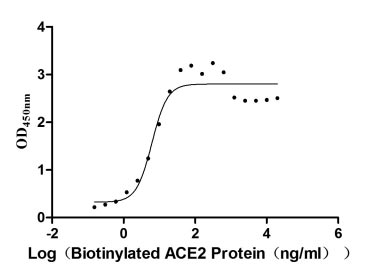
Bioactivity (Carcinoembryonic antigen (CEA), as one of the common tumor markers, is a human glycoprotein involved in cell adhesion and is expressed during human fetal development. Since the birth of human, CEA expression is largely inhibited, with only low levels in the plasma of healthy adults. Generally, CEA will overexpressed in many cancers, including gastric, breast, ovarian, lung, and pancreatic cancers, especially colorectal cancer. The lectin galactoside-binding soluble 3 binding protein (LGALS3BP) is also a secreted, which was first identified as cancer and metastasis associated protein. LGALS3BP has been identified as an interactor of CEA, thus a functional binding ELISA assay was conducted to detect the interaction of recombinant human CEA and recombinant human LGALS3BP. Briefly, biotin-linked CEA were diluted serially in PBS, with 0.01% BSA (pH 7.4). Duplicate samples of 100 ul were then transferred to LGALS3BP-coated microtiter wells and incubated for 1h at 37 degree C. Wells were washed with PBST 3 times and incubation with Streptavidin-HRP for 30min, then wells were aspirated and washed 5 times. With the addition of substrate solution, wells were incubated 15-25 minutes at 37 degree C. Finally, add 50 ul stop solution to the wells and read at 450 nm immediately. The binding activity of CEA and LGALS3BP was shown in Figure 1, and this effect was in a dose dependent manner.)
Bioactivity (Bone Morphogenetic Protein Receptor 2 (BMPR2) is a member of the bone morphogenetic protein (BMP) receptor family of transmembrane serine/threonine kinases. BMPR2 is a TGFbeta type II receptor expressed on cumulus cells. Growth Differentiation Factor 9 (GDF9) can bind to BMPR2 through different type I receptors, thereby regulating downstream metabolic reactions. Thus a functional binding ELISA assay was conducted to detect the interaction of recombinant human BMPR2 and recombinant human GDF9. Briefly, biotin-linked BMPR2 were diluted serially in PBS, with 0.01% BSA (pH 7.4). Duplicate samples of 100 ul were then transferred to GDF9-coated microtiter wells and incubated for 1h at 37 degree C. Wells were washed with PBST 3 times and incubation with Streptavidin-HRP for 30min, then wells were aspirated and washed 5 times. With the addition of substrate solution, wells were incubated 15-25 minutes at 37 degree C. Finally, add 50 ul stop solution to the wells and read at 450 nm immediately. The binding activity of recombinant human BMPR2 and recombinant human GDF9 was shown in Figure 1, the EC50 for this effect is 42.87 ng/mL.)
Bioactivity (Interleukin 16 (IL-16), formerly known as lymphocyte chemoattractant factor or LCF, is a pro-inflammatory cytokine that is chemotactic for CD4 T lymphocytes, monocytes, and eosinophils. In addition to inducing chemotaxis, IL-16 can upregulate IL-2 receptor and HLA-DR4 expression, inhibit T cell receptor (TcR)/CD3-dependent activation, and promote repression of HIV-1 transcription.Besides,Interleukin 1 Alpha (IL1a) has been identified as an interactor of IL-16, thus a functional binding ELISA assay was conducted to detect the interaction of recombinant mouse IL-16 and recombinant dog IL1a. Briefly, IL-16 was diluted serially in PBS with 0.01% BSA (pH 7.4). Duplicate samples of 100 ul were then transferred to IL1a-coated microtiter wells and incubated for 1h at 37 degree C. Wells were washed with PBST and incubated for 1h with anti-IL-16 pAb, then aspirated and washed 3 times. After incubation with HRP labelled secondary antibody for 1h at 37 degree C, wells were aspirated and washed 5 times. With the addition of substrate solution, wells were incubated 15-25 minutes at 37 degree C. Finally, add 50 uL stop solution to the wells and read at 450/630 nm immediately. The binding activity of recombinant mouse IL-16 and recombinant dog IL1a was shown in Figure 1, the EC50 for this effect is 1.9 ug/mL.)
Bioactivity (Interleukin 6 (IL-6) is an interleukin that acts as both a pro-inflammatory cytokine and an anti-inflammatory myokine. Interleukin 6 is secreted by T cells and macrophages to stimulate immune response and also plays a role in fighting infection. It supports the growth of B cells and is antagonistic to regulatory T cells. To test the effect of IL6 on cell proliferation, TF-1 cells were seeded into triplicate wells of 96-well plates at a density of 20,000 cells/well with 10% serum standard 1640 which contains various concentrations of recombinant human IL6. After incubated for 3 days, cells were observed by inverted microscope and cell proliferation was measured by Cell Counting Kit-8 (CCK-8). Briefly, 10 ul of CCK-8 solution was added to each well of the plate, then the absorbance at 450 nm was measured using a microplate reader after incubating the plate for 1-4 hours at 37 degree C. Proliferation of TF-1 cells after incubation with rhIL6 for 3 days observed by inverted microscope was shown in Figure 1. Cell viability was assessed by CCK-8 (Cell Counting Kit-8) assay after incubation with recombinant human IL6 for 3 days. The result was shown in Figure 2. It was obvious that recombinant human IL6 significantly increased cell viability of TF-1 cells, the EC50 was 0.016 ug/ml.)
Bioactivity (Macrophage Colony Stimulating Factor (M-CSF), also known as CSF-1, is a secreted cytokine which influences hematopoietic stem cells to differentiate into macrophages or other related cell types. M-CSF (or CSF-1) is a hematopoietic growth factor that is involved in the proliferation, differentiation, and survival of monocytes, macrophages, and bone marrow progenitor cells. It can also affects macrophages and monocytes in several ways, including stimulating increased phagocytic and chemotactic activity, and increased tumour cell cytotoxicity. By interacting with its membrane receptor (CSF1R or M-CSF-R encoded by the c-fms proto-oncogene), M-CSF also modulates the proliferation of earlier hematopoietic progenitors and influence numerous physiological processes involved in immunology, metabolism, fertility and pregnancy. Thus a functional binding ELISA assay was conducted to detect the interaction of recombinant human M-CSF and recombinant human Colony Stimulating Factor 2 Receptor Alpha (CSF2Ra). Briefly, biotin-linked M-CSF were diluted serially in PBS, with 0.01% BSA (pH 7.4). Duplicate samples of 100 ul were then transferred to CSF2Ra-coated microtiter wells and incubated for 1h at 37 degree C. Wells were washed with PBST 3 times and incubation with Streptavidin-HRP for 30min, then wells were aspirated and washed 5 times. With the addition of substrate solution, wells were incubated 15-25 minutes at 37 degree C. Finally, add 50 ul stop solution to the wells and read at 450/630 nm immediately. The binding activity of recombinant human M-CSF and recombinant human CSF2Ra was shown in Figure 1, the EC50 for this effect is 0.02 ug/mL.)
Bioactivity (Stem cell factor (SCF), also known as mast cell growth factor (MGF), and steel factor (SLF), plays an important role in hematopoiesis, spermatogenesis and melanogenesis. SCF has been shown to stimulate the proliferation of TF-1 cells. To test this effect, TF-1 cells were seeded into triplicate wells of 96-well plates at a density of 2 x 10⁴ cells/well and incubated for 72h in the presence or absence of various concentrations of SCF at 37 degree C. The growth of cells were observed by inverted microscope and cell proliferation was measured by Cell Counting Kit-8(CCK-8). Briefly, 10 ul of CCK-8 solution was added to each well of the plate, then measure the absorbance at 450 nm using a microplate reader after incubating the plate for 1-4 hours at 37 degree C. Cell proliferation of TF-1 cells after incubation with SCF for 72h observed by inverted microscope was shown in Figure 1. The dose-effect curve of SCF was shown in Figure 2. It was obvious that it significantly promoted cell proliferation of TF-1 cells.The ED50 for this effect is typically 0.54 ng/ml.)
Bioactivity (Figure. Cell proliferation of MCF-7 cells after stimulated with IGF1.)
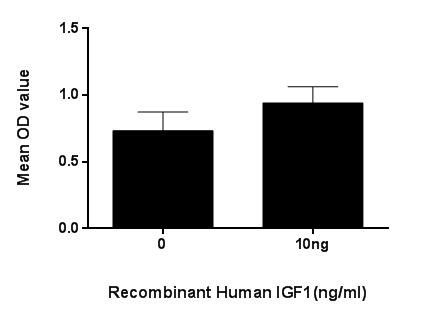
Application Data (To measure the effect of IGF1 on cell proliferation, breast cancer MCF-7 cells were seeded into triplicate wells of 96-well plates at a density of 5,000 cells/well and allowed to attach, replaced with serum-free overnight, then the medium was replaced with 1% serum standard DMEM prior to the addition of various concentrations of recombinant human IGF1. After incubated for 96h, cells were observed by inverted microscope and cell proliferation was measured by Cell Counting Kit-8 (CCK-8). Briefly, 10uL of CCK-8 solution was added to each well of the plate, then the absorbance at 450nm was measured using a microplate reader after incubating the plate for 1-4 hours at 37. Proliferation of MCF-7 cells after incubation with IGF1 for 72h observed by inverted microscope was shown in Figure 2. Cell viability was assessed by CCK-8 assay after incubation with recombinant IGF1 for 72h. The result was shown in Figure 3. It was obvious that IGF1 significantly increased cell viability of MCF-7 cells.(A) MCF-7 cells cultured in DMEM, stimulated with 10ng/mL IGF1 for 72h; (B) Unstimulated MCF7 cells cultured in DMEM for 72h.Figure. Cell proliferation of MCF-7 cells after stimulated with IGF1.)
Activity (Nerve growth factor (NGF) is a neurotrophic factor and neuropeptide primarily involved in the regulation of growth, maintenance, proliferation, and survival of certain target neurons. As reported, when the pheochromocytoma cell line PC12 is exposed to nerve growth factor (NGF), the cells respond over a period of a week by ceasing cell division and extending neurites (Greene and Tischler, 1976). The cells were grown in Ham's F12K containing 5% fetal calf serum and 10% horse serum on polylysine or collagen coated plates. When cells reached log phase growth , fresh medium was added together with 10ng/mL of NGF, then cells were observed by inverted microscope everyday.Cell division ceasing and differentiation of PC12 cells after incubation with NGF (10ng/mL) for 6 days was shown in Figure1.Control group which received no NGF displayed no neurite outgrowth and cells multiply rapidly.)
Activity (Figure 1. Cell apoptosis of A549 cells after stimulated by TNFa.TNFa, being an endogenous pyrogen, is able to induce fever, apoptotic cell death, inflammation and inhibit tumorigenesis. As reported, TNFa could inhibit the proliferation and induce apoptosis of A549 cells, and the concentration of IL-1beta in cell supernatant will increase after stimulation. A549 cells were incubated in DMEM with TNFa (1ng/mL, 10ng/mL) for 2h, 4h, 8h, 24h, 48h, then cells were observed by inverted microscope and IL-1beta in cell supernatant was detected by ELISA. Cell apoptosis of A549 after incubation of 48h was shown in Figure 1.(A)A549 cells cultured in DMEM, stimulated with 1ng/mL TNFa for 48h;(B)A549 cells cultured in DMEM, stimulated with 10ng/mL TNFa for 48h;(C)A549 cells cultured in DMEM for 48h.)
Bioactivity (Bone morphogenetic protein 2 (BMP2) belongs to the TGF-Beta superfamily of proteins. It plays an important role in the development of bone and cartilage. BMP2 is involved in the hedgehog pathway, TGF beta signaling pathway, and in cytokine-cytokine receptor interaction. It also paticipated in cardiac cell differentiation and epithelial to mesenchymal transition. Like many other proteins from the BMP family, BMP2 has been demonstrated to potently induce osteoblast differentiation in a variety of cell types. Besides, Follistatin Like Protein 1 (FSTL1) has been identified as an interactor of BMP2, thus a binding ELISA assay was conducted to detect the interaction of recombinant human BMP2 and recombinant human FSTL1. Briefly, BMP2 were diluted serially in PBS, with 0.01% BSA (pH 7.4). Duplicate samples of 100@L were then transferred to FSTL1-coated microtiter wells and incubated for 2h at 37 degree C. Wells were washed with PBST and incubated for 1h with anti-BMP2 pAb, then aspirated and washed 3 times. After incubation with HRP labelled secondary antibody, wells were aspirated and washed 3 times.With the addition of substrate solution , wells were incubated 15-25 minutes at 37 degree C. Finally, add 50@L stop solution to the wells and read at 450nm immediately. The binding activity of BMP2 and FSTL1 was shown in Figure 1, and this effect was in a dose dependent manner.)
Activity (Figure. The chemotactic effect of CX3CL1 on THP-1 cellsChemokine C-X3-C-Motif Ligand 1 (CX3CL1) also known as fractalkine is a large cytokine protein of 373 amino acids, it contains multiple domains and is the only known member of the CX3C chemokine family. Soluble CX3CL1 potently chemoattracts T cells and monocytes, while the cell-bound chemokine promotes strong adhesion of leukocytes to activated endothelial cells, where it is primarily expressed.Thus, chemotaxis assay used 24-well microchemotaxis system was undertaken to detect the chemotactic effect of CX3CL1 on the human monocytic cell line THP-1. Briefly, THP-1 cells were seeded into the upper chambers (150uL cell suspension, 106 cells/mL in RPMI 1640 with FBS free) and SLC (15.625ng/mL, 31.25ng/mL, 62.5ng/mL and 125ng/mL diluted separately in serum free RPMI 1640) was added in lower chamber with a polycarbonate filter (8um pore size) used to separate the two compartments. After incubation at 37 degree C with 5% CO2 for 1h, the filter was removed, then cells in low chamber were observed by inverted microscope at low magnification (×100) and the number of migrated cells were counted at high magnification (×400) randomly (five fields for each filter). Result shows CX3CL1 is able to induce migration of THP-1 cells. The migrated Jurkat cells in low chamber at low magnification (×100) were shown in Figure 1. Five fields of each chamber were randomly chosen, and the migrated cells were counted at high magnification (×400). Statistical results were shown in Figure 2. The optimum chemotaxis of CX3CL1 occurs at 15.625-125ng/mL.(A) THP-1 cells were seeded into the upper chambers and serum free RPMI 1640 with 31.25ng/mL CX3CL1 was added in lower chamber, then cells in lower chamber were observed at low magnification (×100) after incubation for 1h; (B) THP-1 cells were seeded into the upper chambers and serum free RPMI 1640 without CX3CL1 was added in lower chamber, then cells in lower chamber were observed at low magnification (×100) after incubation for 1h.)
Activity (Figure. The binding activity of GDNF with GFRa2.Glial cell-derived neurotrophic factor (GDNF) is a small protein that potently promotes the survival of many types of neurons. This protein was shown to promote the survival and differentiation of dopaminergic neurons in culture, and was able to prevent apoptosis of motor neurons induced by axotomy. The most prominent feature of GDNF is its ability to support the survival of dopaminergic and motorneurons. Besides, Glial Cell Line Derived Neurotrophic Factor Receptor Alpha 2 (GFRa2) has been identified as an interactor of GDNF, thus a binding ELISA assay was conducted to detect the interaction of recombinant mouse GDNF and recombinant mouse GFRa2. Briefly, GDNF were diluted serially in PBS, with 0.01% BSA (pH 7.4). Duplicate samples of 100uL were then transferred to GFRa2-coated microtiter wells and incubated for 2h at 37 degree C. Wells were washed with PBST and incubated for 1h with anti-GDNF pAb, then aspirated and washed 3 times. After incubation with HRP labelled secondary antibody, wells were aspirated and washed 3 times. With the addition of substrate solution, wells were incubated 15-25 minutes at 37 degree C. Finally, add 50uL stop solution to the wells and read at 450nm immediately. The binding activity of GDNF and GFRa2 was shown in Figure 1, and this effect was in a dose dependent manner.)
Bioactivity (Prokineticin 2 (PK2) is a memeber of prokineticin family. Prokineticin is a secreted protein that potently contracts gastrointestinal smooth muscle. They are thought to be involved in several important physiological processes like neurogenesis, tissue development, angiogenesis, and nociception. Other important physiological roles the Bv8/Prokineticins (PKs) are involved in may include cancer, reproduction, and regulating physiological functions that influence circadian rhythms like hormone secretion, ingestive behaviors, and the sleep/wake cycle. To test the effect of PK2 on cell proliferation, HCT116 colon cancer cells were seeded into triplicate wells of 96-well plates at a density of 5,000 cells/well and allowed to attach, replaced with serum-free overnight, then the medium was replaced with 2% serum standard DMEM containing various concentrations of recombinant human PK2. After incubated for 96h, cells were observed by inverted microscope and cell proliferation was measured by Cell Counting Kit-8 (CCK-8). Briefly, 10uL of CCK-8 solution was added to each well of the plate, then the absorbance at 450nm was measured using a microplate reader after incubating the plate for 1-4 hours at 37°C. Proliferation of HCT116 cells after incubation with PK2 for 96h observed by inverted microscope was shown in Figure 1. Cell viability was assessed by CCK-8 (Cell Counting Kit-8) assay after incubation with recombinant PK2 for 96h. The result was shown in Figure 2. It was obviously that PK2 significantly increased cell viability of HCT116 cells.)
Bioactivity (Carcinoembryonic antigen (CEA) describes a set of highly related glycoproteins involved in cell adhesion. CEA is normally produced in gastrointestinal tissue during fetal development, but the production stops before birth. CEA are glycosyl phosphatidyl inositol (GPI) cell-surface-anchored glycoproteins whose specialized sialofucosylated glycoforms serve as functional colon carcinoma L-selectin and E-selectin ligands. CEA levels are raised in some types of cancer, which means that it can be used as a tumor marker in clinical tests. Besides, Carcinoembryonic Antigen Related Cell Adhesion Molecule 6 (CEACAM6) has been identified as an interactor of CEA, thus a binding ELISA assay was conducted to detect the interaction of recombinant human CEA and recombinant human CEACAM6. Briefly, CEA were diluted serially in PBS with 0.01% BSA (pH 7.4). Duplicate samples of 100uL were then transferred to CEACAM6-coated microtiter wells and incubated for 2h at 37 degree C. Wells were washed with PBST and incubated for 1h with anti-CEA pAb, then aspirated and washed 3 times. After incubation with HRP labelled secondary antibody, wells were aspirated and washed 3 times. With the addition of substrate solution, wells were incubated 15-25 minutes at 37 degree C. Finally, add 50uL stop solution to the wells and read at 450nm immediately. The binding activity of CEA and CEACAM6 was shown in Figure 1, and this effect was in a dose dependent manner.)
Activity (High Mobility Group Protein 1 (HMG1) is among the most important chromatin proteins. In the nucleus HMGB1 interacts with nucleosomes, transcription factors, and histones. This nuclear protein organizes the DNA and regulates transcription. Besides, Stromal Cell Derived Factor 1 (SDF1) has been identified as an interactor of HMG1, thus a binding ELISA assay was conducted to detect the interaction of recombinant mouse HMG1 and recombinant mouse SDF1. Briefly, HMG1 were diluted serially in PBS, with 0.01% BSA (pH 7.4). Duplicate samples of 100uL were then transferred to SDF1-coated microtiter wells and incubated for 2h at 37 degree C. Wells were washed with PBST and incubated for 1h with anti-HMG1 pAb, then aspirated and washed 3 times. After incubation with HRP labelled secondary antibody, wells were aspirated and washed 3 times. With the addition of substrate solution, wells were incubated 15-25 minutes at 37 degree C. Finally, add 50uL stop solution to the wells and read at 450nm immediately. The binding activity of HMG1 and SDF1 was shown in Figure 1, and this effect was in a dose dependent manner.Figure. The binding activity of HMG1 with SDF1.)
Activity (Figure. The binding activity of tPA with PAI1.Plasminogen activators are serine proteases that catalyze the activation of plasmin via proteolytic cleavage of its zymogen form plasminogen. Plasmin is an important factor in fibrinolysis, the breakdown of fibrin polymers formed during blood clotting. There are two main plasminogen activators: urokinase (uPA) and tissue plasminogen activator (tPA).Tissue plasminogen activators (tPA) are used to treat medical conditions related to blood clotting including embolic or thrombotic stroke, myocardial infarction, and pulmonary embolism. Besides, Plasminogen Activator Inhibitor 1 (PAI1) has been identified as an interactor of tPA, thus a binding ELISA assay was conducted to detect the interaction of recombinant mouse tPA and recombinant mouse PAI1. Briefly, tPA were diluted serially in PBS, with 0.01% BSA (pH 7.4). Duplicate samples of 100uL were then transferred to PAI1-coated microtiter wells and incubated for 2h at 37 degree C. Wells were washed with PBST and incubated for 1h with anti-tPA pAb, then aspirated and washed 3 times. After incubation with HRP labelled secondary antibody, wells were aspirated and washed 3 times. With the addition of substrate solution, wells were incubated 15-25 minutes at 37 degree C. Finally, add 50uL stop solution to the wells and read at 450nm immediately. The binding activity of tPA and PAI1 was shown in Figure 1, and this effect was in a dose dependent manner.)
Activity (Figure. The binding activity of PAPPA with Plg.Pregnancy-associated plasma protein A (PAPPA), also known as pappalysin-1, is a secreted protease whose main substrate is insulin-like growth factor binding proteins. PAPPA's proteolytic function is activated upon collagen binding. It is thought to be involved in local proliferative processes such as wound healing and bone remodeling. Low plasma level of this protein has been suggested as a biochemical marker for pregnancies with aneuploid fetuses (fetuses with an abnormal number of chromosomes). Besides, Plasminogen (Plg) has been identified as an interactor of PAPPA, thus a binding ELISA assay was conducted to detect the interaction of recombinant human PAPPA and recombinant human Plg. Briefly, PAPPA were diluted serially in PBS with 0.01% BSA (pH 7.4). Duplicate samples of 100muL were then transferred to Plg-coated microtiter wells and incubated for 2h at 37 degree C. Wells were washed with PBST and incubated for 1h with anti-PAPPA pAb, then aspirated and washed 3 times. After incubation with HRP labelled secondary antibody, wells were aspirated and washed 3 times. With the addition of substrate solution, wells were incubated 15-25 minutes at 37 degree C. Finally, add 50uL stop solution to the wells and read at 450nm immediately. The binding activity of PAPPA and Plg was shown in Figure 1, and this effect was in a dose dependent manner.)
Activity (Figure. The binding activity of NOS2 with UCHL5.Nitric oxide synthase 2, inducible (NOS2) is a member of Nitric oxide synthases (NOSs) family. Nitric oxide synthases (NOSs) are a family of enzymes catalyzing the production of nitric oxide (NO) from L-arginine. NO is an important cellular signaling molecule. It helps modulate vascular tone, insulin secretion, airway tone, and peristalsis, and is involved in angiogenesis and neural development. Besides, Ubiquitin Carboxyl Terminal Hydrolase L5 (UCHL5) has been identified as an interactor of NOS2, thus a binding ELISA assay was conducted to detect the interaction of recombinant mouse NOS2 and recombinant mouse UCHL5. Briefly, NOS2 was diluted serially in PBS with 0.01% BSA (pH 7.4). Duplicate samples of 100uL were then transferred to UCHL5-coated microtiter wells and incubated for 2h at 37 degree C. Wells were washed with PBST and incubated for 1h with anti-NOS2 pAb, then aspirated and washed 3 times. After incubation with HRP labelled secondary antibody, wells were aspirated and washed 3 times. With the addition of substrate solution, wells were incubated 15-25 minutes at 37 degree C. Finally, add 50uL stop solution to the wells and read at 450nm immediately. The binding activity of NOS2 and UCHL5 was shown in Figure 1, and this effect was in a dose dependent manner.)
Bioactivity (Cofilin 1 (non-muscle; n-cofilin), also known as CFL1, is a human gene, part of the ADF/cofilin family. Cofilin is a widely distributed intracellular actin-modulating protein that binds and depolymerizes filamentous F-actin and inhibits the polymerization of monomeric G-actin in a pH-dependent manner. It is involved in the translocation of actin-cofilin complex from cytoplasm to nucleus. Besides, Actin Beta (ACTb) has been identified as an interactor of CFL1, thus a binding ELISA assay was conducted to detect the interaction of recombinant human CFL1 and recombinant human ACTb. Briefly, CFL1 were diluted serially in PBS, with 0.01% BSA (pH 7.4). Duplicate samples of 100uL were then transferred to ACTb-coated microtiter wells and incubated for 2h at 37 degree C. Wells were washed with PBST and incubated for 1h with anti-CFL1 pAb, then aspirated and washed 3 times. After incubation with HRP labelled secondary antibody, wells were aspirated and washed 3 times. With the addition of substrate solution, wells were incubated 15-25 minutes at 37 degree C. Finally, add 50uL stop solution to the wells and read at 450nm immediately. The binding activity of CFL1 and ACTb was shown in Figure 1, and this effect was in a dose dependent manner.Figure 1. The binding activity of CFL1 with ACTb.)
Bioactivity (Figure. The binding activity of MSTN with FSTL3.Myostatin (MSTN) also known as growth differentiation factor 8 (GDF-8) a myokine, a protein produced and released by myocytes. It inhibit myogenesis including muscle cell growth and differentiation. Myostatin is a secreted growth differentiation factor that is a member of the TGF beta protein family. Besides, Follistatin Like Protein 3 (FSTL3) has been identified as an interactor of MSTN, thus a binding ELISA assay was conducted to detect the interaction of recombinant mouse MSTN and recombinant mouse FSTL3. Briefly, MSTN were diluted serially in PBS, with 0.01% BSA (pH 7.4). Duplicate samples of 100uL were then transferred to FSTL3-coated microtiter wells and incubated for 2h at 37 degree C. Wells were washed with PBST and incubated for 1h with anti-MSTN pAb, then aspirated and washed 3 times. After incubation with HRP labelled secondary antibody, wells were aspirated and washed 3 times. With the addition of substrate solution, wells were incubated 15-25 minutes at 37 degree C. Finally, add 50uL stop solution to the wells and read at 450nm immediately. The binding activity of MSTN and FSTL3 was shown in Figure 1, and this effect was in a dose dependent manner.Figure 1. The binding activity of MSTN with FSTL3.)
Activity (Figure. The binding activity of S100A8 with S100A9.S100 calcium-binding protein A8 (S100A8) also known as calgranulin A, is a member of the S100 family of proteins containing 2 EF-hand calcium-binding motifs. S100 proteins are localized in the cytoplasm and/or nucleus of a wide range of cells, and involved in the regulation of a number of cellular processes such as cell cycle progression and differentiation. Besides, S100 Calcium Binding Protein A9 (S100A9) has been identified as an interactor of S100A8, thus a binding ELISA assay was conducted to detect the interaction of recombinant rat S100A8 and recombinant rat S100A9. Briefly, S100A8 were diluted serially in PBS, with 0.01% BSA (pH 7.4). Duplicate samples of 100muL were then transferred to S100A9-coated microtiter wells and incubated for 2h at 37 degree C. Wells were washed with PBST and incubated for 1h with anti-S100A8 pAb, then aspirated and washed 3 times. After incubation with HRP labelled secondary antibody, wells were aspirated and washed 3 times. With the addition of substrate solution, wells were incubated 15-25 minutes at 37 degree C. Finally, add 50uL stop solution to the wells and read at 450nm immediately. The binding activity of S100A8 and S100A9 was shown in Figure 1, and this effect was in a dose dependent manner.)
Proteins are large molecules made up of long chains of amino acids.
They will typically fold into a very particular 3-dimensional shape/conformation, that is sometimes referred to as their “native” form, which allows them to work properly in the body. For the purposes of product categorization, AAA Biotech will typically refer to proteins purified from their original animal host as being “native” proteins (this is to signify their difference compared to their “recombinant” or “synthetic” protein counterparts).
If a protein successfully folds into the correct shape, it is will typically display high fidelity characteristics to its original protein in its original animal host, and be classified as an active protein, as it will be able to function “normally” in most enzymatic or binding capacities. If it loses this shape, due to factors such as heat or strong chemicals (such as detergents), it becomes inactive and is no longer able to perform its basic functions. All of the proteins in this category are made under strict quality control, and they are active, pure, low in contaminants, and stable.
Most are stored as freeze-dried powders and come without extra tags, so they’re very close to the actual natural/native form.
Key Applications of Active Proteins
1. Scientific Research
Aid in the study of how proteins function in the body
Aid in understanding various disease processes
2. Drug Development
Powerful tools to investigate how potential drugs interact with specific proteins
Ideal for identifying drug targets
3. Cell Culture
Are routinely utilized to support cell growth and function (e.g., using exogenous growth factors)
Can be used to promote cellular development into specific types (differentiation)
4. Diagnostics
Regularly utilized in tests to detect diseases or infections (e.g., COVID-19, cancer)
Note: All products are strictly for research-use only (RUO).
5. Therapeutics
Some active proteins are used directly as treatments (e.g., insulin, enzymes)
Note: All products are strictly for research-use only (RUO).
6. Vaccine Development
Used to create or test vaccines by mimicking parts of viruses or bacteria
7. Biochemical Assays
They can facilitate the characterization of enzyme activity, binding strength, or protein interactions in lab tests
Why Buy Active Proteins from AAA Biotech?
High biological activity – Verified to perform as expected or indicated on datasheet
Strict quality control – We are confident in our active proteins’ reliability and consistency
High purity & low endotoxin – Ideal for applications involving sensitive or precious samples/components
Freeze-dried for stability – Long shelf life and straightforward storage
Mostly tag-free – Closer to natural/native protein form
FAQ
1. What are active proteins used for in research?
Active proteins are used primarily in the study of how proteins function, in characterizing/discovering drug interactions, supporting cell growth, running biochemical assays, and in development of diagnostics or therapeutics.
2. How are AAA Biotech's active proteins validated?
AAA Biotech’s active proteins are validated through strict quality control and functional assays to ensure they are properly folded and active. “Active”, though, can be an ambiguous term, so if a specific “activity” or “binding” capability of a protein is of crucial interest to you, please inquire with us prior to purchase, and we will provide further details on how the “Active” modifier was determined to be applicable.
3. Are these proteins tested for biological activity?
Yes, all active proteins from AAA Biotech are tested to confirm they have the expected biological activity before being offered for use. Though, said “biological activity” can be either “enzymatic”, “binding”, or both.
Submit a Question
Please complete the form below and a representative will contact you as soon as possible.
Request more Information
Please complete the form below and a representative will contact you as soon as possible.
Request a Manual
Please complete the form below and a representative will contact you as soon as possible.
Request a Quote
Please complete the form below and a representative will contact you as soon as possible.