AAA Biotech provides a variety of high-quality recombinant and natural/native proteins that are proven to work in a wide range of experiments. Explore our products to find the active protein that best fits your needs or experimental model.
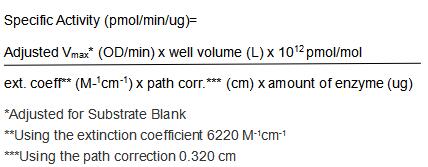
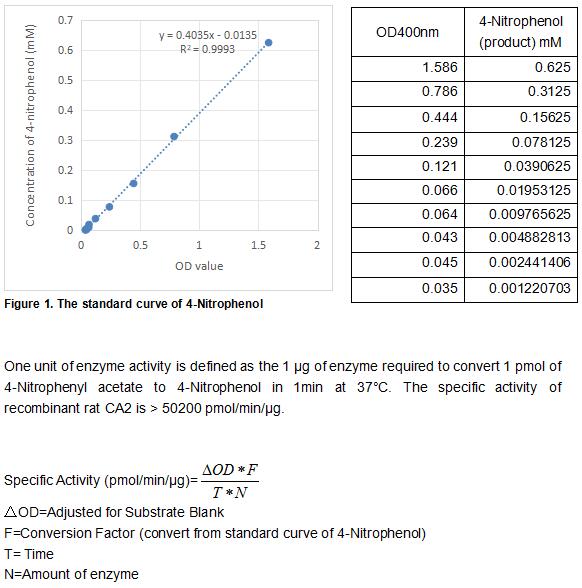
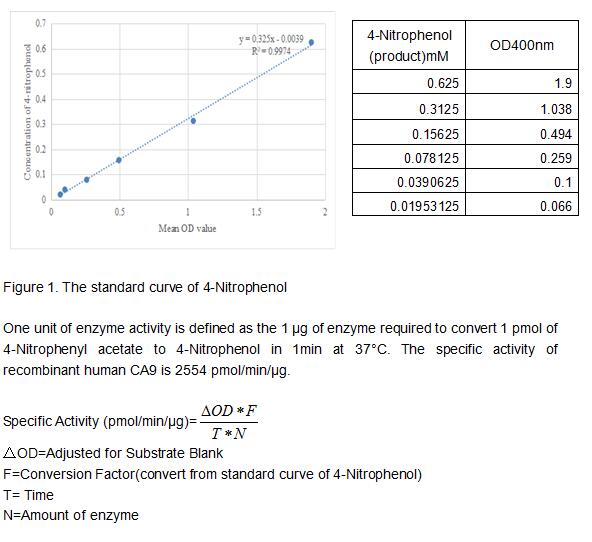
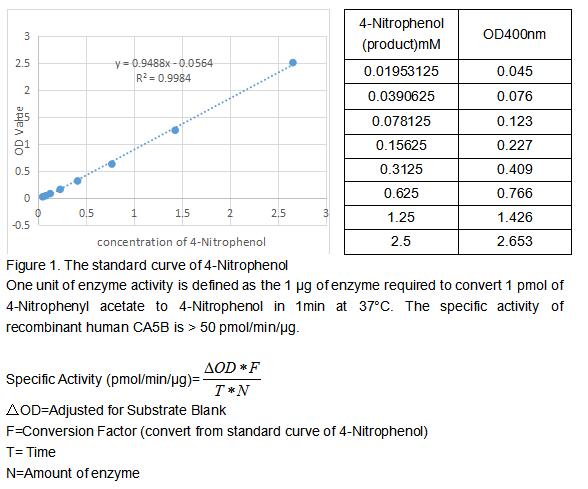
Bioactivity (The standard curve of 4-Nitrophenol.Carboxylesterase 1 (CES1) also known as Liver carboxylesterase 1 is a serine esterase and member of a large multigene carboxylesterase family. The protein Involved in the detoxification of xenobiotics and in the activation of ester and amide prodrugs. Hydrolyzes aromatic and aliphatic esters, but has no catalytic activity toward amides or a fatty acyl-CoA ester. Hydrolyzes the methyl ester group of cocaine to form benzoylecgonine. Thus, the recombinant human CES1 activity was measured by its ability to hydrolyze 4-Nitrophenyl acetate (4-NPA) to 4-Nitrophenol. The reaction was performed in 50mM Tris, pH 7.5 (Assay Buffer), initiated by addition 50uL of various concentrations of CES1 (dilute by assay buffer) to 50uL of 2mM Substrate 4-NPA (100mM stock in Acetone, dilute by deionized water). Incubated at 37 degree C for 10min, then read at a wavelength of 400nm.One unit of enzyme activity is defined as the 1ug of enzyme required to convert 1pmol of 4-Nitrophenyl acetate to 4-Nitrophenol in 1min at 37°C. The specific activity of recombinant human CES1 is 1396 pmol/min/ug.Specific Activity (pmol/min/ug) = ΔOD*F/T*NΔOD=Adjusted for Substrate BlankF=Conversion Factor(convert from standard curve of 4-Nitrophenol)T=TimeN=Amount of enzyme)
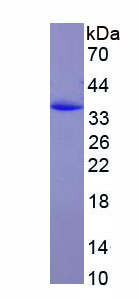
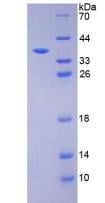
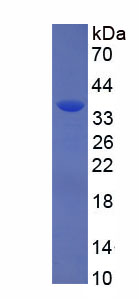
SDS-PAGE (Sample: Active recombinant ITIH4, Human)
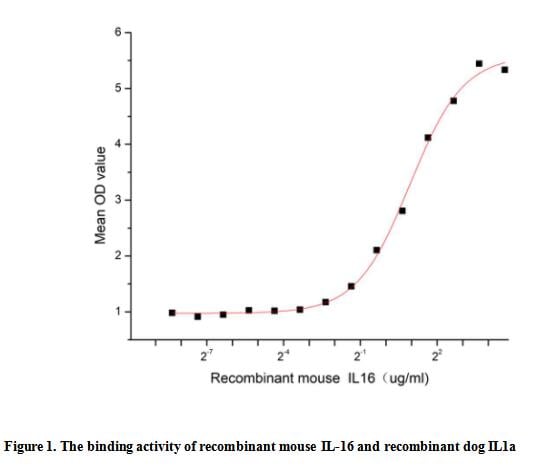
Bioactivity (Inter Alpha-Globulin Inhibitor H4 (ITIH4) is secreted into the blood, where it is cleaved by plasma kallikrein into two smaller forms. ITIH4 has been detected only in liver, and it seems to be upregulated during surgical trauma. It may also play a role in liver development or regeneration. Besides, Growth Factor Receptor Bound Protein 2 (Grb2) has been identified as an interactor of ITIH4, thus a binding ELISA assay was conducted to detect the interaction of recombinant human ITIH4 and recombinant human Grb2. Briefly, ITIH4 were diluted serially in PBS with 0.01% BSA (pH 7.4). Duplicate samples of 100uL were then transferred to Grb2-coated microtiter wells and incubated for 2h at 37 degree C. Wells were washed with PBST and incubated for 1h with anti-ITIH4 pAb, then aspirated and washed 3 times. After incubation with HRP labelled secondary antibody, wells were aspirated and washed 3 times. With the addition of substrate solution, wells were incubated 15-25 minutes at 37 degree C. Finally, add 50uL stop solution to the wells and read at 450nm immediately. The binding activity of ITIH4 and Grb2 was shown in Figure 1, and this effect was in a dose dependent manner.The binding activity of ITIH4with Grb2.)
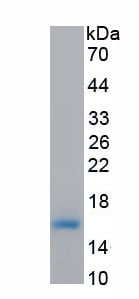
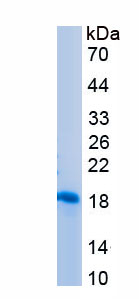
SDS-PAGE (Sample: Active recombinant IL10Rb, Human)
Bioactivity (IL10Rb (Interleukin-10 receptor subunit beta) belongs to the cytokine receptor family. It is an accessory chain essential for the active interleukin 10 receptor complex, which is a cell surface receptor required for the activation of several cytokines, including IL10. Thus, a binding ELISA assay was conducted to detect the interaction of IL10Rb and IL10. Briefly, recombinant human IL10RB were diluted serially in PBS, with 0.01%BSA (pH 7.4). Duplicate samples of 100uL were then transferred to IL10-coated microtiter wells and incubated for 2h at 37 degree C. Wells were washed with PBST and incubated for 1h with anti-IL10Rb pAb, then aspirated and washed 3 times. After incubation with HRP labelled secondary antibody, wells were aspirated and washed 3 times. With the addition of substrate solution, wells were incubated 15-25 minutes at 37 degree C. Finally, add 50uL stop solution to the wells and read at 450nm immediately. The binding activity of IL10Rb and IL10 was shown in Figure 1, and this effect was in a dose dependent manner.)
Activity (TNFRSF7 (Tumor necrosis factor receptor superfamily member 7), also known as CD27 antigen, is a member of the TNF-receptor superfamily. This receptor is thought to be involved in tumor necrosis factor-activated receptor activity by binding with TNFs. Thus, a binding ELISA assay was conducted to detect the association of TNFRSF7 with TNFa. Briefly, recombinant human TNFRSF7 were diluted serially in PBS with 0.01%BSA (pH 7.4). Duplicate samples of 100uL were then transferred to TNFa-coated microtiter wells and incubated for 2h at 37 degree C. Wells were washed with PBST and incubated for 1h with anti-TNFRSF7 pAb, then aspirated and washed 3 times. After incubation with HRP labelled secondary antibody, wells were aspirated and washed 3 times. With the addition of substrate solution, wells were incubated 15-25 minutes at 37 degree C. Finally, add 50uL stop solution to the wells and read at 450nm immediately. The binding activity of TNFRSF7 with TNFa was shown in Figure 1 and this effect was in a dose dependent manner.)
Activity (NOG (Noggin) is a signaling molecule that plays an important role in promoting somite patterning in the developing embryo, essential for cartilage morphogenesis and joint formation. It is considered as an inhibitor in bone morphogenetic proteins (BMP) signaling, by binding with BMP4, thus a binding ELISA assay was conducted to detect the association of recombinant rat NOG with BMP4. Briefly, NOG were diluted serially in PBS with 0.01%BSA (pH 7.4). Duplicate samples of 100uL were then transferred to BMP4-coated microtiter wells and incubated for 2h at 37 degree C. Wells were washed with PBST and incubated for 1h with anti-NOG pAb, then aspirated and washed 3 times. After incubation with HRP labelled secondary antibody, wells were aspirated and washed 3 times. With the addition of substrate solution, wells were incubated 15-25 minutes at 37 degree C. Finally, add 50uL stop solution to the wells and read at 450nm immediately. The binding activity of NOG with BMP4 was shown in Figure 1 and this effect was in a dose dependent manner.)
Activity (FGF1 (Fibroblast growth factor 1) is a member of FGF family, which plays an important role in the regulation of cell survival, cell division, angiogenesis, cell differentiation and cell migration. FGF1 is thought to stimulate the proliferation of 3T3 fibroblasts, besides, human FGF1 and mouse FGF1 shares similarities in amino acid sequence with the identity of 96%. Thus, a cell proliferation assay was conducted to detect the bioactivity of recombinant human FGF1 using 3T3 fibroblasts. Briefly, 3T3 cells were seeded into triplicate wells of 96-well plates at a density of 2,000 cells/well and allowed to attach overnight, then the medium was replaced with serum-free standard DMEM prior to the addition of various concentrations of FGF1. After incubated for 48h, cells were observed by inverted microscope and cell proliferation was measured by Cell Counting Kit-8 (CCK-8). Briefly, 10uL of CCK-8 solution was added to each well of the plate, then the absorbance at 450nm was measured using a microplate reader after incubating the plate for 1-4 hours at 37 degree C. Proliferation of 3T3 cells after incubation with FGF1 for 48h observed by inverted microscope was shown in Figure 1. Cell viability was assessed by CCK-8 (Cell Counting Kit-8 ) assay after incubation with recombinant FGF1 for 48h. The result was shown in Figure 2. It was obvious that FGF1 significantly increased cell viability of 3T3 cells.)
Bioactivity (Endonuclease G, Mitochondrial (ENDOG) is a conserved nuclease encoded by nuclear DNA and localized in the mitochondrial intermembrane space. It plays dual roles in apoptosis and mitochondrial genome maintenance. During programmed cell death, ENDOG is released into the cytosol, cleaving nuclear and mitochondrial DNA at specific sites to facilitate apoptotic degradation. Structurally, it functions as a homodimer with Mg2+-dependent endonuclease activity. Beyond apoptosis, ENDOG participates in mitochondrial DNA replication, repair, and maternal genome processing during embryogenesis. Notably, ENDOG interacts with cytochrome c (CYCS) to synergistically amplify apoptosis. This complex enhances nucleolytic DNA degradation and modulates the mitochondrial permeability transition pore (MPTP), further promoting cell death.Thus a functional ELISA assay was conducted to detect the interaction of recombinant rat ENDOG and recombinant human CYCS. Briefly, ENDOG was diluted serially in PBS with 0.01% BSA (pH 7.4). Duplicate samples of 100 ul were then transferred to CYCS-coated microtiter wells and incubated for 1h at 37 Degree C. Wells were washed with PBST and incubated for 1h with anti-ENDOG pAb, then aspirated and washed 3 times. After incubation with HRP labelled secondary antibody for 1h at 37 Degree C, wells were aspirated and washed 5 times.With the addition of substrate solution, wells were incubated 15-25 minutes at 37 Degree C. Finally, add 50 uL stop solution to the wells and read at 450/630nm immediately. The binding activity of recombinant rat ENDOG and recombinant human CYCS was shown in Figure 1, the EC50 for this effect is 1.01ug/mL.)
Activity (DGKe (Diacylglycerol kinase epsilon) is an enzyme that mainly involved in the regeneration of phosphatidylinositol (PI) from diacylglycerol in the PI-cycle during cell signal transduction. PDHA1 (Pyruvate dehydrogenase E1 component subunit alpha) has been proven to be an interactor of DGKe through Affinity Capture-MS. Thus a binding ELISA assay was conducted to detect the interaction of recombinant human DGKe and recombinant human PDHA. Briefly, DGKe were diluted serially in PBS, with 0.01%BSA (pH 7.4). Duplicate samples of 100uL DGKe were then transferred to PDHA-coated microtiter wells and incubated for 2h at 37 degree C. Wells were washed with PBST and incubated for 1h with anti-DGKe pAb, then aspirated and washed 3 times. After incubation with HRP labelled secondary antibody, wells were aspirated and washed 3 times. With the addition of substrate solution, wells were incubated 15-25 minutes at 37 degree C. Finally, add 50uL stop solution to the wells and read at 450nm immediately. The binding activity of DGKe and PDHA was shown in Figure 1, and this effect was in a dose dependent manner.)
Activity (Protein S100B is a member of the S100 family. S100 proteins are EF-hand calcium-binding proteins and involved in the regulation of a number of cellular processes such as cell cycle progression and differentiation. Experimental results suggest that the receptor for advanced glycation end products (RAGE) plays important roles in mediating S100 protein-induced cellular signaling. Besides, mouse RAGE shares similarities with human RAGE in amino acids sequence with the identity of 78.2%. Thus a binding ELISA assay was conducted to detect the interaction of recombinant mouse S100B and recombinant human RAGE. Briefly, S100B were diluted serially in PBS, with 0.01%BSA (pH 7.4). Duplicate samples of 100uL were then transferred to RAGE-coated microtiter wells and incubated for 2h at 37 degree C. Wells were washed with PBST and incubated for 1h with anti-S100B mAb, then aspirated and washed 3 times. After incubation with HRP labelled secondary antibody, wells were aspirated and washed 3 times. With the addition of substrate solution, wells were incubated 15-25 minutes at 37 degree C. Finally, add 50uL stop solution to the wells and read at 450nm immediately. The binding activity of of S100B and RAGE was shown in Figure 1, and this effect was in a dose dependent manner.)
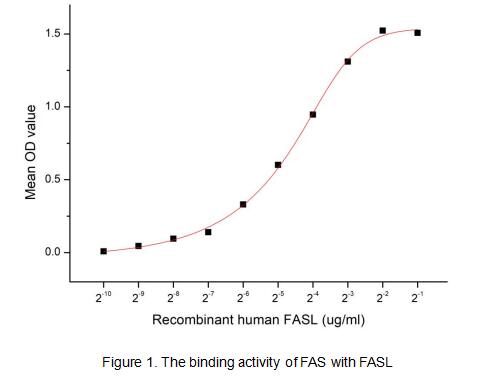
Activity (FAS (Tumor necrosis factor receptor superfamily member 6) belongs to the tumor necrosis factor receptor superfamily. FAS contains a death domain, which has been shown to play a central role in the physiological regulation of programmed cell death. A binding ELISA assay was conducted to detect the association of FAS with TNFa. Briefly, FAS were diluted serially in PBS, with 0.01%BSA (pH 7.4). Duplicate samples of 100uL FAS were then transferred to TNFa-coated microtiter wells and incubated for 2h at 37 degree C. Wells were washed with PBST and incubated for 1h with anti-FAS pAb, then aspirated and washed 3 times. After incubation with HRP labelled secondary antibody, wells were aspirated and washed 3 times. With the addition of substrate solution, wells were incubated 15-25 minutes at 37 degree C. Finally, add 50uL stop solution to the wells and read at 450nm immediately. The binding activity of FAS and TNFa was shown in Figure 1, and this effect was in a dose dependent manner.)
Activity ((FGF1) Fibroblast growth factor 1 belongs to the fibroblast growth factor (FGF) family. FGF1 plays an important role in the regulation of cell survival, cell division, angiogenesis, cell differentiation and cell migration. FGF1 is thought to stimulate the proliferation of 3T3 fibroblasts. Thus, a cell proliferation assay was conducted to detect the bioactivity of recombinant mouse FGF1 using 3T3 fibroblasts. Briefly, 3T3 cells were seeded into triplicate wells of 96-well plates at a density of 2,000 cells/well and allowed to attach overnight, then the medium was replaced with serum-free standard DMEM prior to the addition of various concentrations of FGF1. After incubated for 48h, cells were observed by inverted microscope and cell proliferation was measured by Cell Counting Kit-8 (CCK-8). Briefly, 10uL of CCK-8 solution was added to each well of the plate, then the absorbance at 450nm was measured using a microplate reader after incubating the plate for 1-4 hours at 37 degree C. Proliferation of 3T3 cells after incubation with FGF1 for 48h observed by inverted microscope was shown in Figure 1. Cell viability was assessed by CCK-8 (Cell Counting Kit-8 ) assay after incubation with recombinant FGF1 for 48h. The result was shown in Figure 2. It was obvious that FGF1 significantly increased cell viability of 3T3 cells.)
Activity (Macrophage Colony Stimulating Factor (M-CSF), also known as CSF-1,is a secreted cytokine which influences hematopoietic stem cells to differentiate into macrophages or other related cell types. M-CSF (or CSF-1) is a hematopoietic growth factor that is involved in the proliferation, differentiation, and survival of monocytes, macrophages, and bone marrow progenitor cells. It can also affects macrophages and monocytes in several ways, including stimulating increased phagocytic and chemotactic activity, and increased tumour cell cytotoxicity. The role of M-CSF is not only restricted to the monocyte/macrophage cell lineage. By interacting with its membrane receptor (CSF1R or M-CSF-R encoded by the c-fms proto-oncogene), M-CSF also modulates the proliferation of earlier hematopoietic progenitors and influence numerous physiological processes involved in immunology, metabolism, fertility and pregnancy. Besides, Colony Stimulating Factor Receptor, Macrophage (M-CFS-R) has been identified as an interactor of M-CSF, thus a binding ELISA assay was conducted to detect the interaction of recombinant mouse M-CSF and recombinant mouse MCFSR Briefly, M-CSF were diluted serially in PBS, with 0.01% BSA (pH 7.4). Duplicate samples of 100uL were then transferred to M-CFS-R-coated microtiter wells and incubated for 2h at 37 degree C. Wells were washed with PBST and incubated for 1h with anti-M-CSF pAb, then aspirated and washed 3 times. After incubation with HRP labelled secondary antibody, wells were aspirated and washed 3 times. With the addition of substrate solution, wells were incubated 15-25 minutes at 37 degree C. Finally, add 50uL stop solution to the wells and read at 450nm immediately. The binding activity of of M-CSF and M-CFS-R was shown in Figure 1, and this effect was in a dose dependent manner.)
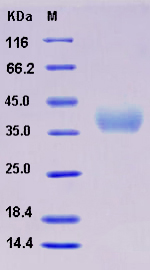
SDS-PAGE (Figure 2. SDS-PAGE; Sample: Active recombinant HEXa, Mouse)
Activity (Figure 1. Activity DataActivity: Hexosaminidase A Alpha (HEXa) is a lysosomal enzyme. There are three predominant isoenzymes: hexosaminidase A, B and S. Hexosaminidase A and the cofactor GM2 activator protein catalyze the degradation of the GM2 gangliosides and other molecules containing terminal N-acetyl hexosamines. The enzymes are composed of two alpha and/or beta subunits, which are coded by HEXA and HEXB genes, respectively. Even though the alpha and beta subunits of hexosaminidase A can both cleave GalNAc residues, only the alpha subunit which contains a key residue, Arg-424 is able to hydrolyze GM2 gangliosides. Hexosaminidase A (alpha polypeptide) plays a critical role in the brain and spinal cord (central nervous system). Besides, Hexosaminidase B Beta (HEXB) has been identified as an interactor of HEXA, thus a binding ELISA assay was conducted to detect the interaction of recombinant mouse HEXA and recombinant mouse HEXB. Briefly, HEXA were diluted serially in PBS, with 0.01% BSA (pH 7.4). Duplicate samples of 100uL were then transferred to HEXB-coated microtiter wells and incubated for 2h at 37 degree C. Wells were washed with PBST and incubated for 1h with anti-HEXA pAb, then aspirated and washed 3 times. After incubation with HRP labelled secondary antibody, wells were aspirated and washed 3 times. With the addition of substrate solution, wells were incubated 15-25 minutes at 37 degree C. Finally, add 50DL stop solution to the wells and read at 450nm immediately. The binding activity of of HEXA and HEXB was shown in Figure 1, and this effect was in a dose dependent manner.)
Bioactivity (Ribonuclease P is a site specific endonuclease that generates mature tRNAs by catalysing the removal of the 5'-leader sequence from pre-tRNA to produce the mature 5'-terminus. It can also cleave other RNA substrates such as 4.5S RNA. In bacteria, RNase P consists of of two components: a large RNA (about 400 base pairs) encoded by rnpB, and a small protein (119 to 133 amino acids) encoded by rnpA. The RNA moiety of RNase P carries the catalytic activity; the protein component plays an auxiliary, but essential, role in vivo by binding to the 5'-leader sequence and broadening the substrate specificity of the ribozyme. The sequence of rnpA is not highly conserved, however there is, in the central part of the protein, a conserved basic region. Besides, Nucleophosmin (NPM) has been identified as an interactor of RNASEP, thus a binding ELISA assay was conducted to detect the interaction of recombinant rat RNASEP and recombinant rat NPM. Briefly, RNASEP were diluted serially in PBS, with 0.01% BSA (pH 7.4). Duplicate samples of 100uL were then transferred to NPM-coated microtiter wells and incubated for 2h at 37 degree C. Wells were washed with PBST and incubated for 1h with anti-RNASEP pAb, then aspirated and washed 3 times. After incubation with HRP labelled secondary antibody, wells were aspirated and washed 3 times. With the addition of substrate solution, wells were incubated 15-25 minutes at 37 degree C. Finally, add 50uL stop solution to the wells and read at 450nm immediately. The binding activity of of RNASEP and NPM was shown in Figure 1, and this effect was in a dose dependent manner.Figure 1. The binding activity of RNASEP with NPM.)
Activity (Nucb2 (Nucleobindin-2), a calcium-binding protein, is further cleaved into NES1 (Nesfatin-1). NES1 is an anorexigenic peptide and seems to participate in hypothalamic pathways regulating food intake and energy homeostasis, acting in a leptin-independent manner. GADD45A (Growth arrest and DNA damage-inducible protein GADD45 alpha) has been identified as an interactor of Nucb2. Besides, rat GADD45A shares similarities with mouse NES1 in amino acid sequence with the identity of 98%. Thus a binding ELISA assay was conducted to detect the interaction of recombinant mouse NES1 and recombinant rat GADD45A. Briefly, NES1 were diluted serially in PBS, with 0.01%BSA (pH 7.4). Duplicate samples of 100uL NES1 were then transferred to GADD45A-coated microtiter wells and incubated for 2h at 37 degree C. Wells were washed with PBST and incubated for 1h with anti-NES1 pAb, then aspirated and washed 3 times. After incubation with HRP labelled secondary antibody, wells were aspirated and washed 3 times. With the addition of substrate solution, wells were incubated 15-25 minutes at 37 degree C. Finally, add 50uL stop solution to the wells and read at 450nm immediately. The binding activity of NES1 and GADD45A was shown in Figure 1, and this effect was in a dose dependent manner.)
Activity (GDF9 (Growth/differentiation factor 9) is an oocyte derived growth factora which belongs to the transforming growth factor-beta (TGFbeta) superfamily. GDF9 is required for ovarian folliculogenesis and promotes primordial follicle development. S100A8 has been identified as an interactor of GDF9 through two-hybrid assay, thus a binding ELISA assay was conducted to detect the interaction of recombinant human GDF9 and recombinant human S100A8. Briefly, GDF9 were diluted serially in PBS, with 0.01%BSA (pH 7.4). Duplicate samples of 100uL were then transferred to S100A8-coated microtiter wells and incubated for 2h at 37 degree C. Wells were washed with PBST and incubated for 1h with anti-GDF9 pAb, then aspirated and washed 3 times. After incubation with HRP labelled secondary antibody, wells were aspirated and washed 3 times. With the addition of substrate solution, wells were incubated 15-25 minutes at 37 degree C. Finally, add 50uL stop solution to the wells and read at 450nm immediately. The binding activity of of GDF9 and S100A8 was shown in Figure 1, and this effect was in a dose dependent manner.)
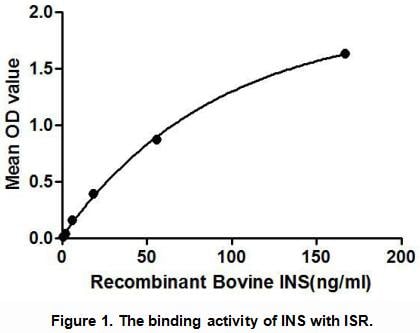
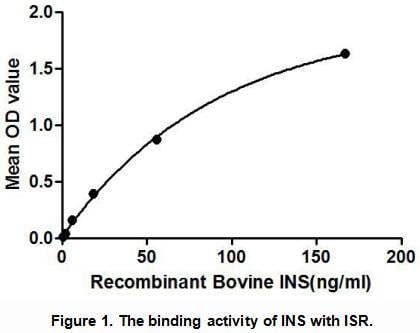
Activity (Insulin (INS) is a polypeptide hormone originating in the beta cells of the pancreas and serving as a principal regulator for the storage and production of carbohydrates. Insulin decreases blood glucose concentration. It increases cell permeability to monosaccharides, amino acids and fatty acids. It accelerates glycolysis, the pentose phosphate cycle, and glycogen synthesis in liver. Besides, Insulin Receptor (ISR) has been identified as an interactor of INS, thus a binding ELISA assay was conducted to detect the interaction of recombinant bovine INS and recombinant human ISR. Briefly, INS were diluted serially in PBS, with 0.01% BSA (pH 7.4). Duplicate samples of 100uL were then transferred to ISR-coated microtiter wells and incubated for 2h at 37 degree C. Wells were washed with PBST and incubated for 1h with anti-INS pAb, then aspirated and washed 3 times. After incubation with HRP labelled secondary antibody, wells were aspirated and washed 3 times. With the addition of substrate solution, wells were incubated 15-25 minutes at 37 degree C. Finally, add 50uL stop solution to the wells and read at 450nm immediately. The binding activity of of INS and ISR was shown in Figure 1, and this effect was in a dose dependent manner.)
Activity (Protein Kinase R (PKR) is activated by double-stranded RNA (dsRNA), the synthesis of which is caused virally. PKR can also be activated by the protein PACT or by heparin. It plays a key role in the innate immune response to viral infection and is also involved in the regulation of signal transduction, apoptosis, cell proliferation and differentiation. Besides, Cyclin Dependent Kinase 1 (CDK1) has been identified as an interactor of PKR, thus a binding ELISA assay was conducted to detect the interaction of recombinant human PKR and recombinant human CDK1. Briefly, PKR were diluted serially in PBS, with 0.01% BSA (pH 7.4). Duplicate samples of 100uL were then transferred to CDK1-coated microtiter wells and incubated for 2h at 37 degree C. Wells were washed with PBST and incubated for 1h with anti-PKR pAb, then aspirated and washed 3 times. After incubation with HRP labelled secondary antibody, wells were aspirated and washed 3 times. With the addition of substrate solution, wells were incubated 15-25 minutes at 37 degree C. Finally, add 50uL stop solution to the wells and read at 450nm immediately. The binding activity of of PKR and CDK1 was shown in Figure 1, and this effect was in a dose dependent manner.)
Activity (TF (Tissue factor) also known for platelet tissue factor, factor III, thromboplastin, or CD142, is a cell surface glyprotein present in subendothelial tissue and leukocytes. TF is necessary for the initiation of thrombin formation from the zymogen prothrombin. It has been proven that EGF can bind with the TF on the hemangioendotheliocytes. Thus a binding ELISA assay was conducted to detect the interaction of recombinant rat TF and recombinant rat EGF. Briefly, TF were diluted serially in PBS, with 0.01%BSA (pH 7.4). Duplicate samples of 100uL TF were then transferred to EGF-coated microtiter wells and incubated for 2h at 37 degree C. Wells were washed with PBST and incubated for 1h with anti-TF pAb, then aspirated and washed 3 times. After incubation with HRP labelled secondary antibody, wells were aspirated and washed 3 times. With the addition of substrate solution, wells were incubated 15-25 minutes at 37 degree C. Finally, add 50uL stop solution to the wells and read at 450nm immediately. The binding activity of TF and EGF was shown in Figure 1, and this effect was in a dose dependent manner.)
Activity (Coagulation Factor II (F2) also commonly called pro-thrombin is a coagulation protein in the blood stream that has many effects in the coagulation cascade. It is a serine protease that converts fibrinogen to fibrin and activates factors V, VII, VIII, XIII, and, in complex with thrombomodulin, protein C. Besides, Protein C Inhibitor (PCI) has been identified as an interactor of F2, thus a binding ELISA assay was conducted to detect the interaction of recombinant rat F2 and recombinant rat PCI. Briefly, F2 were diluted serially in PBS, with 0.01%BSA (pH 7.4). Duplicate samples of 100uL were then transferred to PCI-coated microtiter wells and incubated for 2h at 37 degree C. Wells were washed with PBST and incubated for 1h with anti-F2 pAb, then aspirated and washed 3 times. After incubation with HRP labelled secondary antibody, wells were aspirated and washed 3 times. With the addition of substrate solution, wells were incubated 15-25 minutes at 37 degree C. Finally, add 50uL stop solution to the wells and read at 450nm immediately. The binding activity of of F2 and PCI was shown in Figure 1, and this effect was in a dose dependent manner.)
Activity (Elastase 4 (ELA4) is a member of the peptidase S1 family. The encoded protein is a serum calcium-decreasing factor that has chymotrypsin-like protease activity. It regulates activation and degradation of trypsinogens and procarboxypeptidases by targeting specific cleavage sites within their zymogen precursors. Has chymotrypsin-type protease activity and hypocalcemic activity. Besides, Plasminogen Activator, Urokinase Receptor (uPAR) has been identified as an interactor of ELA4, thus a binding ELISA assay was conducted to detect the interaction of recombinant rat ELA4 and recombinant rat uPAR. Briefly, ELA4 were diluted serially in PBS, with 0.01%BSA (pH 7.4). Duplicate samples of 100uL were then transferred to uPAR-coated microtiter wells and incubated for 2h at 37 degree C. Wells were washed with PBST and incubated for 1h with anti-ELA4 pAb, then aspirated and washed 3 times. After incubation with HRP labelled secondary antibody, wells were aspirated and washed 3 times. With the addition of substrate solution, wells were incubated 15-25 minutes at 37 degree C. Finally, add 50uL stop solution to the wells and read at 450nm immediately. The binding activity of of ELA4 and uPAR was shown in Figure 1, and this effect was in a dose dependent manner.)
Activity (Growth Regulated Oncogene Beta (GROb) is a small cytokine belonging to the CXC chemokine family which produced by activated monocytes and neutrophils and expressed at sites of inflammation. Hematoregulatory chemokine, which, in vitro, suppresses hematopoietic progenitor cell proliferation. Besides, Dipeptidyl Peptidase IV (DPP4) has been identified as an interactor of GROb, thus a binding ELISA assay was conducted to detect the interaction of recombinant rat GROb and recombinant rat DPP4. Briefly, GROb were diluted serially in PBS, with 0.01% BSA (pH 7.4). Duplicate samples of 100ul were then transferred to DPP4-coated microtiter wells and incubated for 2h at 37 degree C. Wells were washed with PBST and incubated for 1h with anti-GROb pAb, then aspirated and washed 3 times. After incubation with HRP labelled secondary antibody, wells were aspirated and washed 3 times. With the addition of substrate solution, wells were incubated 15-25 minutes at 37 degree C. Finally, add 50uL stop solution to the wells and read at 450nm immediately. The binding activity of of GROb and DPP4 was shown in Figure 1, and this effect was in a dose dependent manner.)
Bioactivity (Endothelial cell-specific molecule 1 (ESM1) is a proteoglycan secreted by endothelial cells (primarily in the human lung and kidney tissues) and its mRNA expression is regulated by inflammatory cytokines. Endocan expression, which detected in various epithelia and adipocytes has been shown to be upregulated by vascular endothelial growth factor (VEGF), fibroblast growth factor 2 (FGF-2), TNF alpha, IL1 beta, or lipopolysaccharide and downregulated by IFN gamma. Genetically engineered cells overexpressing ESM1 induce tumor formation, implying that ESM1 might be involved in the pathophysiology of tumor growth in vivo. Besides, Lymphocyte Function Associated Antigen 1 Alpha (LFA1a) has been identified as an interactor of ESM1, thus a binding ELISA assay was conducted to detect the interaction of recombinant human ESM1 and recombinant human LFA1a. Briefly, ESM1 were diluted serially in PBS, with 0.01% BSA (pH 7.4). Duplicate samples of 100uL were then transferred to LFA1a-coated microtiter wells and incubated for 2h at 37 degree C. Wells were washed with PBST and incubated for 1h with anti- ESM1 pAb, then aspirated and washed 3 times. After incubation with HRP labelled secondary antibody, wells were aspirated and washed 3 times. With the addition of substrate solution, wells were incubated 15-25 minutes at 37 degree C. Finally, add 50uL stop solution to the wells and read at 450nm immediately. The binding activity of of ESM1 and LFA1a was shown in Figure 1, and this effect was in a dose dependent manner.)
Activity (FGF22 (Fibroblast growth factor 22) is a member of the fibroblast growth factor (FGF) family. FGF family members possess broad mitogenic and cell survival activities and are involved in a variety of biological processes including embryonic development, cell growth, morphogenesis, tissue repair, tumor growth and invasion. A proliferation assay was conducted to detect the bioactivity of recombinant mouse FGF22 using 3T3 cells. Briefly, 3T3 cells were seeded into triplicate wells of 96-well plates at a density of 2,000 cells/well and allowed to attach overnight, then the medium was replaced with serum-free standard DMEM prior to the addition of various concentrations of FGF22. After incubated for 48h, cells were observed by inverted microscope and cell proliferation was measured by Cell Counting Kit-8 (CCK-8). Briefly, 10uL of CCK-8 solution was added to each well of the plate, then the absorbance at 450nm was measured using a microplate reader after incubating the plate for 1-4 hours at 37 degree C. Proliferation of 3T3 cells after incubation with FGF22 for 48h observed by inverted microscope was shown in Figure 1. Cell viability was assessed by CCK-8 (Cell Counting Kit-8 ) assay after incubation with recombinant FGF22 for 48h. The result was shown in Figure 2. It was obvious that FGF22 significantly increased cell viability of 3T3 cells.)
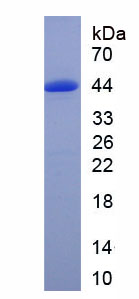
SDS-PAGE (Figure 2. SDS-PAGESample: Active recombinant CTSV, Human)
Bioactivity (Cathepsin V (CTSV) is a lysosomal cysteine proteinase which belongs to peptidase C1 family. It is expressed in normal human thymus, testis and corneal epithelium. Cathepsin V plays an important role in corneal physiology and mediates degradation of invariant chain in human thymus. Besides, Retinoblastoma Protein 1 (RB1) has been identified as an interactor of CTSV, thus a binding ELISA assay was conducted to detect the interaction of recombinant human CTSV and recombinant human RB1. Briefly, CTSV were diluted serially in PBS, with 0.01% BSA (pH 7.4). Duplicate samples of 100uL were then transferred to RB1-coated microtiter wells and incubated for 2h at 37°C. Wells were washed with PBST and incubated for 1h with anti-CTSV pAb, then aspirated and washed 3 times. After incubation with HRP labelled secondary antibody, wells were aspirated and washed 3 times. With the addition of substrate solution, wells were incubated 15-25 minutes at 37°C. Finally, add 50uL stop solution to the wells and read at 450nm immediately. The binding activity of CTSV and RB1 was shown in Figure 1, and this effect was in a dose dependent manner.Figure 1.The binding activity of CTSV with RB1.)
Activity (CYP1A2 (Cytochrome P450 1A2) belongs to the group of proteins which contains heme as a cofactor. CYP1A2 oxidizes a variety of structurally unrelated compounds, including steroids, fatty acids, and xenobiotics. Besides, ASAH1 (Acid ceramidase) has been identified as an interactor of CYP1A2 through affinity capture-MS. Thus a binding ELISA assay was conducted to detect the interaction of recombinant human CYP1A2 and recombinant human ASAH1. Briefly, CYP1A2 were diluted serially in PBS, with 0.01%BSA (pH 7.4). Duplicate samples of 100uL were then transferred to ASAH1-coated microtiter wells and incubated for 2h at 37 degree C. Wells were washed with PBST and incubated for 1h with anti-CYP1A2 mAb, then aspirated and washed 3 times. After incubation with HRP labelled secondary antibody, wells were aspirated and washed 3 times. With the addition of substrate solution, wells were incubated 15-25 minutes at 37 degree C. Finally, add 50uL stop solution to the wells and read at 450nm immediately. The binding activity of CYP1A2 and ASAH1 was shown in Figure 1, and this effect was in a dose dependent manner.)
Activity (JAK3 (Tyrosine-protein kinase JAK3) is a non-receptor tyrosine kinase that involved in various processes such as cell growth, development, or differentiation. Besides, STAM2 has been identified as an interactor of JAK3, thus a binding ELISA assay was conducted to detect the interaction of recombinant human JAK3 and recombinant human STAM2. Briefly, JAK3 were diluted serially in PBS, with 0.01%BSA (pH 7.4). Duplicate samples of 100uL were then transferred to STAM2-coated microtiter wells and incubated for 2h at 37 degree C. Wells were washed with PBST and incubated for 1h with anti-JAK3 pAb, then aspirated and washed 3 times. After incubation with HRP labelled secondary antibody, wells were aspirated and washed 3 times. With the addition of substrate solution, wells were incubated 15-25 minutes at 37 degree C. Finally, add 50uL stop solution to the wells and read at 450nm immediately. The binding activity of of JAK3 and STAM2 was shown in Figure 1, and this effect was in a dose dependent manner.)
Activity (IL1alpha (Interleukin-1 alpha) is a member of the interleukin 1 cytokine family. This cytokine is produced by monocytes and macrophages as a proprotein, which is proteolytically processed and released in response to cell injury, and thus induces cell apoptosis. It is reported that exposure of MCF-7 cells to certain concentration of IL1alpha results in inhibition of cell growth. Thus, an cell proliferation assay of MCF-7 was conducted with the addition of IL1alpha. MCF-7 cells were seeded overnight at a density of 5,000 cells/well, and then treated with or without various concentrations of IL1alpha for 72h, then cells were observed by inverted microscope and cell viability was measured by Cell Counting Kit-8 (CCK-8). Briefly, 10uL of CCK-8 solution was added to each well of the plate, then measure the absorbance at 450nm using a microplate reader after incubating the plate for 1-4 hours in at 37 degree C.Inhibition of MCF-7 cell proliferation after incubation with IL1alpha for 72h observed by inverted microscope was shown in Figure 1.)
Activity (IL17 (interleukin 17) is a member of IL17 cytokine family, which is a proinflammatory cytokine produced by activated T cells. This cytokine regulates the activities of NF-kappaB and mitogen-activated protein kinases. It is reported that IL17 is a ligand for IL17RA, indicating its interaction with IL17RA. Thus, a binding ELISA assay was constructed to detect the association of recombinant human IL17 with recombinant human IL17RA. Briefly, IL17 were diluted serially in PBS with 0.1%BSA (pH 7.4). Duplicate samples of 100uL were then transferred to IL17RA-coated microtiter wells and incubated for 2h at 37 degree C. Wells were washed with PBST and incubated for 1h with anti-IL17 pAb, then aspirated and washed 3 times. After incubation with HRP labelled secondary antibody, wells were aspirated and washed 3 times. With the addition of substrate solution , wells were incubated 15-25 minutes at 37 degree C. Finally, add 50uL stop solution to the wells and read at 450nm immediately. The binding activity of IL17 with IL17RA was shown in Figure 1 and this effect was in a dose dependent manner.)
Activity (IL25 (Interleukin-25), also known as IL17E, is reported to induce NF-kappaB activation, and stimulate the production of IL-8. Besides, this cytokine shares the sequence similarity with IL17, which is considered as a ligand for IL17RA. Thus, a binding ELISA assay was conducted to detect the association of recombinant human IL25 with IL17RA. Briefly, IL25 were diluted serially in PBS with 0.1%BSA (pH 7.4). Duplicate samples of 100uL were then transferred to IL17RA-coated microtiter wells and incubated for 2h at 37 degree C. Wells were washed with PBST and incubated for 1h with anti-IL25 pAb, then aspirated and washed 3 times. After incubation with HRP labelled secondary antibody, wells were aspirated and washed 3 times. With the addition of substrate solution, wells were incubated 15-25 minutes at 37 degree C. Finally, add 50uL stop solution to the wells and read at 450nm immediately. The binding activity of IL25 with IL17RA was shown in Figure 1 and this effect was in a dose dependent manner.)
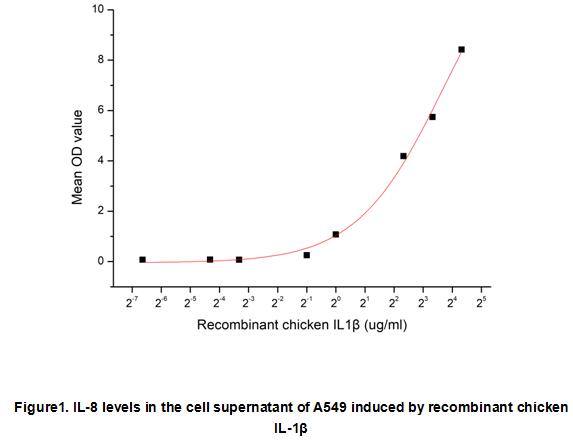
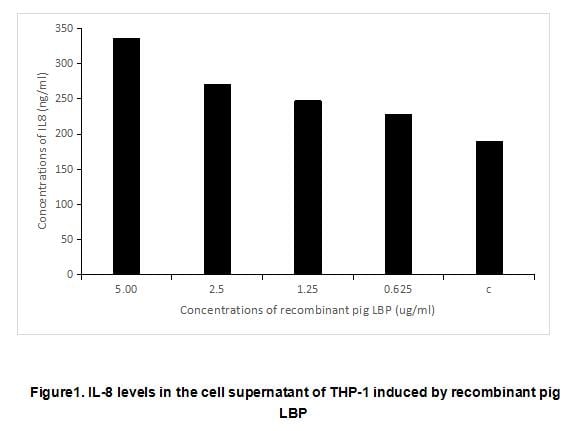
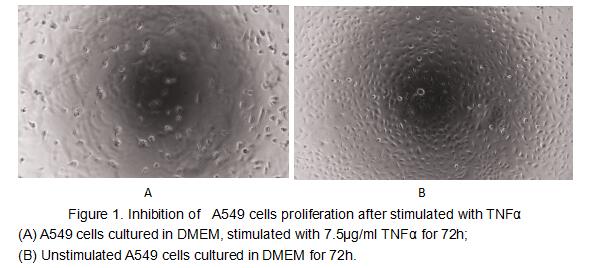
Activity (TNFa (Tumor necrosis factor), is mainly secreted by macrophages and can induce cell death of certain tumor cell lines. It has been reported that TNFa can inhibit the proliferation and induce apoptosis of A549 cells, besides, the concentration of IL-1beta and IL-8 in cell supernatant will increase after stimulation. Therefore, a stimulation assay of TNFa was conducted using A549 cells. Briefly, A549 cells were incubated in DMEM with different concentrations of TNFa (1ng/mL, 10ng/mL, 100ng/mL, 1000ng/mL) for 8h, after which the concentration of IL-1beta and IL-8 in the cell supernatant were detected by ELISA. IL-1beta and IL-8 levels in the cell supernatant of A549 cells increased significantly after stimulated with IL-1beta, the data was shown in Figure 1 and Figure 2 separately.)
Activity (IL1R1 (Interleukin 1 Receptor Type I), also known as CD121a, is an important mediator involved in many cytokine induced immune and inflammatory responses. It belongs to the interleukin-1 receptor family, and is a receptor for interleukin 1 alpha (IL1A), interleukin 1 beta (IL1B), and interleukin 1 receptor antagonist (IL1RA). Besides, mouse IL1B shares 87.0% AA sequence identity with rat IL1B, suggesting the exist of cross-species activity. Thus, a binding ELISA assay was constructed to detect the association of recombinant rat IL1R1 with recombinant mouse IL1B. Briefly, IL1R1 were diluted serially in PBS with 0.1%BSA (pH 7.4). Duplicate samples of 100uL were then transferred to IL1B-coated microtiter wells and incubated for 2h at 37 degree C. Wells were washed with PBST and incubated for 1h with anti-IL1R1 pAb, then aspirated and washed 3 times. After incubation with HRP labelled secondary antibody, wells were aspirated and washed 3 times. With the addition of substrate solution, wells were incubated 15-25 minutes at 37 degree C. Finally, add 50uL stop solution to the wells and read at 450nm immediately. The binding activity of IL1R1 with IL1B was shown in Figure 1 and this effect was in a dose dependent manner.)
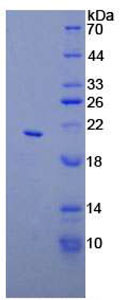
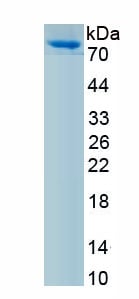
SDS_PAGE (SDS-PAGESample: Active Recombinant IL2Rb, Mouse)
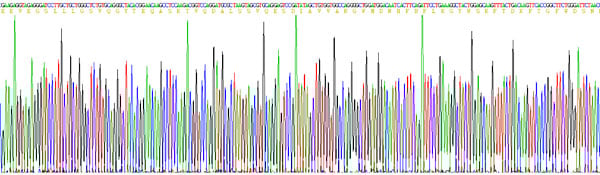
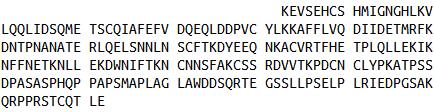
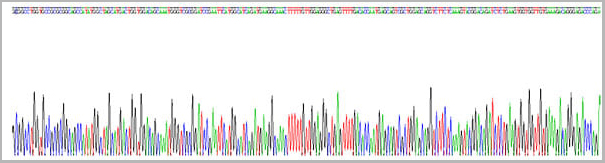
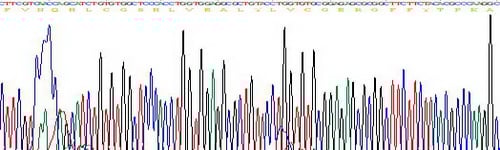
Gene Sequencing (Gene Sequencing (extract))
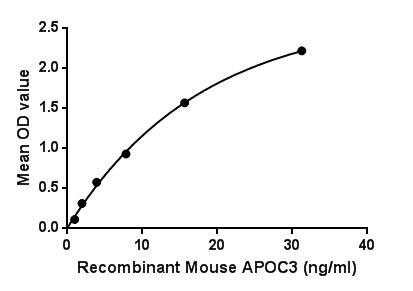
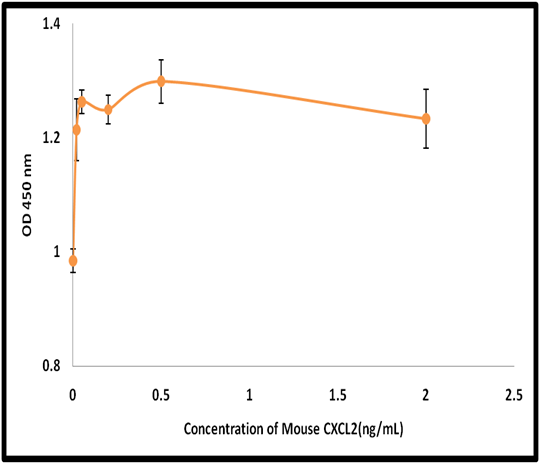
Bioactivity (IL2RB (interleukin-2 receptor subunit beta) is a heterotrimeric protein expressed on the surface of certain immune cells, such as lymphocytes, which binds and responds to a cytokine called IL-2. Thus we have conducted a binding ELISA assay to detect the interaction of recombinant mouse IL2RB with recombinant mouse IL2. Briefly, IL2RB were diluted serially in PBS, with 0.01%BSA (pH 7.4). Duplicate samples of 100uL were then transferred to IL2-coated microtiter wells and incubated for 2h at 37 degree C. Wells were washed with PBST and incubated for 1h with anti-IL2RB pAb, then aspirated and washed 3 times. After incubation with HRP labelled secondary antibody, wells were aspirated and washed 3 times. With the addition of substrate solution, wells were incubated 15-25 minutes at 37 degree C. Finally, add 50uL stop solution to the wells and read at 450nm immediately. The binding activity of IL2RB with IL2 was shown in Figure 1 and this effect was in a dose dependent manner.)
Activity (S100A6 is a calcium-binding protein, which functions as calcium sensor and modulator, contributing to cellular calcium signaling. It is reported that S100B and S100A6 differentially modulate cell survival by Interacting with distinct RAGE (Receptor for Advanced Glycation End Products). Thus a binding ELISA assay was conducted to detect the interaction of S100A6 and RAGE. Briefly, recombinant human S100A6 were diluted serially in PBS, with 0.01%BSA (pH 7.4). Duplicate samples of 100uL were then transferred to RAGE-coated microtiter wells and incubated for 2h at 37 degree C. Wells were washed with PBST and incubated for 1h with anti-S100A6 mAb, then aspirated and washed 3 times. After incubation with HRP labelled secondary antibody, wells were aspirated and washed 3 times. With the addition of substrate solution, wells were incubated 15-25 minutes at 37 degree C. Finally, add 50uL stop solution to the wells and read at 450nm immediately. The binding activity of of S100A6 and RAGE was shown in Figure 1, and this effect was in a dose dependent manner.)
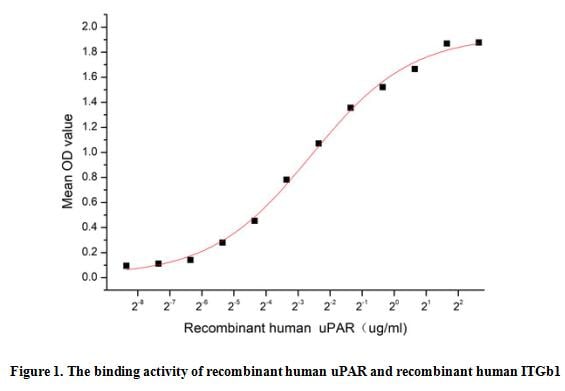
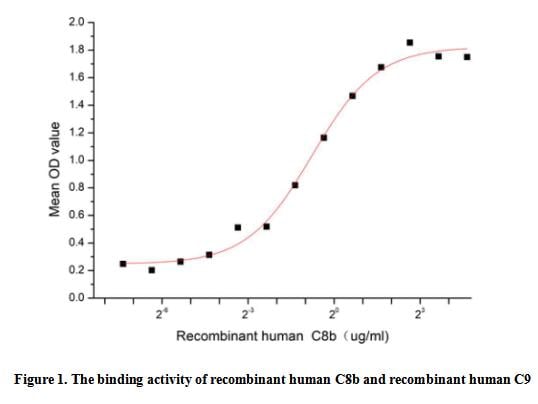
Bioactivity (Figure. The binding activity of TNFSF13B with ITGb1.Tumor necrosis factor ligand superfamily member 13B protein (TNFSF13B) also known as B-cell activating factor (BAFF) is a cytokine that belongs to the tumor necrosis factor (TNF) ligand family. This cytokine is a ligand for receptors TNFRSF13B/TACI, TNFRSF17/BCMA, and TNFRSF13C/BAFF-R. This cytokine is expressed in B cell lineage cells, and acts as a potent B cell activator. It has been also shown to play an important role in the proliferation and differentiation of B cells. Besides, Integrin Beta 1 (ITGb1) has been identified as an interactor of TNFSF13B, thus a binding ELISA assay was conducted to detect the interaction of recombinant human TNFSF13B and recombinant human ITGb1. Briefly, TNFSF13B were diluted serially in PBS, with 0.01% BSA (pH 7.4). Duplicate samples of 100uL were then transferred to ITGb1-coated microtiter wells and incubated for 2h at 37. Wells were washed with PBST and incubated for 1h with anti-TNFSF13B pAb, then aspirated and washed 3 times. After incubation with HRP labelled secondary antibody, wells were aspirated and washed 3 times. With the addition of substrate solution, wells were incubated 15-25 minutes at 37. Finally, add 50uL stop solution to the wells and read at 450nm immediately. The binding activity of TNFSF13B and ITGb1 was shown in Figure 1, and this effect was in a dose dependent manner.)
Recombinant Human Desert hedgehog protein (DHH) (Active)
Gene Names
DHH; GDXYM; HHG-3; SRXY7
Purity
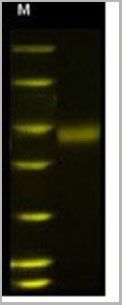
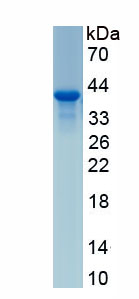
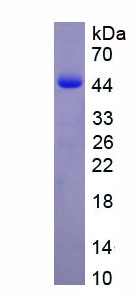
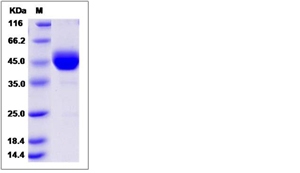
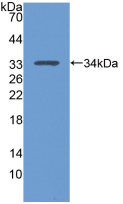
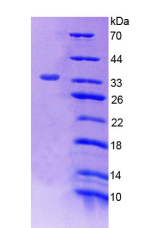
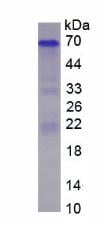
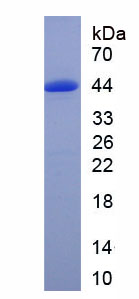
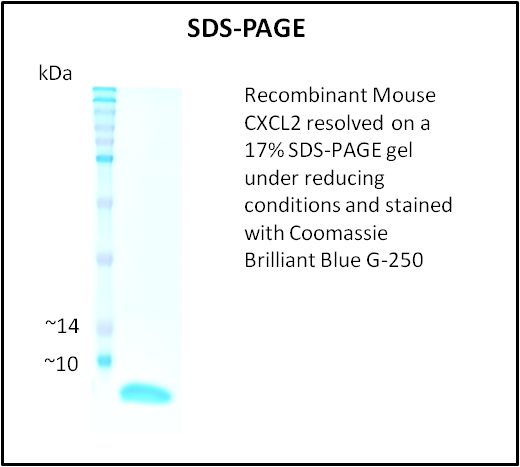
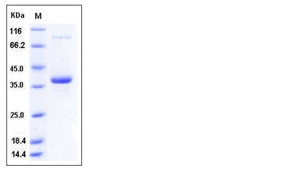
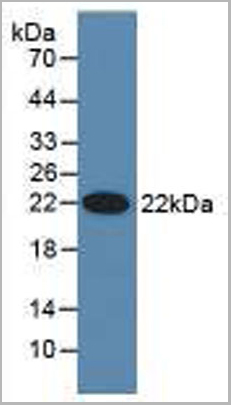
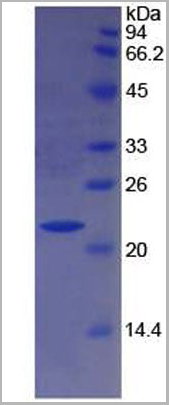
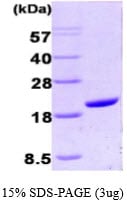
Greater or equal to 85% purity as determined by SDS-PAGE.
Pricing
What Are Active Proteins?
Proteins are large molecules made up of long chains of amino acids.
They will typically fold into a very particular 3-dimensional shape/conformation, that is sometimes referred to as their “native” form, which allows them to work properly in the body. For the purposes of product categorization, AAA Biotech will typically refer to proteins purified from their original animal host as being “native” proteins (this is to signify their difference compared to their “recombinant” or “synthetic” protein counterparts).
If a protein successfully folds into the correct shape, it is will typically display high fidelity characteristics to its original protein in its original animal host, and be classified as an active protein, as it will be able to function “normally” in most enzymatic or binding capacities. If it loses this shape, due to factors such as heat or strong chemicals (such as detergents), it becomes inactive and is no longer able to perform its basic functions. All of the proteins in this category are made under strict quality control, and they are active, pure, low in contaminants, and stable.
Most are stored as freeze-dried powders and come without extra tags, so they’re very close to the actual natural/native form.
Key Applications of Active Proteins
1. Scientific Research
Aid in the study of how proteins function in the body
Aid in understanding various disease processes
2. Drug Development
Powerful tools to investigate how potential drugs interact with specific proteins
Ideal for identifying drug targets
3. Cell Culture
Are routinely utilized to support cell growth and function (e.g., using exogenous growth factors)
Can be used to promote cellular development into specific types (differentiation)
4. Diagnostics
Regularly utilized in tests to detect diseases or infections (e.g., COVID-19, cancer)
Note: All products are strictly for research-use only (RUO).
5. Therapeutics
Some active proteins are used directly as treatments (e.g., insulin, enzymes)
Note: All products are strictly for research-use only (RUO).
6. Vaccine Development
Used to create or test vaccines by mimicking parts of viruses or bacteria
7. Biochemical Assays
They can facilitate the characterization of enzyme activity, binding strength, or protein interactions in lab tests
Why Buy Active Proteins from AAA Biotech?
High biological activity – Verified to perform as expected or indicated on datasheet
Strict quality control – We are confident in our active proteins’ reliability and consistency
High purity & low endotoxin – Ideal for applications involving sensitive or precious samples/components
Freeze-dried for stability – Long shelf life and straightforward storage
Mostly tag-free – Closer to natural/native protein form
FAQ
1. What are active proteins used for in research?
Active proteins are used primarily in the study of how proteins function, in characterizing/discovering drug interactions, supporting cell growth, running biochemical assays, and in development of diagnostics or therapeutics.
2. How are AAA Biotech's active proteins validated?
AAA Biotech’s active proteins are validated through strict quality control and functional assays to ensure they are properly folded and active. “Active”, though, can be an ambiguous term, so if a specific “activity” or “binding” capability of a protein is of crucial interest to you, please inquire with us prior to purchase, and we will provide further details on how the “Active” modifier was determined to be applicable.
3. Are these proteins tested for biological activity?
Yes, all active proteins from AAA Biotech are tested to confirm they have the expected biological activity before being offered for use. Though, said “biological activity” can be either “enzymatic”, “binding”, or both.
Submit a Question
Please complete the form below and a representative will contact you as soon as possible.
Request more Information
Please complete the form below and a representative will contact you as soon as possible.
Request a Manual
Please complete the form below and a representative will contact you as soon as possible.
Request a Quote
Please complete the form below and a representative will contact you as soon as possible.