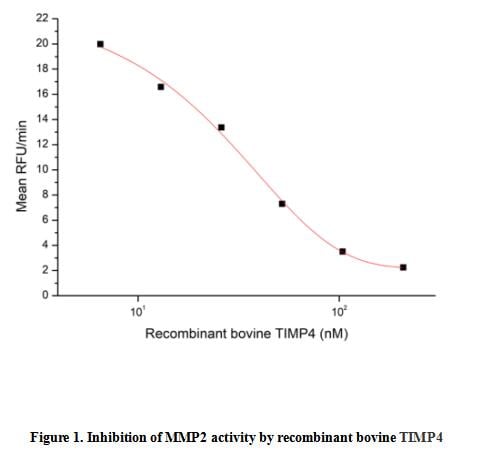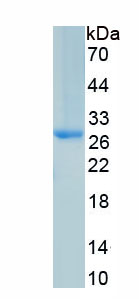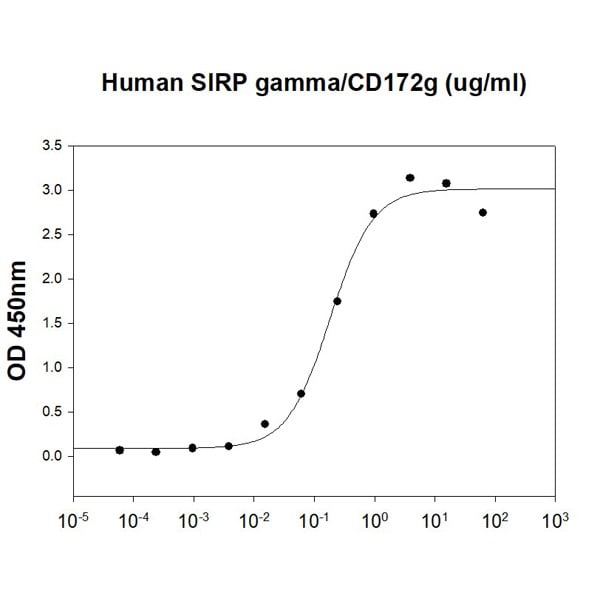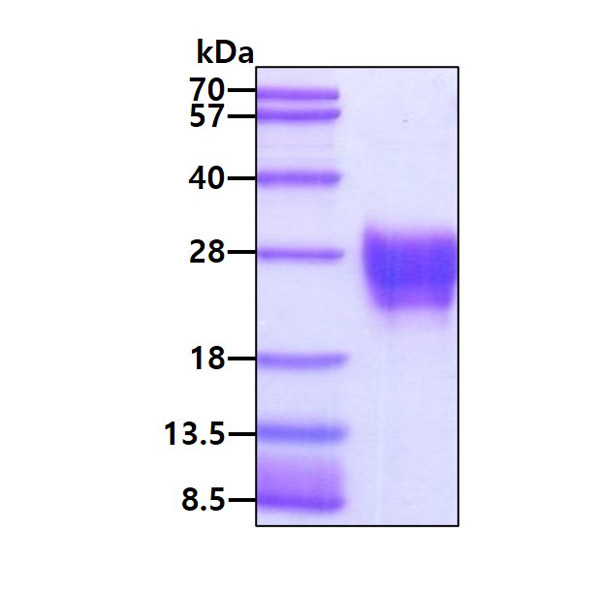
AAA Biotech provides a variety of high-quality recombinant and natural/native proteins that are proven to work in a wide range of experiments. Explore our products to find the active protein that best fits your needs or experimental model.
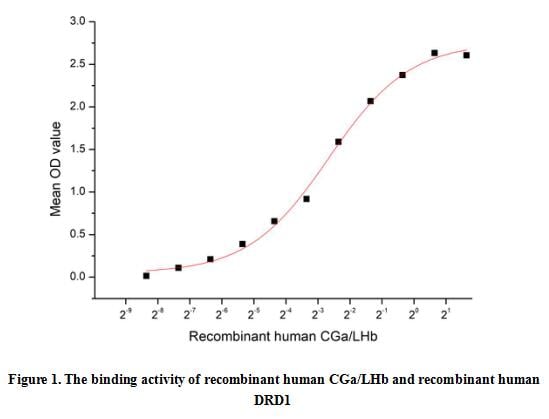
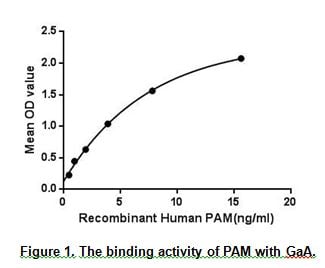
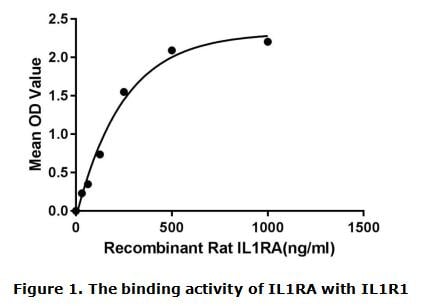
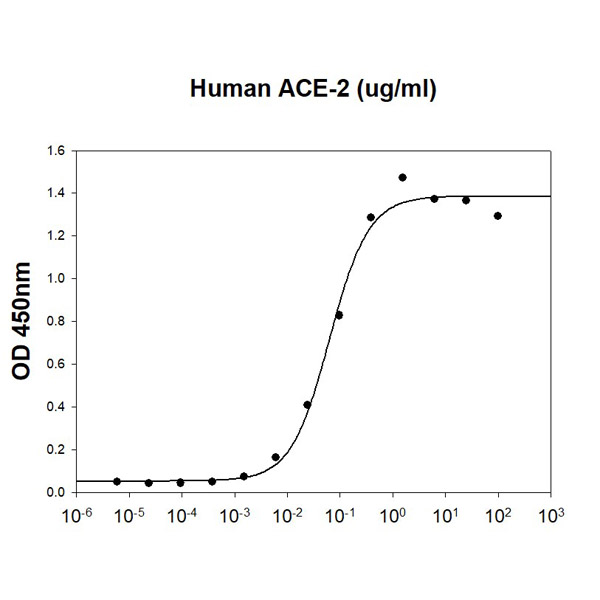
Activity (IL17C (Interleukin-17C) is a T cell-derived cytokine that shares the sequence similarity with IL17. IL17C is thought to play a crucial role in innate immunity of the epithelium. IL17C binds with affinity to IL17RA. Thus, a binding ELISA assay was constructed to detect the association of rhIL17C with IL17RA. Briefly, rhIL17C were diluted serially in PBS with 0.1% BSA (pH 7.4). Duplicate samples of 100uL were then transferred to IL17RA-coated microtiter wells and incubated for 2h at 37 degree C. Wells were washed with PBST and incubated for 1h with anti-IL17 pAb, then aspirated and washed 3 times. After incubation with HRP labelled secondary antibody, wells were aspirated and washed 3 times. With the addition of substrate solution, wells were incubated 15-25 minutes at 37 degree C. Finally, add 50uL stop solution to the wells and read at 450nm immediately. The binding activity of IL17C with IL17RA was shown in Figure 1 and this effect was in a dose dependent manner.Figure. The binding activity of IL17C with IL17RA.)
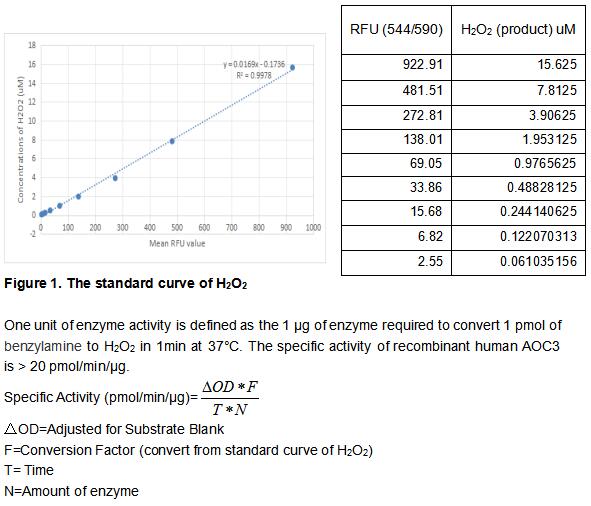
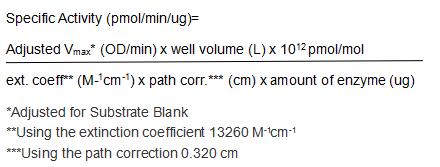
Bioactivity (Matrix metalloproteinases are a family of zinc and calcium dependent endopeptidases with the combined ability to degrade all the components of the extracellular matrix. MMP-3 (stromelysin-1), can degrade a broad range of substrates including collagen alpha chains, aggrecan, laminin, fibronectin, and elastin. MMP-3 does not cleave the triple helical region of interstitial collagens, a characteristic which distinguishes the stromelysins from the collagenases. MMP-3 is expressed by fibroblasts, chrondrocytes, osteoblasts, endothelial cells, smooth muscle cells and macrophages. Structurally, MMP-3 may be divided into several distinct domains; a pro-domain which is cleaved upon activation; a catalytic domain containing the zinc binding site; a short hinge region and a carboxyl terminal (hemopexin-like) domain. The activity of recombinant human MMP-3 is measured by its ability to cleave a fluorogenic peptide substrate Mca-Arg-Pro-Lys-Pro-Val-Glu-Nval-Trp-Arg-Lys(Dnp)-NH2 in the assay buffer 50 mM Tris, 10 mM CaCl2, 150 mM NaCl, 0.05% (w/v) Brij-35, pH 7.5. The rhMMP3 is diluted to 200 ug/ml in assay buffer, then activated with 5 ug/ml chymotrypsin at 37 degree C for 30min followed by adding 2 mM PMSF to stop activation. The activated rhMMP3 is diluted to 6.25 ug/mL in assay buffer. Loading into a black well plate 50 uL of 6.25 ug/mL rhMMP3 and start the reaction by adding 50 uL of 20 uM substrate, with a substrate blank containing 50 uL assay buffer, 50 uL substrate, and no rhMMP3. Then read at excitiation and emission wavelengths of 320 nm and 405 nm, respectively, in kinetic mode for 5 minutes. The specific activity of recombinant human MMP3 is > 90 pmol/min/ug.)
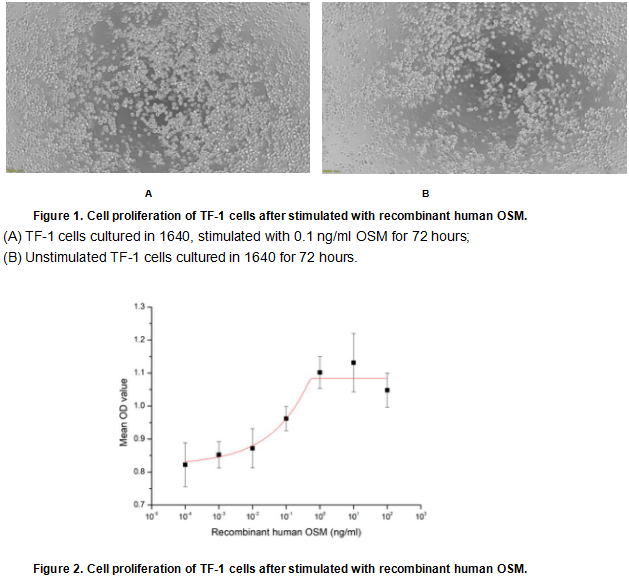
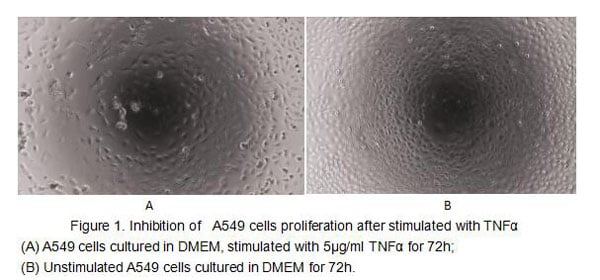
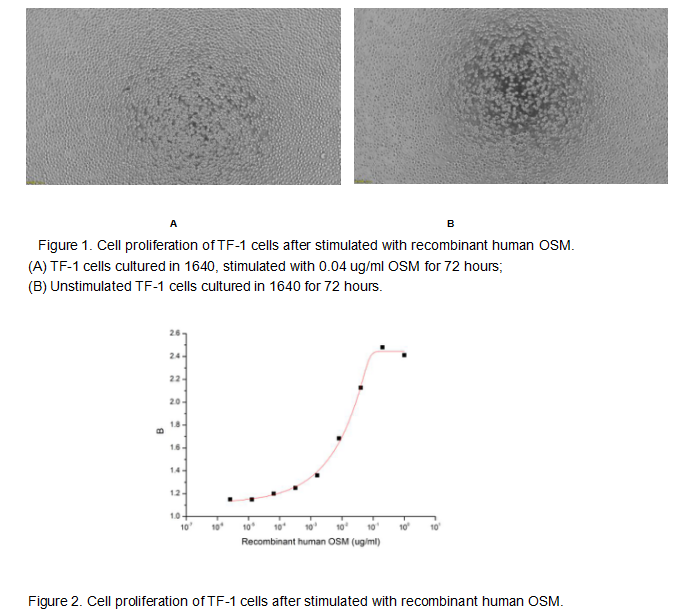
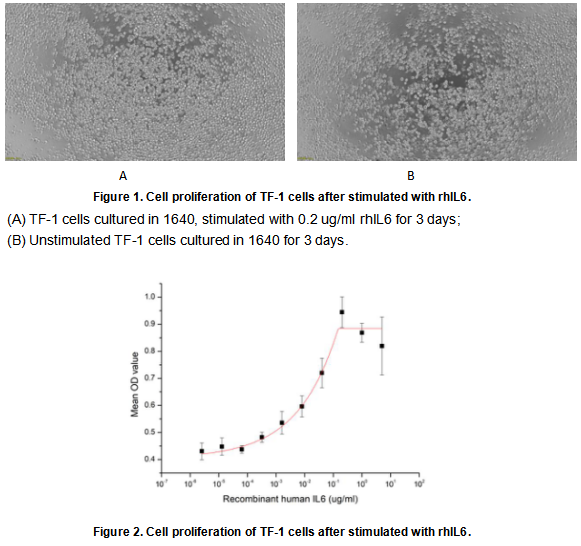
Bioactivity (Stem cell factor (SCF), also known as mast cell growth factor (MGF), and steel factor (SLF), plays an important role in hematopoiesis, spermatogenesis and melanogenesis. SCF has been shown to stimulate the proliferation of TF-1 cells. To test this effect, TF-1 cells were seeded into triplicate wells of 96-well plates at a density of 2 x 10⁴ cells/well and incubated for 72h in the presence or absence of various concentrations of SCF at 37 degree CThe growth of cells were observed by inverted microscope and cell proliferation was measured by Cell Counting Kit-8(CCK-8). Briefly, 10 ul of CCK-8 solution was added to each well of the plate, then measure the absorbance at 450 nm using a microplate reader after incubating the plate for 1-4 hours at 37 degree C. Cell proliferation of TF-1 cells after incubation with SCF for 72h observed by inverted microscope was shown in Figure 1. The dose-effect curve of SCF was shown in Figure 2. It was obvious that it significantly promoted cell proliferation of TF-1 cells. The ED50 for this effect is typically 3.9 ng/ml.)
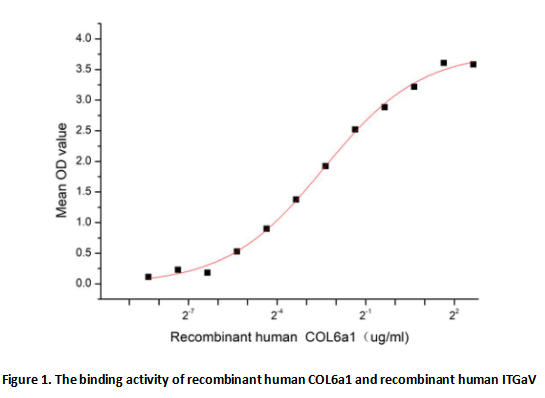
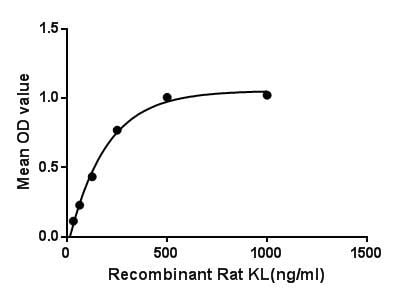
Bioactivity (Collagen Type I Alpha 2 (COL1a2) is a major component of collagen type I found in skin, bone, muscle, tendons, ligaments and other connective tissues.The COL1a2 protein is essential for the assembly, secretion, and stability of collagen fibers, which are vital for tissue development and repair.Mutations in COL1A2 are associated with a variety of genetic disorders, such as osteogenesis imperfecta (dysplasia of the bones) and cutis laxa. These diseases are often accompanied by weak bones and loss of skin elasticity. Besides, Fibrillin 1 (FBN1) has been identified as an interactor of COL1a2, thus a functional binding ELISA assay was conducted to detect the interaction of recombinant rat COL1a2 and recombinant human FBN1. Briefly, COL1a2 was diluted serially in PBS with 0.01% BSA (pH 7.4). Duplicate samples of 100 ul were then transferred to FBN1-coated microtiter wells and incubated for 1h at 37 degree C. Wells were washed with PBST and incubated for 1h with anti-COL1a2 pAb, then aspirated and washed 3 times. After incubation with HRP labelled secondary antibody for 1h at 37 degree C, wells were aspirated and washed 5 times. With the addition of substrate solution, wells were incubated 15-25 minutes at 37 degree C. Finally, add 50 uL stop solution to the wells and read at 450/630 nm immediately. The binding activity of recombinant rat COL1a2 and recombinant human FBN1 was shown in Figure 1, the EC50 for this effect is 2.53 ug/mL.)
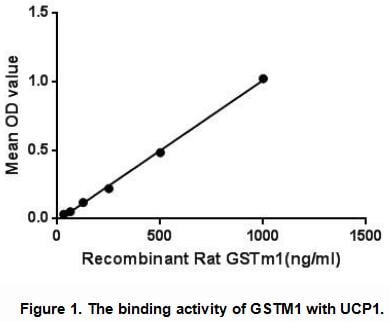
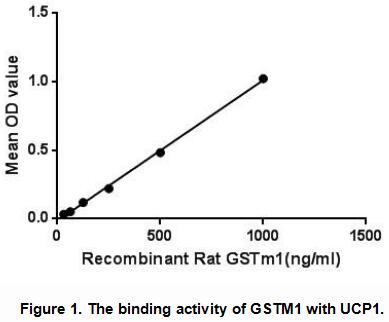
Activity (Glutathione S-transferase Mu 1 (GSTM1) belongs to the mu class. GSTM1 can detoxifying carcinogens, therapeutic drugs, environmental toxins and products of oxidative stress, by conjugation with glutathione. Besides, uncoupling Protein 1 (UCP1) has been identified as an interactor of GSTM1, thus a binding ELISA assay was conducted to detect the interaction of recombinant rat GSTM1 and recombinant rat UCP1. Briefly, GSTM1 were diluted serially in PBS, with 0.01% BSA (pH 7.4). Duplicate samples of 100uL were then transferred to UCP1-coated microtiter wells and incubated for 2h at 37 degree C. Wells were washed with PBST and incubated for 1h with anti-GSTM1 pAb, then aspirated and washed 3 times. After incubation with HRP labelled secondary antibody, wells were aspirated and washed 3 times. With the addition of substrate solution, wells were incubated 15-25 minutes at 37 degree C. Finally, add 50uL stop solution to the wells and read at 450nm immediately. The binding activity of of GSTM1 and UCP1 was shown in Figure 1, and this effect was in a dose dependent manner.)
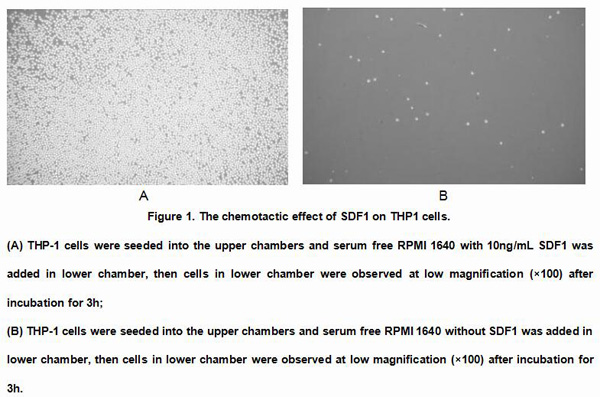
Activity (Figure 1. The chemotactic effect of SDF1 on THP1 cells. (A) THP-1 cells were seeded into the upper chambers and serum free RPMI 1640 with 10ng/ml SDF1 was added in lower chamber, then cells in lower chamber were observed at low magnification (•100) after incubation for 3h; (B) THP-1 cells were seeded into the upper chambers and serum free RPMI 1640 without SDF1 was added in lower chamber, then cells in lower chamber were observed at low magnification (•100) after incubation for 3h.)
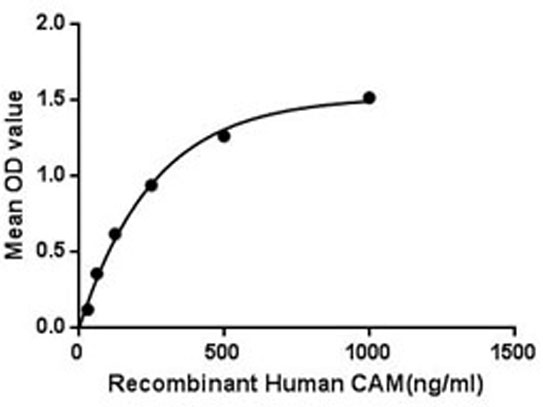
Bioactivity (Homing Associated Cell Adhesion Molecule (HCAM), also known as CD44, is a ubiquitous multistructural and multifunctional cells surface adhesion molecule involved in cell-cell and cell-matrix interactions. CD44 is broadly expressed, including in the membranes of B cells, granulocytes, monocytes, and erythrocytes as well as on many thymocytes and mature T cells, besides it is highly expressed in many cancers and regulates metastasis via recruitment of CD44 to the cell surface. This protein is a receptor for hyaluronic acid (HA) and can also interact with other ligands, such as osteopontin, collagens, and matrix metalloproteinases (MMPs). Thus a functional binding ELISA assay was conducted to detect the interaction of recombinant mouse HCAM and biotinylated hyaluronan (HA). Briefly, biotin-linked HA was diluted serially in PBS, with 0.01% BSA (pH 7.4). Duplicate samples of 100 ul were then transferred to HCAM-coated microtiter wells and incubated for 2h at 37 degree C. Wells were washed with PBST 3 times and incubation with Streptavidin-HRP for 1 hour, then wells were aspirated and washed 5 times. With the addition of substrate solution, wells were incubated 15-25 minutes at 37 degree C. Finally, add 50 ul stop solution to the wells and read at 450/630 nm immediately. The binding activity of recombinant mouse HCAM and biotinylated HA was shown in Figure 1, and this effect was in a dose dependent manner.)
Bioactivity (CLEC3B (Ctype lectin domain family 3 member B), also known as Tetranectin (TN), is a plasminogen-kringle-4-binding protein that is detected in various endocrine tissues and in epithelial and mesenchymal cells, including fibroblasts, monocytes, and neutrophils. Studies have shown that abnormal CLEC3B expression plays an important role in tumourigenesis and metastasis in gastric adenocarcinoma, breast cancer, cervical cancer, ovarian cancer, carcinoma of the urinary bladder, and melanoma. Besides, Secreted Phosphoprotein 2 (SPP2) has been identified as an interactor of CLEC3B, thus a functional binding ELISA assay was conducted to detect the interaction of recombinant human SPP2 and recombinant human CLEC3B. Briefly, CLEC3B was diluted serially in PBS with 0.01% BSA (pH 7.4). Duplicate samples of 100 ul were then transferred to SPP2-coated microtiter wells and incubated for 1h at 37 degree C. Wells were washed with PBST and incubated for 1h with anti-CLEC3B pAb, then aspirated and washed 3 times. After incubation with HRP labelled secondary antibody for 1h at 37 degree C, wells were aspirated and washed 5 times. With the addition of substrate solution, wells were incubated 15-25 minutes at 37 degree C. Finally, add 50 uL stop solution to the wells and read at 450/630 nm immediately. The binding activity of recombinant human CLEC3B and recombinant human SPP2 was shown in Figure 1, the EC50 for this effect is 0.08 ug/mL.)
Bioactivity (Fibrinogen Beta Chain (FGB) is the beta subunit of the coagulation factor fibrinogen, which is a component of the blood clot. Following vascular injury, fibrinogen is cleaved by thrombin to form fibrin which is the most abundant component of blood clots. Studies have shown that fibrinogen can enhances expression of SELP in activated platelets via an ITGB3-dependent pathway. Thus a functional ELISA assay was conducted to detect the interaction of recombinant mouse FGB and recombinant human ITGb3. Briefly, FGB was diluted serially in PBS with 0.01% BSA (pH 7.4). Duplicate samples of 100 ul were then transferred to ITGb3-coated microtiter wells and incubated for 1h at 37 degree C. Wells were washed with PBST and incubated for 1h with anti-FGB pAb, then aspirated and washed 3 times. After incubation with HRP labelled secondary antibody for 1h at 37 degree C, wells were aspirated and washed 5 times. With the addition of substrate solution, wells were incubated 15-25 minutes at 37 degree C. Finally, add 50 uL stop solution to the wells and read at 450/630nm immediately. The binding activity of recombinant mouse FGB and recombinant human ITGb3 was shown in Figure 1, the EC50 for this effect is 0.016 ug/mL.)
Bioactivity (Carbonic Anhydrase (CA) catalyzes the reversible reaction of CO2 H2O = HCO3- H, which is fundamental to many processes such as respiration, renal tubular acidification and bone resorption. Carbonic Anhydrase VB encoded by the CA5B gene is a mitochondrial protein. In comparison with another mitochondrial CA (CA5A), CA5B has different tissue distribution and chromosomal location. The activity of recombinant human CA5B was measured by its ability to hydrolyze 4-Nitrophenyl acetate (4-NPA) to 4-Nitrophenol. The reaction was performed in 12.5 mM Tris, 75 mM NaCl, pH 7.5 (assay buffer), initiated by addition 50 uL of various concentrations of CA5B (diluted by assay buffer) to 50 uL of 2 mM substrate 4-NPA (100 mM stock in Acetone, diluted by assay buffer). Incubated at 37 degree C for 5min, then read at a wavelength of 400 nm.)
Bioactivity (Retinol-binding protein 4 (RBP4) is the specific carrier for retinol (also known as vitamin A), and is responsible for the conversion of unstable and insoluble retinol in aqueous solution into stable and soluble complex in plasma through their tight interaction. As a member of the lipocalin superfamily, RBP4 containing a beta-barrel structure with a well-defined cavity is secreted from the liver, and in turn delivers retinol from the liver stores to the peripheral tissues. In plasma, the RBP4-retinol complex interacts with transthyretin (TTR), and this binding is crucial for preventing RBP4 excretion through the kidney glomeruli. RBP4 expressed from an ectopic source efficiently delivers retinol to the eyes, and its deficiency affects night vision largely. Recently, RBP4 as an adipokine, is found to be expressed in adipose tissue and correlated with obesity, insulin resistance (IR) and type 2 diabetes (T2DM). The activity of recombinant bovine RBP4 was measured by its ability to bind all-trans retinoic acid. The binding of retinoic acid results in the quenching of Trp fluorescence in RBP4. RBP4 was diluted to 50 ug/ml in 50 mM Tris, 10 mM CaCl2, 150 mM NaCl, pH 7.5 (assay buffer) and the retinoic acid was diluted to 800, 400, 200, 100, 30, 10, 3, 1, 0.5 and 0.1 uM in 95% ethanol. Mixing 112.5 uL of 50 ug/mL rbRBP4 and 12.5 uL of retinoic acid serial dilutions in microtubes and a blank containing 112.5 uL of 50 ug/mL rbRBP4 and 12.5 uL of 95% ethanol, then incubate at room temperature for 30 minutes. Loading 100 ul of the reaction mixtures and blank and read at excitation and emission wavelengths of 280 nm and 340 nm (top read), respectively, in endpoint mode. The result was shown in figure 1, the 50% binding concentration (BC50) is >190 uM.)
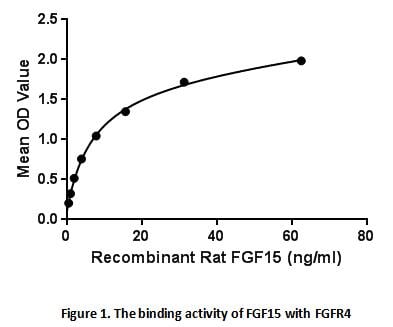
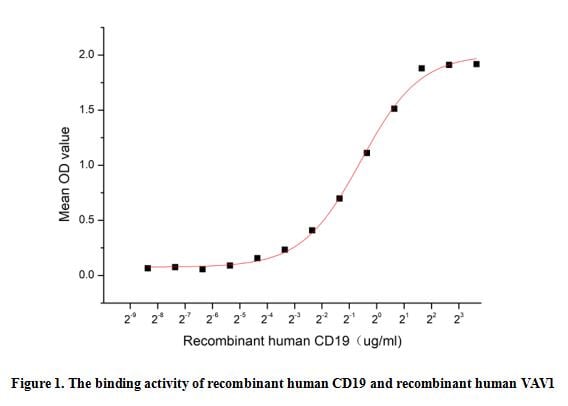
Bioactivity (Fibroblast Growth Factor 19 (FGF19) is a member of the fibroblast growth factor (FGF) family. FGF19 has important roles as a hormone produced in the ileum in response to bile acid absorption, regulates new bile acid synthesis, acting through the FGFR4/Klo)
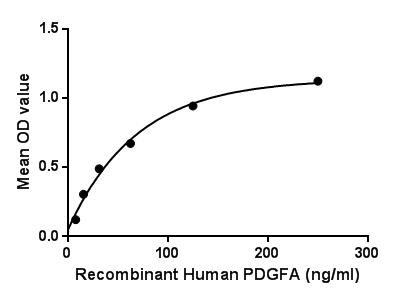
Activity (Platelet Derived Growth Factor Subunit A (PDGFA) is a member of Platelet-derived growth factor (PDGF) family which plays a significant role in blood vessel formation, the growth of blood vessels from already-existing blood vessel tissue, mitogenesis, i.e. proliferation, of mesenchymal cells such as fibroblasts, osteoblasts, tenocytes, vascular smooth muscle cells and mesenchymal stem cells as well as chemotaxis, the directed migration, of mesenchymal cells. Besides, Platelet Derived Growth Factor Receptor Alpha (PDGFRa) has been identified as an interactor of PDGFA, thus a binding ELISA assay was conducted to detect the interaction of recombinant human PDGFA and recombinant human PDGFRa. Briefly, PDGFA were diluted serially in PBS, with 0.01% BSA (pH 7.4). Duplicate samples of 100mul were then transferred to PDGFRa-coated microtiter wells and incubated for 2h at 37 degree C. Wells were washed with PBST and incubated for 1h with anti-PDGFA pAb, then aspirated and washed 3 times. After incubation with HRP labelled secondary antibody, wells were aspirated and washed 3 times. With the addition of substrate solution, wells were incubated 15-25 minutes at 37 degree C. Finally, add 50uL stop solution to the wells and read at 450nm immediately. The binding activity of PDGFA and PDGFRa was shown in Figure 1, and this effect was in a dose dependent manner.Figure. The binding activity of PDGFA with PDGFRa.)
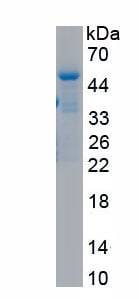
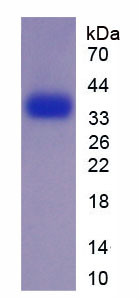
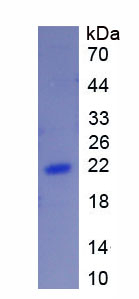
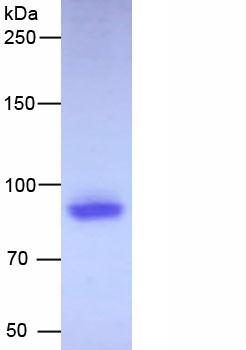
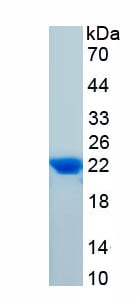
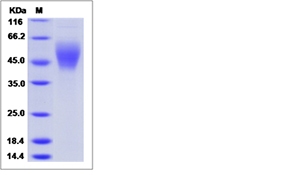
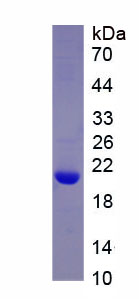
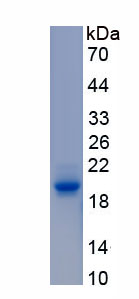
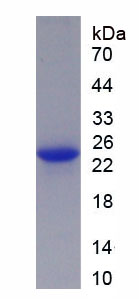
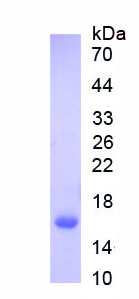
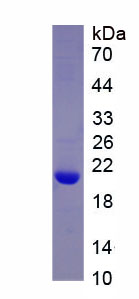
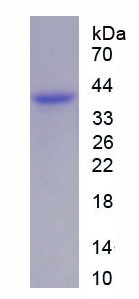
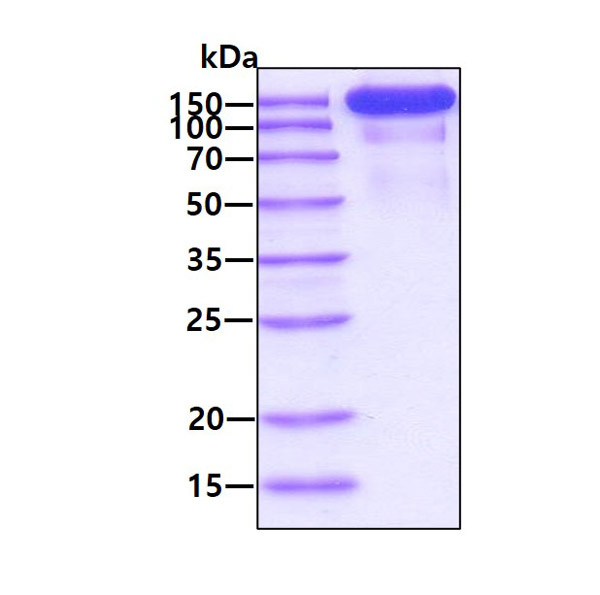
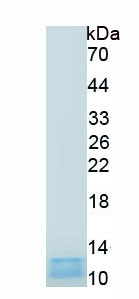
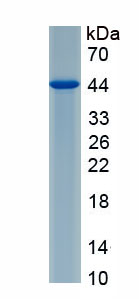
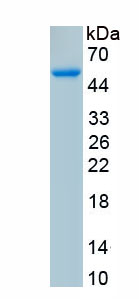
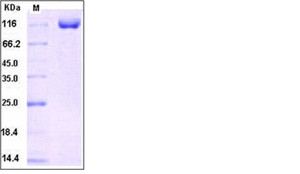
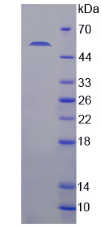
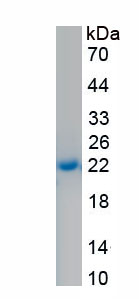
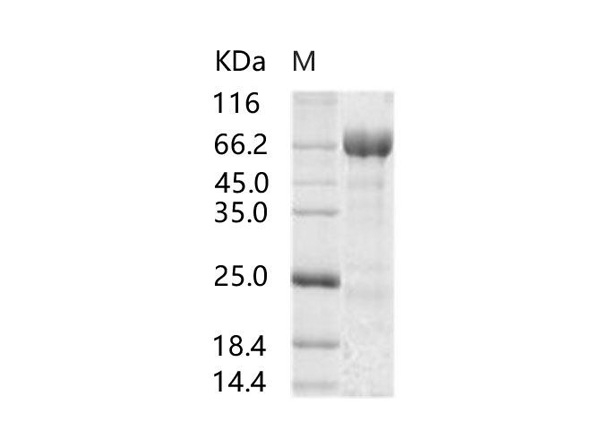
SDS-PAGE (Figure 2. SDS-PAGESample: Active recombinant VDR, Human)
Bioactivity (Vitamin D Receptor (VDR) is the nuclear hormone receptor for vitamin D3. The receptor belongs to the family of trans-acting transcriptional regulatory factors and shows sequence similarity to the steroid and thyroid hormone receptors. It mediates the action of vitamin D3 by controlling the expression of hormone sensitive genes. Besides, E1A binding protein p300 (EP300) has been identified as an interactor of VDR, thus a binding ELISA assay was conducted to detect the interaction of recombinant human VDR and recombinant human EP300. Briefly, VDR were diluted serially in PBS, with 0.01%BSA (pH 7.4). Duplicate samples of 100uL were then transferred to EP300-coated microtiter wells and incubated for 2h at 37 degree C. Wells were washed with PBST and incubated for 1h with anti-VDR pAb, then aspirated and washed 3 times. After incubation with HRP labelled secondary antibody, wells were aspirated and washed 3 times. With the addition of substrate solution, wells were incubated 15-25 minutes at 37 degree C. Finally, add 50uL stop solution to the wells and read at 450nm immediately. The binding activity of of VDR and EP300 was shown in Figure 1, and this effect was in a dose dependent manner.)
Activity (HIF1a (Hypoxia-inducible factor 1-alpha) is a subunit of a transcription factor, which functions as a master transcriptional regulator of the adaptive response to hypoxia. The protein chaperone heat shock protein 90 (Hsp90) is a major regulator of different transcription factors, including HIF1a, thus a binding ELISA assay was conducted to detect the interaction of HIF1a and HSP90. Briefly, recombinant human HIF1a were diluted serially in PBS, with 0.01%BSA (pH 7.4). Duplicate samples of 100uL were then transferred to HSP90-coated microtiter wells and incubated for 2h at 37 degree C. Wells were washed with PBST and incubated for 1h with anti-HIF1a pAb, then aspirated and washed 3 times. After incubation with HRP labelled secondary antibody, wells were aspirated and washed 3 times. With the addition of substrate solution, wells were incubated 15-25 minutes at 37 degree C. Finally, add 50uL stop solution to the wells and read at 450nm immediately. The binding activity of of HIF1a and HSP90 was shown in Figure 1, and this effect was in a dose dependent manner.)
Recombinant Mouse Interleukin-36 alpha protein (Il36a) (Active)
Gene Names
Il1f6; Fil1; Il1f9; Il36a; IL-1H1; IL1RP2
Purity
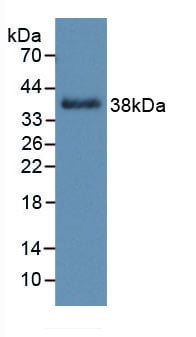
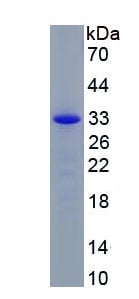
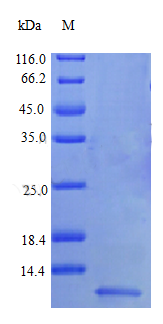
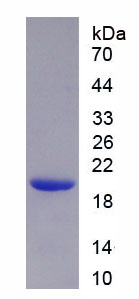
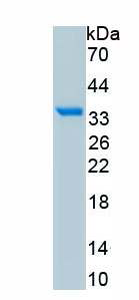
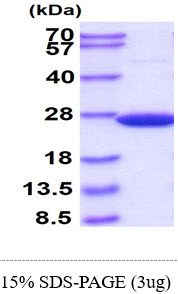
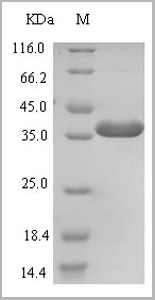
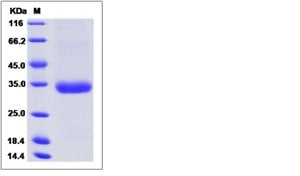
Greater or equal to 85% purity as determined by SDS-PAGE.
Pricing
What Are Active Proteins?
Proteins are large molecules made up of long chains of amino acids.
They will typically fold into a very particular 3-dimensional shape/conformation, that is sometimes referred to as their “native” form, which allows them to work properly in the body. For the purposes of product categorization, AAA Biotech will typically refer to proteins purified from their original animal host as being “native” proteins (this is to signify their difference compared to their “recombinant” or “synthetic” protein counterparts).
If a protein successfully folds into the correct shape, it is will typically display high fidelity characteristics to its original protein in its original animal host, and be classified as an active protein, as it will be able to function “normally” in most enzymatic or binding capacities. If it loses this shape, due to factors such as heat or strong chemicals (such as detergents), it becomes inactive and is no longer able to perform its basic functions. All of the proteins in this category are made under strict quality control, and they are active, pure, low in contaminants, and stable.
Most are stored as freeze-dried powders and come without extra tags, so they’re very close to the actual natural/native form.
Key Applications of Active Proteins
1. Scientific Research
Aid in the study of how proteins function in the body
Aid in understanding various disease processes
2. Drug Development
Powerful tools to investigate how potential drugs interact with specific proteins
Ideal for identifying drug targets
3. Cell Culture
Are routinely utilized to support cell growth and function (e.g., using exogenous growth factors)
Can be used to promote cellular development into specific types (differentiation)
4. Diagnostics
Regularly utilized in tests to detect diseases or infections (e.g., COVID-19, cancer)
Note: All products are strictly for research-use only (RUO).
5. Therapeutics
Some active proteins are used directly as treatments (e.g., insulin, enzymes)
Note: All products are strictly for research-use only (RUO).
6. Vaccine Development
Used to create or test vaccines by mimicking parts of viruses or bacteria
7. Biochemical Assays
They can facilitate the characterization of enzyme activity, binding strength, or protein interactions in lab tests
Why Buy Active Proteins from AAA Biotech?
High biological activity – Verified to perform as expected or indicated on datasheet
Strict quality control – We are confident in our active proteins’ reliability and consistency
High purity & low endotoxin – Ideal for applications involving sensitive or precious samples/components
Freeze-dried for stability – Long shelf life and straightforward storage
Mostly tag-free – Closer to natural/native protein form
FAQ
1. What are active proteins used for in research?
Active proteins are used primarily in the study of how proteins function, in characterizing/discovering drug interactions, supporting cell growth, running biochemical assays, and in development of diagnostics or therapeutics.
2. How are AAA Biotech's active proteins validated?
AAA Biotech’s active proteins are validated through strict quality control and functional assays to ensure they are properly folded and active. “Active”, though, can be an ambiguous term, so if a specific “activity” or “binding” capability of a protein is of crucial interest to you, please inquire with us prior to purchase, and we will provide further details on how the “Active” modifier was determined to be applicable.
3. Are these proteins tested for biological activity?
Yes, all active proteins from AAA Biotech are tested to confirm they have the expected biological activity before being offered for use. Though, said “biological activity” can be either “enzymatic”, “binding”, or both.
Submit a Question
Please complete the form below and a representative will contact you as soon as possible.
Request more Information
Please complete the form below and a representative will contact you as soon as possible.
Request a Manual
Please complete the form below and a representative will contact you as soon as possible.
Request a Quote
Please complete the form below and a representative will contact you as soon as possible.