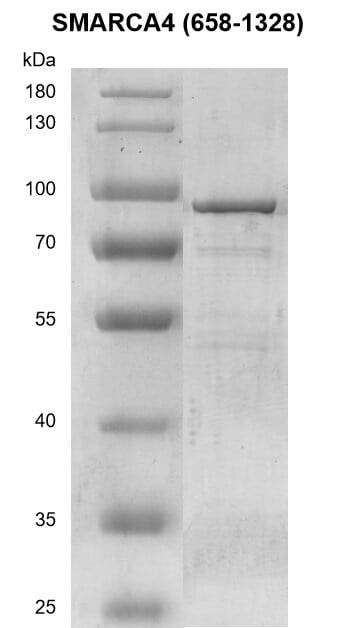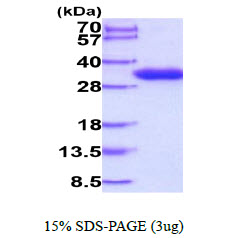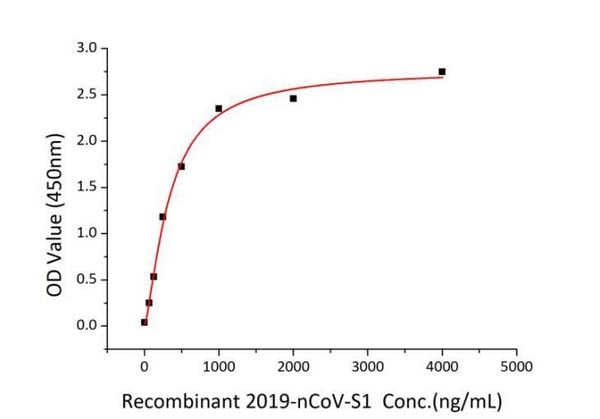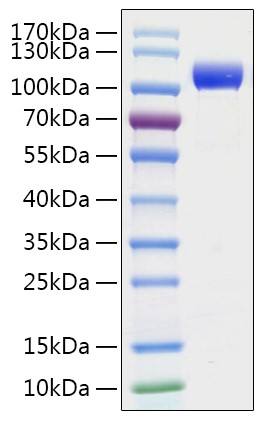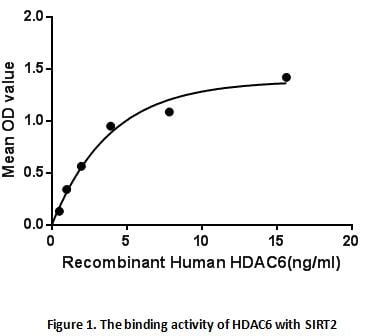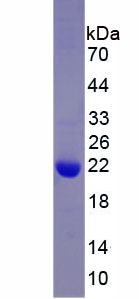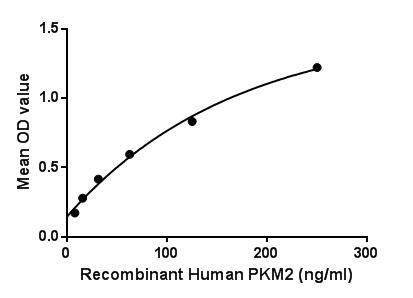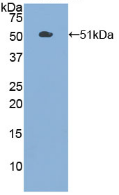
AAA Biotech provides a variety of high-quality recombinant and natural/native proteins that are proven to work in a wide range of experiments. Explore our products to find the active protein that best fits your needs or experimental model.
Bioactivity (Growth Differentiation Factor 15 (GDF-15), also called Macrophage Inhibitory Cytokine 1 (MIC-1), is a divergent member of the Transforming Growth Factor beta (TGF-beta ) superfamily. Human GDF-15 shares 66% and 68% amino acid sequence identity with the ra)
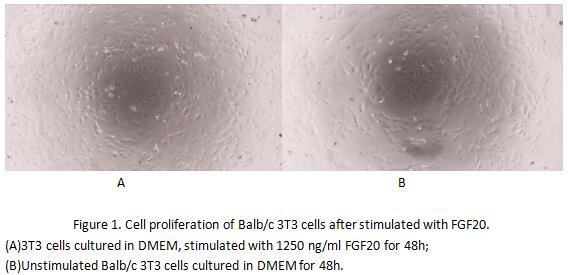
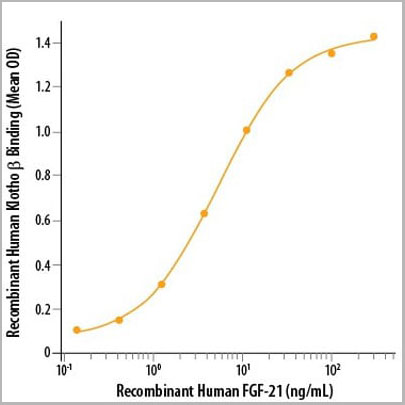
Bioactivity (Fibroblast growth factor 21 (FGF21) is a protein that in mammals is encoded by the FGF21 gene. The protein encoded by this gene is a member of the fibroblast growth factor (FGF) family which possess broad mitogenic and cell survival activities, and are in)
Bioactivity (Interleukin 37, also known as Interleukin 1 Zeta (IL1z), is an anti-inflammatory cytokine. Interleukines are cytokines that make an important part of immune signaling. It belongs to the interleukin-1 family. IL-37 plays a role in protecting the body again)
Bioactivity (PECAM-1 (platelet-endothelial cell adhesion molecule-1; also known as CD31) is a 130 kDa type I transmembrane glycoprotein adhesion molecule in the immunoglobulin superfamily. Expression is restricted to cells involved in circulation, especially endotheli)
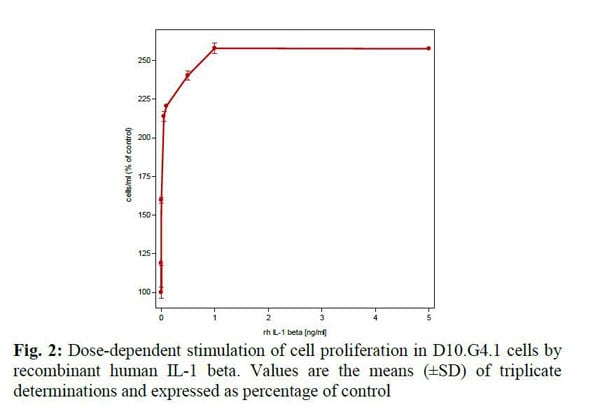
Bioactivity (Interleukin 1 beta (IL-1beta) also known as leukocytic pyrogen, leukocytic endogenous mediator, mononuclear cell factor, lymphocyte activating factor and other names, is a member of the interleukin 1 family of cytokines. This cytokine is an important medi)
Bioactivity (PLA2G-VII which is also known as Lp-PLA2, is a plasma enzyme bound to lipoproteins: 80% bound to LDL, 15%-20% to HDL, and the remainder to VLDL. It is produced in major by mature macrophages and activated platelets. In contrast to other classical sPLA2s,)
Bioactivity (Neurosecretory protein VGF is specifically expressed in a subpopulation of neuroendocrine cells, and is upregulated by nerve growth factor. Human VGF precursor is 615 amino acids (aa) in length. It contains an 22 aa signal sequence plus a 593 aa mature re)
Bioactivity (Extracellular matrix metalloproteinase (MMP) inducer (EMMPRIN), also known as basigin and CD147, is a 44 66 kDa, variably N and O glycosylated, type I transmembrane protein that belongs to the immunoglobulin superfamily. EMMPRIN is 269 amino acids (aa) in)
Bioactivity (Thymosin beta 4 (T beta 4; also TB4X and Fx) is a 5.0 kDa member of the beta-thymosin family of molecules. It Plays an important role in the organization of the cytoskeleton. It is reported that TMSB4X can combinant with PFN1 to inhibit actin polymerizati)
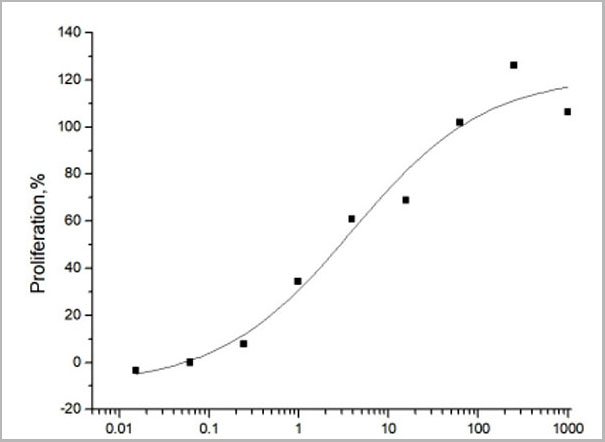
Bioactivity (Figure 2. Inhibition of A549 cells proliferation after stimulated with recombinant rabbit IFN-alpha.)
Bioactivity (Interferon-alpha (IFNa), also known as leukocyte interferon, represents a group of related but distinct proteins that share over 95% amino acid sequence homology. They are members of the type I interferon family which share a common cell surface receptor)
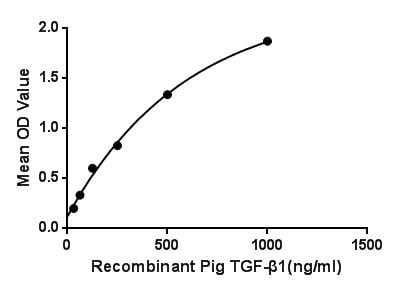
Bioactivity (Transforming growth factor beta 1 (TGF-beta1) is a polypeptide member of the transforming growth factor beta superfamily of cytokines. It is a secreted protein that performs many cellular functions, including the control of cell growth, cell proliferation)
Bioactivity (Figure 2. Inhibition of Hepa1-6 cells proliferation after stimulated with TNFalpha.)
Bioactivity (Tumor necrosis factor (TNF, tumor necrosis factor alpha, TNFalpha, cachexin, or cachectin) is a cell signaling protein (cytokine) involved in systemic inflammation and is one of the cytokines that make up the acute phase reaction. The primary role of TNF)
Bioactivity (Figure 2. Inhibition of Hepa1-6 cells proliferation after stimulated with TNFalpha.)
Bioactivity (Tumor necrosis factor (TNF, tumor necrosis factor alpha, TNFalpha, cachexin, or cachectin) is a cell signaling protein (cytokine) involved in systemic inflammation and is one of the cytokines that make up the acute phase reaction. The primary role of TNF)
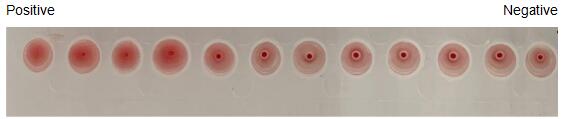
Bioactivity (Figure 2. The hemagglutination assay of GAL2 in V- bottom shaped 96-well microtiter plate)
Bioactivity (Galectin 2 (GAL2) belongs to the proto type group and consists of two homologous carbohydrate recognition domains (CRDs) resulting in multiple sugar binding sites. The expression of gal-2 has been shown to be involved in processes of angiogenesis and infl)
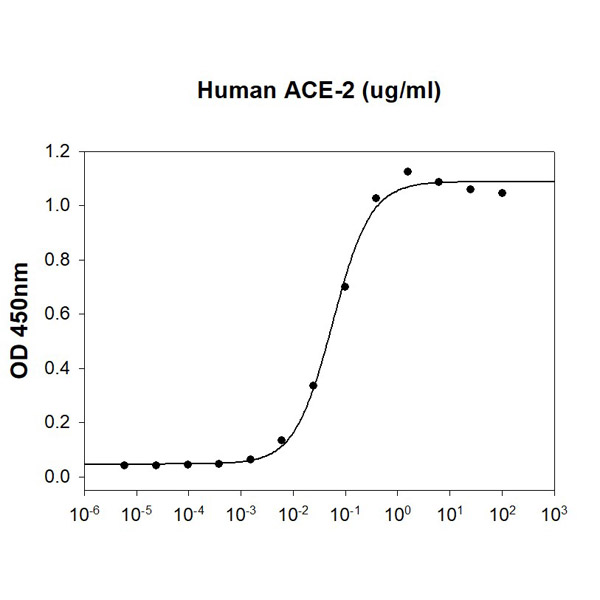
Bioactivity (CD320, also known as the Transcobalamin II receptor (TCb1R) and 8D6A, is an approximately 60 kDa transmembrane member of the LDL receptor family. CD320 is expressed in virtually all tissues and is tightly regulated according to the proliferative/differentiation status of the cell and the cellular levels of B12. Cellular uptake of vitamin B12 (cobalamin) requires capture of transcobalamin (TC) from the plasma by CD320. Cubilin (CUBN) is the intrinsic factor-vitamin B12 receptor, thus a functional binding ELISA assay was conducted to detect the interaction of recombinant human CD320 and recombinant human CUBN. Briefly, biotin-linked CD320 were diluted serially in PBS, with 0.01% BSA (pH 7.4). Duplicate samples of 100 ul were then transferred to CUBN-coated microtiter wells and incubated for 1h at 37 degree C. Wells were washed with PBST 3 times and incubation with Streptavidin-HRP for 30min, then wells were aspirated and washed 5 times. With the addition of substrate solution, wells were incubated 15-25 minutes at 37 degree C. Finally, add 50 ul stop solution to the wells and read at 450 nm immediately. The binding activity of recombinant human CD320 and recombinant human CUBN was shown in Figure 1, the EC50 for this effect is 0.4 ug/mL.)
Bioactivity (Glypican 1 (GPC1) is one of the six glycosylphosphatidylinositol-anchored, cell surface heparan sulfate proteoglycans that acts as a growth factor signaling. Cells known to express GPC-1 include neurons, smooth and skeletal muscle cells, keratinocytes, osteoblasts, Schwann cells, immature dendritic cells, and tumor, plus tumor-associated vascular endothelial cells. The function of GPC-1 is complex and varied, it can modulate various signaling pathways including Heparin Binding Epidermal Growth Factor Like Growth Factor (HBEGF), fibroblast growth factors (FGF), vascular endothelial growth factor-A (VEGF-A), transforming growth factor-beta (TGF-beta), Wnt, Hedgehog (Hh), and bone morphogenic protein (BMP) through specific interactions with pathway ligands and receptors. Thus a functional binding ELISA assay was conducted to detect the interaction of recombinant human GPC1 and recombinant human HBEGF. Briefly, GPC1 was diluted serially in PBS with 0.01% BSA (pH 7.4). Duplicate samples of 100 ul were then transferred to HBEGF-coated microtiter wells and incubated for 1h at 37 degree C. Wells were washed with PBST and incubated for 1h with anti-GPC1 pAb, then aspirated and washed 3 times. After incubation with HRP labelled secondary antibody for 1h at 37 degree C, wells were aspirated and washed 5 times. With the addition of substrate solution, wells were incubated 15-25 minutes at 37 degree C. Finally, add 50 uL stop solution to the wells and read at 450/630 nm immediately. The binding activity of recombinant human GPC1 and recombinant human HBEGF was shown in Figure 1, the EC50 for this effect is 0.17 ug/mL.)
Bioactivity (Glypican 1 (GPC1) is one of the six glycosylphosphatidylinositol-anchored, cell surface heparan sulfate proteoglycans that acts as a growth factor signaling. Cells known to express GPC-1 include neurons, smooth and skeletal muscle cells, keratinocytes, osteoblasts, Schwann cells, immature dendritic cells, and tumor, plus tumor-associated vascular endothelial cells. The function of GPC-1 is complex and varied, it can modulate various signaling pathways including Heparin Binding Epidermal Growth Factor Like Growth Factor (HBEGF), fibroblast growth factors (FGF), vascular endothelial growth factor-A (VEGF-A), transforming growth factor-beta (TGF-beta), Wnt, Hedgehog (Hh), and bone morphogenic protein (BMP) through specific interactions with pathway ligands and receptors. Besides, Syndecan 4 (SDC4) has been also identified as an interactor of GPC1, thus a functional binding ELISA assay was conducted to detect the interaction of recombinant mouse GPC1 and recombinant chicken SDC4. Briefly, GPC1 was diluted serially in PBS with 0.01% BSA (pH 7.4). Duplicate samples of 100 ul were then transferred to SDC4-coated microtiter wells and incubated for 1h at 37 degree C. Wells were washed with PBST and incubated for 1h with anti-GPC1 pAb, then aspirated and washed 3 times. After incubation with HRP labelled secondary antibody for 1h at 37 degree C, wells were aspirated and washed 5 times. With the addition of substrate solution, wells were incubated 15-25 minutes at 37 degree C. Finally, add 50 uL stop solution to the wells and read at 450/630 nm immediately. The binding activity of recombinant mouse GPC1 and recombinant chicken SDC4 was shown in Figure 1, the EC50 for this effect is 2.5 ug/mL.)
Bioactivity (Integrin Alpha 2 (ITGa2), also known as CD49b, is one of twelve integrin family alpha subunits which is pivotal to sustain the integrity of the cytoskeletal-extracellular matrix linkage among all cell adhesion receptors. Some research had shown that ITGa2 is a cell transmembrane receptor that assists the adhesion of other several cells to the extracellular matrix. In addition, changes of ITGa2 expression affect the immune microenvironment and immunogenicity of tumors. Integrin Beta 1 (ITGb1) has been identified as an interactor of ITGa2, thus a functional binding ELISA assay was conducted to detect the interaction of recombinant mouse ITGa2 and recombinant mouse ITGb1. Briefly, ITGa2 was diluted serially in PBS with 0.01% BSA (pH 7.4). Duplicate samples of 100 ul were then transferred to ITGb1-coated microtiter wells and incubated for 1h at 37 degree C. Wells were washed with PBST and incubated for 1h with anti-ITGa2 pAb, then aspirated and washed 3 times. After incubation with HRP labelled secondary antibody for 1h at 37 degree C, wells were aspirated and washed 5 times. With the addition of substrate solution, wells were incubated 15-25 minutes at 37 degree C. Finally, add 50 uL stop solution to the wells and read at 450/630 nm immediately. The binding activity of recombinant mouse ITGa2 and recombinant mouse ITGb1 was shown in Figure 1, the EC50 for this effect is 0.6 ug/mL.)
Bioactivity (Fc receptor with low affinity for IgG (Fc gamma RIII, CD16) is encoded by two nearly identical genes, Fc gamma RIII-A and Fc gamma RIII-B, resulting in tissue-specific expression of alternative membrane-anchored isoforms. FcgR3A is expressed in almost all white blood cells and is primarily responsible for the ADCC action of NK cells and the clearance of antibody-antigen immune complexes by macrophages. FcgR3B is mainly expressed in neutrophils and can stimulate the release of superoxide in neutrophils. A functional binding ELISA assay was conducted to detect the interaction of recombinant mouse FcgR3A and mouse IgG. Briefly, biotin-linked FcgR3A were diluted serially in PBS, with 0.01% BSA (pH 7.4). Duplicate samples of 100 ul were then transferred to IgG-coated microtiter wells and incubated for 1h at 37 degree C. Wells were washed with PBST 3 times and incubation with Streptavidin-HRP for 30min, then wells were aspirated and washed 5 times. With the addition of substrate solution, wells were incubated 15-25 minutes at 37 degree C. Finally, add 50 ul stop solution to the wells and read at 450 nm immediately. The binding activity of recombinant mouse FcgR3A and mouse IgG was shown in Figure 1, the EC50 for this effect is 0.26 ug/mL.)
Bioactivity (Complement Component 4b (C4b) is a component of the complement system, which is activated by the recognition of foreign pathogens, such as bacteria and viruses, or altered self-cells. In the classical activation pathway of complement, C4b is produced by the proteolytic cleavage of the precursor protein C4 by the activated enzyme C1s, and it can bind to C2a to form C3 invertase (C4b2a) which is responsible for the cleavage of C3. Besides, the binding of MASP2 to C4b is an important step in the lectin pathway of the complement system, thus a functional binding ELISA assay was conducted to detect the interaction of recombinant mouse C4b and recombinant human MASP2. Briefly, C4b was diluted serially in PBS with 0.01% BSA (pH 7.4). Duplicate samples of 100 ul were then transferred to MASP2-coated microtiter wells and incubated for 1h at 37 degree C. Wells were washed with PBST and incubated for 1h with anti-C4b pAb, then aspirated and washed 3 times. After incubation with HRP labelled secondary antibody for 1h at 37 degree C, wells were aspirated and washed 5 times. With the addition of substrate solution, wells were incubated 15-25 minutes at 37 degree C. Finally, add 50 uL stop solution to the wells and read at 450/630 nm immediately. The binding activity of recombinant mouse C4b and recombinant human MASP2 was shown in Figure 1, the EC50 for this effect is 1.39 ug/mL.)
Bioactivity (Lipopolysaccharide Binding Protein (LBP) is a soluble acute-phase protein that binds to bacterial lipopolysaccharide (or LPS) to elicit immune responses by presenting the LPS to important cell surface pattern recognition receptors called CD14 and TLR4. This protein is part of a family of structurally and functionally related proteins, including BPI, plasma cholesteryl ester transfer protein (CETP), and phospholipid transfer protein (PLTP). It has been reported that LBP can enhance LPS-stimulated IL-8 secretion by THP-1 cells. To test the bioactivity of recombinant mouse LBP, THP-1 cells were seeded into 24-well plate at a density of 1x10⁶ cells/mL including 1 ug/mL LPS, and treated with certain concentrations (0.15625 ug/mL-10 ug/mL) of rmLBP for 24h and IL-8 levels in the cell supernatant were determined by ELISA. IL-8 levels in the cell supernatant of THP-1 cells increased significantly after stimulated with recombinant mouse LBP have shown in Figure 1.)
Bioactivity (Glucocorticoid Receptor (GR) is a member of the steroid receptor superfamily, which includes receptors for other steroid hormones such as estrogens, progestogens, androgens and mineralocorticoids. GR is widely distributed in various types of human cells, especially in liver, muscle, adipose tissue, lung, brain and other organs. GR plays a role in signaling within cells. When glucocorticoids enter cells and bind to GR, GR undergoes conformational changes that activate its transcriptional activity. It has been identified that the binding of Heat Shock 70kDa Protein 4 (HSPA4) to GR plays a key role in glucocorticoid signaling, which not only participates in the stabilization and activation of receptors, but also may affect the effect of drugs. Thus a functional binding ELISA assay was conducted to detect the interaction of recombinant human GR and recombinant human HSPA4. Briefly, GR was diluted serially in PBS with 0.01% BSA (pH 7.4). Duplicate samples of 100 ul were then transferred to HSPA4-coated microtiter wells and incubated for 1h at 37 degree C. Wells were washed with PBST and incubated for 1h with anti-GR pAb, then aspirated and washed 3 times. After incubation with HRP labelled secondary antibody for 1h at 37 degree C, wells were aspirated and washed 5 times. With the addition of substrate solution, wells were incubated 15-25 minutes at 37 degree C. Finally, add 50 uL stop solution to the wells and read at 450/630 nm immediately. The binding activity of recombinant human GR and recombinant human HSPA4 was shown in Figure 1, the EC50 for this effect is 5.1 ug/mL.)
Bioactivity (C4BPa, also known as C4b-binding protein alpha chain or C4BPalpha, is a subunit of the complement factor C4b-binding protein (C4BP), which plays a crucial role in the regulation of the complement system, a part of the immune system that helps to defend the body against infection.C4BPa is part of a heterodimeric protein complex that consists of two chains, the alpha chain (C4BPa) and the beta chain (C4BPB). It can bind to C4b and C3b, thereby inhibiting the formation of the C3 convertase and preventing excessive complement activation. Thus a functional binding ELISA assay was conducted to detect the interaction of recombinant human C4BPa and recombinant mouse C4b. Briefly, C4BPa was diluted serially in PBS with 0.01% BSA (pH 7.4). Duplicate samples of 100 ul were then transferred to C4b-coated microtiter wells and incubated for 1h at 37 degree C. Wells were washed with PBST and incubated for 1h with anti-C4BPa pAb, then aspirated and washed 3 times. After incubation with HRP labelled secondary antibody for 1h at 37 degree C, wells were aspirated and washed 5 times. With the addition of substrate solution, wells were incubated 15-25 minutes at 37 degree C. Finally, add 50 uL stop solution to the wells and read at 450/630 nm immediately. The binding activity of recombinant human C4BPa and recombinant mouse C4b was shown in Figure 1, the EC50 for this effect is 0.01 ug/mL)
Bioactivity (CD146 (cluster of differentiation 146), also known as MUC18 or MCAM, is a putative adhesion molecule that belongs to the immunoglobulin superfamily (IgSF). It is an approximately 113-kDa type1 transmembrane glycoprotein that is expressed at the intercellular junction of endothelial cells. CD146 was originally identified as a tumor marker for melanoma (MCAM) due to its existence only in melanoma but not in the corresponding normal counterpart. However CD146 is not just a CAM for the inter-cellular and cell-matrix adhesion. Recent evidence indicates that CD146 is actively involved in miscellaneous processes, such as development, signaling transduction, cell migration, mesenchymal stem cells differentiation, angiogenesis and immune response. CD146 and PECAM-1 are both members of immunoglobulin superfamily of cell adhesion molecules. PECAM-1 has been identified as an interactor of CD146, thus a functional binding ELISA assay was conducted to detect the interaction of recombinant human CD146 and recombinant rat PECAM-1. Briefly, CD146 was diluted serially in PBS with 0.01% BSA (pH 7.4). Duplicate samples of 100 ul were then transferred to PECAM-1-coated microtiter wells and incubated for 1h at 37 degree C. Wells were washed with PBST and incubated for 1h with anti-CD146 pAb, then aspirated and washed 3 times. After incubation with HRP labelled secondary antibody for 1h at 37 degree C, wells were aspirated and washed 5 times. With the addition of substrate solution, wells were incubated 15-25 minutes at 37 degree C. Finally, add 50 ul stop solution to the wells and read at 450/630 nm immediately. The binding activity of recombinant human CD146 and recombinant rat PECAM-1 was shown in Figure 1, the EC50 for this effect is 3.6 ug/mL.)
Bioactivity (Band 3 (BND3), also known as Anion Exchanger 1 and SLC4A1, is a 90-100 kDa polytropic membrane protein that is part of the anion exchanger (AE) family and is expressed in the erythrocyte plasma membrane, where it mediates the exchange of the cellular HCO3- with CI- in plasma. BND3 is required for normal flexibility and stability of the erythrocyte membrane and for normal erythrocyte shape via the interactions of its cytoplasmic domain with cytoskeletal proteins, glycolytic enzymes, and hemoglobin. Scaffold protein Ankyrin 3, Node Of Ranvier (ANK3) can Interacts with BND3, thus a functional binding ELISA assay was conducted to detect the interaction of recombinant rat BND3 and recombinant human ANK3. Briefly, biotin-linked BND3 were diluted serially in PBS, with 0.01% BSA (pH 7.4). Duplicate samples of 100 ul were then transferred to ANK3-coated microtiter wells and incubated for 1h at 37 degree C. Wells were washed with PBST 3 times and incubation with Streptavidin-HRP for 30min, then wells were aspirated and washed 5 times. With the addition of substrate solution, wells were incubated 15-25 minutes at 37 degree C. Finally, add 50 ul stop solution to the wells and read at 450 nm immediately. The binding activity of recombinant rat BND3 and recombinant human ANK3 was shown in Figure 1, the EC50 for this effect is 0.35 ug/mL.)
Bioactivity (Syndecan-4 (SDC4), a transmembrane proteoglycan bearing heparan sulfate chains, is an important member of SDCs family.SDC4 is expressed on dendritic cells (DCs) and activated T cells, plays a crucial role in DC motility and has been shown as a potential target for activated T-cell-driven diseases.SDC4 is involved in numerous inside-out and outside-in signaling processes, such as binding and sequestration of growth factors and extracellular matrix components, regulation of the activity of the small GTPase Rac1, protein kinase C-alpha, the level of intracellular calcium, or the phosphorylation of focal adhesion kinase. A functional binding ELISA assay was conducted to detect the interaction of recombinant human Fibroblast Growth Factor 2, Basic (FGF2) and recombinant human SDC4. Briefly, biotin-linked SDC4 were diluted serially in PBS, with 0.01% BSA (pH 7.4). Duplicate samples of 100 ul were then transferred to FGF2-coated microtiter wells and incubated for 1h at 37 degree C. Wells were washed with PBST 3 times and incubation with Streptavidin-HRP for 30min, then wells were aspirated and washed 5 times. With the addition of substrate solution, wells were incubated 15-25 minutes at 37 degree C. Finally, add 50ul stop solution to the wells and read at 450 nm immediately. The binding activity of recombinant human SDC4 and recombinant human FGF2 was shown in Figure 1, the EC50 for this effect is 1.45 ug/mL.)
Bioactivity (S100 Calcium Binding Protein A7 (S100A7), a member of the S100 family of vertebrate proteins, is an EF-hand type calcium binding protein localized in epithelial cells. S100A7 regulates cell proliferation and differentiation. An S100A7 overexpression may occur in response to inflammatory stimuli, such in psoriasis, besides S100A7 expression is upregulated in several cancers including skin, breast, lung, head, neck, cervix, bladder and gastric cancer. S100 Calcium Binding Protein A12 (S100A12) has been identified as an interactor of S100A7, thus a functional binding ELISA assay was conducted to detect the interaction of recombinant human S100A7 and recombinant pig S100A12. Briefly, S100A7 was diluted serially in PBS with 0.01% BSA (pH 7.4). Duplicate samples of 100 ul were then transferred to S100A12-coated microtiter wells and incubated for 1h at 37 degree C. Wells were washed with PBST and incubated for 1h with anti-S100A7 pAb, then aspirated and washed 3 times. After incubation with HRP labelled secondary antibody for 1h at 37 degree C, wells were aspirated and washed 5 times. With the addition of substrate solution, wells were incubated 15-25 minutes at 37 degree C. Finally, add 50 uL stop solution to the wells and read at 450/630 nm immediately. The binding activity of recombinant human S100A7 and recombinant pig S100A12 was shown in Figure 1, the EC50 for this effect is 0.12 ug/mL.)
Bioactivity (Laminin Gamma 1 (LAMC1), also known as LAMB2, is a member of the laminin family of proteins. LAMC1 is expressed in a variety of tissues and organs, including liver, kidney, heart, and brain. Its expression level is usually regulated by a variety of factors, such as hormones, growth factors, and cytokines. At the cellular level, LAMC1 is mainly distributed in the basement membrane and extracellular matrix of cells, and plays the role of cell adhesion, migration, differentiation and signal transduction by binding to cell surface receptors. Besides, Laminin Alpha 2 (LAMa2) has been identified as an interactor of LAMC1, thus a functional binding ELISA assay was conducted to detect the interaction of recombinant human LAMC1 and recombinant mouse LAMa2. Briefly, LAMC1 was diluted serially in PBS with 0.01% BSA (pH 7.4). Duplicate samples of 100 ul were then transferred to LAMa2-coated microtiter wells and incubated for 1h at 37 degree C. Wells were washed with PBST and incubated for 1h with anti-LAMC1 pAb, then aspirated and washed 3 times. After incubation with HRP labelled secondary antibody for 1h at 37 degree C, wells were aspirated and washed 5 times. With the addition of substrate solution, wells were incubated 15-25 minutes at 37 degree C. Finally, add 50 uL stop solution to the wells and read at 450/630 nm immediately. The binding activity of recombinant human LAMC1 and recombinant mouse LAMa2 was shown in Figure 1, the EC50 for this effect is 0.03 ug/mL.)
Bioactivity (Cubilin (CUBN) is a 460 kDa intrinsic factor-vitamin B12 receptor protein and it is expressed in kidney and small intestine. CUBN is a component of a multiligand endocytic receptor complex, which plays a role in lipoprotein, vitamin and iron metabolism by facilitating their uptake. Besides CUBN serves as important transporter in several absorptive epithelia, including intestine, renal proximal tubules and embryonic yolk sac and it plays an important role in the development of the peri-implantation embryo through internalization of APOA1 and cholesterol. Thus a functional binding ELISA assay was conducted to detect the interaction of recombinant human CUBN and recombinant mouse APOA1. Briefly, CUBN was diluted serially in PBS with 0.01% BSA (pH 7.4). Duplicate samples of 100 ul were then transferred to APOA1-coated microtiter wells and incubated for 1h at 37 degree C. Wells were washed with PBST and incubated for 1h with anti-CUBN pAb, then aspirated and washed 3 times. After incubation with HRP labelled secondary antibody for 1h at 37 degree C, wells were aspirated and washed 5 times. With the addition of substrate solution, wells were incubated 15-25 minutes at 37 degree C. Finally, add 50 uL stop solution to the wells and read at 450/630 nm immediately. The binding activity of recombinant human CUBN and recombinant mouse APOA1 was shown in Figure 1, the EC50 for this effect is 0.03 ug/mL.)
Bioactivity (Fibrinogen Gamma (FGg) is a component of fibrinogen, a blood-borne glycoprotein comprised of three pairs of nonidentical polypeptide chains. Following vascular injury, fibrinogen is cleaved by thrombin to form fibrin which is the most abundant component of blood clots. In addition, various cleavage products of fibrinogen and fibrin regulate cell adhesion and spreading, display vasoconstrictor and chemotactic activities, and are mitogens for several cell types. FGg can be polymerized with fibrinogen (FGA) and fibrinogen (FGB) to form an insoluble fibrin matrix, thus a functional binding ELISA assay was conducted to detect the interaction of recombinant human FGg and recombinant mouse FGA. Briefly, FGg was diluted serially in PBS with 0.01% BSA (pH 7.4). Duplicate samples of 100 ul were then transferred to FGA-coated microtiter wells and incubated for 1h at 37 degree C. Wells were washed with PBST and incubated for 1h with anti-FGg pAb, then aspirated and washed 3 times. After incubation with HRP labelled secondary antibody for 1h at 37 degree C, wells were aspirated and washed 5 times. With the addition of substrate solution, wells were incubated 15-25 minutes at 37 degree C. Finally, add 50 uL stop solution to the wells and read at 450/630 nm immediately. The binding activity of recombinant human FGg and recombinant mouse FGA was shown in Figure 1, the EC50 for this effect is 0.9 ug/mL.)
Bioactivity (Fibroblast Growth Factor 18 (FGF-18) is a 20 kDa protein that plays an important role in skeletal development and bone homeostasis. It is expressed in embryonic somites and the neural fold, adult lung, cerebellar and hippocampal neurons. FGF-18 binds to FGF R2c, FGF R3c as well as the Golgi protein GLG1 and induces the proliferation of astrocytes and microglia, vascular endothelial cells, dermal fibroblasts, papilla cells, and keratinocytes. FGF-18 is required for normal skeletal development. A functional binding ELISA assay was conducted to detect the interaction of recombinant human FGF18 and recombinant human FGFR1. Briefly, FGF18 was diluted serially in PBS with 0.01% BSA (pH 7.4). Duplicate samples of 100 ul were then transferred to FGFR1-coated microtiter wells and incubated for 1h at 37 degree C. Wells were washed with PBST and incubated for 1h with anti-FGF18 pAb, then aspirated and washed 3 times. After incubation with HRP labelled secondary antibody for 1h at 37 degree C, wells were aspirated and washed 5 times. With the addition of substrate solution, wells were incubated 15-25 minutes at 37 degree C. Finally, add 50 uL stop solution to the wells and read at 450/630nm immediately. The binding activity of recombinant human FGF18 and recombinant human FGFR1 was shown in Figure 1, the EC50 for this effect is 0.26 ug/mL.)
Bioactivity (Fibroblast growth factor 17 (FGF17) is a member of the fibroblast growth factorfamily. FGF family members possess broad mitogenicand cell survival activities and are involved in a varietyof biological processes, including embryonicdevelopment cell growth, morphogenesis, tissue repair, tumor growth, andinvasion. Fibroblast Growth Factor Receptor 1 (FGFR1) is high affinity receptor for FGF17, thus a functional binding ELISA assay was conducted to detect the interaction of recombinant human FGF17 and recombinant human FGFR1. Briefly, biotin-linked FGF17 were diluted serially in PBS, with 0.01% BSA (pH 7.4). Duplicate samples of 100 ul were then transferred to FGFR1-coated microtiter wells and incubated for 1h at 37 degree C. Wells were washed with PBST 3 times and incubation with Streptavidin-HRP for 30min, then wells were aspirated and washed 5 times. With the addition of substrate solution, wells were incubated 15-25 minutes at 37 degree C. Finally, add 50 ul stop solution to the wells and read at 450 nm immediately. The binding activity of recombinant human FGF17 and human FGFR1 was shown in Figure 1, the EC50 for this effect is 0.52 ug/mL.)
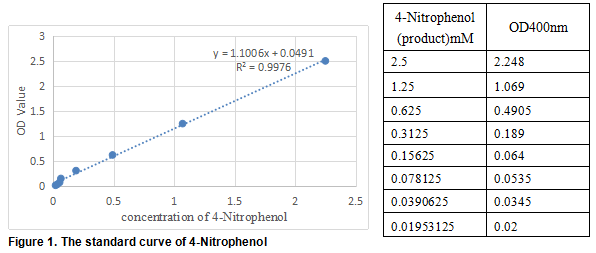
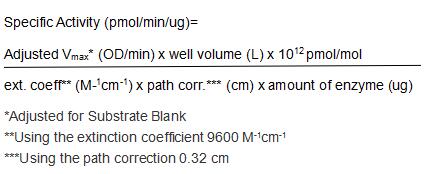
Bioactivity (One unit of enzyme activity is defined as the 1 ug of enzyme required to convert 1 pmol of 4-Nitrophenyl acetate to 4-Nitrophenol in 1min at 37 degree C. The specific activity of recombinant human CA4 is > 15 pmol/min/ug.)
Bioactivity (Carbonic Anhydrase (CA) catalyzes the reversible reaction of CO2 H2O = HCO3- H, which is fundamental to many processes such as respiration, renal tubular acidification and bone resorption. CA4 is a GPIanchored membrane enzyme expressed on the luminal surfaces of pulmonary (and certain other) capillaries and of proximal renal tubules. It functions as the principal CO2 taste sensor. The activity of recombinant human CA4 was measured by its ability to hydrolyze 4-Nitrophenyl acetate (4-NPA) to 4-Nitrophenol. The reaction was performed in 12.5 mM Tris, 75 mM NaCl, pH 7.5 (assay buffer), initiated by addition 50 uL of various concentrations of CA4 (diluted by assay buffer) to 50 uL of 2 mM substrate 4-NPA (100 mM stock in Acetone, diluted by assay buffer). Incubated at 37 degree C for 5min, then read at a wavelength of 400 nm.)
Bioactivity (Carbonic anhydrase catalyzes the reversible reaction of CO2 H2O = HCO3- H, which is fundamental to many processes such as respiration, renal tubular acidification and bone resorption. Carbonic Anhydrase VII encoded by the CA7 gene is a cytosolic protein predominantly expressed in the salivary gland. CA7 may have additional tissue distributions and functions. For example, studies with CA inhibitors provide evidence that human CA7 is the CA isozyme responsible for the anticonvulsant/antiepileptic activity of sulfonamides and sulfamates. In fact, CA7 has been shown in a rat model to act as a developmental switch in GABAergic signaling in neurons. The activity of recombinant mouse CA7 was measured by its ability to hydrolyze 4-Nitrophenyl acetate (4-NPA) to 4-Nitrophenol. The reaction was performed in 12.5 mM Tris, 75 mM NaCl, pH 7.5 (assay buffer), initiated by addition 50 uL of various concentrations of CA7 (diluted by assay buffer) to 50 uL of 2 mM substrate 4-NPA (100 mM stock in Acetone, diluted by assay buffer). Incubated at 37 degree C for 5min, then read at a wavelength of 400 nm.)
Bioactivity (Carbonic Anhydrase (CA) catalyzes the reversible reaction of CO2 H2O = HCO3- H, which is fundamental to many processes such as respiration, renal tubular acidification and bone resorption. CA8, also called CArelated protein (CARP), is a cytosolic protein without CA activity (i.e., the reversible hydration of CO2) due to point mutations in the zinc-binding site. CA8 is expressed exclusively in Purkinje cells of the cerebellum, where it binds inositol 1,4,5-triphosphate receptor type 1. CA8 overexpression in human colorectal cancer and non-small cell lung cancer indicates that it plays a role in the process of invasion in these types of malignancy. The activity of recombinant human CA8 was measured by its ability to hydrolyze 4-Nitrophenyl acetate (4-NPA) to 4-Nitrophenol. The reaction was performed in 12.5 mM Tris, 75 mM NaCl, pH 7.5 (assay buffer), initiated by addition 50 uL of various concentrations of CA8 (diluted by assay buffer) to 50 uL of 2 mM substrate 4-NPA (100 mM stock in Acetone, diluted by assay buffer). Incubated at 37 degree C for 5min, then read at a wavelength of 400 nm.)
Bioactivity (Ephrin-A5, also known as EFNA5, is a member of the Ephrin family. EFNA5 is localized in cell membranes and was highly expressed in skin, brain, spleen, kidney, heart and fat. EFNA5 can bind to its receptors to play important physiological functions, such as participating in neurogenesis, angiogenesis, promoting cell proliferation and differentiation, balancing glucose homeostasis, maintaining lens development, regulating female mammalian reproduction, and mobilizing fat thermogenesis. EPHA10 is a receptor for members of the ephrin-A family. It binds to EFNA3, EFNA4 and EFNA5. Thus a functional binding ELISA assay was conducted to detect the interaction of recombinant human EFNA5 and recombinant human EPHA10. Briefly, EFNA5 was diluted serially in PBS with 0.01% BSA (pH7.4). Duplicate samples of 100 ul were then transferred to EPHA10-coated microtiter wells and incubated for 1h at 37 degree C. Wells were washed with PBST and incubated for 1h with anti-EFNA5 pAb, then aspirated and washed 3 times. After incubation with HRP labelled secondary antibody for 1h at 37 degree C, wells were aspirated and washed 5 times. With the addition of substrate solution, wells were incubated 15-25 minutes at 37 degree C. Finally, add 50 uL stop solution to the wells and read at 450/630 nm immediately. The binding activity of recombinant human EFNA5 and recombinant human EPHA10 was shown in Figure 1, the EC50 for this effect is 0.03 ug/mL.)
Bioactivity (Glutaminyl Peptide Cyclotransferase (QPCT), also known as Glutaminyl Cyclase, is an enzyme responsible for the biosynthesis of pyroglutamyl peptides. QPCT is present in the pituitary and adrenal glands, where it is important for the generation of the Nterminal pyroglutamyl groups of peptide hormones such as neurotensin and thyrotropin-releasing hormone. Besides, Cathepsin B (CTSB) has been identified as an interactor of QPCT, thus a functional binding ELISA assay was conducted to detect the interaction of recombinant human QPCT and recombinant rat CTSB. Briefly, QPCT was diluted serially in PBS with 0.01% BSA (pH 7.4). Duplicate samples of 100 ul were then transferred to CTSB-coated microtiter wells and incubated for 1h at 37 degree C. Wells were washed with PBST and incubated for 1h with anti-QPCT pAb, then aspirated and washed 3 times. After incubation with HRP labelled secondary antibody for 1h at 37 degree C, wells were aspirated and washed 5 times. With the addition of substrate solution, wells were incubated 15-25 minutes at 37 degree C. Finally, add 50 uL stop solution to the wells and read at 450/630 nm immediately. The binding activity of recombinant human QPCT and recombinant rat CTSB was shown in Figure 1, the EC50 for this effect is 0.09 ug/mL.)
Bioactivity (Figure 2. Inhibition of A375 cells proliferation after stimulated with recombinant human MIA1)
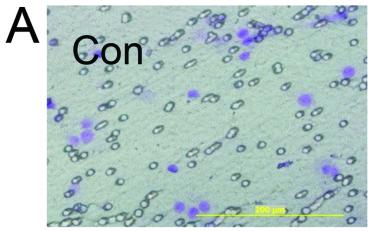
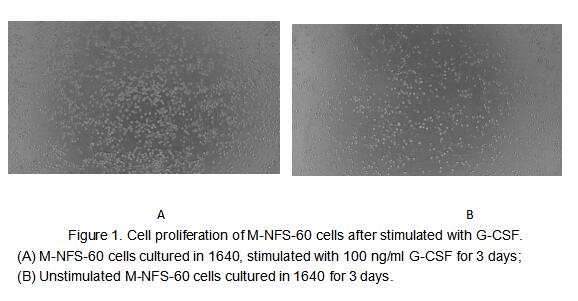
Bioactivity (Melanoma inhibitory activity (MIA), also known as cartilage-derived retinoic acid-sensitive protein (CD-RAP), is a 12-kDa protein that is secreted from both chondrocytes and malignant melanoma cells. MIA has been reported to have effects on cell growth and adhesion, and it may play a role in melanoma metastasis and cartilage development. In the presence of MIA, we observed enhanced migratory ability of melanocytic cells, induction of melanoma-associated genes as well as inhibition of apoptosis due to anoikis.To test the effect of MIA1 on cell apoptosis, A375 cells were seeded into triplicate wells of 96-well plates at a density of 4,000 cells/well and allowed to attach overnight, then the medium was replaced with various concentrations of recombinant mouse MIA1 diluted with 5% serum standard DMEM. After incubated for 48h, cells were observed by inverted microscope and cell viability was measured by Cell Counting Kit-8 (CCK-8). Briefly, 10 ul of CCK-8 solution was added to each well of the plate, then the absorbance at 450 nm was measured using a microplate reader after incubating the plate for 1-4 hours at 37 degree C. Apoptosis of A375 cells after incubation with MIA1 for 48h observed by inverted microscope was shown in Figure 1. The result of cell viability assessed by CCK-8 was shown in Figure 2. It was obvious that MIA1 significantly decreased cell viability of A375 cells. The ED50 of recombinant mouse MIA1 is 5.94 ug/ml.)
Bioactivity (Inter Alpha-Globulin Inhibitor H4 (ITIH4) is secreted into the blood, where it is cleaved by plasma kallikrein into two smaller forms. ITIH4 has been detected only in liver, and it seems to be upregulated during surgical trauma.It may also play a role in liver development or regeneration. Besides, Tau Protein (MAPT) has been identified as an interactor of ITIH4, thus a binding ELISA assay was conducted to detect the interaction of recombinant human ITIH4 and recombinant human MAPT. Briefly, ITIH4 were diluted serially in PBS, with 0.01% BSA (pH 7.4). Duplicate samples of 100 ul were then transferred to MAPT-coated microtiter wells and incubated for 2h at 37 degree C. Wells were washed with PBST and incubated for 1h with anti-ITIH4 pAb, then aspirated and washed 3 times. After incubation with HRP labelled secondary antibody, wells were aspirated and washed 5 times. With the addition of substrate solution, wells were incubated 15-25 minutes at 37 degree C. Finally, add 50 uL stop solution to the wells and read at 450 nm immediately. The binding activity of ITIH4 and MAPT was shown in Figure 1, the EC50 for this effect is 0.18 ug/mL.)
Bioactivity (Inhibitor Of Kappa-Light Polypeptide Gene Enhancer In B-Cells Kinase Beta (IkBKb), a subunit of IKK, plays a crucial role in intracellular signaling, especially in inflammation and immune responses. In addition, the binding of TRAF6 to IkBKB is an important link in the immune response, which is not only involved in the initiation of inflammatory signals, but also in its regulation, thus a functional binding ELISA assay was conducted to detect the interaction of recombinant human IkBKb and recombinant mouse TRAF6. Briefly, IkBKb was diluted serially in PBS with 0.01% BSA (pH 7.4). Duplicate samples of 100 ul were then transferred to TRAF6-coated microtiter wells and incubated for 1h at 37 degree C. Wells were washed with PBST and incubated for 1h with anti-IkBKb pAb, then aspirated and washed 3 times. After incubation with HRP labelled secondary antibody for 1h at 37 degree C, wells were aspirated and washed 5 times. With the addition of substrate solution, wells were incubated 15-25 minutes at 37 degree C. Finally, add 50 uL stop solution to the wells and read at 450/630 nm immediately. The binding activity of recombinant human IkBKb and recombinant mouse TRAF6 was shown in Figure 1, the EC50 for this effect is 0.11 ug/mL.)
Bioactivity (NLR Family, Pyrin Domain Containing Protein 3 (NLRP3), also known as NALP3, CIAS1, PYPAF or Cryopyrin, is a cytosolic multiprotein complex composed of the innate immune receptor protein NLRP3, adapter protein ASC, and inflammatory protease caspase-1 that responds to microbial infection, endogenous danger signals, and environmental stimuli. Aberrant activation of the NLRP3 inflammasome is associated with the pathogenesis of various inflammatory diseases, such as diabetes, cancer, and Alzheimer's disease. Interleukin 1 Beta (IL1b) can interact with NLRP3, thus a functional binding ELISA assay was conducted to detect the interaction of recombinant mouse NLRP3 and recombinant chicken IL1b. Briefly, NLRP3 was diluted serially in PBS with 0.01% BSA (pH 7.4). Duplicate samples of 100 ul were then transferred to IL1b-coated microtiter wells and incubated for 1h at 37 degree C. Wells were washed with PBST and incubated for 1h with anti-NLRP3 pAb, then aspirated and washed 3 times. After incubation with HRP labelled secondary antibody for 1h at 37 degree C, wells were aspirated and washed 5 times. With the addition of substrate solution, wells were incubated 15-25 minutes at 37 degree C. Finally, add 50 uL stop solution to the wells and read at 450/630 nm immediately. The binding activity of recombinant mouse NLRP3 and recombinant chicken IL1b was shown in Figure 1, the EC50 for this effect is 0.16 ug/mL.)
Bioactivity (IFNgamma R2 (Interferon gamma receptor 2; also called IFN gamma R beta IFN gamma RII, or AF1) is a 6064 kDa type I transmembrane glycoprotein that is a member of the class II cytokine receptor family of molecule). It is highly expressed on the surfaces of myeloid cells, moderately expressed on B cells, and poorly expressed on the surfaces of T cells. IFNgammaR2 is a cell-surface receptor that is required for interferon-gamma signalling and therefore plays a critical immunoregulatory role in innate and adaptive immunity against viral and also bacterial and protozoal infections. IFNgR2 have been confirmed to mediate down-stream JAK-STAT signaling pathway in mammals. It is widely expressed as part of a preassembled cell surface multimeric complex. In the absence of IFNgamma, the complex contains two each of IFNgamma R1, R2 and Jak1 molecules. Binding of IFNgamma to IFNgamma R1 recruits Jak2 to IFN-gamma R2 and initiates phosphorylation, STAT1 binding, conformational changes and transcriptional regulation, which mainly inhibits proliferation and/or promotes apoptosis. A functional binding ELISA assay was conducted to detect the interaction of recombinant human IFNgR2 and recombinant rat JAK2. Briefly, biotin-linked IFNgR2 were diluted serially in PBS, with 0.01% BSA (pH 7.4). Duplicate samples of 100 ul were then transferred to JAK2-coated microtiter wells and incubated for 1h at 37 degree C. Wells were washed with PBST 3 times and incubation with Streptavidin-HRP for 30min, then wells were aspirated and washed 5 times. With the addition of substrate solution, wells were incubated 15-25 minutes at 37 degree C. Finally, add 50 ul stop solution to the wells and read at 450 nm immediately. The binding activity of IFNgR2 and JAK2 was shown in Figure 1, the EC50 for this effect is 1.02 ug/mL.)
Bioactivity (NAD(P)H:quinone acceptor oxidoreductase 1 (NQO1), also known as DT-diaphorase, is a widely-distributed FAD-dependent flavoprotein that promotes 2-electron reductions of quinones, quinoneimines, nitroaromatics, and azo dyes. As a result it prevents the one electron reduction of quinones that results in the production of radical species. NQO1 is a highly-inducible enzyme that is regulated by the Keap1/Nrf2/ARE pathway. The increase and decrease of NQO1 levels are associated with decreased and increased susceptibilities to oxidative stress, respectively. Thus, NQO1 is a marker cytoprotective enzyme in oxidative stress. Independently of its catalytic function, NQO1 plays a role in regulating the proteosomal degradation of p53, p73a, and p33. NQO1 physically interacts with p53 and p73 in an NADH-dependent manner and protects them from 20S proteasomal degradation in a ubiquitin independent pathway. The activity assay of recombinant rat NQO1 was measured by its ability to oxidize the substrate resazurin to resorufin. The rrNQO1 was diluted to 0.05 ug/ml in the assay buffer 50 mM HEPES, 0.2 M NaCl, 5 uM FAD, 0.05% Tween 20, pH 7.5. 50 ul 0.05 ug/ml rhNQO1 was added into the microplate and start the reaction by adding 50 ul substrate mixture of 400 uM beta-NADH and 20 uM resazurin which was diluted in assay buffer. Read at excitation and emission wavelengths of 540 nm and 585 nm (top read), respectively, in kinetic mode for 5 minutes. The specific activity of recombinant rat NQO1 is >45000 pmol/min/ug.)
Bioactivity (Uracil Phosphoribosyltransferase (UPRT) is an important enzyme involved in the pyrimidine salvage pathway, which is a critical metabolic pathway for the synthesis of nucleotides in various organisms, including humans. This enzyme plays a key role in the conversion of uracil, a pyrimidine base, into uridine-5'-phosphate (UMP), a precursor for the synthesis of RNA and DNA. Besides, Purine Nucleoside Phosphorylase (PNP) has been identified as an interactor of UPRT, thus a functional binding ELISA assay was conducted to detect the interaction of recombinant human UPRT and recombinant mouse PNP. Briefly, UPRT was diluted serially in PBS with 0.01% BSA (pH 7.4). Duplicate samples of 100 ul were then transferred to PNP-coated microtiter wells and incubated for 1h at 37 degree C. Wells were washed with PBST and incubated for 1h with anti-UPRT pAb, then aspirated and washed 3 times. After incubation with HRP labelled secondary antibody for 1h at 37 degree C, wells were aspirated and washed 5 times. With the addition of substrate solution, wells were incubated 15-25 minutes at 37 degree C. Finally, add 50 uL stop solution to the wells and read at 450/630 nm immediately. The binding activity of recombinant human UPRT and recombinant mouse PNP was shown in Figure 1, the EC50 for this effect is 0.017 ug/mL.)
Bioactivity (S100 Calcium Binding Protein A11 (S100A11) is a member of the S100 calcium-binding protein family, it contains two EF-hand calcium-binding motifs and shares 82% amino acid sequence identity with mouse and rat S100A11. S100 proteins are localized in the cytoplasm and nucleus of a wide range of cells, and involved in the regulation of a number of cellular processes such as cell cycle progression and differentiation. This protein may function in motility, invasion and tubulin polymerization. Besides, S100 Calcium Binding Protein A10 (S100A10) has been identified as an interactor of S100A11, thus a functional binding ELISA assay was conducted to detect the interaction of recombinant rat S100A11 and recombinant human S100A10. Briefly, S100A11 was diluted serially in PBS with 0.01% BSA (pH 7.4). Duplicate samples of 100 ul were then transferred to S100A10-coated microtiter wells and incubated for 1h at 37 degree C. Wells were washed with PBST and incubated for 1h with anti-S100A11 pAb, then aspirated and washed 3 times. After incubation with HRP labelled secondary antibody for 1h at 37 degree C, wells were aspirated and washed 5 times. With the addition of substrate solution, wells were incubated 15-25 minutes at 37 degree C. Finally, add 50 ul stop solution to the wells and read at 450/630 nm immediately. The binding activity of recombinant rat S100A11 and recombinant human S100A10 was shown in Figure 1, the EC50 for this effect is 0.19 ug/ml.)
Bioactivity (Granzyme B is a member of the granzyme family of the serine proteases found specifically in the cytotoxic granules of cytotoxic T lymphocytes (CTL) and natural killer (NK) cells. Granzyme B plays an essential role in granule-mediated apoptosis and may have additional roles in rheumatoid arthritis and in bacterial and viral infections. It activates various caspases and cleaves proteins such as aggrecan. The activity of recombinant pig Granzyme B was measured by its ability to cleaves a thioester substrate Z-Lys-SBzl•HCl. The reaction was performed in 0.05 M Tris, 0.15 M NaCl, 0.01% Triton X-100, pH 8.0 (Assay Buffer), initiated by addition 50 uL of various concentrations of GZMB (diluted by Assay Buffer) to 50 uL of 1.2 mM Substrate and DTNB mixture. The final well serves as a negative control with no GZMB, replaced with 50 uL assay buffer. Incubated at 25 degree C for 5min, then read at a wavelength of 405 nm. The specific activity of recombinant pig Granzyme B is >440 pmol/min/ug.)
Bioactivity (Glutathione S-Transferases (GSTs) are members of the phase II detoxification enzyme family that conjugate glutathione to various electrophilic compounds, including metabolites generated by oxidative processes in the body, environmental toxins or carcinogens, and anti-cancer drugs. GSTM1 is a cytosolic protein that belongs to the mu class of the GST superfamily. GSTM1 catalyze the endogenous glutathione conjugation 1-Chloro-2,4-dinitrobenzene (CDNB), which can increase in the absorbance at 340 nm. The reaction was performed in adding 10 ul 200 mM glutathione (reduced) and 10 ul 100 mM CDNB in 980 ul 100 mM NaH2PO4 (pH7.0), rapidly mixed. Then add 50 ul mixed substrates to 50 ul different concentrations of recombinant human GSTM1, mix gently. Incubated at 37 degree C for 5min, then read at a wavelength of 340 nm. The specific activity of recombinant human GSTM1 is >330,000 pmol/min/ug.)
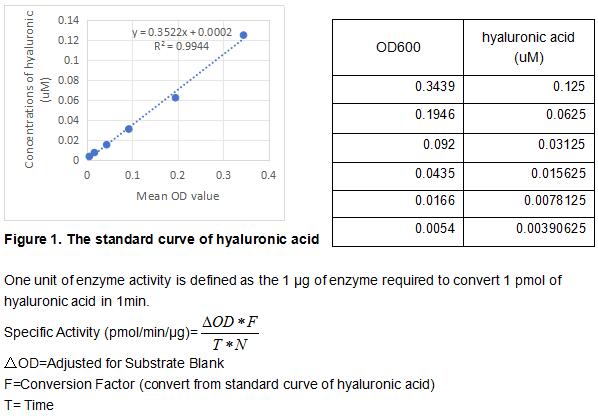
Bioactivity (Homing Associated Cell Adhesion Molecule (HCAM), also known as CD44, is a ubiquitous multistructural and multifunctional cells surface adhesion molecule involved in cell-cell and cell-matrix interactions. CD44 is broadly expressed, including in the membranes of B cells, granulocytes, monocytes, and erythrocytes as well as on many thymocytes and mature T cells, besides it is highly expressed in many cancers and regulates metastasis via recruitment of CD44 to the cell surface. This protein is a receptor for hyaluronic acid (HA) and can also interact with other ligands, such as osteopontin, collagens, and matrix metalloproteinases (MMPs). Thus a functional binding ELISA assay was conducted to detect the interaction of recombinant human HCAM and biotinylated hyaluronan (HA). Briefly, biotin-linked HA was diluted serially in PBS, with 0.01% BSA (pH 7.4). Duplicate samples of 100 ul were then transferred to HCAM-coated microtiter wells and incubated for 2h at 37 degree C. Wells were washed with PBST 3 times and incubation with Streptavidin-HRP for 1 hour, then wells were aspirated and washed 5 times. With the addition of substrate solution, wells were incubated 15-25 minutes at 37 degree C. Finally, add 50 ul stop solution to the wells and read at 450/630 nm immediately. The binding activity of recombinant human HCAM and biotinylated HA was shown in Figure 1, and this effect was in a dose dependent manner.)
Bioactivity (Glucose-6-phosphate dehydrogenase (G6PD) converts D-glucose 6-phosphate (G6P) into 6-phosphoglucono-delta-lactone and generate co-enzyme nicotinamide adenine dinucleotide phosphate (NADPH). G6PD is the rate-limiting enzyme of the pentose phosphate pathway that supplies reducing energy to cells by maintaining the level of NADPH, which in turn maintains the level of glutathione in these cells that helps protect the red blood cells against oxidative damage from compounds like hydrogen peroxide. More importantly, NADPH is used for biosynthesis of fatty acids or isoprenoids. G6PD is generally found as a dimer of two identical monomers. Depending on conditions, such as pH, these dimers can themselves dimerize to form tetramers. Each monomer in the complex has a substrate binding site that binds to G6P, and a catalytic coenzyme binding site that binds to NADP /NADPH using the Rossman fold. Its activity is stimulated by the substrate G6P and NADP. The activity of recombinant human G6PD was measured by its ability to dehydrogenate glucose-6-phosphate. The reaction was performed in 25 mM Tris, 50 mM NaCl, 10 mM MgCl2, pH 8.0 (Assay Buffer), initiated by addition 50 uL of various concentrations of G6PD (diluted by Assay Buffer) to 50 ul substrate mixture consists of 1 mM NADP and 1 mM G6P. The final well serves as a negative control with no G6PD, replaced with 50 uL assay buffer. Then read at a wavelength of 340 nm in kinetic mode for 5 minutes. The specific activity of recombinant human G6PD is >280 pmol/min/ug.)
Proteins are large molecules made up of long chains of amino acids.
They will typically fold into a very particular 3-dimensional shape/conformation, that is sometimes referred to as their “native” form, which allows them to work properly in the body. For the purposes of product categorization, AAA Biotech will typically refer to proteins purified from their original animal host as being “native” proteins (this is to signify their difference compared to their “recombinant” or “synthetic” protein counterparts).
If a protein successfully folds into the correct shape, it is will typically display high fidelity characteristics to its original protein in its original animal host, and be classified as an active protein, as it will be able to function “normally” in most enzymatic or binding capacities. If it loses this shape, due to factors such as heat or strong chemicals (such as detergents), it becomes inactive and is no longer able to perform its basic functions. All of the proteins in this category are made under strict quality control, and they are active, pure, low in contaminants, and stable.
Most are stored as freeze-dried powders and come without extra tags, so they’re very close to the actual natural/native form.
Key Applications of Active Proteins
1. Scientific Research
Aid in the study of how proteins function in the body
Aid in understanding various disease processes
2. Drug Development
Powerful tools to investigate how potential drugs interact with specific proteins
Ideal for identifying drug targets
3. Cell Culture
Are routinely utilized to support cell growth and function (e.g., using exogenous growth factors)
Can be used to promote cellular development into specific types (differentiation)
4. Diagnostics
Regularly utilized in tests to detect diseases or infections (e.g., COVID-19, cancer)
Note: All products are strictly for research-use only (RUO).
5. Therapeutics
Some active proteins are used directly as treatments (e.g., insulin, enzymes)
Note: All products are strictly for research-use only (RUO).
6. Vaccine Development
Used to create or test vaccines by mimicking parts of viruses or bacteria
7. Biochemical Assays
They can facilitate the characterization of enzyme activity, binding strength, or protein interactions in lab tests
Why Buy Active Proteins from AAA Biotech?
High biological activity – Verified to perform as expected or indicated on datasheet
Strict quality control – We are confident in our active proteins’ reliability and consistency
High purity & low endotoxin – Ideal for applications involving sensitive or precious samples/components
Freeze-dried for stability – Long shelf life and straightforward storage
Mostly tag-free – Closer to natural/native protein form
FAQ
1. What are active proteins used for in research?
Active proteins are used primarily in the study of how proteins function, in characterizing/discovering drug interactions, supporting cell growth, running biochemical assays, and in development of diagnostics or therapeutics.
2. How are AAA Biotech's active proteins validated?
AAA Biotech’s active proteins are validated through strict quality control and functional assays to ensure they are properly folded and active. “Active”, though, can be an ambiguous term, so if a specific “activity” or “binding” capability of a protein is of crucial interest to you, please inquire with us prior to purchase, and we will provide further details on how the “Active” modifier was determined to be applicable.
3. Are these proteins tested for biological activity?
Yes, all active proteins from AAA Biotech are tested to confirm they have the expected biological activity before being offered for use. Though, said “biological activity” can be either “enzymatic”, “binding”, or both.
Submit a Question
Please complete the form below and a representative will contact you as soon as possible.
Request more Information
Please complete the form below and a representative will contact you as soon as possible.
Request a Manual
Please complete the form below and a representative will contact you as soon as possible.
Request a Quote
Please complete the form below and a representative will contact you as soon as possible.