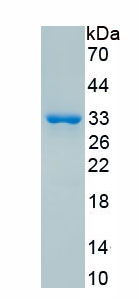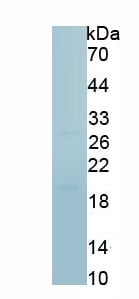
AAA Biotech provides a variety of high-quality recombinant and natural/native proteins that are proven to work in a wide range of experiments. Explore our products to find the active protein that best fits your needs or experimental model.
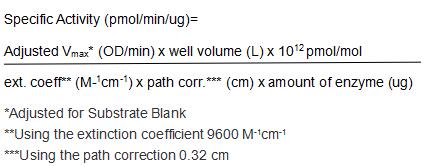
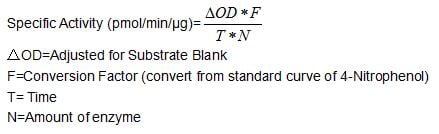
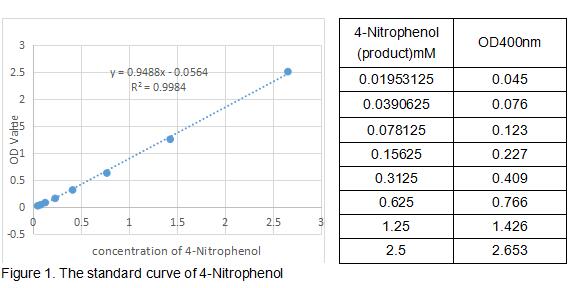
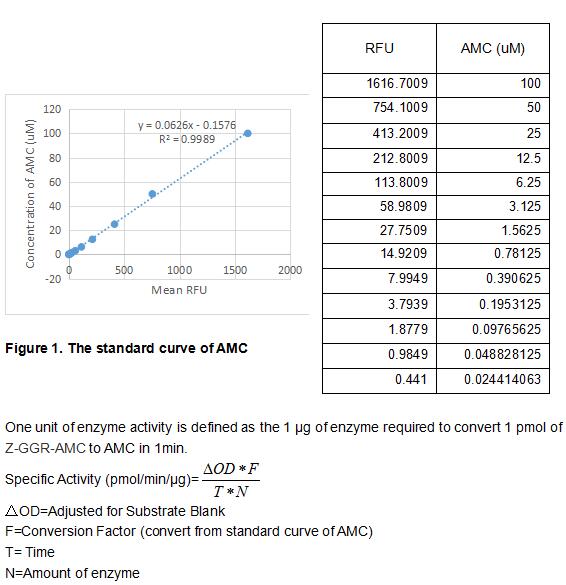
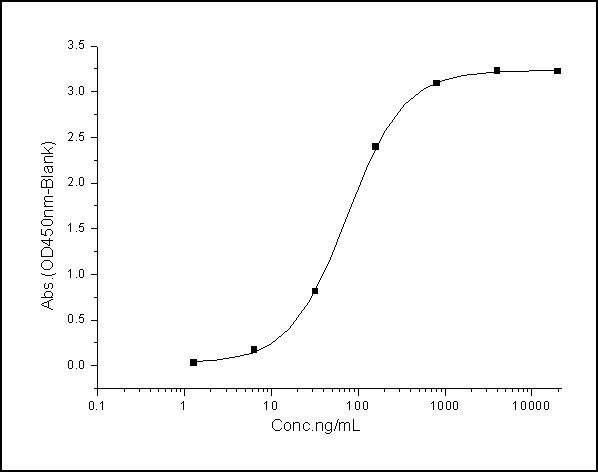
Bioactivity (One unit of enzyme activity is defined as the 1ug of enzyme required to convert 1pmol of 4-Nitrophenyl acetate to 4-Nitrophenol in 1min at 37 degree C. The specific activity of recombinant Rat CES3 is 1200 pmol/min/ug.)
Bioactivity (Carboxylesterase 3 (CES3) also known as Liver carboxylesterase 3 is a serine esterase and a member of a large family of carboxylesterases. The protein Involved in the detoxification of xenobiotics and in the activation of ester and amide prodrugs. Hydroly)
Bioactivity (Pyruvate carboxylase (PC) is a mitochondrial, biotin-containing enzyme catalyzing the ATP-dependent synthesis of oxaloacetate from pyruvate and bicarbonate, with a critical anaplerotic role in sustaining the brain metabolism. Pyruvate carboxylase (PC) def)
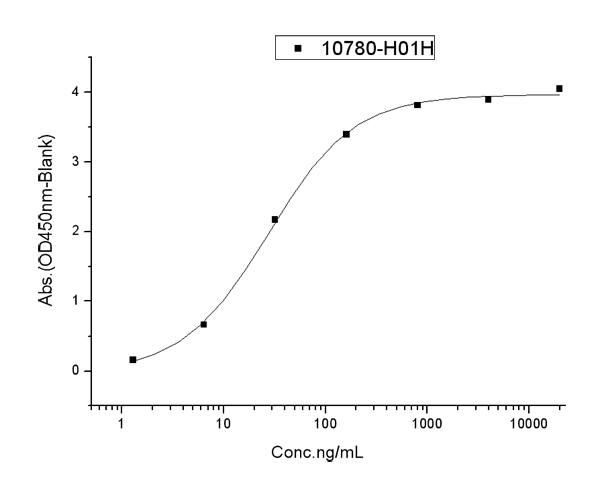
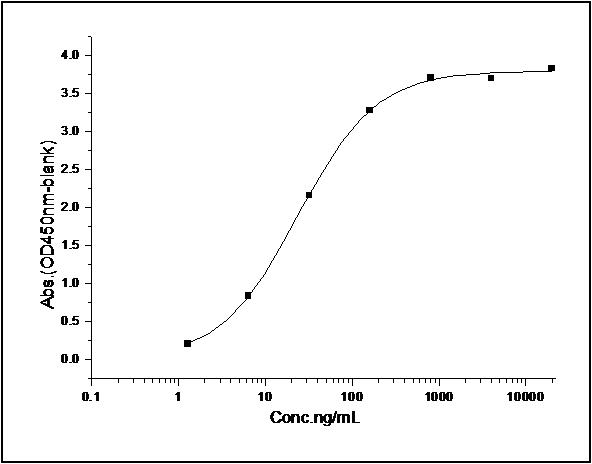
Bioactivity (One unit of enzyme activity is defined as the 1ug of enzyme required to convert 1pmol of 4-Nitrophenyl acetate to 4-Nitrophenol in 1min at 37 degree C. The specific activity of recombinant human CES5A is 1300 pmol/min/ug.)
Bioactivity (carboxylesterase 5A (CES5A) is a serine esterase and a member of a large multigene carboxylesterase family. The protein Involved in the detoxification of xenobiotics and in the activation of ester and amide prodrugs. Hydrolyzes aromatic and aliphatic este)
Bioactivity (PNGase F (Peptide-N-glycosidase F) is a kind of enzymes for the deglycosylation of glycoproteins. The enzyme releases asparagine-linked oligosaccharides from glycoproteins and glycopeptides by hydrolyzing the amide of the asparagine (Asn) side chain. Thus)
Bioactivity (Plasminogen activators are serine proteases that catalyze the activation of plasmin via proteolytic cleavage of its zymogen form plasminogen. Plasmin is an important factor in fibrinolysis, the breakdown of fibrin polymers formed during blood clotting. Th)
Bioactivity (Interleukin 1 beta (IL-1beta) also known as leukocytic pyrogen, leukocytic endogenous mediator, mononuclear cell factor, lymphocyte activating factor and other names, is a member of the interleukin 1 family of cytokines. This cytokine is an important medi)
Bioactivity (TLR2 is a member of TLR family which is type I transmembrane proteins with a large number of extracellular leucine-rich repeats (LRRs) and a cytoplasmic Toll/IL-1 receptor (TIR) domain. Human TLR2 is synthesized as a 784 amino acid precursor that contains)
Bioactivity (Fibroblast growth factor 23 or FGF23 is a member of the fibroblast growth factor (FGF) family which is responsible for phosphate and vitamin D metabolism. The main function of FGF23 seems to be regulation of phosphate concentration in plasma. FGF23 decrea)
Bioactivity (Figure 2. The chemotactic effect of ENA-78 on THP-1 cells)
Bioactivity (Epithelial Neutrophil Activating Peptide 78 (ENA-78) is a member of the CXC subfamily of chemokines. Full-length ENA-78 is 114 amino acids (aa) in length with a predicted molecular weight of 12 kDa. ENA-78 is expressed by many immune cells, such as macrop)
Bioactivity (Neurosecretory protein VGF is specifically expressed in a subpopulation of neuroendocrine cells, and is upregulated by nerve growth factor. Human VGF precursor is 615 amino acids (aa) in length. It contains an 22 aa signal sequence plus a 593 aa mature re)
Bioactivity (Perforin 1 (PRF1) is a pore forming cytolytic protein found in the granules of cytotoxic T lymphocytes (CTLs) and NK cells. Upon degranulation, perforin binds to the target cell's plasma membrane, and oligomerises in a Ca2 dependent manner to form pores o)
Bioactivity (Interleukin 3 receptor alpha (IL3Ra), also known as CD123 (Cluster of Differentiation 123), is a subunit of the functional high-affinity mouse IL-3 receptor which is a heterodimer. The alpha subunit alone binds IL-3 with low affinity. The beta subunit doe)
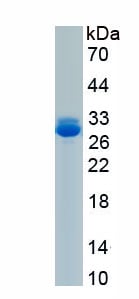
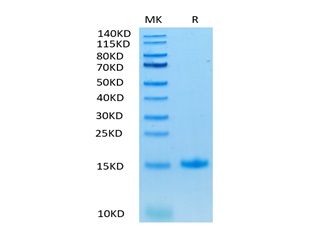
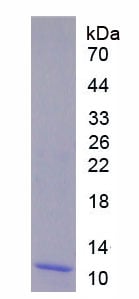
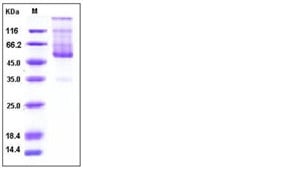
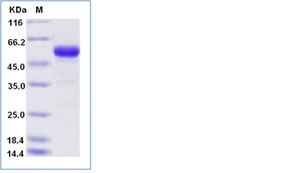
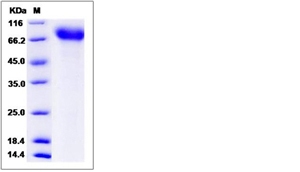
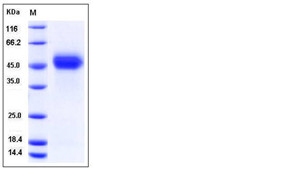
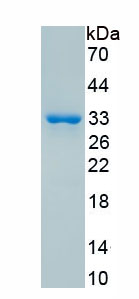
SDS_PAGE (Sample: Active recombinant S100A9, Human)
Application Data (Inhibition of Hela cells proliferation after stimulated with S100A9.)
Bioactivity (S100 calcium-binding protein 9 (S100A9) also known as calgranulin B, is a member of the S100 family of secreted calcium binding proteins containing 2 EF-hand calcium-binding motifs.S100 proteins are localized in the cytoplasm and/or nucleus of a wide range of cells, and involved in the regulation of a number of cellular processes such as cell cycle progression and differentiation. Besides, it has been reported that S100A9 can inhibit Hela cells proliferation. To test the effect of S100A9 on cell apoptosis, Hela cells were seeded into 96-well plates at a density of 4,000 cells/well with 1% serum standard DMEM including various concentrations of recombinant human S100A9. After incubated for 48h, cells were observed by inverted microscope and cell proliferation was measured by Cell Counting Kit-8 (CCK-8). Briefly, 10ul of CCK-8 solution was added to each well of the plate, then the absorbance at 450nm was measured using a microplate reader after incubating the plate for 1h at 37?. Proliferation of Hela cells after incubation with S100A9 for 48h observed by inverted microscope was shown in Figure 1. Cell viability was assessed by CCK-8 (Cell Counting Kit-8 ) assay after incubation with recombinant human S100A9 for 48h. The result was shown in Figure 2. It was obvious that S100A9 significantly inhibit cell viability of Hela cells. The ED50 is 4.8ug/mL.)
Bioactivity (Figure 2. Inhibition of A549 cells proliferation after stimulated with recombinant mouse IFN-alpha.)
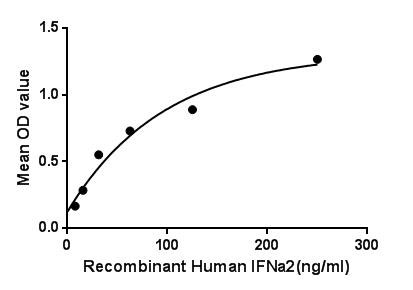
Bioactivity (Interferon-alpha (IFNa), also known as leukocyte interferon, represents a group of related but distinct proteins that share over 95% amino acid sequence homology. They are members of the type I interferon family which share a common cell surface receptor)
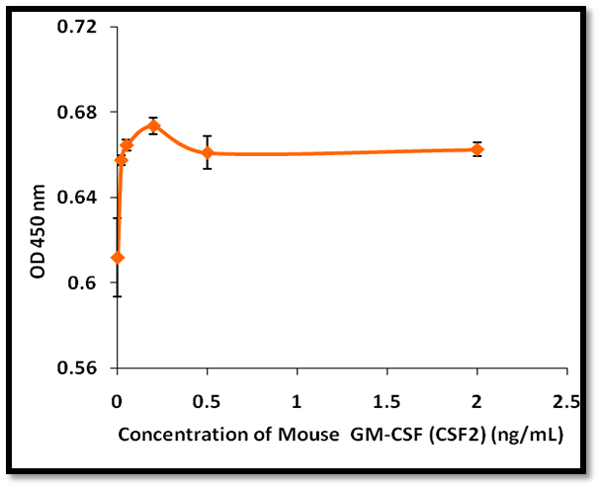
Bioactivity (Figure 2. Cell proliferation of TF-1 cells after stimulated with GM-CSF.)
Bioactivity (Granulocyte-macrophage colony-stimulating factor (GM-CSF), also known as colony-stimulating factor 2 (CSF2), is a monomeric glycoprotein that functions as a cytokine — it is a white blood cell growth factor. GM-CSF also has some effects on mature cells of)
Bioactivity (Figure 2. The dose-effect curve of IL-3 on TF-1 cells)
Bioactivity (Interleukin 3 is an interleukin, a type of biological signal that can improve the body's natural response to disease as part of the immune system. It acts by binding to the interleukin 3 receptor IL-3 synergizes with other cytokines to stimulate the growt)
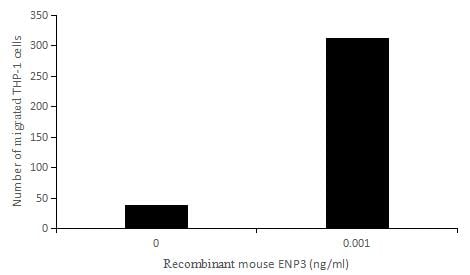
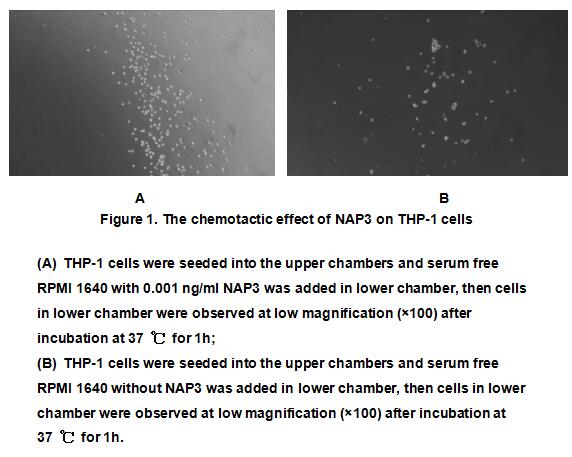
Bioactivity (Interleukin 8 (IL8 or chemokine (C-X-C motif) ligand 8, CXCL8) is a chemokine produced by macrophages and other cell types such as epithelial cells, airway smooth muscle cells and endothelial cells.Thus, chemotaxis assay used 24-well microchemotaxis syste)
Bioactivity (Monocyte Chemotactic Protein 1 (MCP1), also known as C-C motif chemokine 2(CCL2), is a member of the beta (C-C) subfamily of chemokines that is a chemoattractant for monocytes and basophils. Rat CCL2 is secreted as a 14 kDa glycoprotein monomer but noncov)
Bioactivity (Extracellular superoxide dismutase [Cu-Zn] is an enzyme that in humans is encoded by the SOD3 gene. This gene encodes a member of the superoxide dismutase (SOD) protein family. SODs are antioxidant enzymes that catalyze the dismutation of two superoxide r)
Bioactivity (Figure 2. Inhibition of A549 cells proliferation after stimulated with TNFalpha)
Bioactivity (Tumor necrosis factor (TNF, tumor necrosis factor alpha, TNFalpha, cachexin, or cachectin) is a cell signaling protein (cytokine) involved in systemic inflammation and is one of the cytokines that make up the acute phase reaction. The primary role of TNF)
Bioactivity (Thrombopoietin (TPO) is a humoral growth factor that is necessary for megakaryocyte proliferation and maturation, as well as for thrombopoiesis.TPO can promote platelet production, aggregation, ECM adhesion, and activation. It is principally produced in t)
Bioactivity (Plasminogen Activator, Urokinase Receptor (uPAR) is the receptor for urokinase plasminogen activator and, given its role in localizing and promoting plasmin formation, likely influences many normal and pathological processes related to cell-surface plasmi)
Bioactivity (Figure 2. Cell apoptosis of A549 cells after stimulated with recombinant dog IFNb.)
Bioactivity (Interferon Beta (IFNb) is belongs to type I interferons (IFNs) family which a large subgroup of interferon proteins that help regulate the activity of the immune system.The IFNb proteins are produced in large quantities by fibroblasts. They have antiviral)
Bioactivity (Figure 2. Cell apoptosis of A549 cells after stimulated with IFNb.)
Bioactivity (Interferon Beta (IFNb) is belongs to type I interferons (IFNs) family which a large subgroup of interferon proteins that help regulate the activity of the immune system.The IFNb proteins are produced in large quantities by fibroblasts. They have antiviral)
Bioactivity (Galectin 9 (GAL9) is a member of the beta-galactoside-binding galectin family. Galectin-9 is found outside of cells and may be exported by non-classical pathways. Galectin 9 exhibits a variety of biological activities, the majority of which have focused o)
Bioactivity (Galectin-6(GAL6) is a protein that in humans is encoded by the LGALS6 gene. The galectins constitute a large family of carbohydrate-binding proteins with specificity for N-acetyl-lactosamine-containing glycoproteins. At least 14 mammalian galectins, which)
Bioactivity (Figure 2. The hemagglutination assay of GAL1 in V- bottom shaped 96-well microtiter plate.)
Bioactivity (Galectins are a family of carbohydrate-binding proteins with an affinity for beta-galactosides. Galectin-1 (GAL1) is differentially expressed by various normal and pathological tissues and appears to be functionally polyvalent, with a wide range of biolog)
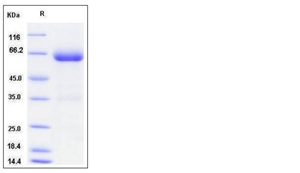
Application Data (Measured by the ability of the immobilized protein to enhance BMP2-induced alkaline phosphatase activity in C3H10T1/2 mouse embryonic fibroblast cells. The ED50 for this effect is typically 2-10 ug/mL in the presence of 500 ng/mL recombinant human BMP2.)
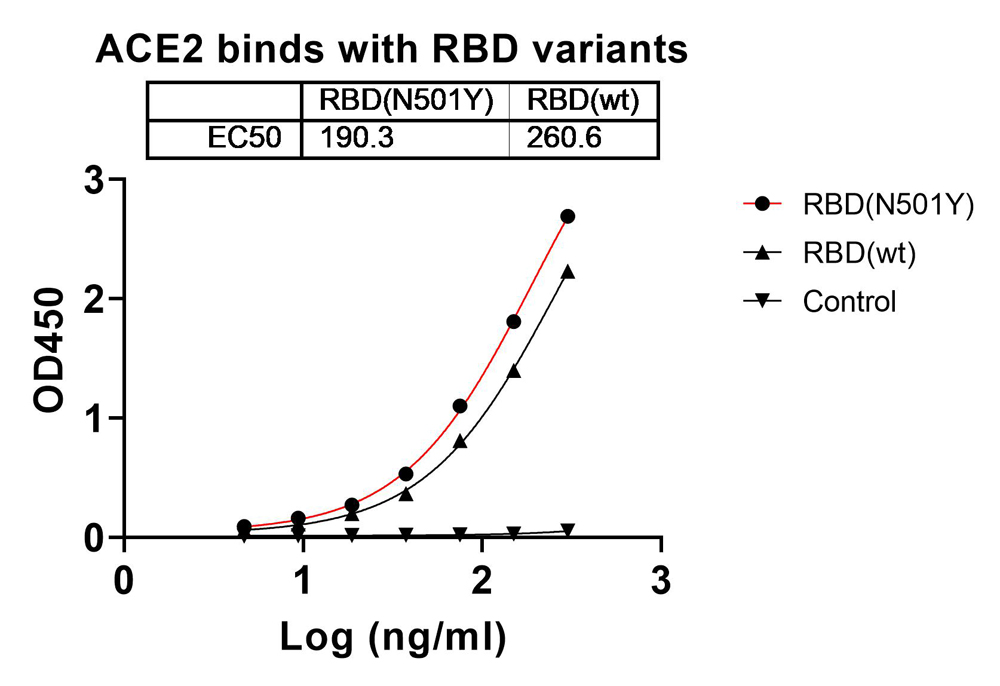
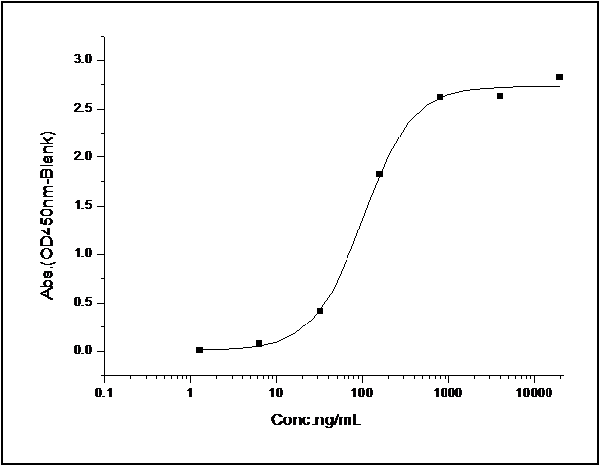
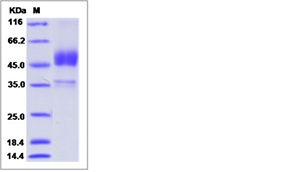
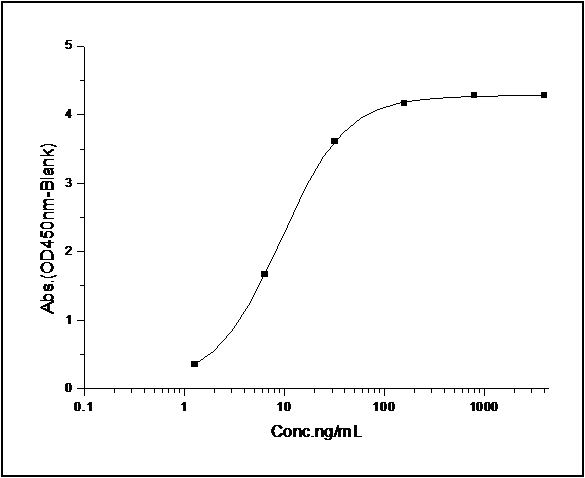
Application Data (Measured by its binding ability in a functional ELISA. Immobilized human CD155a-His at 10ug/mL (100uL/well) can bind human TIGIT-Fc, the EC50 of human TIGIT-Fc is 0.03-0.2ug/mL.)
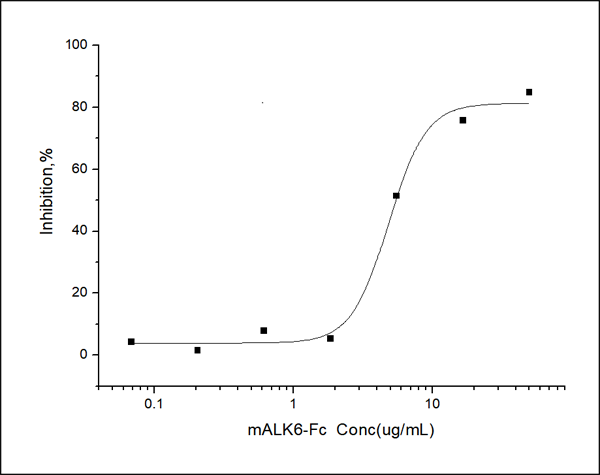
Application Data (Measured by its ability to inhibit BMP4-induced alkaline phosphatase production by MC3T3E1 mouse preosteoblast cells. The ED50 for this effect is 2.5-10 ug/mL.)
Application Data (Measured by its ability to inhibit FGF-acidic (aFGF/FGF1) dependent proliferation of Balb/C 3T3 mouse fibroblasts. The ED50 for this effect is typically 0.5-2.5 ng/ml.)
Activity (IL2 (Interleukin-2) is a cytokine produced by T-cells in response to antigenic or mitogenic stimulation. IL2 is a type of signaling molecule in the immune system, that is required for both T-cell and B-cell proliferation and other activities crucial to regulation of the immune response. Recombinant human IL2 shares 56% AA sequence identity with mouse IL2, suggesting the exist of cross-species activity. Therefore, in order to detect the bioactivity of rhIL2, a cell proliferation assay has been conducted using CTLL-2 mouse cytotoxic T cells. Briefly, CTLL-2 cells were seeded into triplicate wells of 96-well plates at a density of 5,000 cells/well with or without the addition of various concentrations of IL2. After incubated for 48h, cells were observed by inverted microscope and cell proliferation was measured by Cell Counting Kit-8 (CCK-8). 10uL of CCK-8 solution was added to each well of the plate, the absorbance at 450nm was measured using a microplate reader after incubating the plate for 1-4 hours at 37 degree C. Proliferation of CTLL-2 cells after incubation with IL2 for 48h observed by inverted microscope was shown in Figure 1.)
Application Data (Figure. Cell proliferation of Jurkat cells after stimulated with IL1a.Interleukin 1 alpha (IL1) also known as hematopoietin 1 is a cytokine of the interleukin 1 family that in humans is encoded by the IL1A gene. IL1 is produced mainly by activated macrophages, as well as neutrophils, epithelial cells, and endothelial cells. It possesses metabolic, physiological, haematopoietic activities, and plays one of the central roles in the regulation of the immune responses. It binds to the interleukin-1 receptor. It is on the pathway that activates tumor necrosis factor-alpha. To test the effect of IL1a on cell proliferation, Jurkat cells were seeded into triplicate wells of 96-well plates at a density of 2,000 cells/well with 2% serum standard 1640 including various concentrations of recombinant human IL1a. After incubated for 96h, cells were observed by inverted microscope and cell proliferation was measured by Cell Counting Kit-8 (CCK-8). Briefly, 10uL of CCK-8 solution was added to each well of the plate, then the absorbance at 450nm was measured using a microplate reader after incubating the plate for 1-4 hours at 37. Proliferation of Jurkat cells after incubation with IL1a for 96h observed by inverted microscope was shown in Figure 1. Cell viability was assessed by CCK-8 (Cell Counting Kit-8) assay after incubation with recombinant IL1a for 96h. The result was shown in Figure 2. It was obvious that IL1a significantly increased cell viability of Jurkat cells.(A) Jurkat cells cultured in 1640, stimulated with 10ng/mL IL1a for 96h; (B) Unstimulated Jurkat cells cultured in1640 for 96h.)
Bioactivity (Extracellular superoxide dismutase [Cu-Zn] is an enzyme that in humans is encoded by the SOD3 gene. This gene encodes a member of the superoxide dismutase (SOD) protein family. SODs are antioxidant enzymes that catalyze the dismutation of two superoxide radicals into hydrogen peroxide and oxygen. Acroding to the report, in a weakly alkaline buffer solution (pH=8.2) with N-tris (hydroxymethyl) amino methane-HCL, pyrogallol can occur autoxidation in the air, then SOD can inhibit this reaction. Thus, we use this way to measure the activity of recombinant human SOD3. The reaction was performed in adding 30uL 50mmol/L pyrogallol to 900uL 50mmol/L Tris-HCl in 1.5ml cuvette (1.0cm light path), rapidly mixing at 25 degree C,then read at 325nm (zero the spectrophotometer using 50mmol/L Tris-HCl) , reacod the OD value every 30 second for 6 times. Control the pyrogallol autoxidation rate at 0.70 OD/min. After, adding various concentrations of recombinant of SOD3 to 900uL 50mmol/L Tris-HCl, incubated for 20min at 25 degree C, then adding 30uL 50mmol/L pyrogallol to each tube, rapidly mixing and read at 325nm, record the OD value every 30 second for 6 times. Under these conditions, the enzyme amount of 50% per minute inhibition of pyrogallol autooxidation is defined as a unit.)
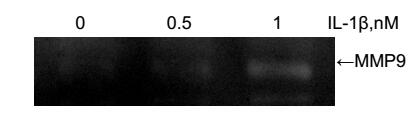
Application Data (IL-1 (Interleukin-1 beta) is a proinflammatory and immunoregulatory cytokine involved in a variety of cellular activities. It has been elucidated that IL-1 stimulation of cells activates MMP-9 (matrix metalloproteinases-9) secretion by the activation of the dual signalling pathways. Thus, a stimulation assay of IL-1 was conducted using 3T3 cell line, and the MMP-9 activity was detected through gel zymography. Briefly, 1×10⁶ 3T3 cells were cultured overnight in 5%DMEM, washed with serum-free medium and then stimulated with different concentrations of IL-1 for 20h, and cell lysates were collected to measure MMP-9 activity. Cell lysates samples were denatured by SDS loading buffer, electrophoresed through sodium dodecyl sulphate–polyacrylamide gel (SDS–PAGE; 10% gels) containing gelatin (1mg/mL) with nonreducing conditions. After renaturation, incubation and coomassiebrilliant blue (CBB)-stained, MMPs hydrolyzed gelatin nearby, indicated by the white binds on the gel. Result Increased MMP-9 activity in 3T3 cells due to the stimulation of IL-1 was shown in Figure 1.Figure. Activation of MMP-9 by IL-1.)
Proteins are large molecules made up of long chains of amino acids.
They will typically fold into a very particular 3-dimensional shape/conformation, that is sometimes referred to as their “native” form, which allows them to work properly in the body. For the purposes of product categorization, AAA Biotech will typically refer to proteins purified from their original animal host as being “native” proteins (this is to signify their difference compared to their “recombinant” or “synthetic” protein counterparts).
If a protein successfully folds into the correct shape, it is will typically display high fidelity characteristics to its original protein in its original animal host, and be classified as an active protein, as it will be able to function “normally” in most enzymatic or binding capacities. If it loses this shape, due to factors such as heat or strong chemicals (such as detergents), it becomes inactive and is no longer able to perform its basic functions. All of the proteins in this category are made under strict quality control, and they are active, pure, low in contaminants, and stable.
Most are stored as freeze-dried powders and come without extra tags, so they’re very close to the actual natural/native form.
Key Applications of Active Proteins
1. Scientific Research
Aid in the study of how proteins function in the body
Aid in understanding various disease processes
2. Drug Development
Powerful tools to investigate how potential drugs interact with specific proteins
Ideal for identifying drug targets
3. Cell Culture
Are routinely utilized to support cell growth and function (e.g., using exogenous growth factors)
Can be used to promote cellular development into specific types (differentiation)
4. Diagnostics
Regularly utilized in tests to detect diseases or infections (e.g., COVID-19, cancer)
Note: All products are strictly for research-use only (RUO).
5. Therapeutics
Some active proteins are used directly as treatments (e.g., insulin, enzymes)
Note: All products are strictly for research-use only (RUO).
6. Vaccine Development
Used to create or test vaccines by mimicking parts of viruses or bacteria
7. Biochemical Assays
They can facilitate the characterization of enzyme activity, binding strength, or protein interactions in lab tests
Why Buy Active Proteins from AAA Biotech?
High biological activity – Verified to perform as expected or indicated on datasheet
Strict quality control – We are confident in our active proteins’ reliability and consistency
High purity & low endotoxin – Ideal for applications involving sensitive or precious samples/components
Freeze-dried for stability – Long shelf life and straightforward storage
Mostly tag-free – Closer to natural/native protein form
FAQ
1. What are active proteins used for in research?
Active proteins are used primarily in the study of how proteins function, in characterizing/discovering drug interactions, supporting cell growth, running biochemical assays, and in development of diagnostics or therapeutics.
2. How are AAA Biotech's active proteins validated?
AAA Biotech’s active proteins are validated through strict quality control and functional assays to ensure they are properly folded and active. “Active”, though, can be an ambiguous term, so if a specific “activity” or “binding” capability of a protein is of crucial interest to you, please inquire with us prior to purchase, and we will provide further details on how the “Active” modifier was determined to be applicable.
3. Are these proteins tested for biological activity?
Yes, all active proteins from AAA Biotech are tested to confirm they have the expected biological activity before being offered for use. Though, said “biological activity” can be either “enzymatic”, “binding”, or both.
Submit a Question
Please complete the form below and a representative will contact you as soon as possible.
Request more Information
Please complete the form below and a representative will contact you as soon as possible.
Request a Manual
Please complete the form below and a representative will contact you as soon as possible.
Request a Quote
Please complete the form below and a representative will contact you as soon as possible.