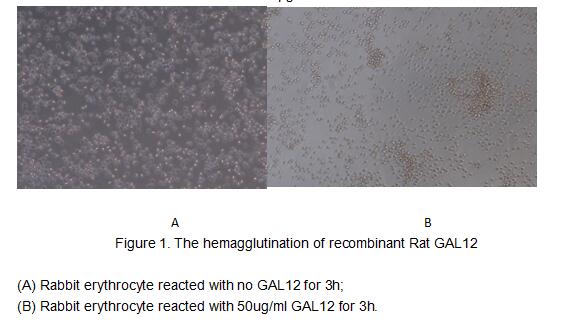
AAA Biotech provides a variety of high-quality recombinant and natural/native proteins that are proven to work in a wide range of experiments. Explore our products to find the active protein that best fits your needs or experimental model.
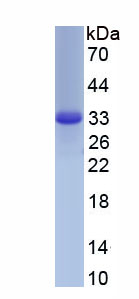
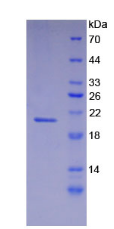
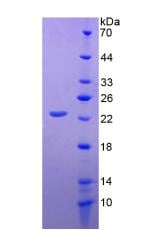
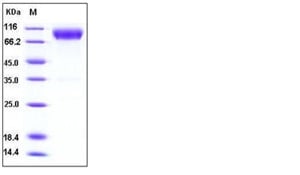
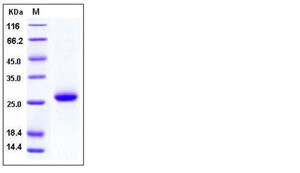
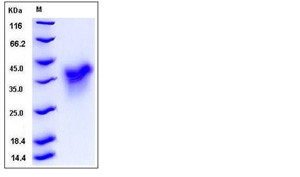
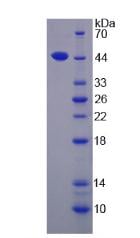
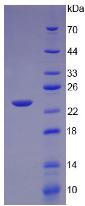
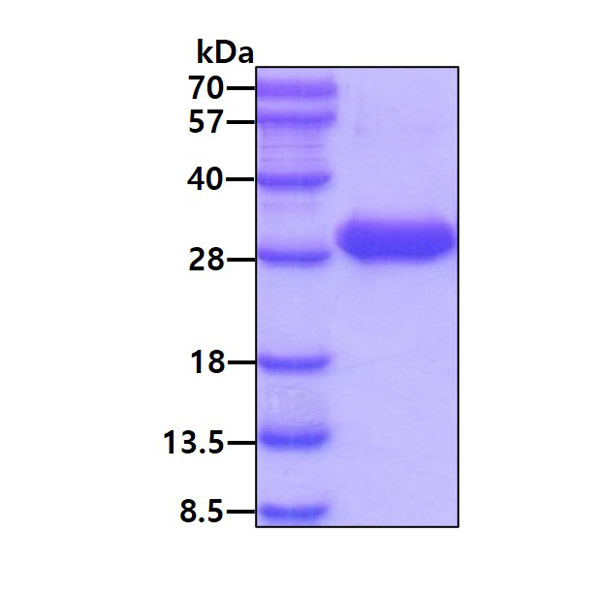
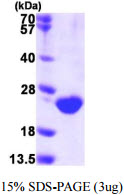
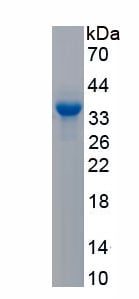
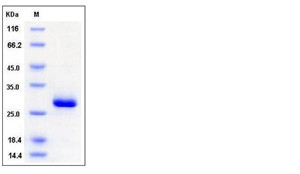
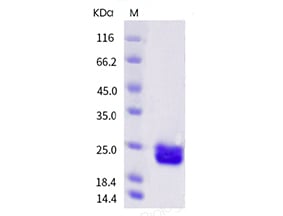
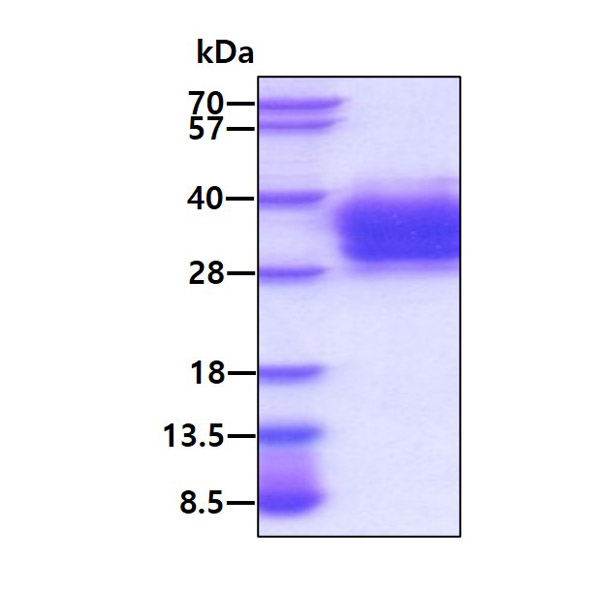
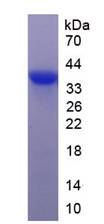
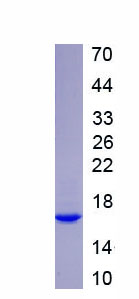
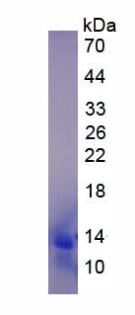
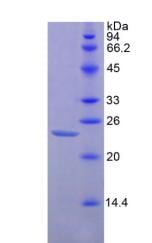
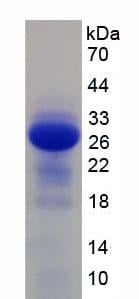
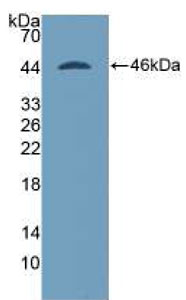
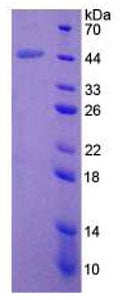
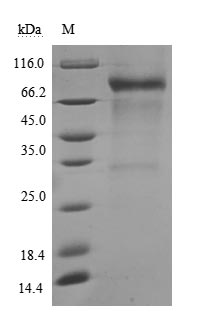
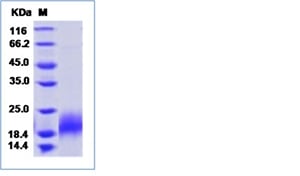
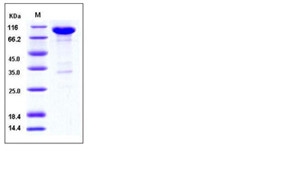
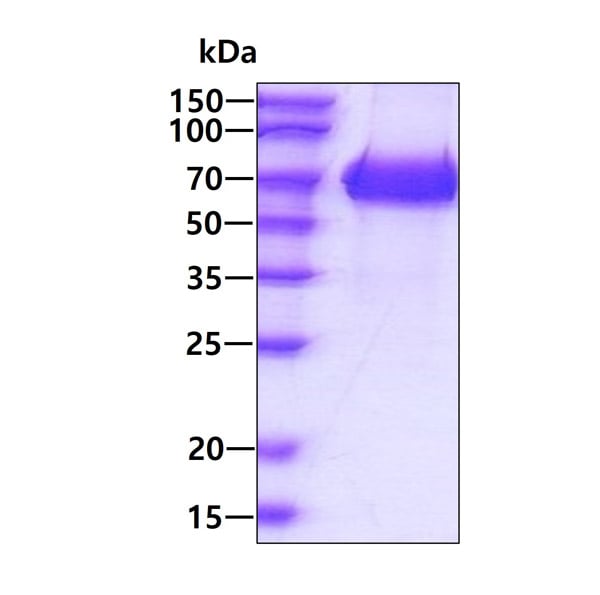
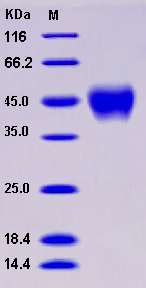
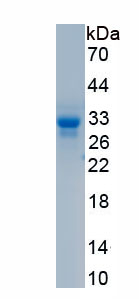
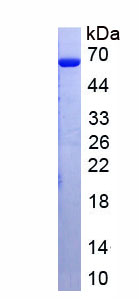
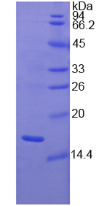
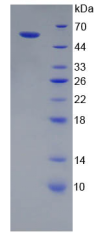
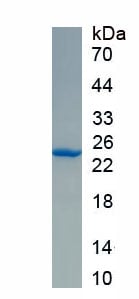
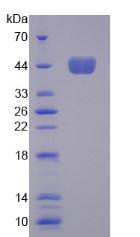
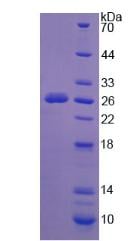
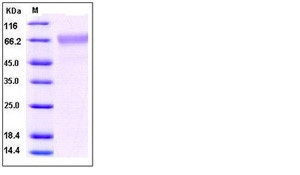
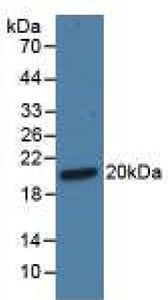
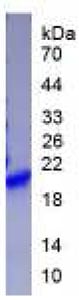
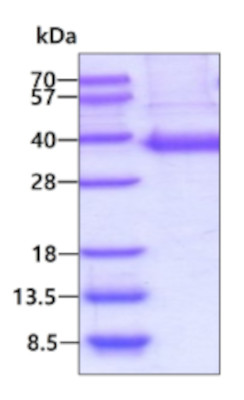
SDS_PAGE (Sample: Active recombinant APOC3, Mouse)
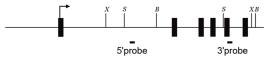
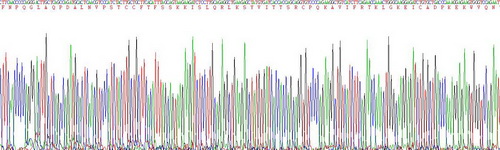
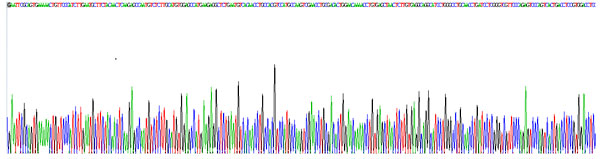
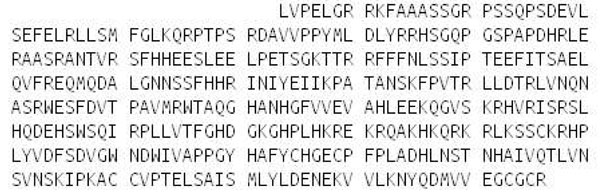
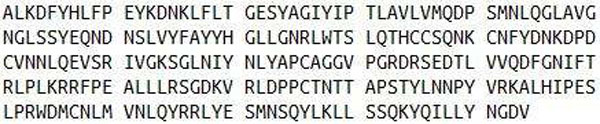
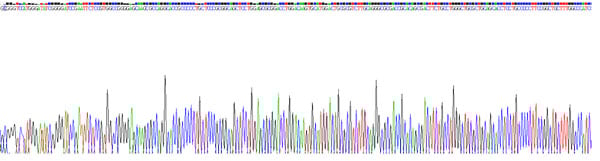
Gene Sequencing (Gene Sequencing (extract))
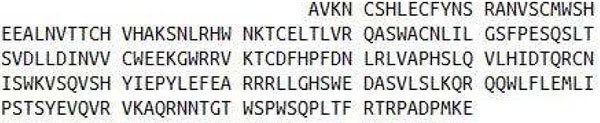
Gene Sequence
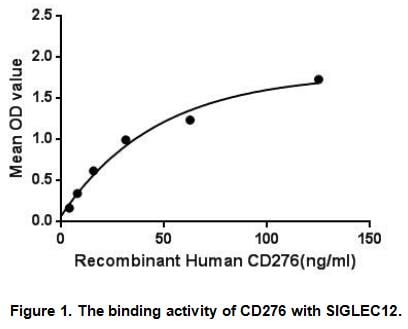
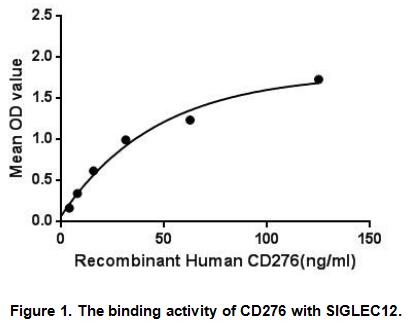
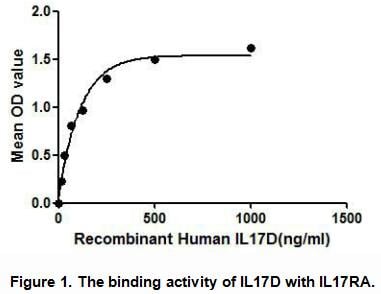
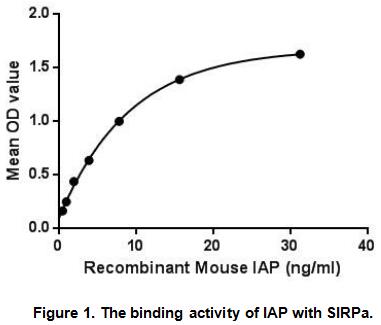
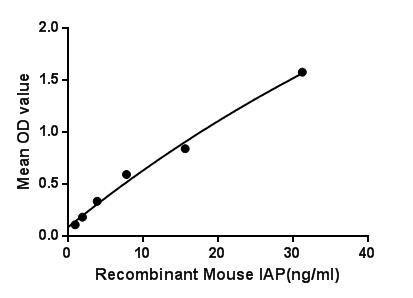
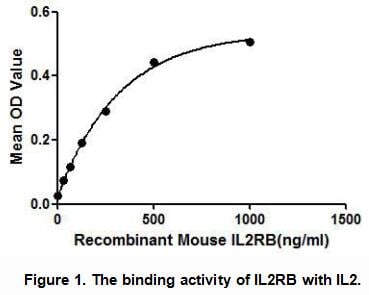
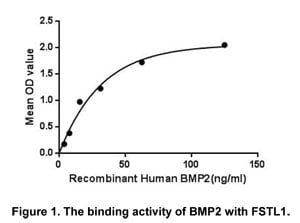
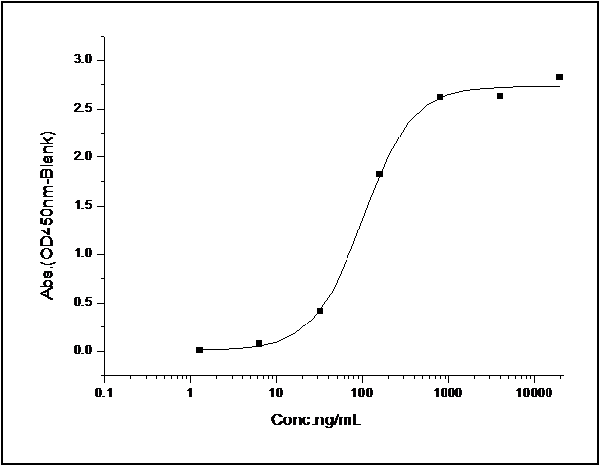
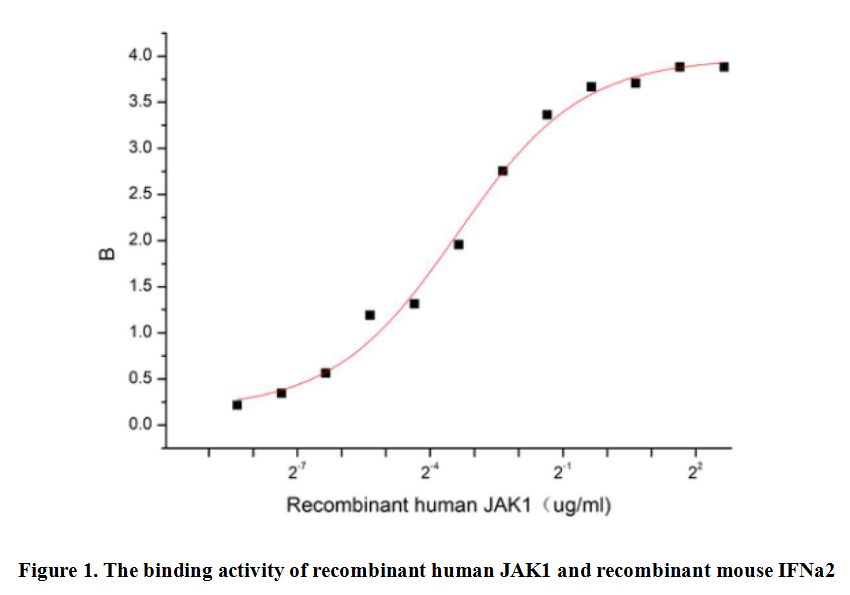
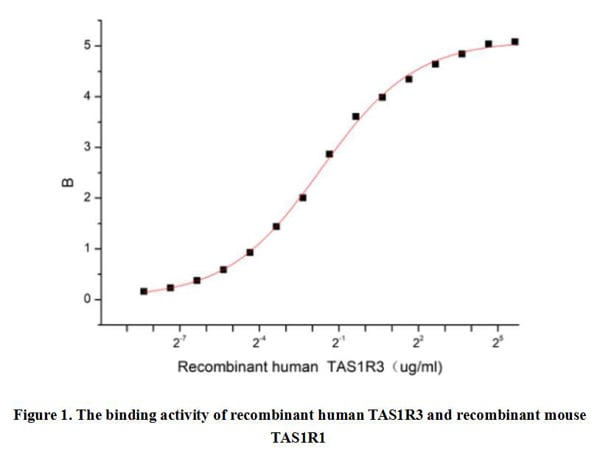
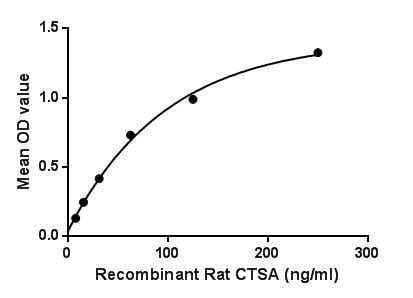
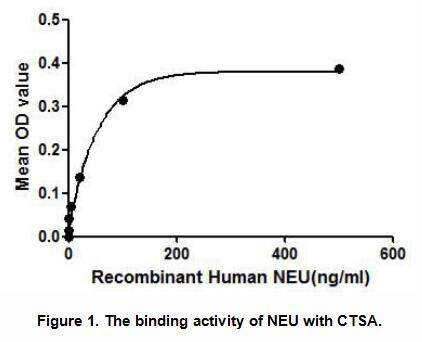
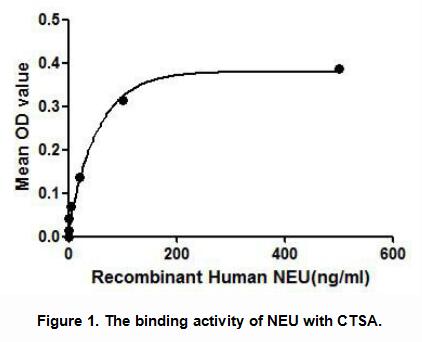
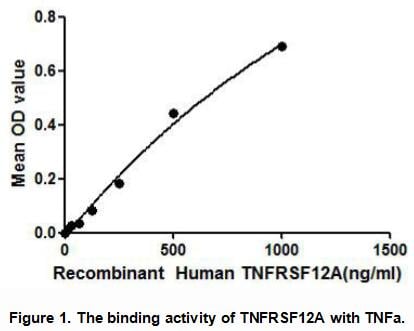
Activity (Figure. The binding activity of APOC3 with PCYOX1. Apolipoprotein C3 (APOC3) also known as apo-CIII is a component of very low density lipoprotein (VLDL). APOC3 inhibits lipoprotein lipase and hepatic lipase; it is thought to inhibit hepatic uptake of triglyceride-rich particles. An increase in apoC-III levels induces the development of hypertriglyceridemia. Some evidences suggest an intracellular role for Apo-CIII in promoting the assembly and secretion of triglyceride-rich VLDL particles from hepatic cells under lipid-rich conditions. Besides, Prenylcysteine Oxidase 1 (PCYOX1) has been identified as an interactor of APOC3, thus a binding ELISA assay was conducted to detect the interaction of recombinant mouse APOC3 and recombinant mouse PCYOX1. Briefly, APOC3 were diluted serially in PBS, with 0.01% BSA (pH 7.4). Duplicate samples of 100muL were then transferred to PCYOX1-coated microtiter wells and incubated for 2h at 37 degree C. Wells were washed with PBST and incubated for 1h with anti-APOC3 pAb, then aspirated and washed 3 times. After incubation with HRP labelled secondary antibody, wells were aspirated and washed 3 times. With the addition of substrate solution, wells were incubated 15-25 minutes at 37 degree C. Finally, add 50uL stop solution to the wells and read at 450nm immediately. The binding activity of APOC3 and PCYOX1 was shown in Figure 1, and this effect was in a dose dependent manner.)
Application Data (Caspase 3 is a member of the cysteine-aspartic acid protease (caspase) family. Sequential activation of caspases plays a central role in the execution-phase of cell apoptosis. Caspases exist as inactive proenzymes that undergo proteolytic processing at conserved aspartic residues to produce two subunits, large and small, that dimerize to form the active enzyme. This protein cleaves and activates caspases 6 and 7; and the protein itself is processed and activated by caspases 8, 9, and 10. Caspase 3 can hydrolyze the peptide substrate acetyl-Asp-Glu-Val-Asp-p-nitroanilide (Ac-DEVD-pNA) resulting in the release of the p-nitroaniline (pNA) moiety. p-Nitroaniline has a high absorbance at 405nm. Thus the activity of recombinant human caspase 3 can be measured by calculate the concentration of the pNA released from the substrate. The reaction was performed in adding 50L 2×buffer (50mM HEPES, 100mM NaCl, 10mM DTT, 2mM EDTA, 10% glycerol) to 96 well plates, then add 50L various concentration of caspe 3 (diluted by 1×buffer, 25mM HEPES, 50mM NaCl, 5mM DTT, 1mM EDTA, 5% glycerol) to each well, finally, add 5L 4mmol Ac-DEVD-pNA to each well. Cover the 96 well plates and incubate at 37 for 2h. p-Nitroaniline (pNA) standard curve prepare by double dilute 200M pNA with 1×buffer and record the OD value at 405nm. Calculate the caspase 3 activity in pmol of pNA released per min per g recombinat human caspase 3.The specific activity of recombinant human caspase 3 is 2196pmol/min/g.)
Application Data (Tumor protein p53, also known as p53, cellular tumor antigen p53 (UniProt name), phosphoprotein p53, tumor suppressor p53, antigen NY-CO-13, or transformationrelated protein 53 (TRP53), is any isoform of a protein encoded by homologous genes in various organisms, such as TP53 (humans) and Trp53 (mice). TP53 involved in cell cycle regulation as a trans-activator that acts to negatively regulate cell division by controlling a set of genes required for this process. One of the activated genes is an inhibitor of cyclin-dependent kinases. To test the effect of TP53 on cell apoptosis, Jurkat cells were seeded into triplicate wells of 96-well plates at a density of 5,000 cells/well with 1% serum standard 1640 including various concentrations of recombinant human TP53. After incubated for 72h, cells were observed by inverted microscope and cell proliferation was measured by Cell Counting Kit-8 (CCK-8). Briefly, 10uL of CCK-8 solution was added to each well of the plate, then the absorbance at 450nm was measured using a microplate reader after incubating the plate for 1-4 hours at 37?. Proliferation of Jurkat cells after incubation with TP53 for 72h observed by inverted microscope was shown in Figure 1. Cell viability was assessed by CCK-8 (Cell Counting Kit-8) assay after incubation with recombinant TP53 for 72h. The result was shown in Figure 2. It was obvious that TP53 significantly inhibit cell viability of Jurkat cells.)
Bioactivity (Figure. The binding activity of Hepc with FPN.Hepcidin (Hepc) is a regulator of iron metabolism. Hepcidin inhibits iron transport by binding to the iron export channel ferroportin which is located on the basolateral surface of gut enterocytes and the plasma membrane of reticuloendothelial cells (macrophages). Hepcidin ultimately breaks down the transporter protein in the lysosome. Inhibiting ferroportin prevents iron from being exported and the iron is sequestered in the cells. Besides, Ferroportin (FPN) has been identified as an interactor of Hepc, thus a binding ELISA assay was conducted to detect the interaction of recombinant human Hepc and recombinant human FPN. Briefly, Hepc were diluted serially in PBS, with 0.01% BSA (pH 7.4). Duplicate samples of 100uL were then transferred to FPN-coated microtiter wells and incubated for 2h at 37. Wells were washed with PBST and incubated for 1h with anti-Hepc pAb, then aspirated and washed 3 times. After incubation with HRP labelled secondary antibody, wells were aspirated and washed 3 times. With the addition of substrate solution, wells were incubated 15-25 minutes at 37. Finally, add 50uL stop solution to the wells and read at 450nm immediately. The binding activity of Hepc and FPN was shown in Figure 1, and this effect was in a dose dependent manner.)
Bioactivity (Figure. Cell suppresstion of HepG2 cells after stimulated with SFRP1.)
Application Data (To measuered the ability of SFRP1 on tumor suppression, liver cancer HepG2 cells were seeded into triplicate wells of 96-well plates at a density of 5,000 cells/well and allowed to attach, replaced with serum-free overnight, then the medium was replaced with 2% serum standard DMEM prior to the addition of various concentrations of recombinant rat SFRP1. After incubated for 96h, cells were observed by inverted microscope and cell proliferation was measured by Cell Counting Kit-8 (CCK-8). Briefly, 10uL of CCK-8 solution was added to each well of the plate, then the absorbance at 450nm was measured using a microplate reader after incubating the plate for 1-4 hours at 37. Suppression of HepG2 cells after incubation with SFRP1 for 96h observed by inverted microscope was shown in Figure 2. Cell viability was assessed by CCK-8 assay after incubation with recombinant SFRP1 for 96h. The result was shown in Figure 3. It was obvious that SFRP1 significantly decreased cell viability of HepG2 cells. (A) HepG2 cells cultured in DMEM, stimulated with 1000ng/mL SFRP1 for 96h; (B) Unstimulated HepG2 cells cultured in DMEM for 96h.Figure. Cell suppresstion of HepG2 cells after stimulated with SFRP1.)
Activity (Arginase (Arg) is an enzyme that catalyzes the degradation of arginine to produce urea and omithine, which is crucial in the urea cycle. In most mammals, two isozymes of this enzyme exist; the first, Arginase I, functions in the urea cycle, and is located primarily in the cytoplasm of the liver. The second isozyme, Arginase II, has been implicated in the regulation of the arginine/ornithine concentrations in the cell. Besides, Ubiquitin Carboxyl Terminal Hydrolase L5 (UCHL5) has been identified as an interactor of Arg, thus a binding ELISA assay was conducted to detect the interaction of recombinant human Arg and recombinant human UCHL5. Briefly, Arg were diluted serially in PBS, with 0.01% BSA (pH 7.4). Duplicate samples of 100uL were then transferred to UCHL5-coated microtiter wells and incubated for 2h at 37 degree C. Wells were washed with PBST and incubated for 1h with anti-Arg pAb, then aspirated and washed 3 times. After incubation with HRP labelled secondary antibody, wells were aspirated and washed 3 times. With the addition of substrate solution, wells were incubated 15-25 minutes at 37 degree C. Finally, add 50uL stop solution to the wells and read at 450nm immediately. The binding activity of of Arg and UCHL5 was shown in Figure 1, and this effect was in a dose dependent manner.)
Activity (Arginase (Arg) is an enzyme that catalyzes the degradation of arginine to produce urea and omithine, which is crucial in the urea cycle. In most mammals, two isozymes of this enzyme exist; the first, Arginase I, functions in the urea cycle, and is located primarily in the cytoplasm of the liver. The second isozyme, Arginase II, has been implicated in the regulation of the arginine/ornithine concentrations in the cell. Besides, Ubiquitin Carboxyl Terminal Hydrolase L5 (UCHL5) has been identified as an interactor of Arg, thus a binding ELISA assay was conducted to detect the interaction of recombinant mouse Arg and recombinant mouse UCHL5. Briefly, Arg were diluted serially in PBS, with 0.01% BSA (pH 7.4). Duplicate samples of 100uL were then transferred to UCHL5-coated microtiter wells and incubated for 2h at 37 degree C. Wells were washed with PBST and incubated for 1h with anti-Arg pAb, then aspirated and washed 3 times. After incubation with HRP labelled secondary antibody, wells were aspirated and washed 3 times. With the addition of substrate solution, wells were incubated 15-25 minutes at 37 degree C. Finally, add 50uL stop solution to the wells and read at 450nm immediately. The binding activity of of Arg and UCHL5 was shown in Figure 1, and this effect was in a dose dependent manner.)
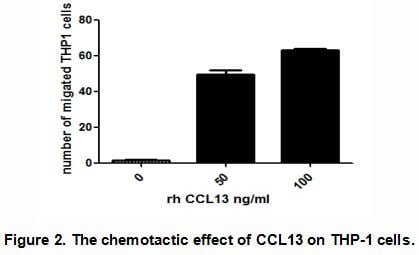
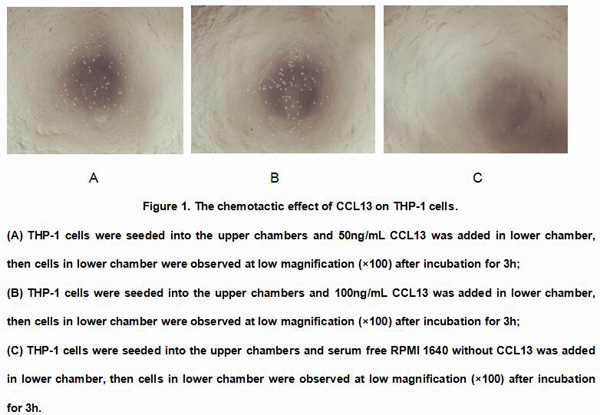
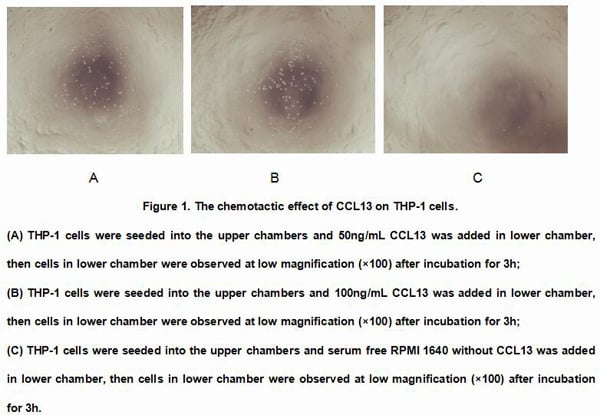
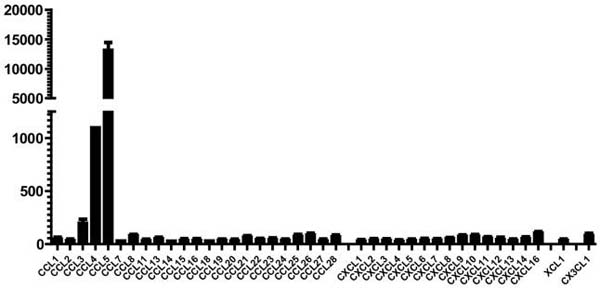
Activity (CCL13 (C-C motif chemokine 13) is a chemotactic factor that attracts monocytes, lymphocytes, basophils and eosinophils, which belongs to the CC chemokine subfamily. It has been reported that CCL13 can induce chemotactic migration of THP-1 cells. Therefore, chemotaxis assay used 24-well microchemotaxis system was undertaken to detect the chemotactic effect of CCL13 on the human monocytic cell line THP-1. Briefly, THP-1 cells were seeded into the upper chambers (100uL cell suspension, 106 cells/mL in RPMI 1640 with 0.5% FBS) and CCL13 (50ng/mL and 100ng/mL diluted separately in serum free RPMI 1640) was added in lower chamber with a polycarbonate filter (8um pore size) used to separate the two compartments. After incubation at 37oC with 5% CO2 for 3h, the filter was removed, then cells in low chamber were observed by inverted microscope at low magnification (×100) and the number of migrated cells were counted at high magnification (×400) randomly (five fields for each filter).Result: CCL13 is able to induce migration of THP-1 cells. The migrated THP-1 cells in low chamber at low magnification (×100) were shown in Figure 1. Five fields of each chamber were randomly chosen to count the migrated cells at high magnification (×400) and the statistical data was shown in Figure 2.)
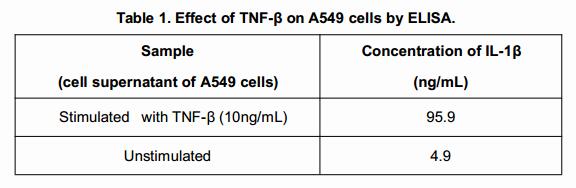
Activity (IL-1beta (Interleukin-1 beta) is a proinflammatory and immunoregulatory cytokine involved in a variety of cellular activities. It is produced by activated macrophages as a proprotein, and then proteolytically processed to an active form. It has been reported that IL-1beta-induced IL-6 production is mediated by both PI3K and IRAK4 in A549 cells. To detect the bioactivity of IL-1beta, A549 cells were seeded into 24-well plate at a density of 1x10^5cells/mL, and allowed to attach overnight before treated with or without certain concentrations (1ng/mL, 10ng/mL) of IL1-beta for 4h and IL-6 levels in the cell supernatant were determined by ELISA.IL-6 levels in the cell supernatant of A549 cells increased significantly after stimulated with IL1-beta, the data was shown in Table 1 and Figure 1.)
Bioactivity (Peptidyl-glycine alpha-amidating monooxygenase (PAM) is an enzyme that is required for the biosynthesis of many signaling peptides. This enzyme mainly includes two domains with distinct catalytic activities, a peptidylglycine alphahydroxylating monooxygenase (PHM) domain and a peptidyl-alpha- hydroxyglycine alpha-amidating lyase (PAL) domain. These catalytic domains work sequentially to catalyze neuroendocrine peptides to active alpha-amidated products. Besides, Glucosidase Alpha, Acid (GaA) has been identified as an interactor of PAM, thus a binding ELISA assay was conducted to detect the interaction of recombinant human PAM and recombinant human GaA. Briefly, PAM were diluted serially in PBS, with 0.01% BSA (pH 7.4). Duplicate samples of 100uL were then transferred to GaA-coated microtiter wells and incubated for 2h at 37°C. Wells were washed with PBST and incubated for 1h with anti-PAM pAb, then aspirated and washed 3 times. After incubation with HRP labelled secondary antibody, wells were aspirated and washed 3 times. With the addition of substrate solution, wells were incubated 15-25 minutes at 37°C. Finally, add 50uL stop solution to the wells and read at 450nm immediately. The binding activity of PAM and GaA.was shown in Figure 1, and this effect was in a dose dependent manner.)
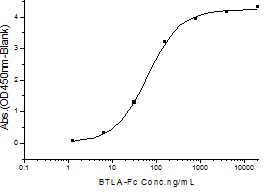
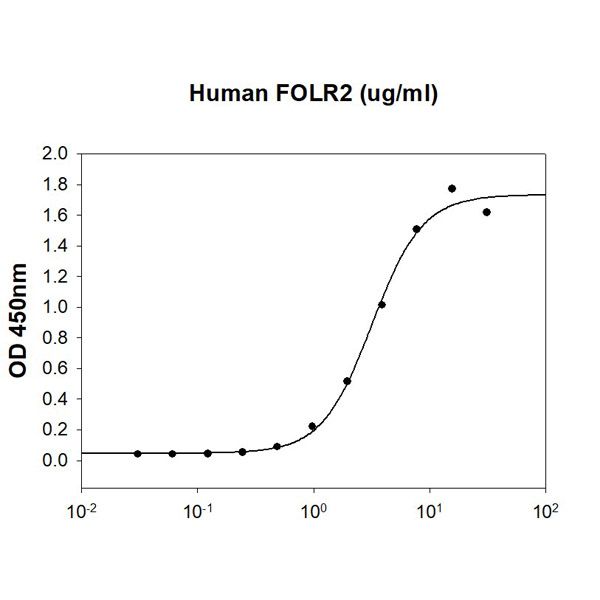
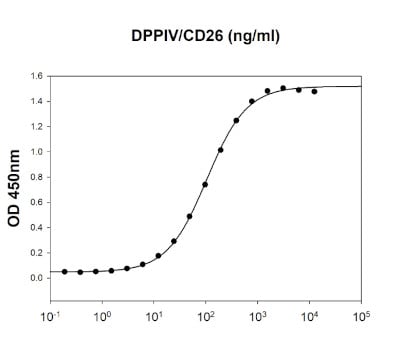
Application Data (Measured by its binding ability in a functional ELISA. Immobilized Human Ephrin-A1 His at 2 ug/ml (100 ul/well) can bind Human EphA1 hFc, the EC50 of Human EphA1 hFc is 8.0-48.0 ng/mL.)
Application Data (Measured by its binding ability in a functional ELISA. Immobilized human ACE2 protein (Fc tag) at 2 ug/mL (100 uL/well) can bind SARS-CoV-2 (2019-nCoV) Spike RBD(Y453F)-His (40592-V08H80), the EC50 of SARS-CoV-2 (2019-nCoV) Spike RBD(Y453F)-His (40592-V08H80) is 5-20 ng/mL.)
Application Data (Immobilized human ACE2 protein (Fc tag)(Cat: 10108-H05H) at 2 ug/mL (100 uL/well) can bind Recombinant SARS-CoV-2 (BA.2.12.1) Spike RBD Protein(His&AVI Tag), Biotinylated(Cat: AAA258591), the EC50 is 4.5-13 ng/mL.)
Bioactivity (Figure 2. Inhibition of A549 cells proliferation after stimulated with IFN-.)
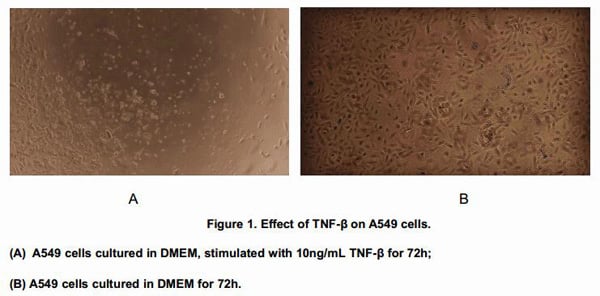
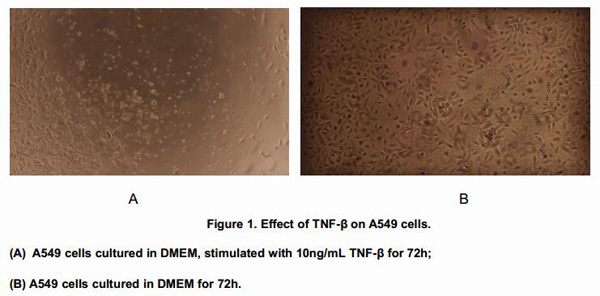
Application Data (Interferon-alpha (IFN-), also known as leukocyte interferon, represents a group of related but distinct proteins that share over 95% amino acid sequence homology. They are members of the type I interferon family which share a common cell surface receptor composed of two subunits. IFN- has both anti-viral and immunomodulatory activities on target cells. To test the effect of IFN- on cell apoptosis, A549 cells were seeded into 96-well plates at a density of 3,000 cells/well with 1% serum standard DMEM including various concentrations of recombinant human IFN-. After incubated for 48h, cells were observed by inverted microscope and cell proliferation was measured by Cell Counting Kit-8 (CCK-8). Briefly, 10 uL of CCK-8 solution was added to each well of the plate, then the absorbance at 450 nm was measured using a microplate reader after incubating the plate for 2 hours at 37. Proliferation of A549 cells after incubation with IFN- for 48h observed by inverted microscope was shown in Figure 1. Cell viability was assessed by CCK-8 (Cell Counting Kit-8) assay after incubation with recombinant human IFN- for 48h. The result was shown in Figure 2. It was obvious that IFN- significantly inhibit cell viability of A549 cells. The ED50 is 3.4 ug/mL.(A) A549 cells cultured in DMEM, stimulated with 10ug/mL IFN- for 48h;(B) Unstimulated A549 cells cultured in DMEM for 48h.Figure 1. Inhibition of A549 cells proliferation after stimulated with IFN-)
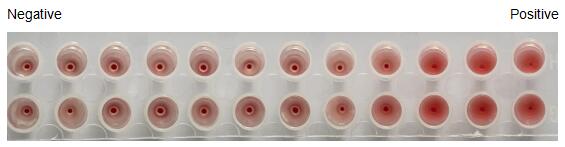
Bioactivity (Perforin 1 (PRF1) is a pore forming cytolytic protein found in the granules of cytotoxic T lymphocytes (CTLs) and NK cells. Upon degranulation, perforin binds to the target cell's plasma membrane, and oligomerises in a Ca2+ dependent manner to form pores on the target cell. The pore formed allows for the passive diffusion of a family of pro-apoptotic proteases, known as the granzymes, into the target cell. The activity of recombinant PRF1 was measured by lysis of erythrocytes using a hemolysis assay. A general procedure is as fllows: two-fold dilute the recombinant human PRF1 with 0.9% NaCl, add 50ul a serial dilution of PRF1, 10ul 0.1M CaCl2 to each well, then add 50ul 0.25% rabbit erythrocyte (RaE) to each well and mixed gently. Add 50ul 0.9% NaCl to reaplace PRF1 in control wells. The plate is incubated for 20 hours at 37 degree C, 5% CO2. The results are shown in Figure 2. It was obvious that the minimal effective concentration of PRF1 is 2.5ug/ml.Figure 1. Hemolysis activity of recombinant human PRF1(A) 0.25% RaE treated with 2.5ug/ml PRF1 for 20h;(B) 0.25% RaE treated with without PRF1.)
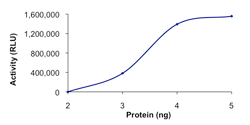
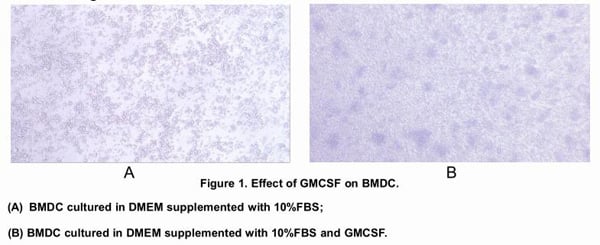
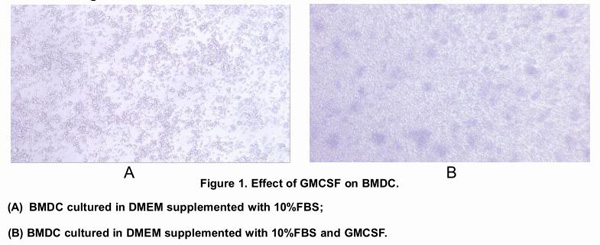
Activity (Measured in a cell proliferation assay using mouse BMDC (bone marrow derived dendritic cells). The ED50 (median effective dose) for this effect is less than 0.25 ng/mL.In-house data of APA045Mu01 used in cellular experiment:Six-eight weeks old Balb/c mice were used for BMDC. At first, mouse femur and tibia were taken out, and then bone marrow was washed out with serum-free RPMI 1640 medium, followed by centrifugation at 1200RPM for 5min (4oC). ACK buffer was added to get rid of red blood cells, and then, centrifuged at 1200RPM for 5min (4oC). Cell pellets were collected and re-suspended, the cells were cultured in DMEM medium supplemented with 10% FBS, or DMEM medium supplemented with 10% FBS and GMCSF (APA045Mu01) at 37oC with 5% CO2 in thermostatic incubator. Three days later, cells were observed by microscope, and the result is shown in Figure 1.)
Activity (IFN-gamma is an important activator of macrophages, it promotes production of inducible Nitric Oxide Synthase (iNOS) in macrophages. After stimulated with IFN-gamma, morphological changes will occur in murine macrophage cell line (Raw 246.7 cells), and inducible nitric-oxide synthase (iNOS) in the cells will increase. Raw 246.7 cells were incubated in DMEM with IFN-gamma (2ng/mL) for 24h, then cells were observed by inverted microscope and iNOS in cell lysates was detected by ELISA.)
Activity (MIP-1a (macrophage inflammatory protein 1-alpha) also known as Chemokine (C-C motief) ligand 3 (CCL3), is a cytokine belonging to the CC chemokine family that is involved in the recruitment and activation of macrophages, monocytes and neutrophils. In this case, chemotaxis assay used 24-well microchemotaxis system was undertaken to evaluate the chemotactic effect of MIP-1a on the human monocytic cell line THP1. Briefly, THP1 cells were seeded into the upper chambers (100ul cell suspension, 106 cells/ml in RPMI 1640 with 0.5% FBS) and MIP-1a (100ng/mL, diluted in serum free RPMI 1640 ) was added in lower chamber with a polycarbonate filter (8um pore size) used to separate the two compartments. After incubation at 37oC with 5% CO2 for 5h, the filter was removed, then cells in low chamber were observed by inverted microscope at low magnification (×40) and the number of migrated cells were counted at high magnification (×400) randomly (five fields for each filter).By counting migrated cells in low chamber at high magnification (×400) randomly, it was shown that a mean of 41.2 THP1 cells/field migrated towards serum free RPMI 1640 medium with 100ng/mL MIP-1a, while only 3.6 THP1 cells/field migrated towards serum free RPMI 1640 medium. And the migrated THP1 cells in low chamber at low magnification (×40) was shown in Figure 1.)
Activity (Mechanism: MMP2 is a zinc-dependent enzymes capable of cleaving components of the extracellular matrix, which belongs to the matrix metalloproteinase (MMP) family. It is a gelatinase A, 72kDa type IV collagenase which can hydrolyze gelatin under certain conditions. Gelatin zymography is mainly used for the detection of the gelatinases, MMP-2 and MMP-9 and It is extremely sensitive because levels of 10pg of MMP-2 can already be detected. Briefly, various concentrations of MMP2 (500ng, 125ng, 63ng, 32ng, 16ng) were denatured by SDS loading buffer, electrophoresed through sodium dodecylsulphate-polyacrylamide gel (SDS-PAGE; 10% gels) containing gelatin (1mg/mL) with nonreducing conditions. After renaturation, incubation and CCB-stained, active MMP2 would hydrolyze gelatin nearby, which was indicated by the white binds on the gel. In this experiment we use heat-denatured MMP2 protein as negative control, and blood sample as positive control.Result 1: Gelatin hydrolysis by recombinant human MMP2 was shown in figure 1.)
Activity (INS (Insulin) is a peptide hormone produced by beta cells of the pancreatic islets, which decreases blood glucose concentration and increases cell permeability to monosaccharides, amino acids and fatty acids. It has been reported that insulin triggers phosphorylation of a number of substrates by binding to its receptors, which was important for cell proliferation, cell cycle progression, cell division and differentiation. To detect the effect of Insulin on cell proliferation, MCF-7 cells were seeded into triplicate wells of 96-well plates at a density of 2,000 cells/well and allowed to attach overnight, then the medium was replaced with serum-free standard DMEM prior to the addition of various concentrations of INS. After incubated for 48h, cells were observed by inverted microscope and cell proliferation was measured by Cell Counting Kit-8 (CCK-8). Briefly, 10uL of CCK-8 solution was added to each well of the plate, then the absorbance at 450nm was measured using a microplate reader after incubating the plate for 1-4 hours at 37 degree C.)
Bioactivity (Sex hormone-binding globulin (SHBG) or sex steroid-binding globulin (SSBG) is a glycoprotein, a molecule that consists of a carbohydrate plus a protein, and is produced mainly in your liver. It binds to three sex hormones found in both men and women: estrogen, dihydrotestosterone (DHT) and testosterone. Its job is to transport these hormones throughout your blood to other tissues in your body. Thus a binding ELISA assay was conducted to detect the interaction of recombinant human SHBG and bsa-conjugated testosterone(Testo) . Briefly, biotin-linked recombinant human SHBG were diluted serially in PBS, with 0.01% BSA (pH 7.4). Duplicate samples of 100?l were then transferred to bsa-conjugated Testo -coated microtiter wells and incubated for 1h at 37?. Wells were washed with PBST 3 times and incubation with HRP conjugage for 30min, then wells were aspirated and washed 5 times. With the addition of substrate solution, wells were incubated 15-25 minutes at 37?. Finally, add 50ul stop solution to the wells and read at 450nm immediately. The binding activity of SHBG and Testo was shown in Figure 1, and this effect was in a dose dependent manner.)
Proteins are large molecules made up of long chains of amino acids.
They will typically fold into a very particular 3-dimensional shape/conformation, that is sometimes referred to as their “native” form, which allows them to work properly in the body. For the purposes of product categorization, AAA Biotech will typically refer to proteins purified from their original animal host as being “native” proteins (this is to signify their difference compared to their “recombinant” or “synthetic” protein counterparts).
If a protein successfully folds into the correct shape, it is will typically display high fidelity characteristics to its original protein in its original animal host, and be classified as an active protein, as it will be able to function “normally” in most enzymatic or binding capacities. If it loses this shape, due to factors such as heat or strong chemicals (such as detergents), it becomes inactive and is no longer able to perform its basic functions. All of the proteins in this category are made under strict quality control, and they are active, pure, low in contaminants, and stable.
Most are stored as freeze-dried powders and come without extra tags, so they’re very close to the actual natural/native form.
Key Applications of Active Proteins
1. Scientific Research
Aid in the study of how proteins function in the body
Aid in understanding various disease processes
2. Drug Development
Powerful tools to investigate how potential drugs interact with specific proteins
Ideal for identifying drug targets
3. Cell Culture
Are routinely utilized to support cell growth and function (e.g., using exogenous growth factors)
Can be used to promote cellular development into specific types (differentiation)
4. Diagnostics
Regularly utilized in tests to detect diseases or infections (e.g., COVID-19, cancer)
Note: All products are strictly for research-use only (RUO).
5. Therapeutics
Some active proteins are used directly as treatments (e.g., insulin, enzymes)
Note: All products are strictly for research-use only (RUO).
6. Vaccine Development
Used to create or test vaccines by mimicking parts of viruses or bacteria
7. Biochemical Assays
They can facilitate the characterization of enzyme activity, binding strength, or protein interactions in lab tests
Why Buy Active Proteins from AAA Biotech?
High biological activity – Verified to perform as expected or indicated on datasheet
Strict quality control – We are confident in our active proteins’ reliability and consistency
High purity & low endotoxin – Ideal for applications involving sensitive or precious samples/components
Freeze-dried for stability – Long shelf life and straightforward storage
Mostly tag-free – Closer to natural/native protein form
FAQ
1. What are active proteins used for in research?
Active proteins are used primarily in the study of how proteins function, in characterizing/discovering drug interactions, supporting cell growth, running biochemical assays, and in development of diagnostics or therapeutics.
2. How are AAA Biotech's active proteins validated?
AAA Biotech’s active proteins are validated through strict quality control and functional assays to ensure they are properly folded and active. “Active”, though, can be an ambiguous term, so if a specific “activity” or “binding” capability of a protein is of crucial interest to you, please inquire with us prior to purchase, and we will provide further details on how the “Active” modifier was determined to be applicable.
3. Are these proteins tested for biological activity?
Yes, all active proteins from AAA Biotech are tested to confirm they have the expected biological activity before being offered for use. Though, said “biological activity” can be either “enzymatic”, “binding”, or both.
Submit a Question
Please complete the form below and a representative will contact you as soon as possible.
Request more Information
Please complete the form below and a representative will contact you as soon as possible.
Request a Manual
Please complete the form below and a representative will contact you as soon as possible.
Request a Quote
Please complete the form below and a representative will contact you as soon as possible.