At AAA Biotech, we provide a broad range of purified polyclonal antibodies (pAbs) that are able to all be browsed online through our website. Due to their high specificity and strong binding affinity, these antibodies are ideal for wide swathes of research and experimental applications.
Our polyclonal antibodies can easily support your work, whether you use them for Western Blotting, Immunocytochemistry (with or without Immunofluorescence used in conjunction), Immunohistochemistry, Immunoprecipitation, and ELISA tests. We highly encourage you to browse our range of pAbs and choose the one that best suits your experimental model.
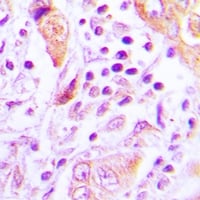
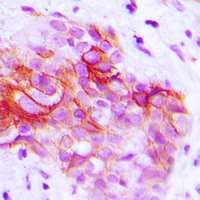
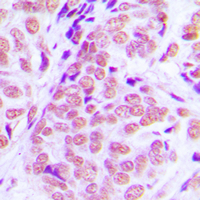
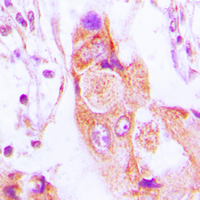
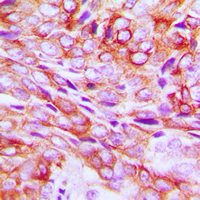
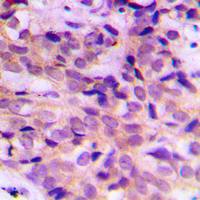
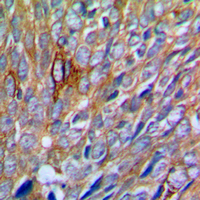
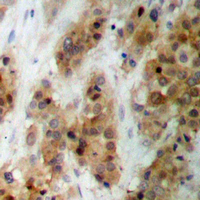
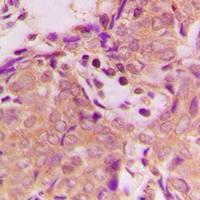
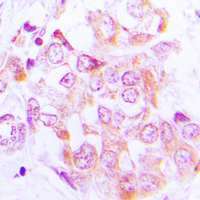
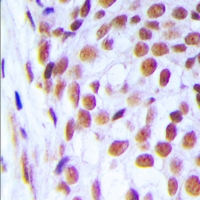
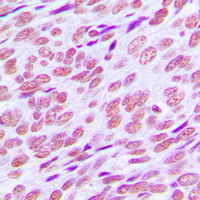
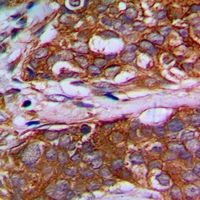
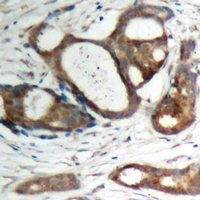
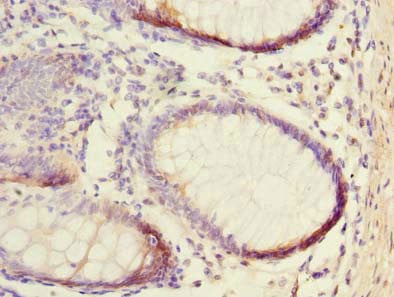
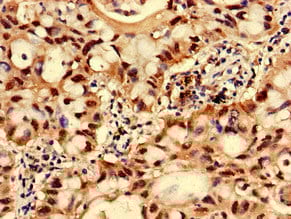
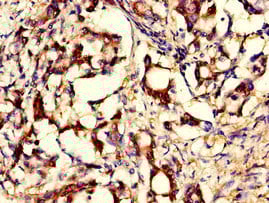
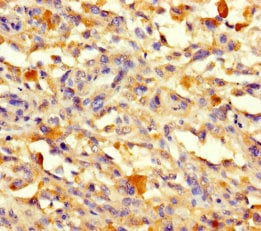
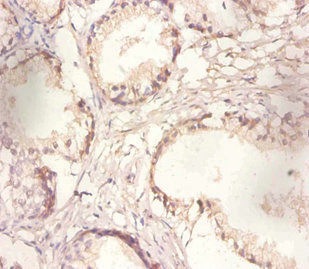
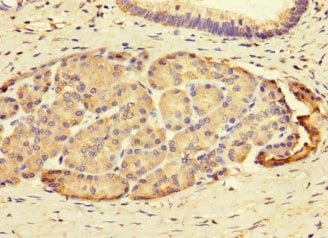
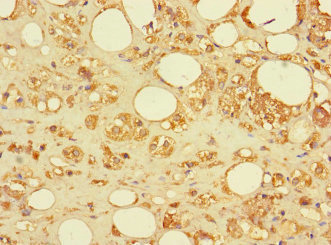
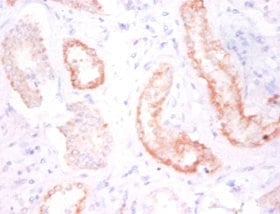
IHC (Immunohistochemistry) (AAA30949 at 1/50 staining human breast cancer tissue sections by IHC-P. The tissue was formaldehyde fixed and a heat mediated antigen retrieval step in citrate buffer was performed. The tissue was then blocked and incubated with the antibody for 1.5 hours at 22 degree C. An HRP conjugated goat anti-rabbit antibody was used as the secondary.)
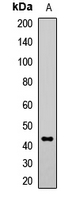
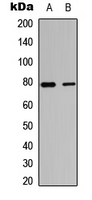
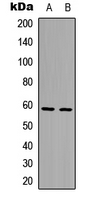
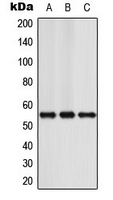
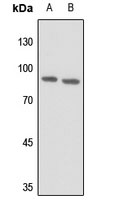
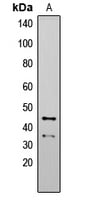
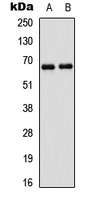
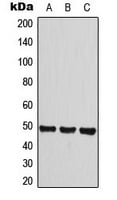
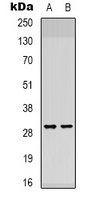
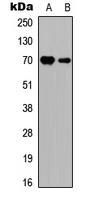
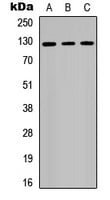
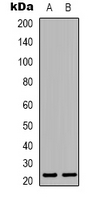
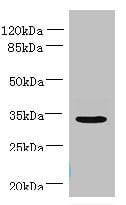
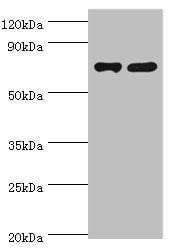
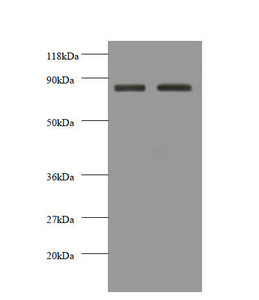
WB (Western Blot) (Western blot analysis of IKK alpha/IKK beta phosphorylation expression in TNF treated NIH-3T3 whole cell lysates, The lane on the left is treated with the antigen-specific peptide.)
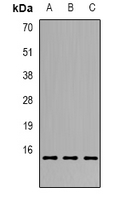
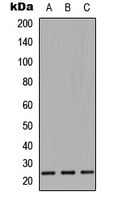
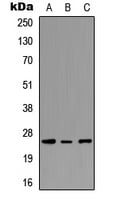
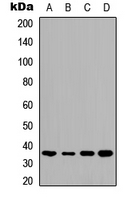
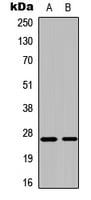
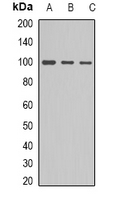
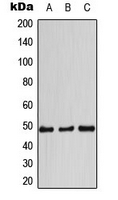
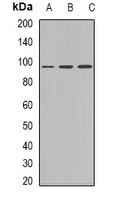
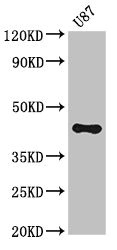
WB (Western Blot) (Western blot analysis of TIMP4 expression in NIH-3T3 whole cell lysates, The lane on the left is treated with the antigen-specific peptide.Western blot analysis of extracts of various celllines, using Phospho-PDK1 (Ser241) Antibody.)
WB (Western Blot) (Western blot analysis of IKK alpha/IKK beta phosphorylation expression in TNF treated Hela whole cell lysates, The lane on the right is treated with the antigen-specific peptide.)
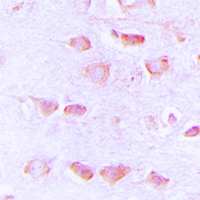
IHC (Immunohistochemistry) (AAA30949 at 1/200 staining human breast cancer tissue sections by IHC-P. The tissue was formaldehyde fixed and a heat mediated antigen retrieval step in citrate buffer was performed. The tissue was then blocked and incubated with the antibody for 1.5 hours at 22 degree C. An HRP conjugated goat anti-rabbit antibody was used as the secondary.)
IHC (Immunohistochemistry) (AAA30949 at 1/50 staining human breast cancer tissue sections by IHC-P. The tissue was formaldehyde fixed and a heat mediated antigen retrieval step in citrate buffer was performed. The tissue was then blocked and incubated with the antibody for 1.5 hours at 22 degree C. An HRP conjugated goat anti-rabbit antibody was used as the secondary.)
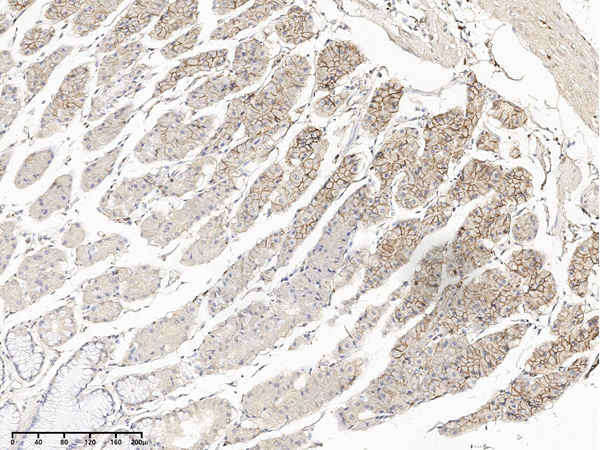
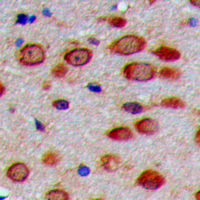
IHC (Immunohistochemistry) (IHC of mouse retina using anti-CTNNB1 antibody and FFPE tissue after heat-induced antigen retrieval. Anti-CTNNB1 Ab at 1:500/DAB detection.)
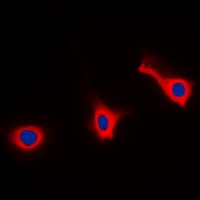
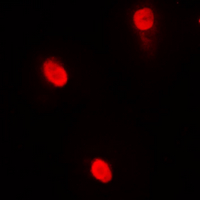
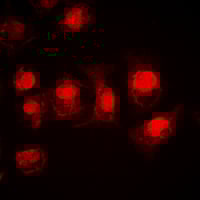
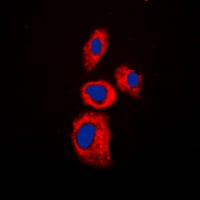
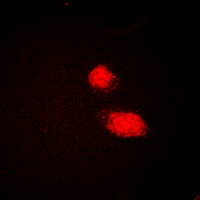
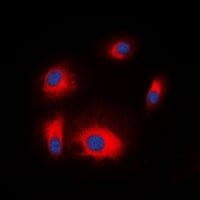
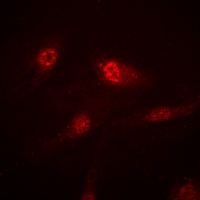
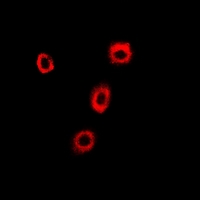
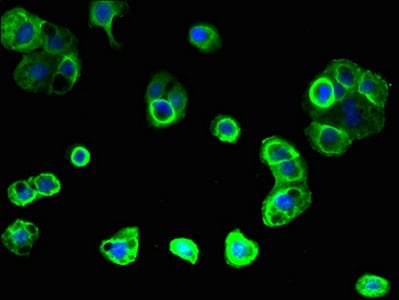
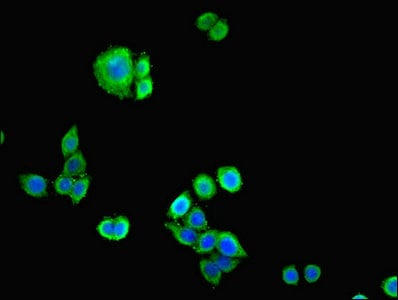
IF (Immunofluorescence) (Confocal immunofluorescence – anti-Catenin beta1 Ab in BEAS-2B cells at 1/250 dilution; cells were fixed with 4% of PFA;)
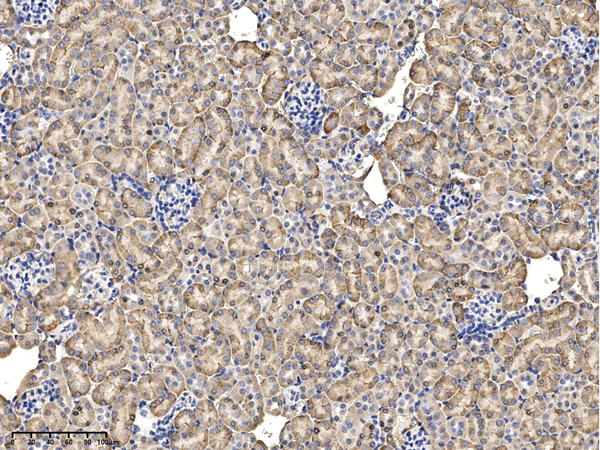
IHC (Immunohistochemistry) (IHC of mouse lung using anti-CTNNB1 antibody and FFPE tissue after heat-induced antigen retrieval. Anti-CTNNB1 Ab at 1:500/DAB detection.)
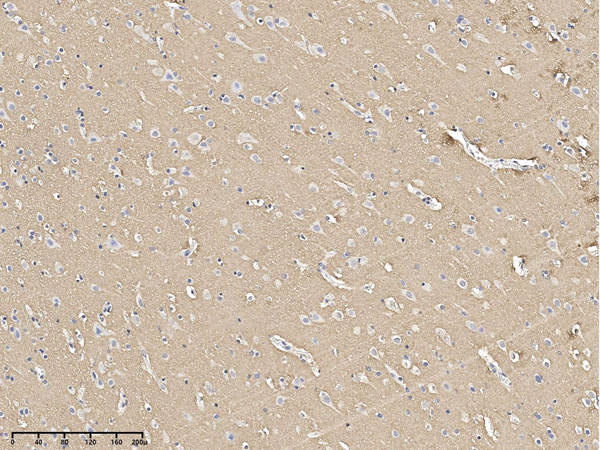
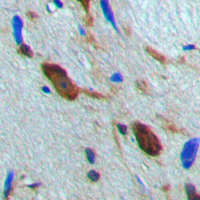
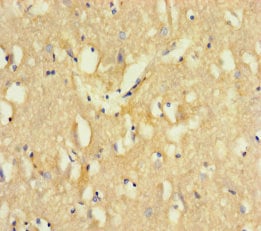
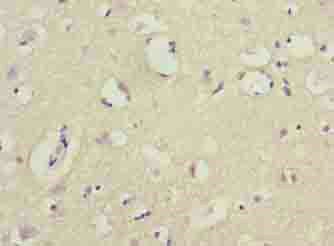
IHC (Immunohistchemistry) (IHC of mouse brain using anti-CTNNB1 antibody and FFPE tissue after heat-induced antigen retrieval. Anti-CTNNB1 Ab at 1:500/DAB detection.)
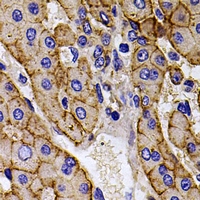
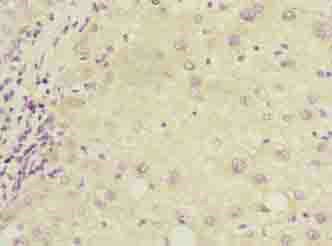
IHC (Immunohistochemistry) (IHC of mouse liver using anti-CTNNB1 antibody and FFPE tissue after heat-induced antigen retrieval. Anti-CTNNB1 Ab at 1:500/DAB detection.)
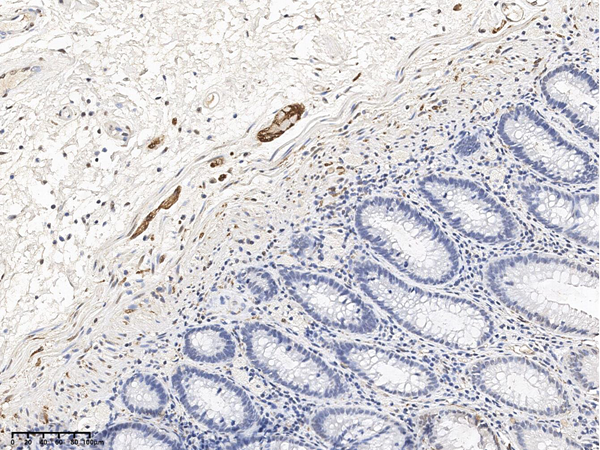
IHC (Immunohistochemistry) (IHC of mouse intestine using anti-CTNNB1 antibody and FFPE tissue after heat-induced antigen retrieval. Anti-CTNNB1 Ab at 1:500/DAB detection.)
IF (Immunofluorescence) (Confocal immunofluorescence – anti-Catenin beta1 Ab in BEAS-2B cells at 1/250 dilution; cells were fixed with 4% of PFA;)
WB (Western Blot) (Anti-beta-Catenin Ab at 1/1,000 dilution; lysate at 100 µg per lane; Rabbit polyclonal to goat IgG (HRP) at 1/10,000 dilution;)
Immunofluorescence, Western Blot, Immunohistochemistry
Pricing
WB (Western Blot) (AAA13658 (0.5 ug/ml) staining of Mouse Bone Marrow (wildtype first lane, KO second lane) lysates (35 ug protein in RIPA buffer). Primary incubation was overnight at 4C Detected with chemiluminescence. Data obtained from anonymous customer)
WB (Western Blot) (Sample Type: Human Fetal liverAPOE antibody - N-terminal region validated by WB using Fetal liver cell lysate at 1ug/ml.)
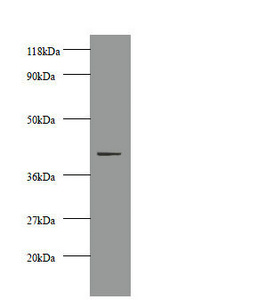
WB (Western Blot) (Sample Type: Mouse brainAPOE antibody - N-terminal region validated by WB using brain lysate at 1: 1,000.)
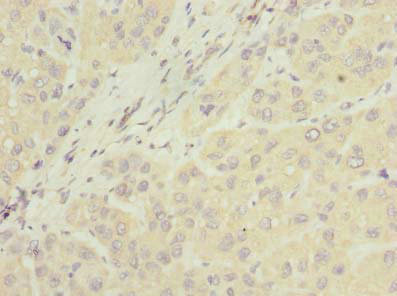
IHC (Immunohistochemistry) (Sample Type: Human Liver TissueAPOE antibody - N-terminal region Formalin Fixed Paraffin Embedded Tissue: Human Liver Tissue Observed Staining: Cytoplasm and membrane of hepatocytesPrimary Antibody Concentration: 1:100 Other Working Concentrations: 1/600 Secondary Antibody: Donkey anti-Rabbit-Cy3 Secondary Antibody Concentration: 1:200 Magnification: 20X Exposure Time: 0.5 - 2.0 sec)
IHC (Immunohistochemistry) (Sample Type: Rat BrainAPOE antibody - N-terminal region validated by WB using Rat brain lysate at 1: 500)
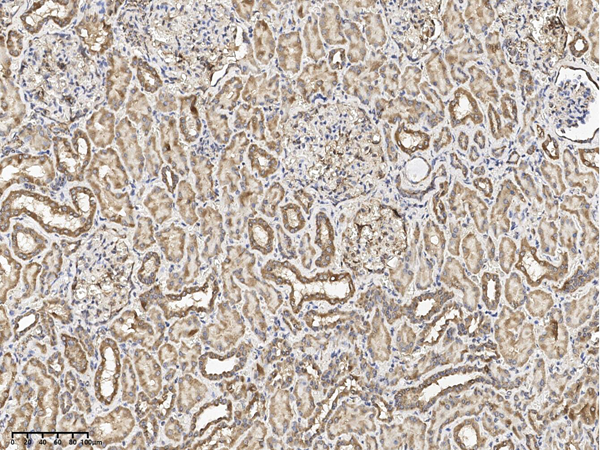
IHC (Immunohistochemistry) (Sample Type: Human kidney.Anti-APOE / Apolipoprotein E antibody IHC staining of human kidney. Immunohistochemistry of formalin-fixed, paraffin-embedded tissue after heat-induced antigen retrieval. Antibody concentration 5 ug/ml.)
IHC (Immunohistochemistry) (Sample Type: Human AdrenalAnti-APOE / Apolipoprotein E antibody IHC staining of human adrenal. Immunohistochemistry of formalin-fixed, paraffin-embedded tissue after heat-induced antigen retrieval. Antibody concentration 5 ug/ml.)
FCM (Flow Cytometry) (Overlay histogram showing HeLa cells stained with AAA28782(green line). The cells were fixed with 2% paraformaldehyde (10 min) and then permeabilized with 90% methanol for 10 min. The cells were then icubated in 2% bovine serum albumin to block non-specific protein-protein interactions followed by the antibody (AAA28782, 1:25 dilution) for 60 min at 37ºC. The secondary antibody used was Goat-Anti-Rabbit IgG, DyLight® 488 Conjugated Highly Cross-Adsorbed at 1/200 dilution for 40 min at 37ºC. Isotype control antibody (blue line) was rabbit IgG1 (1ug/1x10^6 cells) used under the same conditions. Acquisition of >10, 000 events was performed.)
IHC (Immunohistchemistry) (Immunohistochemical analysis of paraffin-embedded human brain tissue using AAA28782 performed on the Leica® BOND RXm. Tissue was fixed with formaldehyde at room temperature; antigen retrieval was by heat mediation with a EDTA buffer (pH9. 0). Samples were incubated with primary antibody(1:1000) for 1 hours at room temperature. A undiluted biotinylated CRF Anti-Polyvalent HRP Polymer antibody was used as the secondary antibody.)
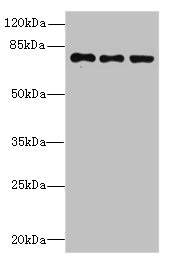
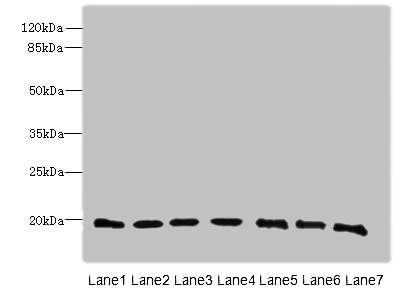
WB (Western Blot) (All lanes : Anti-HNRNPR Antibody (N-term) at 1:2000 dilution Lane 1: 293T/17 whole cell lysate Lane 2: A549 whole cell lysate Lane 3: Hela whole cell lysate Lane 4: HepG2 whole cell lysate Lane 5: HT-29 whole cell lysate Lane 6: MOLT-4 whole cell lysate Lane 7: U-251 MG whole cell lysate Lysates/proteins at 20 ug per lane. Secondary Goat Anti-Rabbit IgG, (H+L), Peroxidase conjugated at 1/10000 dilution. Predicted band size : 71, 67 kDa Blocking/Dilution buffer: 5% NFDM/TBST.)
WB (Western Blot) (All lanes : Anti-HNRNPR Antibody (N-term) at 1:2000 dilution Lane 1: 293T/17 whole cell lysate Lane 2: A431 whole cell lysate Lane 3: A549 whole cell lysate Lane 4: HepG2 whole cell lysate Lane 5: MOLT-4 whole cell lysate Lane 6: U-251 MG whole cell lysate Lysates/proteins at 20 ug per lane. Secondary Goat Anti-Rabbit IgG, (H+L), Peroxidase conjugated at 1/10000 dilution. Predicted band size : 71 kDa Blocking/Dilution buffer: 5% NFDM/TBST.)
WB (Western Blot) (Western blot analysis of HNRNPR (arrow) using rabbit polyclonal HNRNPR Antibody (N-term) (AAA28782). 293 cell lysates (2 ug/lane) either nontransfected (Lane 1) or transiently transfected (Lane 2) with the HNRNPR gene.)
WB (Western Blot) (HNRNPR Antibody (N-term) (AAA28782) western blot analysis in HepG2 cell line lysates (35ug/lane).This demonstrates the HNRNPR antibody detected the HNRNPR protein (arrow).)
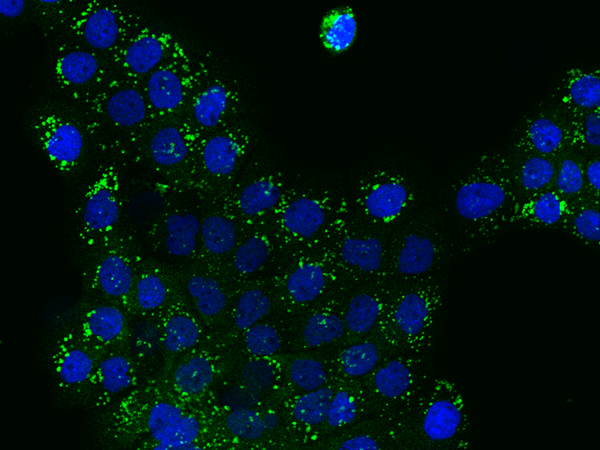
IF (Immunofluorescence) (Immunofluorescent analysis of 4% paraformaldehyde-fixed, 0. 1% Triton X-100 permeabilized Hela cells labeling HNRNPR with AAA28782 at 1/25 dilution, followed by Dylight® 488-conjugated goat anti-Rabbit IgG secondary antibody at 1/200 dilution (green). Immunofluorescence image showing Nucleus staining on Hela cell line. Cytoplasmic actin is detected with Dylight® 554 Phalloidin(red). The nuclear counter stain is DAPI (blue).)
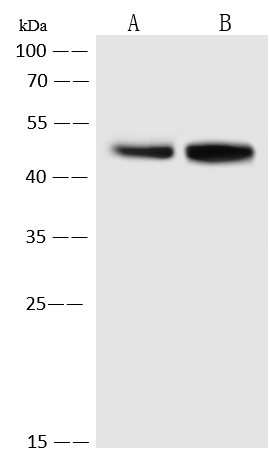
WB (Western Blot) (Sample: Lane 1: Heart (Mouse) Lysate at 40 ug Lane 2: Heart (Rat) Lysate at 40 ug Primary: Anti-Caspase-1 p20 (bs-10442R) at 1/1000 dilution Secondary: IRDye800CW Goat Anti-Rabbit IgG at 1/20000 dilution Predicted band size: 45 kD Observed band size: 47 kD)
FCM (Flow Cytometry) (Blank control:HL-60. Primary Antibody (green line): Rabbit Anti-Caspase-1 p20 antibody (bs-10442R) Dilution: 1 µg /10^6 cells; Isotype Control Antibody (orange line): Rabbit IgG . Secondary Antibody : Goat anti-rabbit IgG-AF488 Dilution: 1 µg /test. Protocol The cells were fixed with 4% PFA (10min at room temperature)and then permeabilized with 0.1% PBST for 20 min at room temperature. The cells were then incubated in 5%BSA to block non-specific protein-protein interactions for 30 min at room temperature .Cells stained with Primary Antibody for 30 min at room temperature. The secondary antibody used for 40 min at room temperature. Acquisition of 20,000 events was performed.)
FCM (Flow Cytometry) (Blank control (blue line): MCF7(fixed with 70% ethanol (Overnight at 4 degree C) and then permeabilized with 90% ice-cold methanol for 30 min on ice) Primary Antibody (green line): Rabbit Anti-Caspase-1 p20 antibody (bs-10442R), Dilution: 1 µg /10^6 cells; Isotype Control Antibody (orange line): Rabbit IgG . Secondary Antibody (white blue line): Goat anti-rabbit IgG-FITC)
WB (Western Blot) (Dilution: Sample:large intestine (rat) Lysate at 40 ug Primary: Anti-Caspase-1 p20(bs-10442R)at 1/300 dilution Secondary: IRDye800CW Goat Anti-Rabbit IgG at 1/20000 dilution Predicted band size: 20/46kD Observed band size: 46kD)
WB (Western Blot) (Sample:lung (rat) Lysate at 40 ug Primary: Anti-Caspase-1 p20(bs-10442R)at 1/300 dilution Secondary: IRDye800CW Goat Anti-Rabbit IgG at 1/20000 dilution Predicted band size: 20/46kD Observed band size: 46kD)
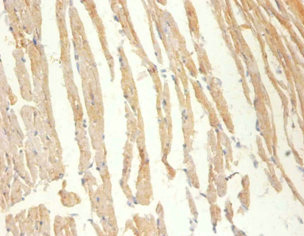
IHC (Immunohistochemistry-Paraffin) (Tissue/cell: Mouse spleen tissue; 4% Paraformaldehyde-fixed and paraffin-embedded; Antigen retrieval: citrate buffer ( 0.01M, pH 6.0 ), Boiling bathing for 15min; Block endogenous peroxidase by 3% Hydrogen peroxide for 30min; Blocking buffer (normal goat serum,C-0005) at 37? for 20 min; Incubation: Anti-Caspase-1 p20 Polyclonal Antibody, Unconjugated(bs-10442R) 1:500, overnight at 4?C, followed by conjugation to the secondary antibody(SP-0023) and DAB(C-0010) staining)
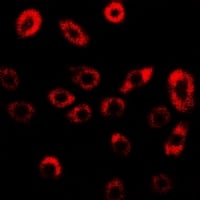
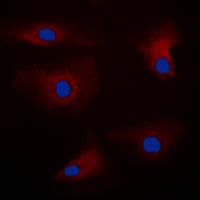
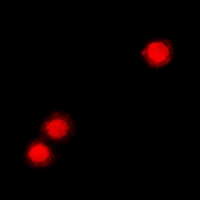
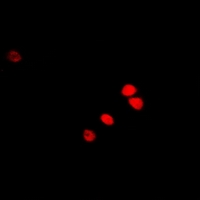
IF (Immunofluorescence) (Immunofluorescence analysis of human-stomach tissue. 1,AR Polyclonal Antibody(red) was diluted at 1:200(4 degree C,overnight). 2, Cy3 labled Secondary antibody was diluted at 1:300(room temperature, 50min).3, Picture B: DAPI(blue) 10min. Picture A:Target. Picture B: DAPI. Picture C: merge of A+B)
IF (Immunofluorescence) (Immunofluorescence analysis of rat-heart tissue. 1,AR Polyclonal Antibody(red) was diluted at 1:200(4 degree C,overnight). 2, Cy3 labled Secondary antibody was diluted at 1:300(room temperature, 50min).3, Picture B: DAPI(blue) 10min. Picture A:Target. Picture B: DAPI. Picture C: merge of A+B)
IF (Immunofluorescence) (Immunofluorescence analysis of rat-spleen tissue. 1,AR Polyclonal Antibody(red) was diluted at 1:200(4 degree C,overnight). 2, Cy3 labled Secondary antibody was diluted at 1:300(room temperature, 50min).3, Picture B: DAPI(blue) 10min. Picture A:Target. Picture B: DAPI. Picture C: merge of A+B)
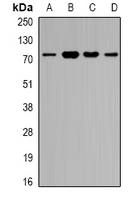
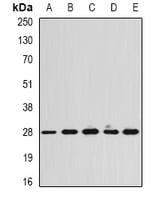
WB (Western Blot) (Western Blot analysis of various cells using primary antibody diluted at 1:1000(4 degree C overnight). Secondary antibody:Goat Anti-rabbit IgG IRDye 800( diluted at 1:5000, 25 degree C, 1 hour). Cell lysate was extracted by Minute™ Plasma Membrane Protein Isolation and Cell Fractionation Kit(SM-005, Inventbiotech,MN,USA).)
IHC (Immunohistochemistry) (Immunohistochemical analysis of paraffin-embedded Human-uterus tissue. 1,AR Polyclonal Antibody was diluted at 1:200(4 degree C,overnight). 2, Sodium citrate pH 6.0 was used for antibody retrieval(>98 degree C,20min). 3,Secondary antibody was diluted at 1:200(room temperature, 30min). Negative control was used by secondary antibody only.)
IHC (Immunohistochemistry) (Immunohistochemical analysis of paraffin-embedded Rat-heart tissue. 1,AR Polyclonal Antibody was diluted at 1:200(4 degree C,overnight). 2, Sodium citrate pH 6.0 was used for antibody retrieval(>98 degree C,20min). 3,Secondary antibody was diluted at 1:200(room temperature, 30min). Negative control was used by secondary antibody only.)
IHC (Immunohistochemistry) (Immunohistochemical analysis of paraffin-embedded Mouse-liver tissue. 1,AR Polyclonal Antibody was diluted at 1:200(4 degree C,overnight). 2, Sodium citrate pH 6.0 was used for antibody retrieval(>98 degree C,20min). 3,Secondary antibody was diluted at 1:200(room temperature, 30min). Negative control was used by secondary antibody only.)
IHC (Immunohistochemistry) (Immunohistochemical analysis of paraffin-embedded Mouse-kidney tissue. 1,AR Polyclonal Antibody was diluted at 1:200(4 degree C,overnight). 2, Sodium citrate pH 6.0 was used for antibody retrieval(>98 degree C,20min). 3,Secondary antibody was diluted at 1:200(room temperature, 30min). Negative control was used by secondary antibody only.)
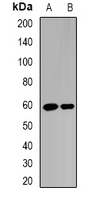
WB (Western Blot) (Western Blot analysis of Hela cells using AR Polyclonal Antibody. Secondary antibody was diluted at 1:20000)
ChIP (Chromatin Immunoprecipitation) (Chromatin immunoprecipitation analysis of extracts of Jurkat cells, using DNMT1 antibody and rabbit IgG.The amount of immunoprecipitated DNA was checked by quantitative PCR. Histogram was constructed by the ratios of the immunoprecipitated DNA to the input.)
IP (Immunoprecipitation) (Immunoprecipitation analysis of 300ug extracts of Jurkat cells using 3ug DNMT1 antibody . Western blot was performed from the immunoprecipitate using DNMT1 antibody at a dilition of 1:1000.)
IF (Immunofluorescence) (Immunofluorescence analysis of U-2 OS cells using DNMT1 antibody at dilution of 1:100. Blue: DAPI for nuclear staining.)
IHC (Immunohistochemistry) (Immunohistochemistry of paraffin-embedded mouse spleen using DNMT1 antibody at dilution of 1:200 (40x lens).)
IHC (Immunohistochemistry) (Immunohistochemistry of paraffin-embedded human tonsil using DNMT1 antibody at dilution of 1:200 (40x lens).)
WB (Western Blot) (Western blot analysis of extracts of Jurkat cells, using DNMT1 antibody at 1:1000 dilution.Secondary antibody: HRP Goat Anti-Rabbit IgG (H+L) (AS014) at 1:10000 dilution.Lysates/proteins: 25ug per lane.Blocking buffer: 3% nonfat dry milk in TBST.Detection: ECL Basic Kit (RM00020).Exposure time: 60s.)
Western Blot, Immunohistochemistry, Immunofluorescence, Chromatin Immunoprecipitation
Purity
Affinity purification
Pricing
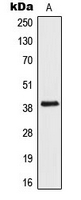
WB (Western Blot) (Western BlotPositive WB detected in Recombinant proteinAll lanes: ompT antibody at 2.4ug/mlSecondaryGoat polyclonal to rabbit IgG at 1/50000 dilutionpredicted band size: 38 KDaobserved band size: 38 KDa)
IHC (Immunohistochemistry) (Immunohistochemistry: Human tonsil tissue (FFPE) was stained with Anti-CD20 antibody, (Cat# AAA14082) at 1:200 for 10 min @ RT. Staining of formalin-fixed tissue requires boiling tissue sections in 10 mM Citrate Buffer, pH 6.0 for 10 min followed by cooling at RT for 20 min.)
WB (Western Blot) (Western Blot: The whole lysates derived from human spleen were immunoblotted by Rabbit anti-CD20 (Cat# AAA14082) at 1:1000. Observed a major immunoreactive band at molecular weight ~34 kDa.)
IHC (Immunohistchemistry) (HC analysis of Aquaporin 4 using anti-Aquaporin 4 antibody (AAA11657). Aquaporin 4 was detected in a paraffin-embedded section of rat brain tissue. Heat mediated antigen retrieval was performed in EDTA buffer (pH 8.0, epitope retrieval solution). The tissue section was blocked with 10% goat serum. The tissue section was then incubated with 2 ug/ml rabbit anti-Aquaporin 4 Antibody (AAA11657) overnight at 4°C. Peroxidase Conjugated Goat Anti-rabbit IgG was used as secondary antibody and incubated for 30 minutes at 37°C. The tissue section was developed using HRP Conjugated Rabbit IgG Super Vision Assay Kit (Catalog # please inquire) with DAB as the chromogen.)
IHC (Immunohistochemistry) (IHC analysis of Aquaporin 4 using anti-Aquaporin 4 antibody (AAA11657). Aquaporin 4 was detected in a paraffin-embedded section of mouse brain tissue. Heat mediated antigen retrieval was performed in EDTA buffer (pH 8.0, epitope retrieval solution). The tissue section was blocked with 10% goat serum. The tissue section was then incubated with 2 ug/ml rabbit anti-Aquaporin 4 Antibody (AAA11657) overnight at 4°C. Peroxidase Conjugated Goat Anti-rabbit IgG was used as secondary antibody and incubated for 30 minutes at 37°C. The tissue section was developed using HRP Conjugated Rabbit IgG Super Vision Assay Kit (Catalog # please inquire) with DAB as the chromogen.)
IHC (Immunohistochemistry) (IHC analysis of Aquaporin 4 using anti-Aquaporin 4 antibody (AAA11657). Aquaporin 4 was detected in a paraffin-embedded section of human lung cancer tissue. Heat mediated antigen retrieval was performed in EDTA buffer (pH 8.0, epitope retrieval solution). The tissue section was blocked with 10% goat serum. The tissue section was then incubated with 2 ug/ml rabbit anti-Aquaporin 4 Antibody (AAA11657) overnight at 4°C. Peroxidase Conjugated Goat Anti-rabbit IgG was used as secondary antibody and incubated for 30 minutes at 37°C. The tissue section was developed using HRP Conjugated Rabbit IgG Super Vision Assay Kit (Catalog # please inquire) with DAB as the chromogen)
IHC (Immunohistochemistry) (IHC analysis of Aquaporin 4 using anti-Aquaporin 4 antibody (AAA11657). Aquaporin 4 was detected in frozen section of Rat Brain Tissue. The tissue section was blocked with 10% goat serum. The tissue section was then incubated with 1ug/ml rabbit anti-Aquaporin 4 Antibody (AAA11657) overnight at 4°C. Biotinylated goat anti-rabbit IgG was used as secondary antibody and incubated for 30 minutes at 37°C. The tissue section was developed using Strepavidin-Biotin-Complex (SABC)(Catalog # please inquire) with DAB as the chromogen.)
IHC (Immunohistochemistry) (IHC analysis of Aquaporin 4 using anti-Aquaporin 4 antibody (AAA11657). Aquaporin 4 was detected in frozen section of Mouse Brain Tissue. The tissue section was blocked with 10% goat serum. The tissue section was then incubated with 1ug/ml rabbit anti-Aquaporin 4 Antibody (AAA11657) overnight at 4°C. Biotinylated goat anti-rabbit IgG was used as secondary antibody and incubated for 30 minutes at 37°C. The tissue section was developed using Strepavidin-Biotin-Complex (SABC)(Catalog # please inquire) with DAB as the chromogen.)
WB (Western Blot) (Figure 1. Western blot analysis of Aquaporin 4 using anti-Aquaporin 4 antibody (AAA11657). Electrophoresis was performed on a 5-20% SDS-PAGE gel at 70V (Stacking gel) / 90V (Resolving gel) for 2-3 hours. The sample well of each lane was loaded with 30 ug of sample under reducing conditions.Lane 1: rat brain tissue lysates,Lane 2: rat brain tissue lysates,Lane 3: mouse brain tissue lysates,Lane 4: mouse brain tissue lysates. After electrophoresis, proteins were transferred to a nitrocellulose membrane at 150 mA for 50-90 minutes. Blocked the membrane with 5% non-fat milk/TBS for 1.5 hour at RT. The membrane was incubated with rabbit anti- Aquaporin 4 antigen affinity purified polyclonal antibody (Catalog # AAA11657) at 0.5 ug/mL overnight at 4°C, then washed with TBS-0.1%Tween 3 times with 5 minutes each and probed with a goat anti-rabbit IgG-HRP secondary antibody at a dilution of 1:5000 for 1.5 hour at RT. The signal is developed using an Enhanced Chemiluminescent detection (ECL) kit (Catalog # EK1002) with Tanon 5200 system. A specific band was detected for Aquaporin 4 at approximately 37 kDa. The expected band size for Aquaporin 4 is at 35 kDa)
FCM (Flow Cytometry) (Figure-4-Cell surface flow analysis of Rabbit IgG Isotype control in 3T3 Cell line using 0.5/10^6 cells. Black represent cell alone, grey represent secondary antibody control and orange represent Rabbit IgG Isotype with anti-rabbit secondary antibody conjugated with PE (Cat No. AAA14878).)
FCM (Flow Cytometry) (Figure-3: Cell surface flow analysis of Rabbit IgG Isotype control in EL-4 Cell line using 0.5/10^6 cells. Black represent cell alone, grey represent secondary antibody control and orange represent Rabbit IgG Isotype with anti-rabbit secondary antibody conjugated with PE (Cat No.AAA14878).)
FCM (Flow Cytometry) (Figure-2: Cell surface flow analysis of Rabbit IgG Isotype control in MCF-7 Cell line using 0.5/10^6 cells. Black represent cell alone, grey represent secondary antibody control and orange represent Rabbit IgG Isotype with anti-rabbit secondary antibody conjugated with PE (Cat No. AAA14878).)
FCM (Flow Cytometry) (Figure-1: Cell surface flow analysis of Rabbit IgG Isotype control in Jurkat Cell line using 0.5/10^6 cells. Black represent cell alone, grey represent secondary antibody control and orange represent Rabbit IgG Isotype with anti-rabbit secondary antibody conjugated with PE (Cat No. AAA14878).)
FCM (Flow Cytometry) (Flow cytometric analysis of paraformaldehyde fixed Jurkat cells (blue line), permeabilized with 0.5% Triton. Primary incubation 1hr (10ug/ml) followed by Alexa Fluor 488 secondary antibody (1ug/ml). IgG control: Unimmunized goat IgG (black line) followed by Alexa Fluor 488 secondary antibody)
IF (Immunofluorescence) (Immunofluorescence analysis of paraformaldehyde fixed Jurkat cells, permeabilized with 0.15% Triton. Primary incubation 1hr (10ug/ml) followed by Alexa Fluor 488 secondary antibody (2ug/ml), showing cytoplasmic staining. The nuclear stain is DAPI (blue). Negative control: Unimmunized goat IgG (10ug/ml) followed by Alexa Fluor 488 secondary antibody (2ug/ml).)
IF (Immunofluorescence) (Immunofluorescence analysis of paraformaldehyde fixed U2OS cells, permeabilized with 0.15% Triton. Primary incubation 1hr (10ug/ml) followed by Alexa Fluor 488 secondary antibody (2ug/ml), showing nuclear and cytoplasmic staining. The nuclear stain is DAPI (blue). Negative control: Unimmunized goat IgG (10ug/ml) followed by Alexa Fluor 488 secondary antibody (2ug/ml))
Application Data (Negative Control showing staining of paraffin embedded Human Tonsil, with no primary antibody.)
Application Data ((6ug/ml) staining of paraffin embedded Human Tonsil. Heat induced antigen retrieval with citrate buffer pH 6, HRP-staining.)
Application Data ((AAA13652) (0.5µg/ml) staining of Human Spleen lysate (35µg protein in RIPA buffer). Detected by chemiluminescence)
Application Data ((5ug/ml) as the reporter with as the capture rabbit antibody (5ug/ml).)
IHC (Immunohistochemistry) ((4ug/ml) staining of paraffin embedded Human Tonsil. Steamed antigen retrieval with Tris/EDTA buffer pH 9, HRP-staining. These results could not been obtained after antigen retireval at pH6 with this batch of antibody.)
WB (Western Blot) (Staining (0.2ug/ml) of human thymus lysate (RIPA buffer, 35ug total protein per lane). Primary incubated for 1 hour. Detected by western blot using chemiluminescence.)
IP (Immunoprecipitation) (Cytochrome C was immunoprecipitated using:Lane A:0.5 mg Mouse Kidney Whole Cell Lysate4 µL anti-Cytochrome C rabbit polyclonal antibody and 60 ug of Immunomagnetic beads Protein A/G.Primary antibody:Anti-Cytochrome C rabbit polyclonal antibody,at 1:100 dilutionSecondary antibody:Goat Anti-Rabbit IgG (H+L)/HRP at 1/10000 dilutionDeveloped using the ECL technique.Performed under reducing conditions.Predicted band size: 12 kDaObserved band size :12 kDa)
IF (Immunofluorescence) (Immunofluorescence staining of KLH-SMCCA2139+KLH-SMCCA2165 in SHSY5Y cells. Cells were fixed with 4% PFA, permeabilzed with 0.3% Triton X-100 in PBS,blocked with 10% serum, and incubated with rabbit anti-Human KLH-SMCCA2139+KLH-SMCCA2165 polyclonal antibody (dilution ratio 1:100) at 4? overnight. Then cells were stained with the Alexa Fluor488-conjugated Goat Anti-rabbit IgG secondary antibody (green) and counterstained with DAPI (blue).Positive staining was localized to Cytoplasm.)
IHC (Immunohistochemistry-Paraffin) (Immunochemical staining of rat S in rat skin with rabbit polyclonal antibody at 1:100 dilution, formalin-fixed paraffin embedded sections.)
IHC (Immunohistochemistry-Paraffin) (Immunochemical staining of Mouse CYCS in Mouse skin with rabbit polyclonal antibody at 1:100 dilution, formalin-fixed paraffin embedded sections.)
IHC (Immunohistochemistry-Paraffin) (Immunochemical staining of human CYCS in human liver with rabbit polyclonal antibody at 1:100 dilution, formalin-fixed paraffin embedded sections.)
IHC (Immunohistochemistry-Paraffin) (Immunochemical staining of human CYCS in human skin with rabbit polyclonal antibody at 1:100 dilution, formalin-fixed paraffin embedded sections.)
WB (Western Blot) (Anti-Cytochrome C rabbit polyclonal antibody at 1:500 dilutionLane A: Mouse heart tissue lysateLane B: Mouse kidney tissue lysateLane C: Mouse lung tissue lysateLysates/proteins at 30 ug per lane.SecondaryGoat Anti-Rabbit IgG (H+L)/HRP at 1/10000 dilution.Developed using the ECL technique.Performed under reducing conditions.Predicted band size:12 kDaObserved band size:12 kDa)
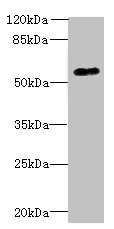
WB (Western Blot) (Western BlotPositive WB detected in: Rat lung tissueAll lanes: TFEB antibody at 3ug/mlSecondaryGoat polyclonal to rabbit IgG at 1/50000 dilutionPredicted band size: 53, 44 KDaObserved band size: 70 KDa)
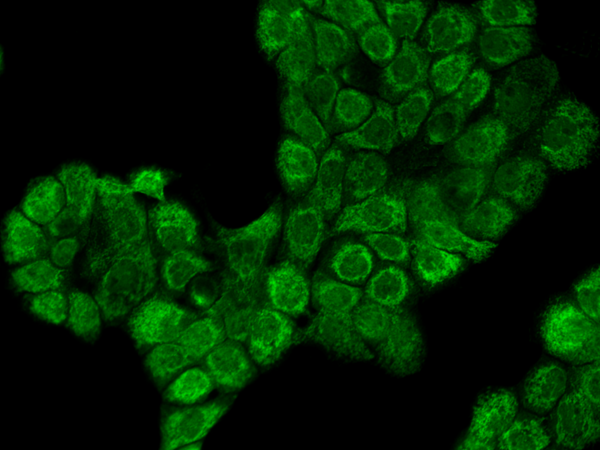
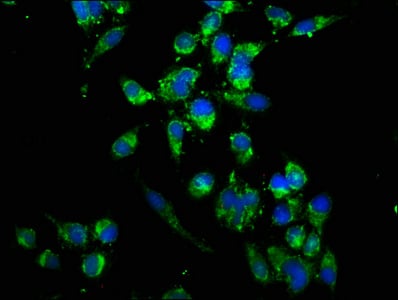
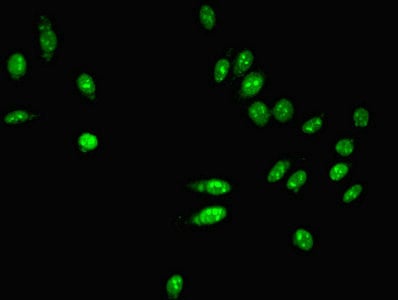
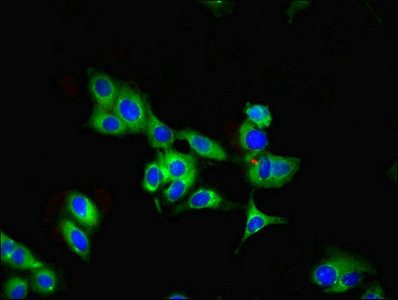
IF (Immunofluorescence) (Immunofluorescent analysis of Hela cells using AAA26969 at a dilution of 1:100 and Alexa Fluor 488-congugated AffiniPure Goat Anti-Rabbit IgG(H+L))
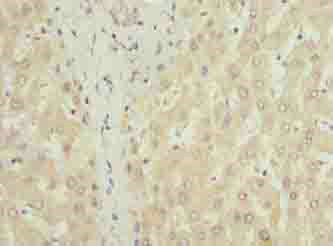
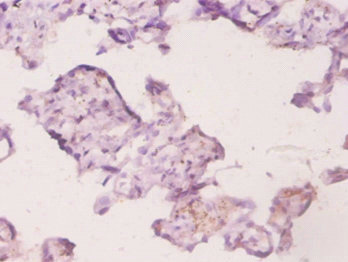
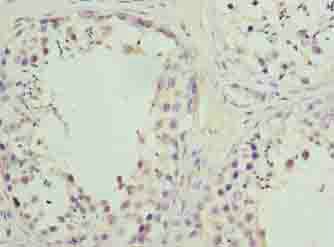
IHC (Immunohistochemistry) (Immunohistochemistry of paraffin-embedded human placenta tissue using AAA26969 at dilution of 1:100)
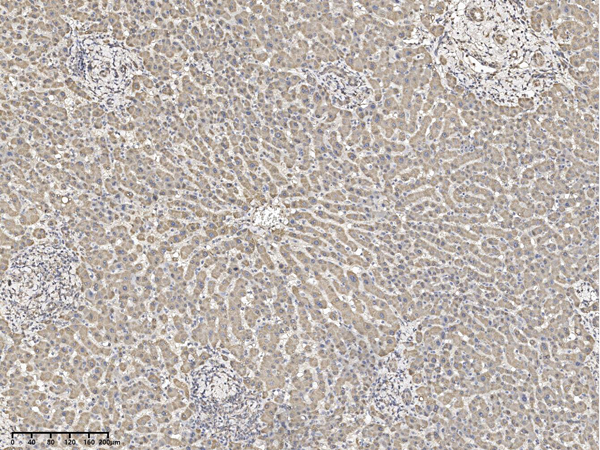
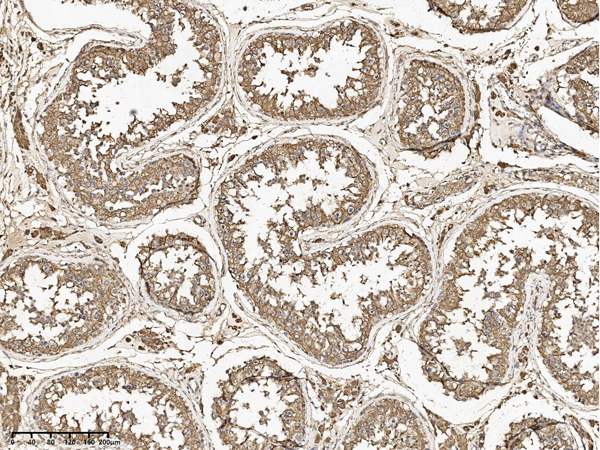
IHC (Immunohistochemistry) (AAA30943 at 1/100 staining rat testicular tissue sections by IHC-P. The tissue was formaldehyde fixed and a heat mediated antigen retrieval step in citrate buffer was performed. The tissue was then blocked and incubated with the antibody for 1.5 hours at 22 degree C. An HRP conjugated goat anti-rabbit antibody was used as the secondary.)
IHC (Immunohistochemistry) (AAA30943 at 1/100 staining rat ovarian tissue sections by IHC-P. The tissue was formaldehyde fixed and a heat mediated antigen retrieval step in citrate buffer was performed. The tissue was then blocked and incubated with the antibody for 1.5 hours at 22 degree C. An HRP conjugated goat anti-rabbit antibody was used as the secondary.)
IHC (Immunohistochemistry) (AAA30943 at 1/100 staining mouse testis tissue sections by IHC-P. The tissue was formaldehyde fixed and a heat mediated antigen retrieval step in citrate buffer was performed. The tissue was then blocked and incubated with the antibody for 1.5 hours at 22 degree C. An HRP conjugated goat anti-rabbit antibody was used as the secondary.)
IHC (Immunohistochemistry) (AAA30943 at 1/100 staining mouse spleen tissue sections by IHC-P. The tissue was formaldehyde fixed and a heat mediated antigen retrieval step in citrate buffer was performed. The tissue was then blocked and incubated with the antibody for 1.5 hours at 22 degree C. An HRP conjugated goat anti-rabbit antibody was used as the secondary.)
IHC (Immunohistchemistry) (AAA30943 at 1/100 staining mouse kidney tissue sections by IHC-P. The tissue was formaldehyde fixed and a heat mediated antigen retrieval step in citrate buffer was performed. The tissue was then blocked and incubated with the antibody for 1.5 hours at 22 degree C. An HRP conjugated goat anti-rabbit antibody was used as the secondary.)
IHC (Immunohistochemistry) (AAA30943 at 1/100 staining human liver tissue sections by IHC-P. The tissue was formaldehyde fixed and a heat mediated antigen retrieval step in citrate buffer was performed. The tissue was then blocked and incubated with the antibody for 1.5 hours at 22 degree C. An HRP conjugated goat anti-rabbit antibody was used as the secondary.)
IHC (Immunohistochemistry) (AAA30943 at 1/100 staining human appendiceal tissue sections by IHC-P. The tissue was formaldehyde fixed and a heat mediated antigen retrieval step in citrate buffer was performed. The tissue was then blocked and incubated with the antibody for 1.5 hours at 22 degree C. An HRP conjugated goat anti-rabbit antibody was used as the secondary.)
IHC (Immunohistchemistry) (AAA30943 at 1/100 staining human skin tissue sections by IHC-P. The tissue was formaldehyde fixed and a heat mediated antigen retrieval step in citrate buffer was performed. The tissue was then blocked and incubated with the antibody for 1.5 hours at 22 degree C. An HRP conjugated goat anti-rabbit antibody was used as the secondary.)
IHC (Immunohistochemistry) (AAA30943 at 1/100 staining human glioma tissue sections by IHC-P. The tissue was formaldehyde fixed and a heat mediated antigen retrieval step in citrate buffer was performed. The tissue was then blocked and incubated with the antibody for 1.5 hours at 22 degree C. An HRP conjugated goat anti-rabbit antibody was used as the secondary.)
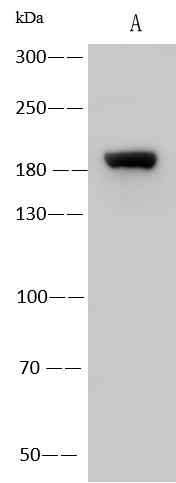
WB (Western Blot) (Western blot analysis of I kappaB epsilon phosphorylation expression in TNF-a treated Jurkat whole cell lysates, The lane on the left is treated with the antigen-specific peptide.)
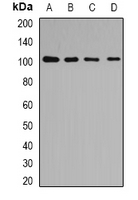
WB (Western Blot) (Western blot analysis of Phospho-I kappaB epsilon (Ser22) expression in various lysates)
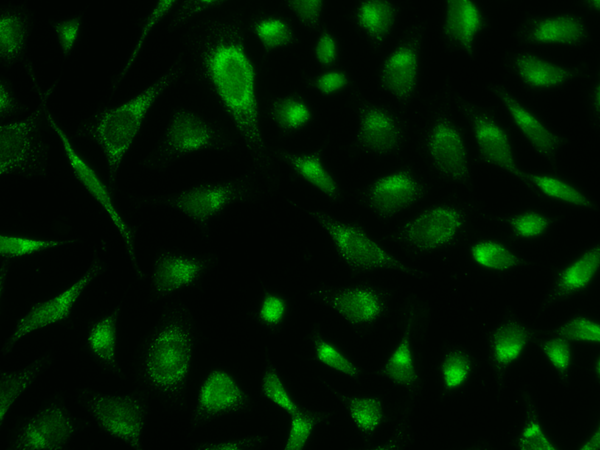
IF (Immunofluorescence) (AAA30943 staining HeLa cells by ICC/IF. Cells were fixed with PFA and permeabilized in 0.1% saponin prior to blocking in 10% serum for 45 minutes at 37 degree C. The primary antibody was diluted 1/400 and incubated with the sample for 1 hour at 37 degree C. A Alexa Fluor 594 conjugated goat polyclonal to rabbit IgG (H+L), diluted 1/600 was used as secondary antibody.)
IF (Immunofluorescence) (Immunofluorescence analysis of paraformaldehyde fixed CaCo-2 cells immobilized on Shi-fix™ coverslip, permeabilized with 0.15% Triton. Primary incubation 1hr (10ug/ml) followed by Alexa Fluor 488 secondary antibody (2ug/ml), showing cytoplasmic staining. The nuclear stain is DAPI (blue). Negative control: Unimmunized goat IgG (10ug/ml) followed by Alexa Fluor 488 secondary antibody (2ug/ml).)
IF (Immunofluorescence) (Immunofluorescence analysis of paraformaldehyde fixed U937 cells immobilized on Shi-fix coverslip, permeabilized with 0.15% Triton. Primary incubation 1hr (10ug/ml) followed by Alexa Fluor 488 secondary antibody (2ug/ml), showing cytoplasmic staining. The nuclear stain is DAPI (blue). Negative control: Unimmunized goat IgG (10ug/ml) followed by Alexa Fluor 488 secondary antibody (2ug/ml).)
IF (Immunofluorescence) (AAA13659 Immunofluorescence analysis of paraformaldehyde fixed Caco-2 cells, permeabilized with 0.15% Triton. Primary incubation 1hr (10ug/ml) followed by Alexa Fluor 488 secondary antibody (2ug/ml), showing cytoplasmic staining. The nuclear stain is DAPI (blue). Negative control: Unimmunized goat IgG (10ug/ml) followed by Alexa Fluor 488 secondary antibody (2ug/ml).)
FCM (Flow Cytometry) (Flow cytometric analysis of paraformaldehyde fixed K562 cells (blue line), permeabilized with 0.5% Triton. Primary incubation 1hr (10ug/ml) followed by Alexa Fluor 488 secondary antibody (1ug/ml). IgG control: Unimmunized goat IgG (black line) followed by Alexa Fluor 488 secondary antibody.)
IHC (Immunohistochemistry) (Negative Control showing staining of paraffin embedded Human Lung, with no primary antibody.)
IHC (Immunohistochemistry) ((6µg/ml) staining of paraffin embedded Human Lung. Heat induced antigen retrieval with citrate buffer pH 6, HRP-staining.)
WB (Western Blot) ((0.5ug/ml) staining of Human Frontal Cortex lysate (35ug protein in RIPA buffer). Primary incubation was 1 hour. Detected by chemiluminescence.)
FCM (Flow Cytometry) (Figure 13. Flow Cytometry analysis of 293T cells using anti-PFKM antibody (AAA19735).Overlay histogram showing 293T cells stained with AAA19735 (Blue line). To facilitate intracellular staining, cells were fixed with 4% paraformaldehyde and permeabilized with permeabilization buffer. The cells were blocked with 10% normal goat serum. And then incubated with rabbit anti-PFKM Antibody (AAA19735, 1ug/1x106 cells) for 30 min at 20 degree C. DyLight®488 conjugated goat anti-rabbit IgG (BA1127, 5-10ug/1x106 cells) was used as secondary antibody for 30 minutes at 20 degree C. Isotype control antibody (Green line) was rabbit IgG (1ug/1x106) used under the same conditions. Unlabelled sample (Red line) was also used as a control.)
IF (Immunofluorescence) (Figure 12. IF analysis of PFKM using anti-PFKM antibody (AAA19735).PFKM was detected in an immunocytochemical section of HELA cells. Enzyme antigen retrieval was performed using IHC enzyme antigen retrieval reagent (AR0022) for 15 mins. The cells were blocked with 10% goat serum. And then incubated with 5ug/mL rabbit anti-PFKM Antibody (AAA19735) overnight at 4 degree C. Cy3 Conjugated Goat Anti-Rabbit IgG (BA1032) was used as secondary antibody at 1:500 dilution and incubated for 30 minutes at 37 degree C. The section was counterstained with DAPI. Visualize using a fluorescence microscope and filter sets appropriate for the label used.)
IHC (Immunohistochemistry) (Figure 11. IHC analysis of PFKM using anti-PFKM antibody (AAA19735).PFKM was detected in a paraffin-embedded section of rat skeletal muscle tissue. Heat mediated antigen retrieval was performed in EDTA buffer (pH 8.0, epitope retrieval solution). The tissue section was blocked with 10% goat serum. The tissue section was then incubated with 2ug/ml rabbit anti-PFKM Antibody (AAA19735) overnight at 4 degree C. Peroxidase Conjugated Goat Anti-rabbit IgG was used as secondary antibody and incubated for 30 minutes at 37 degree C. The tissue section was developed using HRP Conjugated Rabbit IgG Super Vision Assay Kit ( epitope retrieval solution). The tissue section was blocked with 10% goat serum. The tissue section was then incubated with 2ug/ml rabbit anti-PFKM Antibody (AAA19735) overnight at 4 degree C. Peroxidase Conjugated Goat Anti-rabbit IgG was used as secondary antibody and incubated for 30 minutes at 37 degree C. The tissue section was developed using HRP Conjugated Rabbit IgG Super Vision Assay Kit ( epitope retrieval solution). The tissue section was blocked with 10% goat serum. The tissue section was then incubated with 2ug/ml rabbit anti-PFKM Antibody (AAA19735) overnight at 4 degree C. Peroxidase Conjugated Goat Anti-rabbit IgG was used as secondary antibody and incubated for 30 minutes at 37 degree C. The tissue section was developed using HRP Conjugated Rabbit IgG Super Vision Assay Kit ( epitope retrieval solution). The tissue section was blocked with 10% goat serum. The tissue section was then incubated with 2ug/ml rabbit anti-PFKM Antibody (AAA19735) overnight at 4 degree C. Peroxidase Conjugated Goat Anti-rabbit IgG was used as secondary antibody and incubated for 30 minutes at 37 degree C. The tissue section was developed using HRP Conjugated Rabbit IgG Super Vision Assay Kit ( epitope retrieval solution). The tissue section was blocked with 10% goat serum. The tissue section was then incubated with 2ug/ml rabbit anti-PFKM Antibody (AAA19735) overnight at 4 degree C. Peroxidase Conjugated Goat Anti-rabbit IgG was used as secondary antibody and incubated for 30 minutes at 37 degree C. The tissue section was developed using HRP Conjugated Rabbit IgG Super Vision Assay Kit ( epitope retrieval solution). The tissue section was blocked with 10% goat serum. The tissue section was then incubated with 2ug/ml rabbit anti-PFKM Antibody (AAA19735) overnight at 4 degree C. Peroxidase Conjugated Goat Anti-rabbit IgG was used as secondary antibody and incubated for 30 minutes at 37 degree C. The tissue section was developed using HRP Conjugated Rabbit IgG Super Vision Assay Kit ( epitope retrieval solution). The tissue section was blocked with 10% goat serum. The tissue section was then incubated with 2ug/ml rabbit anti-PFKM Antibody (AAA19735) overnight at 4 degree C. Peroxidase Conjugated Goat Anti-rabbit IgG was used as secondary antibody and incubated for 30 minutes at 37 degree C. The tissue section was developed using HRP Conjugated Rabbit IgG Super Vision Assay Kit ( epitope retrieval solution). The tissue section was blocked with 10% goat serum. The tissue section was then incubated with 2ug/ml rabbit anti-PFKM Antibody (AAA19735) overnight at 4 degree C. Peroxidase Conjugated Goat Anti-rabbit IgG was used as secondary antibody and incubated for 30 minutes at 37 degree C. The tissue section was developed using HRP Conjugated Rabbit IgG Super Vision Assay Kit ( epitope retrieval solution). The tissue section was blocked with 10% goat serum. The tissue section was then incubated with 2ug/ml rabbit anti-PFKM Antibody (AAA19735) overnight at 4 degree C. Peroxidase Conjugated Goat Anti-rabbit IgG was used as secondary antibody and incubated for 30 minutes at 37 degree C. The tissue section was developed using HRP Conjugated Rabbit IgG Super Vision Assay Kit ( epitope retrieval solution). The tissue section was blocked with 10% goat serum. The tissue section was then incubated with 2ug/ml rabbit anti-PFKM Antibody (AAA19735) overnight at 4 degree C. Peroxidase Conjugated Goat Anti-rabbit IgG was used as secondary antibody and incubated for 30 minutes at 37 degree C. The tissue section was developed using HRP Conjugated Rabbit IgG Super Vision Assay Kit (Lane 2: human HepG2 whole cell lysates,Lane 3: human 293T whole cell lysates,Lane 4: human U-87MG whole cell lysates,Lane 5: rat heart tissue lysates,Lane 6: mouse heart tissue lysates.After electrophoresis, proteins were transferred to a nitrocellulose membrane at 150 mA for 50-90 minutes. Blocked the membrane with 5% non-fat milk/TBS for 1.5 hour at RT. The membrane was incubated with rabbit anti-PFKM antigen affinity purified polyclonal antibody (#AAA19735) at 0.5ug/mL overnight at 4 degree C, then washed with TBS-0.1%Tween 3 times with 5 minutes each and probed with a goat anti-rabbit IgG-HRP secondary antibody at a dilution of 1:5000 for 1.5 hour at RT. The signal is developed using an Enhanced Chemiluminescent detection (ECL) kit with Tanon 5200 system. A specific band was detected for PFKM at approximately 85 kDa. The expected band size for PFKM is at 85 kDa.)
IF (Immunofluorescence) (Figure 14. IF analysis of COQ8B using anti-COQ8B antibody (AAA20014).COQ8B was detected in a paraffin-embedded section of human testis cancer tissue. Heat mediated antigen retrieval was performed in EDTA buffer (pH 8.0, epitope retrieval solution). The tissue section was blocked with 10% goat serum. The tissue section was then incubated with 5ug/mL rabbit anti-COQ8B Antibody (AAA20014) overnight at 4 degree C. DyLight®594 Conjugated Goat Anti-Rabbit IgG (BA1141) was used as secondary antibody at 1:500 dilution and incubated for 30 minutes at 37 degree C. The section was counterstained with DAPI. Visualize using a fluorescence microscope and filter sets appropriate for the label used.)
IF (Immunofluorescence) (Figure 13. IF analysis of COQ8B using anti-COQ8B antibody (AAA20014).COQ8B was detected in a paraffin-embedded section of human ovarian cancer tissue. Heat mediated antigen retrieval was performed in EDTA buffer (pH 8.0, epitope retrieval solution). The tissue section was blocked with 10% goat serum. The tissue section was then incubated with 5ug/mL rabbit anti-COQ8B Antibody (AAA20014) overnight at 4 degree C. DyLight®594 Conjugated Goat Anti-Rabbit IgG (BA1141) was used as secondary antibody at 1:500 dilution and incubated for 30 minutes at 37 degree C. The section was counterstained with DAPI. Visualize using a fluorescence microscope and filter sets appropriate for the label used.)
IF (Immunofluorescence) (Figure 12. IF analysis of COQ8B using anti-COQ8B antibody (AAA20014).COQ8B was detected in an immunocytochemical section of HELA cells. Enzyme antigen retrieval was performed using IHC enzyme antigen retrieval reagent (AR0022) for 15 mins. The cells were blocked with 10% goat serum. And then incubated with 5ug/mL rabbit anti-COQ8B Antibody (AAA20014) overnight at 4 degree C. Cy3 Conjugated Goat Anti-Rabbit IgG (BA1032) was used as secondary antibody at 1:500 dilution and incubated for 30 minutes at 37 degree C. The section was counterstained with DAPI. Visualize using a fluorescence microscope and filter sets appropriate for the label used.)
IHC (Immunohistochemistry) (Figure 11. IHC analysis of COQ8B using anti-COQ8B antibody (AAA20014).COQ8B was detected in a paraffin-embedded section of rat ovary tissue. Heat mediated antigen retrieval was performed in EDTA buffer (pH 8.0, epitope retrieval solution). The tissue section was blocked with 10% goat serum. The tissue section was then incubated with 2ug/ml rabbit anti-COQ8B Antibody (AAA20014) overnight at 4 degree C. Peroxidase Conjugated Goat Anti-rabbit IgG was used as secondary antibody and incubated for 30 minutes at 37 degree C. The tissue section was developed using HRP Conjugated Rabbit IgG Super Vision Assay Kit ( epitope retrieval solution). The tissue section was blocked with 10% goat serum. The tissue section was then incubated with 2ug/ml rabbit anti-COQ8B Antibody (AAA20014) overnight at 4 degree C. Peroxidase Conjugated Goat Anti-rabbit IgG was used as secondary antibody and incubated for 30 minutes at 37 degree C. The tissue section was developed using HRP Conjugated Rabbit IgG Super Vision Assay Kit ( epitope retrieval solution). The tissue section was blocked with 10% goat serum. The tissue section was then incubated with 2ug/ml rabbit anti-COQ8B Antibody (AAA20014) overnight at 4 degree C. Peroxidase Conjugated Goat Anti-rabbit IgG was used as secondary antibody and incubated for 30 minutes at 37 degree C. The tissue section was developed using HRP Conjugated Rabbit IgG Super Vision Assay Kit ( epitope retrieval solution). The tissue section was blocked with 10% goat serum. The tissue section was then incubated with 2ug/ml rabbit anti-COQ8B Antibody (AAA20014) overnight at 4 degree C. Peroxidase Conjugated Goat Anti-rabbit IgG was used as secondary antibody and incubated for 30 minutes at 37 degree C. The tissue section was developed using HRP Conjugated Rabbit IgG Super Vision Assay Kit ( epitope retrieval solution). The tissue section was blocked with 10% goat serum. The tissue section was then incubated with 2ug/ml rabbit anti-COQ8B Antibody (AAA20014) overnight at 4 degree C. Peroxidase Conjugated Goat Anti-rabbit IgG was used as secondary antibody and incubated for 30 minutes at 37 degree C. The tissue section was developed using HRP Conjugated Rabbit IgG Super Vision Assay Kit ( epitope retrieval solution). The tissue section was blocked with 10% goat serum. The tissue section was then incubated with 2ug/ml rabbit anti-COQ8B Antibody (AAA20014) overnight at 4 degree C. Peroxidase Conjugated Goat Anti-rabbit IgG was used as secondary antibody and incubated for 30 minutes at 37 degree C. The tissue section was developed using HRP Conjugated Rabbit IgG Super Vision Assay Kit ( epitope retrieval solution). The tissue section was blocked with 10% goat serum. The tissue section was then incubated with 2ug/ml rabbit anti-COQ8B Antibody (AAA20014) overnight at 4 degree C. Peroxidase Conjugated Goat Anti-rabbit IgG was used as secondary antibody and incubated for 30 minutes at 37 degree C. The tissue section was developed using HRP Conjugated Rabbit IgG Super Vision Assay Kit ( epitope retrieval solution). The tissue section was blocked with 10% goat serum. The tissue section was then incubated with 2ug/ml rabbit anti-COQ8B Antibody (AAA20014) overnight at 4 degree C. Peroxidase Conjugated Goat Anti-rabbit IgG was used as secondary antibody and incubated for 30 minutes at 37 degree C. The tissue section was developed using HRP Conjugated Rabbit IgG Super Vision Assay Kit ( epitope retrieval solution). The tissue section was blocked with 10% goat serum. The tissue section was then incubated with 2ug/ml rabbit anti-COQ8B Antibody (AAA20014) overnight at 4 degree C. Peroxidase Conjugated Goat Anti-rabbit IgG was used as secondary antibody and incubated for 30 minutes at 37 degree C. The tissue section was developed using HRP Conjugated Rabbit IgG Super Vision Assay Kit ( epitope retrieval solution). The tissue section was blocked with 10% goat serum. The tissue section was then incubated with 2ug/ml rabbit anti-COQ8B Antibody (AAA20014) overnight at 4 degree C. Peroxidase Conjugated Goat Anti-rabbit IgG was used as secondary antibody and incubated for 30 minutes at 37 degree C. The tissue section was developed using HRP Conjugated Rabbit IgG Super Vision Assay Kit (Lane 2: human HepG2 whole cell lysates,Lane 3: human A549 whole cell lysates,Lane 4: human U20S whole cell lysates,Lane 5: rat stomach tissue lysates,Lane 6: rat thymus tissue lysates,Lane 7: mouse stomach tissue lysates,Lane 8: mouse thymus tissue lysates.After electrophoresis, proteins were transferred to a nitrocellulose membrane at 150 mA for 50-90 minutes. Blocked the membrane with 5% non-fat milk/TBS for 1.5 hour at RT. The membrane was incubated with rabbit anti-COQ8B antigen affinity purified polyclonal antibody (#AAA20014) at 0.25ug/mL overnight at 4 degree C, then washed with TBS-0.1%Tween 3 times with 5 minutes each and probed with a goat anti-rabbit IgG-HRP secondary antibody at a dilution of 1:5000 for 1.5 hour at RT. The signal is developed using an Enhanced Chemiluminescent detection (ECL) kit with Tanon 5200 system. A specific band was detected for COQ8B at approximately 65 kDa. The expected band size for COQ8B is at 60 kDa.)
Application Data (Surface Plasmon Resonance Kinetic Characterization of Polyclonal Antibody Affinity. Purified polyclonal antibodies were immobilized on a Protein A/G coated Carterra LSA sensor chip at concentrations of 5, and 50 ug/mL in duplicate. Antibodies on the surface were exposed to interaction with peptides sequentially via microfluidic controlled flow at 333nM peptide concentration for kinetic characterization of the binders for affinity and specificity, followed by curve fitting using the Kinetics software. Kd determinations for both concentrations were averaged and results and standard deviation are shown.)
WB (Western Blot) (Human HepG2Host: RabbitTarget Name: SLC26A3Sample Type: HepG2Antibody Dilution: 1.0ug/mlSLC26A3 is supported by BioGPS gene expression data to be expressed in HepG2)
IHC (Immunohistochemistry) (LiverCatalog Number: AAA23387Rabbit Anti-SLC26A3 AntibodyFormalin Fixed Paraffin Embedded Tissue: Human Adult liverObserved Staining: Cytoplasmic,NuclearPrimary Antibody Concentration: 1:600Secondary Antibody: Donkey anti-Rabbit-Cy2/3Secondary Antibody Concentration: 1:200Magnification: 20XExposure Time: 0.5 - 2.0 secProtocol located in Reviews and Data.)
IHC (Immunohistochemistry) (HeartRabbit Anti-SLC26A3 AntibodyCatalog Number: AAA23387Formalin Fixed Paraffin Embedded Tissue: Human Adult heartObserved Staining: MembranePrimary Antibody Concentration: 1:100Secondary Antibody: Donkey anti-Rabbit-Cy2/3Secondary Antibody Concentration: 1:200Magnification: 20XExposure Time: 0.5 - 2.0 secProtocol located in Reviews and Data.)
FCM (Flow Cytometry) (Figure 17. Flow Cytometry analysis of U251 cells using anti-SAMD9L antibody (AAA19973).Overlay histogram showing U251 cells stained with AAA19973 (Blue line). To facilitate intracellular staining, cells were fixed with 4% paraformaldehyde and permeabilized with permeabilization buffer. The cells were blocked with 10% normal goat serum. And then incubated with rabbit anti-SAMD9L Antibody (AAA19973, 1ug/1x106 cells) for 30 min at 20 degree C. DyLight®488 conjugated goat anti-rabbit IgG (BA1127, 5-10ug/1x106 cells) was used as secondary antibody for 30 minutes at 20 degree C. Isotype control antibody (Green line) was rabbit IgG (1ug/1x106) used under the same conditions. Unlabelled sample (Red line) was also used as a control.)
IF (Immunofluorescence) (Figure 16. IF analysis of SAMD9L using anti-SAMD9L antibody (AAA19973).SAMD9L was detected in a paraffin-embedded section of human placenta tissue. Heat mediated antigen retrieval was performed in EDTA buffer (pH 8.0, epitope retrieval solution). The tissue section was blocked with 10% goat serum. The tissue section was then incubated with 5ug/mL rabbit anti-SAMD9L Antibody (AAA19973) overnight at 4 degree C. DyLight®594 Conjugated Goat Anti-Rabbit IgG (BA1141) was used as secondary antibody at 1:500 dilution and incubated for 30 minutes at 37 degree C. The section was counterstained with DAPI. Visualize using a fluorescence microscope and filter sets appropriate for the label used.)
IHC (Immunohistochemistry) (Figure 15. IHC analysis of SAMD9L using anti-SAMD9L antibody (AAA19973).SAMD9L was detected in a paraffin-embedded section of human testicular seminoma tissue. Heat mediated antigen retrieval was performed in EDTA buffer (pH 8.0, epitope retrieval solution). The tissue section was blocked with 10% goat serum. The tissue section was then incubated with 2ug/ml rabbit anti-SAMD9L Antibody (AAA19973) overnight at 4 degree C. Peroxidase Conjugated Goat Anti-rabbit IgG was used as secondary antibody and incubated for 30 minutes at 37 degree C. The tissue section was developed using HRP Conjugated Rabbit IgG Super Vision Assay Kit ( epitope retrieval solution). The tissue section was blocked with 10% goat serum. The tissue section was then incubated with 2ug/ml rabbit anti-SAMD9L Antibody (AAA19973) overnight at 4 degree C. Peroxidase Conjugated Goat Anti-rabbit IgG was used as secondary antibody and incubated for 30 minutes at 37 degree C. The tissue section was developed using HRP Conjugated Rabbit IgG Super Vision Assay Kit ( epitope retrieval solution). The tissue section was blocked with 10% goat serum. The tissue section was then incubated with 2ug/ml rabbit anti-SAMD9L Antibody (AAA19973) overnight at 4 degree C. Peroxidase Conjugated Goat Anti-rabbit IgG was used as secondary antibody and incubated for 30 minutes at 37 degree C. The tissue section was developed using HRP Conjugated Rabbit IgG Super Vision Assay Kit ( epitope retrieval solution). The tissue section was blocked with 10% goat serum. The tissue section was then incubated with 2ug/ml rabbit anti-SAMD9L Antibody (AAA19973) overnight at 4 degree C. Peroxidase Conjugated Goat Anti-rabbit IgG was used as secondary antibody and incubated for 30 minutes at 37 degree C. The tissue section was developed using HRP Conjugated Rabbit IgG Super Vision Assay Kit ( epitope retrieval solution). The tissue section was blocked with 10% goat serum. The tissue section was then incubated with 2ug/ml rabbit anti-SAMD9L Antibody (AAA19973) overnight at 4 degree C. Peroxidase Conjugated Goat Anti-rabbit IgG was used as secondary antibody and incubated for 30 minutes at 37 degree C. The tissue section was developed using HRP Conjugated Rabbit IgG Super Vision Assay Kit ( epitope retrieval solution). The tissue section was blocked with 10% goat serum. The tissue section was then incubated with 2ug/ml rabbit anti-SAMD9L Antibody (AAA19973) overnight at 4 degree C. Peroxidase Conjugated Goat Anti-rabbit IgG was used as secondary antibody and incubated for 30 minutes at 37 degree C. The tissue section was developed using HRP Conjugated Rabbit IgG Super Vision Assay Kit ( epitope retrieval solution). The tissue section was blocked with 10% goat serum. The tissue section was then incubated with 2ug/ml rabbit anti-SAMD9L Antibody (AAA19973) overnight at 4 degree C. Peroxidase Conjugated Goat Anti-rabbit IgG was used as secondary antibody and incubated for 30 minutes at 37 degree C. The tissue section was developed using HRP Conjugated Rabbit IgG Super Vision Assay Kit ( epitope retrieval solution). The tissue section was blocked with 10% goat serum. The tissue section was then incubated with 2ug/ml rabbit anti-SAMD9L Antibody (AAA19973) overnight at 4 degree C. Peroxidase Conjugated Goat Anti-rabbit IgG was used as secondary antibody and incubated for 30 minutes at 37 degree C. The tissue section was developed using HRP Conjugated Rabbit IgG Super Vision Assay Kit ( epitope retrieval solution). The tissue section was blocked with 10% goat serum. The tissue section was then incubated with 2ug/ml rabbit anti-SAMD9L Antibody (AAA19973) overnight at 4 degree C. Peroxidase Conjugated Goat Anti-rabbit IgG was used as secondary antibody and incubated for 30 minutes at 37 degree C. The tissue section was developed using HRP Conjugated Rabbit IgG Super Vision Assay Kit ( epitope retrieval solution). The tissue section was blocked with 10% goat serum. The tissue section was then incubated with 2ug/ml rabbit anti-SAMD9L Antibody (AAA19973) overnight at 4 degree C. Peroxidase Conjugated Goat Anti-rabbit IgG was used as secondary antibody and incubated for 30 minutes at 37 degree C. The tissue section was developed using HRP Conjugated Rabbit IgG Super Vision Assay Kit ( epitope retrieval solution). The tissue section was blocked with 10% goat serum. The tissue section was then incubated with 2ug/ml rabbit anti-SAMD9L Antibody (AAA19973) overnight at 4 degree C. Peroxidase Conjugated Goat Anti-rabbit IgG was used as secondary antibody and incubated for 30 minutes at 37 degree C. The tissue section was developed using HRP Conjugated Rabbit IgG Super Vision Assay Kit ( epitope retrieval solution). The tissue section was blocked with 10% goat serum. The tissue section was then incubated with 2ug/ml rabbit anti-SAMD9L Antibody (AAA19973) overnight at 4 degree C. Peroxidase Conjugated Goat Anti-rabbit IgG was used as secondary antibody and incubated for 30 minutes at 37 degree C. The tissue section was developed using HRP Conjugated Rabbit IgG Super Vision Assay Kit ( epitope retrieval solution). The tissue section was blocked with 10% goat serum. The tissue section was then incubated with 2ug/ml rabbit anti-SAMD9L Antibody (AAA19973) overnight at 4 degree C. Peroxidase Conjugated Goat Anti-rabbit IgG was used as secondary antibody and incubated for 30 minutes at 37 degree C. The tissue section was developed using HRP Conjugated Rabbit IgG Super Vision Assay Kit ( epitope retrieval solution). The tissue section was blocked with 10% goat serum. The tissue section was then incubated with 2ug/ml rabbit anti-SAMD9L Antibody (AAA19973) overnight at 4 degree C. Peroxidase Conjugated Goat Anti-rabbit IgG was used as secondary antibody and incubated for 30 minutes at 37 degree C. The tissue section was developed using HRP Conjugated Rabbit IgG Super Vision Assay Kit ( proteins were transferred to a nitrocellulose membrane at 150 mA for 50-90 minutes. Blocked the membrane with 5% non-fat milk/TBS for 1.5 hour at RT. The membrane was incubated with rabbit anti-SAMD9L antigen affinity purified polyclonal antibody (#AAA19973) at 0.5ug/mL overnight at 4 degree C, then washed with TBS-0.1%Tween 3 times with 5 minutes each and probed with a goat anti-rabbit IgG-HRP secondary antibody at a dilution of 1:5000 for 1.5 hour at RT. The signal is developed using an Enhanced Chemiluminescent detection (ECL) kit with Tanon 5200 system. A specific band was detected for SAMD9L at approximately 200 kDa. The expected band size for SAMD9L is at 185 kDa.)
FCM (Flow Cytometry) (Figure 10. Flow Cytometry analysis of NRK cells using anti-GFPT1 antibody (AAA19514).Overlay histogram showing NRK cells stained with AAA19514 (Blue line). The cells were blocked with 10% normal goat serum. And then incubated with rabbit anti-GFPT1 Antibody (AAA19514, 1 ug/1x106 cells) for 30 min at 20 degree C. DyLight488 conjugated goat anti-rabbit IgG was used as secondary antibody for 30 minutes at 20 degree C. Isotype control antibody (Green line) was rabbit IgG (1 ug/1x106) used under the same conditions. Unlabelled sample (Red line) was also used as a control.)
FCM (Flow Cytometry) (Figure 9. Flow Cytometry analysis of Caco-2 cells using anti-GFPT1 antibody (AAA19514).Overlay histogram showing Caco-2 cells stained with AAA19514 (Blue line). The cells were blocked with 10% normal goat serum. And then incubated with rabbit anti-GFPT1 Antibody (AAA19514, 1 ug/1x10^6 cells) for 30 min at 20 degree C. DyLight488 conjugated goat anti-rabbit IgG was used as secondary antibody for 30 minutes at 20 degree C. Isotype control antibody (Green line) was rabbit IgG (1 ug/1x10^6) used under the same conditions. Unlabelled sample (Red line) was also used as a control.)
IF (Immunofluorescence) (Figure 8. IF analysis of GFPT1 using anti-GFPT1 antibody (AAA19514).GFPT1 was detected in an immunocytochemical section of Caco-2 cells. Enzyme antigen retrieval was performed using IHC enzyme antigen retrieval reagent (AR0022) for 15 mins. The cells were blocked with 10% goat serum. And then incubated with 5 ug/mL rabbit anti-GFPT1 Antibody (AAA19514) overnight at 4 degree C. DyLight488 Conjugated Goat Anti-Rabbit IgG was used as secondary antibody at 1:100 dilution and incubated for 30 minutes at 37 degree C. The section was counterstained with DAPI. Visualize using a fluorescence microscope and filter sets appropriate for the label used.)
IHC (Immunohistochemistry) (Figure 7. IHC analysis of GFPT1 using anti-GFPT1 antibody (AAA19514).GFPT1 was detected in a paraffin-embedded section of human lienal rupture tissue. Heat mediated antigen retrieval was performed in EDTA buffer (pH 8.0, epitope retrieval solution). The tissue section was blocked with 10% goat serum. The tissue section was then incubated with 2 ug/ml rabbit anti-GFPT1 Antibody (AAA19514) overnight at 4 degree C. Peroxidase Conjugated Goat Anti-rabbit IgG was used as secondary antibody and incubated for 30 minutes at 37 degree C. The tissue section was developed using HRP Conjugated Rabbit IgG Super Vision Assay Kit with DAB as the chromogen.)
IHC (Immunohistchemistry) (Figure 6. IHC analysis of GFPT1 using anti-GFPT1 antibody (AAA19514).GFPT1 was detected in a paraffin-embedded section of human tonsil tissue. Heat mediated antigen retrieval was performed in EDTA buffer (pH 8.0, epitope retrieval solution). The tissue section was blocked with 10% goat serum. The tissue section was then incubated with 2 ug/ml rabbit anti-GFPT1 Antibody (AAA19514) overnight at 4 degree C. Peroxidase Conjugated Goat Anti-rabbit IgG was used as secondary antibody and incubated for 30 minutes at 37 degree C. The tissue section was developed using HRP Conjugated Rabbit IgG Super Vision Assay Kit with DAB as the chromogen.)
IHC (Immunohistochemistry) (Figure 5. IHC analysis of GFPT1 using anti-GFPT1 antibody (AAA19514).GFPT1 was detected in a paraffin-embedded section of human lung cancer tissue. Heat mediated antigen retrieval was performed in EDTA buffer (pH 8.0, epitope retrieval solution). The tissue section was blocked with 10% goat serum. The tissue section was then incubated with 2 ug/ml rabbit anti-GFPT1 Antibody (AAA19514) overnight at 4 degree C. Peroxidase Conjugated Goat Anti-rabbit IgG was used as secondary antibody and incubated for 30 minutes at 37 degree C. The tissue section was developed using HRP Conjugated Rabbit IgG Super Vision Assay Kit with DAB as the chromogen.)
IHC (Immunohistochemistry) (Figure 4. IHC analysis of GFPT1 using anti-GFPT1 antibody (AAA19514).GFPT1 was detected in a paraffin-embedded section of human cervical cancer tissue. Heat mediated antigen retrieval was performed in EDTA buffer (pH 8.0, epitope retrieval solution). The tissue section was blocked with 10% goat serum. The tissue section was then incubated with 2 ug/ml rabbit anti-GFPT1 Antibody (AAA19514) overnight at 4 degree C. Peroxidase Conjugated Goat Anti-rabbit IgG was used as secondary antibody and incubated for 30 minutes at 37 degree C. The tissue section was developed using HRP Conjugated Rabbit IgG Super Vision Assay Kit with DAB as the chromogen.)
IHC (Immunohistochemistry) (Figure 3. IHC analysis of GFPT1 using anti-GFPT1 antibody (AAA19514).GFPT1 was detected in a paraffin-embedded section of human liver cancer tissue. Heat mediated antigen retrieval was performed in EDTA buffer (pH 8.0, epitope retrieval solution). The tissue section was blocked with 10% goat serum. The tissue section was then incubated with 2 ug/ml rabbit anti-GFPT1 Antibody (AAA19514) overnight at 4 degree C. Peroxidase Conjugated Goat Anti-rabbit IgG was used as secondary antibody and incubated for 30 minutes at 37 degree C. The tissue section was developed using HRP Conjugated Rabbit IgG Super Vision Assay Kit with DAB as the chromogen.)
IHC (Immunohistochemistry) (Figure 2. IHC analysis of GFPT1 using anti-GFPT1 antibody (AAA19514).GFPT1 was detected in a paraffin-embedded section of human colon adenocarcinoma tissue. Heat mediated antigen retrieval was performed in EDTA buffer (pH 8.0, epitope retrieval solution). The tissue section was blocked with 10% goat serum. The tissue section was then incubated with 2 ug/ml rabbit anti-GFPT1 Antibody (AAA19514) overnight at 4 degree C. Peroxidase Conjugated Goat Anti-rabbit IgG was used as secondary antibody and incubated for 30 minutes at 37 degree C. The tissue section was developed using HRP Conjugated Rabbit IgG Super Vision Assay Kit with DAB as the chromogen.)
WB (Western Blot) (Figure 1. Western blot analysis of GFPT1 using anti-GFPT1 antibody (AAA19514).Electrophoresis was performed on a 5-20% SDS-PAGE gel at 70V (Stacking gel)/90V (Resolving gel) for 2-3 hours. The sample well of each lane was loaded with 30 ug of sample under reducing conditions.Lane 1: human HepG2 whole cell lysates,Lane 2: human Hela whole cell lysates,Lane 3: human 293T whole cell lysates,Lane 4: human MCF-7 whole cell lysates,Lane 5: human Caco-2 whole cell lysates,Lane 6: human HEL whole cell lysates.After electrophoresis, proteins were transferred to a nitrocellulose membrane at 150 mA for 50-90 minutes. Blocked the membrane with 5% non-fat milk/TBS for 1.5 hour at RT. The membrane was incubated with rabbit anti-GFPT1 antigen affinity purified polyclonal antibody (#AAA19514) at 0.5 ug/mL overnight at 4 degree C, then washed with TBS-0.1%Tween 3 times with 5 minutes each and probed with a goat anti-rabbit IgG-HRP secondary antibody at a dilution of 1:5000 for 1.5 hour at RT. The signal is developed using an Enhanced Chemiluminescent detection (ECL) kit with Tanon 5200 system. A specific band was detected for GFPT1 at approximately 79 kDa. The expected band size for GFPT1 is at 79 kDa.)
IF (Immunofluorescence) (Immunofluorescent analysis of HepG2 cells using AAA26925 at a dilution of 1:100 and Alexa Fluor 488-congugated AffiniPure Goat Anti-Rabbit IgG(H+L))
WB (Western Blot) (Western blotAll lanes: PLLP antibody at 4ug/mlLane 1: Mouse gonadal tissueLane 2: Mouse kidney tissueLane 3: Mouse lung tissueSecondaryGoat polyclonal to Rabbit IgG at 1/10000 dilutionPredicted band size: 20 kDaObserved band size: 20 kDa)
WB (Western Blot) (Western blot analysis of extracts from K562 cells(H2O2 treatment), using Phospho-EGFR (Tyr992)[Tyr1016] Ab. The lane on the left was treated with blocking peptide.)
WB (Western Blot) (Western blot analysis of EGFR phosphorylation expression in Serum treated HuvEc whole cell lysates, The lane on the left is treated with the antigen-specific peptide.)
WB (Western Blot) (Western blot analysis of Phospho-EGFR (Tyr1016) expression in various lysates)
IHC (Immunohistochemistry) (AAA30961 at 1/100 staining Mouse colon tissue by IHC-P. The sample was formaldehyde fixed and a heat mediated antigen retrieval step in citrate buffer was performed. The sample was then blocked and incubated with the antibody for 1.5 hours at 22 degree C. An HRP conjugated goat anti-rabbit antibody was used as the secondary.)
IF (Immunofluorescence) (AAA30961 staining SK-OV3 by IF/ICC. The sample were fixed with PFA and permeabilized in 0.1% Triton X-100, then blocked in 10% serum for 45 minutes at 25 degree C. The primary antibody was diluted at 1/200 and incubated with the sample for 1 hour at 37 degree C. An Alexa Fluor 594 conjugated goat anti-rabbit IgG (H+L) Ab, diluted at 1/600, was used as the secondary antibody.)
IF (Immunofluorescence) (AAA30961 staining BT-20 cells by ICC/IF. Cells were fixed with PFA and permeabilized in 0.1% saponin prior to blocking in 10% serum for 45 minutes at 37 degree C. The primary antibody was diluted 1/400 and incubated with the sample for 1 hour at 37 degree C. A Alexa Fluor 594 conjugated goat polyclonal to rabbit IgG (H+L), diluted 1/600 was used as secondary antibody.)
Western Blot, Immunohistochemistry, Immunofluorescence, Immunocytochemistry
Purity
The Ab is from purified rabbit serum by affinity purification via sequential chromatography on phospho-peptide and non-phospho-peptide affinity columns.
IP (Immunoprecipitation) (Immunoprecipitation analysis of 200ug extracts of HeLa cells using 3ug DNMT1 antibody . Western blot was performed from the immunoprecipitate using DNMT1 antibody at a dilition of 1:1000.)
IF (Immunofluorescence) (Confocal immunofluorescence analysis of HeLa cells using DNMT1 Polyclonal Antibody at dilution of 1:100. Blue: DAPI for nuclear staining.)
IF (Immunofluorescence) (Immunofluorescence analysis of NIH/3T3 cells using DNMT1 antibody at dilution of 1:100. Blue: DAPI for nuclear staining.)
IF (Immunofluorescence) (Immunofluorescence analysis of C6 cells using DNMT1 antibody at dilution of 1:100. Blue: DAPI for nuclear staining.)
IHC (Immunohistochemistry) (Immunohistochemistry of paraffin-embedded human tonsil using DNMT1 antibody at dilution of 1:200 (40x lens).)
IHC (Immunohistochemistry) (Immunohistochemistry of paraffin-embedded human breast cancer using DNMT1 antibody at dilution of 1:200 (40x lens).)
WB (Western Blot) (Western blot analysis of extracts of 293T cells, using DNMT1 antibody at 1:1000 dilution.Secondary antibody: HRP Goat Anti-Rabbit IgG (H+L) (AS014) at 1:10000 dilution.Lysates/proteins: 25ug per lane.Blocking buffer: 3% nonfat dry milk in TBST.Detection: ECL Basic Kit (RM00020).Exposure time: 3s.)
WB (Western Blot) (Western blot analysis of extracts of various cell lines, using DNMT1 antibody at 1:1000 dilution.Secondary antibody: HRP Goat Anti-Rabbit IgG (H+L) (AS014) at 1:10000 dilution.Lysates/proteins: 25ug per lane.Blocking buffer: 3% nonfat dry milk in TBST.Detection: ECL Basic Kit (RM00020).Exposure time: 30s.)
WB (Western Blot) (Western blot analysis of extracts of HeLa cells, using DNMT1 antibody at 1:1000 dilution.Secondary antibody: HRP Goat Anti-Rabbit IgG (H+L) (AS014) at 1:10000 dilution.Lysates/proteins: 25ug per lane.Blocking buffer: 3% nonfat dry milk in TBST.Detection: ECL Basic Kit (RM00020).Exposure time: 3s.)
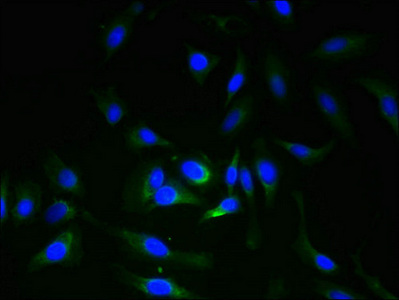
IF (Immunofluorescence) (Immunofluorescent analysis of Hela cells using AAA26919 at a dilution of 1:100)
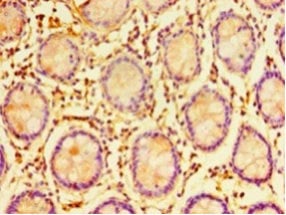
IHC (Immunohistochemistry) (Immunohistochemistry of paraffin-embedded human kidney tissue using AAA26919 at dilution of 1:100)
IHC (Immunohistochemistry) (Immunohistochemistry of paraffin-embedded human lung tissue using AAA26919 at dilution of 1:100)
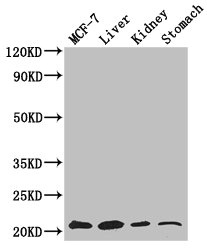
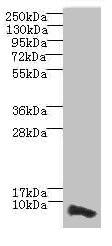
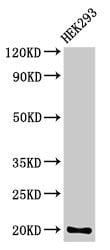
WB (Western Blot) (Western BlotPositive WB detected in: Mouse stomach tissueAll lanes: IFN-alpha antibody at 3ug/mlSecondaryGoat polyclonal to rabbit IgG at 1/50000 dilutionpredicted band size: 22 kDaobserved band size: 22 kDa)
IHC (Immunohistochemistry) (Immunohistochemistry of paraffin-embedded human glioma tissue using AAA26919 at dilution 1:100)
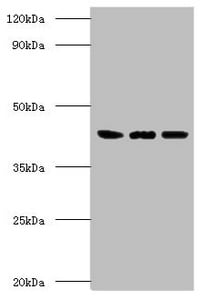
WB (Western Blot) (Western blotAll lanes: Interferon alpha-2 antibody at 2ug/ml+mouse liver tissueSecondaryGoat polyclonal to rabbit at 1/10000 dilutionPredicted band size: 22kDaObserved band size: 22kDa)
IF (Immunofluorescence) (Figure 15. IF analysis of RSRC2 using anti-RSRC2 antibody (AAA19986).RSRC2 was detected in a paraffin-embedded section of human rectal cancer tissue. Heat mediated antigen retrieval was performed in EDTA buffer (pH 8.0, epitope retrieval solution). The tissue section was blocked with 10% goat serum. The tissue section was then incubated with 5ug/mL rabbit anti-RSRC2 Antibody (AAA19986) overnight at 4 degree C. DyLight®550 Conjugated Goat Anti-Rabbit IgG (BA1135) was used as secondary antibody at 1:500 dilution and incubated for 30 minutes at 37 degree C. The section was counterstained with DAPI. Visualize using a fluorescence microscope and filter sets appropriate for the label used.)
IF (Immunofluorescence) (Figure 14. IF analysis of RSRC2 using anti-RSRC2 antibody (AAA19986).RSRC2 was detected in a paraffin-embedded section of human ovarian cancer tissue. Heat mediated antigen retrieval was performed in EDTA buffer (pH 8.0, epitope retrieval solution). The tissue section was blocked with 10% goat serum. The tissue section was then incubated with 5ug/mL rabbit anti-RSRC2 Antibody (AAA19986) overnight at 4 degree C. DyLight®550 Conjugated Goat Anti-Rabbit IgG (BA1135) was used as secondary antibody at 1:500 dilution and incubated for 30 minutes at 37 degree C. The section was counterstained with DAPI. Visualize using a fluorescence microscope and filter sets appropriate for the label used.)
IHC (Immunohistochemistry) (Figure 13. IHC analysis of RSRC2 using anti-RSRC2 antibody (AAA19986).RSRC2 was detected in a paraffin-embedded section of human tonsil tissue. Heat mediated antigen retrieval was performed in EDTA buffer (pH 8.0, epitope retrieval solution). The tissue section was blocked with 10% goat serum. The tissue section was then incubated with 2ug/ml rabbit anti-RSRC2 Antibody (AAA19986) overnight at 4 degree C. Peroxidase Conjugated Goat Anti-rabbit IgG was used as secondary antibody and incubated for 30 minutes at 37 degree C. The tissue section was developed using HRP Conjugated Rabbit IgG Super Vision Assay Kit ( epitope retrieval solution). The tissue section was blocked with 10% goat serum. The tissue section was then incubated with 2ug/ml rabbit anti-RSRC2 Antibody (AAA19986) overnight at 4 degree C. Peroxidase Conjugated Goat Anti-rabbit IgG was used as secondary antibody and incubated for 30 minutes at 37 degree C. The tissue section was developed using HRP Conjugated Rabbit IgG Super Vision Assay Kit ( epitope retrieval solution). The tissue section was blocked with 10% goat serum. The tissue section was then incubated with 2ug/ml rabbit anti-RSRC2 Antibody (AAA19986) overnight at 4 degree C. Peroxidase Conjugated Goat Anti-rabbit IgG was used as secondary antibody and incubated for 30 minutes at 37 degree C. The tissue section was developed using HRP Conjugated Rabbit IgG Super Vision Assay Kit ( epitope retrieval solution). The tissue section was blocked with 10% goat serum. The tissue section was then incubated with 2ug/ml rabbit anti-RSRC2 Antibody (AAA19986) overnight at 4 degree C. Peroxidase Conjugated Goat Anti-rabbit IgG was used as secondary antibody and incubated for 30 minutes at 37 degree C. The tissue section was developed using HRP Conjugated Rabbit IgG Super Vision Assay Kit ( epitope retrieval solution). The tissue section was blocked with 10% goat serum. The tissue section was then incubated with 2ug/ml rabbit anti-RSRC2 Antibody (AAA19986) overnight at 4 degree C. Peroxidase Conjugated Goat Anti-rabbit IgG was used as secondary antibody and incubated for 30 minutes at 37 degree C. The tissue section was developed using HRP Conjugated Rabbit IgG Super Vision Assay Kit ( epitope retrieval solution). The tissue section was blocked with 10% goat serum. The tissue section was then incubated with 2ug/ml rabbit anti-RSRC2 Antibody (AAA19986) overnight at 4 degree C. Peroxidase Conjugated Goat Anti-rabbit IgG was used as secondary antibody and incubated for 30 minutes at 37 degree C. The tissue section was developed using HRP Conjugated Rabbit IgG Super Vision Assay Kit ( epitope retrieval solution). The tissue section was blocked with 10% goat serum. The tissue section was then incubated with 2ug/ml rabbit anti-RSRC2 Antibody (AAA19986) overnight at 4 degree C. Peroxidase Conjugated Goat Anti-rabbit IgG was used as secondary antibody and incubated for 30 minutes at 37 degree C. The tissue section was developed using HRP Conjugated Rabbit IgG Super Vision Assay Kit ( epitope retrieval solution). The tissue section was blocked with 10% goat serum. The tissue section was then incubated with 2ug/ml rabbit anti-RSRC2 Antibody (AAA19986) overnight at 4 degree C. Peroxidase Conjugated Goat Anti-rabbit IgG was used as secondary antibody and incubated for 30 minutes at 37 degree C. The tissue section was developed using HRP Conjugated Rabbit IgG Super Vision Assay Kit ( epitope retrieval solution). The tissue section was blocked with 10% goat serum. The tissue section was then incubated with 2ug/ml rabbit anti-RSRC2 Antibody (AAA19986) overnight at 4 degree C. Peroxidase Conjugated Goat Anti-rabbit IgG was used as secondary antibody and incubated for 30 minutes at 37 degree C. The tissue section was developed using HRP Conjugated Rabbit IgG Super Vision Assay Kit ( epitope retrieval solution). The tissue section was blocked with 10% goat serum. The tissue section was then incubated with 2ug/ml rabbit anti-RSRC2 Antibody (AAA19986) overnight at 4 degree C. Peroxidase Conjugated Goat Anti-rabbit IgG was used as secondary antibody and incubated for 30 minutes at 37 degree C. The tissue section was developed using HRP Conjugated Rabbit IgG Super Vision Assay Kit ( epitope retrieval solution). The tissue section was blocked with 10% goat serum. The tissue section was then incubated with 2ug/ml rabbit anti-RSRC2 Antibody (AAA19986) overnight at 4 degree C. Peroxidase Conjugated Goat Anti-rabbit IgG was used as secondary antibody and incubated for 30 minutes at 37 degree C. The tissue section was developed using HRP Conjugated Rabbit IgG Super Vision Assay Kit ( epitope retrieval solution). The tissue section was blocked with 10% goat serum. The tissue section was then incubated with 2ug/ml rabbit anti-RSRC2 Antibody (AAA19986) overnight at 4 degree C. Peroxidase Conjugated Goat Anti-rabbit IgG was used as secondary antibody and incubated for 30 minutes at 37 degree C. The tissue section was developed using HRP Conjugated Rabbit IgG Super Vision Assay Kit (Lane 2: human HEL whole cell lysates,Lane 3: human RT4 whole cell lysates.After electrophoresis, proteins were transferred to a nitrocellulose membrane at 150 mA for 50-90 minutes. Blocked the membrane with 5% non-fat milk/TBS for 1.5 hour at RT. The membrane was incubated with rabbit anti-RSRC2 antigen affinity purified polyclonal antibody (#AAA19986) at 0.5ug/mL overnight at 4 degree C, then washed with TBS-0.1%Tween 3 times with 5 minutes each and probed with a goat anti-rabbit IgG-HRP secondary antibody at a dilution of 1:5000 for 1.5 hour at RT. The signal is developed using an Enhanced Chemiluminescent detection (ECL) kit with Tanon 5200 system. A specific band was detected for RSRC2 at approximately 58 kDa. The expected band size for RSRC2 is at 51 kDa.)
FCM (Flow Cytometry) (Figure 8. Flow Cytometry analysis of JK cells using anti-HDHD2 antibody (AAA20005).Overlay histogram showing JK cells stained with AAA20005(Blue line). The cells were fixed with 4% paraformaldehyde and blocked with 10% normal goat serum. And then incubated with rabbit anti-HDHD2 Antibody (AAA20005, 1ug/1x106 cells) for 30 min at 20 degree C. DyLight488 conjugated goat anti-rabbit IgG was used as secondary antibody for 30 minutes at 20 degree C. Isotype control antibody (Green line) was rabbit IgG (1ug/1x106) used under the same conditions. Unlabelled sample (Red line) was also used as a control.)
IHC (Immunohistochemistry) (Figure 7. IHC analysis of HDHD2 using anti-HDHD2 antibody (AAA20005).HDHD2 was detected in a paraffin-embedded section of human testicular seminoma tissue. Heat mediated antigen retrieval was performed in EDTA buffer (pH 8.0, epitope retrieval solution). The tissue section was blocked with 10% goat serum. The tissue section was then incubated with 2ug/ml rabbit anti-HDHD2 Antibody (AAA20005) overnight at 4 degree C. Peroxidase Conjugated Goat Anti-rabbit IgG was used as secondary antibody and incubated for 30 minutes at 37 degree C. The tissue section was developed using HRP Conjugated Rabbit IgG Super Vision Assay Kit ( epitope retrieval solution). The tissue section was blocked with 10% goat serum. The tissue section was then incubated with 2ug/ml rabbit anti-HDHD2 Antibody (AAA20005) overnight at 4 degree C. Peroxidase Conjugated Goat Anti-rabbit IgG was used as secondary antibody and incubated for 30 minutes at 37 degree C. The tissue section was developed using HRP Conjugated Rabbit IgG Super Vision Assay Kit ( epitope retrieval solution). The tissue section was blocked with 10% goat serum. The tissue section was then incubated with 2ug/ml rabbit anti-HDHD2 Antibody (AAA20005) overnight at 4 degree C. Peroxidase Conjugated Goat Anti-rabbit IgG was used as secondary antibody and incubated for 30 minutes at 37 degree C. The tissue section was developed using HRP Conjugated Rabbit IgG Super Vision Assay Kit ( epitope retrieval solution). The tissue section was blocked with 10% goat serum. The tissue section was then incubated with 2ug/ml rabbit anti-HDHD2 Antibody (AAA20005) overnight at 4 degree C. Peroxidase Conjugated Goat Anti-rabbit IgG was used as secondary antibody and incubated for 30 minutes at 37 degree C. The tissue section was developed using HRP Conjugated Rabbit IgG Super Vision Assay Kit ( epitope retrieval solution). The tissue section was blocked with 10% goat serum. The tissue section was then incubated with 2ug/ml rabbit anti-HDHD2 Antibody (AAA20005) overnight at 4 degree C. Peroxidase Conjugated Goat Anti-rabbit IgG was used as secondary antibody and incubated for 30 minutes at 37 degree C. The tissue section was developed using HRP Conjugated Rabbit IgG Super Vision Assay Kit ( epitope retrieval solution). The tissue section was blocked with 10% goat serum. The tissue section was then incubated with 2ug/ml rabbit anti-HDHD2 Antibody (AAA20005) overnight at 4 degree C. Peroxidase Conjugated Goat Anti-rabbit IgG was used as secondary antibody and incubated for 30 minutes at 37 degree C. The tissue section was developed using HRP Conjugated Rabbit IgG Super Vision Assay Kit (Lane 2: human THP-1 whole cell lysates,Lane 3: human K562 whole cell lysates,Lane 4: human HEL whole cell lysates,Lane 5: rat kidney tissue lysates,Lane 6: rat brain tissue lysates,Lane 7: mouse kidney tissue lysates,Lane 8: mouse brain tissue lysates.After electrophoresis, proteins were transferred to a nitrocellulose membrane at 150 mA for 50-90 minutes. Blocked the membrane with 5% non-fat milk/TBS for 1.5 hour at RT. The membrane was incubated with rabbit anti-HDHD2 antigen affinity purified polyclonal antibody (#AAA20005) at 0.5ug/mL overnight at 4 degree C, then washed with TBS-0.1%Tween 3 times with 5 minutes each and probed with a goat anti-rabbit IgG-HRP secondary antibody at a dilution of 1:5000 for 1.5 hour at RT. The signal is developed using an Enhanced Chemiluminescent detection (ECL) kit with Tanon 5200 system. A specific band was detected for HDHD2 at approximately 28 kDa. The expected band size for HDHD2 is at 29 kDa.)
IF (Immunofluorescence) (Immunofluorescent analysis of 293 cells using AAA26956 at a dilution of 1:100 and Alexa Fluor 488-congugated AffiniPure Goat Anti-Rabbit IgG(H+L))
IHC (Immunohistochemistry) (Immunohistochemistry of paraffin-embedded human pancreatic tissue using AAA26956 at dilution 1:100)
IHC (Immunohistochemistry) (Immunohistochemistry of paraffin-embedded human prostate cancer using AAA26956 at dilution 1:100)
WB (Western Blot) (All lanes: GIPR antibody at 5.89ug/mlLane 1: Rat heart tissueLane 2: Mouse brain tissueLane 3: Hela whole cell lysateLane 4: A549 whole cell lysateLane 5: HL60 whole cell lysateSecondaryGoat polyclonal to rabbit IgG at 1/10000 dilutionPredicted band size: 54, 49, 50 kDaObserved band size: 54 kDa)
Western Blot, Immunofluorescence, Immunohistochemistry
Purity
Antigen Affinity Purified
Pricing
What are Polyclonal Antibodies?
Polyclonal antibodies are antibodies that come from multiple B cell clones of a host animal. The typical hosts used for the majority of polyclonal antibody production are rabbits, goats, sheep, and donkeys. These polyclonal antibodies, once having identified their target, will bind to different epitopes located at different regions or sequences on the same protein/antigen. As a result, they are ideal at locating and binding to the target, even if the target is in very low concentrations (due to many different antibodies being able to bind to the same target molecule, which allows for significant amplification of a downstream signal).
Polyclonal antibodies are typically produced by injecting an antigen into a host animal, which causes the animal’s immune system to attack the foreign antigen by mass generating antibodies against it. After a period of time, serum is collected from the animal and purified using physicochemical fractionation, class-specific affinity purification, and/or antigen-affinity purification.
Key Uses of Polyclonal Antibodies
Western Blotting: This method is used to find specific proteins in biological samples after separating them by size.
Immunohistochemistry: IHC helps visualize the location of proteins in tissue sections using various staining techniques.
ELISA: (Enzyme-Linked Immunosorbent Assay) is typically used to identify specific protein quantities in a sample. ELISAs can be either “Quantitative” or “Qualitative”.
Flow Cytometry: technique that identifies and measures the specific protein on the surface or inside the cells in a fluid suspension.
Immunoprecipitation: IP isolates and studies a specific protein from a complex mixture using antibodies.
Why Buy Polyclonal Antibodies from AAA Biotech?
1. Ideal for Various Applications
Our antibodies are generally going to be validated for use in multiple types of assays, including ELISA, Western Blotting, Immunohistochemistry, Immunoprecipitation, amongst others. They are ideal for a wide range of research applications.
2. Rigorous Quality Control
All of the antibodies in our catalog undergo strict quality testing to ensure specificity, sensitivity, and consistent performance. We are confident in the ability of our antibodies to provide you with accurate results.
3. Wide Assortment of Antibodies
Antibodies in are catalog can be found for both common and exotic species, and these antibodies are also available in both conjugated and recombinant forms to suit many diverse experimental needs.
4. Highly Purified
Our antibodies are available in purified forms with over 85% purity, as confirmed by SDS-PAGE. They are also available with tags such as His, Flag, GST, or MBP. We cater to customers worldwide.
FAQ
1. How are polyclonal antibodies produced?
Traditionally, polyclonal antibodies are produced by injecting an antigen into a host animal (such as a rabbit or goat), which then triggers an immune response from the host animal. The animal’s B cells produce antibodies that will recognize different parts of the injected antigen. These antibodies are then collected from the animal’s blood and purified for use.
2. How do polyclonal antibodies differ from monoclonal antibodies?
Polyclonal antibodies are a mix of antibodies that bind to different locations (epitopes) of the same antigen, while monoclonal antibodies are identical and bind to just one specific epitope. This makes polyclonal antibodies more versatile and better at detecting proteins that may be present in low quantities or in altered/modified forms.
3. How should I store polyclonal antibodies?
Polyclonal antibodies should be stored at 4°C for short-term use (up to a few weeks) and at -20°C or -80°C for long-term storage. Avoid repeated freeze-thaw cycles by dividing them into small aliquots. Always check the datasheet for specific storage instructions.
Submit a Question
Please complete the form below and a representative will contact you as soon as possible.
Request more Information
Please complete the form below and a representative will contact you as soon as possible.
Request a Manual
Please complete the form below and a representative will contact you as soon as possible.
Request a Quote
Please complete the form below and a representative will contact you as soon as possible.