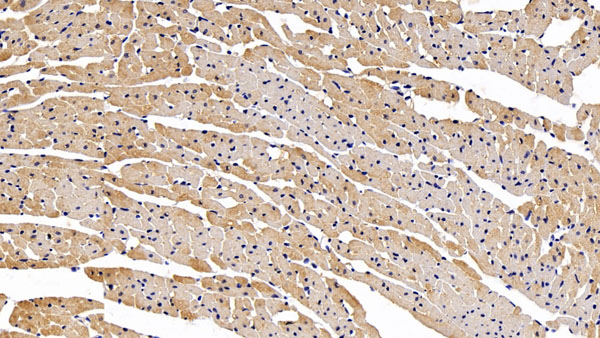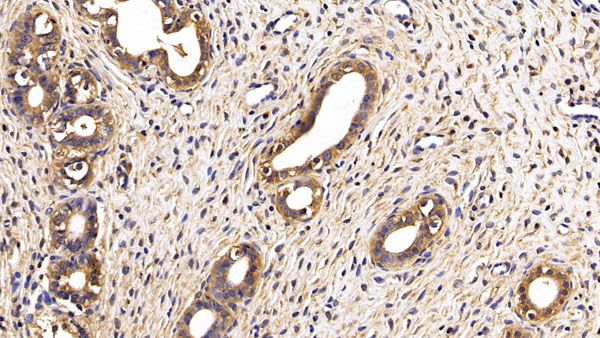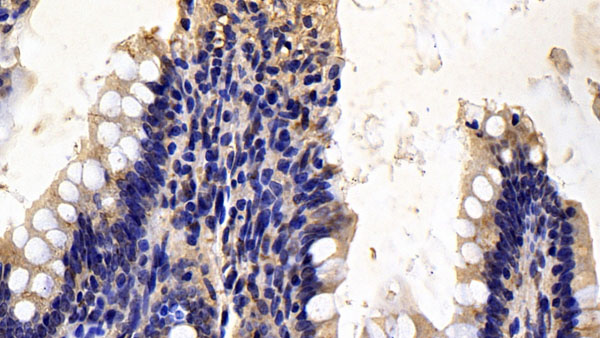
Get accurate results in your research with our Monoclonal Antibodies, which are specially made to target exactly what you require for your research, and will produce consistent, reliable performance in lab tests.
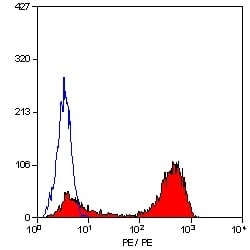
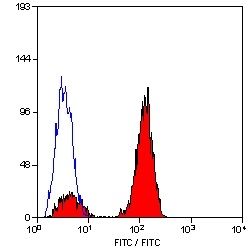
FCM/FACS (Flow Cytometry) (Staining of normal human peripheral blood platelets 0.06 ug of Purified anti-human CD61 (VI-PL2) followed by PE Donkey Anti-Mouse IgG (H+L). Samples were then extensively washed and co-stained with FITC anti-human CD42b (HIP1) to label platelets. CD42b(-) events represent cell debris.)
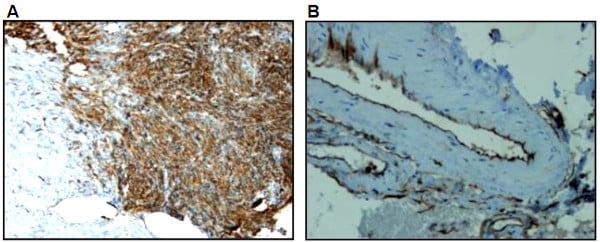
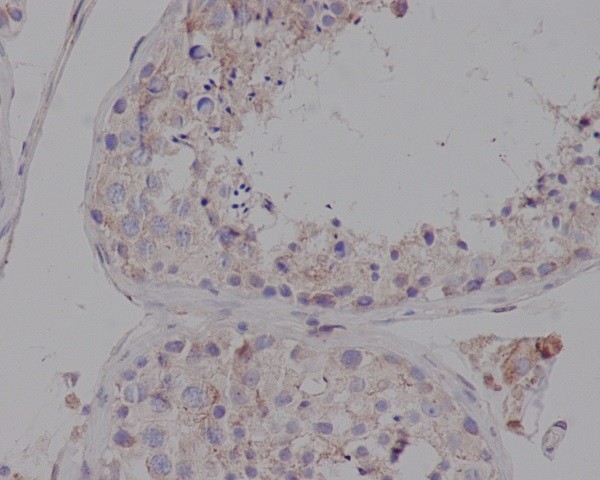
IHC (Immunohiostchemistry) (Anti-Integrin Beta 3 antibody IHC of human placenta. Immunohistochemistry of formalin-fixed, paraffin-embedded tissue after heat-induced antigen retrieval. Antibody concentration 20 ug/ml.)
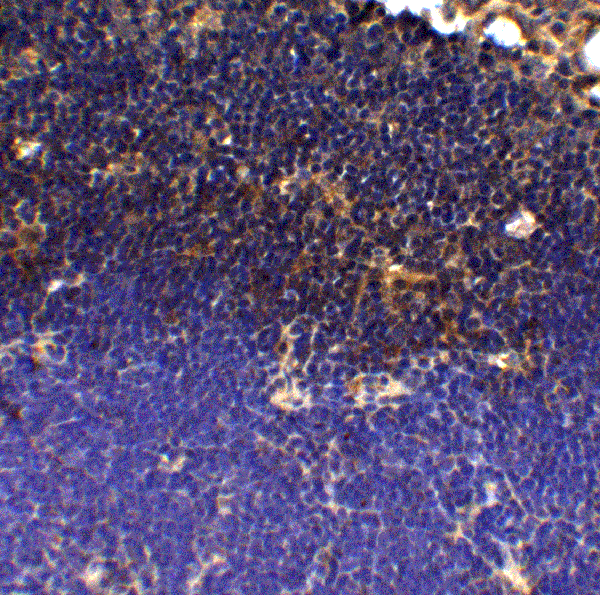
IHC (Immunohistochemistry) (Anti-Integrin Beta 3 antibody IHC of human spleen. Immunohistochemistry of formalin-fixed, paraffin-embedded tissue after heat-induced antigen retrieval. Antibody concentration 20 ug/ml.)
FCM/FACS (Flow Cytometry) (Staining of HUVECs with 0.125 ug of Purified Mouse IgG1, K isotype control (blue) or 0.125 ug of Purified anti-human CD146 (Muc 18, MCAM, Mel-CAM, EndoCAM) (purple) followed by PE Donkey F(ab')2 Fragment Anti-Mouse IgG (H+L, Minimal Reactivity to Rat IgG). Total viable cells were used for analysis.)
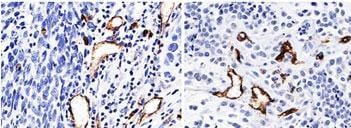
IHC (Immunohistochemistry) (Anti-MCAM / CD146 antibody IHC of human vessels in human uterus. Immunohistochemistry of formalin-fixed, paraffin-embedded tissue after heat-induced antigen retrieval. Antibody concentration 20 ug/ml.)
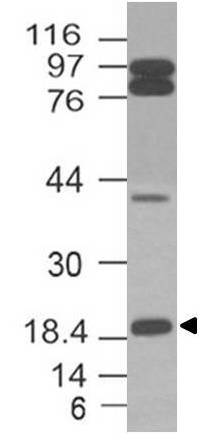
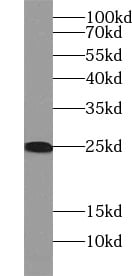
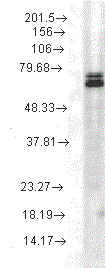
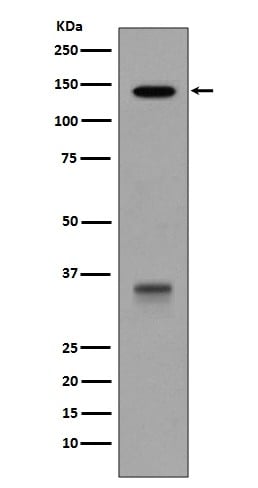
WB (Western Blot) (Jurkat extract probed with anti-c-myc monoclonal antibody. Proteins were visualized using a goat anti-mouse secondary conjugated to HRP and chemiluminescence. Intact (non-degraded) c-myc with a molecular weight of approximately 62 kD was detected.)
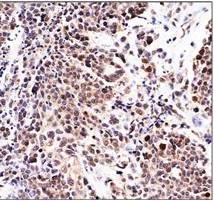
IHC (Immunohiostchemistry) (Anti-MYC / c-Myc antibody IHC of human pancreas. Immunohistochemistry of formalin-fixed, paraffin-embedded tissue after heat-induced antigen retrieval. Antibody concentration 10 ug/ml.)
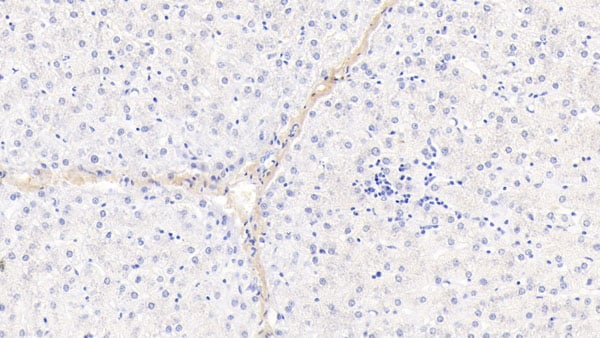
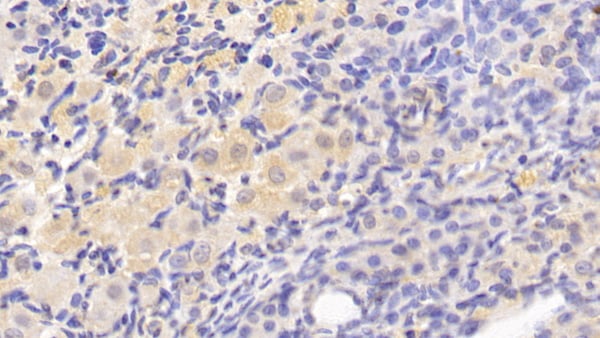
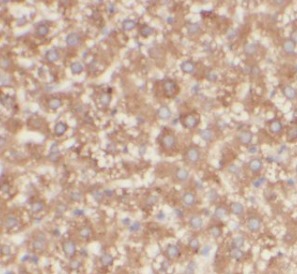
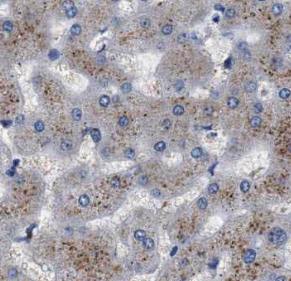
IHC (Immunohistochemistry) (Anti-MYC / c-Myc antibody IHC of human liver. Immunohistochemistry of formalin-fixed, paraffin-embedded tissue after heat-induced antigen retrieval. Antibody concentration 10 ug/ml.)
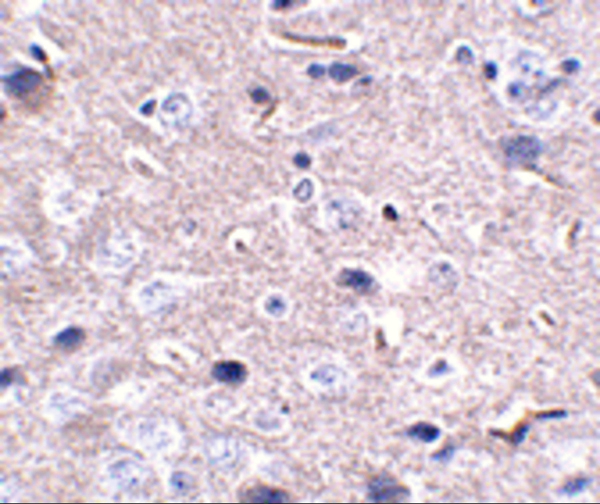
IHC (Immunohiostchemistry) (Anti-S100A10 antibody IHC of human nerve and ganglion cell. Immunohistochemistry of formalin-fixed, paraffin-embedded tissue after heat-induced antigen retrieval. Antibody dilution 1:200.)
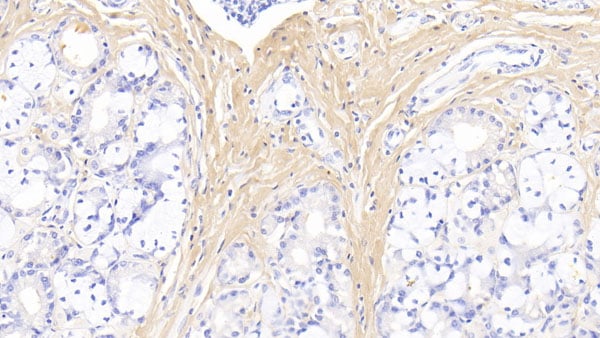
IHC (Immunohistochemistry) (Anti-S100A10 antibody IHC of human lung. Immunohistochemistry of formalin-fixed, paraffin-embedded tissue after heat-induced antigen retrieval. Antibody dilution 1:200.)
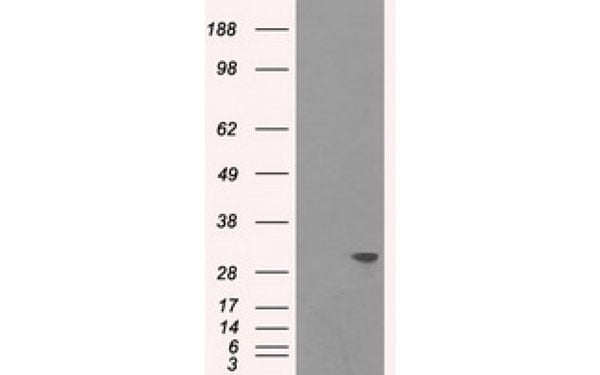
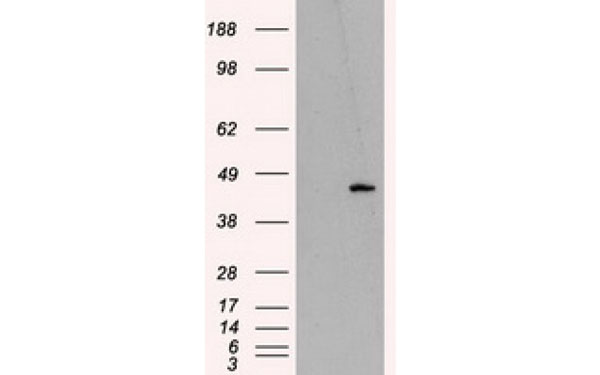
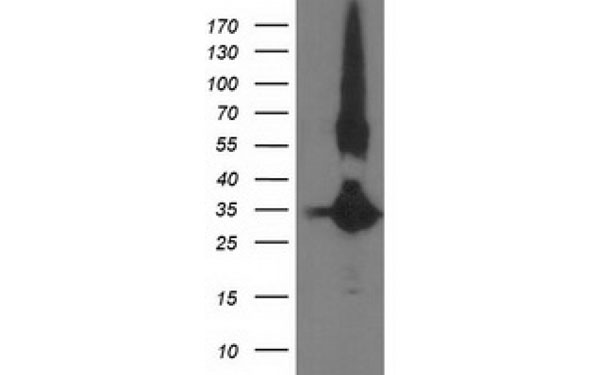
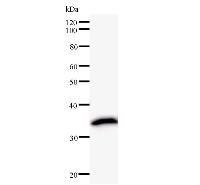
WB (Western Blot) (Western blot of 100 ng of XBP-1 recombinant protein with XBP-1 antibody at 1 ug/ml.)
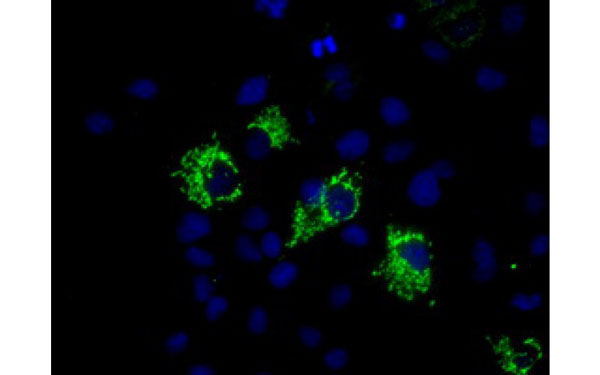
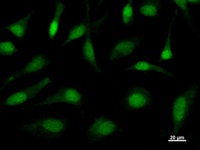
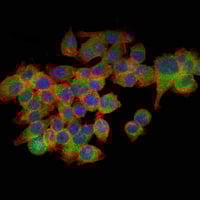
ICC (Immunocytochemistry) (Immunocytochemistry of XBP-1 in HepG2 cells with XBP-1 antibody at 2 ug/ml.)
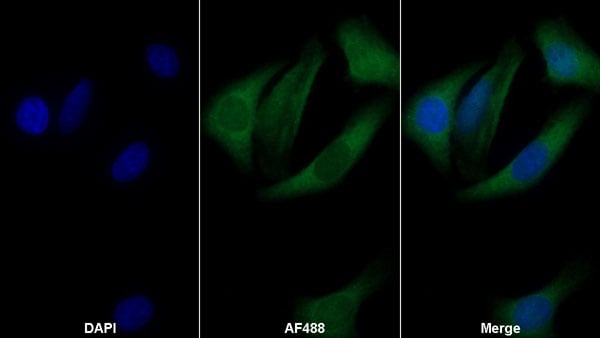
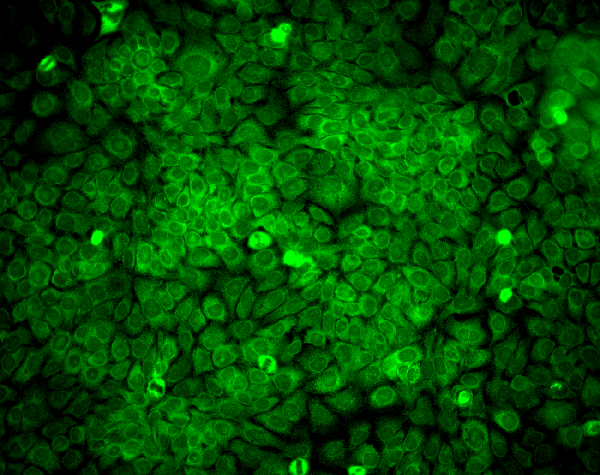
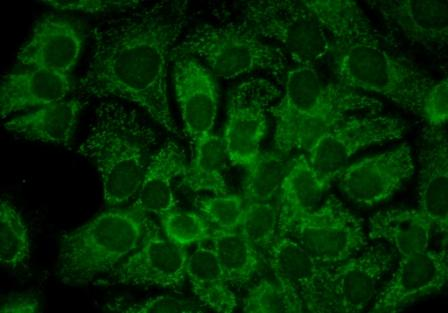
IF (Immunofluorescence) (Immunofluorescence of XBP1 in HepG2 cells with XBP1 antibody at 2 ug/ml.)
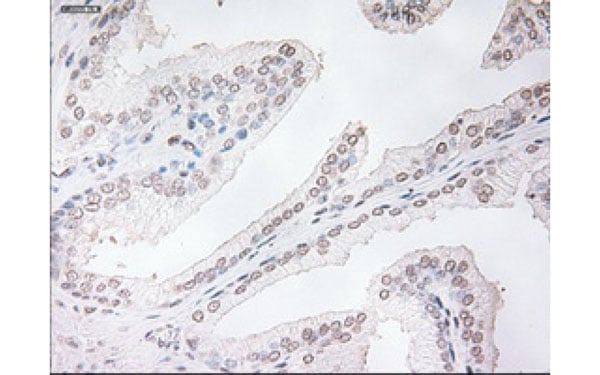
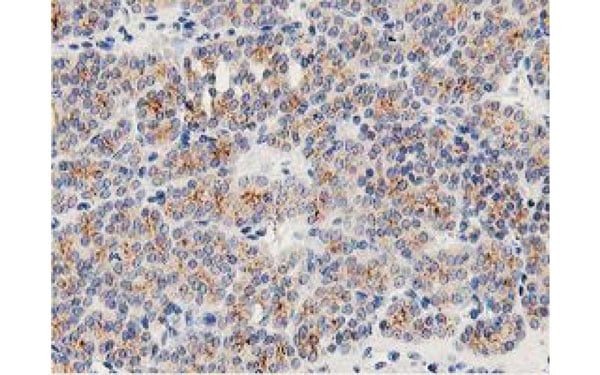
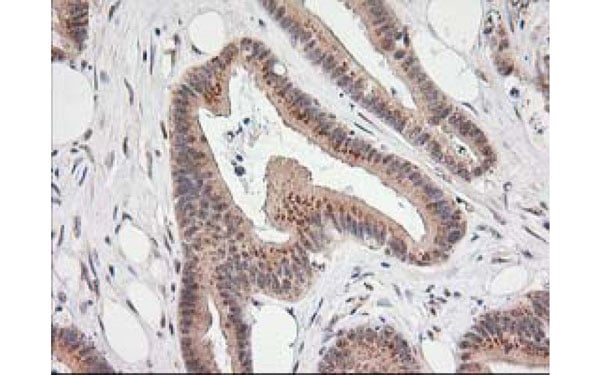
IHC (Immunohiostchemistry) (Anti-XBP1 antibody IHC of human small intestine. Immunohistochemistry of formalin-fixed, paraffin-embedded tissue after heat-induced antigen retrieval. Antibody concentration 10 ug/ml.)
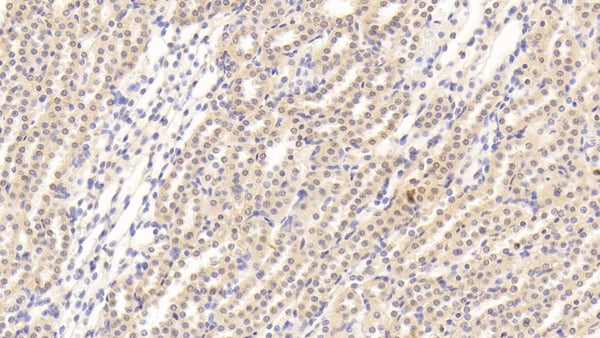
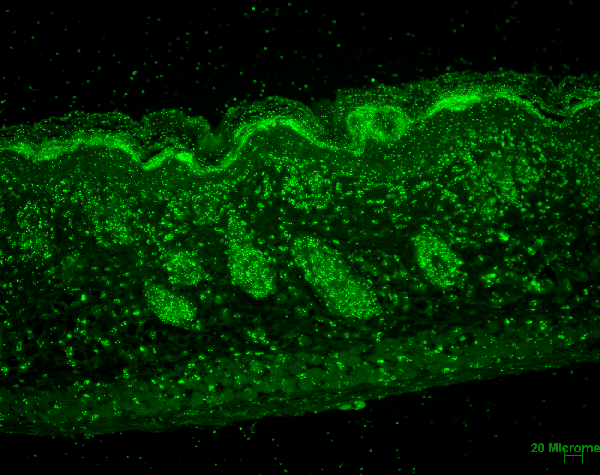
IHC (Immunohistochemistry) (Anti-XBP1 antibody IHC of human skin. Immunohistochemistry of formalin-fixed, paraffin-embedded tissue after heat-induced antigen retrieval. Antibody concentration 10 ug/ml.)
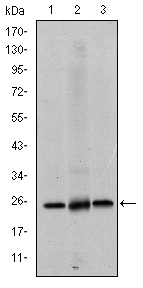
WB (Western Blot) (Extracts of Mouse brain (35 ug) were resolved by SDS-PAGE, transferred to PVDF membrane and probed with anti-human beta-Tubulin (1:10000). Proteins were visualized using a goat anti-mouse secondary antibody conjugated to HRP and an ECL detection system.)
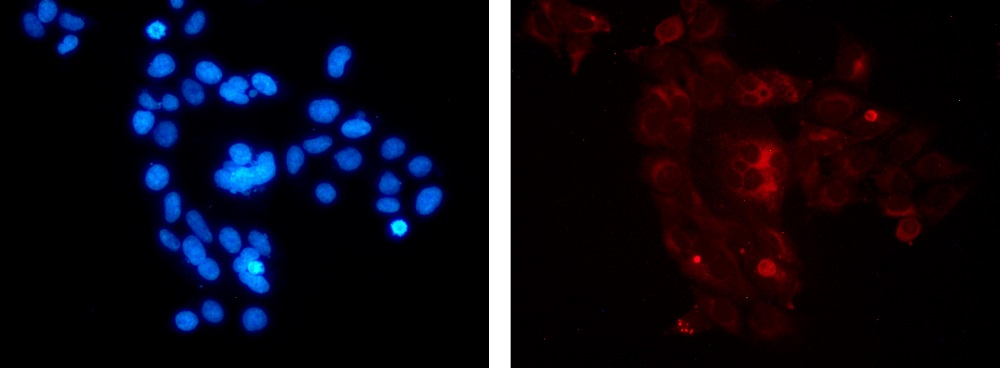
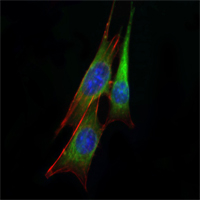
IF (Immunofluorescence) (Immunofluorescence of HaCaT cells stained with Hoechst 3342 (Blue) for nucleus staining and monoclonal anti-human beta-Tubulin antibody (1:1000) with Texas Red (Red).)
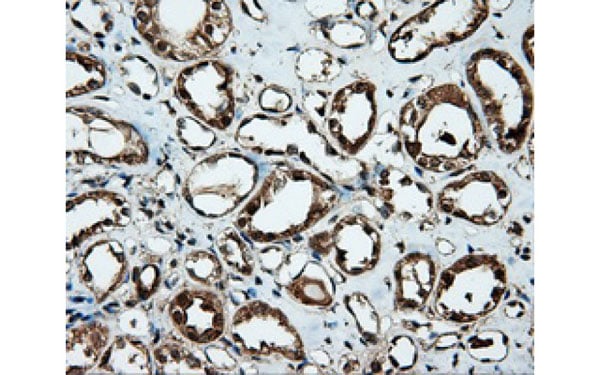
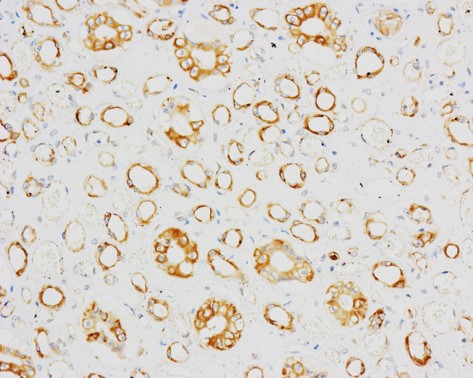
IHC (Immunohistochemistry) (Anti-TUBB / Tubulin, Beta antibody IHC of human lung, respiratory epithelium. Immunohistochemistry of formalin-fixed, paraffin-embedded tissue after heat-induced antigen retrieval. Antibody concentration 5 ug/ml.)
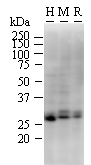
WB (Western Blot) (Western blot of extracts (10ug) from 8 Human tissue by using anti-GBAS monoclonal antibody at 1:200 (1: Testis; 2: Uterus; 3: Breast; 4: Brain; 5: Liver; 6: Ovary; 7: Thyroid gland; 8: Colon).)
WB (Western Blot) (Western blot of extracts (35ug) from 9 different cell lines by using anti-GBAS monoclonal antibody (HepG2: human; HeLa: human; SVT2: mouse; A549: human; COS7: monkey; Jurkat: human; MDCK: canine; PC12: rat; MCF7: human).)
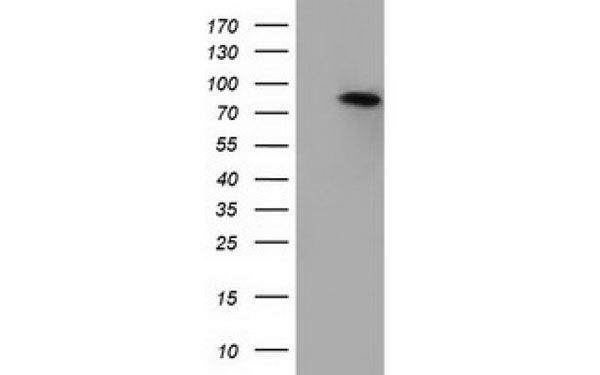
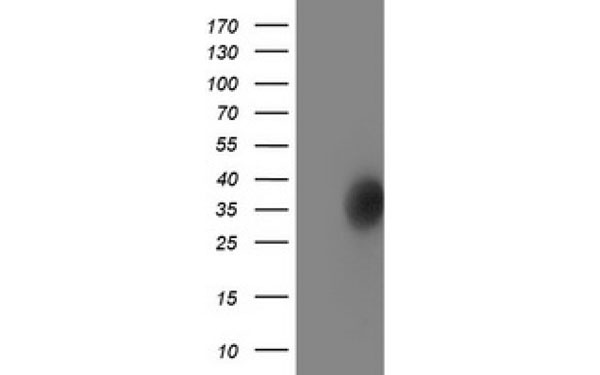
WB (Western Blot) (HEK293T cells were transfected with the pCMV6-ENTRY control (Left lane) or pCMV6-ENTRY GBAS (Right lane) cDNA for 48 hrs and lysed. Equivalent amounts of cell lysates (5 ug per lane) were separated by SDS-PAGE and immunoblotted with anti-GBAS.)
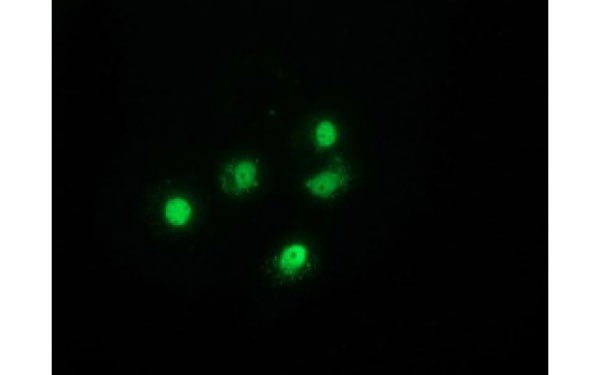
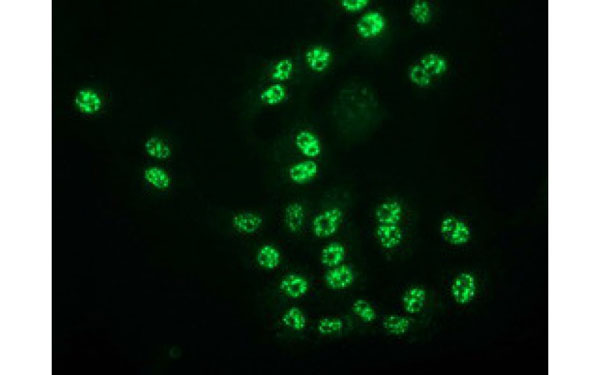
IF (Immunofluorescence) (Anti-GBAS mouse monoclonal antibody immunofluorescent staining of COS7 cells transiently transfected by pCMV6-ENTRY GBAS.)
Application Data (Fig.2: CGE analysis of purified NJ-4F3 monoclonal antibody. Lane 1: molecular weight marker, Lane 2: 2 ?g of purified NJ-4F3 antibody. Proteins were separated by CGE (capillary gel electrophoresis, Agilent 2100 Bioanalyzer). Internal control bands (240 kDa / 7 kDa / 4,5 kDa).)
Application Data (Fig.1: FACS analysis of BOSC23 cells using NJ-4F3 Cat.# GM-0908. BOSC23 cells were transiently transfected with an expression vector encoding either S100 A4 (red curve) or an irrelevant protein (control transfectant: black curve). Binding of NJ-4F3 was detected with a PE-conjugated secondary antibody. A positive signal was obtained only with S100 A4 transfected cells.)
Application Data (Fig2: BOSC cells were transiently transfected with expression vectors for Granzyme A, B, K, or M. Expression of the constructs was tested with an antimyc monoclonal antibody (green curves), an irrelevant monoclonal antibody served as negative control (black curves). For specificity testing, GM-26E7 hybridoma supernatant was tested on all transfectants. A positive signal was obtained only with Granzyme K transfected cells (red curves).)
Application Data (Fig.1: FACS analysis of BOSC23 cells using GM-26E7 Cat.# GM- 0203. BOSC23 cells were transiently transfected with an expression vector encoding either Granzyme K (red curve) or an irrelevant protein (control transfectant: black curve). Binding of GM-26E7 was detected with a PE-conjugated secondary antibody. A positive signal was obtained only with Granzyme K)
WB (Western Blot) (Western Blot using anti-MHC I antibody R1-21.2 (AAA72096) Mouse thymus tissue lysate (35ug protein in RIPA buffer) was resolved on a SDS PAGE gel and blots were probed with the chimeric rabbit version of R1-21.2 () at 1ug/ml before detection using an anti-rabbit secondary antibody. A primary incubation of 1h was used and protein was detected by chemiluminescence.)
IF (Immunofluorescence) (Immunofluorescence staining of mouse splenocytes using anti-MHC I antibody (AAA72096) R1-21.2. Immunofluorescence analysis of paraformaldehyde fixed mouse splenocytes immobilized on Shi-fix cover-slips and stained with the chimeric rabbit IgG version of R1-21.2 () at 10ug/ml followed by Alexa Fluor 488 secondary antibody (2ug/ml), showing membrane staining in a subset of cells. The nuclear stain is DAPI (blue). Panels show from left-right, top-bottom , DAPI, merged channels and an isotype control. The isotype control was stained with anti-Fluorescein antibody followed by Alexa Fluor 488 secondary antibody.)
WB (Western Blot) (Western Blot using anti-CD56 antibody NCAM12.19 . human brain cerebellum(A) and cerebral cortex(B) tissue lysate (35ug protein in RIPA buffer) was resolved on an SDS PAGE gel and blots probed with the chimeric mouse IgG version of NCAM12.19 () at 0.03ug/ml before detection using an anti-mouse secondary antibody. A primary incubation of 1h was used and protein was detected by chemiluminescence.)
IF (Immunofluorescence) (Immunofluorescence staining of Kelly cells using anti-CD56 NCAM12.19 Immunofluorescence analysis of paraformaldehyde fixed Kelly cells stained with the chimeric mouse IgG version of NCAM12.19 () at 10ug/ml followed by Alexa Fluor 488 secondary antibody (2ug/ml), showing membrane staining. The nuclear stain is DAPI (blue). Panels show from left-right, top-bottom DAPI, merged channels and an isotype control. The isotype control was stained with anti-unknown antibody followed by Alexa Fluor 488 secondary antibody.)
WB (Western Blot) (Western Blot using anti-CD56 antibody NCAM12.19 . human brain cerebellum(A) and cerebral cortex(B) tissue lysate (35ug protein in RIPA buffer) was resolved on an SDS PAGE gel and blots probed with the chimeric mouse IgG version of NCAM12.19 () at 0.03ug/ml before detection using an anti-mouse secondary antibody. A primary incubation of 1h was used and protein was detected by chemiluminescence.)
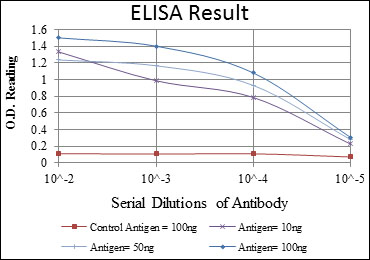
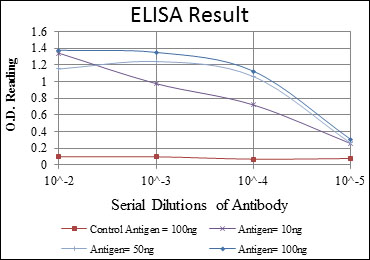
ELISA (Binding curve of anti-CD56 antibody NCAM12.19 to recombinant human NCAM1 Fc-Fusion Protein. ELISA Plate coated with recombinant human NCAM1 Fc-Fusion Protein at a concentration of 5ug/ml. A 3-fold serial dilution from 10,000 ng/ml was performed using For detection, a 1:4000 dilution of HRP-labelled anti-rabbit antibody was used.)
FCM/FACS (Flow Cytometry) (Flow cytometry using the Anti-IL-10R antibody 1B1.3a (AAA72142). RAW264.7 cells were stained with anti-unknown specificity antibody or the rabbit IgG version of 1B1.3a (, blue line) at a dilution of 1:100 for 1h at RT. After washing, the bound antibody was detected using a goat anti-rabbit IgG AlexaFluor 488 antibody at a dilution of 1:1000 and cells analyzed using a FACSCanto flow-cytometer.)
IF (Immunofluorescence) (Immunofluorescence staining of fixed RAW264.7 cells with anti-IL-10R antibody 1B1.3a (AAA72142) Immunofluorescence analysis of paraformaldehyde fixed RAW264.7 cells on Shi-fix coverslips stained with the chimeric rabbit IgG version of 1B1.3a () at 10ug/ml for 1h followed by Alexa Fluor 488 secondary antibody (2ug/ml), showing membrane staining. The nuclear stain is DAPI (blue). Panels show from left-right, top-bottom , DAPI, merged channels and an isotype control. The isotype control was an unknown specificity antibody followed by staining with Alexa Fluor 488 secondary antibody.)
FCM/FACS (Flow Cytometry) (Flow cytometry using the Anti-CD19 antibody CAT-13.1E10 . Paraformaldehyde fixed Daudi cells were stained with anti-unknown specificity antibody or the rabbit IgG version of CAT-13.1E10 at a dilution of 1:100 for 1h at RT. After washing, the bound antibody was detected using a goat anti-rabbit IgG AlexaFluor 488 antibody at a dilution of 1:1000 and cells analyzed using a FACSCanto flow-cytometer.)
IF (Immunofluorescence) (Immunofluorescence staining of fixed human peripheral blood leukocytes with anti-CD19 antibody CAT-13.1E10 Immunofluorescence analysis of paraformaldehyde fixed human peripheral blood leukocytes on Shi-fix coverslips stained with the chimeric rabbit IgG version of CAT-13.1E10 at 10ug/ml for 1h followed by Alexa Fluor 488 secondary antibody (2ug/ml), showing membrane staining. The nuclear stain is DAPI (blue). Panels show from left-right, top-bottom DAPI, merged channels and an isotype control. The isotype control was an unknown specificity antibody followed by staining with Alexa Fluor 488 secondary antibody.)
FCM/FACS (Flow Cytometry) (Flow cytometry using the Anti-CD19 antibody CAT-13.1E10 (AAA72146). Paraformaldehyde fixed Daudi cells were stained with anti-unknown specificity antibody or the rabbit IgG version of CAT-13.1E10 (, blue line) at a dilution of 1:100 for 1h at RT. After washing, the bound antibody was detected using a goat anti-rabbit IgG AlexaFluor 488 antibody at a dilution of 1:1000 and cells analyzed using a FACSCanto flow-cytometer.)
IF (Immunofluorescence) (Immunofluorescence staining of fixed human peripheral blood leukocytes with anti-CD19 antibody CAT-13.1E10 (AAA72146) Immunofluorescence analysis of paraformaldehyde fixed human peripheral blood leukocytes on Shi-fix coverslips stained with the chimeric rabbit IgG version of CAT-13.1E10 () at 10ug/ml for 1h followed by Alexa Fluor 488 secondary antibody (2ug/ml), showing membrane staining. The nuclear stain is DAPI (blue). Panels show from left-right, top-bottom , DAPI, merged channels and an isotype control. The isotype control was an unknown specificity antibody followed by staining with Alexa Fluor 488 secondary antibody.)
IF (Immunofluorescence) (Immunofluorescence staining of fixed human peripheral blood leukocytes with anti-IL-8RA antibody SE2 (AAA72179) Immunofluorescence analysis of paraformaldehyde fixed human peripheral blood leukocytes on Shi-fix coverslips stained with the chimeric rabbit IgG version of SE2 () at 10ug/ml for 1h followed by Alexa Fluor 488 secondary antibody (2ug/ml), showing membrane staining. The nuclear stain is DAPI (blue). Panels show from left-right, top-bottom , DAPI, merged channels and an isotype control. The isotype control was an unknown specificity antibody followed by staining with Alexa Fluor 488 secondary antibody.)
WB (Western Blot) (Western Blot using anti-IL-8RA antibody SE2 (AAA72179) Human lymph node tissue lysates (35ug protein in RIPA buffer) were resolved on a SDS PAGE gel and blots were probed with the chimeric rabbit version of SE2 () at 0.1ug/ml before detection using an anti-rabbit secondary antibody. A primary incubation of 1h was used and protein was detected by chemiluminescence.)
IF (Immunofluorescence) (Immunofluorescence staining of fixed human peripheral blood leukocytes with anti-IL-8RA antibody SE2 (AAA72179) Immunofluorescence analysis of paraformaldehyde fixed human peripheral blood leukocytes on Shi-fix coverslips stained with the chimeric rabbit IgG version of SE2 () at 10ug/ml for 1h followed by Alexa Fluor 488 secondary antibody (2ug/ml), showing membrane staining. The nuclear stain is DAPI (blue). Panels show from left-right, top-bottom , DAPI, merged channels and an isotype control. The isotype control was an unknown specificity antibody followed by staining with Alexa Fluor 488 secondary antibody.)
FCM/FACS (Flow Cytometry) (Flow cytometry using the anti-CBX2 antibody RAB-C238 (AAA72210). HeLa cells were fixed using 2% PFA and stained with anti-unknown specificity antibody or the rabbit IgG1 version of RAB-C238 at a dilution of 1:100 for 1h at RT. After washing, the bound antibody was detected using a goat anti-rabbit IgG AlexaFluor 488 antibody at a dilution of 1:1000 and cells analyzed using a FACSCanto flow-cytometer.)
IF (Immunofluorescence) (Immunofluorescence staining of fixed HeLa cells with anti-CBX2 antibody RAB-C238 (AAA72210) Immunofluorescence analysis of paraformaldehyde fixed HeLa cells on Shi-fix coverslips stained with the chimeric rabbit IgG version of RAB-C238 at 10ug/ml for 1h followed by Alexa Fluor 488 secondary antibody (2ug/ml), showing membrane staining. The nuclear stain is DAPI (blue) and the actin stain is phalloidin (red). Panels show from left-right, top-bottom DAPI, merged channels and an isotype control. The isotype control was an unknown specificity antibody followed by staining with Alexa Fluor 488 secondary antibody.)
IF (Immunofluorescence) (Immunofluorescencestainingofmousesplenocyteswithanti-PD-1(AAA72538)29F.1A12 ImmunofluorescenceanalysisofparaformaldehydefixedmousesplenocytesstainedwiththechimericrabbitIgGversionof29F.1A12(AAA72538)(1:1000dilution)for1hfollowedbyAlexaFluor488secondaryantibody(1:1500dilution),showingnuclearstaining.ThenuclearstainisDAPI(blue).Panelsshowfromleft-right,top-bottomAAA72538,DAPI,mergedchannelsandanisotypecontrol.Theisotypecontrolwasanti-fluoresceinantibodyfollowedbystainingwithAlexaFluor488secondaryantibody.)
FCM/FACS (Flow Cytometry) (All lanes : STXB2 Mouse mAb at 1/2000 dilutionLane 1 : THP1 cells membrane fractionLane 2 : Jurkat cells membrane fractionLysates/proteins at 20 ug per lane.SecondaryGoat Anti-Mouse IgG-HRP, 5% milk conjugated at 1/10000 dilutionPredicted band size : 66 KDaObserved band size : 66 KDaBlocking/Dilution buffer : 1x TBST.)
IP (Immunoprecipitation) (STXB2 was immunoprecipitated from 1mg of THP1 cells membrane fraction, blotted with M25219 of 10 ug. Western blot was performed from the immunoprecipitate using M25219 at 1/1000 dilution. Anti-Mouse-IgG(HRP), specific to the non-reduced form of IgG, was used as secondary antibody at 1/10000 dilution. Lane 1: THP1 cells membrane fraction. Lane2: IP product of THP1 cells membrane fraction.Blocking and dilution buffer and concentration:5% milk/TBST.)
WB (Western Blot) (Flow cytometric analysis of 2% paraformaldehyde-fixed THP1 (Human acute monocytic leukemia cell line) cells labeling STXB2 with M25219 at 1/200 dilution (red) compared with a mouse monoclonal IgG isotype control (black) and an unlabelled control (cells without incubation with primary antibody, blue). Goat anti-mouse IgG (FITC) at 1/300 dilution was used as the secondary antibody.)
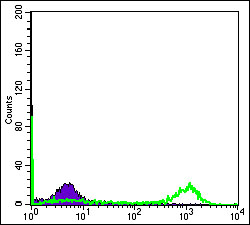
FCM/FACS (Flow Cytometry) (Flow cytometric analysis of 2% paraformaldehyde-fixed HepG2 (liver hepatocelluar carcinoma) cells labeling PRKDC with AAA62430 at 1/200 dilution (green) compared with a mouse monoclonal IgG isotype control (black) and an unlabelled control (cells without incubation with primary antibody, blue). Goat anti-mouse IgG (FITC) at 1/300 dilution was used as the secondary antibody.)
IP (Immunoprecipitation) (PRKDC was immunoprecipitated from 1mg of HepG2 cells membrane fraction, blotted with AAA62430 of 10 ug. Western blot was performed from the immunopre-cipitate using AAA62430 at 1/1000 dilution. Anti-Mouse-IgG(HRP), specific to the non-reduced form of IgG, was used as secondary antibody at 1/10000 dilution. Lane 1: HepG2 cells membrane fraction. Lane2: IP product of HepG2 cells membrane fraction.Predicted band size : 469 KDaObserved band size : 469 KDaBlocking and dilution buffer and concentration:5% milk/TBST.)
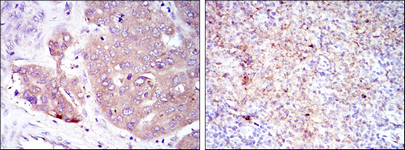
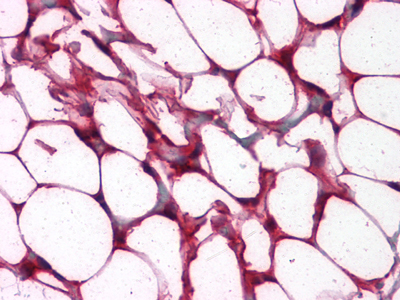
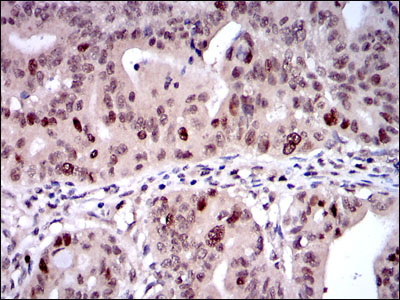
IHC (Immunohistochemisry) (Immunohistochemistry of paraffin-embedded Human stomach carcinoma tissue using GSK3beta Monoclonal Antibody at dilution of 1:200.)
IHC (Immunohiostchemistry) (Immunohistochemistry of paraffin-embedded Human breast carcinoma tissue using GSK3beta Monoclonal Antibody at dilution of 1:200.)
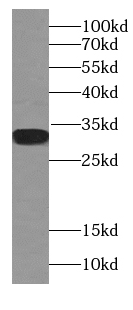
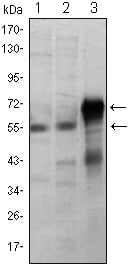
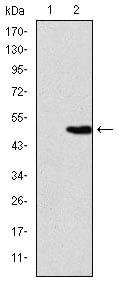
WB (Western Blot) (Western Blot analysis of 1) Hela, 2) 3T3, 3) Rat brain using GSK3beta Monoclonal Antibody at dilution of 1:1000.)
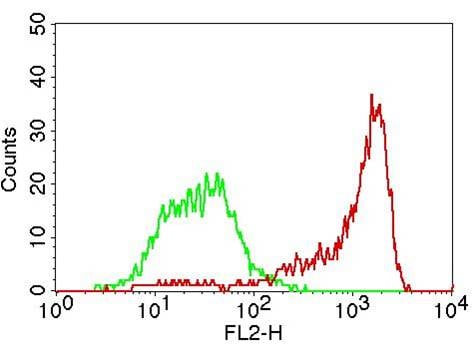
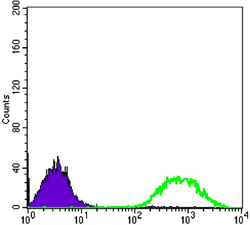
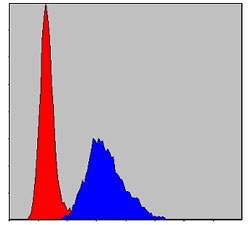
FCM/FACS (Flow Cytometry) (C57BL/6 murine bone marrow cells are stained with Anti-Mouse Gr-1 Monoclonal Antibody(PE Conjugated)(filled gray histogram). Unstained bone marrow cells (empty black histogram) are used as control.)
Anti-Mouse Gr-1 Monoclonal Antibody (PE Conjugated)
Reactivity
Mouse
Applications
Flow Cytometry
Pricing
What are Monoclonal Antibodies?
Monoclonal antibodies are specialized laboratory-produced proteins developed for binding to specific biological antigens or other molecular targets. Since they come from a single cell (or clone), they are especially consistent and accurate in the data they are involved in producing.
This type of antibody material has been shown to be a powerful tool in finding and subsequently destroying harmful cells in an organism, such as those found in cancers or various autoimmune diseases. This makes them excellent aids in medical testing and research, which is why they are so widely used.
AAA Biotech offers a comprehensive range of high-quality monoclonal antibodies that perform effectively in various laboratory tests, including (amongst others) ELISA, western blotting, immunohistochemistry, and flow cytometry. All of the products in our catalog are thoroughly quality tested to make sure that they are reliable and will consistently perform well in your research.
What Are The Uses of Monoclonal Antibodies
Monoclonal antibodies are used in many lab tests, including (amongst others) ELISA, western blotting, immunohistochemistry, and flow cytometry.
ELISA is a test that helps detect a specific substance/analyte in a sample. It uses antibodies (often monoclonal) bound to a solid surface (such as the well of a microplate) to “capture” the substance/analyte in the sample and immobilize it so that the detection antibody component can then bind to it and produce a signal, which can then be measured.
Western blotting identifies specific proteins in a sample. The sample is first separated on a gel, and then antibodies are applied that will typically bind to the target, which will all be localized to a single band in a lane.
Immunohistochemistry helps locate specific proteins in cells or tissue samples using antibodies.
Flow cytometry looks at and sorts cells. It uses antibodies that are conjugated to reporter molecules called “fluorophores”, which, under special lights, emit light themselves, which can then be measured by a detector instrument.
How Monoclonal Antibodies Are Used as Medicine?
Please note that all of the products listed in AAA Biotech’s catalog are strictly for research-use only (RUO).
Monoclonal antibodies can also be used as therapeutic/medical treatments, particularly in the context of cancers. They are designed to find and bind to specific cells or proteins, helping the immune system recognize and attack the cancer. These treatments work in different ways, such as:
Radioimmunotherapy attaches a small amount of radioactive molecule to the antibody, so it delivers the radiation directly to the cancer cells that the antibody is specifically binding to.
Antibody-directed enzyme prodrug therapy uses antibodies that are specifically bound to special enzymes. These enzymes activate a harmless drug in the body and turn it into a cancer-killing drug only near the cancer cells—this helps avoid harming healthy cells.
Immunoliposomes are tiny “bubbles” filled with medicine/drug and coated with antibodies. They carry the drug straight to the cancer cells.
Why Buy Monoclonal Antibodies From Us?
At AAA Biotech, we provide high-performance monoclonal antibodies designed to support a wide range of research needs.
1. Validated for Versatile Applications
The antibodies in our catalog are extensively validated and compatible with multiple techniques, including (but not limited to) ELISA, flow cytometry (FC), immunocytochemistry (ICC), immunofluorescence (IF), immunohistochemistry (IHC), immunoprecipitation (IP), and western blotting (WB).
2. Wide Selection & Specialized Options
We offer antibodies for common and rare species, that are available in various conjugated forms, and also in recombinant formats. Essentially, there is almost anything one might need to meet their experimental model’s requirements.
3. High-Quality Proteins
Our proteins meet high purity standards—90% or more as confirmed by SDS-PAGE. Many are available with tags like His, Flag, GST, or MBP, and we also supply native and biologically active proteins for functional studies.
Frequently Asked Questions
1. Are your monoclonal antibodies validated for specific applications?
Yes, our antibodies are tested and validated for use in methods such as ELISA, western blot, IHC, flow cytometry, and more. Refer to specific product pages or datasheets for individual product information.
2. How do I choose the right monoclonal antibody for my application?
Review the product details directly for application validation, species reactivity, and target information. You may also contact our support team at any time for help.
3. How quickly can I receive my order?
Most orders are processed and shipped within 1–3 business days, depending on product availability and your shipping location.
Submit a Question
Please complete the form below and a representative will contact you as soon as possible.
Request more Information
Please complete the form below and a representative will contact you as soon as possible.
Request a Manual
Please complete the form below and a representative will contact you as soon as possible.
Request a Quote
Please complete the form below and a representative will contact you as soon as possible.