Get accurate results in your research with our Monoclonal Antibodies, which are specially made to target exactly what you require for your research, and will produce consistent, reliable performance in lab tests.
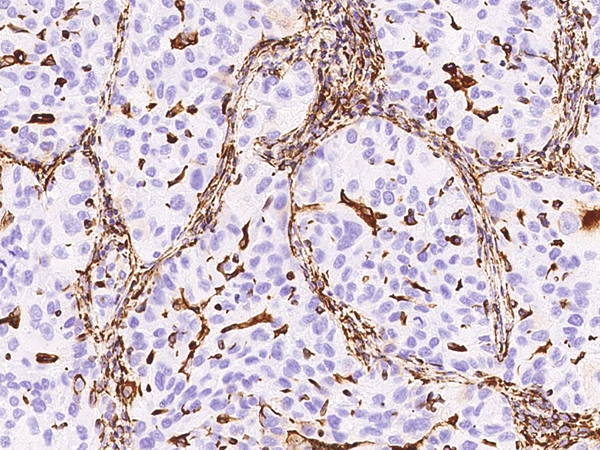
Application Data (Immunoperoxidase staining of formalin fixed, paraffin embedded human tonsil with Mouse anti Human cytokeratin 14 folllowing heat mediated antigen retrieval using citrate buffer, pH6.0)
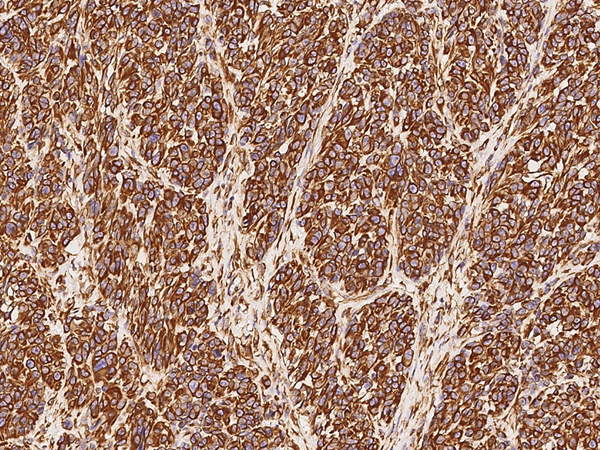
Application Data (Formalin fixed, paraffin embedded human breast cancer biopsy stained with Mouse anti Human cytokeratin 14 followed by HRP polymer detection and DAB substrate development (low power) following heat mediated antigen retrieval using citrate buffer at pH6.2)
Application Data (Formalin fixed, paraffin embedded human breast cancer biopsy stained with Mouse anti Human cytokeratin 14 followed by HRP polymer detection and DAB substrate development (high power) following heat mediated antigen retrieval using citrate buffer at pH6.2)
Application Data (His-Ubiquitin recombinant protein probed with Mouse anti Histidine Tag)
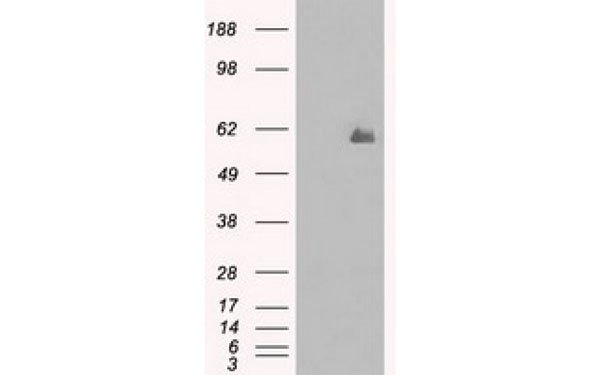
Application Data (Western blot of HIS-tagged protein probed with Mouse anti Histidine tag visualised with Rabbit anti Mouse IgG : HRP)
Application Data (Human anti Human CD5 (HuCAL dHLX antibody with HIS tag) staining human peripheral blood lymphocytes, visualised with Mouse anti-HIS tag: FITC antibody)
Application Data (Western blot of HIS tagged protein probed with Mouse anti Histidine tag:Dylight800 . Visualised using a LI-COR Odyssey infrared imaging system)
Application Data (Western blot of HIS tagged protein probed with Mouse anti Histidine tag : Biotin and visualised with Streptavidin : HRP)
Application Data (Published customer image: Distribution of ovine NKp46+ cells in lymph nodes and mucosal surfaces. Sections from ovine pre-scapular lymph node (A - cortex and B - medullary zone), abomasum (C), duodenum (D), ileum (E), colon (F), uterus (G) and lung (H). NKp46+ cells: green; B-cells (IgM+) red; CD4+ T-cells blue in panel A and B; Epithelial cells (E-cadherin+) blue in parts C-H. White arrows: individual NKp46+ cells. Red arrows: putative intra-epithelial NKp46+ cells. "Fo": follicle and "P": paracortex. "L": lymphocytic aggregate. Isotype matched controls demonstrated diffuse and dull background fluorescence in both the red and green channels (data not shown), however this could easily be distinguished by character and/or intensity from the bright cell-surface staining seen with the NKp46 and IgM-specific antibodies. Autofluorescent artifacts such as those demonstrated by the yellow arrows (e.g. in C and D) were not uncommon in the tissues examined. A scale for each of the figure parts is given. Images are taken from tissues that were representative of samples taken from a minimum of three animals as determined by preliminary single colour immuncytochemistry analysis.From: Connelley, T. et al. NKp46 defines ovine cells that have characteristics corresponding to NK cells. Vet Res. 2011 42: 37.)
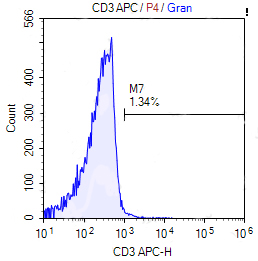
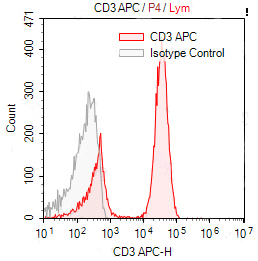
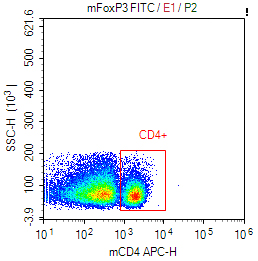
Application Data (Staining of ovine peripheral blood lymphocytes with Mouse anti Ovine CD4 Alexa Fluor 647)
Application Data (Published customer image: Analysis of the phenotype of ovine NKp46+ populations. (A)Two-colour flow cytometry analysis of ovine PBMC co-stained with EC1.1 and a selection of monoclonal antibodies against CD2, CD4, CD8, CD11b, CD16, WC1, IgM and MHCII. WC1 and IgM are surface molecules expressed by subsets of ?d T-cells and B-cells respectively. (B) Perforin expression by NKp46+ PBMC. Cells expressing NKp46 were stained with anti-perforin monoclonal antibody (solid line) or an isotype control (broken line). (C) Two-colour flow cytometry analysis of mesenteric and pre-scapular lymph nodes and the spleen cell populations co-stained with EC1.1 and monoclonal antibodies against CD2 and CD8. The results shown are representative of the results obtained from a minimum of five animals.From: Connelley, T. et al. NKp46 defines ovine cells that have characteristics corresponding to NK cells. Vet Res. 2011 42: 37.)
Application Data (Staining of human peripheral blood granulocytes with Mouse anti Human Macrophages:RPE . Permeabilised with Leucoperm)
Application Data (Macrophages stained with Mouse anti Human Macrophages/ Monocytes using enhanced DAB in experimental allergic marmoset brain. Mag. X 400)
Application Data (Staining of human peripheral blood granulocytes with Mouse anti Human macrophages. Permeabilised with Leucoperm)
Application Data (Staining of human peripheral blood granulocytes with Mouse anti Human macrophages:FITC . Permeabilised with Leucoperm)
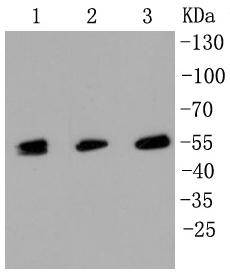
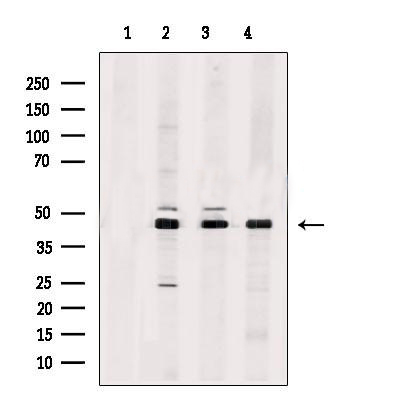
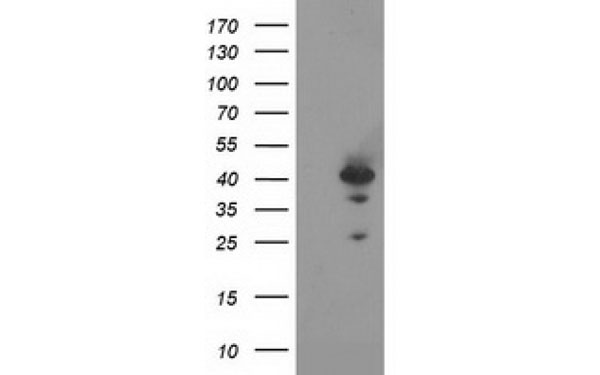
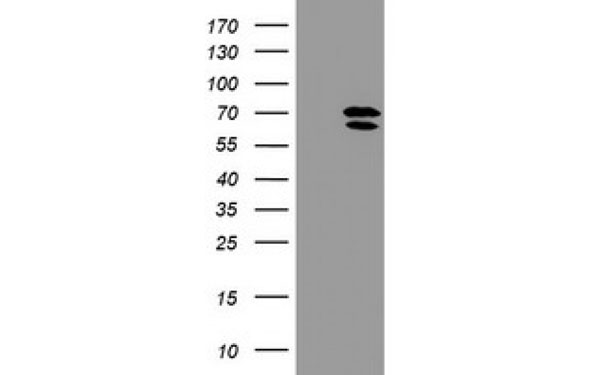
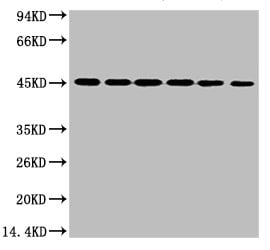
WB (Western Blot) (Western blot of extracts (10ug) from 8 Human tissue by using anti-GBAS monoclonal antibody at 1:200 (1: Testis; 2: Uterus; 3: Breast; 4: Brain; 5: Liver; 6: Ovary; 7: Thyroid gland; 8: Colon).)
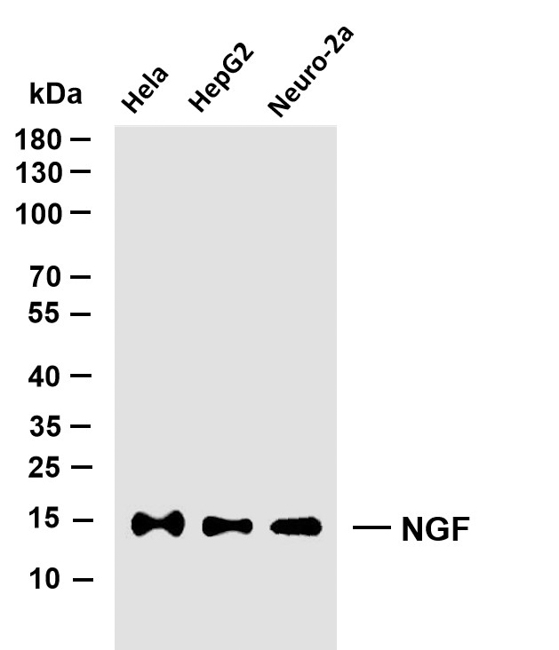
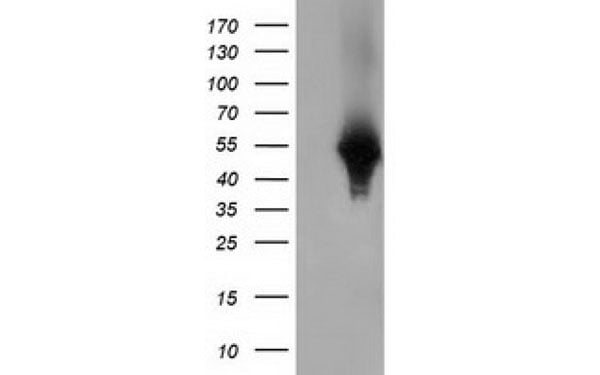
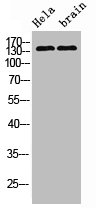
WB (Western Blot) (Western blot of extracts (35ug) from 9 different cell lines by using anti-GBAS monoclonal antibody (HepG2: human; HeLa: human; SVT2: mouse; A549: human; COS7: monkey; Jurkat: human; MDCK: canine; PC12: rat; MCF7: human).)
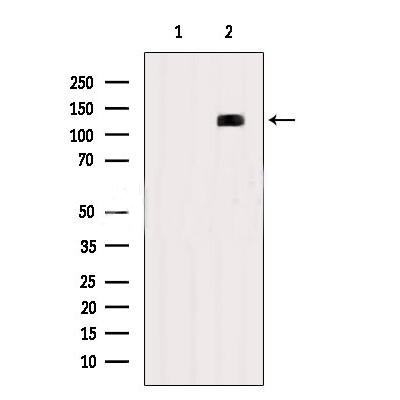
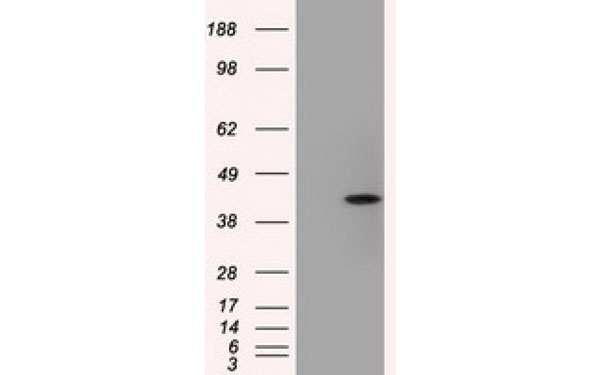
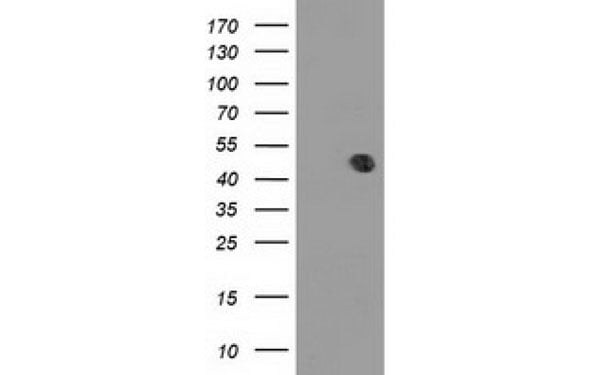
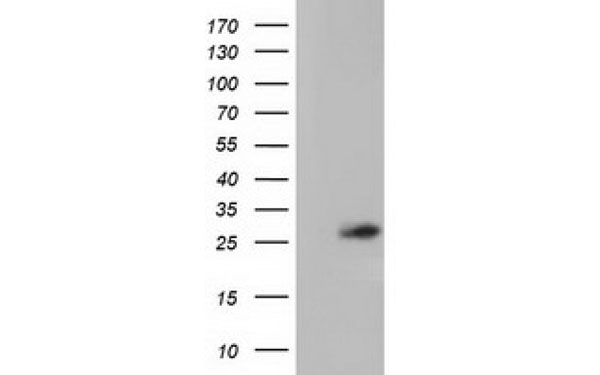
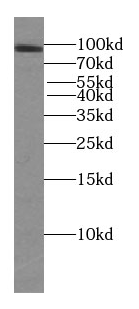
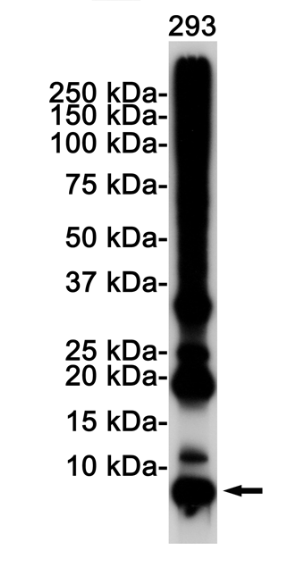
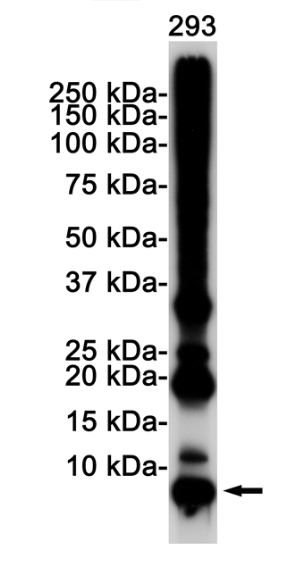
WB (Western Blot) (HEK293T cells were transfected with the pCMV6-ENTRY control (Left lane) or pCMV6-ENTRY GBAS (Right lane) cDNA for 48 hrs and lysed. Equivalent amounts of cell lysates (5 ug per lane) were separated by SDS-PAGE and immunoblotted with anti-GBAS.)
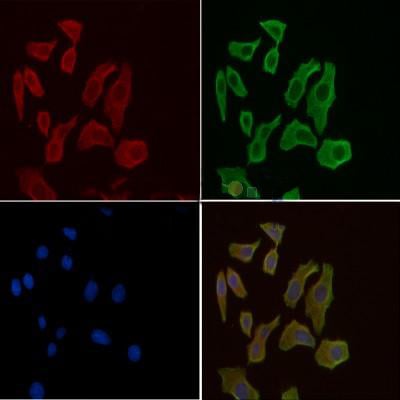
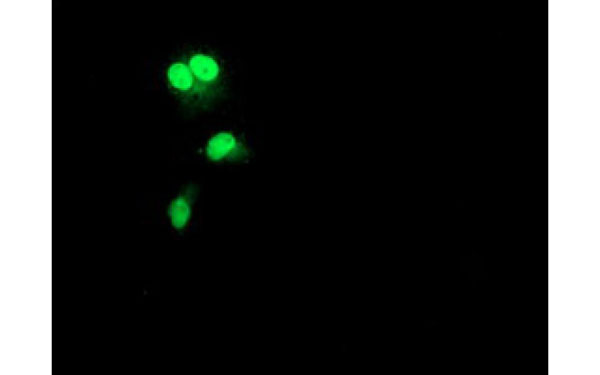
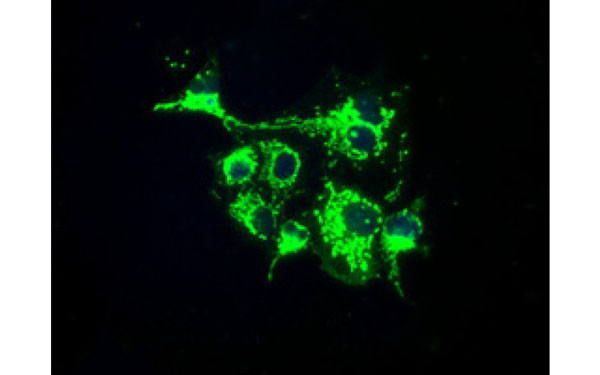
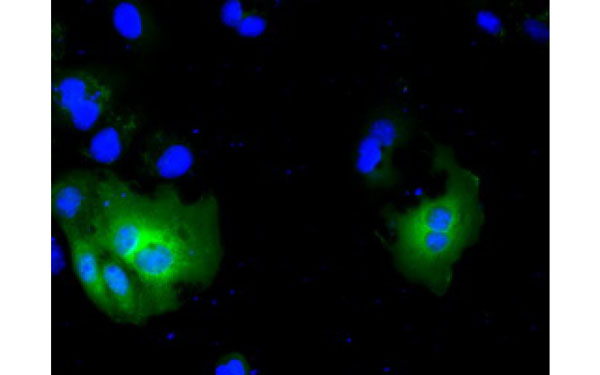
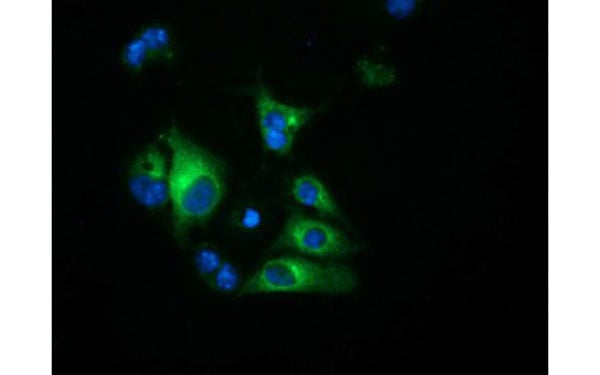
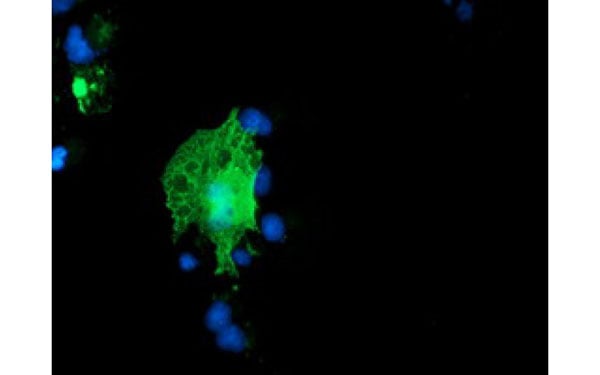
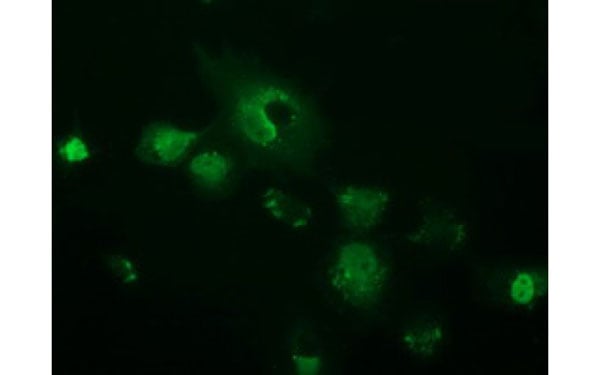
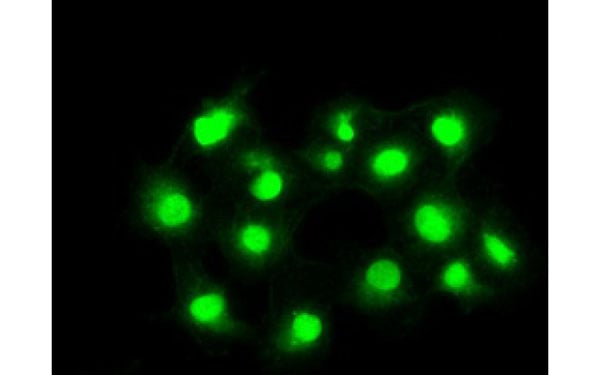
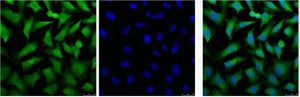
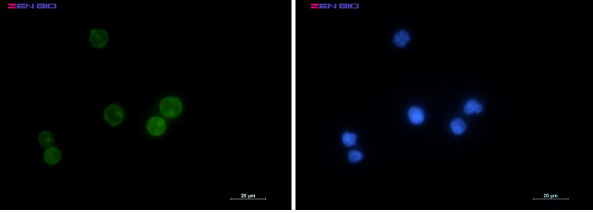
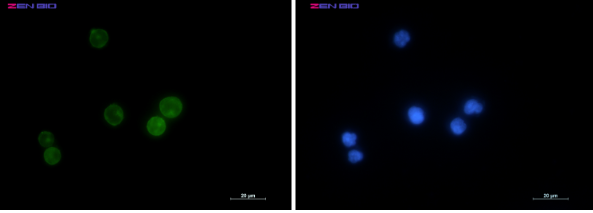
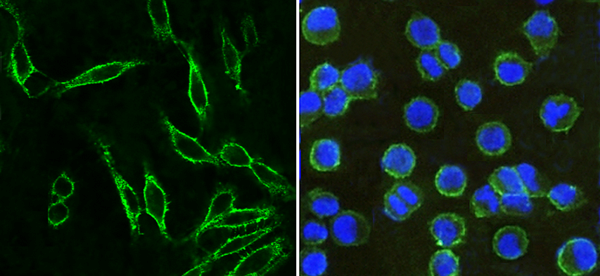
IF (Immunofluorescence) (Anti-GBAS mouse monoclonal antibody immunofluorescent staining of COS7 cells transiently transfected by pCMV6-ENTRY GBAS.)
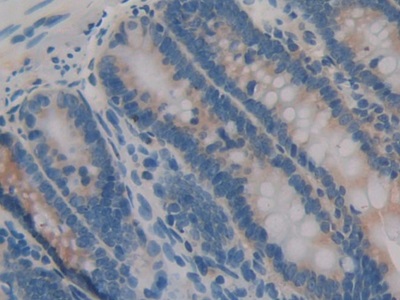
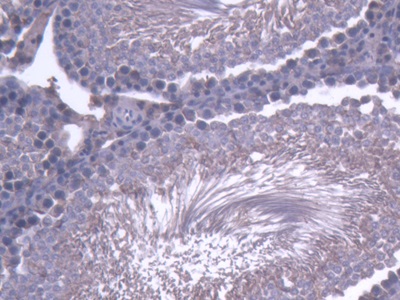
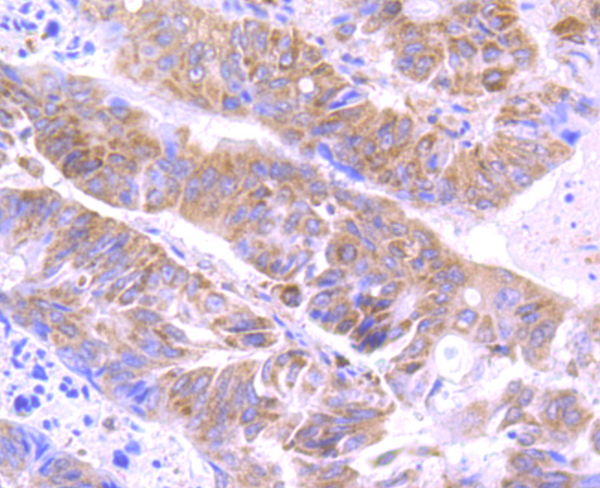
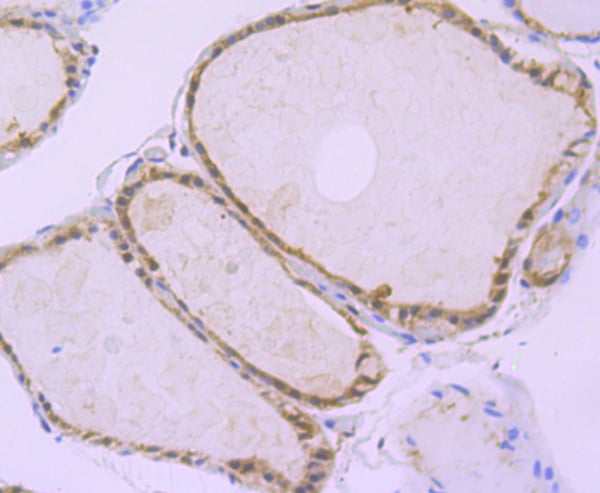
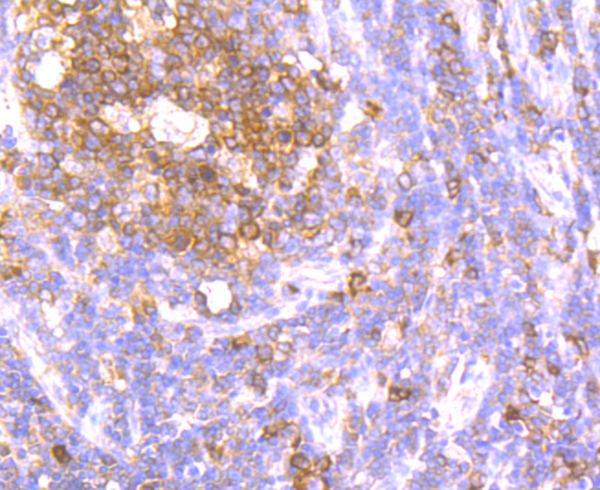
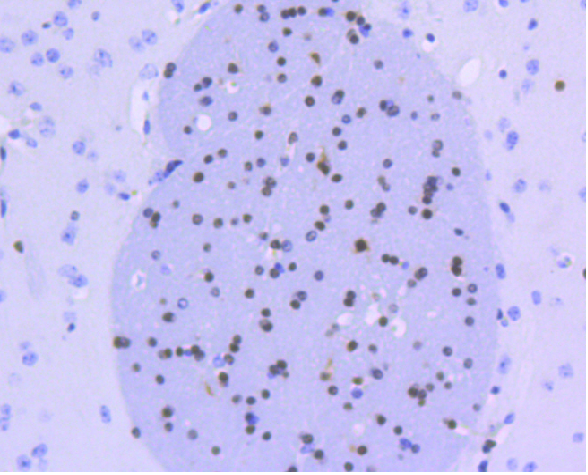
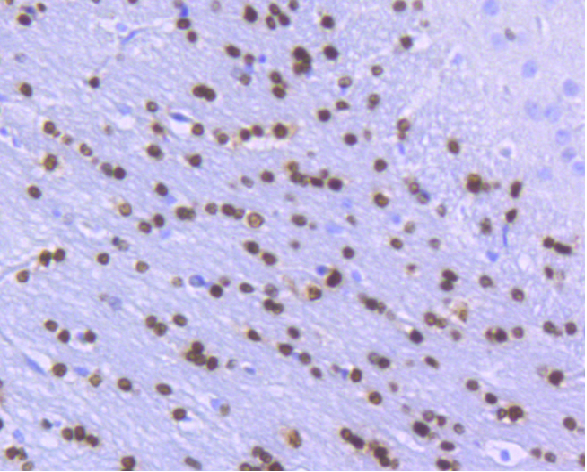
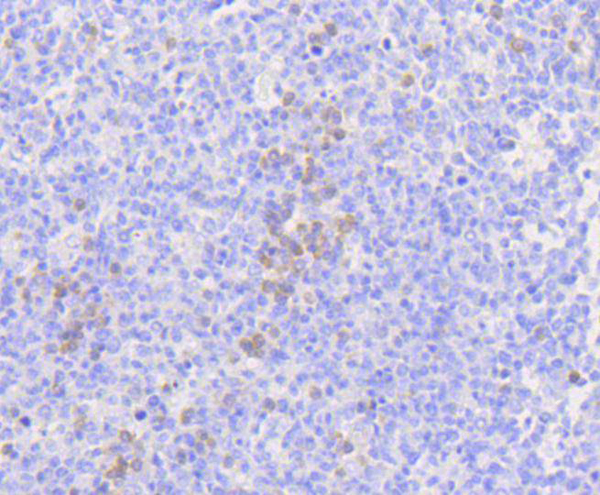
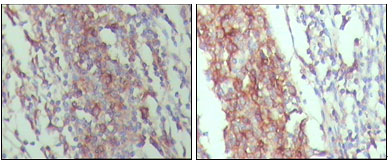
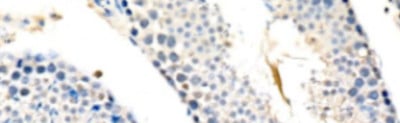
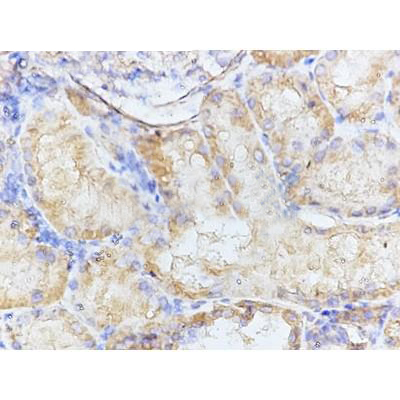
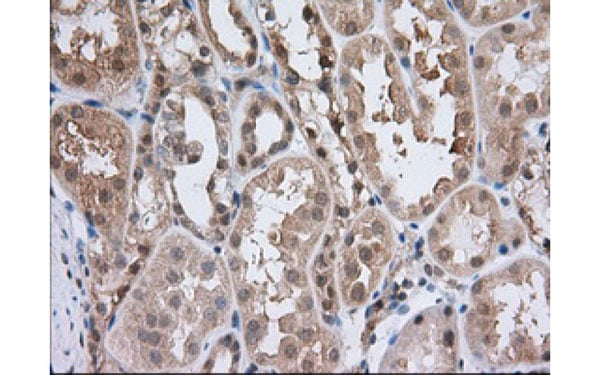
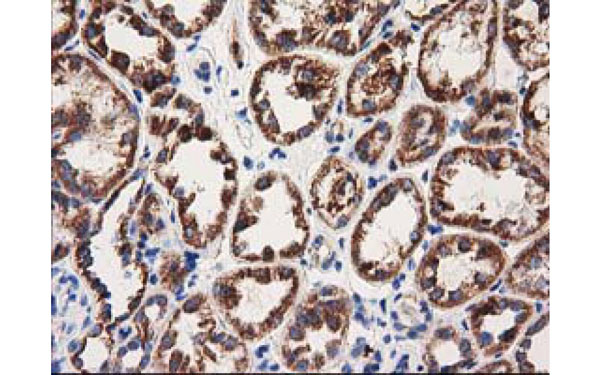
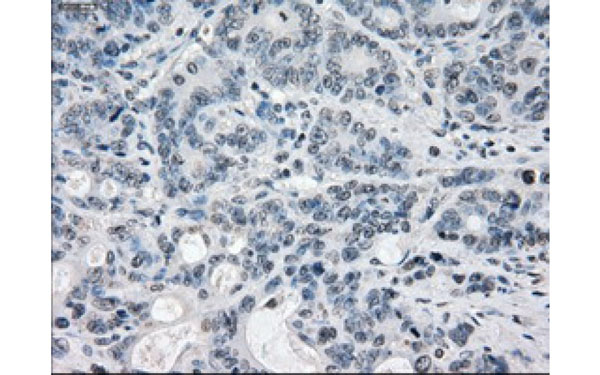
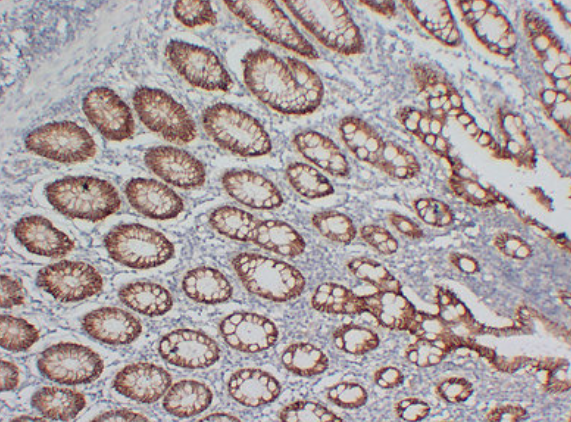
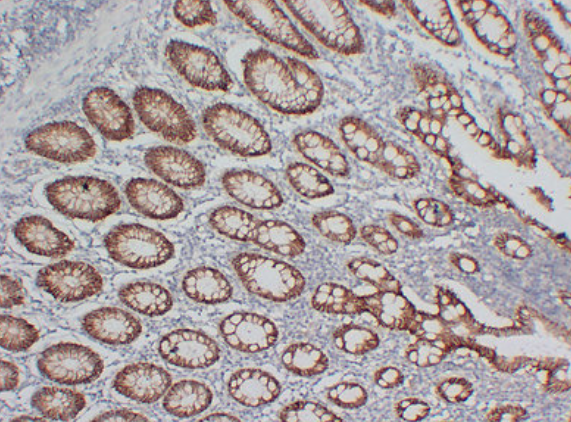
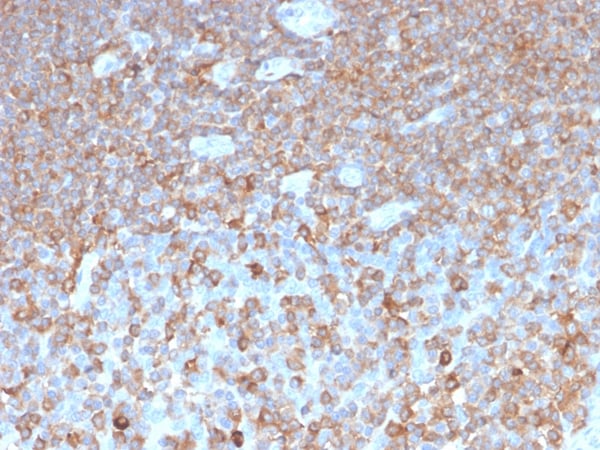
IHC (Immunohiostchemistry) (Immunohistochemistry analysis of Formalin-fixed, paraffin-embedded Human Tonsil using CK-13 antibody.)
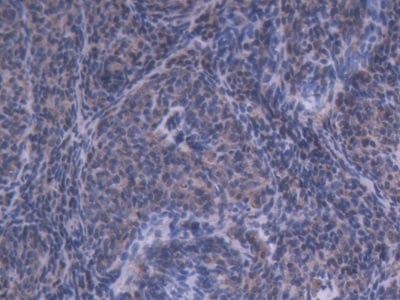
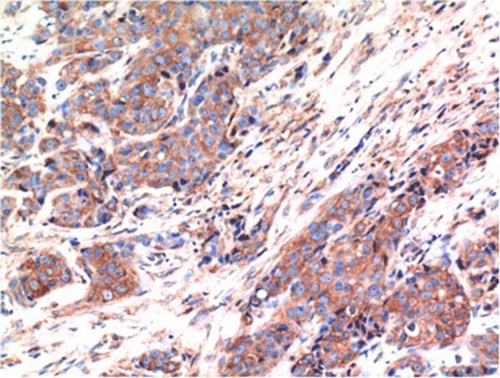
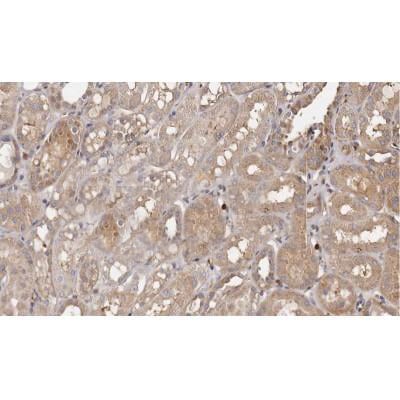
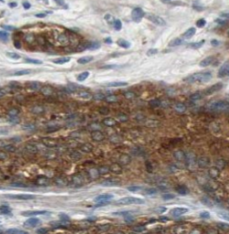
IHC (Immunohistochemistry) (Immunohistochemistry analysis of Formalin-fixed, paraffin-embedded Human Squamous cell lung carcinoma using CK-13 antibody.)
Application Data (Analysis of Protein Array containing more than 19,000 full-length human proteins using Growth Hormone Mouse Monoclonal Antibody (GH/3155). Z- and S- Score: The Z-score represents the strength of a signal that a monoclonal antibody (MAb) (in combination with a fluorescently-tagged anti-IgG secondary antibody) produces when binding to a particular protein on the HuProtTM array. Z-scores are described in units of standard deviations (SD’s) above the mean value of all signals generated on that array. If targets on HuProtTM are arranged in descending order of the Z-score, the S-score is the difference (also in units of SD’s) between the Z-score. S-score therefore represents the relative target specificity of a MAb to its intended target. A MAb is considered to specific to its intended target, if the MAb has an S-score of at least 2.5. For example, if a MAb binds to protein X with a Z-score of 43 and to protein Y with a Z-score of 14, then the S-score for the binding of that MAb to protein X is equal to 29.)
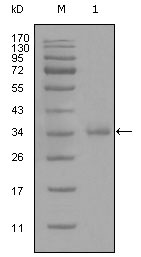
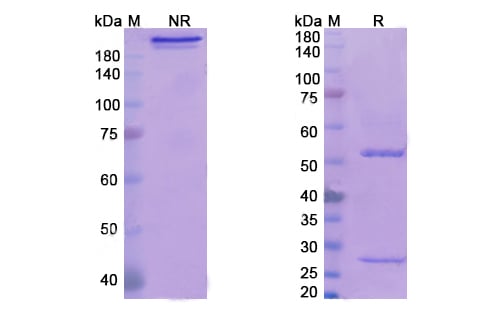
SDS_PAGE (SDS-PAGE Analysis Purified Growth Hormone Mouse Monoclonal Antibody (GH/3155). Confirmation of Integrity and Purity of Antibody.)
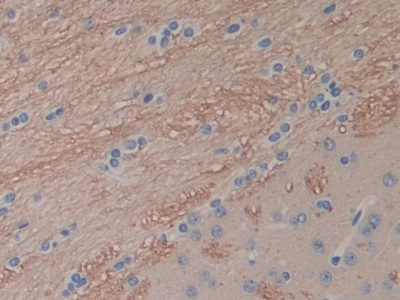
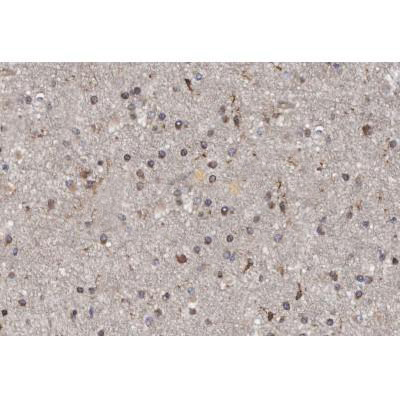
IHC (Immunohistochemisry) (Formalin-fixed, paraffin-embedded human Pituitary stained with Growth Hormone Mouse Monoclonal Antibody (GH/3155).)
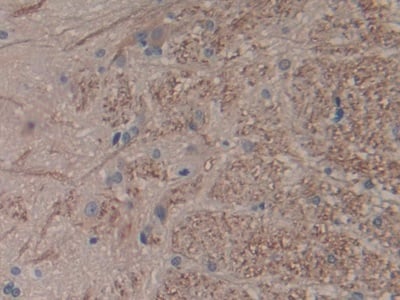
IHC (Immunohiostchemistry) (Formalin-fixed, paraffin-embedded human Pituitary stained with Growth Hormone Mouse Monoclonal Antibody (GH/3155).)
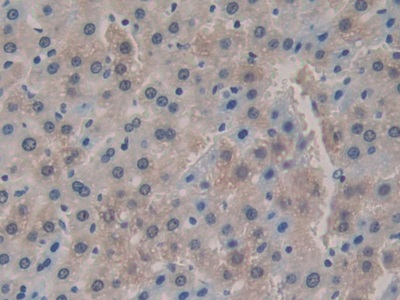
IHC (Immunohistochemistry) (Formalin-fixed, paraffin-embedded human Pituitary stained with Growth Hormone Mouse Monoclonal Antibody (GH/3155).)
Application Data (Analysis of Protein Array containing more than 19,000 full-length human proteins using CD4 Mouse Monoclonal Antibody (CD4/3026). Z- and S- Score: The Z-score represents the strength of a signal that a monoclonal antibody (Monoclonal Antibody) (in combination with a fluorescently-tagged anti-IgG secondary antibody) produces when binding to a particular protein on the HuProtTM array. Z-scores are described in units of standard deviations (SD’s) above the mean value of all signals generated on that array. If targets on HuProtTM are arranged in descending order of the Z-score, the S-score is the difference (also in units of SD’s) between the Z-score. S-score therefore represents the relative target specificity of a Monoclonal Antibody to its intended target. A Monoclonal Antibody is considered to specific to its intended target, if the Monoclonal Antibody has an S-score of at least 2.5. For example, if a Monoclonal Antibody binds to protein X with a Z-score of 43 and to protein Y with a Z-score of 14, then the S-score for the binding of that Monoclonal Antibody to protein X is equal to 29.)
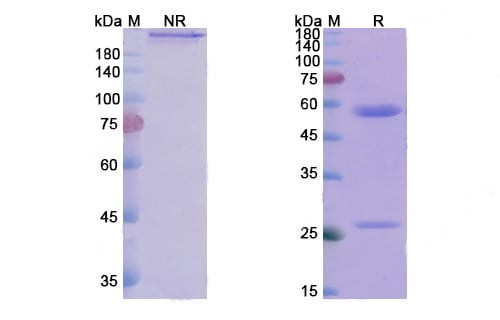
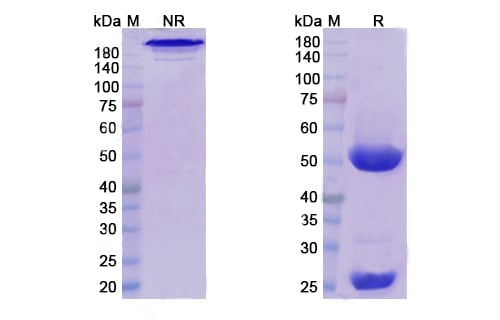
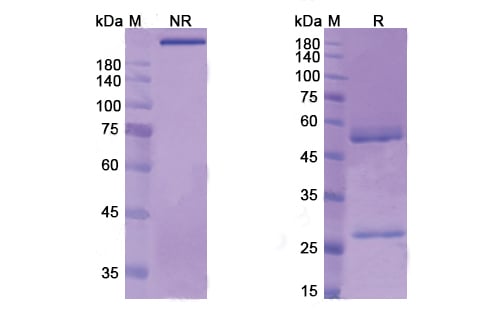
SDS-PAGE (SDS-PAGE Analysis Purified CD4 Mouse Monoclonal Antibody (CD4/3026). Confirmation of Integrity and Purity of Antibody.)
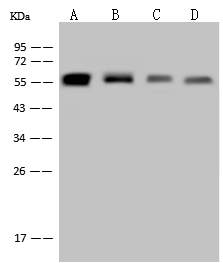
WB (Western Blot) (Detection of human CD11b by western blot. Samples: Whole cell lysate (50 ug) from HeLa, HEK293T, MUTZ-3, Jurkat, KG-1, Hep-G2, THP-1, and MCF-7 cells prepared using NETN lysis buffer. Antibody: Rabbit anti-CD11b recombinant monoclonal antibody (AAA213581 lot 1) used at 1:1000. Secondary: HRP-conjugated goat anti-rabbit IgG . Detection: Chemiluminescence with an exposure time of 3 minutes. Lower Panel: Rabbit anti-COPB2 antibody .)
IP (Immunoprecipitation) (Detection of human CD11b by western blot of immunoprecipitates. Samples: Whole cell lysate (1.0 mg per IP reaction; 20% of IP loaded) from MUTZ-3 cells prepared using NETN lysis buffer. Antibodies: Rabbit anti-CD11b recombinant monoclonal antibody (AAA213581 lot 1) used for IP at 20 ul/mg lysate. CD11b was also immunoprecipitated by rabbit anti-CD11b antibody BL-1559A-1H9. For blotting immunoprecipitated CD11b, AAA213581 was used at 1:1000. Detection: Chemiluminescence with an exposure time of 10 seconds.)
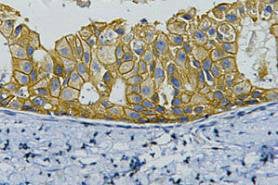
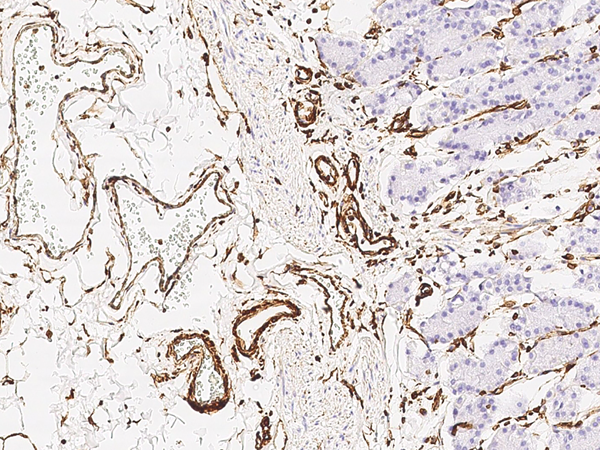
IHC (Immunohistochemisry) (Detection of human CD11b in FFPE lung by IHC. Antibody: Rabbit anti-CD11b recombinant monoclonal antibody (AAA213581 lot 1). Secondary: HRP-conjugated goat anti-rabbit IgG . Substrate: DAB.)
IHC (Immunohiostchemistry) (Detection of human CD11b in FFPE spleen by IHC. Antibody: Rabbit anti-CD11b recombinant monoclonal antibody (AAA213581 lot 1). Secondary: HRP-conjugated goat anti-rabbit IgG . Substrate: DAB.)
ICC (Immunocytochemistry) (Detection of human CD11b in FFPE MUTZ-3 cells by ICC. Antibody: Rabbit anti-CD11b recombinant monoclonal antibody (AAA213581 lot 1). Secondary: HRP-conjugated goat anti-rabbit IgG . Substrate: DAB.)
The purified antibody is conjugated with tandem dye PerCP-Cyanine5.5 under optimum conditions. The conjugate is purified by size-exclusion chromatography.
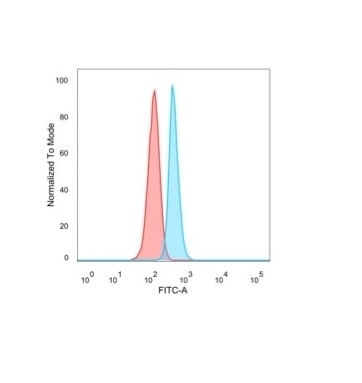
FCM/FACS (Flow Cytometry) (Flow cytometry surface staining pattern of human peripheral whole blood stained using anti-human CD45 (2D1) PE antibody (10 ul reagent / 100 ul of peripheral whole blood).)
FCM/FACS (Flow Cytometry) (Separation of human CD45 positive lymphocytes (red-filled) from human CD45 negative blood debris (black-dashed) in flow cytometry analysis (surface staining) of human peripheral whole blood stained using anti-human CD45 (2D1) PE antibody (10 ul reagent / 100 ul of peripheral whole blood).)
ChIP (Chromatin Immunoprecipitation) (MITF antibody (mAb) tested by ChIP. Chromatin immunoprecipitation (ChIP) was performed using the ChIP-IT High Sensitivity Kit with 30 ug of chromatin from human lung melanoma cell line MALME-3M and 4 ug of MITF antibody. ChIP DNA was used in qPCR with the control primer pairs or gene-specific primer pairs as indicated. Data are presented as Binding Events Detected per 1000 Cells using Epigenetic Services normalization scheme which accounts for primer efficiency and the amount of chromatin used in the ChIP reaction.)
ChIP (Chromatin Immunoprecipitation) (MITF antibody (mAb) tested by ChIP-Seq. (ChIP) was performed using the ChIP-IT High Sensitivity Kit and chromatin from a human melanoma cell line (2.5 million cells). ChIP DNA was sequenced on the Illumina GA II and 19 million sequence tags were mapped to identify MITF binding sites across the genome. The image shows hundreds of MITF binding sites across a 60 million bp region on chromosome 9.)
DB (Dot Blot) (Dot blot of 5-Hydroxymethylcytosine (5-hmC) mAb. Dot blot analysis was used to confirm the specificity of 5-Hydroxymethylcytosine antibody for 5-hydroxymethylcytidine. 10 ng of single-stranded 38 nt DNA oligonucleotides were spotted onto nitrocellulose and probed with the antibody at 0.2mg/mL. Lane 1: oligo containing unmodified cytidine. Lane 2: oligo containing 5-methylcytidine. Lane 3: oligo containing 5-hydroxymethylcytidine. Lane 4: oligo containing 5-formylcytidine. Lane 5: oligo containing 5-carboxylcytidine.)
DB (Dot Blot) (5-Hydroxymethylcytosine (5-hmC) antibody (mAb) tested by dot blot analysis. DNA samples were spotted (indicated in ng on the left) on to a positively charged nylon membrane and blotted with 5-Hydroxymethylcytidine antibody at a 0.2 mg/ml dilution. Lane 1: double-stranded DNA containing 5-hydroxymethylcytosine. Lane 2: double-stranded DNA containing 5-methylcytosine. Lane 3: unmethylated double-stranded DNA. Lane 4: single-stranded DNA containing 5-hydroxymethylcytosine. Lane 5: single-stranded DNA containing 5-methylcytosine. Lane 6: unmethylated single-stranded DNA.)
IP (Immunoprecipitation) (5-Hydroxymethylcytosine (5-hmC, 5-hydroxymethylcytidine) antibody tested by Methyl DNA immunoprecipitation. DNA (25 pg) derived from the promoter of the APC gene was spiked into 500 ng of human genomic DNA and subjected to the MeDIP procedure using 2 ?g of 5-Hydroxymethylcytidine antibody (5hmC, maroon bars) or 2 ?g of control rabbit IgG (IgG, blue bars). Real time quantitative PCR was performed on the immunoprecipitated DNA and results plotted as % of input DNA. The spiked APC DNA contained either no methylation (DNA), 5-methylcytosine methylation (5-mC) or 5-hydroxymethylcytosine methylation (5-hmC).)
ChIP (Chromatin Immunoprecipitation) (hMeDIP-chip performed on human brain DNA using 5-Hydroxymethylcytosine (5-hmC) antibody. Human brain DNA (2 ug) was immunoprecipitated with 10 ug of 5-Hydroxymethylcytosine antibody. Following hMeDIP, the DNA was amplified, labeled and hybridized to an Affymetrix Human Tiling 2.0R Array. Shown is a region from chromosome 6q containing the ARID1B, ZDHHC14 and SNX9 genes. The results show that 5-hydroxymethylcytosine is enriched primarily in the coding regions of genes, rather than in the gene promoter or regulatory regions.)
DB (Dot Blot) (Histone H3 acetyl Lys56 pAb tested by dot blot analysis. Dot blot analysis was used to confirm the specificity of Histone H3 acetyl Lys56 pAb for acetyl Lys56 histone H3. Acetylated peptides corresponding to the immunogen and related peptides were spotted onto PVDF and probed with the antibody at 1 ug/ml. The amount of peptide (picomoles) spotted is indicated next to each row. Lane 1: acetyl-Lys56 peptide. Lane 2: unmodified H3 peptide. Lane 3: acetyl-Lys4 peptide. Lane 4: acetyl-Lys9 peptide. Lane 5: acetyl-Lys14 peptide. Lane 6: acetyl-Lys18 peptide. Lane 7: acetyl-Lys23 peptide. Lane 8: acetyl-Lys27 peptide. Lane 9: acetyl-Lys36 peptide. Lane 10: acetyl-Lys64 peptide.)
ChIP (Chromatin Immunoprecipitation) (Chromatin IP analysis of Histone H3 acetyl Lys56 antibody. Chromatin IP was performed using Low Cell ChiP Kit using 3 ug of Histone H3 acetyl Lys56 mAb. RT-qPCR was performed on ChIP DNA using a primer pair specific for the PABPC1 gene or a negative control region. Data are presented as Binding Events Detected per 1000 Cells using Epigenetic Services normalization scheme which accounts for primer efficiency and the amount of chromatin used in the ChIP reaction.)
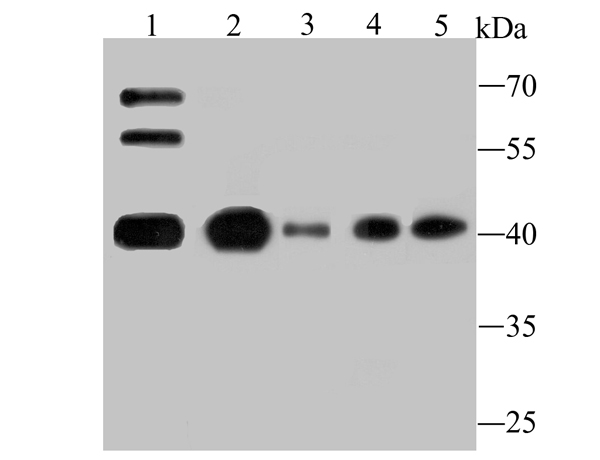
WB (Western Blot) (Histone macroH2A1.2 antibody (mAb) tested by Western blot. U2OS cells mock transfected (lane 1) or transfected with tagged macroH2A1.1 (lane 2), macroH2A1.2 (lane 3) or macroH2A2 (lane 4) were probed with Histone macroH2A1.2 antibody at a dilution of 1:300. Band at 40kD is the endogenous macroH2A1.2.)
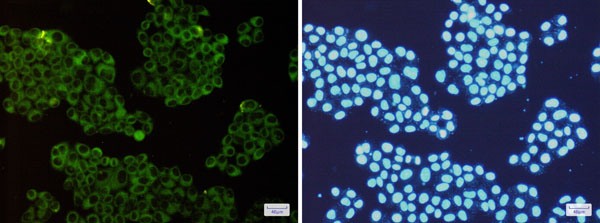
IF (Immunofluorescence) (Histone macroH2A1.2 antibody (mAb) tested by immunofluorescence. Staining of macroH2A1.2 transfected HeLa cells with Histone macroH2A1.2 antibody (1:50 dilution, left panel) and DAPI (right panel).)
> 80% pure (SDS-PAGE). DEAE Chromatography Product is 0.2um filtered.
Pricing
What are Monoclonal Antibodies?
Monoclonal antibodies are specialized laboratory-produced proteins developed for binding to specific biological antigens or other molecular targets. Since they come from a single cell (or clone), they are especially consistent and accurate in the data they are involved in producing.
This type of antibody material has been shown to be a powerful tool in finding and subsequently destroying harmful cells in an organism, such as those found in cancers or various autoimmune diseases. This makes them excellent aids in medical testing and research, which is why they are so widely used.
AAA Biotech offers a comprehensive range of high-quality monoclonal antibodies that perform effectively in various laboratory tests, including (amongst others) ELISA, western blotting, immunohistochemistry, and flow cytometry. All of the products in our catalog are thoroughly quality tested to make sure that they are reliable and will consistently perform well in your research.
What Are The Uses of Monoclonal Antibodies
Monoclonal antibodies are used in many lab tests, including (amongst others) ELISA, western blotting, immunohistochemistry, and flow cytometry.
ELISA is a test that helps detect a specific substance/analyte in a sample. It uses antibodies (often monoclonal) bound to a solid surface (such as the well of a microplate) to “capture” the substance/analyte in the sample and immobilize it so that the detection antibody component can then bind to it and produce a signal, which can then be measured.
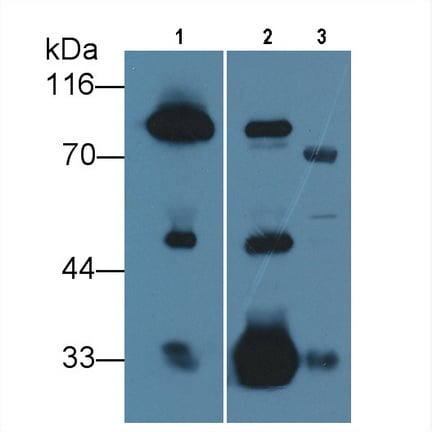
Western blotting identifies specific proteins in a sample. The sample is first separated on a gel, and then antibodies are applied that will typically bind to the target, which will all be localized to a single band in a lane.
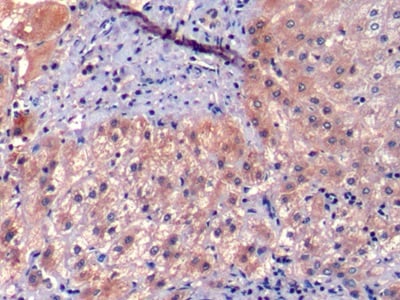
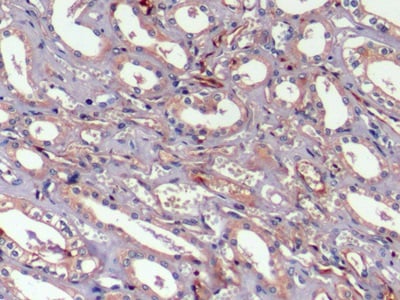
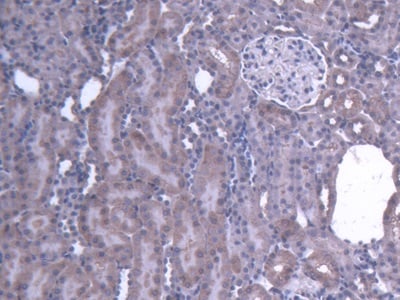
Immunohistochemistry helps locate specific proteins in cells or tissue samples using antibodies.
Flow cytometry looks at and sorts cells. It uses antibodies that are conjugated to reporter molecules called “fluorophores”, which, under special lights, emit light themselves, which can then be measured by a detector instrument.
How Monoclonal Antibodies Are Used as Medicine?
Please note that all of the products listed in AAA Biotech’s catalog are strictly for research-use only (RUO).
Monoclonal antibodies can also be used as therapeutic/medical treatments, particularly in the context of cancers. They are designed to find and bind to specific cells or proteins, helping the immune system recognize and attack the cancer. These treatments work in different ways, such as:
Radioimmunotherapy attaches a small amount of radioactive molecule to the antibody, so it delivers the radiation directly to the cancer cells that the antibody is specifically binding to.
Antibody-directed enzyme prodrug therapy uses antibodies that are specifically bound to special enzymes. These enzymes activate a harmless drug in the body and turn it into a cancer-killing drug only near the cancer cells—this helps avoid harming healthy cells.
Immunoliposomes are tiny “bubbles” filled with medicine/drug and coated with antibodies. They carry the drug straight to the cancer cells.
Why Buy Monoclonal Antibodies From Us?
At AAA Biotech, we provide high-performance monoclonal antibodies designed to support a wide range of research needs.
1. Validated for Versatile Applications
The antibodies in our catalog are extensively validated and compatible with multiple techniques, including (but not limited to) ELISA, flow cytometry (FC), immunocytochemistry (ICC), immunofluorescence (IF), immunohistochemistry (IHC), immunoprecipitation (IP), and western blotting (WB).
2. Wide Selection & Specialized Options
We offer antibodies for common and rare species, that are available in various conjugated forms, and also in recombinant formats. Essentially, there is almost anything one might need to meet their experimental model’s requirements.
3. High-Quality Proteins
Our proteins meet high purity standards—90% or more as confirmed by SDS-PAGE. Many are available with tags like His, Flag, GST, or MBP, and we also supply native and biologically active proteins for functional studies.
Frequently Asked Questions
1. Are your monoclonal antibodies validated for specific applications?
Yes, our antibodies are tested and validated for use in methods such as ELISA, western blot, IHC, flow cytometry, and more. Refer to specific product pages or datasheets for individual product information.
2. How do I choose the right monoclonal antibody for my application?
Review the product details directly for application validation, species reactivity, and target information. You may also contact our support team at any time for help.
3. How quickly can I receive my order?
Most orders are processed and shipped within 1–3 business days, depending on product availability and your shipping location.
Submit a Question
Please complete the form below and a representative will contact you as soon as possible.
Request more Information
Please complete the form below and a representative will contact you as soon as possible.
Request a Manual
Please complete the form below and a representative will contact you as soon as possible.
Request a Quote
Please complete the form below and a representative will contact you as soon as possible.