Get accurate results in your research with our Monoclonal Antibodies, which are specially made to target exactly what you require for your research, and will produce consistent, reliable performance in lab tests.
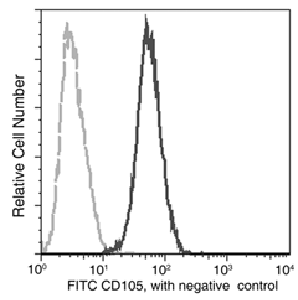
Application Data (Published customer image: Brain-derived cell lines express markers for mesenchymal stem cells and pericytes but not for glial or neuronal precursors. (A) Representative histogram of flow cytometry analysis of cortical line and (B) ventricular zone line. Progenitors from all donors and both regions highly express MSC (CD90, CD73, CD105, CD29, CD166 and CD49d) and pericyte markers (CD140b/PDGFR-beta, RGS5, CD146, Nestin, a-SMA and NG2). They do not express hematopoietic (CD45), endothelial (CD31, CD34), microglial (CD14, CD11), glial or neuronal precursor cell markers (GFAP, O4) or myofibroblast markers (CD56), (green = isotype, red = respective marker).From: Paul G, Özen I, Christophersen NS, Reinbothe T, Bengzon J, et al. (2012) The Adult Human Brain Harbors Multipotent Perivascular Mesenchymal Stem Cells. PLoS ONE 7(4): e35577.)
Application Data (Published customer image; Conjugated and unconjugated anti-CD326, anti-CD146 and anti-CD104 were analysed by flow cytometry for binding to CORL23 and LoVo cells [black line, negative control; blue line, unconjugated antibody; red line, immunoconjugates with porphyrin 1 (a) or porphyrin 2 (b)].From: Smith K, Malatesti N, Cauchon N, Hunting D, Lecomte R, van Lier JE, Greenman J, Boyle RW. Mono- and tri-cationic porphyrin-monoclonal antibody conjugates: photodynamic activity and mechanism of action. Immunology. 2011 Feb;132(2):256-65.)
Application Data (Immunoperoxidase staining of a mouse lymph node cryosection with Rat anti Mouse CD8 antibody, clone YTS169.4 followed by horseradish peroxidase conjugated Goat anti Rat IgG antibody . Low power)
Application Data (Immunoperoxidase staining of a mouse lymph node cryosection with Rat anti Mouse CD8 antibody, clone YTS169.4 followed by horseradish peroxidase conjugated Goat anti Rat IgG antibody . High power)
Application Data (Staining of mouse spleen with Rat anti Mouse CD8 Alpha: RPE)
Application Data (Immunoperoxidase staining of a mouse lymph node cryosection with Rat anti Mouse CD8 antibody, clone YTS169.4 followed by horseradish peroxidase conjugated Goat anti Rat IgG antibody . Medium power)
Application Data (Staining of mouse spleen cells with Rat anti Mouse CD8 Alpha: Azide Free)
Application Data (Staining of human peripheral blood lymphocytes with Mouse anti Human CD49f)
Application Data (Staining of human peripheral blood lymphocytes with Mouse anti Human CD49f:FITC)
Application Data (Staining of human peripheral blood monocytes with Mouse anti Human CD49f)
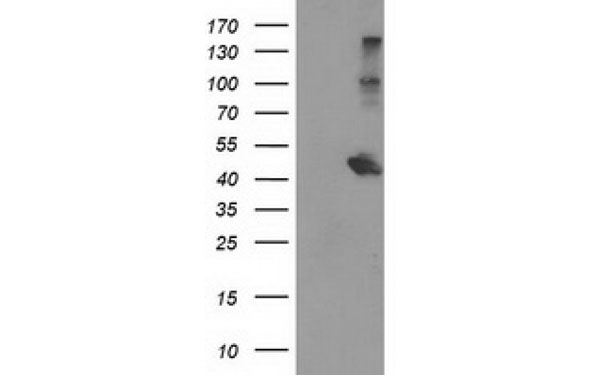
Application Data (Western blot analysis of Jurkat whole cell lysate probed with Mouse anti Human CD49f antibody followed by HRP conjugated Goat anti Human IgG, visualized using chemiluminescence)
Application Data (Staining of human peripheral blood monocytes with Mouse anti Human CD49f:RPE)
Application Data (Staining of canine peripheral blood lymphocytes with Mouse anti Canine CD3)
Application Data (Published customer image: CD11b+CD14-MHCII- cells suppress T cell proliferation. Facs sorted CD11b+CD14-MHCII- cells isolated from a dog with osteosarcoma or healthy PBMCs were co-incubated with mitogen-stimulated CD4+ and CD8+ T cells isolated from a healthy dog for 72 hs. No stimulated cells were used as negative control. Proliferative responses were measured by 3H-thymidine incorporation from experiments performed in triplicate. CPM, counts per minute. Mean +/- SEM are shown.From: Goulart MR, Pluhar GE, Ohlfest JR (2012) Identification of Myeloid Derived Suppressor Cells in Dogs with Naturally Occurring Cancer. PLoS ONE 7(3): e33274.)
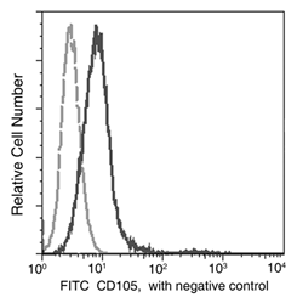
Application Data (Published customer image: Brain-derived cell lines express markers for mesenchymal stem cells and pericytes but not for glial or neuronal precursors. (A) Representative histogram of flow cytometry analysis of cortical line and (B) ventricular zone line. Progenitors from all donors and both regions highly express MSC (CD90, CD73, CD105, CD29, CD166 and CD49d) and pericyte markers (CD140b/PDGFR-beta, RGS5, CD146, Nestin, a-SMA and NG2). They do not express hematopoietic (CD45), endothelial (CD31, CD34), microglial (CD14, CD11), glial or neuronal precursor cell markers (GFAP, O4) or myofibroblast markers (CD56), (green = isotype, red = respective marker).From: Paul G, Özen I, Christophersen NS, Reinbothe T, Bengzon J, et al. (2012) The Adult Human Brain Harbors Multipotent Perivascular Mesenchymal Stem Cells. PLoS ONE 7(4): e35577.)
Application Data (Published customer image; Conjugated and unconjugated anti-CD326, anti-CD146 and anti-CD104 were analysed by flow cytometry for binding to CORL23 and LoVo cells [black line, negative control; blue line, unconjugated antibody; red line, immunoconjugates with porphyrin 1 (a) or porphyrin 2 (b)].From: Smith K, Malatesti N, Cauchon N, Hunting D, Lecomte R, van Lier JE, Greenman J, Boyle RW. Mono- and tri-cationic porphyrin-monoclonal antibody conjugates: photodynamic activity and mechanism of action. Immunology. 2011 Feb;132(2):256-65.)
Application Data (Published customer image: Rat anti Human HLA-DR antibody, clone YE2/36-HLK used for flow cytometryImage caption:HLA-DR positive monocytes. The percentage HLA-DR positive monocytes was decreased in all patients compared to controls (P = 0.002). The pre-operative ("black square") lowest percentage was seen in patients who developed respiratory failure (P = 0.002). Eighteen hours after intramedullary nailing ("open triangle"), a further decrease in HLA-DR positive monocytes was seen in patients with isolated femur fracture (P < 0.001) and multitrauma patients (P = 0.047).From: Hietbrink, Falco, Leo Koenderman, and Luke PH Leenen. œIntramedullary Nailing of the Femur and the Systemic Activation of Monocytes and Neutrophils. World Journal of Emergency Surgery?: WJES 6 (2011): 34. PMC. Web. 22 Jan. 2015.)
Application Data (Published customer image: Rat anti Human HLA-DR antibody, clone YE2/36-HLK used for flow cytometryImage caption:BILF1 downregulates surface MHC class I expression and inhibits the T cell recognition of endogenous EBV antigen in LCLs. (A) LCLs were transduced with PLZRS-HABILF1-IRES-GFP retrovirus. After 6 days, surface MHC class I was stained with PE-conjugated W6/32 mAb and MHC class II was stained with PE-conjugated anti-DR mAb, YE2/36-HLK. Two-colour flow cytometry was used to analyze staining in the untransduced, GFP-, population, shown as the solid line histogram, and in the transduced GFP+ (BILF1+) population, shown as the dashed line histogram. The grey histogram denotes background staining obtained with an isotype control PE-conjugated antibody. (B) LCL cultures transduced with control retrovirus or with the BILF1 retrovirus were sorted by flow cytometry to generate GFP+/BILF1- and GFP+/BILF1+ lines to use as targets in assays with EBV-specific T cells. The control and BILF1+ LCL targets were incubated with HLA-matched CD8+ effector T cells clones specific for EBNA1 (HPV), EBNA3A (YPL), or LMP2A (CLG) peptides, or a CD4+ effector T cell clone specific for a BHRF1 (PYY) peptide. After 18 hrs the supernatants were tested for the release of IFN-? as a measure of T cell recognition. All results are expressed as IFN-? release in pg/ml and error bars indicate standard deviation of triplicate cultures.From: Zuo J, Currin A, Griffin BD, Shannon-Lowe C, Thomas WA, et al. (2009) The Epstein-Barr Virus G-Protein-Coupled Receptor Contributes to Immune Evasion by Targeting MHC Class I Molecules for Degradation. PLoS Pathog 5(1): e1000255.)
Application Data (Published customer image: Rat anti Human HLA-DR antibody, clone YE2/36-HLK used for flow cytometryImage caption:BILF1 identified as a lytic gene that downregulates surface MHC class I. 293 (A) or MJS (B) cells were transfected with different EBV genes in the bi-cistronic vector, pCDNA3-IRES-nlsGFP. At 48 hr post-transfection, surface MHC class I was stained with PE-conjugated W6/32 mAb and (in MJS only) MHC class II was stained with PE-conjugated anti-DR mAb, YE2/36-HLK. Two-colour flow cytometry was used to analyse staining in the untransfected GFP- population, shown as the solid line histogram, and in the transfected GFP+ population, shown as the dashed line histogram. The grey histogram denotes background staining obtained with an isotype control PE-conjugated antibody.From: Zuo J, Currin A, Griffin BD, Shannon-Lowe C, Thomas WA, et al. (2009) The Epstein-Barr Virus G-Protein-Coupled Receptor Contributes to Immune Evasion by Targeting MHC Class I Molecules for Degradation. PLoS Pathog 5(1): e1000255.)
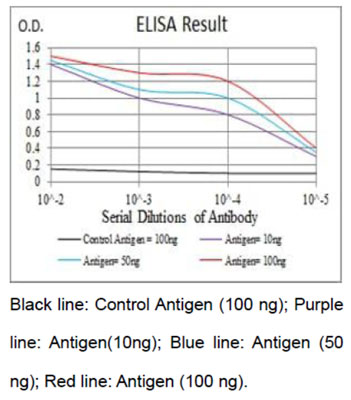
ELISA (Anti-Insulin Antibody - ELISA. ELISA Results of Mab anti-Insulin antibody tested against human insulin by ELISA. Each well was coated with 0.1ug of conjugate. The starting concentration of antibody in the dilution series was 10 ug/ml. Each point on the Y-axis represents a 3-fold dilution. The midpoint of the titration curve represents approximately 5 ng/ml antibody or a 1:200000 dilution from the stock concentration. HRP conjugated Gt-a-Mouse IgG H&L and TMB substrate were used for detection.)
DB (Dot Blot) (Anti-Insulin Antibody - Dot Blot. Dot blotting. Mab anti-Insulin antibody (clone 2D11. H5) is shown to detect human insulin by dot blot. Each dot blot represents 1 ul of non-denatured human insulin at various dilutions starting at 1.0 ug/ml spotted on to nitrocellulose. A 1:400 dilution of Mab anti-Insulin is used for 2 hour followed by detection using a 1:5000 dilution of IRDyeTM800 conjugated Goat-a-Mouse IgG [H&L] (reacted for 45 min at room temperature and visualization using the Odyssey Infrared Imaging System developed by LI-COR. Other detection systems will yield similar results. IRDye is a trademark of LI-COR, Inc.)
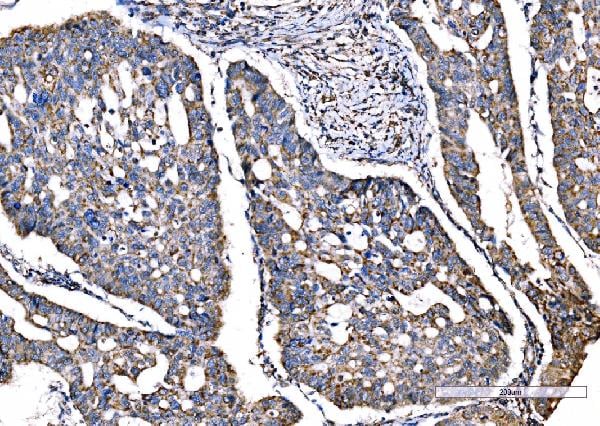
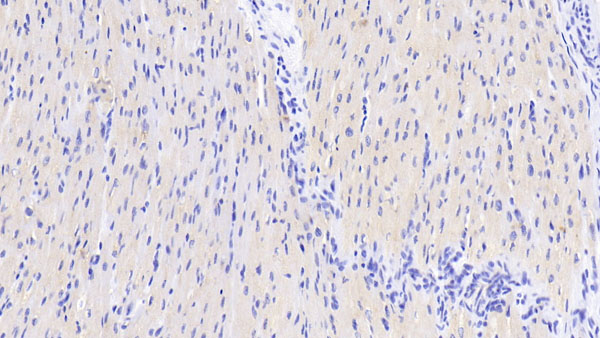
IHC (Immunohistochemistry) (Anti-Insulin antibody IHC of human pancreas. Immunohistochemistry of formalin-fixed, paraffin-embedded tissue after heat-induced antigen retrieval. Antibody concentration 5 ug/ml.)
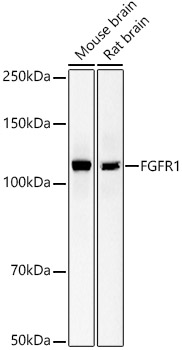
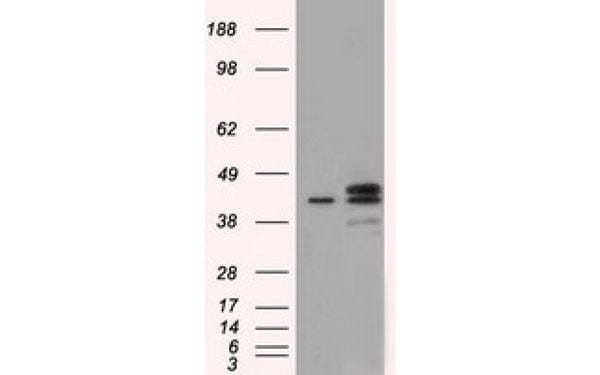
WB (Western Blot) (Jurkat nuclear cell extracts (lane 1) and NIH3T3 nuclear extracts were resolved by electrophoresis, transferred to nitrocellulose, and probed with anti-AND-1 antibody (clone 20G10). Proteins were visualized using a goat anti-mouse-IgG secondary conjugated to HRP and chemiluminescence detection.)
IHC (Immunohiostchemistry) (Anti-WDHD1 antibody IHC of human tonsil. Immunohistochemistry of formalin-fixed, paraffin-embedded tissue after heat-induced antigen retrieval. Antibody concentration 15 ug/ml.)
IHC (Immunohistochemistry) (Anti-WDHD1 antibody IHC of human colon. Immunohistochemistry of formalin-fixed, paraffin-embedded tissue after heat-induced antigen retrieval. Antibody concentration 15 ug/ml.)
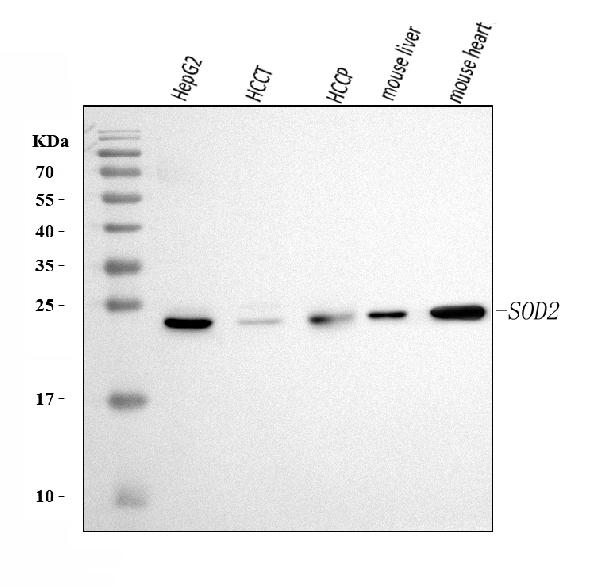
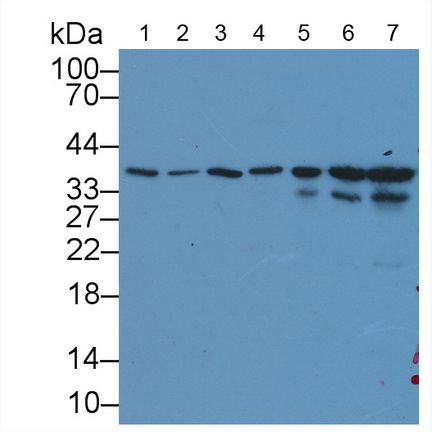
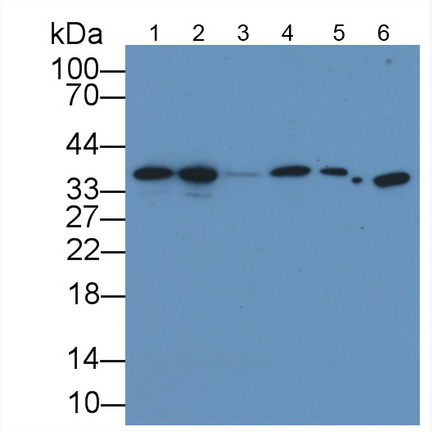
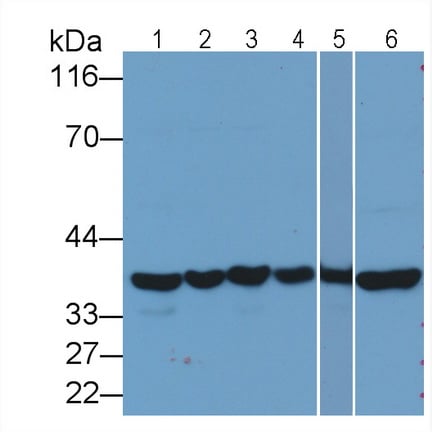
WB (Western Blot) (Western blot of TLR9 in A) human PBMC, B) human intestine, C) mouse intestine, and D) rat intestine tissue lysates using antibody at a dilution of 3 ug/ml. Lane E shows antibody tested at 5 ug/ml in human MCF7 cell lysate.)
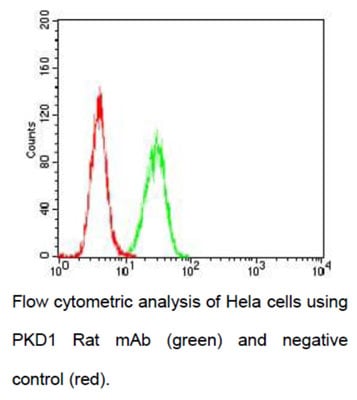
FCM/FACS (Flow Cytometry) (Intracellular flow analysis of TLR9 in Ramos cells using 0.1 ug of antibody. Shaded histogram represents Ramos cells without antibody; green represents isotype control; red represents anti-TLR9 antibody.)
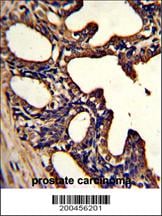
IHC (Immunohistochemistry) (Anti-TLR9 antibody IHC of human lung. Immunohistochemistry of formalin-fixed, paraffin-embedded tissue after heat-induced antigen retrieval. Antibody concentration 5 ug/ml.)
WB (Western Blot) (Western blot of IL-17A in 1) human, 2) mouse and 3) rat full-length recombinant IL-17A protein (100 ng/lane) using at 0.2 ug/ml.)
FCM/FACS (Flow Cytometry) (Intracellular flow cytometry of IL-17A in human lymphocytes stimulated with PMA (5 ng/ml), Ionomycin (1 mM), and Brefeldin A (1X) for 5 hrs, using at 0.1 ug/10^6 cells (green represents isotype control, red represents IL-17A antibody). Goat anti-mouse IgG-FITC secondary antibody, was used for this test.)
IHC (Immunohistochemistry) (Anti-IL-17 antibody IHC of human small intestine. Immunohistochemistry of formalin-fixed, paraffin-embedded tissue after heat-induced antigen retrieval. Antibody dilution 5-10 ug/ml.)
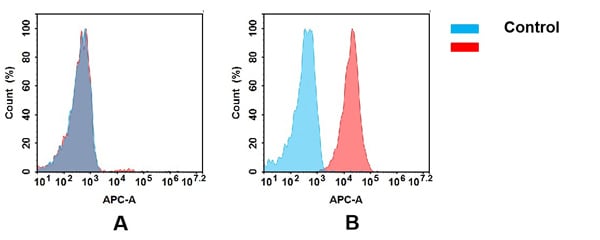
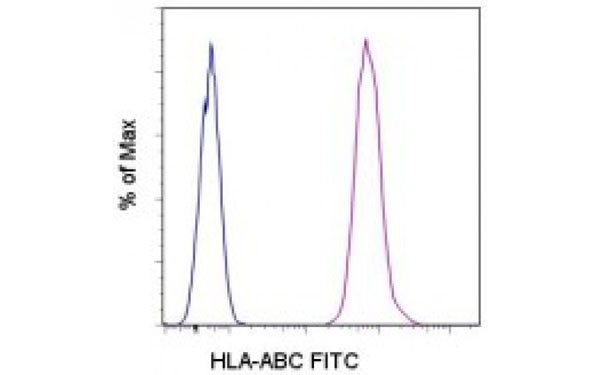
FCM/FACS (Flow Cytometry) (Flow cytometry of MHC Class II antibody)
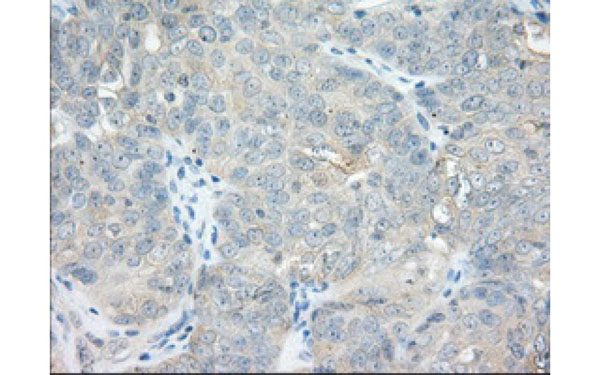
IHC (Immunohistochemistry) (Anti-MHC Class II antibody IHC of human tonsil. Immunohistochemistry of formalin-fixed, paraffin-embedded tissue after heat-induced antigen retrieval. Antibody concentration 10 ug/ml.)
Application Data (Figure A. RPE conjugated Rat anti Canine CD45R and Alexa Fluor 488 conjugated Rat IgG1 isotype control . Figure B. RPE conjugated Mouse anti Canine CD45R and Alexa Fluor 488 conjugated Rat anti Canine CD44 . All experiments performed on red cell lysed canine blood gated on mononuclear cells.)
Application Data (Figure A. Alexa Fluor 488 conjugated Rat anti Canine CD44 and RPE conjugated Rat IgG2a isotype control . Figure B. Alexa Fluor 488 conjugated Rat anti Canine CD44 and RPE conjugated Rat anti Canine CD45R . All experiments performed on red cell lysed canine blood gated on mononuclear cells.)
Application Data (Figure A. Alexa Fluor 488 conjugated Rat anti Dog CD44 and Alexa Fluor 647 conjugated Rat IgG2b isotype control . Figure B. Alexa Fluor 488 conjugated Rat anti Dog CD44 and Alexa Fluor 647 conjugated Rat anti Dog CD45R . All experiments performed on red cell lysed canine blood gated on mononuclear cells in the presence of 10% dog serum. Data acquired on the ZE5 Cell Analyzer.)
FCM/FACS (Flow Cytometry) (Flow Cytometry analysis of ovine PBMC's using Mouse anti Sheep CD230, clone ROS-BC6 . Images courtesy of the Roslin Institute)
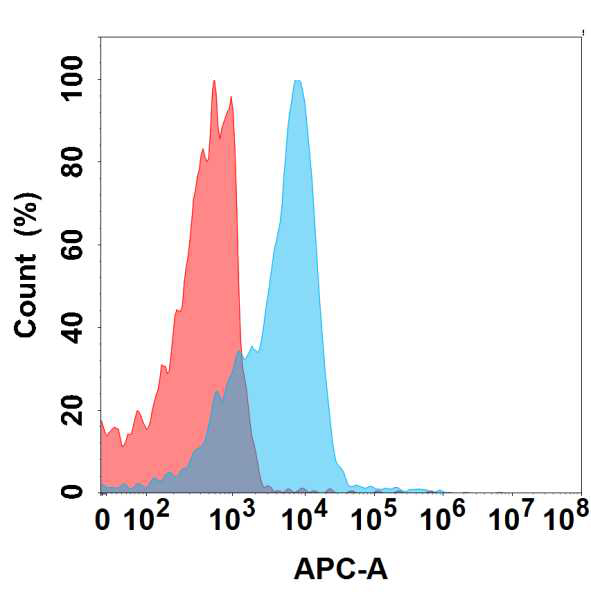
FCM/FACS (Flow Cytometry) (Flow Cytometry analysis of CD230. Ovine PBMC's staining using Mouse anti Sheep CD230, clone ROS-BC6 as the primary antibody followed by an anti mouse IgG conjugated to APC. Gated on sytox blue negative live cells and the PBMC region determined by FSC v. SSC profile. Image courtesy of The Roslin Institute.)
WB (Western Blot) (Western Blot analysis of various tissues using Mouse anti Sheep CD230, clone ROS-BC6 . Lane 1 PRPc BSE infected ovine medulla, Lane 2 PRPc uninfected ovine medulla, Lane 3 Scrapie infected ovine medulla, Lane 4 PRPsc scrapie infected ovine spleen, Lane 5 PRPsc BSE infected ovine medulla, Lane 6 PRPsc BSE infected ovine spleen. Image courtesy of The Roslin Institute)
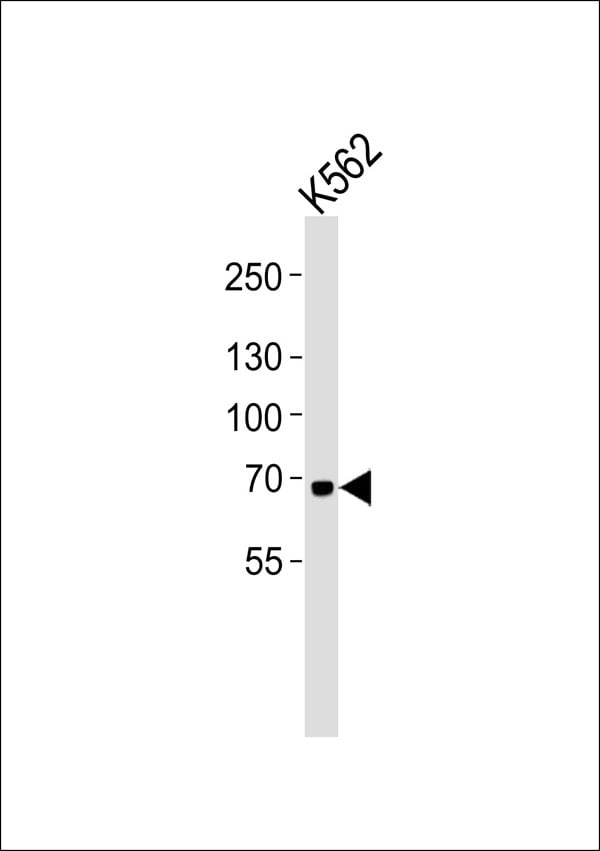
WB (Western Blot) (Western blot analysis of HeLa cell nuclear extract (40 ug) probed with RNA pol II CTD (pSer5) antibody, clone 1H4B6 (AAA50441) at a 1 ug/ml dilution.)
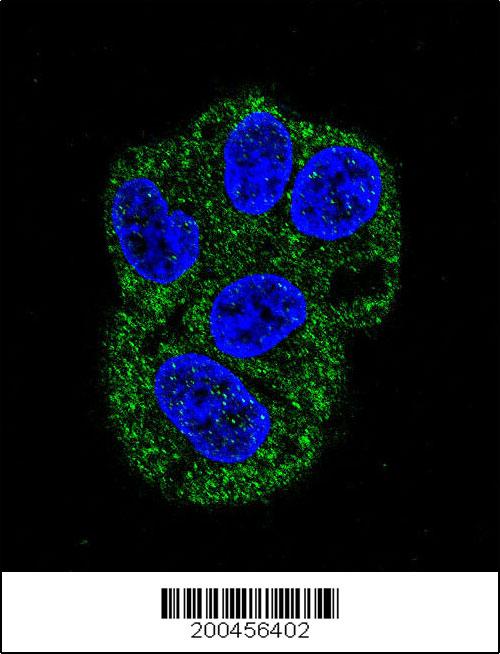
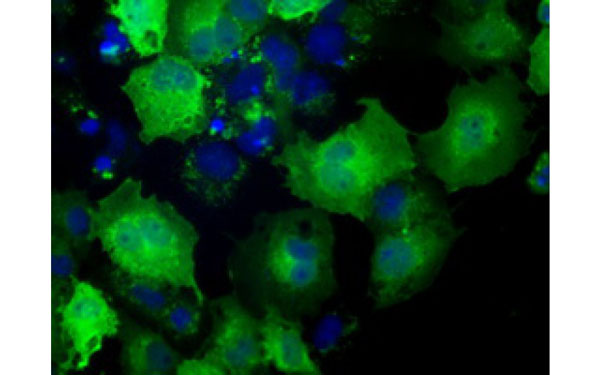
IF (Immunofluorescence) (Immunofluorescence staining of HeLa cells probed with RNA pol II CTD (pSer5) antibody (AAA50441; left) and DAPI (centre). Image on the right shows images from detection of AAA50441 and DAPI merged together.)
Application Data (Published customer image:Phycoerythrin conjugated Mouse anti Bovine CD335 antibody, clone AKS1 used along with FITC conjugated Mouse anti Bovine CD62L antibody, clone CC32 to evaluate NKp46 expression on bovine lymphocyte populations by flow cytometry.Image caption:CD62L expression by afferent?lymph (AL) ?derived CD2? natural killer (NK) cells may permit homing to lymph nodes (LNs). Lymphocytes from peripheral blood (PB), AL and LNs from seven calves were labelled with monoclonal antibodies for NKp46 and CD62L and analysed by flow cytometry. FACS plots from one representative animal illustrate the expression of NKp46 and CD62L by PB?, AL? and LN?derived lymphocytes (a). Gates were set based on Fluorescence Minus One controls.From: Hamilton CA, Mahan S, Bell CR, Villarreal-Ramos B, Charleston B, Entrican G, Hope JC.Frequency and phenotype of natural killer cells and natural killer cell subsets in bovine lymphoid compartments and blood.Immunology. 2017 May;151(1):89-97.doi: 10.1111/imm.12708.)
Application Data (Figure A. RPE conjugated mouse anti bovine CD80 and FITC conjugated mouse IgG1 isotype control . Figure B. RPE conjugated mouse anti bovine CD80 and FITC conjugated mouse anti bovine CD62L . All experiments performed on red cell lysed bovine blood gated on mononuclear cells.)
Application Data (Figure A. FITC conjugated mouse anti bovine CD62L and RPE conjugated mouse IgG1 isotype control . Figure B. FITC conjugated mouse anti bovine CD62L and RPE conjugated mouse anti bovine CD80 . All experiments performed on red cell lysed bovine blood gated on mononuclear cells.)
Application Data (Published customer image:Mouse anti Bovine CD62L antibody, clone CC32 used for the evaluation of L-selectin expression on PBMC from M. bovis cattle by flow cytometry.Image caption:Characterisation of memory markers reveals a characteristic TEM phenotype for multifunctional CD4+ cells in naturally infected cattle. PBMC from naturally M. bovis infected cattle were stimulated with PPD-B and stained for production of cytokine by ICS flow cytometry. Histograms were first gated on singlet, live lymphocytes and gating strategies applied to allow phenotyping of cells for expression of CD44, CD45RO and CD62L. The quadrant gate defining expression of CD44 and CD62L (top panel), CD45RO and CD62L (middle panel) or CD44 and CD45RO (bottom panel) was determined using the total live-lymphocyte population, as shown for each surface marker combination in the histograms on the far left of the panel. This quadrant gating strategy was used to determine the surface phenotype of total CD4+IFN-?+, CD4+IL-2+, CD4+TNF-?+ and triple functional CD4+ cells, as shown in the other histograms. The percentage of cytokine producing CD44hiCD62Llo, CD45RO+CD62Llo and CD44hiCD45RO+ is shown for each of these CD4+ populations. The data is from one representative animal of 5 analysed.)
Application Data (Figure A. RPE conjugated Mouse anti Bovine CD4 and FITC conjugated Mouse IgG1 isotype control . Figure B. RPE conjugated Mouse anti Bovine CD4 and FITC conjugated Mouse anti Bovine CD62L . All experiments performed on red cell lysed bovine blood gated on lymphocytes in the presence of 10% bovine serum. Data acquired on the ZE5 Cell Analyzer.)
Application Data (Figure A. FITC conjugated mouse anti bovine CD4 and purified mouse IgG1 isotype control detected with RPE conjugated goat anti mouse IgG1 . Figure B. FITC conjugated mouse anti bovine CD4 and purified CD5 detected with RPE conjugated goat anti mouse IgG1 . All experiments performed on red cell lysed bovine blood gated on mononuclear cells.)
Application Data (Figure A. Purified mouse anti bovine CD5 detected with goat anti mouse IgG1 RPE and FITC conjugated mouse IgG2a isotype control . Figure B. Purified mouse anti bovine CD5 detected with goat anti mouse IgG1 RPE and FITC conjugated mouse anti bovine CD4 . All experiments performed on red cell lysed bovine blood gated on mononuclear cells.)
Application Data (Staining of bovine peripheral blood lymphocytes with Mouse anti Bovine CD5 followed by Goat anti Mouse IgG (H/L):FITC .)
Application Data (Staining of bovine peripheral blood lymphocytes with Mouse anti Bovine CD5 .)
Immunoprecipitation, Immunocytochemistry, Immunohistochemistry, Western Blot
Purity
Protein A + Protein G affinity chromatography
Pricing
What are Monoclonal Antibodies?
Monoclonal antibodies are specialized laboratory-produced proteins developed for binding to specific biological antigens or other molecular targets. Since they come from a single cell (or clone), they are especially consistent and accurate in the data they are involved in producing.
This type of antibody material has been shown to be a powerful tool in finding and subsequently destroying harmful cells in an organism, such as those found in cancers or various autoimmune diseases. This makes them excellent aids in medical testing and research, which is why they are so widely used.
AAA Biotech offers a comprehensive range of high-quality monoclonal antibodies that perform effectively in various laboratory tests, including (amongst others) ELISA, western blotting, immunohistochemistry, and flow cytometry. All of the products in our catalog are thoroughly quality tested to make sure that they are reliable and will consistently perform well in your research.
What Are The Uses of Monoclonal Antibodies
Monoclonal antibodies are used in many lab tests, including (amongst others) ELISA, western blotting, immunohistochemistry, and flow cytometry.
ELISA is a test that helps detect a specific substance/analyte in a sample. It uses antibodies (often monoclonal) bound to a solid surface (such as the well of a microplate) to “capture” the substance/analyte in the sample and immobilize it so that the detection antibody component can then bind to it and produce a signal, which can then be measured.
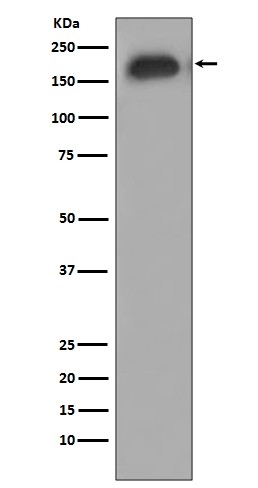
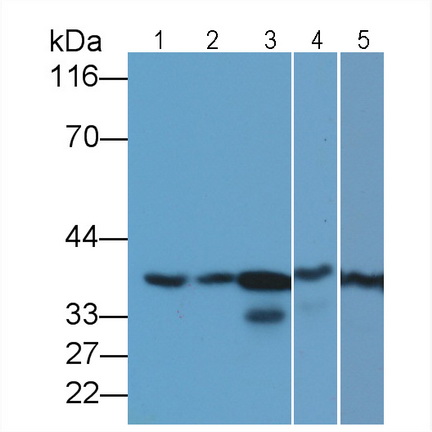
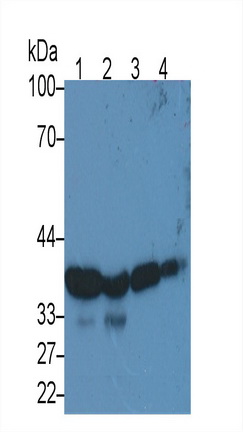
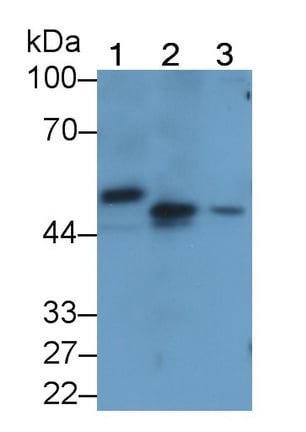
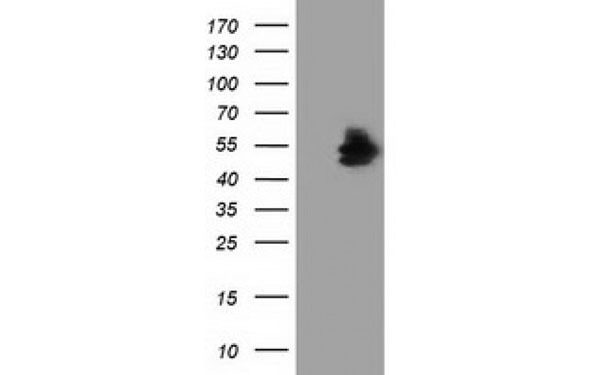
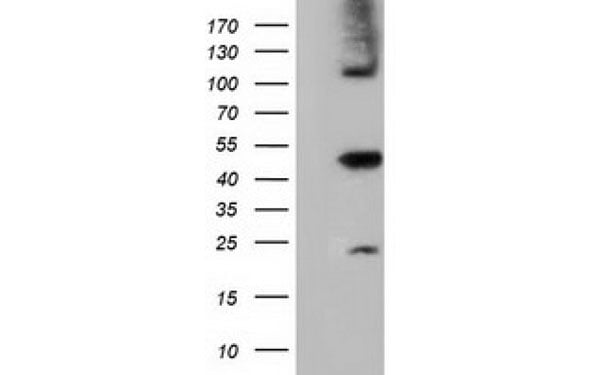
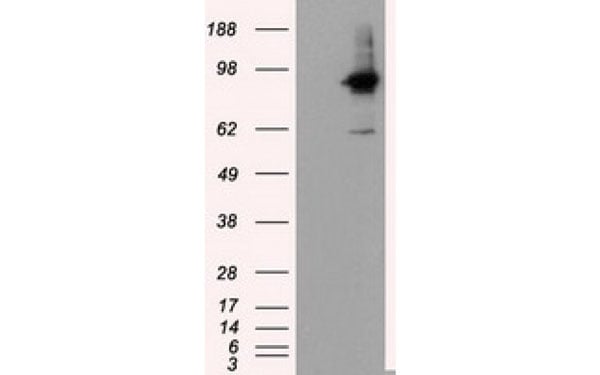
Western blotting identifies specific proteins in a sample. The sample is first separated on a gel, and then antibodies are applied that will typically bind to the target, which will all be localized to a single band in a lane.
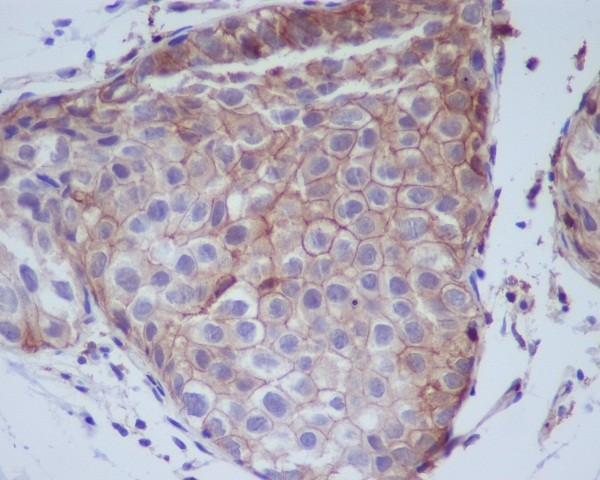
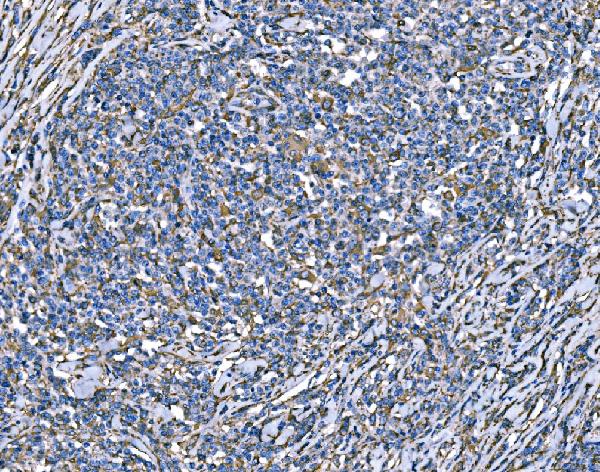
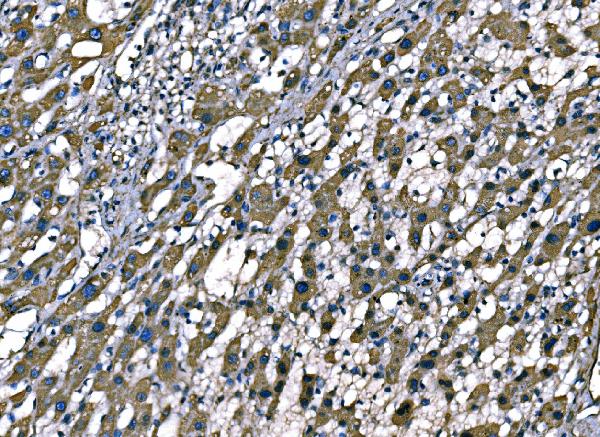
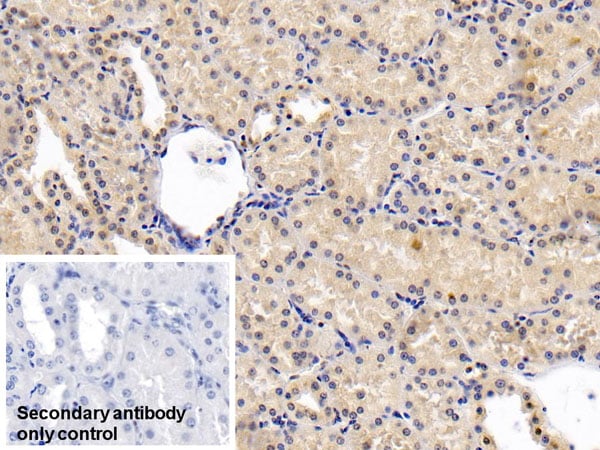
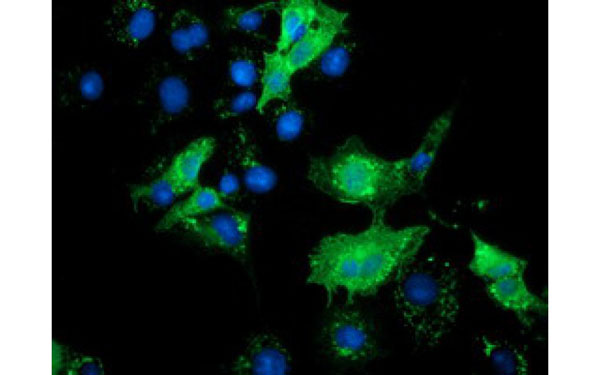
Immunohistochemistry helps locate specific proteins in cells or tissue samples using antibodies.
Flow cytometry looks at and sorts cells. It uses antibodies that are conjugated to reporter molecules called “fluorophores”, which, under special lights, emit light themselves, which can then be measured by a detector instrument.
How Monoclonal Antibodies Are Used as Medicine?
Please note that all of the products listed in AAA Biotech’s catalog are strictly for research-use only (RUO).
Monoclonal antibodies can also be used as therapeutic/medical treatments, particularly in the context of cancers. They are designed to find and bind to specific cells or proteins, helping the immune system recognize and attack the cancer. These treatments work in different ways, such as:
Radioimmunotherapy attaches a small amount of radioactive molecule to the antibody, so it delivers the radiation directly to the cancer cells that the antibody is specifically binding to.
Antibody-directed enzyme prodrug therapy uses antibodies that are specifically bound to special enzymes. These enzymes activate a harmless drug in the body and turn it into a cancer-killing drug only near the cancer cells—this helps avoid harming healthy cells.
Immunoliposomes are tiny “bubbles” filled with medicine/drug and coated with antibodies. They carry the drug straight to the cancer cells.
Why Buy Monoclonal Antibodies From Us?
At AAA Biotech, we provide high-performance monoclonal antibodies designed to support a wide range of research needs.
1. Validated for Versatile Applications
The antibodies in our catalog are extensively validated and compatible with multiple techniques, including (but not limited to) ELISA, flow cytometry (FC), immunocytochemistry (ICC), immunofluorescence (IF), immunohistochemistry (IHC), immunoprecipitation (IP), and western blotting (WB).
2. Wide Selection & Specialized Options
We offer antibodies for common and rare species, that are available in various conjugated forms, and also in recombinant formats. Essentially, there is almost anything one might need to meet their experimental model’s requirements.
3. High-Quality Proteins
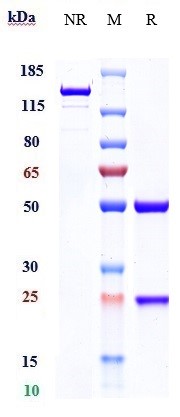
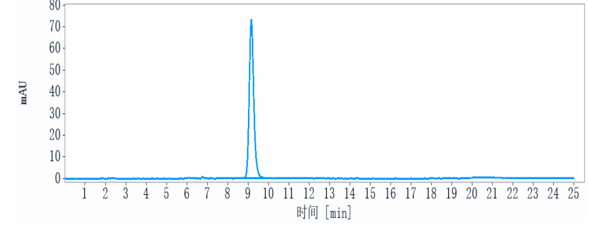
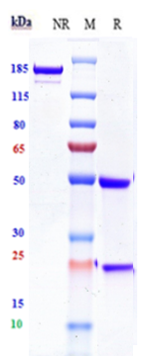
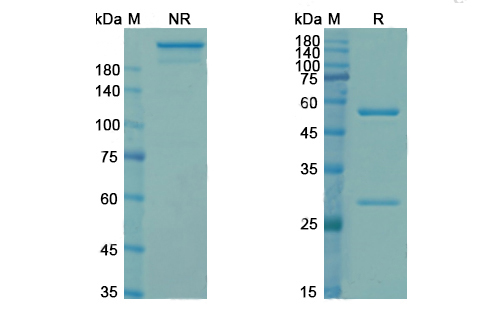
Our proteins meet high purity standards—90% or more as confirmed by SDS-PAGE. Many are available with tags like His, Flag, GST, or MBP, and we also supply native and biologically active proteins for functional studies.
Frequently Asked Questions
1. Are your monoclonal antibodies validated for specific applications?
Yes, our antibodies are tested and validated for use in methods such as ELISA, western blot, IHC, flow cytometry, and more. Refer to specific product pages or datasheets for individual product information.
2. How do I choose the right monoclonal antibody for my application?
Review the product details directly for application validation, species reactivity, and target information. You may also contact our support team at any time for help.
3. How quickly can I receive my order?
Most orders are processed and shipped within 1–3 business days, depending on product availability and your shipping location.
Submit a Question
Please complete the form below and a representative will contact you as soon as possible.
Request more Information
Please complete the form below and a representative will contact you as soon as possible.
Request a Manual
Please complete the form below and a representative will contact you as soon as possible.
Request a Quote
Please complete the form below and a representative will contact you as soon as possible.