Get accurate results in your research with our Monoclonal Antibodies, which are specially made to target exactly what you require for your research, and will produce consistent, reliable performance in lab tests.
SDS-PAGE (Whole cell lysates were separated by 10% SDS-PAGE, and the membrane was blotted with anti-CD44(PTR1298) antibody. The HRP-conjugated Goat anti-M)
SDS-PAGE (Various whole cell lysates were separated by 10% SDS-PAGE, and the membrane was blotted with anti-SALL4 (PT2242) antibody. The HRP-conjugated Goat anti-M)
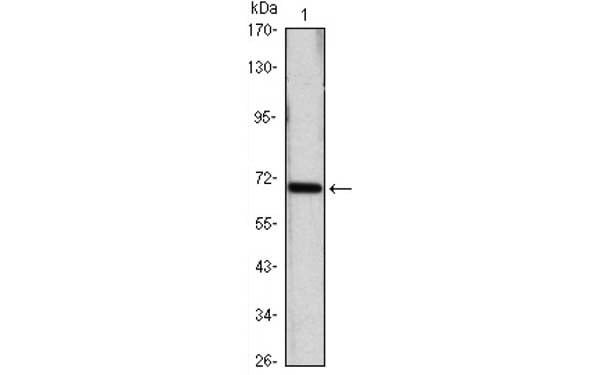
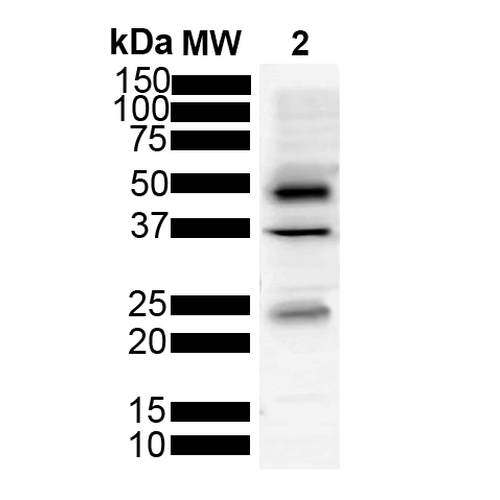
WB (Western Blot) (Western blot analysis of SALL4Antibody at 1:1000 dilution.)
SDS-PAGE (Various whole cell lysates were separated by 10% SDS-PAGE, and the membrane was blotted with anti-Lamin A/C (Phospho-Ser392)(PTR1133) antibody. The HRP-conjugated Goat anti-M)
SDS-PAGE (Various whole cell lysates were separated by 10% SDS-PAGE, and the membrane was blotted with anti-MPO (PTR2562) antibody. The HRP-conjugated Goat anti-M)
SDS-PAGE (Whole cell lysates were separated by 10% SDS-PAGE, and the membrane was blotted with anti-CD2(ABT529)antibody. The HRP-conjugated Goat anti-M)
SDS-PAGE (THP-1 whole cell lysates were separated by 10% SDS-PAGE, and the membrane was blotted with anti-CD38(ABT-CD38) antibody. The HRP-conjugated Goat anti-M)
SDS-PAGE (THP1 whole cell lysates were separated by 10% SDS-PAGE, and the membrane was blotted with anti-CD38(ABT298) antibody. The HRP-conjugated Goat anti-M)
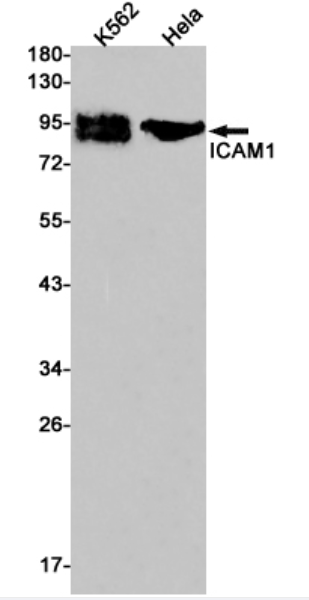
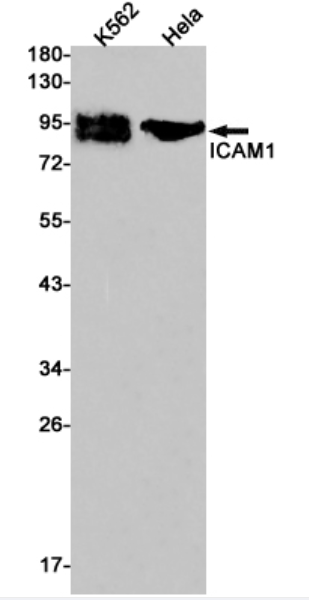
Application Data (HUVEC whole cell lysates were separated by 10% SDS-PAGE, and the membrane was blotted with anti-CD54(ABT-CD54) antibody. The HRP-conjugated Goat anti-M)
SDS-PAGE (Various whole cell lysates were separated by 10% SDS-PAGE, and the membrane was blotted with anti-CK7 and anti-GAPDH antibody. The HRP-conjugated)
SDS-PAGE (Various whole cell lysates were separated by 8% SDS-PAGE, and the membrane was blotted with anti-CK7 antibody. The HRP-conjugated anti-Mouse IgG antibody was used to detect the antibody.)
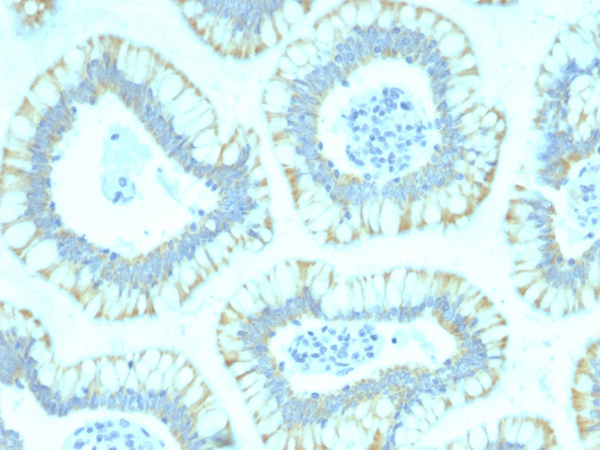
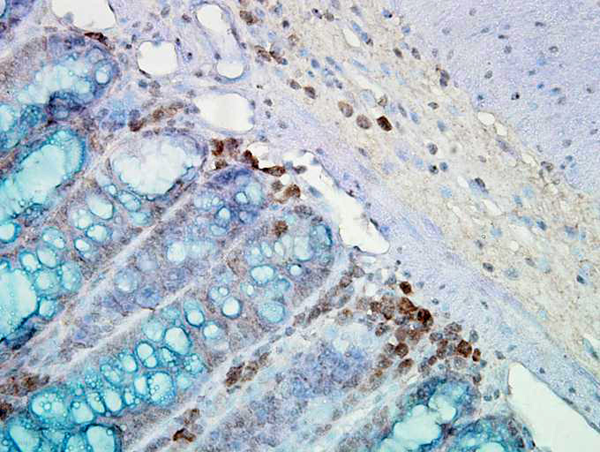
IHC (Immunohistochemistry) (Human colon carcinoma tissue was stained with Anti-COX-2 (ABT-COX2) Antibody)
SDS-PAGE (Whole cell lysates of Hela were separated by 10% SDS-PAGE, and the membrane was blotted with anti-COX-2 antibody. The HRP-conjugated anti-Mouse IgG antibody was used to detect the antibody.)
SDS-PAGE (Various whole cell lysates were separated by 8% SDS-PAGE, and the membrane was blotted with anti-COX-2. The HRP-conjugated anti-Mouse IgG antibody was used to detect the antibody.)
SDS-PAGE (Various whole cell lysates were separated by 10% SDS-PAGE, and the membrane was blotted with anti-Factor XIIIa antibody. The HRP-conjugated anti-Mouse IgG antibody was used to detect the antibody.)
SDS-PAGE (Whole cell lysates were separated by 10% SDS-PAGE, and the membrane was blotted with anti-GFAP(ABT176) antibody. The HRP-conjugated Goat anti-M)
IHC (Immunohiostchemistry) (Immunohistochemical analysis of paraffin-embedded Mouse Kidney Tissue using TBP/TATA Binding ProteinMouse mAb diluted at 1:200.)
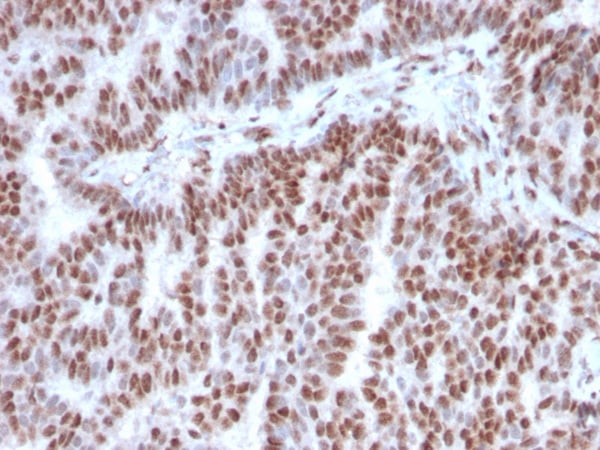
IHC (Immunohistochemistry) (Immunohistochemical analysis of paraffin-embedded Human Breast Carcinoma using TBP/TATA Binding Protein(mAb diluted at 1:200.)
IHC (Immunohistochemisry) (Immunohistochemical analysis of paraffin-embedded Human-uterus tissue. 1.ERK1 Mouse Monoclonal Antibody(5E9) was diluted at 1:200(4 degree C.overnight). 2. Sodium citrate pH 6.0 was used for antibody retrieval(>98 degree C.20min). 3.Secondary antibody was diluted at 1:200(room temperature. 30min). Negative control was used by secondary antibody only.)
IHC (Immunohiostchemistry) (Immunohistochemical analysis of paraffin-embedded Human Tonsil Tissue using ERK1 Mouse mAb diluted at 1:200.)
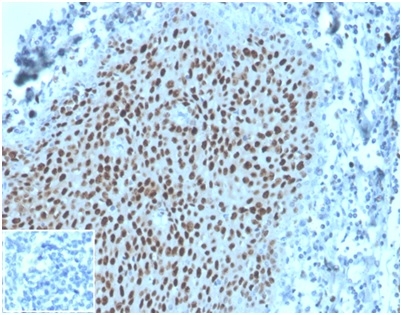
IHC (Immunohistochemistry) (Immunohistochemical analysis of paraffin-embedded Human Breast Carcinoma Tissue using ERK1 Mouse mAb diluted at 1:200.)
SDS-PAGE (Whole cell lysates were separated by 10% SDS-PAGE, and the membrane was blotted with anti-ERdj3 (PTR1359) antibody. The HRP-conjugated Goat anti-Ra)
SDS-PAGE (Whole cell lysates of A549 were separated by 6% SDS-PAGE, and the membrane was blotted with anti-p300(PTR2539) antibody. The HRP-conjugated Goat anti-M)
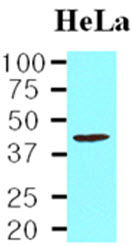
SDS-PAGE (Whole cell lysates of Hela were separated by 10% SDS-PAGE, and the membrane was blotted with anti-Vitamin D Receptor(PTR2542) antibody. The HRP-conjugated Goat anti-M)
IF (Immunofluorescence) (Immunofluorescence analysis of Mouse-spleen tissue. 1.CD68 Monoclonal Antibody(6F3)(red) was diluted at 1:200(4 degree C.overnight). 2. Cy3 labled Secondary antibody was diluted at 1:300(room temperature. 50min).3. Picture B: DAPI(blue) 10min. Picture A:Target. Picture B: DAPI. Picture C: merge of A+B)
IF (Immunofluorescence) (Immunofluorescence analysis of Human-lung-cancer tissue. 1.CD68 Monoclonal Antibody(6F3)(red) was diluted at 1:200(4 degree C.overnight). 2. Cy3 labled Secondary antibody was diluted at 1:300(room temperature. 50min).3. Picture B: DAPI(blue) 10min. Picture A:Target. Picture B: DAPI. Picture C: merge of A+B)
IHC (Immunohistochemisry) (Immunohistochemical analysis of paraffin-embedded Mouse-liver tissue. 1.CD68 Monoclonal Antibody(6F3) was diluted at 1:200(4 degree C.overnight). 2. Sodium citrate pH 6.0 was used for antibody retrieval(>98 degree C.20min). 3.Secondary antibody was diluted at 1:200(room temperature. 30min). Negative control was used by secondary antibody only.)
IHC (Immunohiostchemistry) (Immunohistochemical analysis of paraffin-embedded Human-Tonsil tissue. 1.CD68 Monoclonal Antibody(6F3) was diluted at 1:200(4 degree C.overnight). 2. Sodium citrate pH 6.0 was used for antibody retrieval(>98 degree C.20min). 3.Secondary antibody was diluted at 1:200(room temperature. 30min). Negative control was used by secondary antibody only.)
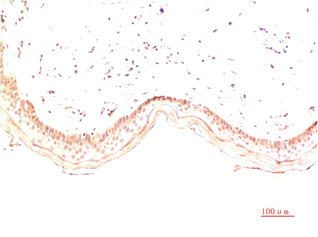
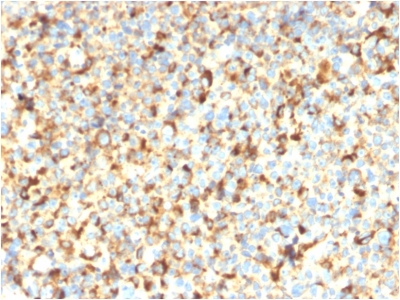
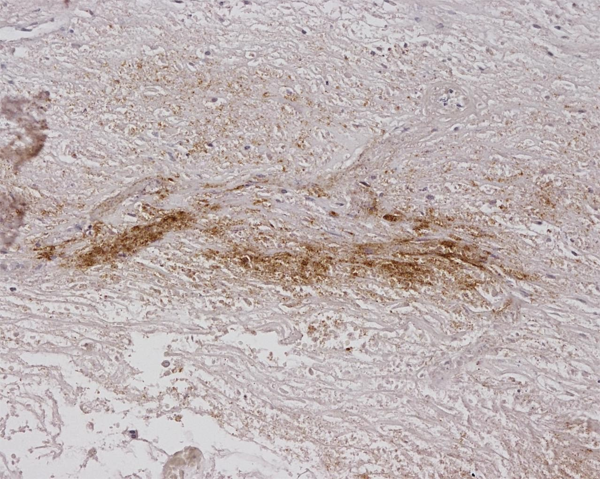
IHC (Immunohistochemistry) (IHC staining of human tonsil tissue. diluted at 1:200.)
IHC (Immunohistochemistry) (Immunohistochemical analysis of paraffin-embedded Rat-spleen tissue. 1.CD2 Monoclonal Antibody(3F3) was diluted at 1:200(4 degree C.overnight). 2. Sodium citrate pH 6.0 was used for antibody retrieval(>98 degree C.20min). 3.Secondary antibody was diluted at 1:200(room temperature. 30min). Negative control was used by secondary antibody only.)
IHC (Immunohistochemisry) (Immunohistochemical analysis of paraffin-embedded Mouse-spleen tissue. 1.CD2 Monoclonal Antibody(3F3) was diluted at 1:200(4 degree C.overnight). 2. Sodium citrate pH 6.0 was used for antibody retrieval(>98 degree C.20min). 3.Secondary antibody was diluted at 1:200(room temperature. 30min). Negative control was used by secondary antibody only.)
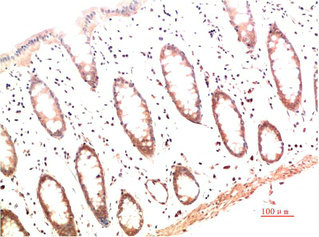
IHC (Immunohiostchemistry) (Immunohistochemical analysis of paraffin-embedded Human-colon tissue. 1.CD2 Monoclonal Antibody(3F3) was diluted at 1:200(4 degree C.overnight). 2. Sodium citrate pH 6.0 was used for antibody retrieval(>98 degree C.20min). 3.Secondary antibody was diluted at 1:200(room temperature. 30min). Negative control was used by secondary antibody only.)
IHC (Immunohistochemistry) (Immunohistochemical analysis of paraffin-embedded Human Tonsil Caricnoma using CD2 Mouse mAb diluted at 1:500.)
IHC (Immunohistochemistry) (Immunohistochemical analysis of paraffin-embedded Rat-kidney tissue. 1.CD10 Monoclonal Antibody(5B8) was diluted at 1:200(4 degree C.overnight). 2. Sodium citrate pH 6.0 was used for antibody retrieval(>98 degree C.20min). 3.Secondary antibody was diluted at 1:200(room temperature. 30min). Negative control was used by secondary antibody only.)
IHC (Immunohistochemisry) (Immunohistochemical analysis of paraffin-embedded Mouse-lung tissue. 1.CD10 Monoclonal Antibody(5B8) was diluted at 1:200(4 degree C.overnight). 2. Sodium citrate pH 6.0 was used for antibody retrieval(>98 degree C.20min). 3.Secondary antibody was diluted at 1:200(room temperature. 30min). Negative control was used by secondary antibody only.)
IHC (Immunohiostchemistry) (Immunohistochemical analysis of paraffin-embedded Human-uterus tissue. 1.CD10 Monoclonal Antibody(5B8) was diluted at 1:200(4 degree C.overnight). 2. Sodium citrate pH 6.0 was used for antibody retrieval(>98 degree C.20min). 3.Secondary antibody was diluted at 1:200(room temperature. 30min). Negative control was used by secondary antibody only.)
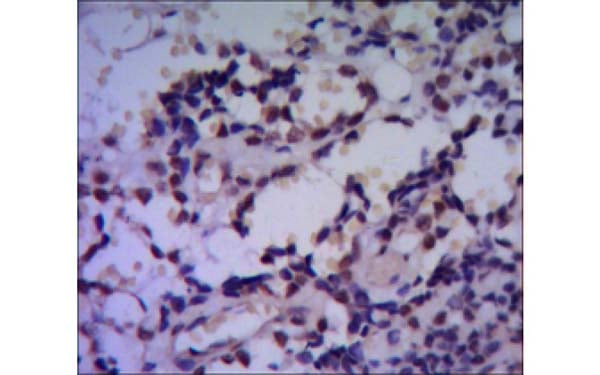
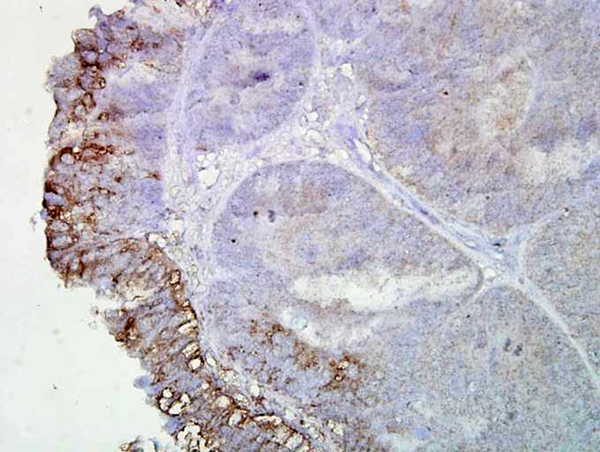
IHC (Immunohistochemistry) (Immunohistochemical analysis of paraffin-embedded human-breast-cancer using antibody diluted at 1:50.)
IHC (Immunohistochemistry) (Immunohistochemical analysis of paraffin-embedded Human TonsilTissue using HSC70 Mouse Monoclonal antibody diluted at 1:200.)
IHC (Immunohistochemisry) (Immunohistochemical analysis of paraffin-embedded Human Breast CarnimonaTissue using HSC70 Mouse Monoclonal antibody diluted at 1:200.)
IHC (Immunohiostchemistry) (Immunohistochemical analysis of paraffin-embedded Human BrainTissue using HSC70 Mouse Monoclonal antibody diluted at 1:200.)
WB (Western Blot) (Western blot analysis of 1)Hela Cell. 2) Mouse Brain Tissue Lysate using HSC70Mouse Monoclonal mAb diluted at 1:5.000.)
WB (Western Blot) (Western blot analysis of 1)Hela Cell. 2) Mouse Liver Tissue.3) Rat Kidney Tissue Lysate using P38Mouse Monoclonal mAb diluted at 1:2.000.)
IHC (Immunohiostchemistry) (Immunohistochemical analysis of paraffin-embedded Human Lung CarcinomaTissue using JAK2 Mouse Monoclonal antibody diluted at 1:200.)
WB (Western Blot) (Western blot analysis of 1)K562 Cell. 2) 3T3 Cell. 3)PC12 Cell Lysate using JAK2Mouse Monoclonal mAb diluted at 1:2.000.)
SDS-PAGE (HepG2 whole cell lysates were separated by 10% SDS-PAGE, and the membrane was blotted with anti-Glypican-3(ABT068) antibody. The HRP-conjugated Goat anti-M)
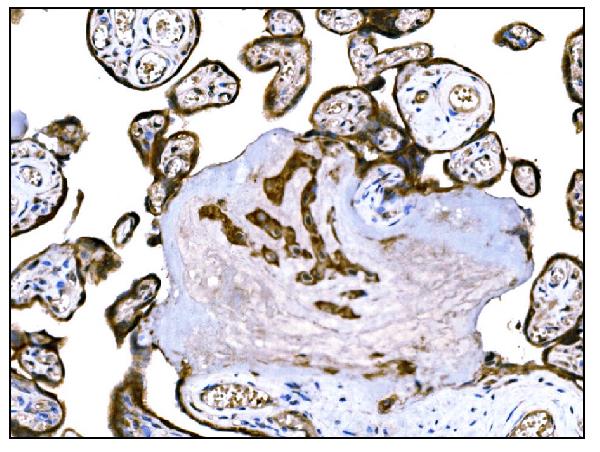
IHC (Immunohistochemistry) (Human placenta tissue was stained with Anti-hCG ? (ABT-HCG) Antibody)
IHC (Immunohiostchemistry) (Human placenta tissue was stained with Anti-hCG ? (ABT-HCG) Antibody)
SDS-PAGE (Various whole cell lysates were separated by 12% SDS-PAGE, and the membrane was blotted with anti-hCG antibody. The HRP-conjugated anti-Mouse IgG antibody was used to detect the antibody.)
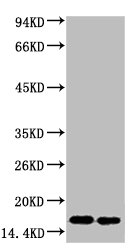
SDS-PAGE (Whole cell lysates were separated by 15% SDS-PAGE, and the membrane was blotted with anti-Insulin(ABT189) antibody. The HRP-conjugated Goat anti-M)
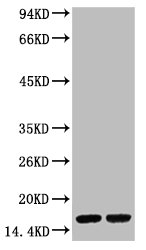
SDS-PAGE (Whole cell lysates were separated by 15% SDS-PAGE, and the membrane was blotted with anti-Insulin(ABT-INS)antibody. The HRP-conjugated Goat anti-M)
SDS-PAGE (Whole cell lysates were separated by 10% SDS-PAGE, and the membrane was blotted with anti-PSAP (ABT119)antibody. The HRP-conjugated Goat anti-M)
SDS-PAGE (Whole cell lysates were separated by 10% SDS-PAGE, and the membrane was blotted with anti-PIK3CA H1047R (ABT454)antibody. The HRP-conjugated Goat anti-M)
SDS-PAGE (K562 whole cell lysates were separated by 10% SDS-PAGE, and the membrane was blotted with anti-MAGE-C1(ABT251)antibody. The HRP-conjugated Goat anti-M)
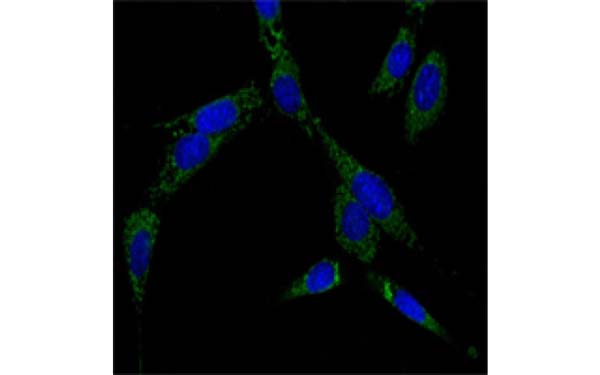
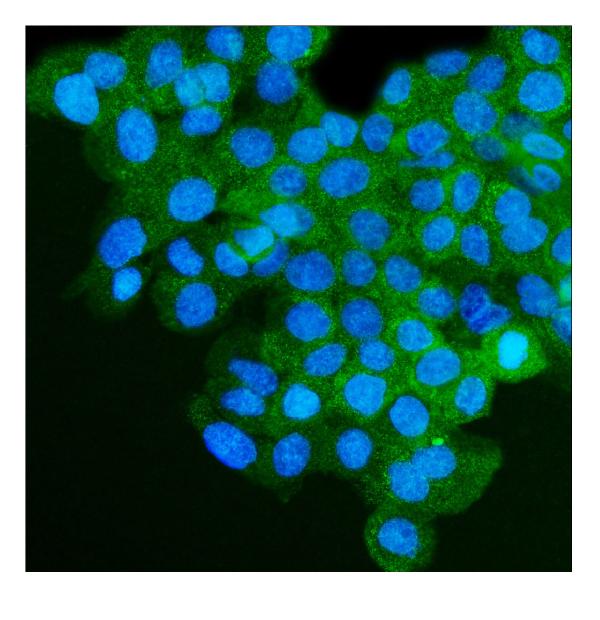
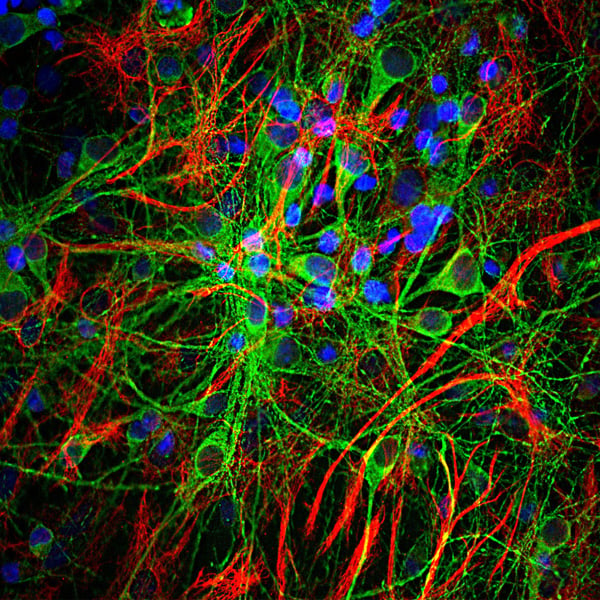
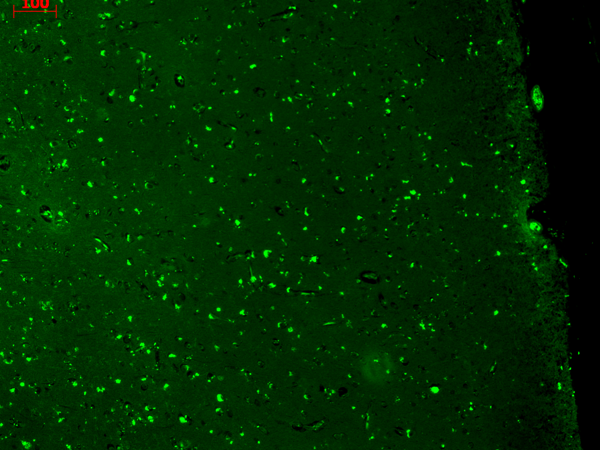
IF (Immunofluorescence) (ICC/IF analysis of CRABP1 in Balb/3T3 cells line, stained with DAPI (Blue) for nucleus staining and monoclonal anti-human CRABP1 antibody (1:100) with goat anti-mouse IgG-Alexa fluor 488 conjugate (Green).)
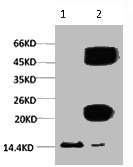
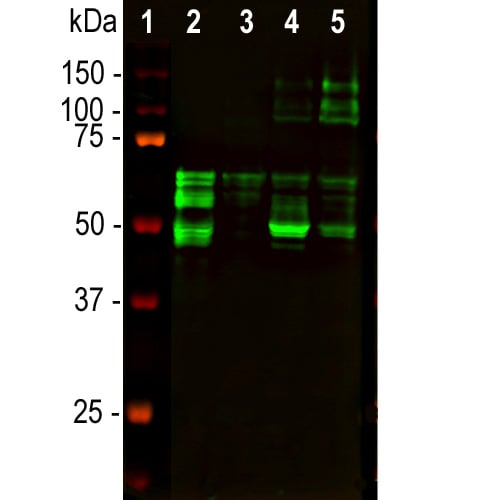
WB (Western Blot) (The extracts of mouse eye (30ug) were resolved by SDS-PAGE, transferred to NC membrane and probed with anti-human CRABP1 (1:500). Proteins were visualized using a goat anti-mouse secondary antibody conjugated to HRP and an ECL detection system. The Cell lysates (40ug) were resolved by SDS-PAGE, transferred to PVDF membrane and probed with anti-human CRABP1 antibody (1:500). Proteins were visualized using a goat anti-mouse secondary antibody conjugated to HRP and an ECL detection system. Lane 1. : MCF-7 cell lysate The cell lysates (20ug) were resolved by SDS-PAGE, transferred to PVDF membrane and probed with anti-human CRABP1 antibody (1:500). Proteins were visualized using a goat anti-mouse secondary antibody conjugated to HRP and an ECL detection system. Lane 1.: 293T cell lysate Lane 2.: CRABP1 transfected 293T cell lysate)
IF (Immunofluorescence) (ICC/IF analysis of IL-6 in A549 cells line, stained with DAPI (Blue) for nucleus staining and monoclonal anti-human IL-6 antibody (1:100) with goat anti-mouse IgG-Alexa fluor 488 conjugate (Green) ICC/IF analysis of IL-6 in HeLa cells line, stained with DAPI (Blue) for nucleus staining and monoclonal anti-human IL-6 antibody (1:100) with goat anti-mouse IgG-Alexa fluor 488 conjugate (Green) ICC/IF analysis of IL-6 in Hep3B cells line, stained with DAPI (Blue) for nucleus staining and monoclonal anti-human IL-6 antibody (1:100) with goat anti-mouse IgG-Alexa fluor 488 conjugate (Green))
WB (Western Blot) (The cell lysates (40ug) were resolved by SDS-PAGE, transferred to PVDF membrane and probed with anti-human IL-6 antibody (1:1000). Proteins were visualized using a goat anti-mouse secondary antibody conjugated to HRP and an ECL detection system. Lane 1.: HeLa cell lysate Lane 2.: HepG2 cell lysate Lane 3.: Raw264.7 cell lysate Lane 4.: PC3 cell lysate Lane 5.: THP-1 cell lysate Lane 6.: A549 cell lysate Lane 7.: MCF7 cell lysate Lane 8.: K562 cell lysate)
WB (Western Blot) (The cell lysates(40ug) were resolved by SDS-PAGE, transferred to PVDF membrane and probed with anti-human GARS antibody (1:1000). Proteins were visualized using a goat anti-mouse secondary antibody conjugated to HRP and an ECL detection system. Lane 1.: HeLa cell lysate Lane 2.: 293T cell lysate Lane 3.: Jurkat cell lysate Lane 4.: U87MG cell lysate Lane 5.: A431 cell lysate)
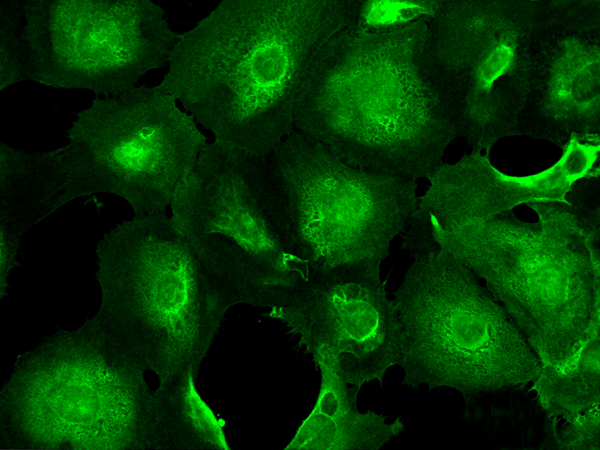
ICC (Immunocytochemistry) (ICC/IF analysis of GARS in HeLa cells. The cell was stained (1:100). The secondary antibody (green) was used Alexa Fluor 488. DAPI was stained the cell nucleus (blue).)
Monoclonal antibodies are specialized laboratory-produced proteins developed for binding to specific biological antigens or other molecular targets. Since they come from a single cell (or clone), they are especially consistent and accurate in the data they are involved in producing.
This type of antibody material has been shown to be a powerful tool in finding and subsequently destroying harmful cells in an organism, such as those found in cancers or various autoimmune diseases. This makes them excellent aids in medical testing and research, which is why they are so widely used.
AAA Biotech offers a comprehensive range of high-quality monoclonal antibodies that perform effectively in various laboratory tests, including (amongst others) ELISA, western blotting, immunohistochemistry, and flow cytometry. All of the products in our catalog are thoroughly quality tested to make sure that they are reliable and will consistently perform well in your research.
What Are The Uses of Monoclonal Antibodies
Monoclonal antibodies are used in many lab tests, including (amongst others) ELISA, western blotting, immunohistochemistry, and flow cytometry.
ELISA is a test that helps detect a specific substance/analyte in a sample. It uses antibodies (often monoclonal) bound to a solid surface (such as the well of a microplate) to “capture” the substance/analyte in the sample and immobilize it so that the detection antibody component can then bind to it and produce a signal, which can then be measured.
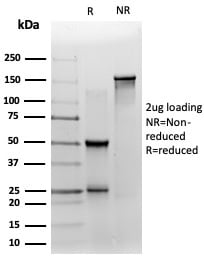
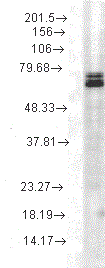
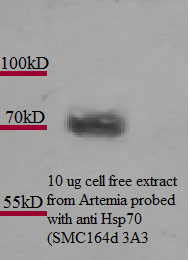
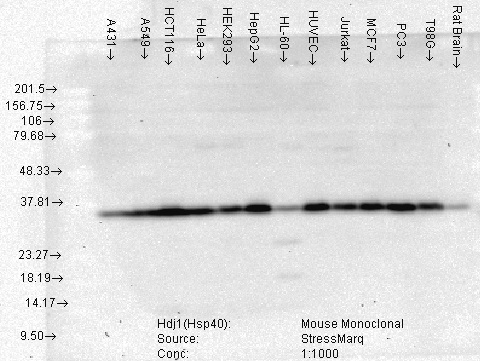
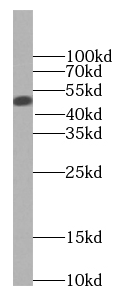
Western blotting identifies specific proteins in a sample. The sample is first separated on a gel, and then antibodies are applied that will typically bind to the target, which will all be localized to a single band in a lane.
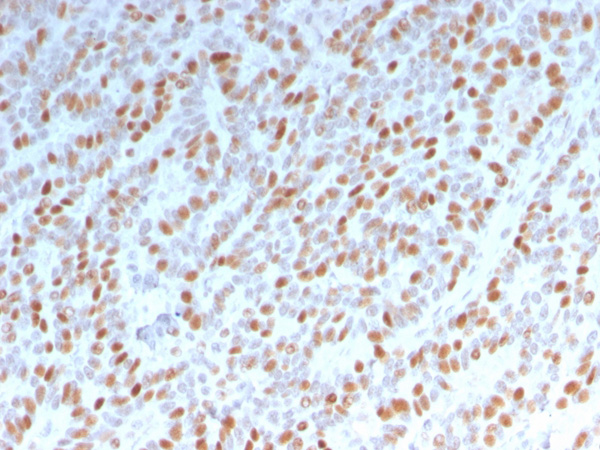
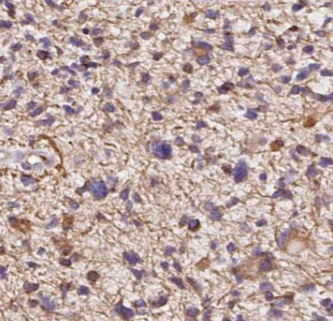
Immunohistochemistry helps locate specific proteins in cells or tissue samples using antibodies.
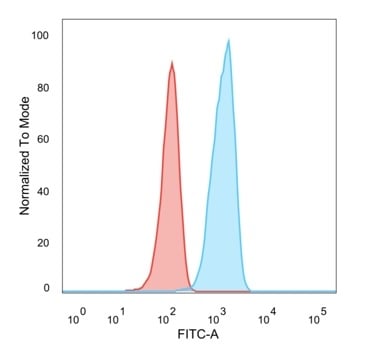
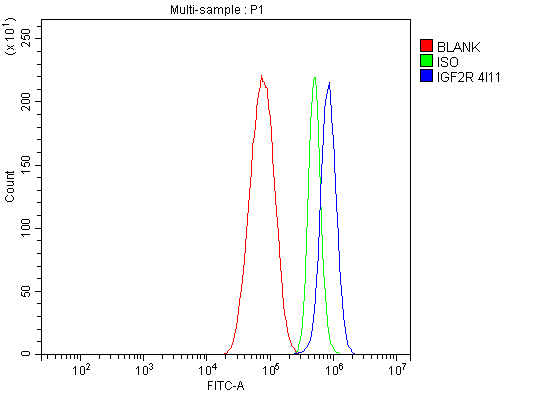
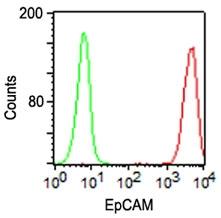
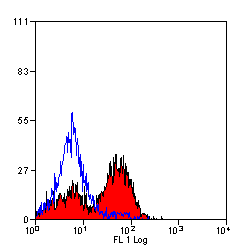
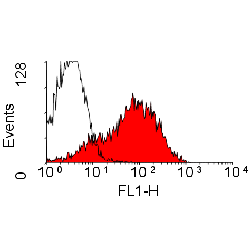
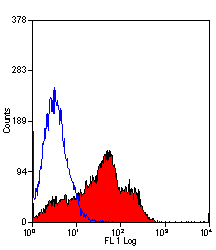
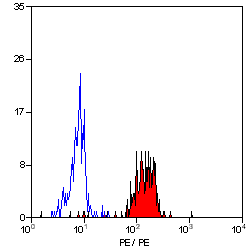
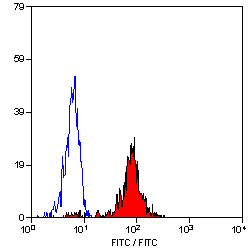
Flow cytometry looks at and sorts cells. It uses antibodies that are conjugated to reporter molecules called “fluorophores”, which, under special lights, emit light themselves, which can then be measured by a detector instrument.
How Monoclonal Antibodies Are Used as Medicine?
Please note that all of the products listed in AAA Biotech’s catalog are strictly for research-use only (RUO).
Monoclonal antibodies can also be used as therapeutic/medical treatments, particularly in the context of cancers. They are designed to find and bind to specific cells or proteins, helping the immune system recognize and attack the cancer. These treatments work in different ways, such as:
Radioimmunotherapy attaches a small amount of radioactive molecule to the antibody, so it delivers the radiation directly to the cancer cells that the antibody is specifically binding to.
Antibody-directed enzyme prodrug therapy uses antibodies that are specifically bound to special enzymes. These enzymes activate a harmless drug in the body and turn it into a cancer-killing drug only near the cancer cells—this helps avoid harming healthy cells.
Immunoliposomes are tiny “bubbles” filled with medicine/drug and coated with antibodies. They carry the drug straight to the cancer cells.
Why Buy Monoclonal Antibodies From Us?
At AAA Biotech, we provide high-performance monoclonal antibodies designed to support a wide range of research needs.
1. Validated for Versatile Applications
The antibodies in our catalog are extensively validated and compatible with multiple techniques, including (but not limited to) ELISA, flow cytometry (FC), immunocytochemistry (ICC), immunofluorescence (IF), immunohistochemistry (IHC), immunoprecipitation (IP), and western blotting (WB).
2. Wide Selection & Specialized Options
We offer antibodies for common and rare species, that are available in various conjugated forms, and also in recombinant formats. Essentially, there is almost anything one might need to meet their experimental model’s requirements.
3. High-Quality Proteins
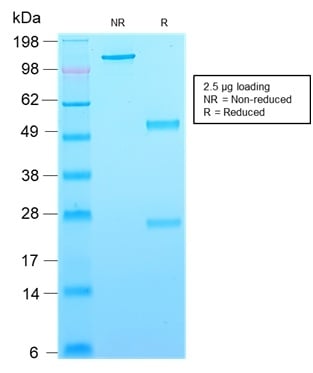
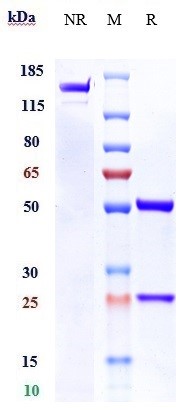
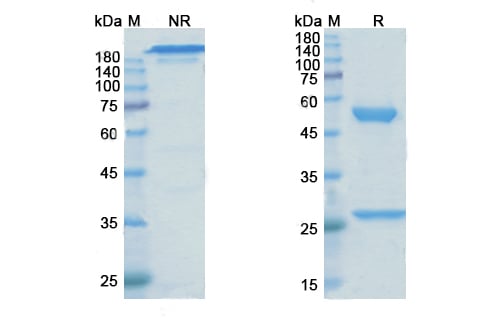
Our proteins meet high purity standards—90% or more as confirmed by SDS-PAGE. Many are available with tags like His, Flag, GST, or MBP, and we also supply native and biologically active proteins for functional studies.
Frequently Asked Questions
1. Are your monoclonal antibodies validated for specific applications?
Yes, our antibodies are tested and validated for use in methods such as ELISA, western blot, IHC, flow cytometry, and more. Refer to specific product pages or datasheets for individual product information.
2. How do I choose the right monoclonal antibody for my application?
Review the product details directly for application validation, species reactivity, and target information. You may also contact our support team at any time for help.
3. How quickly can I receive my order?
Most orders are processed and shipped within 1–3 business days, depending on product availability and your shipping location.
Submit a Question
Please complete the form below and a representative will contact you as soon as possible.
Request more Information
Please complete the form below and a representative will contact you as soon as possible.
Request a Manual
Please complete the form below and a representative will contact you as soon as possible.
Request a Quote
Please complete the form below and a representative will contact you as soon as possible.