AAA Biotech provides a variety of high-quality recombinant and natural/native proteins that are proven to work in a wide range of experiments. Explore our products to find the active protein that best fits your needs or experimental model.
Bioactivity (Figure 2. Inhibition of A549 cells proliferation after stimulated with FBLN2.)
Bioactivity (Fibulin 2 (FBLN2) is the second largest member of the seven-member fibulin family of extracellular membrane (ECM) glycoproteins. The protein is known to form disulfide-linked homodimers, but it can also be secreted as an oligomer. Fibulin 2 is considered a multifunctional binding protein due to its association with numerous ECM components, but its specific interactions have yet to be determined. Fibulin 2 is localized at the interface between microfibrils and the elastin core and its known interactions include nidogen-1, perlecan, laminin, aggrecan, endostatins, versican, collagen, and tropoelastin. It is down-regulated in numerous forms of cancer including breast, colorectal, lung, esophageal, and squamous cell carcinoma, but over-expression has been shown with solid tumors. To test the effect of FBLN2 on cell apoptosis, A549 cells were seeded into triplicate wells of 96-well plates at a density of 4,000 cells/well and allowed to attach overnight, then the medium was replaced with various concentrations of recombinant mouse FBLN2 diluted with 5% serum standard DMEM. After incubated for 72h, cells were observed by inverted microscope and cell proliferation was measured by Cell Counting Kit-8 (CCK-8). Briefly, 10 ul of CCK-8 solution was added to each well of the plate, then the absorbance at 450 nm was measured using a microplate reader after incubating the plate for 1h at 37 degree C. Proliferation of A549 cells after incubation with FBLN2 for 72h observed by inverted microscope was shown in Figure 1. Cell viability was assessed by CCK-8 (Cell Counting Kit-8) assay after incubation with recombinant mouse FBLN2 for 72h. The result was shown in Figure 2. It was obvious that FBLN2 significantly inhibit cell viability of A549 cells. The ED50 is 1.25 ug/mL.)
Bioactivity (Taste receptor type 1 member 3 (TAS1R3), responsible for mediating taste perception, is a G protein-coupled receptor (GPCR) expressed in gustatory cells located within the taste buds on the tongue. It can form a heterodimeric receptor with TAS1R1 to elicit the umami taste response, or it can bind with TAS1R2 to form a receptor for the sweet taste response, thus a functional binding ELISA assay was conducted to detect the interaction of recombinant human TAS1R3 and recombinant mouse TAS1R1. Briefly, biotin-linked TAS1R3 were diluted serially in PBS, with 0.01% BSA (pH 7.4). Duplicate samples of 100 ul were then transferred to TAS1R1-coated microtiter wells and incubated for 1h at 37 degree C. Wells were washed with PBST 3 times and incubation with Streptavidin-HRP for 30min, then wells were aspirated and washed 5 times. With the addition of substrate solution, wells were incubated 15-25 minutes at 37 degree C. Finally, add 50 ul stop solution to the wells and read at 450 nm immediately. The binding activity of recombinant human TAS1R3 and recombinant mouse TAS1R1 was shown in Figure 1, the EC50 for this effect is 0.31 ug/mL.)
Bioactivity (Isocitrate Dehydrogenase 2 (IDH2) catalyzes the oxidative decarboxylation of isocitrate to alpha-ketoglutarate. There are two subclasses in the IDH family, one of them utilizing NADP as the electron acceptor and the other using NAD. The protein encoded by this gene is the NADP dependent isocitrate dehydrogenase found in the mitochondrial. The activity of recombinant human IDH2 was measured by the ability to oxidatively decarboxylate isocitrate to 2-oxoglutarate. The reaction was performed in 25 mM Tris, 0.5 mM MnCl2, 5 mM DTT, pH 7.5 (Assay Buffer), initiated by addition 50 uL of various concentrations of IDH2 (diluted by Assay Buffer) to 50 uL of substrate mixture consisted of 1 mM NADP and 2 mM isocitric acid. The final well serves as a negative control with no IDH2, replaced with 50ul assay buffer. Incubated at 25 degree C for 5min, then read at a wavelength of 340 nm. The specific activity of recombinant human IDH2 is >200 pmol/min/ug.)
Bioactivity (Granzyme H is a member of the granzyme family of serine proteases found specifically in the cytotoxic granules of cytotoxic T lymphocytes (CTL) and natural killer (NK) cells. Granzyme H's functions are largely unknown. The more abundant expression of Granzyme H than Granzyme B in NK cells suggests that Granzyme H may complement the pro-apoptotic function of Granzyme B in this cell type. Human Granzyme H is synthesized as a precursor (246 residues) with a signal peptide (residues 1-18), a propeptide (residues 19-20) and a mature chain (residues 21-246). The purified recombinant human Granzyme H consists of residues 19 to 246 which activity was measured by its ability to cleaves a thioester substrate Z-Lys-SBzl•HCl. The reaction was performed in 0.05 M Tris, 0.15 M NaCl, 0.01% Triton X-100, pH 8.0 (Assay Buffer), initiated by addition 50 uL of various concentrations of GZMH (diluted by Assay Buffer) to 50 uL of 1.2 mM Substrate and DTNB mixture. The final well serves as a negative control with no GZMH, replaced with 50 uL assay buffer. Incubated at 25 degree C for 5min, then read at a wavelength of 405 nm. The specific activity of recombinant human Granzyme H is >300 pmol/min/ug.)
Bioactivity (Aryl Hydrocarbon Receptor (AhR), also known as bHLHE76, is a 110 kDa member of the bHLH/PAS transcription factor family. It is widely expressed (breast, lung, liver), and serves many functions. It is a ligand-activated transcription factor best known for its role in sensing xenobiotics and regulating the expression of genes involved in xenobiotic metabolism, including drug transporters and drug metabolizing enzymes. Heat Shock Protein 90kDa Alpha A1 (HSP90aA1) has been identified as an interactor of AhR, thus a functional binding ELISA assay was conducted to detect the interaction of recombinant human AhR and recombinant human HSP90aA1. Briefly, AhR were diluted serially in PBS, with 0.01% BSA (pH 7.4). Duplicate samples of 100 ul were then transferred to HSP90aA1-coated microtiter wells and incubated for 1h at 37 degree C. Wells were washed with PBST and incubated for 1h with anti-AhR pAb, then aspirated and washed 3 times. After incubation with HRP labelled secondary antibody, wells were aspirated and washed 5 times. With the addition of substrate solution, wells were incubated 15-25 minutes at 37 degree C. Finally, add 50 uL stop solution to the wells and read at 450 nm immediately. The binding activity of AhR and HSP90aA1 was shown in Figure 1, and this effect was in a dose dependent manner, the EC50 for this effect is 0.09 ug/mL.)
Bioactivity (The classical role of ACHE is to terminate cholinergic neurotransmission by hydrolysis of acetylcholine (ACH). ACHE is thought to be involved in the pathology of Alzheimer's disease (AD) by accelerating the assembly of A beta peptides into fibrillar species through forming complexes with A beta via the peripheral anionic site on ACHE. ACHE inhibitors have been used to delay symptoms of AD patients by virtue of their ability to enhance ACH availability, as well as reduce amyloidogenesis and subsequent neurotoxicity. Its involvement in the cholinergic anti-inflammatory pathway connects ACHE with a possible marker of low-grade systemic inflammation in obesity, hypertension, coronary heart disease, and AD. The activity of recombinant mouse ACHE was measured by its ability to cleave Acetylthiocholine in the assay buffer 0.1 M sodium phosphate, 0.05% (w/v) Brij-35, pH 7.5. 50 uL of various concentrations of rmACHE (diluted by Assay Buffer) was added into the 96-well clear plate and the reaction was started by the addition of 50 ul substrate mixture of 200 uM acetylthiocholine and 100 uM DTNB. The final well serves as a negative control with no rmACHE, replaced with 50ul assay buffer and 50 ul substrate mixture. Read plate in kinetic mode for 5 minutes at an absorbance of 405 nm. The specific activity of recombinant mouse ACHE is >2200 nmol/min/ug.)
Bioactivity (Figure 3. The sandard curve of Dns-Tyr-Val-NH2)
Bioactivity (Figure 2. The reaction product compared with standard Dns-Tyr-Val-Gly and Dns-Tyr-Val-NH2.)
Bioactivity (Peptidyl-glycine alpha-amidating monooxygenase (PAM) is an enzyme that is required for the biosynthesis of many signaling peptides. It has two enzymatically active domains with catalytic activities-peptidylglycine alpha-hydroxylating monooxygenase (PHM) and peptidyl-alpha-hydroxyglycine alpha-amidating lyase (PAL). These catalytic domains work sequentially to catalyze neuroendocrine peptides to active alpha-amidated products. A typical activity assay was using Dns-Tyr-Val-Gly as substrate, thus the activity of recombinant human PAM was measured by its ability to hydrolyze Dns-Tyr-Val-Gly to Dns-Tyr-Val-NH2. The reaction was performed in 100 mM MES/KOH pH 6.0, 30 mM KI, 30 mM KCl, 1 uM cupric sulfate, 100 ug/ml catalase (APC418Hu05), 1% (v/v) ethanol, 0.001% (v/v) Triton X-100 and 10 mM ascorbate. 250 ul 0.7 mM substrate of Dns-Tyr-Val-Gly was added with 250 ul various concentrations of recombinant human PAM (1 ug/ml,5 ug/ml, 10 ug/ml and 20 ug/ml). Incubated at 37 degree C for 30min, the reaction was stopped by addition 6% (v/v) TCA. The product and substrate was detected by RP-HPLC with UV-detection at 280 nm, the analyses were performed at 25 degree C employing a Agilent ZORBAX Poroshell SB C18 column (9.4×250 mm, 5 um), the flow rate was 1 ml/min. The mobile phase consisted of 100 mM sodium acetate (pH 6.5) and 30 min linear gradient of 10-90% acetonitrile. At 30-35 min, the mobile phase consisted of 90% acetonitrile and 10% sodium acetate. The result was shown in Figure 1. As the Figure 1 shows, the substrate have been hydrolyzed to Dns-Tyr-Val-NH2 after incubating with recombinant human PAM. The retention time of Dns-Tyr-Val-Gly and Dns-Tyr-Val-NH2 is 24.088 and 30.421 respectively (Figure 2). The specific activity of recombinant human PAM is >6600 pmol/min/ug.)
Bioactivity (Carbonic Anhydrase (CA) catalyzes the reversible reaction of CO2 H2O = HCO3- H, which is fundamental to many processes such as respiration, renal tubular acidification and bone resorption. CA13 is a cytosolic enzyme with a unique and widespread distribution pattern as compared to the other cytosolic CAs, indicating that it may play important physiological roles in several organs. The activity of recombinant mouse CA13 was measured by its ability to hydrolyze 4-Nitrophenyl acetate (4-NPA) to 4-Nitrophenol. The reaction was performed in 12.5 mM Tris, 75 mM NaCl, pH 7.5 (assay buffer), initiated by addition 50 uL of various concentrations of CA13 (diluted by assay buffer) to 50 uL of 2 mM substrate 4-NPA (100 mM stock in Acetone, diluted by assay buffer). Incubated at 37 degree C for 5min, then read at a wavelength of 400 nm.)
Bioactivity (C reactive protein (CRP) is an annular (ring-shaped), pentameric protein found in blood plasma, whose levels rise in response to inflammation. It is an acute-phase protein of hepatic origin that increases following interleukin-6 secretion by macrophages and T cells. Its physiological role is to bind to lysophosphatidylcholine expressed on the surface of dead or dying cells (and some types of bacteria) in order to activate the complement system via C1q. Besides, Coagulation Factor II (F2) has been identified as an interactor of CRP, thus a functional binding ELISA assay was conducted to detect the interaction of recombinant horse CRP and recombinant rat F2. Briefly, CRP was diluted serially in PBS with 0.01% BSA (pH 7.4). Duplicate samples of 100 ul were then transferred to F2-coated microtiter wells and incubated for 1h at 37 degree C. Wells were washed with PBST and incubated for 1h with anti-CRP pAb, then aspirated and washed 3 times. After incubation with HRP labelled secondary antibody for 1h at 37 degree C, wells were aspirated and washed 5 times. With the addition of substrate solution, wells were incubated 15-25 minutes at 37 degree C. Finally, add 50 uL stop solution to the wells and read at 450/630 nm immediately. The binding activity of recombinant horse CRP and recombinant rat F2 was shown in Figure 1, the EC50 for this effect is 3.29 ug/mL.)
Bioactivity (Acid phosphatase locus 1 (ACP1) is a low molecular weight protein tyrosine phosphatase that has been shown to be an important regulator of insulin receptor signaling. EFNA1 is a kind of receptor tyrosine kinase which can Interact with ACP1. Thus a functional binding ELISA assay was conducted to detect the interaction of recombinant human EFNA1 and recombinant human ACP1. Briefly, EFNA1 was diluted serially in PBS with 0.01% BSA (pH 7.4). Duplicate samples of 100 ul were then transferred to ACP1-coated microtiter wells and incubated for 1h at 37 degree C. Wells were washed with PBST and incubated for 1h with anti-EFNA1 pAb, then aspirated and washed 3 times. After incubation with HRP labelled secondary antibody for 1h at 37 degree C, wells were aspirated and washed 5 times. With the addition of substrate solution, wells were incubated 15-25 minutes at 37 degree C. Finally, add 50 uL stop solution to the wells and read at 450/630 nm immediately. When recombinant human ACP1 is immobilized at 2 ug/ml (100 ul/well), the concentration of EFNA1 that produces 50% optimal binding response is found to be approximately 0.21 ug/ml.)
Bioactivity (Figure 2. Cell proliferation of M-NFS-60 cells after stimulated with G-CSF.)
Bioactivity (G-CSF is a pleiotropic cytokine best known for its specific effects on the proliferation, differentiation, and activation of hematopoietic cells of the neutrophilic granulocyte lineage. It is produced mainly by monocytes and macrophages upon activation by endotoxin, TNF-alpha and IFN-gamma. In addition, various carcinoma cell lines and myeloblastic leukemia cells can express G-CSF constitutively. In vitro, G-CSF stimulates growth, differentiation and functions of cells from the neutrophil lineage. Consistent with its in vitro functions, G-CSF has been found to play important roles in defense against infection, in inflammation and repair, and in the maintenance of steady state hematopoiesis. The activity of G-CSF is usually measured by a cell proliferation assay using M-NFS60 mouse myelogenous leukemia lymphoblast cells. M-NFS60 cells were seeded into triplicate wells of 96-well plates at a density of 8,000 cells/well with 2% serum standard 1640 which contains various concentrations of recombinant rat G-CSF. After incubated for 3 days, cells were observed by inverted microscope and cell proliferation was measured by Cell Counting Kit-8 (CCK-8). Briefly, 10 ul of CCK-8 solution was added to each well of the plate, then the absorbance at 450 nm was measured using a microplate reader after incubating the plate for 2-4 hours at 37 degree C. Proliferation of M-NFS-60 cells after incubation with G-CSF for 3 days observed by inverted microscope was shown in Figure 1. Cell viability was assessed by CCK-8 (Cell Counting Kit-8) assay after incubation with recombinant rat G-CSF for 3 days. The result was shown in Figure 2. It was obvious that G-CSF significantly increased cell viability of M-NFS-60 cells. The EC50 is 0.63 ng/ml)
Bioactivity (Interleukin 15 (IL15) is a widely expressed cytokine that is structurally and functionally related to IL2, which plays an important role in many immunological diseases. IL15 also regulates T and natural killer (NK) cell activation and proliferation. The activity of recombinant pig IL15 was measured in a cell proliferation assay using MO7e human megakaryocytic leukemic cells. MO7e cells were seeded into triplicate wells of 96-well plates at a density of 30,000 cells/well in RPMI-1640 with the addition of various concentrations of rpIL15. After incubated for 72h, cells were observed by inverted microscope and cell proliferation was measured by Cell Counting Kit-8 (CCK-8). Briefly, 10 ul of CCK-8 solution was added to each well of the plate, then the absorbance at 450 nm was measured using a microplate reader after incubating the plate for 1-4 hours at 37 degree C. Cell proliferation of MO7e cells after incubation with rpIL15 for 72h observed by inverted microscope was shown in Figure 1. The dose-effect curve of rpIL15 was shown in Figure 2. It was obvious that rpIL15 significantly promoted cell proliferation of MO7e cells.The EC50 for this effect is typically 0.55 ug/ml.)
Bioactivity (Extracellular superoxide dismutase [Cu-Zn] is an enzyme that in humans is encoded by the SOD3 gene. This gene encodes a member of the superoxide dismutase (SOD) protein family. SODs are antioxidant enzymes that catalyze the dismutation of two superoxide radicals into hydrogen peroxide and oxygen. Acroding to the report, in a weakly alkaline buffer solution (pH=8.2) with N-tris(hydroxymethyl)amino methane-HCL, pyrogallol can occur autoxidation in the air, then SOD can inhibit this reaction. Thus, we use this way to measued the activity of recombinant human SOD3. The reaction was performed in adding 8 ul 5 mmol/L pyrogallol to 200 ul 50mmol/L Tris-HCl, rapidly mixing at 25 degree C, then read at 325 nm (using 50mmol/L Tris-HCl as blank control) in kinetic mode for 3 minutes using a microplate reader controlling the pyrogallol autoxidation rate at 0.70 OD/min. Different concentrations of recombinant human SOD3 were added into 200 ul 50 mmol/L Tris-HCl, incubated for 20 min at 25 degree C, then adding 8 ul 5 mmol/L pyrogallol to each well, rapidly mixing and read at 325 nm in kinetic mode for 3 minutes. Under these conditions, the enzyme amount of 50% inhibition of pyrogallol autooxidation per minute is defined as a unit. The specific activity of recombinant human SOD3 is 846.6 U/mg.)
Bioactivity (Tissue inhibitors of metalloproteinases or TIMPs are a family of proteins that regulate the activation and proteolytic activity of the zinc enzymes known as matrix metalloproteinases (MMPs). There are four members of the family, TIMP-1, TIMP-2, TIMP-3, and TIMP-4. TIMP-2 is a non N-glycosylated protein with a molecular mass of 22 kDa produced by a wide range of cell types, which inhibits MMPs non-covalently by the formation of binary complexes. TIMP-2 also has erythroidpotentiating and cell growth promoting activities. The activity of recombinant human TIMP2 was measured by its ability to inhibit rhMMP2 cleavage of a fluorogenic peptide substrate MCA-Pro-Leu-Gly-Leu-DPA-Ala-Arg-NH2 in the assay buffer 50 mM Tris, 10 mM CaCl2, 150 mM NaCl, 0.05% (w/v) Brij-35, pH 7.5. rhMMP2 was diluted to 100 ug/ml and activated with 1 mM APMA at 37 degree C for 1 hour and rhTIMP2 (MW: 51.75 KD) was diluted to different concentrations with the assay buffer. Mix 8 ul of rhTIMP2 curve dilutions, 12.8 ul of activated rhMMP-2, and 59.2 ul of assay buffer, including a control containing assay buffer and the diluted rhMMP-2 and incubate the reactions for 2 hours at 37 degree C. Loading 50 ul of the incubated mixtures which were diluted five-fold in assay buffer into empty wells of a plate, and start the reaction by adding 50 ul of 20 uM substrate. Include a substrate blank containing 50 ul of assay buffer and 50 ul of 20 uM substrate. Then read at excitiation and emission wavelengths of 320 nm and 405 nm, respectively, in kinetic mode for 5 minutes. The result was shown in Figure 1 and it was obvious that recombinant human TIMP2 significantly decreased rhMMP2 activity. The inhibition IC50 was )
Bioactivity (Urokinase Plasminogen Activator (uPA), also known as u-plasminogen activator or urokinase, is a highly-specific serine protease from the peptidase S1 family that cleaves plasminogen to form plasmin making it a key player in the plasminogen activator (PA) system. Expression of uPA is minimal in normal cells but is increased several fold in tumor cells by extracellular stimuli elevated in cancer and corresponds to poor outcomes in several types of cancer. Therefore, uPA has been identified as an excellent target for therapeutic development through inhibition of protease activity or though inhibition of uPA-dependent signaling while in complex with uPA receptor (uPAR). The activity assay of uPA was measured by its ability to cleave a peptide substrate, N-carbobenzyloxy-Gly-Gly-Arg-7-amido-4-methylcoumarin (Z-GGR-AMC). The reaction was performed in 50 mM Tris, 0.01% Tween-20, pH 8.5 (Assay Buffer), ainitiated by addition 50 uL of 0.4 ug/ml uPA (diluted by Assay Buffer) to 50 uL of 200 uM Substrate. Read at excitation and emission wavelengths of 380 nm and 460 nm (top read), respectively, in kinetic mode for 5 minutes. The specific activity of recombinant human uPA is >9600 pmol/min/ug.)
Bioactivity (Collagen Type I Alpha 2 (COL1a2) is a major component of collagen type I found in skin, bone, muscle, tendons, ligaments and other connective tissues.The COL1a2 protein is essential for the assembly, secretion, and stability of collagen fibers, which are vital for tissue development and repair.Mutations in COL1A2 are associated with a variety of genetic disorders, such as osteogenesis imperfecta (dysplasia of the bones) and cutis laxa. These diseases are often accompanied by weak bones and loss of skin elasticity. Besides, Fibrillin 1 (FBN1) has been identified as an interactor of COL1a2, thus a functional binding ELISA assay was conducted to detect the interaction of recombinant mouse COL1a2 and recombinant human FBN1. Briefly, COL1a2 was diluted serially in PBS with 0.01% BSA (pH 7.4). Duplicate samples of 100 ul were then transferred to FBN1-coated microtiter wells and incubated for 1h at 37 degree C. Wells were washed with PBST and incubated for 1h with anti-COL1a2 pAb, then aspirated and washed 3 times. After incubation with HRP labelled secondary antibody for 1h at 37 degree C, wells were aspirated and washed 5 times. With the addition of substrate solution, wells were incubated 15-25 minutes at 37 degree C. Finally, add 50 uL stop solution to the wells and read at 450/630 nm immediately. The binding activity of recombinant mouse COL1a2 and recombinant human FBN1 was shown in Figure 1, the EC50 for this effect is 2.53 ug/mL.)
Bioactivity (Apolipoprotein C1 (APOC1), also known as Apo-CI; ApoC-I; apo-CIB; apoC-IB, is the smallest size apolipoprotein of all apolipoprotein C family (Mr = 6.6 kDa) and located at position 19q13.32. APOC1 is primarily expressed in the liver and activated when monocytes differentiate into macrophages. It plays important roles in the innate immune response as effector of glucocorticoid-mediated responses and regulator of the inflammatory process. It has anti-inflammatory activity and also can promote the differentiation of T-cells into Th1 cells and negatively regulates differentiation into Th2 cells. Besides, Apolipoprotein A1 (APOA1) has been identified as an interactor of APOC1, thus a functional binding ELISA assay was conducted to detect the interaction of recombinant human APOC1 and recombinant human APOA1. Briefly, APOC1 was diluted serially in PBS with 0.01% BSA (pH 7.4). Duplicate samples of 100 ul were then transferred to APOA1-coated microtiter wells and incubated for 1h at 37 degree C. Wells were washed with PBST and incubated for 1h with anti-APOC1 pAb, then aspirated and washed 3 times. After incubation with HRP labelled secondary antibody for 1h at 37 degree C, wells were aspirated and washed 5 times. With the addition of substrate solution, wells were incubated 15-25 minutes at 37 degree C. Finally, add 50 uL stop solution to the wells and read at 450/630 nm immediately. The binding activity of recombinant human APOC1 and recombinant human APOA1 was shown in Figure 1, the EC50 for this effect is 0.46 ug/mL.)
Bioactivity (Figure 2. Inhibition of A549 cells proliferation after stimulated with recombinant pig IFN-alpha.)
Bioactivity (Interferon-alpha (IFNa), also known as leukocyte interferon, represents a group of related but distinct proteins that share over 95% amino acid sequence homology. They are members of the type I interferon family which share a common cell surface receptor)
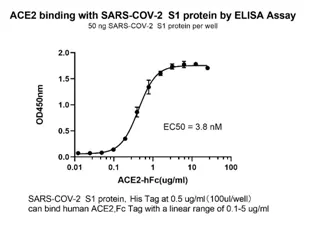
Application Data (Fig 2: Immobilized Recombinant 2019-nCoV Spike S1-His at 2ug/mL (100 uL/well) can bind Recombinant Human ACE2 with a linear range of 1.5-15 ng/mL.)
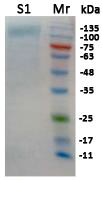
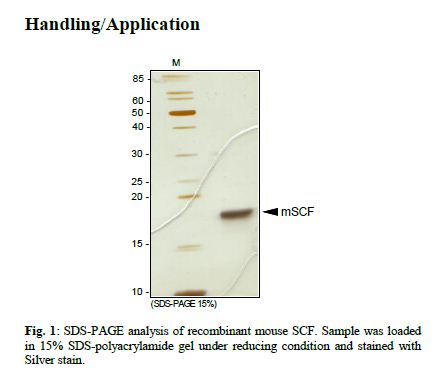
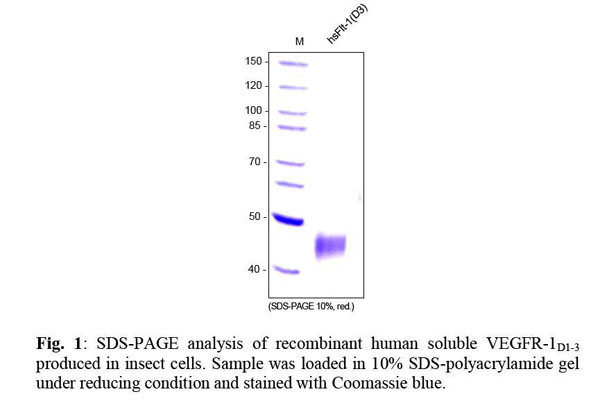
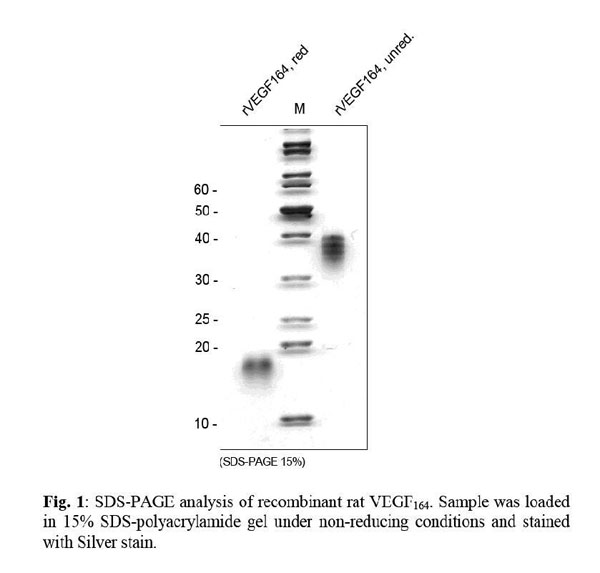
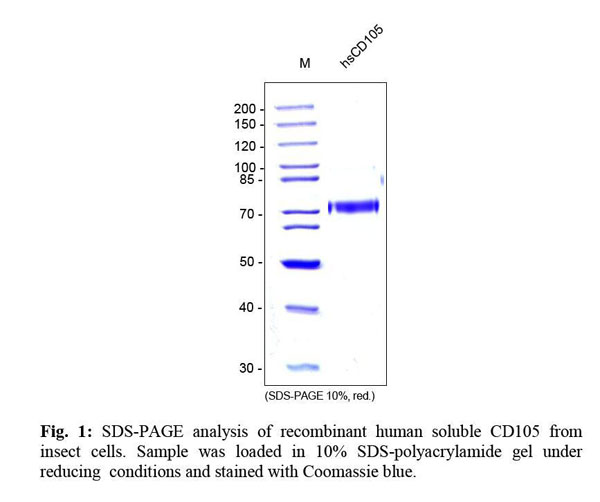
SDS-PAGE (Fig 1: Recombinant 2019-nCoV Spike S1 protein on Tris-Bis PAGE under reduced condition. The purity is greater than 95%.)
Application Data (Thioflavin T is a fluorescent dye that binds to beta sheet-rich structures such as those in alpha synuclein fibrils. Upon binding, the emission spectrum of the dye experiences a red-shift and increased fluorescence intensity. Thioflavin T emission curves show a limited increase in fluorescence (correlated to alpha synuclein aggregation) over time in A53T alpha synuclein monomers (SPR-325). A much greater increase in fluorescence is seen when 100 uM monomer (SPR-325) is combined with 10 nM of fibrils (SPR-326) as the fibrils seed the formation of new fibrils from the pool of active monomers. Thioflavin T ex = 450 nm, em = 485 nm.)
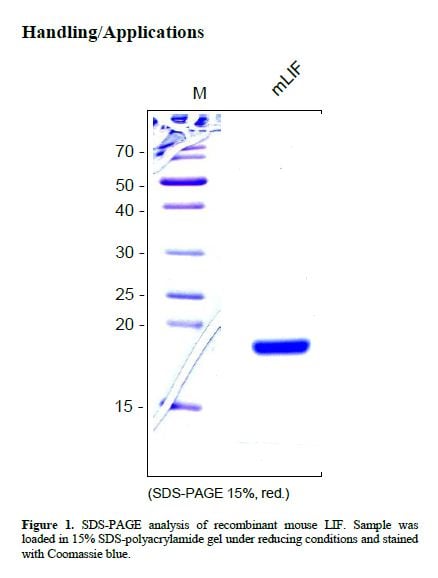
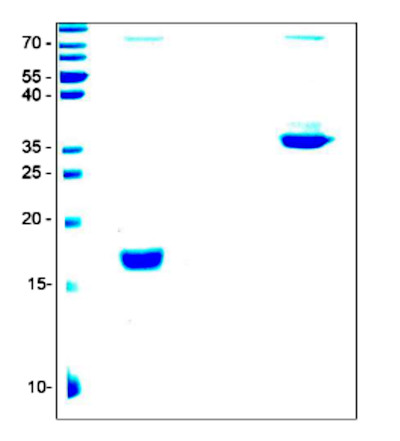
SDS-PAGE (SDS-PAGE of ~14 kDa A53T Alpha Synuclein Monomer (SPR-325))
SDS-PAGE (SDS-PAGE of ~14 kDa Active Mouse Recombinant Alpha Synuclein Protein Aggregate. Lane 1: Molecular Weight Ladder (MW). Lane 2: Active Alpha Synuclein Protein Aggregate (2 ug).)
Application Data (Active alpha synuclein aggregate seeds the formation of new alpha Synuclein aggregates from the pool of active alpha Synuclein monomers. Thioflavin T is a fluorescent dye that binds to beta sheet-rich structures, such as those in alpha Synuclein aggregates. Upon binding, the emission spectrum of the dye experiences a red-shift, and increased fluorescence intensity. Thioflavin T emission curves show increased fluorescence (correlated to alpha Synuclein protein aggregation) over time when 10 nM of active alpha Synuclein aggregate is combined with 100 uM of active alpha Synuclein monomer, as compared to active alpha Synuclein aggregate and active alpha Synuclein monomer alone. Thioflavin T ex = 450 nm, em = 485 nm.)
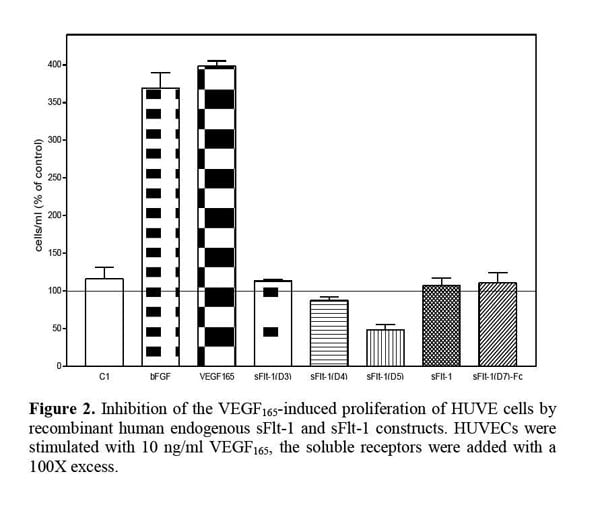
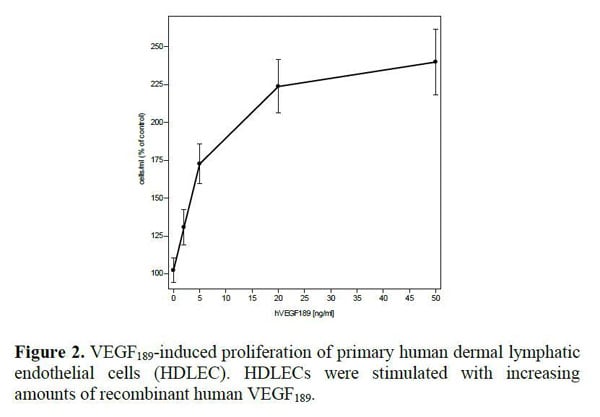
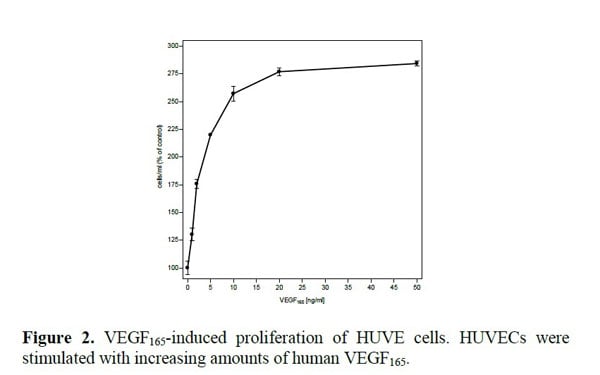
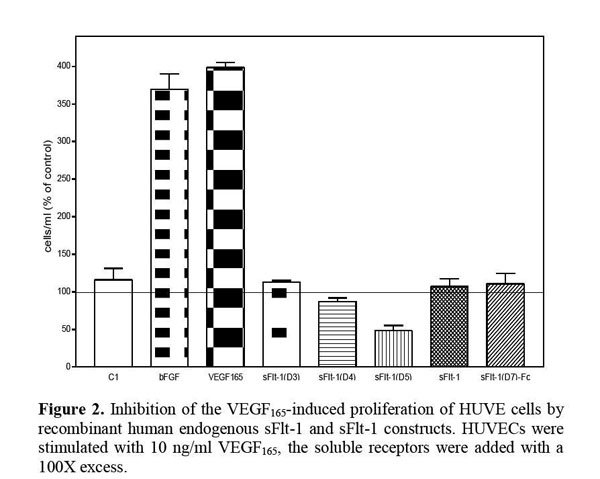
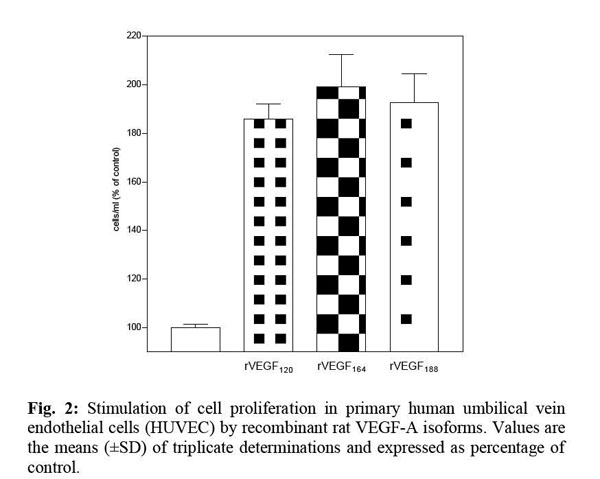
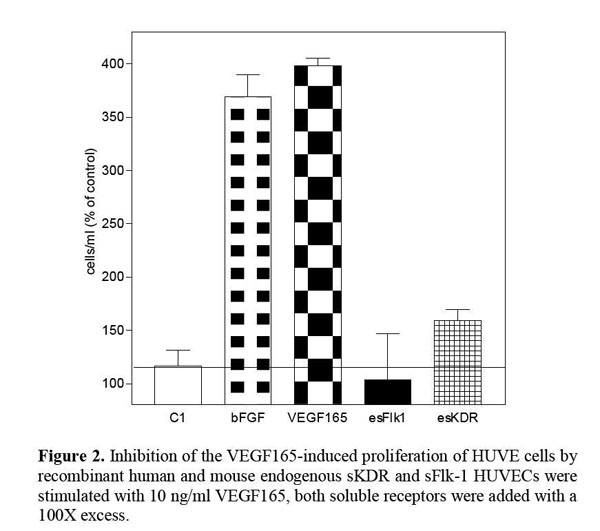
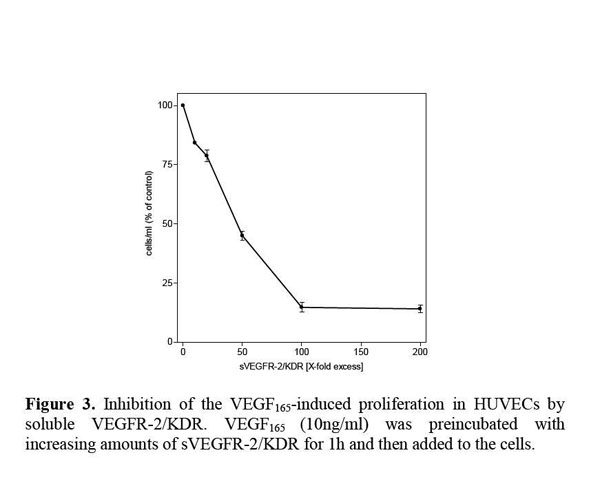
Application Data (Measured by its ability to inhibit VEGF-dependent proliferation of human umbilical vein endothelial cells (HUVEC) in the presence of 10 ng/mL rhVEGF165. The ED50 for this effect is 20-80 ng/mL.)
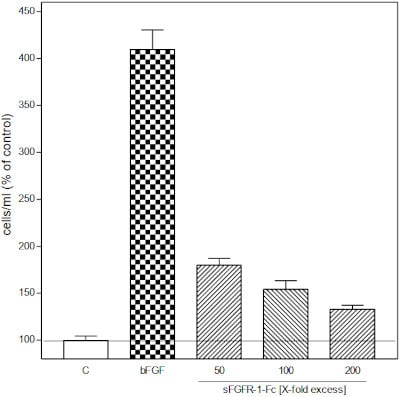
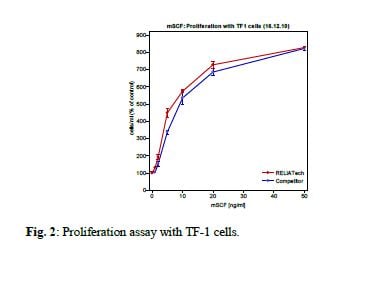
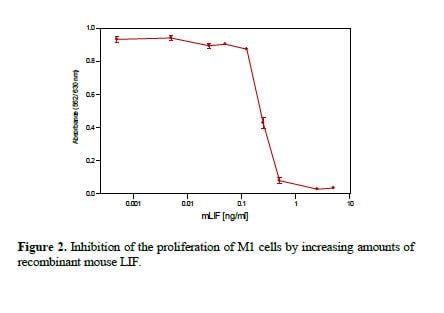
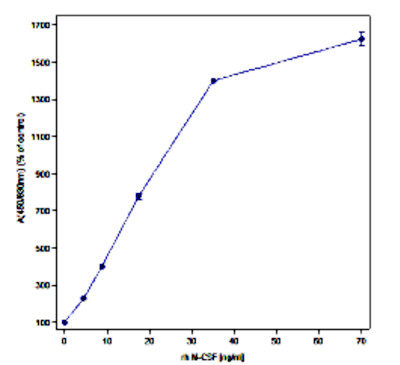
Application Data (Measured in a cell proliferation assay using BALB/c 3T3 mouse embryonic fibroblasts. The ED50 for this effect is typically 0.02-0.1 ng/ml.)
Application Data (Measured by its binding ability in a functional ELISA. Immobilized recombinant Human TNFRSF9-Fc-10041-H02H at 10 ug/ml (100 ul/well) can bind human S4-Fc3L3-TNFSF9/Biotin with a linear range of 1.28-20 ug/ml.)
Application Data (Measured by its binding ability in a functional ELISA. Immobilized human CD48 at 10 ug/ml (100 ul/well) can bind recombinant human 2B4 / CD244 with a linear range of 0.004-0.4 ug/ml.)
Proteins are large molecules made up of long chains of amino acids.
They will typically fold into a very particular 3-dimensional shape/conformation, that is sometimes referred to as their “native” form, which allows them to work properly in the body. For the purposes of product categorization, AAA Biotech will typically refer to proteins purified from their original animal host as being “native” proteins (this is to signify their difference compared to their “recombinant” or “synthetic” protein counterparts).
If a protein successfully folds into the correct shape, it is will typically display high fidelity characteristics to its original protein in its original animal host, and be classified as an active protein, as it will be able to function “normally” in most enzymatic or binding capacities. If it loses this shape, due to factors such as heat or strong chemicals (such as detergents), it becomes inactive and is no longer able to perform its basic functions. All of the proteins in this category are made under strict quality control, and they are active, pure, low in contaminants, and stable.
Most are stored as freeze-dried powders and come without extra tags, so they’re very close to the actual natural/native form.
Key Applications of Active Proteins
1. Scientific Research
Aid in the study of how proteins function in the body
Aid in understanding various disease processes
2. Drug Development
Powerful tools to investigate how potential drugs interact with specific proteins
Ideal for identifying drug targets
3. Cell Culture
Are routinely utilized to support cell growth and function (e.g., using exogenous growth factors)
Can be used to promote cellular development into specific types (differentiation)
4. Diagnostics
Regularly utilized in tests to detect diseases or infections (e.g., COVID-19, cancer)
Note: All products are strictly for research-use only (RUO).
5. Therapeutics
Some active proteins are used directly as treatments (e.g., insulin, enzymes)
Note: All products are strictly for research-use only (RUO).
6. Vaccine Development
Used to create or test vaccines by mimicking parts of viruses or bacteria
7. Biochemical Assays
They can facilitate the characterization of enzyme activity, binding strength, or protein interactions in lab tests
Why Buy Active Proteins from AAA Biotech?
High biological activity – Verified to perform as expected or indicated on datasheet
Strict quality control – We are confident in our active proteins’ reliability and consistency
High purity & low endotoxin – Ideal for applications involving sensitive or precious samples/components
Freeze-dried for stability – Long shelf life and straightforward storage
Mostly tag-free – Closer to natural/native protein form
FAQ
1. What are active proteins used for in research?
Active proteins are used primarily in the study of how proteins function, in characterizing/discovering drug interactions, supporting cell growth, running biochemical assays, and in development of diagnostics or therapeutics.
2. How are AAA Biotech's active proteins validated?
AAA Biotech’s active proteins are validated through strict quality control and functional assays to ensure they are properly folded and active. “Active”, though, can be an ambiguous term, so if a specific “activity” or “binding” capability of a protein is of crucial interest to you, please inquire with us prior to purchase, and we will provide further details on how the “Active” modifier was determined to be applicable.
3. Are these proteins tested for biological activity?
Yes, all active proteins from AAA Biotech are tested to confirm they have the expected biological activity before being offered for use. Though, said “biological activity” can be either “enzymatic”, “binding”, or both.
Submit a Question
Please complete the form below and a representative will contact you as soon as possible.
Request more Information
Please complete the form below and a representative will contact you as soon as possible.
Request a Manual
Please complete the form below and a representative will contact you as soon as possible.
Request a Quote
Please complete the form below and a representative will contact you as soon as possible.