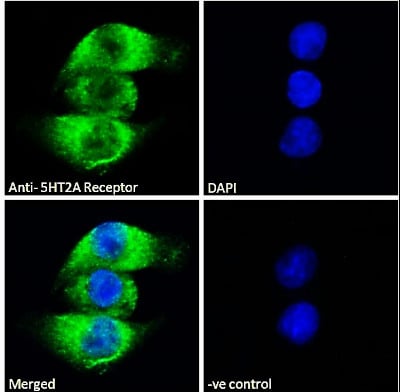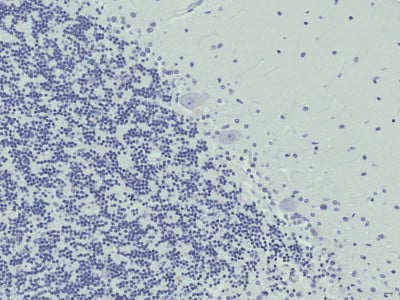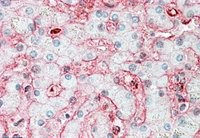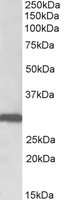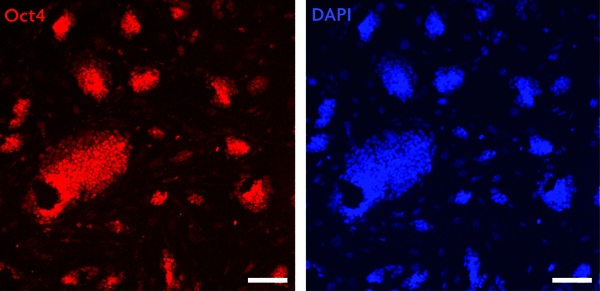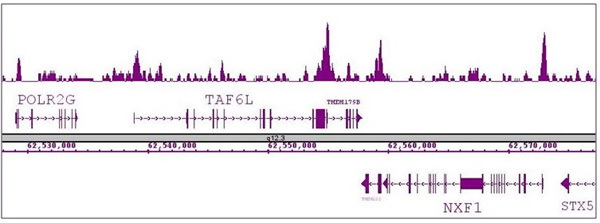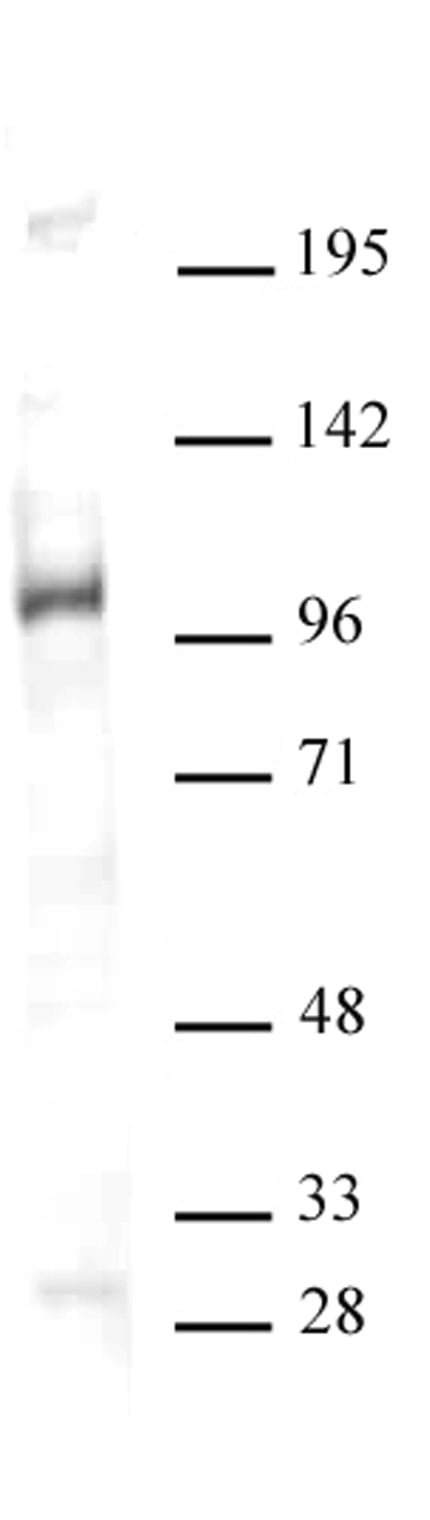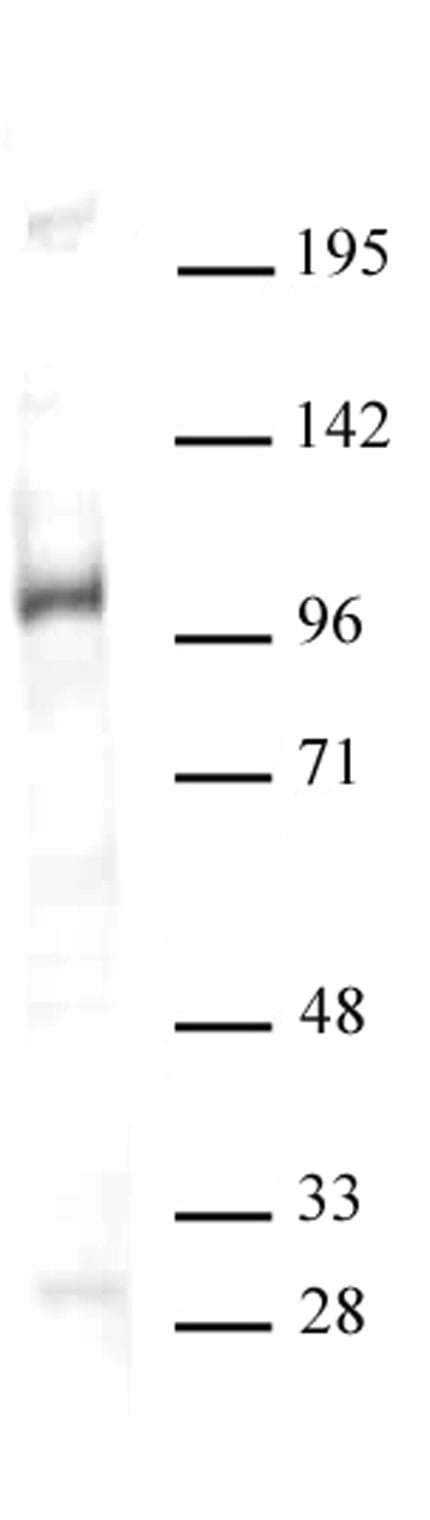
At AAA Biotech, we provide a broad range of purified polyclonal antibodies (pAbs) that are able to all be browsed online through our website. Due to their high specificity and strong binding affinity, these antibodies are ideal for wide swathes of research and experimental applications.
Our polyclonal antibodies can easily support your work, whether you use them for Western Blotting, Immunocytochemistry (with or without Immunofluorescence used in conjunction), Immunohistochemistry, Immunoprecipitation, and ELISA tests. We highly encourage you to browse our range of pAbs and choose the one that best suits your experimental model.
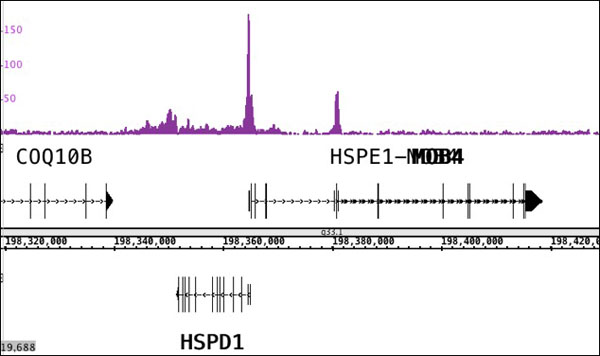
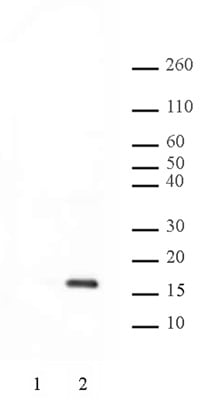
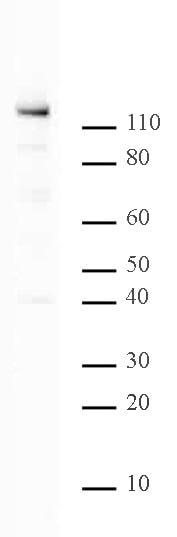
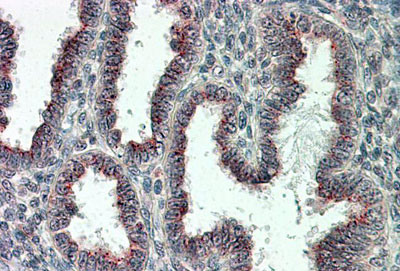
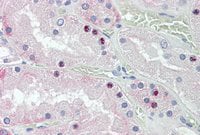
IHC (Immunohistchemistry) (Dilution: Western Blot: 1/500 - 1/2000. IHC-p: 1/100-1/300. ELISA: 1/20000. Not yet tested in other applications.)
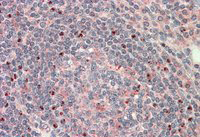
IHC (Immunohistochemistry) (Dilution: Western Blot: 1/500 - 1/2000. IHC-p: 1/100-1/300. ELISA: 1/20000. Not yet tested in other applications.)
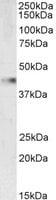
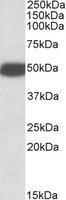
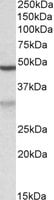
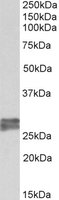
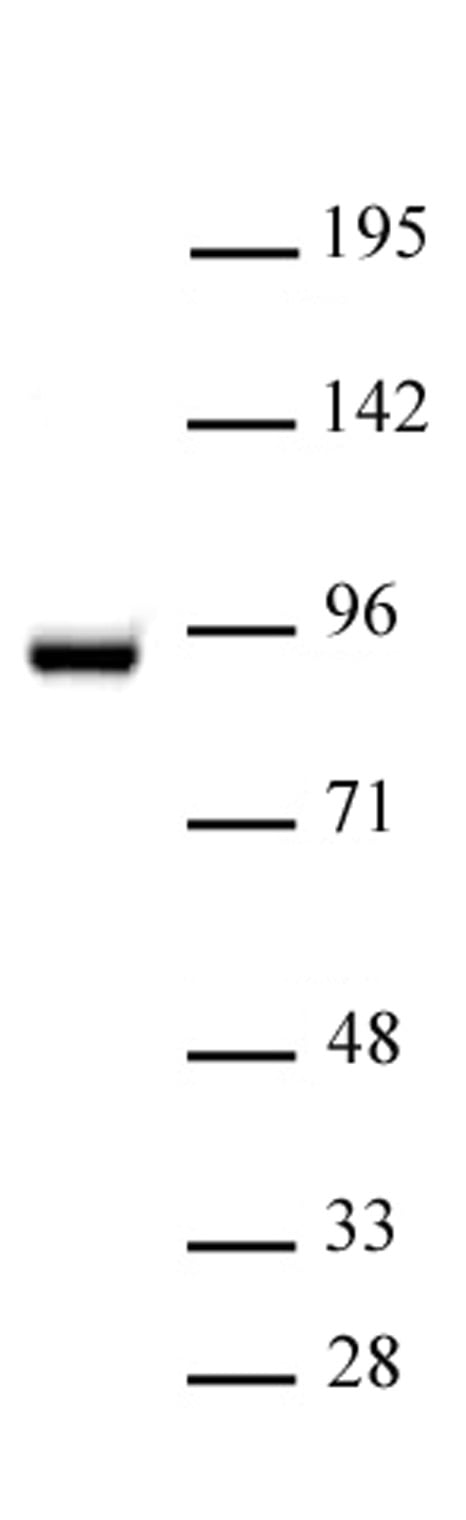
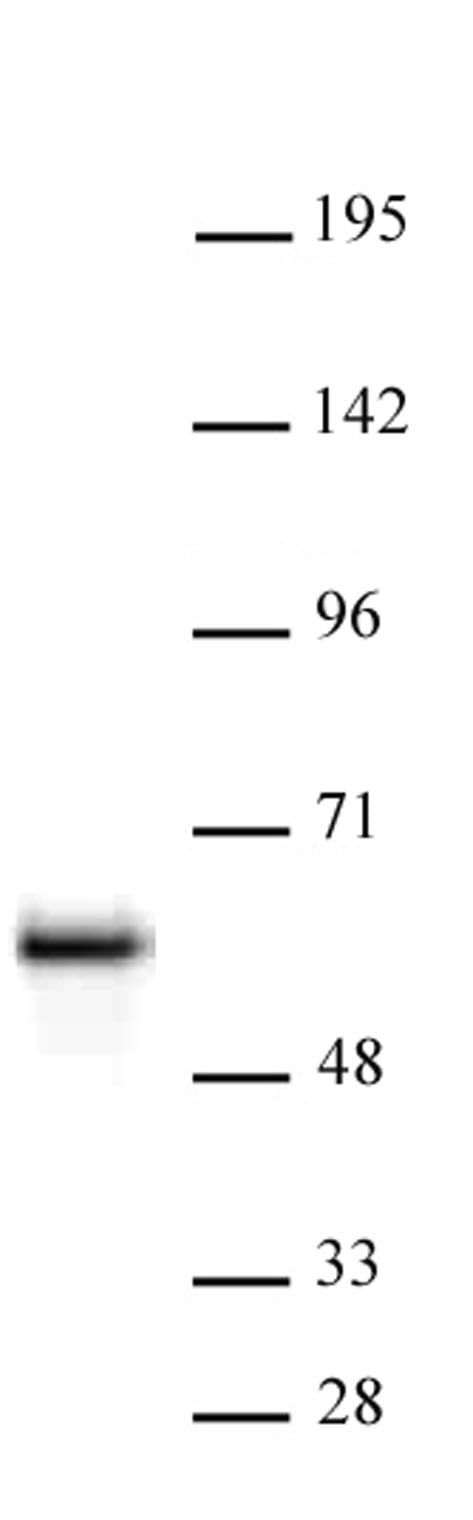
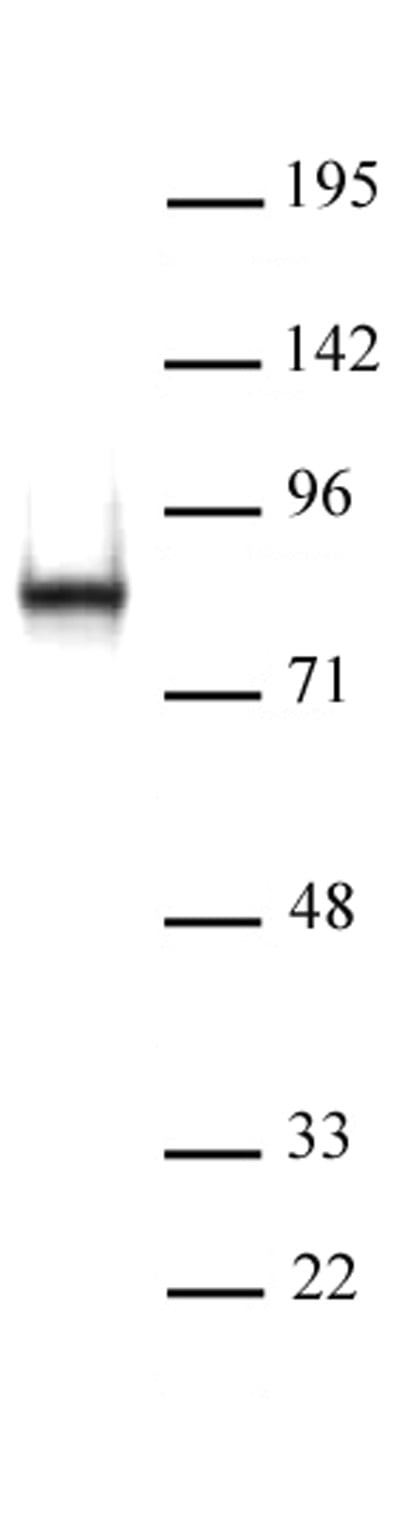
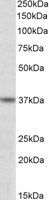
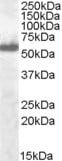
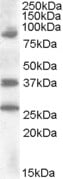
WB (Western Blot) (Dilution: Western Blot: 1/500 - 1/2000. IHC-p: 1/100-1/300. ELISA: 1/20000. Not yet tested in other applications.)
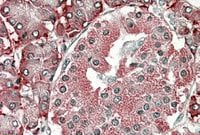
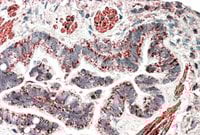
IHC (Immunohistochemistry-Paraffin) (Dilution: Western Blot: 1/500 - 1/2000. IHC-p: 1/100-1/300. ELISA: 1/20000. Not yet tested in other applications.)
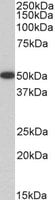
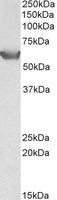
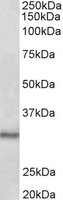
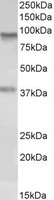
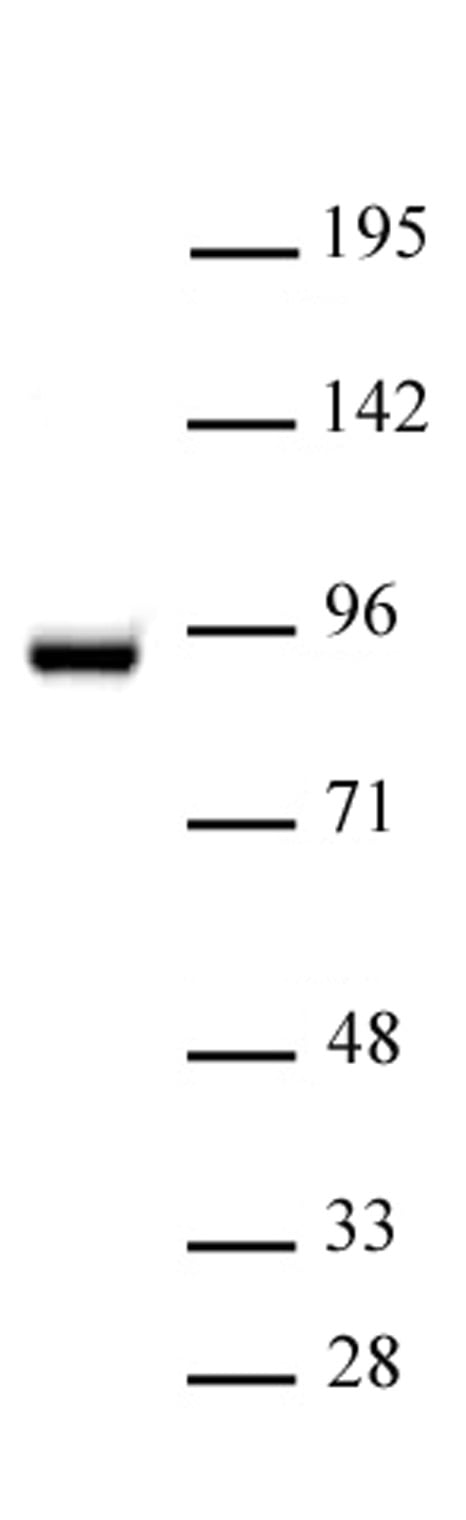
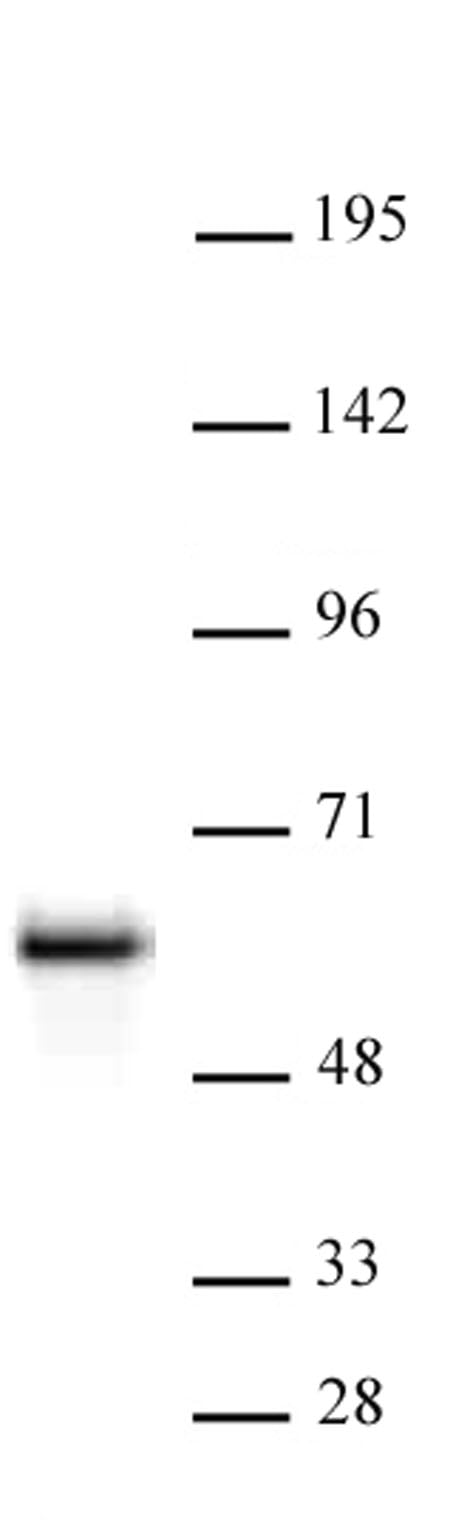
WB (Western Blot) (Dilution: Western Blot: 1/500 - 1/2000. IHC-p: 1/100-1/300. ELISA: 1/20000. Not yet tested in other applications.)
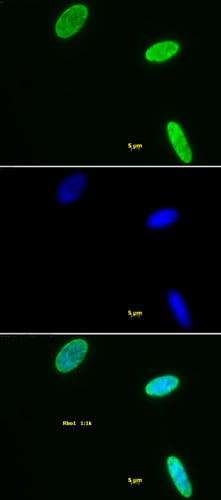
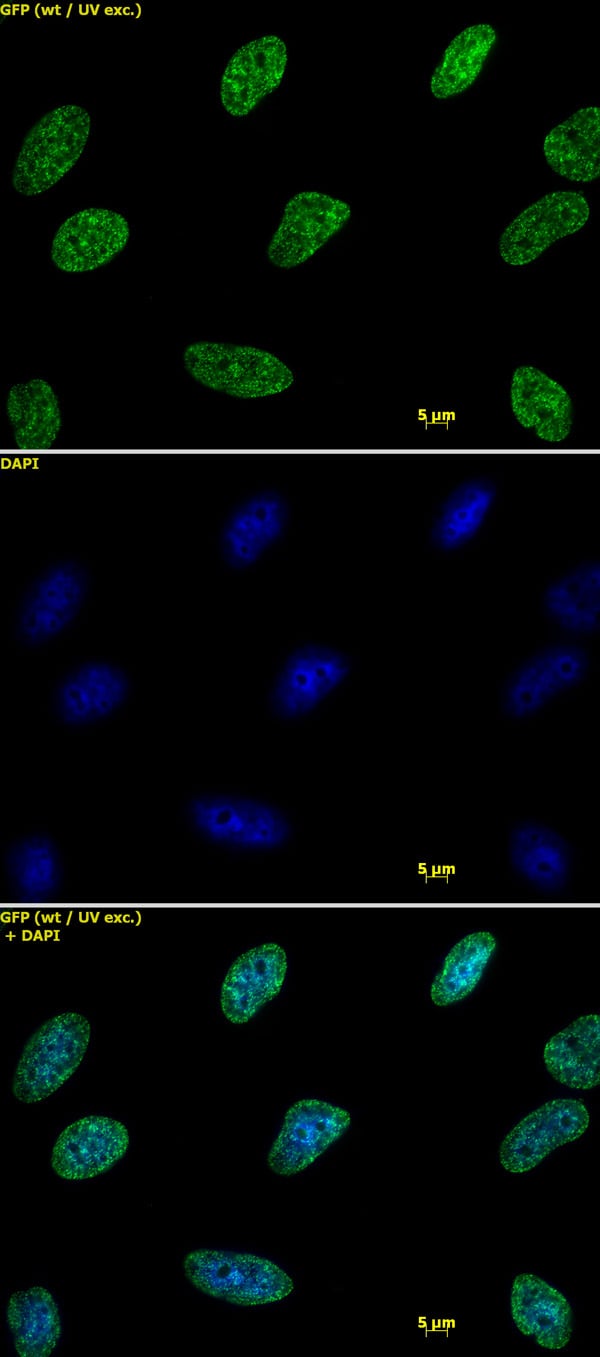
IF (Immunofluorescence) (Immunofluorescence analysis of U2OS cells using MTTP antibody. Blue: DAPI for nuclear staining.)
IHC (Immunohistchemistry) (Immunohistochemistry of paraffin-embedded mouse stomach using MTTP antibody at dilution of 1:100 (40x lens).)
IHC (Immunohistochemistry) (Immunohistochemistry of paraffin-embedded mouse brain using MTTP antibody at dilution of 1:100 (40x lens).)
IHC (Immunohistochemistry) (Immunohistochemistry of paraffin-embedded human stomach using MTTP antibody at dilution of 1:100 (40x lens).)
IHC (Immunohistochemistry) (Immunohistochemistry of paraffin-embedded human esophageal cancer using MTTP antibody at dilution of 1:100 (40x lens).)
IHC (Immunohistochemistry) (Immunohistochemistry of paraffin-embedded rat liver using MTTP antibody at dilution of 1:100 (40x lens).)
WB (Western Blot) (Western blot analysis of extracts of various cell lines, using MTTP antibody at 1:1000 dilution.Secondary antibody: HRP Goat Anti-Rabbit IgG (H+L) at 1:10000 dilution.Lysates/proteins: 25ug per lane.Blocking buffer: 3% nonfat dry milk in TBST.Detection: ECL Basic Kit.Exposure time: 90s.)
Application Data (At 25 degree C. The primary antibody was diluted at 1/200 and incubated with the sample for 1 hour at 37 degree C. An Alexa Fluor 594 conjugated goat anti-rabbit IgG (H+L) Ab, diluted at 1/600, was used as the secondary antibody.)
IHC (Immunohistochemistry) (At 1/200 staining Human liver cancer tissue sections by IHC-P. The tissue was formaldehyde fixed and a heat mediated antigen retrieval step in citrate buffer was performed. The tissue was then blocked and incubated with the antibody for 1.5 hours at 22 degree C. An HRP conjugated goat anti-rabbit antibody was used as the secondary antibody.)
IHC (Immunohistochemistry) (At 1/200 staining Mouse kidney tissue sections by IHC-P. The tissue was formaldehyde fixed and a heat mediated antigen retrieval step in citrate buffer was performed. The tissue was then blocked and incubated with the antibody for 1.5 hours at 22 degree C. An HRP conjugated goat anti-rabbit antibody was used as the secondary antibody.)
IHC (Immunohistochemistry) (At 1/200 staining Rat kidney tissue sections by IHC-P. The tissue was formaldehyde fixed and a heat mediated antigen retrieval step in citrate buffer was performed. The tissue was then blocked and incubated with the antibody for 1.5 hours at 22 degree C. An HRP conjugated goat anti-rabbit antibody was used as the secondary antibody.)
WB (Western Blot) (Western blot analysis of MNK1 (Phospho-Thr250) using TNF treated Jurkat whole cell lysates.-/+ means absence or presence of N peptide(non-phospho peptide) and P peptide(phospho peptide).)
WB (Western Blot) (Western blot analysis of extracts from 293 cells(UV treatment), using Phospho-Mnk1 (Thr250) Antibody. The lane on the left was treated with blocking peptide.)
Western Blot, Immunohistochemistry, Immunofluorescence, Immunocytochemistry, Peptide ELISA
Purity
The antibody is from purified rabbit serum by affinity purification via sequential chromatography on phospho-peptide and non-phospho-peptide affinity columns.
IHC (Immunohistochemistry) (At 1/100 staining Human gastric cancer and adjacent normal tissues by IHC-P. The sample was formaldehyde fixed and a heat mediated antigen retrieval step in citrate buffer was performed. The sample was then blocked and incubated with the primary antibody at 4 degree C overnight. An HRP conjugated anti-Rabbit antibody was used as the secondary antibody.)
IHC (Immunohistochemistry) (At 1/100 staining Human pancreatic cancer by IHC-P. The sample was formaldehyde fixed and a heat mediated antigen retrieval step in citrate buffer was performed. The sample was then blocked and incubated with the primary antibody at 4 degree C overnight. An HRP conjugated anti-Rabbit antibody was used as the secondary antibody.)
IHC (Immunohistochemistry) (At 1/100 staining Human kidney cancer by IHC-P. The sample was formaldehyde fixed and a heat mediated antigen retrieval step in citrate buffer was performed. The sample was then blocked and incubated with the primary antibody at 4 degree C overnight. An HRP conjugated anti-Rabbit antibody was used as the secondary antibody.)
IHC (Immunohistochemistry) (At 1/100 staining Human ovarian cancer by IHC-P. The sample was formaldehyde fixed and a heat mediated antigen retrieval step in citrate buffer was performed. The sample was then blocked and incubated with the primary antibody at 4 degree C overnight. An HRP conjugated anti-Rabbit antibody was used as the secondary antibody.)
IHC (Immunohistochemistry) (At 1/100 staining Mouse lung tissue by IHC-P. The sample was formaldehyde fixed and a heat mediated antigen retrieval step in citrate buffer was performed. The sample was then blocked and incubated with the primary antibody at 4 degree C overnight. An HRP conjugated anti-Rabbit antibody was used as the secondary antibody.)
IHC (Immunohistochemistry) (At 1/100 staining Mouse kidney tissue by IHC-P. The sample was formaldehyde fixed and a heat mediated antigen retrieval step in citrate buffer was performed. The sample was then blocked and incubated with the primary antibody at 4 degree C overnight. An HRP conjugated anti-Rabbit antibody was used as the secondary antibody.)
IHC (Immunohistchemistry) (At 1/100 staining Mouse testis tissue by IHC-P. The sample was formaldehyde fixed and a heat mediated antigen retrieval step in citrate buffer was performed. The sample was then blocked and incubated with the primary antibody at 4 degree C overnight. An HRP conjugated anti-Rabbit antibody was used as the secondary antibody.)
IHC (Immunohistochemistry) (At 1/100 staining Mouse muscle tissue by IHC-P. The sample was formaldehyde fixed and a heat mediated antigen retrieval step in citrate buffer was performed. The sample was then blocked and incubated with the primary antibody at 4 degree C overnight. An HRP conjugated anti-Rabbit antibody was used as the secondary antibody.)
IHC (Immunohistochemistry) (At 1/100 staining Rat heart tissue by IHC-P. The sample was formaldehyde fixed and a heat mediated antigen retrieval step in citrate buffer was performed. The sample was then blocked and incubated with the primary antibody at 4 degree C overnight. An HRP conjugated anti-Rabbit antibody was used as the secondary antibody.)
IHC (Immunohistchemistry) (At 1/100 staining Rat liver tissue by IHC-P. The sample was formaldehyde fixed and a heat mediated antigen retrieval step in citrate buffer was performed. The sample was then blocked and incubated with the primary antibody at 4 degree C overnight. An HRP conjugated anti-Rabbit antibody was used as the secondary antibody.)
IHC (Immunohistochemistry) (At 1/100 staining Rat spleen tissue by IHC-P. The sample was formaldehyde fixed and a heat mediated antigen retrieval step in citrate buffer was performed. The sample was then blocked and incubated with the primary antibody at 4 degree C overnight. An HRP conjugated anti-Rabbit antibody was used as the secondary antibody.)
IHC (Immunohistochemistry) (At 1/100 staining Rat brain tissue by IHC-P. The sample was formaldehyde fixed and a heat mediated antigen retrieval step in citrate buffer was performed. The sample was then blocked and incubated with the primary antibody at 4 degree C overnight. An HRP conjugated anti-Rabbit antibody was used as the secondary antibody.)
IHC (Immunohistochemistry) (At 1/100 staining Rat stomach tissue by IHC-P. The sample was formaldehyde fixed and a heat mediated antigen retrieval step in citrate buffer was performed. The sample was then blocked and incubated with the primary antibody at 4 degree C overnight. An HRP conjugated anti-Rabbit antibody was used as the secondary antibody.)
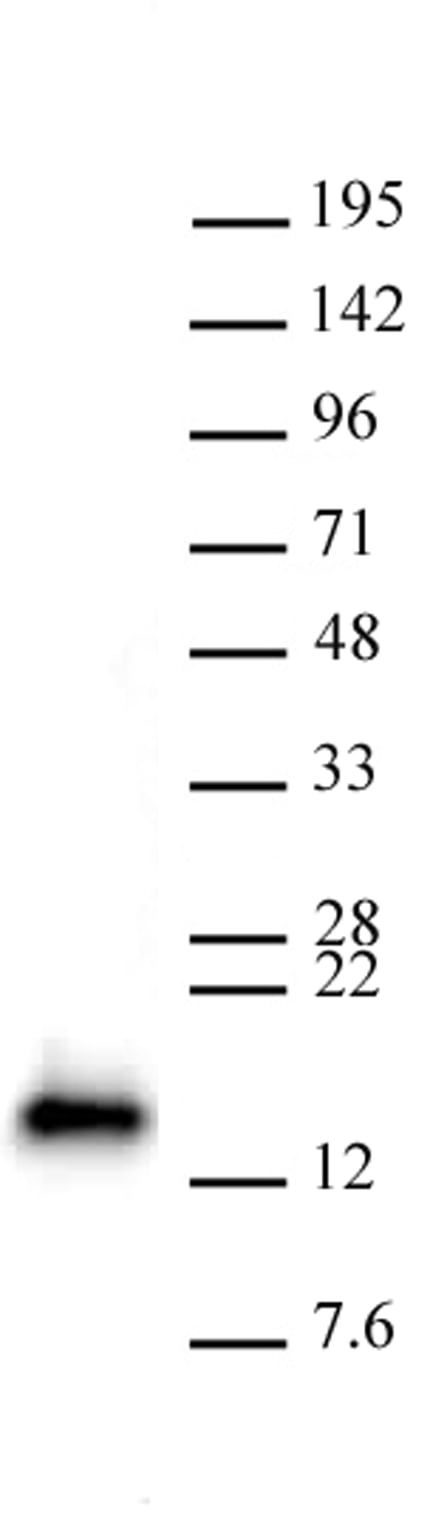
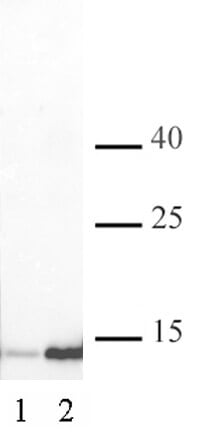
WB (Western Blot) (Western blot analysis of Acetyl-H2A.Z ( K4/7/11/13) in lysates of HeLa cells(TSA 1M, 18 hr), using Acetyl-H2A.Z ( K4/7/11/13) Antibody(AF4366).)
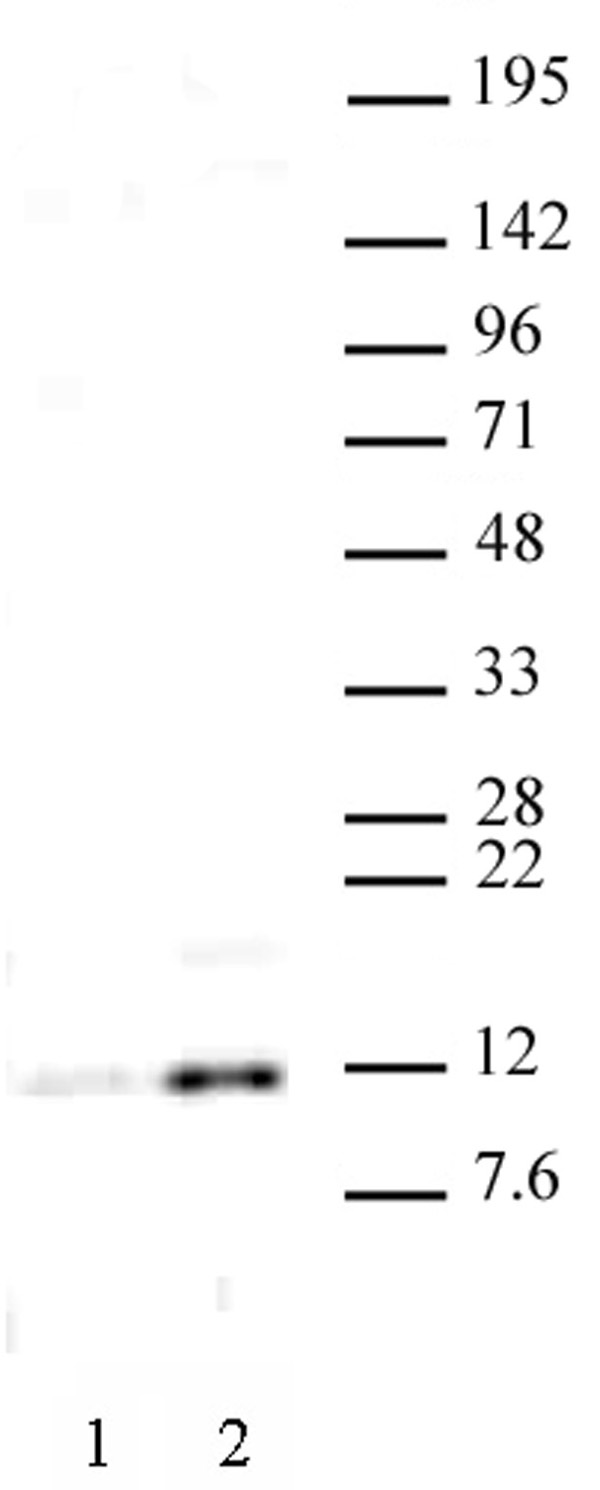
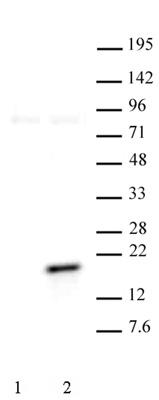
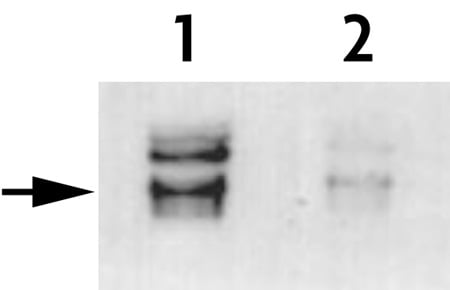
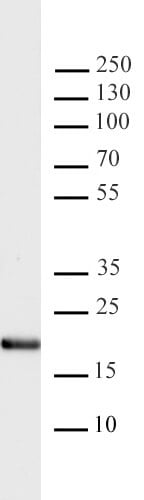
WB (Western Blot) (Western blot analysis of extracts from HeLa cells(TSA 1M, 18 hr), using Acetyl-H2A.Z (Lys4/7/11/13) Antibody.Lane1 was treated with Ac-blocking peptide.Lane2 was treated with Non-Ac-blocking peptide.)
Human, Mouse, Rat Predicted Reactivity: Bovine (100%), Sheep (100%), Dog (100%), Chicken (100%), Xenopus (91%)
Applications
Western Blot, Immunohistochemistry, Peptide ELISA
Purity
The antiserum was purified by peptide affinity chromatography using SulfoLink Coupling Resin
Pricing
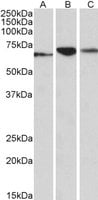
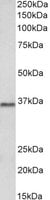
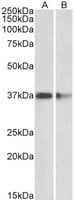
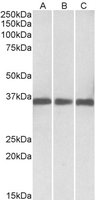
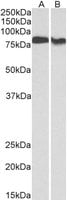
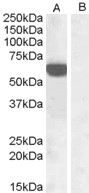
WB (Western Blot) ((1ug/ml) staining of Mouse Kidney lysate (A) and of Mouse Spleen lysate (B) (35ug protein in RIPA buffer). Primary incubation was 1 hour. Detected by chemiluminescence.)
FCM (Flow Cytometry) (Figure 7. Flow Cytometry analysis of HELA cells using anti-MCU antibody (AAA19226).Overlay histogram showing HELA cells stained with AAA19226 (Blue line). The cells were blocked with 10% normal goat serum. And then incubated with rabbit anti-MCU Antibody (AAA19226, 1μg/1x106 cells) for 30 min at 20 degree C. DyLight®488 conjugated goat anti-rabbit IgG (5-10μg/1x106 cells) was used as secondary antibody for 30 minutes at 20 degree C. Isotype control antibody (Green line) was rabbit IgG (1μg/1x106) used under the same conditions. Unlabelled sample (Red line) was also used as a control.)
IHC (Immunohistchemistry) (Figure 6. IHC analysis of MCU using anti-MCU antibody (AAA19226).MCU was detected in paraffin-embedded section of human bladder cancer tissue. Heat mediated antigen retrieval was performed in EDTA buffer (pH8. 0, epitope retrieval solution). The tissue section was blocked with 10% goat serum. The tissue section was then incubated with 2μg/ml rabbit anti-MCU Antibody (AAA19226) overnight at 4 degree C. Biotinylated goat anti-rabbit IgG was used as secondary antibody and incubated for 30 minutes at 37 degree C. The tissue section was developed using Strepavidin-Biotin-Complex (SABC) (Catalog # with DAB as the chromogen.)
IHC (Immunohistochemistry) (Figure 5. IHC analysis of MCU using anti-MCU antibody (AAA19226).MCU was detected in paraffin-embedded section of human bladder cancer tissue. Heat mediated antigen retrieval was performed in EDTA buffer (pH8. 0, epitope retrieval solution). The tissue section was blocked with 10% goat serum. The tissue section was then incubated with 2μg/ml rabbit anti-MCU Antibody (AAA19226) overnight at 4 degree C. Biotinylated goat anti-rabbit IgG was used as secondary antibody and incubated for 30 minutes at 37 degree C. The tissue section was developed using Strepavidin-Biotin-Complex (SABC) (Catalog # with DAB as the chromogen.)
IHC (Immunohistochemistry) (Figure 4. IHC analysis of MCU using anti-MCU antibody (AAA19226).MCU was detected in paraffin-embedded section of human liver cancer tissue. Heat mediated antigen retrieval was performed in EDTA buffer (pH8. 0, epitope retrieval solution). The tissue section was blocked with 10% goat serum. The tissue section was then incubated with 2μg/ml rabbit anti-MCU Antibody (AAA19226) overnight at 4 degree C. Biotinylated goat anti-rabbit IgG was used as secondary antibody and incubated for 30 minutes at 37 degree C. The tissue section was developed using Strepavidin-Biotin-Complex (SABC) (Catalog # with DAB as the chromogen.)
IHC (Immunohistochemistry) (Figure 3. IHC analysis of MCU using anti-MCU antibody (AAA19226).MCU was detected in paraffin-embedded section of rat lung tissue. Heat mediated antigen retrieval was performed in EDTA buffer (pH8. 0, epitope retrieval solution). The tissue section was blocked with 10% goat serum. The tissue section was then incubated with 2μg/ml rabbit anti-MCU Antibody (AAA19226) overnight at 4 degree C. Biotinylated goat anti-rabbit IgG was used as secondary antibody and incubated for 30 minutes at 37 degree C. The tissue section was developed using Strepavidin-Biotin-Complex (SABC) (Catalog # with DAB as the chromogen.)
IHC (Immunohistochemistry) (Figure 2. IHC analysis of MCU using anti-MCU antibody (AAA19226).MCU was detected in paraffin-embedded section of mouse lung tissue. Heat mediated antigen retrieval was performed in EDTA buffer (pH8. 0, epitope retrieval solution). The tissue section was blocked with 10% goat serum. The tissue section was then incubated with 2μg/ml rabbit anti-MCU Antibody (AAA19226) overnight at 4 degree C. Biotinylated goat anti-rabbit IgG was used as secondary antibody and incubated for 30 minutes at 37 degree C. The tissue section was developed using Strepavidin-Biotin-Complex (SABC) (Catalog # with DAB as the chromogen.)
WB (Western Blot) (Figure 1. Western blot analysis of MCU using anti-MCU antibody (AAA19226).Electrophoresis was performed on a 5-20% SDS-PAGE gel at 70V (Stacking gel) / 90V (Resolving gel) for 2-3 hours. The sample well of each lane was loaded with 50ug of sample under reducing conditions.Lane 1: human HELA whole cell lysatesLane 2: human A549 whole cell lysatesLane 3: human PANC-1 whole cell lysatesLane 4: monkey COS-7 whole cell lysatesLane 5: human HL-60 whole cell lysatesLane 6: human HEPG2 whole cell lysatesLane 7: human Jurkat whole cell lysatesLane 8: rat brain tissue lysatesLane 9: rat kidney tissue lysatesLane 10: rat heart tissue lysatesLane 11: rat PC-12 whole cell lysatesLane 12: mouse brain tissue lysatesLane 13: mouse kidney tissue lysatesLane 14: mouse heart tissue lysatesLane 15: mouse NIH/3T3 whole cell lysates.After Electrophoresis, proteins were transferred to a Nitrocellulose membrane at 150mA for 50-90 minutes. Blocked the membrane with 5% Non-fat Milk/ TBS for 1. 5 hour at RT. The membrane was incubated with rabbit anti-MCU antigen affinity purified polyclonal antibody (Catalog # AAA19226) at 0. 5 μg/mL overnight at 4 degree C, then washed with TBS-0. 1%Tween 3 times with 5 minutes each and probed with a goat anti-rabbit IgG-HRP secondary antibody at a dilution of 1:5000 for 1. 5 hour at RT. The signal is developed using an Enhanced Chemiluminescent detection (ECL) kit (Catalog # with Tanon 5200 system. A specific band was detected for MCU at approximately 34KD. The expected band size for MCU is at 34KD.)
FCM (Flow Cytometry) (Figure 8. Flow Cytometry analysis of HeLa cells using anti-NDUFS5 antibody (AAA19505).Overlay histogram showing HeLa cells stained with AAA19505 (Blue line). The cells were blocked with 10% normal goat serum. And then incubated with rabbit anti-NDUFS5 Antibody (AAA19505, 1 ug/1x10^6 cells) for 30 min at 20 degree C. DyLight488 conjugated goat anti-rabbit IgG was used as secondary antibody for 30 minutes at 20 degree C. Isotype control antibody (Green line) was rabbit IgG (1 ug/1x10^6) used under the same conditions. Unlabelled sample (Red line) was also used as a control.)
IF (Immunofluorescence) (Figure 7. IF analysis of NDUFS5 using anti-NDUFS5 antibody (AAA19505).NDUFS5 was detected in a paraffin-embedded section of human colorectal adenocarcinoma tissue. Heat mediated antigen retrieval was performed in EDTA buffer (pH 8.0, epitope retrieval solution). The tissue section was blocked with 10% goat serum. The tissue section was then incubated with 5 ug/mL rabbit anti-NDUFS5 Antibody (AAA19505) overnight at 4 degree C. DyLight550 Conjugated Goat Anti-Rabbit IgG (BA1135) was used as secondary antibody at 1:100 dilution and incubated for 30 minutes at 37 degree C. The section was counterstained with DAPI. Visualize using a fluorescence microscope and filter sets appropriate for the label used.)
IHC (Immunohistchemistry) (Figure 6. IHC analysis of NDUFS5 using anti-NDUFS5 antibody (AAA19505).NDUFS5 was detected in a paraffin-embedded section of rat heart tissue. Heat mediated antigen retrieval was performed in EDTA buffer (pH 8.0, epitope retrieval solution). The tissue section was blocked with 10% goat serum. The tissue section was then incubated with 2 ug/ml rabbit anti-NDUFS5 Antibody (AAA19505) overnight at 4 degree C. Peroxidase Conjugated Goat Anti-rabbit IgG was used as secondary antibody and incubated for 30 minutes at 37 degree C. The tissue section was developed using HRP Conjugated Rabbit IgG Super Vision Assay Kit with DAB as the chromogen.)
IHC (Immunohistochemistry) (Figure 5. IHC analysis of NDUFS5 using anti-NDUFS5 antibody (AAA19505).NDUFS5 was detected in a paraffin-embedded section of mouse heart tissue. Heat mediated antigen retrieval was performed in EDTA buffer (pH 8.0, epitope retrieval solution). The tissue section was blocked with 10% goat serum. The tissue section was then incubated with 2 ug/ml rabbit anti-NDUFS5 Antibody (AAA19505) overnight at 4 degree C. Peroxidase Conjugated Goat Anti-rabbit IgG was used as secondary antibody and incubated for 30 minutes at 37 degree C. The tissue section was developed using HRP Conjugated Rabbit IgG Super Vision Assay Kit with DAB as the chromogen.)
IHC (Immunohistochemistry) (Figure 4. IHC analysis of NDUFS5 using anti-NDUFS5 antibody (AAA19505).NDUFS5 was detected in a paraffin-embedded section of human colorectal adenocarcinoma tissue. Heat mediated antigen retrieval was performed in EDTA buffer (pH 8.0, epitope retrieval solution). The tissue section was blocked with 10% goat serum. The tissue section was then incubated with 2 ug/ml rabbit anti-NDUFS5 Antibody (AAA19505) overnight at 4 degree C. Peroxidase Conjugated Goat Anti-rabbit IgG was used as secondary antibody and incubated for 30 minutes at 37 degree C. The tissue section was developed using HRP Conjugated Rabbit IgG Super Vision Assay Kit with DAB as the chromogen.)
IHC (Immunohistochemistry) (Figure 3. IHC analysis of NDUFS5 using anti-NDUFS5 antibody (AAA19505).NDUFS5 was detected in a paraffin-embedded section of human thyroid cancer tissue. Heat mediated antigen retrieval was performed in EDTA buffer (pH 8.0, epitope retrieval solution). The tissue section was blocked with 10% goat serum. The tissue section was then incubated with 2 ug/ml rabbit anti-NDUFS5 Antibody (AAA19505) overnight at 4 degree C. Peroxidase Conjugated Goat Anti-rabbit IgG was used as secondary antibody and incubated for 30 minutes at 37 degree C. The tissue section was developed using HRP Conjugated Rabbit IgG Super Vision Assay Kit with DAB as the chromogen.)
IHC (Immunohistochemistry) (Figure 2. IHC analysis of NDUFS5 using anti-NDUFS5 antibody (AAA19505).NDUFS5 was detected in a paraffin-embedded section of human liver cancer tissue. Heat mediated antigen retrieval was performed in EDTA buffer (pH 8.0, epitope retrieval solution). The tissue section was blocked with 10% goat serum. The tissue section was then incubated with 2 ug/ml rabbit anti-NDUFS5 Antibody (AAA19505) overnight at 4 degree C. Peroxidase Conjugated Goat Anti-rabbit IgG was used as secondary antibody and incubated for 30 minutes at 37 degree C. The tissue section was developed using HRP Conjugated Rabbit IgG Super Vision Assay Kit with DAB as the chromogen.)
WB (Western Blot) (Figure 1. Western blot analysis of NDUFS5 using anti-NDUFS5 antibody (AAA19505).Electrophoresis was performed on a 5-20% SDS-PAGE gel at 70V (Stacking gel)/90V (Resolving gel) for 2-3 hours. The sample well of each lane was loaded with 30 ug of sample under reducing conditions.Lane 1: human K562 whole cell lysates,Lane 2: human HepG2 whole cell lysates,Lane 3: human RT4 whole cell lysates,Lane 4: human Hela whole cell lysates,Lane 5: rat liver tissue lysates,Lane 6: rat heart tissue lysates,Lane 7: mouse liver tissue lysates,Lane 8: mouse heart tissue lysates.After electrophoresis, proteins were transferred to a nitrocellulose membrane at 150 mA for 50-90 minutes. Blocked the membrane with 5% non-fat milk/TBS for 1.5 hour at RT. The membrane was incubated with rabbit anti-NDUFS5 antigen affinity purified polyclonal antibody (#AAA19505) at 0.5 ug/mL overnight at 4 degree C, then washed with TBS-0.1%Tween 3 times with 5 minutes each and probed with a goat anti-rabbit IgG-HRP secondary antibody at a dilution of 1:5000 for 1.5 hour at RT. The signal is developed using an Enhanced Chemiluminescent detection (ECL) kit with Tanon 5200 system. A specific band was detected for NDUFS5 at approximately 15 kDa. The expected band size for NDUFS5 is at 13 kDa.)
FCM (Flow Cytometry) (Figure 7. Flow Cytometry analysis of PC-3 cells using anti-EXOSC3 antibody (AAA19507).Overlay histogram showing PC-3 cells stained with AAA19507 (Blue line). The cells were blocked with 10% normal goat serum. And then incubated with rabbit anti-EXOSC3 Antibody (AAA19507, 1 ug/1x10^6 cells) for 30 min at 20 degree C. DyLight488 conjugated goat anti-rabbit IgG was used as secondary antibody for 30 minutes at 20 degree C. Isotype control antibody (Green line) was rabbit IgG (1 ug/1x10^6) used under the same conditions. Unlabelled sample (Red line) was also used as a control.)
IF (Immunofluorescence) (Figure 6. IF analysis of EXOSC3 using anti-EXOSC3 antibody (AAA19507).EXOSC3 was detected in an immunocytochemical section of A431 cells. Enzyme antigen retrieval was performed using IHC enzyme antigen retrieval reagent (AR0022) for 15 mins. The cells were blocked with 10% goat serum. And then incubated with 5 ug/mL rabbit anti-EXOSC3 Antibody (AAA19507) overnight at 4 degree C. DyLight488 Conjugated Goat Anti-Rabbit IgG was used as secondary antibody at 1:100 dilution and incubated for 30 minutes at 37 degree C. The section was counterstained with DAPI. Visualize using a fluorescence microscope and filter sets appropriate for the label used.)
IHC (Immunohistochemistry) (Figure 5. IHC analysis of EXOSC3 using anti-EXOSC3 antibody (AAA19507).EXOSC3 was detected in a paraffin-embedded section of human thyroid carcinoma tissue. Heat mediated antigen retrieval was performed in EDTA buffer (pH 8.0, epitope retrieval solution). The tissue section was blocked with 10% goat serum. The tissue section was then incubated with 2 ug/ml rabbit anti-EXOSC3 Antibody (AAA19507) overnight at 4 degree C. Biotinylated goat anti-rabbit IgG was used as secondary antibody and incubated for 30 minutes at 37 degree C. The tissue section was developed using Strepavidin-Biotin-Complex (SABC) with DAB as the chromogen.)
IHC (Immunohistochemistry) (Figure 4. IHC analysis of EXOSC3 using anti-EXOSC3 antibody (AAA19507).EXOSC3 was detected in a paraffin-embedded section of human renal clear cell carcinoma tissue. Heat mediated antigen retrieval was performed in EDTA buffer (pH 8.0, epitope retrieval solution). The tissue section was blocked with 10% goat serum. The tissue section was then incubated with 2 ug/ml rabbit anti-EXOSC3 Antibody (AAA19507) overnight at 4 degree C. Biotinylated goat anti-rabbit IgG was used as secondary antibody and incubated for 30 minutes at 37 degree C. The tissue section was developed using Strepavidin-Biotin-Complex (SABC) with DAB as the chromogen.)
IHC (Immunohistochemistry) (Figure 3. IHC analysis of EXOSC3 using anti-EXOSC3 antibody (AAA19507).EXOSC3 was detected in a paraffin-embedded section of human lung cancer tissue. Heat mediated antigen retrieval was performed in EDTA buffer (pH 8.0, epitope retrieval solution). The tissue section was blocked with 10% goat serum. The tissue section was then incubated with 2 ug/ml rabbit anti-EXOSC3 Antibody (AAA19507) overnight at 4 degree C. Biotinylated goat anti-rabbit IgG was used as secondary antibody and incubated for 30 minutes at 37 degree C. The tissue section was developed using Strepavidin-Biotin-Complex (SABC) with DAB as the chromogen.)
IHC (Immunohistochemistry) (Figure 2. IHC analysis of EXOSC3 using anti-EXOSC3 antibody (AAA19507).EXOSC3 was detected in a paraffin-embedded section of human gall bladder adenosquamous carcinoma tissue. Heat mediated antigen retrieval was performed in EDTA buffer (pH 8.0, epitope retrieval solution). The tissue section was blocked with 10% goat serum. The tissue section was then incubated with 2 ug/ml rabbit anti-EXOSC3 Antibody (AAA19507) overnight at 4 degree C. Biotinylated goat anti-rabbit IgG was used as secondary antibody and incubated for 30 minutes at 37 degree C. The tissue section was developed using Strepavidin-Biotin-Complex (SABC) with DAB as the chromogen.)
WB (Western Blot) (Figure 1. Western blot analysis of EXOSC3 using anti-EXOSC3 antibody (AAA19507).Electrophoresis was performed on a 5-20% SDS-PAGE gel at 70V (Stacking gel)/90V (Resolving gel) for 2-3 hours. The sample well of each lane was loaded with 30 ug of sample under reducing conditions.Lane 1: human Hela whole cell lysates,Lane 2: human HEK293 whole cell lysates,Lane 3: mouse RAW264.7 whole cell lysates.After electrophoresis, proteins were transferred to a nitrocellulose membrane at 150 mA for 50-90 minutes. Blocked the membrane with 5% non-fat milk/TBS for 1.5 hour at RT. The membrane was incubated with rabbit anti-EXOSC3 antigen affinity purified polyclonal antibody (#AAA19507) at 0.5 ug/mL overnight at 4 degree C, then washed with TBS-0.1%Tween 3 times with 5 minutes each and probed with a goat anti-rabbit IgG-HRP secondary antibody at a dilution of 1:5000 for 1.5 hour at RT. The signal is developed using an Enhanced Chemiluminescent detection (ECL) kit with Tanon 5200 system. A specific band was detected for EXOSC3 at approximately 30 kDa. The expected band size for EXOSC3 is at 30 kDa.)
IF (Immunofluorescence) (Immunofluorescence analysis of mouse pancreas cells using Pro-glucagon Polyclonal Antibody at dilution of 1:100 (40x lens). Blue: DAPI for nuclear staining.)
IF (Immunofluorescence) (Immunofluorescence analysis of rat pancreas cells using Pro-glucagon Polyclonal Antibody at dilution of 1:100 (40x lens). Blue: DAPI for nuclear staining.)
IHC (Immunohistochemistry) (Immunohistochemistry of paraffin-embedded rat pancreatic islet using Pro-glucagon Polyclonal Antibody at dilution of 1:50 (40x lens).Perform high pressure antigen retrieval with 10 mM citrate buffer pH 6.0 before commencing with IHC staining protocol.)
IHC (Immunohistochemistry) (Immunohistochemistry of paraffin-embedded mouse pancreatic islet using Pro-glucagon Polyclonal Antibody at dilution of 1:50 (40x lens).Perform high pressure antigen retrieval with 10 mM citrate buffer pH 6.0 before commencing with IHC staining protocol.)
IHC (Immunohistochemistry) (Immunohistochemistry of paraffin-embedded Human islet using Pro-glucagon Polyclonal Antibody at dilution of 1:50 (40x lens).Perform high pressure antigen retrieval with 10 mM citrate buffer pH 6.0 before commencing with IHC staining protocol.)
WB (Western Blot) (Western blot analysis of extracts of various cell lines using Pro-glucagon Polyclonal Antibody at 1:3000 dilution.)
IF (Immunofluorescence) (Immunofluorescent analysis of PC3 cells using AAA26934 at a dilution of 1:100 and Alexa Fluor 488-congugated AffiniPure Goat Anti-Rabbit IgG(H+L))
IHC (Immunohistochemistry) (Immunohistochemistry of paraffin-embedded human kidney tissue using AAA26934 at dilution of 1:100)
IP (Immunoprecipitation) (Immunoprecipitation analysis of 200ug extracts of HT-29 cells using 3ug CD133 antibody. Western blot was performed from the immunoprecipitate using CD133 antibody at a dilution of 1:1000.)
IF (Immunofluorescence) (Immunofluorescence analysis of HT-29 cells using PROM1 antibody at dilution of 1:150 (40x lens). Blue: DAPI for nuclear staining.)
IF (Immunofluorescence) (Immunofluorescence analysis of C6 cells using CD133 antibody at dilution of 1:100. Blue: DAPI for nuclear staining.)
IHC (Immunohistochemistry) (Immunohistochemistry of paraffin-embedded rat lung using CD133 Rabbit pAb at dilution of 1:200 (40x lens).Perform high pressure antigen retrieval with 10 mM citrate buffer pH 6.0 before commencing with IHC staining protocol.)
IHC (Immunohistochemistry) (Immunohistochemistry of paraffin-embedded rat kidney using CD133 Rabbit pAb at dilution of 1:200 (40x lens).Perform high pressure antigen retrieval with 10 mM citrate buffer pH 6.0 before commencing with IHC staining protocol.)
IHC (Immunohistochemistry) (Immunohistochemistry of paraffin-embedded human colon carcinoma using CD133 Rabbit pAb at dilution of 1:200 (40x lens).Perform high pressure antigen retrieval with 10 mM citrate buffer pH 6.0 before commencing with IHC staining protocol.)
WB (Western Blot) (Western blot analysis of extracts from wild type(WT) and PROM1 knockdown (KD) HCT116 cells, using PROM1 antibody at 1:400 dilution.Secondary antibody: HRP Goat Anti-Rabbit IgG (H+L) at 1:10000 dilution.Lysates/proteins: 25ug per lane.Blocking buffer: 3% nonfat dry milk in TBST.Detection: ECL Basic Kit.Exposure time: 90s.)
WB (Western Blot) (Western blot analysis of extracts of HT-29 cells, using PROM1 antibody at 1:400 dilution.Secondary antibody: HRP Goat Anti-Rabbit IgG (H+L) at 1:10000 dilution.Lysates/proteins: 25ug per lane.Blocking buffer: 3% nonfat dry milk in TBST.Detection: ECL Basic Kit.Exposure time: 90s.)
IHC (Immunohistchemistry) (Immunohistochemistry of paraffin-embedded human stomach using HDAC3 antibody at dilution of 1:100 (40x lens).)
IHC (Immunohistochemistry) (Immunohistochemistry of paraffin-embedded human colon carcinoma using HDAC3 antibody at dilution of 1:100 (40x lens).)
IHC (Immunohistochemistry) (Immunohistochemistry of paraffin-embedded human lung cancer using HDAC3 antibody at dilution of 1:100 (40x lens).)
IHC (Immunohistochemistry) (Immunohistochemistry of paraffin-embedded mouse liver using HDAC3 antibody at dilution of 1:100 (40x lens).)
WB (Western Blot) (Western blot analysis of extracts of mouse brain, using HDAC3 antibody at 1:1000 dilution.Secondary antibody: HRP Goat Anti-Rabbit IgG (H+L) at 1:10000 dilution.Lysates/proteins: 25ug per lane.Blocking buffer: 3% nonfat dry milk in TBST.Detection: ECL Enhanced Kit.Exposure time: 90s.)
WB (Western Blot) (Western blot analysis of extracts of various cell lines, using HDAC3 antibody at 1:1000 dilution.Secondary antibody: HRP Goat Anti-Rabbit IgG (H+L) at 1:10000 dilution.Lysates/proteins: 25ug per lane.Blocking buffer: 3% nonfat dry milk in TBST.Detection: ECL Basic Kit.Exposure time: 90s.)
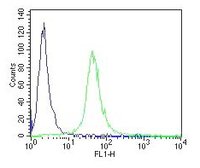
FCM (Flow Cytometry) (Flow cytometric analysis of Jurkat cells with CD31 antibody at 1/100 dilution (blue) compared with an unlabelled control (cells without incubation with primary antibody; red). Goat anti rabbit IgG (FITC) was used as the secondary antibody.)
ICC (Immunocytochemistry) (ICC staining CD31 in SW480 cells (green). Cells were fixed in paraformaldehyde, permeabilised with 0.25% Triton X100/PBS.)
ICC (Immunocytochemistry) (ICC staining CD31 in NIH/3T3 cells (green). Cells were fixed in paraformaldehyde, permeabilised with 0.25% Triton X100/PBS.)
ICC (Immunocytochemistry) (ICC staining CD31 in HUVEC cells (green). Cells were fixed in paraformaldehyde, permeabilised with 0.25% Triton X100/PBS.)
ICC (Immunocytochemistry) (ICC staining CD31 in Hela cells (green). Cells were fixed in paraformaldehyde, permeabilised with 0.25% Triton X100/PBS.)
IHC (Immunohistochemistry) (Immunohistochemical analysis of paraffin-embedded human kidney tissue using anti-CD31 antibody. Counter stained with hematoxylin.)
WB (Western Blot) (Western blot analysis of CD31 on different cell lysates using anti-CD31 antibody at 1/1000 dilution.)
IF (Immunofluorescence) (Immunofluorescence of RSPO1 in human spleen tissue with RSPO1 antibody at 5 μg/ml.Green: RSPO1 antibody (5171)Red: Phylloidin stainingBlue: DAPI staining)
IHC (Immunohistochemistry) (Immunohistochemistry of RSPO1 in human spleen tissue with RSPO1 antibody at 5 μg/ml.)
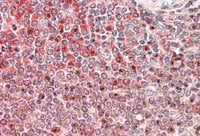
IHC (Immunohistochemistry) (Immunohistochemistry of RSPO1 in human spleen tissue with RSPO1 antibody at 2.5 μg/mL.)
IF (Immunofluorescence) (Immunofluorescence of RSPO1 in Human Spleen tissue with RSPO1 antibody at 20 μg/mL.)
IHC (Immunohistochemistry) (Immunohistochemistry of RSPO1 in human heart tissue with RSPO1 antibody at 2.5 μg/ml.)
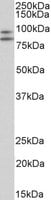
WB (Western Blot) (Western blot analysis of RSPO1 in human heart tissue lysate with RSPO1 antibody at (A) 1 and (B) 2 μg/mL.)
IF (Immunofluorescence) (Immunofluorescence analysis of HeLa cells using SHMT2 antibody. Blue: DAPI for nuclear staining.)
IF (Immunofluorescence) (Immunofluorescence analysis of HepG2 cells using SHMT2 antibody. Blue: DAPI for nuclear staining.)
IHC (Immunohistochemistry) (Immunohistochemistry of paraffin-embedded human liver cancer using SHMT2 Antibody at dilution of 1:100 (40x lens).)
IHC (Immunohistochemistry) (Immunohistochemistry of paraffin-embedded human lung cancer using SHMT2 Antibody at dilution of 1:100 (40x lens).)
IHC (Immunohistochemistry) (Immunohistochemistry of paraffin-embedded rat kidney using SHMT2 Antibody at dilution of 1:100 (40x lens).)
WB (Western Blot) (Western blot analysis of extracts of various cell lines, using SHMT2 antibody at 1:1000 dilution.Secondary antibody: HRP Goat Anti-Rabbit IgG (H+L) at 1:10000 dilution.Lysates/proteins: 25ug per lane.Blocking buffer: 3% nonfat dry milk in TBST.Detection: ECL Basic Kit.)
WB (Western Blot) (Applications: Western BlotSample: Rat PFCDetection: Protein Simple, Simple Western size-based assay"We selected this product as a polyclonal ab for our Tg Rat colony. We are interested in adding enzymatic catabolism/clearance of amyloid beta isoforms into our body of research. We purchased this product because it was cheap and we are looking at some 'proof-of-concept' and didn't need remarkable specificity. We still have much to investigate.")
Application Data (Anti-CD10 Picoband antibody, AAA11606-5.jpgAll lanes: Anti-CD10(AAA11606) at 0.5ug/mlLane 1: Rat Kidney Tissue Lysate at 40ugLane 2: Rat Brain Tissue Lysate at 40ugLane 3: Rat Liver Tissue Lysate at 40ugLane 4: Human Placenta Tissue Lysate at 40ugLane 5: HELA Whole Cell Lysate at 40ugLane 6: JURKAT Whole Cell Lysate at 40ugLane 7: RAJI Whole Cell Lysate at 40ugLane 8: 293T Whole Cell Lysate at 40ugPredicted bind size: 86KDObserved bind size: 100KD)
IHC (Immunohistochemistry) (Anti-CD10 Picoband antibody, AAA11606-4.JPGIHC(P): Rat Spleen Tissue)
IHC (Immunohistchemistry) (DDX/AKR1C3 Antibody-Immunohistochemistry of paraffin-embedded rat kidney using AKR1C3 antibody at dilution of 1:100 (200x lens).)
IHC (Immunohistochemistry) (DDX/AKR1C3 Antibody-Immunohistochemistry of paraffin-embedded human esophageal cancer using AKR1C3 antibody at dilution of 1:100 (200x lens).)
IHC (Immunohistochemistry) (DDX/AKR1C3 Antibody-Immunohistochemistry of paraffin-embedded rat heart.)
IHC (Immunohistochemistry) (DDX/AKR1C3 Antibody-Immunohistochemistry of paraffin-embedded rat brain using AKR1C3 antibody at dilution of 1:100 (200x lens).)
WB (Western Blot) (DDX/AKR1C3 Antibody-Western blot analysis of extracts of various cell lines, using AKR1C3 antibody at 1:1000 dilution. The secondary antibody used was an HRP Goat Anti-Rabbit IgG (H+L) at 1:10000 dilution. Lysates were loaded 25ug per lane and 3% nonfat dry milk in TBST was used for blocking.)
IP (Immunoprecipitation) (Immunoprecipitation analysis of 200ug extracts of HeLa cells using 3ug MT-ND3 antibody . Western blot was performed from the immunoprecipitate using MT-ND3 antibody at a dilition of 1:500.)
IF (Immunofluorescence) (Immunofluorescence analysis of L929 cells using MT-ND3 antibody at dilution of 1:100. Blue: DAPI for nuclear staining.)
IHC (Immunohistochemistry) (Immunohistochemistry of paraffin-embedded mouse kidney using MT-ND3 antibody at dilution of 1:100 (40x lens).)
IHC (Immunohistochemistry) (Immunohistochemistry of paraffin-embedded human appendix using MT-ND3 antibody at dilution of 1:100 (40x lens).)
IHC (Immunohistochemistry) (Immunohistochemistry of paraffin-embedded human colon carcinoma using MT-ND3 antibody at dilution of 1:100 (40x lens).)
WB (Western Blot) (Western blot analysis of extracts of various cell lines, using MT-ND3 antibody at 1:500 dilution.Secondary antibody: HRP Goat Anti-Rabbit IgG (H+L) (AS014) at 1:10000 dilution.Lysates/proteins: 25ug per lane.Blocking buffer: 3% nonfat dry milk in TBST.Detection: ECL Basic Kit (RM00020).Exposure time: 90s.)
IHC (Immunohistchemistry) (Immunohistochemistry of paraffin-embedded mouse stomach using CCAR2 antibody at dilution of 1:100 (40x lens).)
IHC (Immunohistochemistry) (Immunohistochemistry of paraffin-embedded mouse kidney using CCAR2 antibody at dilution of 1:100 (40x lens).)
IHC (Immunohistochemistry) (Immunohistochemistry of paraffin-embedded mouse brain using CCAR2 antibody at dilution of 1:100 (40x lens).)
IHC (Immunohistchemistry) (Immunohistochemistry of paraffin-embedded mouse liver using CCAR2 antibody at dilution of 1:100 (40x lens).)
IHC (Immunohistochemistry) (Immunohistochemistry of paraffin-embedded human rectal cancer using CCAR2 antibody at dilution of 1:100 (40x lens).)
IHC (Immunohistochemistry) (Immunohistochemistry of paraffin-embedded rat kidney using CCAR2 antibody at dilution of 1:100 (40x lens).)
IHC (Immunohistochemistry) (Immunohistochemistry of paraffin-embedded rat brain using CCAR2 antibody at dilution of 1:100 (40x lens).)
IHC (Immunohistochemistry) (Immunohistochemistry of paraffin-embedded human kidney using CCAR2 antibody at dilution of 1:100 (40x lens).)
WB (Western Blot) (Western blot analysis of extracts of various cell lines, using CCAR2 antibody at 1:1000 dilution.Secondary antibody: HRP Goat Anti-Rabbit IgG (H+L) at 1:10000 dilution.Lysates/proteins: 25ug per lane.Blocking buffer: 3% nonfat dry milk in TBST.Detection: ECL Basic Kit.Exposure time: 30s.)
Application Data (At 25 degree C. Samples were then incubated with primary Ab(At 37 degree C. An AlexaFluor594 conjugated goat anti-rabbit IgG(H+L) Ab(Red) and an AlexaFluor488 conjugated goat anti-mouse IgG(H+L) Ab(Green) were used as the secondary antibody.The nuclear counter stain is DAPI(blue).)
IHC (Immunohistchemistry) (At 1/100 staining Rat thymus tissue by IHC-P. The sample was formaldehyde fixed and a heat mediated antigen retrieval step in citrate buffer was performed. The sample was then blocked and incubated with the primary antibody at 4 degree C overnight. An HRP conjugated anti-Rabbit antibody was used as the secondary antibody.)
IHC (Immunohistochemistry) (At 1/100 staining Rat spleen tissue by IHC-P. The sample was formaldehyde fixed and a heat mediated antigen retrieval step in citrate buffer was performed. The sample was then blocked and incubated with the primary antibody at 4 degree C overnight. An HRP conjugated anti-Rabbit antibody was used as the secondary antibody.)
WB (Western Blot) (Western blot analysis of CDK5 (Phospho-Ser159) using heatshockK562 whole cell lysates.-/+ means absence or presence of N peptide(non-phospho peptide) and P peptide(phospho peptide).)
WB (Western Blot) (Western blot analysis of extracts from HepG2, using CDK5 (Phospho-Ser159) Antibody.)
WB (Western Blot) (Western blot analysis of CDK5 (Phospho-Ser159) using heat shock K562 whole cell lysates)
WB (Western Blot) (Western blot analysis of extracts from serum starvation treated RAW264.7 cells, using Phospho-CDK5 (Ser159) Antibody. The lane on the left was treated with blocking peptide.)
Western Blot, Immunohistochemistry, Immunofluorescence, Immunocytochemistry, Peptide ELISA
Purity
The antibody is from purified rabbit serum by affinity purification via sequential chromatography on phospho-peptide and non-phospho-peptide affinity columns.
IF (Immunofluorescence) (Figure 9. IF analysis of P4HB using anti- P4HB antibody (AAA19258).P4HB was detected in immunocytochemical section of T-47D cells. Enzyme antigen retrieval was performed using IHC enzyme antigen retrieval reagent for 15 mins. The cells were blocked with 10% goat serum. And then incubated with 5μg/mL rabbit anti- P4HB Antibody (AAA19258) overnight at 4 degree C. DyLight®488 Conjugated Goat Anti-Rabbit IgG was used as secondary antibody at 1:100 dilution and incubated for 30 minutes at 37 degree C. The section was counterstained with DAPI. Visualize using a fluorescence microscope and filter sets appropriate for the label used.)
FCM (Flow Cytometry) (Figure 8. Flow Cytometry analysis of U937 cells using anti-P4HB antibody (AAA19258).Overlay histogram showing U937 cells stained with AAA19258 (Blue line). The cells were blocked with 10% normal goat serum. And then incubated with rabbit anti-P4HB Antibody (AAA19258, 1μg/1x106 cells) for 30 min at 20 degree C. DyLight®488 conjugated goat anti-rabbit IgG (5-10μg/1x106 cells) was used as secondary antibody for 30 minutes at 20 degree C. Isotype control antibody (Green line) was rabbit IgG (1μg/1x106) used under the same conditions. Unlabelled sample (Red line) was also used as a control.)
IHC (Immunohistochemistry) (Figure 7. IHC analysis of P4HB using anti-P4HB antibody (AAA19258).P4HB was detected in paraffin-embedded section of human lung cancer tissue. Heat mediated antigen retrieval was performed in EDTA buffer (pH8. 0, epitope retrieval solution). The tissue section was blocked with 10% goat serum. The tissue section was then incubated with 2μg/ml rabbit anti-P4HB Antibody (AAA19258) overnight at 4 degree C. Biotinylated goat anti-rabbit IgG was used as secondary antibody and incubated for 30 minutes at 37 degree C. The tissue section was developed using Strepavidin-Biotin-Complex (SABC) (Catalog # with DAB as the chromogen.)
IHC (Immunohistchemistry) (Figure 6. IHC analysis of P4HB using anti-P4HB antibody (AAA19258).P4HB was detected in paraffin-embedded section of human liver cancer tissue. Heat mediated antigen retrieval was performed in EDTA buffer (pH8. 0, epitope retrieval solution). The tissue section was blocked with 10% goat serum. The tissue section was then incubated with 2μg/ml rabbit anti-P4HB Antibody (AAA19258) overnight at 4 degree C. Biotinylated goat anti-rabbit IgG was used as secondary antibody and incubated for 30 minutes at 37 degree C. The tissue section was developed using Strepavidin-Biotin-Complex (SABC) (Catalog # with DAB as the chromogen.)
IHC (Immunohistochemistry) (Figure 5. IHC analysis of P4HB using anti-P4HB antibody (AAA19258).P4HB was detected in paraffin-embedded section of human renal clear cell carcinoma tissue. Heat mediated antigen retrieval was performed in EDTA buffer (pH8. 0, epitope retrieval solution). The tissue section was blocked with 10% goat serum. The tissue section was then incubated with 2μg/ml rabbit anti-P4HB Antibody (AAA19258) overnight at 4 degree C. Biotinylated goat anti-rabbit IgG was used as secondary antibody and incubated for 30 minutes at 37 degree C. The tissue section was developed using Strepavidin-Biotin-Complex (SABC) (Catalog # with DAB as the chromogen.)
IHC (Immunohistochemistry) (Figure 4. IHC analysis of P4HB using anti-P4HB antibody (AAA19258).P4HB was detected in paraffin-embedded section of human lymphoma tissue. Heat mediated antigen retrieval was performed in EDTA buffer (pH8. 0, epitope retrieval solution). The tissue section was blocked with 10% goat serum. The tissue section was then incubated with 2μg/ml rabbit anti-P4HB Antibody (AAA19258) overnight at 4 degree C. Biotinylated goat anti-rabbit IgG was used as secondary antibody and incubated for 30 minutes at 37 degree C. The tissue section was developed using Strepavidin-Biotin-Complex (SABC) (Catalog # with DAB as the chromogen.)
IHC (Immunohistochemistry) (Figure 3. IHC analysis of P4HB using anti-P4HB antibody (AAA19258).P4HB was detected in paraffin-embedded section of rat spleen tissue. Heat mediated antigen retrieval was performed in EDTA buffer (pH8. 0, epitope retrieval solution). The tissue section was blocked with 10% goat serum. The tissue section was then incubated with 2μg/ml rabbit anti-P4HB Antibody (AAA19258) overnight at 4 degree C. Biotinylated goat anti-rabbit IgG was used as secondary antibody and incubated for 30 minutes at 37 degree C. The tissue section was developed using Strepavidin-Biotin-Complex (SABC) (Catalog # with DAB as the chromogen.)
IHC (Immunohistochemistry) (Figure 2. IHC analysis of P4HB using anti-P4HB antibody (AAA19258).P4HB was detected in paraffin-embedded section of mouse spleen tissue. Heat mediated antigen retrieval was performed in EDTA buffer (pH8. 0, epitope retrieval solution). The tissue section was blocked with 10% goat serum. The tissue section was then incubated with 2μg/ml rabbit anti-P4HB Antibody (AAA19258) overnight at 4 degree C. Biotinylated goat anti-rabbit IgG was used as secondary antibody and incubated for 30 minutes at 37 degree C. The tissue section was developed using Strepavidin-Biotin-Complex (SABC) (Catalog # with DAB as the chromogen.)
WB (Western Blot) (Figure 1. Western blot analysis of P4HB using anti-P4HB antibody (AAA19258).Electrophoresis was performed on a 5-20% SDS-PAGE gel at 70V (Stacking gel) / 90V (Resolving gel) for 2-3 hours. The sample well of each lane was loaded with 30ug of sample under reducing conditions.Lane 1: human Hela whole cell lysatesLane 2: human PANC-1 whole cell lysatesLane 3: human MCF-7 whole cell lysatesLane 4: human COLO-320 whole cell lysatesLane 5: human HEK293 whole cell lysatesLane 6: human HepG2 whole cell lysatesLane 7: monkey lung tissue lysatesLane 8: monkey liver tissue lysatesLane 9: rat liver tissue lysatesLane 10: mouse liver tissue lysatesLane 11: mouse NIH/3T3 whole cell lysates.After Electrophoresis, proteins were transferred to a Nitrocellulose membrane at 150mA for 50-90 minutes. Blocked the membrane with 5% Non-fat Milk/ TBS for 1. 5 hour at RT. The membrane was incubated with rabbit anti-P4HB antigen affinity purified polyclonal antibody (Catalog # AAA19258) at 0. 25 μg/mL overnight at 4 degree C, then washed with TBS-0. 1%Tween 3 times with 5 minutes each and probed with a goat anti-rabbit IgG-HRP secondary antibody at a dilution of 1:5000 for 1. 5 hour at RT. The signal is developed using an Enhanced Chemiluminescent detection (ECL) kit (Catalog # with Tanon 5200 system. A specific band was detected for P4HB at approximately 57KD. The expected band size for P4HB is at 57KD.)
Application Data (At 25 degree C. Samples were then incubated with primary Ab(At 37 degree C. An AlexaFluor594 conjugated goat anti-rabbit IgG(H+L) Ab(Red) and an AlexaFluor488 conjugated goat anti-mouse IgG(H+L) Ab(Green) were used as the secondary antibody.The nuclear counter stain is DAPI (blue).)
IHC (Immunohistochemistry) (At 1/100 staining Mouse liver tissue by IHC-P. The sample was formaldehyde fixed and a heat mediated antigen retrieval step in citrate buffer was performed. The sample was then blocked and incubated with the primary antibody at 4 degree C overnight. An HRP conjugated anti-Rabbit antibody was used as the secondary antibody.)
IHC (Immunohistochemistry) (At 1/100 staining Mouse kidney tissue by IHC-P. The sample was formaldehyde fixed and a heat mediated antigen retrieval step in citrate buffer was performed. The sample was then blocked and incubated with the primary antibody at 4 degree C overnight. An HRP conjugated anti-Rabbit antibody was used as the secondary antibody.)
IHC (Immunohistochemistry) (At 1/100 staining Mouse brain tissue by IHC-P. The sample was formaldehyde fixed and a heat mediated antigen retrieval step in citrate buffer was performed. The sample was then blocked and incubated with the primary antibody at 4 degree C overnight. An HRP conjugated anti-Rabbit antibody was used as the secondary antibody.)
IHC (Immunohistochemistry) (Staining Rat liver tissue by IHC-P. The sample was formaldehyde fixed and a heat mediated antigen retrieval step in citrate buffer was performed. The sample was then blocked and incubated with the primary antibody at 4 degree C overnight. An HRP conjugated anti-Rabbit antibody was used as the secondary antibody.)
WB (Western Blot) (Western blot analysis of extracts from various samples, using Phospho-MCM2 (Ser108) Antibody.Lane 1: MCF7 cells(UV treatment), blocked with antigen-specific peptides,Lane 2: MCF7 cells(UV treatment),Lane 3: Hela cells(LPS treatment),Lane 4: Hela cells(heat shock treatment).)
Western Blot, Immunohistochemistry, Immunofluorescence, Immunocytochemistry, Peptide ELISA
Purity
The antibody is from purified rabbit serum by affinity purification via sequential chromatography on phospho-peptide and non-phospho-peptide affinity columns.
WB (Western Blot) (Western blot analysis of extracts from rat brain and HepG2, using PDLIM1 Antibody.)
IF (Immunofluorescence) (AAA31107 staining Hela cells by IF/ICC. The sample were fixed with PFA and permeabilized in 0.1% Triton X-100, then blocked in 10% serum for 45 minutes at 25 degree C. The primary antibody was diluted at 1/200 and incubated with the sample for 1 hour at 37 degree C. An Alexa Fluor 594 conjugated goat anti-rabbit IgG (H+L) antibody, diluted at 1/600, was used as secondary antibody.)
IHC (Immunohistochemistry) (AAA31107 at 1/100 staining Mouse colon tissue by IHC-P. The sample was formaldehyde fixed and a heat mediated antigen retrieval step in citrate buffer was performed. The sample was then blocked and incubated with the antibody for 1.5 hours at 22 degree C. An HRP conjugated goat anti-rabbit antibody was used as the secondary.)
WB (Western Blot) (Western blot analysis of extracts of various tissue sample, using PDLIM1 Antibody.)
WB (Western Blot) (Western blot analysis of extracts from 293, using PDLIM1 Antibody.)
WB (Western Blot) (Western blot analysis of PDLIM1 using K562 whole cell lysates)
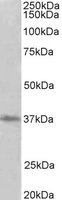
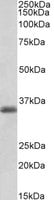
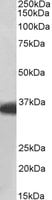
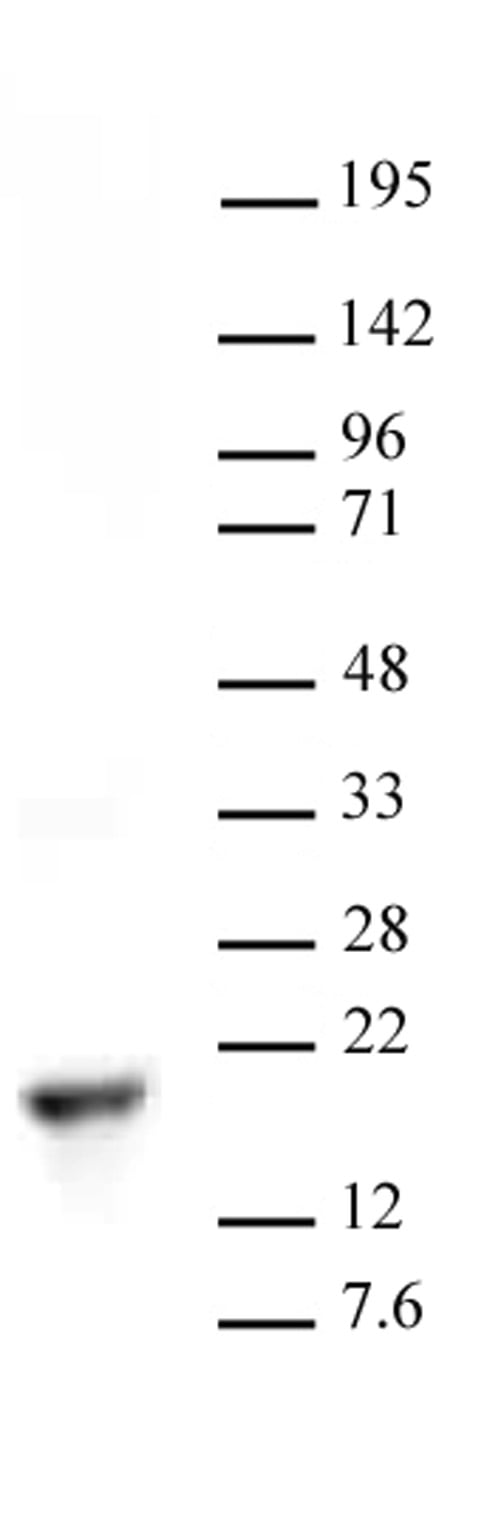
WB (Western Blot) (25 ug of the indicated Human whole cell extracts was loaded onto a 12% SDS-PAGE gel. 1 ug/mL of the antibody was used in this experiment. Canonical 37 kDa isoform is identified. Doublet may reflect phosphorylation.)
IF (Immunofluorescence) (Immunofluorescence analysis of U-2 OS cells using YAP1 Rabbit pAb at dilution of 1:150 (40x lens). Blue: DAPI for nuclear staining.)
IF (Immunofluorescence) (Immunofluorescence analysis of C6 cells using YAP1 Rabbit pAb at dilution of 1:150 (40x lens). Blue: DAPI for nuclear staining.)
IHC (Immunohistochemistry) (Immunohistochemistry of paraffin-embedded rat spleen using YAP1 Rabbit pAb at dilution of 1:150 (40x lens).Perform high pressure antigen retrieval with 10 mM citrate buffer pH 6.0 before commencing with IHC staining protocol.)
IHC (Immunohistochemistry) (Immunohistochemistry of paraffin-embedded mouse lung using YAP1 Rabbit pAb at dilution of 1:150 (40x lens).Perform high pressure antigen retrieval with 10 mM citrate buffer pH 6.0 before commencing with IHC staining protocol.)
IHC (Immunohistochemistry) (Immunohistochemistry of paraffin-embedded human lung squamous carcinoma tissue using YAP1 Rabbit pAb at dilution of 1:150 (40x lens).Perform high pressure antigen retrieval with 10 mM citrate buffer pH 6.0 before commencing with IHC staining protocol.)
IHC (Immunohistochemistry) (Immunohistochemistry of paraffin-embedded human extranodal NK-T cell lymphoma using YAP1 Rabbit pAb at dilution of 1:150 (40x lens).Perform high pressure antigen retrieval with 10 mM citrate buffer pH 6.0 before commencing with IHC staining protocol.)
WB (Western Blot) (Western blot analysis of extracts of various cell lines, using YAP1 antibody at 1:1000 dilution.Secondary antibody: HRP Goat Anti-Rabbit IgG (H+L) (AS014) at 1:10000 dilution.Lysates/proteins: 25ug per lane.Blocking buffer: 3% nonfat dry milk in TBST.Detection: ECL Basic Kit (RM00020).Exposure time: 30s.)
IHC (Immunohistchemistry) (Figure 9. IHC analysis of ERBB4 using anti-ERBB4 antibody (AAA19729).ERBB4 was detected in a paraffin-embedded section of human urothelial carcinoma tissue. Heat mediated antigen retrieval was performed in EDTA buffer (pH 8.0, epitope retrieval solution). The tissue section was blocked with 10% goat serum. The tissue section was then incubated with 2ug/ml rabbit anti-ERBB4 Antibody (AAA19729) overnight at 4 degree C. Peroxidase Conjugated Goat Anti-rabbit IgG was used as secondary antibody and incubated for 30 minutes at 37 degree C. The tissue section was developed using HRP Conjugated Rabbit IgG Super Vision Assay Kit ( epitope retrieval solution). The tissue section was blocked with 10% goat serum. The tissue section was then incubated with 2ug/ml rabbit anti-ERBB4 Antibody (AAA19729) overnight at 4 degree C. Peroxidase Conjugated Goat Anti-rabbit IgG was used as secondary antibody and incubated for 30 minutes at 37 degree C. The tissue section was developed using HRP Conjugated Rabbit IgG Super Vision Assay Kit ( epitope retrieval solution). The tissue section was blocked with 10% goat serum. The tissue section was then incubated with 2ug/ml rabbit anti-ERBB4 Antibody (AAA19729) overnight at 4 degree C. Peroxidase Conjugated Goat Anti-rabbit IgG was used as secondary antibody and incubated for 30 minutes at 37 degree C. The tissue section was developed using HRP Conjugated Rabbit IgG Super Vision Assay Kit ( epitope retrieval solution). The tissue section was blocked with 10% goat serum. The tissue section was then incubated with 2ug/ml rabbit anti-ERBB4 Antibody (AAA19729) overnight at 4 degree C. Peroxidase Conjugated Goat Anti-rabbit IgG was used as secondary antibody and incubated for 30 minutes at 37 degree C. The tissue section was developed using HRP Conjugated Rabbit IgG Super Vision Assay Kit ( epitope retrieval solution). The tissue section was blocked with 10% goat serum. The tissue section was then incubated with 2ug/ml rabbit anti-ERBB4 Antibody (AAA19729) overnight at 4 degree C. Peroxidase Conjugated Goat Anti-rabbit IgG was used as secondary antibody and incubated for 30 minutes at 37 degree C. The tissue section was developed using HRP Conjugated Rabbit IgG Super Vision Assay Kit ( epitope retrieval solution). The tissue section was blocked with 10% goat serum. The tissue section was then incubated with 2ug/ml rabbit anti-ERBB4 Antibody (AAA19729) overnight at 4 degree C. Peroxidase Conjugated Goat Anti-rabbit IgG was used as secondary antibody and incubated for 30 minutes at 37 degree C. The tissue section was developed using HRP Conjugated Rabbit IgG Super Vision Assay Kit ( epitope retrieval solution). The tissue section was blocked with 10% goat serum. The tissue section was then incubated with 2ug/ml rabbit anti-ERBB4 Antibody (AAA19729) overnight at 4 degree C. Peroxidase Conjugated Goat Anti-rabbit IgG was used as secondary antibody and incubated for 30 minutes at 37 degree C. The tissue section was developed using HRP Conjugated Rabbit IgG Super Vision Assay Kit ( epitope retrieval solution). The tissue section was blocked with 10% goat serum. The tissue section was then incubated with 2ug/ml rabbit anti-ERBB4 Antibody (AAA19729) overnight at 4 degree C. Peroxidase Conjugated Goat Anti-rabbit IgG was used as secondary antibody and incubated for 30 minutes at 37 degree C. The tissue section was developed using HRP Conjugated Rabbit IgG Super Vision Assay Kit (Lane 2: rat brain tissue lysates,Lane 3: rat PC-12 whole cell lysates,Lane 4: mouse brain tissue lysates.After electrophoresis, proteins were transferred to a nitrocellulose membrane at 150 mA for 50-90 minutes. Blocked the membrane with 5% non-fat milk/TBS for 1.5 hour at RT. The membrane was incubated with rabbit anti-ERBB4 antigen affinity purified polyclonal antibody (#AAA19729) at 0.5ug/mL overnight at 4 degree C, then washed with TBS-0.1%Tween 3 times with 5 minutes each and probed with a goat anti-rabbit IgG-HRP secondary antibody at a dilution of 1:5000 for 1.5 hour at RT. The signal is developed using an Enhanced Chemiluminescent detection (ECL) kit with Tanon 5200 system. A specific band was detected for ERBB4 at approximately 180 kDa. The expected band size for ERBB4 is at 147 kDa.)
WB (Western Blot) (Western blot analysis of lysate from mouse lung tissue lysate, using Mlkl Antibody (C-term). AAA28711 was diluted at 1:1000. A goat anti-rabbit IgG H&L(HRP) at 1:10000 dilution was used as the secondary antibody. Lysate at 20ug.)
WB (Western Blot) (All lanes : Anti-Mlkl Antibody (C-term) at 1:2000 dilutionLane 1: mouse lung lysatesLane 2: NIH/3T3 whole cell lysatesLane 3: mouse liver lysatesLane 4: mouse testis whole cell lysatesLysates/proteins at 20 ug per lane.SecondaryGoat Anti-Rabbit IgG, (H+L), Peroxidase conjugated at 1/10000 dilutionPredicted band size : 54 kDaBlocking/Dilution buffer: 5% NFDM/TBST.)
WB (Western Blot) (All lanes : Anti-Mlkl Antibody (C-term) at 1:1000 dilutionLane 1: mouse lung lysatesLane 2: mouse spleen lysatesLysates/proteins at 20 ug per lane.SecondaryGoat Anti-Rabbit IgG, (H+L), Peroxidase conjugated at 1/10000 dilutionPredicted band size : 54 kDaBlocking/Dilution buffer: 5% NFDM/TBST.)
WB (Western Blot) (Anti-Mlkl Antibody (C-term)at 1:2000 dilution + NIH/3T3 whole cell lysatesLysates/proteins at 20 ug per lane.SecondaryGoat Anti-Rabbit IgG, (H+L), Peroxidase conjugated at 1/10000 dilutionPredicted band size : 54 kDaBlocking/Dilution buffer: 5% NFDM/TBST.)
WB (Western Blot) (Anti-Mlkl Antibody (C-term)at 1:1000 dilution + mouse lung lysatesLysates/proteins at 20 ug per lane.SecondaryGoat Anti-Rabbit IgG, (H+L), Peroxidase conjugated at 1/10000 dilutionPredicted band size : 54 kDaBlocking/Dilution buffer: 5% NFDM/TBST.)
WB (Western Blot) (All lanes : Anti-Mlkl Antibody (C-term) at 1:2000 dilutionLane 1: NIH/3T3 whole cell lysatesLane 2: mouse spleen lysatesLysates/proteins at 20 ug per lane.SecondaryGoat Anti-Rabbit IgG, (H+L), Peroxidase conjugated at 1/10000 dilutionPredicted band size : 54 kDaBlocking/Dilution buffer: 5% NFDM/TBST.)
WB (Western Blot) (All lanes : Anti-Mlkl Antibody (C-term) at 1:2000 dilutionLane 1: mouse testis lysatesLane 2: mouse liver lysatesLane 3: NIH/3T3 whole cell lysatesLysates/proteins at 20 ug per lane.SecondaryGoat Anti-Rabbit IgG, (H+L), Peroxidase conjugated at 1/10000 dilutionPredicted band size : 54 kDaBlocking/Dilution buffer: 5% NFDM/TBST.)
IHC (Immunohistchemistry) (Dilution: Western Blot: 1/500 - 1/2000. IHC-p: 1/100-1/300. ELISA: 1/20000. Not yet tested in other applications.)
IHC (Immunohistochemistry) (Dilution: Western Blot: 1/500 - 1/2000. IHC-p: 1/100-1/300. ELISA: 1/20000. Not yet tested in other applications.)
IHC (Immunohistochemistry-Paraffin) (Dilution: Western Blot: 1/500 - 1/2000. IHC-p: 1/100-1/300. ELISA: 1/20000. Not yet tested in other applications.)
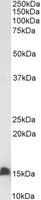
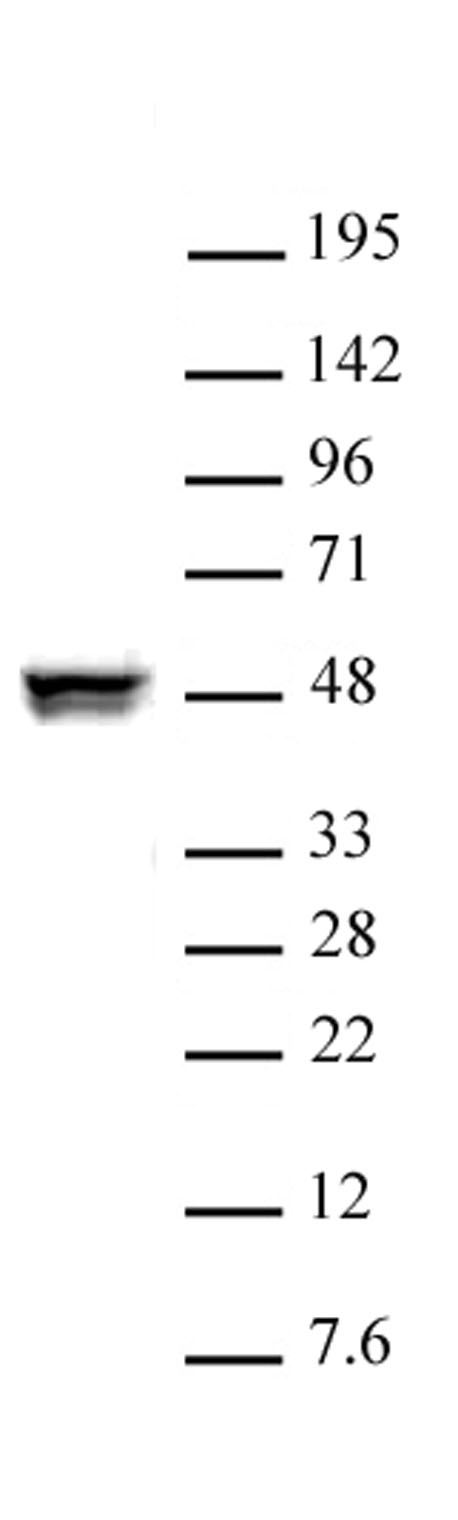
WB (Western Blot) (Dilution: Western Blot: 1/500 - 1/2000. IHC-p: 1/100-1/300. ELISA: 1/20000. Not yet tested in other applications.)
IHC (Immunohistochemistry) (Dilution: Western Blot: 1/500 - 1/2000. Immunohistochemistry: 1/100 - 1/300. ELISA: 1/5000. Not yet tested in other applications.)
IHC (Immunohistchemistry) (Dilution: Western Blot: 1/500 - 1/2000. Immunohistochemistry: 1/100 - 1/300. ELISA: 1/5000. Not yet tested in other applications.)
Application Data (Dilution: Western Blot: 1/500 - 1/2000. Immunohistochemistry: 1/100 - 1/300. ELISA: 1/5000. Not yet tested in other applications.)
IHC (Immunohistochemistry-Paraffin) (Dilution: Western Blot: 1/500 - 1/2000. Immunohistochemistry: 1/100 - 1/300. ELISA: 1/5000. Not yet tested in other applications.)
WB (Western Blot) (Dilution: Western Blot: 1/500 - 1/2000. Immunohistochemistry: 1/100 - 1/300. ELISA: 1/5000. Not yet tested in other applications.)
IF (Immunofluorescence) (Immunofluorescence analysis of A549 cell using HDAC4 antibody. Blue: DAPI for nuclear staining.)
IHC (Immunohistchemistry) (Immunohistochemical analysis of paraffin-embedded rat lung using HDAC4 antibody at dilution of 1:200 (200x lens).)
IHC (Immunohistochemistry) (Immunohistochemical analysis of paraffin-embedded rat kidney using HDAC4 antibody at dilution of 1:200 (200x lens).)
IHC (Immunohistochemistry) (Immunohistochemical analysis of paraffin-embedded mouse liver using HDAC4 antibody at dilution of 1:200 (200x lens).)
IHC (Immunohistochemistry) (Immunohistochemical analysis of paraffin-embedded human liver cancer using HDAC4 antibody at dilution of 1:200 (200x lens).)
IHC (Immunohistochemistry) (Immunohistochemical analysis of paraffin-embedded H-lung using HDAC4 Antibody.)
WB (Western Blot) (Western blot analysis of extracts of various cell lines, using HDAC4 antibody.)
IF (Immunofluorescence) (Immunofluorescent analysis of A549 cells using AAA26932 at a dilution of 1:100 and Alexa Fluor 488-congugated AffiniPure Goat Anti-Rabbit IgG(H+L))
IF (Immunofluorescence) (Immunofluorescent analysis of Hela cells using AAA26932 at a dilution of 1:100 and Alexa Fluor 488-congugated AffiniPure Goat Anti-Rabbit IgG(H+L))
IHC (Immunohistochemistry) (Immunohistochemistry analysis of human melanoma cancer using AAA26932 at dilution of 1:100)
IHC (Immunohistochemistry) (Immunofluorescent analysis of HepG2 cells using AAA26932 at a dilution of 1:100 and Alexa Fluor 488-congugated AffiniPure Goat Anti-Rabbit IgG(H+L))
IHC (Immunohistochemistry) (Immunohistochemistry of paraffin-embedded human liver cancer using AAA26932 at dilution of 1:100)
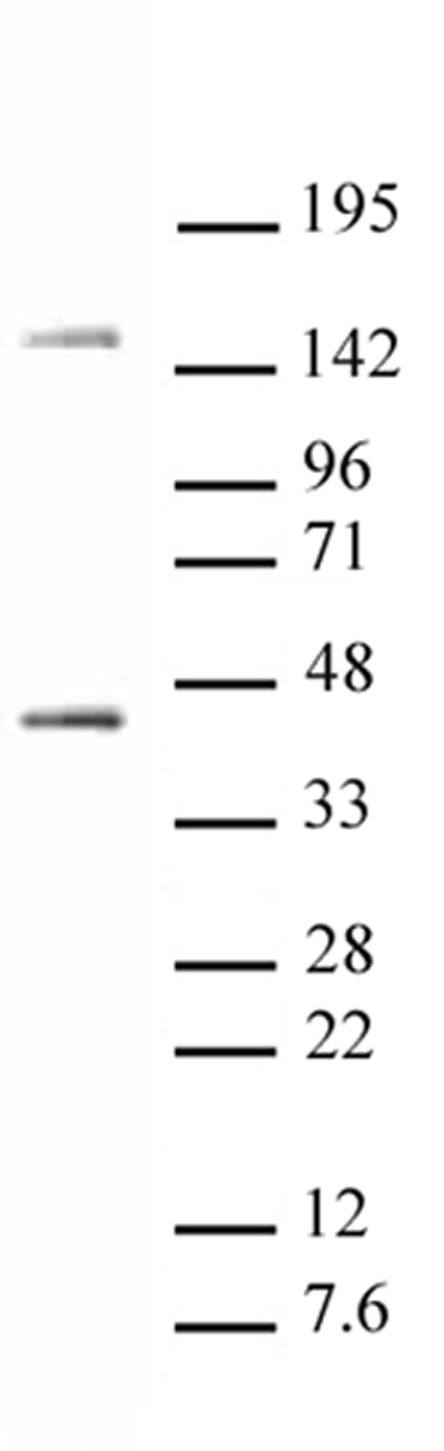
WB (Western Blot) (Western blotAll lanes: TRPM2 antibody at 3ug/mlLane 1: HepG-2 whole cell lysateLane 2: Mouse brain tissueLane 3: A549 whole cell lysateLane 4: K562 whole cell lysateLane 5: Mouse kidney tissueLane 6: Human placenta tissueLane 7: Mouse spleen tissueSecondaryGoat polyclonal to Rabbit IgG at 1/10000 dilutionPredicted band size: 172,166,96 kDaObserved band size: 70,180 kDa)
Western Blot, Immunohistochemistry, Immunofluorescence
Purity
>95%,Protein G purified
Pricing
What are Polyclonal Antibodies?
Polyclonal antibodies are antibodies that come from multiple B cell clones of a host animal. The typical hosts used for the majority of polyclonal antibody production are rabbits, goats, sheep, and donkeys. These polyclonal antibodies, once having identified their target, will bind to different epitopes located at different regions or sequences on the same protein/antigen. As a result, they are ideal at locating and binding to the target, even if the target is in very low concentrations (due to many different antibodies being able to bind to the same target molecule, which allows for significant amplification of a downstream signal).
Polyclonal antibodies are typically produced by injecting an antigen into a host animal, which causes the animal’s immune system to attack the foreign antigen by mass generating antibodies against it. After a period of time, serum is collected from the animal and purified using physicochemical fractionation, class-specific affinity purification, and/or antigen-affinity purification.
Key Uses of Polyclonal Antibodies
Western Blotting: This method is used to find specific proteins in biological samples after separating them by size.
Immunohistochemistry: IHC helps visualize the location of proteins in tissue sections using various staining techniques.
ELISA: (Enzyme-Linked Immunosorbent Assay) is typically used to identify specific protein quantities in a sample. ELISAs can be either “Quantitative” or “Qualitative”.
Flow Cytometry: technique that identifies and measures the specific protein on the surface or inside the cells in a fluid suspension.
Immunoprecipitation: IP isolates and studies a specific protein from a complex mixture using antibodies.
Why Buy Polyclonal Antibodies from AAA Biotech?
1. Ideal for Various Applications
Our antibodies are generally going to be validated for use in multiple types of assays, including ELISA, Western Blotting, Immunohistochemistry, Immunoprecipitation, amongst others. They are ideal for a wide range of research applications.
2. Rigorous Quality Control
All of the antibodies in our catalog undergo strict quality testing to ensure specificity, sensitivity, and consistent performance. We are confident in the ability of our antibodies to provide you with accurate results.
3. Wide Assortment of Antibodies
Antibodies in are catalog can be found for both common and exotic species, and these antibodies are also available in both conjugated and recombinant forms to suit many diverse experimental needs.
4. Highly Purified
Our antibodies are available in purified forms with over 85% purity, as confirmed by SDS-PAGE. They are also available with tags such as His, Flag, GST, or MBP. We cater to customers worldwide.
FAQ
1. How are polyclonal antibodies produced?
Traditionally, polyclonal antibodies are produced by injecting an antigen into a host animal (such as a rabbit or goat), which then triggers an immune response from the host animal. The animal’s B cells produce antibodies that will recognize different parts of the injected antigen. These antibodies are then collected from the animal’s blood and purified for use.
2. How do polyclonal antibodies differ from monoclonal antibodies?
Polyclonal antibodies are a mix of antibodies that bind to different locations (epitopes) of the same antigen, while monoclonal antibodies are identical and bind to just one specific epitope. This makes polyclonal antibodies more versatile and better at detecting proteins that may be present in low quantities or in altered/modified forms.
3. How should I store polyclonal antibodies?
Polyclonal antibodies should be stored at 4°C for short-term use (up to a few weeks) and at -20°C or -80°C for long-term storage. Avoid repeated freeze-thaw cycles by dividing them into small aliquots. Always check the datasheet for specific storage instructions.
Submit a Question
Please complete the form below and a representative will contact you as soon as possible.
Request more Information
Please complete the form below and a representative will contact you as soon as possible.
Request a Manual
Please complete the form below and a representative will contact you as soon as possible.
Request a Quote
Please complete the form below and a representative will contact you as soon as possible.