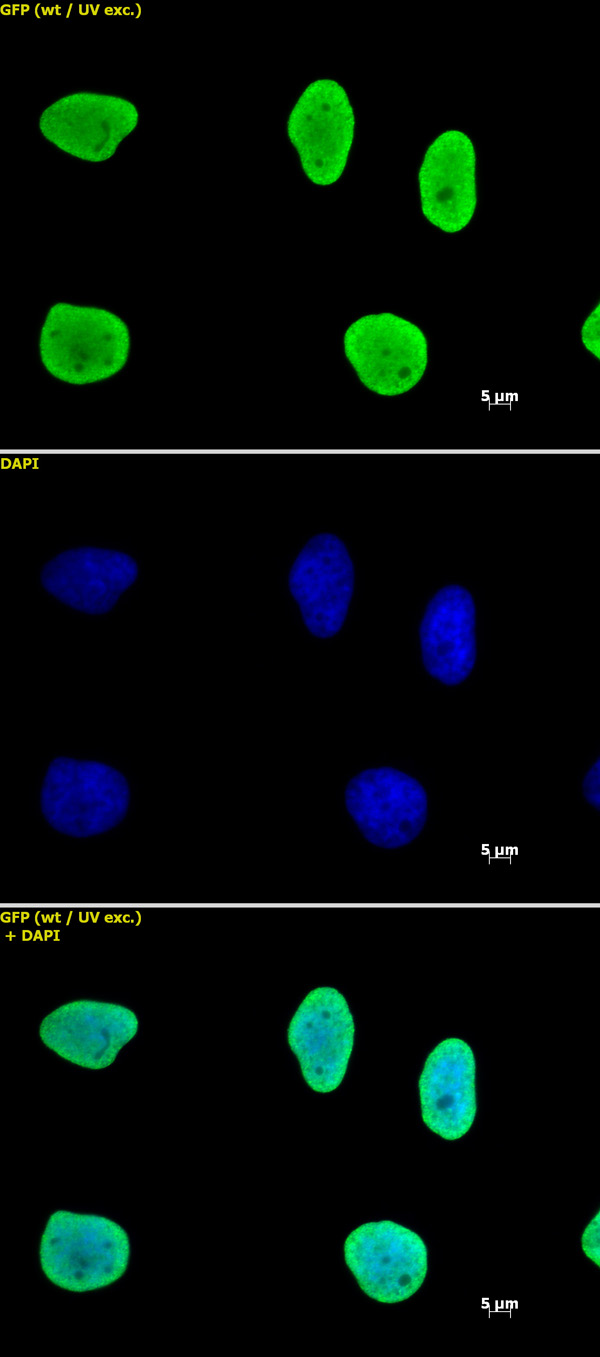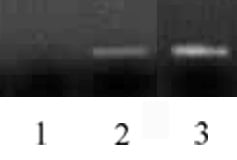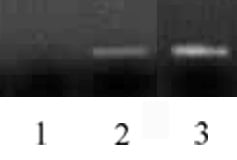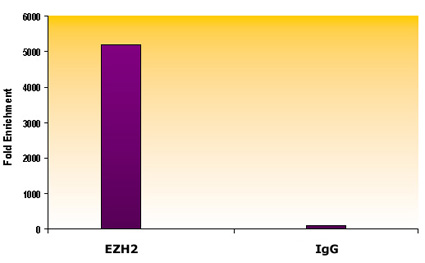
Get accurate results in your research with our Monoclonal Antibodies, which are specially made to target exactly what you require for your research, and will produce consistent, reliable performance in lab tests.
Application Data (Staining of canine peripheral blood lymphocytes with Rat anti Canine CD8:RPE)
Application Data (Published customer image: Immunophenotypic profile of tumor infiltrating lymphocyte in canine mammary carcinomas. Analysis of tumor infiltrating T-cells, B-lymphocytes and T-cell subsets from MC-BMT or MC (A), further subcategorized according to the absence (-) or presence (+) of lymph node metastasis (-) (B). Lymphocyte populations and subsets were identified by flow cytometric immunostaining as described in Material and Methods. Data were expressed as percentage of positive cells within gated lymphocytes and CD4+/CD8+ T-cell ratio. Significant differences at p < 0.05 are highlighted by asterisk.From: Estrela-Lima et al. BMC Cancer 2010 10:256.)
Application Data (Published customer image:Survival rates of animals with canine mammary carcinoma. Kaplan-Meier survival curves for animals for All (MC-BMT and MC) animals categorized according to the relative percentage of CD4+ T-cells (33.3%) (A). Animals were submitted to quarterly follow-ups during twelve months and survival rates expressed in days between the surgical excisions of the end of follow-up as described in Methods. The survival curves were estimated with the Kaplan-Meier method followed by Log-rank test. Correlation analysis highlighted the significant association between the percentages of CD4+ T-cells and CD8+ T-cells with the animal survival in days (B).From: Estrela-Lima et al. BMC Cancer 2010 10:256.)
Application Data (Published customer image: CD11b+CD14-MHCII- cells suppress T cell proliferation. Facs sorted CD11b+CD14-MHCII- cells isolated from a dog with osteosarcoma or healthy PBMCs were co-incubated with mitogen-stimulated CD4+ and CD8+ T cells isolated from a healthy dog for 72 hs. No stimulated cells were used as negative control. Proliferative responses were measured by 3H-thymidine incorporation from experiments performed in triplicate. CPM, counts per minute. Mean +/- SEM are shown.From: Goulart MR, Pluhar GE, Ohlfest JR (2012) Identification of Myeloid Derived Suppressor Cells in Dogs with Naturally Occurring Cancer. PLoS ONE 7(3): e33274.)
Application Data (Staining of canine peripheral blood lymphocytes with Rat anti Dog CD8)
Application Data (Staining of canine peripheral blood lymphocytes with Rat anti Canine CD8:FITC)
IF (Immunofluorescence) (Immunofluorescence analysis of U-2 OS cells using SUMO2/3 Rabbit mAb (AAA28605) at dilution of 1:100 (40x lens). Secondary antibody: Cy3-conjugated Goat anti-Rabbit IgG (H+L) (AS007) at 1:500 dilution. Blue: DAPI for nuclear staining.)
IHC (Immunohistochemistry) (Immunohistochemistry analysis of paraffin-embedded Mouse spleen using SUMO2/3 Rabbit mAb (AAA28605) at dilution of 1:200 (40x lens). High pressure antigen retrieval performed with 0.01M Tris/EDTA Buffer (pH 9.0) prior to IHC staining.)
IHC (Immunohistochemistry) (Immunohistochemistry analysis of paraffin-embedded Mouse intestin using SUMO2/3 Rabbit mAb (AAA28605) at dilution of 1:200 (40x lens). High pressure antigen retrieval performed with 0.01M Tris/EDTA Buffer (pH 9.0) prior to IHC staining.)
IHC (Immunohistochemistry) (Immunohistochemistry analysis of paraffin-embedded Human thyroid cancer using SUMO2/3 Rabbit mAb (AAA28605) at dilution of 1:200 (40x lens). High pressure antigen retrieval performed with 0.01M Tris/EDTA Buffer (pH 9.0) prior to IHC staining.)
IHC (Immunohistochemistry) (Immunohistochemistry analysis of paraffin-embedded Human breast cancer using SUMO2/3 Rabbit mAb (AAA28605) at dilution of 1:200 (40x lens). High pressure antigen retrieval performed with 0.01M Tris/EDTA Buffer (pH 9.0) prior to IHC staining.)
WB (Western Blot) (Western blot analysis of various lysates using SUMO2/3 Rabbit mAb (AAA28605) at 1:500 dilution.Secondary antibody: HRP-conjugated Goat anti-Rabbit IgG (H+L) (AS014) at 1:10000 dilution.Lysates/proteins: 25ug per lane.Blocking buffer: 3% nonfat dry milk in TBST.Detection: ECL Basic Kit (RM00020).Exposure time: 3min.)
FCM (Flow Cytometry) (Flow cytometric analysis of Jurkat cells with Bcl-2 antibody at 1/50 dilution (red) compared with an unlabelled control (cells without incubation with primary antibody; black). Alexa Fluor 488-conjugated goat anti rabbit IgG was used as the secondary antibody.)
ICC (Immunocytochemistry) (ICC staining Bcl-2 in A549 cells (red). The nuclear counter stain is DAPI (blue). Cells were fixed in paraformaldehyde, permeabilised with 0.25% Triton X100/PBS.)
ICC (Immunocytochemistry) (ICC staining Bcl-2 in Hela cells (red). The nuclear counter stain is DAPI (blue). Cells were fixed in paraformaldehyde, permeabilised with 0.25% Triton X100/PBS.)
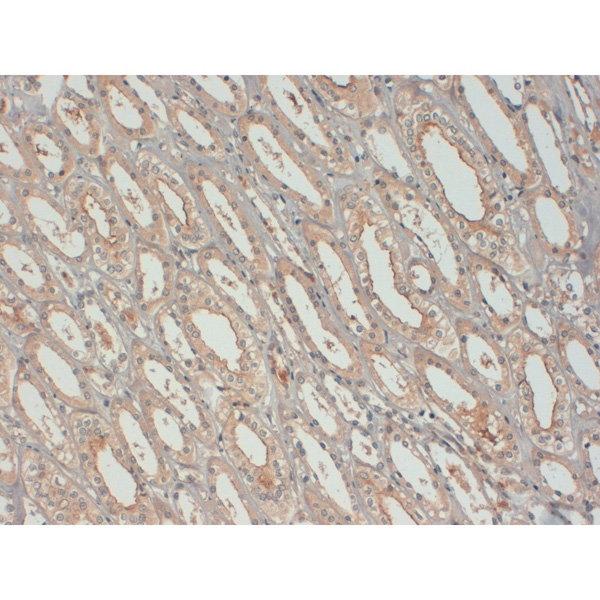
IHC (Immunohistochemistry) (Immunohistochemical analysis of paraffin-embedded human lung cancer tissue using anti-Bcl-2 antibody. Counter stained with hematoxylin.)
IHC (Immunohistochemistry) (Immunohistochemical analysis of paraffin-embedded mouse kidney tissue using anti-Bcl-2 antibody. Counter stained with hematoxylin.)
IHC (Immunohistochemistry) (Immunohistochemical analysis of paraffin-embedded human colon cancer tissue using anti-Bcl-2 antibody. Counter stained with hematoxylin.)
IHC (Immunohistochemistry) (Immunohistochemical analysis of paraffin-embedded human tonsil tissue using anti-Bcl-2 antibody. Counter stained with hematoxylin.)
WB (Western Blot) (Western blot analysis of Bcl-2 on different lysates using anti-Bcl-2 antibody at 1/1, 000 dilution. Positive control: Lane 1: Hela Lane 2: Jurkat Lane 3: MCF-7)
WB (Western Blot) (Western Blot detection against Immunogen (37.44kD).)
WB (Western Blot) (CCT7 monoclonal antibody Western Blot analysis of CCT7 expression in human pancreas.)
Application Data (Detection limit for recombinant GST tagged CCT7 is ~0.3ng/ml as a capture antibody.)
WB (Western Blot) (Western Blot analysis of CCT7 expression in transfected 293T cell line by CCT7 monoclonal antibody. Lane 1: CCT7 transfected lysate (59.4kD). Lane 2: Non-transfected lysate.)
WB (Western Blot) (CCT7 monoclonal antibody Western Blot analysis of CCT7 expression in K-562.)
WB (Western Blot) (CCT7 monoclonal antibody Western Blot analysis of CCT7 expression in Raw 264.7)
WB (Western Blot) (CCT7 monoclonal antibody Western Blot analysis of CCT7 expression in HL-60)
FCM (Flow Cytometry) (Flow cytometric analysis of Hela cells with AKT1 antibody at 1/50 dilution (blue) compared with an unlabelled control (cells without incubation with primary antibody; red). Alexa Fluor 488-conjugated goat anti rabbit IgG was used as the secondary antibody.)
IHC (Immunohistochemistry) (Immunohistochemical analysis of paraffin-embedded mouse kidney tissue using anti-AKT1 antibody. Counter stained with hematoxylin.)
IHC (Immunohistochemistry) (Immunohistochemical analysis of paraffin-embedded mouse prostate tissue using anti-AKT1 antibody. Counter stained with hematoxylin.)
IHC (Immunohistochemistry) (Immunohistochemical analysis of paraffin-embedded mouse brain tissue using anti-AKT1 antibody. Counter stained with hematoxylin.)
IHC (Immunohistochemistry) (Immunohistochemical analysis of paraffin-embedded human kidney tissue using anti-AKT1 antibody. Counter stained with hematoxylin.)
WB (Western Blot) (Western blot analysis of AKT1 on MCF-7 cell lysates using anti-AKT1 antibody at 1/1, 000 dilution.)
FCM (Flow Cytometry) (Flow cytometric analysis of Hela cells with MEK3 antibody at 1/50 dilution (red) compared with an unlabelled control (cells without incubation with primary antibody; black). Alexa Fluor 488-conjugated goat anti rabbit IgG was used as the secondary antibody)
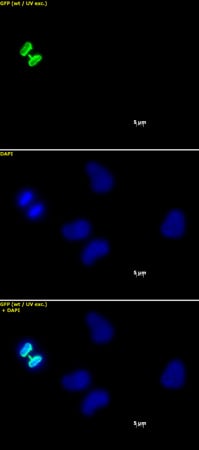
ICC (Immunocytochemistry) (ICC staining MEK3 in Hela cells (green). The nuclear counter stain is DAPI (blue). Cells were fixed in paraformaldehyde, permeabilised with 0.25% Triton X100/PBS.)
IHC (Immunohistochemistry) (Immunohistochemical analysis of paraffin-embedded mouse spleen tissue using anti-MEK3 antibody. Counter stained with hematoxylin.)
IHC (Immunohistochemistry) (Immunohistochemical analysis of paraffin-embedded human breast carcinoma tissue using anti-MEK3 antibody. Counter stained with hematoxylin.)
IHC (Immunohistochemistry) (Immunohistochemical analysis of paraffin-embedded human liver tissue using anti-MEK3 antibody. Counter stained with hematoxylin.)
WB (Western Blot) (Western blot analysis of MEK3 on Hela lysates using anti-MEK3 antibody at 1/1, 000 dilution.)
WB (Western Blot) (Western Blot analysis of ALB expression in transfected 293T cell line by ALB monoclonal antibody. Lane 1: ALB transfected lysate (69.4kD). Lane 2: Non-transfected lysate.)
Application Data (Detection limit for recombinant GST tagged ALB is ~1ng/ml as a capture antibody.)
IP (Immunoprecipitation) (Immunoprecipitation of ALB transfected lysate using ALB monoclonal antibody and Protein A Magnetic Bead and immunoblotted with ALB rabbit polyclonal antibody.)
IHC (Immunohistochemistry) (Immunoperoxidase of monoclonal antibody to ALB on formalin-fixed paraffin-embedded human hepatocellular carcinoma tissue. [antibody concentration 3ug/ml].)
WB (Western Blot) (ALB monoclonal antibody Western Blot analysis of ALB expression in HepG2.)
WB (Western Blot) (Western Blot detection against Immunogen (90.75kD).)
Application Data (Published customer image:Phycoerythrin conjugated Mouse anti Human CD83 antibody, clone HB15e used for the evaluation of CD83 expression on monocyte derived dendritic cells by flow cytometry.Phenotypic characterization of immunogenic and tolerogenic moDC populations by flow cytometry. Monocytes were negatively selected from PBMC using magnetic beads. Immature moDC were generated with IL-4 and GM-CSF for 6 days. 15d-PGJ2 (PGJ2 DC) and dexamethasone plus 1alpha,25-dihydroxyvitamin were added to generate tolerogenic moDC, respectively (PGJ2 DC and Dex/VD3 DC). To generate immunogenic moDC, immature moDC were stimulated for 24 h with LPS, polyI:C and a cytokine cocktail containing TNF-alpha, IL-1beta, IL-6 and PGE2, respectively. The phenotypes of the cells were analyzed by flow cytometry. Live cells were gated according to FSC/SSC. One representative experiment out of three is shown.From: Sprater F, Hovden A-O, Appel S (2012)Expression of ESE-3 Isoforms in Immunogenic and Tolerogenic Human Monocyte-Derived Dendritic Cells.PLoS ONE 7(11): e49577.)
Application Data (Immunofluorescence staining of a human tonsil cryosection with Mouse anti Human CD83 antibody, clone HB15e , red in A and Mouse anti Human CD21 antibody, clone LB21 , green in B. The merged image is in C with nuclei counterstained blue using DAPI. High power)
Application Data (Immunofluorescence staining of a human tonsil cryosection with Mouse anti Human CD83 antibody, clone HB15e , red in A and Mouse anti Human CD21 antibody, clone LB21 , green in B. The merged image is in C with nuclei counterstained blue using DAPI. Low power)
Application Data (Immunoperoxidase staining of a human tonsil cryosection with Mouse anti Human CD83 antibody, clone HB15e followed by the Histar detection system . High power)
Application Data (Immunoperoxidase staining of a human tonsil cryosection with Mouse anti Human CD83 antibody, clone HB15e followed by the Histar detection system . Medium power)
Application Data (Immunoperoxidase staining of a human tonsil cryosection with Mouse anti Human CD83 antibody, clone HB15e followed by the Histar detection system . Low power)
Application Data (Staining of KM-H2 cells with Mouse anti Human CD83: Alexa Fluor 647)
Application Data (Staining of KM-H2 cells with Mouse anti Human CD83)
Application Data (Staining of KM-H2 cell line with Mouse anti Human CD83:FITC)
WB (Western Blot) (Western Blot detection against Immunogen (78.03kD).)
WB (Western Blot) (POLK monoclonal antibody, Western Blot analysis of POLK expression in Hela NE.)
Application Data (Detection limit for recombinant GST tagged POLK is ~0.3ng/ml as a capture antibody.)
IF (Immunofluorescence) (Immunofluorescence of monoclonal antibody to POLK on HeLa cell. [antibody concentration 10ug/ml].)
IHC (Immunohistochemistry) (Immunoperoxidase of monoclonal antibody to POLK on formalin-fixed paraffin-embedded human stomach. [antibody concentration 3ug/ml].)
WB (Western Blot) (Western Blot analysis of POLK expression in transfected 293T cell line by POLK monoclonal antibody. Lane 1: POLK transfected lysate (54.1kD). Lane 2: Non-transfected lysate.)
WB (Western Blot) (Western blot analysis of POLK over-expressed 293 cell line, cotransfected with POLK Validated Chimera RNAi (Lane 2) or non-transfected control (Lane 1). Blot probed with POLK monoclonal antibody. GAPDH (36.1kD) used as specificity and loading control.)
FCM (Flow Cytometry) (Flow cytometric analysis of Jurkat cells with PLCG1 antibody at 1/100 dilution (green) compared with an unlabelled control (cells without incubation with primary antibody; red).)
ICC (Immunocytochemistry) (ICC staining PLCG1 (green) and Actin filaments (red) in Hela cells. The nuclear counter stain is DAPI (blue). Cells were fixed in paraformaldehyde, permeabilised with 0.25% Triton X100/PBS.)
IHC (Immunohistochemistry) (Immunohistochemical analysis of paraffin-embedded human bladder cancer tissues using anti-PLCG1 antibody. Counter stained with hematoxylin.)
IHC (Immunohistochemistry) (Immunohistochemical analysis of paraffin-embedded human cervical cancer tissues using anti-PLCG1 antibody. Counter stained with hematoxylin.)
WB (Western Blot) (Western blot analysis of PLCG1 on different cell lysate using anti-PLCG1 antibody at 1/1, 000 dilution. Positive control Line1: Hela Line2: A431 Line3: C6 Line4: NIH/3T3 Line5: COS7 Line6: HCT116)
WB (Western Blot) (Western blot analysis of PLCG1 on HEK293 (1) and PLCG1-hIgGFc transfected HEK293 (2) cell lysate using anti-PLCG1 antibody at 1/1, 000 dilution.)
WB (Western Blot) (Western blot analysis of PLCG1 on human PLCG1 recombinant protein using anti-PLCG1 antibody at 1/1, 000 dilution.)
WB (Western Blot) (TUBB2A monoclonal antibody (M04), clone 3B2. Western Blot analysis of TUBB2A expression in NIH/3T3.)
WB (Western Blot) (TUBB2A monoclonal antibody (M04), clone 3B2. Western Blot analysis of TUBB2A expression in Jurkat.)
IHC (Immunohistochemistry) (Immunoperoxidase of monoclonal antibody to TUBB2A on formalin-fixed paraffin-embedded human colon. [antibody concentration 1.5 ug/ml])
IF (Immunofluorescence) (Immunofluorescence of monoclonal antibody to TUBB2A on HeLa cell. [antibody concentration 10 ug/ml])
FCM (Flow Cytometry) (Flow cytometric analysis of Daudi cells with Nesprin 1 antibody at 1/100 dilution (red) compared with an unlabelled control (cells without incubation with primary antibody; black).Alexa Fluor 488-conjugated goat anti-rabbit IgG was used as the secondary antibody.)
ICC (Immunocytochemistry) (ICC staining Nesprin 1 in HUVEC cells (green). The nuclear counter stain is DAPI (blue). Cells were fixed in paraformaldehyde, permeabilised with 0.25% Triton X100/PBS.)
ICC (Immunocytochemistry) (ICC staining Nesprin 1 in C2C12 cells (green). The nuclear counter stain is DAPI (blue). Cells were fixed in paraformaldehyde, permeabilised with 0.25% Triton X100/PBS.)
ICC (Immunocytochemistry) (ICC staining Nesprin 1 in A549 cells (green). The nuclear counter stain is DAPI (blue). Cells were fixed in paraformaldehyde, permeabilised with 0.25% Triton X100/PBS.)
IHC (Immunohistchemistry) (Immunohistochemical analysis of paraffin-embedded mouse fallopian tubes tissue using anti-Nesprin 1 antibody. Counter stained with hematoxylin.)
IHC (Immunohistochemistry) (Immunohistochemical analysis of paraffin-embedded human kidney tissue using anti-Nesprin 1 antibody. Counter stained with hematoxylin.)
IHC (Immunohistochemistry) (Immunohistochemical analysis of paraffin-embedded human colon cancer tissue using anti-Nesprin 1 antibody. Counter stained with hematoxylin.)
IHC (Immunohistochemistry) (Immunohistochemical analysis of paraffin-embedded human tonsil tissue using anti-Nesprin 1 antibody. Counter stained with hematoxylin.)
IHC (Immunohistochemistry) (Immunohistochemical analysis of paraffin-embedded rat brain tissue using anti-Nesprin 1 antibody. Counter stained with hematoxylin.)
WB (Western Blot) (Western blot analysis of Nesprin 1 on different lysates using anti-Nesprin 1 antibody at 1/500 dilution. Positive control: Lane 1: A549 Lane 2: Mouse spleen tissue)
Application Data (Frozen mouse spleen stained with Rat anti Mouse CD169)
Application Data (Immunofluorescence staining of mouse lymph node cryosection with Rat anti Mouse CD169 antibody clone 3D6.112 , green in A and Rat anti Mouse CD8 antibody, clone YTS105.18 , red in B. C is the merged image with nuclei counterstained blue using DAPI. High power)
Application Data (Mouse peritoneal macrophages stained with Rat anti Mouse CD169:FITC)
Application Data (Immunoperoxidase staining of Mouse lymph node cryosection stained with Rat anti Mouse CD169 antibody, clone 3D6.112 followed by Goat anti Rat IgG antibody as a detection reagent. Medium power)
Application Data (Immunoperoxidase staining of Mouse lymph node cryosection stained with Rat anti Mouse CD169 antibody, clone 3D6.112 followed by Goat anti Rat IgG antibody as a detection reagent. High power)
Application Data (Immunoperoxidase staining of Mouse lymph node cryosection stained with Rat anti Mouse CD169 antibody, clone 3D6.112 followed by Goat anti Rat IgG antibody as a detection reagent. Low power)
Application Data (Immunofluorescence staining of mouse lymph node cryosection with Rat anti Mouse CD169 antibody clone 3D6.112 , green in A and Rat anti Mouse CD8 antibody, clone YTS105.18 , red in B. C is the merged image with nuclei counterstained blue using DAPI. Low power)
FCM (Flow Cytometry) (Flow cytometric analysis of SH-SY-5Y cells with CNPase antibody at 1/50 dilution (blue) compared with an unlabelled control (cells without incubation with primary antibody; red). Alexa Fluor 488-conjugated goat anti-rabbit IgG was used as the secondary antibody.)
ICC (Immunocytochemistry) (ICC staining CNPase in N2A cells (green). Cells were fixed in paraformaldehyde, permeabilised with 0.25% Triton X100/PBS.)
ICC (Immunocytochemistry) (ICC staining CNPase in SH-SY-5Y cells (green). The nuclear counter stain is DAPI (blue). Cells were fixed in paraformaldehyde, permeabilised with 0.25% Triton X100/PBS.)
ICC (Immunocytochemistry) (ICC staining CNPase in SHG-44 cells (green). The nuclear counter stain is DAPI (blue). Cells were fixed in paraformaldehyde, permeabilised with 0.25% Triton X100/PBS.)
IHC (Immunohistochemistry) (Immunohistochemical analysis of paraffin-embedded rat brain tissue using anti-CNPase antibody. Counter stained with hematoxylin.)
IHC (Immunohistochemistry) (Immunohistochemical analysis of paraffin-embedded mouse brain tissue using anti-CNPase antibody. Counter stained with hematoxylin.)
WB (Western Blot) (Western blot analysis of CNPase on mouse brain lysates using anti-CNPase antibody at 1/1, 000 dilution.)
FCM (Flow Cytometry) (FACS analysis of ES-2 cells stained with STIP1 monoclonal antibody clone 2E1 (Green) and non-stained ES-2 cells (Black) as negative control.)
FCM (Flow Cytometry) (FACS analysis of 293 cells stained with STIP1 monoclonal antibody clone 2E1 (Green) and non-stained 293 cells (Black) as negative control.)
FCM (Flow Cytometry) (FACS analysis of HeLa cells stained with STIP1 monoclonal antibody clone 2E1 (Green) and non-stained HeLa cells (Black) as negative control.)
Application Data (Detection limit for recombinant GST tagged HDAC1 is approximately 0.1ng/ml as a capture antibody.)
WB (Western Blot) (HDAC1 monoclonal antibody (M02), clone 3E1 Western Blot analysis of HDAC1 expression in Hela S3 NE (Cat # L013V3).)
IF (Immunofluorescence) (Immunofluorescence of monoclonal antibody to HDAC1 on HeLa cell. [antibody concentration 10 ug/ml])
IHC (Immunohistochemistry) (Immunoperoxidase of monoclonal antibody to HDAC1 on formalin-fixed paraffin-embedded human testis. [antibody concentration 3 ug/ml])
Application Data (Immunoperoxidase of monoclonal antibody to HDAC1 on formalin-fixed paraffin-embedded human testis. [antibody concentration 3 ug/ml])
IHC (Immunohistochemistry) (Immunohistochemistry analysis of paraffin-embedded Rat spleen tissue using HLA-DQA1 Rabbit mAb (AAA28454) at a dilution of 1:200 (40x lens). High pressure antigen retrieval performed with 0.01M Citrate Bufferr (pH 6.0) prior to IHC staining.)
IHC (Immunohistchemistry) (Immunohistochemistry analysis of paraffin-embedded Mouse spleen tissue using HLA-DQA1 Rabbit mAb (AAA28454) at a dilution of 1:200 (40x lens). High pressure antigen retrieval performed with 0.01M Citrate Bufferr (pH 6.0) prior to IHC staining.)
IHC (Immunohistochemistry) (Immunohistochemistry analysis of paraffin-embedded Mouse liver tissue using HLA-DQA1 Rabbit mAb (AAA28454) at a dilution of 1:200 (40x lens). High pressure antigen retrieval performed with 0.01M Citrate Bufferr (pH 6.0) prior to IHC staining.)
IHC (Immunohistochemistry) (Immunohistochemistry analysis of paraffin-embedded Human tonsil tissue using HLA-DQA1 Rabbit mAb (AAA28454) at a dilution of 1:200 (40x lens). High pressure antigen retrieval performed with 0.01M Citrate Bufferr (pH 6.0) prior to IHC staining.)
IHC (Immunohistochemistry) (Immunohistochemistry analysis of paraffin-embedded Human liver tissue using HLA-DQA1 Rabbit mAb (AAA28454) at a dilution of 1:200 (40x lens). High pressure antigen retrieval performed with 0.01M Citrate Bufferr (pH 6.0) prior to IHC staining.)
IHC (Immunohistochemistry) (Immunohistochemistry analysis of paraffin-embedded Human colon tissue using HLA-DQA1 Rabbit mAb (AAA28454) at a dilution of 1:200 (40x lens). High pressure antigen retrieval performed with 0.01M Citrate Bufferr (pH 6.0) prior to IHC staining.)
WB (Western Blot) (Western blot analysis of various lysates using HLA-DQA1 Rabbit mAb (AAA28454) at 1?1000 dilution.Secondary antibody: HRP-conjugated Goat anti-Rabbit IgG (H+L) (AS014) at 1:10000 dilution.Lysates/proteins: 25ug per lane.Blocking buffer: 3% nonfat dry milk in TBST.Detection: ECL Basic Kit (RM00020).Exposure time: 10s.)
Application Data (Overlay histogram showing Raw264.7 cells stained with AAA27010 (red line) at 1:50. The cells were fixed with 70% Ethylalcohol (18h) and then permeabilized with 0.3% Triton X-100 for 2 min.The cells were then incubated in 1x PBS /10% normal goat serum to block non-specific protein-protein interactions followed by primary antibody for 1 h at 4 degree C.The secondary antibody used was FITC goat anti-rabbit IgG (H+L) at 1/200 dilution for 1 h at 4 degree C. Control antibody (green line) was used under the same conditions. Acquisition of >10, 000 events was performed.)
IHC (Immunohistochemistry) (IHC image of AAA27010 diluted at 1:100 and staining in paraffin-embedded human spleen tissue performed on a Leica BondTM system. After dewaxing and hydration, antigen retrieval was mediated by high pressure in a citrate buffer (pH 6.0). Section was blocked with 10% normal goat serum 30min at RT. Then primary antibody (1% BSA) was incubated at 4 degree C overnight. The primary is detected by a biotinylated secondary antibody and visualized using an HRP conjugated SP system.)
IHC (Immunohistochemistry) (IHC image of AAA27010 diluted at 1:100 and staining in paraffin-embedded human lung tissue performed on a Leica BondTM system. After dewaxing and hydration, antigen retrieval was mediated by high pressure in a citrate buffer (pH 6.0). Section was blocked with 10% normal goat serum 30min at RT. Then primary antibody (1% BSA) was incubated at 4 degree C overnight. The primary is detected by a biotinylated secondary antibody and visualized using an HRP conjugated SP system.)
FCM (Flow Cytometry) (Flow cytometric analysis of HepG2 cells with Apolipoprotein A II antibody at 1/100 dilution (red) compared with an unlabelled control (cells without incubation with primary antibody; black). Alexa Fluor 488-conjugated goat anti-rabbit IgG was used as the secondary antibody.)
ICC (Immunocytochemistry) (ICC staining Apolipoprotein A II in SH-SY-5Y cells (green). The nuclear counter stain is DAPI (blue). Cells were fixed in paraformaldehyde, permeabilised with 0.25% Triton X100/PBS.)
ICC (Immunocytochemistry) (ICC staining Apolipoprotein A II in LOVO cells (green). The nuclear counter stain is DAPI (blue). Cells were fixed in paraformaldehyde, permeabilised with 0.25% Triton X100/PBS.)
ICC (Immunocytochemistry) (ICC staining Apolipoprotein A II in HepG2 cells (green). The nuclear counter stain is DAPI (blue). Cells were fixed in paraformaldehyde, permeabilised with 0.25% Triton X100/PBS.)
IHC (Immunohistochemistry) (Immunohistochemical analysis of paraffin-embedded human liver tissue using anti-Apolipoprotein A II antibody. Counter stained with hematoxylin.)
IHC (Immunohistochemistry) (Immunohistochemical analysis of paraffin-embedded rat liver tissue using anti-Apolipoprotein A II antibody. Counter stained with hematoxylin.)
IHC (Immunohistochemistry) (Immunohistochemical analysis of paraffin-embedded rat big intestine tissue using anti-Apolipoprotein A II antibody. Counter stained with hematoxylin.)
FCM (Flow Cytometry) (Flow cytometric analysis of PC-3M cells with Bub3 antibody at 1/100 dilution (purple) compared with an unlabelled control (cells without incubation with primary antibody; yellow). Alexa Fluor 488-conjugated goat anti-rabbit IgG was used as the secondary antibody.)
ICC (Immunocytochemistry) (ICC staining Bub3 in LOVO cells (green). The nuclear counter stain is DAPI (blue). Cells were fixed in paraformaldehyde, permeabilised with 0.25% Triton X100/PBS.)
ICC (Immunocytochemistry) (ICC staining Bub3 in A549 cells (green). The nuclear counter stain is DAPI (blue). Cells were fixed in paraformaldehyde, permeabilised with 0.25% Triton X100/PBS.)
ICC (Immunocytochemistry) (ICC staining Bub3 in A431 cells (green). The nuclear counter stain is DAPI (blue). Cells were fixed in paraformaldehyde, permeabilised with 0.25% Triton X100/PBS.)
IHC (Immunohistochemistry) (Immunohistochemical analysis of paraffin-embedded mouse fallopian tissue using anti-Bub3 antibody. Counter stained with hematoxylin.)
IHC (Immunohistochemistry) (Immunohistochemical analysis of paraffin-embedded human colon cancer tissue using anti-Bub3 antibody. Counter stained with hematoxylin.)
IHC (Immunohistochemistry) (Immunohistochemical analysis of paraffin-embedded human thyroid gland tissue using anti-Bub3 antibody. Counter stained with hematoxylin.)
IHC (Immunohistochemistry) (Immunohistochemical analysis of paraffin-embedded rat testis tissue using anti-Bub3 antibody. Counter stained with hematoxylin.)
WB (Western Blot) (Western blot analysis of Bub3 on different lysates using anti-Bub3 antibody at 1/500 dilution. Positive control: Lane 1: A549 Lane 2: HL-60 Lane 3: A431 Lane 4: Rat colon)
Application Data (Immunofluorescence staining of a mouse lymph node cryosection with Rat anti MouseCD19 antibody, clone 6D5 , green in A and Rat anti Mlouse CD8 antibody, clone YTS105.18 , red in B. Merged image in C with nuclei counterstained blue using DAPI. Low power)
Application Data (Staining of mouse spleen cells with Rat anti Mouse CD19:RPE-Alexa Fluor 750)
Application Data (Immunofluorescence staining of a mouse lymph node cryosection with Rat anti MouseCD19 antibody, clone 6D5 , green in A and Rat anti Mlouse CD8 antibody, clone YTS105.18 , red in B. Merged image in C with nuclei counterstained blue using DAPI. High power)
Application Data (Immunoperoxidase staining of a murine lymph node with Rat anti Mouse CD19 antibody, clone 6D5 forllowerd by horseradish peroxidase conjugated Goat anti Rat IgG . Low power)
Application Data (Staining of mouse spleen cells with Rat anti Mouse CD19)
Application Data (Immunoperoxidase staining of a murine lymph node with Rat anti Mouse CD19 antibody, clone 6D5 forllowerd by horseradish peroxidase conjugated Goat anti Rat IgG . High power)
Application Data (Staining of mouse spleen cells with Rat anti Mouse CD19:APC)
Application Data (Staining of mouse spleen cells with Rat anti Mouse CD19:FITC)
Application Data (Staining of mouse spleen cells with Rat anti Mouse CD19:RPE-Alexa Fluor 647)
Application Data (Staining of mouse spleen cells with Rat anti Mouse CD19:RPE)
FCM (Flow Cytometry) (Flow cytometric analysis of SH-SY-5Y cells with ERK1/2 antibody at 1/50 dilution (blue) compared with an unlabelled control (cells without incubation with primary antibody; red). Alexa Fluor 488-conjugated goat anti rabbit IgG was used as the secondary antibody.)
FCM (Flow Cytometry) (Flow cytometric analysis of Hela cells with ERK1/2 antibody at 1/50 dilution (blue) compared with an unlabelled control (cells without incubation with primary antibody; red). Alexa Fluor 488-conjugated goat anti rabbit IgG was used as the secondary antibody.)
ICC (Immunocytochemistry) (ICC staining ERK1/2 in A549 cells (green). Cells were fixed in paraformaldehyde, permeabilised with 0.25% Triton X100/PBS.)
ICC (Immunocytochemistry) (ICC staining ERK1/2 in NIH/3T3 cells (green). Cells were fixed in paraformaldehyde, permeabilised with 0.25% Triton X100/PBS.)
ICC (Immunocytochemistry) (ICC staining ERK1/2 in MCF-7 cells (green). The nuclear counter stain is DAPI (blue). Cells were fixed in paraformaldehyde, permeabilised with 0.25% Triton X100/PBS.)
ICC (Immunocytochemistry) (ICC staining ERK1/2 in Hela cells (green). The nuclear counter stain is DAPI (blue). Cells were fixed in paraformaldehyde, permeabilised with 0.25% Triton X100/PBS.)
WB (Western Blot) (Western blot analysis of ERK1/2 on hybrid fish (crucian-carp) brain tissue lysate using anti-ERK1/2 antibody at 1/500 dilution.)
WB (Western Blot) (Western blot analysis of ERK1/2 on different cell lysates using anti-ERK1/2 antibody at 1/1, 000 dilution. Positive control: Lane 1: Hela Lane 2: SW480 Lane 3: HCT116 Lane 4: PC12)
FCM (Flow Cytometry) (Flow cytometric analysis of THP-1 cells with TCTP antibody at 1/100 dilution (red) compared with an unlabelled control (cells without incubation with primary antibody; black). Alexa Fluor® 488-conjugated goat anti-rabbit IgG was used as the secondary antibody.)
ICC (Immunocytochemistry) (ICC staining TCTP in SH-SY5Y cells (green). The nuclear counter stain is DAPI (blue). Cells were fixed in paraformaldehyde, permeabilised with 0.25% Triton X100/PBS.)
ICC (Immunocytochemistry) (ICC staining TCTP in LOVO cells (green). The nuclear counter stain is DAPI (blue). Cells were fixed in paraformaldehyde, permeabilised with 0.25% Triton X100/PBS.)
ICC (Immunocytochemistry) (ICC staining TCTP in A431 cells (green). The nuclear counter stain is DAPI (blue). Cells were fixed in paraformaldehyde, permeabilised with 0.25% Triton X100/PBS.)
IHC (Immunohistochemistry) (Immunohistochemical analysis of paraffin-embedded mouse testis tissue using anti-TCTP antibody. Counter stained with hematoxylin.)
IHC (Immunohistochemistry) (Immunohistochemical analysis of paraffin-embedded human colon cancer tissue using anti-TCTP antibody. Counter stained with hematoxylin.)
WB (Western Blot) (Western blot analysis of TCTP on different lysates using anti-TCTP antibody at 1/1, 000 dilution. Positive control: Lane 1: Mouse placenta tissue Lane 2: Mouse testis tissue Lane 3: Hela Lane 4: A431 Lane 5: MCF-7)
WB (Western Blot) (GLMN monoclonal antibody Western Blot analysis of GLMN expression in HL-60.)
WB (Western Blot) (GLMN monoclonal antibody Western Blot analysis of GLMN expression in Jurkat.)
Application Data (Detection limit for recombinant GST tagged GLMN is ~0.03ng/ml as a capture antibody.)
IP (Immunoprecipitation) (Immunoprecipitation of GLMN transfected lysate using GLMN monoclonal antibody and Protein A Magnetic Bead, and immunoblotted with GLMN rabbit polyclonal antibody.)
IF (Immunofluorescence) (Immunofluorescence of monoclonal antibody to GLMN on HeLa cell. [antibody concentration 20ug/ml])
WB (Western Blot) (Western Blot analysis of GLMN expression in transfected 293T cell line by GLMN monoclonal antibody. Lane 1: GLMN transfected lysate (68.2kD). Lane 2: Non-transfected lysate.)
WB (Western Blot) (Western Blot detection against Immunogen (91.45kD).)
IHC (Immunohistochemistry) (Immunohistochemical analysis of paraffin-embedded human Cervical squamous cell carcinoma-High magnification. 1.Cytokeratin 5 Antibody was diluted at 1:200(4 degree overnight). 2. EDTA pH 8.0 was used for antigen retrieval)
IHC (Immunohistochemistry) (Immunohistochemical analysis of paraffin-embedded human Cervical squamous cell carcinoma. 1.Cytokeratin 5 Antibody was diluted at 1:200(4 degree overnight). 2. EDTA pH 8.0 was used for antigen retrieval)
IHC (Immunohistchemistry) (Immunohistochemical analysis of paraffin-embedded human Lung squamous cell carcinoma-High magnification. 1.Cytokeratin 5 Antibody was diluted at 1:200(4 degree overnight). 2. EDTA pH 8.0 was used for antigen retrieval)
IHC (Immunohistochemistry) (Immunohistochemical analysis of paraffin-embedded human Lung squamous cell carcinoma. 1.Cytokeratin 5 Antibody was diluted at 1:200(4 degree overnight). 2. EDTA pH 8.0 was used for antigen retrieval)
IHC (Immunohistochemistry) (Immunohistochemical analysis of paraffin-embedded human Medullary Thyroid Carcinoma-High magnification. 1.Cytokeratin 5 Antibody was diluted at 1:200(4 degree overnight). 2. EDTA pH 8.0 was used for antigen retrieval)
IHC (Immunohistchemistry) (Immunohistochemical analysis of paraffin-embedded human Medullary Thyroid Carcinoma. 1.Cytokeratin 5 Antibody was diluted at 1:200(4 degree overnight). 2. EDTA pH 8.0 was used for antigen retrieval)
IHC (Immunohistochemistry) (Immunohistochemical analysis of paraffin-embedded human Skin squamous cell carcinoma-High magnification. 1.Cytokeratin 5 Antibody was diluted at 1:200(4 degree overnight). 2. EDTA pH 8.0 was used for antigen retrieval)
IHC (Immunohistochemistry) (Immunohistochemical analysis of paraffin-embedded human Skin squamous cell carcinoma. 1.Cytokeratin 5 Antibody was diluted at 1:200(4 degree overnight). 2. EDTA pH 8.0 was used for antigen retrieval)
IHC (Immunohistochemistry) (Immunohistochemical analysis of paraffin-embedded human Tonsil-High magnification. 1.Cytokeratin 5 Antibody was diluted at 1:200(4 degree overnight). 2. EDTA pH 8.0 was used for antigen retrieval)
IHC (Immunohistochemistry) (Immunohistochemical analysis of paraffin-embedded human Tonsil. 1.Cytokeratin 5 Antibody was diluted at 1:200(4 degree overnight). 2. EDTA pH 8.0 was used for antigen retrieval)
IHC (Immunohistochemistry) (Immunohistochemical analysis of paraffin-embedded human tonsil Antibody was diluted at 1:200(4 degree overnight).)
IHC (Immunohistchemistry) (Human pancreas tissue was stained with Anti-Neuron-Specific Enolase (ABT209) Antibody)
IHC (Immunohistochemistry) (Human pancreas tissue was stained with Anti-NSE (PT2281) Antibody)
IHC (Immmunohistochemistry) (Human colon tissue was stained with Anti-NSE (PT2281) Antibody)
SDS-PAGE (Whole cell lysates of HepG2 were separated by 10% SDS-PAGE, and the membrane was blotted with anti-NSE antibody. The HRP-conjugated anti-Mouse IgG antibody was used to detect the antibody.)
SDS-PAGE (Various whole cell lysates were separated by 8% SDS-PAGE, and the membrane was blotted with anti-NSE antibody. The HRP-conjugated anti-Mouse IgG antibody was used to detect the antibody.)
ICC (Immunocytochemistry) (Confocal imaging of HeLa cells using [KO Validated] HDAC1 Rabbit mAb (AAA28511,dilution 1:100)(Red). The cells were counterstained with ?-Tubulin Mouse mAb (AC012,dilution 1:400) (Green). DAPI was used for nuclear staining (blue). Objective: 100x.)
IHC (Immunohistochemistry) (Immunohistochemistry analysis of paraffin-embedded Rat testis tissue using [KO Validated] HDAC1 Rabbit mAb (AAA28511) at a dilution of 1:2000 (40x lens). High pressure antigen retrieval performed with 0.01M Tris-EDTA Buffer (pH 9.0) prior to IHC staining.)
IHC (Immunohistochemistry) (Immunohistochemistry analysis of paraffin-embedded Rat colon tissue using [KO Validated] HDAC1 Rabbit mAb (AAA28511) at a dilution of 1:2000 (40x lens). High pressure antigen retrieval performed with 0.01M Tris-EDTA Buffer (pH 9.0) prior to IHC staining.)
IHC (Immunohistochemistry) (Immunohistochemistry analysis of paraffin-embedded Rat brain tissue using [KO Validated] HDAC1 Rabbit mAb (AAA28511) at a dilution of 1:2000 (40x lens). High pressure antigen retrieval performed with 0.01M Tris-EDTA Buffer (pH 9.0) prior to IHC staining.)
IHC (Immunohistchemistry) (Immunohistochemistry analysis of paraffin-embedded Mouse testis tissue using [KO Validated] HDAC1 Rabbit mAb (AAA28511) at a dilution of 1:2000 (40x lens). High pressure antigen retrieval performed with 0.01M Tris-EDTA Buffer (pH 9.0) prior to IHC staining.)
IHC (Immunohistochemistry) (Immunohistochemistry analysis of paraffin-embedded Mouse lung tissue using [KO Validated] HDAC1 Rabbit mAb (AAA28511) at a dilution of 1:2000 (40x lens). High pressure antigen retrieval performed with 0.01M Tris-EDTA Buffer (pH 9.0) prior to IHC staining.)
IHC (Immunohistochemistry) (Immunohistochemistry analysis of paraffin-embedded Rat testis tissue using [KO Validated] HDAC1 Rabbit mAb (AAA28511) at a dilution of 1:2000 (40x lens). High pressure antigen retrieval performed with 0.01M Tris-EDTA Buffer (pH 9.0) prior to IHC staining.)
IHC (Immunohistchemistry) (Immunohistochemistry analysis of paraffin-embedded Rat colon tissue using [KO Validated] HDAC1 Rabbit mAb (AAA28511) at a dilution of 1:2000 (40x lens). High pressure antigen retrieval performed with 0.01M Tris-EDTA Buffer (pH 9.0) prior to IHC staining.)
IHC (Immunohistochemistry) (Immunohistochemistry analysis of paraffin-embedded Rat brain tissue using [KO Validated] HDAC1 Rabbit mAb (AAA28511) at a dilution of 1:2000 (40x lens). High pressure antigen retrieval performed with 0.01M Tris-EDTA Buffer (pH 9.0) prior to IHC staining.)
IHC (Immunohistochemistry) (Immunohistochemistry analysis of paraffin-embedded Mouse testis tissue using [KO Validated] HDAC1 Rabbit mAb (AAA28511) at a dilution of 1:2000 (40x lens). High pressure antigen retrieval performed with 0.01M Tris-EDTA Buffer (pH 9.0) prior to IHC staining.)
IHC (Immunohistochemistry) (Immunohistochemistry analysis of paraffin-embedded Mouse lung tissue using [KO Validated] HDAC1 Rabbit mAb (AAA28511) at a dilution of 1:2000 (40x lens). High pressure antigen retrieval performed with 0.01M Tris-EDTA Buffer (pH 9.0) prior to IHC staining.)
WB (Western Blot) (Western blot analysis of lysates from wild type (WT) and HDAC1 knockout (KO) 293T cells, using [KO Validated] HDAC1 Rabbit mAb (AAA28511) at 1:1000 dilution.Secondary antibody: HRP-conjugated Goat anti-Rabbit IgG (H+L) (AS014) at 1:10000 dilution.Lysates/proteins: 25ug per lane.Blocking buffer: 3% nonfat dry milk in TBST.Detection: ECL Basic Kit (RM00020).Exposure time: 30s.)
WB (Western Blot) (Western blot analysis of various lysates using [KO Validated] HDAC1 Rabbit mAb (AAA28511) at 1:1000 dilution.Secondary antibody: HRP-conjugated Goat anti-Rabbit IgG (H+L) (AS014) at 1:10000 dilution.Lysates/proteins: 25ug per lane.Blocking buffer: 3% nonfat dry milk in TBST.Detection: ECL Basic Kit (RM00020).Exposure time: 30s.)
IP (Immunoprecipitation) (Immunoprecipitation analysis of 600 ug extracts of Mouse brain using 3 ug Src antibody (AAA28491). Western blot was performed from the immunoprecipitate using Src antibody (AAA28491) at a dilution of 1:1000.)
ICC (Immunocytochemistry) (Confocal imaging of NIH/3T3 cells using [KO Validated] Src Rabbit mAb (AAA28491,at dilution of 1:100) (Red). The cells were counterstained with ?-Tubulin Mouse mAb (AC012,dilution 1:400) (Green). DAPI was used for nuclear staining (blue). Objective: 100x.)
ICC (Immunocytochemistry) (Confocal imaging of A549 cells using [KO Validated] Src Rabbit mAb (AAA28491,at dilution of 1:100) (Red). The cells were counterstained with ?-Tubulin Mouse mAb (AC012,dilution 1:400) (Green). DAPI was used for nuclear staining (blue). Objective: 100x.)
WB (Western Blot) (Western blot analysis of lysates from Jurkat cells, using [KO Validated] Src Rabbit mAb (AAA28491) at 1:1000 dilution.Secondary antibody: HRP-conjugated Goat anti-Rabbit IgG (H+L) (AS014) at 1:10000 dilution.Lysates/proteins: 25ug per lane.Blocking buffer: 3% nonfat dry milk in TBST.Detection: ECL Basic Kit (RM00020).Exposure time: 1min.)
WB (Western Blot) (Western blot analysis of lysates from wild type (WT) and Src knockout (KO) HeLa cells, using [KO Validated] Src Rabbit mAb (AAA28491) at 1:1000 dilution.Secondary antibody: HRP-conjugated Goat anti-Rabbit IgG (H+L) (AS014) at 1:10000 dilution.Lysates/proteins: 25ug per lane.Blocking buffer: 3% nonfat dry milk in TBST.Detection: ECL Basic Kit (RM00020).Exposure time: 1min.)
WB (Western Blot) (Western blot analysis of various lysates using [KO Validated] Src Rabbit mAb (AAA28491) at 1:1000 dilution.Secondary antibody: HRP-conjugated Goat anti-Rabbit IgG (H+L) (AS014) at 1:10000 dilution.Lysates/proteins: 25ug per lane.Blocking buffer: 3% nonfat dry milk in TBST.Detection: ECL Basic Kit (RM00020).Exposure time: 1s.)
Application Data (Staining of human peripheral blood lymphocytes with Mouse anti Human CD4: Pacific Blue)
Application Data (Staining of human peripheral blood lymphocytes with Mouse anti Human CD4: Alexa Fluor 488)
Application Data (Immunoperoxidase staining of a human tonsil cryosection with Mouse anti Human CD4 antibody, clone RPA-T4 followed by Histar Detection System. Low power)
Application Data (Immunoperoxidase staining of a human tonsil cryosection with Mouse anti Human CD4 antibody, clone RPA-T4 followed by Histar Detection System. Medium power)
Application Data (Staining of human peripheral blood lymphocytes with Mouse anti Human CD4:RPE)
Application Data (Immunoperoxidase staining of a human tonsil cryosection with Mouse anti Human CD4 antibody, clone RPA-T4 followed by Histar Detection System. High power)
Application Data (Staining of human peripheral blood lymphocytes with Mouse anti Human CD4:Biotin)
Application Data (Staining of human peripheral blood lymphocytes with Mouse anti Human CD4:FITC)
Application Data (Staining of human peripheral blood lymphocytes with Mouse anti Human CD4:Alexa Fluor 405)
Application Data (Staining of human peripheral blood lymphocytes with Mouse anti Human CD4)
ICC (Immunocytochemistry) (ICC staining hnRNP Q in SiHa cells (green). The nuclear counter stain is DAPI (blue). Cells were fixed in paraformaldehyde, permeabilised with 0.25% Triton X100/PBS.)
ICC (Immunocytochemistry) (ICC staining hnRNP Q in LOVO cells (green). The nuclear counter stain is DAPI (blue). Cells were fixed in paraformaldehyde, permeabilised with 0.25% Triton X100/PBS.)
IHC (Immunohistochemistry) (Immunohistochemical analysis of paraffin-embedded human kidney tissue using anti-hnRNP Q antibody. Counter stained with hematoxylin.)
IHC (Immunohistochemistry) (Immunohistochemical analysis of paraffin-embedded human breast tissue using anti-hnRNP Q antibody. Counter stained with hematoxylin.)
IHC (Immunohistochemistry) (Immunohistochemical analysis of paraffin-embedded human thyroid gland tissue using anti-hnRNP Q antibody. Counter stained with hematoxylin.)
IHC (Immunohistochemistry) (Immunohistochemical analysis of paraffin-embedded rat testis tissue using anti-hnRNP Q antibody. Counter stained with hematoxylin.)
WB (Western Blot) (Western blot analysis of hnRNP Q on K562 cell lysate using anti-hnRNP Q antibody at 1/1, 000 dilution.)
FCM (Flow Cytometry) (Flow cytometry analysis of CD80 overexpressing HEK293 cells using CD80 antibody and control mouse IgG antibody at 10 μg/ml. Blue: Untransfected HEK293 cells. Yellow: CD80 overexpressing HEK293 cells.)
IHC (Immunohistochemistry) (Immunohistochemistry of CD80 in human tonsil tissue with CD80 antibody at 5 μg/mL.)
IHC (Immunohistchemistry) (Immunohistochemistry of CD80 in human stomach carcinoma tissue with CD80 antibody at 5 μg/mL.)
IF (Immunofluorescence) (Immunofluorescence of CD80 in human tonsil tissue with CD80 antibody at 2 μg/mL.Red: CD80 Antibody [11C12]Blue: DAPI staining)
IF (Immunofluorescence) (Immunofluorescence of CD80 in human stomach carcinoma tissue with CD80 antibody at 20 μg/mL.Red: CD80 Antibody [11C12]Blue: DAPI staining)
IF (Immunofluorescence) (Immunofluorescence of CD80 in transfected HEK293 cells with CD80 antibody at 2 μg/mL.Red: CD80 Antibody [11C12]Blue: DAPI staining)
ICC (Immunocytochemistry) (Immunocytochemistry of CD80 in transfected HEK293 cells with CD80 antibody at 1 μg/mL. Lower left: Immunocytochemistry in transfected HEK293 cells with control mouse IgG antibody at 1 μg/mL.)
WB (Western Blot) (Western blot analysis of CD80 in overexpressing HEK293 cells CD80 antibody at 0.25 and 0.5 μg/ml)
WB (Western Blot) (Western Blot analysis of B2M expression in transfected 293T cell line by B2M monoclonal antibody. Lane 1: B2M transfected lysate (13.7kD). Lane 2: Non-transfected lysate.)
WB (Western Blot) (B2M monoclonal antibody, Western Blot analysis of B2M expression in U-2 OS.)
Application Data (Proximity Ligation Analysis (PLA) of protein-protein interactions between CALR and B2M. HeLa cells were stained with CALR rabbit purified polyclonal 1:1200 and B2M mouse monoclonal antibody 1:50. Signals were detected by 30 Detection Kit 613 (red), and nuclei were counterstained with DAPI (blue). Each red dot represents the detection of protein-protein interaction complex.)
Application Data (Detection limit for recombinant GST tagged B2M is ~0.03ng/ml as a capture antibody.)
IF (Immunofluorescence) (Immunofluorescence of monoclonal antibody to B2M on HeLa cell. [antibody concentration 10ug/ml].)
IHC (Immunohistochemistry) (Immunoperoxidase of monoclonal antibody to B2M on formalin-fixed paraffin-embedded human esophagus. [antibody concentration 3ug/ml].)
WB (Western Blot) (Western blot analysis of B2M over-expressed 293 cell line, cotransfected with B2M Validated Chimera RNAi (Lane 2) or non-transfected control (Lane 1). Blot probed with B2M monoclonal antibody. GAPDH (36.1kD) used as specificity and loading control.)
IHC (Immunohistochemistry) (Immunohistochemistry analysis of paraffin-embedded Rat kidney tissue using PABPN1 Rabbit mAb (AAA28464) at a dilution of 1:200 (40x lens). High pressure antigen retrieval performed with 0.01M Citrate Bufferr (pH 6.0) prior to IHC staining.)
IHC (Immunohistochemistry) (Immunohistochemistry analysis of paraffin-embedded Rat colon tissue using PABPN1 Rabbit mAb (AAA28464) at a dilution of 1:200 (40x lens). High pressure antigen retrieval performed with 0.01M Citrate Bufferr (pH 6.0) prior to IHC staining.)
IHC (Immunohistochemistry) (Immunohistochemistry analysis of paraffin-embedded Rat brain tissue using PABPN1 Rabbit mAb (AAA28464) at a dilution of 1:200 (40x lens). High pressure antigen retrieval performed with 0.01M Citrate Bufferr (pH 6.0) prior to IHC staining.)
IHC (Immunohistochemistry) (Immunohistochemistry analysis of paraffin-embedded Mouse testis tissue using PABPN1 Rabbit mAb (AAA28464) at a dilution of 1:200 (40x lens). High pressure antigen retrieval performed with 0.01M Citrate Bufferr (pH 6.0) prior to IHC staining.)
IHC (Immunohistchemistry) (Immunohistochemistry analysis of paraffin-embedded Mouse spleen tissue using PABPN1 Rabbit mAb (AAA28464) at a dilution of 1:200 (40x lens). High pressure antigen retrieval performed with 0.01M Citrate Bufferr (pH 6.0) prior to IHC staining.)
IHC (Immunohistochemistry) (Immunohistochemistry analysis of paraffin-embedded Mouse liver tissue using PABPN1 Rabbit mAb (AAA28464) at a dilution of 1:200 (40x lens). High pressure antigen retrieval performed with 0.01M Citrate Bufferr (pH 6.0) prior to IHC staining.)
IHC (Immunohistochemistry) (Immunohistochemistry analysis of paraffin-embedded Mouse intestin tissue using PABPN1 Rabbit mAb (AAA28464) at a dilution of 1:200 (40x lens). High pressure antigen retrieval performed with 0.01M Citrate Bufferr (pH 6.0) prior to IHC staining.)
IHC (Immunohistchemistry) (Immunohistochemistry analysis of paraffin-embedded Human tonsil tissue using PABPN1 Rabbit mAb (AAA28464) at a dilution of 1:200 (40x lens). High pressure antigen retrieval performed with 0.01M Citrate Bufferr (pH 6.0) prior to IHC staining.)
IHC (Immunohistochemistry) (Immunohistochemistry analysis of paraffin-embedded Human thyroid cancer tissue using PABPN1 Rabbit mAb (AAA28464) at a dilution of 1:200 (40x lens). High pressure antigen retrieval performed with 0.01M Citrate Bufferr (pH 6.0) prior to IHC staining.)
IHC (Immunohistochemistry) (Immunohistochemistry analysis of paraffin-embedded Human lung squamous carcinoma tissue tissue using PABPN1 Rabbit mAb (AAA28464) at a dilution of 1:200 (40x lens). High pressure antigen retrieval performed with 0.01M Citrate Bufferr (pH 6.0) prior to IHC staining.)
IHC (Immunohistochemistry) (Immunohistochemistry analysis of paraffin-embedded Human liver cancer tissue using PABPN1 Rabbit mAb (AAA28464) at a dilution of 1:200 (40x lens). High pressure antigen retrieval performed with 0.01M Citrate Bufferr (pH 6.0) prior to IHC staining.)
IHC (Immunohistochemistry) (Immunohistochemistry analysis of paraffin-embedded Human cervix cancer tissue using PABPN1 Rabbit mAb (AAA28464) at a dilution of 1:200 (40x lens). High pressure antigen retrieval performed with 0.01M Citrate Bufferr (pH 6.0) prior to IHC staining.)
WB (Western Blot) (Western blot analysis of various lysates using PABPN1 Rabbit mAb (AAA28464) at 1?1000 dilution.Secondary antibody: HRP-conjugated Goat anti-Rabbit IgG (H+L) (AS014) at 1:10000 dilution.Lysates/proteins: 25ug per lane.Blocking buffer: 3% nonfat dry milk in TBST.Detection: ECL Basic Kit (RM00020).Exposure time: 10s.)
ICC (Immunocytochemistry) (ICC staining Lactate Dehydrogenase in A431 cells (green). The nuclear counter stain is DAPI (blue). Cells were fixed in paraformaldehyde, permeabilised with 0.25% Triton X100/PBS.)
ICC (Immunocytochemistry) (ICC staining Lactate Dehydrogenase in A549 cells (green). The nuclear counter stain is DAPI (blue). Cells were fixed in paraformaldehyde, permeabilised with 0.25% Triton X100/PBS.)
IHC (Immunohistochemistry) (Immunohistochemical analysis of paraffin-embedded mouse skeletal muscle tissue using anti-Lactate Dehydrogenase antibody. Counter stained with hematoxylin.)
IHC (Immunohistochemistry) (Immunohistochemical analysis of paraffin-embedded human liver cancer tissue using anti-Lactate Dehydrogenase antibody. Counter stained with hematoxylin.)
IHC (Immunohistchemistry) (Immunohistochemical analysis of paraffin-embedded mouse testis tissue using anti-Lactate Dehydrogenase antibody. Counter stained with hematoxylin.)
IHC (Immunohistochemistry) (Immunohistochemical analysis of paraffin-embedded mouse liver tissue using anti-Lactate Dehydrogenase antibody. Counter stained with hematoxylin.)
IHC (Immunohistochemistry) (Immunohistochemical analysis of paraffin-embedded human breast carcinoma tissue using anti-Lactate Dehydrogenase antibody. Counter stained with hematoxylin.)
IHC (Immunohistochemistry) (Immunohistochemical analysis of paraffin-embedded human liver tissue using anti-Lactate Dehydrogenase antibody. Counter stained with hematoxylin.)
WB (Western Blot) (Western blot analysis of Lactate Dehydrogenase on hybrid fish (crucian-carp) brain tissue lysate using anti-Lactate Dehydrogenase antibody at 1/500 dilution.)
WB (Western Blot) (Western blot analysis of Lactate Dehydrogenase on different lysates using anti-Lactate Dehydrogenase antibody at 1/1, 000 dilution. Positive control: Lane 1: Hela Lane 2: A549 Lane 3: MCF-7)
IF (Immunofluorescence) (Immunofluorescence analysis of paraffin-embedded human spleen using [KD Validated] Heme Oxygenase 1 (HO-1/HMOX1) Rabbit mAb (AAA28478) at dilution of 1:50 (40x lens). Secondary antibody: Cy3-conjugated Goat anti-Rabbit IgG (H+L) (AS007) at 1:500 dilution. Blue: DAPI for nuclear staining.)
IHC (Immunohistchemistry) (Immunohistochemistry analysis of paraffin-embedded Mouse spleen tissue using [KD Validated] Heme Oxygenase 1 (HO-1/HMOX1) Rabbit mAb (AAA28478) at a dilution of 1:500 (40x lens). High pressure antigen retrieval performed with 0.01M Tris-EDTA Buffer (pH 9.0) prior to IHC staining.)
IHC (Immunohistochemistry) (Immunohistochemistry analysis of paraffin-embedded Human tonsil tissue using [KD Validated] Heme Oxygenase 1 (HO-1/HMOX1) Rabbit mAb (AAA28478) at a dilution of 1:500 (40x lens). High pressure antigen retrieval performed with 0.01M Tris-EDTA Buffer (pH 9.0) prior to IHC staining.)
IHC (Immunohistochemistry) (Immunohistochemistry analysis of paraffin-embedded Human liver tissue using [KD Validated] Heme Oxygenase 1 (HO-1/HMOX1) Rabbit mAb (AAA28478) at a dilution of 1:500 (40x lens). High pressure antigen retrieval performed with 0.01M Tris-EDTA Buffer (pH 9.0) prior to IHC staining.)
WB (Western Blot) (Western blot analysis of lysates from wild type(WT) and Heme Oxygenase 1 (HO-1/HMOX1) knockdown (KD) HeLa cells, using [KD Validated] Heme Oxygenase 1 (HO-1/HMOX1) Rabbit mAb (AAA28478) at 1:10000 dilution.Secondary antibody: HRP-conjugated Goat anti-Rabbit IgG (H+L) (AS014) at 1:10000 dilution.Lysates/proteins: 25ug per lane.Blocking buffer: 3% nonfat dry milk in TBST.Detection: ECL Basic Kit (RM00020).Exposure time: 180s.)
WB (Western Blot) (Western blot analysis of lysates from HepG2 cells, using [KD Validated] Heme Oxygenase 1 (HO-1/HMOX1) Rabbit mAb (AAA28478) at 1:10000 dilution.Secondary antibody: HRP-conjugated Goat anti-Rabbit IgG (H+L) (AS014) at 1:10000 dilution.Lysates/proteins: 25ug per lane.Blocking buffer: 3% nonfat dry milk in TBST.Detection: ECL Basic Kit (RM00020).Exposure time: 180s.)
WB (Western Blot) (Western blot analysis of lysates from Raw264.7 cells, using [KD Validated] Heme Oxygenase 1 (HO-1/HMOX1) Rabbit mAb (AAA28478) at 1:10000 dilution.Secondary antibody: HRP-conjugated Goat anti-Rabbit IgG (H+L) (AS014) at 1:10000 dilution.Lysates/proteins: 25ug per lane.Blocking buffer: 3% nonfat dry milk in TBST.Detection: ECL Basic Kit (RM00020).Exposure time: 3s.)
Application Data (Published customer image: Effects of EDTA versus media storage of patient blood samples on flow cytometric results. Peripheral blood cells were (a) stained immediate following collection with CD11b and CADO48A or maintained in EDTA collection tubes for (b) 24 or (c) 48 hours or in media for (d) 24 or (e) 48 hours prior to staining with CD11b and CADO48A. Both EDTA and media samples were kept refrigerated. These findings show a decrease over time of population distinction in EDTA with minimal changes when cells are kept in media up to 48 hours. All cells were gated on P1.From: Sherger et al. BMC Veterinary Research 2012 8:209)
Application Data (Published customer image: Staining characteristics and evaluation of two commercially available canine granulocytic antibodies of canine peripheral blood. (a) Cells were analyzed according to forward and side scatter. Cells were either gated to include all live and dead (no gate), all live cells including lymphocytes (R1, lymphocytes are circled) and all myeloid cells (P1). (b) Cells were labeled using canine anti-CD11b and either (a) CADO48A or (b) DH59B with the same concentration of secondary antibody FITC. As can be seen in (a), CADO48A allows visualization of an additional cell population as compared to DH59B (b). These results were repeatable with multiple blood samples from different dogs. The cells in (b) were gated on P1 as indicated in (a).From: Sherger et al. BMC Veterinary Research 2012 8:209)
Application Data (Published customer image: Mouse anti-CD11b and Gr-1 antibodies cross-react with canine samples. Fresh PBMCs from healthy dog and cancer patients were isolated by Ficoll, stained with anti-mouse CD11b and anti-mouse Gr-1 antibodies.From: Goulart MR, Pluhar GE, Ohlfest JR (2012) Identification of Myeloid Derived Suppressor Cells in Dogs with Naturally Occurring Cancer. PLoS ONE 7(3): e33274.)
Application Data (Published customer image: Increased percentage of CD11blow/CADO48Alow in tumor-bearing canine patients. The expression levels of CD11blow and CADO48Alow was evaluated from the peripheral blood of representative canine patients and show an increase of CD11blow/CADO48low in tumor-bearing canine patients.From: Sherger et al. BMC Veterinary Research 2012 8:209)
Application Data (Published customer image: Immunophenotyping gating strategy and morphological analysis for MDSC identification in peripheral blood of dogs. PBMCs from healthy dogs and dogs with cancer were stained for the myeloid marker CD11b, monocytic marker CD14 and MHC II. (A) Representative flow cytometric analysis of forward and side scatter and gated CD11b+CD14-MHCII- cells from dogs with advanced or metastatic tumors compared to dogs with early stage non-metastatic tumors and healthy control dogs. Plots are representative of dog with advanced metastatic hemangiosarcoma (top), early stage bladder transitional cell carcinoma (middle) and a healthy dog. (B) FACS sorted CD11b+CD14-MHCII- cells were stained with diff-quick for cell morphology evaluation. A representative example of polymorphonuclear granulocyte morphology of CD11b+CD14-MHCII- cells is shown at 63x magnification.From: Goulart MR, Pluhar GE, Ohlfest JR (2012) Identification of Myeloid Derived Suppressor Cells in Dogs with Naturally Occurring Cancer. PLoS ONE 7(3): e33274.)
Application Data (Published customer image: CD11b+CD14+MHCII- cells demonstrate ability to suppressive T cell proliferation. (A) CD11b+CD14+MHCII- cells were sorted from peripheral blood sample of an osteosarcoma dog (B) and co-cultured with healthy dog PBMCs in the presence of mitogen for 72 hs. Non-stimulated PBMCs were used as negative control and PBMCs co-cultured with healthy PMNs were used to control for the effect of adding cells to the assay. Proliferative responses were measured by 3H-thymidine incorporation. CPM, counts per minute. The experiment was performed in triplicate. Mean +/- SEM are shown.From: Goulart MR, Pluhar GE, Ohlfest JR (2012) Identification of Myeloid Derived Suppressor Cells in Dogs with Naturally Occurring Cancer. PLoS ONE 7(3): e33274.)
Application Data (Published customer image: Gated myeloid subpopulations evaluated for patient population. All peripheral blood myeloid cells were evaluated using the P1 gate (non-lymphocytes) and subsequently gated based on relatively expression levels of CD11b and CADO48A where CADO48Ahi/CD11bhi (gate P2), CADO48Alow/CD11bhi (gate P3) and CADO48Alow/CD11blow (gate P4) likely represent granulocytes/neutrophils, monocytes and MDSCs, respectively.From: Sherger et al. BMC Veterinary Research 2012 8:209)
Application Data (Published customer image: Flow cytometer analysis of CD11b integrin expression and the binding of Leishmania promastigotes to canine monocytes. (A) Gate R1 was built separating monocytes from animals naturally infected (ANI) with L. chagasi by cells size (x axis) and granularity (y axis). (B) Gate with mononuclear cells (control) (C) CD11b positive cells; (D) CD11b expression during the L. chagasi binding to mononuclear cells with the presence of C5D serum. (E) CD11b expression during the L. chagasi binding to mononuclear cells with the absence of C5D serum.From: Sampaio et al. BMC Veterinary Research 2007 3:11)
Application Data (Published customer image: CD11b+CD14-MHCII- cells suppress T cell proliferation. Facs sorted CD11b+CD14-MHCII- cells isolated from a dog with osteosarcoma or healthy PBMCs were co-incubated with mitogen-stimulated CD4+ and CD8+ T cells isolated from a healthy dog for 72 hs. No stimulated cells were used as negative control. Proliferative responses were measured by 3H-thymidine incorporation from experiments performed in triplicate. CPM, counts per minute. Mean +/- SEM are shown.From: Goulart MR, Pluhar GE, Ohlfest JR (2012) Identification of Myeloid Derived Suppressor Cells in Dogs with Naturally Occurring Cancer. PLoS ONE 7(3): e33274.)
Application Data (Published customer image: Optimization of secondary antibody staining concentration for detection of CADO48A. Cells were stained with the primary antibody CADO48A alone followed by (a) 1:10 (b) 1:50 and (c) 1:100 dilutions of a secondary FITC antibody. Optimal detection was seen between 1:50 and 1:100 dilution with CADO48A alone. Secondary FITC concentrations of 1:50 (d) and 1:100 (e) to detect CADO48A on pre-labeled CD11b cells were then evaluated and demonstrated that a 1:50 concentration of FITC was optimal for optimal detection of distinct CADO48A+ cells. Based on these findings, a 1:50 FITC concentration was used in all clinical samples. All cells in these diagrams were gated on P1.From: Sherger et al. BMC Veterinary Research 2012 8:209)
Application Data (Published customer image: Increased accumulation of repair-associated macrophages surrounding collaterals in ischemic hind limbs is PAR2-dependent. (A) Stainings of CD206-positive macrophages (green) and SMA-positive vessels (red) in non-ischemic (control) and ischemic (ligated) hind limbs of WT, PAR1-/- and PAR2-/- mice are shown. Nuclei were visualized with DAPI (blue). Arrows indicate single macrophages in the non-ischemic adductor. Quantification of the average number of repair-associated macrophages per vessel is indicated on the right. (B) Correlation between the number of CD206-positive macrophages in the ischemic tissues and the expression of CD11b and (C) CD115 on monocytes. ** p)
Application Data (Published customer image: Western blot analysis to determine type of activation of adult primary microglial cells produced from wild-type and IL-1 KO mice stimulated with IL-4, IL-13 or IL-4/IL-13 with or without IL-1beta. (A) Representative western blotting data of primary microglial cells produced from wild-type (wild) and IL-1 KO mice and exposed for 24 hours to IL-4, IL-13 or IL-4 plus IL-13 (IL-4/IL-13) with or without IL-1beta. Each lane expected to CD206 blotting were applied 7 ug of reduced samples. Non-reduced samples (5 ug) were applied to detect CD206. Densitometric analysis of COX2 (B), Ym1 (C), Arg-1 (D) and CD206 (E) (n = 3 each group). (B) COX2 levels are increased by exposure of cells to IL-1beta and are not influenced by IL-4 or IL-13 alone. The COX2 level was slightly enhanced by IL-1beta and IL-4 co-treatment. (C) Ym1 levels are increased by exposure of cells to IL-4 and IL-4/Il-13 and are synergistically increased by co-treatment with IL-1beta. However, only a low level of Ym1 is seen upon exposure of cells to IL-13, and is significantly less than that seen in response to exposure of cells to IL-4. (D) Arg-1 shows similar levels in response to exposure to IL-4 and IL-4/IL-13; these are synergistically increased by co-treatment with IL-1beta. However, low levels of Arg-1 are seen for exposure of cells to IL-13. (G) CD206 was detected in response to exposure of cells to both IL-4 and IL-4/IL-13 with or without IL-1beta; however, CD206 levels in IL-13-exposed samples were lower than those seen with the other treatments. Data are expressed as mean +/- SD (n = 3). *: P < 0.05, **: P < 0.01, ***: P < 0.001 compared with the IL-4-treated group without IL-1beta for each genotype (one-way ANOVA followed by Dunnett post-hoc test). ANOVA, analysis of variance; arg-1, arginase 1; COX 2, cyclooxygenase 2.From: Sato A, Ohtaki H, Tsumuraya T, Song D, Ohara K, Asano M, Iwakura Y, Atsumi T, Shioda S. Interleukin-1 participates in the classical and alternative activation of microglia/macrophages after spinal cord injury. J Neuroinflammation. 2012 Apr 7;9:65.)
Application Data (Immunofluorescence staining of a mouse lymph node cryosection with Rat anti Mouse CD206 antibody, clone MR5D3 , green in A and Rat anti Mouse CD8 antibody, clone YTS105.18 , red in B. C is the merged image with nuclei counterstained in blue using DAPI. Low power)
Application Data (Immunoperoxidase staining of a mouse lymph node cryosection with Rat anti Mouse CD206 antibody, clone MR5D3 followed by horseradish peroxidase conjugated Goat anti Rat IgG antibody . High power)
Application Data (Immunoperoxidase staining of a mouse lymph node cryosection with Rat anti Mouse CD206 antibody, clone MR5D3 followed by horseradish peroxidase conjugated Goat anti Rat IgG antibody . Low power)
Application Data (Staining of J774 cell line with Rat anti Mouse CD206 following permeabilisation with Leucoperm)
Application Data (Staining of mouse peritoneal macrophages with Rat anti Mouse CD206: Alexa Fluor 488)
Application Data (Immunofluorescence staining of a mouse lymph node cryosection with Rat anti Mouse CD206 antibody, clone MR5D3 , green in A and Rat anti Mouse CD8 antibody, clone YTS105.18 , red in B. C is the merged image with nuclei counterstained in blue using DAPI. High power)
Application Data (Immunoperoxidase staining of a mouse lymph node cryosection with Rat anti Mouse CD206 antibody, clone MR5D3 followed by horseradish peroxidase conjugated Goat anti Rat IgG antibody . Medium power)
Application Data (Staining of mouse peritoneal macrophages with Rat anti Mouse CD206: Alexa Fluor 647)
Application Data (Immunoperoxidase staining of mouse lymph node cryosection eith Rat anti Mouse antibody clone R3-63 followed by horseradish peroxidase Goat anti Rat IgG antibody . Medium power)
Application Data (Immunofluorescence staining of a mouse lymph node cryosection with Rat anti Mouse CD13 antibody, clone R3-63, green in A and Rat anti Mouse CD8, clone YTS105.18 , red in B. Cis the merged image with nuclei counterstained blue using DAPI. Medium power)
Application Data (Staining of mouse peripheral blood mononuclear cells with Rat anti Mouse CD13: Alexa Fluor 488 (AAA11953A488))
Application Data (Immunofluorescence staining of a mouse lymph node cryosection with Rat anti Mouse CD13 antibody, clone R3-63, green in A and Rat anti Mouse CD8, clone YTS105.18 , red in B. Cis the merged image with nuclei counterstained blue using DAPI. Low power)
Application Data (Immunoperoxidase staining of mouse lymph node cryosection eith Rat anti Mouse antibody clone R3-63 followed by horseradish peroxidase Goat anti Rat IgG antibody . Low power)
Application Data (Immunoperoxidase staining of mouse lymph node cryosection eith Rat anti Mouse antibody clone R3-63 followed by horseradish peroxidase Goat anti Rat IgG antibody . High power)
Application Data (Staining of mouse peripheral blood mononuclear cells with Rat anti Mouse CD13: Alexa Fluor 647 (AAA11953A647))
Application Data (Immunofluorescence staining of a mouse lymph node cryosection with Rat anti Mouse CD13 antibody, clone R3-63, green in A and Rat anti Mouse CD8, clone YTS105.18 , red in B. Cis the merged image with nuclei counterstained blue using DAPI. High power)
IHC (Immunohistchemistry) (Immunohistochemical analysis of paraffin-embedded mouse spleen tissue using anti- NLRP3 antibody. Counter stained with hematoxylin.)
IHC (Immunohistochemistry) (Immunohistochemical analysis of paraffin-embedded mouse bladder tissue using anti- NLRP3 antibody. Counter stained with hematoxylin.)
ICC (Immunocytochemistry) (ICC staining NLRP3 in PMVEC cells (green). The nuclear counter stain is DAPI (blue). Cells were fixed in paraformaldehyde, permeabilised with 0.25% Triton X100/PBS.)
ICC (Immunocytochemistry) (ICC staining NLRP3 in HUVEC cells (green). The nuclear counter stain is DAPI (blue). Cells were fixed in paraformaldehyde, permeabilised with 0.25% Triton X100/PBS.)
ICC (Immunocytochemistry) (ICC staining NLRP3 in Hela cells (green). The nuclear counter stain is DAPI (blue). Cells were fixed in paraformaldehyde, permeabilised with 0.25% Triton X100/PBS.)
FCM (Flow Cytometry) (Flow cytometric analysis of Jurkat cells with NLRP3 antibody at 1/50 dilution (red) compared with an unlabelled control (cells without incubation with primary antibody; black). Alexa Fluor 488-conjugated goat anti rabbit IgG was used as the secondary antibody.)
FCM (Flow Cytometry) (Flow cytometric analysis of Jurkat cells with CD10 antibody at 1/50 dilution (red) compared with an unlabelled control (cells without incubation with primary antibody; black). Alexa Fluor 488-conjugated goat anti rabbit IgG was used as the secondary antibody.)
ICC (Immunocytochemistry) (ICC staining CD10 in MCF-7 cells (green). The nuclear counter stain is DAPI (blue). Cells were fixed in paraformaldehyde, permeabilised with 0.25% Triton X100/PBS.)
ICC (Immunocytochemistry) (ICC staining CD10 in 293 cells (green). The nuclear counter stain is DAPI (blue). Cells were fixed in paraformaldehyde, permeabilised with 0.25% Triton X100/PBS.)
IHC (Immunohistochemistry) (Immunohistochemical analysis of paraffin-embedded human kidney tissue using anti-CD10 antibody. Counter stained with hematoxylin.)
IHC (Immunohistochemistry) (Immunohistochemical analysis of paraffin-embedded mouse kidney tissue using anti-CD10 antibody. Counter stained with hematoxylin.)
IHC (Immunohistochemistry) (Immunohistochemical analysis of paraffin-embedded human breast carcinoma tissue using anti-CD10 antibody. Counter stained with hematoxylin.)
IHC (Immunohistochemistry) (Immunohistochemical analysis of paraffin-embedded human tonsil tissue using anti-CD10 antibody. Counter stained with hematoxylin.)
IHC (Immunohistochemistry) (Immunohistochemistry of formalin-fixed paraffin-embedded human tonsil using 1267661 (3ug/ml) and Immunoperoxidase.)
IP (Immunoprecipitation) (Immunoprecipitation of FGF1 transfected lysate using 126766 and Protein A Magnetic Bead and immunoblotted with FGF1 rabbit polyclonal antibody.)
WB (Western Blot) (Western Blot analysis of FGF1 expression in transfected 293T cell line using 126766. Lane 1: transfected lysate (17.5kD). Lane 2: Non-transfected lysate.)
Application Data (Detection limit for recombinant GST tagged FGF1 is ~10ng/ml using 126766 as a capture antibody.)
WB (Western Blot) (KIF2C monoclonal antibody Western Blot analysis of KIF2C expression in HeLa NE.)
WB (Western Blot) (Western Blot analysis of KIF2C expression in transfected 293T cell line by KIF2C monoclonal antibody Lane 1: KIF2C transfected lysate (81.3kD). Lane 2: Non-transfected lysate.)
WB (Western Blot) (Western blot analysis of KIF2C over-expressed 293 cell line, cotransfected with KIF2C Validated Chimera RNAi (Lane 2) or non-transfected control (Lane 1). Blot probed with KIF2C monoclonal antibody (M01). GAPDH (36.1kD) used as specificity and loading control.)
IP (Immunoprecipitation) (Immunoprecipitation of KIF2C transfected lysate using KIF2C monoclonal antibody and Protein A Magnetic Bead and immunoblotted with KIF2C rabbit polyclonal antibody.)
IF (Immunofluorescence) (Immunofluorescence of monoclonal antibody to KIF2C on HeLa cell. [antibody concentration 10ug/ml].)
Application Data (Immunoperoxidase of monoclonal antibody to KIF2C on formalin-fixed paraffin-embedded human malignant lymphoma, diffuse large B. [antibody concentration 3ug/ml].)
IHC (Immunohistochemistry) (Immunohistochemistry analysis of paraffin-embedded Human liver cancer tissue using TCF4/TCF7L2 Rabbit mAb (AAA28506) at a dilution of 1:200 (40x lens). High pressure antigen retrieval performed with 0.01M Tris-EDTA Buffer (pH 9.0) prior to IHC staining.)
IHC (Immunohistchemistry) (Immunohistochemistry analysis of paraffin-embedded Human tonsil tissue using TCF4/TCF7L2 Rabbit mAb (AAA28506) at a dilution of 1:200 (40x lens). High pressure antigen retrieval performed with 0.01M Citrate Bufferr (pH 6.0) prior to IHC staining.)
IHC (Immunohistochemistry) (Immunohistochemistry analysis of paraffin-embedded Human colon carcinoma tissue using TCF4/TCF7L2 Rabbit mAb (AAA28506) at a dilution of 1:200 (40x lens). High pressure antigen retrieval performed with 0.01M Tris-EDTA Buffer (pH 9.0) prior to IHC staining.)
IHC (Immunohistochemistry) (Immunohistochemistry analysis of paraffin-embedded Human liver tissue using TCF4/TCF7L2 Rabbit mAb (AAA28506) at a dilution of 1:200 (40x lens). High pressure antigen retrieval performed with 0.01M Citrate Bufferr (pH 6.0) prior to IHC staining.)
IHC (Immunohistochemistry) (Immunohistochemistry analysis of paraffin-embedded Human cervix cancer tissue using TCF4/TCF7L2 Rabbit mAb (AAA28506) at a dilution of 1:200 (40x lens). High pressure antigen retrieval performed with 0.01M Tris-EDTA Buffer (pH 9.0) prior to IHC staining.)
IHC (Immunohistochemistry) (Immunohistochemistry analysis of paraffin-embedded Rat testis TCF4/TCF7L2 Rabbit mAb (AAA28506) at dilution of 1:100 (40x lens). Microwave antigen retrieval performed with 0.01M PBS Buffer (pH 7.2) prior to IHC staining.)
WB (Western Blot) (Western blot analysis of various lysates using TCF4/TCF7L2 Rabbit mAb (AAA28506) at 1:1000 dilution.Secondary antibody: HRP-conjugated Goat anti-Rabbit IgG (H+L) (AS014) at 1:10000 dilution.Lysates/proteins: 25ug per lane.Blocking buffer: 3% nonfat dry milk in TBST.Detection: ECL Basic Kit (RM00020).Exposure time: 1s.)
Monoclonal antibodies are specialized laboratory-produced proteins developed for binding to specific biological antigens or other molecular targets. Since they come from a single cell (or clone), they are especially consistent and accurate in the data they are involved in producing.
This type of antibody material has been shown to be a powerful tool in finding and subsequently destroying harmful cells in an organism, such as those found in cancers or various autoimmune diseases. This makes them excellent aids in medical testing and research, which is why they are so widely used.
AAA Biotech offers a comprehensive range of high-quality monoclonal antibodies that perform effectively in various laboratory tests, including (amongst others) ELISA, western blotting, immunohistochemistry, and flow cytometry. All of the products in our catalog are thoroughly quality tested to make sure that they are reliable and will consistently perform well in your research.
What Are The Uses of Monoclonal Antibodies
Monoclonal antibodies are used in many lab tests, including (amongst others) ELISA, western blotting, immunohistochemistry, and flow cytometry.
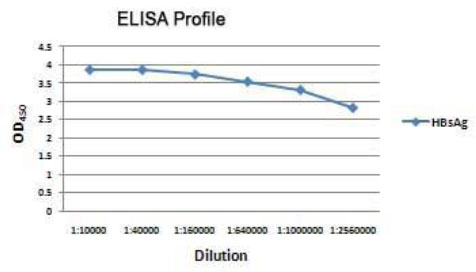
ELISA is a test that helps detect a specific substance/analyte in a sample. It uses antibodies (often monoclonal) bound to a solid surface (such as the well of a microplate) to “capture” the substance/analyte in the sample and immobilize it so that the detection antibody component can then bind to it and produce a signal, which can then be measured.
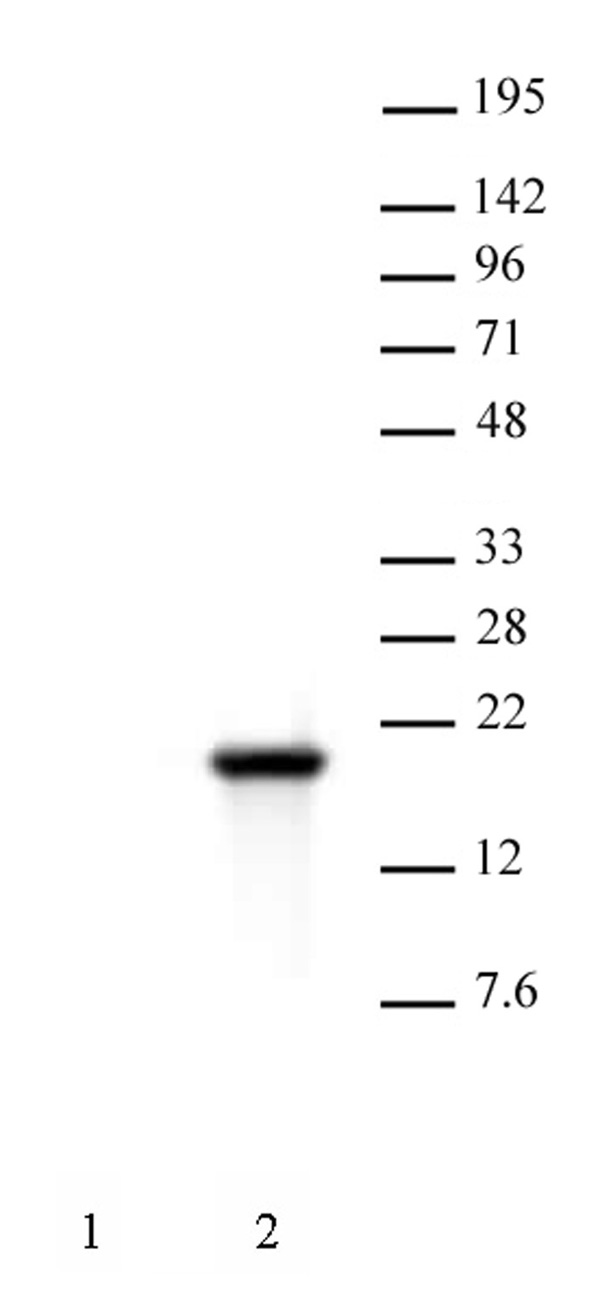
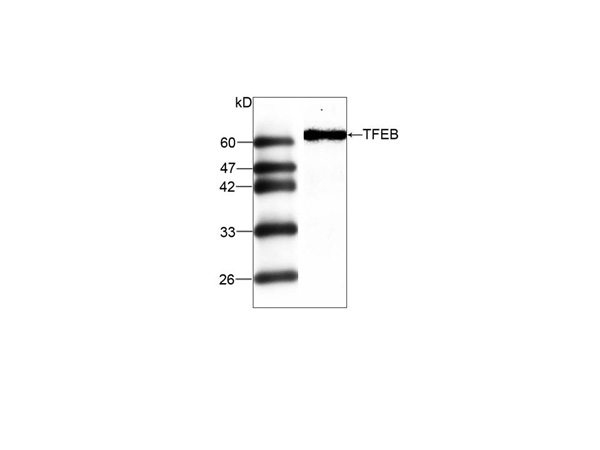
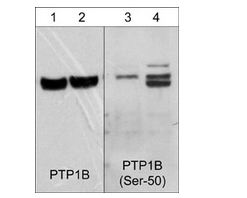
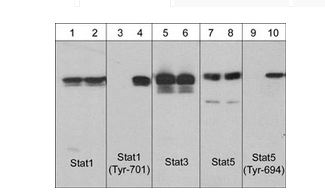
Western blotting identifies specific proteins in a sample. The sample is first separated on a gel, and then antibodies are applied that will typically bind to the target, which will all be localized to a single band in a lane.
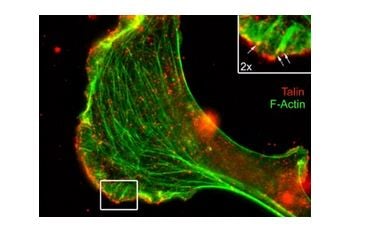
Immunohistochemistry helps locate specific proteins in cells or tissue samples using antibodies.
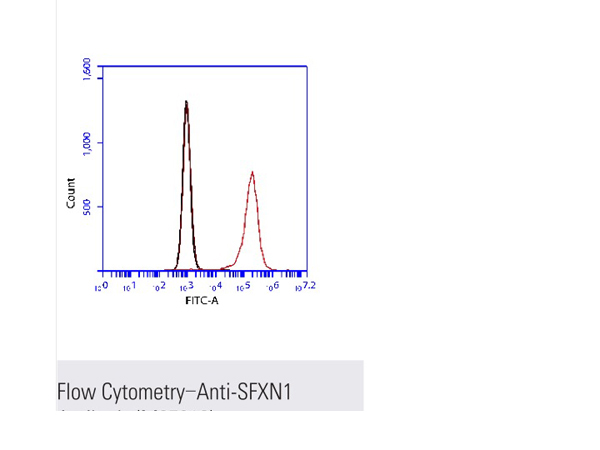
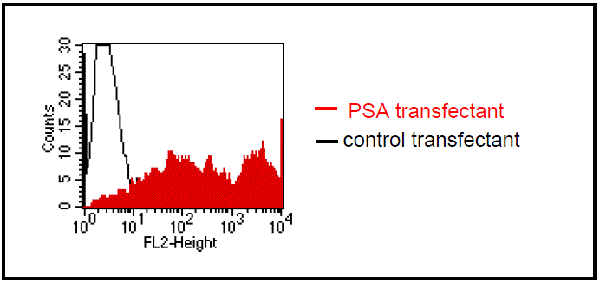
Flow cytometry looks at and sorts cells. It uses antibodies that are conjugated to reporter molecules called “fluorophores”, which, under special lights, emit light themselves, which can then be measured by a detector instrument.
How Monoclonal Antibodies Are Used as Medicine?
Please note that all of the products listed in AAA Biotech’s catalog are strictly for research-use only (RUO).
Monoclonal antibodies can also be used as therapeutic/medical treatments, particularly in the context of cancers. They are designed to find and bind to specific cells or proteins, helping the immune system recognize and attack the cancer. These treatments work in different ways, such as:
Radioimmunotherapy attaches a small amount of radioactive molecule to the antibody, so it delivers the radiation directly to the cancer cells that the antibody is specifically binding to.
Antibody-directed enzyme prodrug therapy uses antibodies that are specifically bound to special enzymes. These enzymes activate a harmless drug in the body and turn it into a cancer-killing drug only near the cancer cells—this helps avoid harming healthy cells.
Immunoliposomes are tiny “bubbles” filled with medicine/drug and coated with antibodies. They carry the drug straight to the cancer cells.
Why Buy Monoclonal Antibodies From Us?
At AAA Biotech, we provide high-performance monoclonal antibodies designed to support a wide range of research needs.
1. Validated for Versatile Applications
The antibodies in our catalog are extensively validated and compatible with multiple techniques, including (but not limited to) ELISA, flow cytometry (FC), immunocytochemistry (ICC), immunofluorescence (IF), immunohistochemistry (IHC), immunoprecipitation (IP), and western blotting (WB).
2. Wide Selection & Specialized Options
We offer antibodies for common and rare species, that are available in various conjugated forms, and also in recombinant formats. Essentially, there is almost anything one might need to meet their experimental model’s requirements.
3. High-Quality Proteins
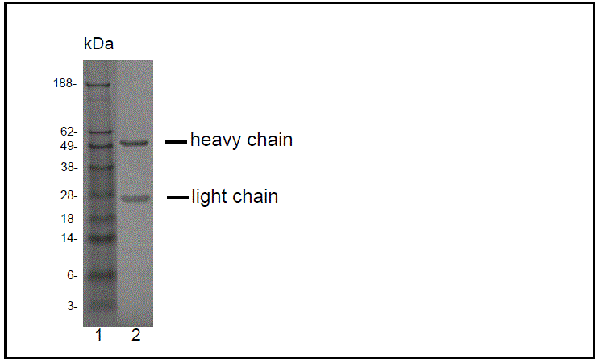
Our proteins meet high purity standards—90% or more as confirmed by SDS-PAGE. Many are available with tags like His, Flag, GST, or MBP, and we also supply native and biologically active proteins for functional studies.
Frequently Asked Questions
1. Are your monoclonal antibodies validated for specific applications?
Yes, our antibodies are tested and validated for use in methods such as ELISA, western blot, IHC, flow cytometry, and more. Refer to specific product pages or datasheets for individual product information.
2. How do I choose the right monoclonal antibody for my application?
Review the product details directly for application validation, species reactivity, and target information. You may also contact our support team at any time for help.
3. How quickly can I receive my order?
Most orders are processed and shipped within 1–3 business days, depending on product availability and your shipping location.
Submit a Question
Please complete the form below and a representative will contact you as soon as possible.
Request more Information
Please complete the form below and a representative will contact you as soon as possible.
Request a Manual
Please complete the form below and a representative will contact you as soon as possible.
Request a Quote
Please complete the form below and a representative will contact you as soon as possible.