Get accurate results in your research with our Monoclonal Antibodies, which are specially made to target exactly what you require for your research, and will produce consistent, reliable performance in lab tests.
ICC (Immunocytochemistry) (ICC staining phospho-Estrogen Receptor alpha (S118) in HUVEC cells (green). The nuclear counter stain is DAPI (blue). Cells were fixed in paraformaldehyde, permeabilised with 0.25% Triton X100/PBS.)
ICC (Immunocytochemistry) (ICC staining phospho-Estrogen Receptor alpha (S118) in MCF-7 cells (green). The nuclear counter stain is DAPI (blue). Cells were fixed in paraformaldehyde, permeabilised with 0.25% Triton X100/PBS.)
ICC (Immunocytochemistry) (ICC staining phospho-Estrogen Receptor alpha (S118) in Hela cells (green). The nuclear counter stain is DAPI (blue). Cells were fixed in paraformaldehyde, permeabilised with 0.25% Triton X100/PBS.)
IHC (Immunohistochemistry) (Immunohistochemical analysis of paraffin-embedded mouse placenta tissue using anti- phospho-Estrogen Receptor alpha (S118) antibody. Counter stained with hematoxylin.)
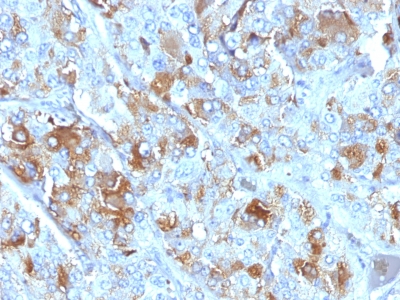
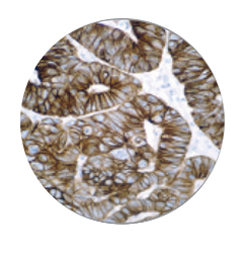
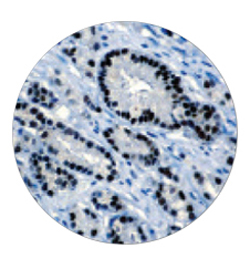
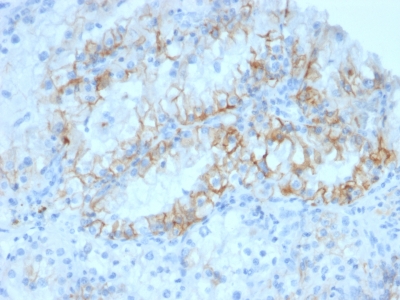
IHC (Immunohistochemistry) (Immunohistochemical analysis of paraffin-embedded human breast carcinoma tissue using anti- phospho-Estrogen Receptor alpha (S118) antibody. Counter stained with hematoxylin.)
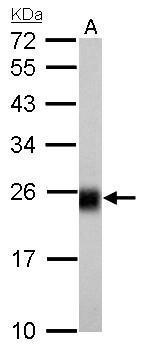
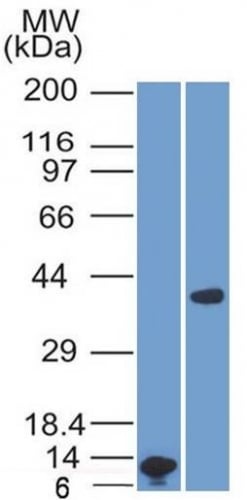
WB (Western Blot) (Western blot analysis of Estrogen Receptor alpha (phospho S118) on MCF-7 cell lysates using anti- phospho-Estrogen Receptor alpha (S118) antibody at 1/1, 000 dilution.)
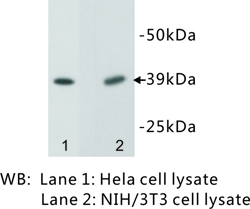
WB (Western Blot) (ACP1 monoclonal antibody Western Blot analysis of ACP1 expression in NIH/3T3.)
WB (Western Blot) (ACP1 monoclonal antibody Western Blot analysis of ACP1 expression in PC-12.)
Application Data (Detection limit for recombinant GST tagged ACP1 is ~3ng/ml as a capture antibody.)
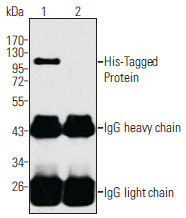
WB (Western Blot) (Western Blot analysis of ACP1 expression in transfected 293T cell line by ACP1 monoclonal antibody. Lane 1: ACP1 transfected lysate (18kD). Lane 2: Non-transfected lysate.)
WB (Western Blot) (ACP1 monoclonal antibody Western Blot analysis of ACP1 expression in Raw 264.7.)
WB (Western Blot) (ACP1 monoclonal antibody Western Blot analysis of ACP1 expression in HeLa.)
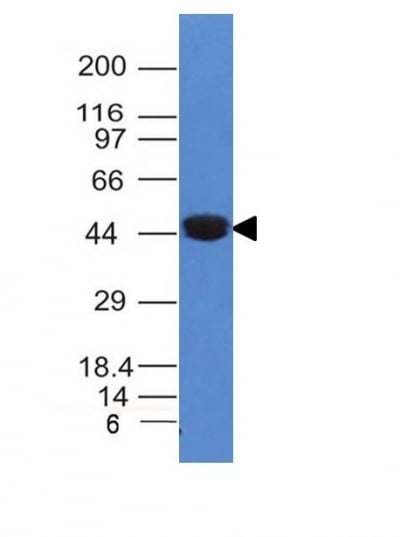
WB (Western Blot) (Western Blot detection against Immunogen (43.12kD).)
WB (Western Blot) (RNF12 monoclonal antibody, Western Blot analysis of RNF12 expression in HeLa NE.)
Application Data (Detection limit for recombinant GST tagged RNF12 is ~0.03ng/ml as a capture antibody.)
IP (Immunoprecipitation) (Immunoprecipitation of RNF12 transfected lysate using RNF12 monoclonal antibody and Protein A Magnetic Bead and immunoblotted with RNF12 rabbit polyclonal antibody.)
IF (Immunofluorescence) (Immunofluorescence of monoclonal antibody to RNF12 on HeLa cell. [antibody concentration 30ug/ml].)
WB (Western Blot) (Western Blot analysis of RNF12 expression in transfected 293T cell line by RNF12 monoclonal antibody. Lane 1: RNF12 transfected lysate (68.5kD). Lane 2: Non-transfected lysate.)
WB (Western Blot) (Western Blot detection against Immunogen (35.24kD).)
WB (Western Blot) (Western blot analysis of GSR over-expressed 293 cell line, cotransfected with GSR Validated Chimera RNAi (Lane 2) or non-transfected control (Lane 1). Blot probed with GSR monoclonal antibody. GAPDH (36.1kD) used as specificity and loading control.)
Application Data (Detection limit for recombinant GST tagged GSR is ~0.03ng/ml as a capture antibody.)
IHC (Immunohistochemistry) (Immunoperoxidase of monoclonal antibody to GSR on formalin-fixed paraffin-embedded human salivary gland. [antibody concentration 6ug/ml].)
WB (Western Blot) (Western Blot analysis of GSR expression in transfected 293T cell line by GSR monoclonal antibody. Lane 1: GSR transfected lysate (56.3kD). Lane 2: Non-transfected lysate.)
WB (Western Blot) (GSR monoclonal antibody Western Blot analysis of GSR expression in IMR-32.)
WB (Western Blot) (Western Blot detection against Immunogen (37.84kD).)
IF (Immunofluorescence) (Immunofluorescence of monoclonal antibody to TIMP2 on HeLa cell. [antibody concentration 10 ug/ml])
Application Data (Detection limit for recombinant GST tagged TIMP2 is approximately 0.3ng/ml as a capture antibody.)
IHC (Immunohistochemistry) (Immunoperoxidase of monoclonal antibody to TIMP2 on formalin-fixed paraffin-embedded human spleen. [antibody concentration 3 ug/ml])
WB (Western Blot) (TIMP2 monoclonal antibody (M04), clone 5B11 Western Blot analysis of TIMP2 expression in HeLa (Cat # L013V1).)
IHC (Immunohistchemistry) (Immunoperoxidase of monoclonal antibody to UBTF on formalin-fixed paraffin-embedded human placenta. [antibody concentration 0.5 ug/ml])
IHC (Immunohistochemistry) (Immunoperoxidase of monoclonal antibody to UBTF on formalin-fixed paraffin-embedded human placenta. [antibody concentration 0.5 ug/ml])
Application Data (Detection limit for recombinant GST tagged UBTF is approximately 1ng/ml as a capture antibody.)
WB (Western Blot) (UBTF monoclonal antibody (M03), clone 1A2 Western Blot analysis of UBTF expression in HepG2.)
IF (Immunofluorescence) (Immunofluorescence of monoclonal antibody to UBTF on HepG2 cell. [antibody concentration 10 ug/ml])
Application Data (Detection limit for recombinant GST tagged CLIC1 is 1 ng/ml as a capture antibody.)
IF (Immunofluorescence) (Immunofluorescence of monoclonal antibody to CLIC1 on HeLa cell. [antibody concentration 10 ug/ml])
WB (Western Blot) (CLIC1 monoclonal antibody (M01), clone 2D4 Western Blot analysis of CLIC1 expression in HL-60 (Cat # L014V1).)
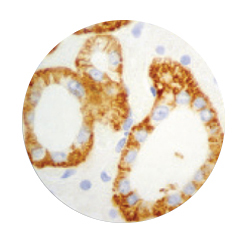
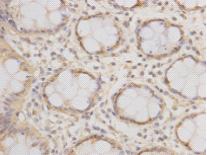
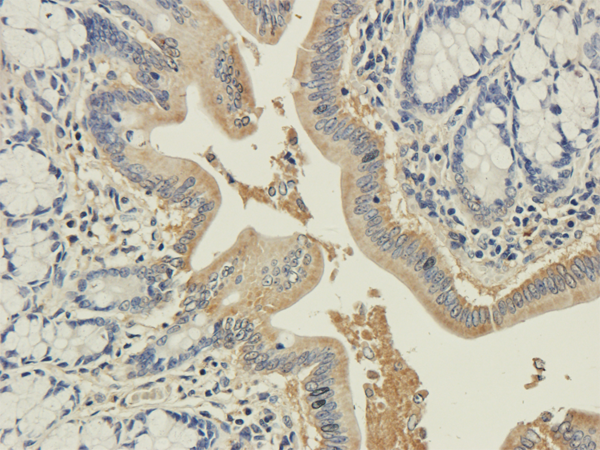
IHC (Immunohistochemistry) (Immunoperoxidase of monoclonal antibody to CLIC1 on formalin-fixed paraffin-embedded human colon tissue. [antibody concentration 3 ug/ml])
Application Data (Immunoperoxidase of monoclonal antibody to CLIC1 on formalin-fixed paraffin-embedded human colon tissue. [antibody concentration 3 ug/ml])
WB (Western Blot) (ASB9 monoclonal antibody, Western Blot analysis of ASB9 expression in HepG2.)
Application Data (Detection limit for recombinant GST tagged ASB9 is ~0.1ng/ml as a capture antibody.)
IP (Immunoprecipitation) (Immunoprecipitation of ASB9 transfected lysate using ASB9 monoclonal antibody and Protein A Magnetic Bead and immunoblotted with ASB9 rabbit polyclonal antibody.)
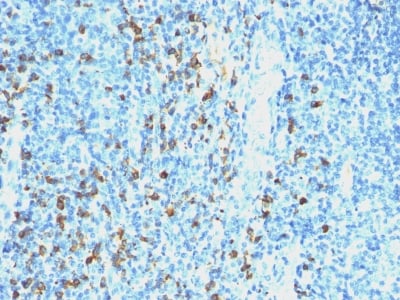
IHC (Immunohistochemistry) (Immunoperoxidase of monoclonal antibody to ASB9 on formalin-fixed paraffin-embedded human lymphoma tissue. [antibody concentration 3ug/ml])
WB (Western Blot) (Western Blot analysis of ASB9 expression in transfected 293T cell line by ASB9 monoclonal antibody. Lane 1: ASB9 transfected lysate (31.9kD). Lane 2: Non-transfected lysate.)
WB (Western Blot) (Western Blot detection against Immunogen (53.83kD).)
WB (Western Blot) (ZNF622 monoclonal antibody. Western Blot analysis of ZNF622 expression in Raw 264.7.)
WB (Western Blot) (ZNF622 monoclonal antibody. Western Blot analysis of ZNF622 expression in Hela NE.)
Application Data (Detection limit for recombinant GST tagged ZNF622 is ~0.03ng/ml as a capture antibody.)
IF (Immunofluorescence) (Immunofluorescence of monoclonal antibody to ZNF622 on HeLa cell. [antibody concentration 10ug/ml].)
WB (Western Blot) (Western Blot analysis of ZNF622 expression in transfected 293T cell line by ZNF622 monoclonal antibody. Lane 1: ZNF622 transfected lysate (54.3kD). Lane 2: Non-transfected lysate.)
WB (Western Blot) (ZNF622 monoclonal antibody. Western Blot analysis of ZNF622 expression in PC-12.)
WB (Western Blot) (Western Blot detection against Immunogen (37.11kD).)
Application Data (Proximity Ligation Analysis of protein-protein interactions between CRKL and PIK3R1. Mahlavu cells were stained with anti-CRKL rabbit purified polyclonal 1:1200 and anti-PIK3R1 mouse monoclonal antibody 1:50. Each red dot represents the detection of protein-protein interaction complex, and nuclei were counterstained with DAPI (blue).)
Application Data (Proximity Ligation Analysis of protein-protein interactions between FLT1 and PIK3R1 Huh7 cells were stained with anti-FLT1 rabbit purified polyclonal 1:1200 and anti-PIK3R1 mouse monoclonal antibody 1:50. Each red dot represents the detection of protein-protein interaction complex, and nuclei were counterstained with DAPI (blue).)
Application Data (Proximity Ligation Analysis of protein-protein interactions between EGFR and PIK3R1. HeLa cells were stained with EGFR rabbit purified polyclonal 1:1200 and PIK3R1 mouse monoclonal antibody 1:50. Each red dot represents the detection of protein-protein interaction complex, and nuclei were counterstained with DAPI (blue))
Application Data (Detection limit for recombinant GST tagged PIK3R1 is ~0.1ng/ml as a capture antibody.)
WB (Western Blot) (PIK3R1 monoclonal antibody Western Blot analysis of PIK3R1 expression in PC-12.)
WB (Western Blot) (PIK3R1 monoclonal antibody Western Blot analysis of PIK3R1 expression in HeLa.)
WB (Western Blot) (Western Blot detection against Immunogen (75.68kD).)
WB (Western Blot) (FLJ23356 monoclonal antibody. Western Blot analysis of FLJ23356 expression in HeLa.)
WB (Western Blot) (FLJ23356 monoclonal antibody. Western Blot analysis of FLJ23356 expression in HepG2.)
Application Data (Detection limit for recombinant GST tagged FLJ23356 is ~0.1ng/ml as a capture antibody.)
IF (Immunofluorescence) (Immunofluorescence of monoclonal antibody to FLJ23356 on HeLa cell. [antibody concentration 10ug/ml].)
WB (Western Blot) (Western Blot analysis of FLJ23356 expression in transfected 293T cell line by FLJ23356 monoclonal antibody. Lane 1: FLJ23356 transfected lysate (38.5kD). Lane 2: Non-transfected lysate.)
WB (Western Blot) (Western blot analysis of FLJ23356 over-expressed 293 cell line, cotransfected with FLJ23356 Validated Chimera RNAi (Lane 2) or non-transfected control (Lane 1). Blot probed with FLJ23356 monoclonal antibody. GAPDH (36.1kD) used as specificity and loading control.)
WB (Western Blot) (Western Blot detection against Immunogen (37.11kD).)
Application Data (Detection limit for recombinant GST tagged IFI16 is ~0.3ng/ml as a capture antibody.)
IF (Immunofluorescence) (Immunofluorescence of monoclonal antibody to IFI16 on HeLa cell. [antibody concentration 10ug/ml])
IHC (Immunohistochemistry) (Immunoperoxidase of monoclonal antibody to IFI16 on formalin-fixed paraffin-embedded human tonsil. [antibody concentration 3ug/ml])
WB (Western Blot) (Western Blot analysis of IFI16 expression in transfected 293T cell line by IFI16 monoclonal antibody. Lane 1: IFI16 transfected lysate (82kD). Lane 2: Non-transfected lysate.)
WB (Western Blot) (IFI16 monoclonal antibody Western Blot analysis of IFI16 expression in Hela NE.)
WB (Western Blot) (Western Blot detection against Immunogen (36.74kD).)
WB (Western Blot) (HSPA1L monoclonal antibody Western Blot analysis of HSPA1L expression in PC-12.)
Application Data (Proximity Ligation Analysis (PLA) of protein-protein interactions between MAP3K7 and HSPA1L HeLa cells were stained with MAP3K7 rabbit purified polyclonal 1:1200 and HSPA1L mouse monoclonal antibody 1:50. Signals were detected 30 Detection Kit 613 (red), and nuclei were counterstained with DAPI (blue). Each red dot represents the detection of protein-protein interaction complex.)
Application Data (Detection limit for recombinant GST tagged HSPA1L is ~0.1ng/ml as a capture antibody.)
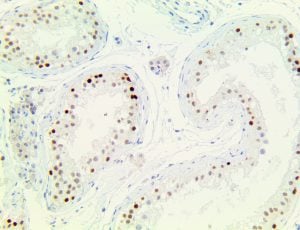
IHC (Immunohistochemistry) (Immunoperoxidase of monoclonal antibody to HSPA1L on formalin-fixed paraffin-embedded human testis. [antibody concentration 3ug/ml])
WB (Western Blot) (HSPA1L monoclonal antibody Western Blot analysis of HSPA1L expression in HeLa.)
WB (Western Blot) (Western Blot detection against Immunogen (34.65kD).)
Application Data (Detection limit for recombinant GST tagged CSE1L is approximately 0.1ng/ml as a capture antibody.)
WB (Western Blot) (CSE1L monoclonal antibody (M04), clone 2F4 Western Blot analysis of CSE1L expression in Hela S3 NE.)
IF (Immunofluorescence) (Immunofluorescence of monoclonal antibody to CSE1L on HeLa cell. [antibody concentration 10 ug/ml])
IHC (Immunohistochemistry) (Immunoperoxidase of monoclonal antibody to CSE1L on formalin-fixed paraffin-embedded human testis. [antibody concentration 6 ug/ml])
Application Data (Immunoperoxidase of monoclonal antibody to CSE1L on formalin-fixed paraffin-embedded human testis. [antibody concentration 6 ug/ml])
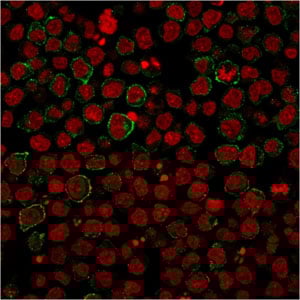
ICC (Immunocytochemistry) (ICC staining CPT2 in SW480 cells (green). The nuclear counter stain is DAPI (blue). Cells were fixed in paraformaldehyde, permeabilised with 0.25% Triton X100/PBS.)
ICC (Immunocytochemistry) (ICC staining CPT2 in HepG2 cells (green). The nuclear counter stain is DAPI (blue). Cells were fixed in paraformaldehyde, permeabilised with 0.25% Triton X100/PBS.)
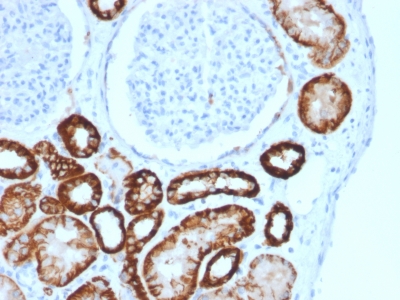
IHC (Immunohistochemistry) (Immunohistochemical analysis of paraffin-embedded mouse kidney tissue using anti-CPT2 antibody. Counter stained with hematoxylin.)
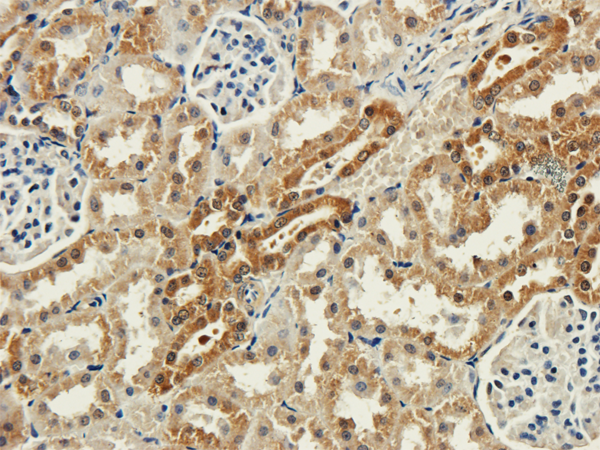
IHC (Immunohistochemistry) (Immunohistochemical analysis of paraffin-embedded human kidney tissue using anti-CPT2 antibody. Counter stained with hematoxylin.)
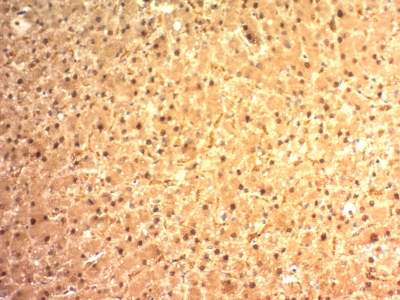
IHC (Immunohistochemistry) (Immunohistochemical analysis of paraffin-embedded human liver cancer tissue using anti-CPT2 antibody. Counter stained with hematoxylin.)
WB (Western Blot) (Western blot analysis of CPT2 on different lysates using anti-CPT2 antibody at 1/1, 000 dilution. Positive control: Lane 1: Hela Lane 2: 293 Lane 3: HepG2 Lane 4: NIH/3T3)
ICC (Immunocytochemistry) (ICC staining FANCD2 in MCF-7 cells (green). The nuclear counter stain is DAPI (blue). Cells were fixed in paraformaldehyde, permeabilised with 0.25% Triton X100/PBS.)
ICC (Immunocytochemistry) (ICC staining FANCD2 in Hela cells (green). The nuclear counter stain is DAPI (blue). Cells were fixed in paraformaldehyde, permeabilised with 0.25% Triton X100/PBS.)
ICC (Immunocytochemistry) (ICC staining FANCD2 in SW480 cells (green). The nuclear counter stain is DAPI (blue). Cells were fixed in paraformaldehyde, permeabilised with 0.25% Triton X100/PBS.)
IHC (Immunohistochemistry) (Immunohistochemical analysis of paraffin-embedded mouse stomach tissue using anti-FANCD2 antibody. Counter stained with hematoxylin.)
IHC (Immunohistochemistry) (Immunohistochemical analysis of paraffin-embedded rat testis tissue using anti-FANCD2 antibody. Counter stained with hematoxylin.)
IHC (Immunohistochemistry) (Immunohistochemical analysis of paraffin-embedded rat stomach tissue using anti-FANCD2 antibody. Counter stained with hematoxylin.)
IHC (Immunohistochemistry) (Immunohistochemical analysis of paraffin-embedded mouse testis tissue using anti-FANCD2 antibody. Counter stained with hematoxylin.)
ICC (Immunocytochemistry) (ICC staining ATF5 in PC-12 cells (green). The nuclear counter stain is DAPI (blue). Cells were fixed in paraformaldehyde, permeabilised with 0.25% Triton X100/PBS.)
ICC (Immunocytochemistry) (ICC staining ATF5 in Hela cells (green). The nuclear counter stain is DAPI (blue). Cells were fixed in paraformaldehyde, permeabilised with 0.25% Triton X100/PBS.)
IHC (Immunohistochemistry) (Immunohistochemical analysis of paraffin-embedded mouse heart tissue using anti-ATF5 antibody. Counter stained with hematoxylin.)
IHC (Immunohistochemistry) (Immunohistochemical analysis of paraffin-embedded mouse stomach tissue using anti-ATF5 antibody. Counter stained with hematoxylin.)
IHC (Immunohistochemistry) (Immunohistochemical analysis of paraffin-embedded human liver cancer tissue using anti-ATF5 antibody. Counter stained with hematoxylin.)
IHC (Immunohistochemistry) (Immunohistochemical analysis of paraffin-embedded human tonsil tissue using anti-ATF5 antibody. Counter stained with hematoxylin.)
WB (Western Blot) (Western blot analysis of ATF5 on different lysates using anti-ATF5 antibody at 1/1, 000 dilution. Positive control: Lane 1: Jurkat Lane 2: PC-12)
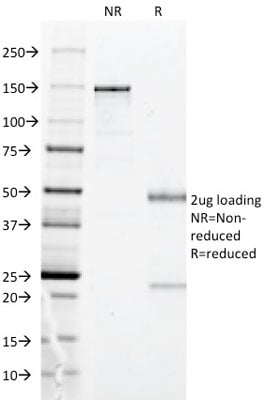
SDS-PAGE (HCT116whole cell lysates were separated by 10% SDS-PAGE, and the membrane was blotted with anti-CK20(ABT006) antibody. The HRP-conjugated Goat anti-M)
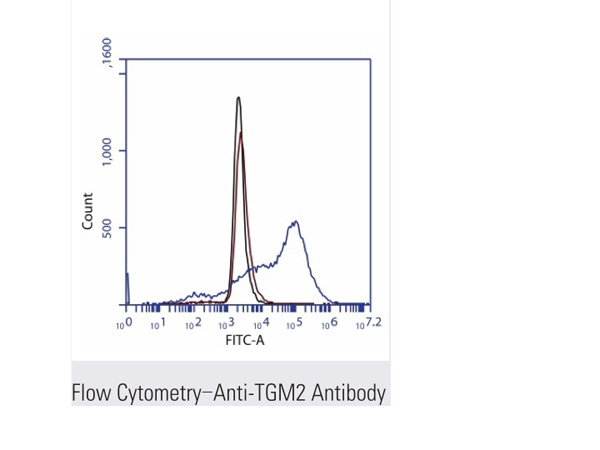
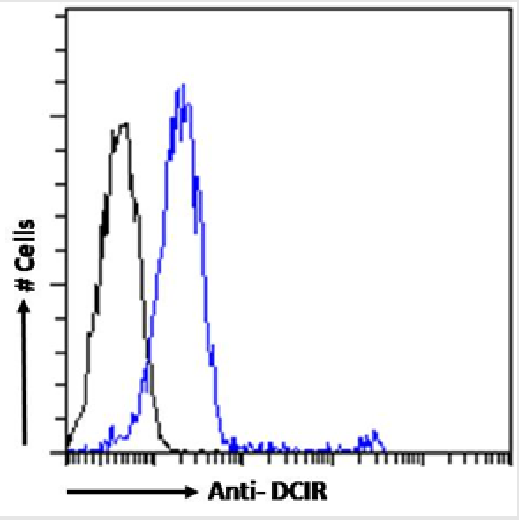
FCM (Flow Cytometry) (Flow cytometric analysis of Hela cells with FUS/TLS antibody at 1/50 dilution (red) compared with an unlabelled control (cells without incubation with primary antibody; black). Alexa Fluor 488-conjugated goat anti rabbit IgG was used as the secondary antibody.)
ICC (Immunocytochemistry) (ICC staining FUS/TLS in SW480 cells (green). The nuclear counter stain is DAPI (blue). Cells were fixed in paraformaldehyde, permeabilised with 0.25% Triton X100/PBS.)
ICC (Immunocytochemistry) (ICC staining FUS/TLS in MCF-7 cells (green). The nuclear counter stain is DAPI (blue). Cells were fixed in paraformaldehyde, permeabilised with 0.25% Triton X100/PBS.)
ICC (Immunocytochemistry) (ICC staining FUS/TLS in Hela cells (green). The nuclear counter stain is DAPI (blue). Cells were fixed in paraformaldehyde, permeabilised with 0.25% Triton X100/PBS.)
IHC (Immunohistochemistry) (Immunohistochemical analysis of paraffin-embedded human kidney tissue using anti-FUS/TLS antibody. Counter stained with hematoxylin.)
WB (Western Blot) (Western blot analysis of FUS/TLS on K562 cells lysates using anti-FUS/TLS antibody at 1/1, 000 dilution.)
IHC (Immunohistchemistry-Paraffin) (Immunohistochemical analysis of paraffin-embedded R. kidney section using VEGFR3(Cat#NA). NA was diluted at 1:25 dilution. A peroxidase-conjugated goat anti-mouse IgG at 1:400 dilution was used as the secondary antibody, followed by DAB staining.)
IHC (Immunohistochemistry-Paraffin) (Immunohistochemical analysis of paraffin-embedded H. kidney section using VEGFR3(Cat#). was diluted at 1:25 dilution. A peroxidase-conjugated goat anti-mouse IgG at 1:400 dilution was used as the secondary antibody, followed by DAB staining.)
IHC (Immunohistochemistry-Paraffin) (Immunohistochemical analysis of paraffin-embedded H. testis section using VEGFR3(Cat#). was diluted at 1:25 dilution. A peroxidase-conjugated goat anti-mouse IgG at 1:400 dilution was used as the secondary antibody, followed by DAB staining.)
FCM (Flow Cytometry) (Flow cytometric analysis of HUVEC cells using VEGFR3(green) compared to an isotype control of mouse IgG2a(blue). It was used as the secondary antibody.)
WB (Western Blot) (All lanes : Anti-VEGFR3 at 1:2000 dilutionLane 1: A549 whole cell lysateLane 2: 293 whole cell lysateLysates/proteins at 20 ug per lane. SecondaryGoat Anti-mouse IgG, (H+L), Peroxidase conjugated at 1/10000 dilution. Predicted band size : 153 kDaBlocking/Dilution buffer: 5% NFDM/TBST.)
WB (Western Blot) (Western blot analysis of lysates from A549,T47D cell line (from left to right), using VEGFR3 Antibody. It was diluted at 1:1000 at each lane. A goat anti-mouse IgG H&L(HRP) at 1:10000 dilution was used as the secondary antibody.)
FCM (Flow Cytometry) (Flow cytometric analysis of Hela cells with ATP5A1 antibody at 1/50 dilution (red) compared with an unlabelled control (cells without incubation with primary antibody; black). Alexa Fluor 488-conjugated goat anti rabbit IgG was used as the secondary antibody.)
ICC (Immunocytochemistry) (ICC staining ATP5A1 in Hela cells (red). The nuclear counter stain is DAPI (blue). Cells were fixed in paraformaldehyde, permeabilised with 0.25% Triton X100/PBS.)
ICC (Immunocytochemistry) (ICC staining ATP5A1 in HepG2 cells (red). The nuclear counter stain is DAPI (blue). Cells were fixed in paraformaldehyde, permeabilised with 0.25% Triton X100/PBS.)
ICC (Immunocytochemistry) (ICC staining ATP5A1 in MCF-7 cells (red). The nuclear counter stain is DAPI (blue). Cells were fixed in paraformaldehyde, permeabilised with 0.25% Triton X100/PBS.)
IHC (Immunohistochemistry) (Immunohistochemical analysis of paraffin-embedded mouse heart muscle tissue using anti-ATP5A1 antibody. Counter stained with hematoxylin.)
IHC (Immunohistochemistry) (Immunohistochemical analysis of paraffin-embedded mouse liver tissue using anti-ATP5A1 antibody. Counter stained with hematoxylin.)
IHC (Immunohistochemistry) (Immunohistochemical analysis of paraffin-embedded human liver tissue using anti-ATP5A1 antibody. Counter stained with hematoxylin.)
WB (Western Blot) (Western blot analysis of ATP5A1 on different cells lysates using anti-ATP5A1 antibody at 1/500 dilution. Positive control�� Line 1: Hela Line 2: MCF-7)
ICC (Immunocytochemistry) (ICC staining ADAR in Hela cells (green). The nuclear counter stain is DAPI (blue). Cells were fixed in paraformaldehyde, permeabilised with 0.25% Triton X100/PBS.)
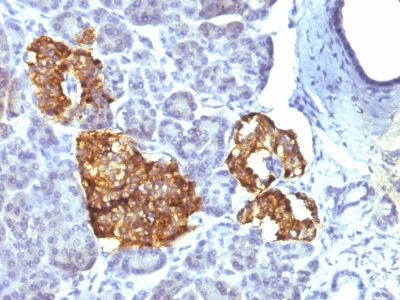
IHC (Immunohistochemistry) (Immunohistochemical analysis of paraffin-embedded human pancreas tissue using anti-ADAR antibody. Counter stained with hematoxylin.)
IHC (Immunohistochemistry) (Immunohistochemical analysis of paraffin-embedded human lung cancer tissue using anti-ADAR antibody. Counter stained with hematoxylin.)
IHC (Immunohistochemistry) (Immunohistochemical analysis of paraffin-embedded human kidney tissue using anti-ADAR antibody. Counter stained with hematoxylin.)
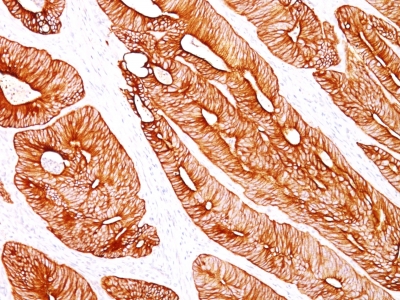
IHC (Immunohistochemistry) (Immunohistochemical analysis of paraffin-embedded human colon cancer tissue using anti-ADAR antibody. Counter stained with hematoxylin.)
WB (Western Blot) (Western blot analysis of ADAR on SiHa cell using anti-ADAR antibody at 1/500 dilution.)
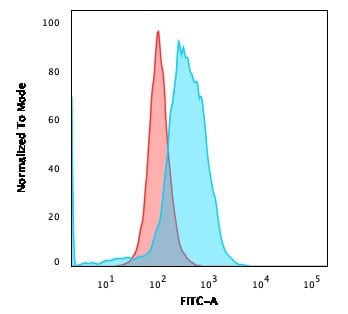
FCM (Flow Cytometry) (Flow cytometric analysis of A549 cells with MMP14 antibody at 1/50 dilution (blue) compared with an unlabelled control (cells without incubation with primary antibody; red). Alexa Fluor 488-conjugated goat anti rabbit IgG was used as the secondary antibody.)
ICC (Immunocytochemistry) (ICC staining MMP14 in BT-20 cells (green). The nuclear counter stain is DAPI (blue). Cells were fixed in paraformaldehyde, permeabilised with 0.25% Triton X100/PBS.)
ICC (Immunocytochemistry) (ICC staining MMP14 in CRC cells (green). The nuclear counter stain is DAPI (blue). Cells were fixed in paraformaldehyde, permeabilised with 0.25% Triton X100/PBS.)
IHC (Immunohistochemistry) (Immunohistochemical analysis of paraffin-embedded human uterus tissue using anti-MMP14 antibody. Counter stained with hematoxylin.)
IHC (Immunohistochemistry) (Immunohistochemical analysis of paraffin-embedded human kidney tissue using anti-MMP14 antibody. Counter stained with hematoxylin.)
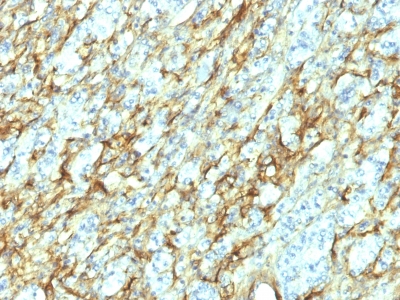
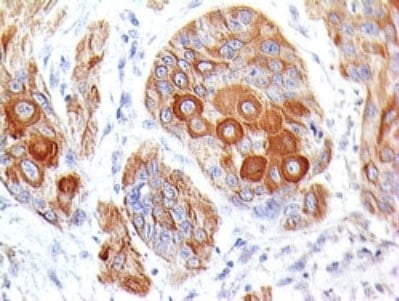
IHC (Immunohistochemistry) (Immunohistochemical analysis of paraffin-embedded human breast carcinoma tissue using anti-MMP14 antibody. Counter stained with hematoxylin.)
WB (Western Blot) (Western blot analysis of MMP14 on human kidney tissue lysates using anti-MMP14 antibody at 1/1, 000 dilution.)
ELISA (Titration curve analysis of VISTA antibody to detect recombinant VISTA in ELISA at decreasing concentrations.)
FCM (Flow Cytometry) (Flow cytometry analysis of VISTA overexpressing HEK293 cells using VISTA antibody and control mouse IgG antibody at 10 μg/ml. Blue: Untransfected HEK293 cells. Yellow: VISTA overexpressing HEK293 cells.)
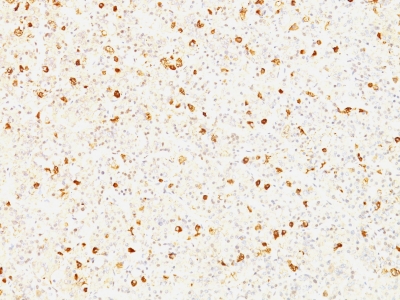
IHC (Immunohistchemistry) (Immunohistochemistry of VISTA in human lymphoma tissue with VISTA antibody at 2 μg/mL.)
IF (Immunofluorescence) (Immunofluorescence of VISTA in human spleen tissue with VISTA antibody at 10 μg/mL.Red: VISTA Antibody [4C4]Blue: DAPI staining)
IF (Immunofluorescence) (Immunofluorescence of VISTA in human lymphoma tissue with VISTA antibody at 5 μg/mL.Red: VISTA Antibody [4C4]Blue: DAPI staining)
IF (Immunofluorescence) (Immunofluorescence of VISTA in transfected HEK293 cells with VISTA antibody at 2 μg/mL.Green: VISTA Antibody [4C4]Blue: DAPI staining)
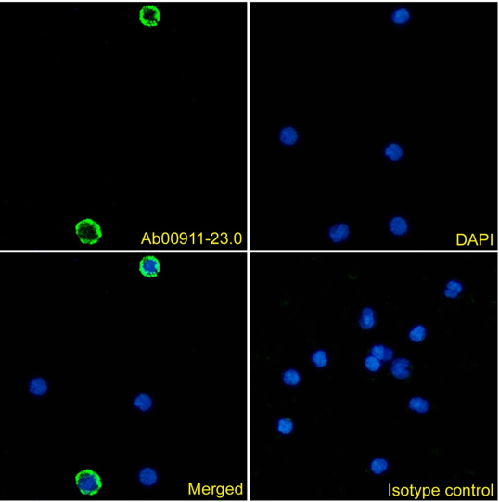
ICC (Immunocytochemistry) (Immunocytochemistry of VISTA in transfected HEK293 cells with VISTA antibody at 1 μg/mL. Lower left: Immunocytochemistry in transfected HEK293 cells with control mouse IgG antibody at 1 μg/mL.)
WB (Western Blot) (Western blot analysis of VISTA in overexpressing HEK293 cells with VISTA antibody at (A) 0.25 (B) 0.5 and (C) 1 μg/ml)
WB (Western Blot) (CAMKK1 monoclonal antibody, Western Blot analysis of CAMKK1 expression in Jurkat.)
Application Data (Detection limit for recombinant GST tagged CAMKK1 is ~1ng/ml as a capture antibody.)
IHC (Immunohistochemistry) (Immunoperoxidase of monoclonal antibody to CAMKK1 on formalin-fixed paraffin-embedded human stomach. [antibody concentration 1ug/ml].)
WB (Western Blot) (Western Blot analysis of CAMKK1 expression in transfected 293T cell line by CAMKK1 monoclonal antibody. Lane 1: CAMKK1 transfected lysate (57.31kD). Lane 2: Non-transfected lysate.)
WB (Western Blot) (Western blot analysis of CAMKK1 over-expressed 293 cell line, cotransfected with CAMKK1 Validated Chimera RNAi (Lane 2) or non-transfected control (Lane 1). Blot probed with CAMKK1 monoclonal antibody. GAPDH (36.1kD) used as specificity and loading control.)
WB (Western Blot) (Western Blot detection against Immunogen (83.31kD).)
Application Data (Detection limit for recombinant GST tagged YY1 is approximately 0.03ng/ml as a capture antibody.)
WB (Western Blot) (YY1 monoclonal antibody (M02), clone 4A5 Western Blot analysis of YY1 expression in Hela S3 NE.)
IF (Immunofluorescence) (Immunofluorescence of monoclonal antibody to YY1 on HeLa cell. [antibody concentration 10 ug/ml])
IHC (Immunohistochemistry) (Immunoperoxidase of monoclonal antibody to YY1 on formalin-fixed paraffin-embedded human small Intestine. [antibody concentration 3 ug/ml])
Application Data (Immunoperoxidase of monoclonal antibody to YY1 on formalin-fixed paraffin-embedded human small Intestine. [antibody concentration 3 ug/ml])
ICC (Immunocytochemistry) (ICC staining Calbindin in 293T cells (red). The nuclear counter stain is DAPI (blue). Cells were fixed in paraformaldehyde, permeabilised with 0.25% Triton X100/PBS.)
ICC (Immunocytochemistry) (ICC staining Calbindin in PC-12 cells (red). The nuclear counter stain is DAPI (blue). Cells were fixed in paraformaldehyde, permeabilised with 0.25% Triton X100/PBS.)
IHC (Immunohistochemistry) (Immunohistochemical analysis of paraffin-embedded mouse kidney tissue using anti-Calbindin antibody. Counter stained with hematoxylin.)
IHC (Immunohistochemistry) (Immunohistochemical analysis of paraffin-embedded mouse brain tissue using anti-Calbindin antibody. Counter stained with hematoxylin.)
IHC (Immunohistochemistry) (Immunohistochemical analysis of paraffin-embedded human kidney tissue using anti-Calbindin antibody. Counter stained with hematoxylin.)
IHC (Immunohistochemistry) (Immunohistochemical analysis of paraffin-embedded rat brain tissue using anti-Calbindin antibody. Counter stained with hematoxylin.)
WB (Western Blot) (Western blot analysis of Calbindin on different lysates using anti-Calbindin antibody at 1/1, 000 dilution. Positive control: Lane 1: Rat brain Lane 2: Mouse kidney)
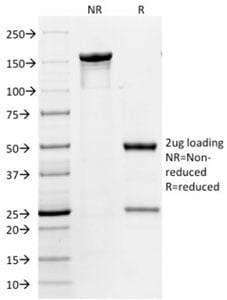
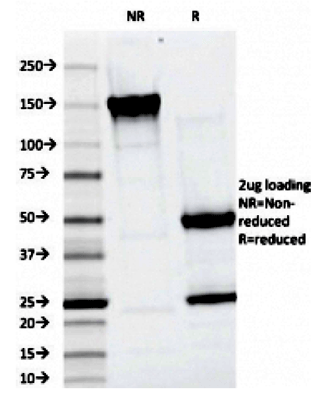
SDS-PAGE (Raji whole cell lysates were separated by 10% SDS-PAGE, and the membrane was blotted with anti-CD79a(ABT-CD79a) antibody. The HRP-conjugated Goat anti-M)
ICC (Immunocytochemistry) (ICC staining p53DINP1 in HUVEC cells (green). The nuclear counter stain is DAPI (blue). Cells were fixed in paraformaldehyde, permeabilised with 0.25% Triton X100/PBS.)
ICC (Immunocytochemistry) (ICC staining p53DINP1 in HepG2 cells (green). The nuclear counter stain is DAPI (blue). Cells were fixed in paraformaldehyde, permeabilised with 0.25% Triton X100/PBS.)
IHC (Immunohistochemistry) (Immunohistochemical analysis of paraffin-embedded human pancreas tissue using anti-p53DINP1 antibody. Counter stained with hematoxylin.)
IHC (Immunohistochemistry) (Immunohistochemical analysis of paraffin-embedded human kidney tissue using anti-p53DINP1 antibody. Counter stained with hematoxylin.)
IHC (Immunohistochemistry) (Immunohistochemical analysis of paraffin-embedded huamn liver cancer tissue using anti-p53DINP1 antibody. Counter stained with hematoxylin.)
WB (Western Blot) (Western blot analysis of p53DINP1 on different cell lysates using anti-p53DINP1 at 1/500 dilution. Positive control�� Line 1: SH-SY-5Y Line 2: HepG2 Line 3: Mouse stomach Line 3: Human stomach)
Application Data (Immunoperoxidase staining of mouse lymph node cryosection eith Rat anti Mouse antibody clone R3-63 followed by horseradish peroxidase Goat anti Rat IgG antibody . Medium power)
Application Data (Immunofluorescence staining of a mouse lymph node cryosection with Rat anti Mouse CD13 antibody, clone R3-63 , green in A and Rat anti Mouse CD8, clone YTS105.18 , red in B. Cis the merged image with nuclei counterstained blue using DAPI. Medium power)
Application Data (Staining of mouse peripheral blood mononuclear cells with Rat anti Mouse CD13: Alexa Fluor 488)
Application Data (Immunofluorescence staining of a mouse lymph node cryosection with Rat anti Mouse CD13 antibody, clone R3-63 , green in A and Rat anti Mouse CD8, clone YTS105.18 , red in B. Cis the merged image with nuclei counterstained blue using DAPI. Low power)
Application Data (Immunoperoxidase staining of mouse lymph node cryosection eith Rat anti Mouse antibody clone R3-63 followed by horseradish peroxidase Goat anti Rat IgG antibody . Low power)
Application Data (Immunoperoxidase staining of mouse lymph node cryosection eith Rat anti Mouse antibody clone R3-63 followed by horseradish peroxidase Goat anti Rat IgG antibody . High power)
Application Data (Staining of mouse peripheral blood mononuclear cells with Rat anti Mouse CD13: Alexa Fluor 647)
Application Data (Immunofluorescence staining of a mouse lymph node cryosection with Rat anti Mouse CD13 antibody, clone R3-63 , green in A and Rat anti Mouse CD8, clone YTS105.18 , red in B. Cis the merged image with nuclei counterstained blue using DAPI. High power)
Application Data (Published customer image: Leukocyte infiltration in COX-2-M/-M and COX-2+/+ mice. MPO enzymatic activity (panel A) was statistically similar in COX-2-M/-M and COX-2+/+ livers at 6 h and 24 h post-IRI. Ly-6G+ neutrophil (panel B) and granulocyte (panel C) infiltration were also comparable in COX-2-M/-M and COX-2+/+ livers after IRI. Mac-1+ (panel D) and CD68 (panel E) infiltrating macrophages were significantly reduced in COX-2-M/-M livers at 24 h post-reperfusion, but were statistically indistinguishable in COX-2-M/-M and COX-2+/+ livers at 6 h after IRI. No statistical differences in MMP-9 expression (panel F) could be demonstrated in livers of COX-2-M/-M and COX-2+/+ mice post-IRI. Representative immunostaining (panel G) of infiltrating Ly-6G+ (a,b,e,f) and Mac-1+ (c,d,g,h) leukocytes in livers of COX-2+/+ (a,c,e,g) and COX-2-M/-M (b,d,f,h) mice at 6 h (a to d) and 24 h (e to h) post IRI; (n = 5 -6/group; * indicates p)
Application Data (Published customer image: Impact of SOCS-1 deficiency on atherosclerotic plaque composition A. Atherosclerotic plaques from Socs-1-/- triple-KO (Socs-1-/-) mice showed an increased CD68 (red);iNOS (green) double-positive cell content. B. CD68 (red); CD206 (green) double-positive cells were hardly detected. C. Atherosclerotic plaques from Socs-1-/-triple-KO (Socs-1-/-) mice contained slightly more MOMA-2 (red); Ly-6C (green) double-positive cells after 4 weeks of HCD as well as D. a higher number of Ly-6G positive cells (scale bar A -C: 20 um, scale bar D:50 um). N = 5 -7 animals per group.From: Grothusen C, Schuett H, Hillmer A, Lumpe S, Grote K, et al. (2012) Role of Suppressor of Cytokine Signaling-1 In Murine Atherosclerosis. PLoS ONE 7(12): e51608.)
Application Data (Staining of mouse spleen cryosection with Rat anti Mouse CD68 followed by Goat anti Rat IgG:HRP showing staining of macrophages in the red pulp)
Application Data (Published customer image: Histology in 9V/9V/GCStg and 9V/null/GCStg mice. (A) The lung and liver sections from 9-wk old 9V/9V (row 1), 9V/9V/GCStg (row 2), 9V/null (row 3) and 9V/null/GCStg (row 4) were processed for H&E and CD68 antibody staining as indicated. Large and pale storage cells were observed in H&E stained lung and liver sections (arrows). The macrophages were indicated by anti-CD68 immunostaining (brown). Images were captured by Zeiss microscope with Spot Advance software. Scale bar was 40 um for all images. (B) The distribution and density of macrophages in 9V/null/GCStg lung and liver immunostained by anti-CD68 antibody (brown). Scale bar was 40 um for both images. (C) CD68 positive cells (CD68+) in 9V/9V/GCStg and 9V/null/GCStg lungs had significantly more CD68 stained macrophages than 9V/9V and 9V/null at 9 wks of age, respectively. The data present number of cells per image of total 5-15 images/mouse, 3 mice per genotype. Results with error bars are mean +/-S.E. The p values were from Student's t-test.From: Barnes S, Xu Y-H, Zhang W, Liou B, Setchell KDR, et al. (2014) Ubiquitous Transgene Expression of the Glucosylceramide-Synthesizing Enzyme Accelerates Glucosylceramide Accumulation and Storage Cells in a Gaucher Disease Mouse Model. PLoS ONE 9(12): e116023.)
Application Data (Published customer image: Phenotype of pancreatic macrophages. (A) Identification of macrophage subsets in pancreas of CX3CR1GFP/+ C56BL/6 mice. Pancreatic single cell suspensions were gated on FSC-A vs FSC-W and CD45+. Histograms show receptor expression profile of CX3CR1hiLYVE-1- (green line) and CX3CR1loLYVE-1+ (red line) macrophages. (B) Sorted CX3CR1loLYVE-1+ and CX3CR1hiLYVE-1- macrophages spun onto glass slides and stained with Wright's stain. 1000x magnification. (C) mRNA expression profile of chemokine receptors, chemokines and VEGFs in pancreatic macrophage subsets. mRNA levels examined by qRT-PCR in duplicate or triplicate. 6 -7 mice/group, data representative of 2 -4 separate experiments.From: Yin N, Zhang N, Lal G, Xu J, Yan M, et al. (2011) Lymphangiogenesis Is Required for Pancreatic Islet Inflammation and Diabetes. PLoS ONE 6(11): e28023.)
Application Data (Staining of mouse peritoneal macrophages with Rat anti Mouse CD68: Alexa Fluor 488 . following permeablisation with Leucoperm)
Application Data (Western Blot analysis of CD68 expression on J774 cells using Rat anti Mouse CD68 with Goat anti Rat IgG:HRP as a detection antibody)
Application Data (Immunoperoxidase staining of a mouse lymph node cryosection with Rat anti Mouse CD68 antibody, clone FA11 followed by Goat anti Rat IgG antibody . Medium power)
Application Data (Immunoperoxidase staining of a mouse lymph node cryosection with Rat anti Mouse CD68 antibody, clone FA11 followed by Goat anti Rat IgG antibody . Low power)
Application Data (Staining of permeabilised mouse peritoneal macrophages with Rat anti Mouse CD68:Alexa Fluor 647 . following permeablisation with Leucoperm)
Application Data (Staining of J774 cells with Rat anti Mouse F4/80 antigen Biotin)
Application Data (Published customer image: Post-injury 7,8-dihydroxyflavone treatment increased brain BDNF levels and promoted CREB activation. (A) Bar graphs demonstrating brain derived neurotrophic factor (BDNF) protein concentrations measured by enzyme-linked immunosorbent assay (ELISA) in sham-injured, vehicle-treated, and 20 mg/kg 7,8-dihydroxyflavone (DHF 20)-treated mice at 4 days post-TBI. DHF 20 significantly increased BDNF protein levels in the ipsilateral hemisphere at 4 days post-injury. (B) Bar graphs demonstrating BDNF mRNA expression measured by real -time quantitative reverse transcriptase polymerase chain reaction (RT-PCR) at 1 and 4 days post-injury. DHF 20 significantly increased BDNF mRNA levels in the ipsilateral hemisphere at 4 days post-injury. (C) Western blot analysis of the phospho-CREB level in the ipsilateral hemisphere of sham-injured, vehicle-treated, and DHF 20-treated mice at 1 h, 1 day, and 4 days post-injury. DHF 20 enhanced CREB phosphorylation at 4 days post-injury. (D) Identification of phospho-CREB-positive cells 4 day post-injury in the peri-contusional margin by double immunofluorescence staining. Phospho-CREB is shown in red, and NeuN (neurons), GFAP (astrocytes), or F4/80 (microglia) is shown in green. Co-localization of phospho-CREB with NeuN is shown by yellow labeling. Sections were stained with DAPI (blue) to show all nuclei. Values are mean +/- SEM; *P)
Application Data (Staining of mouse peritoneal macrophages with Rat anti Mouse F4/80 antigen: Pacific Blue)
Application Data (Staining of J774 cells with Rat anti Mouse F4/80 antigen:Biotin)
Application Data (Frozen mouse spleen stained with A: Rat anti Mouse F4/80 followed by Goat anti Rat IgG:HRP or B: Rat anti Mouse F4/80 preincubated with 2 molar excess of Human anti Idiotypic (HCA154) followed by Goat anti Rat IgG:HRP)
Application Data (Staining of J774 cells with Rat anti Mouse F4/80 antigen:Low Endotoxin)
Application Data (Staining of mouse peritoneal macrophages with Rat anti Mouse F4/80 antigen: RPE - Alexa Fluor 750)
Application Data (Staining of mouse peritoneal macrophages cells with Rat anti Mouse F4/80 antigen:APC)
Application Data (Immunofluorescence image of mouse small intestine stained with Rat anti Mouse F4/80 , red and Rat anti Mouse CD45 , green; nuclei are stained with DAPI, blue. The image higlights macrophages within the lamina propria)
Application Data (Staining of mouse peritoneal macrophages with Rat anti Mouse F4/80 antigen:FITC)
WB (Western Blot) (Detection of mouse Vimentin by western blot. Samples: Whole cell lysate (5 ug) from CH27, C2C12, 70Z/3, BW5147.3, CTLL-2, RenCa, J774A1, NIH 3T3, RAW 264.7, and TCMK-1 cells prepared using NETN lysis buffer. Antibody: Rabbit anti-Vimentin recombinant monoclonal antibody (AAA23833 lot 1) used at 1:1000. Secondary: HRP-conjugated goat anti-rabbit IgG . Detection: Chemiluminescence with an exposure time of 1 second. Lower Panel: Rabbit anti-Actin recombinant monoclonal antibody .)
WB (Western Blot) (Detection of human Vimentin by western blot. Samples: Whole cell lysate (5 ug) from RKO, HeLa, MCF-7, U2OS, LNCaP, A-549, Hep-G2, HEK293T, and Jurkat cells prepared using NETN lysis buffer. Antibody: Rabbit anti-Vimentin recombinant monoclonal antibody (AAA23833 lot 1) used at 1:1000. Secondary: HRP-conjugated goat anti-rabbit IgG . Detection: Chemiluminescence with an exposure time of 3 seconds. Lower Panel: Rabbit anti-Actin recombinant monoclonal antibody .)
IHC (Immunohistochemistry) (Detection of human Vimentin in FFPE colon carcinoma by immunohistochemistry-IF. Antibody: Rabbit anti-Vimentin recombinant monoclonal antibody (AAA23833 Lot 1). Secondary: HRP-conjugated goat anti-rabbit IgG . Substrate: Opal. Counterstain: DAPI.)
IHC (Immunohistochemistry) (Detection of mouse Vimentin in FFPE renal cell carcinoma by IHC. Antibody: Rabbit anti-Vimentin recombinant monoclonal antibody (AAA23833 lot 1). Secondary: HRP-conjugated goat anti-rabbit IgG . Substrate: DAB.)
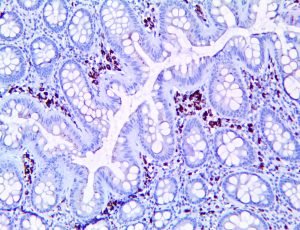
IHC (Immunohistochemistry) (Detection of human Vimentin in FFPE colon by IHC. Antibody: Rabbit anti-Vimentin recombinant monoclonal antibody (AAA23833 lot 1). Secondary: HRP-conjugated goat anti-rabbit IgG . Substrate: DAB.)
IHC (Immunohistochemistry) (Detection of human Vimentin in FFPE tonsil by IHC. Antibody: Rabbit anti-Vimentin recombinant monoclonal antibody (AAA23833 lot 1). Secondary: HRP-conjugated goat anti-rabbit IgG . Substrate: DAB.)
ICC (Immunocytochemistry) (Detection of human Vimentin in FFPE HeLa by ICC. Antibody: Rabbit anti-Vimentin recombinant monoclonal antibody (AAA23833 lot 1). Secondary: HRP-conjugated goat anti-rabbit IgG . Substrate: DAB.)
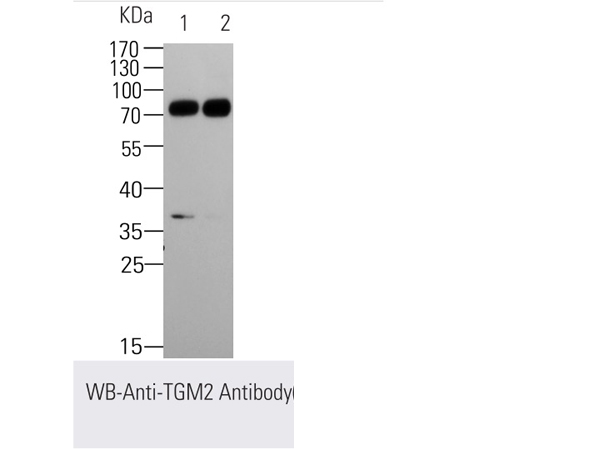
WB (Western Blot) (Detection of human MET by western blot. Samples: Whole cell lysate (10 ug) from GaMG, T-47D, HT-29, OVCAR-8, and 786-O cells prepared using NETN lysis buffer. Antibody: Rabbit anti-MET recombinant monoclonal antibody (AAA23881 lot 1) used at 1:1000. Secondary: HRP-conjugated goat anti-rabbit IgG . Detection: Chemiluminescence with an exposure time of 30 seconds. Lower Panel: Rabbit anti-Actin recombinant monoclonal antibody .)
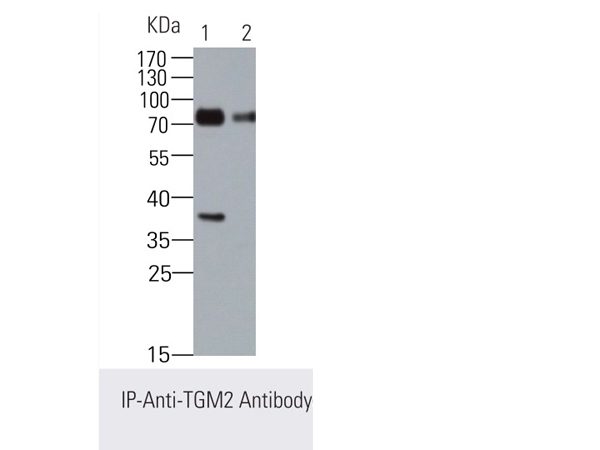
IP (Immunoprecipitation) (Detection of human MET by western blot of immunoprecipitates. Samples: Whole cell lysate (1 mg per IP; 10% of IP loaded) from GaMG cells prepared using NETN lysis buffer. Antibodies: Rabbit anti-MET recombinant monoclonal antibody (AAA23881 lot 1) used for IP at 6 ul/mg lysate. MET was also immunoprecipitated by a second antibody against a different epitope of MET (RMAB2506-1E12). For blotting immunoprecipitated MET, AAA23881 was used at 1:1000. Detection: Chemiluminescence with an exposure time of 10 seconds.)
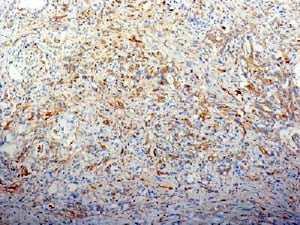
IHC (Immunohistochemistry) (Detection of human MET by immunohistochemistry. Sample: FFPE section of colon carcinoma. Antibody: Rabbit anti-MET recombinant monoclonal antibody (AAA23881). Secondary: HRP-conjugated goat anti-rabbit IgG .)
IHC (Immunohistochemistry) (Detection of human MET by immunohistochemistry. Sample: FFPE section of ovarian carcinoma. Antibody: Rabbit anti-MET recombinant monoclonal antibody (AAA23881). Secondary: HRP-conjugated goat anti-rabbit IgG .)
ICC (Immunocytochemistry) (Detection of human MET by immunocytochemistry. Sample: FFPE section of GaMG cells. Antibody: Rabbit anti-MET recombinant monoclonal antibody (AAA23881). Secondary: HRP-conjugated goat anti-rabbit IgG .)
ICC (Immunocytochemistry) (Detection of human MET by immunocytochemistry. Sample: FFPE section of NCI-H226 cells. Antibody: Rabbit anti-MET recombinant monoclonal antibody (AAA23881). Secondary: HRP-conjugated goat anti-rabbit IgG .)
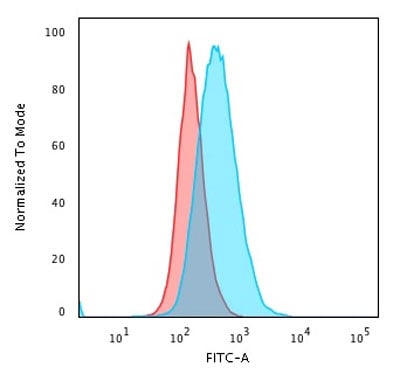
FCM (Flow Cytometry) (Detection of human MET (shaded) in HT-29 cells by flow cytometry. Antibody: Rabbit anti-MET recombinant monoclonal antibody (AAA23881) or isotype control (unshaded). Secondary: DyLight 650-conjugated goat anti-rabbit IgG .)
Western Blot, Immunoprecipitation, Immunohistochemistry, Immunocytochemistry, Flow Cytometry
Purity
Purified
Pricing
What are Monoclonal Antibodies?
Monoclonal antibodies are specialized laboratory-produced proteins developed for binding to specific biological antigens or other molecular targets. Since they come from a single cell (or clone), they are especially consistent and accurate in the data they are involved in producing.
This type of antibody material has been shown to be a powerful tool in finding and subsequently destroying harmful cells in an organism, such as those found in cancers or various autoimmune diseases. This makes them excellent aids in medical testing and research, which is why they are so widely used.
AAA Biotech offers a comprehensive range of high-quality monoclonal antibodies that perform effectively in various laboratory tests, including (amongst others) ELISA, western blotting, immunohistochemistry, and flow cytometry. All of the products in our catalog are thoroughly quality tested to make sure that they are reliable and will consistently perform well in your research.
What Are The Uses of Monoclonal Antibodies
Monoclonal antibodies are used in many lab tests, including (amongst others) ELISA, western blotting, immunohistochemistry, and flow cytometry.
ELISA is a test that helps detect a specific substance/analyte in a sample. It uses antibodies (often monoclonal) bound to a solid surface (such as the well of a microplate) to “capture” the substance/analyte in the sample and immobilize it so that the detection antibody component can then bind to it and produce a signal, which can then be measured.
Western blotting identifies specific proteins in a sample. The sample is first separated on a gel, and then antibodies are applied that will typically bind to the target, which will all be localized to a single band in a lane.
Immunohistochemistry helps locate specific proteins in cells or tissue samples using antibodies.
Flow cytometry looks at and sorts cells. It uses antibodies that are conjugated to reporter molecules called “fluorophores”, which, under special lights, emit light themselves, which can then be measured by a detector instrument.
How Monoclonal Antibodies Are Used as Medicine?
Please note that all of the products listed in AAA Biotech’s catalog are strictly for research-use only (RUO).
Monoclonal antibodies can also be used as therapeutic/medical treatments, particularly in the context of cancers. They are designed to find and bind to specific cells or proteins, helping the immune system recognize and attack the cancer. These treatments work in different ways, such as:
Radioimmunotherapy attaches a small amount of radioactive molecule to the antibody, so it delivers the radiation directly to the cancer cells that the antibody is specifically binding to.
Antibody-directed enzyme prodrug therapy uses antibodies that are specifically bound to special enzymes. These enzymes activate a harmless drug in the body and turn it into a cancer-killing drug only near the cancer cells—this helps avoid harming healthy cells.
Immunoliposomes are tiny “bubbles” filled with medicine/drug and coated with antibodies. They carry the drug straight to the cancer cells.
Why Buy Monoclonal Antibodies From Us?
At AAA Biotech, we provide high-performance monoclonal antibodies designed to support a wide range of research needs.
1. Validated for Versatile Applications
The antibodies in our catalog are extensively validated and compatible with multiple techniques, including (but not limited to) ELISA, flow cytometry (FC), immunocytochemistry (ICC), immunofluorescence (IF), immunohistochemistry (IHC), immunoprecipitation (IP), and western blotting (WB).
2. Wide Selection & Specialized Options
We offer antibodies for common and rare species, that are available in various conjugated forms, and also in recombinant formats. Essentially, there is almost anything one might need to meet their experimental model’s requirements.
3. High-Quality Proteins
Our proteins meet high purity standards—90% or more as confirmed by SDS-PAGE. Many are available with tags like His, Flag, GST, or MBP, and we also supply native and biologically active proteins for functional studies.
Frequently Asked Questions
1. Are your monoclonal antibodies validated for specific applications?
Yes, our antibodies are tested and validated for use in methods such as ELISA, western blot, IHC, flow cytometry, and more. Refer to specific product pages or datasheets for individual product information.
2. How do I choose the right monoclonal antibody for my application?
Review the product details directly for application validation, species reactivity, and target information. You may also contact our support team at any time for help.
3. How quickly can I receive my order?
Most orders are processed and shipped within 1–3 business days, depending on product availability and your shipping location.
Submit a Question
Please complete the form below and a representative will contact you as soon as possible.
Request more Information
Please complete the form below and a representative will contact you as soon as possible.
Request a Manual
Please complete the form below and a representative will contact you as soon as possible.
Request a Quote
Please complete the form below and a representative will contact you as soon as possible.