Get accurate results in your research with our Monoclonal Antibodies, which are specially made to target exactly what you require for your research, and will produce consistent, reliable performance in lab tests.
Application Data (Immunofluorescence staining of rat lymph node cryosection with Mouse anti Rat CD163 antibody , red an A and Mouse anti Rat CD8 , green in B. C is the merged image with nuclei counter-stained blue using DAPI. Low power)
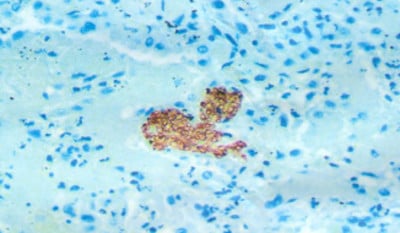
Application Data (Immunoperoxidase staining of rat lymph node cryosection with Mouse anti Rat CD163 antibody followed by horseradish peroxidase conjugated Goat anti Mouse IgG1 as a detection reagent. Low power)
Application Data (Immunoperoxidase staining of rat lymph node cryosection with Mouse anti Rat CD163 antibody followed by horseradish peroxidase conjugated Goat anti Mouse IgG1 as a detection reagent. High power)
Application Data (Staining of rat peritoneal macrophages with Mouse anti Rat CD163: FITC)
Application Data (Immunoperoxidase staining of rat lymph node cryosection with Mouse anti Rat CD163 antibody followed by horseradish peroxidase conjugated Goat anti Mouse IgG1 as a detection reagent. Medium power)
Application Data (Staining of rat peritoneal macrophages with Mouse anti Rat CD163: RPE)
Application Data (Staining of acetone fixed, cryostat sectioned rat spleen with Mouse anti Rat CD163)
Application Data (Immunoperoxidase staining of rat lymph node cryosection with Mouse anti Rat CD163 antibody followed by horseradish peroxidase conjugated Goat anti Mouse IgG1 as a detection reagent. Medium power)
Application Data (Immunofluorescence staining of rat lymph node cryosection with Mouse anti Rat CD163 antibody , red an A and Mouse anti Rat CD8 , green in B. C is the merged image with nuclei counter-stained blue using DAPI. High power)
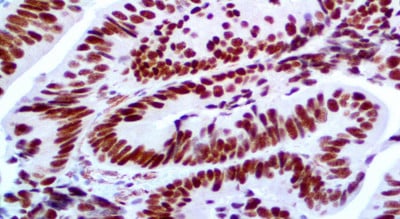
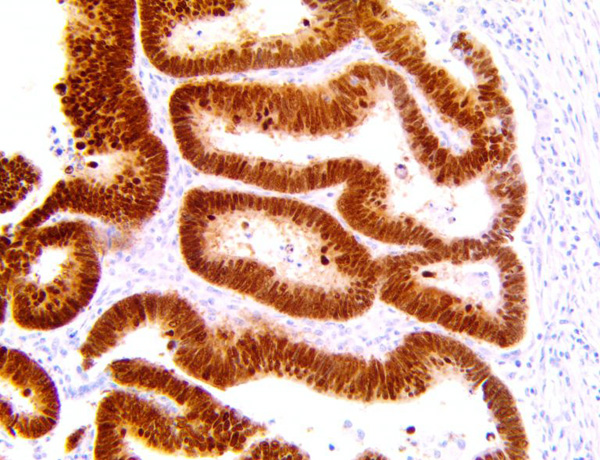
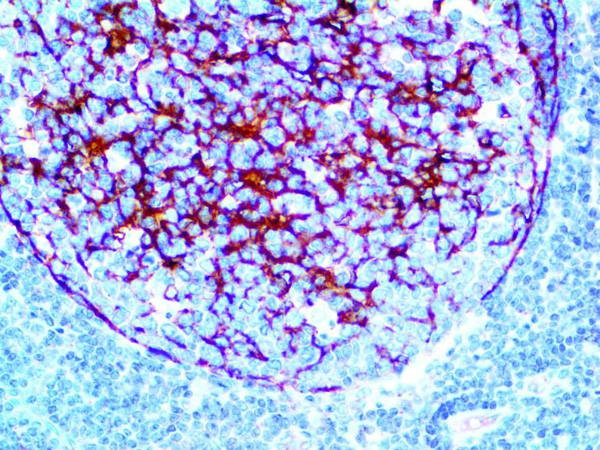
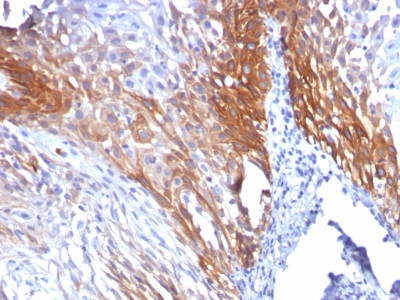
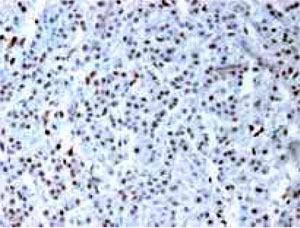
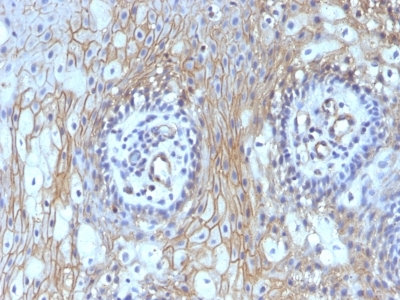
IHC (Immunohistchemistry) (Immunohistochemistry analysis of paraffin-embedded Human tonsil tissue using MCM2 (2B5) antibody.High-pressure and temperature Sodium Citrate pH 6.0 was used for antigen retrieval.)
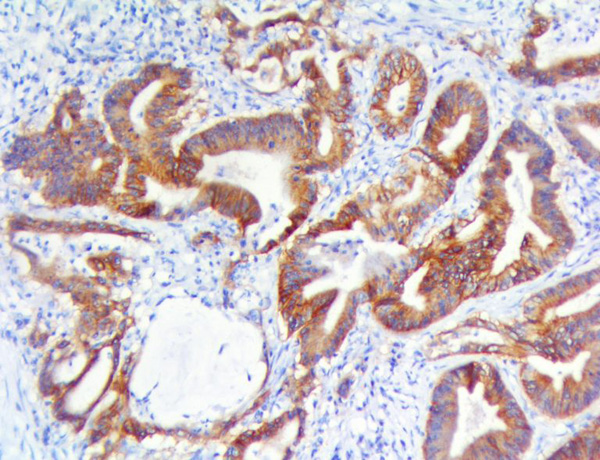
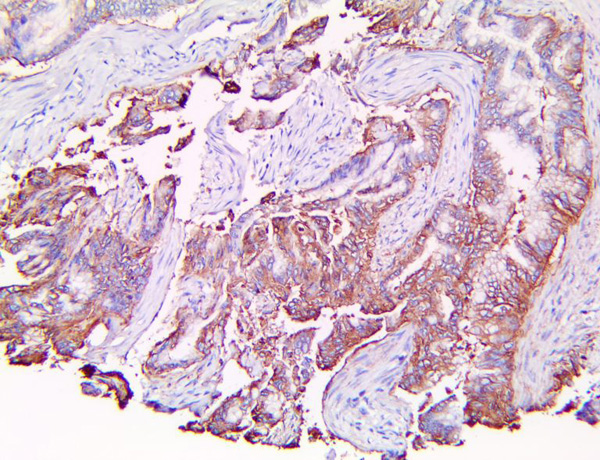
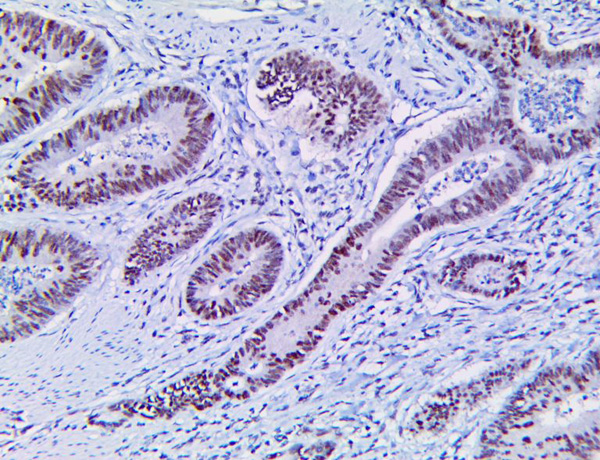
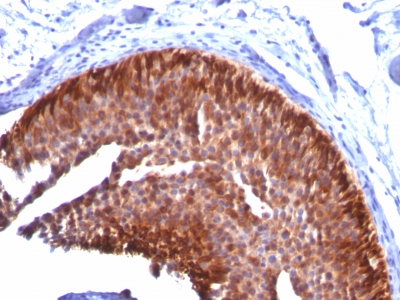
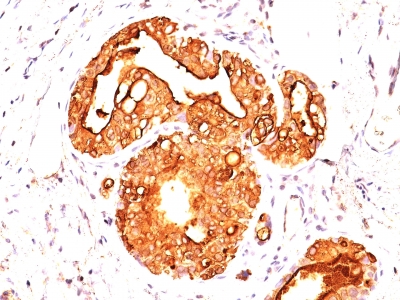
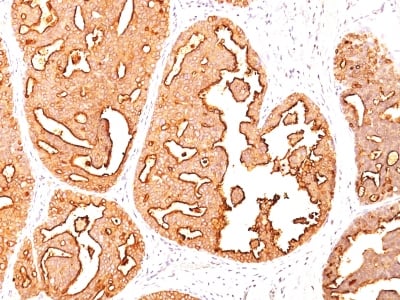
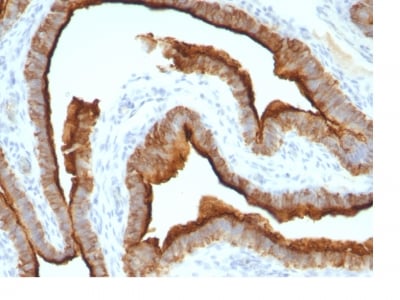
IHC (Immunohistochemistry) (Immunohistochemical analysis of paraffin-embedded colon cancer tissues using MCM2 mouse mAb with DAB staining.)
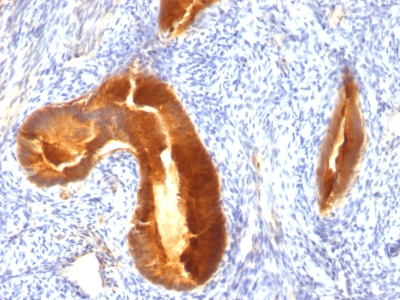
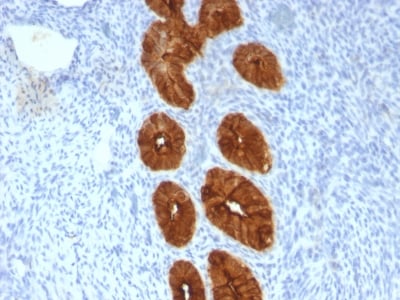
IHC (Immunohistochemistry) (Immunohistochemical analysis of paraffin-embedded ovarian cancer tissues using MCM2 mouse mAb with DAB staining.)
FCM (Flow Cytometry) (Flow cytometric analysis of Jurkat cells using MCM2 mouse mAb (green) and negative control (red).)
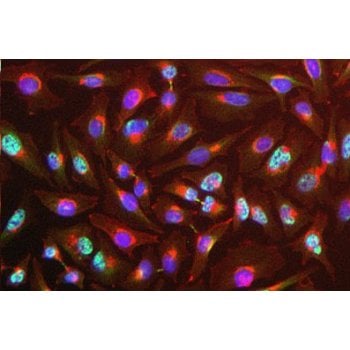
IF (Immunofluorescence) (Immunofluorescence analysis of MCM2 (2B5) in Hela cells using MCM2 antibody(green),and DAPI (blue).)
IP (Immunoprecipitation) (Immunoprecipitation analysis of MCM2 (2B5) in Hela lysates using MCM2 antibody.)
IP (Immunoprecipitation) (Immunoprecipitation analysis of Hela cell lysates using MCM2 mouse mAb.)
WB (Western Blot) (Western blot analysis using MCM2 mouse mAb against MCF-7 (1), Hela (2), Jurkat (3), K562 (4), HEK293 (5) and HEPG2 (6) cell lysate.)
WB (Western Blot) (Western blot analysis of MCM2 in Jurkat, K562, 3T3 and Hela lysates using MCM2 antibody.)
WB (Western Blot) (Western blot analysis of NFIC over-expressed 293 cell line, cotransfected with NFIC Validated Chimera RNAi (Lane 2) or non-transfected control (Lane 1). Blot probed with NFIC monoclonal antibody GAPDH (36.1kD) used as specificity and loading control.)
IF (Immunofluorescence) (Immunofluorescence of monoclonal antibody to NFIC on HeLa cell. [antibody concentration 10ug/ml])
IHC (Immunohistochemistry) (Immunoperoxidase of monoclonal antibody to NFIC on formalin-fixed paraffin-embedded human salivary gland. [antibody concentration 3ug/ml])
WB (Western Blot) (Western Blot analysis of NFIC expression in transfected 293T cell line by NFIC monoclonal antibody. Lane 1: NFIC transfected lysate (47.6kD). Lane 2: Non-transfected lysate.)
WB (Western Blot) (NFIC monoclonal antibody Western Blot analysis of NFIC expression in A-431.)
WB (Western Blot) (Western Blot detection against Immunogen (72.82kD).)
Application Data (Detection limit for recombinant GST tagged S100A6 is ~0.03ng/ml as a capture antibody.)
IF (Immunofluorescence) (Immunofluorescence of monoclonal antibody to S100A6 on HeLa cell. [antibody concentration 10ug/ml].)
IHC (Immunohistochemistry) (Immunoperoxidase of monoclonal antibody to S100A6 on formalin-fixed paraffin-embedded human stomach carcinoma. [antibody concentration 3ug/ml])
WB (Western Blot) (Western Blot analysis of S100A6 expression in transfected 293T cell line by S100A6 monoclonal antibody. Lane 1: S100A6 transfected lysate (10.2kD). Lane 2: Non-transfected lysate.)
WB (Western Blot) (S100A6 monoclonal antibody. Western Blot analysis of S100A6 expression in HeLa.)
WB (Western Blot) (Western Blot detection against Immunogen (36.01kD).)
WB (Western Blot) (Western blot analysis of FOXA2 over-expressed 293 cell line, cotransfected with FOXA2 Validated Chimera RNAi (Lane 2) or non-transfected control (Lane 1). Blot probed with FOXA2 monoclonal antibody GAPDH (36.1kD) used as specificity and loading control.)
Application Data (Detection limit for recombinant GST tagged FOXA2 is ~0.03ng/ml as a capture antibody.)
IP (Immunoprecipitation) (Immunoprecipitation of FOXA2 transfected lysate using FOXA2 monoclonal antibody and Protein A Magnetic Bead, and immunoblotted with FOXA2 rabbit polyclonal antibody.)
IF (Immunofluorescence) (Immunofluorescence of monoclonal antibody to FOXA2 on HepG2 cell. [antibody concentration 10ug/ml])
WB (Western Blot) (Western Blot analysis of FOXA2 expression in transfected 293T cell line by FOXA2 monoclonal antibody Lane 1: FOXA2 transfected lysate (48.3kD). Lane 2: Non-transfected lysate.)
WB (Western Blot) (FOXA2 monoclonal antibody Western Blot analysis of FOXA2 expression in HepG2.)
WB (Western Blot) (Western Blot detection against Immunogen (36.19kD).)
WB (Western Blot) (Western Blot analysis of CTNNB1 expression in transfected 293T cell line by CTNNB1 monoclonal antibody. Lane 1: CTNNB1 transfected lysate (85.5kD). Lane 2: Non-transfected lysate.)
WB (Western Blot) (Western Blot detection against Immunogen (36.74kD).)
Application Data (Proximity Ligation Analysis (PLA) of protein-protein interactions between FLT1 and CTNNB1. Huh7 cells were stained with FLT1 rabbit purified polyclonal 1:1200 and CTNNB1 mouse monoclonal antibody 1:50. Signals were detected by 30 Detection Kit 613 (red), and nuclei were counterstained with DAPI (blue). Each red dot represents the detection of protein-protein interaction complex.)
Application Data (Proximity Ligation Analysis (PLA) of protein-protein interactions between GSK3B and CTNNB1. HeLa cells were stained with GSK3B rabbit purified polyclonal 1:1200 and CTNNB1 mouse monoclonal antibody 1:50. Signals were detected by 30 Detection Kit 613 (red), and nuclei were counterstained with DAPI (blue). Each red dot represents the detection of protein-protein interaction complex.)
WB (Western Blot) (Western blot analysis of CTNNB1 over-expressed 293 cell line, cotransfected with CTNNB1 Validated Chimera RNAi (Lane 2) or non-transfected control (Lane 1). Blot probed with CTNNB1 monoclonal antibody. GAPDH (36.1kD) used as specificity and loading control.)
Application Data (Detection limit for recombinant GST tagged CTNNB1 is 0.1ng/ml as a capture antibody.)
IF (Immunofluorescence) (Immunofluorescence of monoclonal antibody to CTNNB1 on HeLa cell. [antibody concentration 10ug/ml].)
WB (Western Blot) (EXOSC3 monoclonal antibody, Western Blot analysis of EXOSC3 expression in Hela NE.)
Application Data (Detection limit for recombinant GST tagged EXOSC3 is ~0.03ng/ml as a capture antibody.)
IP (Immunoprecipitation) (Immunoprecipitation of EXOSC3 transfected lysate using EXOSC3 monoclonal antibody and Protein A Magnetic Bead and immunoblotted with EXOSC3 monoclonal antibody.)
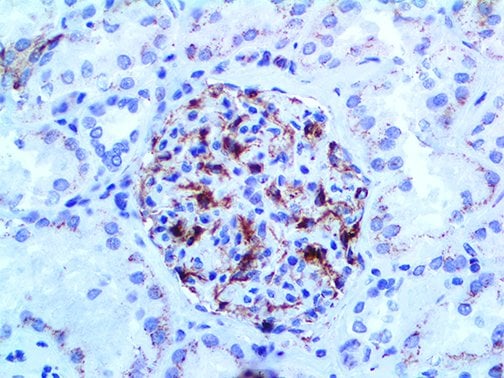
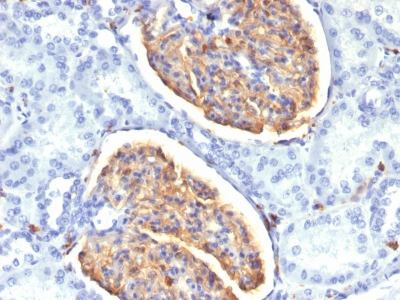
IHC (Immunohistochemistry) (Immunoperoxidase of monoclonal antibody to EXOSC3 on formalin-fixed paraffin-embedded human kidney. [antibody concentration 3ug/ml])
WB (Western Blot) (Western Blot analysis of EXOSC3 expression in transfected 293T cell line by EXOSC3 monoclonal antibody. Lane 1: EXOSC3 transfected lysate (29.6kD). Lane 2: Non-transfected lysate.)
WB (Western Blot) (Western Blot detection against Immunogen (56.36kD).)
Application Data (Detection limit for recombinant GST tagged TP53 is approximately 1ng/ml as a capture antibody.)
WB (Western Blot) (TP53 monoclonal antibody (M01), clone 2C3 Western Blot analysis of TP53 expression in A-431 (Cat # L015V1).)
IF (Immunofluorescence) (Immunofluorescence of monoclonal antibody to TP53 on A-431 cell. [antibody concentration 10 ug/ml])
IHC (Immunohistochemistry) (Immunoperoxidase of monoclonal antibody to TP53 on formalin-fixed paraffin-embedded human salivary gland. [antibody concentration 3 ug/ml])
Application Data (Immunoperoxidase of monoclonal antibody to TP53 on formalin-fixed paraffin-embedded human salivary gland. [antibody concentration 3 ug/ml])
WB (Western Blot) (CDC2 monoclonal antibody (M04), clone 8F1. Western Blot analysis of CDC2 expression in PC-12.)
WB (Western Blot) (CDC2 monoclonal antibody (M04), clone 8F1. Western Blot analysis of CDC2 expression in NIH/3T3.)
Application Data (Detection limit for recombinant GST tagged CDC2 is approximately 0.1ng/ml as a capture antibody.)
IHC (Immunohistochemistry) (Immunoperoxidase of monoclonal antibody to CDC2 on formalin-fixed paraffin-embedded human tonsil. [antibody concentration 1.5 ug/ml])
WB (Western Blot) (CDC2 monoclonal antibody (M04), clone 8F1 Western Blot analysis of CDC2 expression in Hela S3 NE.)
Application Data (Staining of human peripheral blood monocytes with MOUSE ANTI HUMAN CD274:RPE)
Application Data (Staining of human peripheral blood monocytes with C2549-22E4.)
Application Data (Staining of human peripheral blood monocytes with C2549-22E1.)
Application Data (Jurkat cells were stained with C2549-22E (filled histogram) or isotype control (open histogram) followed by PE-conjugated anti-mouse antibody.)
Application Data (Staining of human peripheral blood monocytes with C2549-22E.)
IHC (Immunohistochemistry) (Immunohistochemistry analysis of paraffin-embedded Rat spleen using NAT10 Rabbit mAb (AAA28499) at dilution of 1:200 (40x lens). High pressure antigen retrieval performed with 0.01M Tris/EDTA Buffer (pH 9.0) prior to IHC staining.)
IHC (Immunohistochemistry) (Immunohistochemistry analysis of paraffin-embedded Mouse liver using NAT10 Rabbit mAb (AAA28499) at dilution of 1:200 (40x lens). High pressure antigen retrieval performed with 0.01M Tris/EDTA Buffer (pH 9.0) prior to IHC staining.)
IHC (Immunohistchemistry) (Immunohistochemistry analysis of paraffin-embedded Human thyroid cancer using NAT10 Rabbit mAb (AAA28499) at dilution of 1:200 (40x lens). High pressure antigen retrieval performed with 0.01M Tris/EDTA Buffer (pH 9.0) prior to IHC staining.)
IHC (Immunohistochemistry) (Immunohistochemistry analysis of paraffin-embedded Human lung squamous carcinoma tissue using NAT10 Rabbit mAb (AAA28499) at dilution of 1:200 (40x lens). High pressure antigen retrieval performed with 0.01M Tris/EDTA Buffer (pH 9.0) prior to IHC staining.)
IHC (Immunohistochemistry) (Immunohistochemistry analysis of paraffin-embedded Human colon using NAT10 Rabbit mAb (AAA28499) at dilution of 1:200 (40x lens). High pressure antigen retrieval performed with 0.01M Tris/EDTA Buffer (pH 9.0) prior to IHC staining.)
IHC (Immunohistochemistry) (Immunohistochemistry analysis of paraffin-embedded Human colon carcinoma using NAT10 Rabbit mAb (AAA28499) at dilution of 1:200 (40x lens). High pressure antigen retrieval performed with 0.01M Tris/EDTA Buffer (pH 9.0) prior to IHC staining.)
WB (Western Blot) (Western blot analysis of lysates from Mouse testis, using NAT10 Rabbit mAb (AAA28499) at 1:1000 dilution.Secondary antibody: HRP-conjugated Goat anti-Rabbit IgG (H+L) (AS014) at 1:10000 dilution.Lysates/proteins: 25ug per lane.Blocking buffer: 3% nonfat dry milk in TBST.Detection: ECL Basic Kit (RM00020).Exposure time: 30s.)
WB (Western Blot) (Western blot analysis of various lysates using NAT10 Rabbit mAb (AAA28499) at 1:1000 dilution.Secondary antibody: HRP-conjugated Goat anti-Rabbit IgG (H+L) (AS014) at 1:10000 dilution.Lysates/proteins: 25ug per lane.Blocking buffer: 3% nonfat dry milk in TBST.Detection: ECL Basic Kit (RM00020).Exposure time: 3s.)
Application Data (Formalin fixed, paraffin embedded human breast cancer biopsy stained with Mouse anti Human estrogen receptor beta5 antibody followed by HRP polymer detection and DAB substrate development following heat mediated antigen retrieval using citrate buffer at pH6.2 (low power))
Application Data (Published customer image: Immunoexpression of ERs in endometrial cancers. Tissues were classified as well (A-D), moderately (E-H) or poorly (J-M) differentiated; main panels show closely adjacent sections from three cancer blocks to allow direct comparisons. All proteins were immunolocalised to cell nuclei (see higher power inserts in panels e, f, c and d respectively). In the well and moderately differentiated cancers expression was most intense in epithelial cell layers (arrowheads, panel A and inserts). Note that ERa was low/absent in poor grade cancers (J) but immunoexpression of ERbeta1, 2, 5 was readily detected (K. L, M). Inserts in panels K, L, and M show negative controls for ERbeta1, ERbeta2 and ERbeta5 antibodies respectively generated using primary antibodies pre-absorbed with specific peptides used for immunisation. Asterisks (*) label the stromal compartment that was well defined in the well differentiated cancers.From: Collins F, MacPherson S, Brown P, Bombail V, Williams AR, Anderson RA, Jabbour HN, Saunders PT. Expression of oestrogen receptors, ERalpha, ERbeta, and ERbeta variants, in endometrial cancers and evidence that prostaglandin F may play a role in regulating expression of ERalpha. BMC Cancer. 2009 Sep 16;9:330.)
Application Data (Formalin fixed, paraffin embedded human breast cancer biopsy stained with Mouse anti Human estrogen receptor beta5 antibody followed by HRP polymer detection and DAB substrate development following heat mediated antigen retrieval using citrate buffer at pH6.2 (high power))
Application Data (Published customer image Infiltration of GFP+ BM-cells in infarct and peri-infarct regions. (A-B) Dot plots of viable macrophages/granulocytes (CD11b+CD45high, top right quadrants) and microglia (CD11b+CD45dim, bottom right quadrants) in cortex from BM-chimeric unmanipulated mice and mice exposed to pMCAO. (C) Bar graph showing mean numbers of CD11b+CD45dim microglia and CD11b+CD45high macrophages/granulocytes in BM-chimeric mice 24 hours after pMCAO, subdivided based on expression of GFP (n = 5). Approximately 92% of of the CD45high population were GFP+. (D) Estimation and comparison of mean numbers of CD11b+CD45dim microglia in non-chimeric (n = 10) versus BM-chimeric mice (n = 5) 24 hours after of pMCAO shows significantly fewer CD11b+CD45dim microglial cells in irradiated mice. (E) Overview, showing distribution of infiltrating GFP+ BM-derived cells into infarct (IF) and peri-infarct (P-IF) regions 24 hours after pMCAO. (E-G) By 24 hours, GFP+ single cells (F) and vessel-associated aggregates of GFP+ cells (arrows in G) were observed in infarct and peri-infarct regions. Some of the vessel-associated cells were round, leukocyte-like cells (arrows) while others were elongated cells lining the vasculature (arrow heads in G and in insert). (H) Bar graph showing mean numbers of single GFP+ cells and vessel-associated aggregates of GFP+ cells in ipsi- and contralateral cortex 24 hours after surgery (n = 10). (I-P) Immunohistochemical staining of CD45.1 (I, K), CD45.2 (J, L), IgG2a (M, O) and CD45 (N, P) in ischemic tissue in BM-chimeric (I, J, M, N) and non-chimeric mice (K, L, O, P) 24 hours after pMCAO. N.D, none detected. Scale bars: 200 um (A), 10 um (B, C). 50 um (I-P) *P < 0.05, **P < 0.01, and ***P < 0.001.From: Clausen BH, Lambertsen KL, Babcock AA, Holm TH, Dagnaes-Hansen F, Finsen B. Interleukin-1beta and tumor necrosis factor-alpha are expressed by different subsets of microglia and macrophages after ischemic stroke in mice. J Neuroinflammation. 2008 Oct 23;5:46.)
Application Data (Staining of mouse bone marrow with Rat anti Mouse CD11b)
Application Data (Immunoperoxidase staining o mouse lymph node cryosection with Rat anti Mouse CD11b antibody, clone 5C6 followed by horseradish peroxidase conjugated Goat anti Rat IgG as a detection reagent. Low power)
Application Data (Published customer image: Activation of adult primary microglial cells in wild-type and IL-1 KO mice. (A) Primary microglial cells were obtained from young adult wild-type mice. The cells stain with the microglial marker CD11b, but not with the neuronal and astroglial markers, NeuN and GFAP, respectively. A few cells are stained with the oligodendroglial cell marker, MBP. NC (inset) is the primary antibody-free negative control. The microglial cells (n = 3 each group) were stimulated for 24 hours in the presence of the vehicle alone, or supplemented with IFN? or IL-4 in the presence or absence of IL-1beta. Total NO (NOx; B), TNFa (C), arginase specific activity (Arg-1 spe. act.; D) and IGF-1 (E) were determined from the media or cell suspensions. (B) NOx levels increase upon exposure of the cells to IL-1beta and in a synergistic manner upon co-treatment of cells with IL-1beta and IFN?, but not when the cotreatment is with IL-4. (C) TNFa levels increase upon exposure of the cells to IFN?, and further upon co-treatment with IL-1beta. Surprisingly, the co-treatment of the cells with IL-4 and IL-1beta induced the highest TNFa level among the experimental treatments used. (D) Arg1-specific activity increased significantly upon exposure to IL-4 and further increased when IL-4 and IL-1beta were employed together. (E) IGF-1 levels decreased with exposure of the cells to IFN? and increased in response to IL-4. The response was partially inhibited by cotreatment of the cells with IL-1beta. Data are expressed as mean +/- SD (n = 3). *: P < 0.05, **: P < 0.01, ***: P < 0.001 compared with the vehicle-treated group in each genotype (one-way ANOVA followed by Dunnett post-hoc test). ANOVA, analysis of variance; IGF-1, insulin-like growth factor.From: Sato A, Ohtaki H, Tsumuraya T, Song D, Ohara K, Asano M, Iwakura Y, Atsumi T, Shioda S. Interleukin-1 participates in the classical and alternative activation of microglia/macrophages after spinal cord injury. J Neuroinflammation. 2012 Apr 7;9:65. doi: 10.1186/1742-2094-9-65.)
Application Data (Staining of mouse peritoneal macrophages with Rat anti Mouse CD11b:FITC)
Application Data (Immunoperoxidase staining of mouse lymph node cryosection with Rat anti Mouse CD11b antibody, clone 5C6 followed by horseradish peroxidase conjugated Goat anti Rat IgG as a detection reagent. high power)
Application Data (Published customer image BM-derived GFP+ single cells and vessel-associated cells express CD11b. Fluorescence microscopy for GFP combined with immunofluorescence detection of (A) CD11b, (B) vWF and (C) CD31, 24 hours after pMCAO. (A) Fluorescence detection of GFP and CD11b showed that most GFP+ cells co-expressed CD11b (yellow cells, indicated by arrows), and intermingled with CD11b+ host cells. Note also that a few GFP+ cells did not co-express CD11b (arrow head). Insert shows high magnification of GFP+ cells, some of which co-express CD11b, aggregated around a vessel. (B, C) Fluorescence detection of GFP and the endothelial cell markers vWF (B) and CD31 (C). Inserts show higher magnification of sections of the same vessels. Although there are indications that single vWF+ cells co-express GFP (arrows in B), this could not be reproduced using staining for CD31, and the majority of vWF+ and CD31+ cells showed no co-expression of GFP. Instead, GFP remained confined to round and elongated cells located in the juxtavascular space (insert in C). CD11b+ cells were visualized using Alexa Fluor 568-conjugated goat anti-rat IgG, vWF+ and CD31+ cells using Alexa Fluor 546-conjugated goat anti-rabbit IgG and Alexa Fluor 594-conjugated goat anti-rat IgG, respectively. Scale bars: 20 um (A-C)..From: Clausen BH, Lambertsen KL, Babcock AA, Holm TH, Dagnaes-Hansen F, Finsen B. Interleukin-1beta and tumor necrosis factor-alpha are expressed by different subsets of microglia and macrophages after ischemic stroke in mice. J Neuroinflammation. 2008 Oct 23;5:46.)
Application Data (Immunofluorescence staining of mouse lymph node cryosection with Rat anti Mouse CD11b, clone 5C6 , green in A and Rat anti Mouse CD8, clone YTS105.18 , red in B. C is the merged image with nuclei counterstained blue using DAPI. High power)
Application Data (Immunofluorescence staining of mouse lymph node cryosection with Rat anti Mouse CD11b, clone 5C6 , green in A and Rat anti Mouse CD8, clone YTS105.18 , red in B. C is the merged image with nuclei counterstained blue using DAPI. Low power)
Application Data (Immunoperoxidase staining of a human tonsil cryosection with Mouse anti Human CD314 antibody, clone 1D11 followed by the Histar detection system . Medium power)
Application Data (Staining of human peripheral blood lymphocytes with Mouse anti Human CD314: Alexa Fluor 488 (AAA11960A488))
Application Data (Immunoperoxidase staining of a human tonsil cryosection with Mouse anti Human CD314 antibody, clone 1D11 followed by the Histar detection system . High power)
Application Data (Immunoperoxidase staining of a human spleen cryosection with Mouse anti Human CD314 antibody, clone 1D11 followed by the Histar detection system . high power)
Application Data (Immunoperoxidase staining of a human spleen cryosection with Mouse anti Human CD314 antibody, clone 1D11 followed by the Histar detection system . Low power)
Application Data (Immunoperoxidase staining of a human tonsil cryosection with Mouse anti Human CD314 antibody, clone 1D11 followed by the Histar detection system . Low power)
Application Data (Staining of human peripheral blood lymphocytes with Mouse anti Human CD314)
Application Data (Staining of human peripheral blood lymphocytes with Mouse anti Human CD314:Low Endotoxin)
IHC (Immunohistchemistry) (Immunohistochemical analysis of paraffin-embedded rectum cancer tissues using EIF2AK2 mouse mAb with DAB staining.)
IHC (Immunohistochemistry) (Immunohistochemical analysis of paraffin-embedded cervical cancer tissues using EIF2AK2 mouse mAb with DAB staining.)
FCM (Flow Cytometry) (Flow cytometric analysis of A431 cells using EIF2AK2 mouse mAb (green) and negative control (red).)
WB (Western Blot) (Western blot analysis using EIF2AK2 mouse mAb against A431 (1), THP-1 (2), MCF-7 (3), PC-12 (4) cell lysate.)
WB (Western Blot) (Western blot analysis using EIF2AK2 mAb against HEK293 (1) and EIF2AK2 (AA)
WB (Western Blot) (Western blot detection of PKR in Jurkat, A549 and MCF7 cell lysates using PKR mouse mAb (1:1000 diluted).Predicted band size:62KDa.Observed band size:74KDa.)
FCM (Flow Cytometry) (Figure-6: Epitope binding study by flow cytometric analysis. MCF-7 cells expressing HER2 antigen were treated with Either Herceptin or Samceptin (1 & 2 ug/10^6 Cells). Surface staining was done using FITC conjugated antibodies.)
FCM (Flow Cytometry) (Figure-5: Epitope binding study by flow cytometric analysis. BT-474 cells expressing HER2 antigen were treated with Either Herceptin or Samceptin (1 & 2 ug/10^6 Cells). Surface staining was done using FITC conjugated antibodies.)
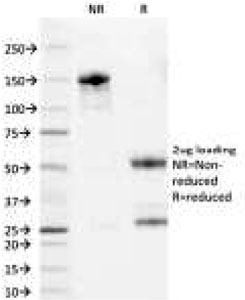
SDS-PAGE (Figure-4: Reducing SDS-PGE of three batches of Samceptin in comparison with Herceptin. Lanes were overloaded to show the presence of any other protein bands than Samceptin. Both heavy and light chains are well separated. (Lane-1: Marker, Lane-2: BR-13 Bulk-1 ul, Lane-3: BR-15 Bulk-1 ul, Lane-4: BR-16 Bulk-1 ul, Lane-5: Herceptin-20 ug))
Application Data
Application Data (Figure-2: Antiproliferative activity of Samceptin (Three different Batches) was assayed in comparison with Herceptin using ADCC Reporter Bioassay Kit from Promega in MCF-7 cells. Result indicated that Samceptin potency is at par with Herceptin.)
Application Data (Figure-1: Antiproliferative activity of Samceptin (Three different Batches) was assayed in comparison with Herceptin using ADCC Reporter Bioassay Kit from Promega in SK-BR-3 cells. Result indicated that Samceptin potency is at par with Herceptin.)
WB (Western Blot) (AKT1 monoclonal antibody Western Blot analysis of AKT1 expression in NIH/3T3.)
WB (Western Blot) (Western Blot analysis of AKT1 expression in transfected 293T cell line by AKT1 monoclonal antibody. Lane 1: AKT1 transfected lysate (55.7kD). Lane 2: Non-transfected lysate.)
Application Data (Detection limit for recombinant GST tagged AKT1 is ~3ng/ml as a capture antibody.)
IP (Immunoprecipitation) (Immunoprecipitation of AKT1 transfected lysate using AKT1 monoclonal antibody and Protein A Magnetic Bead and immunoblotted with AKT1 rabbit polyclonal antibody.)
IF (Immunofluorescence) (Immunofluorescence of monoclonal antibody to AKT1 on HeLa cell. [antibody concentration 20ug/ml].)
IHC (Immunohistochemistry) (Immunoperoxidase of monoclonal antibody to AKT1 on formalin-fixed paraffin-embedded human stomach. [antibody concentration 3ug/ml].)
WB (Western Blot) (Western Blot detection against Immunogen (78.54kD).)
WB (Western Blot) (Western blot analysis of ABCF2 over-expressed 293 cell line, cotransfected with ABCF2 Validated Chimera RNAi (Lane 2) or non-transfected control (Lane 1). Blot probed with ABCF2 monoclonal antibody GAPDH (36.1kD) used as specificity and loading control.)
Application Data (Detection limit for recombinant GST tagged ABCF2 is ~0.3ng/ml as a capture antibody.)
IP (Immunoprecipitation) (Immunoprecipitation of ABCF2 transfected lysate using anti-ABCF2 monoclonal antibody and Protein A Magnetic Bead, and immunoblotted with ABCF2 monoclonal antibody.)
IHC (Immunohistochemistry) (Immunoperoxidase of monoclonal antibody to ABCF2 on formalin-fixed paraffin-embedded human prostate. [antibody concentration 3ug/ml])
WB (Western Blot) (Western Blot analysis of ABCF2 expression in transfected 293T cell line by ABCF2 monoclonal antibody: Lane 1: ABCF2 transfected lysate (68.53kD). Lane 2: Non-transfected lysate.)
WB (Western Blot) (ABCF2 monoclonal antibody Western Blot analysis of ABCF2 expression in Hela.)
WB (Western Blot) (Western Blot detection against Immunogen (37.73kD).)
WB (Western Blot) (Western blot analysis of ALPPL2 over-expressed 293 cell line, cotransfected with ALPPL2 Validated Chimera RNAi (Lane 2) or non-transfected control (Lane 1). Blot probed with ALPPL2 monoclonal antibody. GAPDH (36.1kD) used as specificity and loading control.)
IP (Immunoprecipitation) (Immunoprecipitation of ALPPL2 transfected lysate using ALPPL2 monoclonal antibody and Protein A Magnetic Bead and immunoblotted with ALPPL2 rabbit polyclonal antibody.)
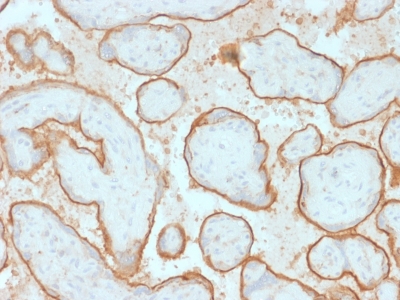
IHC (Immunohistochemistry) (Immunoperoxidase of monoclonal antibody to ALPPL2 on formalin-fixed paraffin-embedded human placenta. [antibody concentration 3ug/ml].)
WB (Western Blot) (Western Blot analysis of ALPPL2 expression in transfected 293T cell line by ALPPL2 monoclonal antibody Lane 1: ALPPL2 transfected lysate (57.5kD). Lane 2: Non-transfected lysate.)
WB (Western Blot) (ALPPL2 monoclonal antibody Western Blot analysis of ALPPL2 expression in A-431.)
WB (Western Blot) (Western Blot detection against Immunogen (35.64kD).)
Application Data (Detection limit for recombinant GST tagged SNRPA is ~0.03ng/ml as a capture antibody.)
IF (Immunofluorescence) (Immunofluorescence of monoclonal antibody to SNRPA on HeLa cell. [antibody concentration 10ug/ml].)
IHC (Immunohistochemistry) (Immunoperoxidase of monoclonal antibody to SNRPA on formalin-fixed paraffin-embedded human heart tissue. [antibody concentration 3ug/ml].)
WB (Western Blot) (Western Blot analysis of SNRPA expression in transfected 293T cell line by SNRPA monoclonal antibody. Lane 1: SNRPA transfected lysate (31.3kD). Lane 2: Non-transfected lysate.)
WB (Western Blot) (SNRPA monoclonal antibody, Western Blot analysis of SNRPA expression in Hela.)
WB (Western Blot) (Western Blot detection against Immunogen (57.13kD).)
WB (Western Blot) (Western blot analysis of SGK over-expressed 293 cell line, cotransfected with SGK Validated Chimera RNAi (Lane 2) or non-transfected control (Lane 1). Blot probed with SGK monoclonal antibody. GAPDH (36.1kD) used as specificity and loading control.)
Application Data (Detection limit for recombinant GST tagged SGK is ~1ng/ml as a capture antibody.)
IF (Immunofluorescence) (Immunofluorescence of monoclonal antibody to SGK on HeLa cell. [antibody concentration 10ug/ml].)
IHC (Immunohistochemistry) (Immunoperoxidase of monoclonal antibody to SGK on formalin-fixed paraffin-embedded human stomach tissue. [antibody concentration 5ug/ml].)
IHC (Immunohistochemistry) (Immunoperoxidase of monoclonal antibody to SGK on formalin-fixed paraffin-embedded human kidney. [antibody concentration 3ug/ml].)
WB (Western Blot) (Western Blot analysis of SGK expression in transfected 293T cell line by SGK monoclonal antibody. Lane 1: SGK transfected lysate (48.9kD). Lane 2: Non-transfected lysate.)
WB (Western Blot) (Western Blot detection against Immunogen (73.52kD).)
WB (Western Blot) (AKT1 monoclonal antibody Western Blot analysis of AKT1 expression in NIH/3T3.)
WB (Western Blot) (Western Blot analysis of AKT1 expression in transfected 293T cell line by AKT1 monoclonal antibody. Lane 1: AKT1 transfected lysate (55.7kD). Lane 2: Non-transfected lysate.)
Application Data (Detection limit for recombinant GST tagged AKT1 is ~3ng/ml as a capture antibody.)
IP (Immunoprecipitation) (Immunoprecipitation of AKT1 transfected lysate using AKT1 monoclonal antibody and Protein A Magnetic Bead and immunoblotted with AKT1 rabbit polyclonal antibody.)
IF (Immunofluorescence) (Immunofluorescence of monoclonal antibody to AKT1 on HeLa cell. [antibody concentration 20ug/ml].)
IHC (Immunohistochemistry) (Immunoperoxidase of monoclonal antibody to AKT1 on formalin-fixed paraffin-embedded human stomach. [antibody concentration 3ug/ml].)
WB (Western Blot) (Western Blot detection against Immunogen (78.54kD).)
WB (Western Blot) (Western blot analysis of CRKL over-expressed 293 cell line, cotransfected with CRKL Validated Chimera RNAi (Lane 2) or non-transfected control (Lane 1). Blot probed with CRKL monoclonal antibody. GAPDH (36.1kD) used as specificity and loading control.)
WB (Western Blot) (Western Blot analysis of CRKL expression in transfected 293T cell line by CRKL monoclonal antibody. Lane 1: CRKL transfected lysate (33.8kD). Lane 2: Non-transfected lysate.)
Application Data (Proximity Ligation Analysis (PLA) of protein-protein interactions between PTK2 and CRKL. Huh7 cells were stained with PTK2 rabbit purified polyclonal 1:600 and CRKL mouse monoclonal antibody 1:100. Signals were detected by 30 Detection Kit 613 (red), and nuclei were counterstained with DAPI (blue). Each red dot represents the detection of protein-protein interaction complex)
Application Data (Proximity Ligation Analysis (PLA) of protein-protein interactions between GAB1 and CRKL. HeLa cells were stained with GAB1 rabbit purified polyclonal 1:1200 and CRKL mouse monoclonal antibody 1:50. Signals were detected by 30 Detection Kit 613 (red), and nuclei were counterstained with DAPI (blue). Each red dot represents the detection of protein-protein interaction complex.)
Application Data (Detection limit for recombinant GST tagged CRKL is ~0.3ng/ml as a capture antibody.)
IF (Immunofluorescence) (Immunofluorescence of monoclonal antibody to CRKL on HeLa cell. [antibody concentration 10ug/ml].)
WB (Western Blot) (Western Blot detection against Immunogen (36.74kD).)
WB (Western Blot) (Western Blot detection against Immunogen (70kD).)
WB (Western Blot) (Western blot analysis of LEF1 over-expressed 293 cell line, cotransfected with LEF1 Validated Chimera RNAi (Lane 2) or non-transfected control (Lane 1). Blot probed with LEF1 monoclonal antibody. GAPDH (36.1kD) used as specificity and loading control.)
Application Data (Detection limit for recombinant GST tagged LEF1 is ~0.3ng/ml as a capture antibody.)
WB (Western Blot) (Western Blot analysis of LEF1 expression in transfected 293T cell line by LEF1 monoclonal antibody. Lane 1: LEF1 transfected lysate (44.2kD). Lane 2: Non-transfected lysate.)
WB (Western Blot) (LEF1 monoclonal antibody, Western Blot analysis of LEF1 expression in MES-SA/Dx5.)
WB (Western Blot) (LEF1 monoclonal antibody. Western Blot analysis of LEF1 expression in HL-60.)
WB (Western Blot) (Western Blot analysis of FTL expression in transfected 293T cell line by FTL monoclonal antibody (M18), clone X3.Lane 1: FTL transfected lysate (20 KDa).Lane 2: Non-transfected lysate.)
WB (Western Blot) (Western blot analysis of FTL over-expressed 293 cell line, cotransfected with FTL Validated Chimera RNAi (Lane 2) or non-transfected control (Lane 1). Blot probed with FTL monoclonal antibody (M18), clone X3. GAPDH (36.1 kDa) used as specificity and loading control.)
Application Data (Detection limit for recombinant GST tagged FTL is approximately 0.03ng/ml as a capture antibody.)
WB (Western Blot) (FTL monoclonal antibody (M18), clone X3 Western Blot analysis of FTL expression in K-562 (Cat # L009V1).)
IF (Immunofluorescence) (Immunofluorescence of monoclonal antibody to FTL on HeLa cell. [antibody concentration 10 ug/ml])
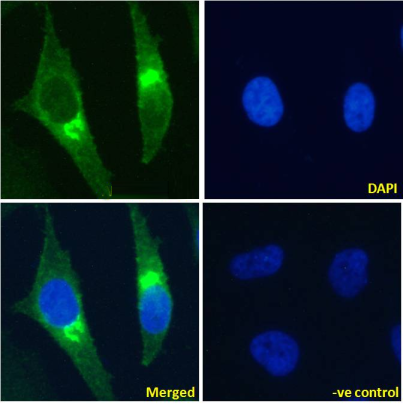
ICC (Immunocytochemistry) (ICC staining PP2A alpha + beta in Hela cells (green). The nuclear counter stain is DAPI (blue). Cells were fixed in paraformaldehyde, permeabilised with 0.25% Triton X100/PBS.)
ICC (Immunocytochemistry) (ICC staining PP2A alpha + beta in PANC-1 cells (green). The nuclear counter stain is DAPI (blue). Cells were fixed in paraformaldehyde, permeabilised with 0.25% Triton X100/PBS.)
IHC (Immunohistochemistry) (Immunohistochemical analysis of paraffin-embedded mouse brain tissue using anti-PP2A alpha + beta antibody. Counter stained with hematoxylin.)
IHC (Immunohistochemistry) (Immunohistochemical analysis of paraffin-embedded human pancreas tissue using anti-PP2A alpha + beta antibody. Counter stained with hematoxylin.)
IHC (Immunohistchemistry) (Immunohistochemical analysis of paraffin-embedded human tonsil tissue using anti-PP2A alpha + beta antibody. Counter stained with hematoxylin.)
IHC (Immunohistochemistry) (Immunohistochemical analysis of paraffin-embedded rat kidney tissue using anti-PP2A alpha + beta antibody. Counter stained with hematoxylin.)
IHC (Immunohistochemistry) (Immunohistochemical analysis of paraffin-embedded mouse heart tissue using anti-PP2A alpha + beta antibody. Counter stained with hematoxylin.)
IHC (Immunohistochemistry) (Immunohistochemical analysis of paraffin-embedded mouse stomach tissue using anti-PP2A alpha + beta antibody. Counter stained with hematoxylin.)
WB (Western Blot) (Western blot analysis of PP2A alpha + beta on hybrid fish (crucian-carp) brain tissue lysate using anti-PP2A alpha + beta antibody at 1/500 dilution.)
WB (Western Blot) (Western blot analysis of PP2A alpha + beta on different lysates using anti-PP2A alpha + beta antibody at 1/1, 000 dilution. Positive control: Lane 1: A431 Lane 2: NIH/3T3 Lane 3: 293T)
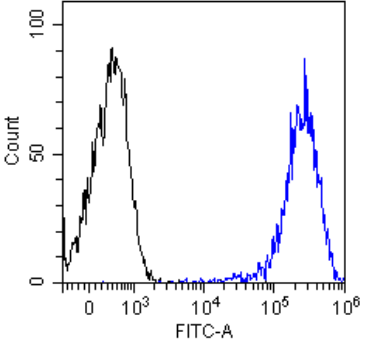
FCM (Flow Cytometry) (Flow cytometric analysis of SH-SY5Y cells with PPP1R1A antibody at 1/50 dilution (red) compared with an unlabelled control (cells without incubation with primary antibody; black). Alexa Fluor 488-conjugated goat anti rabbit IgG was used as the secondary antibody.)
ICC (Immunocytochemistry) (ICC staining PPP1R1A in SHG-44 cells (green). The nuclear counter stain is DAPI (blue). Cells were fixed in paraformaldehyde, permeabilised with 0.25% Triton X100/PBS.)
ICC (Immunocytochemistry) (ICC staining PPP1R1A in SH-SY5Y cells (green). The nuclear counter stain is DAPI (blue). Cells were fixed in paraformaldehyde, permeabilised with 0.25% Triton X100/PBS.)
ICC (Immunocytochemistry) (ICC staining PPP1R1A in N2A cells (green). The nuclear counter stain is DAPI (blue). Cells were fixed in paraformaldehyde, permeabilised with 0.25% Triton X100/PBS.)
IHC (Immunohistochemistry) (Immunohistochemical analysis of paraffin-embedded mouse kidney tissue using anti-PPP1R1A antibody. Counter stained with hematoxylin.)
IHC (Immunohistochemistry) (Immunohistochemical analysis of paraffin-embedded mouse brain tissue using anti-PPP1R1A antibody. Counter stained with hematoxylin.)
IHC (Immunohistochemistry) (Immunohistochemical analysis of paraffin-embedded human kidney tissue using anti-PPP1R1A antibody. Counter stained with hematoxylin.)
WB (Western Blot) (Western blot analysis of PPP1R1A on Rat brain lysates using anti-PPP1R1A antibody at 1/1, 000 dilution.)
FCM (Flow Cytometry) (Flow cytometric analysis of A431 cells with Securin antibody at 1/100 dilution (red) compared with an unlabelled control (cells without incubation with primary antibody; black). Alexa Fluor 488-conjugated goat anti-rabbit IgG was used as the secondary antibody.)
ICC (Immunocytochemistry) (ICC staining Securin in PC-3M cells (green). The nuclear counter stain is DAPI (blue). Cells were fixed in paraformaldehyde, permeabilised with 0.25% Triton X100/PBS.)
ICC (Immunocytochemistry) (ICC staining Securin in HUVEC cells (green). The nuclear counter stain is DAPI (blue). Cells were fixed in paraformaldehyde, permeabilised with 0.25% Triton X100/PBS.)
ICC (Immunocytochemistry) (ICC staining Securin in A431 cells (green). The nuclear counter stain is DAPI (blue). Cells were fixed in paraformaldehyde, permeabilised with 0.25% Triton X100/PBS.)
IHC (Immunohistochemistry) (Immunohistochemical analysis of paraffin-embedded human colon cancer tissue using anti-Securin antibody. Counter stained with hematoxylin.)
IHC (Immunohistochemistry) (Immunohistochemical analysis of paraffin-embedded human tonsil tissue using anti-Securin antibody. Counter stained with hematoxylin.)
WB (Western Blot) (Western blot analysis of Securin on SiHa cell lysate using anti-Securin antibody at 1/500 dilution.)
FCM (Flow Cytometry) (Flow cytometric analysis of SK-Br-3 cells with SUN2 antibody at 1/100 dilution (purple) compared with an unlabelled control (cells without incubation with primary antibody; yellow). Alexa Fluor 488-conjugated goat anti-rabbit IgG was used as the secondary antibody.)
ICC (Immunocytochemistry) (ICC staining SUN2 (green) in SK-Br-3 cells. The nuclear counter stain is DAPI (blue). Cells were fixed in paraformaldehyde, permeabilised with 0.25% Triton X100/PBS.)
IHC (Immunohistchemistry) (Immunohistochemical analysis of paraffin-embedded mouse liver tissue using anti-SUN2 antibody. Counter stained with hematoxylin.)
IHC (Immunohistochemistry) (Immunohistochemical analysis of paraffin-embedded human prostate cancer tissue using anti-SUN2 antibody. Counter stained with hematoxylin.)
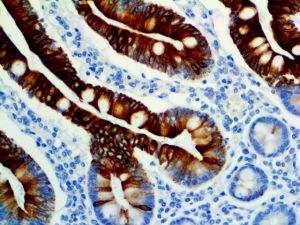
IHC (Immunohistochemistry) (Immunohistochemical analysis of paraffin-embedded human colon tissue using anti-SUN2 antibody. Counter stained with hematoxylin.)
IHC (Immunohistochemistry) (Immunohistochemical analysis of paraffin-embedded human tonsil tissue using anti-SUN2 antibody. Counter stained with hematoxylin.)
IHC (Immunohistochemistry) (Immunohistochemical analysis of paraffin-embedded rat epididymis tissue using anti-SUN2 antibody. Counter stained with hematoxylin.)
WB (Western Blot) (Western blot analysis of SUN2 on rat kidney tissue lysate using anti-SUN2 antibody at 1/2, 000 dilution.)
FCM (Flow Cytometry) (Flow cytometric analysis of Jurkat cells with SDHB antibody at 1/100 dilution (red) compared with an unlabelled control (cells without incubation with primary antibody; black). Alexa Fluor® 488-conjugated goat anti-rabbit IgG was used as the secondary antibody.)
IHC (Immunohistchemistry) (Immunohistochemical analysis of paraffin-embedded mouse heart tissue using anti-SDHB antibody. Counter stained with hematoxylin.)
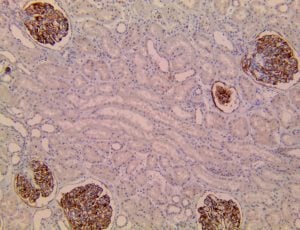
IHC (Immunohistochemistry) (Immunohistochemical analysis of paraffin-embedded human kidney tissue using anti-SDHB antibody. Counter stained with hematoxylin.)
IHC (Immunohistochemistry) (Immunohistochemical analysis of paraffin-embedded human colon cancer tissue using anti-SDHB antibody. Counter stained with hematoxylin.)
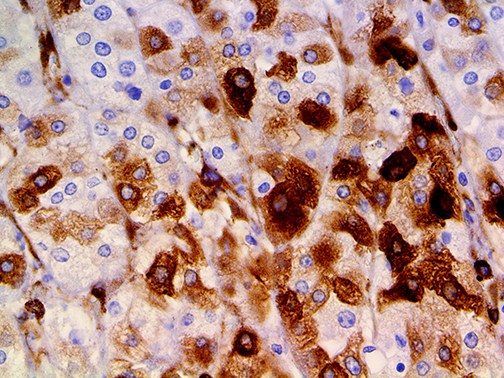
IHC (Immunohistochemistry) (Immunohistochemical analysis of paraffin-embedded human liver tissue using anti-SDHB antibody. Counter stained with hematoxylin.)
IHC (Immunohistochemistry) (Immunohistochemical analysis of paraffin-embedded rat esophagus tissue using anti-SDHB antibody. Counter stained with hematoxylin.)
WB (Western Blot) (Western blot analysis of SDHB on different lysates using anti-SDHB antibody at 1/500 dilution. Positive control: Lane 1: Human liver Lane 2: Rat spleen Lane 3: Rat liver Lane 4: Mouse spleen Lane 5: HepG2)
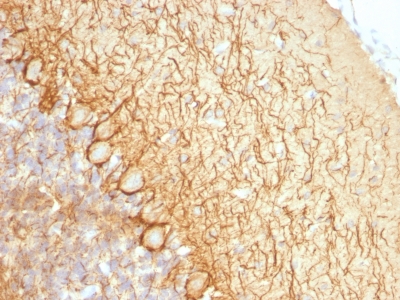
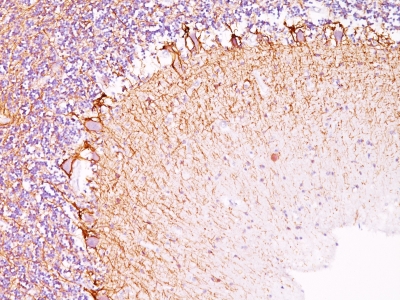
IHC (Immunohistchemistry) (AAA31473 at 1/100 staining rat brain tissue by IHC-P. The sample was formaldehyde fixed and a heat mediated antigen retrieval step in citrate buffer was performed. The sample was then blocked and incubated with the primary antibody at 4 degree C overnight. An HRP conjugated anti-mouse antibody was used as the secondary antibody.)
IHC (Immunohistochemistry) (AAA31473 at 1/100 staining mouse brain tissue by IHC-P. The sample was formaldehyde fixed and a heat mediated antigen retrieval step in citrate buffer was performed. The sample was then blocked and incubated with the primary antibody at 4 degree C overnight. An HRP conjugated anti-mouse antibody was used as the secondary antibody.)
IHC (Immunohistochemistry) (AAA31473 at 1/100 staining mouse kidney tissue by IHC-P. The sample was formaldehyde fixed and a heat mediated antigen retrieval step in citrate buffer was performed. The sample was then blocked and incubated with the primary antibody at 4 degree C overnight. An HRP conjugated anti-mouse antibody was used as the secondary antibody.)
IHC (Immunohistochemistry) (AAA31473 at 1/100 staining human ovarian cancer by IHC-P. The sample was formaldehyde fixed and a heat mediated antigen retrieval step in citrate buffer was performed. The sample was then blocked and incubated with the primary antibody at 4 degree C overnight. An HRP conjugated anti-mouse antibody was used as the secondary antibody.)
IHC (Immunohistochemistry) (AAA31473 at 1/100 staining human colorectal cancer by IHC-P. The sample was formaldehyde fixed and a heat mediated antigen retrieval step in citrate buffer was performed. The sample was then blocked and incubated with the primary antibody at 4 degree C overnight. An HRP conjugated anti-mouse antibody was used as the secondary antibody.)
WB (Western Blot) (Western blot analysis of extracts from various samples, using Nucleophosmin Mouse Monoclonal Antibody. Lane 1: Hela cells treated with blocking peptide; Lane 2: Hela cells; Lane 3: B16F10-LUC cells. Lane 4: Rat lung tissue.)
IP (Immunoprecipitation) (Immunoprecipitation analysis of 300 ug extracts from 293T cells using 3 ug [KO Validated] ATG5 Rabbit mAb (AAA28525). Western blot was performed from the immunoprecipitate using [KO Validated] ATG5 Rabbit mAb (AAA28525) at a dilution of 1:1000.)
IHC (Immunohistochemistry) (Immunohistochemistry analysis of paraffin-embedded rat colon tissue using [KO Validated] ATG5 Rabbit mAb (AAA28525) at a dilution of 1:200 (40x lens). High pressure antigen retrieval performed with 0.01M Citrate Buffer (pH 6.0) prior to IHC staining.)
IHC (Immunohistochemistry) (Immunohistochemistry analysis of paraffin-embedded Mouse colon tissue using [KO Validated] ATG5 Rabbit mAb (AAA28525) at a dilution of 1:200 (40x lens). High pressure antigen retrieval performed with 0.01M Citrate Buffer (pH 6.0) prior to IHC staining.)
IHC (Immunohistchemistry) (Immunohistochemistry analysis of paraffin-embedded Human kidney tissue using [KO Validated] ATG5 Rabbit mAb (AAA28525) at a dilution of 1:200 (40x lens). High pressure antigen retrieval performed with 0.01M Citrate Buffer (pH 6.0) prior to IHC staining.)
IHC (Immunohistochemistry) (Immunohistochemistry analysis of paraffin-embedded Human colon tissue using [KO Validated] ATG5 Rabbit mAb (AAA28525) at a dilution of 1:200 (40x lens). High pressure antigen retrieval performed with 0.01M Citrate Buffer (pH 6.0) prior to IHC staining.)
IHC (Immunohistochemistry) (Immunohistochemistry analysis of paraffin-embedded Human colon carcinoma tissue using [KO Validated] ATG5 Rabbit mAb (AAA28525) at a dilution of 1:200 (40x lens). High pressure antigen retrieval performed with 0.01M Citrate Buffer (pH 6.0) prior to IHC staining.)
IHC (Immunohistochemistry) (Immunohistochemistry analysis of paraffin-embedded Human breast cancer tissue using [KO Validated] ATG5 Rabbit mAb (AAA28525) at a dilution of 1:200 (40x lens). High pressure antigen retrieval performed with 0.01M Citrate Buffer (pH 6.0) prior to IHC staining.)
WB (Western Blot) (Western blot analysis of various lysates using [KO Validated] ATG5 Rabbit mAb (AAA28525) at 1:1000 dilution.Secondary antibody: HRP-conjugated Goat anti-Rabbit IgG (H+L) (AS014) at 1:10000 dilution.Lysates/proteins: 25ug per lane.Blocking buffer: 3% nonfat dry milk in TBST.Detection: ECL Basic Kit (RM00020).Exposure time: 1s.)
WB (Western Blot) (Western blot analysis of lysates from wild type (WT) and ATG5 knockout (KO) 293T cells, using [KO Validated] ATG5 Rabbit mAb (AAA28525) at 1:1000 dilution.Secondary antibody: HRP-conjugated Goat anti-Rabbit IgG (H+L) (AS014) at 1:10000 dilution.Lysates/proteins: 25ug per lane.Blocking buffer: 3% nonfat dry milk in TBST.Detection: ECL Basic Kit (RM00020).Exposure time: 1s.)
FCM (Flow Cytometry) (Flow cytometric analysis of Hela cells with PDGFR alpha antibody at 1/50 dilution (red) compared with an unlabelled control (cells without incubation with primary antibody; black). Alexa Fluor 488-conjugated goat anti rabbit IgG was used as the secondary antibody.)
ICC (Immunocytochemistry) (ICC staining PDGFR alpha in NIH/3T3 cells (red). The nuclear counter stain is DAPI (blue). Cells were fixed in paraformaldehyde, permeabilised with 0.25% Triton X100/PBS.)
ICC (Immunocytochemistry) (ICC staining PDGFR alpha in A549 cells (red). The nuclear counter stain is DAPI (blue). Cells were fixed in paraformaldehyde, permeabilised with 0.25% Triton X100/PBS.)
IHC (Immunohistochemistry) (Immunohistochemical analysis of paraffin-embedded mouse uterus tissue using anti-PDGFR alpha antibody. Counter stained with hematoxylin.)
IHC (Immunohistochemistry) (Immunohistochemical analysis of paraffin-embedded mouse brain tissue using anti-PDGFR alpha antibody. Counter stained with hematoxylin.)
IHC (Immunohistochemistry) (Immunohistochemical analysis of paraffin-embedded mouse colon tissue using anti-PDGFR alpha antibody. Counter stained with hematoxylin.)
WB (Western Blot) (Western blot analysis of PDGFR alpha on NIH/3T3 cells lysates using anti-PDGFR alpha antibody at 1/1, 000 dilution.)
ICC (Immunocytochemistry) (ICC staining NGF in NIH/3T3 cells (green). The nuclear counter stain is DAPI (blue). Cells were fixed in paraformaldehyde, permeabilised with 0.25% Triton X100/PBS.)
ICC (Immunocytochemistry) (ICC staining NGF in HepG2 cells (green). The nuclear counter stain is DAPI (blue). Cells were fixed in paraformaldehyde, permeabilised with 0.25% Triton X100/PBS.)
ICC (Immunocytochemistry) (ICC staining NGF in Hela cells (green). The nuclear counter stain is DAPI (blue). Cells were fixed in paraformaldehyde, permeabilised with 0.25% Triton X100/PBS.)
IHC (Immunohistochemistry) (Immunohistochemical analysis of paraffin-embedded mouse thymus tissue using anti-NGF antibody. Counter stained with hematoxylin.)
IHC (Immunohistochemistry) (Immunohistochemical analysis of paraffin-embedded mouse brain tissue using anti-NGF antibody. Counter stained with hematoxylin.)
IHC (Immunohistochemistry) (Immunohistochemical analysis of paraffin-embedded mouse liver tissue using anti-NGF antibody. Counter stained with hematoxylin.)
WB (Western Blot) (Western blot analysis of NGF on Hela cell lysates using anti-NGF antibody at 1/1, 000 dilution.)
Application Data (Anti-CD20 Reference Antibody (rituximab)-induced ADCC activity was evaluated using Raji Cell. The max Lysis rate was approximately 35%.)
Application Data (Anti-CD20 Reference Antibody (rituximab)-induced CDC activity was evaluated using Raji Cell. The max Lysis rate was approximately 74%.)
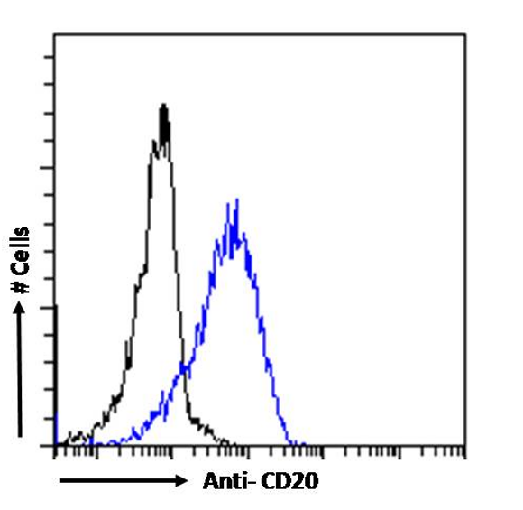
FCM (Flow Cytometry) (Raji cells were stained with Anti-CD20 Reference Antibody (rituximab) and negative control protein respectively, washed and then followed by PE and analyzed with FACS, EC87=1.334 ug/mL)
Application Data (Immobilized human EGFR His at 2 ug/mL can bind Anti-CD20 Reference Antibody (rituximab), EC50=0.01573/0.01258ug/mL)
Application Data (The purity of Anti-CD20 Reference Antibody (rituximab)is more than 98.97% ,determined by SEC-HPLC.)
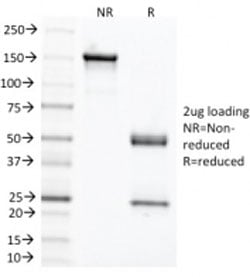
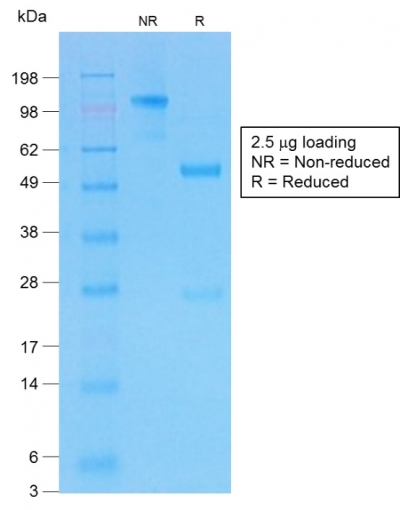
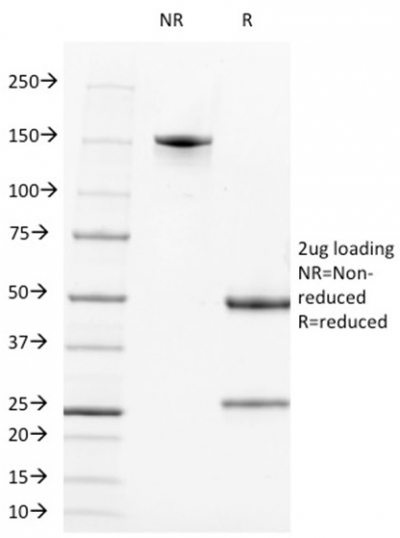
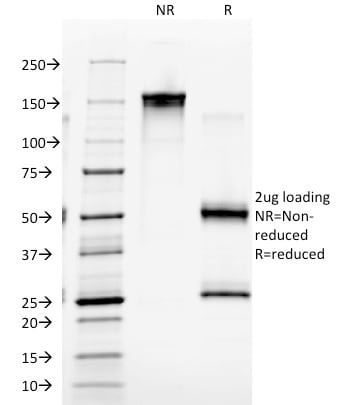
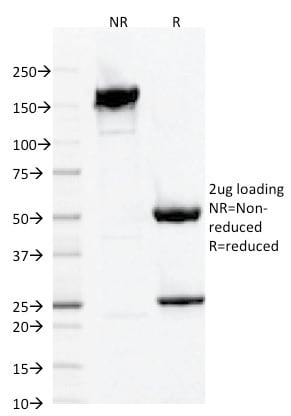
SDS-PAGE (Anti-CD20 Reference Antibody (rituximab) on SDS-PAGE under reducing (R) condition. The gel was stained with Coomassie Blue. The purity of the protein is greater than 95%)
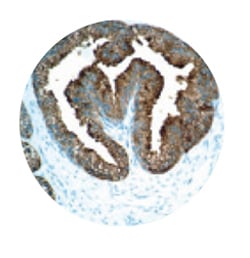
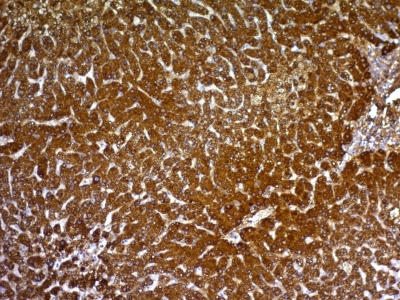
IHC (Immunohistochemistry) (Immunohistochemical analysis of paraffin-embedded Human pancreas. 1. Antibody was diluted at 1:400(4 degree overnight). 2. High-pressure and temperature EDTA. pH8.0 was used for antigen retrieval. 3.Secondary antibody was diluted at 1:200(room temperature. 30min).)
IHC (Immunohistchemistry) (Immunohistochemical analysis of paraffin-embedded Human pancreas. 1. Antibody was diluted at 1:400(4 degree overnight). 2. High-pressure and temperature EDTA. pH8.0 was used for antigen retrieval. 3.Secondary antibody was diluted at 1:200(room temperature. 30min).)
IHC (Immunohistochemistry) (Immunohistochemical analysis of paraffin-embedded Human pancreas. 1. Antibody was diluted at 1:200(4 degree overnight). 2. High-pressure and temperature EDTA. pH8.0 was used for antigen retrieval. 3.Secondary antibody was diluted at 1:200(room temperature. 30min).)
IHC (Immunohistchemistry) (Immunohistochemical analysis of paraffin-embedded Human pancreas. 1. Antibody was diluted at 1:200(4 degree overnight). 2. High-pressure and temperature EDTA. pH8.0 was used for antigen retrieval. 3.Secondary antibody was diluted at 1:200(room temperature. 30min).)
IHC (Immunohistochemistry) (Immunohistochemical analysis of paraffin-embedded Human pancreas. 1. Antibody was diluted at 1:100(4 degree overnight). 2. High-pressure and temperature EDTA. pH8.0 was used for antigen retrieval. 3.Secondary antibody was diluted at 1:200(room temperature. 30min).)
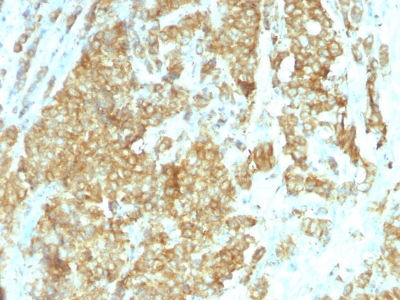
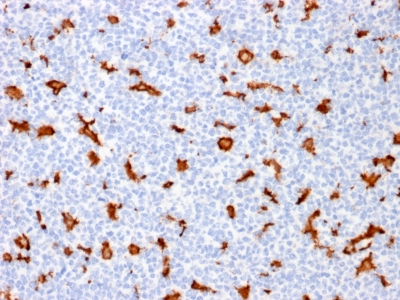
IHC (Immunohistochemistry) (IHC staining of Human small cell carcinoma of lung tissue. diluted at 1:200.)
WB (Western Blot) (Western blot analysis of 1) Hela. 2) Jurkat. 3) 293T cell lysates. diluted at 1:3000.)
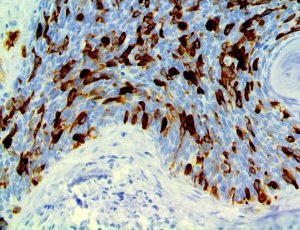
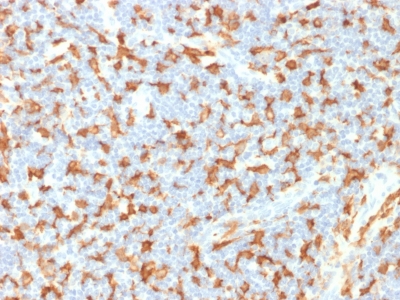
Application Data (Immunoperoxidase staining of a human tonsil cryosection with Mouse anti Human CD163 antibody, clone EDHu-1 followed by the Histar detection system . Low power)
Application Data (Immunoperoxidase staining of a human tonsil cryosection with Mouse anti Human CD163 antibody, clone EDHu-1 followed by the Histar detection system . High power)
Application Data (Published customer image: Massive activation and productive infection of microglia in CD4-depleted RMs. (a) ISH showing the levels of SIV vRNA+ cells in brain from a representative SIV-uninfected control (top), SIV-infected control (middle) and CD4-depleted SIV-infected (bottom) animal. The amount of SIV vRNA+ cells was markedly higher in CD4-depleted animals than in controls. (b) Immunofluorescence staining for CD163 (left panels), HLA-DR (middle panels) and proliferating cell nuclear antigen (PCNA; right panels) in the parenchyma of one representative SIV-uninfected control (top), one SIV-infected control (middle) and one SIV-infected CD4-depleted (bottom) RM. Nuclei are stained in green; markers of interest in red. (c) Quantitative analyses showing the number of cells per mm2 of tissue that stained positively for the markers of interest. Increased expression of CD163, HLA-DR and PCNA was found in CD4-depleted animals (orange square; n = 4) when compared to both groups of controls (SIV- open circle, n = 3; SIV+ closed circle, n = 3). (d) Single and combined staining for IBA-1 (green), CD163 (blue), and SIV-vRNA (red) in the brain of one representative SIV-infected CD4 depleted RM. The box on the right is a magnification of a microglial cell (IBA-1+) that expresses CD163 and is productively infected (SIV vRNA+).From: Micci L, Alvarez X, Iriele RI, Ortiz AM, Ryan ES, et al. (2014) CD4 Depletion in SIV-Infected Macaques Results in Macrophage and Microglia Infection with Rapid Turnover of Infected Cells. PLoS Pathog 10(10): e1004467.)
Application Data (Published customer image: Massive SIV infection of LN and intestinal macrophages in CD4-depleted RMs. (a) Immunofluorescence staining for T cell (CD3; blue) and macrophage (CD68 and/or CD163; green) lineage markers combined with in situ hybridization for SIV vRNA (red) in the LN isolated at day 42 post-infection from one representative undepleted control (left) and one CD4-depleted RM. The vast majority of SIV vRNA+ cells express CD3 in undepleted control but express CD68/CD163 in CD4-depleted RM. (b) The same staining is shown for colon (top) and jejunum (bottom) tissues in two representative CD4-depleted animals. (c) Quantitative image analysis of LN and mucosal tissues showing the fraction of SIV vRNA+ cells that express CD3 or CD68/CD163 in CD4-depleted (n = 12; the 8 animals in this study plus the 4 in Ortiz et al 2011) or undepleted control RMs (n = 6; two SIVmac251 infected animals belonging to a different study were added as controls). (d) Relative abundance of SIV vRNA+ in productively infected T cells and macrophages, determined by measuring the volumetric sum of the SIV vRNA+ intensity integration values in situ from confocal images collected under identical laser settings, is shown in four CD4-depleted RMs. Macrophages on average have higher per cell SIV vRNA+ content compared to CD4+ T cells within the same host. Statistical analyses were determined by Mann-Whitney test.From: Micci L, Alvarez X, Iriele RI, Ortiz AM, Ryan ES, et al. (2014) CD4 Depletion in SIV-Infected Macaques Results in Macrophage and Microglia Infection with Rapid Turnover of Infected Cells. PLoS Pathog 10(10): e1004467.)
Application Data (Published customer image:Immunofluorescence analysis of myocardial HO-1 and CD163 expression. Surgical non-treated (NT) control animals showed minimal HO-1 (green) expression in resident CD163+ perivascular macrophages (red) (A -C). Sporadic HO-1 expression (white arrow) localized to CD163+ cells observed with Hb alone (D -F). With LPS alone, CD163+ infiltrates and perivascular macrophages showed minimal HO-1 expression (white arrowhead) (G -I). Increased HO-1 expression localized to CD163+ infiltrates and perivascular macrophages observed with LPS + Hb (white arrows) (J -L,M -O). Hp reduces HO-1 expression in CD163+ infiltrates and perivascular cells (P -R,S -U). Nuclei were counterstained with Hoechst 33342 (blue). Scale bar = 10 um.From: Baek JH, Zhang X, Williams MC, Schaer DJ, Buehler PW, D'Agnillo F. Extracellular Hb enhances cardiac toxicity in endotoxemic guinea pigs: protective role of haptoglobin. Toxins (Basel). 2014 Mar 31;6(4):1244-59.)
Application Data (Published customer image: Rasmussen's encephalitis. (A) Areas of active encephalitis and cortical scarring highlighted with increased numbers of HLADR-positive microglia/macrophages, as well as interstitial rod-like CD163-positive microglia cells (inset). (B) On adjacent sections, labelling with pS6 235/236 showed a similar distribution of cellular labelling as well as with pS6 240/244 (C). (D) pS6 240/244 highlighted many of the enlarged dysmorphic neurones in RE cases, as confirmed with co-labelling with neurofilaments (inset). (E) pS6 236/26 demonstrated labelling of smaller glial cells as well as (F) bipolar rod shape cells. Double labelling studies in RE cases confirmed the majority of pS6 labelled cells were not GFAP-positive astroglia (G) but co-labelled with populations of iba1-positive cells (microglial marker) (H), nestin and doublecortin (inset) (I) positive cells. Bar in A, B, C equivalent to approximately 100 microns, in d approximately 50 microns and E, F, G, H, I approximately 30 microns.From: Liu J, Reeves C, Michalak Z, Coppola A, Diehl B, Sisodiya SM, Thom M. Evidence for mTOR pathway activation in a spectrum of epilepsy-associated pathologies. Acta Neuropathol Commun. 2014 Jul 8;2:71.)
Application Data (Published customer image: Tumor-promoting phenotype of the myeloid clusters. IHC staining demonstrating the expression of CD163, IL-6, IL-10, VEGF-A, MMP-9, SDF-1 and Bcl-xL by the myeloid cells associated with anthracosis. For each protein, representative images showing positive and negative staining areas were selected from the same slide. The quantification was performed by analyzing random images of myeloid cluster areas associated with anthracosis and other areas (10 images for each group) from 10 patients. Two-tailed Student's t-test was used for statistical analysis. Shown are means +/- SEM, *** P)
Application Data (Published customer image: Morphologic and phenotypic characterization of porcine alveolar macrophage cells (PAM) by flow cytometry using SWC3, SWC1, CD163, CD14, CD16, MHCII and DC-sign staining. This figure is a representative of three independent experiments.From: Seeboth J, Solinhac R, Oswald IP, Guzylack-Piriou L. The fungal T-2 toxin alters the activation of primary macrophages induced by TLR-agonists resulting in a decrease of the inflammatory response in the pig. Vet Res. 2012 Apr 24;43:35..)
Application Data (Immunofluorescence staining of a human tonsil cryosection with Mouse anti Human CD163 antibody, clone EDHu-1 , red in A and Mouse anti Human CD21 antibody, clone LB21 , green in B. C is the merged image with nuclei counterstained blue using DAPI. Low power)
Application Data (Immunofluorescence staining of a human tonsil cryosection with Mouse anti Human CD163 antibody, clone EDHu-1 , red in A and Mouse anti Human CD21 antibody, clone LB21 , green in B. C is the merged image with nuclei counterstained blue using DAPI. High power)
WB (Western Blot) (Detection of human E-Cadherin by western blot. Samples: Whole cell lysate (5 ug) from GaMG, HCT 116, U2OS, OVCAR-4, Jurkat, 22Rv1, HeLa, MCF-7, and K-562 cells prepared using NETN lysis buffer. Antibody: Rabbit anti-E-Cadherin recombinant monoclonal antibody (AAA23828 lot 1) used at 1:1000. Secondary: HRP-conjugated goat anti-rabbit IgG . Detection: Chemiluminescence with an exposure time of 10 seconds. Lower Panel: Rabbit anti-Actin recombinant monoclonal antibody .)
WB (Western Blot) (Detection of mouse E-Cadherin by western blot. Samples: Whole cell lysate (5 ug) from EL4, mIMCD-3, NIH 3T3, Renca, and TCMK-1 cells prepared using NETN lysis buffer. Antibody: Rabbit anti-E-Cadherin recombinant monoclonal antibody (AAA23828 lot 1) used at 1:1000. Secondary: HRP-conjugated goat anti-rabbit IgG . Detection: Chemiluminescence with an exposure time of 10 seconds.)
IP (Immunoprecipitation) (Detection of human E-Cadherin by western blot of immunoprecipitates. Samples: Whole cell lysate (1.0 mg per IP reaction; 20% of IP loaded) from MCF-7 cells prepared using NETN lysis buffer. Antibodies: Rabbit anti-E-Cadherin recombinant monoclonal antibody (AAA23828 lot 1) used for IP at 20 ul/mg lysate. E-Cadherin was also immunoprecipitated by rabbit anti-E-Cadherin antibody (BL13080). For blotting immunoprecipitated E-Cadherin, AAA23828 was used at 1:1000. Detection: Chemiluminescence with an exposure time of 1 second.)
IHC (Immunohistchemistry) (Detection of human E-Cadherin in FFPE lung carcinoma by immunohistochemistry-IF. Antibody: Rabbit anti-E-Cadherin recombinant monoclonal antibody (AAA23828 Lot 1). Secondary: HRP-conjugated goat anti-rabbit IgG . Substrate: Opal. Counterstain: DAPI.)
IHC (Immunohistochemistry) (Detection of mouse E-Cadherin in FFPE skin by IHC. Antibody: Rabbit anti-E-Cadherin recombinant monoclonal antibody (AAA23828 lot 1). Secondary: HRP-conjugated goat anti-rabbit IgG . Substrate: DAB.)
IHC (Immunohistochemistry) (Detection of human E-Cadherin in FFPE squamous cell carcinoma by IHC. Antibody: Rabbit anti-E-Cadherin recombinant monoclonal antibody (AAA23828 lot 1). Secondary: HRP-conjugated goat anti-rabbit IgG . Substrate: DAB.)
IHC (Immunohistochemistry) (Detection of human E-Cadherin in FFPE lung carcinoma by IHC. Antibody: Rabbit anti-E-Cadherin recombinant monoclonal antibody (AAA23828 lot 1). Secondary: HRP-conjugated goat anti-rabbit IgG . Substrate: DAB.)
ICC (Immunocytochemistry) (Detection of human E-Cadherin in FFPE HCT-116 cells by ICC. Antibody: Rabbit anti-E-Cadherin recombinant monoclonal antibody (AAA23828 lot 1). Secondary: HRP-conjugated goat anti-rabbit IgG . Substrate: DAB.)
FCM (Flow Cytometry) (Detection of human E-Cadherin (shaded) in HT29 cells by flow cytometry. Antibody: Rabbit anti-E-Cadherin recombinant monoclonal antibody (AAA23828) or isotype control (unshaded). Secondary: DyLight 650-conjugated goat anti-rabbit IgG .)
WB (Western Blot) (Western blot analysis of PAX5 over-expressed 293 cell line, cotransfected with PAX5 Validated Chimera RNAi (Lane 2) or non-transfected control (Lane 1). Blot probed with PAX5 monoclonal antibody. GAPDH (36.1kD) used as specificity and loading control.)
Application Data (Detection limit for 130905 is ~0.03ng/ml as a capture antibody.)
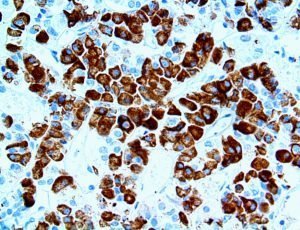
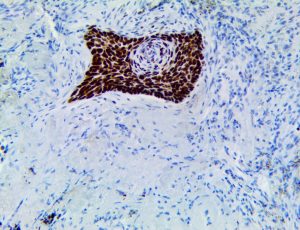
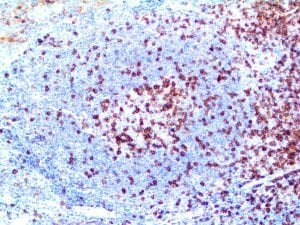
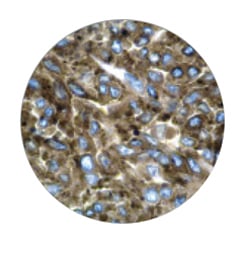
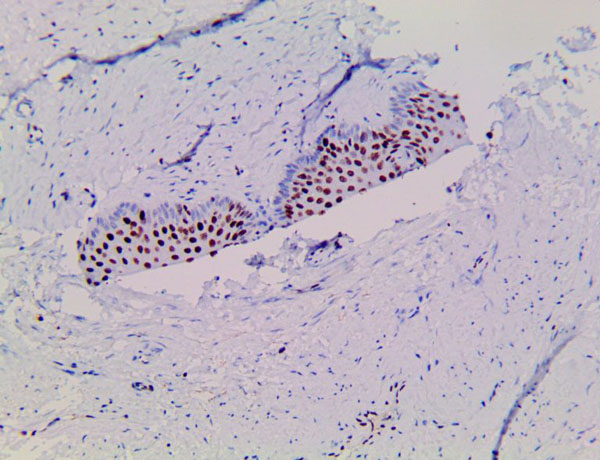
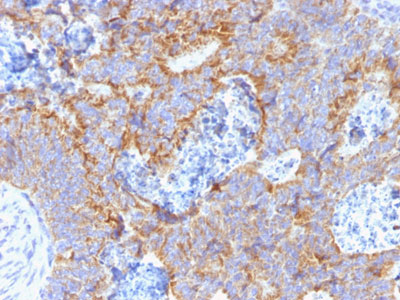
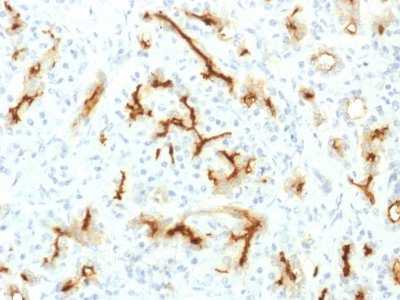
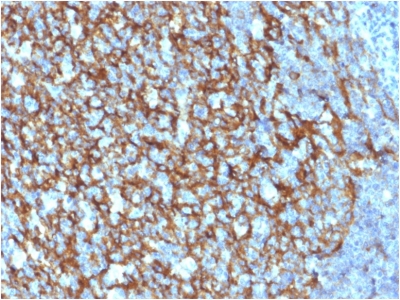
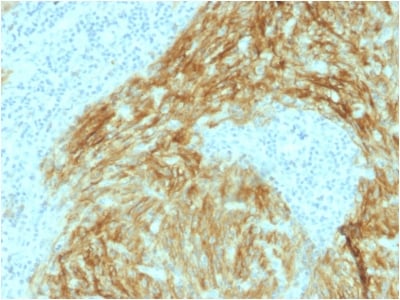
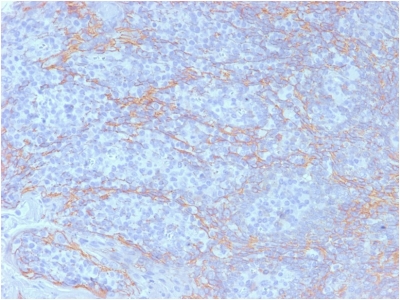
IHC (Immunohistochemistry) (Immunoperoxidase on formalin-fixed paraffin-embedded human tonsil using 130905 (1.5ug/ml).)
WB (Western Blot) (Western Blot analysis of PAX5 expression in transfected 293T cell line by 130905. Lane 1: PAX5 transfected lysate (42.1kD). Lane 2: Non-transfected lysate.)
WB (Western Blot) (Western Blot analysis of PAX5 expression in IMR-32 using 130905.)
WB (Western Blot) (Western Blot detection against immunogen (37.84kD).)
PAX5 (Paired Box Protein Pax-5, B Cell-specific Transcription Factor, BSAP, PAX-5) (HRP)
Gene Names
PAX5; BSAP
Reactivity
Human
Applications
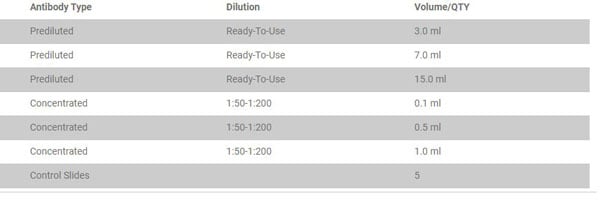
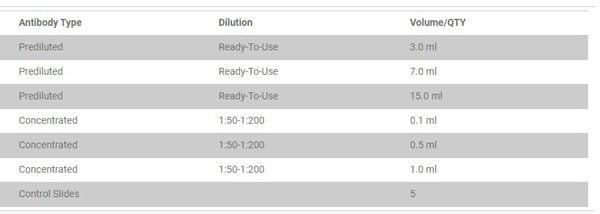
Immunohistochemistry, Western Blot
Purity
Purified by Protein A Affinity Chromatography.
Pricing
What are Monoclonal Antibodies?
Monoclonal antibodies are specialized laboratory-produced proteins developed for binding to specific biological antigens or other molecular targets. Since they come from a single cell (or clone), they are especially consistent and accurate in the data they are involved in producing.
This type of antibody material has been shown to be a powerful tool in finding and subsequently destroying harmful cells in an organism, such as those found in cancers or various autoimmune diseases. This makes them excellent aids in medical testing and research, which is why they are so widely used.
AAA Biotech offers a comprehensive range of high-quality monoclonal antibodies that perform effectively in various laboratory tests, including (amongst others) ELISA, western blotting, immunohistochemistry, and flow cytometry. All of the products in our catalog are thoroughly quality tested to make sure that they are reliable and will consistently perform well in your research.
What Are The Uses of Monoclonal Antibodies
Monoclonal antibodies are used in many lab tests, including (amongst others) ELISA, western blotting, immunohistochemistry, and flow cytometry.
ELISA is a test that helps detect a specific substance/analyte in a sample. It uses antibodies (often monoclonal) bound to a solid surface (such as the well of a microplate) to “capture” the substance/analyte in the sample and immobilize it so that the detection antibody component can then bind to it and produce a signal, which can then be measured.
Western blotting identifies specific proteins in a sample. The sample is first separated on a gel, and then antibodies are applied that will typically bind to the target, which will all be localized to a single band in a lane.
Immunohistochemistry helps locate specific proteins in cells or tissue samples using antibodies.
Flow cytometry looks at and sorts cells. It uses antibodies that are conjugated to reporter molecules called “fluorophores”, which, under special lights, emit light themselves, which can then be measured by a detector instrument.
How Monoclonal Antibodies Are Used as Medicine?
Please note that all of the products listed in AAA Biotech’s catalog are strictly for research-use only (RUO).
Monoclonal antibodies can also be used as therapeutic/medical treatments, particularly in the context of cancers. They are designed to find and bind to specific cells or proteins, helping the immune system recognize and attack the cancer. These treatments work in different ways, such as:
Radioimmunotherapy attaches a small amount of radioactive molecule to the antibody, so it delivers the radiation directly to the cancer cells that the antibody is specifically binding to.
Antibody-directed enzyme prodrug therapy uses antibodies that are specifically bound to special enzymes. These enzymes activate a harmless drug in the body and turn it into a cancer-killing drug only near the cancer cells—this helps avoid harming healthy cells.
Immunoliposomes are tiny “bubbles” filled with medicine/drug and coated with antibodies. They carry the drug straight to the cancer cells.
Why Buy Monoclonal Antibodies From Us?
At AAA Biotech, we provide high-performance monoclonal antibodies designed to support a wide range of research needs.
1. Validated for Versatile Applications
The antibodies in our catalog are extensively validated and compatible with multiple techniques, including (but not limited to) ELISA, flow cytometry (FC), immunocytochemistry (ICC), immunofluorescence (IF), immunohistochemistry (IHC), immunoprecipitation (IP), and western blotting (WB).
2. Wide Selection & Specialized Options
We offer antibodies for common and rare species, that are available in various conjugated forms, and also in recombinant formats. Essentially, there is almost anything one might need to meet their experimental model’s requirements.
3. High-Quality Proteins
Our proteins meet high purity standards—90% or more as confirmed by SDS-PAGE. Many are available with tags like His, Flag, GST, or MBP, and we also supply native and biologically active proteins for functional studies.
Frequently Asked Questions
1. Are your monoclonal antibodies validated for specific applications?
Yes, our antibodies are tested and validated for use in methods such as ELISA, western blot, IHC, flow cytometry, and more. Refer to specific product pages or datasheets for individual product information.
2. How do I choose the right monoclonal antibody for my application?
Review the product details directly for application validation, species reactivity, and target information. You may also contact our support team at any time for help.
3. How quickly can I receive my order?
Most orders are processed and shipped within 1–3 business days, depending on product availability and your shipping location.
Submit a Question
Please complete the form below and a representative will contact you as soon as possible.
Request more Information
Please complete the form below and a representative will contact you as soon as possible.
Request a Manual
Please complete the form below and a representative will contact you as soon as possible.
Request a Quote
Please complete the form below and a representative will contact you as soon as possible.