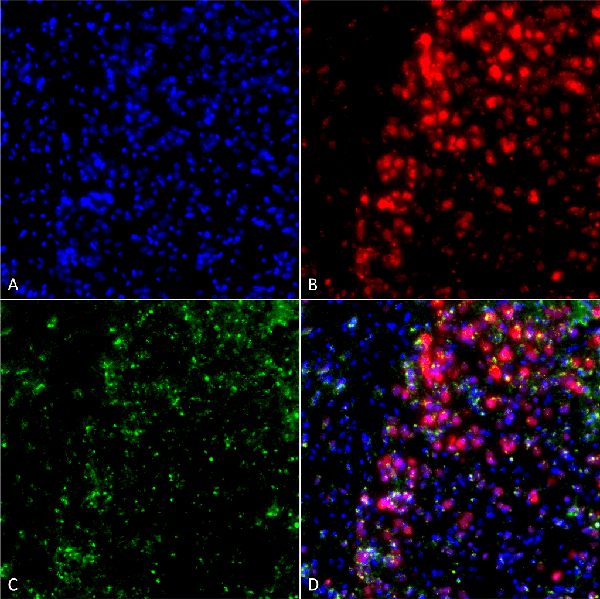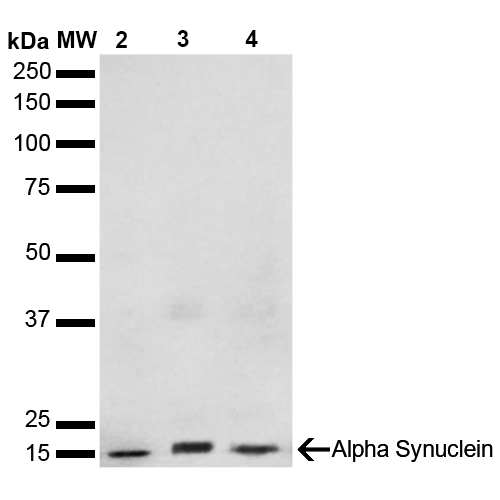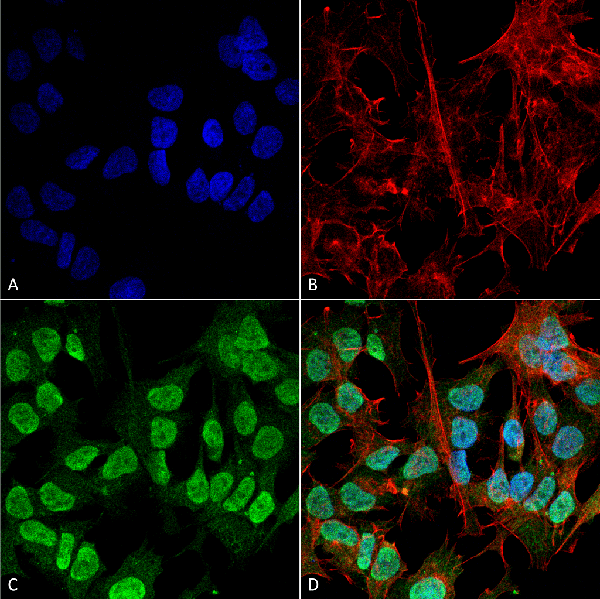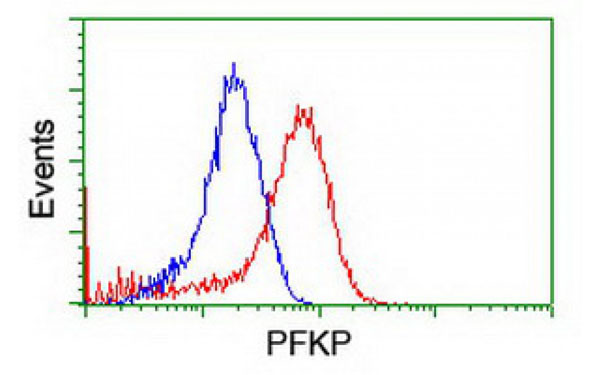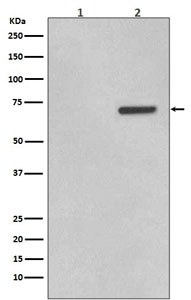
Get accurate results in your research with our Monoclonal Antibodies, which are specially made to target exactly what you require for your research, and will produce consistent, reliable performance in lab tests.
Application Data (Published customer image: CD2 distribution on bovine NK cells in peripheral blood and during cell culture. (A) CD2 expression by PBMCs from healthy cattle, and in NKp46-selected cells cultured for the indicated time in the presence of 100U/ml rbIL-2. Results were obtained by two-colour flow cytometry, gating for viable lymphocytes. Data shown are from one animal representative of 19. (B) Monitoring of cell divisions of CD2- and CD2+ NK cell populations during three and six days of rbIL-2 (100U/ml) stimulation. NKp46-selected cells were labelled with CFSE the day after isolation and CFSE intensity (filled histograms) measured in flow cytometry on the indicated days, gating for CD2- or CD2+ viable cells. Solid line open histograms show non-dividing NK cells, cultured in the presence of 1U/ml rbIL-2, while broken line open histograms show unlabeled stimulated NK cells. Data shown are from one animal representative of five. (C) Stability of CD2 expression in NK cell subsets cultured separately. NK cells separated with immunomagnetic beads for absence or presence of CD2 were cultured separately for eleven days in the presence of IL-2, monitoring CD2 expression at three different time points (filled histograms). Day 1 corresponds to the day of separation, 24 h after primary NK cell isolation. Open histograms show secondary mAb controls. Data shown are from one animal representative of eight.From: Boysen et al. BMC Immunology 2006 7:10.)
Application Data (Published customer image: Oenothein B induces IL-2Ra or CD69 on bovine and human NK cells. (A) Bovine PBMCs (105 cells/well) were treated with 20 ug/ml oenothein B in X-VIVO medium for 24 hrs, and IL-2Ra expression on NK cells was measured by multi-color flow cytometry. Representative examples of two-color flow cytometry plots comparing IL-2Ra staining on oenothein B-treated and untreated bovine NK cells (CD335+) from each animal are shown. (B) Human PBMCs (105 cells/well) were treated with 40 ug/ml oenothein B in cRPMI medium for 48 hrs. CD69 expression on NK cells was then measured by flow cytometry. Representative examples of two-color flow cytometry plots comparing CD69 staining on oenothein B-treated and untreated human NK cells from each donor are shown.From: Ramstead AG, Schepetkin IA, Quinn MT, Jutila MA (2012) Oenothein B, a Cyclic Dimeric Ellagitannin Isolated from Epilobium angustifolium, Enhances IFN? Production by Lymphocytes. PLoS ONE 7(11): e50546.)
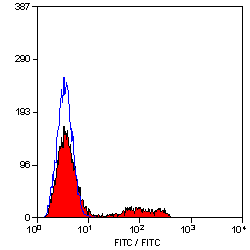
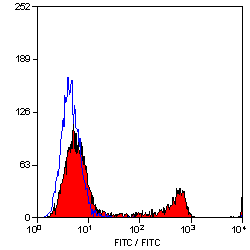
Application Data (Staining of bovine peripheral blood lymphocytes with Mouse anti Bovine CD335 followed by Goat anti Mouse IgG (H/L):FITC . A small positive peak representing NK cells can be identified)
Application Data (Published customer image: Effect of anti-CD2 mAbs on bovine NK cell functions. (A) IFN-? response from NK cells caused by cross-linking of CD2. Plastic wells were pre-coated with two different mAbs against bovine CD2, along with NKp46-mAb as positive control and CD8-mAb or medium as negative controls. rbIL-2 activated NK cells were added and incubated for 24 h in the presence or absence of rbIL-12 (0.5 U/ml), and IFN-? content in the supernatants analyzed by an ELISA. Data shown are means +/- SD of two to four individual animals. (B-C) IL-2 activated NK cell killing of the bovine target lines BL3.1 and MDBK in a 4 h 51Cr-release assay, with addition of the indicated mAbs for blocking. CD2mAb I = BAQ95A, CD2 mAb II = MUC2A, CD8 mAb = CACT80C, NKp46 mAb = AKS1. (D) As above, using murine Fc-receptor bearing P815 target cells to obtain a redirected lysis effect. Data shown in (B-D) are from one animal representative of three to five.From: Boysen et al. BMC Immunology 2006 7:10.)
Application Data (Published customer image: Oenothein B Primes bovine CD335+ cells to respond to IL-18. (A) Bovine PBMCs (105 cells/well) were depleted of CD335+ cells and treated with 20 ug/ml oenothein B or X-VIVO medium alone for 24 hrs. Cells were then washed and treated with 10 ng/ml rhu IL-18 or medium alone for 18 hrs. After incubation, IFN? levels in the supernatant fluids were measured by ELISA. The data are expressed as mean +/- SEM of three independent experiments comparing depleted PBMCs to un-depleted controls tested concurrently. All samples were tested in duplicate or triplicate. Statistical significance was measured by Two-way ANOVA with Bonferroni post-test. *p)
Application Data (Staining of human peripheral blood lymphocytes with Rat anti Human CD3 . Permeabilised with Leucoperm)
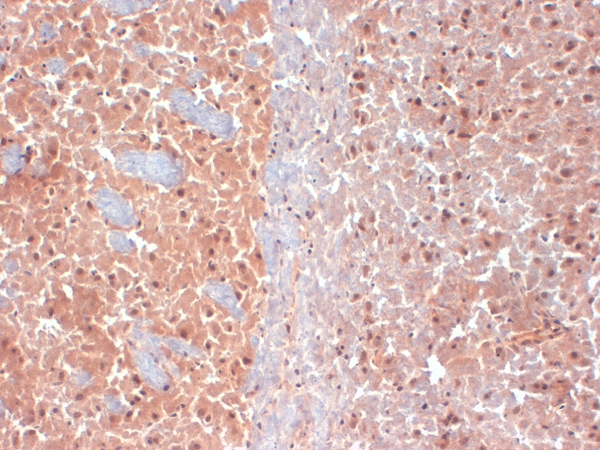
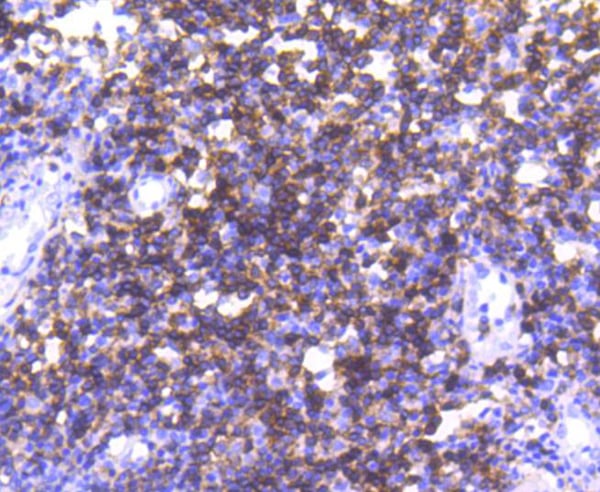
Application Data (Formalin fixed, paraffin embedded human tonsil stained with Rat anti Human CD3 following heat mediated antigen retrieval in EDTA buffer pH9.0)
Application Data (ELISA analysis of human CD3 expression using Rat anti Human CD3ε, clone CD3-12 as a capture reagent and biotinylated Mouse anti Human CD3, clone UCHT1 as a detection reagent with recombinant human CD3 as antigen to produce the standard curve. Detection is by HRP conjugated streptavidin and substrate. Microtitre plate is read at O.D. 450 nm on the iMark Microplate Absorbance Reader . A serum (green) sample is included undiluted)
Application Data (Staining of human peripheral blood lymphocytes with Rat anti Human CD3 following permeabilisation with Leucoperm)
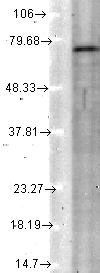
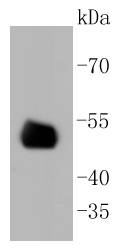
Application Data (Western blot analysis of Jurkat human acute T-cell leukemia whole cell lysate probed with Mouse anti Human CD3 antibody followed by HRP conjugated Goat anti Mouse IgG, visualized by chemiluminescence)
Application Data (Western blot analysis of HepG2 human hepatocellular carcinoma whole cell lysate probed with Mouse anti Human CD147 antibody followed by HRP conjugated Goat anti Mouse IgG, visualized by chemiluminescence)
Application Data (Staining of human erythrocytes with Mouse anti Human CD147)
Application Data (Staining of human erythrocytes with Mouse anti Human CD147:APC)
Application Data (Staining of thrombin activated platelets with Mouse anti Human CD62P)
Application Data (Staining of thrombin activated human platelets with Mouse anti Human CD62P:Azide Free)
Application Data (Staining of thrombin activated human peripheral blood platelets with Mouse anti Human CD62P: FITC (AAA50118))
Application Data (Staining of human peripheral blood platelets with Mouse anti Human CD62P)
Application Data (Staining of human tonsil showing capillary endothelium. Formalin fixed, paraffin processed tissue with Mouse anti Human CD62P (P-Selectin))
ELISA (Sandwich ELISA analysis of human haptoglobin using Mouse anti Human haptoglobin (AAA50426) as a capture reagent and biotinylated Mouse anti Human haptoglobin as a detection reagent with purified native human haptoglobin as the antigen. Detecti)
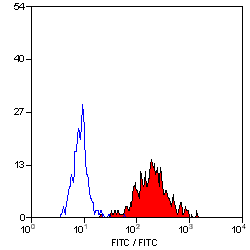
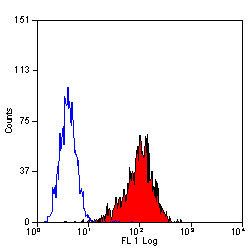
FCM/FACS (Flow Cytometry) (Staining of porcine peripheral blood lymphocytes with Mouse anti Pig CD8 beta chain followed by Goat anti Mouse IgG (H/L):FITC)
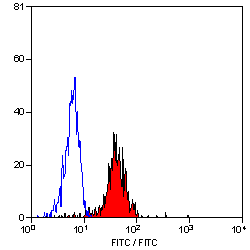
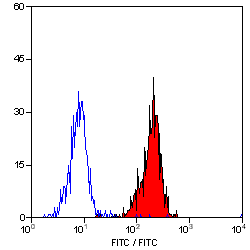
FCM/FACS (Flow Cytometry) (Staining of porcine peripheral blood lymphocytes with Mouse anti Pig CD8 beta chain:FITC)
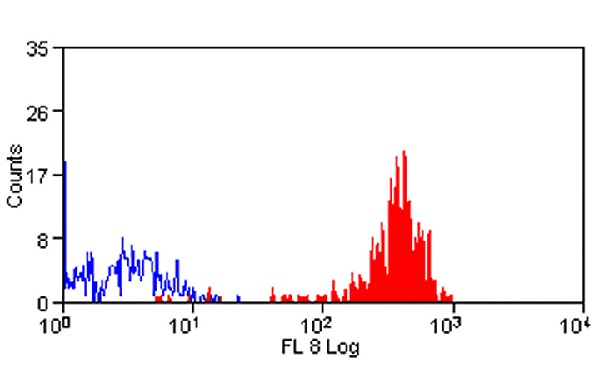
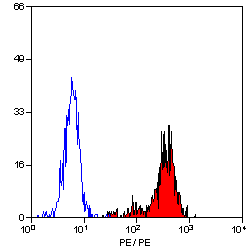
FCM/FACS (Flow Cytometry) (Staining of porcine peripheral blood lymphocytes with Mouse anti Pig CD8 beta chain:RPE)
Application Data (Figure A. RPE conjugated Mouse anti Human CD19 and FITC conjugated Mouse IgG1 isotype control . Figure B. RPE conjugated Mouse anti Human CD19 and FITC conjugated Mouse anti Human CD81 . All experiments performed on red cell lysed human blood gated on lymphocytes in the presence of Human Seroblock (BUF070A). Data acquired on the ZE5 Cell Analyzer.)
Application Data (Figure A. FITC conjugated Mouse anti Human CD19 and RPE conjugated Mouse IgG1 isotype control . Figure B. FITC conjugated Mouse anti Human CD19 and RPE conjugated Mouse anti Human CD81 . All experiments performed on red cell lysed human blood gated on lymphocytes in the presence of Human Seroblock (BUF070A). Data acquired on the ZE5 cell analyzer.)
Application Data (Figure A. RPE conjugated Mouse anti Human CD19 and Alexa Fluor 647 conjugated Mouse IgG1 isotype control . Figure B. RPE conjugated Mouse anti Human CD19 and Alexa Fluor 647 conjugated Mouse anti Human CD81 . All experiments performed on red cell lysed human blood gated on lymphocytes in the presence of Human Seroblock (BUF070A). Data acquired on the ZE5 cell analyzer.)
Application Data (Figure A. RPE conjugated Mouse anti Human CD19 and Alexa Fluor 488 conjugated Mouse IgG1 isotype control . Figure B. RPE conjugated Mouse anti Human CD19 and Alexa Fluor 488 conjugated Mouse anti Human CD81 . All experiments performed on red cell lysed human blood gated on lymphocytes in the presence of Human Seroblock (BUF070A). Data acquired on the ZE5 cell analyzer.)
Application Data (Figure A. FITC conjugated Mouse anti Human CD19 and RPE-Alexa Fluor 647 conjugated Mouse IgG1 isotype control . Figure B. FITC conjugated Mouse anti Human CD19 and RPE-Alexa Fluor 647 conjugated Mouse anti Human CD81 . All experiments performed on red cell lysed human blood gated on lymphoid cells in the presence of 10% human serum. Data acquired on the ZE5 Cell Analyzer.)
Application Data (Figure A. Pacific Blue conjugated Mouse anti Human CD14 and RPE conjugated Mouse IgG2b isotype control . Figure B. Pacific Blue conjugated Mouse anti Human CD14 and RPE conjugated Mouse anti Human CD68 . All experiments performed on red cell lysed human blood, fixed and permeabilized with Leucoperm (BUF09) gated on mononuclear cells in the presence of 10% human serum. Data acquired on the ZE5 Cell Analyzer.)
Application Data (Figure A. Alexa Fluor 700 conjugated Mouse anti Human CD14 and FITC conjugated Mouse IgG2b isotype control . Figure B. Alexa Fluor 700 conjugated Mouse anti Human CD14 and FITC conjugated Mouse anti Human CD68 . All experiments performed on red cell lysed human blood, fixed and permeabilized with Leucoperm (BUF09) gated on mononuclear cells in the presence of 10% human serum. Data acquired on the ZE5 Cell Analyzer.)
Application Data (Figure A. PE conjugated Mouse anti Human CD14 and Alexa Fluor 647 conjugated Mouse IgG2b isotype control . Figure B. PE conjugated Mouse anti Human CD14 and Alexa Fluor 647 conjugated Mouse anti Human CD68 . All experiments performed on red cell lysed human blood, fixed and permeabilized with Leucoperm (BUF09) gated on mononuclear cells in the presence of 10% human serum. Data acquired on the ZE5 Cell Analyzer.)
Application Data (Staining of pig alveolar macrophages with Mouse anti Pig CD203a followed by Goat anti Mouse IgG:FITC)
Application Data (Published customer image: Single colour flow cytometry analysis of changes in several immunologically relevant cell surface molecules of bone marrow-derived dendritic cells after 48 h of incubation with different PRRSV strains at a multiplicity of infection of 0.01 (as determined by titration in porcine alveolar macrophages). Grey histograms show cells stained with an irrelevant isotype-matched antibody and a secondary FITC or phycoerithrin conjugated antibody. Blue histograms show uninfected cells and red line histograms correspond to PRRSV-infected cells. Averages and variation coefficients are included. Grey values show the uninfected cell parameters and black values correspond to PRRSV-infected cells. A) SLA-I, SLA-II, CD80/86, CD14; B) SwC3, SwC9, CD163, CD16.From: Gimeno M, Darwich L, Diaz I, de la Torre E, Pujols J, Mart-n M, Inumaru S, Cano E, Domingo M, Montoya M, Mateu E. Cytokine profiles and phenotype regulation of antigen presenting cells by genotype-I porcine reproductive and respiratory syndrome virus isolates. Vet Res. 2011 Jan 18;42:9.)
Application Data (Published customer image:Overview of flow cytometry analyses. (A) Gating strategy for identification of monocytes and macrophages. The peripheral blood is shown. Designation of population shown within each dot-plot is indicated above the dot-plot. Leukocytes were identified as viable (a) non-doublet (b) cells with typical light scatter properties of leukocytes (c). Then, macrophages were gated simply as CD203ahi leukocytes (d) and marked with blue color. Monocytes were gated as CD203alow/- SWC8-(e) CD172ahi(f) leukocytes where the CD203alow/- region was defined as the complementary region to the CD203ahi region. Then, SLA-DR+ monocytes were marked with red color and SLA-DR- monocytes were marked with green color (g). SLA-DR- region was defined as the complementary region to the SLA-DR+ region. Gating order is shown in the scheme (h). (B) Representative CD163 vs. CD14 dot-plots of macrophages (blue) and monocyte subpopulations (green: SLA-DR -, red: SLA-DR+) in various body compartments of control and APP-infected pigs.From: Ondrackova P, Leva L, Kucerova Z, Vicenova M, Mensikova M, Faldyna M. Distribution of porcine monocytes in different lymphoid tissues and the lungs during experimental Actinobacillus pleuropneumoniae infection and the role of chemokines. Vet Res. 2013 Oct 17;44:98.)
ELISA (Sandwich ELISA analysis of human tPA using Mouse anti Human tPA (AAA50435) as a capture reagent and biotinylated Mouse anti Human tPA as a detection reagent with purified native tPA as the antigen. Detection was performed using HRP conjugated)
Application Data (Figure A. StarBright Yellow 575 conjugated Mouse anti Human CD19 and FITC conjugated Mouse IgG1 isotype control . Figure B. StarBright Yellow 575 conjugated Mouse anti Human CD19 and FITC conjugated Mouse anti Human CD21 (AAA50482). All experiments performed on red cell lysed human blood gated on single cell lymphocytes, in the presence of 10% human serum. Data acquired on the ZE5 Cell Analyzer.)
Application Data (Mouse anti Human CD21 antibody, clone Bu33 used to stain formalin fixed, paraffin embedded human spleen sections by immunohistochemistry, visualized by biotinylated anti-Mouse IgG and streptavidin alkaline phosphatase (red). Nuclei were counterstained with hematoxylin (blue).)
Monoclonal antibodies are specialized laboratory-produced proteins developed for binding to specific biological antigens or other molecular targets. Since they come from a single cell (or clone), they are especially consistent and accurate in the data they are involved in producing.
This type of antibody material has been shown to be a powerful tool in finding and subsequently destroying harmful cells in an organism, such as those found in cancers or various autoimmune diseases. This makes them excellent aids in medical testing and research, which is why they are so widely used.
AAA Biotech offers a comprehensive range of high-quality monoclonal antibodies that perform effectively in various laboratory tests, including (amongst others) ELISA, western blotting, immunohistochemistry, and flow cytometry. All of the products in our catalog are thoroughly quality tested to make sure that they are reliable and will consistently perform well in your research.
What Are The Uses of Monoclonal Antibodies
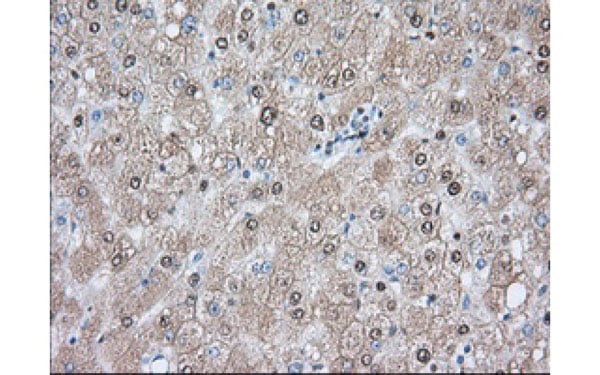
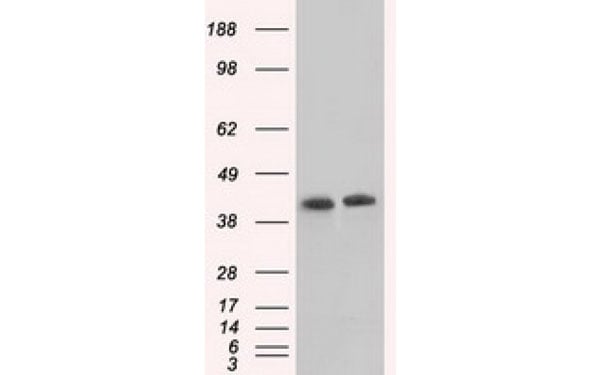
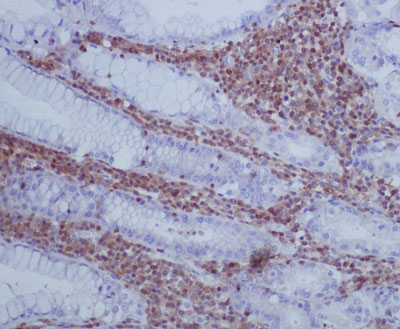
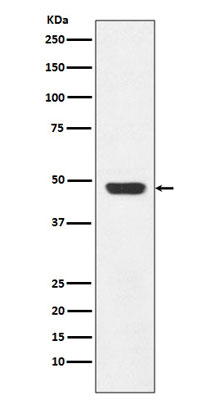
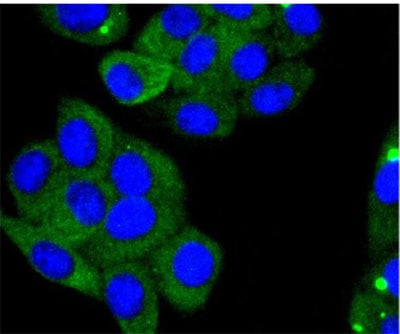
Monoclonal antibodies are used in many lab tests, including (amongst others) ELISA, western blotting, immunohistochemistry, and flow cytometry.
ELISA is a test that helps detect a specific substance/analyte in a sample. It uses antibodies (often monoclonal) bound to a solid surface (such as the well of a microplate) to “capture” the substance/analyte in the sample and immobilize it so that the detection antibody component can then bind to it and produce a signal, which can then be measured.
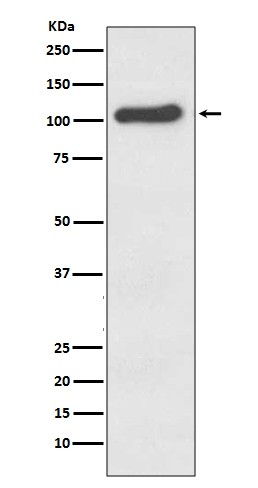
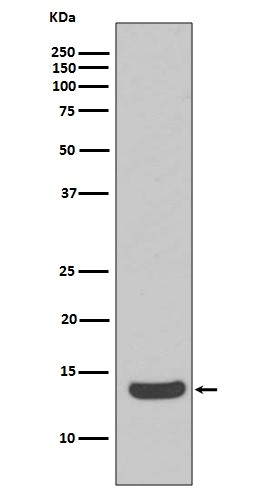
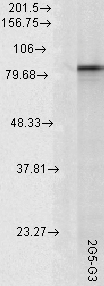
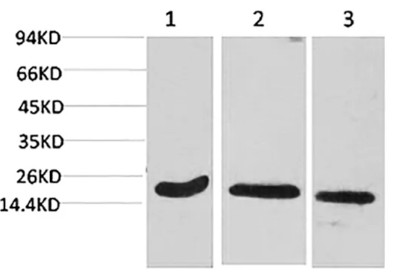
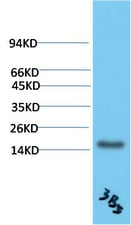
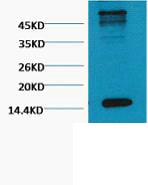
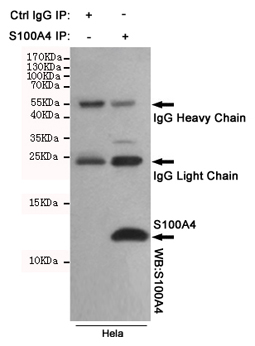
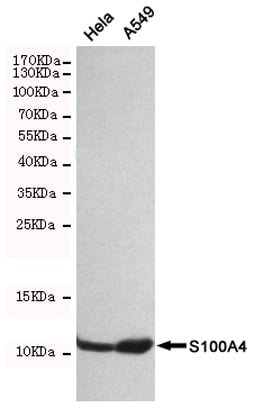
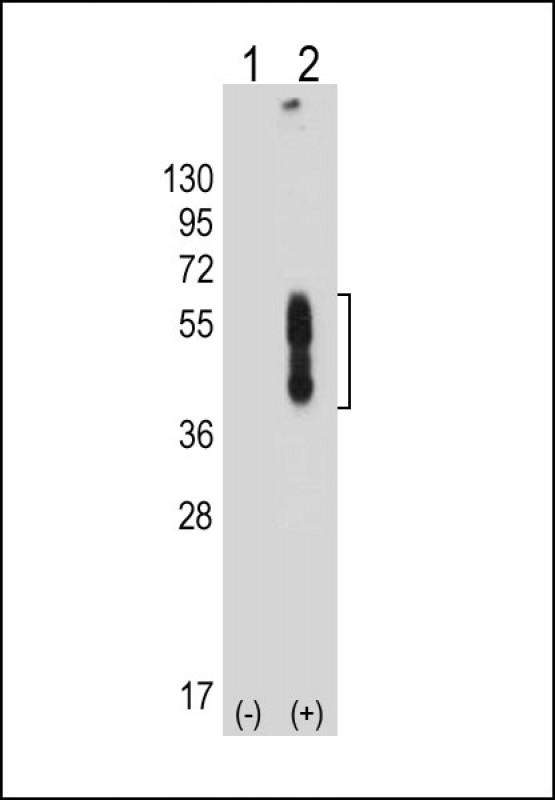
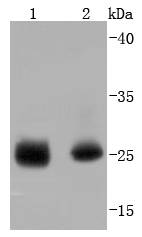
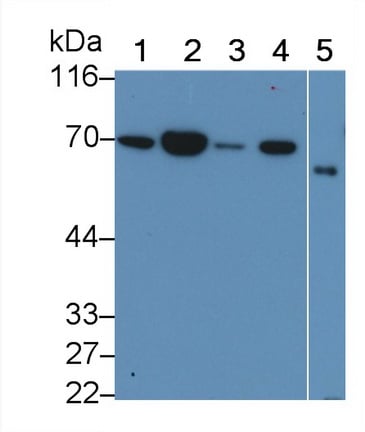
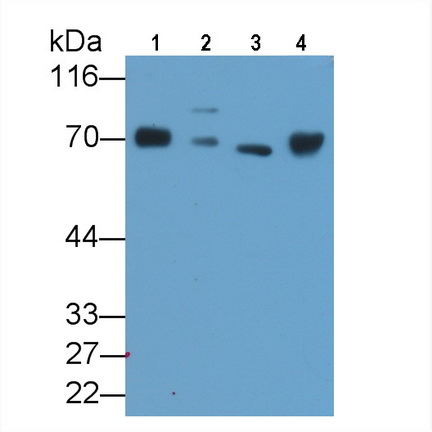
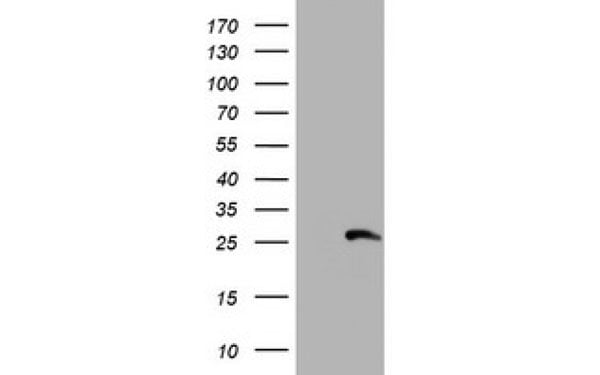
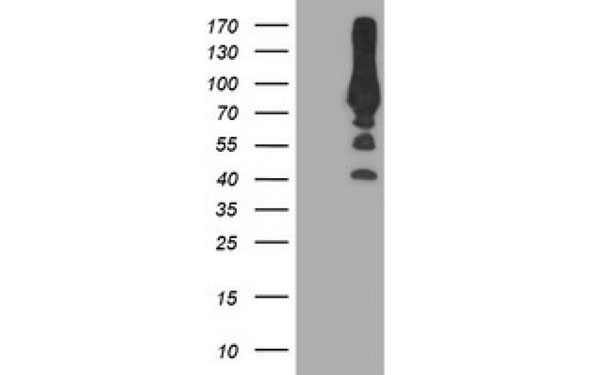
Western blotting identifies specific proteins in a sample. The sample is first separated on a gel, and then antibodies are applied that will typically bind to the target, which will all be localized to a single band in a lane.
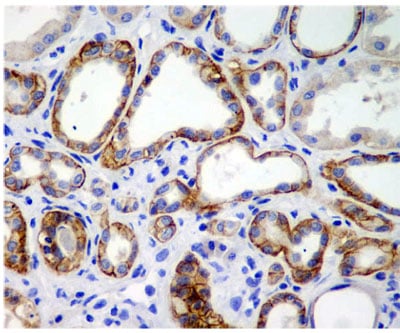
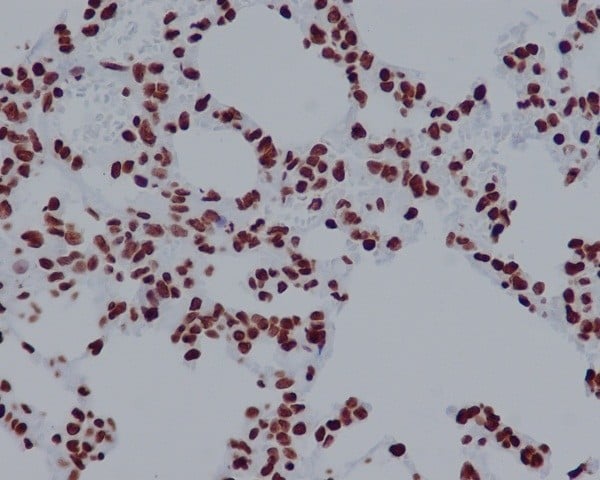
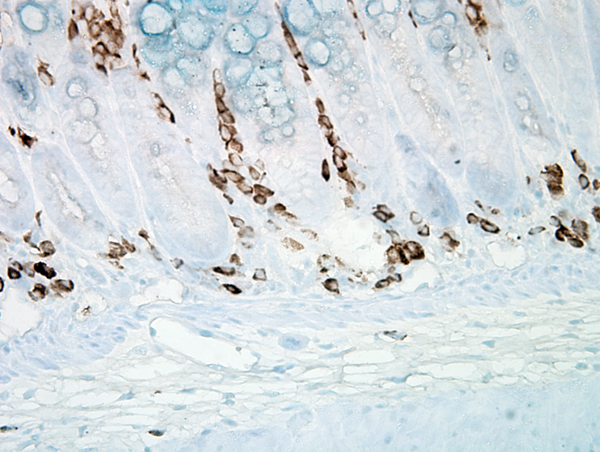
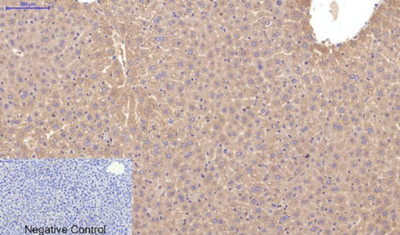
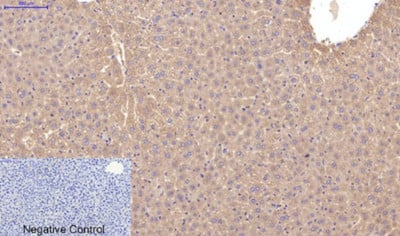
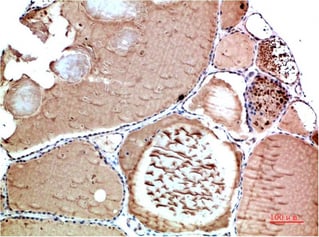
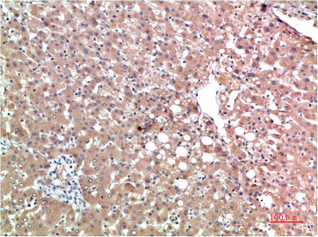
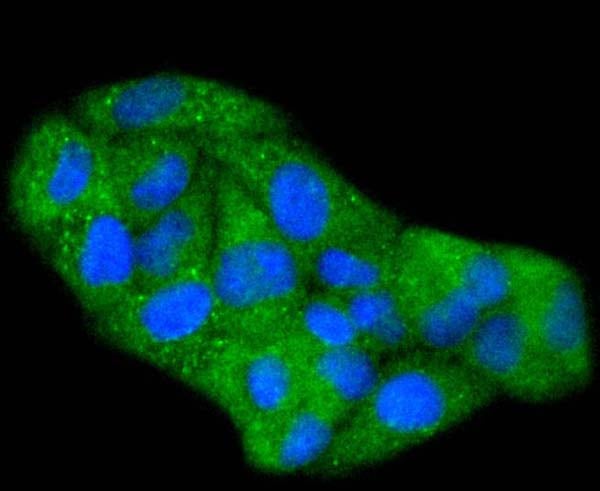
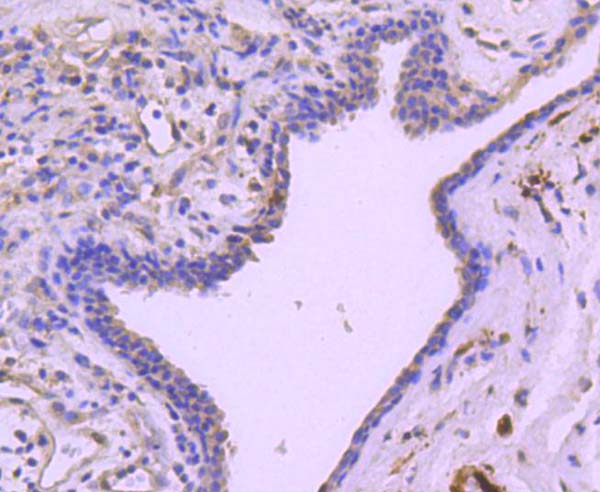
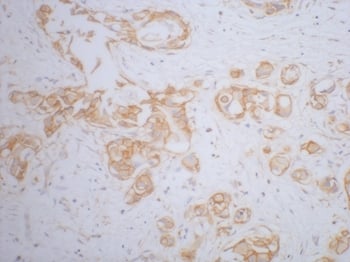
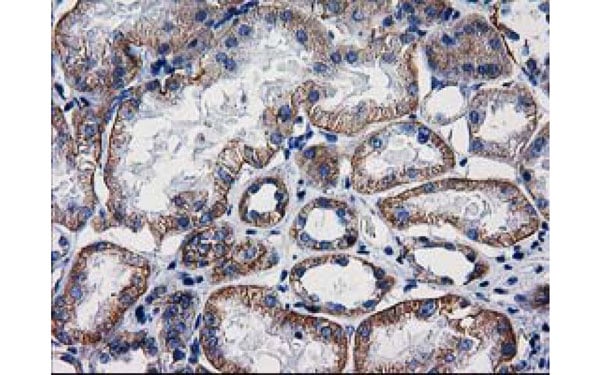
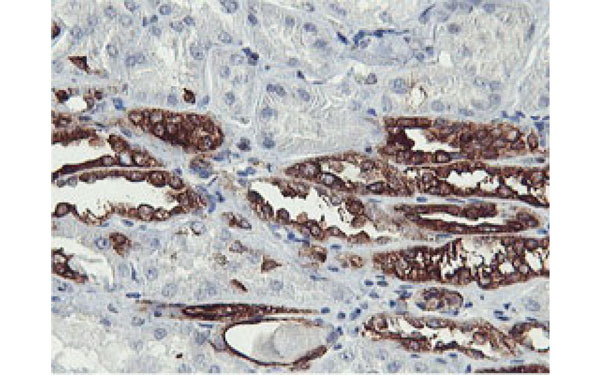
Immunohistochemistry helps locate specific proteins in cells or tissue samples using antibodies.
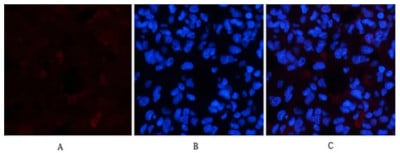
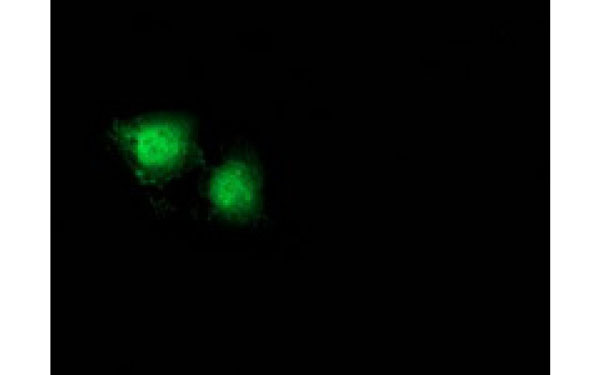
Flow cytometry looks at and sorts cells. It uses antibodies that are conjugated to reporter molecules called “fluorophores”, which, under special lights, emit light themselves, which can then be measured by a detector instrument.
How Monoclonal Antibodies Are Used as Medicine?
Please note that all of the products listed in AAA Biotech’s catalog are strictly for research-use only (RUO).
Monoclonal antibodies can also be used as therapeutic/medical treatments, particularly in the context of cancers. They are designed to find and bind to specific cells or proteins, helping the immune system recognize and attack the cancer. These treatments work in different ways, such as:
Radioimmunotherapy attaches a small amount of radioactive molecule to the antibody, so it delivers the radiation directly to the cancer cells that the antibody is specifically binding to.
Antibody-directed enzyme prodrug therapy uses antibodies that are specifically bound to special enzymes. These enzymes activate a harmless drug in the body and turn it into a cancer-killing drug only near the cancer cells—this helps avoid harming healthy cells.
Immunoliposomes are tiny “bubbles” filled with medicine/drug and coated with antibodies. They carry the drug straight to the cancer cells.
Why Buy Monoclonal Antibodies From Us?
At AAA Biotech, we provide high-performance monoclonal antibodies designed to support a wide range of research needs.
1. Validated for Versatile Applications
The antibodies in our catalog are extensively validated and compatible with multiple techniques, including (but not limited to) ELISA, flow cytometry (FC), immunocytochemistry (ICC), immunofluorescence (IF), immunohistochemistry (IHC), immunoprecipitation (IP), and western blotting (WB).
2. Wide Selection & Specialized Options
We offer antibodies for common and rare species, that are available in various conjugated forms, and also in recombinant formats. Essentially, there is almost anything one might need to meet their experimental model’s requirements.
3. High-Quality Proteins
Our proteins meet high purity standards—90% or more as confirmed by SDS-PAGE. Many are available with tags like His, Flag, GST, or MBP, and we also supply native and biologically active proteins for functional studies.
Frequently Asked Questions
1. Are your monoclonal antibodies validated for specific applications?
Yes, our antibodies are tested and validated for use in methods such as ELISA, western blot, IHC, flow cytometry, and more. Refer to specific product pages or datasheets for individual product information.
2. How do I choose the right monoclonal antibody for my application?
Review the product details directly for application validation, species reactivity, and target information. You may also contact our support team at any time for help.
3. How quickly can I receive my order?
Most orders are processed and shipped within 1–3 business days, depending on product availability and your shipping location.
Submit a Question
Please complete the form below and a representative will contact you as soon as possible.
Request more Information
Please complete the form below and a representative will contact you as soon as possible.
Request a Manual
Please complete the form below and a representative will contact you as soon as possible.
Request a Quote
Please complete the form below and a representative will contact you as soon as possible.