AAA Biotech provides a variety of high-quality recombinant and natural/native proteins that are proven to work in a wide range of experiments. Explore our products to find the active protein that best fits your needs or experimental model.
Mouse super leptin antagonist (mutant D23/L39A/D40A/F41A)
Purity
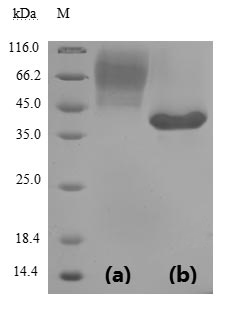
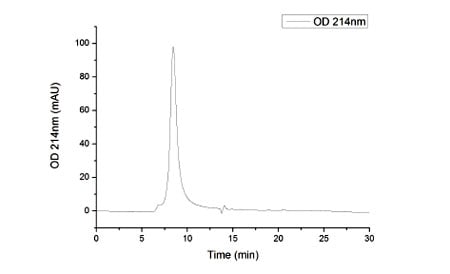
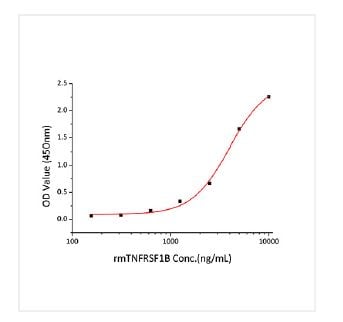
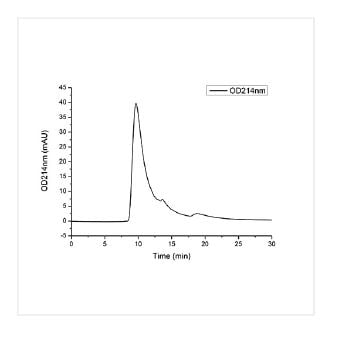
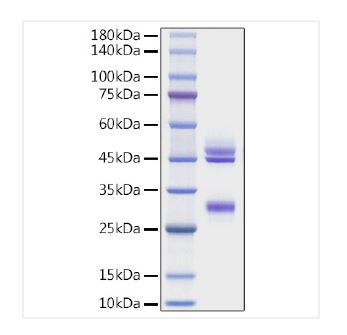
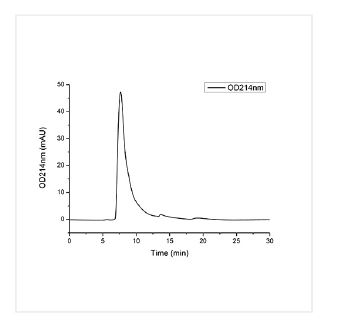
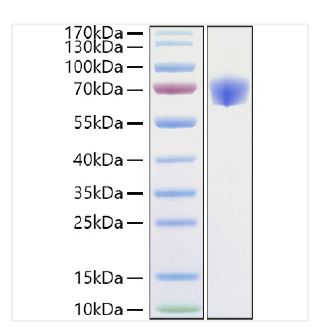
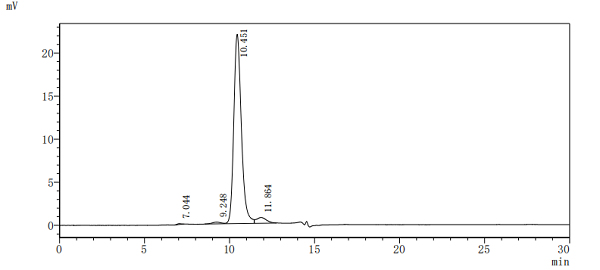
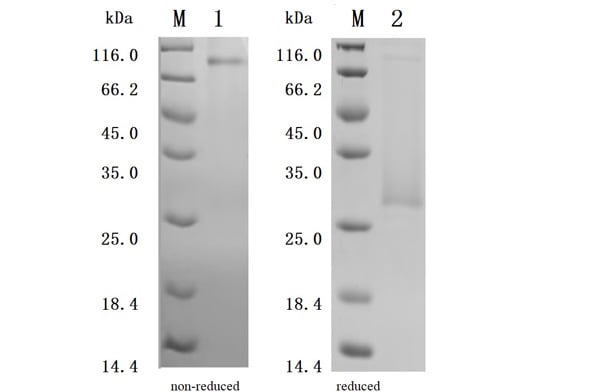
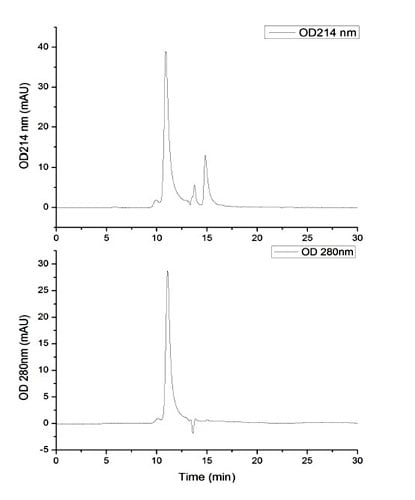
The purity of mouse super-active leptin antagonist is greater than 98.0% as determined by: (a) Gel filtration analysis. (b) Analysis by reducing and non-reducing SDS-PAGE gel.
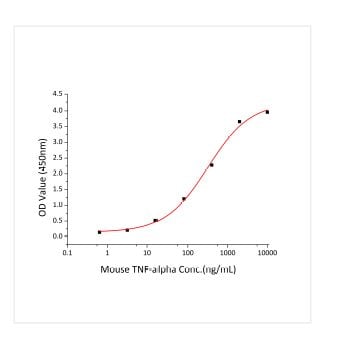
Biological Activity (Human TNF-alpha induces cell cytotoxicity in the L-929 mouse fibroblast cells in the presence of the metabolic inhibitor actinomycin D.)
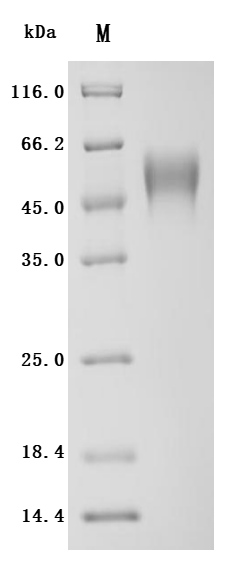
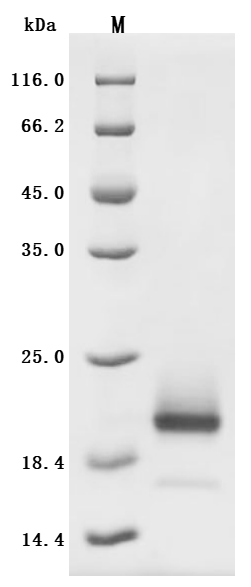
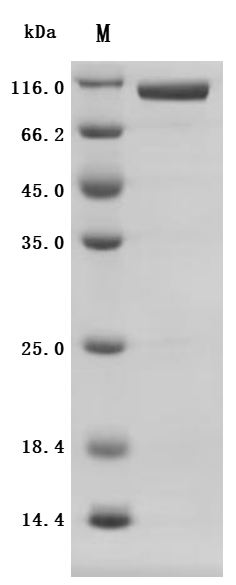
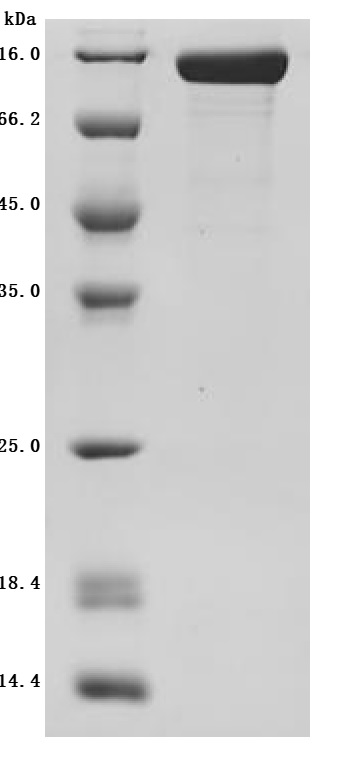
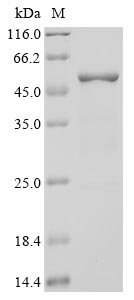
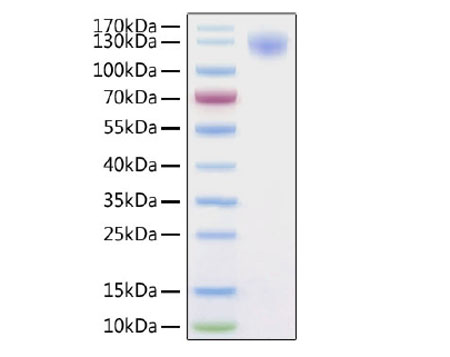
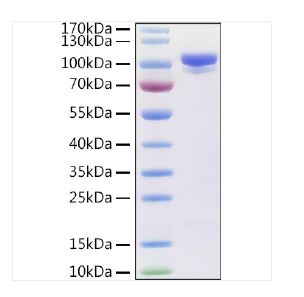
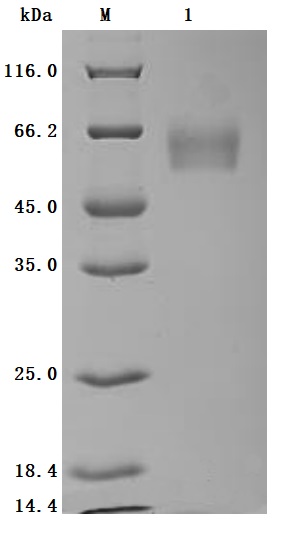
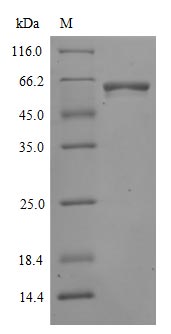
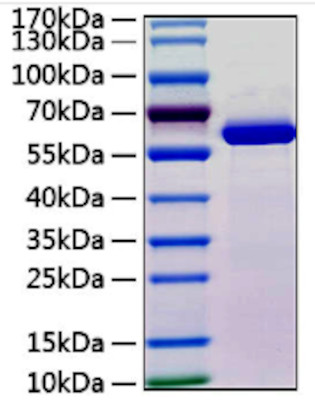
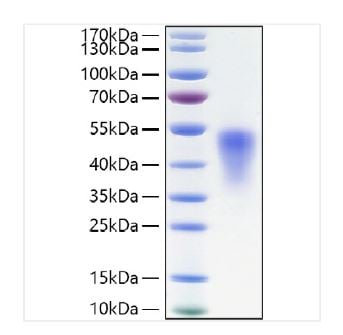
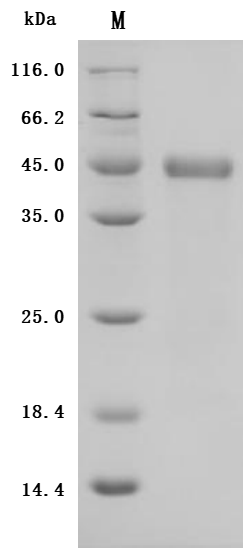
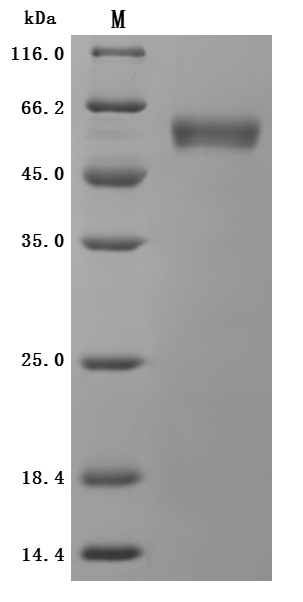
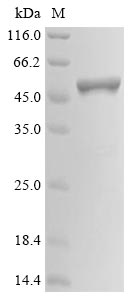
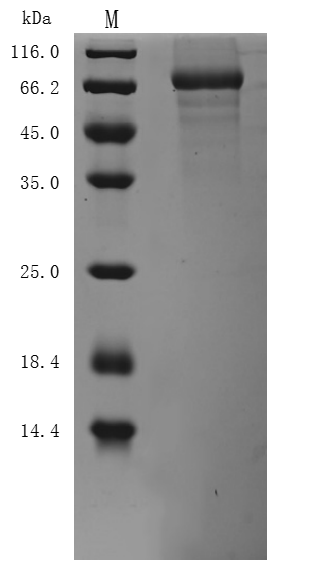
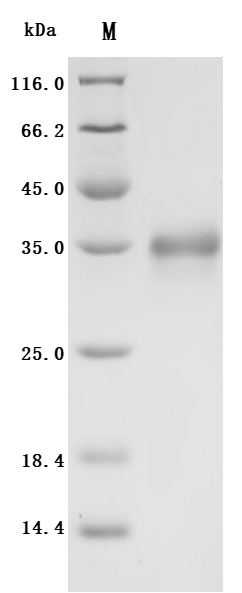
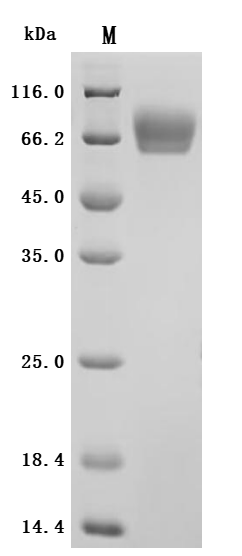
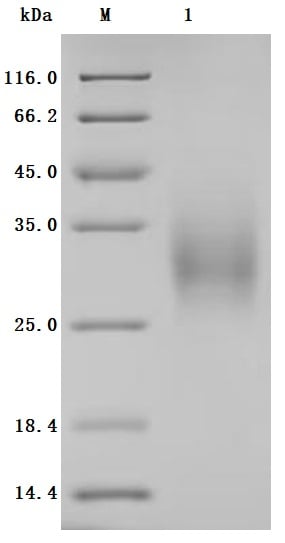
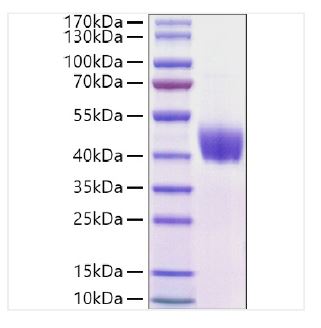
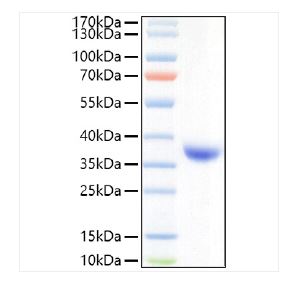
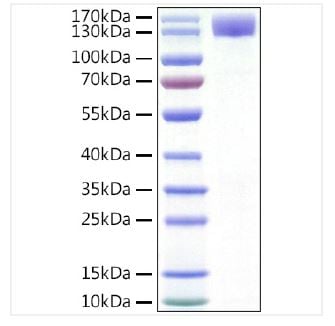
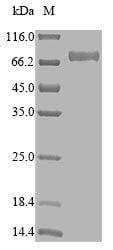
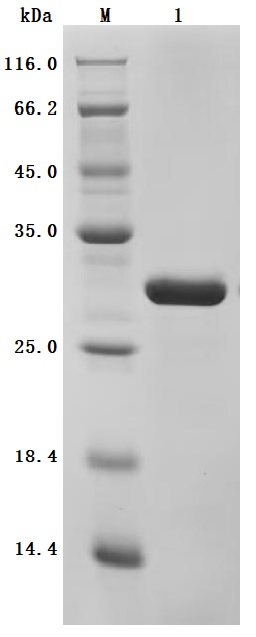
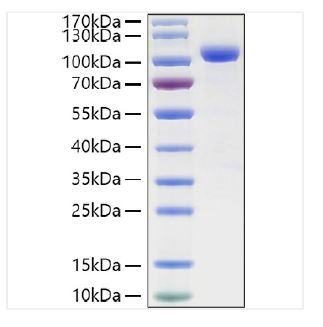
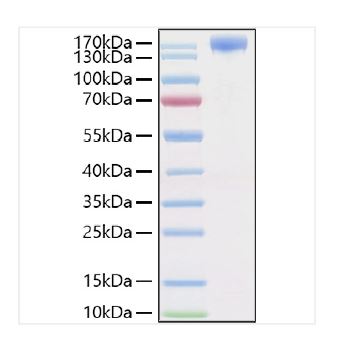
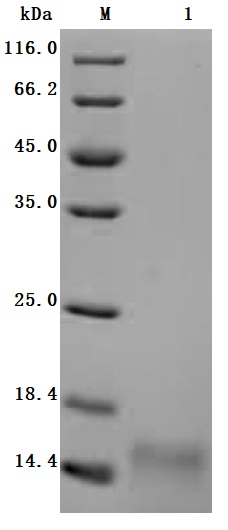
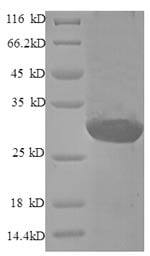
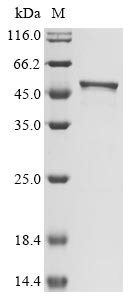
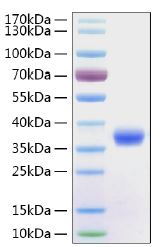
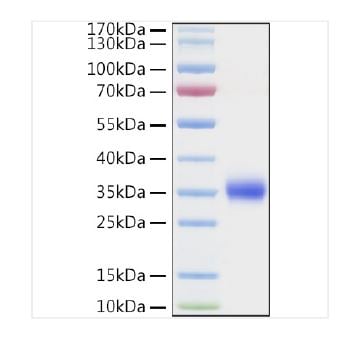
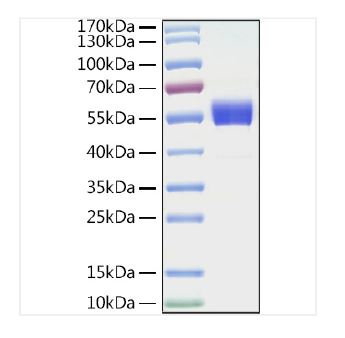
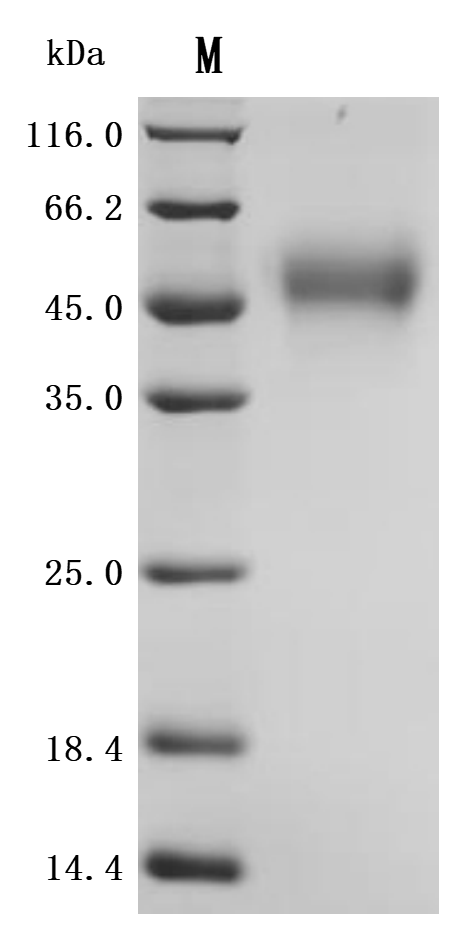
SDS-PAGE (3ug by SDS-PAGE under reducing condition and visualized by coomassie blue stain)
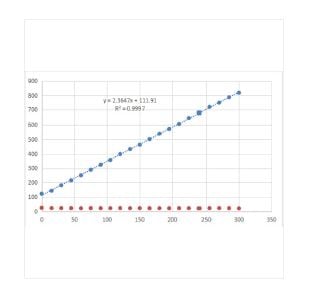
Application Data (Thioflavin T is a fluorescent dye that binds to beta sheet-rich structures such as those in tau fibrils. Upon binding, the emission spectrum of the dye experiences a red-shift, and increased fluorescence intensity. Thioflavin T emission curves show increased fluorescence (correlated to tau aggregation) in tau K18 P301L monomers over time. Thioflavin T ex = 450 nm, em = 485 nm.)
SDS-PAGE (SDS-PAGE of ~16 kDa Human Tau Protein K18 P301L Monomer. Lane 1: MW Ladder. Lane 2: Tau Protein Monomer)
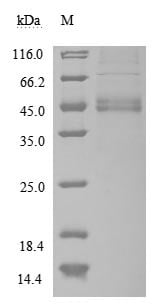
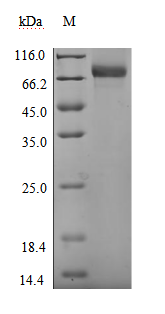
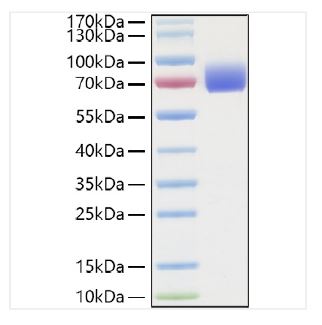
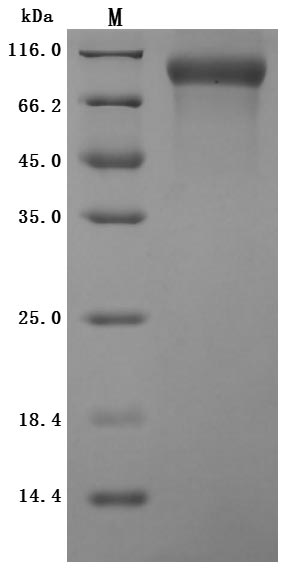
SDS-PAGE (SDS-PAGESample: Active recombinant GAS6, Human)
Identification (Gene Sequencing (extract))
Application Data (The dose-effect curve of GAS6 was shown in Figure 2. It was obvious that GAS6 significantly promoted cell proliferation of DU145 cells. The ED50 for this effect is typically 0.77~38.08ng/mL.)
Activity (Growth arrest-specific 6, also known as GAS6, is a gamma-carboxyglutamic acid (Gla) domain-containing protein thought to be involved in the stimulation of cell proliferation. It has been reported that both PC-3 and DU 145 human prostate cancer cell lines are stimulated to proliferate by Gas6, however, this proliferative response strictly correlates with the expression of the Axl receptor, being higher in DU 145 cells. To test the proliferative effect of Gas6, DU 145 cells were seeded into triplicate wells of 96-well plates at a density of 2,000 cells/well and allowed to attach overnight, then the medium was replaced with serum-free standard DMEM prior to the addition of various concentrations of GAS6. After incubated for 72h, cells were observed by inverted microscope and cell proliferation was measured by Cell Counting Kit-8 (CCK-8). Briefly, 10uL of CCK-8 solution was added to each well of the plate, then measure the absorbance at 450nm using a microplate reader after incubating the plate for 1-4 hours at 37oC.Cell proliferation of DU145 cells after incubation with GAS6 for 72h observed by inverted microscope was shown in Figure 1.The dose-effect curve of GAS6 was shown in Figure 2. It was obvious that GAS6 significantly promoted cell proliferation of DU145 cells. The ED50 for this effect is typically 0.77~38.08ng/mL.)
Application Data (The dose-effect curve of BMP7 was shown in Figure 2. It was obvious that BMP7 significantly promoted cell proliferation of MDA-MB-231 cells. The ED50 for this effect is typically 3.483 to 9.017 ng/mL.)
Activity (BMP7 (Bone morphogenetic protein 7), which belongs to the TGF-beta superfamily, is a signaling molecule with the ability to promote bone formation. BMP7 has also been implicated in various types of cancer, including breast cancer. It has been reported that BMP7 treatment induced cell growth promotion of MDA-MB-231 breast cancer line. To test the effect of BMP7 on cell proliferation, MDA-MB-231 cells were seeded into triplicate wells of 96-well plates at a density of 2,000 cells/well and allowed to attach overnight, then the medium was replaced with serum-free standard DMEM prior to the addition of various concentrations of BMP7. After incubated for 72h, cells were observed by inverted microscope and cell proliferation was measured by Cell Counting Kit-8 (CCK-8). Briefly, 10uL of CCK-8 solution was added to each well of the plate, then the absorbance at 450nm was measured using a microplate reader after incubating the plate for 1-4 hours at 37 degree C.)
Activity (Interleukin-1 beta belongs to the interleukin 1 cytokine family, which plays a critical role in inflammation, immunity, antiviral responses, and a variety of diseases. It has been reported that IL-1β-induced IL-6 production is mediated by both PI3K and IRAK4 in A549 cells. To test the bioactivity of IL-1β, A549 cells were seeded into 24-well plate at a density of 1x10⁵ cells/mL, and allowed to attach overnight before treated with or without certain concentrations (1ng/mL, 10ng/mL) of IL1-β for 4h and IL-6 levels in the cell supernatant were determined by ELISA.Result: IL-6 levels in the cell supernatant of A549 cells increased significantly after stimulated with IL1-β, the data was shown in Table 1 and Figure 1.)
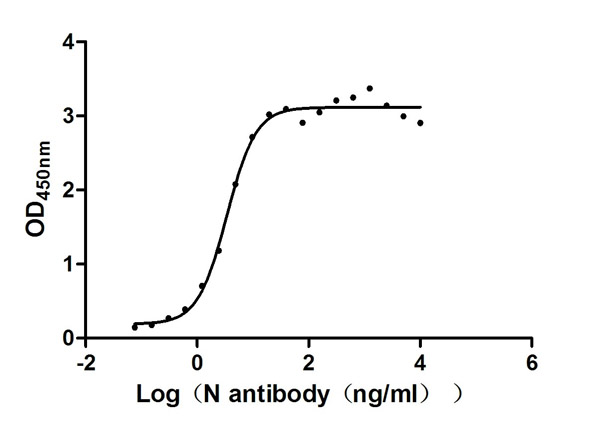
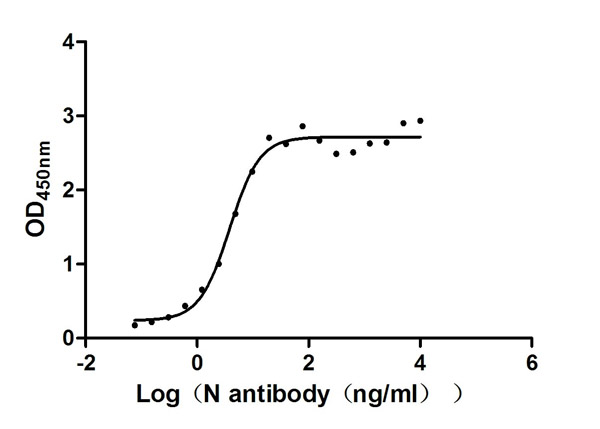
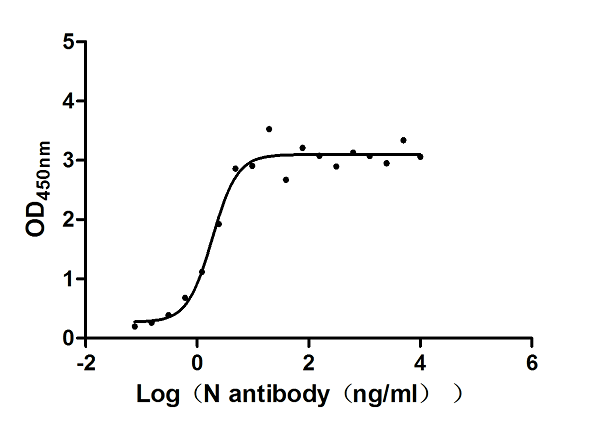
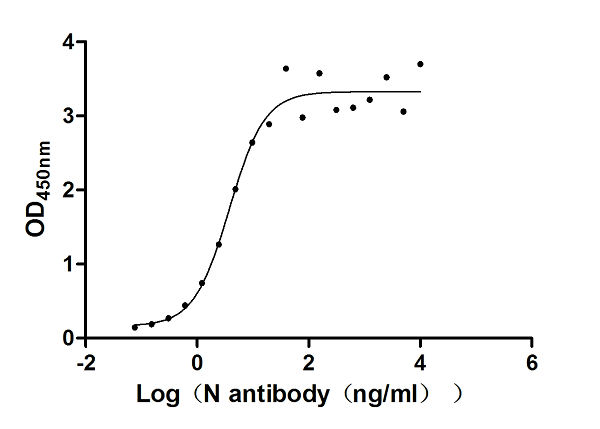
Activity (MBL2 (Mannose-binding protein C) is a calcium-dependent lectin involved in innate immune defense, which binds mannose, fucose and N-acetylglucosamine on different microorganisms, therefore results in activation of the lectin pathway of the complement system. It has been proven that MASP-2 (Mannan-binding lectin serine protease 2) forms complexes with the pattern recognition molecules MBL2, triggers the activation of the complement system. Thus, a functional binding ELISA assay was constructed to detect the association of rhMBL2 with MASP2. Briefly, rhMBL2 were diluted serially in 10mM Tris-HCl, 1M NaCl, 5mM CaCl2, and 0.05%Triton X-100 (pH 7.4). Duplicate samples of 100uL were then transferred to MASP2-coated microtiter wells and incubated for 2h at 37 degree C. Wells were washed with PBST and incubated for 1h with anti-MBL2 mAb, then aspirated and washed 3 times. After incubation with HRP labeled secondary antibody, wells were aspirated and washed 3 times. With the addition of substrate solution , wells were incubated for 15-25 minutes at 37 degree C. Finally, add 50uL stop solution to the wells and read at 450nm immediately.The binding activity of MBL2 with MASP2 was shown in Figure 1 and this effect was in a dose dependent manner.)
Application Data (Measured by its ability to neutralize Activin-mediated inhibition on MPC11 cell proliferation. The ED50 for this effect is typically 20-80 ng/mL in the presence of 10 ng/mL Recombinant Human Activin A.)
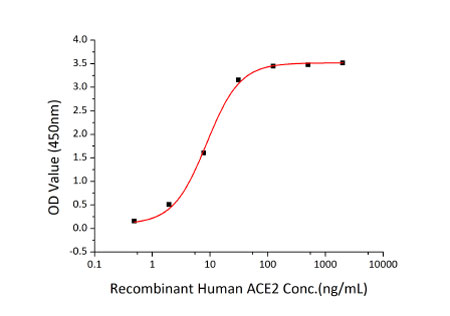
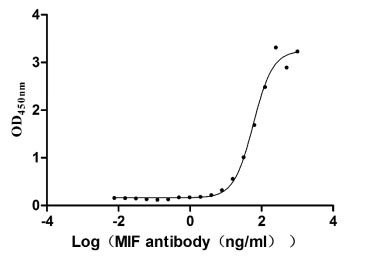
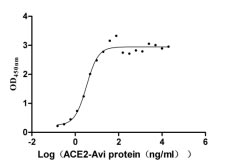
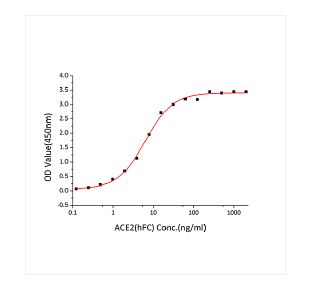
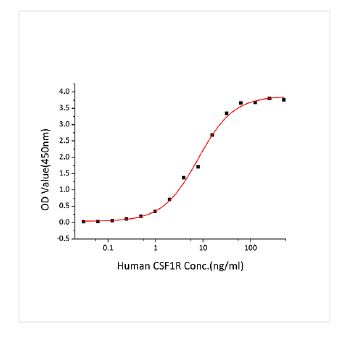
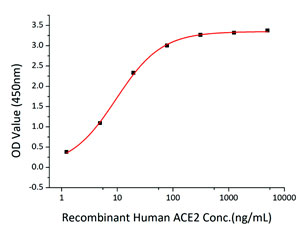
Application Data (Measured by its binding ability in a functional ELISA. Immobilized human ACE2 protein (Fc tag) at 2 ug/mL (100 uL/well) can bind SARS-CoV-2 (2019-nCoV) Spike S1(HV69-70 deletion, Y144 deletion, N501Y, A570D, D614G, P681H)-His, the EC50 of SARS-CoV-2 (2019-nCoV) Spike S1(HV69-70 deletion, Y144 deletion, N501Y, A570D, D614G, P681H)-His is 10-60 ng/mL.)
Bioactivity (Angiogenin (ANG) was initially purified from serum-free media conditioned by growth of a human adenocarcinoma cell line HT-29 based on its ability to initiate vascularization in the chicken embryo chorioallantoic membrane. A number of other tumor, as well as normal, cell lines can also secrete Angiogenin. In addition, Angiogenin is present in normal human plasma at levels as high as 60-120 ng/mL. Surprisingly, Angiogenin has been found to be a member of the ribonuclease superfamily with approximately 35% sequence similarity at the amino acid level with pancreatic RNase. Angiogenin exhibits ribonucleolytic activity that is distinctly different than that of pancreatic RNase A. The ribonucleolytic activity of Angiogenin toward most RNase A substrates is much lower than that of RNase A. Nevertheless, the ribonucleolytic activity of Angiogenin is essential to its angiogenic activity since inhibition of the Angiogenin RNase activity will also abolish angiogenesis activity. The activity of recombinant mouse ANG was measured by its ribonucleolytic activity toward RNA. The result was shown in figure 1, and the rmANG produces a delta Abs260/ug >1.0 in two hours.)
Application Data (Measured by its binding ability in a functional ELISA. Immobilized mouse ST2-His at 10ug/mL (100uL/well) can bind human TMED1-Fc, the EC50 of human TMED1-Fc is 0.05-0.2ug/mL.)
Bioactivity (Antithrombin III, also known as Serpin C1, is a member of the Serpin superfamily of the serine protease inhibitors. It is the principal plasma Serpin of blood clotting proteases and inhibits thrombin as well as several factors such as Xa. Similar to Serpins A5 and D1, its thrombin inhibitory activity is enhanced by heparin. Hereditary and acquired Serpin C1 deficiency is the cause of an increased thrombotic tendency in many cases. For example, acquired Serpin C1 deficiency is a common condition in sepsis, after major trauma or surgery. The activity of recombinant rat antithrombin III was measured by its ability to inhibit thrombin cleavage of a fluorogenic peptide substrate Boc-VPR-AMC in the assay buffer 50 mM Tris, 10 mM CaCl2, 150 mM NaCl, 0.05% (w/v) Brij-35, pH 7.5. Thrombin was diluted to 0.5 U with heparin at 50 ug/ml in the assay buffer and 10 ul different concentrations of recombinant rat antithrombin III (MW: 52.6 KD) was incubated with 10 ul diluted thrombin at 37 degree C for 30 minutes. Loading 50 uL of the incubated mixtures which were diluted five-fold in assay buffer into empty wells of a plate, and start the reaction by adding 50 uL of 200 uM substrate. Include a substrate blank containing 50 uL of assay buffer and 50 uL of 200 uM substrate. Then read at excitiation and emission wavelengths of 380 nm and 460 nm, respectively, in kinetic mode for 5 minutes. The result was shown in Figure 1 and it was obvious that recombinant rat antithrombin III significantly decreased thrombin activity. The inhibition IC50 was )
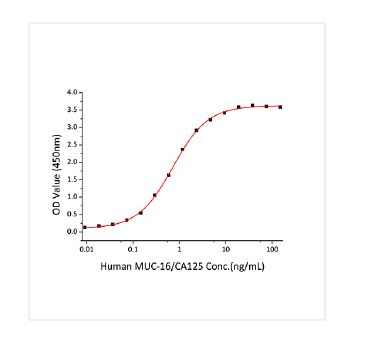
Bioactivity (C-reactive protein (CRP) is an annular (ring-shaped), pentameric protein found in blood plasma, whose levels rise in response to inflammation. It is an acute-phase protein of hepatic origin that increases following interleukin-6 secretion by macrophages and T cells. Its physiological role is to bind to lysophosphatidylcholine expressed on the surface of dead or dying cells (and some types of bacteria) in order to activate the complement system via C1q. Besides, Ficolin 2 (FCN2) has been identified as an interactor of CRP, thus a functional binding ELISA assay was conducted to detect the interaction of recombinant human CRP and recombinant mouse FCN2. Briefly, CRP was diluted serially in PBS with 0.01% BSA (pH 7.4). Duplicate samples of 100 ul were then transferred to FCN2-coated microtiter wells and incubated for 1h at 37 degree C. Wells were washed with PBST and incubated for 1h with anti-CRP pAb, then aspirated and washed 3 times. After incubation with HRP labelled secondary antibody for 1h at 37 degree C, wells were aspirated and washed 5 times. With the addition of substrate solution, wells were incubated 15-25 minutes at 37 degree C. Finally, add 50 uL stop solution to the wells and read at 450/630nm immediately. The binding activity of recombinant human CRP and recombinant mouse FCN2 was shown in Figure 1, the EC50 for this effect is 0.008 ug/mL.)
SDS_PAGE (Figure 2. SDS-PAGESample: Active recombinant SOD3, Mouse)
Application Data (Figure 1 . Gene Sequencing (extract))
Bioactivity (Extracellular superoxide dismutase [Cu-Zn] is an enzyme that in humans is encoded by the SOD3 gene. This gene encodes a member of the superoxide dismutase (SOD) protein family. SODs are antioxidant enzymes that catalyze the dismutation of two superoxide radicals into hydrogen peroxide and oxygen. According to the report, in a weakly alkaline buffer solution (pH=8.2) with N-tris (hydroxymethyl) amino methane-HCL, pyrogallol can occur autoxidation in the air, then SOD can inhibit this reaction. Thus, we use this way to measure the activity of recombinant mouse SOD3. The reaction was performed in adding 30L 50mmol/L pyrogallol to 900L 50mmol/L Tris-HCl in 1.5mL cuvette (1.0cm light path), rapidly mixing at 25,then read at 325nm (zero the spectrophotometer using 50mmol/L Tris-HCl), record the OD value every 30 second for 6 times. Control the pyrogallol autoxidation rate at 0.70 OD/min. After, adding various concentrations of recombinant of SOD3 to 900L 50mmol/L Tris-HCl, incubated for 20min at 25, then adding 30L 50mmol/L pyrogallol to each tube, rapidly mixing and read at 325nm, record the OD value every 30 second for 6 times. Under these conditions, the enzyme amount of 50% per minute inhibition of pyrogallol autooxidation is defined as a unit.)
Bioactivity (Connective Tissue Growth Factor (CTGF), also known as CCN2 is a matricellular protein of the CCN family of extracellular matrix-associated heparin-binding proteins. CTGF has important roles in many biological processes, including cell adhesion, migration, proliferation, angiogenesis, skeletal development, and tissue wound repair, and is critically involved in fibrotic disease and several forms of cancers. As CTGF has the function of cell adhesion, we measure the activity of recombinant human CTGF by the ability of the immobilized protein to support the adhesion of Balb/3T3 mouse embryonic fibroblast cell. When 5 x 10⁴ cells/well are added to different concentrations of recombinat human CTGF coated plates, cells will adhere after 2 hour incubation at 37 degree C. The adhesion of Balb/3T3 after 2 hour incubation at 37 degree C observed by inverted microscope was shown in Figure 1. Cell adherent was in a dose dependent manner, the result was shown in Figure 2, the EC50 was 0.6 ug/ml.)
Bioactivity (Annexin A1 (ANXA1), also known as lipocortin I, belongs to the annexin family of Ca2 -dependent phospholipid-binding proteins that have a molecular weight of approximately 35,000 to 40,000 and are preferentially located on the cytosolic face of the plasma membrane. Annexin A1 protein has an apparent relative molecular mass of 40kDa with phospholipase A2 inhibitory activity. Besides, S100 Calcium Binding Protein A11 (S100A11) has been identified as an interactor of ANXA1, thus a binding ELISA assay was conducted to detect the interaction of recombinant human ANXA1 and recombinant human S100A11. Briefly, ANXA1 were diluted serially in PBS, with 0.01% BSA (pH 7.4). Duplicate samples of 100L were then transferred to S100A11-coated microtiter wells and incubated for 2h at 37. Wells were washed with PBST and incubated for 1h with anti-ANXA1 pAb, then aspirated and washed 3 times. After incubation with HRP labelled secondary antibody, wells were aspirated and washed 3 times. With the addition of substrate solution, wells were incubated 15-25 minutes at 37. Finally, add 50uL stop solution to the wells and read at 450nm immediately. The binding activity of ANXA1 and S100A11 was shown in Figure 1, and this effect was in a dose dependent manner.Figure. The binding activity of ANXA1 with S100A11.)
Bioactivity (E-Cadherin, also known as Uvomorulin in the mouse and rat, is a 120 kDa member of the Cadherin family of cell surface glycoproteins that mediate cell adhesion. Human E-Cadherin shares 81% amino acid sequence identity with the rat and mouse proteins. It is a single-pass transmembrane protein that mediates calcium-dependent epithelial cell adhesion. As E-cadherin has the function of cell adhesion, we measure the activity of recombinant human E-cadherin by the ability of the immobilized protein to support the adhesion of MCF7 human breast cancer cells. When 5 x 10⁴ cells/well are added to different concentrations of recombinat human E-cadherin coated plates, cells will adhere after 2 hour incubation at 37 degree C. The adhesion of MCF7 after 2 hour incubation at 37 degree C observed by inverted microscope was shown in Figure 1. Cell adherent was in a dose dependent manner, the result was shown in Figure 2, the EC50 was 0.23 ug/ml.)
Bioactivity (Maltose binding protein (MBP) encoded by the malE gene in Escherichia coli, is a 44-kD monomeric periplasmic protein. MBP is component of the Escherichia coli maltose/maltodextrin system, which regulates the uptake and catabolism of maltrodextrins as part of the chemotactic response. This protein is used in recombinant protein expression as an affinity and solubility tag. Glutathione S Transferase Alpha 3 (GSTa3) has been identified as an interactor of MBP, thus a functional binding ELISA assay was conducted to detect the interaction of recombinant MBP and recombinant mouse GSTa3. Briefly, biotin-linked MBP were diluted serially in PBS, with 0.01% BSA (pH 7.4). Duplicate samples of 100 ul were then transferred to GSTa3-coated microtiter wells and incubated for 1h at 37 degree C. Wells were washed with PBST 3 times and incubation with Streptavidin-HRP for 30min, then wells were aspirated and washed 5 times. With the addition of substrate solution, wells were incubated 15-25 minutes at 37 degree C. Finally, add 50 ul stop solution to the wells and read at 450 nm immediately. The binding activity of recombinant MBP and recombinant mouse GSTa3 was shown in Figure 1, the EC50 for this effect is 0.46 ug/mL.)
Application Data (Immobilized ACE2 Protein, Human, Recombinant (mFc Tag) at 2 ug/mL (100 uL/well) can bind SARS-CoV-2 Spike S1+S2 (YH145-146 deletion, E484K, D614G) Protein (ECD, His Tag), the EC50 of SARS-CoV-2 Spike S1+S2 (YH145-146 deletion, E484K, D614G) Protein (ECD, His Tag) is 100-700ng/mL.)
Bioactivity (One unit of enzyme activity is defined as the 1 ug of enzyme required to convert 1 pmol of 4-Nitrophenyl acetate to 4-Nitrophenol in 1min at 37 degree C. The specific activity of recombinant mouse CA4 is > 50 pmol/min/ug.)
Bioactivity (Carbonic Anhydrase (CA) catalyzes the reversible reaction of CO2 H2O = HCO3- H, which is fundamental to many processes such as respiration, renal tubular acidification and bone resorption. CA4 is a GPIanchored membrane enzyme expressed on the luminal surfaces of pulmonary (and certain other) capillaries and of proximal renal tubules. It functions as the principal CO2 taste sensor. The activity of recombinant mouse CA4 was measured by its ability to hydrolyze 4-Nitrophenyl acetate (4-NPA) to 4-Nitrophenol. The reaction was performed in 12.5 mM Tris, 75 mM NaCl, pH 7.5 (assay buffer), initiated by addition 50 uL of various concentrations of CA4 (diluted by assay buffer) to 50 uL of 2 mM substrate 4-NPA (100 mM stock in Acetone, diluted by assay buffer). Incubated at 37 degree C for 5min, then read at a wavelength of 400 nm.)
Bioactivity (Carbonic Anhydrase (CA) catalyzes the reversible reaction of CO2 H2O = HCO3- H, which is fundamental to many processes such as respiration, renal tubular acidification and bone resorption. CA2 is a cytosolic enzyme with the highest activity among all known CAs. Mutations in the CA2 gene result in the CA II deficiency syndrome, an autosomal recessive disorder that produces osteopetrosis, renal tubular acidosis and cerebral calcification. The activity of recombinant human CA2 was measured by its ability to hydrolyze 4-Nitrophenyl acetate (4-NPA) to 4-Nitrophenol. The reaction was performed in 12.5 mM Tris, 75 mM NaCl, pH 7.5 (assay buffer), initiated by addition 50 uL of various concentrations of CA2 (diluted by assay buffer) to 50 uL of 2 mM substrate 4-NPA (100 mM stock in Acetone, diluted by assay buffer). Incubated at 37 degree C for 5min, then read at a wavelength of 400 nm.)
Bioactivity (Collagen alpha-1(VI) chain (COL6a1) is a protein that in humans, the collagens are a superfamily of proteins that play a role in maintaining the integrity of various tissues. Collagens are extracellular matrix proteins and have a triple-helical domain as their common structural element. Besides, Integrin Alpha V (ITGaV) has been identified as an interactor of COL6A1, thus a functional binding ELISA assay was conducted to detect the interaction of recombinant human COL6a1 and recombinant human ITGaV. Briefly, COL6a1 were diluted serially in PBS, with 0.01% BSA (pH 7.4). Duplicate samples of 100 ul were then transferred to ITGaV -coated microtiter wells and incubated for 2h at 37 degree C. Wells were washed with PBST and incubated for 1h with anti-COL6a1 pAb, then aspirated and washed 3 times. After incubation with HRP labelled secondary antibody, wells were aspirated and washed 5 times. With the addition of substrate solution, wells were incubated 15-25 minutes at 37 degree C. Finally, add 50 uL stop solution to the wells and read at 450/630 nm immediately. The binding activity of recombinant human COL6a1 and recombinant human ITGaV was shown in Figure 1, the EC50 for this effect is 0.19 ug/mL.)
Bioactivity (Retinol-binding protein 4 (RBP4) is the specific carrier for retinol (also known as vitamin A), and is responsible for the conversion of unstable and insoluble retinol in aqueous solution into stable and soluble complex in plasma through their tight interaction. As a member of the lipocalin superfamily, RBP4 containing a beta-barrel structure with a well-defined cavity is secreted from the liver, and in turn delivers retinol from the liver stores to the peripheral tissues. In plasma, the RBP4-retinol complex interacts with transthyretin (TTR), and this binding is crucial for preventing RBP4 excretion through the kidney glomeruli. RBP4 expressed from an ectopic source efficiently delivers retinol to the eyes, and its deficiency affects night vision largely. Recently, RBP4 as an adipokine, is found to be expressed in adipose tissue and correlated with obesity, insulin resistance (IR) and type 2 diabetes (T2DM). The activity of recombinant chicken RBP4 was measured by its ability to bind all-trans retinoic acid. The binding of retinoic acid results in the quenching of Trp fluorescence in RBP4. RBP4 was diluted to 50 ug/ml in 50 mM Tris, 10 mM CaCl2, 150 mM NaCl, pH 7.5 (assay buffer) and the retinoic acid was diluted to 800, 400, 200, 100, 30, 10, 3, 1, 0.5 and 0.1 uM in 95% ethanol. Mixing 112.5 uL of 50 ug/mL rgRBP4 and 12.5 uL of retinoic acid serial dilutions in microtubes and a blank containing 112.5 uL of 50 ug/mL rgRBP4 and 12.5 uL of 95% ethanol, then incubate at room temperature for 30 minutes. Loading 100 ul of the reaction mixtures and blank and read at excitation and emission wavelengths of 280 nm and 340 nm (top read), respectively, in endpoint mode. The result was shown in figure 1, the 50% binding concentration (BC50) is >50 uM.)
Bioactivity (Neutrophil elastase (NE), also known as polymorphonuclear leukocyte elastase, is a major protease in the primary granules of neutrophils, is involved in microbicidal activity. It is located primarily in the azurophil granules of polymorphonuclear leukocytes. NE is an important factor promoting inflammation, has bactericidal effects, and shortens the inflammatory process. NE also regulates tumor growth by promoting metastasis and tumor microenvironment remodeling. However, NE plays a role in killing tumors under certain conditions and promotes other diseases such as pulmonary ventilation dysfunction. Additionally, it plays a complex role in various physiological processes and mediates several diseases. Myeloperoxidase (MPO) has been identified as an interactor of NE, thus a functional binding ELISA assay was conducted to detect the interaction of recombinant human NE and recombinant rat MPO. Briefly, biotin-linked NE were diluted serially in PBS, with 0.01% BSA (pH 7.4). Duplicate samples of 100 ul were then transferred to MPO-coated microtiter wells and incubated for 1h at 37 degree C. Wells were washed with PBST 3 times and incubation with Streptavidin-HRP for 30min, then wells were aspirated and washed 5 times. With the addition of substrate solution, wells were incubated 15-25 minutes at 37 degree C. Finally, add 50 ul stop solution to the wells and read at 450 nm immediately. The binding activity of recombinant human NE and recombinant rat MPO was shown in Figure 1, the EC50 for this effect is 0.66 ug/mL.)
Bioactivity (Ephrin-A4, also known as EFNA4 and EFL-4, is a member of the ligand of the EPH family. It is mainly expressed in the spleen, lymph nodes, ovary, small intestine, and colon of adults, as well as in the heart, lungs, liver, and kidneys of the fetus. It is involved in the development of neurons, blood vessels, and epithelium by regulating cell migration, rejection, and adhesion. Ephrin-A4 has been shown to bind EphA1,EphA2, EphA3, EphA4, EphA5, EphA6, EphA7 and EphB1. Thus a functional binding ELISA assay was conducted to detect the interaction of recombinant mouse EFNA4 and recombinant mouse EPHA1. Briefly, EFNA4 was diluted serially in PBS with 0.01% BSA (pH 7.4). Duplicate samples of 100 ul were then transferred to EphA1-coated microtiter wells and incubated for 1h at 37 degree C. Wells were washed with PBST and incubated for 1h with anti-EFNA4 pAb, then aspirated and washed 3 times. After incubation with HRP labelled secondary antibody for 1h at 37 degree C, wells were aspirated and washed 5 times. With the addition of substrate solution, wells were incubated 15-25 minutes at 37 degree C. Finally, add 50 uL stop solution to the wells and read at 450/630 nm immediately. The binding activity of recombinant mouse EFNA4 and recombinant mouse EphA1 was shown in Figure 1, the EC50 for this effect is 0.06 ug/mL.)
Bioactivity (Caspase 3 is a member of the cysteine-aspartic acid protease (caspase) family. Sequential activation of caspases plays a central role in the execution-phase of cell apoptosis. Caspases exist as inactive proenzymes that undergo proteolytic processing at conserved aspartic residues to produce two subunits, large and small, that dimerize to form the active enzyme. This protein cleaves and activates caspase 6 and 7; and the protein itself is processed and activated by caspases 8, 9, and 10. Caspase 3 can hydrolyze the peptide substrate acetyl-Asp-Glu-Val-Asp-p-nitroanilide (Ac-DEVD-pNA) resulting in the release of the p-nitroaniline (pNA) moiety. p-Nitroaniline has a high absorbance at 405 nm. Thus the activity of recombinant mouse caspase 3 can be measuered by calculating the concentration of the pNA released from the substrate. The reaction was performed in adding 50 ul 2×buffer (50mM HEPES,100mM NaCl,10mM DTT, 2mM EDTA, 10% glycerol) to 96 well plates, then add 50 ul various concentrations of caspase 3 (diluted by 1×buffer, 25mM HEPES, 50mM NaCl, 5mM DTT, 1mM EDTA, 5% glycerol) to each well, finally, add 5 ul 4mM Ac-DEVD-pNA to each well. Cover the 96 well plates and incubate at 37 degree C for 1h. p-Nitroaniline (pNA) Standard curve prepare by double dilute 200 uM pNA with 1×buffer and record the OD value at 405 nm. The specific activity of recombinant mouse caspase3 is >3000 pmol/min/ug.)
Application Data (BMP-2 BioLISA using recombinant human soluble BMPR-IA for capturing and recombinant human BMP-2 as standard. A rabbit anti-human BMP-2 antibody in combination with an goat anti-rabbit Biotin antibody was used for detection.)
Bioactivity (Myoglobin (symbol Mb or MB or MYO) is an iron- and oxygen-binding protein found in the muscle tissue of vertebrates in general and in almost all mammals. It is related to hemoglobin, which is the iron- and oxygen-binding protein in blood, specifically in the red blood cells. Myoglobin is found in Type I muscle, Type II A and Type II B, but most texts consider myoglobin not to be found in smooth muscle. Besides, Proteasome 26S Subunit, Non ATPase 4 (PSMD4) has been identified as an interactor of MYO, thus a binding ELISA assay was conducted to detect the interaction of recombinant human MYO and recombinant human PSMD4 Briefly, MYO were diluted serially in PBS, with 0.01% BSA (pH 7.4). Duplicate samples of 100L were then transferred to PSMD4-coated microtiter wells and incubated for 2h at 37. Wells were washed with PBST and incubated for 1h with anti-MYO pAb, then aspirated and washed 3 times. After incubation with HRP labelled secondary antibody, wells were aspirated and washed 3 times. With the addition of substrate solution, wells were incubated 15-25 minutes at 37. Finally, add 50uL stop solution to the wells and read at 450nm immediately. The binding activity of MYO and PSMD4 was shown in Figure 1, and this effect was in a dose dependent manner.Figure. The binding activity of MYO with PSMD4.)
WB (Western Blot) (Figure. Western Blot; Sample: Recombinant MYO, Human; Antibody: Rabbit Anti-Human MYO Ab (PAA480Hu01))
Application Data (Conditioned media from BMPC regulates miR-155 expression and fibrogenic response in mouse cardiac fibroblasts in vitro.Neutralizing antibodies against HGF (HGF-Ab) reversed this effect as compared to IgG treated cells.)
Application Data (Met knockdown reduces BxPC-3 and ASPC-1 cell survival.BxPC-3 or ASPC-1 cells infected with recombinant lentivirus expressing Met knockdown shRNAs (2 or 5) or a non targeting shRNA were treated without or with HGF and examined by Western analysis for pMet (Y1234/1235), Met, pErk1/2, Erk1/2, pAKT, AKT and ?-actin levels (n?=?3).)
Bioactivity (B-Lymphocyte Activation Antigen B7-1 (CD80) is a membrane receptor that is activated by the binding of CD28 or CTLA-4. The activated protein induces T-cell proliferation and cytokine production. This protein can act as a receptor for adenovirus subgroup B)
Application Data (Mechanism: MMP2 is a zinc-dependent enzymes capable of cleaving components of the extracellular matrix, which belongs to the matrix metalloproteinase (MMP) family.It is a gelatinase A, 72kDa type IV collagenase which can hydrolyze gelatin under certain conditions. Gelatin zymography is mainly used for the detection of the gelatinases, MMP-2 and MMP-9 and It is extremely sensitive because levels of 10pg of MMP-2 can already be detected. Briefly, various concentrations of MMP2 were denatured by SDS loading buffer, electrophoresed through sodium dodecylsulphate–polyacrylamide gel (SDS–PAGE; 10% gels) containing gelatin (1 mg/mL) with nonreducing conditions. After renaturation, incubation and CCB-stained, active MMP2 would hydrolyze gelatin nearby, which was indicated by the white binds on the gel. In this experiment we use heat-denatured MMP2 protein as negative control, and blood sample as positive control.Result: Gelatin hydrolysis by recombinant mouse MMP2 was shown in figure 1.Figure 1. Hydrolysis of gelatin by recombinant mouse MMP2.)
Proteins are large molecules made up of long chains of amino acids.
They will typically fold into a very particular 3-dimensional shape/conformation, that is sometimes referred to as their “native” form, which allows them to work properly in the body. For the purposes of product categorization, AAA Biotech will typically refer to proteins purified from their original animal host as being “native” proteins (this is to signify their difference compared to their “recombinant” or “synthetic” protein counterparts).
If a protein successfully folds into the correct shape, it is will typically display high fidelity characteristics to its original protein in its original animal host, and be classified as an active protein, as it will be able to function “normally” in most enzymatic or binding capacities. If it loses this shape, due to factors such as heat or strong chemicals (such as detergents), it becomes inactive and is no longer able to perform its basic functions. All of the proteins in this category are made under strict quality control, and they are active, pure, low in contaminants, and stable.
Most are stored as freeze-dried powders and come without extra tags, so they’re very close to the actual natural/native form.
Key Applications of Active Proteins
1. Scientific Research
Aid in the study of how proteins function in the body
Aid in understanding various disease processes
2. Drug Development
Powerful tools to investigate how potential drugs interact with specific proteins
Ideal for identifying drug targets
3. Cell Culture
Are routinely utilized to support cell growth and function (e.g., using exogenous growth factors)
Can be used to promote cellular development into specific types (differentiation)
4. Diagnostics
Regularly utilized in tests to detect diseases or infections (e.g., COVID-19, cancer)
Note: All products are strictly for research-use only (RUO).
5. Therapeutics
Some active proteins are used directly as treatments (e.g., insulin, enzymes)
Note: All products are strictly for research-use only (RUO).
6. Vaccine Development
Used to create or test vaccines by mimicking parts of viruses or bacteria
7. Biochemical Assays
They can facilitate the characterization of enzyme activity, binding strength, or protein interactions in lab tests
Why Buy Active Proteins from AAA Biotech?
High biological activity – Verified to perform as expected or indicated on datasheet
Strict quality control – We are confident in our active proteins’ reliability and consistency
High purity & low endotoxin – Ideal for applications involving sensitive or precious samples/components
Freeze-dried for stability – Long shelf life and straightforward storage
Mostly tag-free – Closer to natural/native protein form
FAQ
1. What are active proteins used for in research?
Active proteins are used primarily in the study of how proteins function, in characterizing/discovering drug interactions, supporting cell growth, running biochemical assays, and in development of diagnostics or therapeutics.
2. How are AAA Biotech's active proteins validated?
AAA Biotech’s active proteins are validated through strict quality control and functional assays to ensure they are properly folded and active. “Active”, though, can be an ambiguous term, so if a specific “activity” or “binding” capability of a protein is of crucial interest to you, please inquire with us prior to purchase, and we will provide further details on how the “Active” modifier was determined to be applicable.
3. Are these proteins tested for biological activity?
Yes, all active proteins from AAA Biotech are tested to confirm they have the expected biological activity before being offered for use. Though, said “biological activity” can be either “enzymatic”, “binding”, or both.
Submit a Question
Please complete the form below and a representative will contact you as soon as possible.
Request more Information
Please complete the form below and a representative will contact you as soon as possible.
Request a Manual
Please complete the form below and a representative will contact you as soon as possible.
Request a Quote
Please complete the form below and a representative will contact you as soon as possible.