

Cynthia's Blogs

Antibody Validation Methods: KO, Knockdown & Orthogonal Approaches
Key Takeaways
Antibody validation confirms that an antibody detects its intended target with...

A Beginner's Guide to Immunohistochemistry
Key Takeaways
Immunohistochemistry (IHC) uses antibodies to detect and locate specific proteins within...
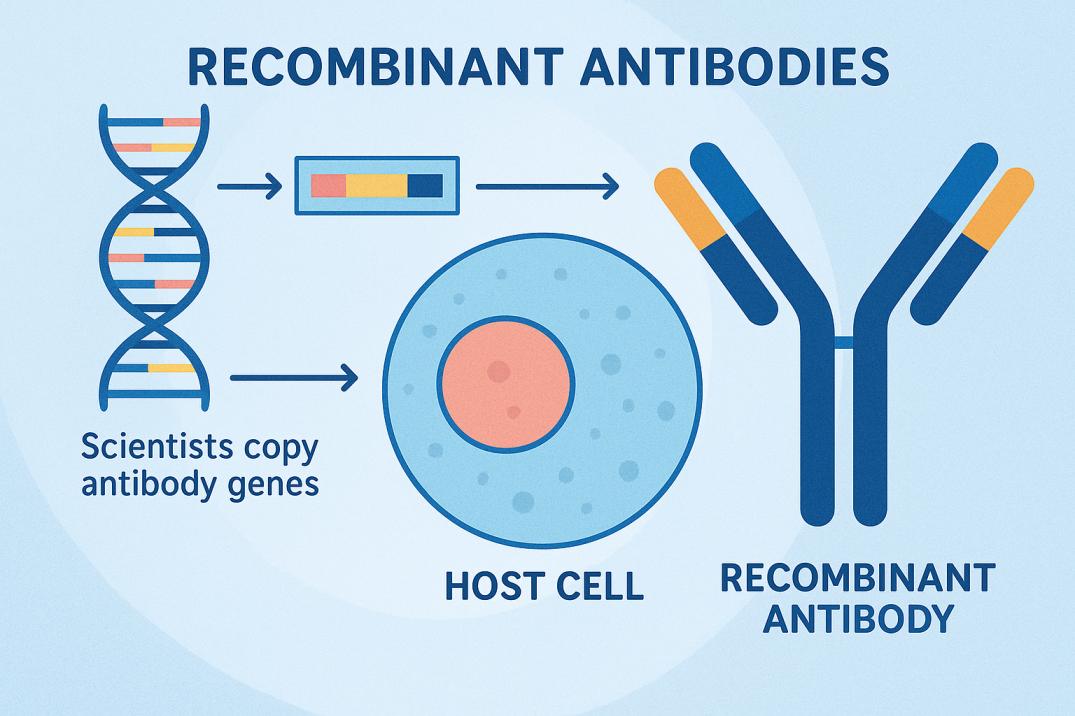
Recombinant Antibody Overview: Description, Production, and Applications
An Overview
Recombinant antibodies are lab-made alternatives to traditional monoclonal antibodies. No animals...

What Are Antibodies: Structure, Function & Types
7 Key Takeaways
Antibodies are proteins that help defend the body against harmful...

Primary Vs Secondary Antibodies: What's The Difference
Key Takeaways
Primary antibodies bind directly to the target antigen, while secondary antibodies...
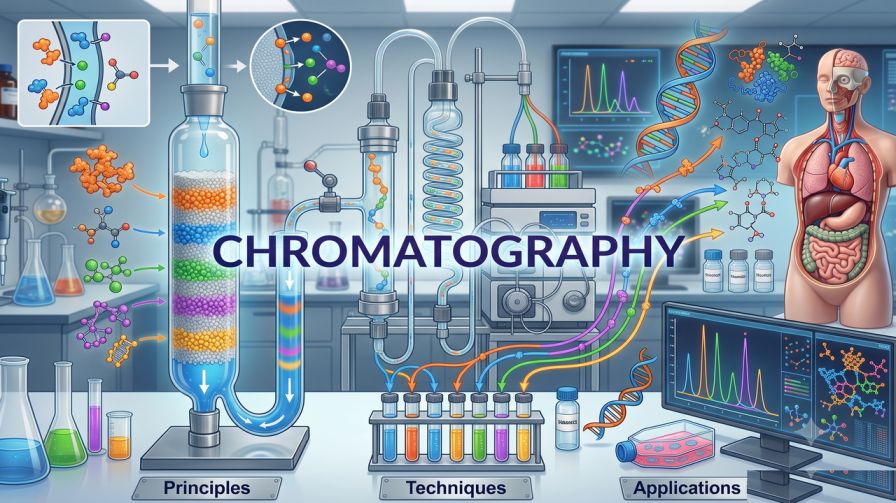
Chromatography: Principles, Techniques, and Applications in Life Science
5 Key Takeaways
Chromatography separates mixtures by differential affinity between components and two...

Western Blot Antibodies: Selection, Dilution & Troubleshooting
Selecting and diluting the right Western blot antibody is one of the biggest factors in getting accurate protein detection. The...
Hantavirus Symptoms, Diagnosis, and Research Tools: A Complete Scientific Guide (2026)
Quick Overview
Hantavirus is a group of negative-sense RNA viruses carried by rodents...
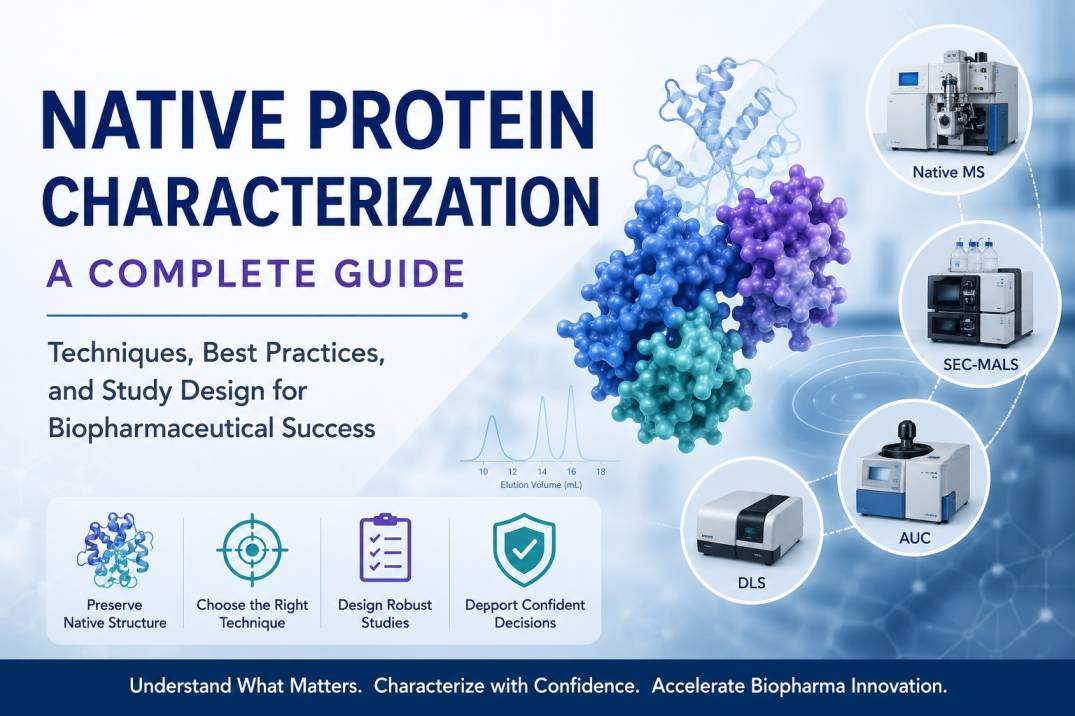
Native Protein Characterization: Techniques, Applications, and Best Practices for Researchers
Native Protein Characterization at a Glance
Native protein characterization is the study of...
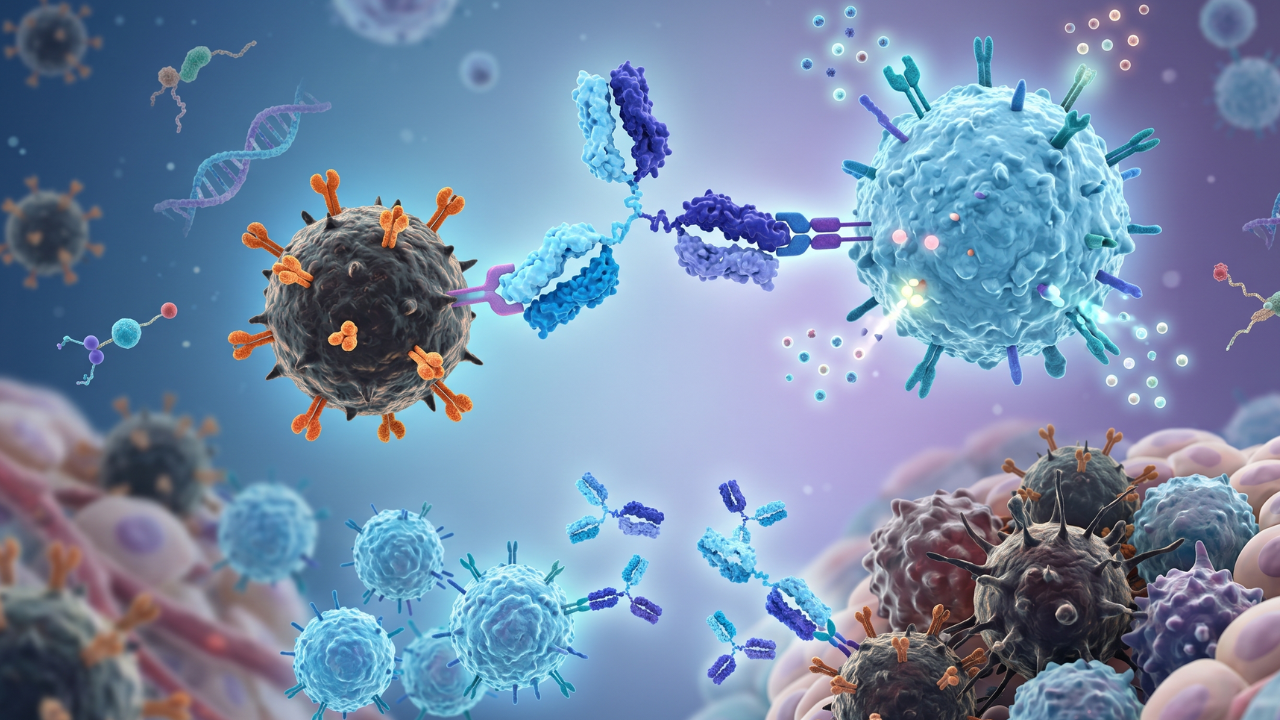
Bispecific Antibodies: How They Work and Their Role in Cancer Therapy
Key Learnings
Bispecific antibodies have a dual-action mechanism, linking immune cells directly to...
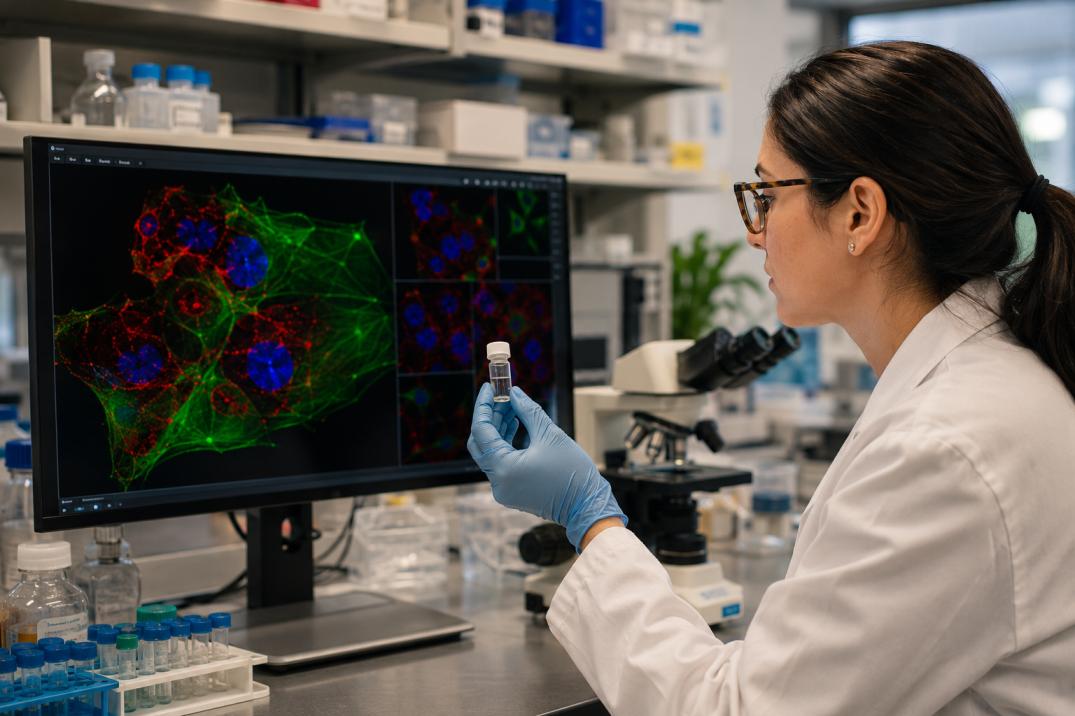
Secondary Antibodies: How to Choose the Right One and Avoid Cross-Reactivity
Key Takeaways
A secondary antibody binds to the primary antibody, not directly to...

Epitope Mapping: Methods and Why It's Critical for Antibody Development
Summary
Epitope mapping identifies the exact site on an antigen where an antibody...

Antibody Storage: How to Preserve Monoclonal Antibodies
Key Takeaways
Antibody storage temperature is the single most critical variable: 4 degrees...
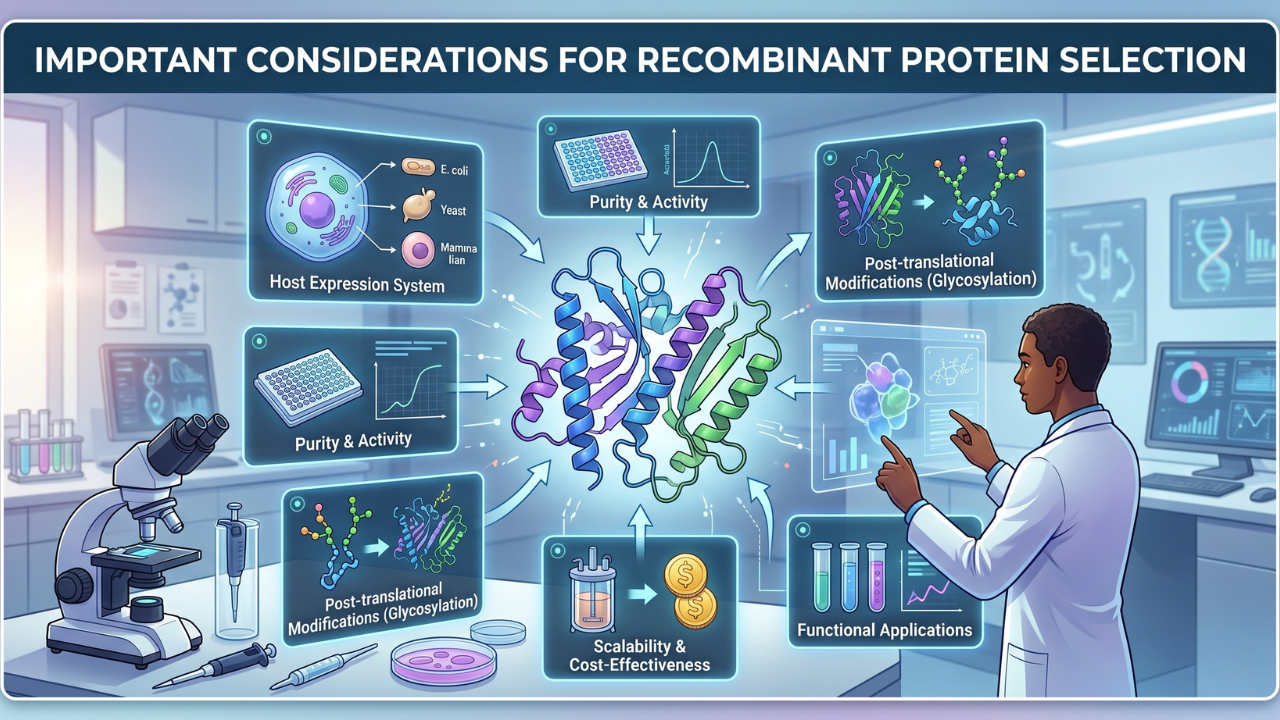
Important Considerations for Recombinant Protein Selection
Key Takeaways
The expression system matters first. It determines folding, post-translational modifications, and...

Nanobodies (Single-Domain Antibodies): Structure & Applications
5 Major Key Takeaways
Nanobodies are the smallest functional antibody fragments (~15 kDa),...